

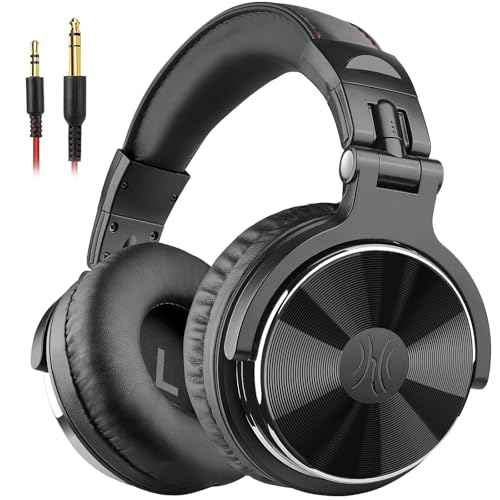





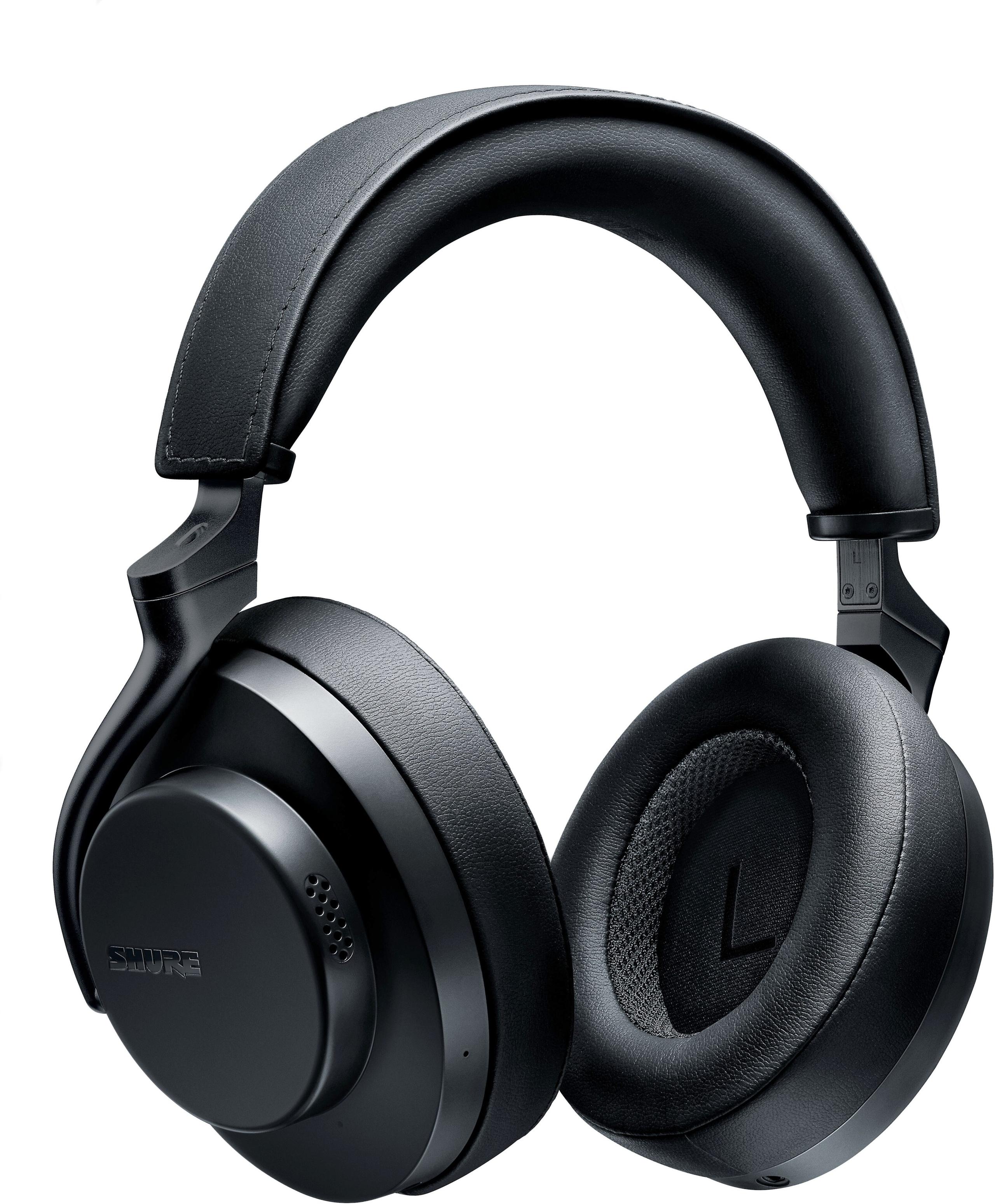
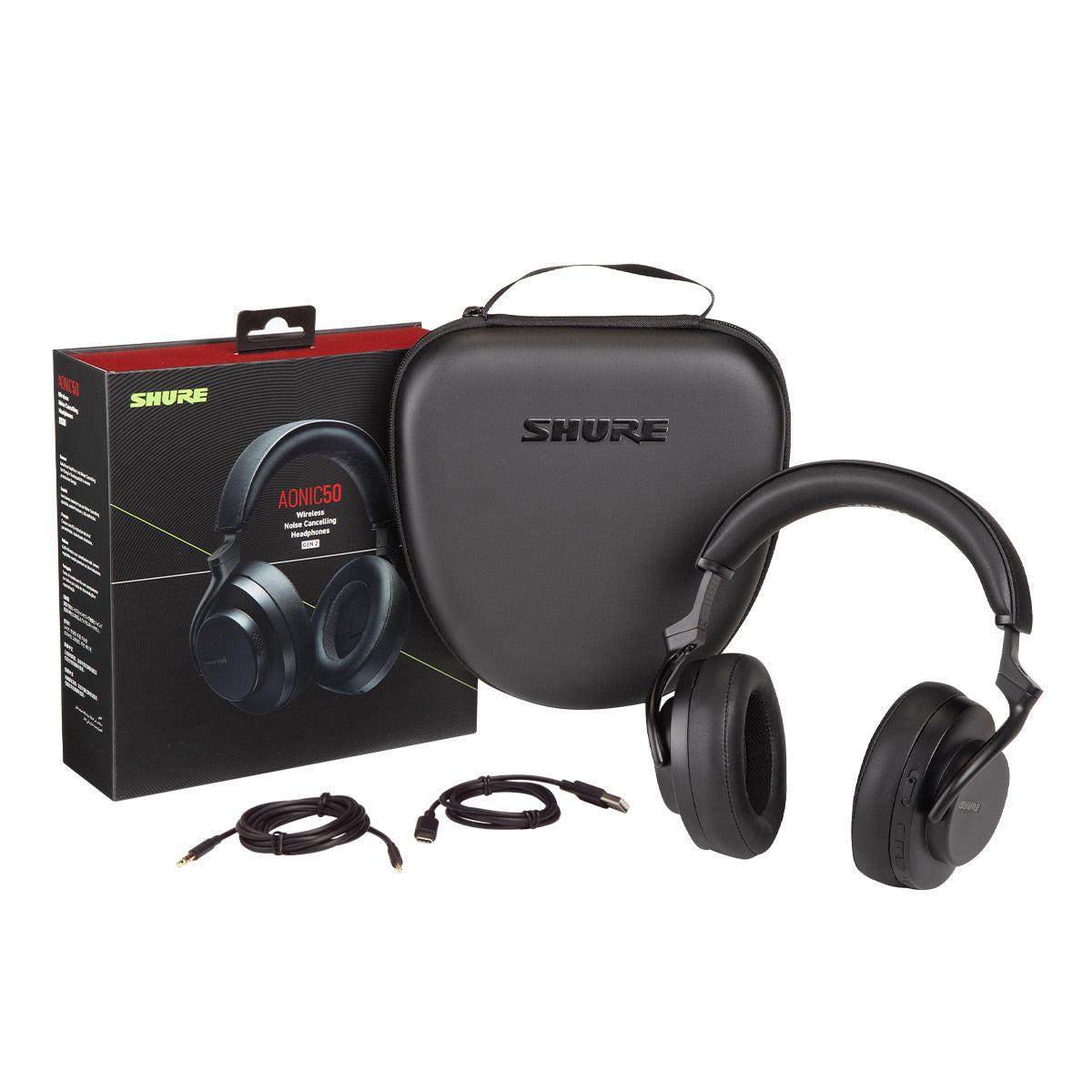
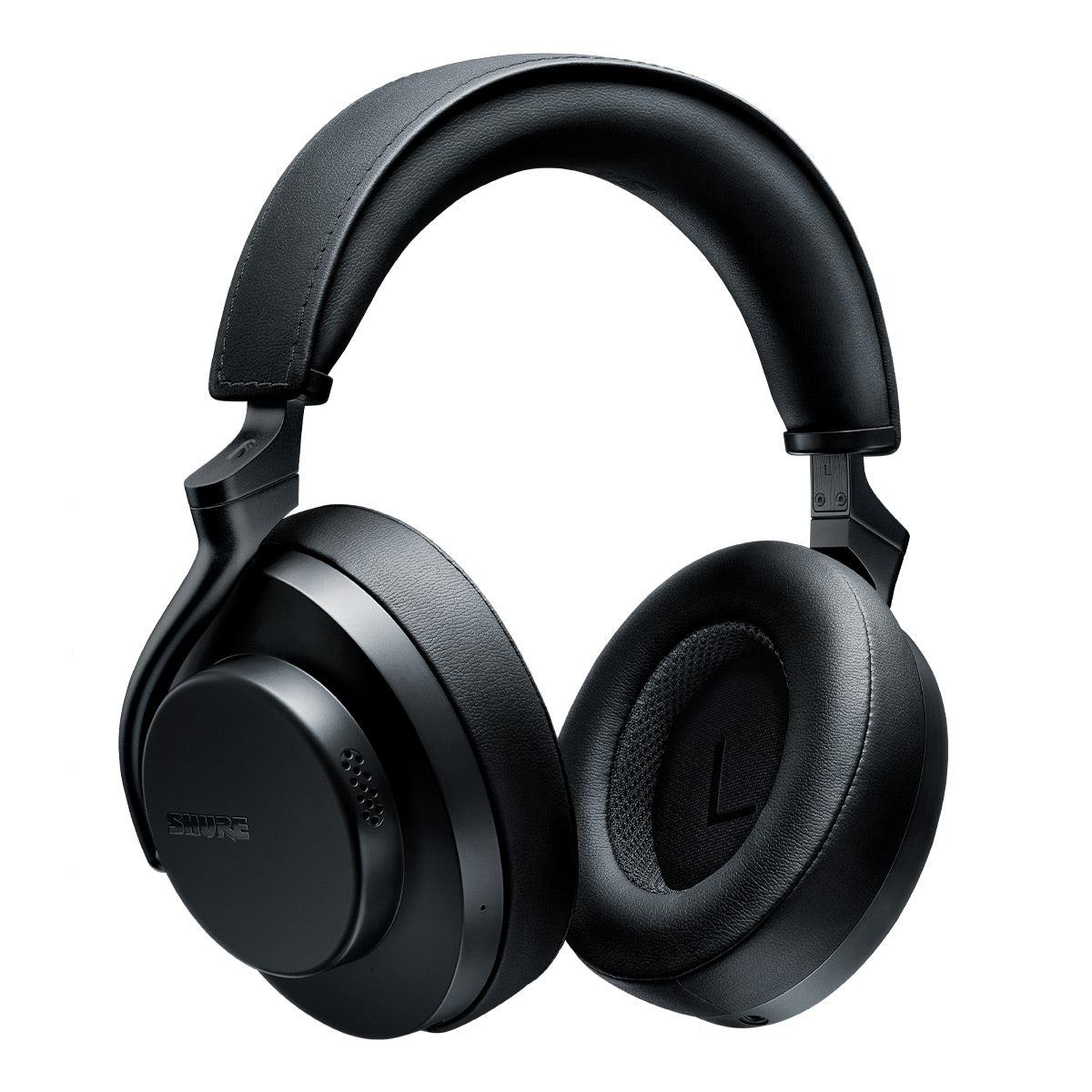

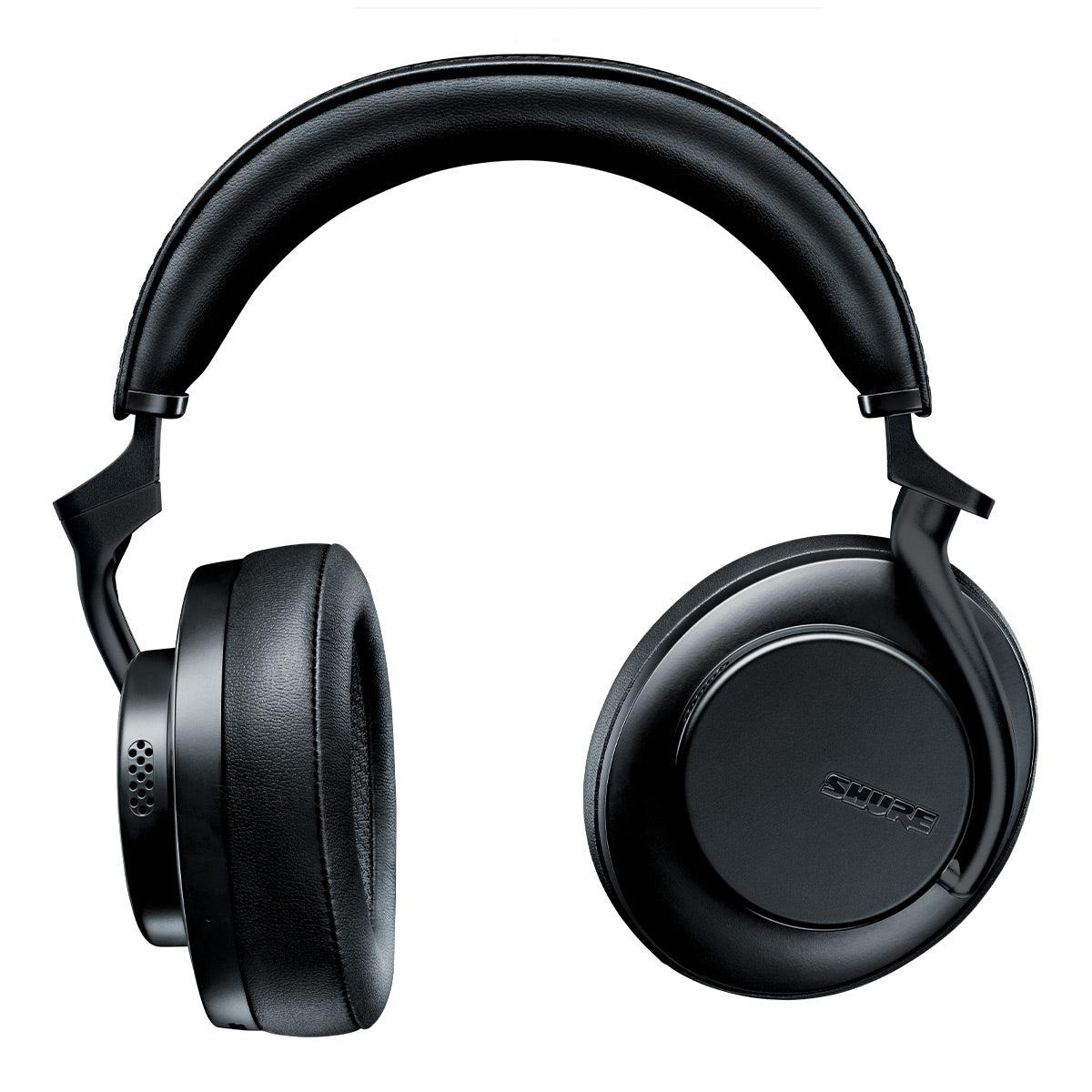
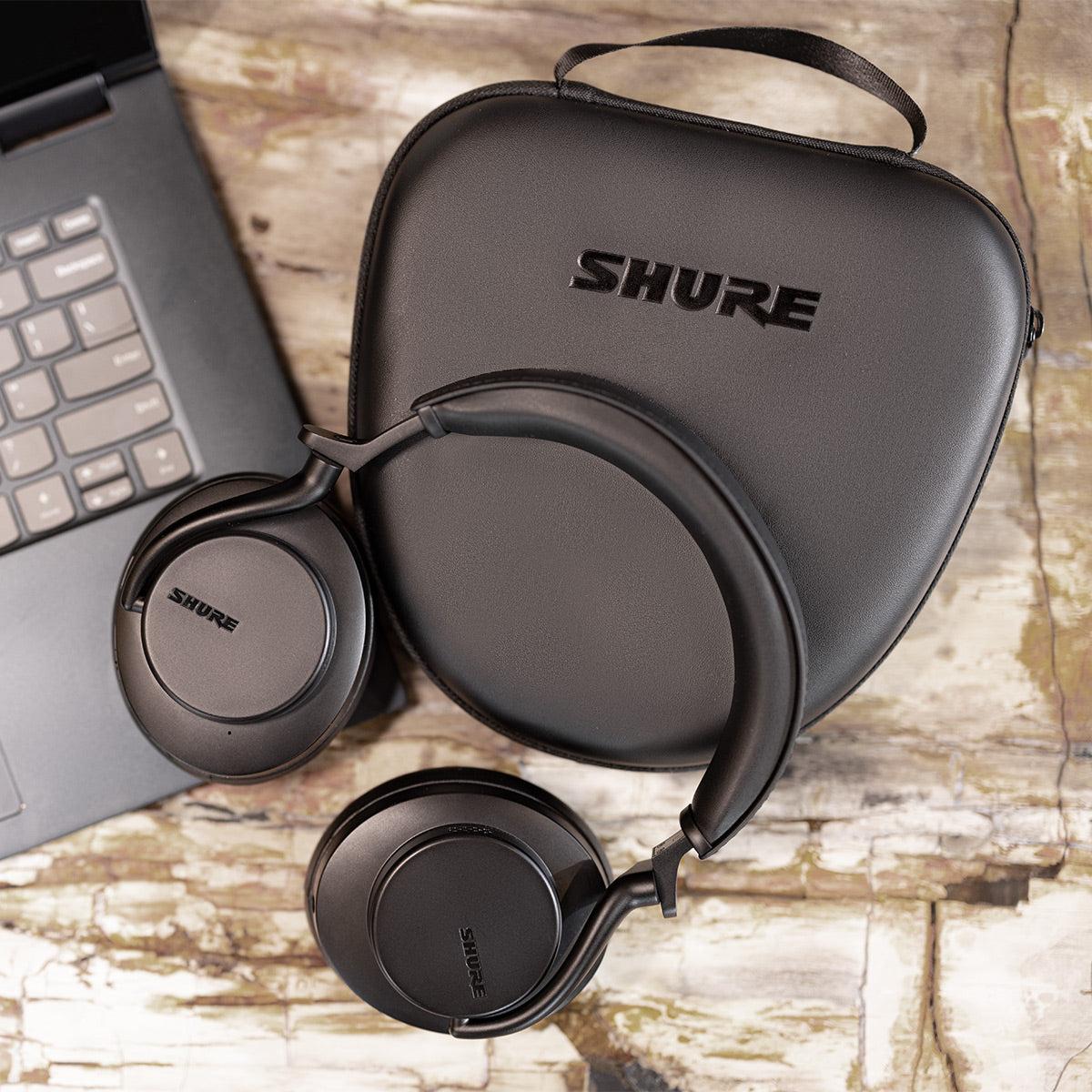
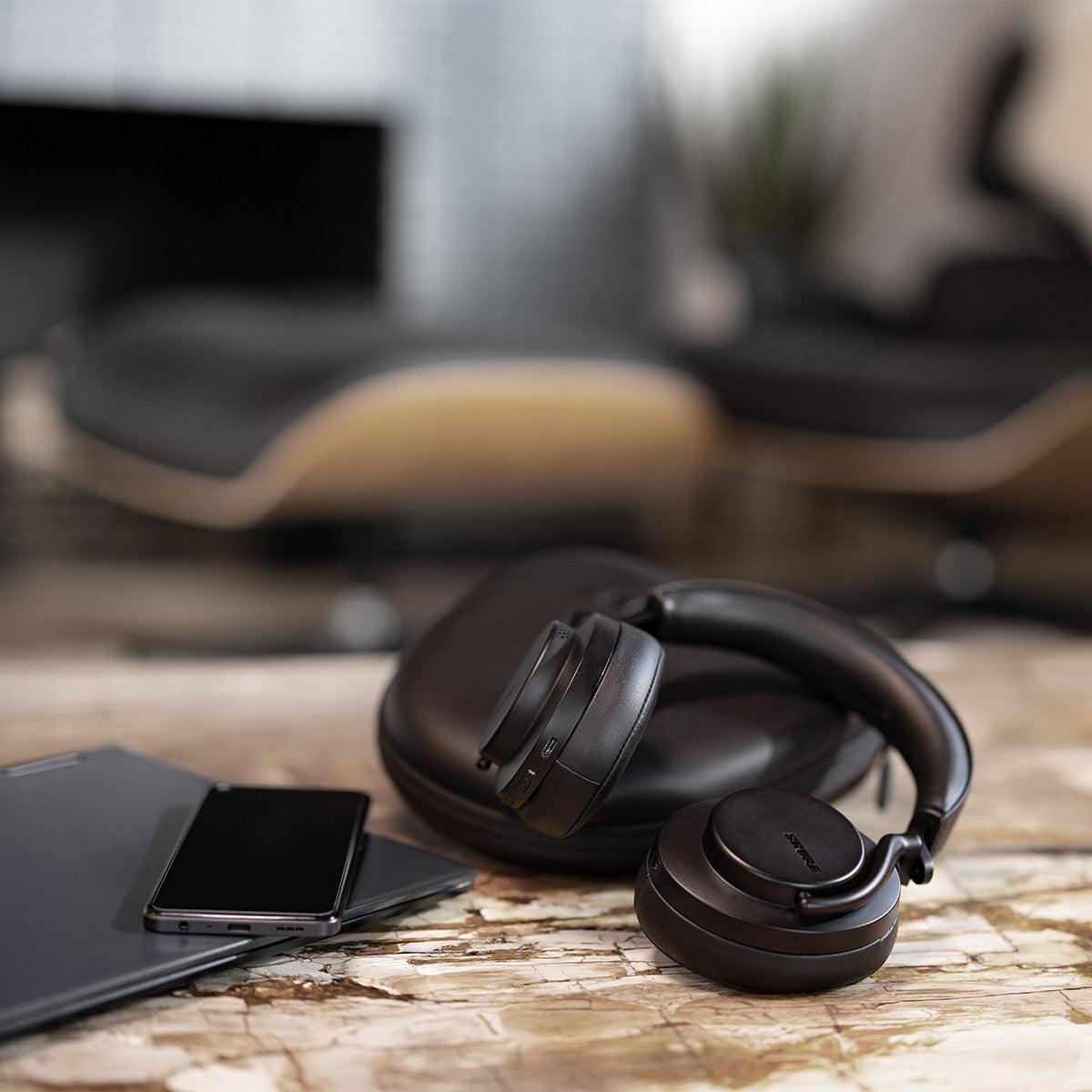
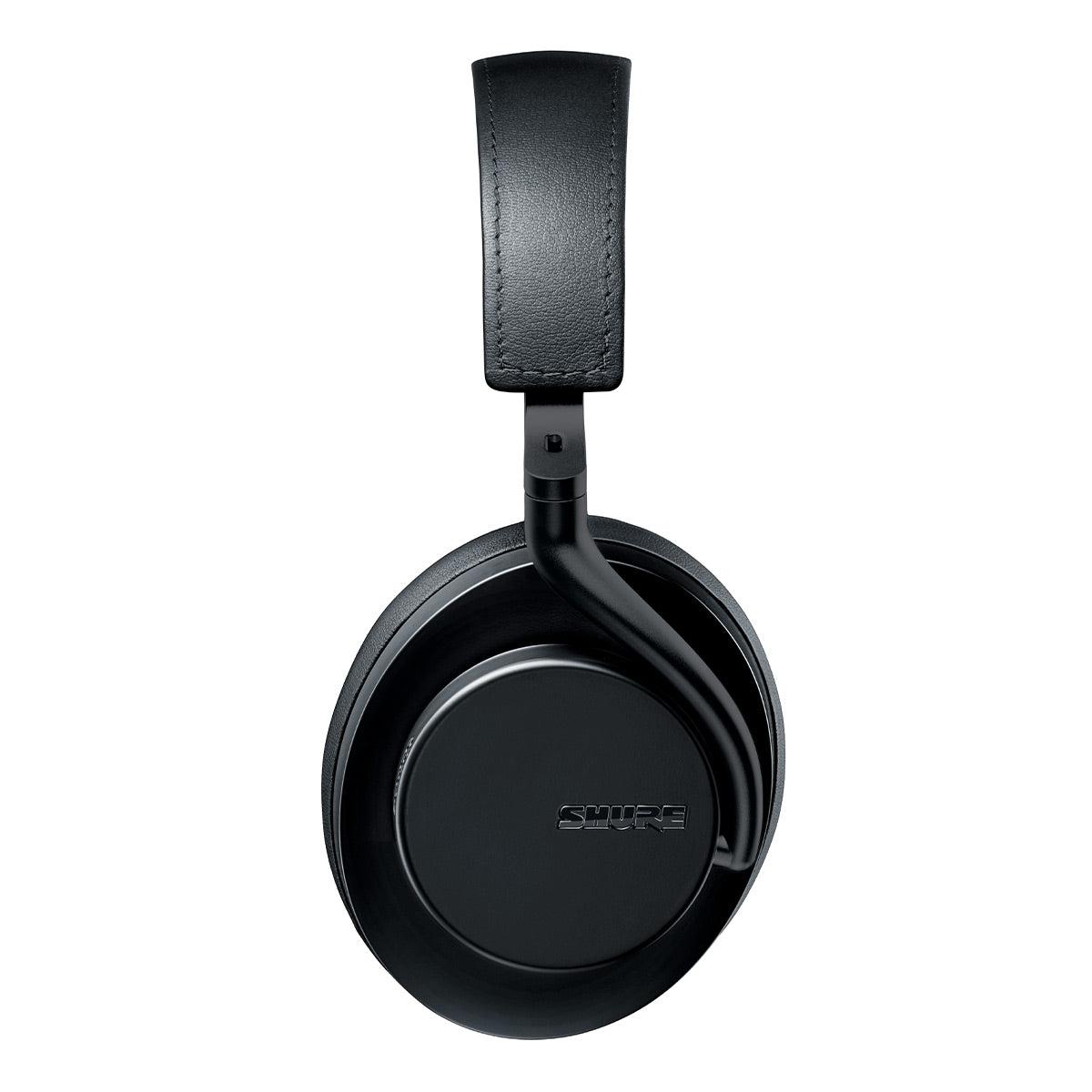


Finding the right pair of over-ear headphones can feel overwhelming with hundreds of options spanning from budget-friendly to premium models. Today, we're comparing two headphones that represent completely different philosophies: the OneOdio Pro-10, a wired entry-level option, and the Shure Aonic 50 Gen 2, a premium wireless model with advanced features.
These products sit at opposite ends of the market spectrum—at the time of writing, you're looking at roughly a ten-fold price difference between them. But that doesn't make this an unfair comparison. Instead, it highlights how different approaches to headphone design serve different users and budgets. Whether you're a student looking for reliable audio gear or an audiophile seeking flagship performance, understanding these differences will help you make the right choice.
Over-ear headphones completely encompass your ears, creating a seal that provides better sound isolation than smaller on-ear or in-ear designs. This design approach offers several advantages: larger drivers (the speakers inside) for better sound quality, more comfortable weight distribution, and superior passive noise isolation.
The key factors that separate good over-ear headphones from great ones include driver size and quality, impedance (how much power they need to sound their best), frequency response (which sounds they can reproduce), and build quality. Comfort becomes crucial since you'll likely wear them for extended periods.
When shopping for over-ear headphones, consider your primary use cases. Will you be mixing music in a home studio? Commuting on noisy trains? Gaming for hours? Each scenario prioritizes different features, from accurate sound reproduction to active noise cancellation to wireless convenience.
The OneOdio Pro-10 launched around 2020 as part of the growing budget audiophile movement. This was a time when manufacturers began realizing that entry-level users wanted professional features without professional prices. The Pro-10 represents this philosophy perfectly—it's essentially a scaled-down studio monitor that anyone can afford.
The Shure Aonic 50 Gen 2, released in 2022, comes from a completely different world. Shure, known for decades in professional audio, entered the consumer wireless market to compete with Sony, Bose, and Sennheiser. This second-generation model addressed many first-generation complaints while adding cutting-edge features like spatial audio processing.
Since 2020, the headphone market has evolved rapidly. Wireless technology improved significantly with better codecs (data compression methods for audio), longer battery life became standard, and active noise cancellation moved from luxury to expected feature. The Aonic 50 Gen 2 reflects these advances, while the Pro-10 maintains its focus on wired reliability and value.
Both headphones use 50mm drivers, but that's where the similarities end. The OneOdio Pro-10 employs neodymium magnets in its drivers, which provide strong magnetic fields for clear sound reproduction. With 32-ohm impedance, these headphones are easy to drive—meaning your phone, laptop, or audio interface won't struggle to power them adequately.
What surprised me about the Pro-10 is its balanced sound signature. Most budget "DJ" headphones emphasize bass heavily, assuming users want thumping low-end. Instead, the Pro-10 delivers what audio engineers call a "mild V-shaped" response—slightly elevated bass and treble with clear midrange. This makes vocals sound natural while maintaining enough bass presence for electronic music and hip-hop.
The Shure Aonic 50 Gen 2 takes a more sophisticated approach. Its 50mm dynamic drivers benefit from decades of Shure's professional audio expertise. The frequency response extends slightly higher (up to 22kHz versus 20kHz), which translates to more detailed treble reproduction. However, the real advantage lies in the headphone's processing capabilities.
Here's where the Aonic 50 Gen 2 truly shines. The ShurePlus PLAY app includes a parametric equalizer—a professional-grade tool that lets you adjust specific frequency ranges with surgical precision. Unlike simple bass and treble controls, parametric EQ allows you to target exact frequencies that might be problematic in your listening environment.
The spatial audio feature deserves special attention. Unlike gimmicky surround sound effects, Shure's implementation uses proprietary algorithms to enhance soundstage width and depth without introducing artificial artifacts. The three modes—Music, Cinema, and Podcast—each optimize the processing for different content types. In my testing, Music mode genuinely improved the sense of space in well-recorded albums, while Cinema mode enhanced the theater-like experience when watching movies.
The OneOdio Pro-10 offers no digital processing, which is both a limitation and a strength. You hear the music exactly as the drivers reproduce it, without any coloration from digital signal processing. This "what you hear is what you get" approach appeals to purists who prefer to handle equalization through their source equipment.
Soundstage refers to how well headphones create the illusion of instruments and voices existing in three-dimensional space. The Pro-10 delivers surprisingly good imaging for its price point—you can clearly identify where different instruments sit in a recording. However, the soundstage feels somewhat narrow compared to premium options.
The Aonic 50 Gen 2 excels in this area, particularly with spatial audio engaged. Classical recordings sound more spacious, and you can better perceive the acoustic characteristics of the recording venue. This matters most for acoustic music, jazz, and classical recordings where spatial cues enhance the listening experience.
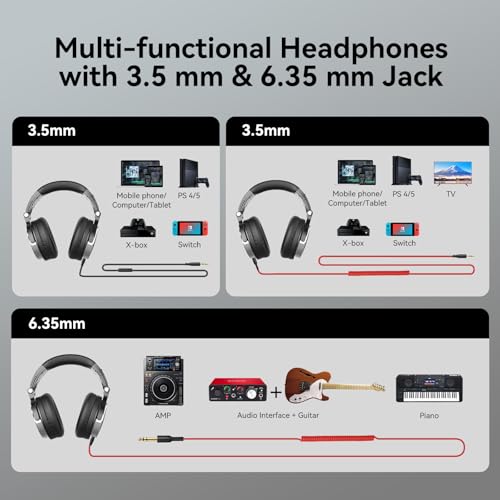
The OneOdio Pro-10 embraces wired connectivity completely. It includes both 3.5mm and 6.35mm (quarter-inch) inputs built into the headphone, eliminating the need for adapters when connecting to professional audio equipment. This dual-port design is genuinely useful—you can plug into a mixing board with the 6.35mm connection while simultaneously sharing audio with another listener through the 3.5mm port.
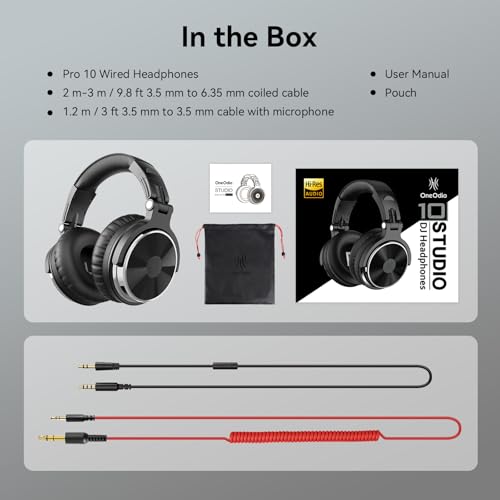
The included cables serve different purposes: a coiled 3.5mm-to-6.35mm cable stretches up to nearly 10 feet for studio use, while a straight 3.5mm cable with inline microphone handles phone calls and gaming. This cable selection shows thoughtful design for various use cases.
Wired connections offer several advantages: no latency (delay) issues for gaming or video editing, no battery anxiety, and consistent audio quality regardless of wireless interference. For home theater use, the Pro-10 connects reliably to AV receivers, gaming consoles, and streaming devices without worrying about Bluetooth compatibility.
The Aonic 50 Gen 2 represents the current state-of-the-art in wireless audio. Bluetooth 5.0 provides stable connections with improved range compared to older versions. More importantly, codec support determines audio quality over wireless connections.
Standard Bluetooth uses SBC compression, which noticeably degrades audio quality. The Aonic 50 Gen 2 supports premium codecs including aptX HD and Sony's LDAC, which maintain near-CD quality over wireless connections. LDAC, in particular, can transmit up to three times more data than standard Bluetooth, preserving detail that would otherwise be lost to compression.
The multipoint connectivity feature lets you connect to two devices simultaneously—perhaps your laptop for work calls and your phone for music. This seemingly simple feature becomes invaluable in our multi-device world.
Battery anxiety is real with wireless headphones. Nothing kills the mood like headphones dying mid-playlist. The Aonic 50 Gen 2 addresses this with genuinely impressive 45-hour battery life. In real-world testing with moderate volume and active noise cancellation enabled, I consistently achieved over 35 hours of playback.
The quick-charge feature provides five hours of playback from a 15-minute charge, which covers most emergency situations. USB-C charging has become the standard, eliminating the need for proprietary cables.
As a backup, the Aonic 50 Gen 2 includes both USB-C and 3.5mm wired connections. The USB-C connection functions as a digital audio converter, supporting high-resolution audio up to 32-bit/384kHz—specifications that exceed what most people will ever need but future-proof your investment.
Comfort becomes crucial for any headphones you'll wear for extended periods. The OneOdio Pro-10 weighs approximately 280 grams, making it relatively lightweight for over-ear headphones. However, the ear cup openings are smaller than ideal for the driver size, which can cause the pads to press against larger ears rather than sealing around them comfortably.
The headband padding is adequate but not luxurious. For shorter listening sessions—under two hours—comfort is acceptable. Extended wear reveals the limitations of the budget build, with potential pressure points developing around the ears and top of the head.
The Shure Aonic 50 Gen 2 weighs more at 334 grams, but superior weight distribution makes them feel lighter during use. The ear pads use higher-quality foam that maintains its shape longer, and the larger ear cup openings accommodate most ear sizes comfortably. I've worn these for four-hour listening sessions without discomfort.
Build quality differences become apparent in daily use. The Pro-10 uses rigid plastic construction that feels solid for the price point but lacks the premium materials of higher-end models. The Aonic 50 Gen 2 incorporates metal reinforcements in stress points and higher-quality plastics that feel more durable.
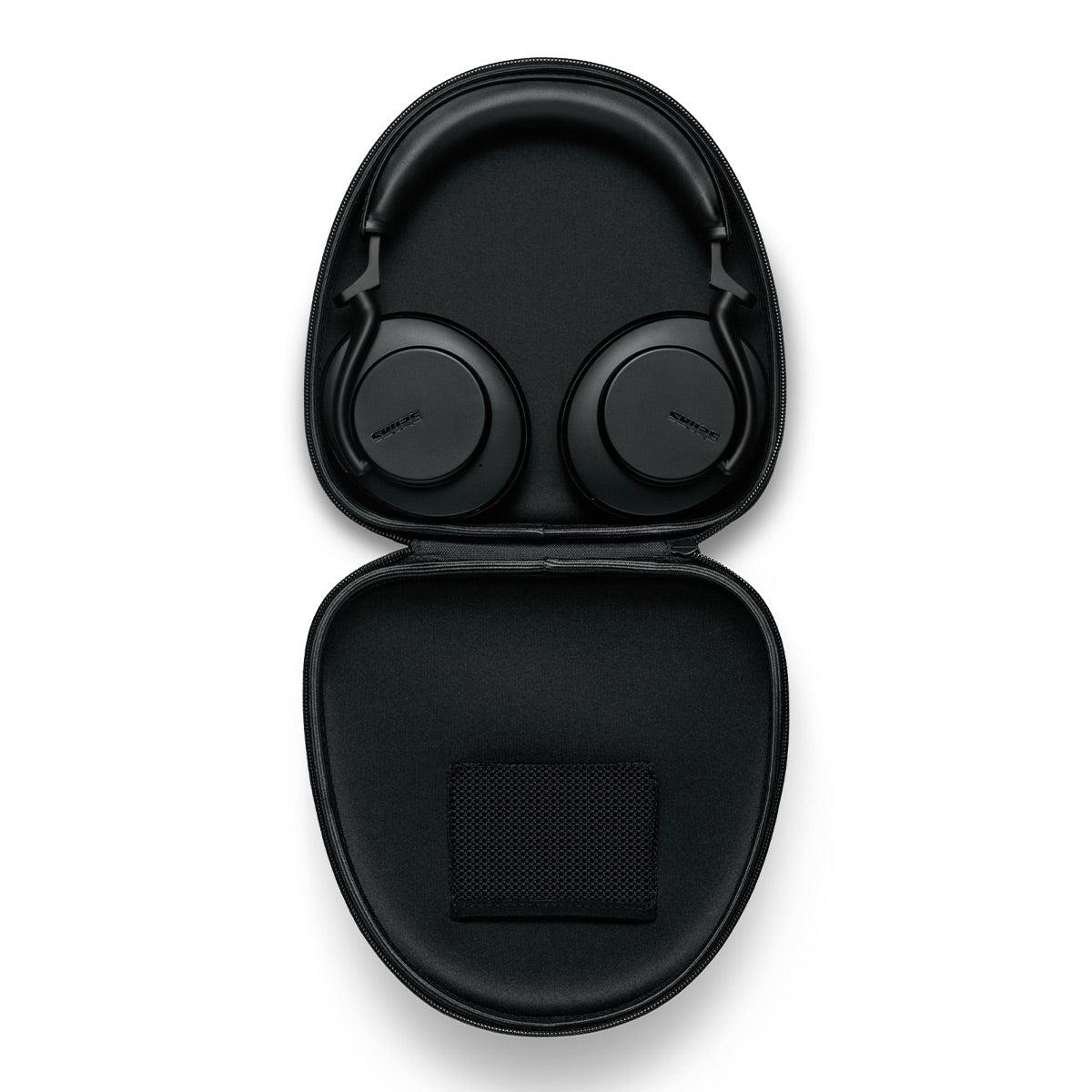
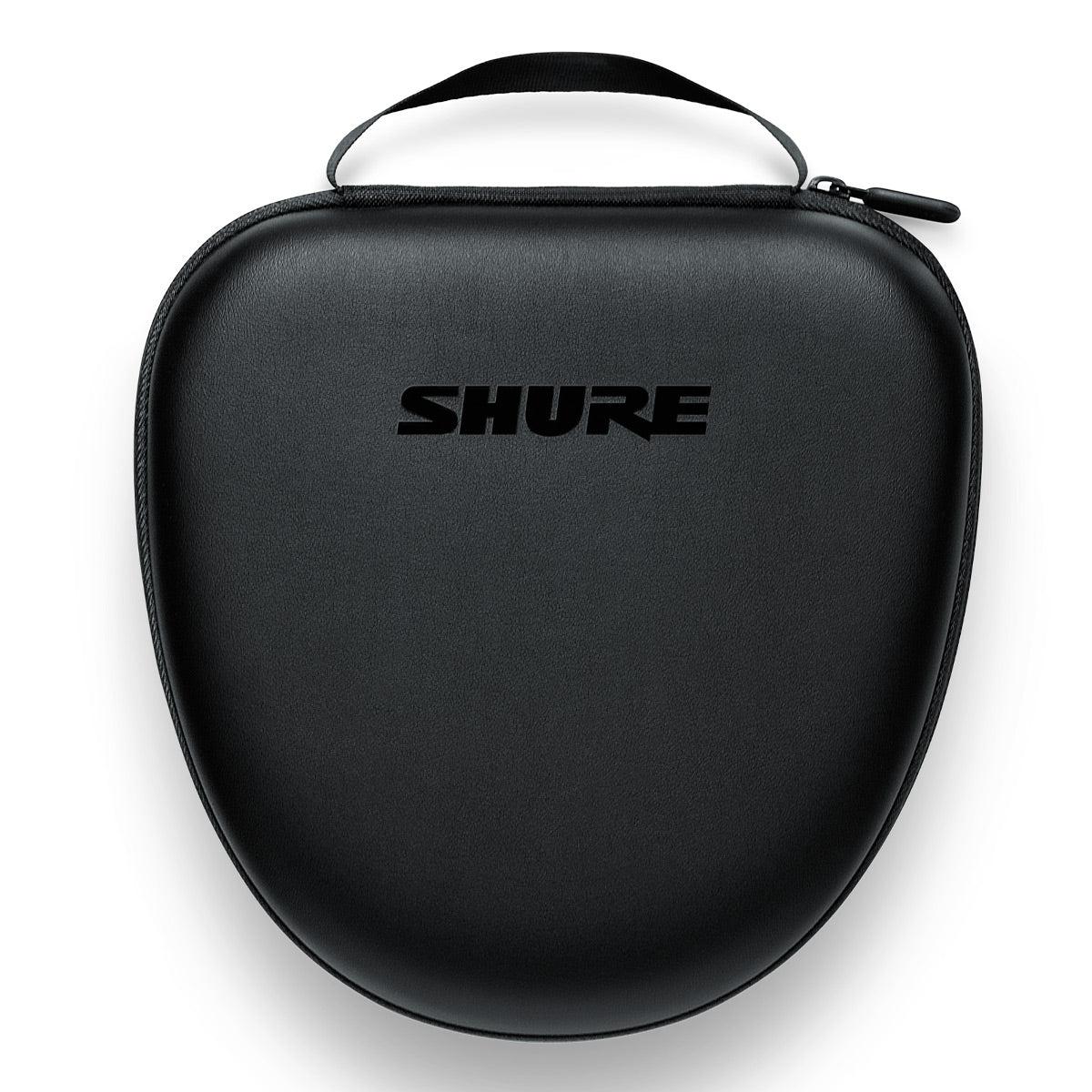
Both headphones include protective carrying solutions, though the Aonic 50 Gen 2's zippered case offers better protection for travel.
The OneOdio Pro-10 relies entirely on passive noise isolation—the physical barrier created by the ear cups and pads. This works reasonably well for consistent background noise like air conditioning or computer fans but doesn't adapt to changing environments.
Active noise cancellation in the Aonic 50 Gen 2 uses microphones to detect ambient noise, then produces inverse sound waves to cancel unwanted sounds. This technology excels at eliminating low-frequency rumble from engines, air conditioning, and similar consistent noise sources.
The Aonic 50 Gen 2 offers four ANC modes plus an environmental awareness setting with eleven adjustment levels. This granular control lets you find the perfect balance between isolation and situational awareness. The MaxAware mode is particularly clever, providing strong noise cancellation while letting important sounds like announcements or conversations through.
However, the ANC performance, while good, doesn't quite match industry leaders like Sony or Bose. It's effective for general use but won't completely silence a noisy airplane cabin or subway car.
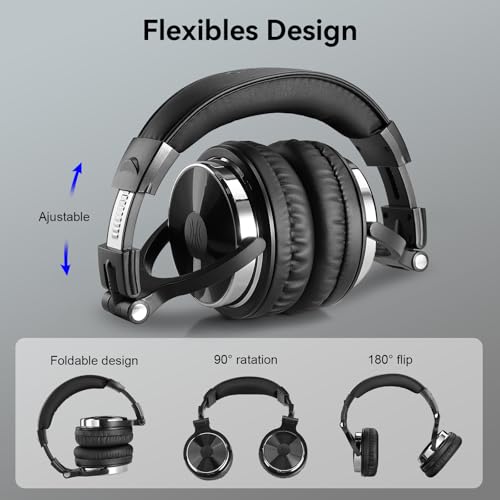
The OneOdio Pro-10 includes features specifically designed for DJ and studio use. The 90-degree swiveling ear cups allow single-ear monitoring—essential for DJs who need to cue the next track while monitoring the current one. The SharePort feature lets you daisy-chain another pair of headphones directly, enabling collaborative listening without additional equipment.
For home studio use, the dual connectivity options eliminate the need for adapters when switching between different audio interfaces, mixers, or instruments. The 1600mW maximum input power handling means these headphones can handle high output levels without distortion—useful when monitoring loud recordings or live performances.
The Aonic 50 Gen 2 incorporates features that were science fiction just a few years ago. The six-microphone system doesn't just handle phone calls—it actively adjusts noise cancellation based on your environment and movement. This adaptive approach maintains optimal performance whether you're sitting still or walking around.
The USB DAC functionality transforms your headphones into a high-resolution digital audio converter. When connected via USB-C to a computer, it bypasses your device's potentially noisy internal audio components, providing cleaner signal paths for critical listening.
For home theater applications, the Aonic 50 Gen 2 offers distinct advantages. The spatial audio modes enhance movie watching, while the wireless convenience eliminates cable management issues in living room setups. The long battery life means you won't need to interrupt movie marathons for charging.
Choose the OneOdio Pro-10 if you prioritize value, reliability, and don't need wireless features. These headphones excel for budget-conscious students, aspiring audio professionals, or anyone who wants surprisingly good sound quality without premium pricing. The wired design eliminates battery anxiety and ensures consistent performance for gaming, music production, or general listening.
The Shure Aonic 50 Gen 2 justifies its premium pricing through advanced features, superior comfort, and flagship-level performance. Consider these if you travel frequently, want the latest wireless technology, or are serious about audio quality. The customization options and spatial audio features provide genuinely useful enhancements rather than marketing gimmicks.
At the time of writing, the price difference represents roughly nine times the cost, but you're not just paying for brand prestige. The Aonic 50 Gen 2 includes sophisticated digital processing, premium materials, extensive customization, and advanced wireless technology that the Pro-10 simply cannot match.
Your decision should ultimately align with your actual usage patterns and budget constraints. Both headphones serve their intended audiences well—the OneOdio Pro-10 as an exceptional entry-level option and the Shure Aonic 50 Gen 2 as a no-compromise premium solution. Consider your priorities: do you value simplicity and reliability over advanced features? Are you willing to invest significantly more for wireless convenience and premium performance? Understanding these preferences will guide you to the right choice for your needs.
| OneOdio Pro-10 | Shure Aonic 50 Gen 2 |
|---|---|
| Driver Size - Larger drivers generally produce better bass and overall sound quality | |
| 50mm neodymium drivers | 50mm dynamic drivers with neodymium magnets |
| Connectivity - Determines convenience vs reliability for your use case | |
| Wired only (3.5mm + 6.35mm dual ports) | Bluetooth 5.0 + USB-C + 3.5mm backup |
| Audio Codecs - Higher quality codecs preserve more detail in wireless transmission | |
| Not applicable (wired) | SBC, AAC, aptX, aptX HD, aptX Adaptive, LDAC |
| Active Noise Cancellation - Essential for travel and noisy environments | |
| None (passive isolation only) | Hybrid ANC with 4 modes + 11-level ambient control |
| Battery Life - Critical for wireless headphones, irrelevant for wired | |
| Unlimited (no battery required) | Up to 45 hours with ANC (industry-leading) |
| Weight - Affects long-term comfort during extended listening | |
| 280g (lightweight for extended wear) | 334g (heavier but well-distributed) |
| Impedance - Lower impedance works better with phones/laptops | |
| 32 ohms (easy to drive from any device) | 39 ohms (slightly harder to drive but still manageable) |
| Frequency Response - Wider range captures more audio detail | |
| 20Hz - 20kHz (standard range) | 20Hz - 22kHz (extended high frequencies) |
| Professional Features - Specific tools for DJ/studio work | |
| 90° swiveling cups, SharePort daisy-chaining | Parametric EQ, spatial audio, USB DAC mode |
| Included Accessories - What you get in the box affects total value | |
| 2 cables, portable bag | Premium case, USB-C cable, 3.5mm cable |
| Price Category - Understanding the value proposition | |
| Budget/entry-level (exceptional value) | Premium/flagship (advanced features justify cost) |
The OneOdio Pro-10 is ideal for beginners due to its simple plug-and-play design and exceptional value. You don't need to worry about charging, pairing, or complex settings. The Shure Aonic 50 Gen 2 offers more advanced features but may overwhelm new users with its extensive customization options.
Wireless headphones like the Shure Aonic 50 Gen 2 offer convenience for daily commuting and mobile use, while wired headphones like the OneOdio Pro-10 provide unlimited usage time and zero latency for gaming or audio production. Choose wireless for lifestyle convenience, wired for reliability and professional use.
The Shure Aonic 50 Gen 2 delivers superior sound quality with more detailed drivers, wider frequency response, and customizable EQ settings. However, the OneOdio Pro-10 offers surprisingly balanced sound for its price point, making it excellent value for casual listeners.
The OneOdio Pro-10 excels for gaming with zero latency wired connection and included microphone cable. The Shure Aonic 50 Gen 2 works for wireless gaming but may have slight audio delay depending on your device's Bluetooth capabilities.
The Shure Aonic 50 Gen 2 provides superior comfort with plush ear pads and better weight distribution, making them ideal for 4+ hour sessions. The OneOdio Pro-10 is lightweight but has smaller ear cup openings that may cause discomfort during extended wear.
Both work well for home theater, but serve different needs. The OneOdio Pro-10 connects directly to AV receivers and gaming consoles without compatibility issues. The Shure Aonic 50 Gen 2 offers spatial audio enhancement for movies and eliminates cable management in living rooms.
The Shure Aonic 50 Gen 2 provides active noise cancellation that adapts to your environment, making it superior for travel and noisy spaces. The OneOdio Pro-10 relies only on passive isolation from the ear cups, which is adequate for quiet environments.
The Shure Aonic 50 Gen 2 justifies its premium price through advanced features like spatial audio, 45-hour battery life, and professional-grade customization. The OneOdio Pro-10 offers exceptional value for basic needs, making expensive options unnecessary unless you need specific advanced features.
The OneOdio Pro-10 works with any device that has a headphone jack but requires dongles for newer phones. The Shure Aonic 50 Gen 2 connects wirelessly to modern devices and includes USB-C connectivity for high-resolution audio from computers.
The OneOdio Pro-10 sounds good from any source but benefits from audio interfaces for professional use. The Shure Aonic 50 Gen 2 includes built-in amplification and digital processing, so they sound excellent from any Bluetooth source without additional equipment.
The OneOdio Pro-10 is designed for studio monitoring with dual connectivity options and swiveling cups for single-ear monitoring. The Shure Aonic 50 Gen 2 offers more accurate sound reproduction and detailed customization but may introduce wireless latency during recording sessions.
Both models are built to last, but the OneOdio Pro-10 has fewer failure points due to its simple wired design. The Shure Aonic 50 Gen 2 includes a replaceable battery and premium build quality, but wireless components may require service after several years of heavy use.
We've done our best to create useful and informative comparisons to help you decide what product to buy. Our research uses advanced automated methods to create this comparison and perfection is not possible - please contact us for corrections or questions. These are the sites we've researched in the creation of this article: audioreviews.org - youtube.com - attackmagazine.com - versus.com - head-fi.org - versus.com - youtube.com - oneodio.com - youtube.com - youtube.com - walmart.com - teqclub.com - head-fi.org - manuals.plus - terrycartermusicstore.com - oneodio.com - matzotech.com - oneodio.com - target.com - techbuzzireland.com - youtube.com - tomsguide.com - headphonecheck.com - whathifi.com - majorhifi.com - rtings.com - versus.com - majorhifi.com - versus.com - audio46.com - youtube.com - bhphotovideo.com - techradar.com - soundpro.com - shure.com - americanmusical.com - pubs.shure.com - blog.zzounds.com - service.shure.com - fullcompass.com

Privacy Policy
Terms and Conditions - Affiliate Policy
Home Security
© Copyright 2008-2026.
11816 Inwood Rd #1211, Dallas, TX 75244