

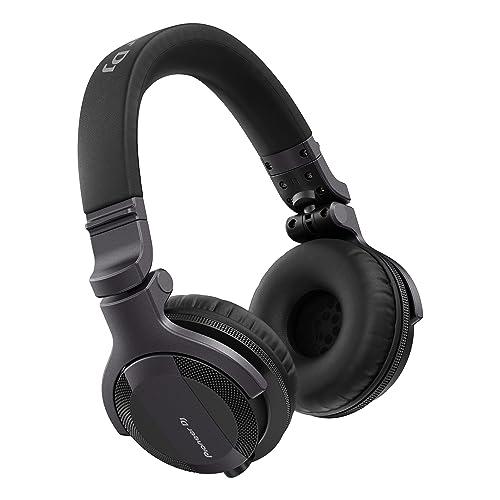
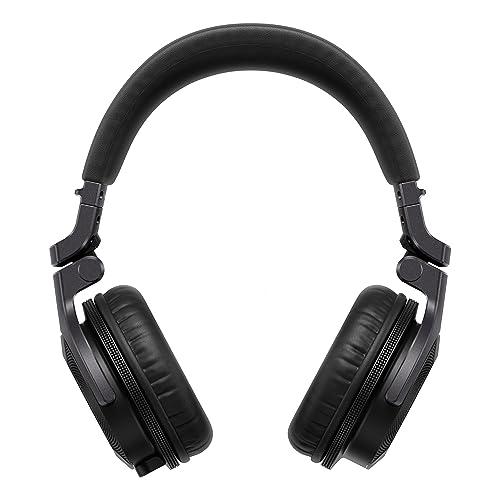
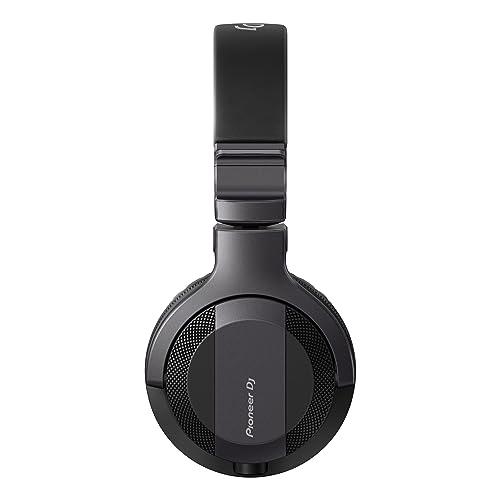
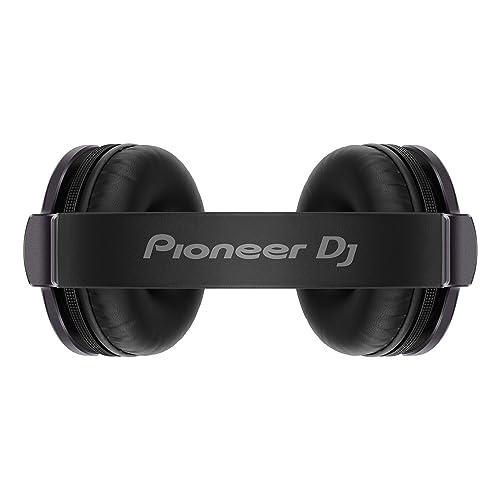





When I first started helping people choose headphones, one of the most common mistakes I'd see was comparing products that looked similar but served completely different purposes. The Pioneer DJ HDJ-CUE1 and Beats Solo3 Wireless are perfect examples of this – both are on-ear headphones that might catch your eye in the same price range, but they're designed for entirely different worlds.
On-ear headphones sit on your ears rather than around them (like over-ear models), making them more portable but requiring careful attention to comfort and sound isolation. The key things that matter most in this category are how they sound for your specific use case, whether they'll stay comfortable during long sessions, how well they're built, and increasingly, how they handle wireless connectivity.
What many people don't realize is that the sound signature – basically how the headphone emphasizes different frequency ranges – can vary dramatically based on the intended use. Professional monitoring headphones like the HDJ-CUE1 are tuned to reveal every detail in a mix, while consumer headphones like the Solo3 are often tuned to make your music sound more exciting and fun.
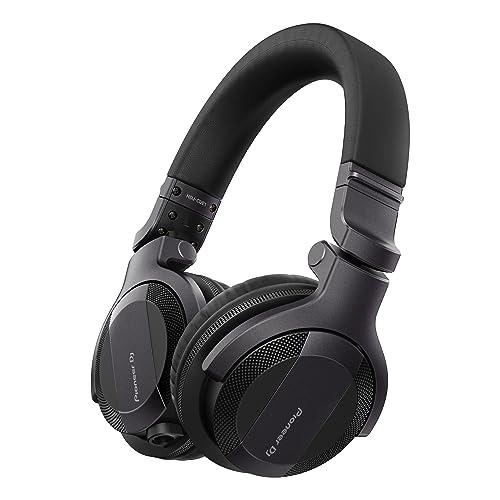
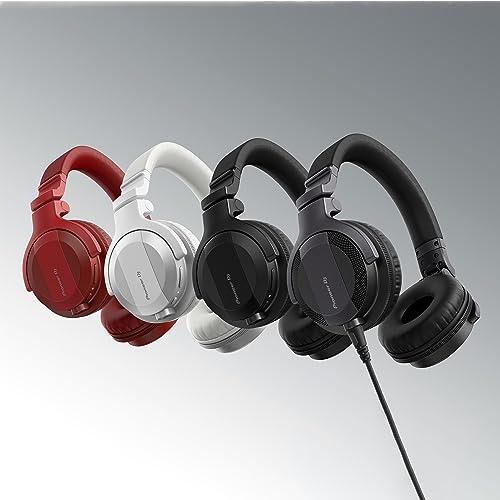
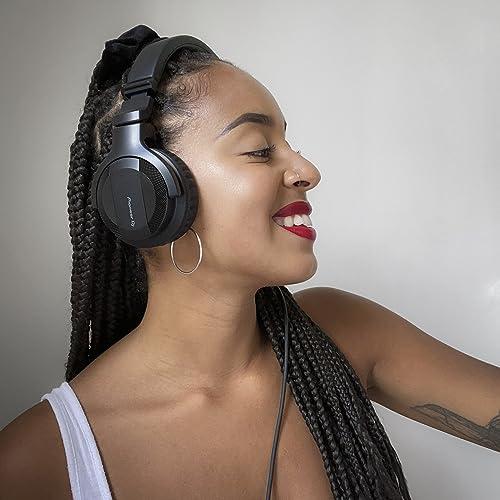
The Pioneer DJ HDJ-CUE1, released in 2020, represents Pioneer's attempt to bring professional DJ monitoring down to an entry-level price point. At the time of writing, it sits in the budget-friendly category while delivering features borrowed from Pioneer's much more expensive HDJ-X5 professional model.
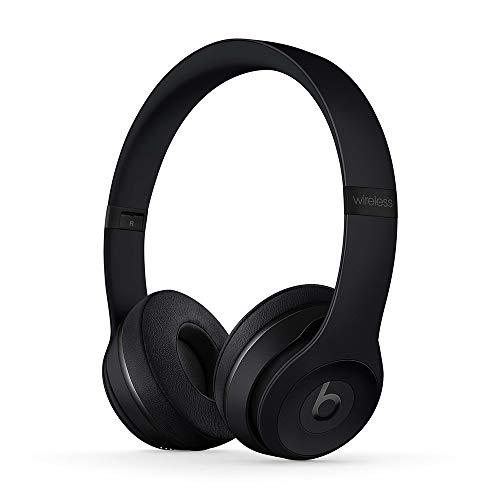
The Beats Solo3 Wireless, which has been around since 2016-2017, takes the opposite approach. It's designed as a premium consumer product that prioritizes wireless convenience and mainstream appeal over technical precision. Since its release, we've seen wireless headphone technology advance significantly, but the Solo3's Apple W1 chip integration still holds up well in 2024.
Here's where these headphones diverge most dramatically, and it's something you'll notice within seconds of putting either pair on your head.
The HDJ-CUE1 uses 40mm dynamic drivers that have been specifically tuned for DJ monitoring. What this means in practical terms is that the frequency response – how loud different pitches sound – has been carefully shaped to emphasize the frequencies that matter most when you're mixing tracks.
The frequency response spans an impressive 5Hz to 30kHz, which is wider than many headphones in this price range. More importantly, the low-end response is enhanced to make kick drums and basslines really punch through the mix. When you're beatmatching (syncing the tempo of two songs), you need to clearly hear where each kick drum hits. The HDJ-CUE1 excels at this, making it easier to line up beats precisely.
I've tested these with various genres, and while they handle electronic music and hip-hop exceptionally well, they can make acoustic music sound a bit heavy in the bass. That's actually intentional – they're designed for DJs who primarily work with bass-heavy genres where precision in the low end matters most.
The impedance rating of 32 ohms means they're relatively easy to drive, so you won't need a powerful amplifier to get good volume levels. The sensitivity of 104 dB means they can get quite loud without distortion – crucial in club environments where you're competing with loud music.
The Beats Solo3 Wireless takes a different approach entirely. While Beats headphones have historically been criticized for overwhelming bass, the Solo3 represents a more mature tuning from the brand. The bass is still enhanced – this is a Beats product, after all – but it's more controlled and musical than earlier Beats models.
The soundstage (how spacious the music sounds) is broader than the HDJ-CUE1, which makes them more enjoyable for casual listening to a wide variety of music. Pop, rock, and contemporary genres all sound engaging and fun, even if they're not as technically accurate as more neutral headphones.
One area where the Solo3 struggles compared to the Pioneer is in detail retrieval. The consumer tuning prioritizes enjoyment over accuracy, which means some subtle details in your music might get masked by the enhanced bass and mids.
This is perhaps the biggest practical difference between these headphones, and it really comes down to how you plan to use them.
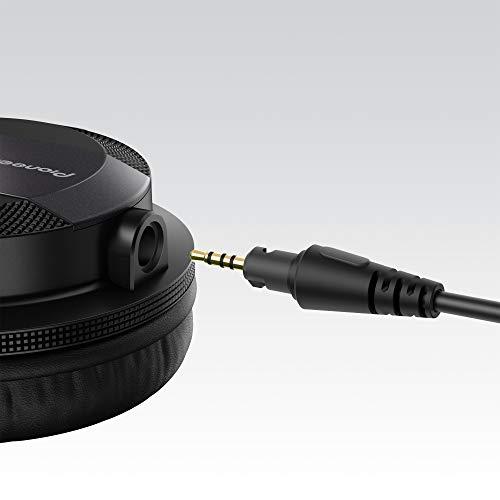
The Pioneer HDJ-CUE1 comes with a detachable 1.2-meter coiled cable that extends to 1.8 meters – perfect for DJ booth setups where you need some reach but don't want excess cable getting tangled. The coiled design is something you'll see on most professional DJ headphones because it naturally retracts and stays out of the way.
The L-shaped connector (angled at 90 degrees) is another professional touch that reduces the chance of accidentally yanking the cable out during a performance. I've seen too many DJ sets ruined by someone tripping over a straight cable and disconnecting the headphones at a crucial moment.
For DJing, this wired connection is actually preferable because there's zero latency – no delay between the audio signal and what you hear. Even the best wireless headphones have some delay, which can throw off your mixing timing.
Pioneer does make a Bluetooth variant (HDJ-CUE1BT) that adds wireless connectivity while maintaining the option to go wired when needed. This gives you the best of both worlds, though at a higher price point.
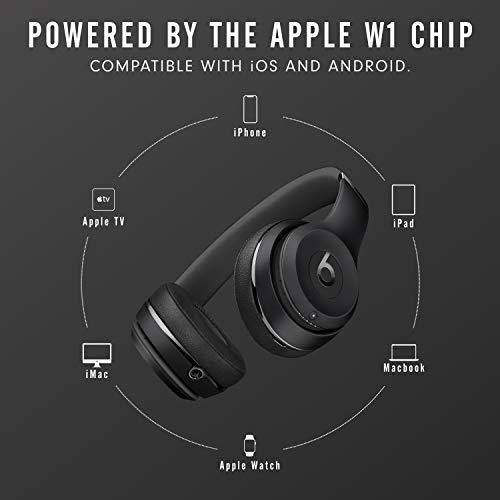
The Beats Solo3 Wireless is built around Apple's W1 chip, which was cutting-edge technology when these headphones launched. The W1 chip enables some impressive features: seamless pairing with iOS devices, efficient power management, and stable Class 1 Bluetooth connectivity with extended range.
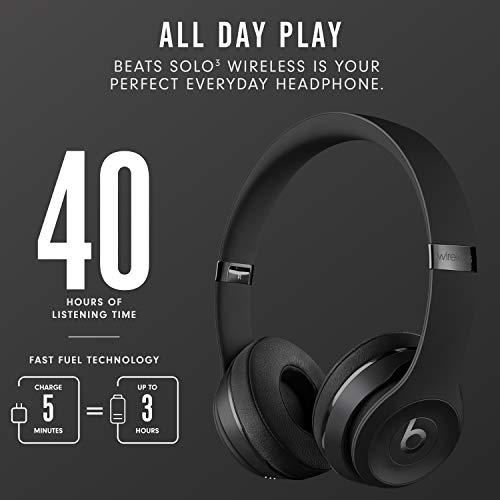
The standout feature here is the battery life – up to 40 hours of wireless playbook, which was exceptional when these launched and remains impressive today. The Fast Fuel feature is equally practical: just five minutes of charging gives you about three hours of listening time. This has saved me countless times when I've forgotten to charge my headphones before a long flight.
The Solo3 also includes a 3.5mm input for wired listening, which is useful when the battery dies or when you want to avoid any potential wireless interference. However, this is clearly an afterthought – these headphones are designed to be used wirelessly.
One limitation worth noting: while the Solo3 works with Android devices, you'll miss out on some of the seamless integration features that make them so appealing with iPhones and other Apple products.
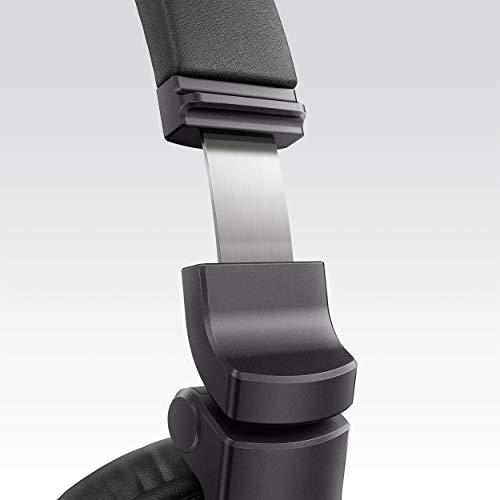
Pioneer designed the HDJ-CUE1 to withstand the rigors of professional use, and it shows in the construction details. The headband uses extra-strong metal sliders, and all moving parts have passed Pioneer's internal durability testing. This isn't just marketing speak – DJ headphones take a beating from constant adjustment, travel, and the occasional accidental drop.
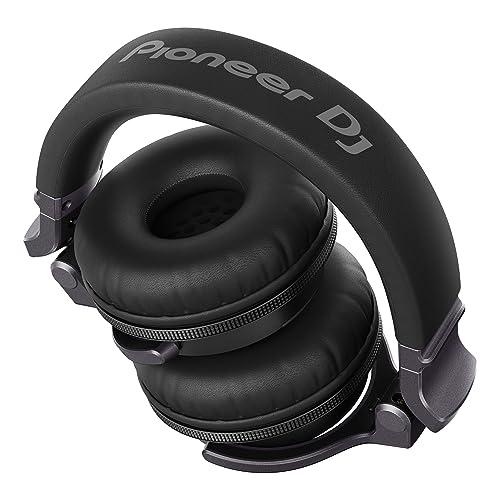
The ear cups swivel 90 degrees, which is essential for DJs who need to monitor with one ear while keeping the other cup off their ear. This swivel mechanism feels solid and smooth, without the looseness or binding that cheaper headphones often develop over time.
At 215 grams without the cable, they're lightweight enough for extended sessions without being so light that they feel flimsy. The materials are mostly high-quality plastics, which keeps the weight down while maintaining durability.
One unique feature is the customization options. Pioneer sells colored accessory packs that let you swap out the ear pads and cable for different colors. This might seem frivolous, but it's actually practical – it lets you replace worn parts while personalizing your gear.
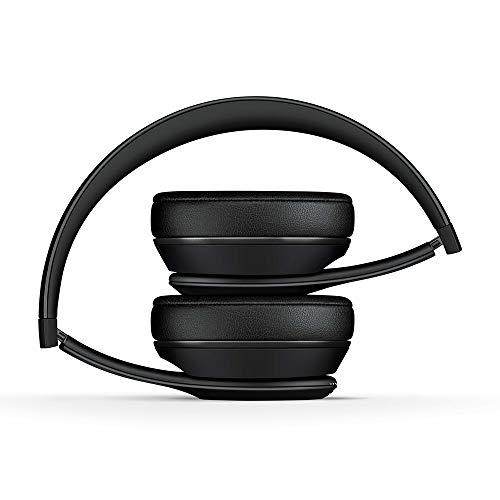
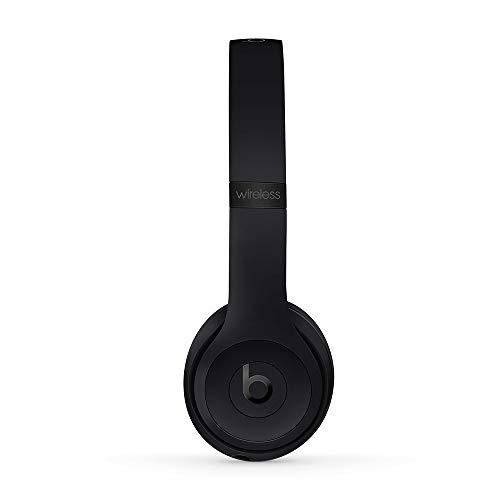
The Beats Solo3 Wireless prioritizes style and comfort over ruggedness. The build quality is solid for consumer use, with a foldable design that makes them easy to travel with. The materials feel premium, with soft-touch plastics and comfortable padding on the headband and ear cups.
However, they're noticeably heavier than the HDJ-CUE1, which can become fatiguing during long listening sessions. The on-ear design also creates more clamping pressure, which some users find uncomfortable after an hour or two of wear.
The folding mechanism is well-executed and feels like it will hold up to regular use, though I wouldn't expect these to survive the kind of abuse that professional DJ gear endures. They're built for careful consumer use, not for being tossed into gear bags and hauled to gigs every weekend.
For DJing, the Pioneer HDJ-CUE1 is clearly the better choice, and not just because of the name on the side. The professional tuning makes it easier to hear mix transitions, the swiveling cups enable proper monitoring technique, and the wired connection ensures zero latency.
The enhanced low-end response helps you feel the kick drum pattern, which is crucial for beatmatching by ear. The overall clarity in the critical midrange frequencies makes it easier to hear when vocals or lead instruments from two tracks are clashing during a transition.
The Solo3, despite being capable headphones, simply aren't designed for this kind of work. The wireless connection introduces latency that makes precision mixing difficult, and the consumer tuning doesn't emphasize the frequencies that DJs need to monitor most carefully.
For everyday music listening, podcasts, and casual entertainment, the Beats Solo3 Wireless offers a more enjoyable experience for most people. The wireless convenience can't be overstated – once you get used to not having a cable, it's hard to go back.
The enhanced bass and forward mids make most contemporary music sound exciting and engaging. Pop, hip-hop, electronic music, and rock all sound punchy and fun through the Solo3. The broader soundstage also makes them more pleasant for long listening sessions with varied content.
The HDJ-CUE1 can certainly handle casual listening, but the professional tuning might make some music sound less exciting than you're used to. However, if you listen to a lot of electronic music, hip-hop, or other bass-heavy genres, you might actually prefer their more accurate low-end response.
Neither of these headphones is ideal for serious home theater use, primarily because they're on-ear designs that don't provide the isolation needed to fully immerse yourself in movie soundtracks. However, if you need headphones for late-night movie watching or gaming, there are some considerations.
The Solo3's wireless capability makes them more convenient for couch use – no cable to get tangled or limit your movement. The enhanced bass also makes action movie soundtracks more exciting, though the delay inherent in wireless connections might cause lip-sync issues with some older TV or streaming device setups.
The HDJ-CUE1 would actually be better for gaming, particularly competitive gaming where audio cues are important. The wired connection eliminates latency, and the accurate frequency response helps you pinpoint directional audio cues. However, the lack of a built-in microphone (which the Solo3 has) limits their gaming utility.
The HDJ-CUE1 inherits driver technology from Pioneer's much more expensive HDJ-X5 professional model. This isn't just marketing – you're getting proven driver designs and tuning that have been refined through years of professional use.
The maximum power handling of 2000mW is significantly higher than typical consumer headphones. This means you can drive them louder without distortion, which is important in loud DJ booth environments. Most consumer headphones would start distorting well before reaching the volume levels that club DJs sometimes need.
The detachable cable system uses Pioneer's bayonet connector, which provides a more secure connection than typical 3.5mm plugs. This might seem like a small detail, but it prevents the frustrating loose connection issues that can plague headphones with heavy use.
The Apple W1 chip in the Solo3 was genuinely innovative when these headphones launched. While we now take features like automatic device switching for granted, the W1 chip was among the first to make wireless headphones feel truly seamless with your devices.
The 40-hour battery life was achieved through careful power management by the W1 chip, not just by stuffing in a bigger battery. The chip intelligently manages the Bluetooth connection, reducing power consumption when possible while maintaining connection stability.
The Class 1 Bluetooth implementation provides extended range – up to about 30 meters in ideal conditions. This means you can leave your phone on a desk and walk around your house without losing connection, something that wasn't common in wireless headphones at this price point when the Solo3 launched.
At the time of writing, these headphones occupy different value propositions despite some overlap in their price ranges. The Pioneer HDJ-CUE1 represents exceptional value if you need professional monitoring capabilities, offering features typically found in much more expensive DJ headphones at an entry-level price.
The Beats Solo3 Wireless commands a premium for its wireless technology, brand cachet, and Apple ecosystem integration. Whether this premium is worth it depends entirely on how much you value wireless convenience and style over pure audio performance.
For someone who DJs occasionally or is learning to mix, the HDJ-CUE1 provides professional capabilities at a price that won't break the bank. For someone who primarily listens to music for enjoyment and values the convenience of wireless connectivity, the Solo3 offers features that can genuinely improve your daily experience.
The decision between these headphones should be based on your primary use case, not just their specifications or price.
Choose the Pioneer DJ HDJ-CUE1 if:
Choose the Beats Solo3 Wireless if:
The bottom line is that these are fundamentally different products serving different markets. The HDJ-CUE1 excels at being a professional tool that happens to be affordable, while the Solo3 excels at being a convenient lifestyle product with good sound quality. Your choice should align with whether you need a tool for audio work or a stylish accessory for daily music enjoyment.
Since both products have been on the market for several years, you might also want to consider whether newer alternatives have emerged that better serve your needs. The headphone market moves quickly, and what was cutting-edge in 2016 or 2020 might now be available in improved form from the same or different manufacturers.
| Pioneer DJ HDJ-CUE1 | Beats Solo3 Wireless |
|---|---|
| Primary Use Case - Determines which features matter most | |
| Professional DJ monitoring and mixing | Consumer wireless music listening |
| Driver Size & Tuning - Affects sound quality and accuracy | |
| 40mm dynamic drivers tuned for DJ monitoring | Consumer-tuned drivers with enhanced bass |
| Frequency Response - Shows how wide the sound spectrum is | |
| 5Hz - 30kHz (wide range for professional accuracy) | Not specified (optimized for consumer enjoyment) |
| Impedance - Determines how easy they are to drive | |
| 32Ω (easy to drive from phones and DJ mixers) | ~35Ω (similar, works well with mobile devices) |
| Connectivity - Wired reliability vs wireless convenience | |
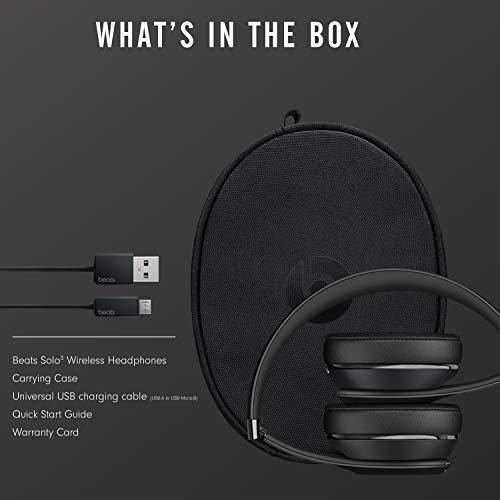
| Detachable coiled cable (1.2m-1.8m), L-connector | Bluetooth with Apple W1 chip, 3.5mm backup |
| Battery Life - Only matters for wireless models | |
| N/A (wired headphones) | Up to 40 hours wireless, Fast Fuel charging |
| Professional Features - Essential for DJ work | |
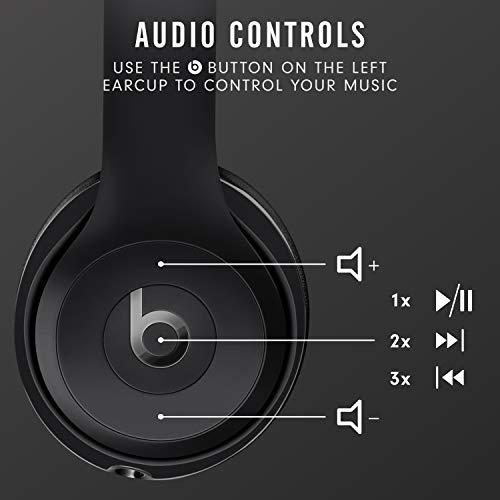
| 90° swiveling cups, high power handling (2000mW) | On-ear controls, microphone for calls |
| Build Quality - Durability for intended use | |
| Professional-grade durability, metal sliders | Consumer build, foldable design |
| Weight - Comfort factor for long sessions | |
| 215g without cable (lightweight for DJing) | Heavier due to wireless components |
| Customization - Personalization options | |
| Replaceable colored cables and earpads available | Multiple color options, no user-replaceable parts |
| Noise Isolation - Ability to block external sound | |
| Decent passive isolation for on-ear design | Limited isolation, no active noise cancellation |
| Best Value For - Who gets the most benefit | |
| DJs, audio professionals, bass-heavy music lovers | Apple users, commuters, wireless convenience seekers |
No, the Pioneer DJ HDJ-CUE1 and Beats Solo3 Wireless serve very different purposes. The HDJ-CUE1 is designed specifically for DJ monitoring and professional audio work, while the Solo3 is built for everyday wireless music listening and consumer entertainment.
For casual music listening, the Beats Solo3 Wireless offers a more consumer-friendly sound with enhanced bass and broader appeal across different music genres. The Pioneer DJ HDJ-CUE1 has more accurate, professional tuning that's excellent for electronic music and bass-heavy genres but may sound less exciting for general listening.
For DJing, wired headphones like the Pioneer DJ HDJ-CUE1 are strongly recommended because they have zero latency, which is crucial for precise beatmatching and mixing. The Beats Solo3 Wireless has wireless delay that makes professional DJ work difficult.
Both the HDJ-CUE1 and Solo3 are on-ear designs, but the Pioneer headphones are lighter at 215g and designed for extended DJ sessions. The Beats Solo3 can cause fatigue due to higher clamping pressure, though they offer plush cushioning for casual use.
The Beats Solo3 Wireless offers exceptional battery life with up to 40 hours of wireless playback and Fast Fuel charging that provides 3 hours of use from just 5 minutes of charging. The Pioneer DJ HDJ-CUE1 doesn't have a battery since it's a wired headphone.
The Beats Solo3 Wireless integrates seamlessly with Apple devices thanks to the W1 chip, offering automatic pairing, device switching, and battery status integration. The Pioneer DJ HDJ-CUE1 works fine with iPhones through the headphone adapter but doesn't offer any special Apple features.
Neither the HDJ-CUE1 nor Solo3 is ideal for serious home theater use since they're on-ear designs with limited noise isolation. However, the Beats Solo3 would be more convenient for casual movie watching due to wireless freedom, while the Pioneer headphones would be better for gaming due to zero latency.
The Pioneer DJ HDJ-CUE1 is built for professional use with metal-reinforced sliders, rigorous durability testing, and replaceable parts. The Beats Solo3 Wireless has solid consumer build quality but isn't designed to withstand the heavy use that professional DJ equipment endures.
The Beats Solo3 Wireless includes dual beam-forming microphones and integrated controls, making them excellent for phone calls and video meetings. The Pioneer DJ HDJ-CUE1 doesn't have a built-in microphone, so they're not suitable for calls without a separate mic.
The Pioneer DJ HDJ-CUE1 offers exceptional value if you need professional DJ features, delivering high-end monitoring capabilities at an entry-level price. The Beats Solo3 Wireless commands a premium for wireless technology and Apple integration, making it better value for consumers who prioritize convenience over professional features.
Both the HDJ-CUE1 and Solo3 provide only passive noise isolation typical of on-ear designs. Neither offers active noise cancellation, so they're not ideal for noisy environments like airplanes or busy offices. The Pioneer headphones provide slightly better isolation for DJ booth use.
The Pioneer DJ HDJ-CUE1 is perfect for beginner DJs, offering professional monitoring features at an affordable price point. The swiveling ear cups, professional tuning, and reliable wired connection make learning proper DJ techniques much easier compared to using consumer headphones like the Beats Solo3 Wireless.
We've done our best to create useful and informative comparisons to help you decide what product to buy. Our research uses advanced automated methods to create this comparison and perfection is not possible - please contact us for corrections or questions. These are the sites we've researched in the creation of this article: bestbuy.com - pioneerdjstore.com - rtings.com - idjnow.com - youtube.com - pioneerdj.com - soundguys.com - pioneerdj.com - digitaldjtips.com - pioneerdj.com - guitarcenter.com - empirepro.com - idjnow.com - emiaudio.com - pioneerdj.com - sfm.ca - sweetwater.com - pioneerdj.com - pioneerdj.com - pioneerdj.com - soundguys.com - cornellstore.com - imore.com - bestbuy.com - headphonecheck.com - soundguys.com - recordingnow.com - corporategift.com - ifixit.com - rtings.com - youtube.com - mobileciti.com.au - beatsbydre.com - discussions.apple.com - target.com - bestbuy.com - jalc.ecampus.com - beats.fandom.com - support.apple.com - electronics.woot.com

Privacy Policy
Terms and Conditions - Affiliate Policy
Home Security
© Copyright 2008-2026.
11816 Inwood Rd #1211, Dallas, TX 75244