

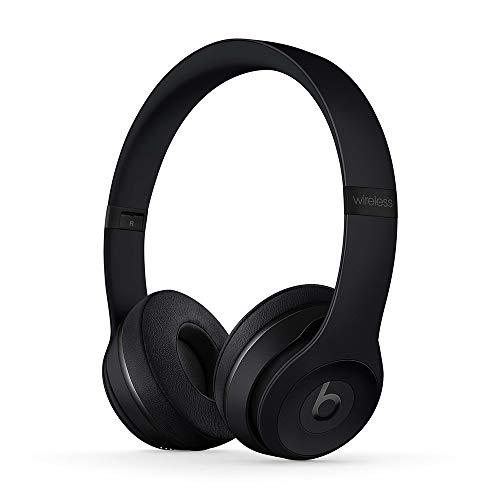
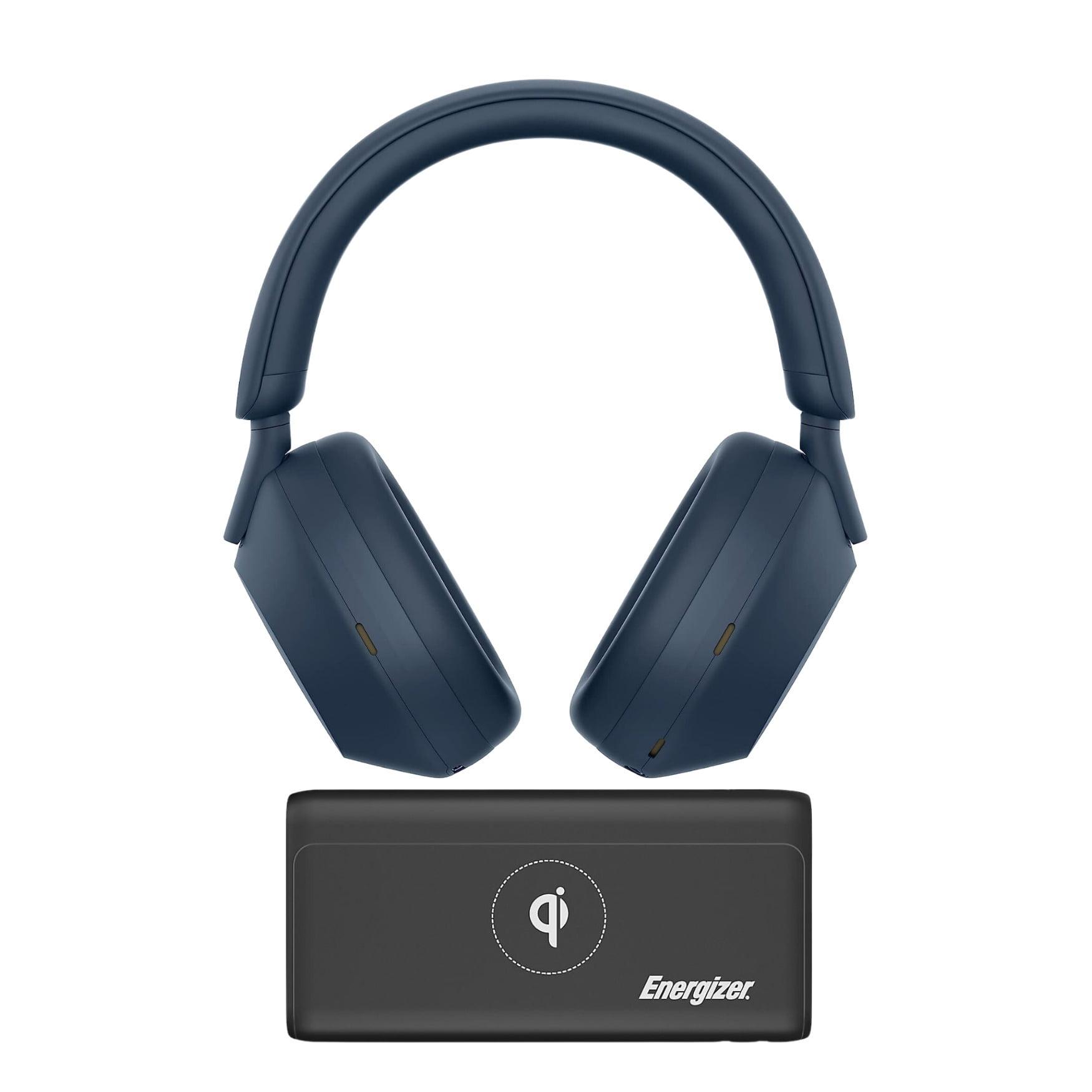
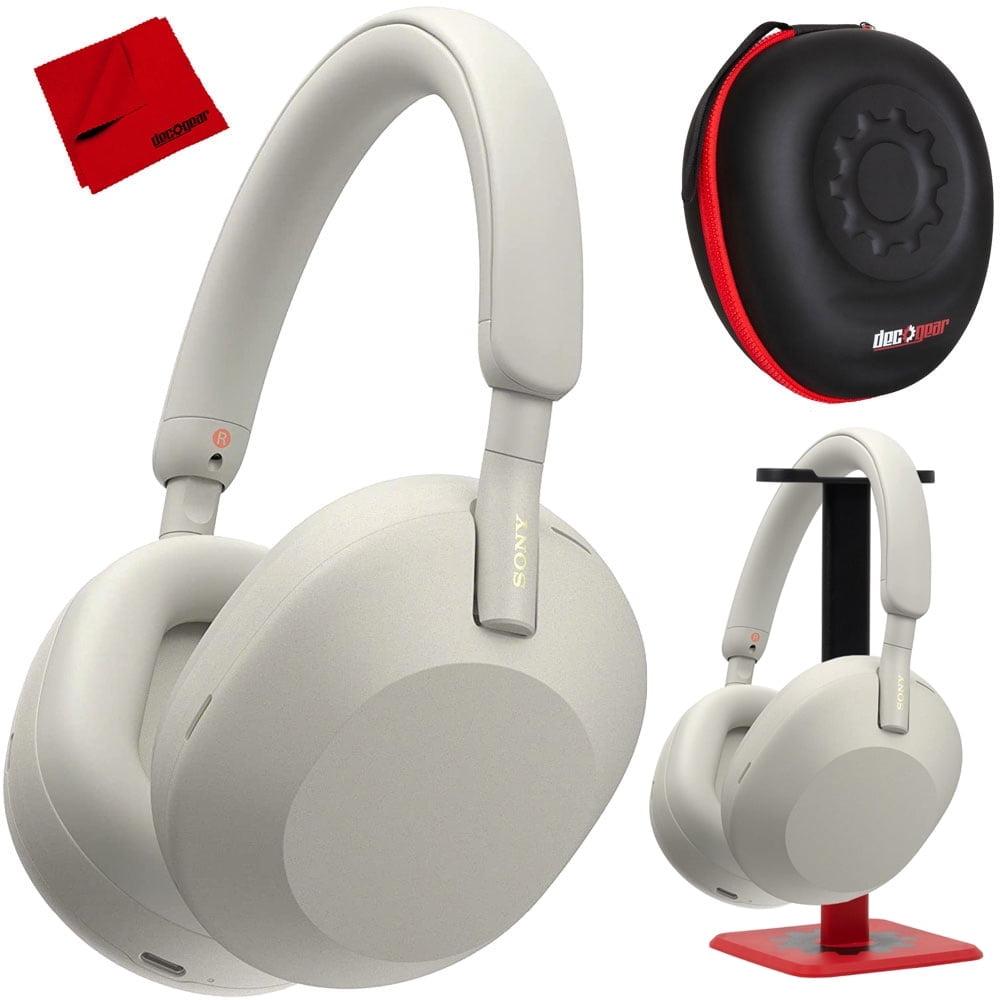

When you're shopping for wireless headphones today, you'll quickly discover that not all headphones are created equal. The market offers everything from budget-friendly options to premium flagships, each designed for different listening habits and lifestyles. Two headphones that perfectly illustrate this range are the Beats Solo3 Wireless and the Sony WH-1000XM5 – and understanding their differences will help you make the right choice for your needs.
Before diving into our comparison, it's helpful to understand what separates good wireless headphones from great ones. The most obvious difference you'll notice is whether they sit on your ears (on-ear design) or completely surround them (over-ear design). This isn't just about looks – it fundamentally changes how they sound, how comfortable they are, and how well they block outside noise.
Modern wireless headphones also vary dramatically in their smart features. Some, like the Sony WH-1000XM5, pack in advanced noise cancellation technology that uses multiple microphones to actively cancel out background sound. Others, like the Beats Solo3 Wireless, focus on seamless connectivity and long battery life instead.
The technical specifications matter too, but they don't always tell the whole story. A headphone's driver size (the little speakers inside), frequency response (the range of sounds they can reproduce), and codec support (how they process audio data) all contribute to sound quality, but the tuning – how the manufacturer balances bass, mids, and treble – often matters more to your actual listening experience.
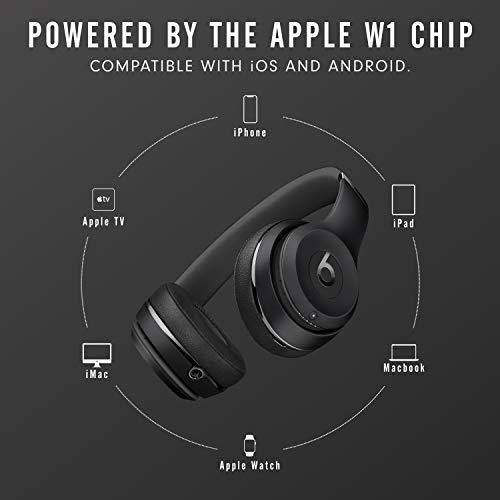
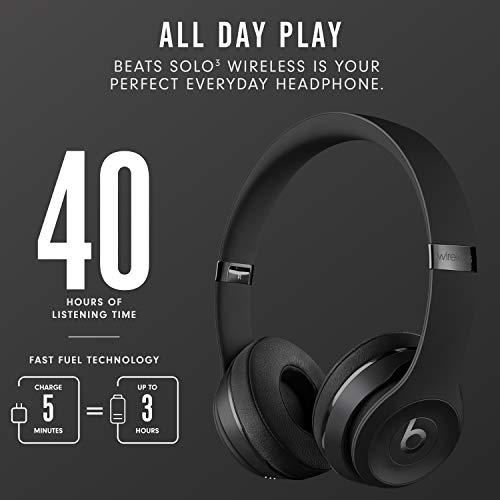
The Beats Solo3 Wireless launched in 2016 as one of Apple's first major pushes into wireless audio, featuring their then-new W1 chip for seamless iPhone connectivity. At that time, active noise cancellation was still relatively uncommon and expensive, so Beats focused on what they did best: punchy, bass-heavy sound and rock-solid wireless performance.
Fast forward to 2022, and the Sony WH-1000XM5 represents how much the wireless headphone landscape has evolved. Sony had already released four previous generations of their flagship noise-canceling headphones, refining the technology with each iteration. By the time the XM5 arrived, features that seemed futuristic in 2016 – like adaptive noise cancellation that automatically adjusts to your environment – had become standard expectations for premium headphones.
This six-year gap explains why these headphones feel like they're from different eras of technology, even though both are still actively sold today.
The Beats Solo3 Wireless delivers exactly what you'd expect from the Beats brand: a sound signature that's designed to make music exciting rather than accurate. These headphones boost the bass significantly and push vocals forward in the mix, creating what audio engineers call a "smiley curve" EQ – lots of bass, prominent highs, and slightly recessed mids.
This tuning works brilliantly for hip-hop, electronic music, and pop, where the enhanced bass adds impact to kick drums and the forward vocals help lyrics cut through dense instrumental arrangements. However, it can make acoustic music sound less natural, and complex classical pieces might lose some of their subtle details in the emphasized low end.
The Beats Solo3 uses relatively small drivers and an on-ear design, which limits their ability to produce a wide soundstage – that sense of space and instrument separation you get with better headphones. Music tends to feel like it's happening "inside your head" rather than around you, which is typical for on-ear designs but worth noting if you're used to over-ear headphones or quality speakers.
The Sony WH-1000XM5 takes a more sophisticated approach to sound reproduction. Out of the box, they offer a more balanced sound signature that doesn't heavily favor any particular frequency range. Sony's engineers tuned these headphones to reveal detail across the entire frequency spectrum, from deep bass to sparkling highs.
What makes the Sony WH-1000XM5 special is their 30mm drivers, which are actually smaller than the previous generation's 40mm drivers but perform better thanks to improved materials. The driver diaphragm (the part that moves to create sound waves) is made from a carbon fiber composite that's both lightweight and rigid, allowing for more precise movement and less distortion.
The real game-changer is Sony's DSEE Extreme technology, which uses artificial intelligence to upscale compressed music files in real-time. When you're streaming from Spotify or Apple Music, this feature attempts to restore some of the high-frequency information that gets lost during compression, making your music sound more detailed and lively.
Perhaps most importantly, the Sony WH-1000XM5 comes with a comprehensive equalizer in Sony's mobile app, allowing you to completely reshape their sound signature. If you prefer more bass, you can add it. If you want a brighter, more analytical sound for critical listening, you can achieve that too. This flexibility means these headphones can adapt to both casual listening and more serious audio work.
This is where the six-year technology gap becomes most apparent. The Beats Solo3 Wireless has no active noise cancellation whatsoever – they rely entirely on their physical design to block outside sound. Since they sit on your ears rather than around them, this passive isolation is quite limited. You'll still hear conversations, traffic noise, and airplane engines clearly.
The Sony WH-1000XM5, by contrast, represents the current state-of-the-art in active noise cancellation (ANC). They use eight microphones – four on each ear cup – to constantly monitor ambient sound and generate inverse sound waves to cancel it out. This isn't just marketing speak; the difference is dramatic and immediately noticeable.
Sony's dual-processor system includes their Integrated Processor V1 and HD Noise Cancelling Processor QN1, working together to process audio and noise cancellation simultaneously without compromising either. The system automatically adjusts to atmospheric pressure changes (useful when flying) and can detect whether you're walking, sitting still, or on transportation to optimize the cancellation profile accordingly.
For anyone who travels frequently, works in noisy environments, or simply wants to focus on their music without distractions, this technology gap makes the Sony WH-1000XM5 significantly more useful. The noise cancellation is so effective that it can feel almost disorienting the first time you use it in a noisy environment.
The comfort difference between these headphones illustrates why form factor matters so much. The Beats Solo3 Wireless weighs just 215 grams, making them noticeably lighter than the Sony WH-1000XM5's 250 grams. However, lighter doesn't necessarily mean more comfortable.
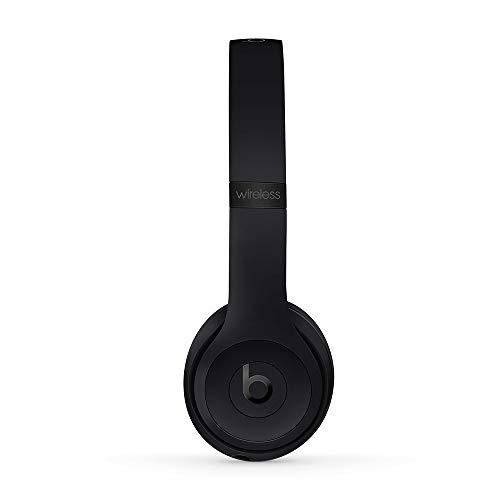
On-ear headphones like the Beats Solo3 concentrate their entire weight and clamping force directly on your ears. While this creates a secure fit that's great for exercise or movement, it can become uncomfortable during extended listening sessions. Many users report ear fatigue or pressure pain after wearing them for more than two hours at a time.
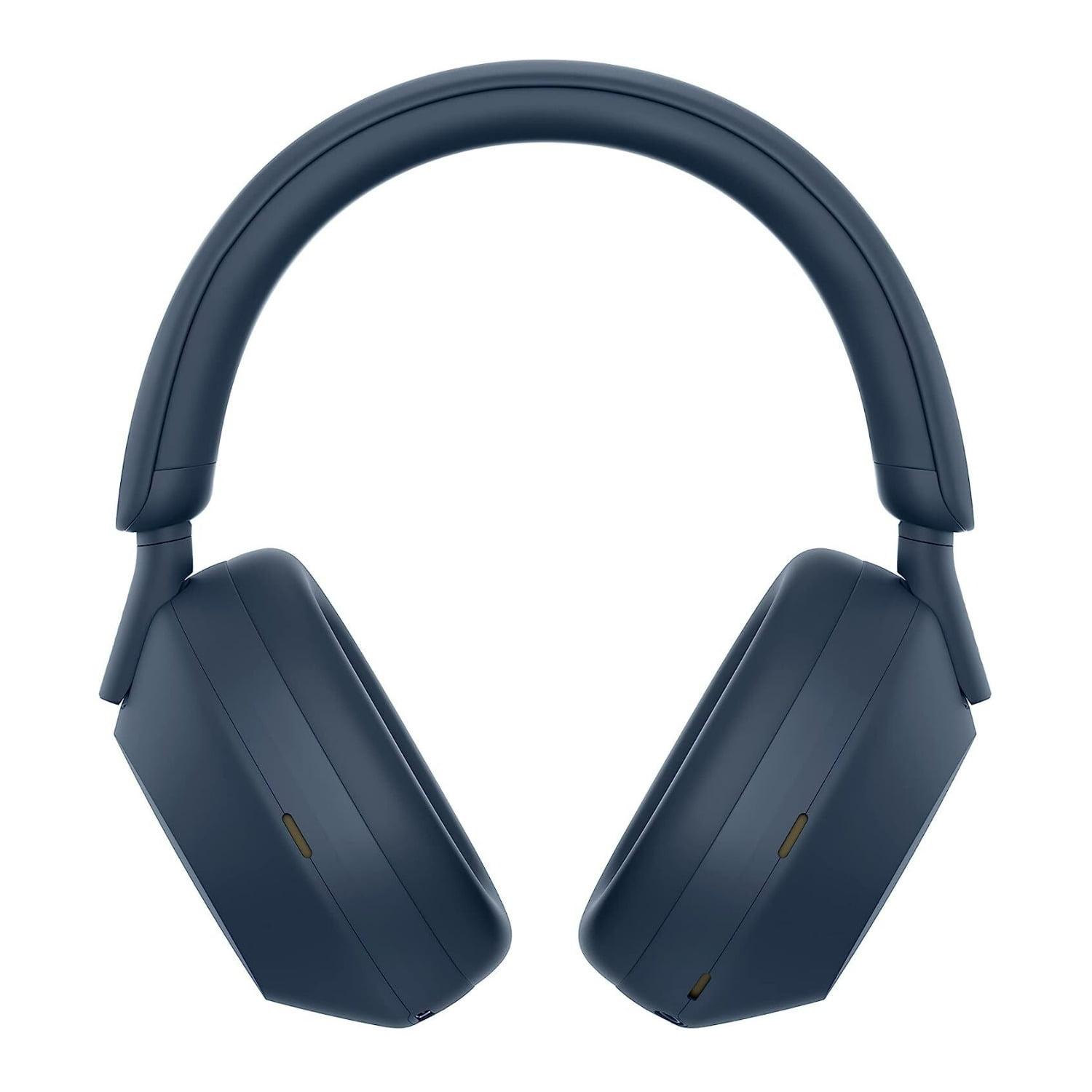
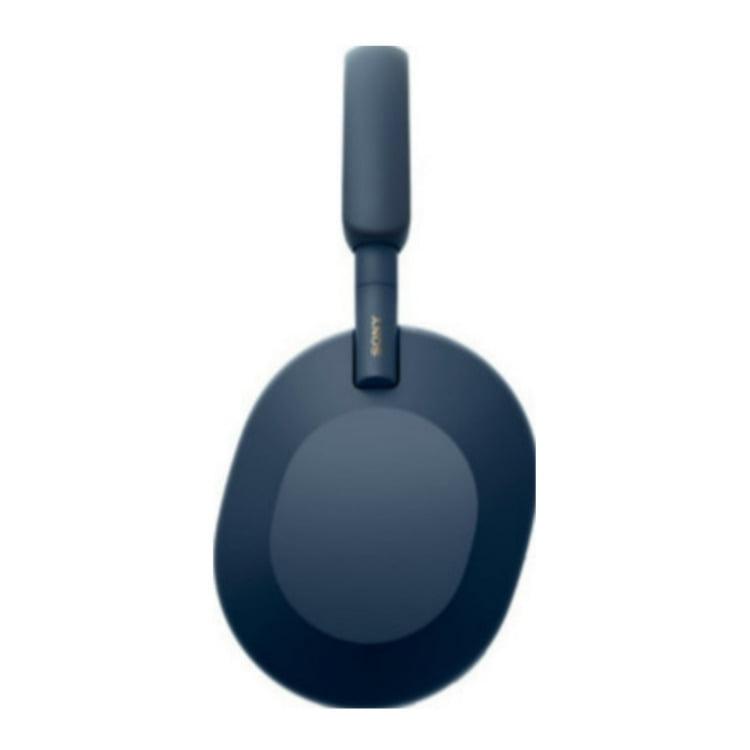
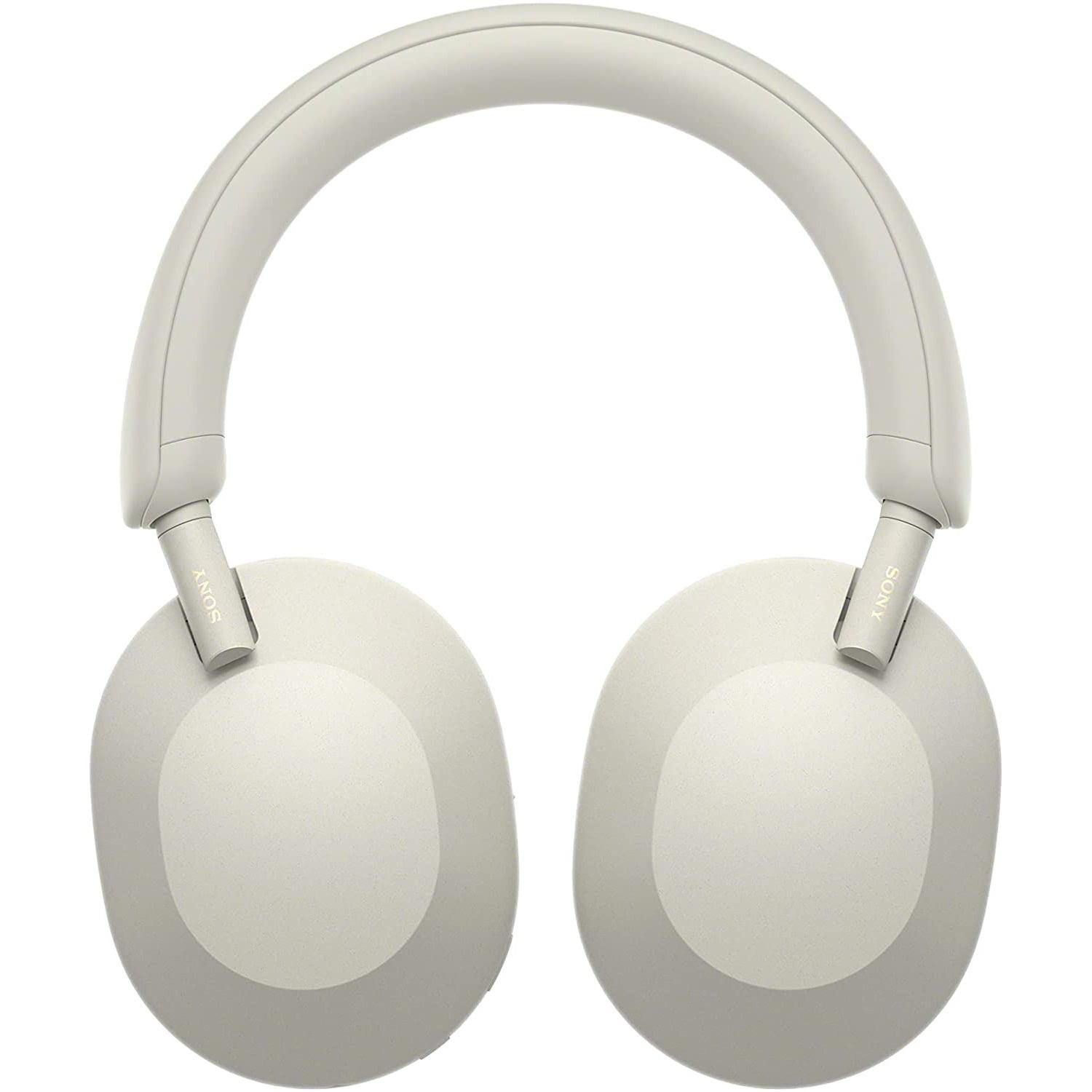
The Sony WH-1000XM5's over-ear design distributes weight around your ears rather than on them, eliminating pressure points entirely. The ear cups are lined with premium synthetic leather and memory foam that conforms to your head shape. Even though they weigh slightly more, the weight distribution makes them comfortable for all-day wear.
From a build quality perspective, user reports suggest the Beats Solo3 may have durability concerns, particularly around the folding hinges and headband adjustment mechanism. The predominantly plastic construction, while keeping weight down, doesn't feel as premium as you might expect.
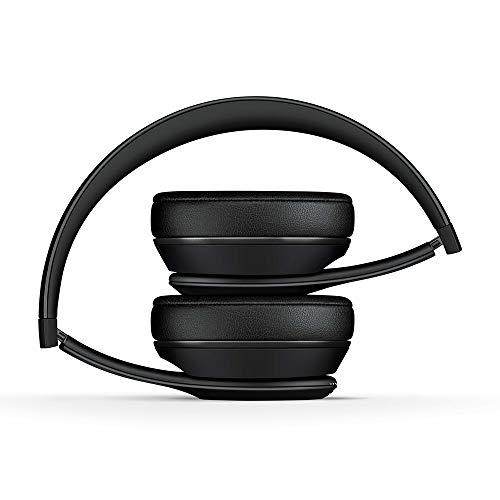
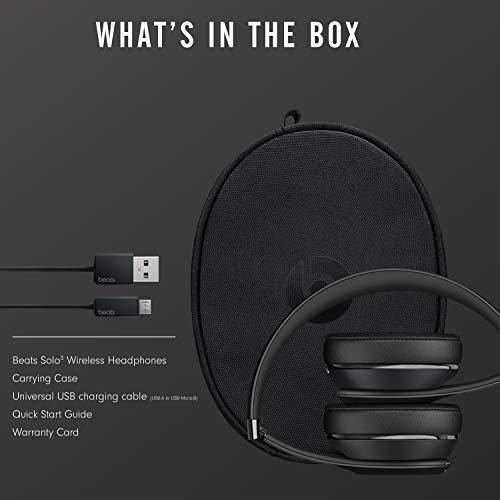
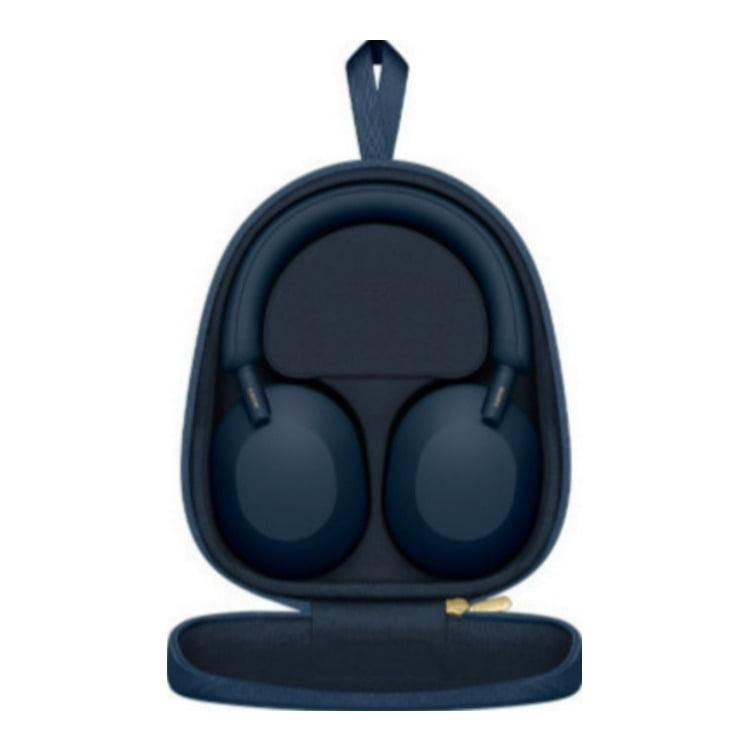
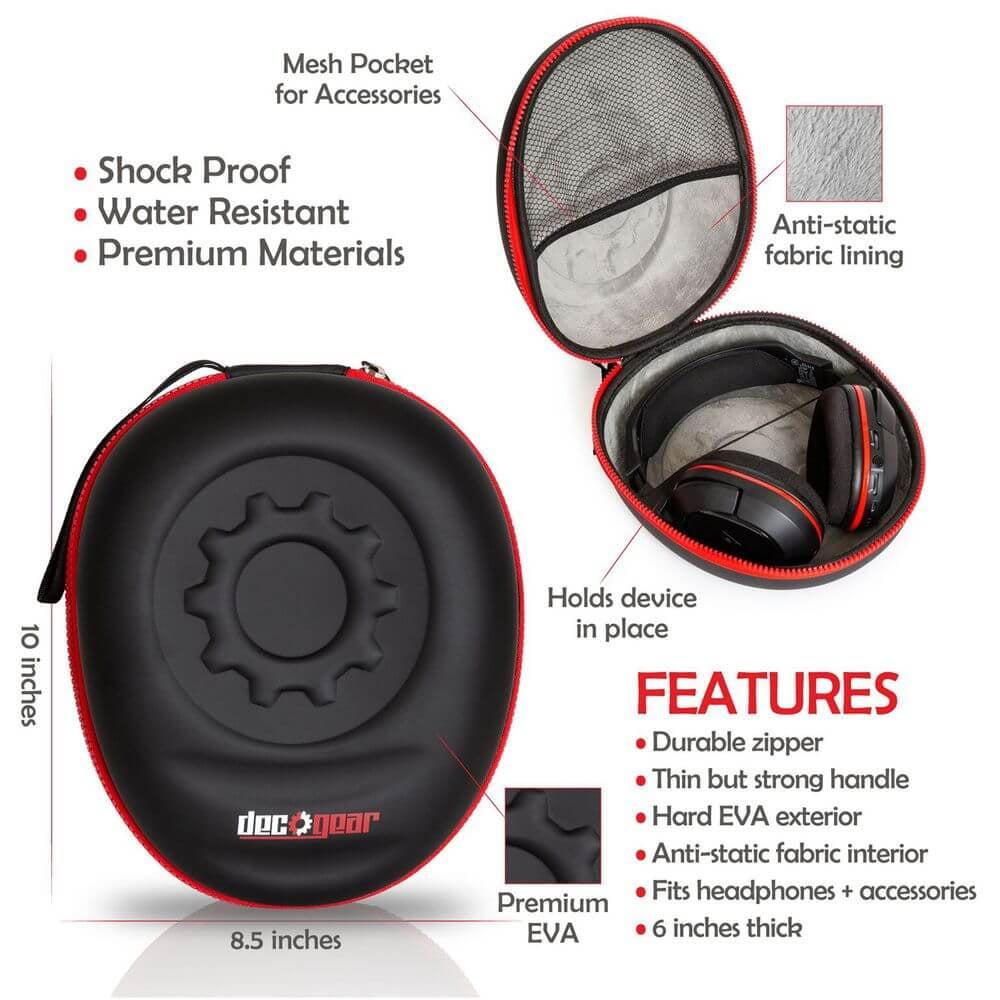
The Sony WH-1000XM5 uses higher-quality materials throughout, with a mix of plastic and metal components that feel more substantial. However, they're not foldable like the Beats Solo3, making them less portable despite coming with a carrying case.
Both headphones deliver impressive battery performance, though they achieve it in different ways. The Beats Solo3 Wireless can run for over 40 hours on a single charge – an genuinely impressive feat for 2016 technology that still holds up well today. Their Fast Fuel charging gives you three hours of playback from just five minutes of charging, which is incredibly convenient when you're heading out the door.
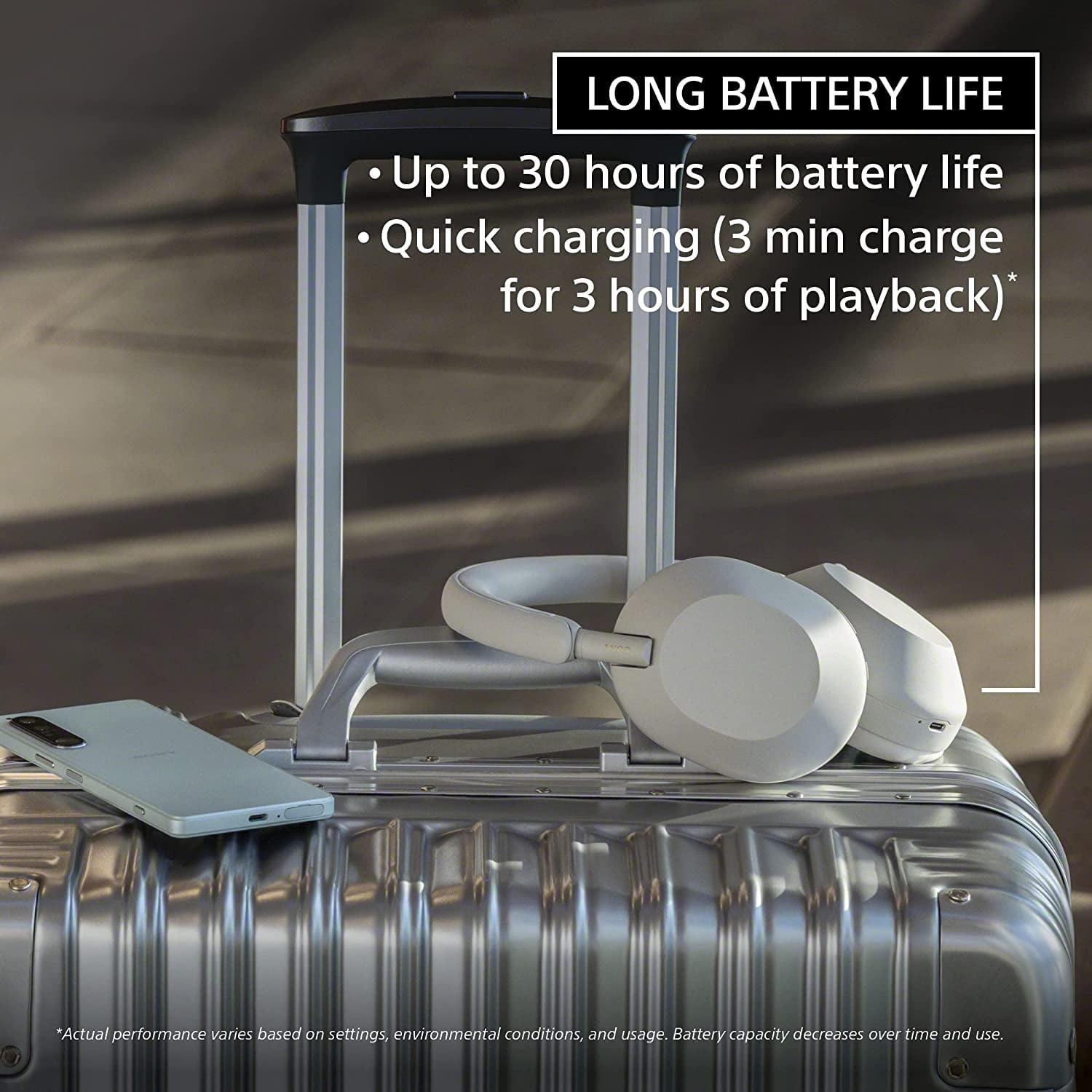
The Sony WH-1000XM5 matches this with approximately 30 hours of battery life with noise cancellation active, or up to 40 hours with ANC turned off. What's remarkable is that Sony achieves similar battery life while powering multiple processors, eight microphones, and sophisticated audio processing. They also support fast charging, giving you three hours of playback from a three-minute charge.
Where connectivity differs significantly is in sophistication and device compatibility. The Beats Solo3 uses Apple's W1 chip, which creates an almost magical pairing experience with iPhones, iPads, and Macs. The headphones appear in your device list instantly, connect reliably, and can seamlessly switch between your Apple devices. However, this integration is limited to Apple's ecosystem, and Android users miss out on many conveniences.
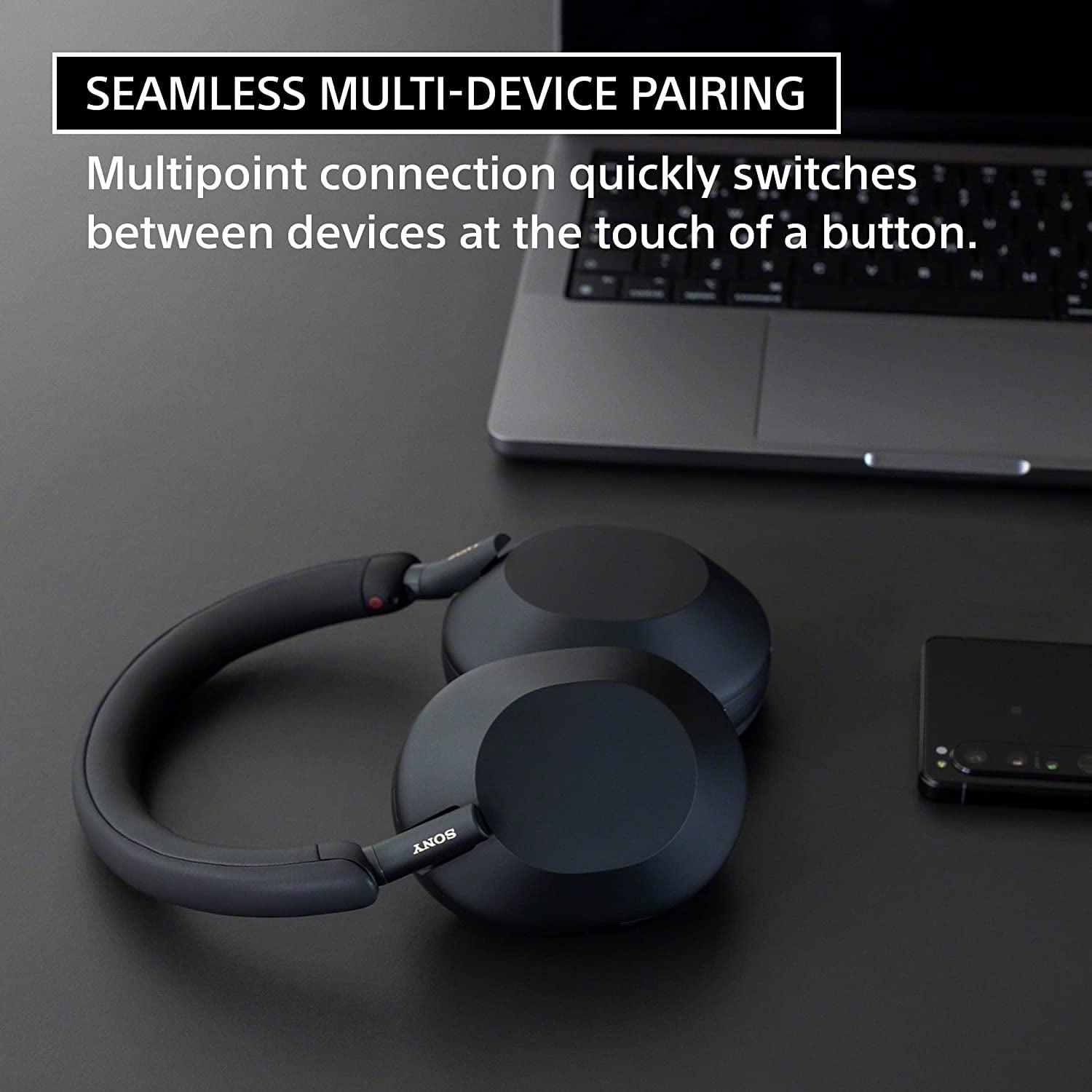
The Sony WH-1000XM5 uses Bluetooth 5.2 with multipoint connectivity, allowing them to connect to two devices simultaneously – perhaps your phone and laptop – and automatically switch audio sources as needed. They also support advanced audio codecs like LDAC, which can transmit much more audio data than standard Bluetooth, resulting in noticeably better sound quality when streaming from compatible devices.
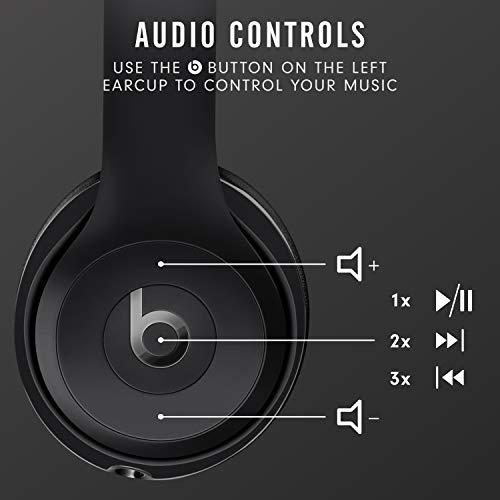
Modern wireless headphones are essentially small computers that happen to play music, and nowhere is this more evident than in their smart features. The Beats Solo3 Wireless keeps things relatively simple, with basic on-ear controls for playback, volume, and activating Siri. They're from an era when wireless headphones were primarily about cutting the cord, not adding intelligence.
The Sony WH-1000XM5 represents the current generation of smart headphones. They feature adaptive sound control that learns your daily routine and automatically adjusts noise cancellation settings based on your location and activity. If you regularly take the same route to work, they'll remember to increase noise cancellation when you reach the subway platform.
The touch controls on the right ear cup are remarkably sophisticated, allowing you to control playback, adjust volume, and activate voice assistants with gestures. The "Quick Attention" feature lets you quickly lower the music volume and activate transparency mode just by placing your hand over the right ear cup – perfect for brief conversations without removing the headphones.
Sony's Headphones Connect app provides extensive customization options, including a detailed equalizer, spatial audio settings, and even hearing protection features that monitor your listening levels over time. You can create custom sound profiles for different activities or locations, making these headphones truly adaptable to your lifestyle.
Neither headphone excels at phone calls, though the Sony WH-1000XM5 performs slightly better thanks to its more sophisticated microphone array. The Beats Solo3 uses a basic microphone setup that captures your voice adequately but doesn't do much to separate it from background noise.
The Sony WH-1000XM5 employs four dedicated beamforming microphones for call quality, using the same noise cancellation technology that improves music listening to enhance voice clarity during calls. However, even with this advanced setup, neither headphone matches the call quality you'd get from dedicated headsets or quality earbuds designed specifically for phone use.
For home theater use, the Sony WH-1000XM5 offers a significantly better experience. Their over-ear design creates better isolation from household noise, allowing you to hear subtle dialogue and sound effects without disturbing others. The wider frequency response and more accurate sound reproduction make movie soundtracks more engaging and immersive.
The Sony WH-1000XM5 also supports higher-quality wireless codecs that can better handle the dynamic range of movie soundtracks, from quiet dialogue to explosive action sequences. Their comfort advantage becomes crucial during longer viewing sessions – movie marathons or binge-watching sessions are much more comfortable with over-ear headphones.
The Beats Solo3 Wireless can certainly handle movie watching, but their bass-heavy tuning might make dialogue less clear, and their on-ear design becomes uncomfortable during extended viewing sessions.
At the time of writing, these headphones occupy very different price segments, with the Beats Solo3 Wireless positioned as a budget-to-mid-range option while the Sony WH-1000XM5 commands premium pricing. This price difference reflects not just features and performance, but also the different markets they target.
The Beats Solo3 offers excellent value for users who primarily want Apple ecosystem integration, decent battery life, and the signature Beats sound signature. They're particularly appealing to younger users or those who prioritize style and brand recognition alongside basic wireless functionality.
The Sony WH-1000XM5 justifies its premium pricing through superior performance in nearly every category: sound quality, comfort, noise cancellation, and smart features. For users who plan to use their headphones extensively – whether for work, travel, or serious music listening – the additional cost often proves worthwhile over the headphones' lifespan.
Choose the Beats Solo3 Wireless if you're primarily an Apple user who values portability above all else. They're ideal for gym workouts, commuting on public transport where you want to remain somewhat aware of your surroundings, or any situation where you need headphones that pack small and pair effortlessly with your iPhone. Their energetic sound signature makes them particularly good for electronic music, hip-hop, and pop music genres.
The Beats Solo3 also makes sense if you're buying your first pair of wireless headphones and aren't sure about investing in premium features yet. They provide a solid introduction to wireless audio without requiring a significant financial commitment.
Choose the Sony WH-1000XM5 if you're serious about audio quality and frequently find yourself in noisy environments where concentration matters. They're exceptional for air travel, open offices, studying in cafes, or any situation where you need to block out the world and focus on your audio. Their comfort advantage makes them suitable for all-day wear, whether you're working from home or enjoying long music listening sessions.
The Sony WH-1000XM5 is also the better choice if you use multiple devices throughout the day or want headphones that will remain relevant as technology continues evolving. Their extensive app customization means you can adapt them to different use cases and personal preferences over time.
While both the Beats Solo3 Wireless and Sony WH-1000XM5 deliver wireless audio, they represent fundamentally different approaches to headphone design. The Beats Solo3 prioritizes portability, Apple integration, and energetic sound at an accessible price point. The Sony WH-1000XM5 focuses on technical excellence, comfort, and advanced features that justify premium pricing.
For most users in 2024, the Sony WH-1000XM5 represents a better long-term investment despite the higher upfront cost. However, the Beats Solo3 Wireless remains a solid choice for Apple users who prioritize portability and don't need advanced features like noise cancellation. Your choice ultimately depends on how you plan to use your headphones, your device ecosystem, and whether you value cutting-edge technology or proven simplicity.
| Beats Solo3 Wireless | Sony WH-1000XM5 |
|---|---|
| Design Type - Fundamentally affects comfort and sound isolation | |
| On-ear (sits directly on ears, more portable) | Over-ear (surrounds ears completely, better isolation) |
| Weight - Important for extended wearing comfort | |
| 215g (lighter but pressure concentrated on ears) | 250g (slightly heavier but weight distributed around ears) |
| Active Noise Cancellation - Critical for noisy environments like travel | |
| None (passive isolation only, limited effectiveness) | Industry-leading ANC with 8 microphones and dual processors |
| Sound Quality Approach - Determines your listening experience | |
| Bass-heavy, energetic sound signature | Balanced, customizable with comprehensive EQ options |
| Driver Technology - Affects audio precision and range | |
| Standard drivers, limited frequency response | 30mm carbon fiber composite drivers, 4Hz-40,000Hz range |
| Battery Life - Essential for daily use without frequent charging | |
| Up to 40+ hours (exceptional for the era) | 30 hours with ANC, 40 hours without (impressive given features) |
| Fast Charging - Convenience for quick power-ups | |
| Fast Fuel: 5 minutes = 3 hours playback | 3 minutes = 3 hours playback |
| Bluetooth Technology - Affects connection stability and audio quality | |
| Bluetooth 4.2 with Apple W1 chip integration | Bluetooth 5.2 with multipoint connectivity |
| Audio Codecs - Determines wireless sound quality potential | |
| Standard SBC/AAC codecs | Advanced LDAC support for high-resolution wireless audio |
| Smart Features - Modern conveniences and adaptability | |
| Basic controls, Siri integration | Adaptive sound control, touch gestures, comprehensive app |
| Portability - Important for travel and storage | |
| Foldable design, very compact | Non-folding but includes carrying case |
| Ecosystem Integration - Device compatibility and ease of use | |
| Seamless with Apple devices, limited Android features | Universal compatibility with advanced multi-device support |
| Call Quality - Important for phone and video calls | |
| Basic microphone setup, adequate performance | Beamforming microphones with noise canceling, better clarity |
| Build Quality - Long-term durability considerations | |
| Mostly plastic construction, some durability concerns reported | Premium materials, more robust engineering |
The Sony WH-1000XM5 offers superior music quality with balanced sound, high-resolution audio support, and customizable EQ settings through Sony's app. The Beats Solo3 Wireless provides a bass-heavy, energetic sound that's great for hip-hop and pop but less accurate for other genres. If you want the best overall music experience, the Sony WH-1000XM5 is the clear winner.
If you frequently travel, work in noisy environments, or want to focus without distractions, noise canceling is essential. The Sony WH-1000XM5 features industry-leading active noise cancellation that dramatically reduces background noise. The Beats Solo3 Wireless has no active noise canceling and relies only on passive isolation, making them less effective in noisy situations.
The Sony WH-1000XM5 is significantly more comfortable for extended wear due to its over-ear design that distributes weight around your ears rather than on them. The Beats Solo3 Wireless can cause ear pressure and discomfort after 2-3 hours since they sit directly on your ears. For all-day comfort, choose the Sony WH-1000XM5.
The Beats Solo3 Wireless is better for exercise due to its lighter weight, more secure on-ear fit, and compact foldable design. The Sony WH-1000XM5 is bulkier and designed more for stationary listening. However, neither is specifically designed for sports use, so dedicated workout headphones might be a better choice for intense exercise.
Both offer excellent battery life, with the Beats Solo3 Wireless providing over 40 hours and the Sony WH-1000XM5 delivering 30 hours with noise canceling on or 40 hours with it off. The Beats Solo3 technically wins on pure battery numbers, but the Sony WH-1000XM5 is impressive considering it powers advanced noise cancellation and smart features.
Both headphones can handle phone calls, but neither excels at it. The Sony WH-1000XM5 performs slightly better with beamforming microphones and noise canceling for clearer voice pickup. The Beats Solo3 Wireless has basic call functionality. If call quality is important, consider dedicated headsets or earbuds designed specifically for voice calls.
The Beats Solo3 Wireless integrates seamlessly with iPhones thanks to Apple's W1 chip, offering instant pairing and easy device switching within Apple's ecosystem. The Sony WH-1000XM5 works well with iPhones too but doesn't have the same level of integration. However, the Sony WH-1000XM5 offers more advanced features that may offset the convenience advantage.
The Sony WH-1000XM5 costs significantly more but delivers superior sound quality, industry-leading noise cancellation, better comfort, and more advanced features. The Beats Solo3 Wireless offers good value for Apple users who prioritize portability and basic wireless functionality. The premium is justified if you value audio quality and noise cancellation.
The Beats Solo3 Wireless is more portable due to its foldable design and lighter weight, making it easier to pack in bags or carry around. The Sony WH-1000XM5 doesn't fold and requires its included carrying case, taking up more space. However, the Sony WH-1000XM5 is far better for actual travel use thanks to its excellent noise cancellation.
The Sony WH-1000XM5 is excellent for movies and TV with its balanced sound that makes dialogue clear, wide frequency response for sound effects, and noise cancellation to eliminate distractions. The Beats Solo3 Wireless can handle movies but the bass-heavy sound may make dialogue less clear. For home theater use, the Sony WH-1000XM5 is the better choice.
The Sony WH-1000XM5 uses premium materials and more robust engineering, feeling more substantial and durable. The Beats Solo3 Wireless uses mostly plastic construction, and some users report durability concerns with the folding hinges over time. While the Beats Solo3 is well-built for its price range, the Sony WH-1000XM5 feels more premium overall.
The Sony WH-1000XM5 offers extensive sound customization through Sony's Headphones Connect app, including a detailed equalizer and various sound presets. The Beats Solo3 Wireless has limited customization options and relies primarily on its fixed bass-heavy sound signature. If you want to fine-tune your audio experience, the Sony WH-1000XM5 provides much more flexibility.
We've done our best to create useful and informative comparisons to help you decide what product to buy. Our research uses advanced automated methods to create this comparison and perfection is not possible - please contact us for corrections or questions. These are the sites we've researched in the creation of this article: soundguys.com - cornellstore.com - imore.com - bestbuy.com - headphonecheck.com - soundguys.com - recordingnow.com - corporategift.com - ifixit.com - rtings.com - youtube.com - mobileciti.com.au - beatsbydre.com - discussions.apple.com - target.com - bestbuy.com - jalc.ecampus.com - beats.fandom.com - support.apple.com - electronics.woot.com - rtings.com - audiosciencereview.com - techradar.com - audio46.com - recordingnow.com - electronics.sony.com - theabsolutesound.com - soundguys.com - soundguys.com - headphonesaddict.com - sony.com - sony.com - sony-mea.com - fullspecs.net - bhphotovideo.com - sony.com - helpguide.sony.net - headphones.com - androidpolice.com - sony.co.id - moon-audio.com - sony.com - bestbuy.com - sonylatvija.com

Privacy Policy
Terms and Conditions - Affiliate Policy
Home Security
© Copyright 2008-2026.
11816 Inwood Rd #1211, Dallas, TX 75244