






When I first started exploring wireless over-ear headphones seriously, I was overwhelmed by the sheer number of options available. The market has exploded over the past few years, with everything from ultra-budget models to thousand-dollar audiophile monsters. Today, I want to help you navigate this landscape by comparing two very different approaches to wireless audio: the budget-friendly OneOdio Fusion A70 and the premium Shure Aonic 50 Gen 2.
These headphones represent opposite ends of the value spectrum, but both have carved out loyal followings for good reasons. Understanding their differences will help you figure out which approach makes more sense for your needs and budget.
Before diving into specifics, let's establish what actually matters when choosing wireless headphones. Sound quality is obviously important, but it's more nuanced than just "good" or "bad." Different people prefer different sound signatures – some love thumping bass, others want crystal-clear vocals, and audio professionals need accurate, uncolored sound for mixing.
Comfort becomes crucial during long listening sessions. I've learned this the hard way with headphones that felt fine for 30 minutes but caused headaches after two hours. Build quality affects both durability and the overall experience – cheap plastic that creaks every time you move isn't exactly inspiring confidence in your investment.
Battery life has become a major differentiator as well. Nothing's more frustrating than your headphones dying mid-commute or during a long work session. Connectivity features like codec support (which determines how much audio detail survives the wireless transmission) and multi-device pairing can significantly impact daily usability.
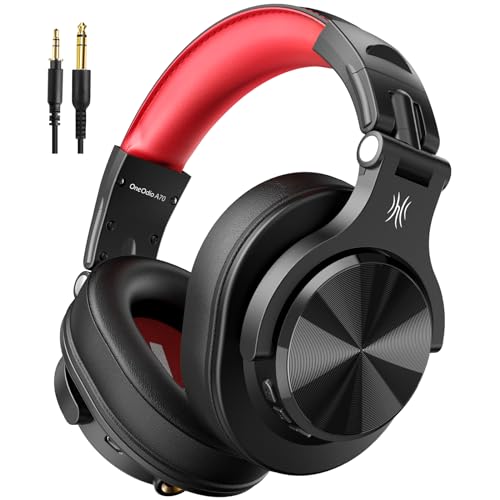
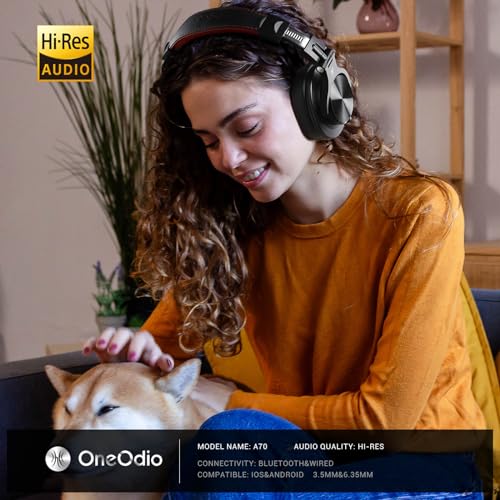
The OneOdio Fusion A70, released around 2021, represents the "maximum features for minimum cost" philosophy. At the time of writing, it typically sells for well under $100, making it accessible to students, casual listeners, and anyone wanting to dip their toes into wireless audio without breaking the bank. OneOdio built their reputation by cramming surprisingly advanced features into budget-friendly packages.
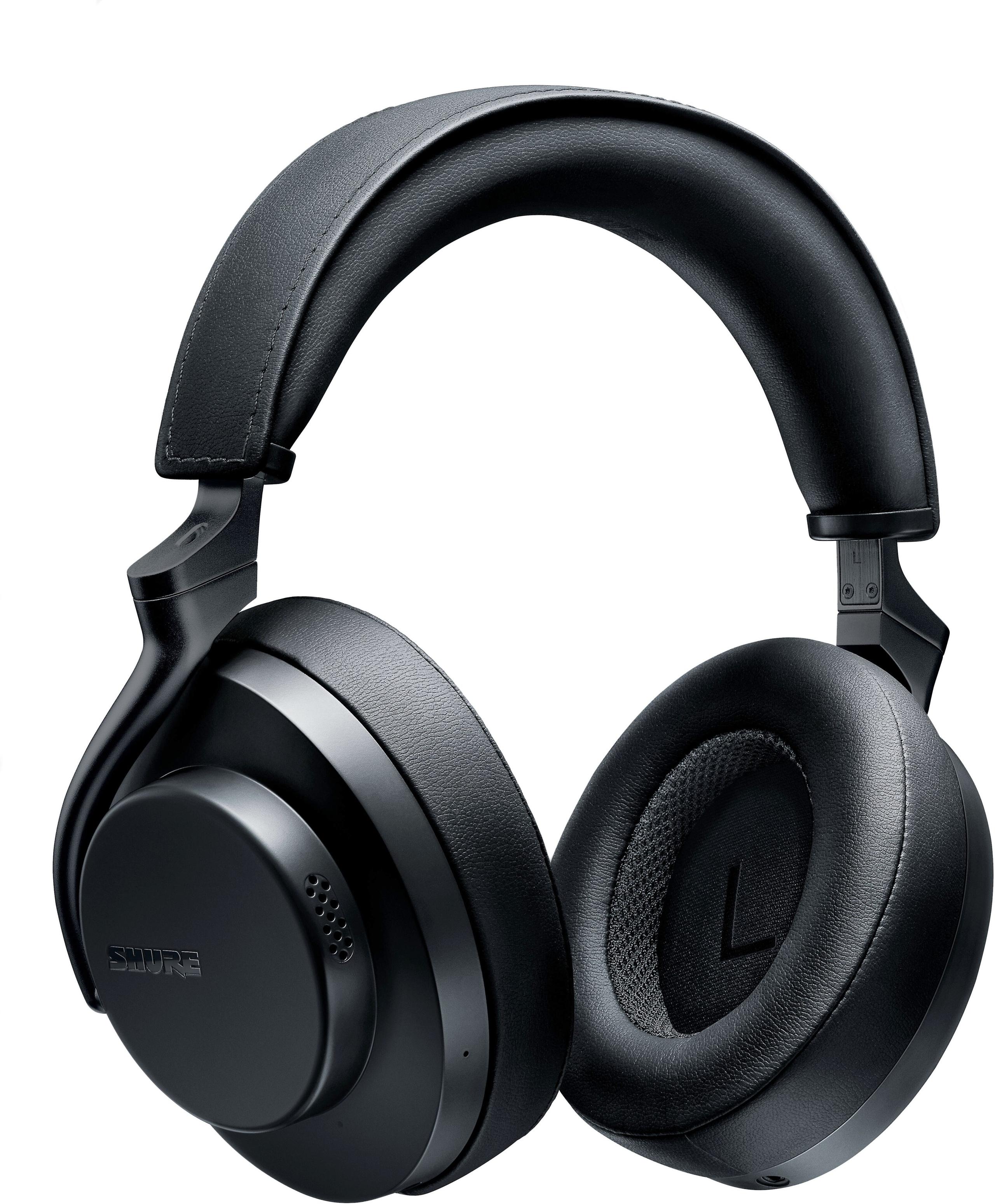
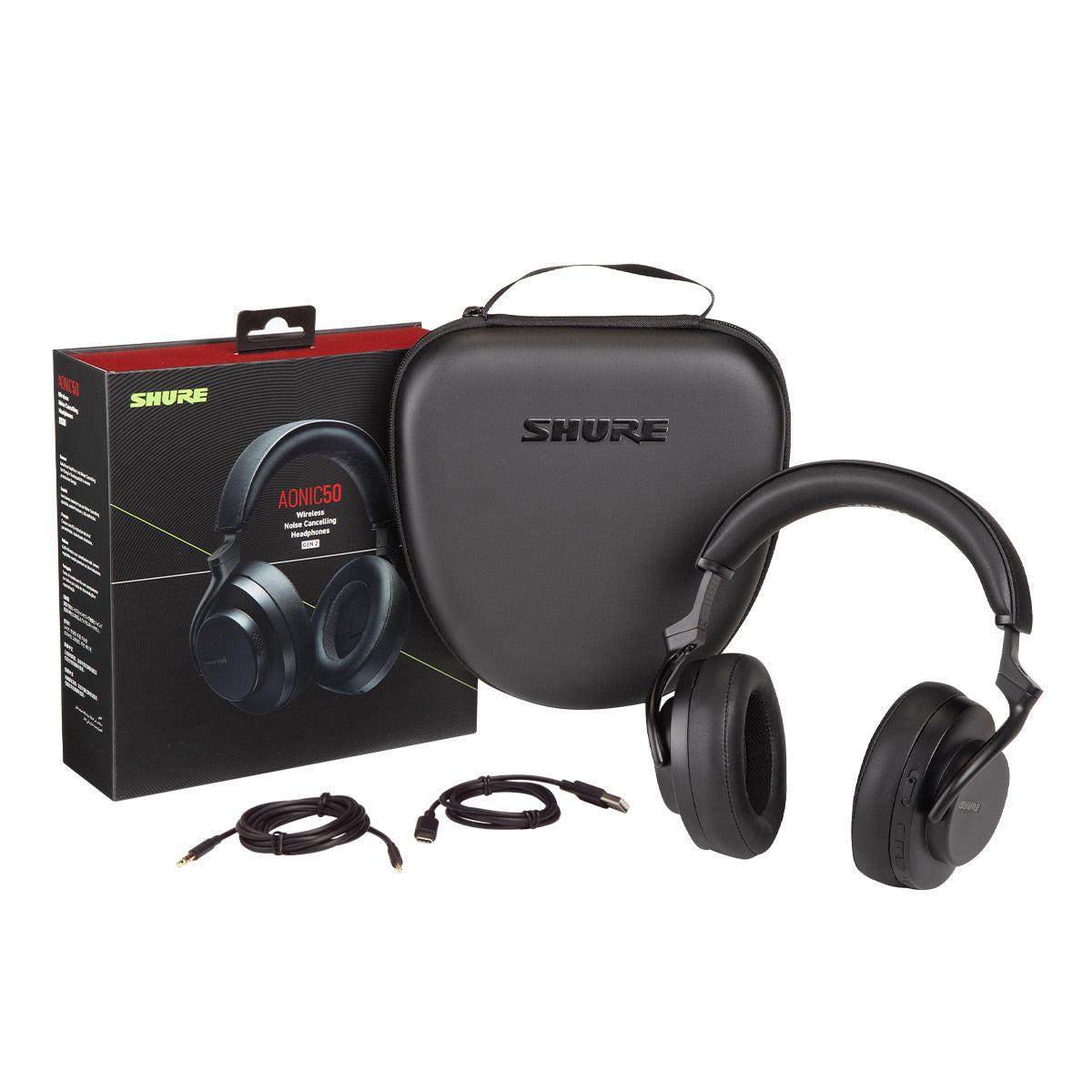
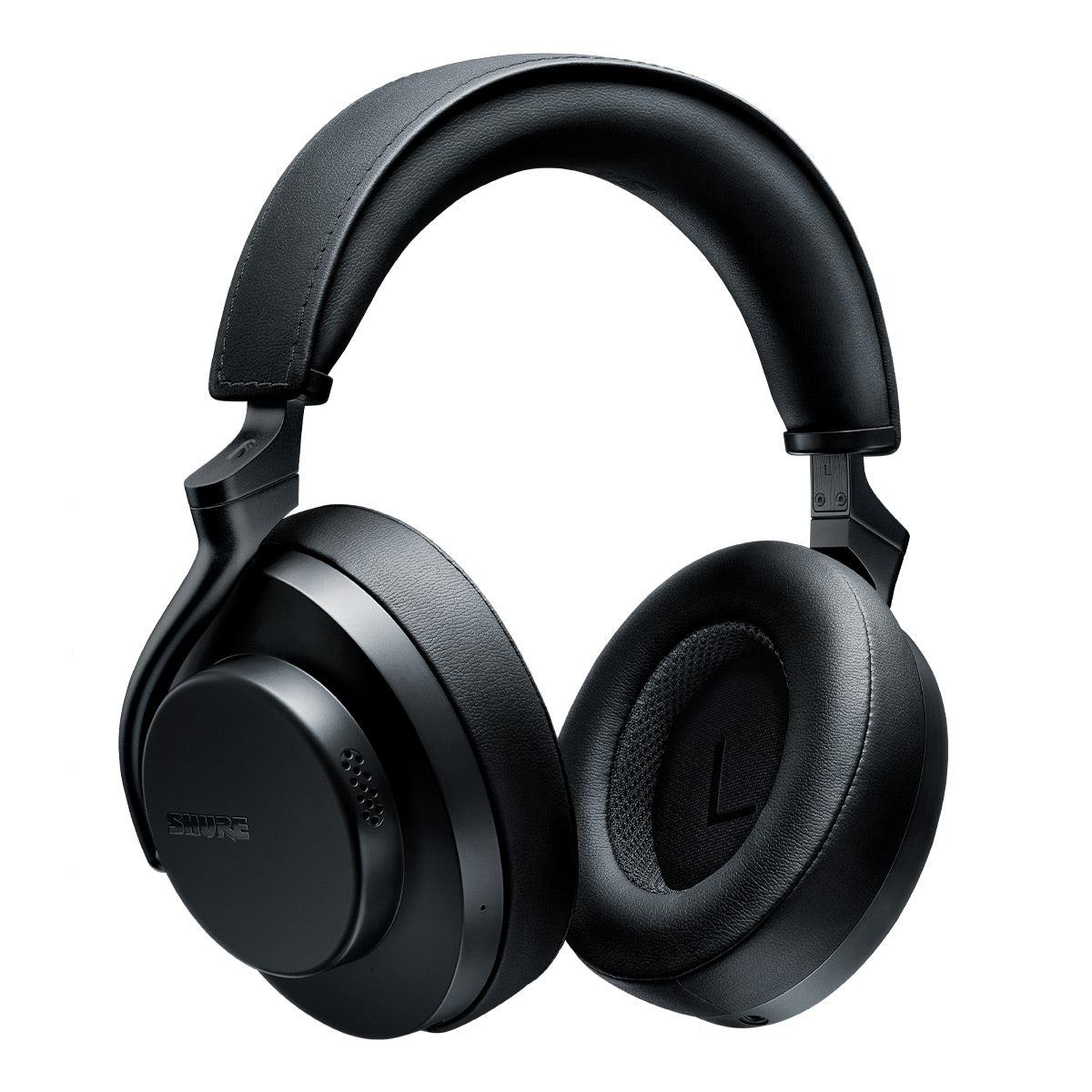
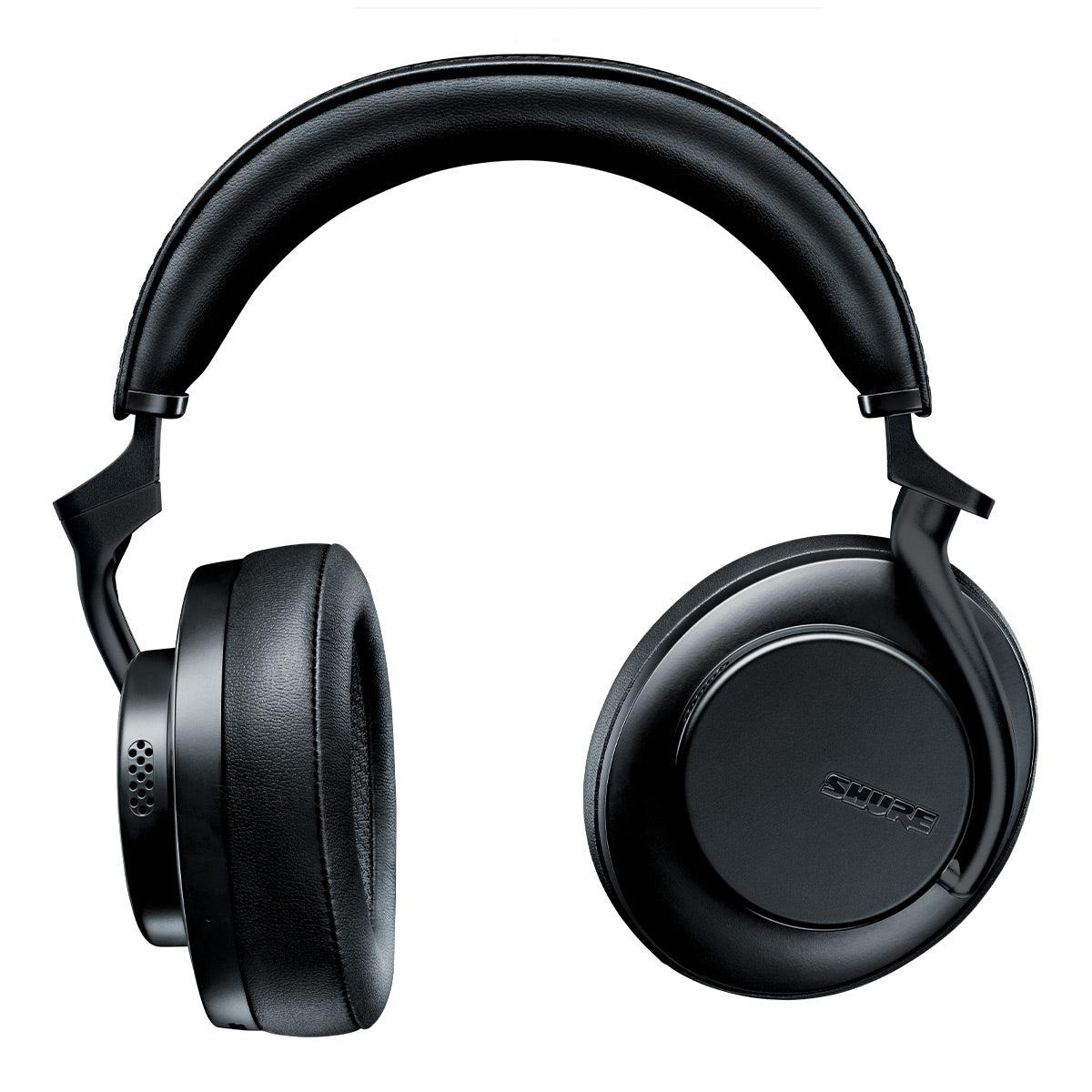
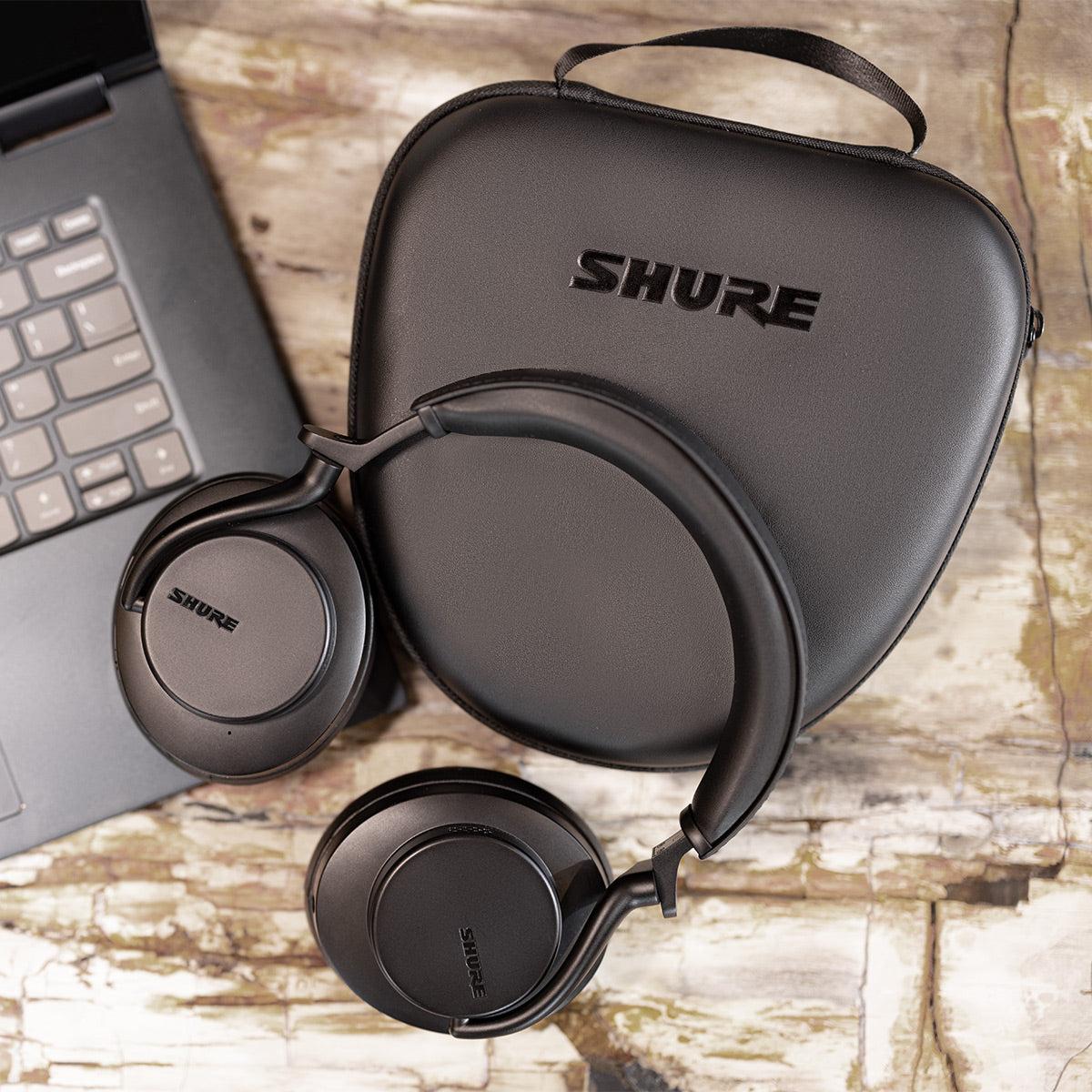
The Shure Aonic 50 Gen 2, launched in 2023, comes from a completely different world. Shure has been making professional microphones and audio equipment since 1925, and their reputation in recording studios worldwide is unmatched. This second-generation model costs several times more than the OneOdio but brings nearly a century of audio expertise to the consumer market.
The price difference alone tells you these headphones target different users, but the gap in features and performance is more interesting than you might expect.
Here's where things get really interesting. The OneOdio A70 and Shure Aonic 50 Gen 2 take fundamentally different approaches to reproducing music, and understanding these differences is crucial for making the right choice.
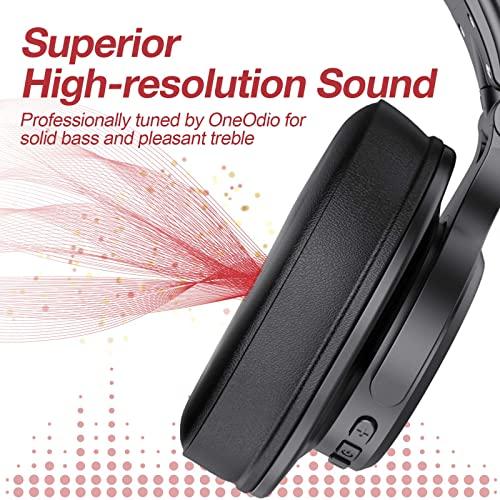
The OneOdio A70 uses 40mm dynamic drivers tuned with what audio engineers call a "V-shaped" frequency response. Think of this as turning up the bass and treble knobs on a stereo while leaving the midrange relatively untouched. The result is immediately impressive – drums hit harder, bass lines thump with authority, and cymbals sparkle with extra presence.
This tuning works brilliantly for genres like electronic dance music, hip-hop, and modern pop. When I first tested the A70 with some bass-heavy tracks, I was genuinely surprised by how engaging it sounded for the price. The low-end extension reaches deep enough to reproduce sub-bass frequencies that you feel as much as hear, creating an almost speaker-like experience.
However, this aggressive tuning comes with trade-offs. Vocals can sound somewhat recessed or pushed back in the mix, and complex orchestral pieces might lose some detail when the boosted bass overwhelms subtle midrange instruments. It's the audio equivalent of Instagram filters – everything looks more vivid and exciting, but you're not necessarily seeing the true colors.
The Shure Aonic 50 Gen 2 takes the opposite approach with its custom-engineered 50mm neodymium drivers. Instead of coloring the sound, Shure aimed for what they call "studio-quality" reproduction – essentially letting you hear exactly what the recording engineer intended.
This neutral approach reveals details you might miss with more colored headphones. Subtle guitar textures, the natural resonance of acoustic instruments, and the spatial positioning of different elements in a mix all come through with impressive clarity. The larger 50mm drivers also contribute to better dynamics and a wider soundstage, making music feel more spacious and three-dimensional.
Initially, some listeners find this approach less exciting than the OneOdio's punchy presentation. But here's what I've learned from years of testing headphones: neutral tuning is like having a clean window – it might not add Instagram-worthy effects, but it shows you everything that's actually there.
This is where the price difference really shows. The OneOdio A70 supports the basic SBC and AAC codecs that work with all Bluetooth devices. These are perfectly adequate for casual listening, but they compress audio data significantly to maintain stable wireless transmission.
The Shure Aonic 50 Gen 2 supports an impressive array of advanced codecs including aptX, aptX HD, aptX Adaptive, and Sony's LDAC. These technologies preserve much more musical detail during wireless transmission – LDAC, for instance, can transmit nearly three times more data than standard SBC. For wired listening, the Shure even supports up to 32-bit/384kHz audio through its USB-C connection, which exceeds the quality of most streaming services.
In practical terms, this means the Shure will sound noticeably clearer when streaming high-quality music from services like Tidal or Amazon Music HD, while the OneOdio performs best with standard Spotify or Apple Music streams.
I've spent countless hours wearing both headphones, and the difference in long-term comfort is significant. The OneOdio A70 weighs around 240-420 grams (sources vary, which itself suggests some quality control variations), using primarily ABS plastic construction with faux leather ear pads.
For short sessions, comfort is adequate. The lightweight design doesn't cause immediate fatigue, and the pads provide reasonable cushioning. However, during longer listening periods – say, a three-hour work session or cross-country flight – some users report discomfort from the clamping force and pad design. The straight padding doesn't conform well to different head shapes, potentially creating pressure points.
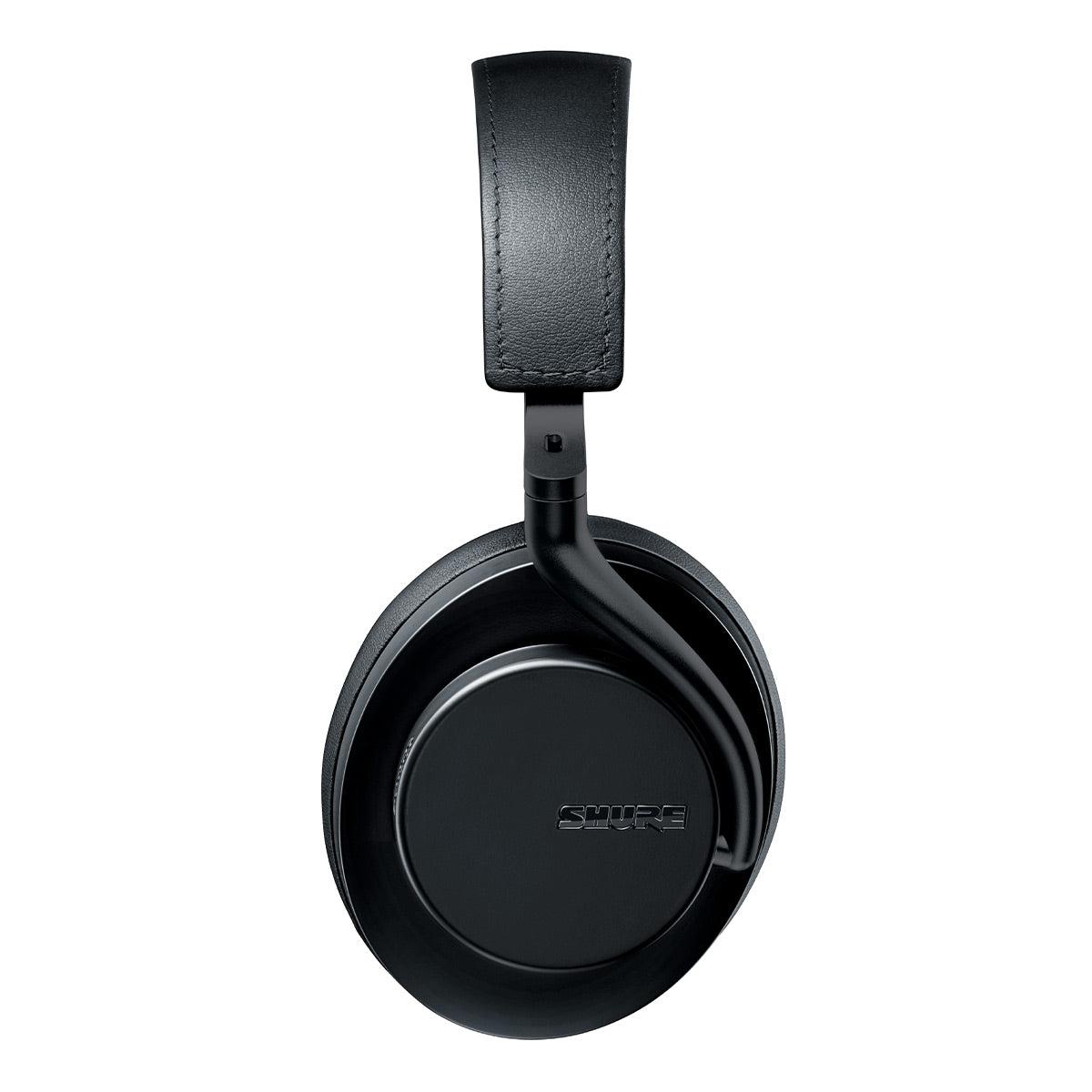
The Shure Aonic 50 Gen 2 weighs slightly more at around 334-337 grams, but the weight distribution is expertly engineered. Professional reviews consistently praise its comfort during extended use, and my own experience confirms this. The memory foam padding covered in premium materials conforms better to your head shape, while the internal headband structure distributes weight evenly.
Build quality differences are immediately apparent when handling both headphones. The OneOdio feels functional but plasticky, with some creaking during adjustment. The Shure exhibits the solid construction you'd expect from professional audio equipment – everything feels precise and confidence-inspiring.
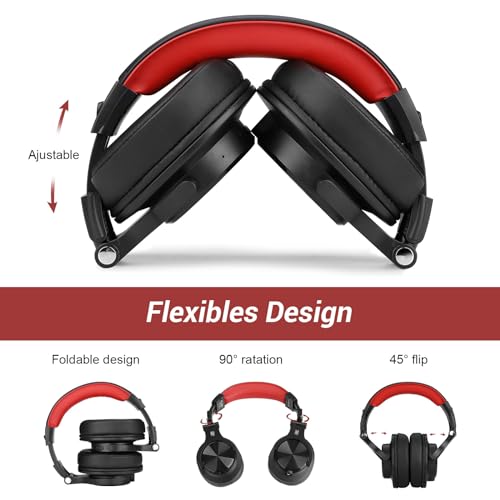
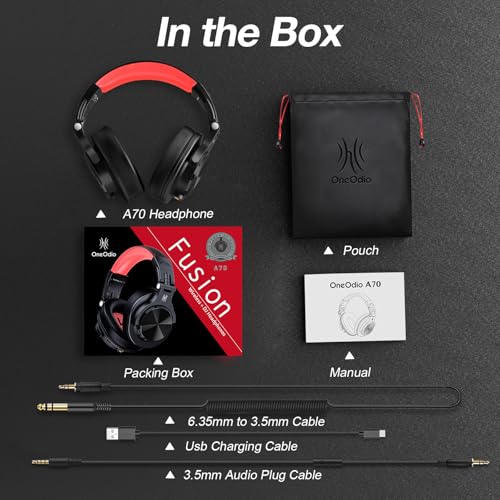
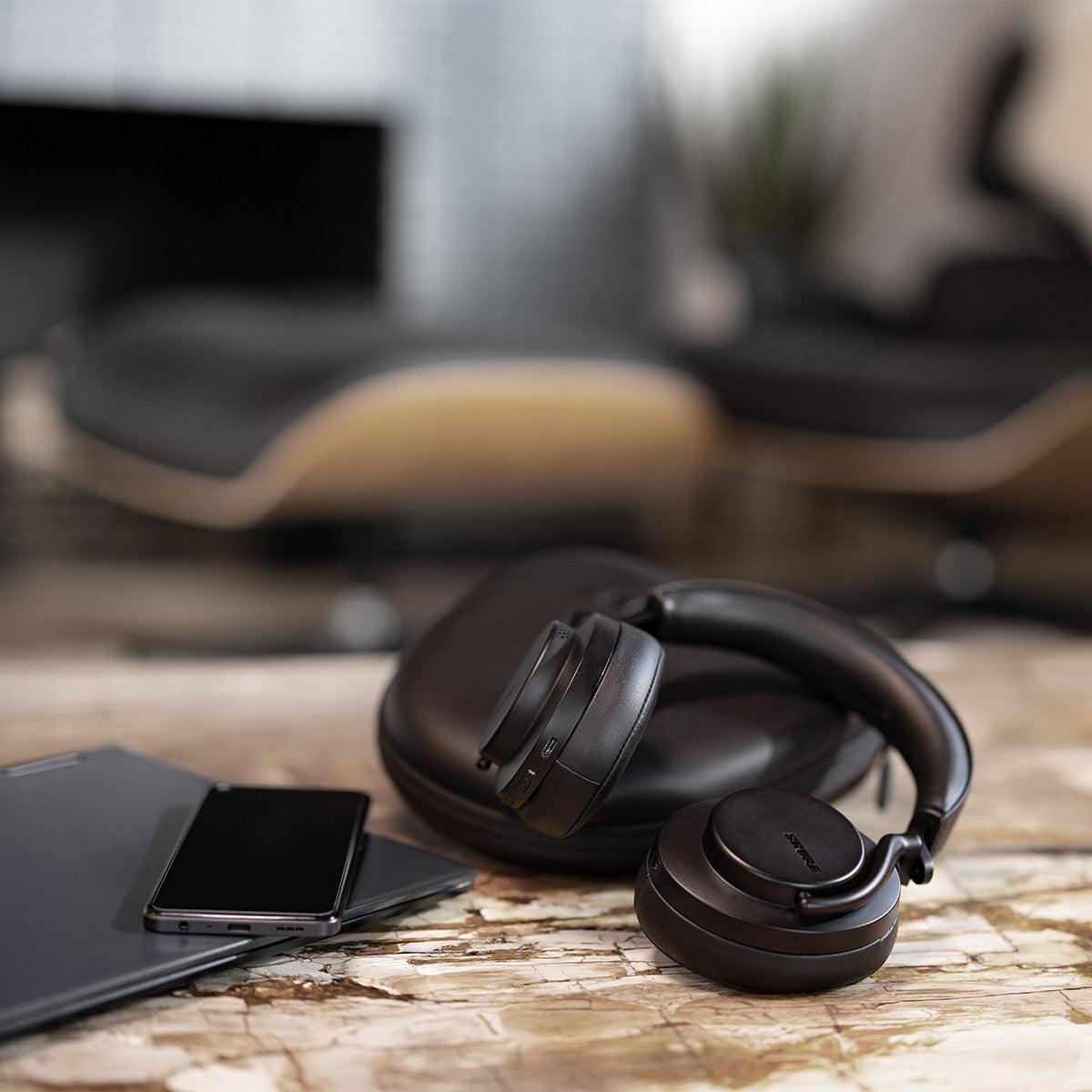
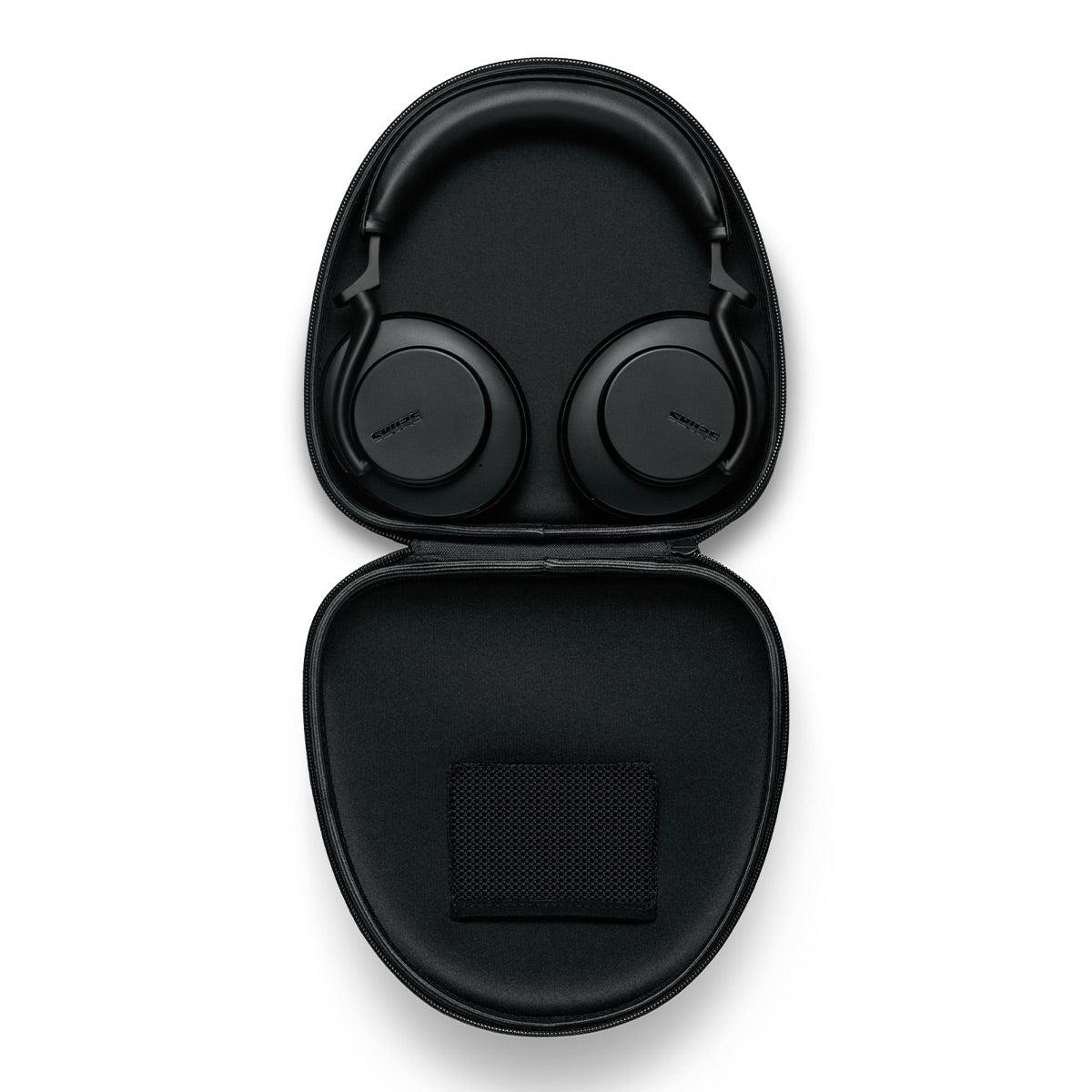
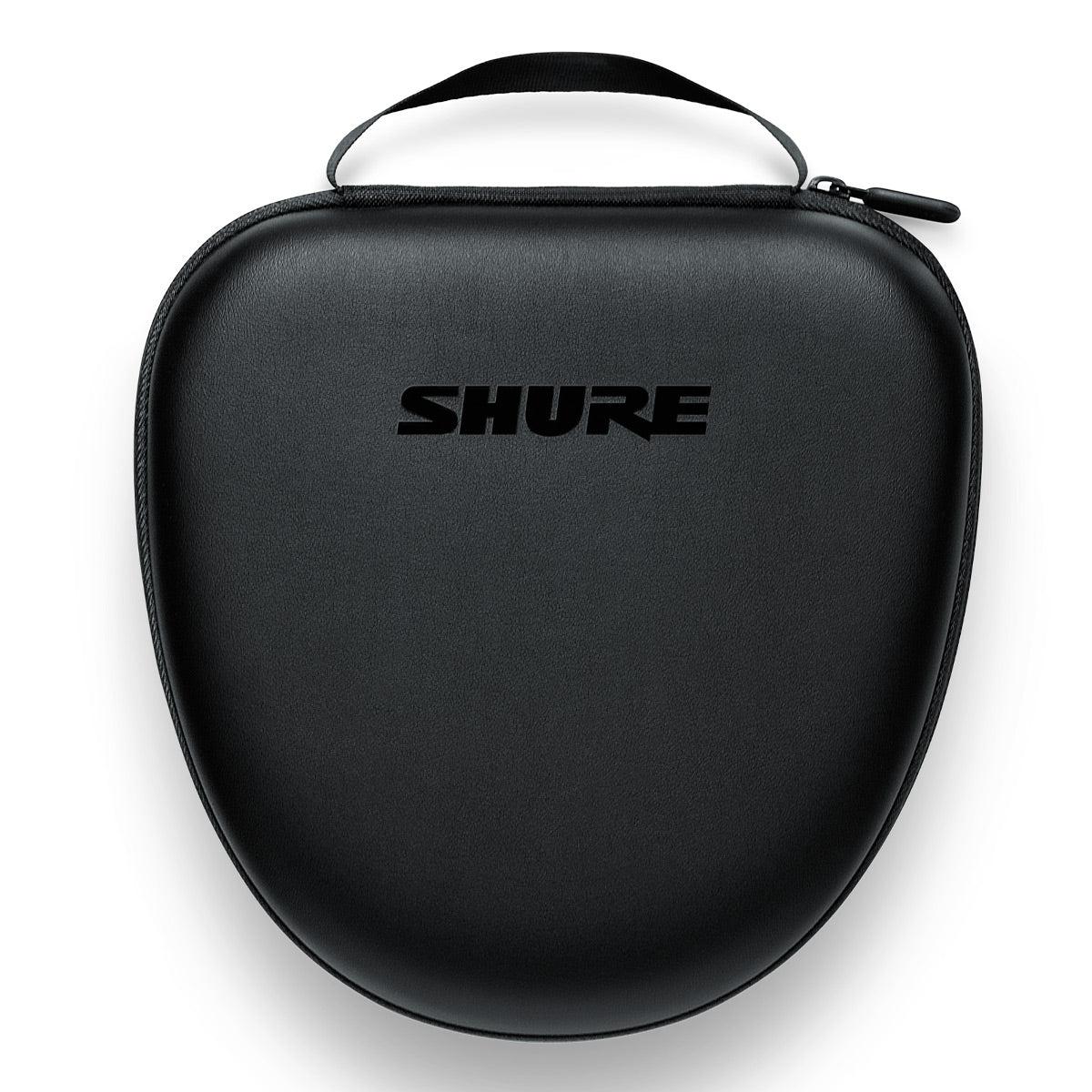
Both headphones fold for travel, but the Shure includes a premium zippered carrying case compared to the OneOdio's basic soft pouch. These details matter when you're traveling regularly or need to protect your investment.
Here's where the OneOdio Fusion A70 absolutely shines. With claims of up to 72 hours of playback time, it offers some of the longest battery life in any price category. Even accounting for real-world usage patterns and volume levels, you're looking at several days or even weeks between charges for most users.
This exceptional battery performance makes the A70 ideal for travelers, students, or anyone who hates dealing with charging cables. I've personally found long battery life to be more valuable than I initially expected – there's something liberating about never worrying whether your headphones will last through a long day.
The Shure Aonic 50 Gen 2 offers a more typical (but still excellent) 45 hours of playback, with quick charging providing 5 hours of use from just 15 minutes plugged in. While not as extreme as the OneOdio, this easily covers most people's weekly usage patterns.
Both headphones can be used while charging, and the Shure can operate in passive wired mode even with a completely dead battery – a feature that could save you during important calls or critical listening sessions.
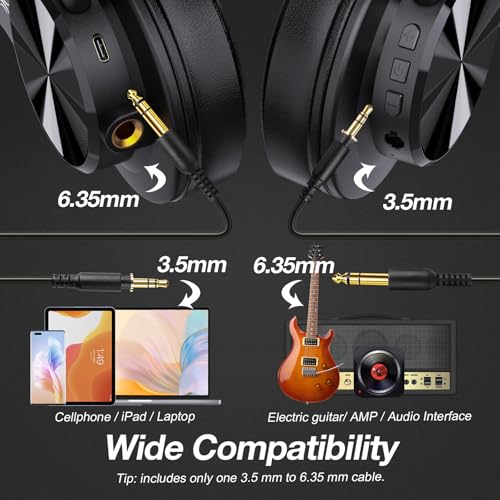
The feature gap between these headphones illustrates perfectly why some people pay extra for premium audio equipment. The OneOdio A70 includes some clever innovations, particularly its SharePort technology that allows you to daisy-chain a second pair of headphones for shared listening. The dual wired connectivity (both 3.5mm and 6.35mm jacks) also makes it surprisingly versatile for basic DJ or studio applications.
However, the Shure Aonic 50 Gen 2 operates on a different level entirely. Its spatialized audio technology uses proprietary algorithms to create three distinct listening modes: Music mode simulates high-end speakers in an acoustically treated room, Cinema mode recreates the sub-bass impact of movie theaters, and Podcast mode focuses on vocal clarity and intimacy.
I was initially skeptical of these processing modes – audio purists often prefer unprocessed sound. But after extensive testing, I found each mode genuinely enhances appropriate content without introducing artificial artifacts. The Music mode, in particular, creates a convincingly wider soundstage that makes stereo recordings feel more immersive.
The Shure also features hybrid active noise cancellation with four selectable modes, though testing reveals it performs adequately rather than exceptionally compared to class leaders like Sony or Bose. The 11-stage ambient mode provides precise control over environmental awareness – useful when you need to stay alert to surroundings while enjoying music.
For home theater use, both headphones serve different purposes. The OneOdio A70's V-shaped tuning actually works well for movie soundtracks, where enhanced bass adds impact to explosions and dramatic moments, while elevated treble keeps dialogue clear. The long battery life means you won't need to pause movies for charging breaks.
The Shure Aonic 50 Gen 2's Cinema mode specifically targets this use case, recreating the frequency response and dynamic range of professional movie theaters. Combined with its superior codec support, it delivers noticeably better audio quality when streaming high-definition content from services like Netflix or Disney+. The neutral tuning also preserves the original sound design intentions of filmmakers and audio engineers.
For serious home theater enthusiasts, the Shure's USB-C connection supporting up to 32-bit/384kHz audio could connect directly to high-end streaming devices or media players, bypassing Bluetooth compression entirely.
When evaluating these headphones, several key metrics determine real-world performance:
Dynamic Range measures the difference between the quietest and loudest sounds the headphones can reproduce. The Shure's larger drivers and premium components provide superior dynamics, making everything from whispered vocals to orchestral crescendos sound more realistic.
Frequency Response Accuracy determines how faithfully headphones reproduce different frequencies. The OneOdio intentionally colors sound for excitement, while the Shure aims for accuracy, letting you hear recordings as intended.
Soundstage Width describes how spacious music sounds – whether instruments seem positioned around your head or squashed together in the center. The Shure's superior engineering creates a noticeably wider, more natural soundstage.
Distortion Levels at various volume levels affect long-term listening fatigue and clarity. Premium components in the Shure maintain cleaner sound at higher volumes.
After extensive testing and consideration, here's my honest assessment of who should choose each headphone:
Choose the OneOdio Fusion A70 if you:
Choose the Shure Aonic 50 Gen 2 if you:
The choice between the OneOdio Fusion A70 and Shure Aonic 50 Gen 2 ultimately comes down to your priorities and budget. At the time of writing, the price difference is substantial – you could buy multiple OneOdio headphones for the cost of one Shure.
But that price difference reflects fundamental differences in engineering, materials, and target markets. The OneOdio maximizes features and fun factor at an accessible price point, making it an excellent entry point into quality wireless audio. The Shure justifies its premium pricing through superior sound quality, professional build, and advanced features that will satisfy demanding listeners for years.
Both headphones succeed at their intended purposes. The OneOdio democratizes wireless audio technology, bringing features like long battery life and dual connectivity to budget-conscious users. The Shure brings professional audio expertise to consumer wireless headphones, offering performance that rivals much more expensive audiophile equipment.
My personal recommendation? If you're budget-conscious or new to quality headphones, the OneOdio A70 provides exceptional value and will likely exceed your expectations. If you're ready to invest in audio equipment that will grow with your appreciation for music, the Shure Aonic 50 Gen 2 offers the kind of performance and features that keep you satisfied for years rather than months.
Either way, both represent significant improvements over cheap earbuds or basic headphones – you really can't go wrong with either choice as long as you understand what you're getting.
| OneOdio Fusion A70 | Shure Aonic 50 Gen 2 |
|---|---|
| Driver Size - Larger drivers typically produce better bass and dynamics | |
| 40mm dynamic drivers | 50mm neodymium dynamic drivers |
| Sound Signature - Determines if headphones suit your music preferences | |
| V-shaped (boosted bass and treble, fun for pop/EDM) | Neutral/balanced (accurate for all genres, professional use) |
| Battery Life - Critical for travel and daily use without charging hassles | |
| Up to 72 hours (exceptional, days between charges) | Up to 45 hours (excellent, quick 15-min charge gives 5 hours) |
| Bluetooth Codecs - Higher quality codecs preserve more musical detail wirelessly | |
| SBC, AAC (basic quality, works with all devices) | SBC, AAC, aptX, aptX HD, aptX Adaptive, LDAC (premium quality) |
| Active Noise Cancellation - Essential for commuting and noisy environments | |
| None (passive isolation only) | Hybrid ANC with 4 modes (adequate but not class-leading) |
| Weight - Affects comfort during long listening sessions | |
| 242-420g (lightweight but build quality varies) | 334-337g (heavier but well-balanced, superior comfort) |
| Wired Connectivity - Important for professional use and zero-latency audio | |
| 3.5mm and 6.35mm jacks (great for DJ/studio use) | 3.5mm and USB-C (supports up to 32-bit/384kHz) |
| Build Quality - Determines durability and long-term satisfaction | |
| ABS plastic construction (functional but basic) | Premium materials with professional build (studio-grade) |
| App Features - Enables customization and advanced controls | |
| Limited app support | ShurePlus PLAY app with parametric EQ and spatial audio modes |
| Special Features - Unique capabilities that set each product apart | |
| SharePort music sharing, dual connectivity | Spatialized audio (Music/Cinema/Podcast modes), 11-stage ambient mode |
| Target User - Who gets the best value from each product | |
| Budget-conscious listeners, students, casual users, beginner DJs | Audiophiles, professionals, discerning listeners willing to pay premium |
The OneOdio Fusion A70 offers exceptional value for budget-conscious buyers, providing 72-hour battery life, dual wired/wireless connectivity, and SharePort music sharing at a fraction of premium headphone costs. The Shure Aonic 50 Gen 2 justifies its higher price with studio-quality sound, premium build materials, advanced codec support, and professional features like spatialized audio modes.
The OneOdio A70 delivers a V-shaped sound signature with boosted bass and treble that makes music sound exciting and fun, particularly for pop, EDM, and hip-hop. The Shure Aonic 50 Gen 2 provides neutral, studio-accurate sound reproduction with superior detail and a wider soundstage, making it better for critical listening and professional audio work.
The OneOdio Fusion A70 dominates with up to 72 hours of playback time, offering some of the longest battery life available in wireless headphones. The Shure Aonic 50 Gen 2 provides a still-excellent 45 hours of playback with quick charging that delivers 5 hours of use from just 15 minutes of charging.
Both work well for home theater, but differently. The OneOdio A70's V-shaped tuning adds impact to movie soundtracks with enhanced bass for explosions and clear treble for dialogue. The Shure Aonic 50 Gen 2 features a dedicated Cinema mode that recreates movie theater acoustics and supports high-resolution audio codecs for premium streaming services.
The Shure Aonic 50 Gen 2 excels in comfort with premium memory foam padding, superior weight distribution, and professional-grade construction designed for extended use. The OneOdio Fusion A70 is lighter but may cause discomfort during very long sessions due to its clamping force and basic padding design.
The OneOdio A70 lacks active noise cancellation, relying only on passive isolation from its closed-back design. The Shure Aonic 50 Gen 2 features hybrid active noise cancellation with four selectable modes, though it performs adequately rather than exceptionally compared to premium ANC headphones from Sony or Bose.
Yes, both support wired use. The OneOdio Fusion A70 includes both 3.5mm and 6.35mm jacks, making it versatile for DJ and basic studio applications. The Shure Aonic 50 Gen 2 offers 3.5mm analog and USB-C connections, with USB-C supporting up to 32-bit/384kHz high-resolution audio for audiophile listening.
The OneOdio A70 works well for gaming with its bass-heavy sound emphasizing explosions and effects, plus its exceptional battery life means no charging interruptions. The Shure Aonic 50 Gen 2 offers superior audio positioning and detail for competitive gaming, with advanced codecs providing lower latency for wireless gaming.
The OneOdio Fusion A70 has limited app support with basic functionality. The Shure Aonic 50 Gen 2 works with the comprehensive ShurePlus PLAY app, offering parametric EQ customization, spatialized audio modes, ANC controls, and the ability to save custom presets directly to the headphones.
The Shure Aonic 50 Gen 2 is significantly better for professional audio work, offering neutral sound reproduction, studio-quality drivers, and the accuracy needed for mixing and monitoring. The OneOdio A70 is not suitable for serious production work due to its colored V-shaped sound signature, though it works for basic DJ applications.
The OneOdio Fusion A70 supports basic SBC and AAC codecs that work with all devices but offer standard compression. The Shure Aonic 50 Gen 2 supports premium codecs including aptX, aptX HD, aptX Adaptive, and Sony LDAC, preserving significantly more audio detail during wireless transmission for high-resolution streaming services.
Choose the OneOdio Fusion A70 if you're new to quality headphones, want maximum features at minimum cost, and primarily listen to popular music genres. Pick the Shure Aonic 50 Gen 2 if you're ready to invest in audio equipment that will grow with your appreciation for music and want professional-grade performance that will satisfy you for years.
We've done our best to create useful and informative comparisons to help you decide what product to buy. Our research uses advanced automated methods to create this comparison and perfection is not possible - please contact us for corrections or questions. These are the sites we've researched in the creation of this article: audiostance.com - attackmagazine.com - soundphilereview.com - versus.com - homestudiobasics.com - versus.com - audiofool.reviews - e-catalog.com - whatgear.net - e-catalog.com - thomannmusic.com - audioreviews.org - oneodio.com - wepc.com - seriousinsights.net - oneodio.com - oneodio.com - audioreputation.com - manuals.plus - newegg.com - musicbliss.com.my - walmart.com - tomsguide.com - headphonecheck.com - whathifi.com - majorhifi.com - rtings.com - versus.com - majorhifi.com - versus.com - audio46.com - youtube.com - bhphotovideo.com - techradar.com - soundpro.com - shure.com - americanmusical.com - pubs.shure.com - blog.zzounds.com - service.shure.com - fullcompass.com

Privacy Policy
Terms and Conditions - Affiliate Policy
Home Security
© Copyright 2008-2026.
11816 Inwood Rd #1211, Dallas, TX 75244