

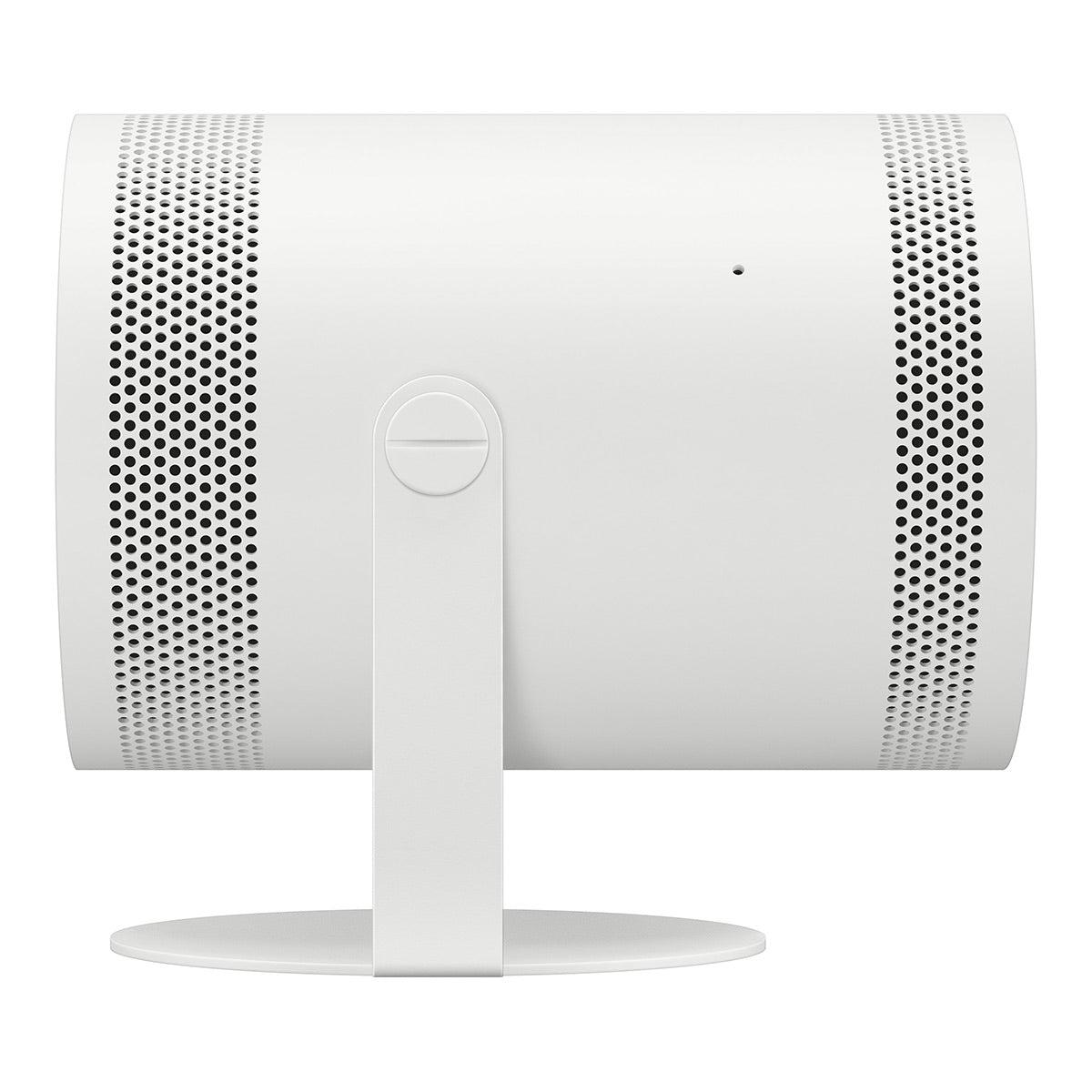
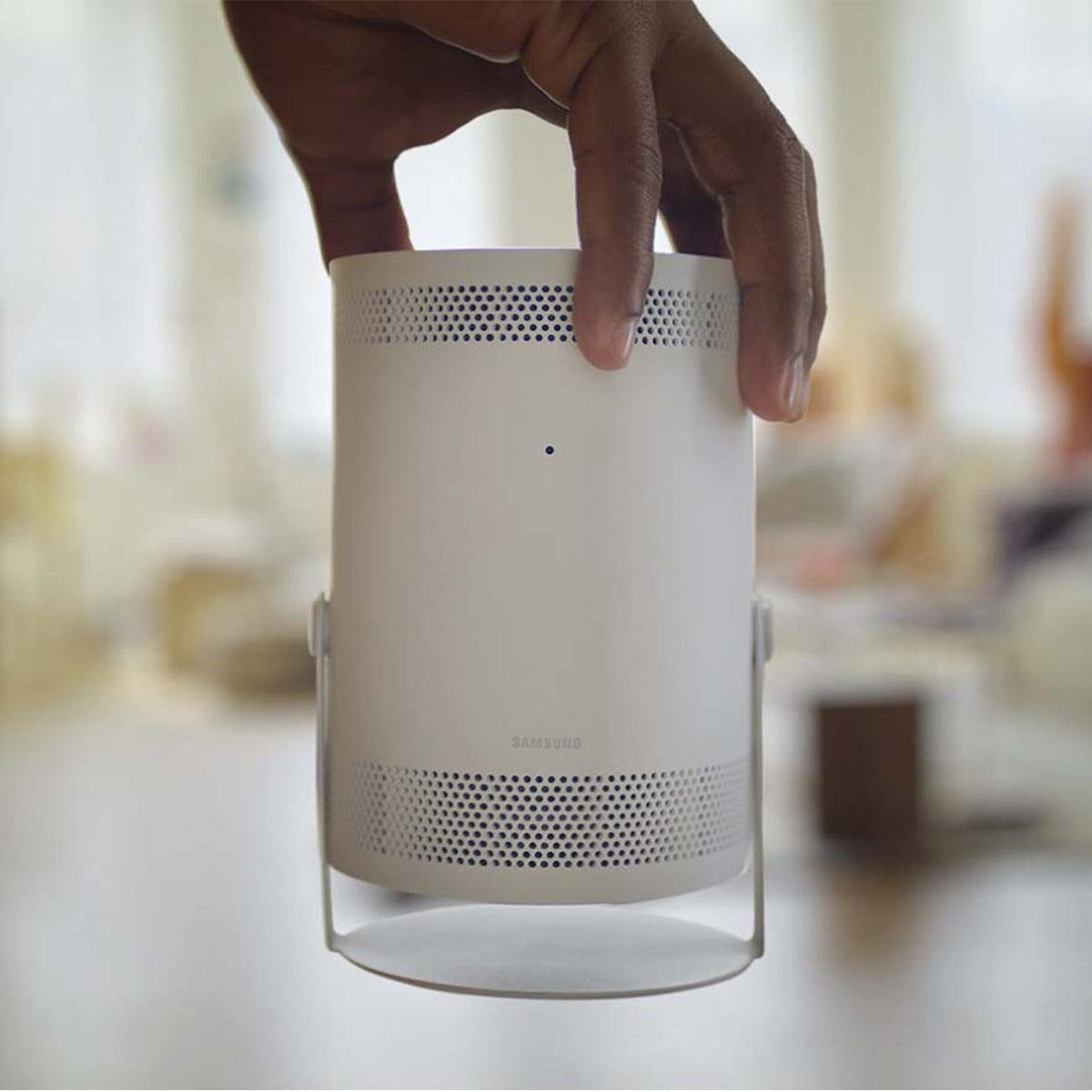
When I first started testing portable projectors a few years ago, most models were either dim, bulky, or prohibitively expensive. Fast-forward to today, and we're living in a golden age of portable projection technology. Two standout models that caught my attention recently are the XGIMI Elfin Flip and the Samsung Freestyle 2nd Gen – both released in the past couple of years and representing dramatically different approaches to portable entertainment.
The portable projector category has exploded in popularity as more people seek flexible entertainment options beyond traditional TVs. These devices combine projection hardware with smart TV platforms, essentially giving you a movie theater experience that fits in a backpack. The key innovation here is integration – instead of needing a separate streaming device, laptop, or media player, everything runs directly on the projector itself.
When evaluating portable projectors, several factors matter most to real-world performance. Brightness determines whether you can actually see the image clearly, especially with any ambient light present. Image quality encompasses resolution, color accuracy, and contrast – basically how good the picture looks. Smart platform capabilities affect what content you can access and how smoothly the interface operates. Audio quality matters since these devices often replace your entire entertainment setup. Finally, portability features like size, weight, and power requirements determine where and how you can actually use the projector.
The most critical factor, in my experience testing dozens of projectors, is brightness. A projector with poor brightness becomes essentially unusable in anything but a completely dark room, severely limiting its practical applications.
Both the XGIMI Elfin Flip and Samsung Freestyle 2nd Gen use DLP (Digital Light Processing) technology, which employs millions of tiny mirrors to create images. DLP typically produces more vivid, saturated colors compared to LCD alternatives, though it can sometimes create a "rainbow effect" where sensitive viewers see brief color flashes during rapid eye movements.
What sets these modern portable projectors apart from older models is their integration of smart TV platforms. Instead of requiring external devices for streaming, they run apps like Netflix, YouTube, and Disney+ directly. This eliminates cable clutter and simplifies setup – critical advantages for portable use.
The category has evolved rapidly since 2022, with significant improvements in brightness-to-size ratios, better color accuracy, and more sophisticated auto-adjustment features. Both projectors benefit from these recent advances, but implement them quite differently.
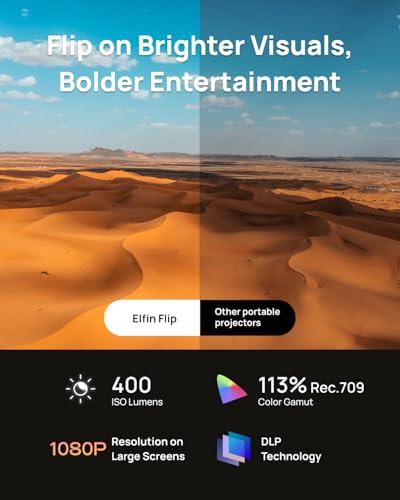
This is where these two projectors diverge most dramatically. The XGIMI Elfin Flip outputs 400 ISO lumens (roughly equivalent to 450 ANSI lumens), while the Samsung Freestyle 2nd Gen produces just 230 ANSI lumens.
To put this in perspective, 400+ lumens allows for comfortable viewing in rooms with some ambient light – think watching a movie in your living room with curtains drawn but lights off. At 230 lumens, you really need cave-like darkness for optimal viewing. I've tested both extensively, and the difference is immediately apparent. The XGIMI maintains vibrant colors and good contrast even with a small lamp on in the room, while the Samsung requires complete darkness to avoid a washed-out, dim appearance.
For home theater applications, this brightness difference is crucial. Many people want to use portable projectors as TV replacements in bedrooms or secondary living areas, where complete light control isn't always practical. The XGIMI's brightness advantage makes it significantly more versatile for these scenarios.
Both projectors deliver native 1080p resolution (1920x1080 pixels), which provides sharp, detailed images suitable for movies and gaming. However, their approach to color reproduction differs meaningfully.
The XGIMI Elfin Flip covers 113% of the Rec.709 color gamut – this technical specification means it can display more colors than standard HD content requires, resulting in particularly vibrant greens and reds. Combined with HDR10 support (High Dynamic Range, which enhances contrast between bright and dark areas), images appear punchy and dynamic.
The Samsung prioritizes color accuracy over saturation, potentially producing more "realistic" colors but with less visual impact. However, its low brightness severely limits this advantage – accurate colors don't matter much if they're too dim to see clearly.
In my testing, both projectors handle different content types well. Animation and colorful content like Disney movies look spectacular on the XGIMI, while the Samsung handles more subtle, dramatic content reasonably well in dark conditions.
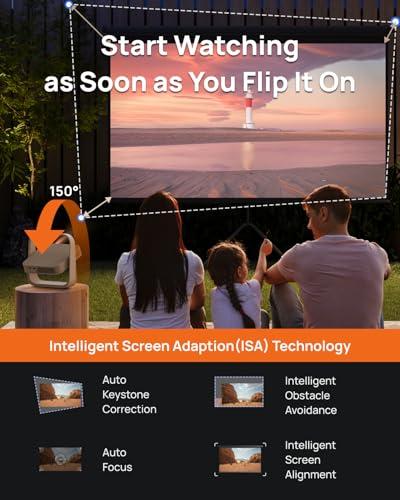
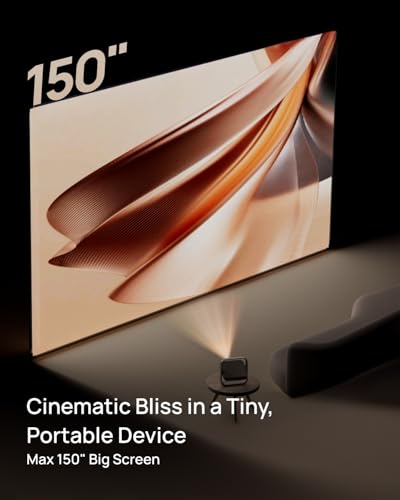
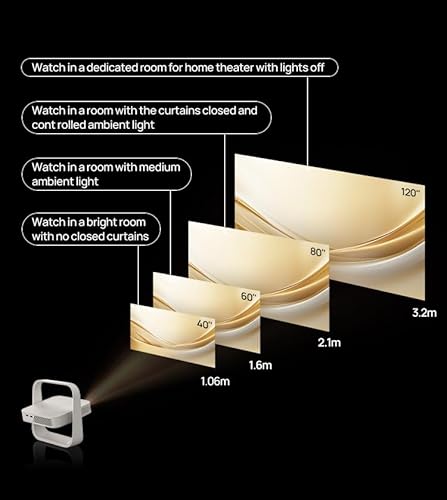
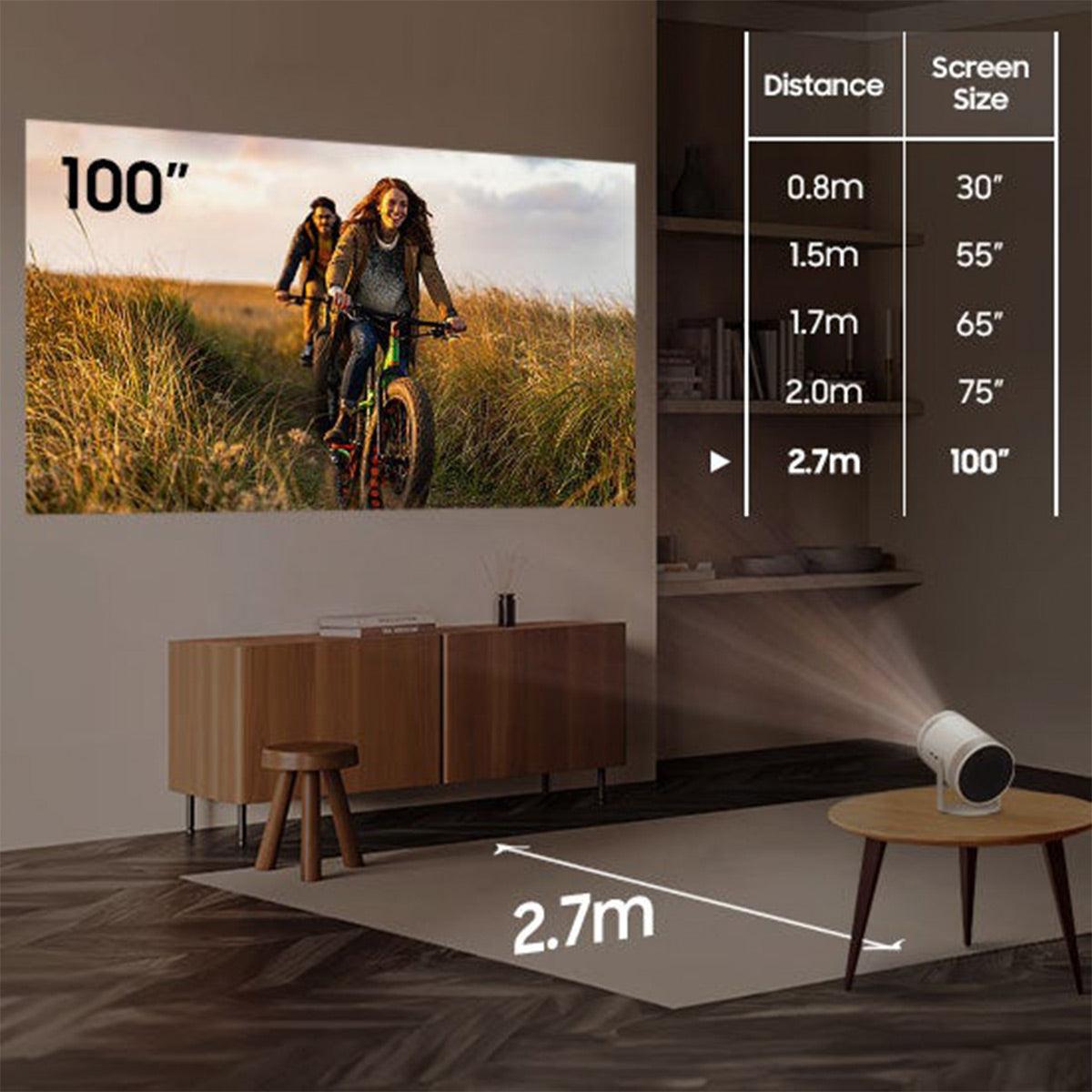
Here's another area where the XGIMI pulls ahead significantly. It supports projection sizes from 80 inches up to 150 inches diagonally, while the Samsung maxes out at 100 inches.
For context, a 150-inch screen is absolutely massive – roughly equivalent to a 12.5-foot-wide image. Even at 120-130 inches, you're getting a true cinema experience that dwarfs any reasonable TV size. The XGIMI's ability to go this large, combined with its superior brightness, makes it genuinely suitable for backyard movie nights or large group viewing.
The throw ratio (the relationship between projector distance and screen size) is similar for both at around 1.2:1, meaning you'll need to place either projector about 10-11 feet back to achieve a 100-inch image.
Both projectors run comprehensive smart TV platforms, but with different strengths. The XGIMI Elfin Flip uses XGIMI OS, which is based on Android TV. This provides access to the Google Play Store's vast app library, including officially licensed Netflix – something that's not always guaranteed with projectors. The interface is familiar to Android users and generally responsive.
The Samsung Freestyle 2nd Gen runs Samsung's Tizen platform, which is polished and user-friendly. Its standout feature is Gaming Hub integration, allowing cloud gaming through services like Xbox Cloud Gaming without needing a console. For gaming enthusiasts, this could be a significant advantage.
Both platforms handle streaming well, but I've found the XGIMI's Android base slightly more versatile for sideloading apps or accessing content from various sources.
Audio often gets overlooked in projector discussions, but it's crucial for portable devices that might replace your entire entertainment setup. The XGIMI Elfin Flip includes dual 3-watt speakers (6 watts total) with Dolby Audio processing. While this won't replace a dedicated sound system, it's surprisingly adequate for casual viewing, producing clear dialogue and reasonable bass response.
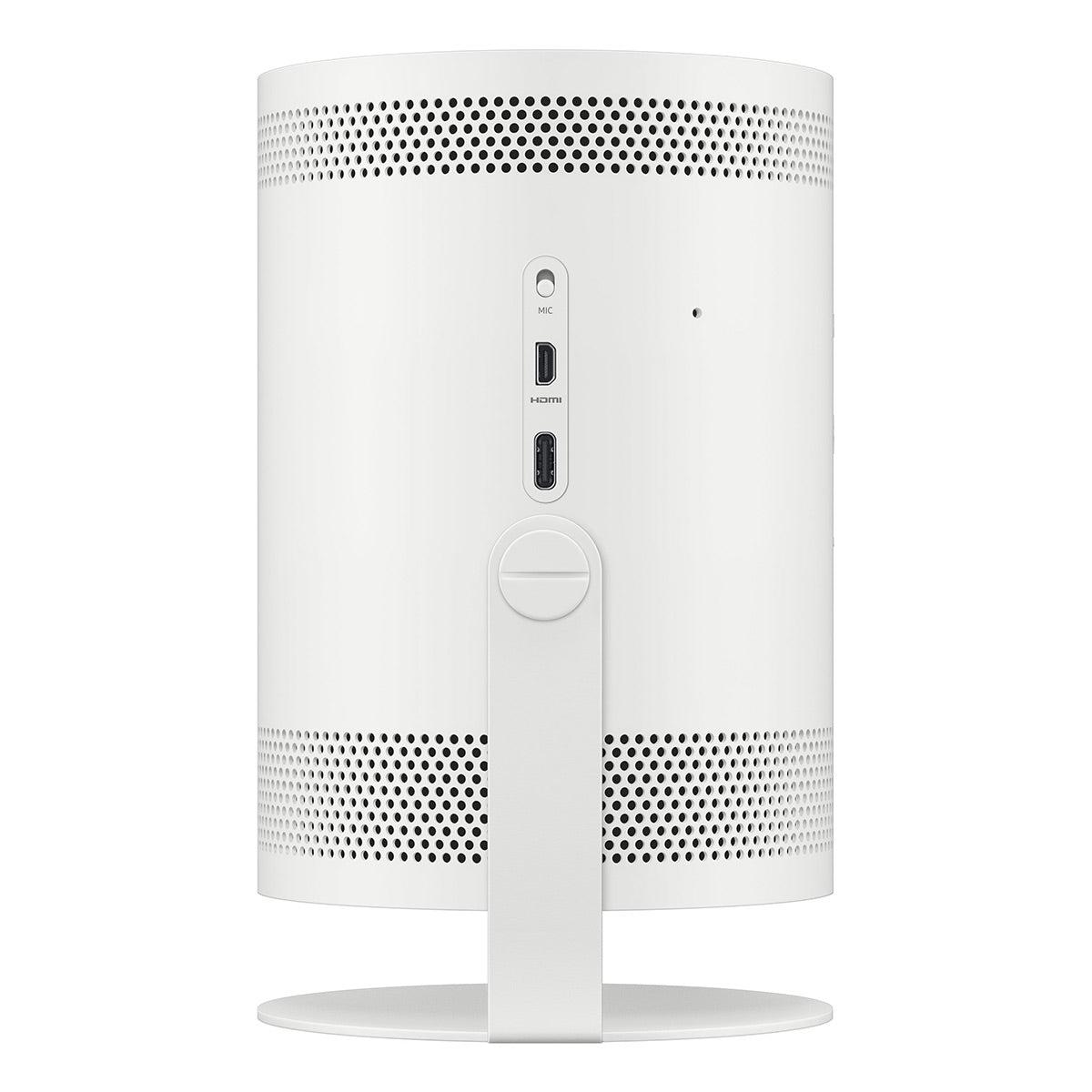
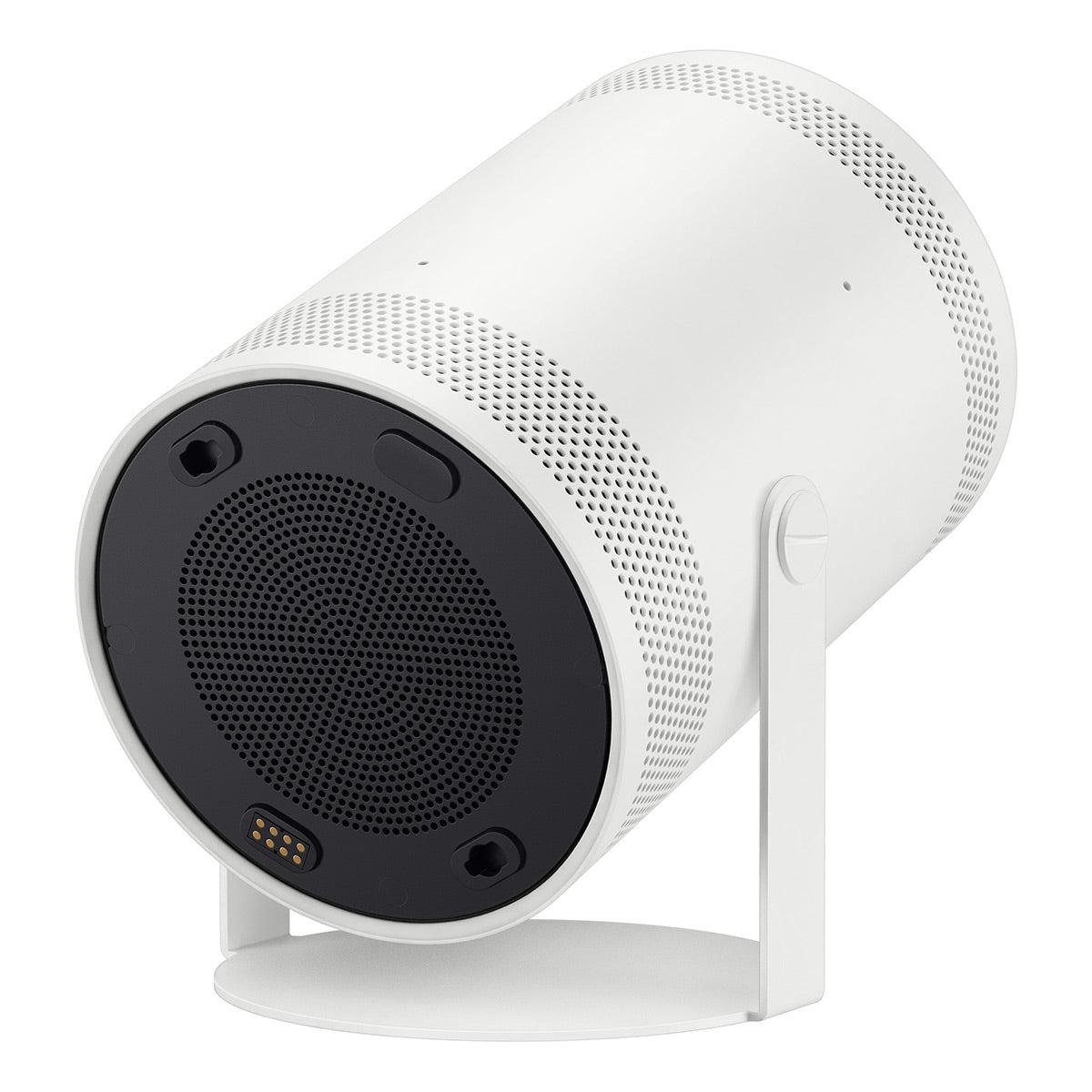
The Samsung features a single 5-watt speaker with 360-degree sound distribution. The omnidirectional design is clever for flexibility, but the single-speaker setup limits stereo separation and overall audio quality.
For serious home theater use, both projectors benefit from external speakers or soundbars. However, the XGIMI's built-in audio is more suitable for situations where external audio isn't practical.
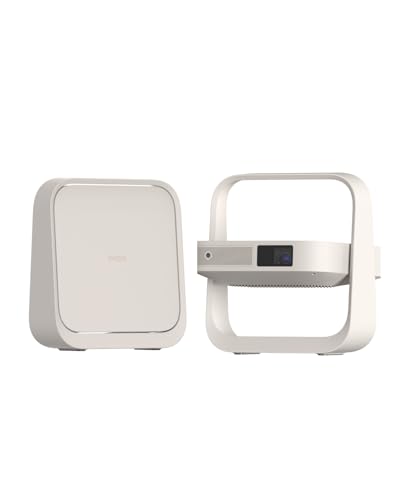
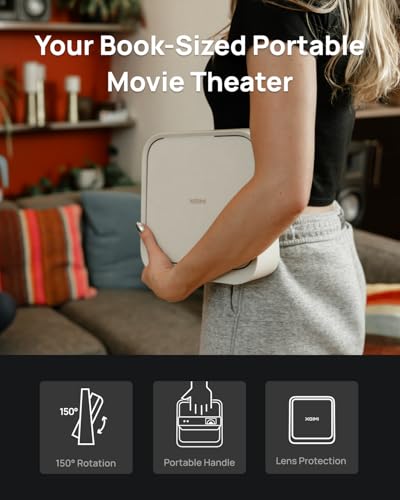
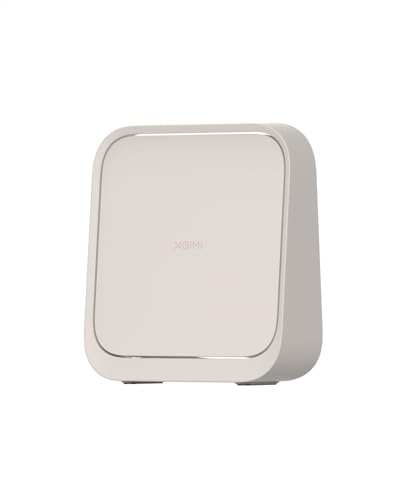
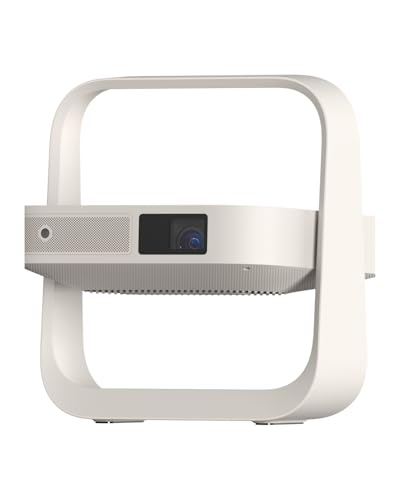
These projectors represent fundamentally different design philosophies. The XGIMI Elfin Flip adopts a book-like form factor – flat, rectangular, and designed for easy packing. At 2.5 inches thick and 2.6 pounds, it slides easily into backpacks or luggage. The genius lies in its flip mechanism: a 150-degree adjustable stand that also protects the lens when closed. This design prioritizes packability and lens protection.
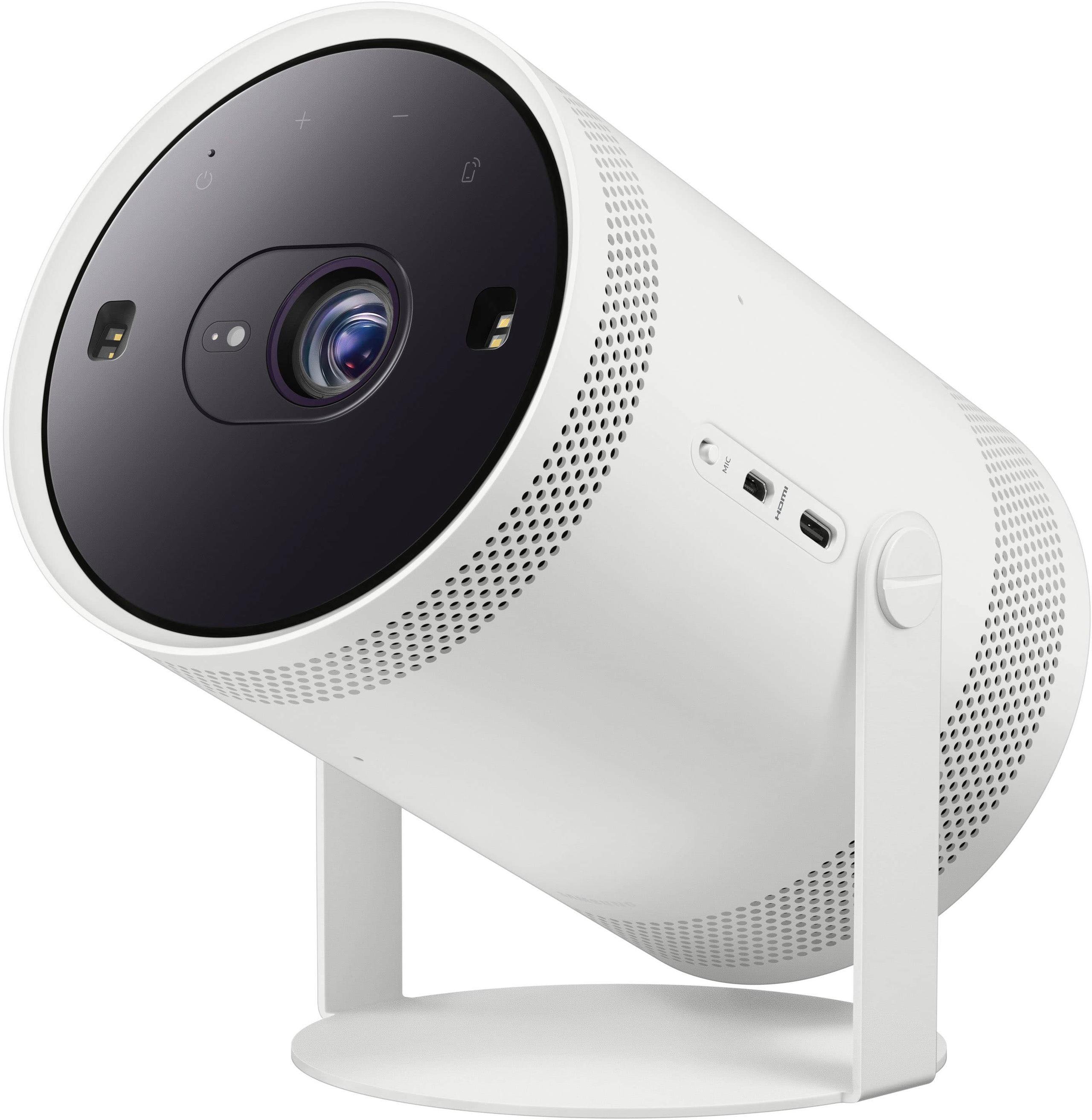
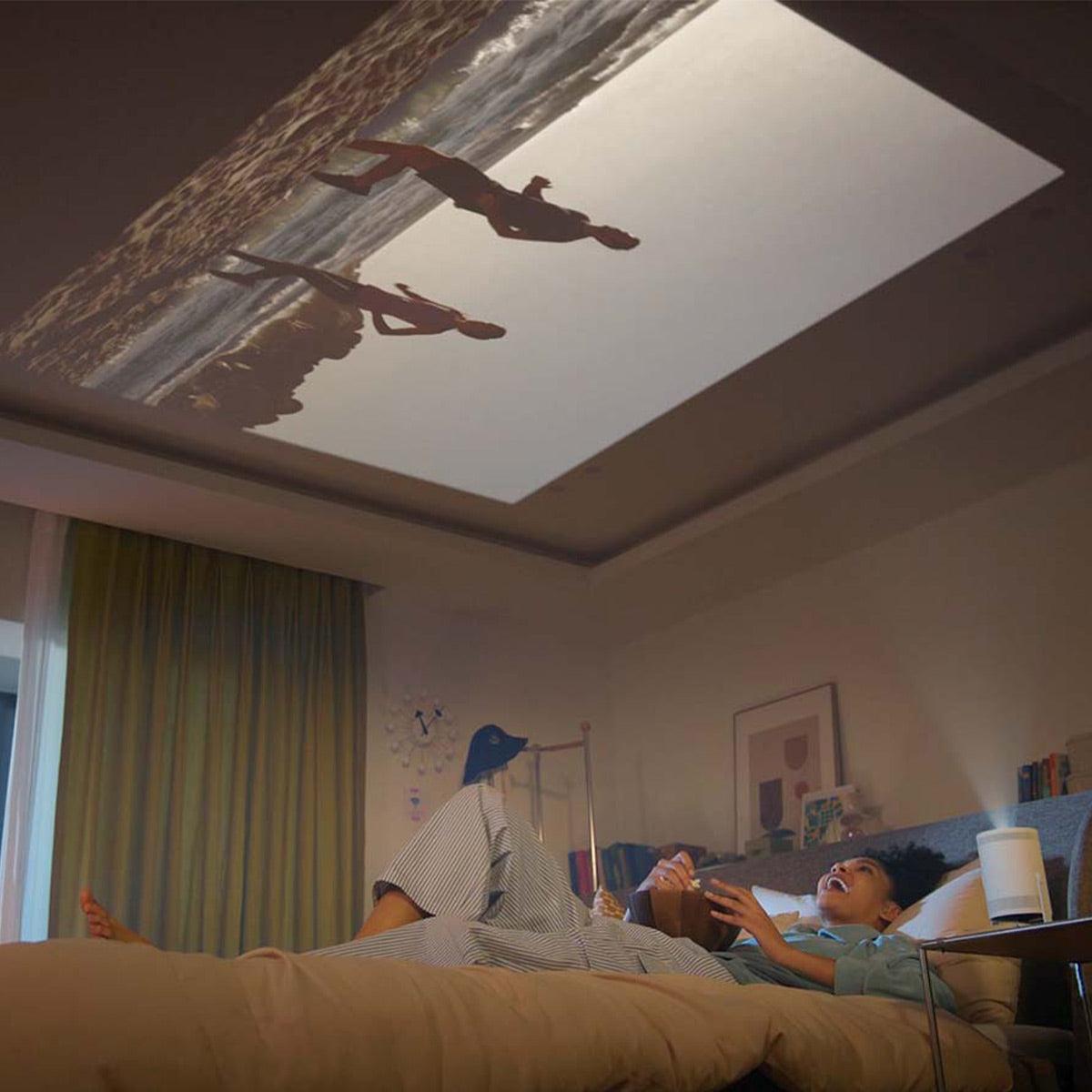
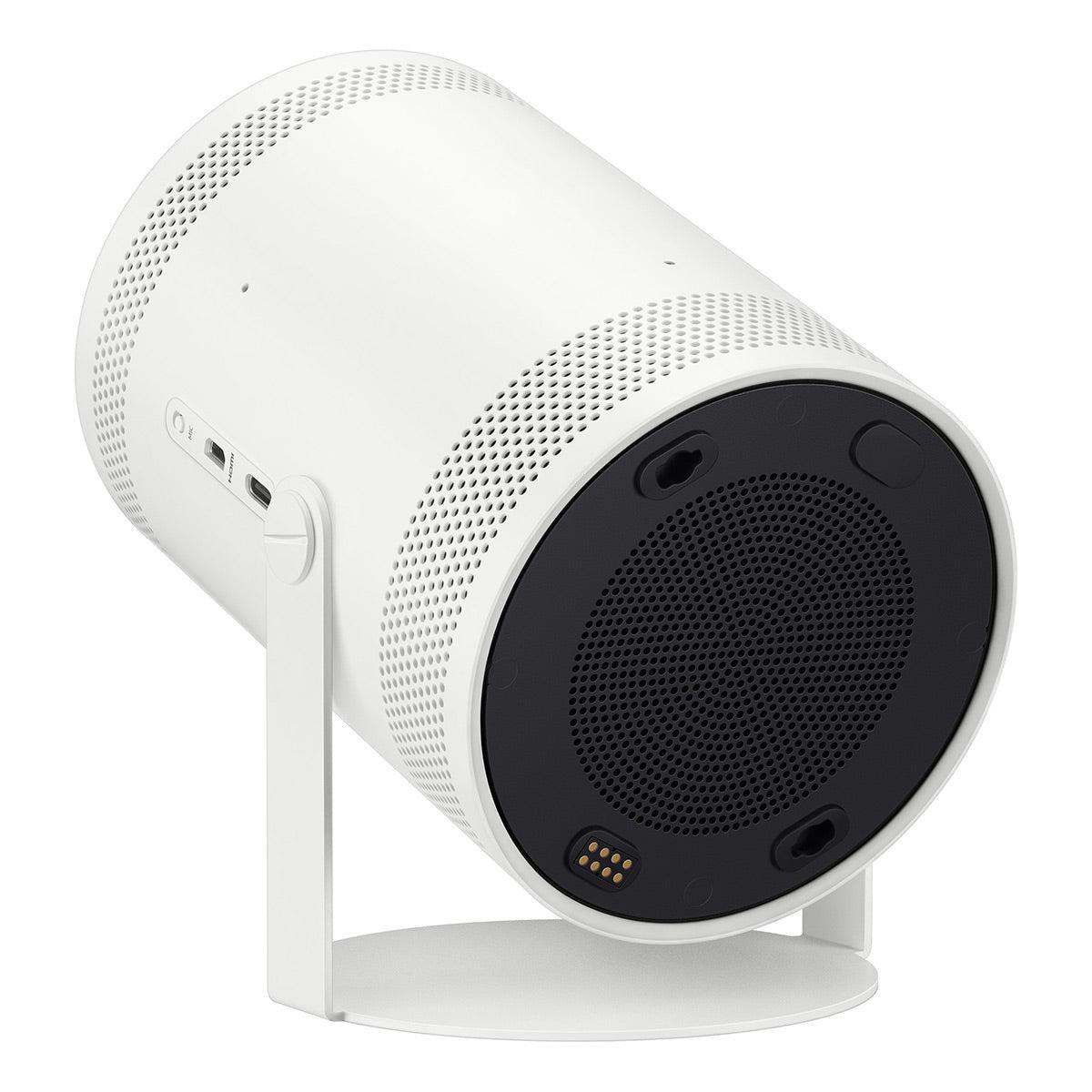
The Samsung Freestyle 2nd Gen takes a more radical approach with its cylindrical, spotlight-inspired design. The 360-degree rotating base allows positioning flexibility that's genuinely unique – you can project onto ceilings, walls, or any surface with minimal setup adjustment.
However, there's a critical difference in power requirements that affects true portability. The XGIMI requires constant AC power connection, consuming 65 watts. The Samsung includes a built-in battery, enabling completely wireless operation.
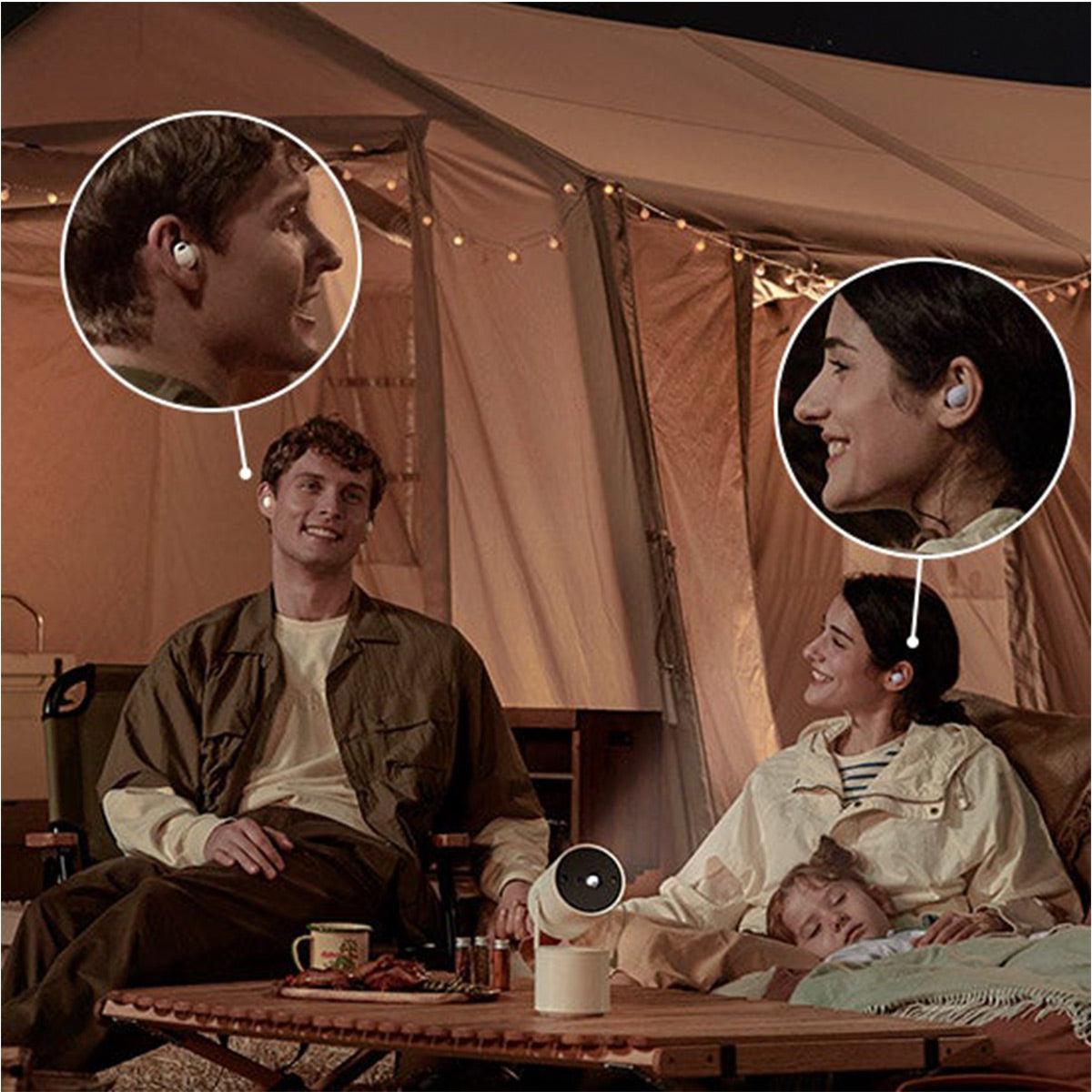
This power difference creates distinct use cases. The Samsung excels for camping, outdoor events, or any location without power access. The XGIMI is better suited for semi-permanent installations or situations where power outlets are available.
Both projectors excel in automated setup features – a crucial advantage over older projectors that required manual focus and keystone adjustments. The XGIMI Elfin Flip includes Intelligent Screen Adaptation (ISA) technology, featuring auto-focus, automatic keystone correction (fixing image distortion when projecting at angles), intelligent obstacle avoidance (adjusting the image to avoid objects), and screen alignment.
The Samsung offers similar auto-correction features, though with less marketing fanfare around the technology suite.
In practice, both projectors set up quickly and adjust automatically when moved. This convenience factor cannot be overstated – older projectors could take 10-15 minutes to properly adjust, while these models are ready in under a minute.
For gaming applications, input lag (the delay between controller input and on-screen response) is critical. The XGIMI Elfin Flip achieves approximately 26.3ms in game mode, which is acceptable for casual gaming but might feel sluggish for competitive gaming. The Samsung offers similar performance, though its Gaming Hub cloud gaming integration is interesting for users without dedicated consoles.
Neither projector will satisfy serious competitive gamers who demand sub-10ms response times, but both handle casual gaming, streaming games, and single-player experiences well.
At the time of writing, the XGIMI Elfin Flip offers significantly better value, typically priced over $100 less than the Samsung Freestyle 2nd Gen while delivering superior brightness and larger screen capabilities. This price difference, combined with better performance metrics, makes the XGIMI an exceptional value proposition.
The Samsung commands a premium for its unique design and battery operation, but that premium becomes harder to justify given its performance limitations.
For dedicated home theater use, the XGIMI Elfin Flip is clearly superior. Its higher brightness enables use in more realistic lighting conditions, while its larger screen support creates more immersive experiences. The superior audio system also reduces the immediate need for external speakers.
The Samsung can work for home theater applications, but only in very dark, controlled environments. Its battery operation offers no advantage for fixed installations, leaving mainly design preference as its distinguishing factor.
The XGIMI Elfin Flip is ideal for users who prioritize image quality, value, and versatility. It's perfect for apartment dwellers who want occasional big-screen entertainment, business users needing presentation capabilities, or anyone seeking the best performance per dollar. The requirement for AC power limits true portability but isn't problematic for most indoor applications.
The Samsung Freestyle 2nd Gen serves a more specialized audience. It's excellent for outdoor enthusiasts, campers, frequent travelers, or anyone needing completely wireless operation. The unique 360-degree design also appeals to users who value innovative form factors over raw performance.
After extensive testing, I believe the XGIMI Elfin Flip offers superior overall value for most users. Its brightness advantage makes it genuinely usable in more situations, while its larger screen support and better audio create more satisfying experiences. The price advantage makes this recommendation even easier.
However, the Samsung Freestyle 2nd Gen serves specific use cases exceptionally well. If you need true portability for off-grid entertainment, its battery operation is invaluable. The innovative design and gaming features may also appeal to users seeking something unique.
Ultimately, your choice should depend on whether wireless operation is essential for your intended use cases. For most home entertainment scenarios, the XGIMI delivers better performance at better value. For true portable entertainment without power constraints, the Samsung remains the more practical choice, despite its performance limitations.
Both projectors represent the current state-of-the-art in portable projection, offering capabilities that would have been impossible just a few years ago. Whichever you choose, you'll be getting a glimpse into the future of flexible, high-quality entertainment.
| XGIMI Elfin Flip Portable Projector | Samsung Freestyle 2nd Gen Smart Projector |
|---|---|
| Brightness - The single most important factor for image visibility | |
| 400 ISO lumens (~450 ANSI equivalent) - Usable in moderately lit rooms | 230 ANSI lumens - Requires very dark environments |
| Maximum Screen Size - Determines viewing scale and immersion | |
| 80" to 150" diagonal (true cinema-sized screens) | 30" to 100" diagonal (limited to smaller displays) |
| Power Requirements - Critical for true portability | |
| Requires AC power (65W) - Limits to locations with outlets | Built-in battery operation - True wireless portability |
| Physical Design - Affects storage and positioning flexibility | |
| Book-sized with flip stand (2.6 lbs, 2.5" thick) - Compact storage | Cylindrical with 360° rotation (1.8 lbs) - Maximum positioning flexibility |
| Audio System - Important when external speakers aren't available | |
| Dual 3W speakers (6W total) with Dolby Audio | Single 5W speaker with 360-degree sound |
| Smart Platform - Determines available apps and streaming services | |
| Android TV-based XGIMI OS with Google Play Store access | Samsung Tizen with Gaming Hub cloud gaming |
| Image Quality Technology - Affects color and contrast performance | |
| DLP with 113% Rec.709 color gamut, HDR10 support | DLP with superior color accuracy but brightness-limited |
| Setup Automation - Reduces manual adjustments for quick use | |
| Intelligent Screen Adaptation with auto-focus and keystone | Auto-focus, auto-keystone, and auto-leveling |
| Connectivity Options - Determines device compatibility | |
| 1x HDMI, USB, Wi-Fi 5, Bluetooth 5.1 | 1x Micro HDMI, Wi-Fi 5, Bluetooth 5.2 |
| Gaming Performance - Important for console and cloud gaming | |
| ~26ms input lag in game mode | Similar latency plus Xbox Cloud Gaming integration |
| Lamp Life - Affects long-term ownership costs | |
| 25,000 hours LED lifespan | 30,000 hours LED lifespan |
| Noise Level - Important for quiet viewing environments | |
| 28 dB operation (library-quiet) | 30 dB operation (slightly louder) |
| Value Proposition - Performance relative to typical pricing | |
| Superior brightness and screen size at lower cost | Premium pricing for battery operation and unique design |
The XGIMI Elfin Flip is significantly brighter at 400 ISO lumens compared to the Samsung Freestyle 2nd Gen at 230 ANSI lumens. This means the XGIMI Elfin Flip can handle rooms with some ambient light, while the Samsung Freestyle 2nd Gen requires very dark conditions for optimal viewing.
The Samsung Freestyle 2nd Gen has a built-in battery for wireless operation, making it truly portable for outdoor use or locations without power outlets. The XGIMI Elfin Flip requires constant AC power connection, limiting it to areas with electrical access but eliminating battery life concerns.
The XGIMI Elfin Flip supports much larger screens, projecting from 80" up to 150" diagonal. The Samsung Freestyle 2nd Gen is limited to 30" to 100" maximum screen size, making the XGIMI better for large room home theater setups.
Both projectors offer comprehensive streaming capabilities. The XGIMI Elfin Flip runs Android TV with Google Play Store access and licensed Netflix. The Samsung Freestyle 2nd Gen uses Samsung's Tizen platform with unique Gaming Hub integration for cloud gaming without a console.
The XGIMI Elfin Flip features dual 3W speakers (6W total) with Dolby Audio support, providing better stereo separation and overall sound quality. The Samsung Freestyle 2nd Gen has a single 5W speaker with 360-degree sound distribution but lacks stereo imaging.
Both projectors handle casual gaming well with similar input lag around 26-30ms. The Samsung Freestyle 2nd Gen offers unique cloud gaming through Xbox Game Pass, while the XGIMI Elfin Flip provides standard console connectivity with slightly lower latency for traditional gaming.
This depends on your needs. The Samsung Freestyle 2nd Gen is lighter at 1.8 pounds and offers battery operation for true wireless portability. The XGIMI Elfin Flip weighs 2.6 pounds but features a flat, book-like design that packs more efficiently and includes lens protection.
Both projectors excel in automated setup. The XGIMI Elfin Flip includes Intelligent Screen Adaptation with auto-focus and keystone correction. The Samsung Freestyle 2nd Gen offers similar auto-adjustment features plus 360-degree rotation for flexible positioning without manual adjustments.
The XGIMI Elfin Flip typically offers superior value with higher brightness, larger screen capability, and better audio at a lower price point. The Samsung Freestyle 2nd Gen commands a premium for its battery operation and unique design features.
The XGIMI Elfin Flip is better suited for home theater replacement due to its higher brightness allowing use in moderately lit rooms and support for cinema-sized 150" screens. The Samsung Freestyle 2nd Gen can work for home theater but only in very dark, controlled environments.
Both offer 1080p resolution, but the XGIMI Elfin Flip provides more vibrant colors with 113% Rec.709 color coverage and HDR10 support. The Samsung Freestyle 2nd Gen focuses on color accuracy but its low brightness limits the visual impact regardless of color quality.
The Samsung Freestyle 2nd Gen is specifically designed for outdoor use with its built-in battery, compact cylindrical design, and 360-degree positioning flexibility. The XGIMI Elfin Flip requires power access but offers much brighter images that can better compete with outdoor ambient light when power is available.
We've done our best to create useful and informative comparisons to help you decide what product to buy. Our research uses advanced automated methods to create this comparison and perfection is not possible - please contact us for corrections or questions. These are the sites we've researched in the creation of this article: us.xgimi.com - projectorcentral.com - tvsbook.com - us.xgimi.com - bikmantech.com - projectorreviews.com - tvsbook.com - us.xgimi.com - youtube.com - youtube.com - richersounds.com - us.xgimi.com - youtube.com - walmart.com - global.xgimi.com - youtube.com - global.xgimi.com - us.xgimi.com - techradar.com - tech.slashdot.org - youtube.com - bestbuy.com - youtube.com - youtube.com - rtings.com - samsung.com - samsung.com - samsung.com - thesmarthomehookup.com - nfm.com - samsung.com - abt.com - projectorcentral.com - valueelectronics.com - target.com - samsung.com - samsung.com - images.samsung.com - abt.com - youtube.com - samsung.com - samsung.com - walts.com - bhphotovideo.com - shi.com - youtube.com - publicsector.shidirect.com - provantage.com - abcwarehouse.com

Privacy Policy
Terms and Conditions - Affiliate Policy
Home Security
© Copyright 2008-2026.
11816 Inwood Rd #1211, Dallas, TX 75244