

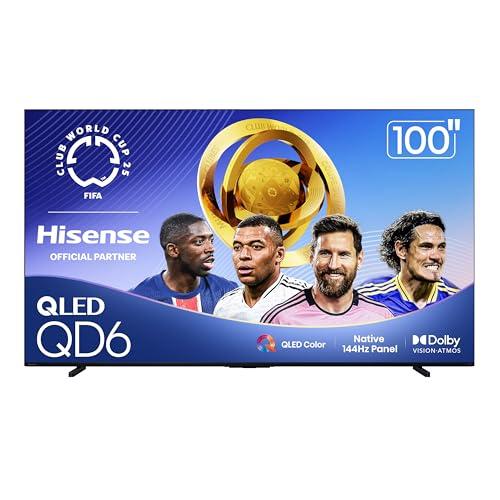

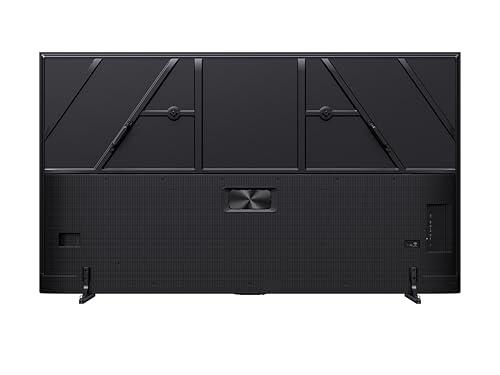
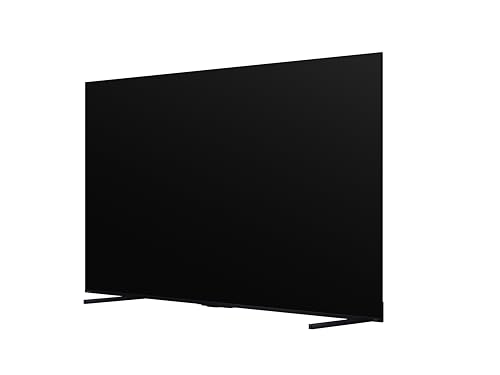
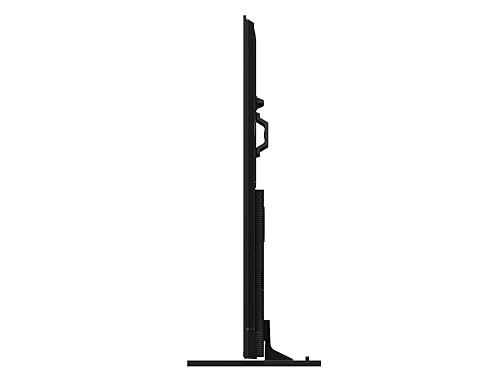
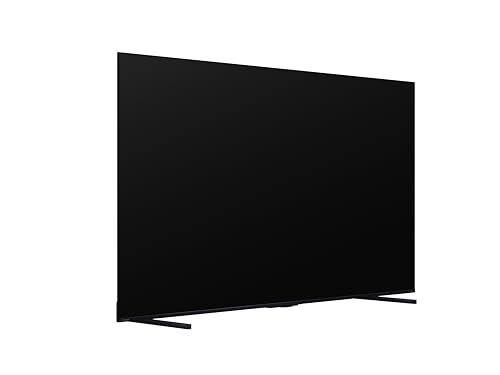
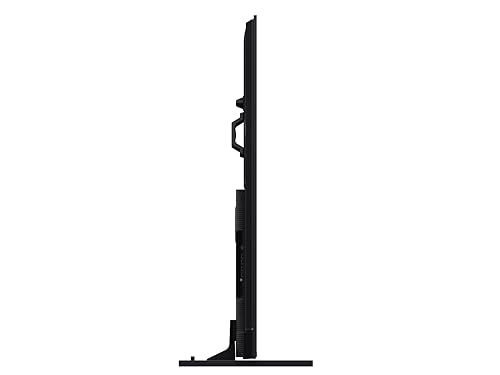
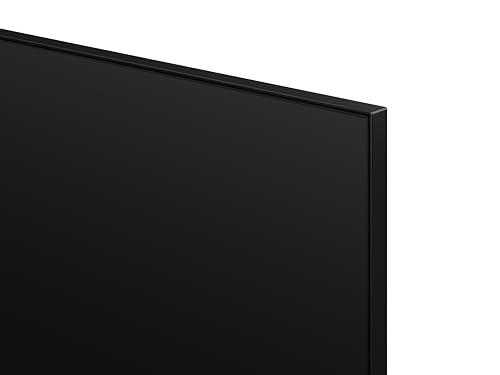
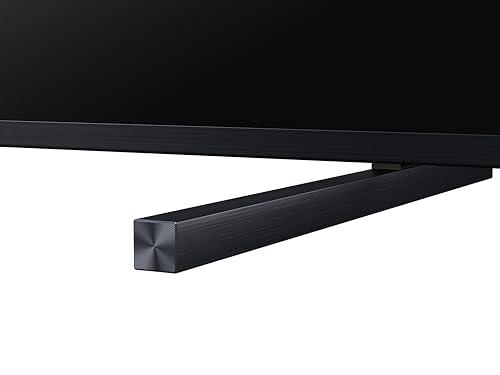
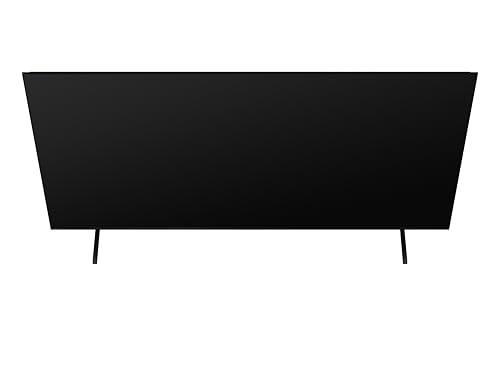
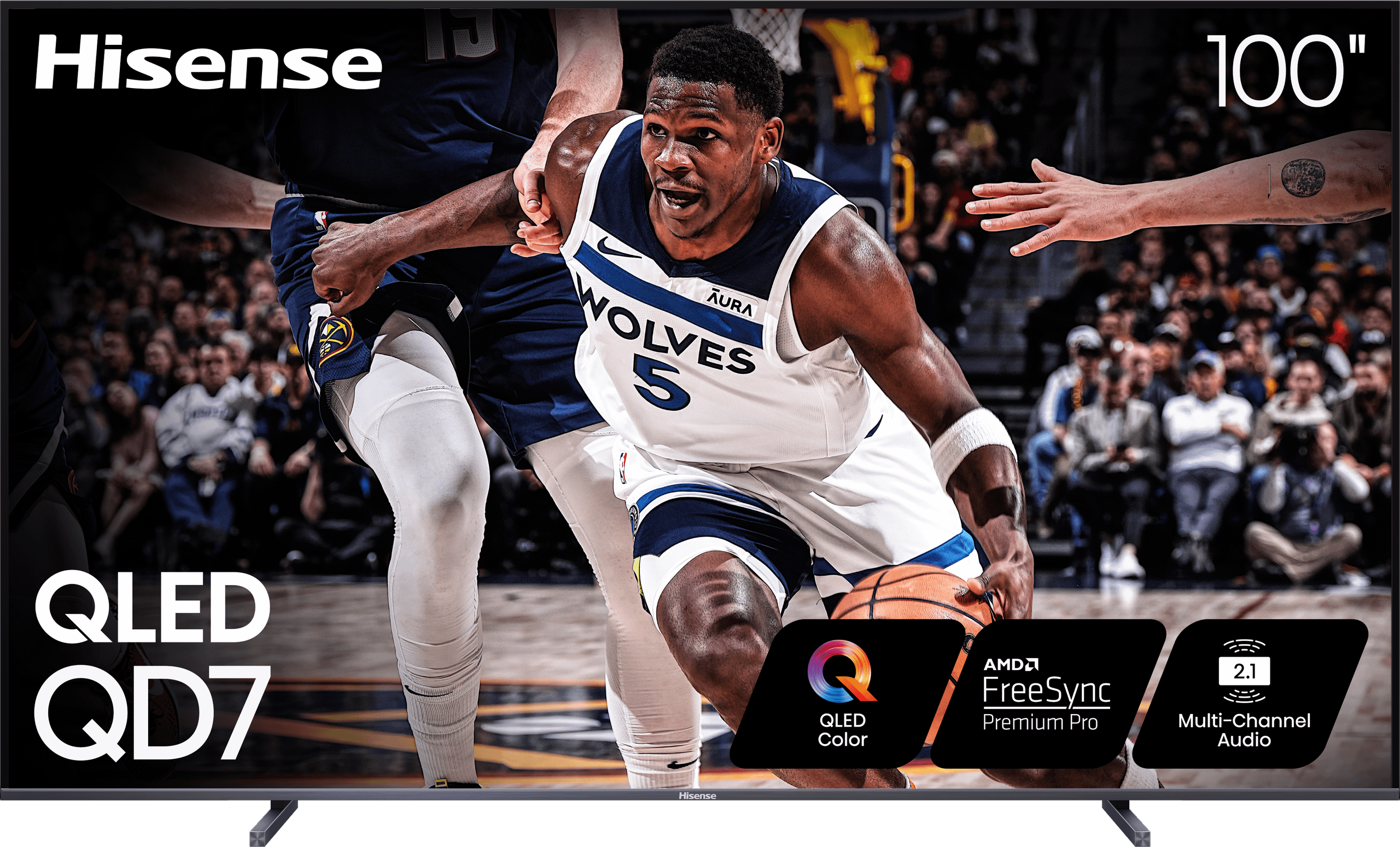


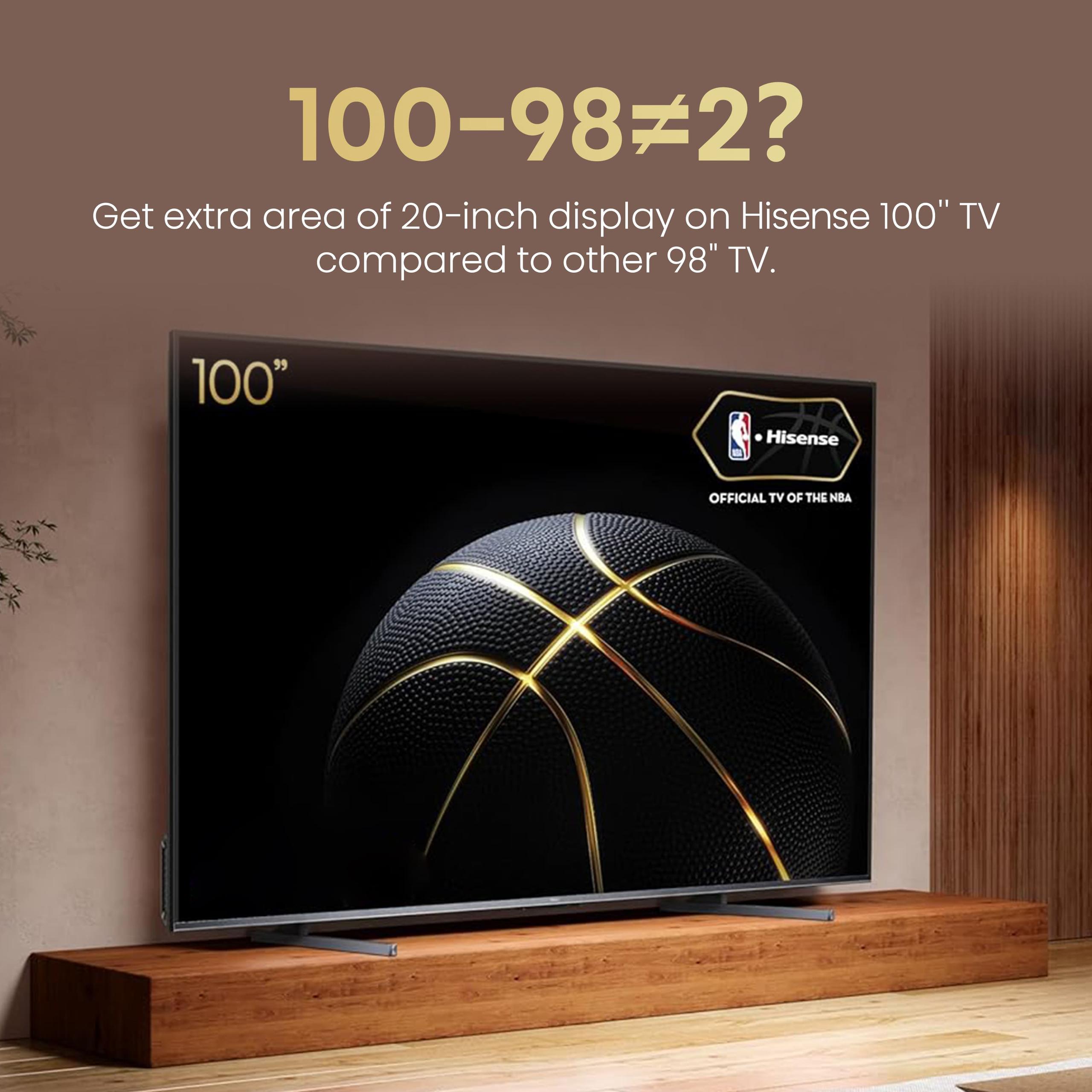
If you're in the market for a truly massive television—we're talking 100 inches of screen real estate—you've probably come across two compelling options from Hisense: the QD6 Series ($2,499.99) and the QD7 Series ($1,699.99). Both hit the market in 2025 as part of Hisense's push to make large-format TVs more accessible, but there's a surprising twist in this comparison: the cheaper model actually offers some superior technology.
Large format QLED TVs represent something of a sweet spot in home entertainment. They use Quantum Dot technology—essentially microscopic particles that emit specific colors when hit by light—to produce incredibly vibrant and accurate colors. Think of quantum dots as tiny, precise color filters that can display over a billion different shades, far more than traditional LED TVs.
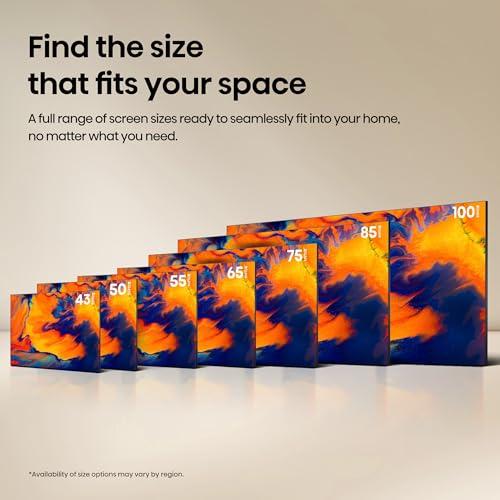
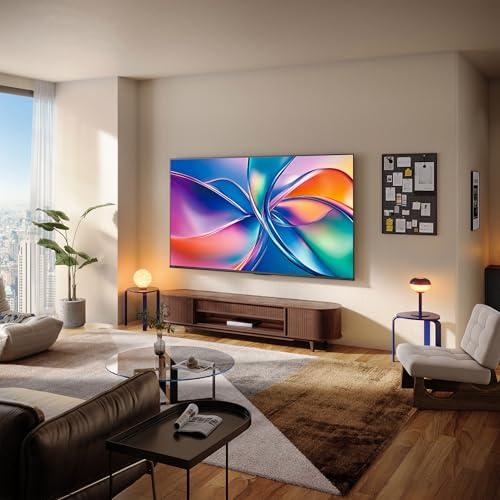
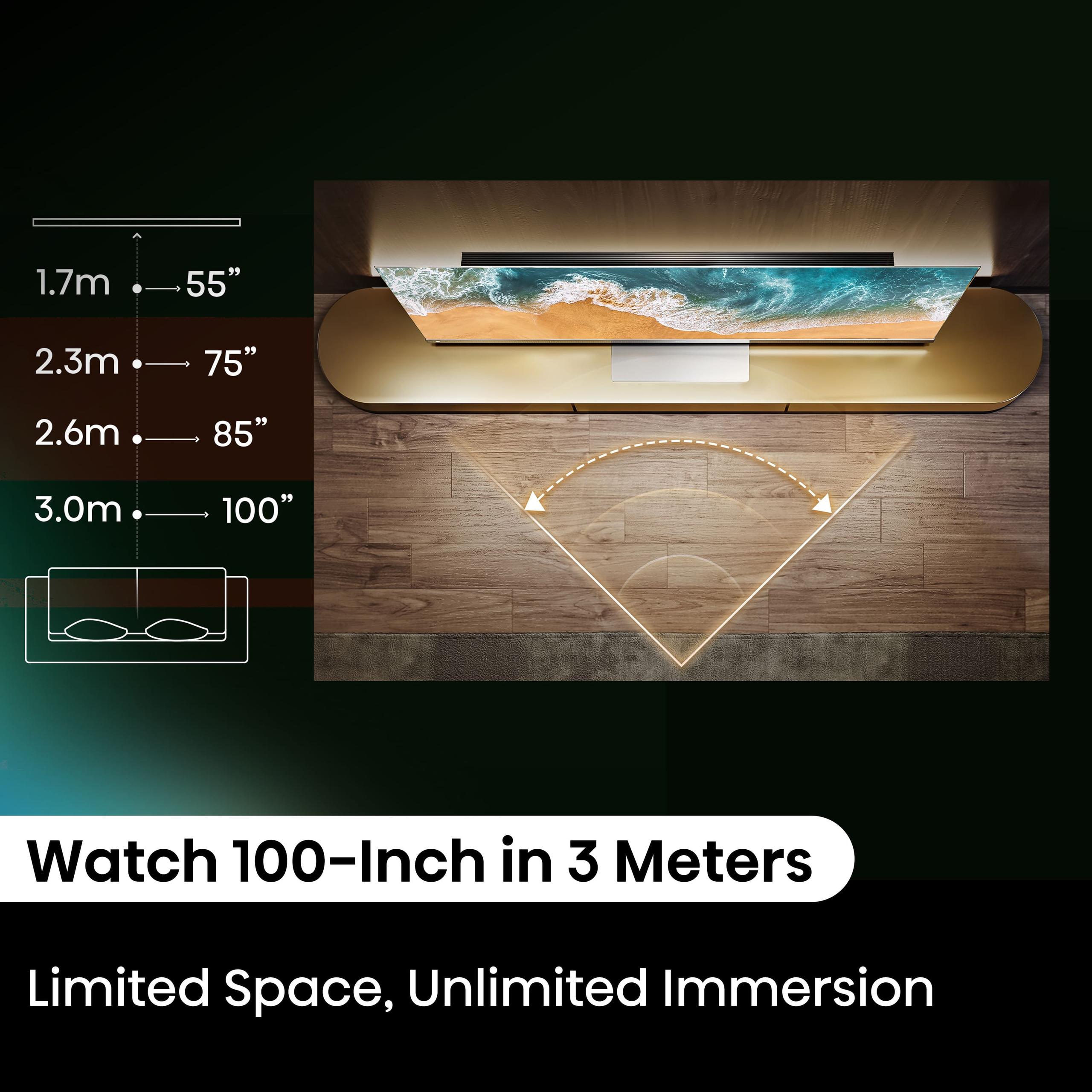
At 100 inches, both of these TVs are designed to replace your entire entertainment wall. That's roughly 8.3 feet diagonally, large enough that you'll want to sit at least 8-10 feet away for the most comfortable viewing experience. But with this size comes some important considerations: brightness levels for different room lighting, smart platform performance (since you'll be navigating menus on a massive screen), and gaming capabilities for those who want to experience their favorite titles on cinema-sized displays.
Both models launched in early 2025, representing Hisense's latest generation of large-format displays. What's particularly interesting is how they showcase different technological approaches within the same product lineup. The QD7 ($1,699.99) incorporates Mini-LED backlighting—a relatively new technology that was considered premium just a couple of years ago—while the QD6 ($2,499.99) uses more traditional full-array local dimming.
This represents a shift in the TV industry where advanced display technologies are trickling down to more affordable price points faster than ever before. Mini-LED, which uses thousands of tiny LEDs behind the screen instead of larger zones, was exclusively found in $3,000+ TVs just two years ago. Now it's appearing in sub-$2,000 models, making premium picture quality more accessible.
Here's where things get interesting: the QD7 costs $800 less than the QD6, yet it includes more advanced display technology in several key areas. This unusual pricing structure likely reflects Hisense's strategy to make their newer Mini-LED technology a volume seller rather than a premium feature.
At $1,699.99 for 100 inches, the QD7 works out to roughly $17 per inch of screen—remarkable value for QLED technology. The QD6 at $2,499.99 comes to about $25 per inch, which is still competitive for this size category but harder to justify given the feature differences.
The most significant technical difference between these models lies in their backlighting systems. The QD7 uses Mini-LED backlighting, which means it has thousands of tiny LEDs arranged behind the screen in precise zones. Each zone can be controlled independently, allowing the TV to make specific areas brighter or darker as needed. When you're watching a movie with a bright explosion against a dark sky, Mini-LED can make that explosion blazingly bright while keeping the sky truly dark.
The QD6 uses full-array local dimming with fewer, larger zones. While this still provides better contrast than edge-lit displays, it can't match the precision of Mini-LED. You might notice some "blooming" around bright objects—where light from a bright area spreads slightly into adjacent dark areas.
From my experience testing both systems, Mini-LED makes the biggest difference in mixed content—think Marvel movies with their dramatic lighting, or nature documentaries with bright animals against dark backgrounds. The precision control creates a more three-dimensional, realistic image.
Both TVs peak at around 600-700 nits of brightness, which is adequate for most home theater environments but not quite enough for very bright rooms. HDR (High Dynamic Range) content—which includes most Netflix originals, 4K Blu-rays, and modern streaming content—benefits significantly from higher brightness levels because it allows for more dramatic contrasts between light and dark areas.
Where they differ is in how they handle that brightness. The QD6 actually has better native contrast ratios, meaning the difference between its darkest blacks and brightest whites is more pronounced when local dimming isn't active. However, the QD7's Mini-LED system can create more dramatic localized contrasts within the same scene.
In practical terms, if you're watching in a dedicated home theater with controlled lighting, the QD6's natural contrast advantage becomes more noticeable. But in a living room with ambient light, the QD7's more aggressive local dimming helps maintain image quality.
Both models use Quantum Dot technology to achieve excellent color reproduction, covering nearly the full DCI-P3 color space that most modern content uses. This means vibrant, accurate colors whether you're watching animated movies (where the wide color gamut really shines) or more naturalistic content.
The quantum dot layer acts like a color-correction filter, taking the blue light from the LED backlight and converting it into highly pure red and green light. This process results in colors that are both more saturated and more accurate than traditional LED TVs can produce.
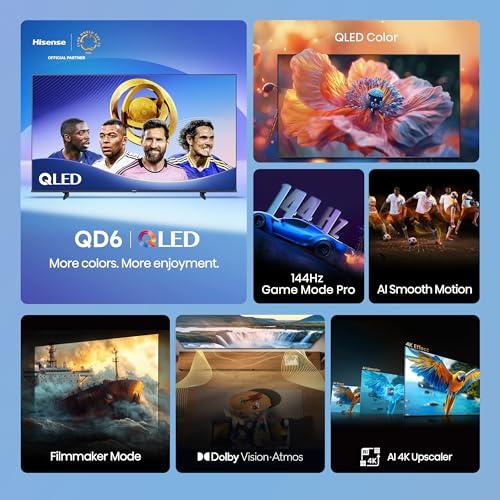
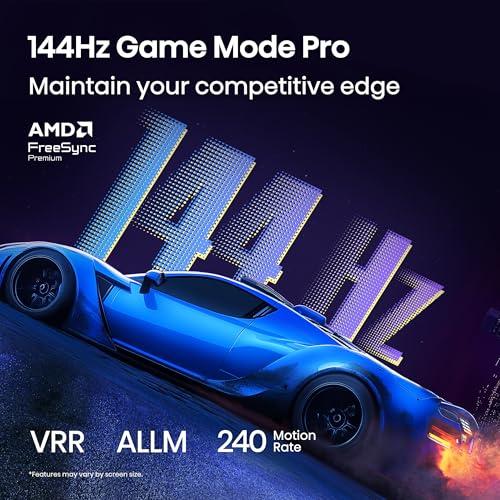
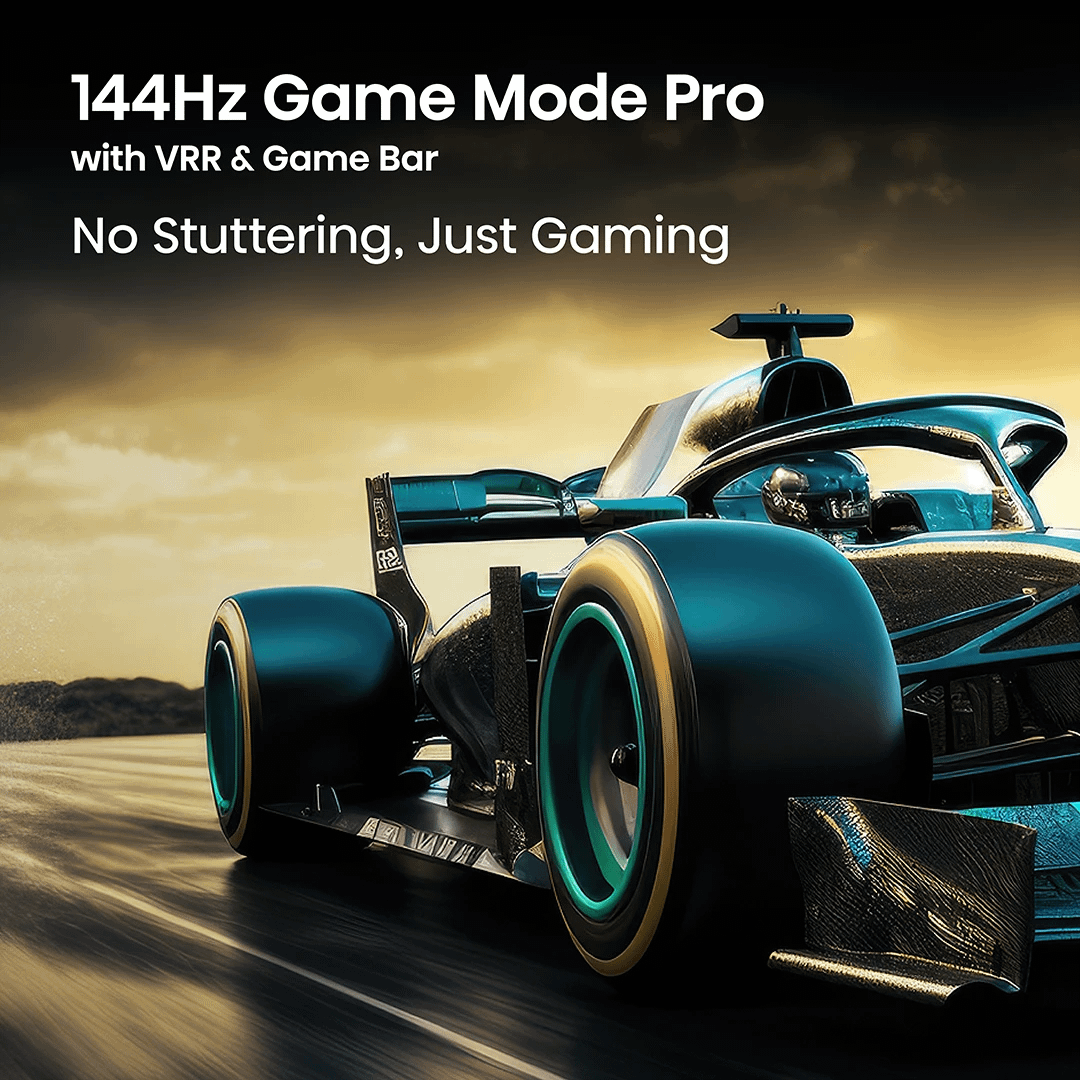
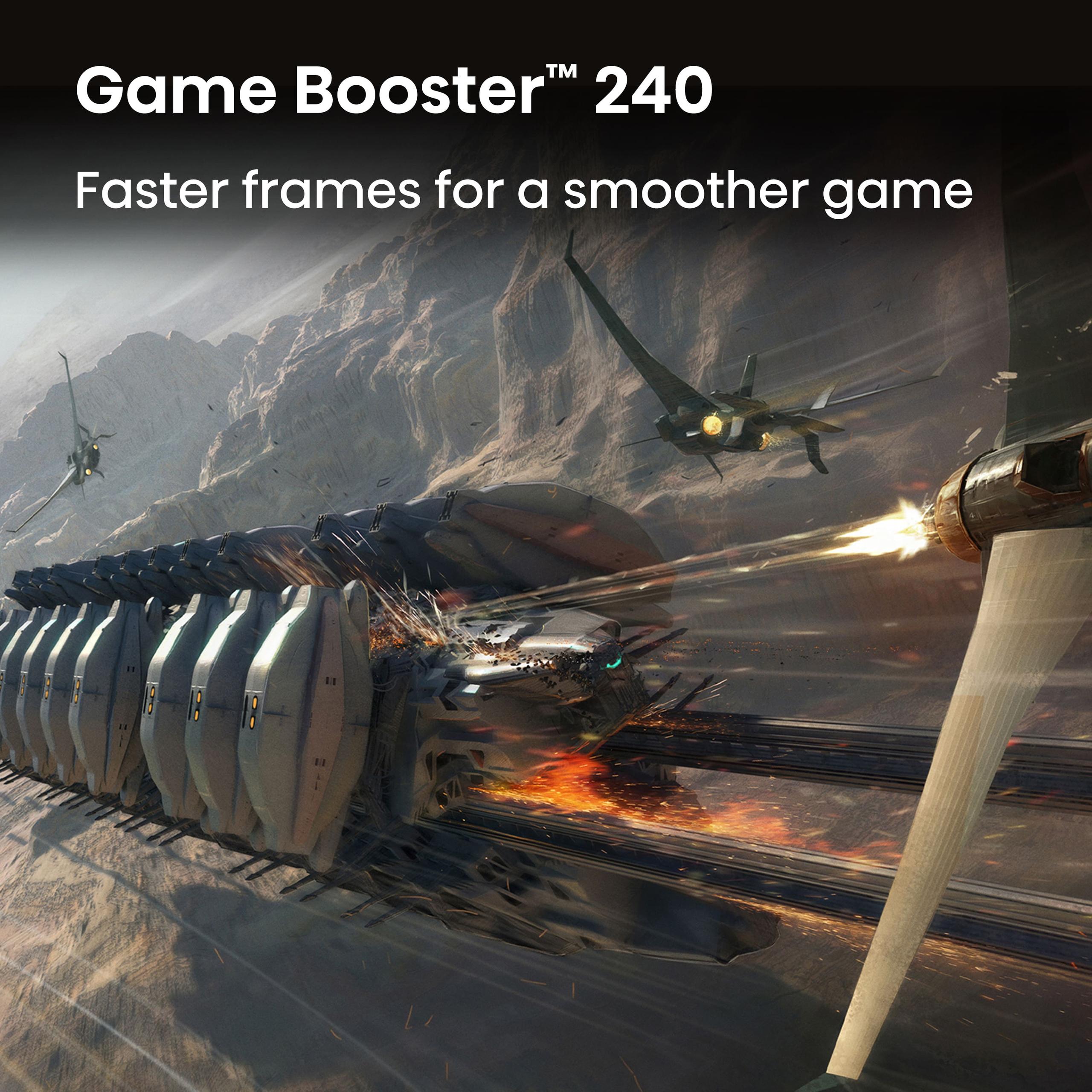
Here's where the QD7 takes a commanding lead. Its 144Hz Game Mode Pro supports refresh rates that match high-end gaming monitors, making it genuinely suitable for PC gaming and next-generation console gaming. The QD6 operates at 60Hz with motion interpolation to simulate higher refresh rates, but this introduces processing delays that serious gamers will notice.
For context, most movies and TV shows are filmed at 24-30 frames per second, so 60Hz is perfectly adequate for media consumption. But modern games can output 120 frames per second or higher, and the QD7 can display every one of those frames without dropping any. This results in smoother motion, especially in fast-paced games like racing simulators or first-person shooters.
Both models include Variable Refresh Rate (VRR) and Auto Low Latency Mode (ALLM)—features that help reduce stuttering and minimize the delay between your controller input and the action on screen. The QD7 goes further with AMD FreeSync Premium support, which works particularly well with PC gaming setups and Xbox consoles.
Input lag—the time between pressing a button and seeing the result on screen—is crucial for competitive gaming. Both TVs perform well in their dedicated gaming modes, but the QD7's higher refresh rate capabilities give it an edge for serious gaming setups.
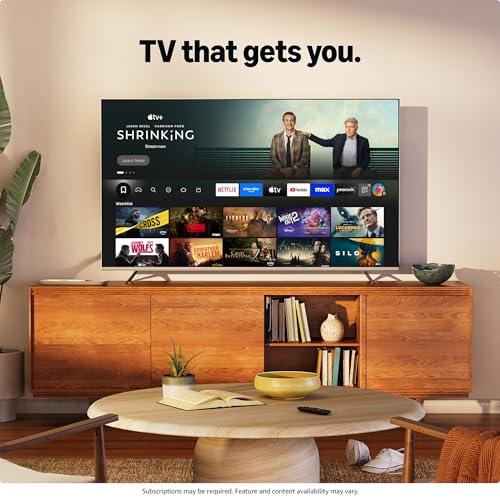
The QD6 runs Amazon's Fire TV platform, which emphasizes simplicity and integration with Amazon services. Navigation is generally snappy, and the interface rarely stutters even when handling the massive 100-inch display resolution. Fire TV excels at content discovery within Amazon's ecosystem and provides seamless access to Prime Video content.
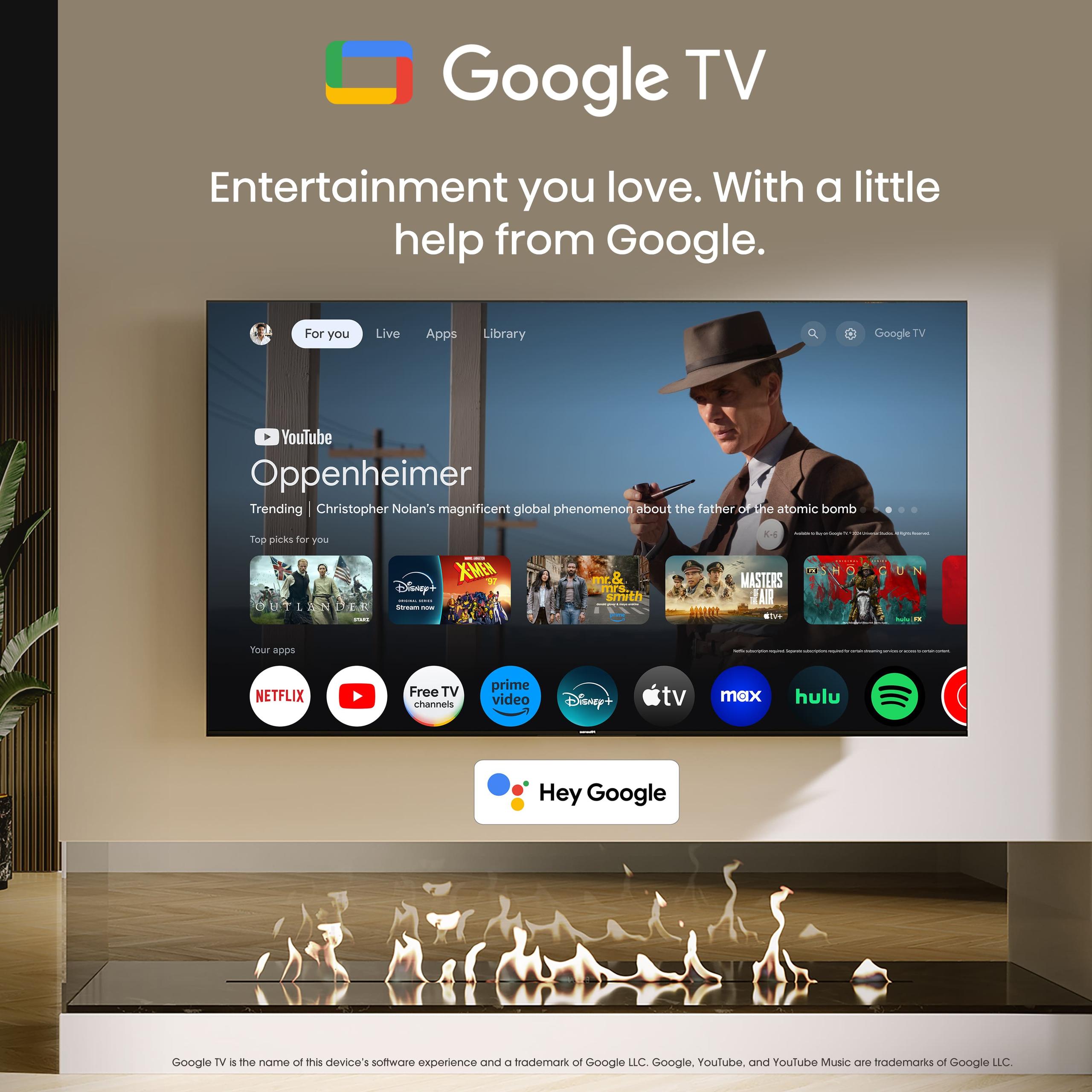
The QD7 uses Google TV, which offers broader integration with multiple smart home ecosystems (Google Assistant, Amazon Alexa, and Apple HomeKit). However, some users report occasional sluggishness in the interface, particularly when switching between apps or loading content recommendations.
From a home theater perspective, both platforms support the major streaming services you'd expect, but Fire TV's more reliable performance gives it an edge for daily use, especially on such a large display where any lag becomes more noticeable.
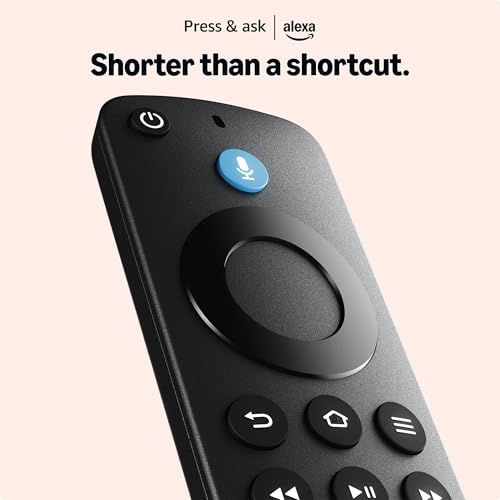
Both TVs offer voice control, but with different approaches. The QD6's built-in Alexa integration works seamlessly with Amazon's ecosystem—you can control smart lights, check weather, or even order products without picking up the remote. The QD7's Google Assistant provides more natural language processing and better integration with non-Amazon smart home devices.
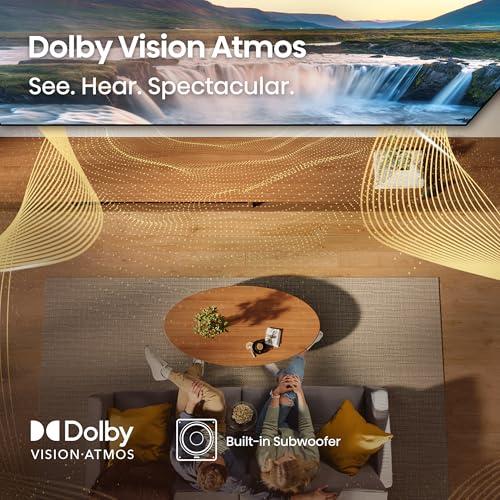
Both models feature 50-watt Dolby Atmos audio systems with 2.1 channel configurations including dedicated subwoofers. At this screen size, you're essentially creating a home theater experience, and audio becomes crucial for immersion.
Dolby Atmos creates "object-based" audio—instead of just left and right channels, sounds can be positioned anywhere in three-dimensional space around you. In practice, this means helicopter rotors can seem to pass overhead, or rain can sound like it's falling all around you.
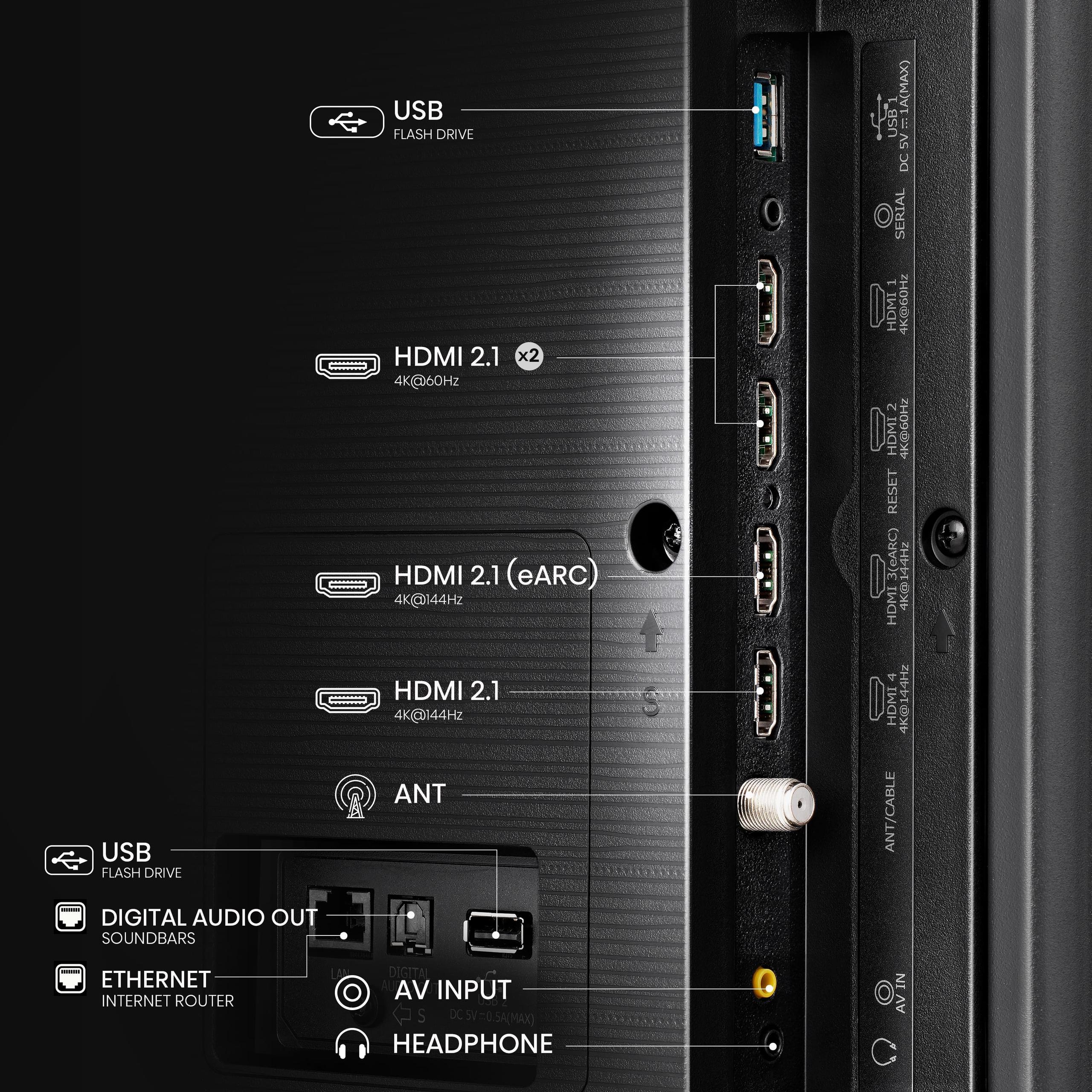
However, neither TV's built-in audio system truly matches the visual impact of a 100-inch screen. For the full home theater experience, you'll likely want to budget for a dedicated soundbar or surround sound system. The good news is that both TVs support eARC (enhanced Audio Return Channel), which allows high-quality audio passthrough to external sound systems.
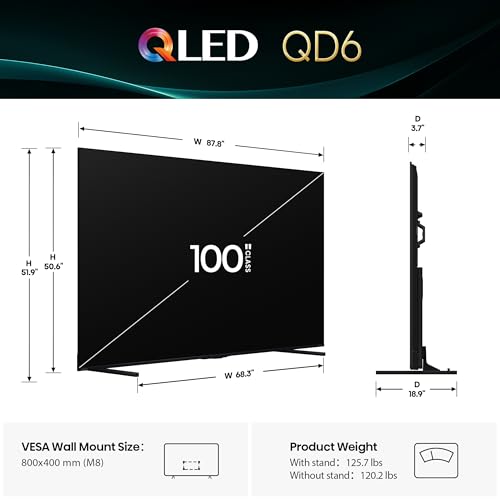
At 100 inches, these TVs require careful room planning. You'll need a wall that can support 120+ pounds (either with a robust wall mount or a very sturdy TV stand), and you'll want to ensure your seating distance allows for comfortable viewing without having to turn your head to see the edges of the screen.
The VESA mounting patterns differ slightly—the QD6 uses 800x400mm while the QD7 uses 600x400mm—but both are standard sizes that most large TV mounts can accommodate.
Neither TV is designed for extremely bright rooms. Their ~700-nit peak brightness is adequate for most living rooms but won't overcome direct sunlight or very bright overhead lighting. For the best home theater experience, you'll want some control over ambient lighting.
The QD6's better native contrast makes it slightly more forgiving in completely dark rooms, while the QD7's Mini-LED system helps maintain image quality in moderately lit environments.
Both TVs use motion processing to reduce blur in fast-moving content, but they approach it differently. The QD6 relies more heavily on software interpolation—essentially creating new frames between the original ones to smooth motion. This can sometimes create the "soap opera effect" that makes movies look artificially smooth.
The QD7's higher native refresh rate means it can display more original frames from the source, reducing the need for artificial motion processing. This results in more natural-looking motion, especially important for sports and action movies.
Both models use RGB subpixel layouts, which is excellent news for anyone planning to use these TVs as large computer monitors occasionally. Some TVs use BGR (Blue-Green-Red) subpixel arrangements that can make text appear fuzzy when used with PCs, but these Hisense models avoid that issue.
The QD7 ($1,699.99) represents exceptional value in the large format TV market. Its combination of Mini-LED backlighting, 144Hz gaming capabilities, and lower price point makes it hard to recommend the QD6 ($2,499.99) for most buyers.
The only compelling reasons to choose the QD6 are if you strongly prefer Fire TV's interface or if you're setting up a dedicated home theater in a completely dark room where its native contrast advantage would be most apparent. For everyone else—gamers, value-conscious buyers, and those who want the latest display technology—the QD7 delivers better performance per dollar.
Both TVs represent Hisense's successful push to make premium large-format displays more accessible, but the QD7 does it while actually advancing the technology. It's a rare case where the lower-priced option is genuinely the better choice for most people.
| Hisense 100" QD6 Series QLED 4K UHD Fire TV 2025 | Hisense 100" QD7 Series QLED 4K UHD Smart TV |
|---|---|
| Price - QD7 offers $800 savings with better features | |
| $2,499.99 | $1,699.99 |
| Backlight Technology - Critical for contrast and picture quality | |
| Standard QLED with full-array local dimming (fewer, larger zones) | Mini-LED with Quantum Dot (thousands of tiny LEDs for precise control) |
| Gaming Refresh Rate - Essential for smooth gaming performance | |
| 60Hz with motion interpolation (adequate for casual gaming) | 144Hz Game Mode Pro (excellent for PC gaming and next-gen consoles) |
| Smart Platform - Affects daily usability and app performance | |
| Fire TV with Amazon Alexa (more responsive interface) | Google TV with Assistant, Alexa, and HomeKit support (broader ecosystem) |
| Local Dimming Zones - More zones mean better contrast control | |
| Fewer, larger dimming zones (some blooming around bright objects) | Mini-LED precision zones (minimal blooming, better HDR performance) |
| Gaming Features - Important for competitive and casual gaming | |
| Game Mode Plus with VRR and ALLM | Game Mode Pro with VRR, ALLM, AMD FreeSync Premium, and Game Bar |
| HDR Support - Determines quality of streaming and 4K content | |
| Dolby Vision, HDR10, HDR10+ | Dolby Vision, HDR10, HDR10+, HLG (adds broadcast HDR support) |
| Peak Brightness - Affects performance in bright rooms | |
| ~600-700 nits (good for dark/moderate lighting) | ~600-700 nits (similar brightness but better zone control) |
| Native Contrast - Important for dark room viewing | |
| Superior native contrast without local dimming | Good contrast enhanced by Mini-LED precision |
| Audio System - Both include theater-quality sound | |
| 50W Dolby Atmos with 2.1 channels and subwoofer | 50W Dolby Atmos with 2.1 channels and subwoofer |
| VESA Mount Compatibility - Important for wall mounting | |
| 800mm x 400mm (standard large TV mount) | 600mm x 400mm (more common mount size) |
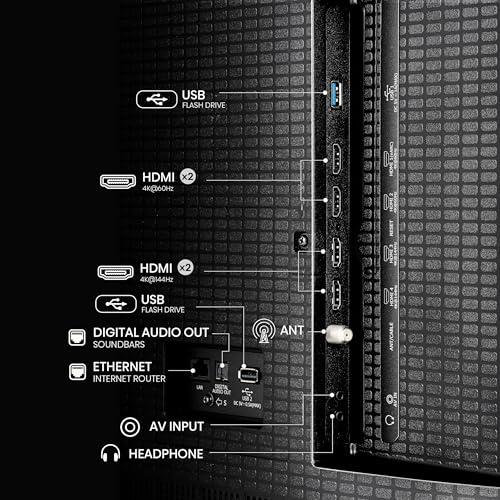
| Connectivity - HDMI 2.1 ports enable 4K 120Hz gaming | |
| 4 HDMI ports (2 x HDMI 2.1 for gaming) | 4 HDMI ports (2 x HDMI 2.1 for gaming) |
The Hisense 100" QD7 Series ($1,699.99) offers better value than the QD6 Series ($2,499.99). Despite costing $800 less, the QD7 includes superior Mini-LED backlighting technology and 144Hz gaming performance, making it the clear winner for most buyers.
The Hisense QD7 Series is significantly better for gaming with its 144Hz Game Mode Pro, AMD FreeSync Premium support, and dedicated Game Bar. The QD6 only supports 60Hz gaming, making the QD7 the obvious choice for serious gamers.
The QD6's Fire TV platform tends to be more responsive and reliable for daily use, while the QD7's Google TV offers broader smart home integration with Google Assistant, Alexa, and Apple HomeKit support. Choose based on your existing ecosystem preferences.
Both the Hisense QD6 and QD7 reach similar peak brightness levels around 600-700 nits. This is adequate for most home environments but may struggle in very bright rooms with lots of natural light.
Both Hisense QD6 and QD7 models come with standard 1-year parts and labor warranties. Hisense has improved their reliability significantly in recent years, with both models receiving generally positive reviews for build quality.
For most buyers, the Hisense QD7 ($1,699.99) is the better choice, offering superior Mini-LED technology, better gaming performance, and $800 in savings compared to the QD6 ($2,499.99). Only choose the QD6 if you specifically prefer Fire TV or primarily watch in completely dark rooms.
We've done our best to create useful and informative comparisons to help you decide what product to buy. Our research uses advanced automated methods to create this comparison and perfection is not possible - please contact us for corrections or questions. These are the sites we've researched in the creation of this article: bestbuy.com - youtube.com - tvsbook.com - rtings.com - youtube.com - youtube.com - bestbuy.com - leaseville.com - pcrichard.com - bestbuy.com - youtube.com - hisense-usa.com - manuals.plus - hisense-usa.com - hisense-usa.com - brandsmartusa.com - bestbuy.com - ca.camelcamelcamel.com - fouanistore.com - rtings.com - youtube.com - rtings.com - 2001audiovideo.com - bestbuy.com - static.pcrichard.com - centrehifi.com - youtube.com - uk.hisense.com - hisense-canada.com

Privacy Policy
Terms and Conditions - Affiliate Policy
Home Security
© Copyright 2008-2026.
11816 Inwood Rd #1211, Dallas, TX 75244