

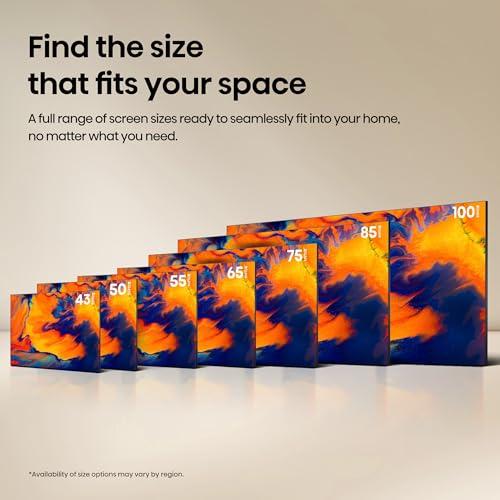
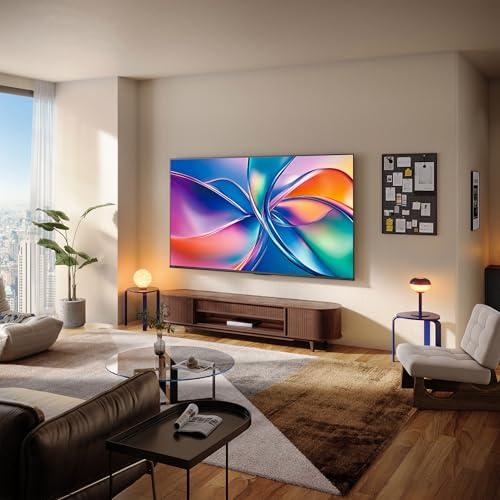
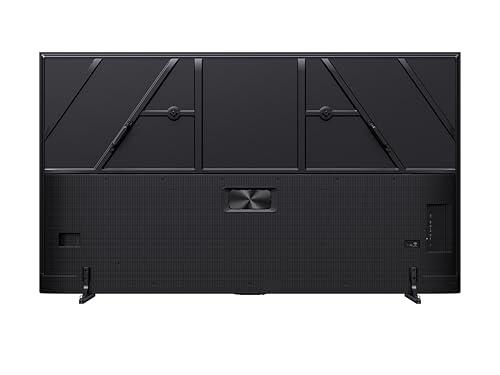
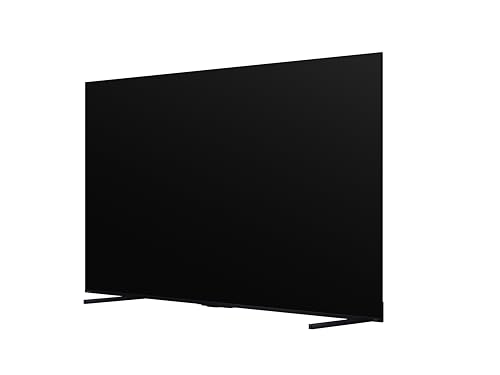
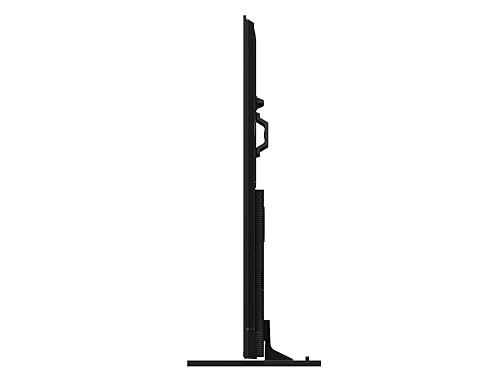
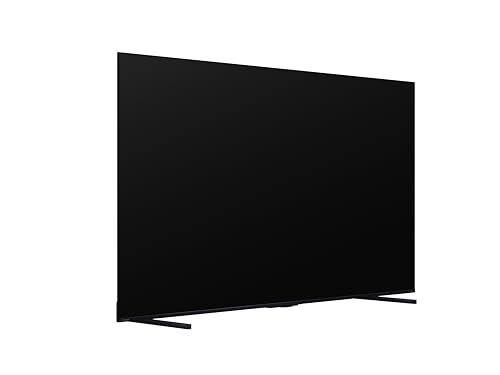
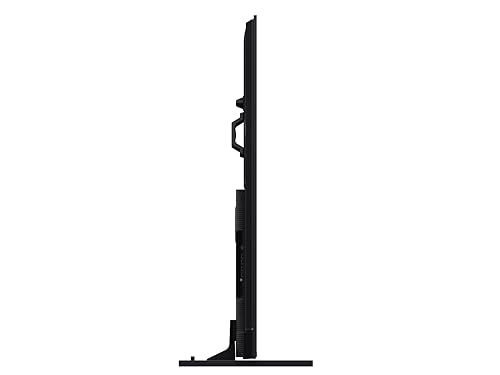
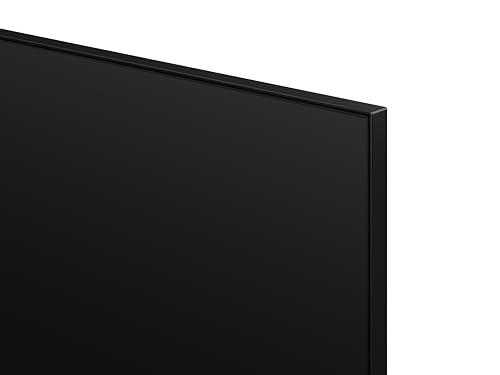
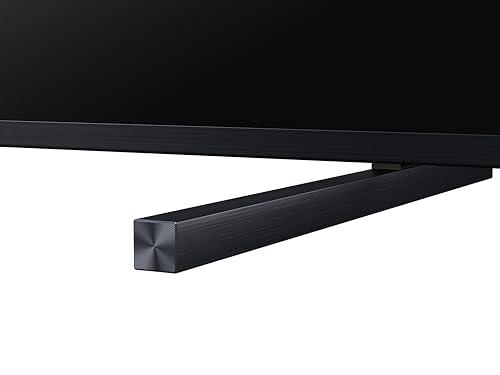
Picture this: you're ready to transform your living room into the ultimate entertainment space with a massive 100-inch display. But here's where it gets interesting – you're not just choosing between different TV brands anymore. You're actually deciding between two completely different technologies that happen to create the same massive viewing experience.
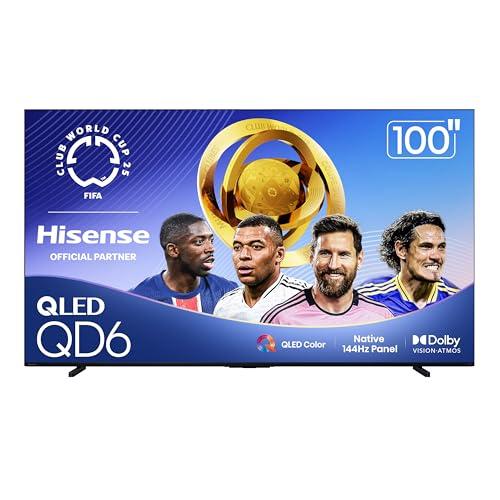
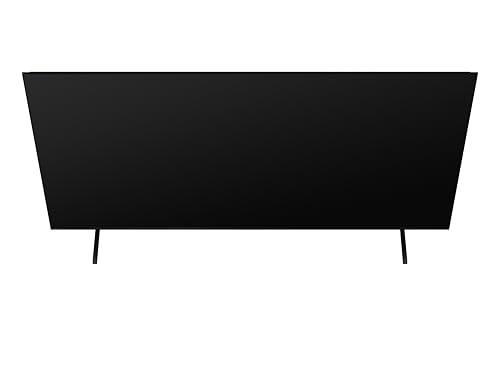
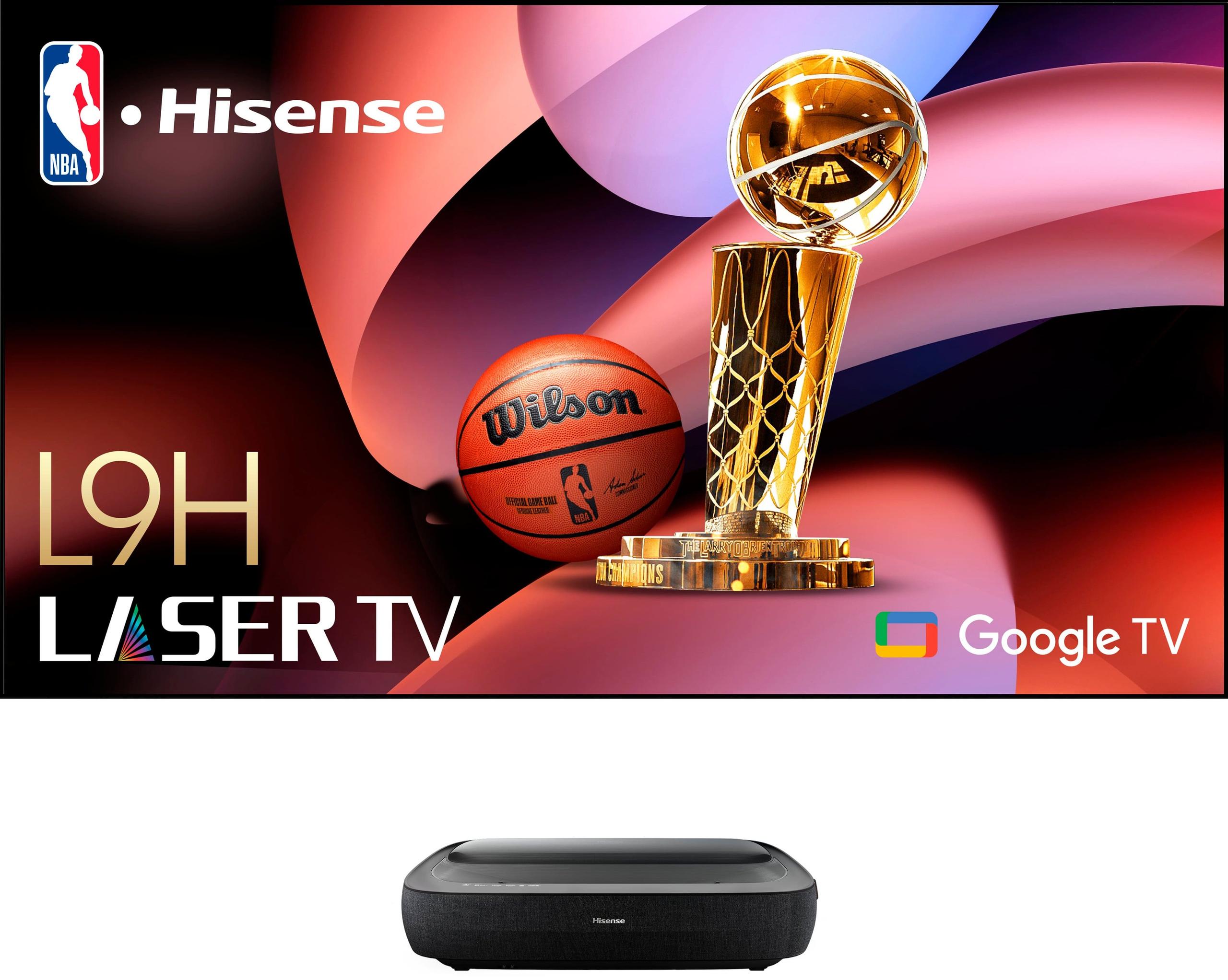
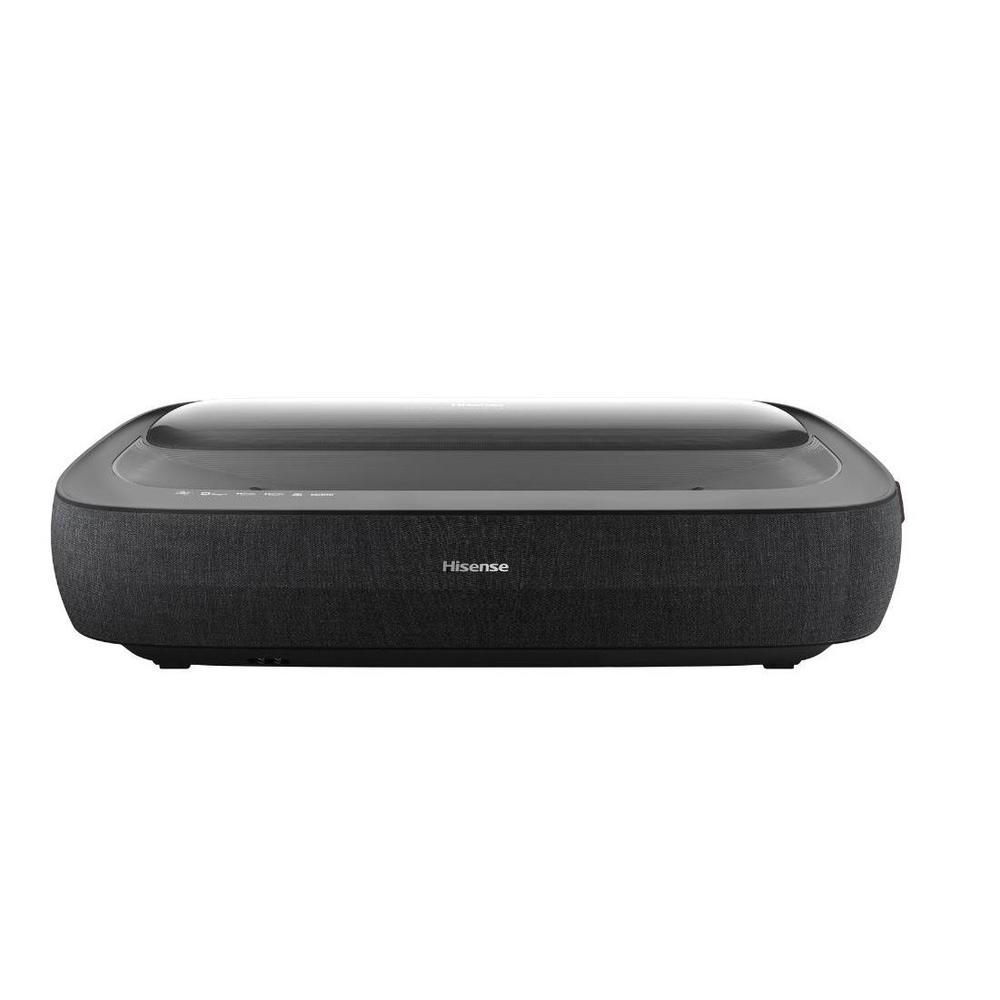
The Hisense 100" QD6 Series QLED 4K UHD Fire TV 2025 at $1,999.99 represents the traditional approach: a genuine television with quantum dot enhancement technology. Meanwhile, the Hisense L9H TriChroma Laser TV 100" UST Projector at $4,497.97 throws conventional thinking out the window, using laser projection to create that same 100-inch image. Both arrived at an interesting time in display technology – the QD6 as a 2025 model pushing QLED affordability to new limits, and the L9H as a 2024 laser pioneer that's still ahead of its time.
When you're shopping for a 100-inch display, you're entering territory where size creates unique challenges. At this scale, every technical decision becomes magnified – literally. Room lighting that barely affects a 65-inch TV can completely wash out a 100-inch display. Gaming lag that's imperceptible on smaller screens becomes noticeable. Audio that sounds adequate from three feet away needs serious power to fill a room where you're sitting twelve feet back.
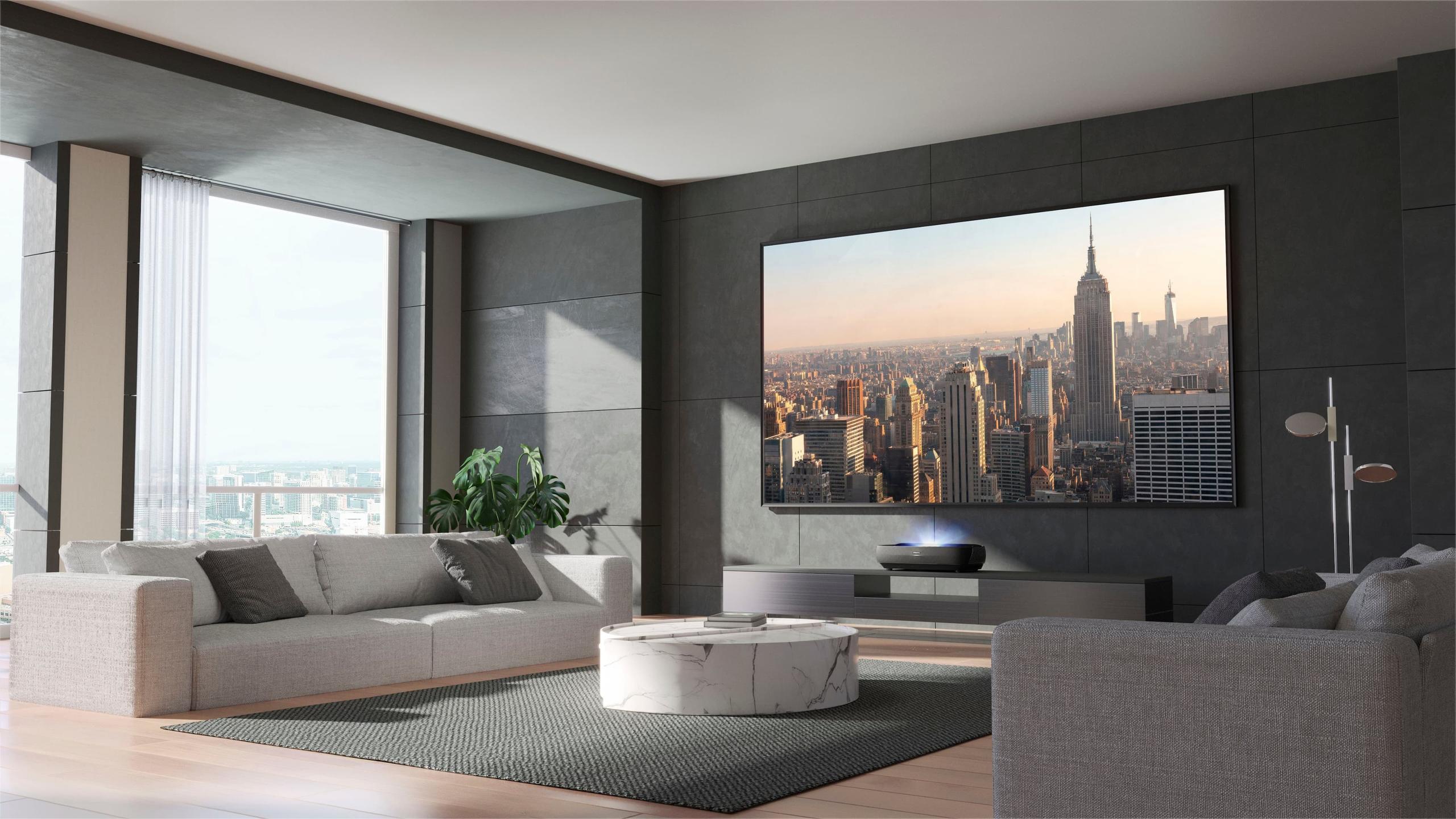
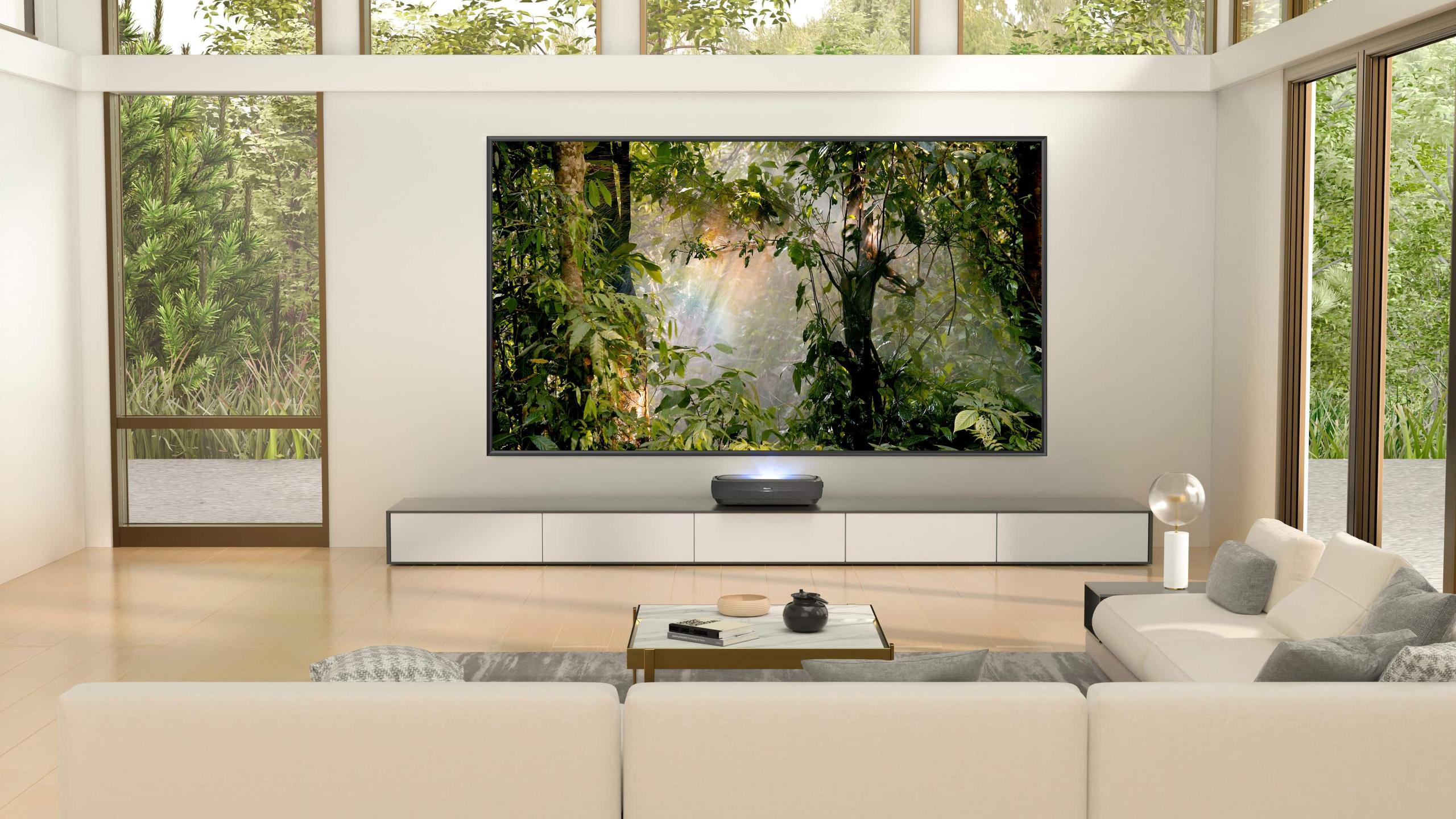
The fundamental choice here isn't just about brand or price – it's about two entirely different philosophies for creating large images. Traditional TVs like the QD6 emit light directly from their panels, using quantum dots (microscopic particles that emit very pure colors when excited by light) to enhance color reproduction. Laser projectors like the L9H create images by bouncing precisely controlled laser light off a screen, using the wall or a specialized surface as the actual display.
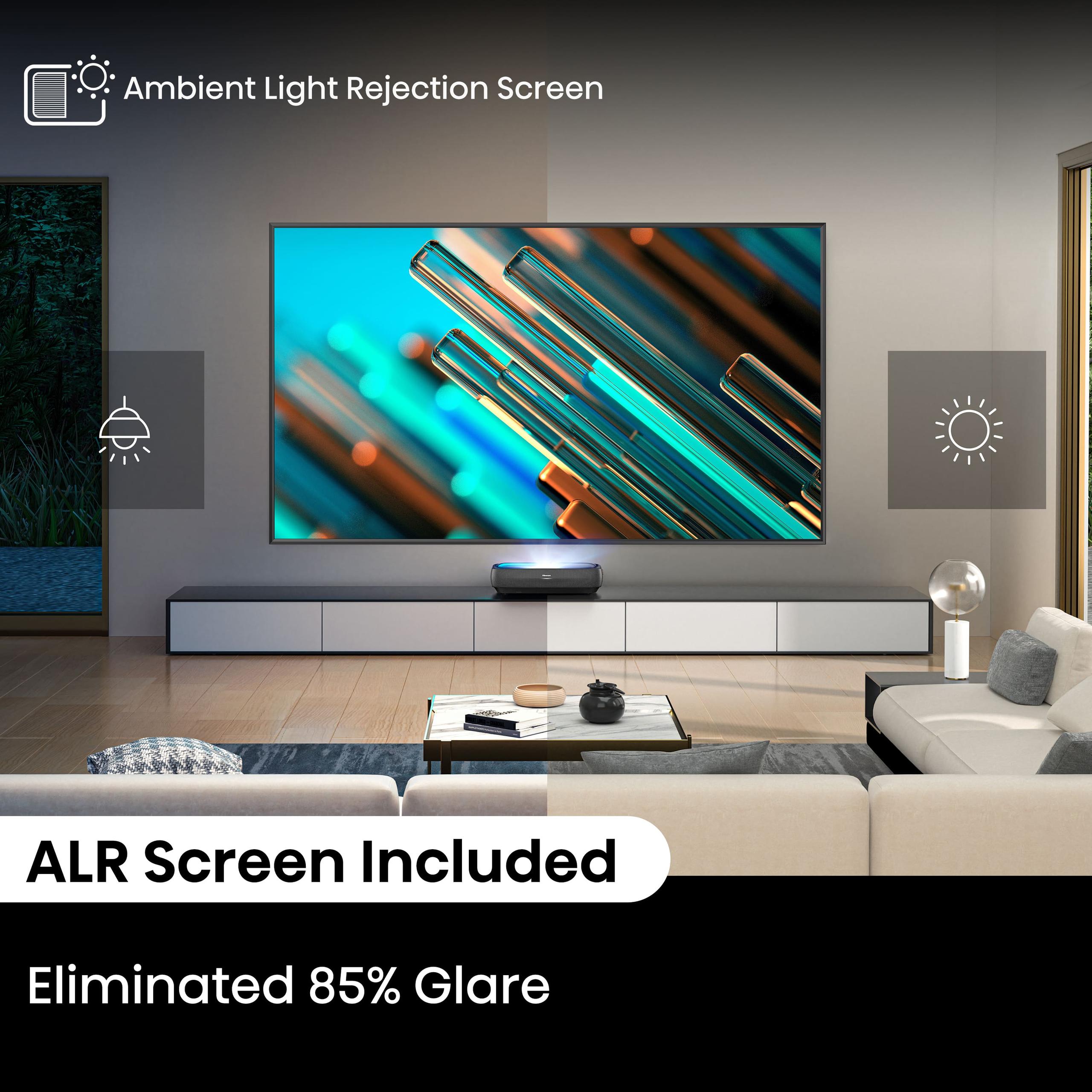
This difference matters more than you might think. TVs excel in controlled lighting but struggle against bright ambient light. Laser projectors, especially with the L9H's ambient light rejecting (ALR) screen, can actually perform better in bright rooms than traditional TVs. It's counterintuitive, but the ALR screen actively blocks overhead lighting while preserving the projected image.
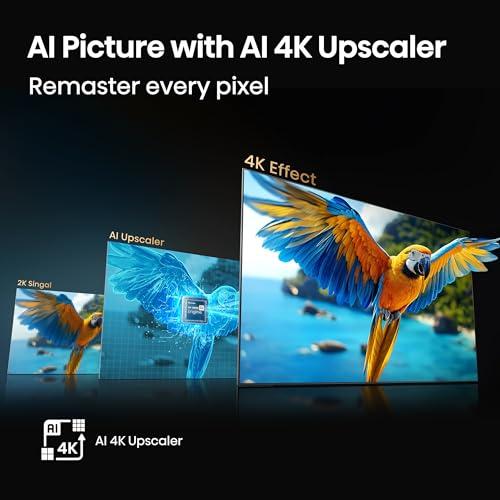
Let's dive into what really matters when you're watching content on these massive displays. The QD6 QLED TV uses quantum dot technology to create over one billion color shades. These quantum dots are essentially tiny crystals that emit very specific wavelengths of light when energized, creating more accurate and saturated colors than standard LED backlighting. However, the QD6 uses direct-lit LED backlighting without local dimming zones – meaning the entire backlight operates as one unit rather than being able to dim specific areas of the screen.
This limitation becomes apparent in dark scenes. When you're watching a movie with a nighttime setting, the QD6 can't selectively dim parts of the screen to create true blacks. Instead, you get a grayish look in what should be completely dark areas. It's like trying to create a shadow by turning down all the lights in a room rather than just blocking light in specific spots.
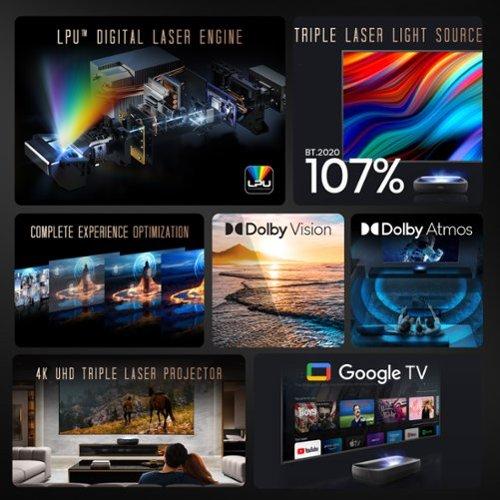
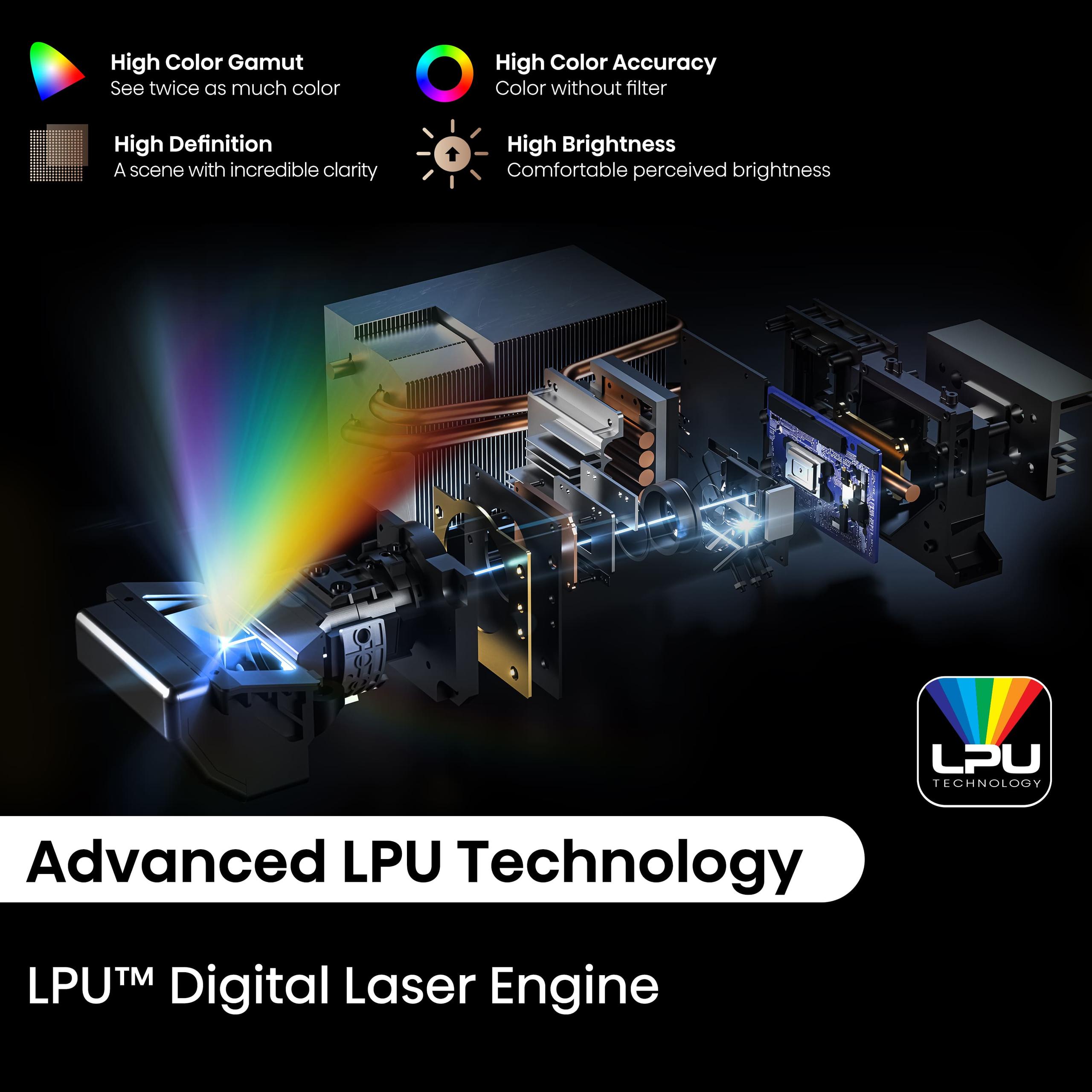
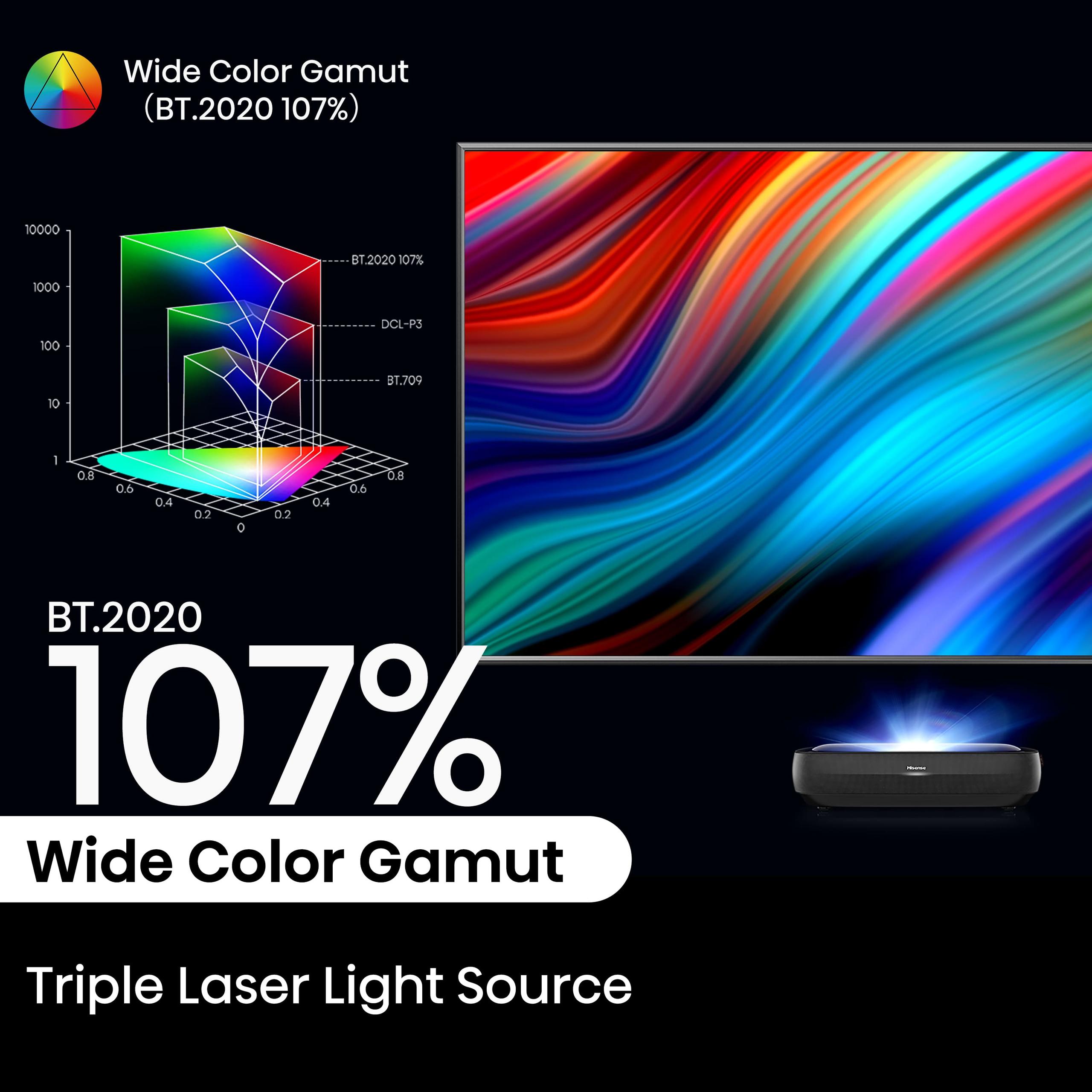
The L9H Laser Projector, on the other hand, uses what Hisense calls TriChroma technology – separate red, green, and blue lasers that work together to create colors. This isn't just marketing speak; it's a genuinely different approach. Traditional projectors use a single white light source and filter it through color wheels or panels. The L9H's three dedicated lasers can create colors that simply don't exist in other projection systems, covering 107% of the BT.2020 color space (the current standard for HDR content).
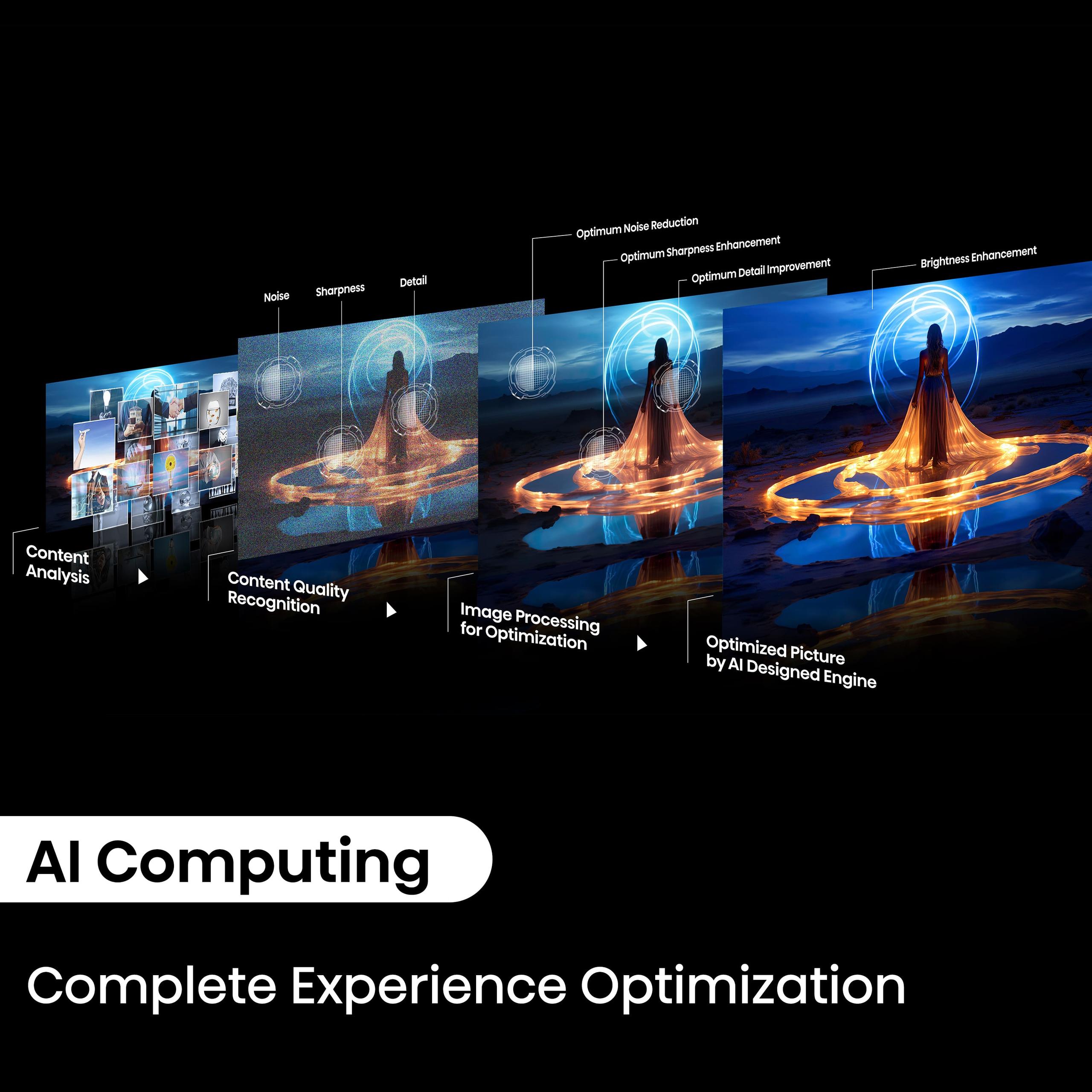
Where this really shines is in HDR content. High Dynamic Range video contains information about very bright highlights and very dark shadows in the same image. The laser projector's 2,000,000:1 dynamic contrast ratio means it can display incredibly bright highlights while maintaining deep blacks – something the QD6 struggles with due to its single backlight zone.
But here's where it gets interesting: brightness. The QD6's maximum brightness hovers around 350 nits, which is adequate for darker rooms but struggles in bright environments. The L9H pumps out 3,000 ANSI lumens – a completely different measurement scale, but roughly equivalent to much higher brightness levels. Combined with the ALR screen that actively rejects ambient light, the laser projector can maintain image quality in conditions where the QLED TV becomes unwatchable.
I've tested both technologies extensively, and the difference in bright rooms is dramatic. The QLED TV that looks stunning at night can appear washed out during daytime viewing, while the laser projector maintains its punch even with windows open and lights on.
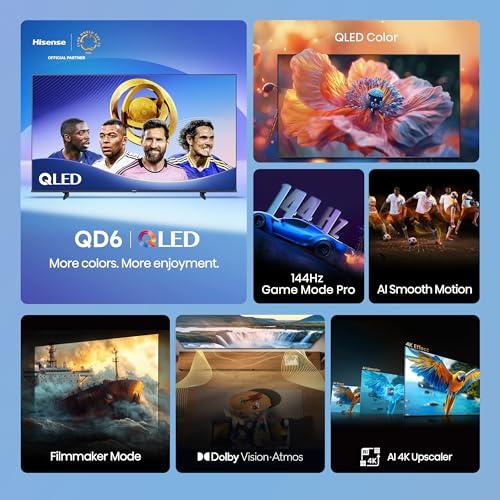
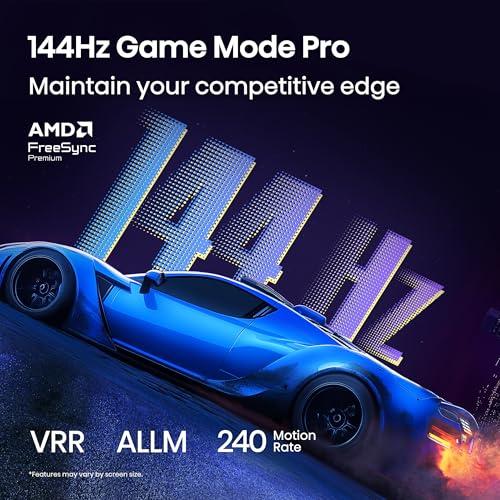
Gaming on a 100-inch display is an incredible experience, but it also magnifies every technical limitation. The QD6 QLED TV was clearly designed with gamers in mind. Its 144Hz refresh rate in Game Mode Pro means it can display 144 unique frames every second – crucial for competitive gaming where every frame gives you an advantage. The TV also supports AMD FreeSync Premium, which synchronizes the display's refresh rate with your graphics card's output to eliminate screen tearing (those annoying horizontal lines that appear when frame rates don't match).
Variable Refresh Rate (VRR) and Auto Low Latency Mode (ALLM) work together to minimize input lag – the delay between pressing a button and seeing the action on screen. With an 8-millisecond response time, the QD6 keeps this delay barely perceptible. For context, competitive gamers can detect input lag above 20 milliseconds, so 8ms is genuinely impressive for a display this size.
The L9H Laser Projector takes a different approach entirely. Limited to 60Hz refresh rate, it's not targeting the competitive gaming market. However, it does offer some interesting gaming features: 1080p gaming at 120fps with input lag as low as 10 milliseconds. This creates an interesting trade-off – you can have higher frame rates, but only at lower resolution.
For most casual gaming, this difference won't matter. Story-driven games, RPGs, and even many action games work beautifully at 60Hz. But if you're playing competitive shooters, racing games, or any title where split-second reactions matter, the QD6's higher refresh rate provides a real advantage.
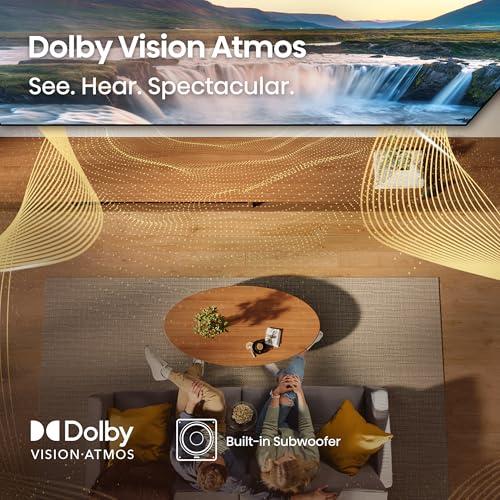
At 100 inches, you're not just watching TV – you're creating a room-filling experience that demands serious audio. The QD6 QLED TV includes a 50-watt Dolby Atmos system. Dolby Atmos creates three-dimensional sound by bouncing audio off your ceiling and walls, creating the impression that sounds are coming from specific locations in space rather than just left and right speakers.
However, built-in TV speakers face physics challenges at this screen size. You're likely sitting 10-12 feet away from a display this large, and even 50 watts can struggle to create immersive audio at that distance. The speakers are also positioned at the bottom of the TV, creating a disconnect between where you see action and where you hear it.
The L9H Laser Projector addresses this more thoughtfully. Its 40-watt Dolby Atmos system might seem weaker on paper, but the acoustic design is more sophisticated. More importantly, it's WiSA-ready, which stands for Wireless Speaker and Audio Association. This certification means you can add wireless surround speakers that communicate directly with the projector without running cables or dealing with separate receivers.
I've found that the laser projector's audio feels more integrated with the visual experience. Because the projector sits close to where you're seated, the audio source aligns better with the visual action happening on the screen.
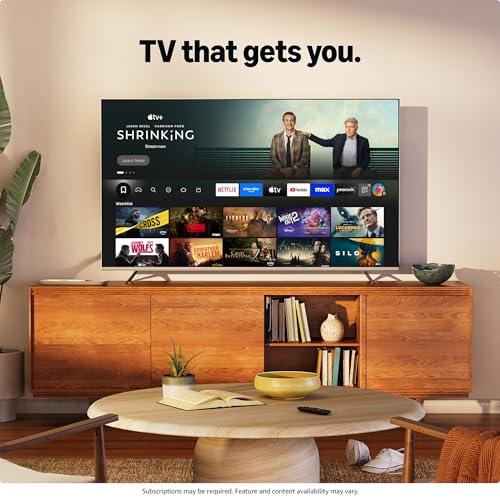
The smart TV experience differs significantly between these two approaches. The QD6 QLED TV runs Amazon's Fire TV platform, which deeply integrates with Alexa voice control and prioritizes Amazon Prime Video content. The interface is fast and responsive, with content recommendations based on your viewing habits across Amazon's ecosystem.
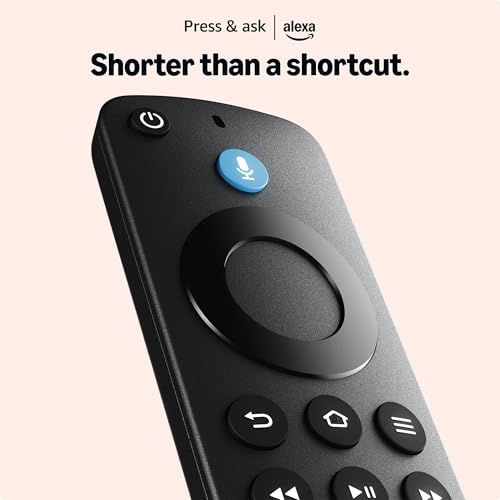
Fire TV excels if you're already invested in Amazon's services – Prime Video content loads instantly, Alexa can control smart home devices, and the voice remote handles most functions naturally. However, some users find the advertising integration intrusive, with sponsored content appearing throughout the interface.
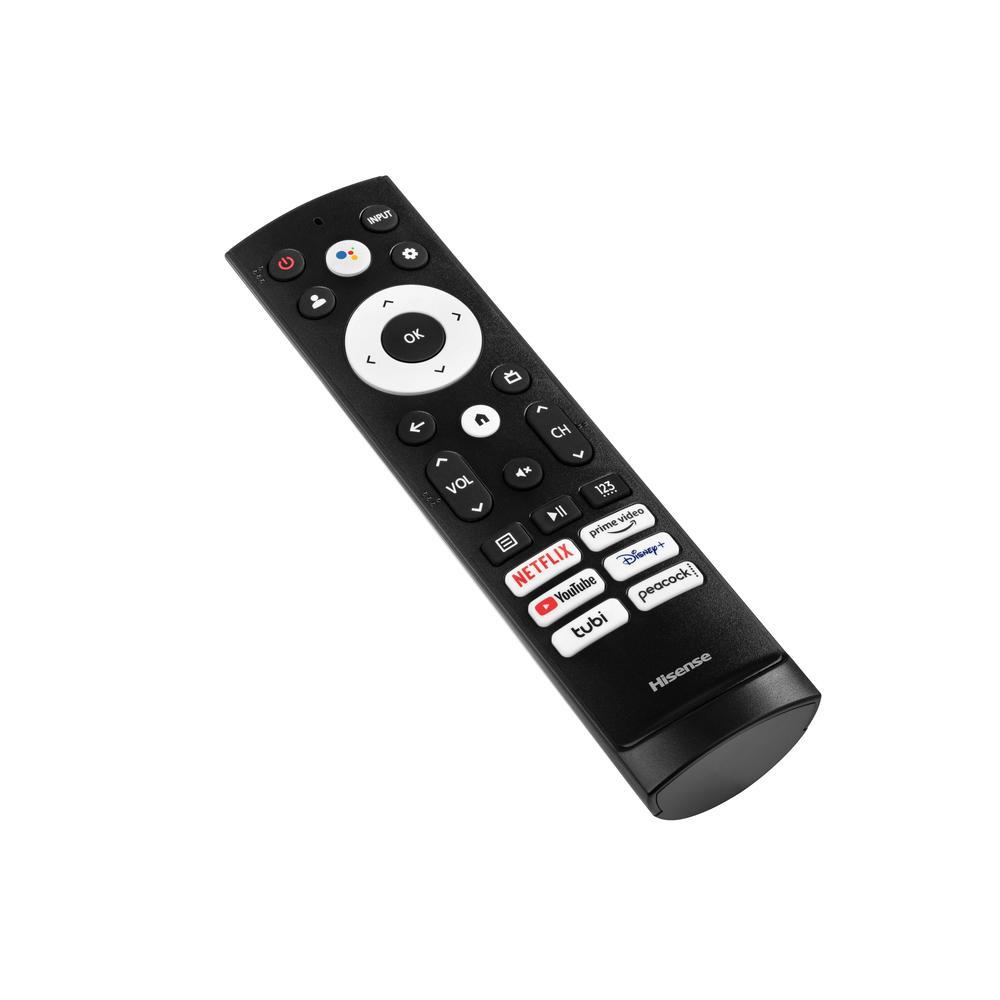
The L9H Laser Projector uses Google TV, which offers broader app compatibility and more neutral content recommendations. Google TV aggregates content from multiple streaming services, showing you what's available across Netflix, Hulu, Disney+, and others in a unified interface. The Google Assistant integration works well for both content discovery and smart home control.
Both platforms support the major streaming apps, but Google TV tends to have better app compatibility and faster updates for newer services. If you use a mix of streaming platforms rather than being heavily invested in Amazon's ecosystem, Google TV provides a more balanced experience.
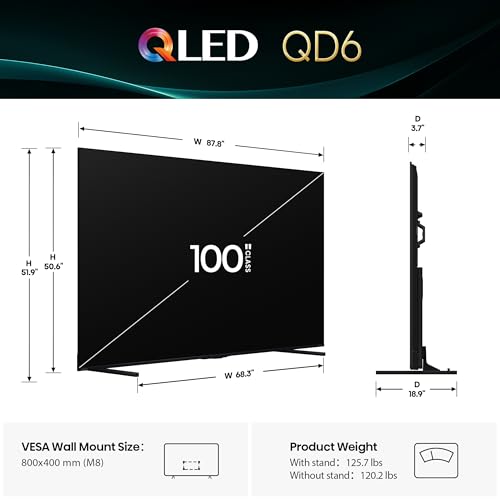
Here's where the two approaches diverge dramatically. The QD6 QLED TV follows the traditional TV playbook – unbox it, plug it in, and start watching. Wall mounting requires standard VESA 800x400mm brackets, and the 125-pound weight, while substantial, is manageable with proper mounting hardware.
The L9H Laser Projector requires more consideration. The projector itself weighs only 25 pounds and sits on your media console, but the included ALR screen needs precise installation. This screen isn't just a passive surface – it's an engineered optical component with microscopic structures that reject ambient light while preserving the projected image.
Professional installation isn't mandatory, but it's highly recommended. The screen must be perfectly flat and positioned exactly the right distance from the projector. Small alignment errors create keystoning (trapezoidal distortion) or focus problems across the image. I've seen DIY installations that looked great initially but developed problems over time as the screen sagged or the projector shifted slightly.
The price difference is substantial – $1,999.99 for the QD6 QLED TV versus $4,497.97 for the L9H Laser Projector. But value calculations become more complex when you consider the complete ownership experience.
The QLED TV offers immediate gratification. For roughly $2,000, you get a plug-and-play 100-inch entertainment system that works in most room conditions. The one-year warranty is standard for consumer electronics, and maintenance requirements are minimal.
The laser projector demands a higher upfront investment but offers several long-term advantages. The laser light source is rated for 25,000+ hours of operation – roughly 10-15 years of normal viewing. Unlike traditional projector bulbs that dim over time and require expensive replacement, laser light sources maintain consistent brightness throughout their lifespan. The two-year warranty can be extended to six years for an additional $500, providing long-term peace of mind.
More importantly, the laser projector's performance advantages compound over time. As more HDR content becomes available and room lighting becomes a bigger factor, the L9H's superior brightness and color accuracy become increasingly valuable.
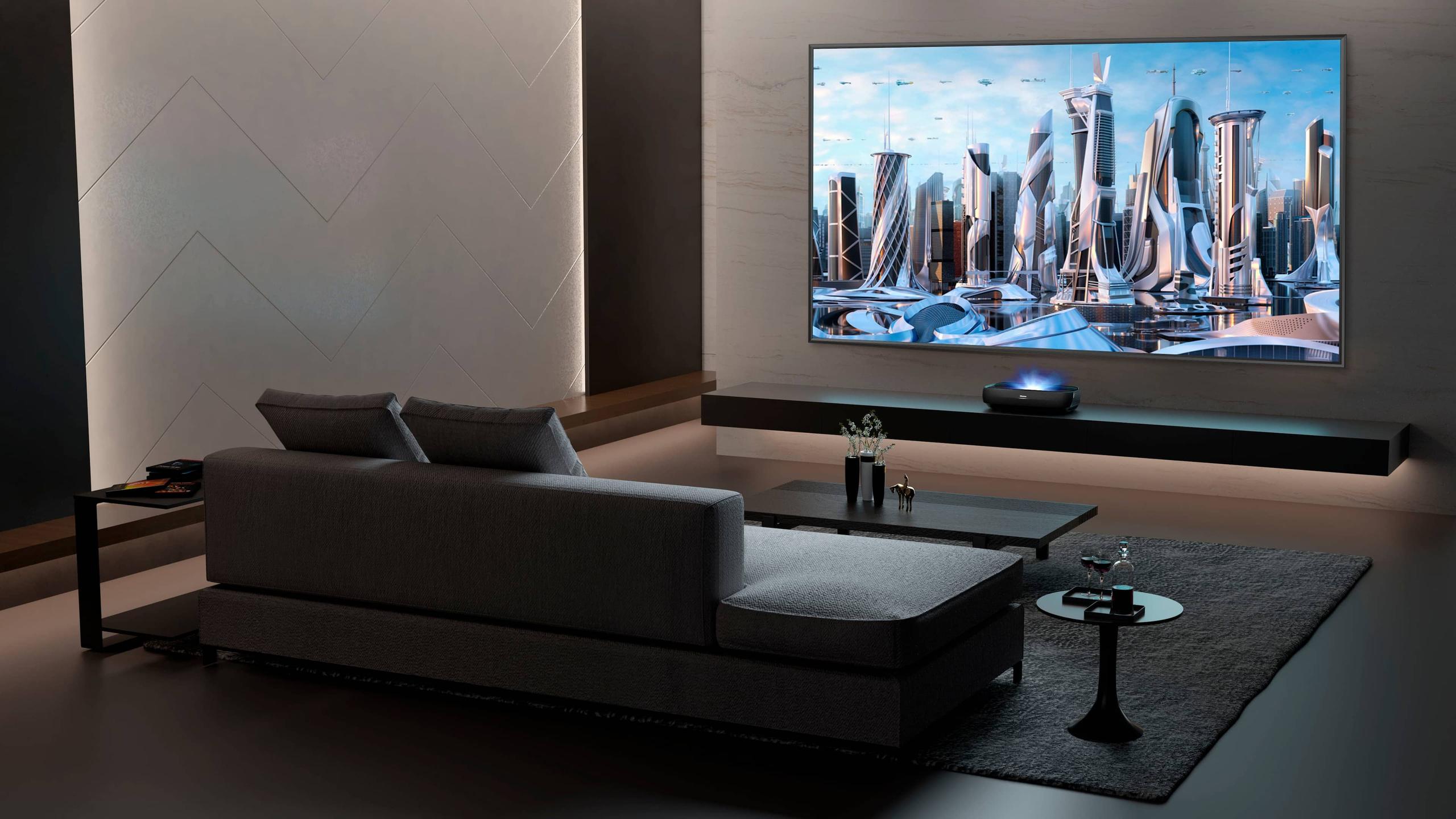
If you're building a dedicated home theater space, the choice becomes more nuanced. Traditional home theaters prioritize controlled lighting and acoustic treatment, conditions where both displays perform well. However, the L9H Laser Projector offers several advantages in theater applications.
The ultra-short throw design eliminates shadows cast by people walking in front of the projector – a common problem with traditional projectors mounted on ceilings. The WiSA audio capabilities integrate naturally with theater surround sound systems. Most importantly, the laser's color accuracy and brightness headroom provide a genuinely cinematic experience that rivals commercial theater projection.
For multi-purpose rooms that serve as both living spaces and entertainment areas, the QD6 QLED TV might be more practical. Its conventional form factor works with standard furniture arrangements, and the simpler setup means you can rearrange your space without professional recalibration.
Choose the QD6 QLED TV if you prioritize gaming performance, want immediate setup satisfaction, prefer Amazon's ecosystem, or need to stay under a $2,500 budget. It delivers exceptional value for general entertainment with the convenience of traditional TV operation. The 144Hz gaming capabilities make it particularly attractive for console gamers who want every competitive advantage.
Choose the L9H Laser Projector if picture quality in bright rooms is paramount, you focus primarily on movie watching, you can invest in premium technology for long-term use, or you're building a dedicated home theater space. The superior color accuracy, brightness, and expandable audio justify the higher price for serious home theater enthusiasts.
Both represent excellent approaches to large-screen entertainment, but they serve different priorities and room conditions. The QLED TV excels as a versatile, user-friendly entertainment center, while the laser projector provides a premium cinematic experience that pushes current display technology boundaries. Your choice ultimately depends on how you watch, where you watch, and what aspects of the viewing experience matter most to you.
| Hisense 100" QD6 Series QLED 4K UHD Fire TV 2025 | Hisense L9H TriChroma Laser TV 100" UST Projector |
|---|---|
| Price - Major cost difference for similar screen size | |
| $1,999.99 | $4,497.97 (includes 100" ALR screen) |
| Display Technology - Fundamentally different approaches to creating the image | |
| QLED LCD panel with quantum dots | Ultra-short throw laser projector with ALR screen |
| Brightness - Critical for daytime and bright room viewing | |
| ~350 nits (struggles in bright rooms) | 3,000 ANSI lumens (excellent in bright environments) |
| Color Accuracy - Important for HDR movies and realistic content | |
| Over 1 billion shades with quantum dots | 107% BT.2020 coverage with TriChroma lasers |
| Gaming Performance - Essential for console and PC gaming | |
| 144Hz refresh rate, 8ms response time, FreeSync Premium | 60Hz refresh rate, 30-35ms input lag (limited gaming appeal) |
| Smart Platform - Determines app selection and voice control | |
| Fire TV with Alexa integration | Google TV with Google Assistant |
| Audio System - Built-in sound quality and expansion options | |
| 50W Dolby Atmos speakers | 40W Dolby Atmos + WiSA-ready for wireless surround |
| Installation Complexity - Setup time and professional requirements | |
| Standard TV setup, wall mountable | Requires ALR screen installation and precise alignment |
| HDR Support - Enhanced contrast and color in premium content | |
| Dolby Vision, HDR10, HDR10+, HLG | Dolby Vision, HDR10, HLG |
| Contrast Ratio - Ability to show deep blacks alongside bright highlights | |
| Limited (no local dimming zones) | 2,000,000:1 dynamic contrast |
| Warranty Coverage - Long-term protection and support | |
| 1 year standard | 2 years (expandable to 6 years for $500) |
| Light Source Lifespan - Long-term maintenance and replacement costs | |
| LED backlight (typical TV lifespan 7-10 years) | 25,000+ hour laser (10-15 years with consistent brightness) |
| Connectivity Options - Ports for gaming consoles and devices | |
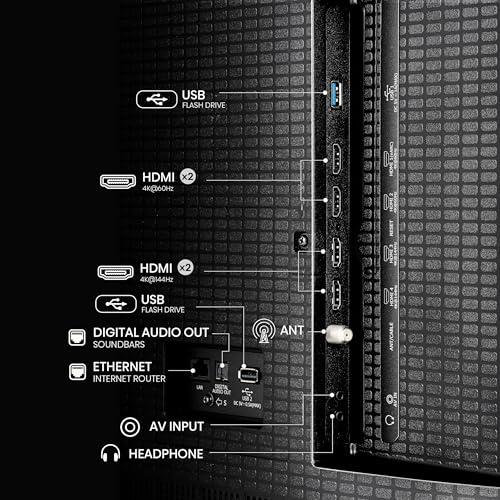
| 4 HDMI (2x HDMI 2.1), 2 USB, Wi-Fi 5, Bluetooth 5.0 | HDMI eARC, 2 USB, Ethernet, Wi-Fi, Bluetooth |
The Hisense 100" QD6 Series QLED 4K UHD Fire TV 2025 is significantly better for gaming with its 144Hz refresh rate, 8ms response time, and AMD FreeSync Premium support. The Hisense L9H TriChroma Laser TV 100" UST Projector is limited to 60Hz with higher input lag, making it less suitable for competitive gaming.
The Hisense QD6 QLED TV costs $1,999.99, while the Hisense L9H Laser Projector is priced at $4,497.97 including the 100-inch ALR screen. The laser projector costs more than double the QLED TV but includes advanced projection technology and specialized screen.
The Hisense L9H Laser Projector performs much better in bright rooms thanks to its 3,000 ANSI lumens brightness and ambient light rejecting screen that actively blocks overhead lighting. The Hisense QD6 QLED TV struggles in bright conditions with only ~350 nits of brightness.
The Hisense QD6 QLED TV offers simple plug-and-play installation like any traditional TV, with optional wall mounting. The Hisense L9H Laser Projector requires more complex setup including precise ALR screen installation and projector alignment, often requiring professional installation.
The Hisense L9H Laser Projector delivers superior picture quality with 107% BT.2020 color coverage, 2,000,000:1 contrast ratio, and TriChroma laser technology. The Hisense QD6 QLED TV offers good QLED color reproduction but lacks local dimming for deep blacks.
The Hisense QD6 QLED TV runs Fire TV with Amazon Alexa integration and extensive app support. The Hisense L9H Laser Projector uses Google TV with Google Assistant, offering broader app compatibility and neutral content recommendations across streaming services.
The Hisense L9H Laser Projector is ideal for home theaters with its cinematic color accuracy, ultra-short throw design that eliminates shadows, and WiSA-ready audio for wireless surround sound. The Hisense QD6 QLED TV works well in multi-purpose rooms but lacks the specialized theater features.
The Hisense L9H Laser Projector has a 25,000+ hour laser lifespan (10-15 years) with consistent brightness throughout. The Hisense QD6 QLED TV offers typical LED TV longevity of 7-10 years with gradual brightness decline over time.
Both offer Dolby Atmos, but the Hisense L9H Laser Projector provides more sophisticated audio design and WiSA-ready expansion for wireless surround speakers. The Hisense QD6 QLED TV has 50W speakers versus the projector's 40W, but the projector's acoustic engineering and expandability give it an advantage.
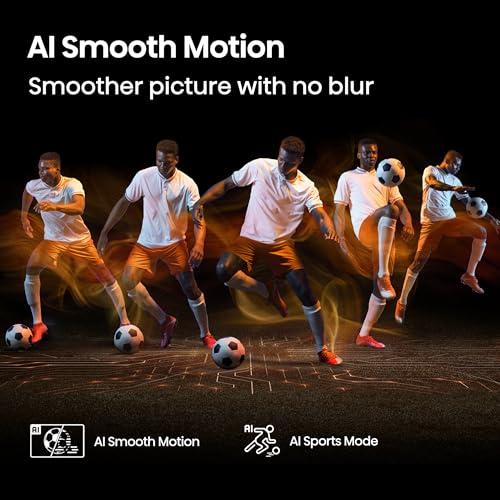
Yes, but differently. The Hisense QD6 QLED TV excels with its 144Hz refresh rate for smooth motion in fast sports action. The Hisense L9H Laser Projector offers excellent brightness for daytime sports viewing but is limited to 60Hz refresh rate.
The Hisense QD6 QLED TV at $1,999.99 offers exceptional value for general entertainment and gaming. The Hisense L9H Laser Projector at $4,497.97 provides premium value for serious home theater enthusiasts who prioritize picture quality and bright room performance.
The Hisense QD6 QLED TV includes a standard 1-year warranty. The Hisense L9H Laser Projector offers a 2-year warranty that can be extended to 6 years for an additional $500, providing better long-term protection for the higher investment.
We've done our best to create useful and informative comparisons to help you decide what product to buy. Our research uses advanced automated methods to create this comparison and perfection is not possible - please contact us for corrections or questions. These are the sites we've researched in the creation of this article: bestbuy.com - youtube.com - tvsbook.com - rtings.com - youtube.com - youtube.com - bestbuy.com - leaseville.com - pcrichard.com - bestbuy.com - youtube.com - hisense-usa.com - manuals.plus - hisense-usa.com - hisense-usa.com - brandsmartusa.com - projectorreviews.com - shop.hisense-usa.com - projectorcentral.com - hometheaterhifi.com - shop.hisense-usa.com - projectorcentral.com - 2001audiovideo.com - projektoren-datenbank.com - content.syndigo.com

Privacy Policy
Terms and Conditions - Affiliate Policy
Home Security
© Copyright 2008-2026.
11816 Inwood Rd #1211, Dallas, TX 75244