

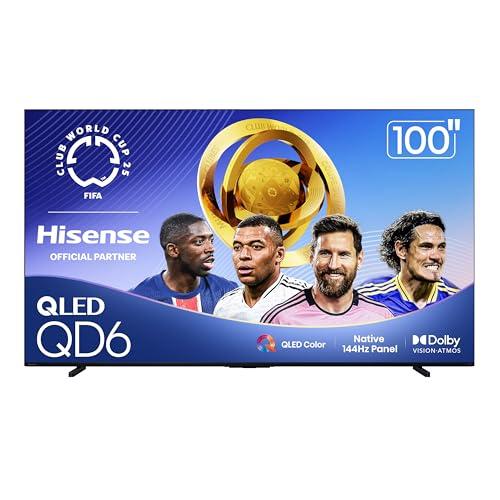

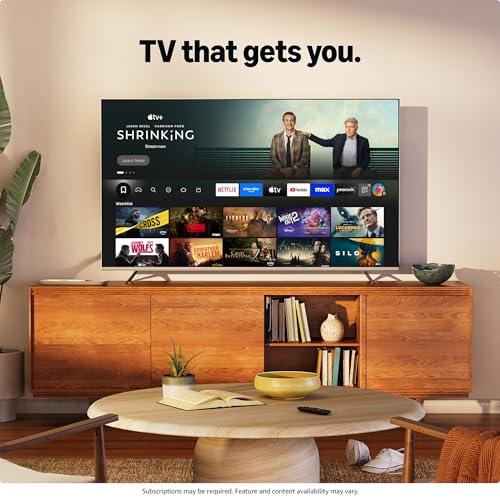
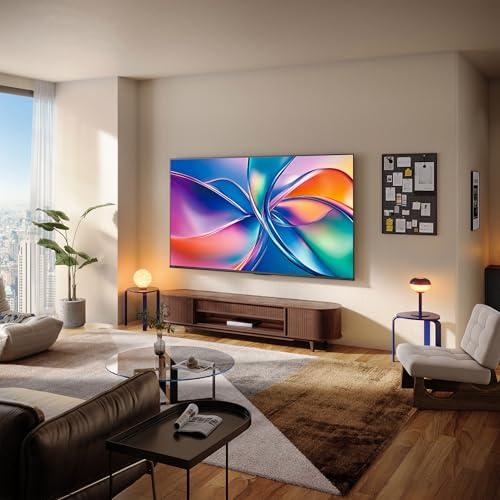
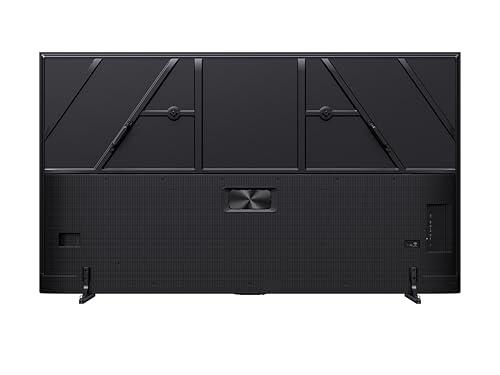
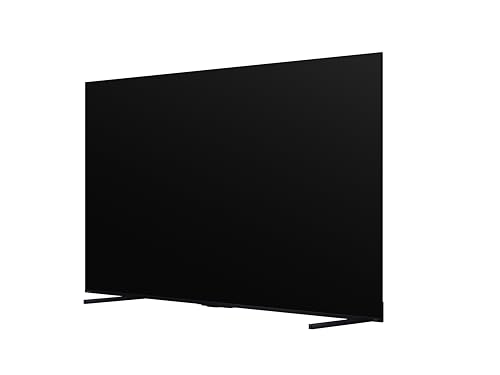
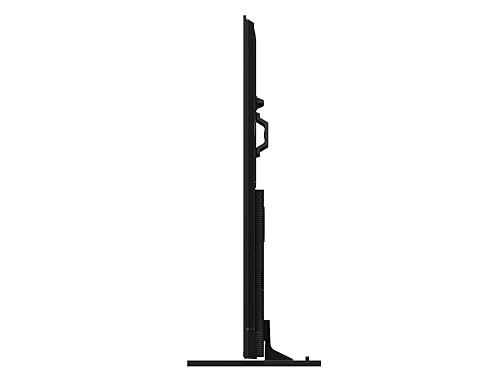
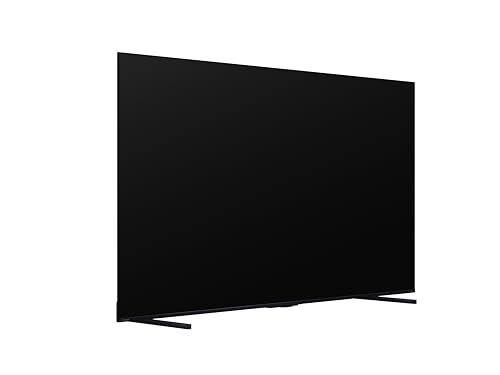
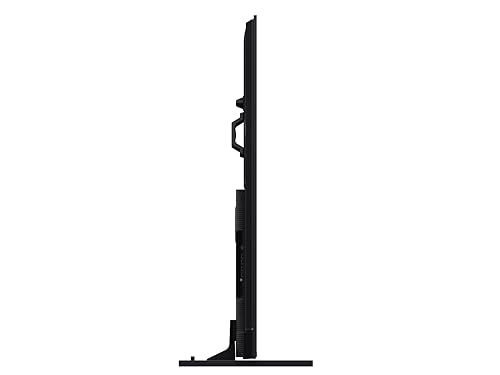
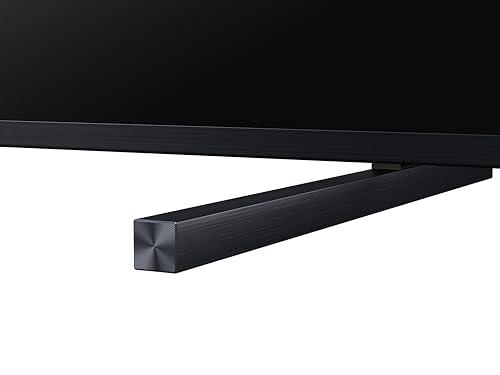
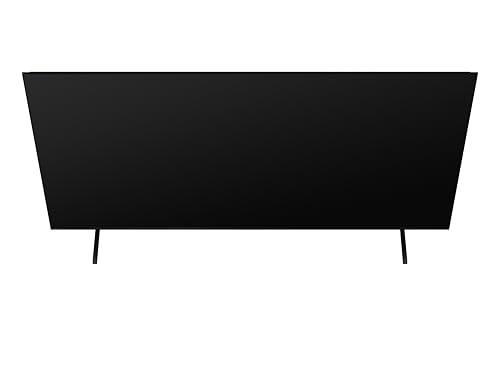
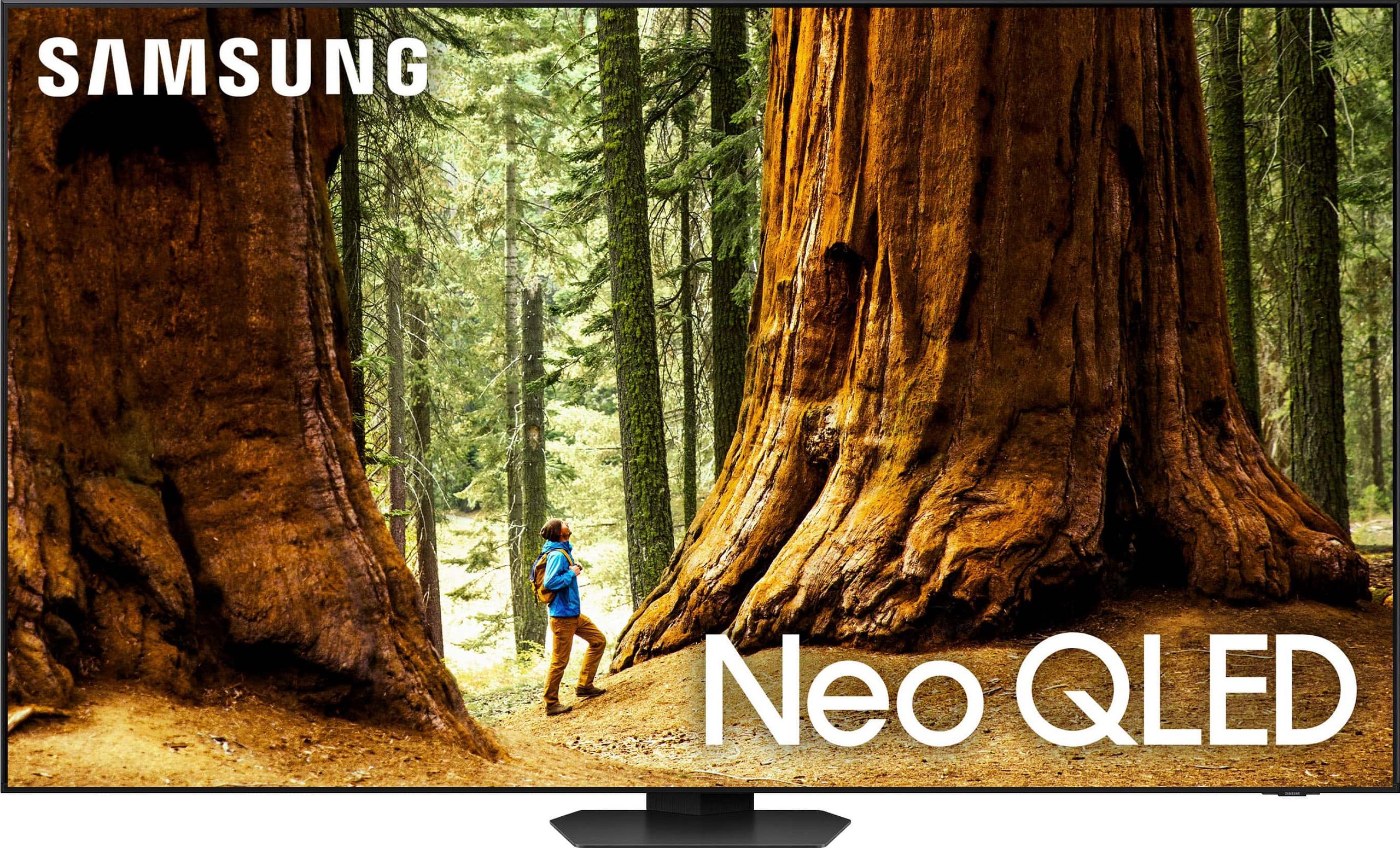
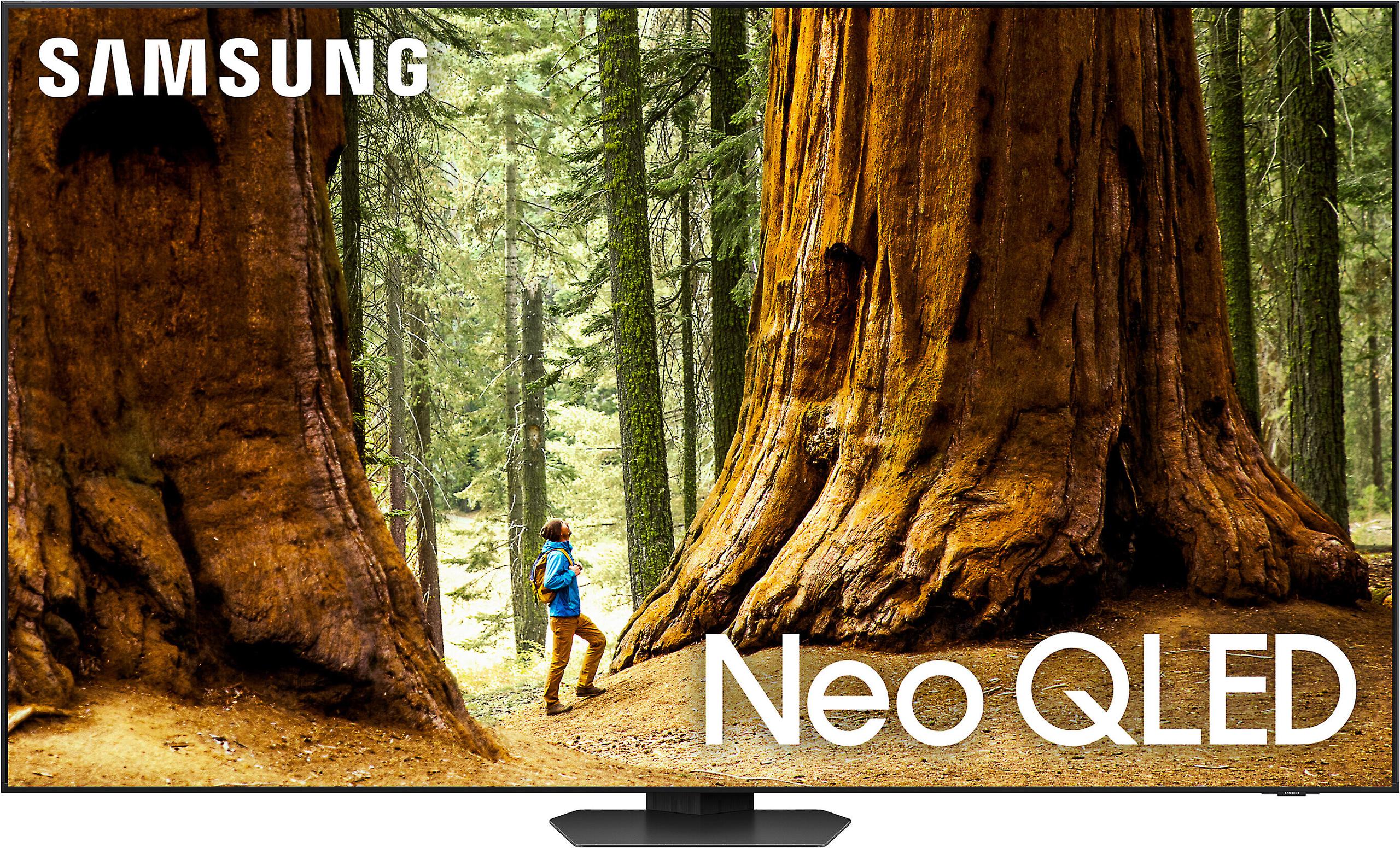
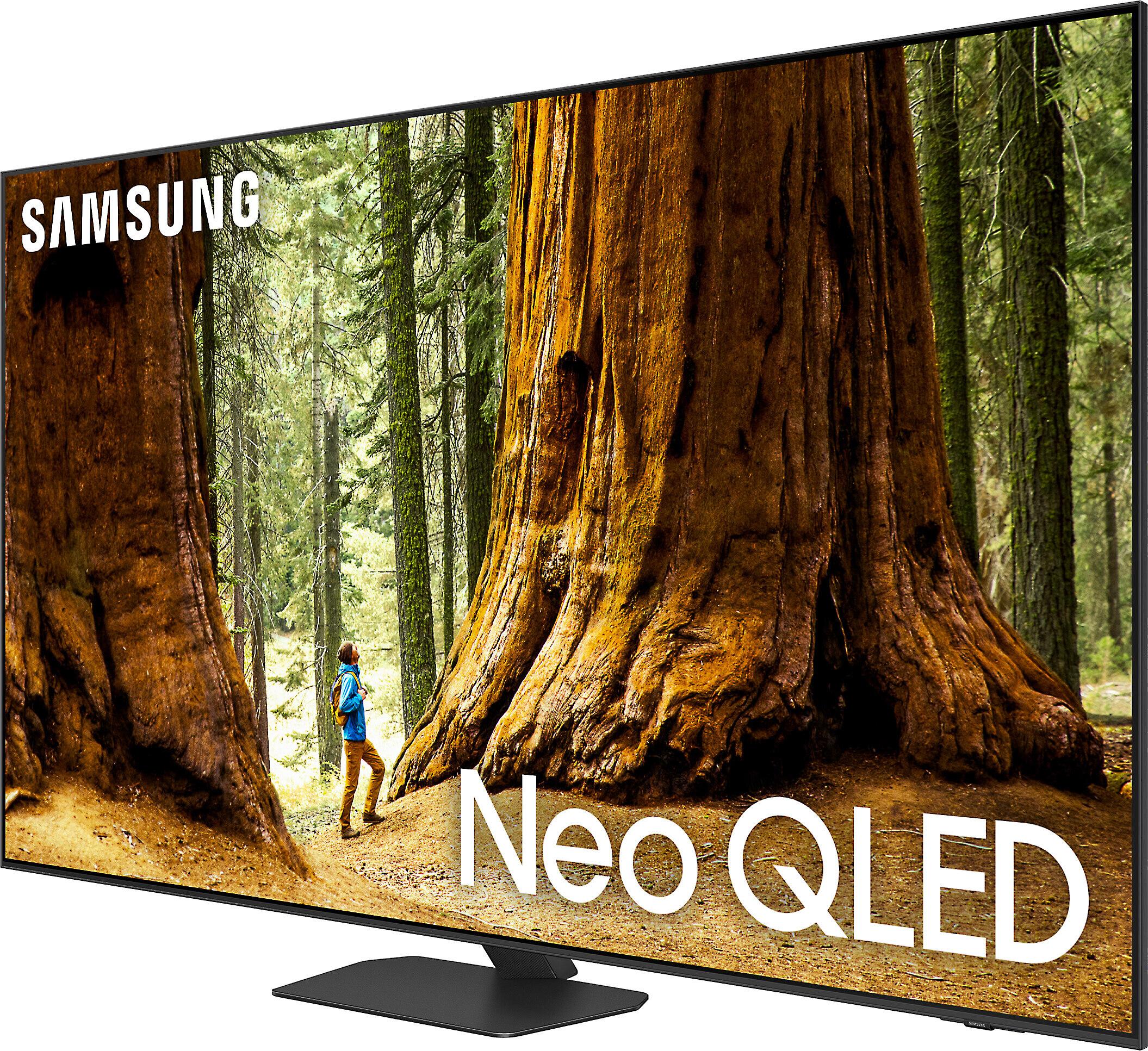
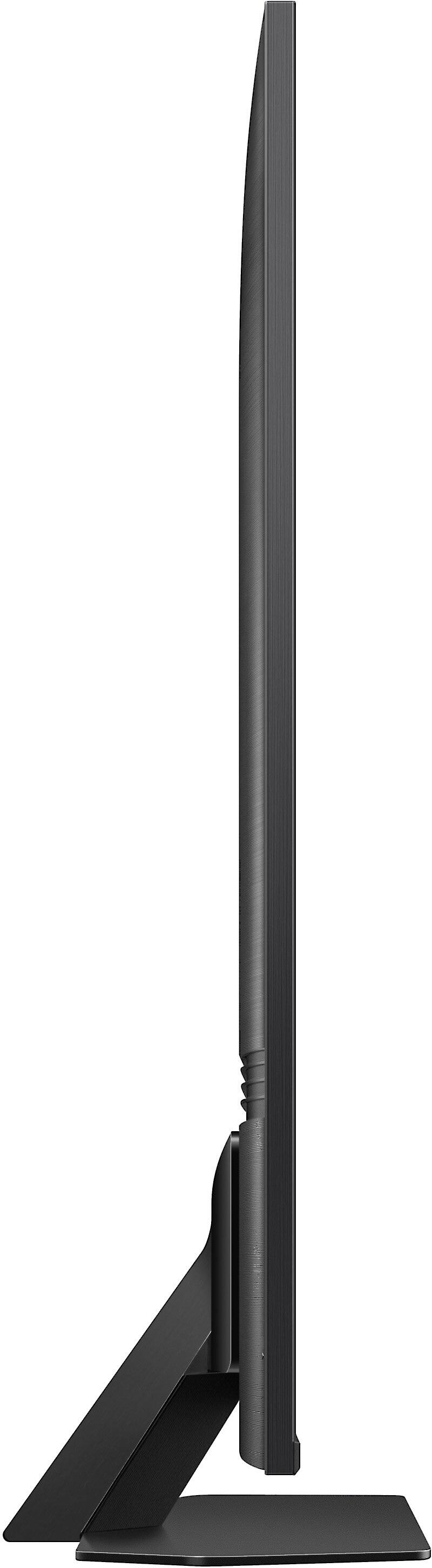
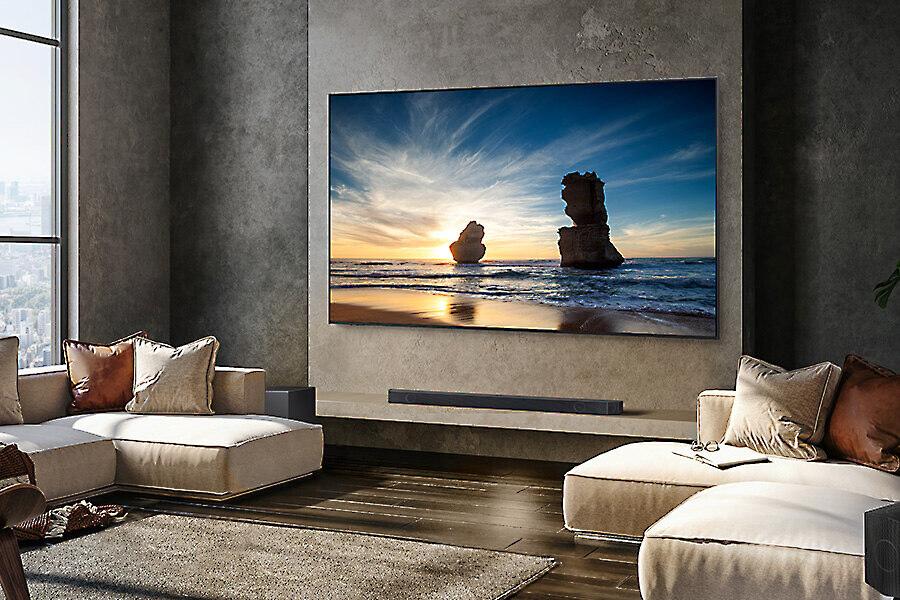
When you're shopping for a TV that takes up half your living room wall, you're not just buying entertainment—you're making a statement. The Hisense 100" QD6 Series QLED 4K UHD Fire TV 2025 at $1,999.99 and the Samsung 98" QN90D Series Neo QLED 4K Smart TV at $7,779.00 represent two completely different philosophies in the large premium TV market. One asks "how big can we go for less?" while the other asks "how good can we make it?"
Large premium TVs have exploded in popularity as prices have dropped and streaming content has improved. We're talking about displays that rival movie theater screens—the kind that make your neighbors peek through the windows during game day. These aren't just bigger versions of regular TVs; they require different technologies to maintain picture quality across such massive surfaces.
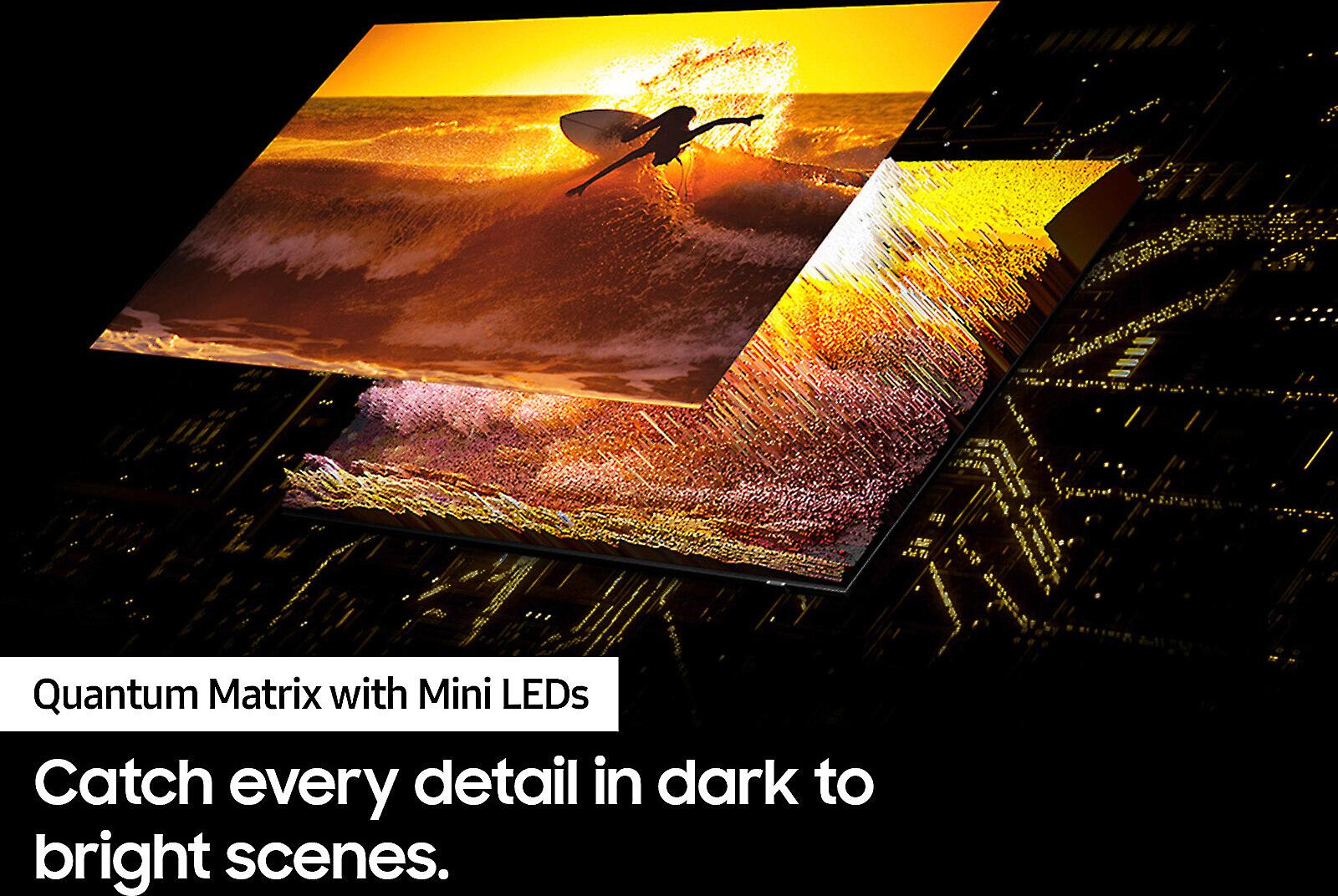
The main considerations in this category go beyond simple size comparisons. Display technology becomes crucial because any imperfections get magnified across 100+ inches. Quantum dots (tiny semiconductor particles that enhance color) and Mini-LED backlighting (thousands of tiny LED zones for better contrast) aren't just marketing buzzwords—they're necessary technologies to make these giants look good.
Smart TV ecosystems matter more at this price point too. When you're investing thousands, you want a platform that'll receive updates for years. Gaming performance has become increasingly important as next-gen consoles push 4K at 120Hz+. Audio quality needs special attention because at this size, the built-in speakers are your first line of defense against that awkward "the TV is huge but sounds tiny" problem.
The Hisense QD6 represents the "maximum impact, minimum cost" approach. At roughly $20 per inch, it's targeting families who want the biggest possible screen without breaking the bank. Hisense has been aggressively pursuing this strategy since around 2020, focusing on delivering premium TV technologies at budget prices.
The Samsung QN90D, released in early 2024, costs nearly four times as much at $79 per inch. Samsung's betting that buyers will pay a significant premium for refinement—better brightness, more precise local dimming, superior motion processing, and longer-term support. It's the difference between getting 90% of the premium experience for 25% of the cost versus paying full price for that final 10% of refinement.
I've seen both approaches work. Budget-conscious buyers often can't tell the difference in normal viewing conditions, while enthusiasts immediately notice the Samsung's superior handling of challenging content like dark movie scenes or bright sports broadcasts.
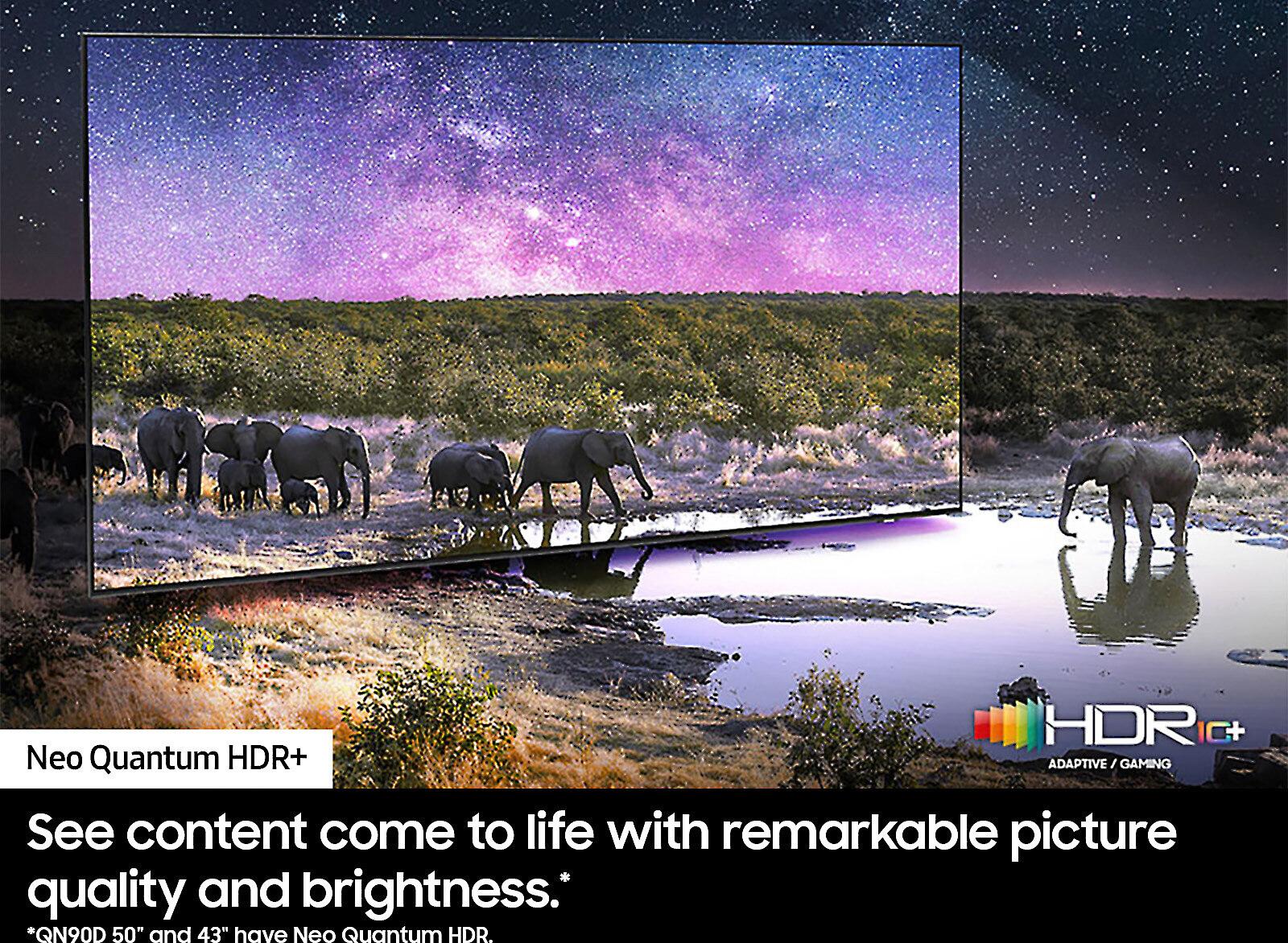
This is where the price difference becomes most apparent. The Samsung QN90D's Neo QLED technology pushes peak brightness to around 1,500 nits—bright enough to make HDR highlights genuinely pop even in a bright living room. When watching something like "Top Gun: Maverick" where fighter jets streak across sunny skies, those aircraft engines don't just look bright; they look like they're genuinely glowing.
The Hisense QD6 tops out around 600-700 nits, which is perfectly adequate for dark or dimly lit rooms but struggles in bright environments. I've noticed that HDR content can look slightly washed out during daytime viewing, though it comes alive once you dim the lights. The quantum dot layer does help maintain color vibrancy even at these lower brightness levels, which is impressive for the price point.
For home theater enthusiasts, this brightness difference is crucial. If you're building a dedicated theater room with controlled lighting, the Hisense's limitations become less relevant. But if your TV sits in a bright family room with large windows, the Samsung's extra brightness becomes worth the premium.
Both TVs use VA (Vertical Alignment) panels, which naturally provide better contrast than IPS panels but can suffer from viewing angle limitations. The key difference lies in their backlighting systems.
Samsung's Mini-LED implementation offers more precise local dimming zones—essentially tiny sections of the backlight that can dim independently to create deeper blacks. When watching something like "The Batman," where much of the action happens in near-darkness, the Samsung maintains better separation between dark grays and true blacks.
The Hisense includes local dimming but with fewer zones and less precise control. Some users report a subtle green tint in very dark scenes, though this varies by unit and isn't universally problematic. The contrast is still impressive for the price—dark movie scenes look properly dark rather than grayish.
Both TVs use quantum dot technology, but Samsung's implementation is more mature. Quantum dots are microscopic particles that emit specific colors when hit with light, allowing for more precise color reproduction than traditional LED TVs.
The Samsung QN90D tends toward more natural, film-accurate colors out of the box. Its color processing is more sophisticated, with better grayscale accuracy—meaning whites look truly white rather than slightly blue or yellow. For cinematophiles who care about seeing movies as directors intended, this refinement matters.
The Hisense QD6 produces more vibrant, saturated colors that many viewers actually prefer for everyday content like sports or nature documentaries. The colors "pop" more, even if they're not technically as accurate. It's the difference between a professionally color-graded photograph and an Instagram filter—both can look good, but they serve different purposes.
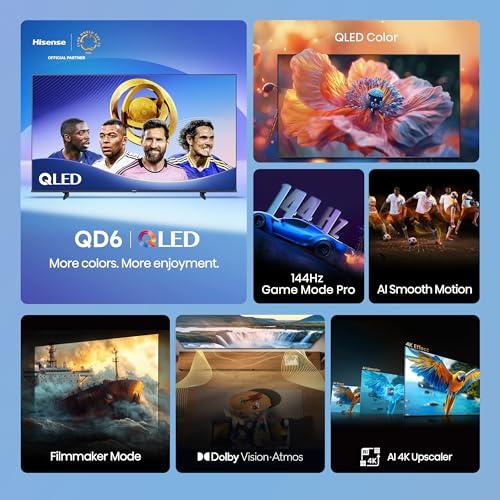
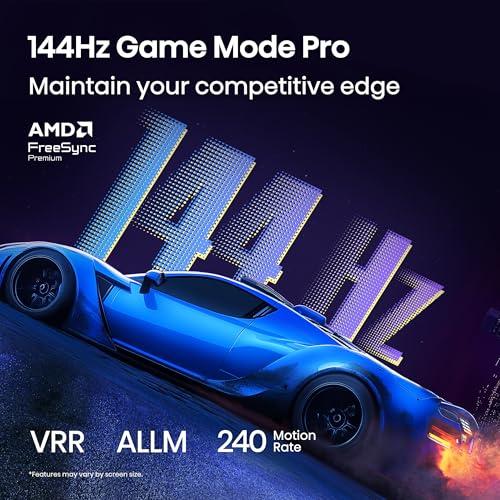
Modern large TVs need to handle gaming as seriously as movies. Both displays support 144Hz refresh rates, which is impressive—just a few years ago, 120Hz was considered premium.
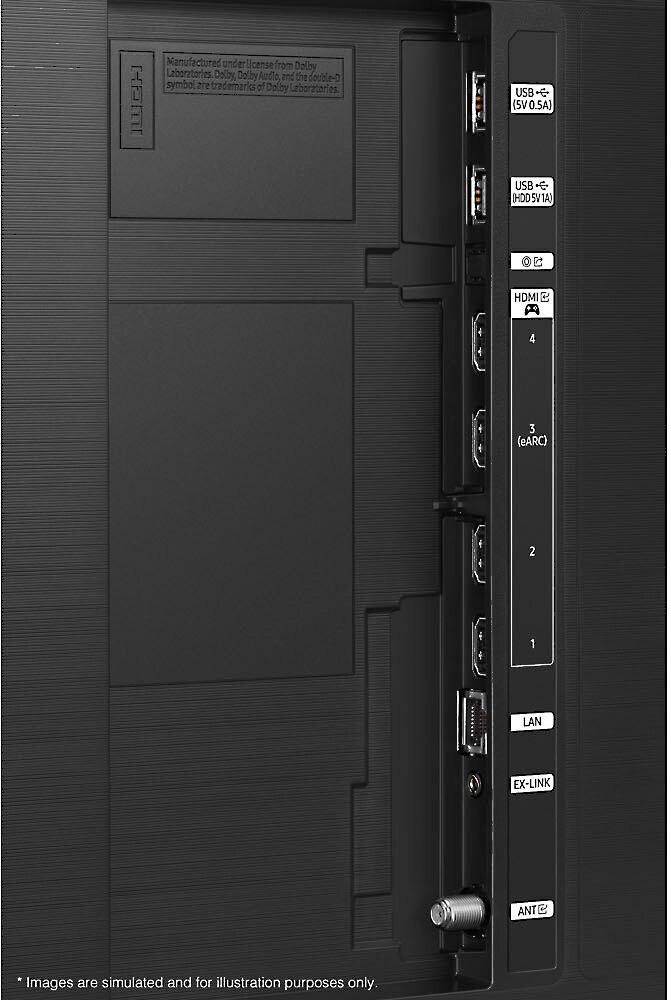
The Samsung QN90D excels with input lag under 10 milliseconds in game mode, which is competitive with dedicated gaming monitors. All four HDMI ports support HDMI 2.1, meaning you can connect multiple next-gen consoles without choosing which device gets the premium connection. FreeSync Premium Pro support helps eliminate screen tearing when connected to compatible gaming PCs.
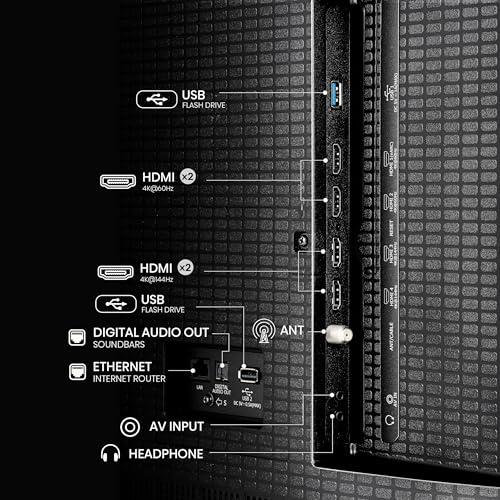
The Hisense QD6 offers adequate gaming performance with slightly higher input lag—still perfectly fine for casual gaming but potentially noticeable for competitive players. Only two of its HDMI ports are HDMI 2.1 spec, which could be limiting if you have multiple current-gen consoles plus a gaming PC.
For serious gamers, Samsung's advantage extends beyond specs. The motion handling is more refined, reducing blur during fast-paced action. However, casual gamers likely won't notice these differences, making the Hisense's performance entirely adequate for most users.
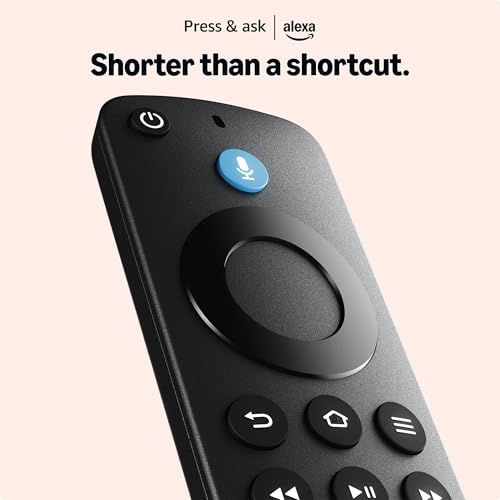
The software experience shapes daily interaction more than any single hardware feature. The Hisense runs Fire TV, which Amazon has significantly improved since its early iterations. The interface is clean, app-focused, and integrates well with Amazon's ecosystem. Voice control through Alexa feels natural, and the platform receives regular updates.
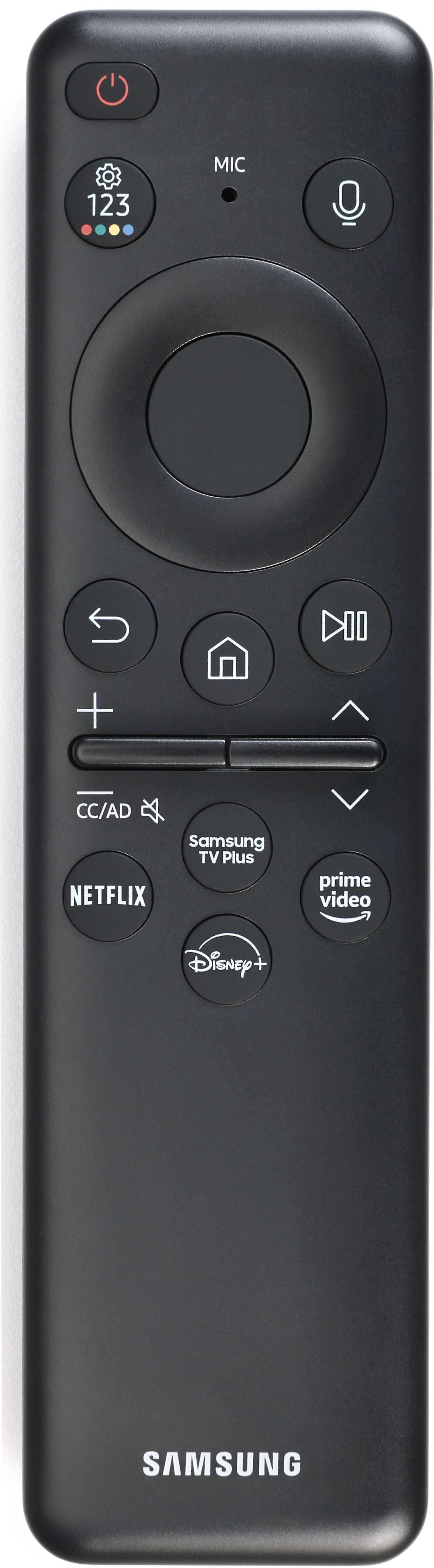
Samsung's Tizen OS feels more premium and sophisticated. The 2024 version includes Vision AI features like live translation and generative wallpapers. The interface is more customizable, and Samsung has a better track record for long-term software support. Updates arrive more frequently and for more years than most competitors.
Both platforms support major streaming apps, though Fire TV occasionally gets new services first due to Amazon's industry relationships. The choice often comes down to ecosystem preference—Amazon users will appreciate Fire TV's integration, while Samsung users get a more manufacturer-controlled experience.
Large TVs face a physics problem with audio. The screen is huge, but there's limited space for speakers, creating a mismatch between visual impact and audio quality.
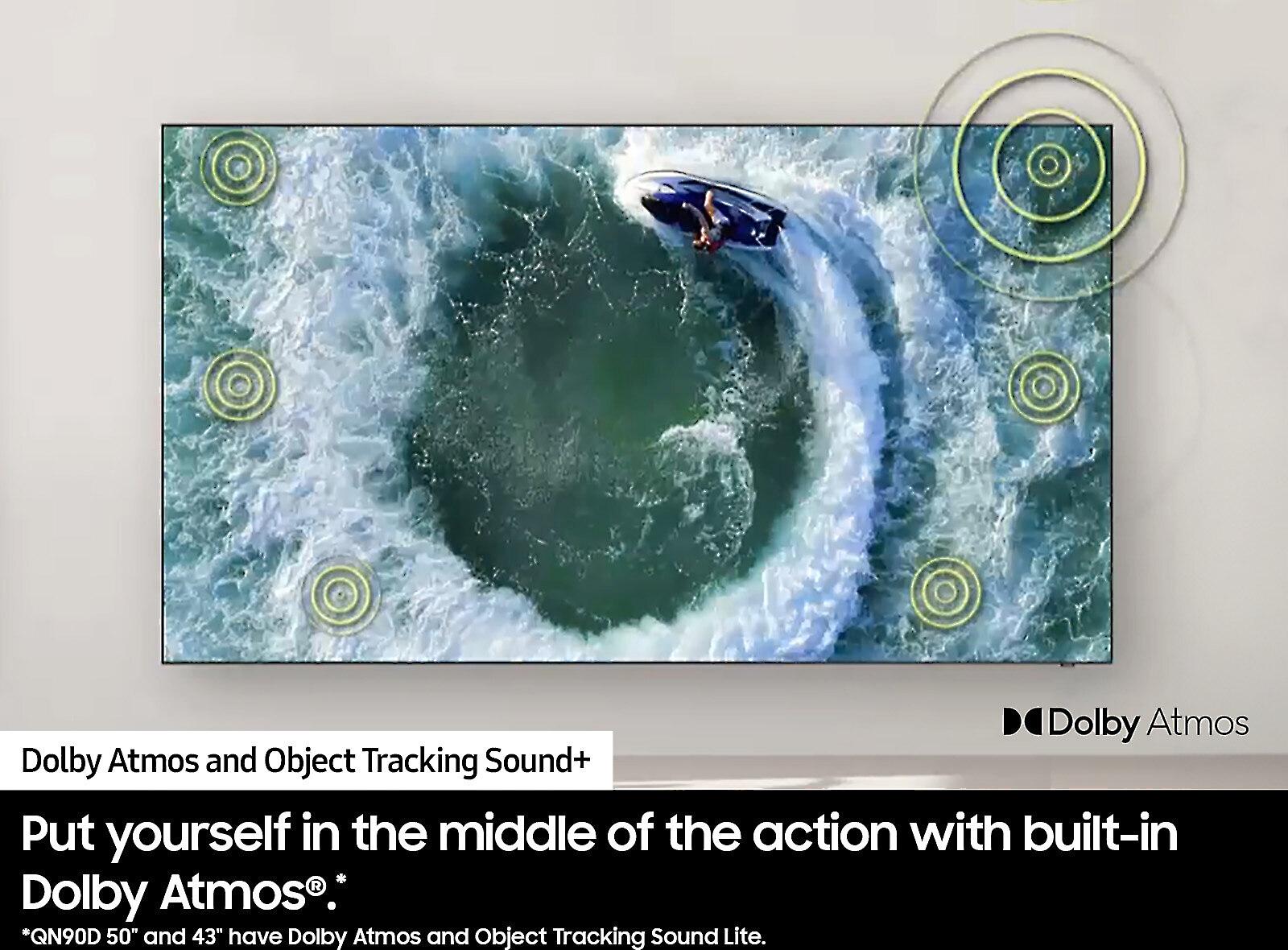
The Samsung QN90D makes a better attempt with its 30-watt, 4.2-channel system featuring Object Tracking Sound+. This technology tries to make audio appear to come from different parts of the screen—gunshots from the right side, dialogue from the center, music spreading across the width. It's genuinely impressive for built-in speakers, though still no match for a dedicated soundbar.
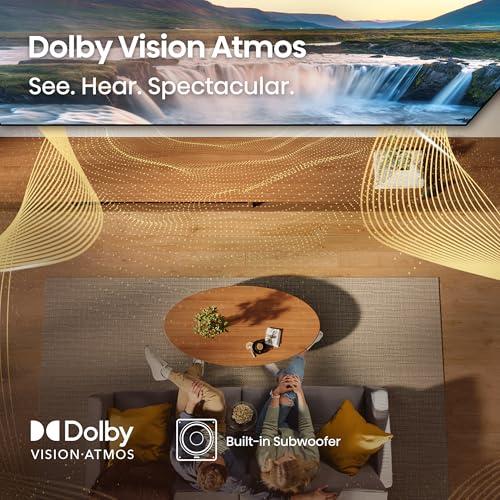
The Hisense QD6 includes a more basic 20-watt system with Dolby Atmos support. The sound is adequate for casual viewing but lacks the spatial processing of Samsung's system. At this price point, budgeting for a soundbar makes sense regardless.
For home theater setups, both TVs support eARC (enhanced Audio Return Channel), allowing high-quality audio passthrough to receivers and soundbars. This is crucial for getting proper surround sound from streaming content.
Here's where the Hisense actually wins on specs. It supports Dolby Vision, HDR10, and HDR10+, covering all major HDR formats. The Samsung supports HDR10 and HDR10+ but lacks Dolby Vision, which is increasingly common on Netflix and other streaming services.
Dolby Vision is a dynamic HDR format that adjusts brightness and color on a scene-by-scene basis, providing more accurate HDR reproduction. While the Samsung's higher peak brightness can partially compensate, the Hisense's broader format support is genuinely advantageous.
Local dimming allows sections of the backlight to dim independently, creating better contrast. Samsung's implementation is more sophisticated, with better algorithms that minimize "blooming"—the halo effect around bright objects against dark backgrounds.
The Hisense's local dimming is functional but less refined. You might notice slight blooming during movie credits (white text on black background) or nighttime driving scenes. It's not deal-breaking, but it's noticeable if you're looking for it.
Samsung's motion processing is considerably more advanced. The company has decades of experience in this area, and it shows. Fast sports action, panning camera shots, and action sequences look smoother with less blur or judder.
The Hisense QD6 includes basic motion processing that works well for most content but can struggle with challenging material like handheld camera work or rapid scene changes.
For dedicated home theater rooms, the choice becomes more nuanced. The controlled lighting environment minimizes the Samsung's brightness advantage while maximizing both TVs' contrast capabilities.
The Hisense's 2-inch size advantage becomes more meaningful in a theater setting where every inch of screen real estate counts. The broader HDR format support also matters more when watching a variety of premium content.
However, the Samsung's superior motion processing and more refined picture quality become more apparent during long viewing sessions. The better viewing angles help if you have theater seating arranged in multiple rows.
Samsung typically provides longer software support and has a more extensive service network. The Samsung QN90D will likely receive meaningful updates for 4-5 years, while Hisense's support, though improved, remains less predictable.
Build quality differences aren't dramatic, but Samsung's panels tend to be more consistent unit-to-unit. The lottery aspect of getting a perfect panel matters more at 100 inches where any uniformity issues become obvious.
Choose the Hisense 100" QD6 if your budget is firm under $2,500, you're primarily watching in darker environments, and you value maximum screen size over refinement. It's an excellent choice for families wanting the biggest possible impact without premium pricing.
Choose the Samsung 98" QN90D if you can justify the premium for superior brightness, motion processing, and long-term support. It's the better choice for bright rooms, serious gaming, or situations where picture quality refinement matters more than cost savings.
The decision often comes down to your viewing environment. In a bright family room, Samsung's advantages are immediately apparent. In a darker basement or dedicated theater room, the Hisense delivers most of the experience for a fraction of the cost.
Both represent remarkable value in their own ways—the Hisense for maximizing screen impact per dollar, the Samsung for delivering a truly premium large-screen experience. Your choice should align with your priorities, viewing environment, and how much that final 10% of performance refinement is worth to you.
| Hisense 100" QD6 Series QLED 4K UHD Fire TV 2025 | Samsung 98" QN90D Series Neo QLED 4K Smart TV |
|---|---|
| Price - The fundamental value proposition difference | |
| $1,999.99 (~$20/inch) | $7,779.00 (~$79/inch) |
| Screen Size - Every inch matters at this scale | |
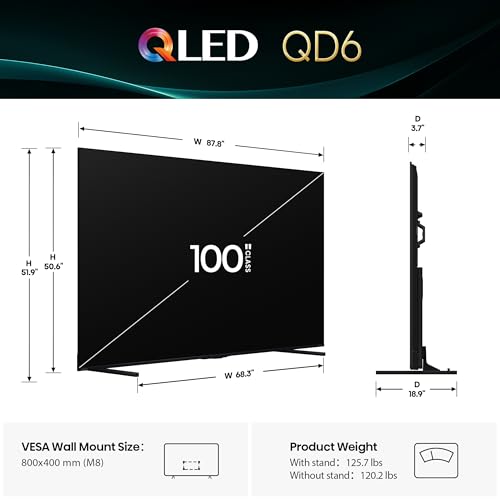
| 100 inches (99.5" actual) | 98 inches (97.5" actual) |
| Peak Brightness - Critical for HDR and bright room viewing | |
| ~600-700 nits (adequate for dark rooms) | ~1,500 nits (excellent for any lighting) |
| Display Technology - Affects contrast and color quality | |
| QLED with Mini-LED backlighting | Neo QLED with advanced Mini-LED zones |
| Local Dimming - Controls blooming and black levels | |
| Basic local dimming with fewer zones | Advanced local dimming with precise control |
| Gaming Refresh Rate - Smoothness for next-gen consoles | |
| 144Hz (excellent for gaming) | 144Hz (excellent for gaming) |
| Input Lag - Response time for competitive gaming | |
| Higher lag (fine for casual gaming) | |
| HDMI 2.1 Ports - Number of premium gaming connections | |
| 2 ports (plus 2 HDMI 2.0) | 4 ports (future-proof connectivity) |
| HDR Format Support - Streaming compatibility | |
| Dolby Vision, HDR10, HDR10+ (complete support) | HDR10, HDR10+ (missing Dolby Vision) |
| Audio System - Built-in sound quality | |
| 20W 2.0-channel with Dolby Atmos | 30W 4.2-channel with Object Tracking Sound+ |
| Smart TV Platform - Daily user experience | |
| Fire TV (Amazon ecosystem integration) | Tizen OS (premium features, longer support) |
| Viewing Angles - Picture quality off-center | |
| Mediocre (color shift at wide angles) | Better (maintains brightness and contrast) |
| Best Use Case - Who should buy this TV | |
| Budget-focused buyers wanting maximum size | Premium buyers prioritizing picture refinement |
The Hisense 100" QD6 Series QLED 4K UHD Fire TV 2025 at $1,999.99 offers exceptional value for budget-conscious buyers, delivering about 90% of premium TV performance at roughly 25% of the cost. The Samsung 98" QN90D Series Neo QLED 4K Smart TV at $7,779.00 costs nearly four times more but provides superior brightness, contrast control, and long-term support for those willing to pay for premium refinement.
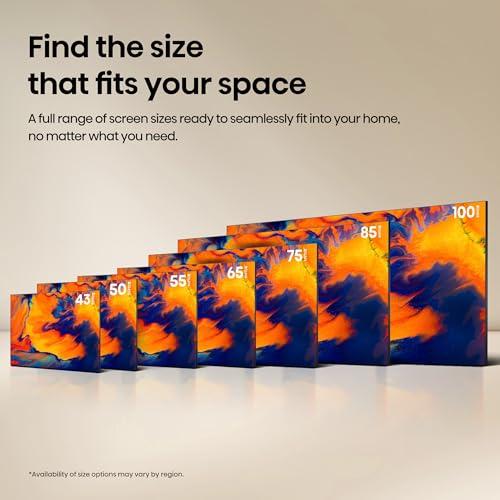
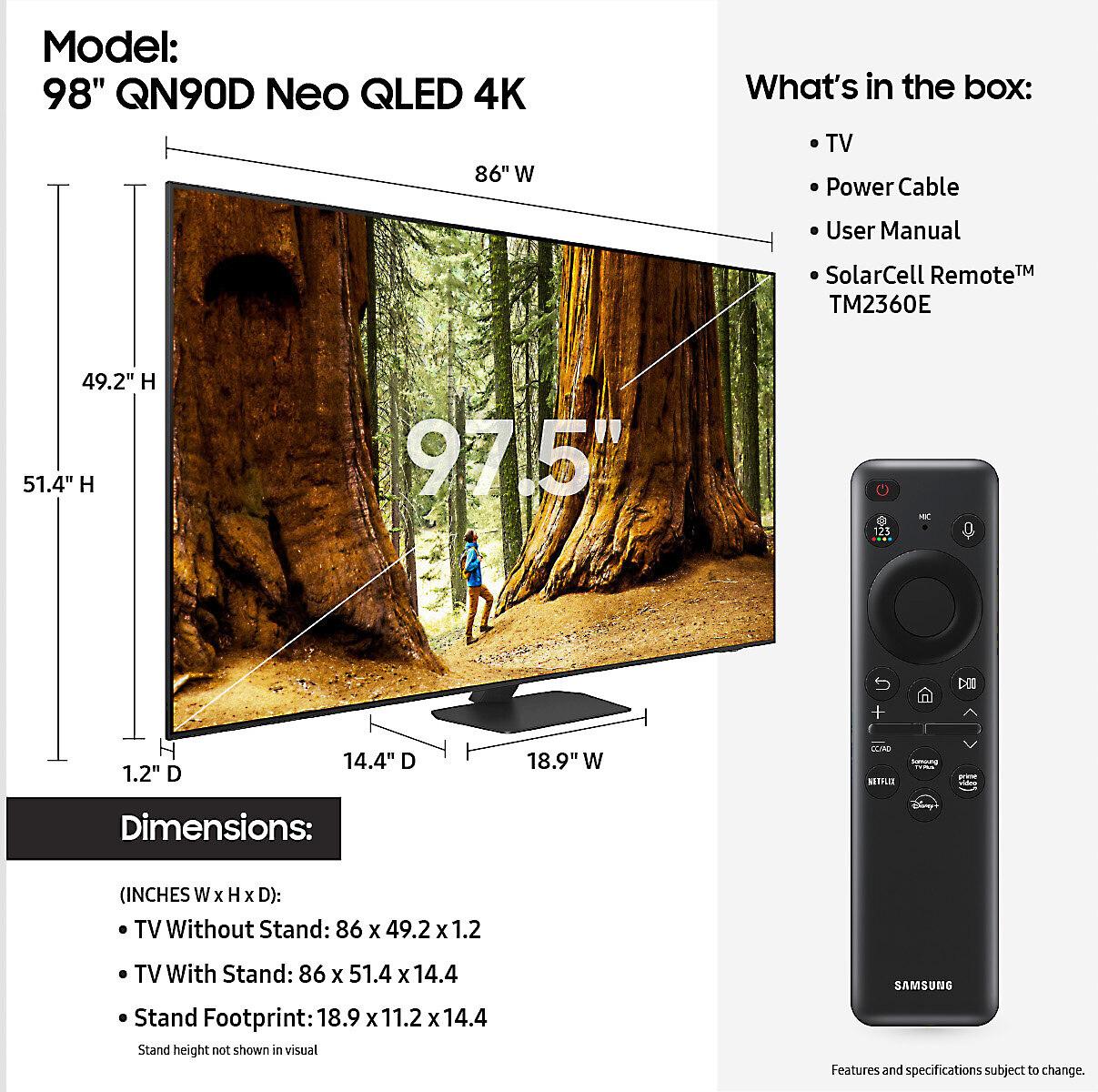
The Hisense QD6 features a 100-inch screen (99.5 inches actual), while the Samsung QN90D has a 98-inch display (97.5 inches actual). The 2-inch difference may seem small, but at this scale it represents about 200 square inches of additional viewing area, which can be meaningful in large rooms or home theater setups.
The Samsung QN90D significantly outperforms in bright environments with its 1,500-nit peak brightness and anti-glare technology. The Hisense QD6 reaches only 600-700 nits and is best suited for darker viewing conditions. If your TV will be in a bright living room with large windows, Samsung's superior brightness justifies the price difference.
Both TVs support 144Hz refresh rates, but the Samsung QN90D offers superior gaming performance with sub-10ms input lag and four HDMI 2.1 ports for multiple console connections. The Hisense QD6 has higher input lag and only two HDMI 2.1 ports, making it adequate for casual gaming but less ideal for competitive players.
The Samsung QN90D runs Tizen OS with more frequent updates and longer-term support, plus advanced features like Vision AI. The Hisense QD6 uses Fire TV, which offers excellent Amazon ecosystem integration and a clean interface. Samsung typically provides 4-5 years of meaningful updates compared to Hisense's less predictable support timeline.
The Samsung QN90D delivers superior picture quality with more precise local dimming, better motion processing, and more natural color accuracy. The Hisense QD6 offers impressive picture quality for its price with vibrant quantum dot colors, though it may show slight color tinting in dark scenes and has less refined contrast control.
For dedicated home theaters with controlled lighting, the Hisense QD6 becomes more competitive due to its larger screen size and full HDR format support including Dolby Vision. However, the Samsung QN90D still provides superior motion processing and better viewing angles for multi-row seating arrangements, making it the premium choice for serious home theater enthusiasts.
The Samsung QN90D features a more advanced 30W 4.2-channel system with Object Tracking Sound+ that creates spatial audio effects. The Hisense QD6 has a basic 20W 2.0-channel system with Dolby Atmos support. Both benefit significantly from external soundbars, but Samsung's built-in audio is noticeably more immersive.
The Hisense QD6 wins on HDR format support, offering Dolby Vision, HDR10, and HDR10+ compatibility. The Samsung QN90D supports HDR10 and HDR10+ but lacks Dolby Vision, which is increasingly common on Netflix and streaming services. This gives Hisense an advantage for streaming content compatibility.
The Hisense QD6 struggles with brightness in well-lit rooms, has limited viewing angles, and may show color tinting in dark scenes. The Samsung QN90D costs nearly four times more, lacks Dolby Vision support, and offers only marginal improvements over the Hisense for casual viewers who don't prioritize picture refinement.
The Samsung QN90D excels for sports with superior motion processing, higher brightness for daytime games, and better viewing angles for group viewing. The Hisense QD6 can handle sports adequately but may show motion blur during fast action and struggles with brightness in bright rooms where sports are often watched.
Choose the Hisense QD6 if you want maximum screen size under $2,500, primarily watch in dark rooms, and value size over refinement. Select the Samsung QN90D if you can justify the premium for superior brightness, gaming performance, and picture quality refinement, especially for bright rooms or serious home theater setups.
We've done our best to create useful and informative comparisons to help you decide what product to buy. Our research uses advanced automated methods to create this comparison and perfection is not possible - please contact us for corrections or questions. These are the sites we've researched in the creation of this article: bestbuy.com - youtube.com - tvsbook.com - rtings.com - youtube.com - youtube.com - bestbuy.com - leaseville.com - pcrichard.com - bestbuy.com - youtube.com - hisense-usa.com - manuals.plus - hisense-usa.com - hisense-usa.com - brandsmartusa.com - rtings.com - rtings.com - youtube.com - youtube.com - fullcompass.com - digitalhomecreations.com - jeffsappliance.com - bestbuy.com - displayspecifications.com - samsung.com - samsung.com - image-us.samsung.com - youtube.com

Privacy Policy
Terms and Conditions - Affiliate Policy
Home Security
© Copyright 2008-2026.
11816 Inwood Rd #1211, Dallas, TX 75244