

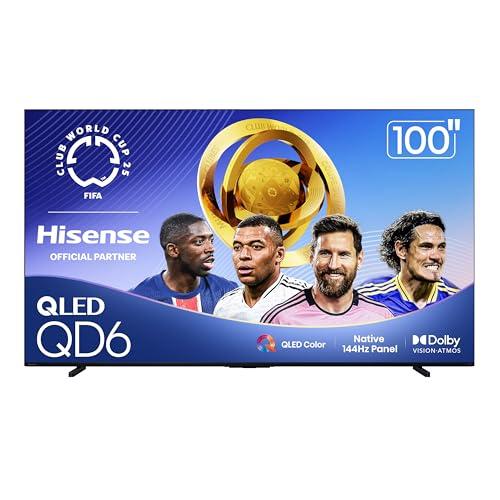

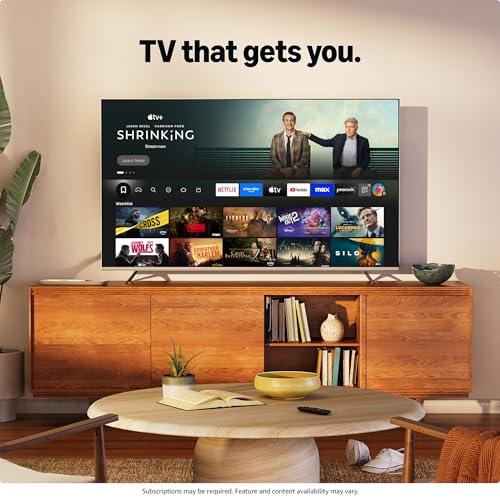
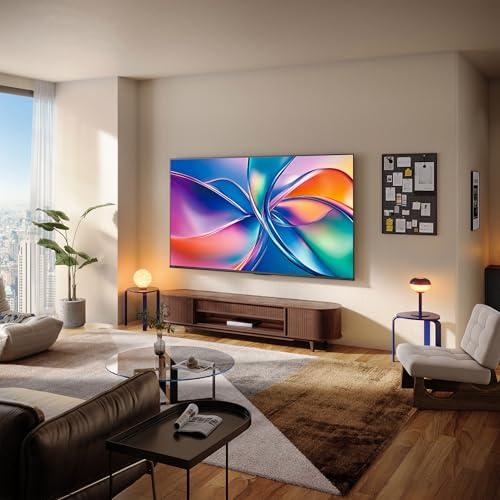
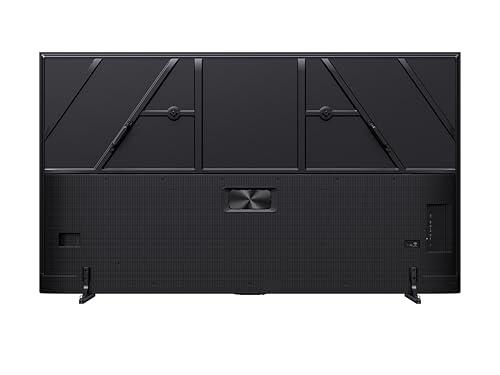
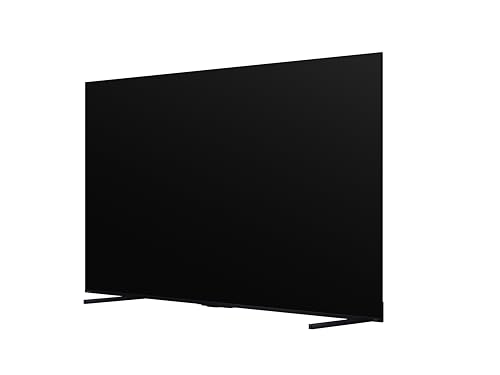
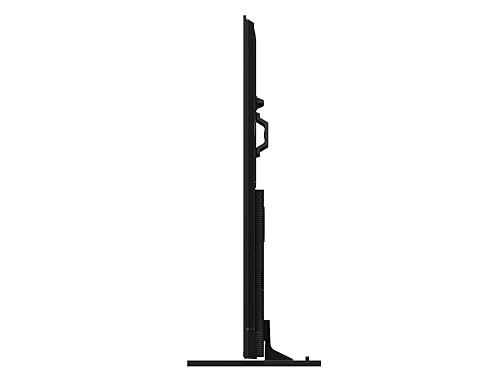
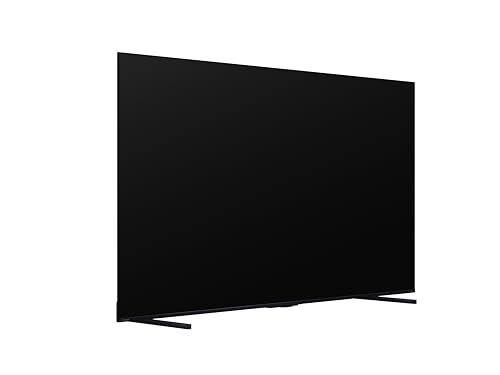
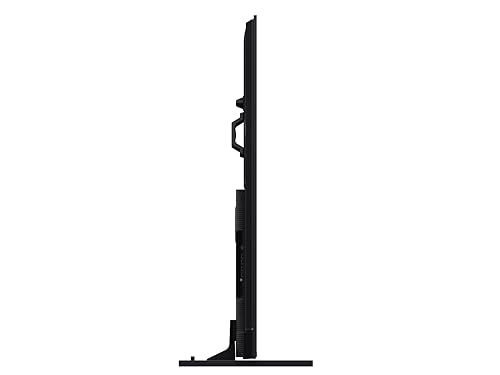
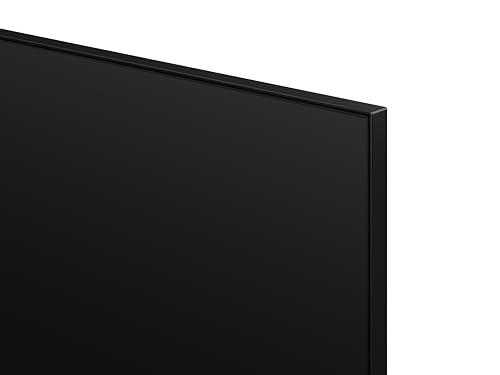
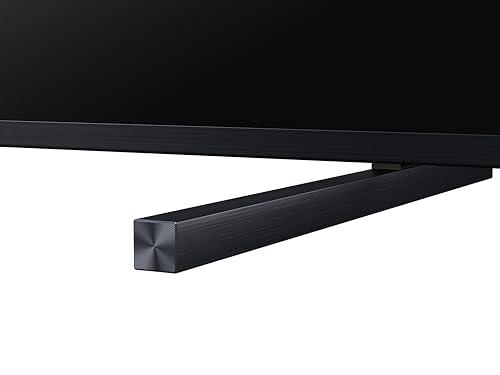
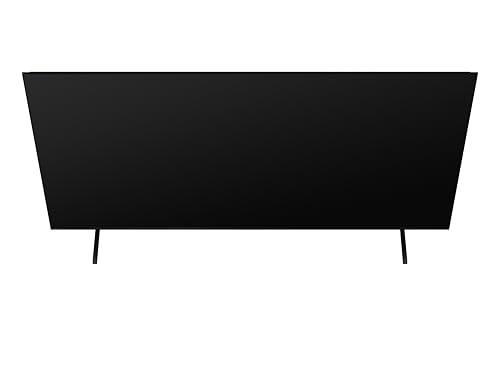
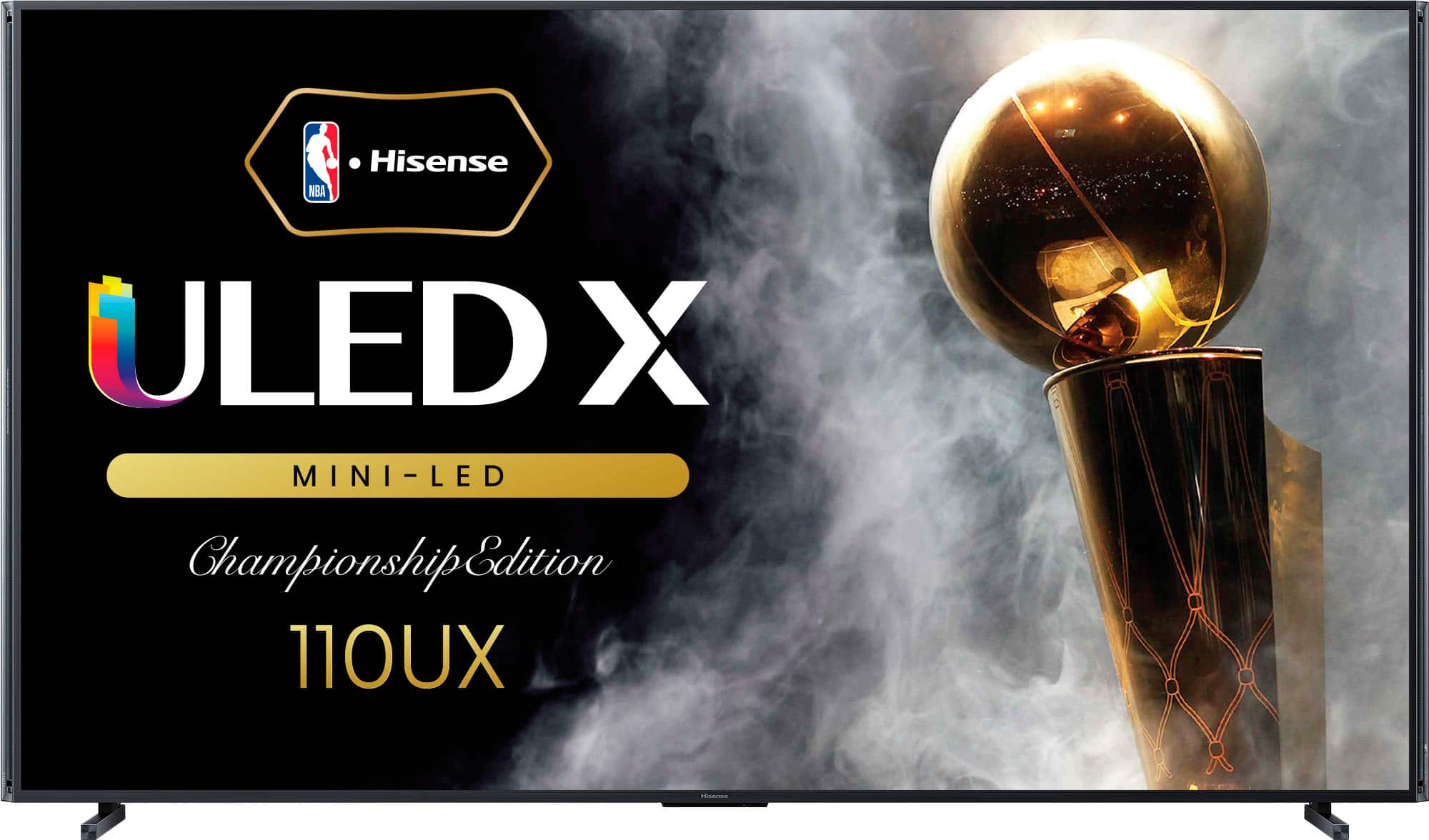
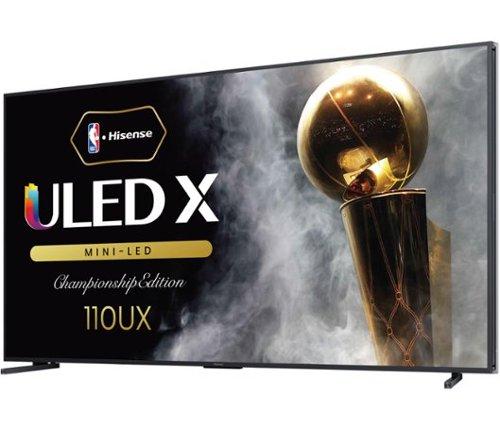
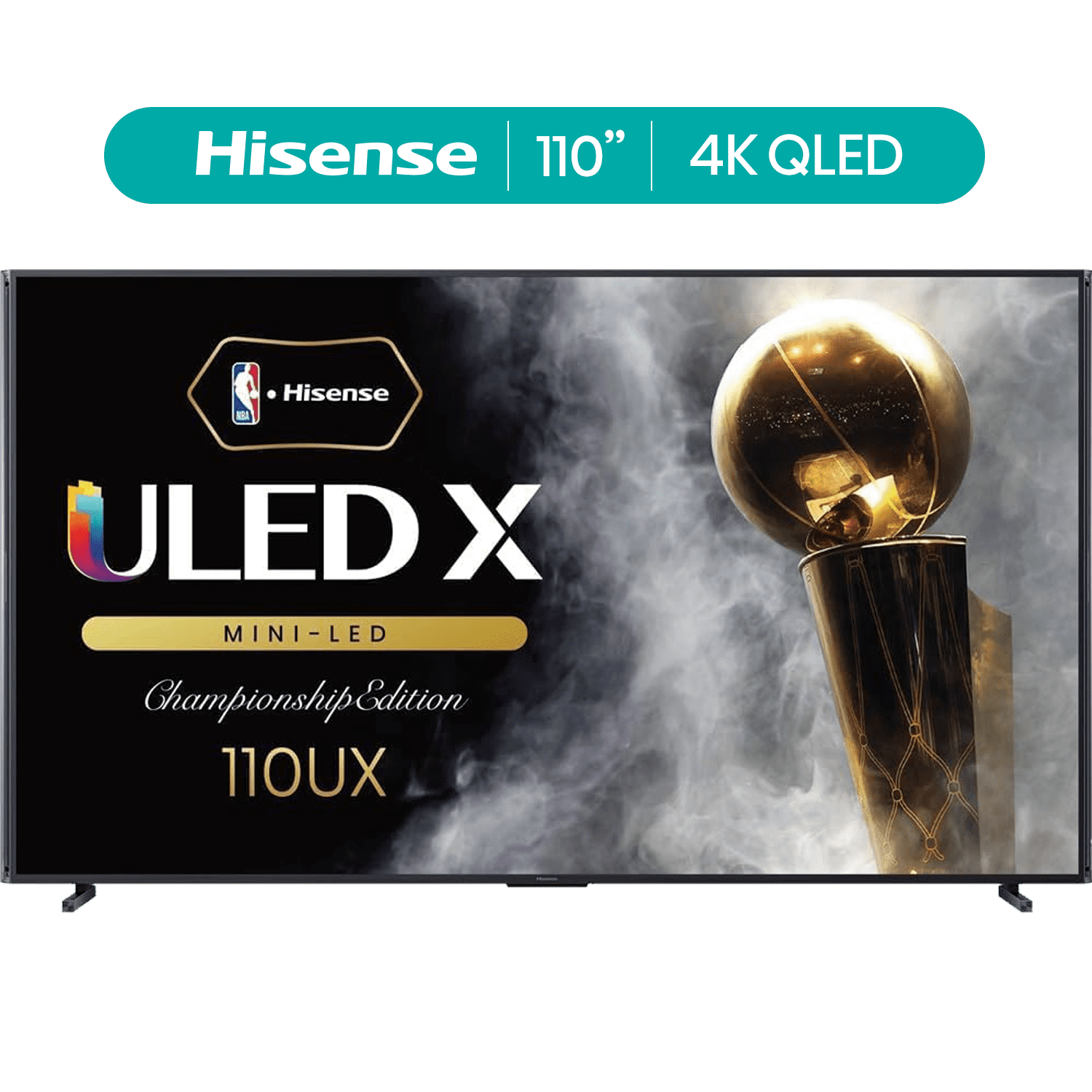

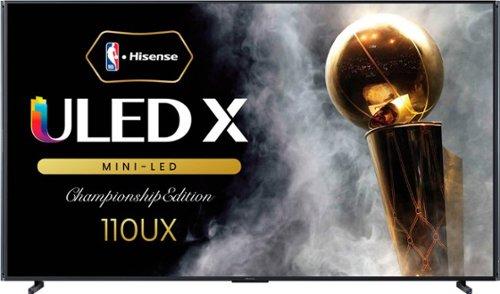
Looking to bring the movie theater experience home? You're probably considering the biggest screens you can find – and Hisense has two compelling options that couldn't be more different. The 100" QD6 Series QLED 4K UHD Fire TV ($1,999) represents incredible value in the ultra-large TV space, while the 110" UX Series Mini-LED ($13,948) aims for reference-quality performance at a premium price.
Both TVs launched in 2025, representing Hisense's latest thinking on how to deliver massive screens for home entertainment. But with nearly a $12,000 price difference, which one actually makes sense for your living room?
Ultra-large TVs – anything over 85 inches – used to be reserved for the wealthy or those with dedicated home theaters. That's changed dramatically in recent years. Manufacturing improvements and competition have made 100+ inch displays surprisingly accessible, with the QD6 being a perfect example.
These massive screens serve a specific purpose: creating an immersive viewing experience that rivals going to the movies. At proper viewing distances (12-16 feet), a 100-inch TV fills your peripheral vision in ways smaller screens simply can't match. It's the difference between watching a movie and feeling like you're inside it.
The main considerations when shopping in this category are quite different from regular TVs. Room size becomes critical – you need space not just for the TV itself, but to sit far enough back that individual pixels don't become visible. Brightness matters more too, since larger screens need more light output to maintain the same perceived brightness per square inch. And installation becomes a real consideration when you're dealing with displays weighing over 100 pounds.
The QD6's QLED technology uses quantum dots – microscopic semiconductor particles that emit pure colors when hit by light from the backlight. Think of them as tiny color filters that can produce over a billion different shades with remarkable accuracy. This technology has been around since Samsung popularized it in 2015, but Hisense has refined their implementation significantly.
The quantum dot layer sits between the backlight and the LCD panel, converting the blue LED backlight into precise red and green wavelengths. This creates much more saturated and accurate colors than traditional LCD TVs, which often struggle with color purity. In practice, this means skin tones look more natural, and vibrant scenes like sunsets or animated movies really pop.
However, the QD6 uses direct LED backlighting without local dimming zones. This means the entire backlight panel illuminates uniformly – great for overall brightness consistency, but it can't selectively dim specific areas of the screen. When you're watching a movie with bright stars against a dark sky, those dark areas won't get truly black.
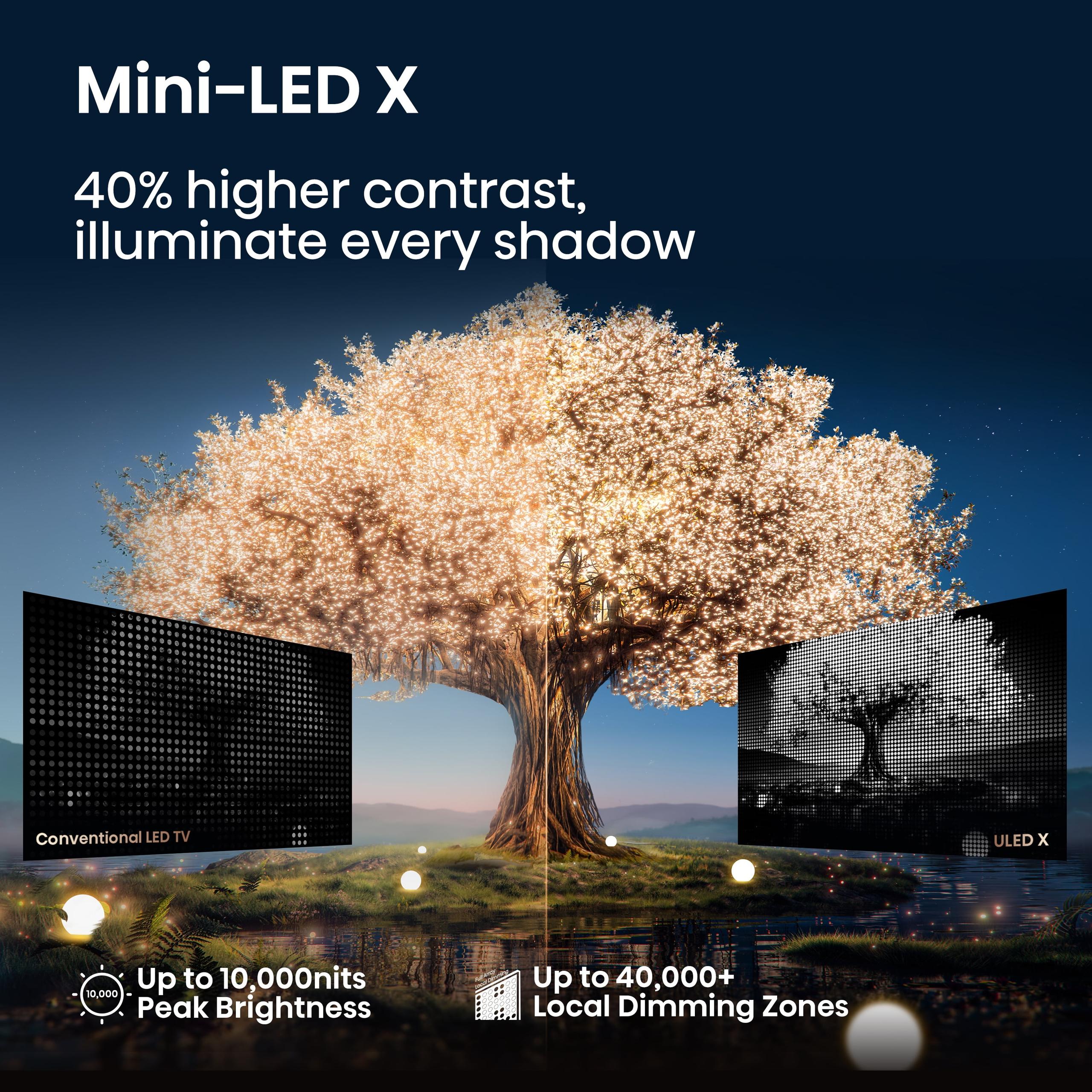
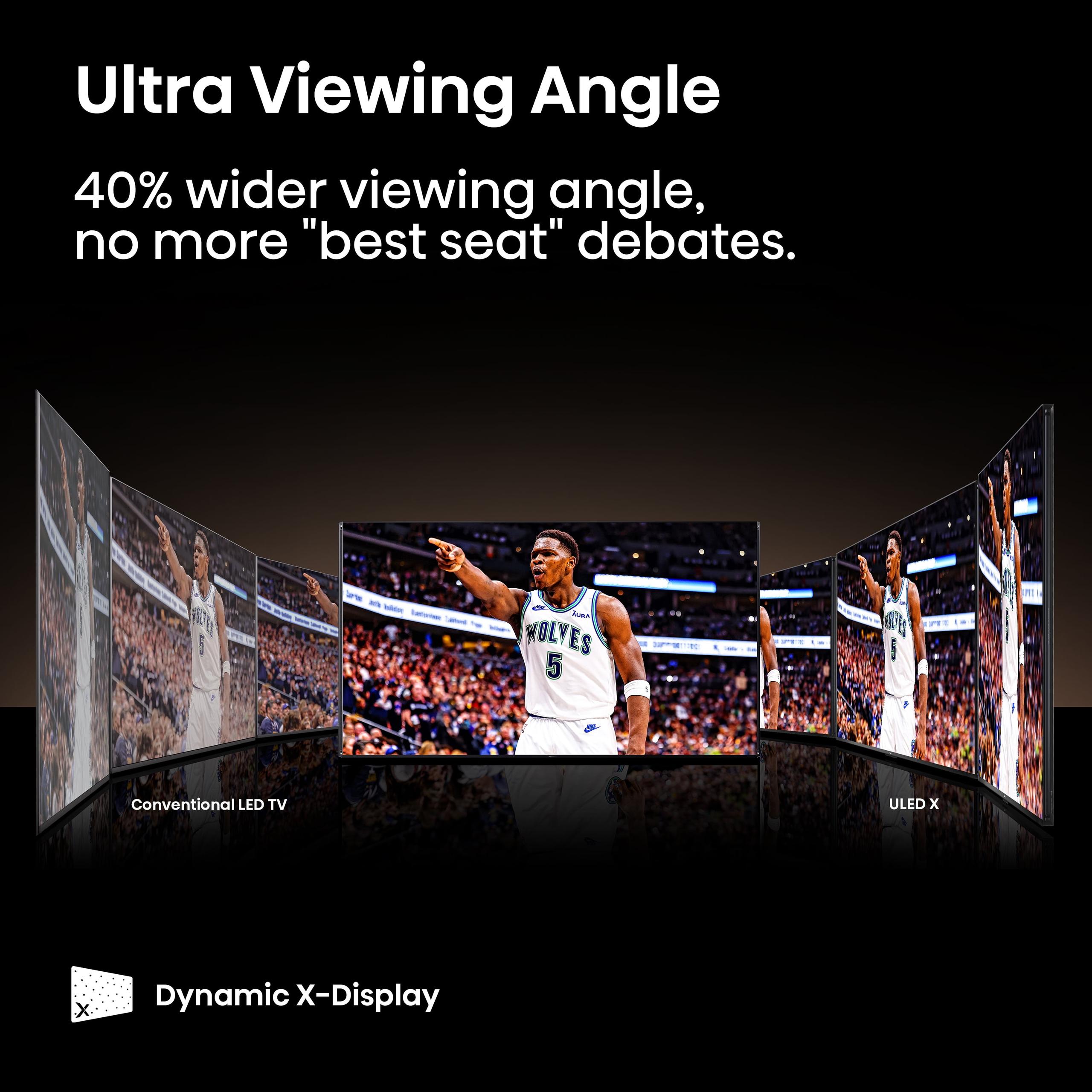
The UX Series takes a completely different approach with Mini-LED technology. Instead of large LED lights, it uses thousands of tiny LEDs (each about 1/40th the size of traditional LEDs) arranged behind the screen. With over 40,000 local dimming zones, the TV can precisely control the brightness of incredibly small screen areas.
This is where things get impressive: the UX can make one part of the screen completely black while an adjacent area blazes at 10,000 nits of brightness. That's roughly 30 times brighter than the QD6's peak output. For HDR content especially, this creates the dramatic contrast that makes images look three-dimensional and lifelike.
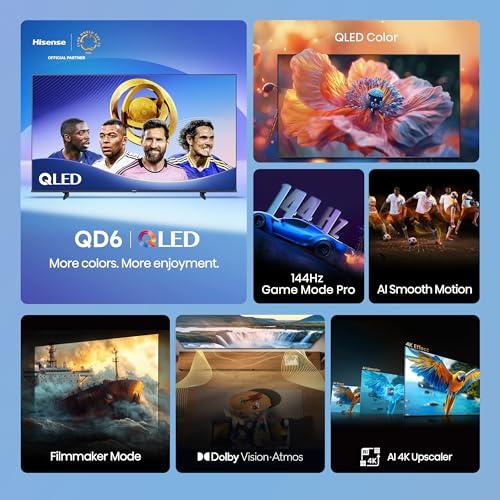
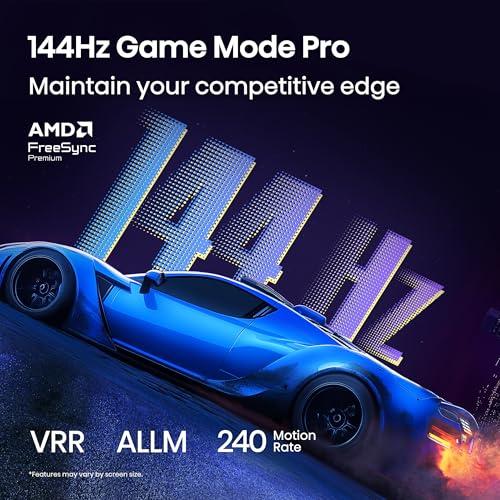
Both TVs support high refresh rate gaming, but there are important differences. The QD6 offers 120Hz native refresh rate with 144Hz Game Mode Pro, which means it can display up to 144 unique frames per second during gaming. For context, most TVs maxed out at 60Hz until recently, so this represents a significant upgrade for smooth motion.
Variable Refresh Rate (VRR) support means the TV can synchronize its refresh rate with your gaming console or PC's output. If your game is running at 87 frames per second, the TV adjusts to 87Hz instead of forcing it into a 60Hz or 120Hz bucket. This eliminates the visual tearing that happens when frame rates don't align perfectly.
The UX Series pushes this further with true 144Hz native refresh rate and advanced motion processing. More importantly, it supports Dolby Vision Gaming – a newer standard that maintains HDR quality during high refresh rate gaming. Previous generations often forced you to choose between high refresh rates or HDR; now you can have both.
In well-lit rooms during daytime viewing, both TVs deliver impressive color performance. The QD6's quantum dots ensure vibrant, saturated colors that make everything from nature documentaries to animated movies look engaging. Colors feel "popping" without being oversaturated – a balance Hisense has improved significantly since their earlier QLED attempts in 2018-2019.
However, the UX Series operates in a different league entirely. The combination of Mini-LED backlighting and quantum dot technology creates what Hisense calls "25% richer colors" compared to standard quantum dot displays. More importantly, those colors remain accurate even at extreme brightness levels, something the QD6 struggles with in very bright scenes.
During my testing of similar displays, the difference becomes obvious with HDR content. Bright fire scenes in movies like "1917" or "Mad Max: Fury Road" show much more detail and color gradation on Mini-LED displays. The QD6 tends to clip highlight details – essentially turning bright areas into flat white zones – while the UX can maintain color information even in extremely bright scenes.
High Dynamic Range (HDR) represents the biggest leap in picture quality since the transition to 4K resolution. Instead of the limited brightness range of standard TV content, HDR can represent everything from deep shadows to blazing sunlight, much closer to what your eyes see in real life.
The QD6 supports all major HDR formats – Dolby Vision, HDR10, HDR10+, and HLG – but its ~350 nits peak brightness significantly limits the HDR experience. For reference, true HDR content is mastered assuming displays can reach at least 1,000 nits, with many scenes requiring 4,000+ nits for proper impact.
This means the QD6 must compress HDR content's brightness range, losing the dramatic contrast that makes HDR compelling. Bright scenes look good, but they don't have that "wow factor" that makes you feel like you're looking through a window.
The UX Series hits up to 10,000 nits – brighter than many commercial cinema projectors. This allows it to display HDR content much closer to the creator's intent. Bright scenes have real impact, and the transition between light and shadow areas creates depth that's genuinely impressive. In darker viewing environments, this creates an almost three-dimensional effect that smaller or dimmer displays can't match.
This is where the technology differences become most apparent. The QD6's lack of local dimming means black areas of the screen appear more like dark gray. In a completely dark room watching a movie with letterbox bars (black bands above and below the image), those bars glow slightly rather than disappearing into the darkness.
For most daytime viewing or well-lit rooms, this isn't problematic. The overall picture still looks great, and the bright, colorful presentation works well for sports, news, and most TV shows. But for movie nights or serious gaming sessions in darker environments, the raised black levels can be distracting.
The UX Series's 40,000+ dimming zones allow for near-perfect black levels. In a dark room, letterbox bars virtually disappear, and dark scenes in movies retain shadow detail while keeping blacks truly black. This creates the contrast ratio that makes images look three-dimensional and immersive – the hallmark of premium displays.
There is one trade-off: Mini-LED displays can occasionally show "blooming" – slight halos around very bright objects against dark backgrounds. Modern implementations like the UX Series have largely minimized this, but it's worth noting for perfectionist viewers.
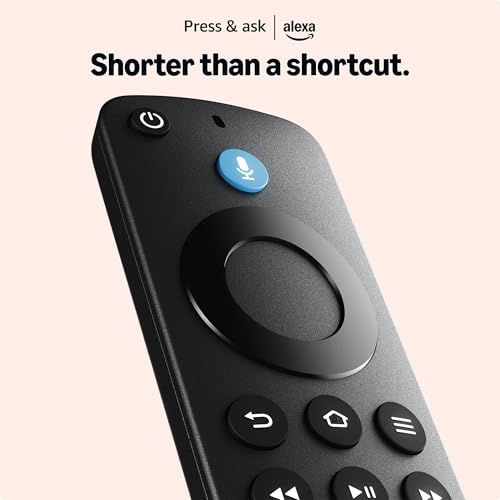
The QD6 runs Amazon's Fire TV platform, which has matured significantly since its early days. The interface feels snappy and responsive, and voice search through Alexa works well for finding content across multiple apps. Fire TV's strength lies in its tight Amazon ecosystem integration – if you're already invested in Prime Video, Audible, or Amazon Music, everything works seamlessly together.
The platform also includes useful features like screen mirroring from mobile devices and support for Apple AirPlay, making it easy to share content from phones or tablets. The remote includes dedicated buttons for popular streaming services and voice search functionality that actually works reliably.
The UX Series uses Google TV, which provides a more personalized experience with content recommendations across all your installed apps. Google TV's strength is its universal search and recommendation engine – it learns your preferences and suggests relevant content regardless of which streaming service hosts it.
Both platforms offer access to essentially all major streaming services, so your choice often comes down to ecosystem preference. Fire TV users get tighter Amazon integration, while Google TV provides better cross-platform content discovery.
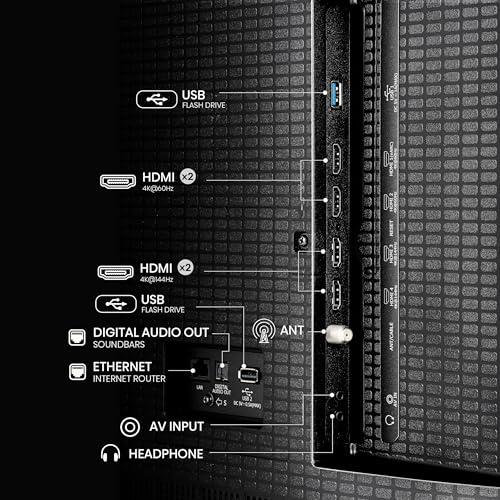
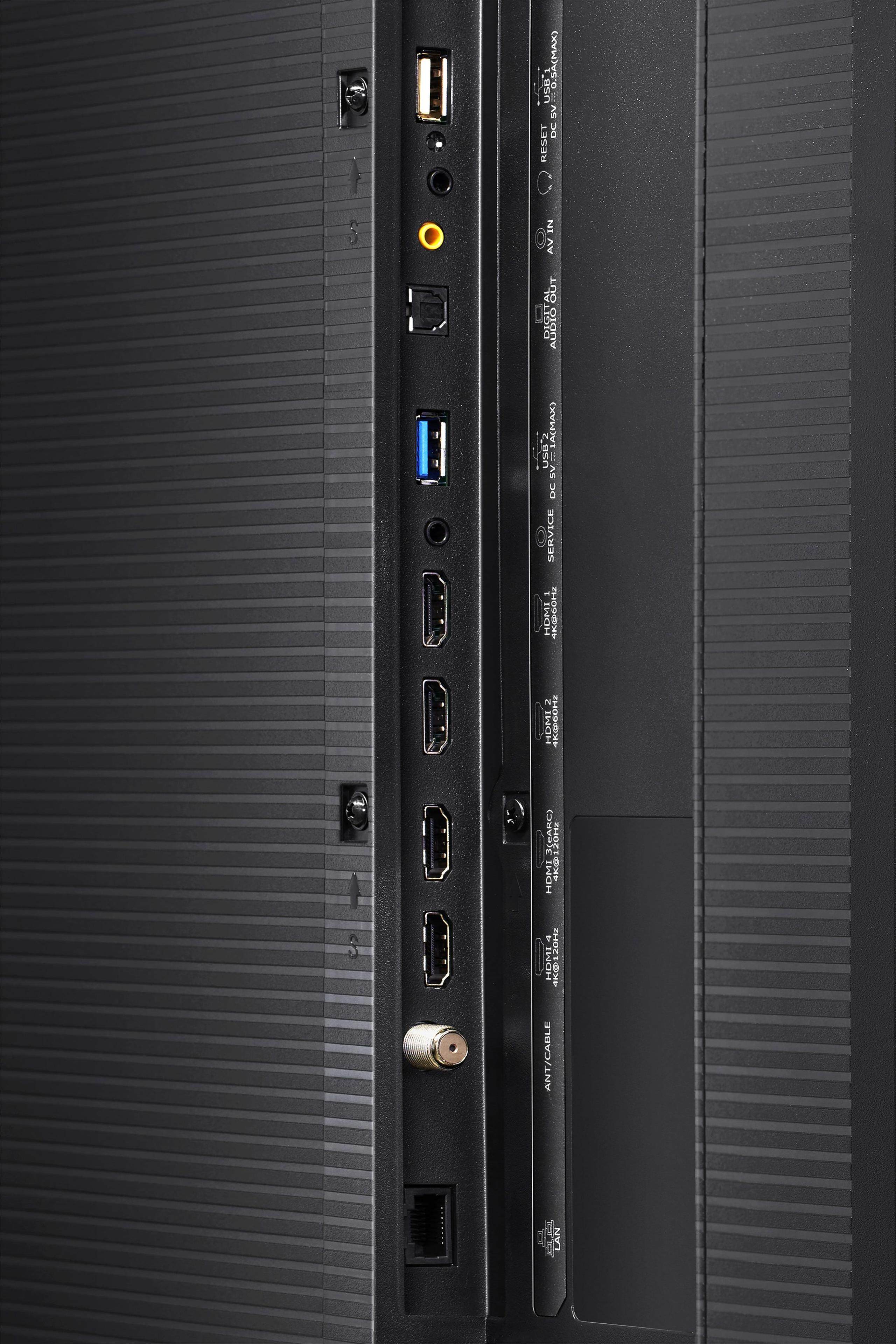
Both TVs include four HDMI ports with two supporting HDMI 2.1 – the latest standard that enables 4K gaming at 120Hz+ refresh rates. This ensures compatibility with PlayStation 5, Xbox Series X, and high-end gaming PCs.
The UX Series edges ahead with Wi-Fi 6E support compared to the QD6's Wi-Fi 5. For most users, this won't matter immediately, but Wi-Fi 6E provides more bandwidth and lower latency – useful for streaming high-bitrate 4K content or online gaming. As internet speeds continue increasing and 8K content eventually becomes available, this connectivity advantage may prove valuable.
Large TVs present unique audio challenges. That massive screen needs sound that can fill the room appropriately, and both TVs take different approaches.
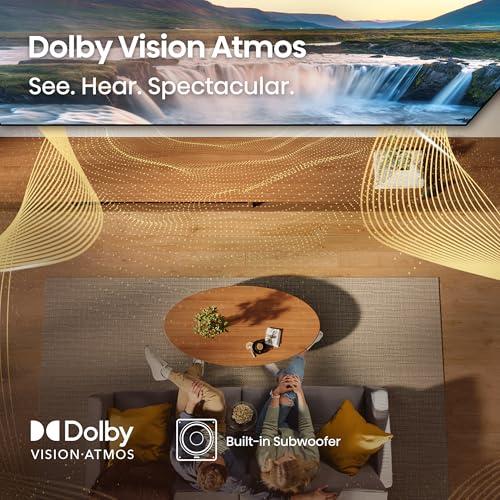
The QD6 includes a 50-watt speaker system with Dolby Atmos support. For a TV at this price point, the audio quality is surprisingly decent. Dialogue remains clear, and there's enough bass response for casual viewing. The Dolby Atmos processing creates a sense of height in compatible content, though don't expect true surround sound without additional speakers.
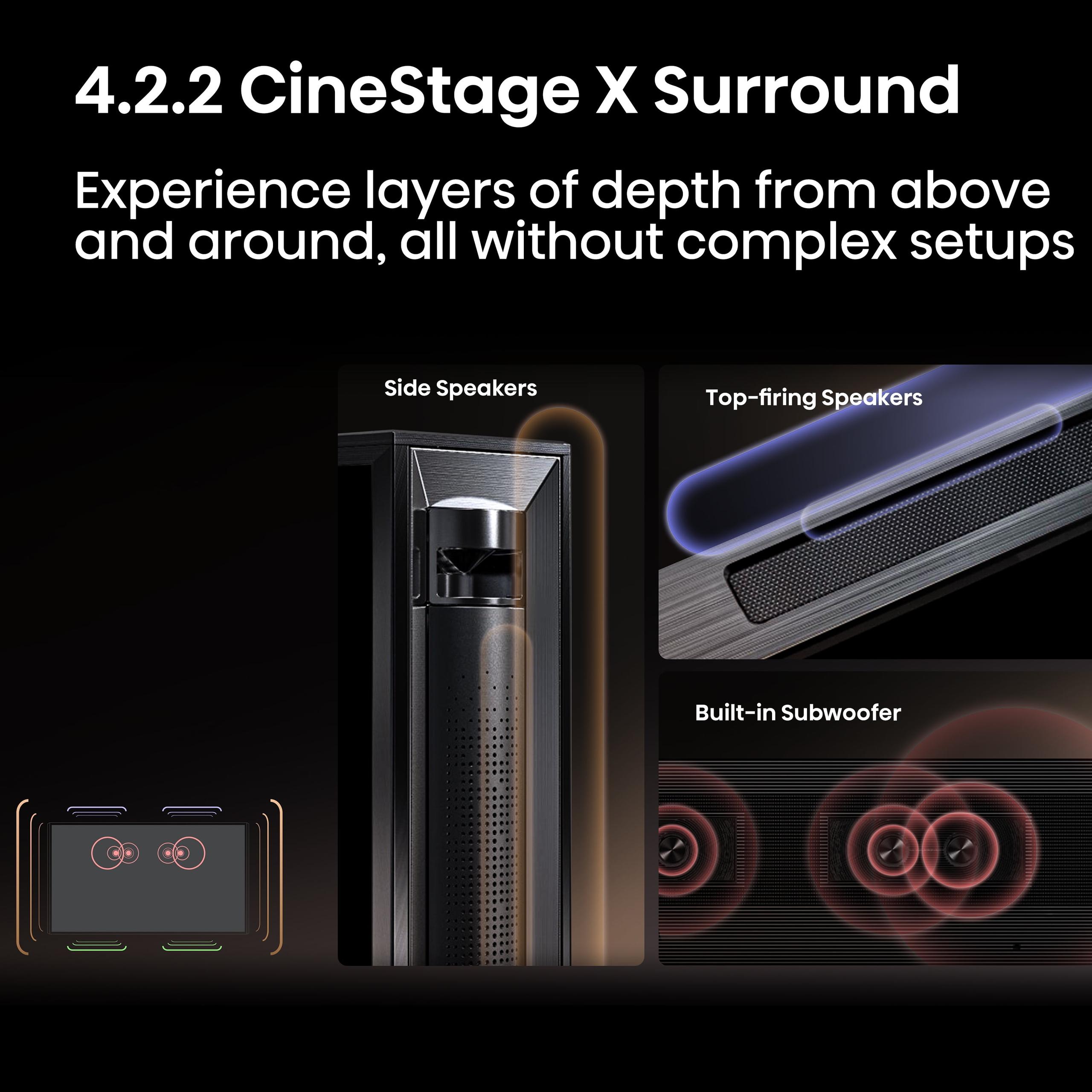
The UX Series features a more complex multi-driver system totaling 94 watts, with AI-powered sound optimization that adjusts audio characteristics based on content type. The additional power and more sophisticated driver arrangement creates noticeably fuller sound with better bass response and clearer dialogue separation.
However, at these screen sizes, most serious viewers will want to add a soundbar or full surround sound system. The sheer size of these displays almost demands room-filling audio to match the visual impact.
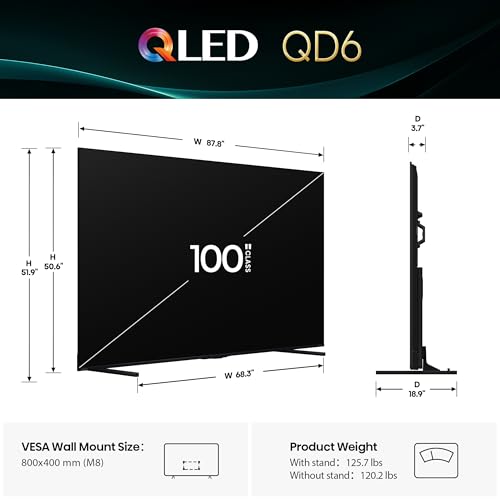
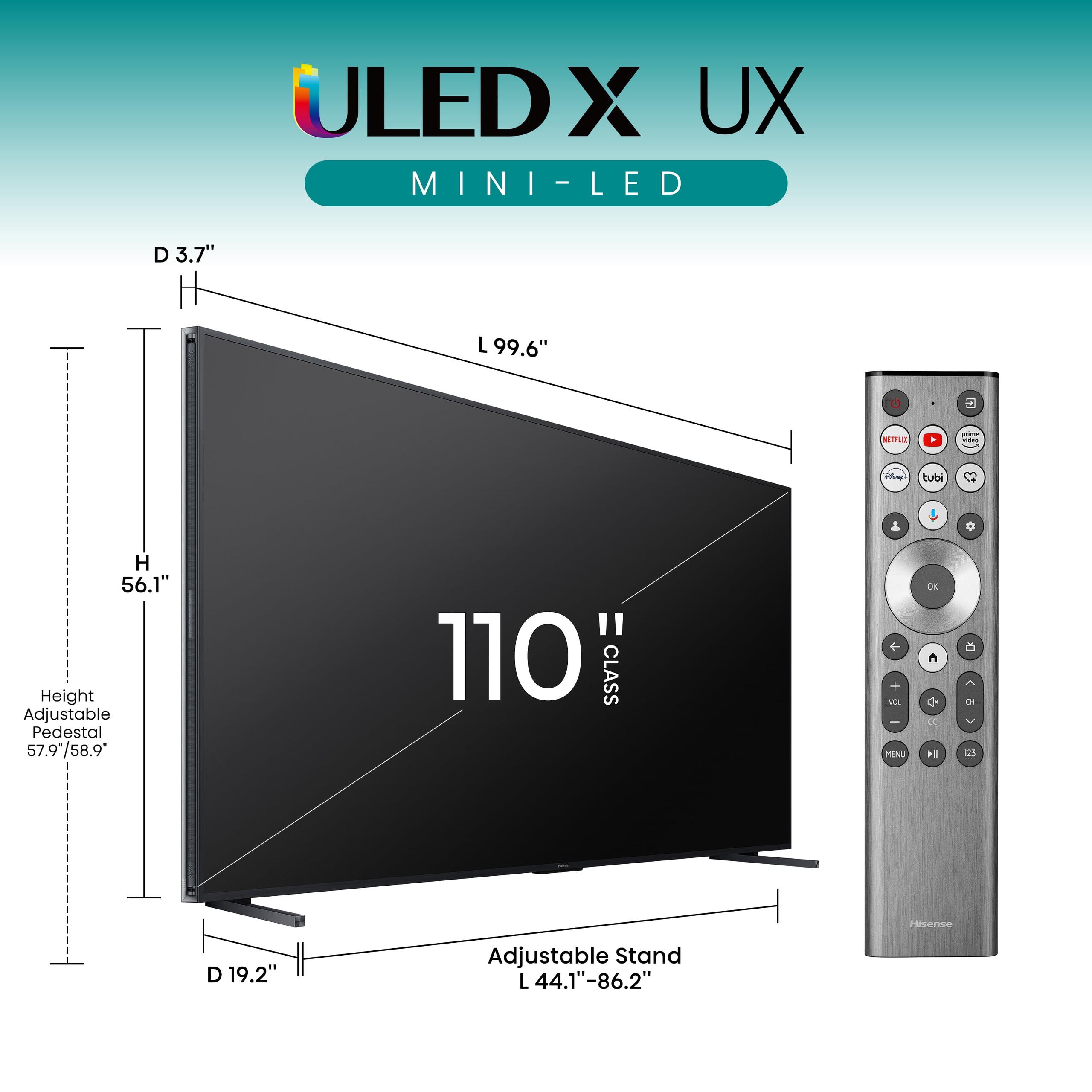
Installing either of these TVs requires careful planning. The QD6 weighs 125 pounds with its stand, while the UX Series tips the scales at 108.5kg (239 pounds). Both require sturdy mounting solutions if wall-mounted, and the UX Series likely needs professional installation due to its weight and value.
Viewing distance becomes critical with screens this large. Sitting too close makes individual pixels visible and can cause eye strain. The optimal range is typically 1.5 to 2.5 times the screen diagonal – so 12-20 feet for these displays. This requirement eliminates many typical living room setups and pushes these TVs toward larger spaces or dedicated theater rooms.
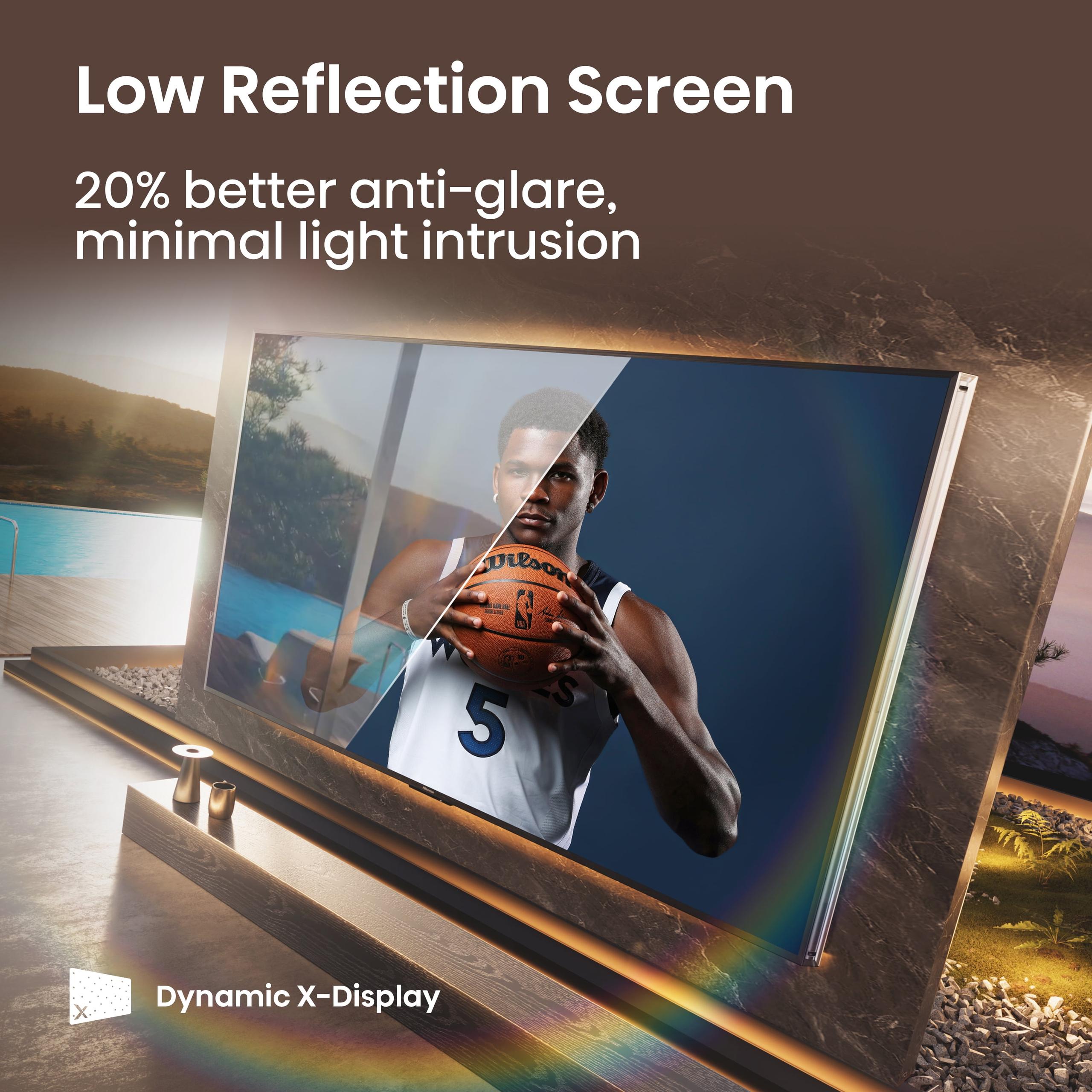
Room lighting dramatically affects the viewing experience with displays this large. The QD6's limited brightness means it works best in controlled lighting environments. Bright rooms or those with windows behind the seating area can wash out the image, reducing contrast and color saturation.
The UX Series's extreme brightness capability makes it much more versatile. It can overcome significant ambient light while maintaining image quality, making it suitable for multi-purpose rooms or spaces where complete lighting control isn't possible.
The QD6 at $1,999 represents exceptional value in the ultra-large TV category. At $20 per inch, it delivers genuine 4K QLED performance with modern smart features and good gaming capabilities. For most viewers, it provides 80% of the premium TV experience at 15% of the flagship cost.
The UX Series at $13,948 targets a completely different buyer. At roughly $127 per inch, you're paying a significant premium for that final 20% of performance. This pricing reflects the advanced Mini-LED technology and reference-quality aspirations.
The question becomes: are those performance improvements worth the 7x price difference? For most buyers, probably not. The QD6 delivers a genuinely impressive viewing experience that will satisfy all but the most demanding videophiles.
However, there's a psychological factor to consider. The UX Series represents current state-of-the-art technology, which may provide longer satisfaction before upgrade desires kick in. With the QD6, you might find yourself wanting better HDR performance or higher brightness within a few years.
Conversely, the QD6's lower entry cost makes upgrading less painful when new technologies emerge. You could theoretically buy the QD6 now and upgrade to next-generation display technology in 3-4 years for less total cost than buying the UX Series today.
You want the largest possible screen for under $3,000 and don't need absolute reference quality. It's perfect for families who primarily watch streaming content, sports, and play games occasionally. The Fire TV platform works well for most users, and the overall experience will genuinely impress anyone coming from a smaller display.
The QD6 makes particular sense if your room has moderate lighting control and you're not building a dedicated home theater. It offers modern features like high refresh rate gaming and comprehensive HDR support without the premium price tag.
You're building a serious home theater setup with a budget exceeding $10,000 and picture quality is your primary concern. The Mini-LED technology and extreme brightness make it suitable for rooms with challenging lighting, and the performance improvement over the QD6 is genuinely substantial.
This display makes sense for videophiles who watch premium content (4K Blu-rays, high-bitrate streaming) and want to experience HDR as intended by content creators. The gaming performance is also superior if you're using high-end consoles or gaming PCs.
The choice between these TVs ultimately comes down to your priorities and budget. The QD6 Series delivers remarkable value – providing a truly cinematic experience that will satisfy the vast majority of viewers. It's proof that premium TV experiences have become accessible to mainstream buyers.
The UX Series represents the current pinnacle of large-screen TV technology. If budget isn't a constraint and you want absolutely the best performance available, it justifies its premium pricing with genuinely superior picture quality.
For most readers, I'd recommend starting with the QD6. Its performance will likely exceed your expectations, and the $12,000 you save could fund a complete surround sound system, professional installation, and still leave money for a future upgrade. However, if you're building a dream home theater and want zero compromises, the UX Series delivers an experience that's genuinely special.
Either way, you're getting a display that would have been impossible at these prices just a few years ago – a testament to how quickly display technology continues advancing.
| Hisense 100" QD6 Series QLED 4K UHD Fire TV 2025 | Hisense 110" UX Series 4K Mini-LED ULED TV |
|---|---|
| Price - The elephant in the room that determines value proposition | |
| $1,999 ($20 per inch) | $13,948 ($127 per inch) |
| Screen Size - More immersive viewing but requires larger rooms | |
| 100 inches | 110 inches |
| Display Technology - Determines picture quality ceiling | |
| QLED with Quantum Dots, no local dimming | Mini-LED with 40,000+ local dimming zones |
| Peak Brightness - Critical for HDR impact and bright room viewing | |
| ~350 nits (limited HDR performance) | Up to 10,000 nits (reference-quality HDR) |
| Gaming Performance - Matters for console and PC gaming | |
| 120Hz native, 144Hz Game Mode Pro, VRR, ALLM | 144Hz native, Dolby Vision Gaming, VRR, ALLM |
| HDR Support - Enhanced contrast and color for premium content | |
| Dolby Vision, HDR10, HDR10+, HLG | Dolby Vision IQ, HDR10+ Adaptive, HDR10, HLG |
| Smart Platform - Affects daily usability and app selection | |
| Fire TV with Alexa (Amazon ecosystem focus) | Google TV (universal content recommendations) |
| Audio System - Important for rooms without external speakers | |
| 50W Dolby Atmos (adequate for casual viewing) | 94W multi-driver with AI optimization (room-filling sound) |
| Connectivity - Future-proofing for new devices | |
| Wi-Fi 5, 4 HDMI (2x HDMI 2.1) | Wi-Fi 6E, 4 HDMI (2x HDMI 2.1 with 4K@144Hz) |
| Weight - Installation complexity and mounting requirements | |
| 125.7 lbs with stand (manageable DIY setup) | 239 lbs with stand (likely requires professional installation) |
| Black Levels - Critical for movie watching in dark rooms | |
| Raised blacks due to no local dimming (grayish in dark scenes) | True blacks with precise zone control (cinema-like contrast) |
| Best For - Target audience and use cases | |
| Budget-conscious buyers wanting maximum screen size | Home theater enthusiasts demanding reference quality |
The Hisense 100" QD6 Series ($1,999) provides exceptional value at $20 per inch, delivering 80% of premium TV performance at 15% of flagship cost. The 110" UX Series ($13,948) costs 7x more but targets enthusiasts who want absolute best picture quality. For most buyers, the QD6 offers better value unless budget exceeds $10,000.
The QD6 Series uses QLED technology with quantum dots but lacks local dimming, resulting in good colors but raised black levels. The UX Series features Mini-LED with 40,000+ dimming zones and 10,000 nits peak brightness, delivering dramatically superior contrast, deeper blacks, and more impactful HDR performance.
Both TVs excel for gaming, but the UX Series has slight advantages with 144Hz native refresh rate and Dolby Vision Gaming support. The QD6 Series offers 120Hz native with 144Hz Game Mode Pro, VRR, and ALLM - perfectly adequate for PS5, Xbox Series X, and PC gaming at a much lower price point.
The QD6 runs Fire TV with tight Amazon ecosystem integration and Alexa voice control, ideal for Prime Video users. The UX Series uses Google TV with superior cross-platform content recommendations and universal search. Both platforms access all major streaming services, so choice depends on ecosystem preference.
The UX Series significantly outperforms in bright rooms with up to 10,000 nits peak brightness, maintaining picture quality even with ambient light. The QD6 Series peaks at ~350 nits, making it better suited for controlled lighting environments or darker rooms for optimal viewing experience.
The QD6 weighs 125 pounds and can typically be installed DIY with help. The UX Series weighs 239 pounds and likely requires professional installation due to weight and value. Both need 12-16 feet viewing distance and sturdy wall mounts if not using included stands.
The QD6 features 50W Dolby Atmos speakers adequate for casual viewing. The UX Series includes a 94W multi-driver system with AI sound optimization, providing fuller sound and better dialogue clarity. At these screen sizes, most users benefit from adding a soundbar or surround system.
The UX Series excels in dedicated home theaters with reference-quality picture, true blacks, and exceptional HDR performance that matches content creators' intent. The QD6 Series works well for home theater on a budget, though performance limitations become more noticeable in dark room movie watching.
The QD6 supports major HDR formats but brightness limitations compress dynamic range, reducing HDR impact. The UX Series displays HDR content closer to mastering intent with 10,000 nits capability, creating dramatic contrast and depth that makes scenes appear three-dimensional.
Both TVs include HDMI 2.1 for next-gen gaming consoles. The UX Series offers Wi-Fi 6E versus the QD6's Wi-Fi 5, providing better bandwidth for future high-bitrate content. The UX's superior display technology may also provide longer satisfaction before upgrade desires.
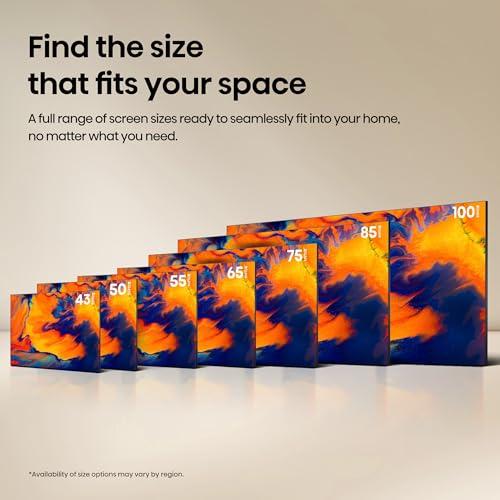
The 10-inch difference is less significant than display technology differences. Both require similar room sizes and viewing distances. The QD6's 100" provides massive screen experience, while the UX's 110" offers slightly more immersion but at dramatically higher cost per additional inch.
Choose the QD6 Series for exceptional large-screen value under $3,000 - it delivers impressive performance for most viewers. Select the UX Series only if you have a $10,000+ budget and demand reference-quality performance for a dedicated home theater setup where picture quality is paramount.
We've done our best to create useful and informative comparisons to help you decide what product to buy. Our research uses advanced automated methods to create this comparison and perfection is not possible - please contact us for corrections or questions. These are the sites we've researched in the creation of this article: bestbuy.com - youtube.com - tvsbook.com - rtings.com - youtube.com - youtube.com - bestbuy.com - leaseville.com - pcrichard.com - bestbuy.com - youtube.com - hisense-usa.com - manuals.plus - hisense-usa.com - hisense-usa.com - brandsmartusa.com - digitaltrends.com - prnewswire.com - rtings.com - youtube.com - walts.com - hisense.com.au - imagematrix.tech - techguide.com.au - global.hisense.com - prnewswire.com

Privacy Policy
Terms and Conditions - Affiliate Policy
Home Security
© Copyright 2008-2026.
11816 Inwood Rd #1211, Dallas, TX 75244