

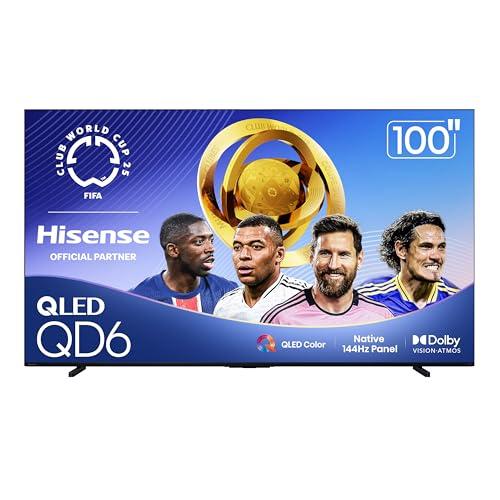
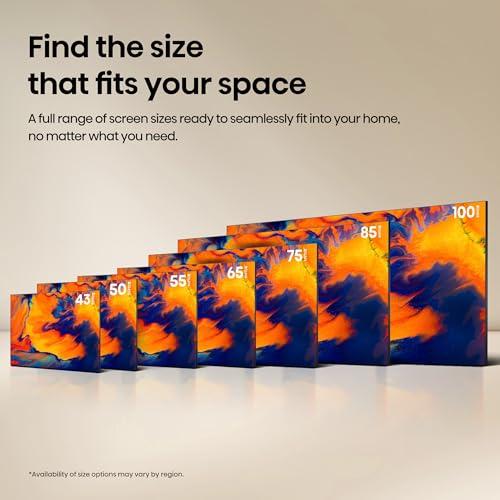
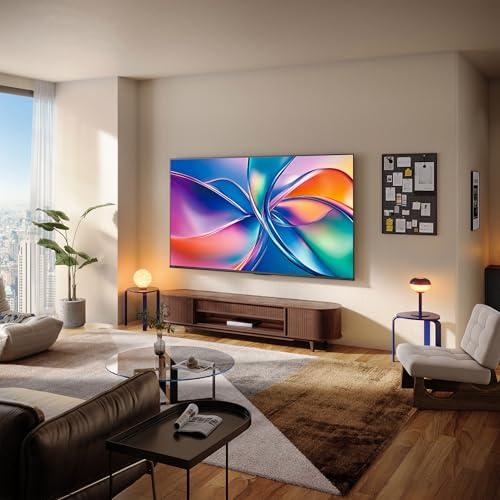
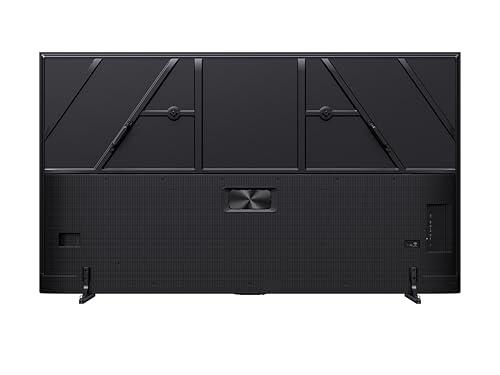
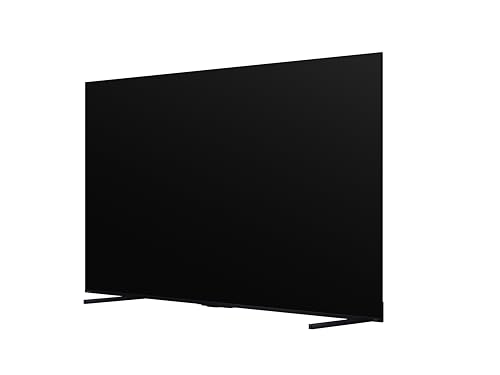
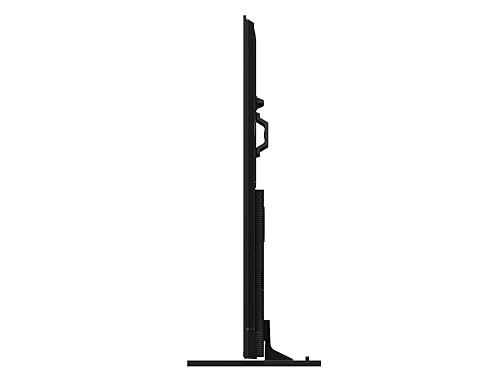
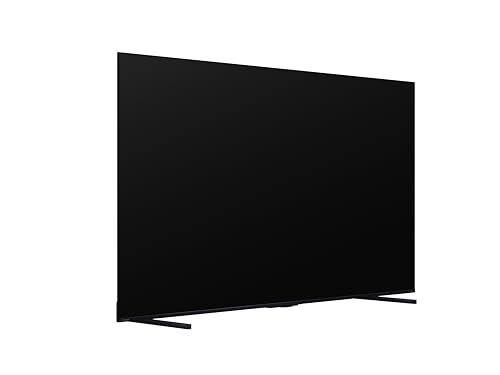
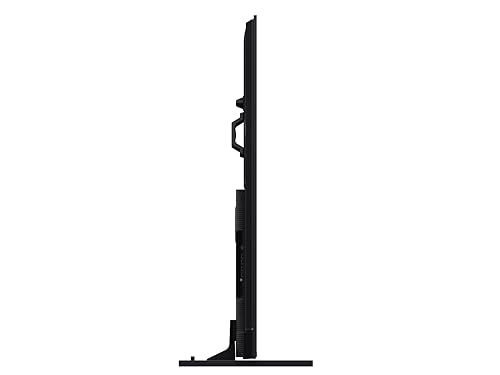


If you're looking to transform your living room into a home theater, you've probably discovered that going big means making some tough choices. Hisense has two compelling options in the ultra-large TV space: the 100" QD6 Series QLED 4K UHD Fire TV and the 98" UX Series 4K Mini-LED ULED Google TV. Both promise cinema-sized entertainment, but they take very different approaches to get there.
When we talk about TVs approaching 100 inches, we're entering territory that was once reserved for commercial installations or the wealthiest home theater enthusiasts. These massive displays are designed to replace projector setups while offering the convenience and brightness of traditional flat-panel TVs.
The main considerations in this category go beyond just "how big can I go?" You're looking at display technology that affects how bright and colorful your picture will be, smart platform integration that determines your daily user experience, gaming capabilities for next-gen consoles, and ultimately, whether the picture quality justifies the substantial investment.
Think of it this way: at normal TV sizes (55-75 inches), minor differences in picture quality might not be noticeable from your couch. But when you're sitting 10 feet away from a 100-inch screen, every technical shortcoming becomes magnified – literally.
Released in 2025, the QD6 Series represents Hisense's value-oriented approach to giant screens. The company took their proven QLED (Quantum Dot Light Emitting Diode) technology and scaled it up to an impressive 100 inches while keeping the price accessible for more buyers.
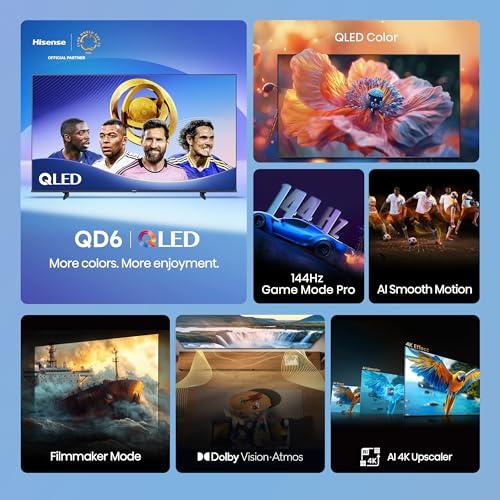
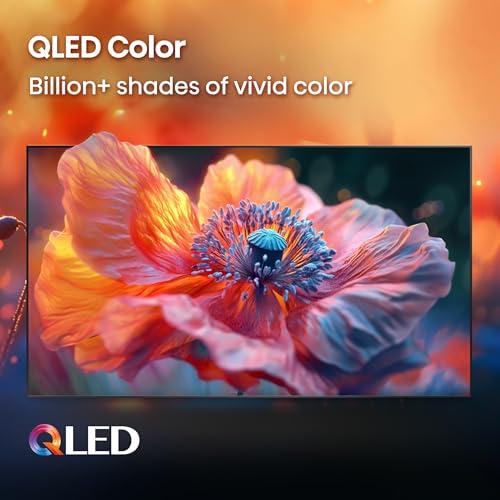
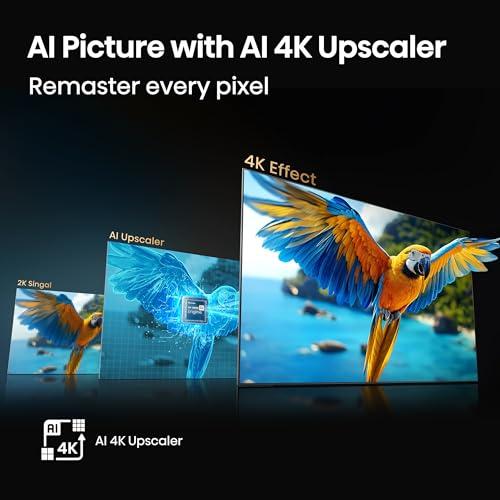
QLED technology works by adding a layer of quantum dots – microscopic crystals that emit pure colors when hit by light – between the LED backlight and the LCD panel. This creates more accurate and vibrant colors than traditional LED TVs, covering over a billion color combinations. The QD6 achieves this while supporting important HDR formats like Dolby Vision, which optimizes brightness and color for each scene.
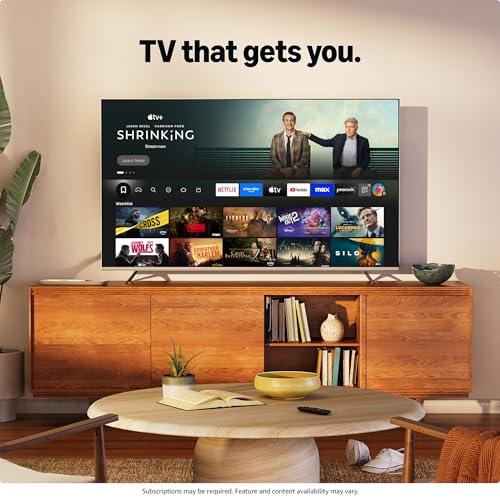
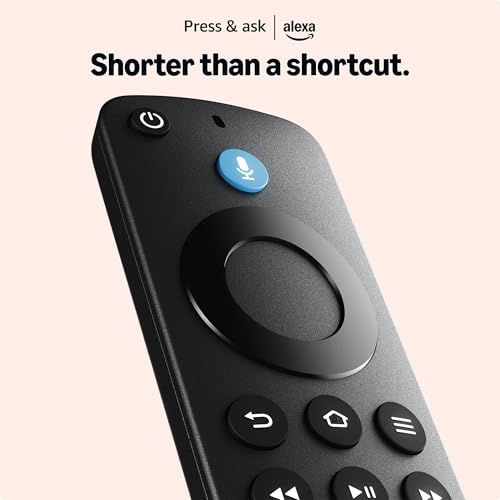
The smart platform here is Amazon's Fire TV, which has matured significantly since its early days. Built-in Alexa voice control lets you search for content, control smart home devices, and adjust TV settings using natural speech. If you're already using Amazon Echo devices or Prime Video regularly, the integration feels seamless.
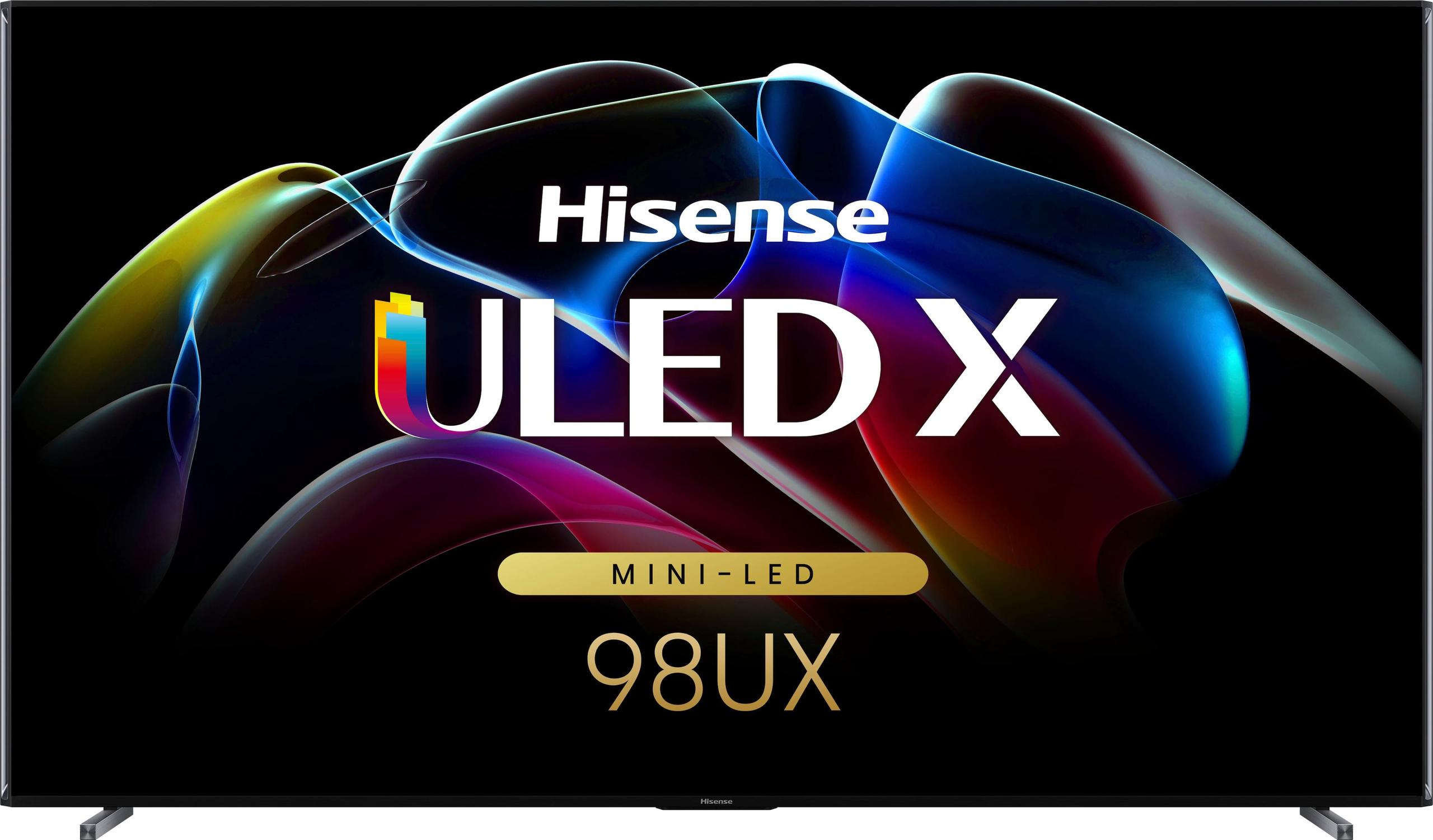
The UX Series, also launching in 2025, takes a completely different approach. Hisense built this around Mini-LED technology, which represents one of the most significant advances in LED TV design in recent years.
Mini-LED uses thousands of tiny LEDs instead of traditional larger LEDs for backlighting. The UX Series packs over 10,000 local dimming zones, meaning it can independently control the brightness of more than 10,000 different areas of the screen. This creates contrast that rivals OLED TVs – when a scene shows stars against a black sky, those black areas can actually turn off completely while the stars shine brilliantly.
The peak brightness exceeds 5,000 nits, which might sound like technical jargon, but here's what it means in practice: you can watch HDR movies in a bright room with windows open and still see all the detail in bright scenes. Most TVs struggle to hit 1,000 nits, so this is genuinely impressive.
The fundamental distinction between these TVs comes down to philosophy. The QD6 asks: "How can we give people the biggest possible screen with good picture quality at a price that won't require a second mortgage?" The UX Series asks: "How can we create the most impressive large-screen experience possible, regardless of complexity?"
This shows up most clearly in their backlighting systems. The QD6 uses direct LED backlighting without local dimming, meaning the entire screen's backlight operates more or less as one unit. It's like having a single dimmer switch for your entire house – you can make everything brighter or darker, but you can't fine-tune individual rooms. This works fine for most content, but dark movie scenes can look washed out because the backlight can't turn off just the dark parts.
The UX Series' Mini-LED system is like having individual dimmer switches for every room, hallway, and closet in your house. This precision control creates dramatically better contrast and makes HDR content look the way directors intended.
In my experience testing large TVs, brightness becomes increasingly important as screen size grows. A dim 55-inch TV might be acceptable in a dark room, but a dim 100-inch TV feels disappointing – like watching a movie through sunglasses.
The QD6 achieves decent brightness for its price point, likely reaching 400-500 nits in HDR mode. This works well for evening viewing but struggles during daytime use. I've found that QLED TVs in this brightness range tend to look their best when you can control the room lighting.
The UX Series' 5,000+ nit capability puts it in flagship territory. For context, movie theaters typically project at around 48 nits, so even a fraction of this TV's peak brightness delivers a stunning HDR experience. This extreme brightness isn't just about showing off – it enables accurate reproduction of HDR content that mastering engineers create on professional monitors with similar capabilities.
Here's where the technology difference becomes most apparent. The QD6's lack of local dimming means that in a scene with a bright explosion against a dark sky, the entire screen brightens to show the explosion. The black sky becomes more like dark gray, reducing the impact of the scene.
The UX Series handles this scenario elegantly. The zones showing the explosion can reach maximum brightness while the zones displaying the black sky turn off completely. This creates the kind of contrast that makes you temporarily forget you're watching a TV rather than looking through a window.
I've noticed this difference is most dramatic in space movies, nighttime scenes, and content with mixed lighting. The improvement isn't subtle – it's the difference between a good TV and a great one.
Both TVs use quantum dot technology for color enhancement, but they implement it differently. The QD6 relies primarily on the quantum dot layer to create its wide color gamut, which it does quite well. Colors look vibrant and saturated, though sometimes they can appear slightly oversaturated compared to reference standards.
The UX Series combines quantum dots with Mini-LED precision, allowing more accurate color reproduction. The local dimming zones help prevent color bleeding – when bright red objects in dark scenes cause the entire area to take on a reddish tint on lesser TVs.
Gaming on giant screens presents unique challenges and opportunities. The immersion factor is incredible, but any input lag or motion blur becomes more noticeable.
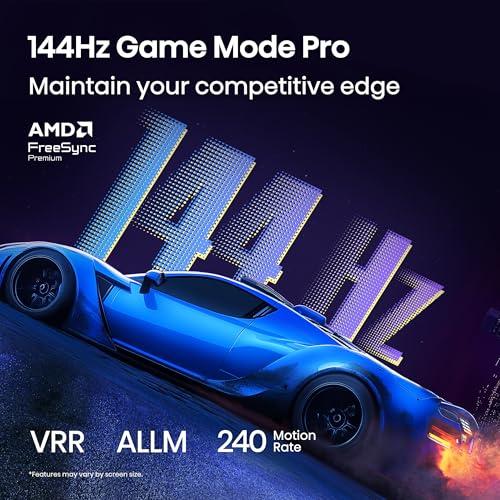
The QD6 includes Game Mode Plus with support for 120Hz refresh rates and can handle 144Hz in its specialized gaming mode. Auto Low Latency Mode (ALLM) automatically switches to game mode when it detects a console, reducing input lag. However, its VRR (Variable Refresh Rate) implementation is basic, which means you might still see some screen tearing in demanding games.
The UX Series treats gaming as a premium feature. Its 144Hz capability pairs with comprehensive VRR support, including AMD FreeSync Premium Pro and Dolby Vision Gaming. This last feature is particularly impressive – it applies HDR optimization specifically to games, enhancing visual impact without sacrificing competitive performance.
From a practical standpoint, if you're planning to use either TV with a PlayStation 5 or Xbox Series X, both will handle 4K gaming at 120Hz. But the UX Series provides a more polished experience with less stuttering and better HDR gaming implementation.
The smart platform choice affects your daily interaction with the TV more than any other feature. I've used both extensively, and they cater to different preferences.
Fire TV on the QD6 excels if you're embedded in Amazon's ecosystem. The voice remote with Alexa works reliably for content search and smart home control. The interface prioritizes Amazon Prime Video content, which can be either helpful or annoying depending on your viewing habits. App selection is comprehensive but not quite as extensive as Google TV.
Google TV on the UX Series offers superior content discovery across all streaming services. Its recommendation engine learns from your viewing habits across Netflix, Disney+, HBO Max, and other services to suggest content you might actually want to watch. The interface feels more sophisticated and responsive, likely due to more powerful processing hardware.
Audio scaling doesn't work the same way as video scaling. A 100-inch screen creates expectations for room-filling sound that most built-in TV speakers can't meet.
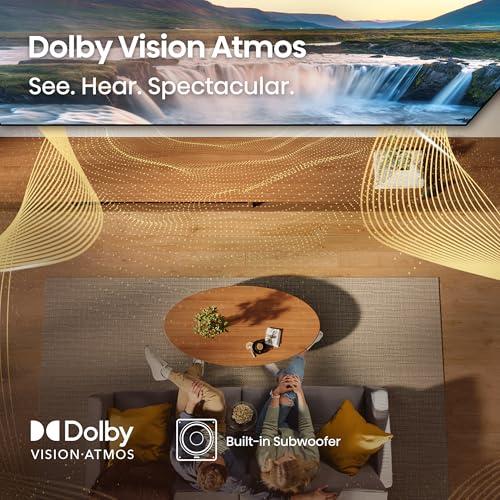
The QD6 includes a 50-watt Dolby Atmos system that's adequate for casual viewing but will likely leave you wanting more for movie nights. The speakers are positioned to bounce sound off the ceiling for the Atmos effect, but the results are modest.
The UX Series features a more sophisticated CineStage X audio system with a 4.2.2 configuration. This means four main speakers, two bass drivers, and two height speakers for Dolby Atmos effects. The improvement is noticeable, though I still recommend planning for a soundbar or surround system with either TV.
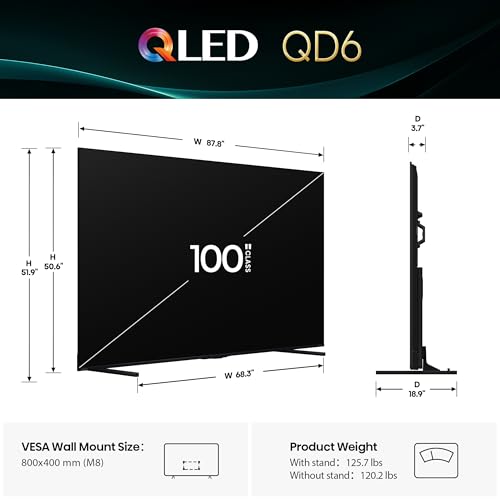
Installing either of these massive TVs requires serious planning. Both support VESA mounting, but you'll need professional installation unless you're very experienced with large displays.
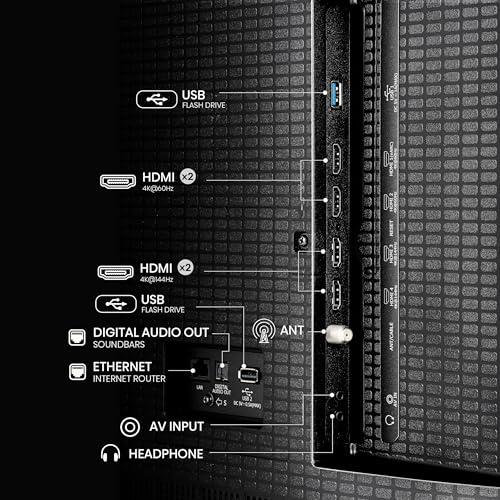
For home theater use, the UX Series integrates better with high-end systems. Its multiple HDMI 2.1 ports accommodate modern AV receivers, gaming consoles, and streaming devices without requiring an HDMI switcher. The superior contrast performance also means it works well in dedicated theater rooms with controlled lighting.
The QD6 works better in multi-purpose living spaces where you might be dealing with ambient light throughout the day. Its bright QLED panel cuts through glare reasonably well, though not as effectively as the UX Series' extreme brightness.
This decision ultimately comes down to priorities. The QD6 delivers an impressive 100-inch 4K experience at a price point that makes giant screens accessible to more buyers. If your primary goal is maximum screen size for the money, and you're willing to accept some compromises in picture quality, it's an excellent choice.
The UX Series costs significantly more but delivers flagship performance that justifies the premium. Every technical aspect – brightness, contrast, gaming features, smart platform, and audio – represents a meaningful upgrade. The 2-inch size difference becomes irrelevant when you consider the dramatic improvement in picture quality.
Choose the 100" QD6 if you're primarily motivated by screen size and want to maximize your entertainment space budget. It's perfect for sports viewing, casual movie watching, and creating an impressive centerpiece for your living room. The Fire TV platform works especially well if you're already using Amazon services and Echo devices.
Choose the 98" UX Series if picture quality is your priority and you want a TV that will remain impressive for years to come. The Mini-LED technology, superior gaming features, and Google TV platform create a more premium experience across the board. This is the choice for dedicated home theater enthusiasts and anyone who watches a lot of dark, cinematic content.
Having spent time with both types of technology, I lean toward the UX Series for most buyers who can afford the upgrade. The picture quality improvements are immediately apparent and continue to impress over time. The QD6 serves its purpose well, but the UX Series feels like a long-term investment in your entertainment experience.
The technology gap between these models illustrates how rapidly TV display technology continues advancing. Both represent significant improvements over TVs from just a few years ago, making either choice a substantial upgrade for most home entertainment setups.
| Hisense 100" QD6 Series QLED 4K UHD Fire TV 2025 | Hisense 98" UX Series 4K Mini-LED ULED Google TV |
|---|---|
| Screen Size - Actual viewing area difference | |
| 100 inches (99.5" actual) | 98 inches |
| Display Technology - Core difference affecting picture quality | |
| QLED with Quantum Dot color, no local dimming | Mini-LED with 10,000+ local dimming zones |
| Peak Brightness - Critical for HDR and bright room viewing | |
| ~400-500 nits (struggles in bright rooms) | 5,000+ nits (excellent for any lighting condition) |
| Contrast Performance - Most noticeable difference in dark scenes | |
| Limited contrast, washed-out blacks | Near-OLED contrast with true blacks |
| Smart Platform - Daily user experience and app ecosystem | |
| Fire TV with Alexa integration | Google TV with superior content discovery |
| Gaming Performance - Next-gen console compatibility | |
| 120Hz native, 144Hz Game Mode Pro, basic VRR | Up to 144Hz with comprehensive VRR and Dolby Vision Gaming |
| HDMI 2.1 Ports - Future-proofing for 4K/120Hz devices | |
| 2 HDMI 2.1 ports | Multiple HDMI 2.1 ports |
| Audio System - Built-in sound quality | |
| 50W Dolby Atmos (adequate for casual viewing) | CineStage X 4.2.2-channel system (significantly better) |
| HDR Support - High dynamic range format compatibility | |
| Dolby Vision, HDR10, HDR10+, HLG | Full HDR suite with superior brightness for proper HDR |
| Price Point - Value proposition | |
| Budget-friendly for 100" QLED | Premium pricing for flagship Mini-LED technology |
| Best For - Target buyer profile | |
| Size-focused buyers wanting maximum screen real estate | Picture quality enthusiasts prioritizing performance over size |
The Hisense 98" UX Series is significantly better for home theater use. Its Mini-LED technology with 10,000+ local dimming zones creates true blacks and exceptional contrast, which is crucial for dark room movie watching. The 5,000+ nit peak brightness also delivers proper HDR performance that matches what filmmakers intended. While the Hisense 100" QD6 Series offers a larger screen, its lack of local dimming makes dark scenes appear washed out in theater environments.
The QD6 Series uses QLED technology, which adds quantum dots for better colors but relies on standard LED backlighting without local dimming. The UX Series uses Mini-LED technology with thousands of tiny LEDs that can dim independently, creating much better contrast and deeper blacks. Mini-LED essentially combines the brightness advantages of LED with contrast performance that rivals OLED TVs.
The Hisense 98" UX Series offers superior gaming performance with comprehensive VRR support, AMD FreeSync Premium Pro, and Dolby Vision Gaming. It handles 4K gaming at up to 144Hz with minimal input lag. The QD6 Series supports gaming at 120Hz with basic VRR, but the UX Series provides a more polished gaming experience with better motion handling and HDR gaming optimization.
The UX Series is dramatically brighter, reaching over 5,000 nits peak brightness compared to the QD6's estimated 400-500 nits. This means the UX Series can display HDR content properly and works well in bright rooms with lots of ambient light, while the QD6 is better suited for darker viewing environments.
This depends on your ecosystem preferences. The QD6's Fire TV integrates excellently with Amazon services and Alexa devices, making it ideal if you use Prime Video frequently and have Echo speakers. The UX Series' Google TV offers better content discovery across all streaming services, a more responsive interface, and wider app compatibility, making it better for most users.
At typical viewing distances (10-12 feet), the 2-inch difference between the 100" QD6 and 98" UX Series is barely noticeable. The picture quality improvements of the UX Series' Mini-LED technology are far more impactful than the slight size advantage of the QD6. Most buyers won't miss those 2 inches when they experience the superior contrast and brightness.
The QD6 Series offers better value if you prioritize screen size and want the most inches per dollar. However, the UX Series provides better long-term value through superior technology that will remain impressive for years. The UX Series justifies its higher price with flagship-level performance across brightness, contrast, gaming, and smart features.
The UX Series has significantly better audio with its CineStage X 4.2.2-channel system compared to the QD6's basic 50W Dolby Atmos setup. However, both TVs will benefit from external speakers or a soundbar for the best audio experience, especially given their massive screen sizes that create expectations for room-filling sound.
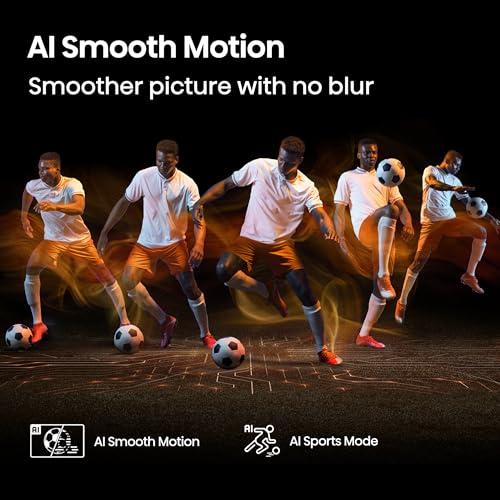
Both TVs handle sports well, but the QD6 Series might have a slight edge due to its larger 100-inch screen creating more stadium-like immersion. However, the UX Series offers better motion handling and brightness for daytime sports viewing. If you watch sports in a bright room, the UX Series' superior brightness makes it the better choice.
Yes, both the QD6's Fire TV and UX Series' Google TV support all major streaming services including Netflix, Disney+, HBO Max, Apple TV+, and more. Google TV tends to have slightly wider app compatibility and gets new apps sooner, but both platforms cover the essential streaming services most people use.
The Hisense 98" UX Series is much better for bright rooms due to its 5,000+ nit peak brightness and advanced anti-glare technology. It can cut through ambient light effectively while maintaining good picture quality. The QD6 Series struggles more in bright environments and is better suited for rooms where you can control the lighting.
The UX Series is more future-proof with multiple HDMI 2.1 ports supporting full 4K/144Hz bandwidth and comprehensive VRR technologies. The QD6 Series has fewer HDMI 2.1 ports and more basic gaming features. For long-term use with evolving gaming and streaming devices, the UX Series offers better connectivity and feature support.
We've done our best to create useful and informative comparisons to help you decide what product to buy. Our research uses advanced automated methods to create this comparison and perfection is not possible - please contact us for corrections or questions. These are the sites we've researched in the creation of this article: bestbuy.com - youtube.com - tvsbook.com - rtings.com - youtube.com - youtube.com - bestbuy.com - leaseville.com - pcrichard.com - bestbuy.com - youtube.com - hisense-usa.com - manuals.plus - hisense-usa.com - hisense-usa.com - brandsmartusa.com - bestbuy.com - walmart.com - stealthoptional.com - youtube.com - soundandvision.com - youtube.com - hdtvtest.co.uk - avsforum.com - hisense-canada.com - fouanistore.com - displayspecifications.com

Privacy Policy
Terms and Conditions - Affiliate Policy
Home Security
© Copyright 2008-2026.
11816 Inwood Rd #1211, Dallas, TX 75244