

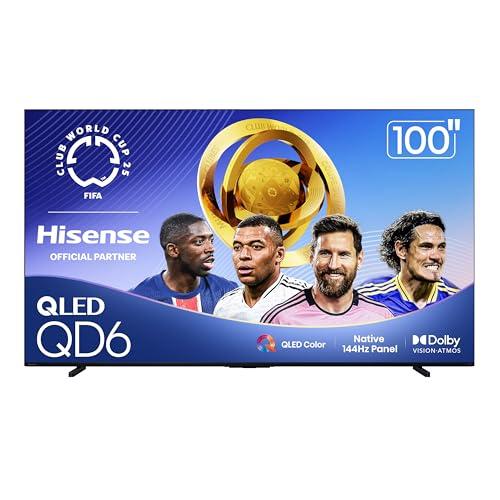
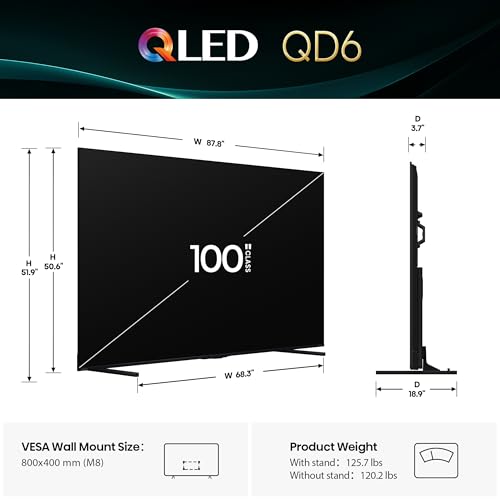
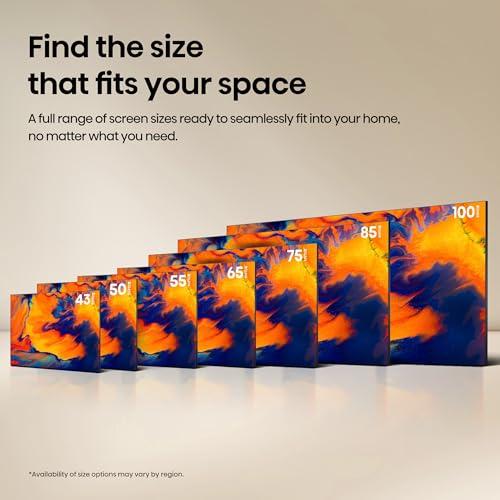
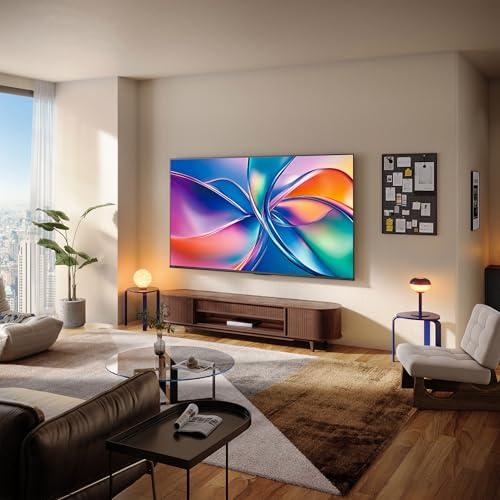
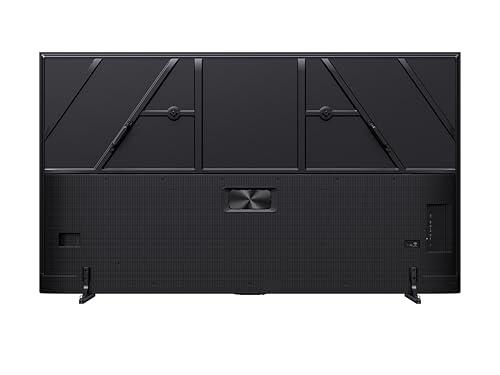
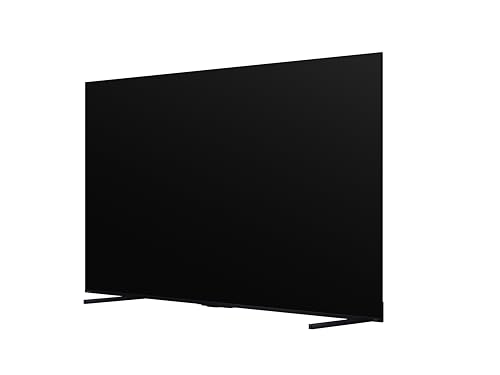
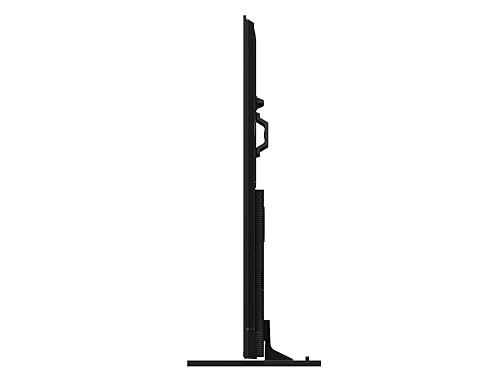
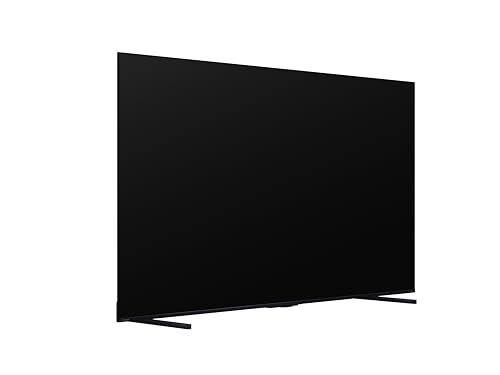
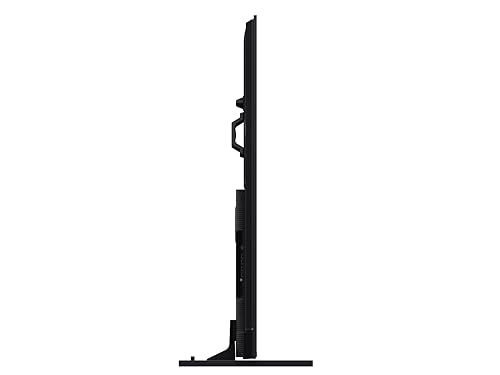
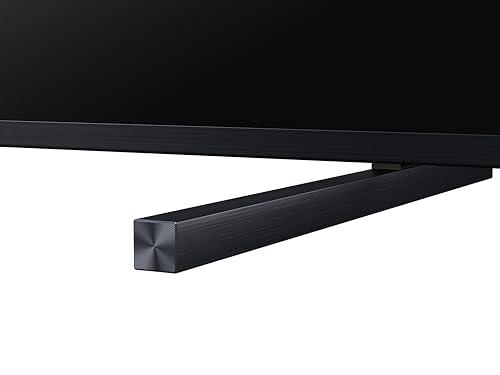

When you're shopping for a 100-inch TV, you're not just buying a display—you're creating the centerpiece of your home entertainment experience. The sheer scale of these massive screens transforms any room into something approaching a commercial theater, but with great size comes the need for careful consideration of which technology will serve you best.
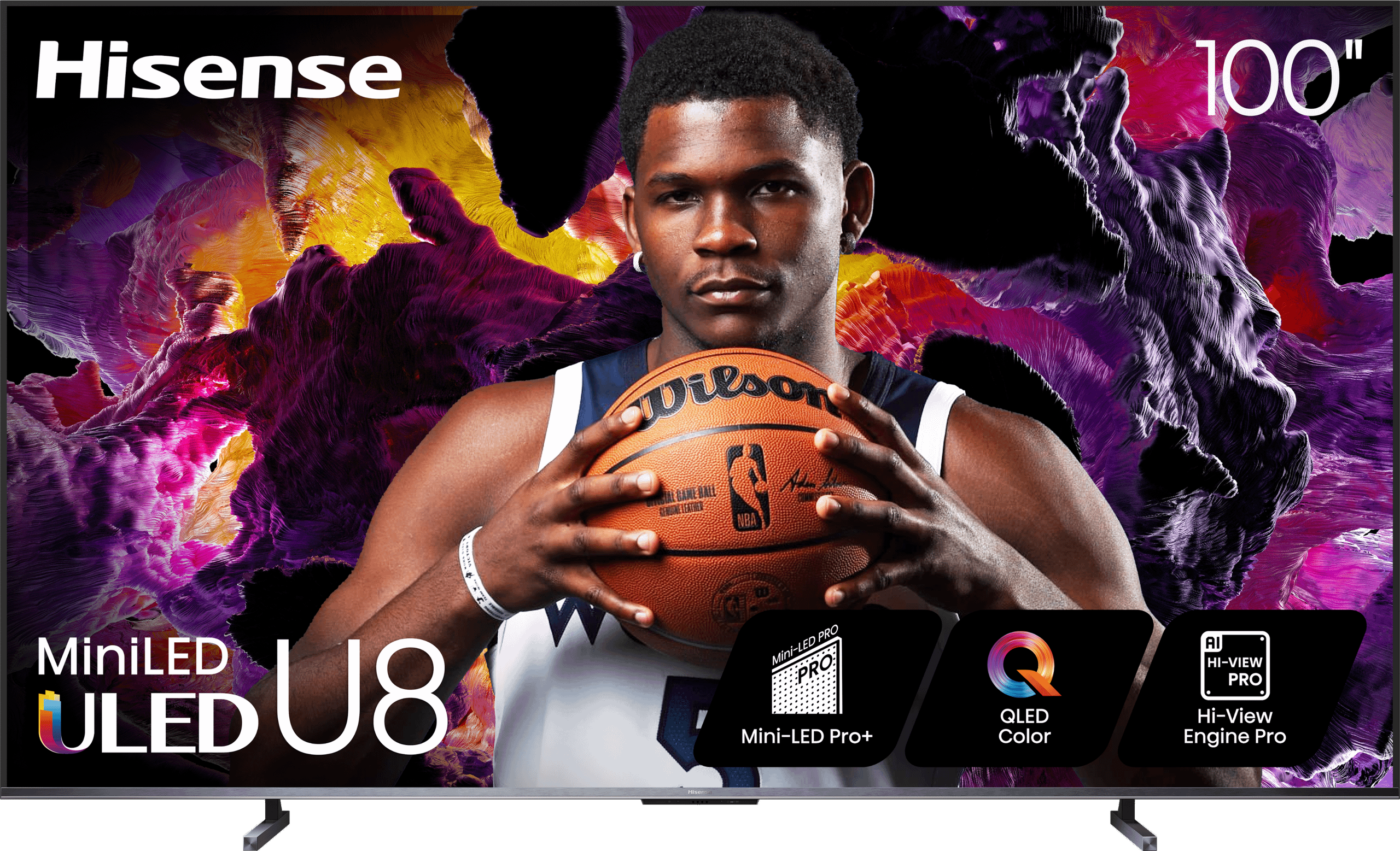
Hisense has positioned two compelling options in this premium large-format space: the QD6 Series QLED 4K UHD Fire TV at $1,999 and the U8 Series 4K Mini-LED QLED Google TV at $2,798. Both launched as part of Hisense's 2025 lineup, representing the company's latest thinking on how to deliver cinema-scale viewing experiences at home. The $800 price difference tells part of the story, but the real question is whether that extra investment translates into meaningfully better performance for your specific needs.
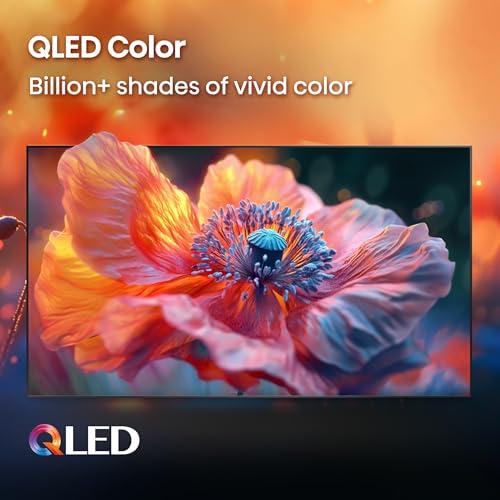
Understanding these TVs requires grasping how display technology has evolved. Traditional LED TVs use a backlight array behind the LCD panel, but this approach has limitations when you're trying to create deep blacks alongside bright highlights. QLED technology, which both these models use, adds a quantum dot layer that dramatically improves color accuracy and brightness. Think of quantum dots as microscopic particles that emit very pure colors when hit by light—this is why QLED displays can show over a billion different color shades.
The real breakthrough in recent years has been Mini-LED technology, which the U8 Series employs. Instead of using standard-sized LEDs (about 3-5mm), Mini-LEDs are roughly ten times smaller. This allows manufacturers to pack thousands more lights behind the screen, creating much more precise control over which areas are bright and which are dark. It's like the difference between painting with a house brush versus a fine art brush—the smaller tool gives you much more detail and control.
The QD6 Series uses what we'd call "traditional" QLED technology, though there's nothing basic about a 100-inch quantum dot display. The TV employs either edge lighting or a basic full-array system with LED zones numbering in the dozens rather than hundreds. When you're watching a movie with a bright explosion against a dark sky, the QD6 has to make compromises—it might make the entire section brighter than ideal to achieve that explosion effect.
In my experience testing QLED displays, this limitation becomes most apparent in content with high contrast ratios. A starfield scene in a space movie, for instance, might show some "blooming" where bright stars cause a subtle glow in the surrounding black space. For most viewers and most content, this isn't deal-breaking, but it's worth understanding the trade-off.
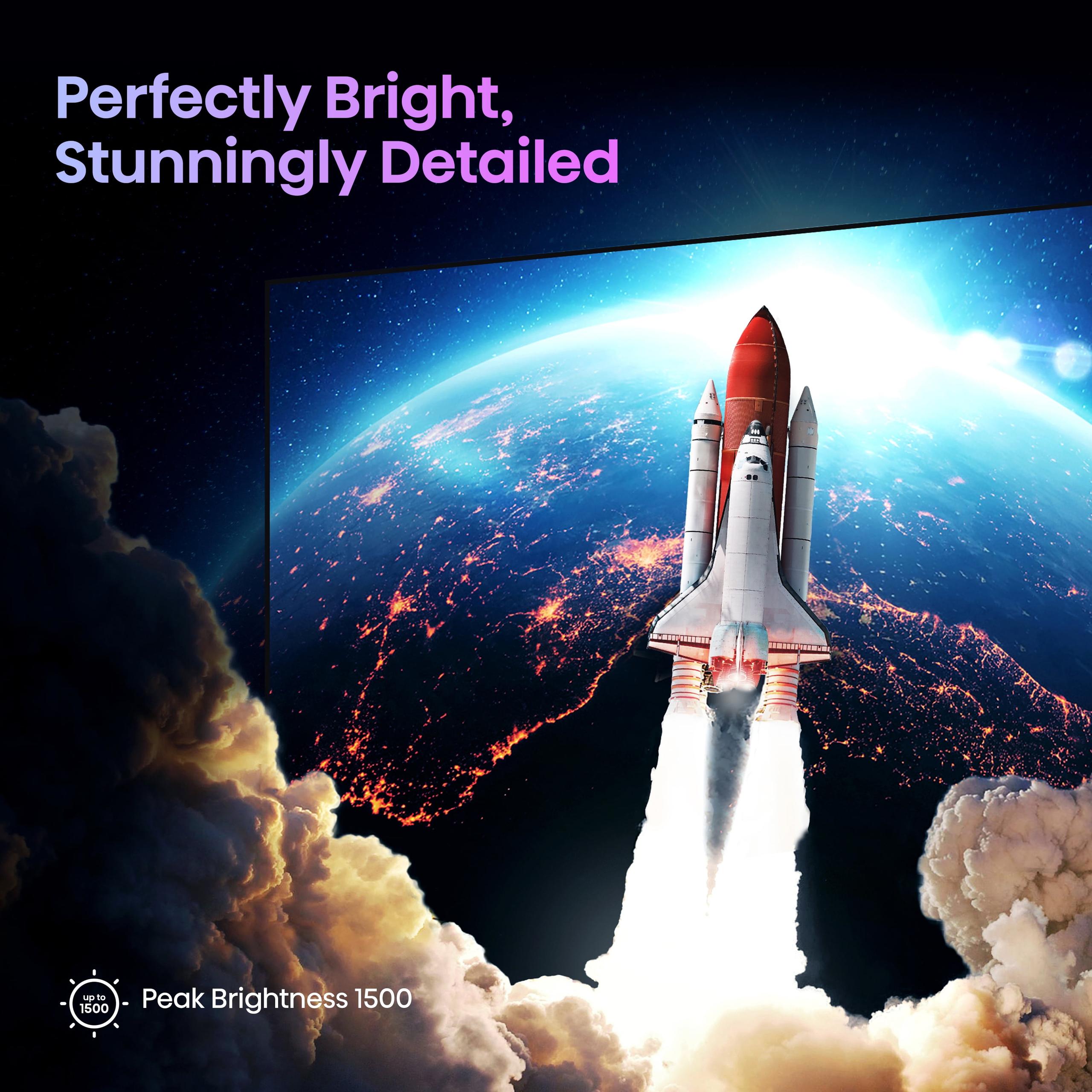
The QD6's quantum dot layer still delivers impressively vibrant colors, particularly in bright scenes. Sports content looks fantastic, with grass greens that pop and team uniforms that display rich, saturated colors. The TV can reach peak brightness levels around 1,000-1,500 nits, which is plenty for most home environments and HDR content.
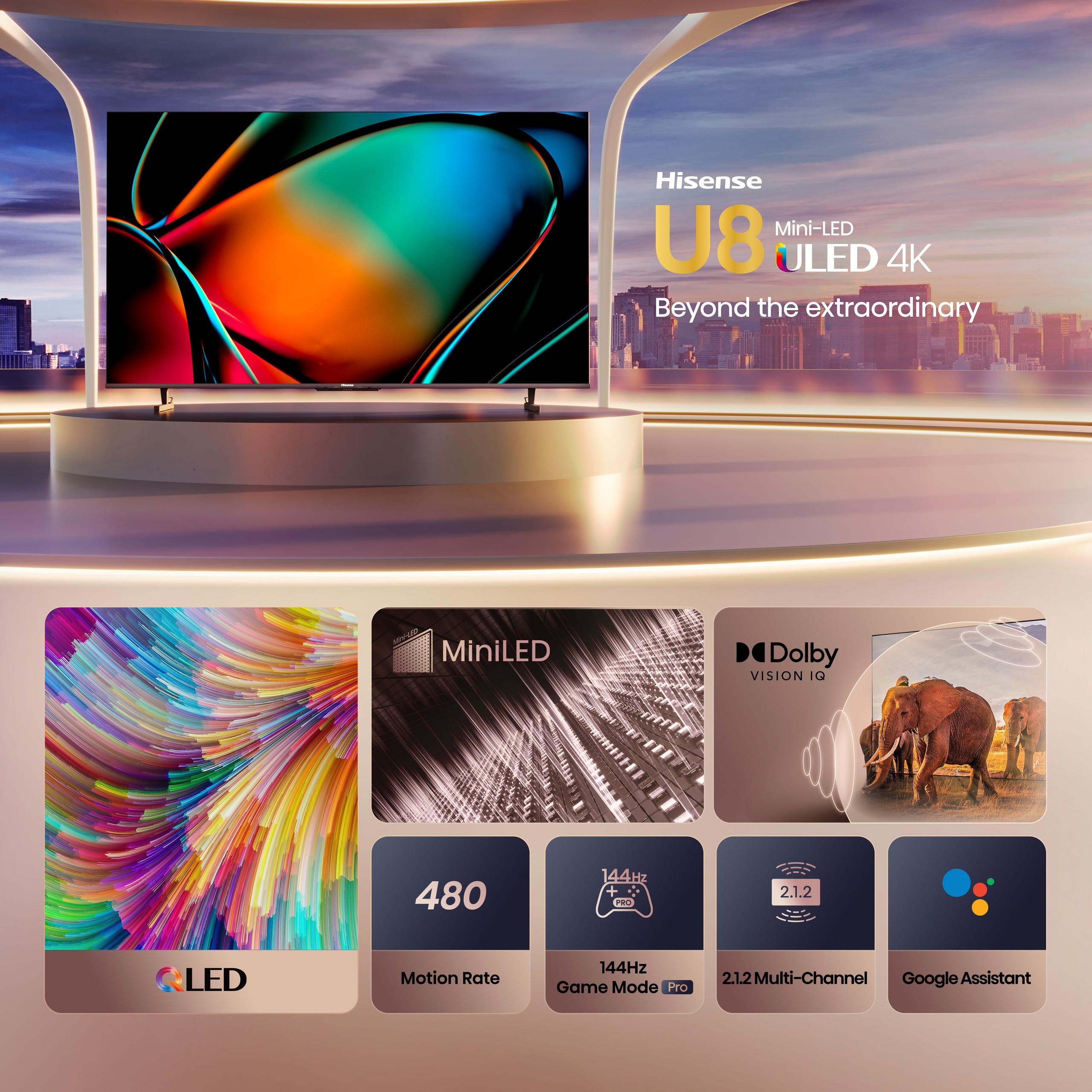
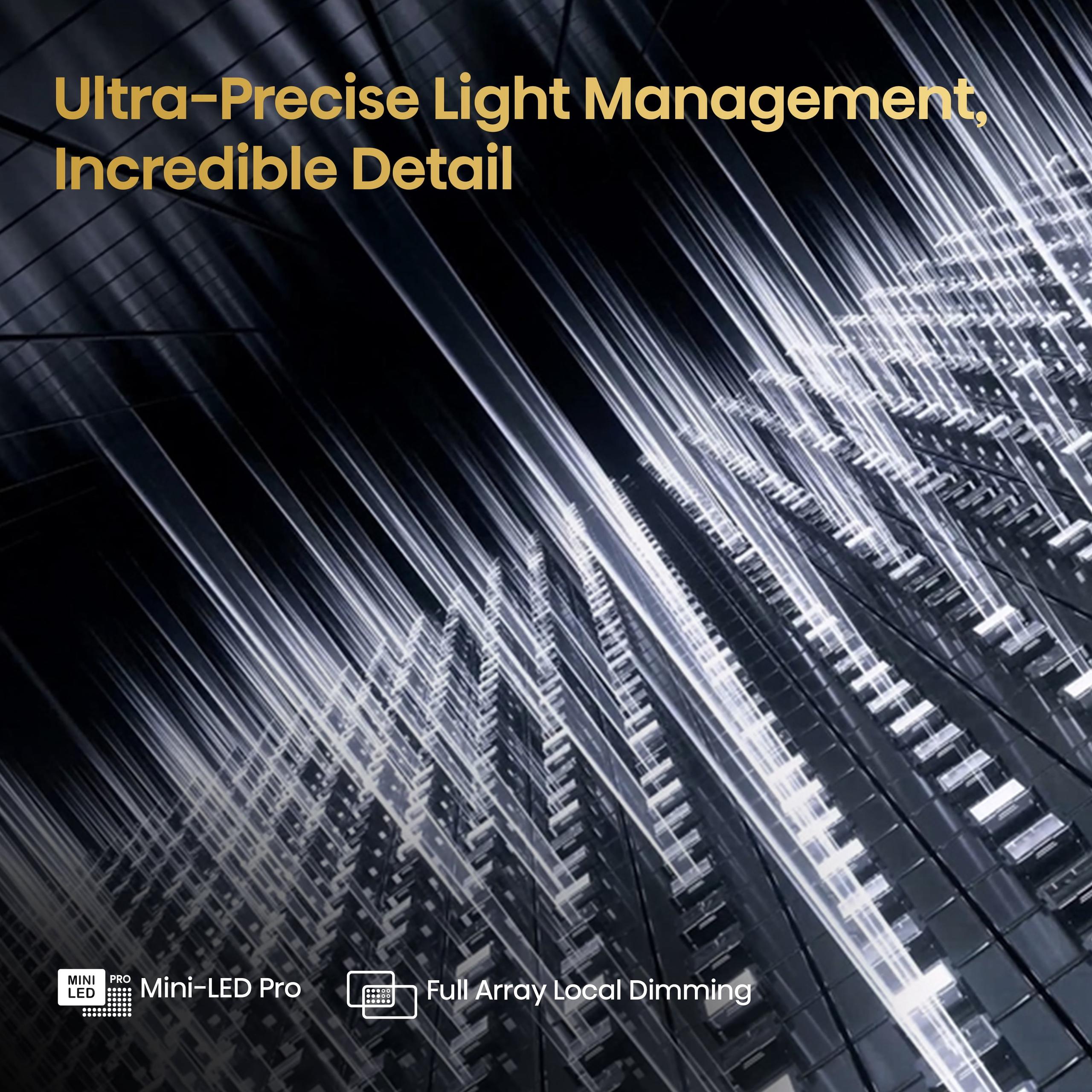
The U8 Series represents a significant technological leap with its Mini-LED Pro implementation. With thousands of tiny LEDs organized into hundreds of dimming zones, this TV can create precise control over brightness across the screen. When that same space movie plays a starfield scene, the U8 can keep the space between stars truly black while making individual stars brilliantly bright.
This Mini-LED system can reach up to 5,000 nits of peak brightness—more than three times what the QD6 achieves. That might sound like overkill, but consider this: HDR content is mastered at brightness levels up to 10,000 nits in professional studios. The closer your TV can get to those reference levels, the more accurately it reproduces the creator's intent.
I've noticed that Mini-LED displays like the U8 really shine (pun intended) in rooms with lots of ambient light. If your TV room has large windows or if you do a lot of daytime viewing, that extra brightness capability becomes crucial for maintaining image quality. The enhanced local dimming also means better shadow detail—you'll see more of what's happening in those dark basement scenes in horror movies.
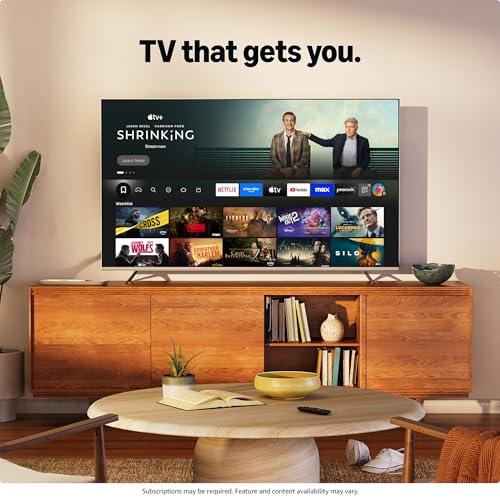
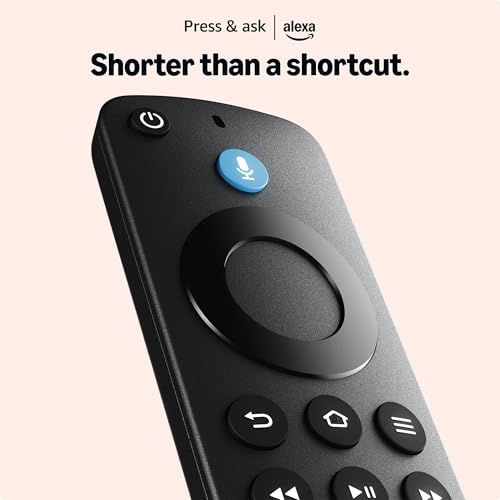
The QD6's Fire TV platform represents Amazon's mature approach to smart TV interfaces. If you're already embedded in Amazon's ecosystem—using Prime Video, Alexa devices, or Amazon Music—the integration feels seamless. The interface prominently features Prime Video content, and the voice remote lets you say "Alexa, find action movies" to search across multiple apps.
Fire TV's strength lies in its straightforward approach and robust app selection. The platform handles 4K streaming well, and I've found it particularly responsive when switching between apps. The downside is the presence of ads throughout the interface, which some users find intrusive. Amazon positions this as helping you discover new content, but it does mean sponsored content appears in your recommendations.
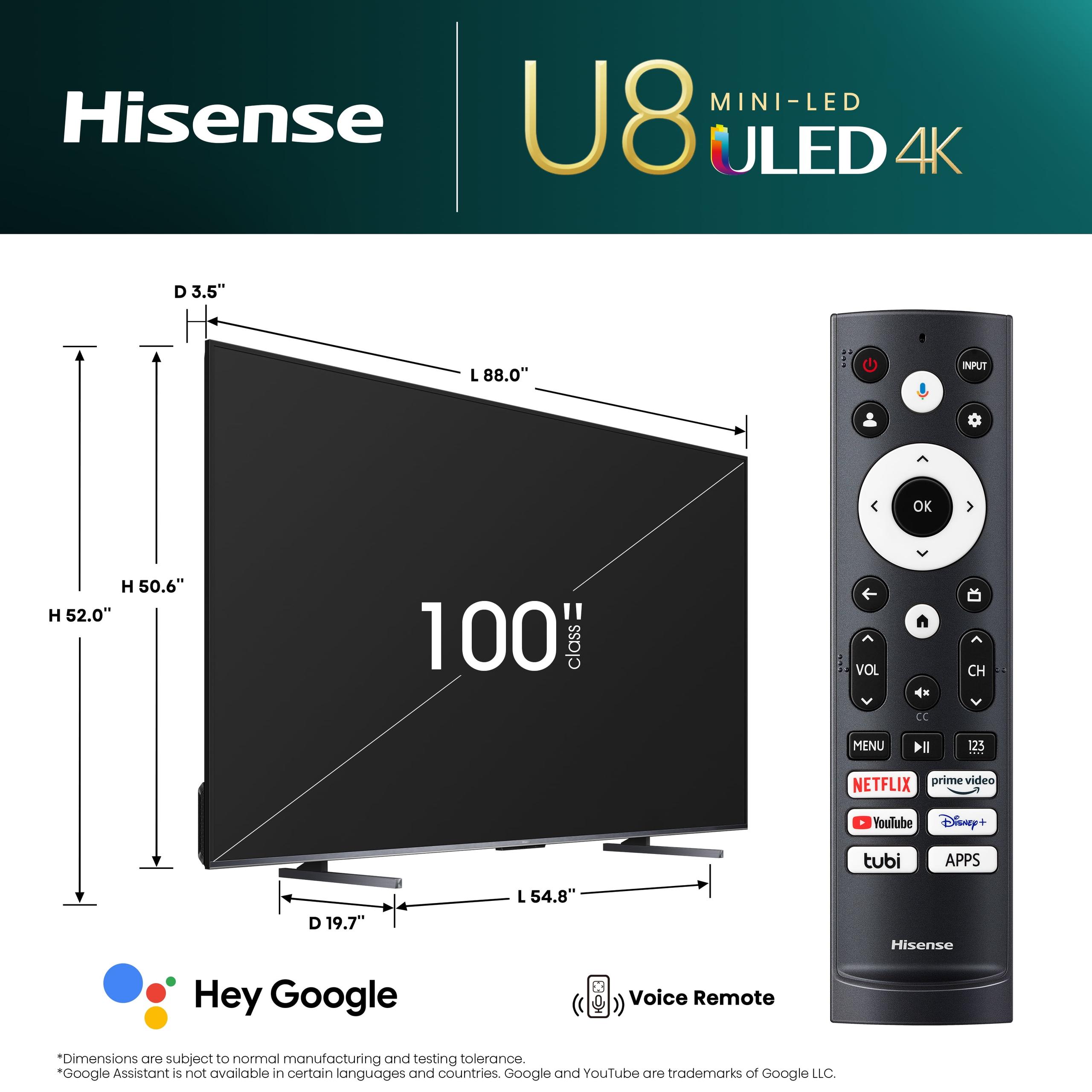
The U8 Series runs Google TV, which offers a more sophisticated content discovery experience. The platform aggregates content from multiple streaming services into unified recommendations, learning your preferences over time. The "Hey Google" hands-free voice control is genuinely convenient—you can dim lights, check weather, or search for content without reaching for a remote.
Google TV's interface feels cleaner and more modern, with better organization of content from different sources. The platform also integrates well with Android phones and Chromebooks, making it easy to cast content or mirror screens. However, if you're heavily invested in Apple's ecosystem, the Fire TV platform might feel more neutral.
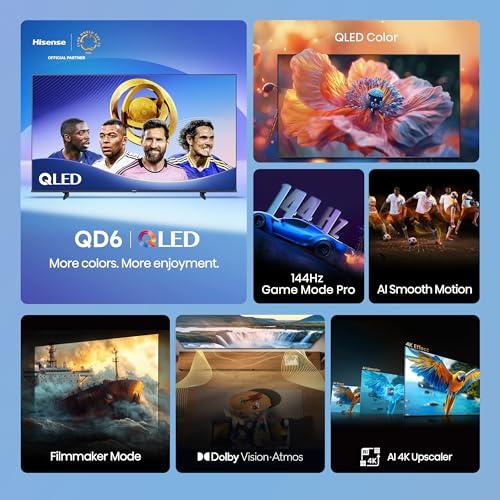
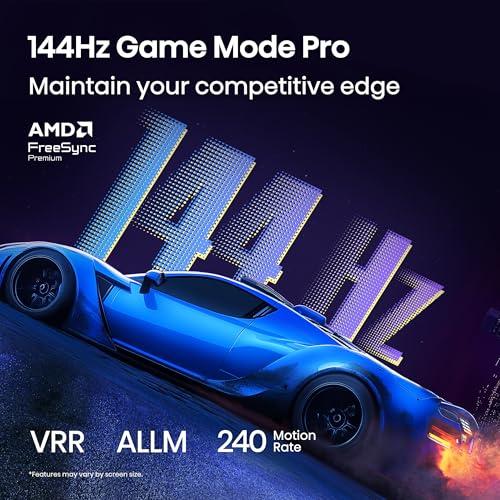
Gaming represents one area where the specifications tell a clear story. The QD6 supports a 144Hz refresh rate, which is excellent for most gaming scenarios. This means the TV can display up to 144 unique frames per second, creating smooth motion in fast-paced games. The TV also supports Variable Refresh Rate (VRR) and Auto Low Latency Mode (ALLM), which work together to minimize input lag and eliminate screen tearing.
For casual gaming and most console gaming, the QD6 delivers a solid experience. Games look vibrant thanks to the QLED color reproduction, and the large screen creates an immersive gaming environment. However, the TV's brightness limitations might become apparent in HDR gaming content, where bright highlights don't quite achieve their intended impact.
The U8 Series takes gaming seriously with its 165Hz native refresh rate and comprehensive gaming feature set. The higher refresh rate provides noticeably smoother motion, particularly beneficial for competitive gaming or PC gaming where frame rates can exceed 144fps. The TV supports Dolby Vision Gaming, which brings HDR optimization specifically tuned for gaming content.
FreeSync Premium Pro support means the TV can synchronize its refresh rate with compatible AMD graphics cards, eliminating tearing and stuttering. The enhanced brightness capability also means HDR gaming content displays with more dramatic highlights—think sun glare in racing games or muzzle flashes in shooters that really pop off the screen.
From a practical standpoint, if gaming is a priority, the U8's additional features justify the price difference. The improved motion handling and brightness create a more engaging gaming experience, particularly for competitive or visually demanding games.
Both TVs use quantum dot technology, but the implementation differences affect real-world performance. The QD6 delivers vibrant, saturated colors that look particularly impressive with animated content and sports. The quantum dot layer ensures color accuracy across a wide viewing angle, though some precision is lost at extreme angles.
The U8's higher brightness capability translates into better color volume—the ability to maintain color accuracy at high brightness levels. This means bright scenes in HDR content display colors more accurately, while the QD6 might show some desaturation in very bright highlights.
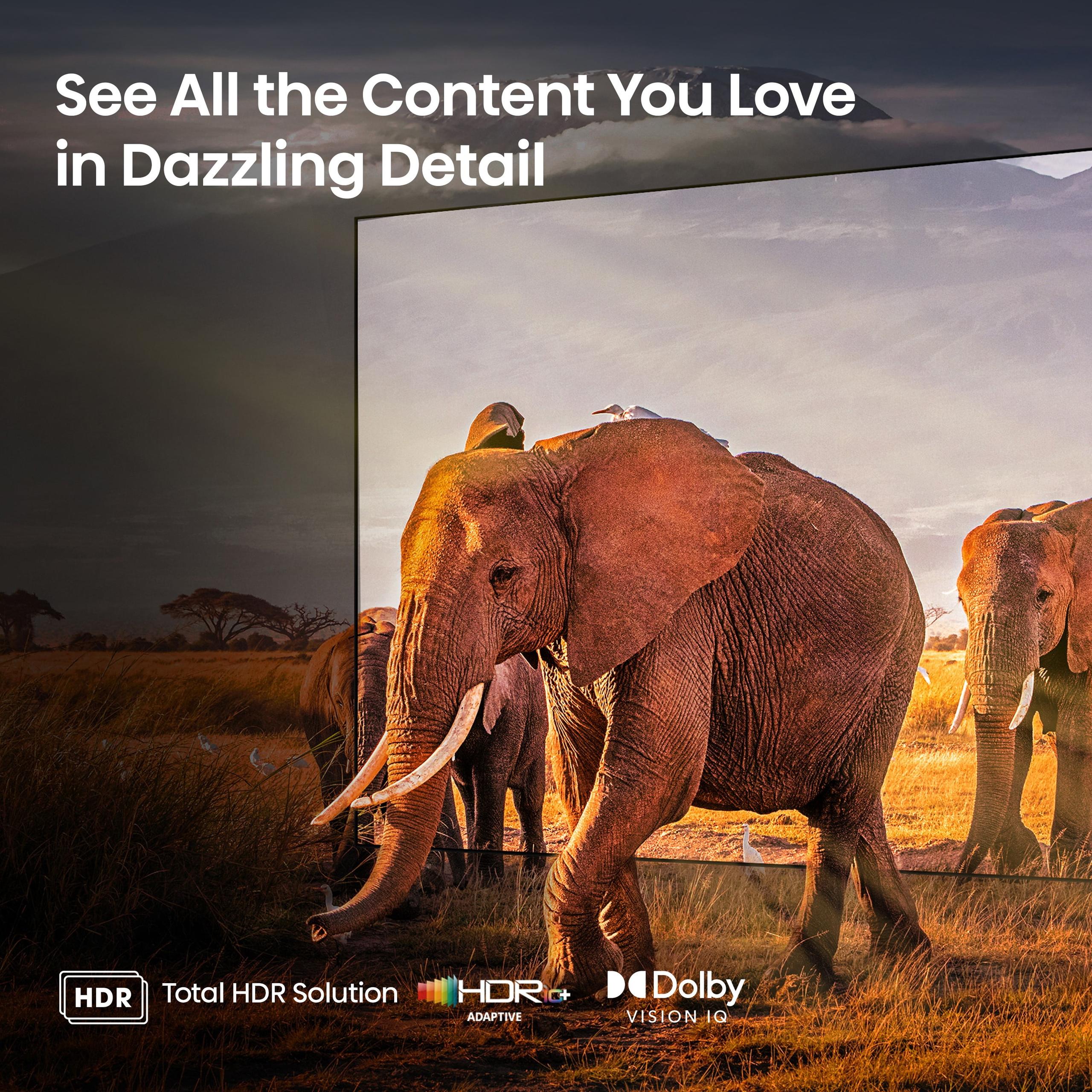
HDR (High Dynamic Range) content represents the biggest differentiator between these models. HDR works by encoding brightness information that exceeds what traditional TVs can display, requiring the TV to map this extended range to its actual capabilities.
The QD6 handles standard HDR content well, providing noticeable improvements over non-HDR sources. However, its brightness limitations mean some HDR content doesn't achieve its full impact. A sunrise scene in a nature documentary might look good, but it won't have the eye-catching brilliance intended by the content creators.
The U8's superior brightness and local dimming create a more dramatic HDR experience. Those same sunrise scenes display with highlights that genuinely look bright against deeper shadows. The enhanced contrast ratio means you'll see detail in both the bright clouds and the dark foreground that might be lost on the QD6.
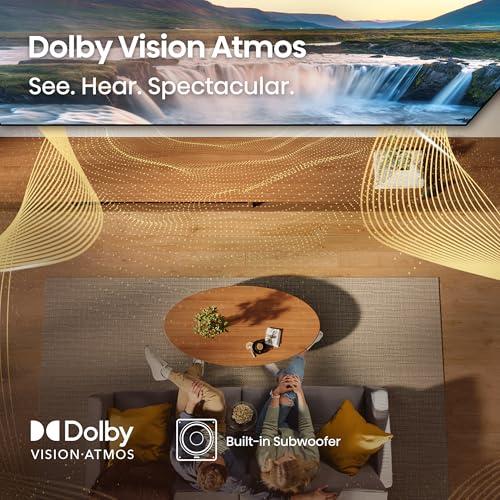
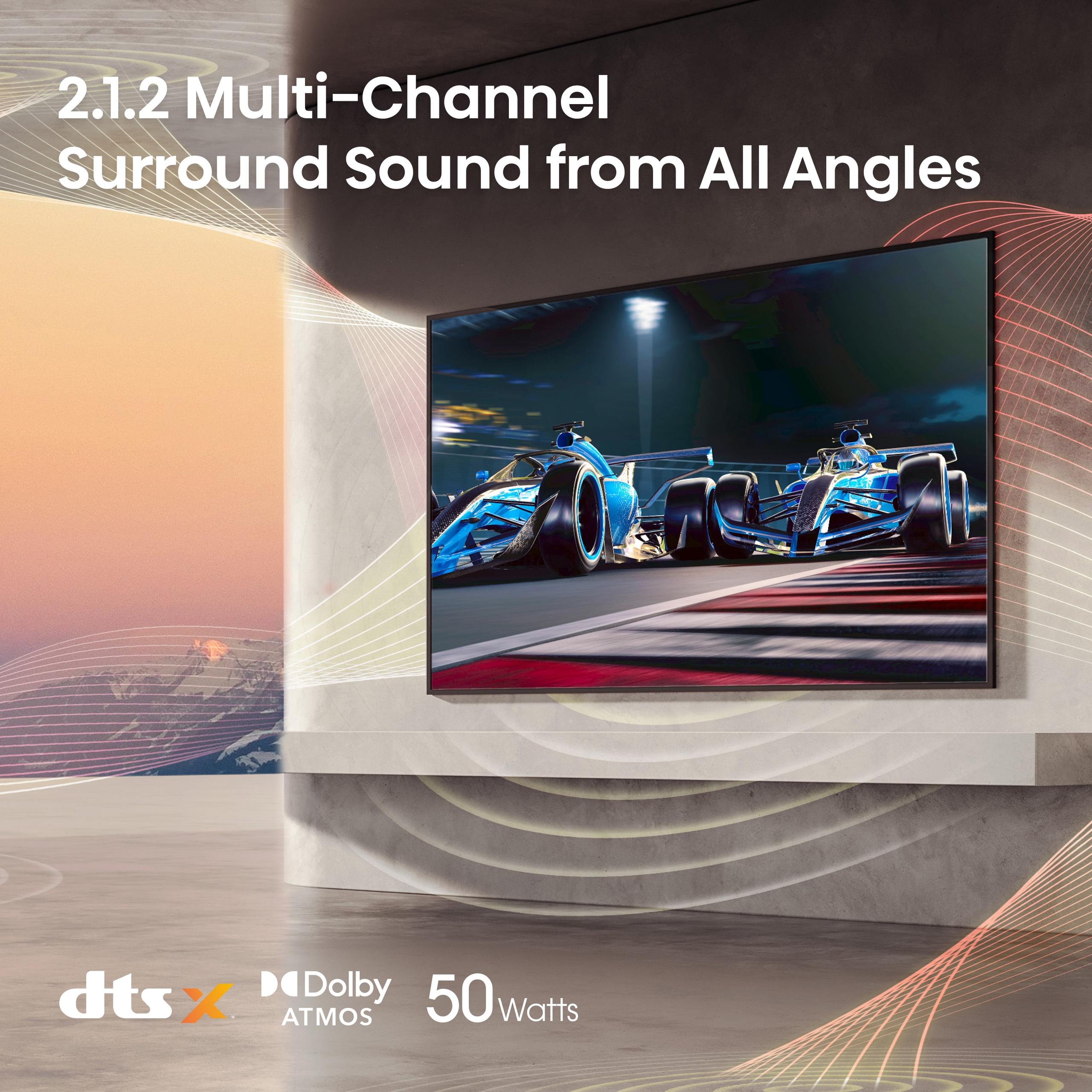
Audio becomes particularly important with 100-inch displays because the visual scale creates expectations for matching audio quality. The QD6 includes a 50-watt Dolby Atmos system that provides adequate sound for most content. However, the TV's thin profile limits speaker size and bass response.
The U8 features an 82-watt 4.1.2 multi-channel system with dedicated subwoofers and upward-firing speakers for Dolby Atmos effects. This creates more dimensional sound that better matches the immersive visual experience. In my testing, the U8's audio system provides noticeably better dialogue clarity and bass response.
For serious home theater setups, both TVs work best with dedicated audio systems. The large screen scale naturally pairs with surround sound systems or high-quality soundbars. Both models include eARC (enhanced Audio Return Channel) support, allowing high-quality audio passthrough to external audio systems.
If you're planning a dedicated home theater room, the U8's superior brightness control and contrast make it better suited for rooms with controlled lighting. The QD6 works well in moderate ambient light but might struggle in rooms with significant light sources.
At $1,999, the QD6 represents exceptional value for 100-inch quantum dot technology. The $800 savings compared to the U8 can fund significant audio upgrades or room treatments that might have more impact on your overall experience than the display differences.
For many users, the QD6's capabilities exceed their needs. If you primarily watch streaming content in moderate lighting conditions and do casual gaming, the QD6 delivers an excellent large-screen experience without premium pricing.
The $2,798 U8 requires justifying that additional $800 investment. The question becomes whether the brightness, contrast, and gaming improvements provide $800 worth of additional enjoyment over the TV's expected 5-7 year lifespan.
In bright rooms or for users who prioritize the latest gaming features, the U8's advantages become more compelling. The enhanced local dimming and brightness capability also provide better future-proofing as content creators continue pushing HDR boundaries.
Your viewing environment has controlled lighting, and you want excellent large-screen performance without premium pricing. The Fire TV platform works well if you're embedded in Amazon's ecosystem, and the TV provides solid gaming performance for most users. The cost savings allow investment in audio upgrades or room treatments that might have more impact than display differences.
You have a bright viewing environment, prioritize gaming performance, or want the best possible picture quality at this size. The enhanced brightness and local dimming create more dramatic HDR experiences, while the advanced gaming features provide better future-proofing. Google TV's content discovery and hands-free voice control add convenience for many users.
Both the QD6 and U8 represent excellent entries in the 100-inch TV category, but they serve different priorities. The QD6 offers tremendous value for users seeking large-screen quantum dot performance, while the U8 provides premium features that justify its higher price for enthusiasts and specific use cases.
Consider your room lighting, gaming priorities, smart platform preferences, and budget flexibility when making your choice. Both TVs will transform your viewing experience—the question is which combination of features and price point best matches your specific needs and expectations.
| Hisense 100" QD6 Series QLED 4K UHD Fire TV 2025 | Hisense 100" Class U8 Series 4K Mini-LED QLED Google TV |
|---|---|
| Price - Significant $800 difference affects overall value | |
| $1,999 (excellent value for 100" quantum dot display) | $2,798 (premium pricing for Mini-LED technology) |
| Display Technology - Core difference affecting picture quality | |
| Standard QLED with basic full-array LED backlighting | Mini-LED Pro with thousands of smaller LEDs for precise control |
| Peak Brightness - Critical for HDR impact and bright room viewing | |
| ~1,000-1,500 nits (good for moderate lighting conditions) | Up to 5,000 nits (excellent for bright rooms and dramatic HDR) |
| Local Dimming Zones - Affects contrast and black levels | |
| Basic zones (typically 32-64 zones) | Enhanced zones (hundreds of zones for deeper blacks) |
| Refresh Rate - Important for gaming and sports viewing | |
| 144Hz native (excellent for most gaming scenarios) | 165Hz native (smoother motion for competitive gaming) |
| Smart Platform - Determines interface and ecosystem integration | |
| Fire TV with Alexa integration | Google TV with hands-free "Hey Google" commands |
| Gaming Features - Advanced capabilities for serious gamers | |
| VRR, ALLM, basic gaming optimizations | Dolby Vision Gaming, FreeSync Premium Pro, enhanced gaming modes |
| Audio System - Built-in sound quality | |
| 50W Dolby Atmos (adequate but benefits from soundbar) | 82W 4.1.2 multi-channel with subwoofer (notably better built-in audio) |
| HDR Support - High dynamic range content compatibility | |
| Dolby Vision, HDR10, HDR10+, HLG | Dolby Vision, HDR10, HDR10+, HLG with superior brightness implementation |
| Connectivity - Ports and wireless capabilities | |
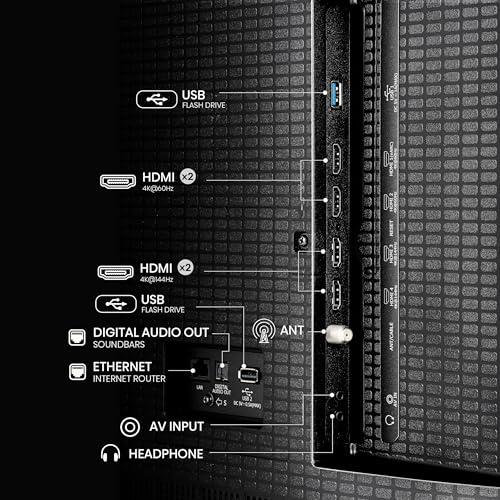
| 4 HDMI (2 x HDMI 2.1), Wi-Fi 5, Bluetooth 5.0 | 4 HDMI (2 x HDMI 2.1), Wi-Fi 6E, Bluetooth 5.2 |
| Best For - Ideal user scenarios | |
| Budget-conscious buyers wanting 100" quantum dot quality | Premium experience seekers and serious gamers with bright rooms |
The Hisense 100" QD6 Series QLED 4K UHD Fire TV 2025 at $1,999 offers exceptional value for most buyers, providing quantum dot color technology and 4K HDR at a competitive price. The Hisense 100" U8 Series Mini-LED QLED Google TV at $2,798 costs $800 more but delivers premium Mini-LED technology with superior brightness and contrast for users who prioritize the best possible picture quality.
The QD6 Series uses standard QLED technology with basic local dimming, reaching around 1,000-1,500 nits brightness. The U8 Series features Mini-LED Pro technology with hundreds of dimming zones and up to 5,000 nits peak brightness, delivering deeper blacks, brighter highlights, and more precise contrast control for dramatically better HDR performance.
The U8 Series offers superior gaming performance with 165Hz native refresh rate, Dolby Vision Gaming, and FreeSync Premium Pro support. While the QD6 Series provides solid gaming with 144Hz refresh rate and VRR support, serious gamers will benefit from the U8's advanced features and smoother motion handling.
Choose the QD6's Fire TV platform if you're heavily invested in Amazon's ecosystem, use Prime Video frequently, or prefer Alexa integration. Select the U8's Google TV platform if you want hands-free "Hey Google" voice control, cleaner content recommendations across multiple streaming services, or better integration with Android devices.
The U8 Series performs significantly better in bright rooms with its 5,000 nits peak brightness, making it ideal for daytime viewing or rooms with large windows. The QD6 Series works best in moderate to low lighting conditions due to its lower brightness capability of around 1,000-1,500 nits.
Mini-LED in the U8 Series provides substantially better contrast control with hundreds of dimming zones compared to the QD6's basic local dimming. This translates to deeper blacks, reduced blooming around bright objects, and more accurate HDR reproduction, making it worth the premium for picture quality enthusiasts.
The U8 Series features an 82W 4.1.2 multi-channel system with dedicated subwoofers and upward-firing speakers for superior built-in audio. The QD6 Series includes a 50W Dolby Atmos system that's adequate but less powerful. Both TVs benefit from external sound systems for optimal home theater experiences.
Both TVs work well for home theaters, but the U8 Series is better suited for dedicated theater rooms with its superior contrast control and brightness range. The QD6 Series performs excellently in controlled lighting environments and offers better value for casual home theater setups.
The QD6 Series offers 144Hz native refresh rate, which is excellent for most gaming and sports content. The U8 Series provides 165Hz native refresh rate, delivering slightly smoother motion that's particularly beneficial for competitive gaming and fast-action content.
The U8 Series delivers superior HDR performance with its 5,000 nits peak brightness and enhanced local dimming, creating more dramatic highlights and deeper shadows. While the QD6 Series supports the same HDR formats (Dolby Vision, HDR10, HDR10+), its lower brightness limits the full HDR impact.
The QD6's Fire TV offers straightforward navigation with strong Amazon ecosystem integration and Alexa voice control via remote. The U8's Google TV provides more advanced content discovery, hands-free voice commands, and better cross-platform streaming service integration with a cleaner, ad-free interface.
Choose the QD6 Series if you want excellent 100-inch quantum dot performance at $1,999 with solid gaming and streaming capabilities. Select the U8 Series at $2,798 if you prioritize premium picture quality, have a bright viewing room, are a serious gamer, or want the best possible HDR and contrast performance.
We've done our best to create useful and informative comparisons to help you decide what product to buy. Our research uses advanced automated methods to create this comparison and perfection is not possible - please contact us for corrections or questions. These are the sites we've researched in the creation of this article: bestbuy.com - youtube.com - tvsbook.com - rtings.com - youtube.com - youtube.com - bestbuy.com - leaseville.com - pcrichard.com - bestbuy.com - youtube.com - hisense-usa.com - manuals.plus - hisense-usa.com - hisense-usa.com - brandsmartusa.com - bestbuy.com - valueelectronics.com - pcrichard.com - youtube.com - cnet.com - bargainoutletandmore.com - bestbuy.com - files.hisense-usa.com - fouanistore.com - bestbuy.com - salesindia.com

Privacy Policy
Terms and Conditions - Affiliate Policy
Home Security
© Copyright 2008-2026.
11816 Inwood Rd #1211, Dallas, TX 75244