

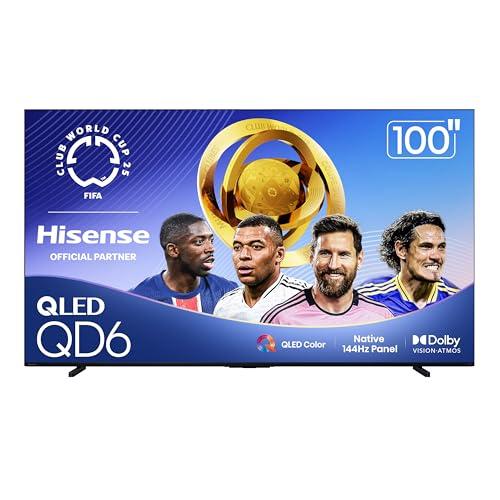
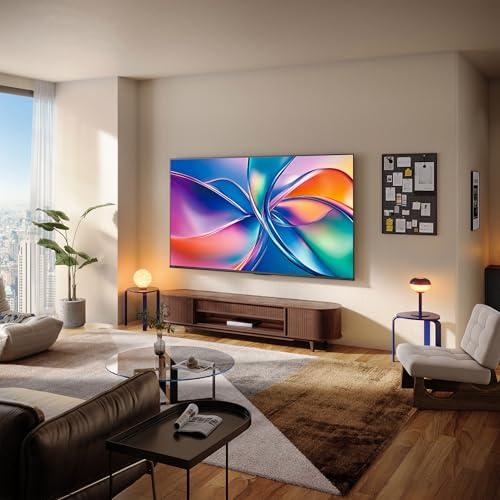
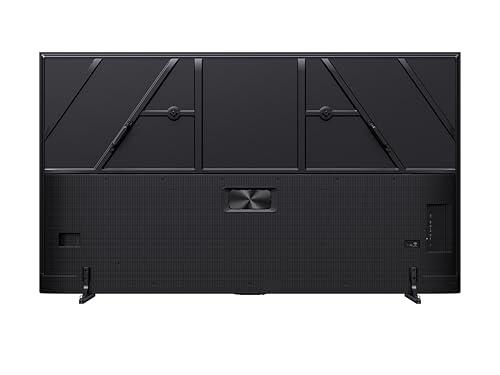
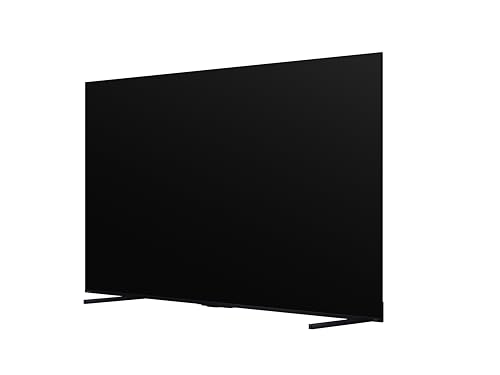
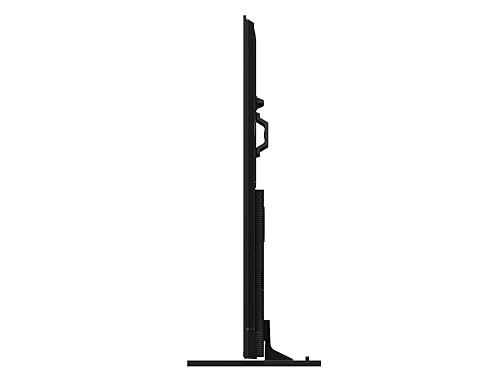
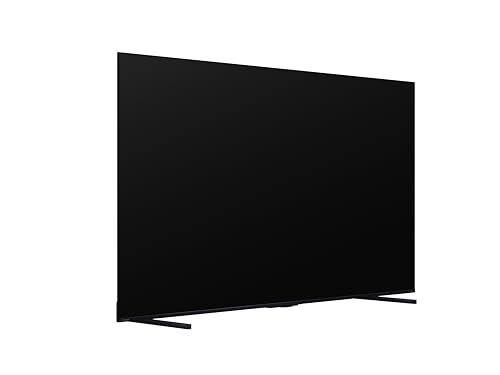
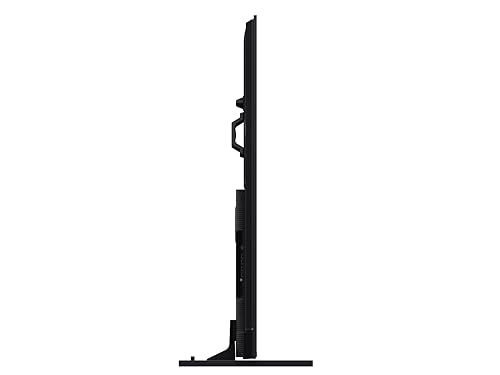
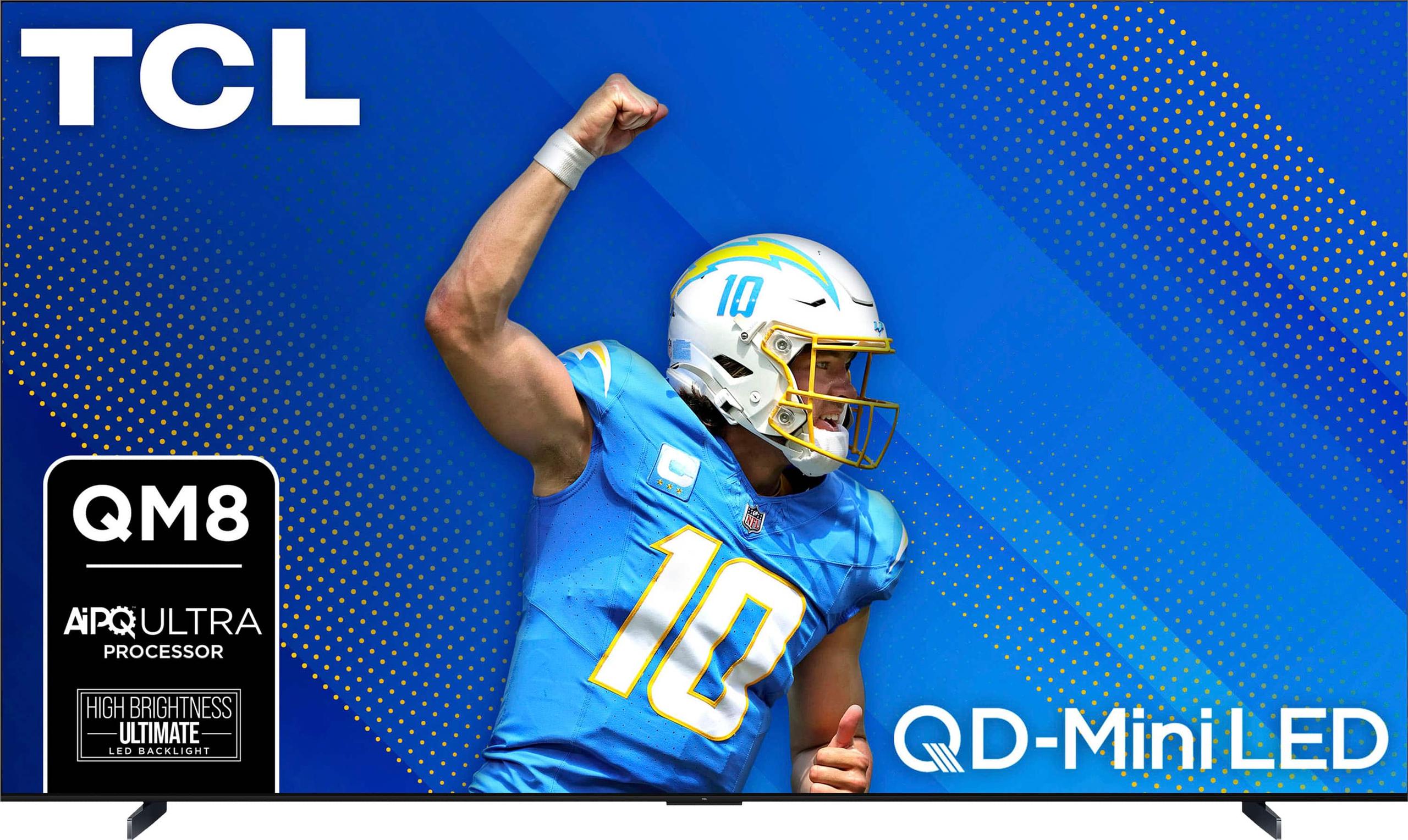
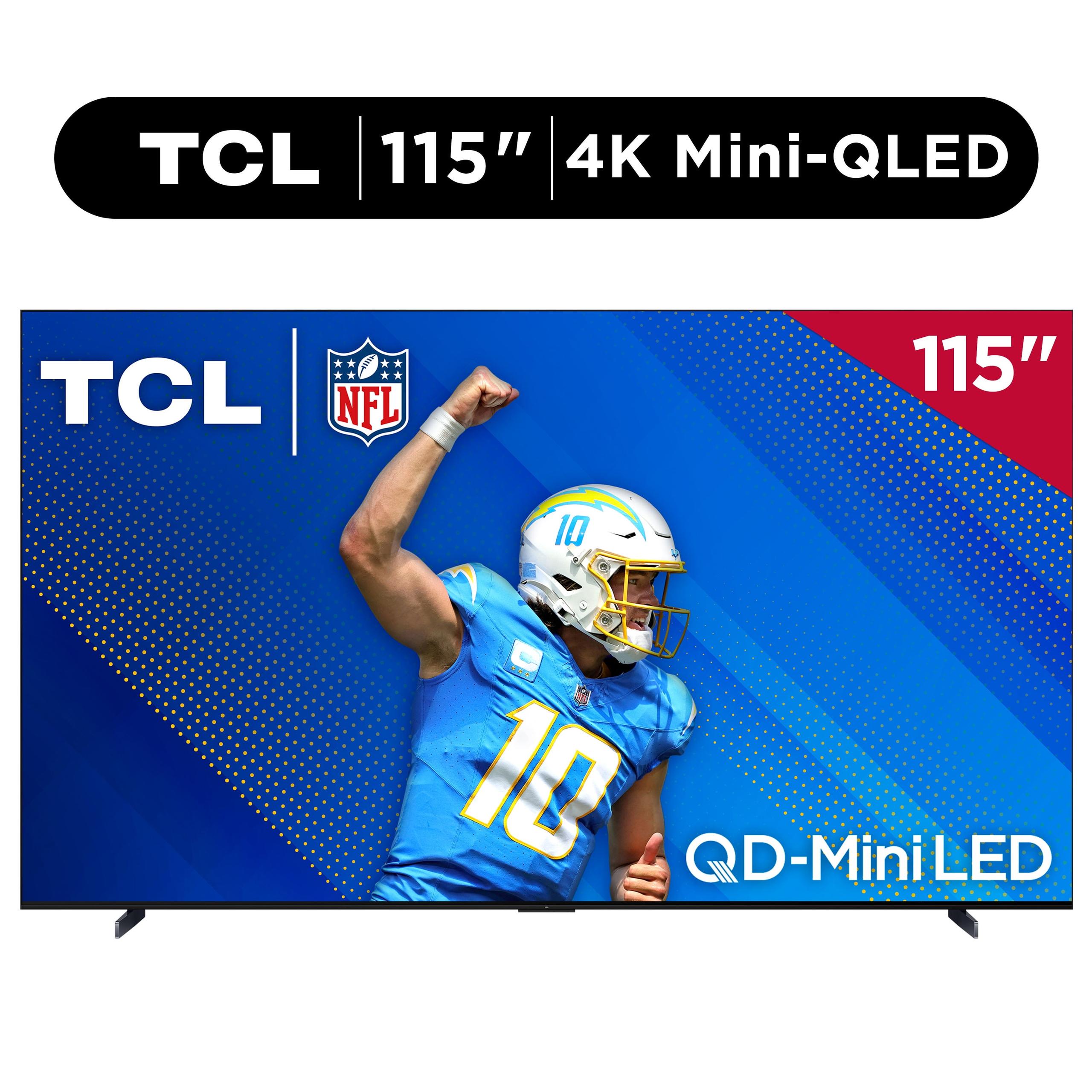

If you've been dreaming of turning your living room into a personal movie theater, you're probably looking at some seriously large TVs. Two models that have caught everyone's attention are the Hisense 100" QD6 Series QLED Fire TV ($1,999.99) and the TCL 115" QM8 Series Mini-LED Google TV ($19,998). While both promise cinema-sized entertainment, they take dramatically different approaches to get there – and the price difference tells quite a story.
Large premium TVs (anything 98 inches and above) represent a fascinating middle ground between traditional flat-panel TVs and projection systems. When I first started reviewing TVs in this category, the main question was always "why not just get a projector?" But modern large TVs have compelling answers: they work perfectly in bright rooms, require no special setup or screen, and deliver consistent performance without bulb replacements or complex calibration.
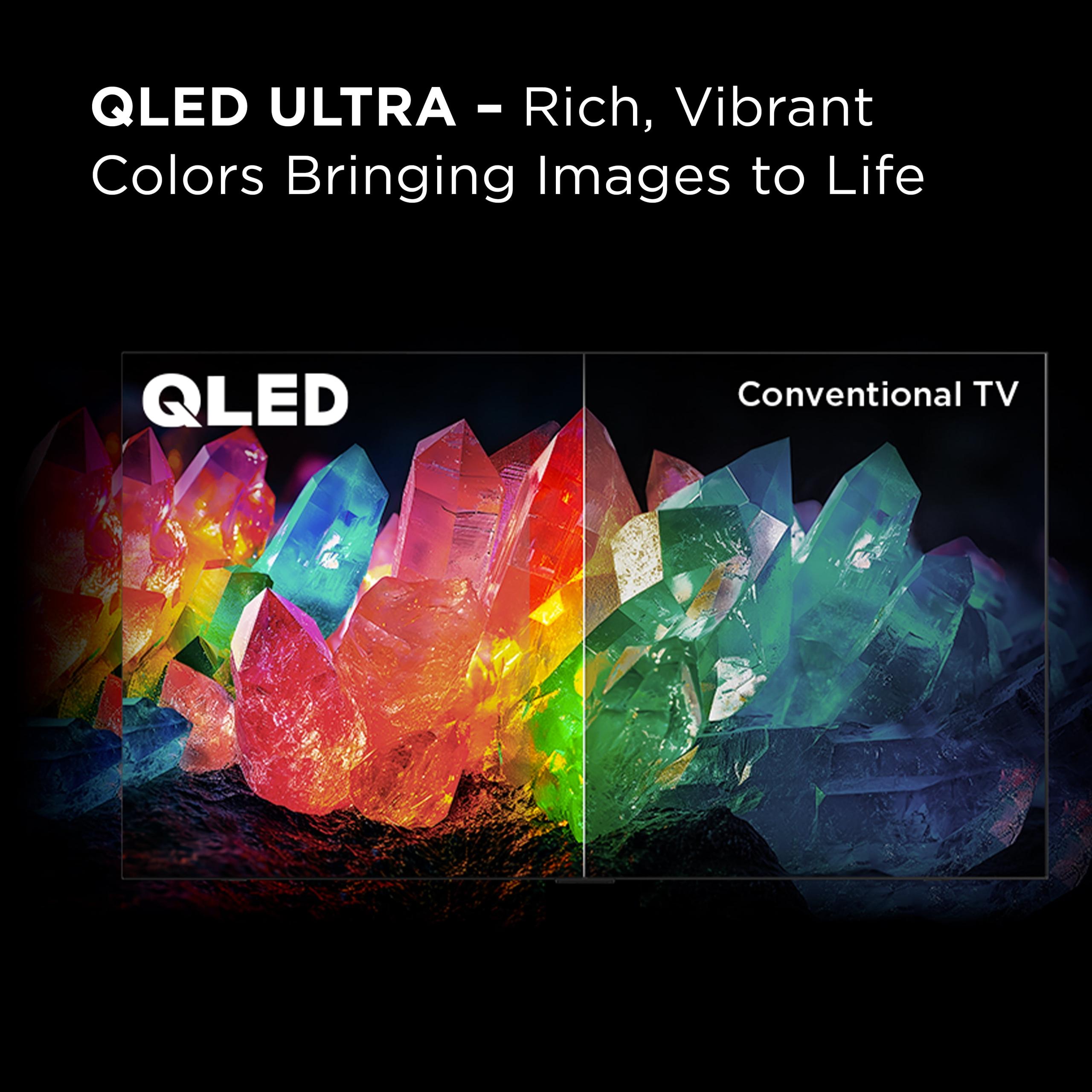
The technology behind these giants has evolved rapidly. QLED (Quantum Dot Light Emitting Diode) uses microscopic particles called quantum dots that emit specific colors when hit with blue light, creating more vibrant and accurate colors than traditional LCD panels. Mini-LED takes this further by using thousands of tiny LEDs as the backlight source, allowing for precise control over brightness in different areas of the screen – something called "local dimming zones."
Think of local dimming like having thousands of individual light switches instead of one room switch. When a movie scene shows a starry night sky, mini-LED can make the black areas truly dark while keeping the stars brilliantly bright. Traditional LED backlights struggle with this because they illuminate larger areas at once.
Both TVs launched in early 2025, but they represent different philosophies in TV design. The Hisense QD6 continues the brand's strategy of offering maximum screen size at aggressive prices, while the TCL QM8 showcases the latest premium technology regardless of cost.
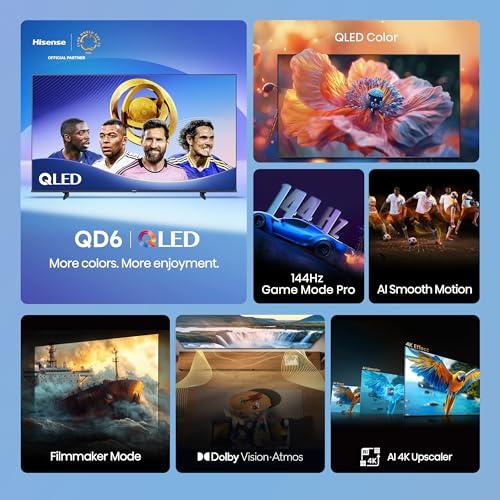
Hisense has been steadily improving their QLED implementation over the past few years. The 2025 QD6 series includes better color processing and improved HDR handling compared to their 2023 models, plus the addition of 144Hz gaming support – a feature that wasn't common in budget large-screen TVs until recently. The Fire TV platform integration has also matured, offering smoother performance and better app compatibility than earlier versions.
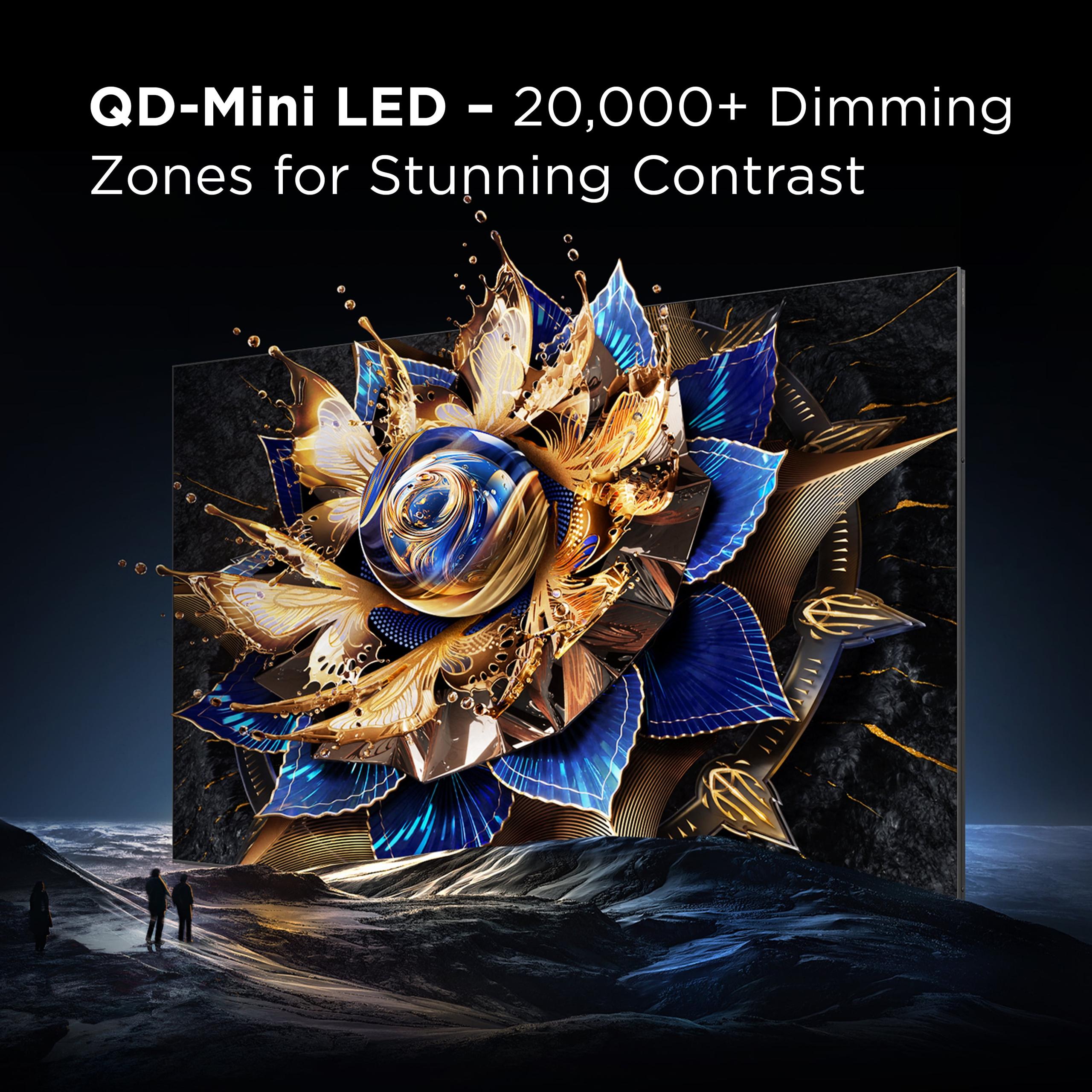
TCL's QM8 series represents a more dramatic leap forward. Their mini-LED technology has evolved from the roughly 1,000 local dimming zones we saw in 2022 models to an incredible 20,000 zones in this 115-inch version. This represents one of the most advanced backlight systems available in consumer TVs, rivaling technology previously reserved for professional displays costing six figures.
The most significant difference between these TVs lies in their fundamental display approach. The Hisense 100" QD6 uses quantum dot technology with a traditional direct-lit LED backlight. This means LEDs are positioned directly behind the LCD panel, creating even illumination across the entire screen. While this approach delivers consistent brightness and excellent color volume – the quantum dots can display over a billion color shades – it lacks the contrast control of more advanced systems.
The TCL QM8's mini-LED system is fundamentally different. Instead of large LEDs spread across zones, it uses thousands of tiny LEDs that can be controlled individually or in small groups. With 20,000 local dimming zones, the TV can precisely control brightness in areas smaller than a postage stamp. This creates what display engineers call "simultaneous contrast" – the ability to show deep blacks and bright whites in the same frame without one affecting the other.
In practical terms, this difference is most noticeable in HDR (High Dynamic Range) content. HDR movies and shows are mastered to take advantage of displays that can show both very bright and very dark elements simultaneously. When watching a movie like "Blade Runner 2049" with its mix of neon lights and dark shadows, the mini-LED system can make the lights genuinely eye-searing while keeping the shadows inky black. The QLED system, while still impressive, will show some light bleeding from bright areas into dark ones.
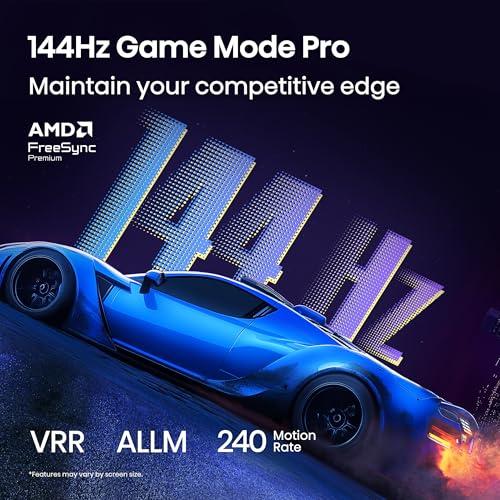
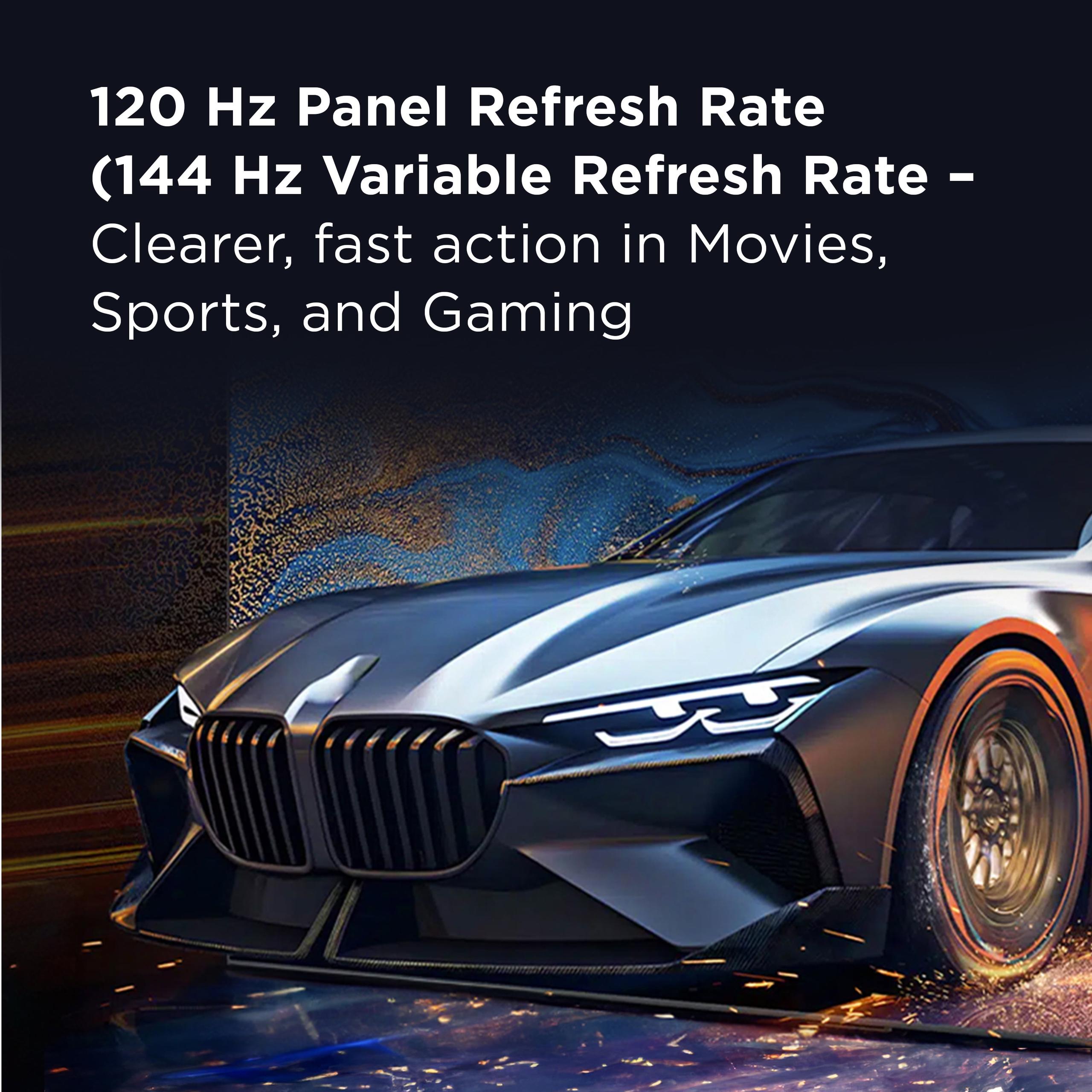
Both TVs support modern gaming features, but they target slightly different audiences. The Hisense QD6 offers 120Hz native refresh rate with the ability to reach 144Hz in Game Mode Pro. This is particularly important for PlayStation 5 and Xbox Series X gaming, where certain titles can output 120 frames per second at 4K resolution. The TV also supports Variable Refresh Rate (VRR) and Auto Low Latency Mode (ALLM) – features that eliminate screen tearing and reduce input lag when gaming.
From my experience testing gaming TVs, input lag – the delay between pressing a button and seeing the action on screen – is crucial for competitive gaming. The Hisense achieves respectable 8-millisecond response times, which feels immediate for most gaming scenarios. However, the viewing angles can be problematic if multiple people are gaming together, as colors and contrast degrade significantly when viewed from the sides.
The TCL QM8 takes gaming more seriously with its Game Accelerator 240 technology and AMD FreeSync Premium Pro support. While it maintains the same 120Hz panel refresh rate, it can handle up to 144Hz variable refresh rates and supports gaming at 1440p resolution at 120Hz – perfect for PC gaming where you might want to prioritize frame rate over resolution. The superior brightness also means HDR gaming experiences are more impactful, with highlights in games like "Cyberpunk 2077" appearing genuinely brilliant rather than washed out.
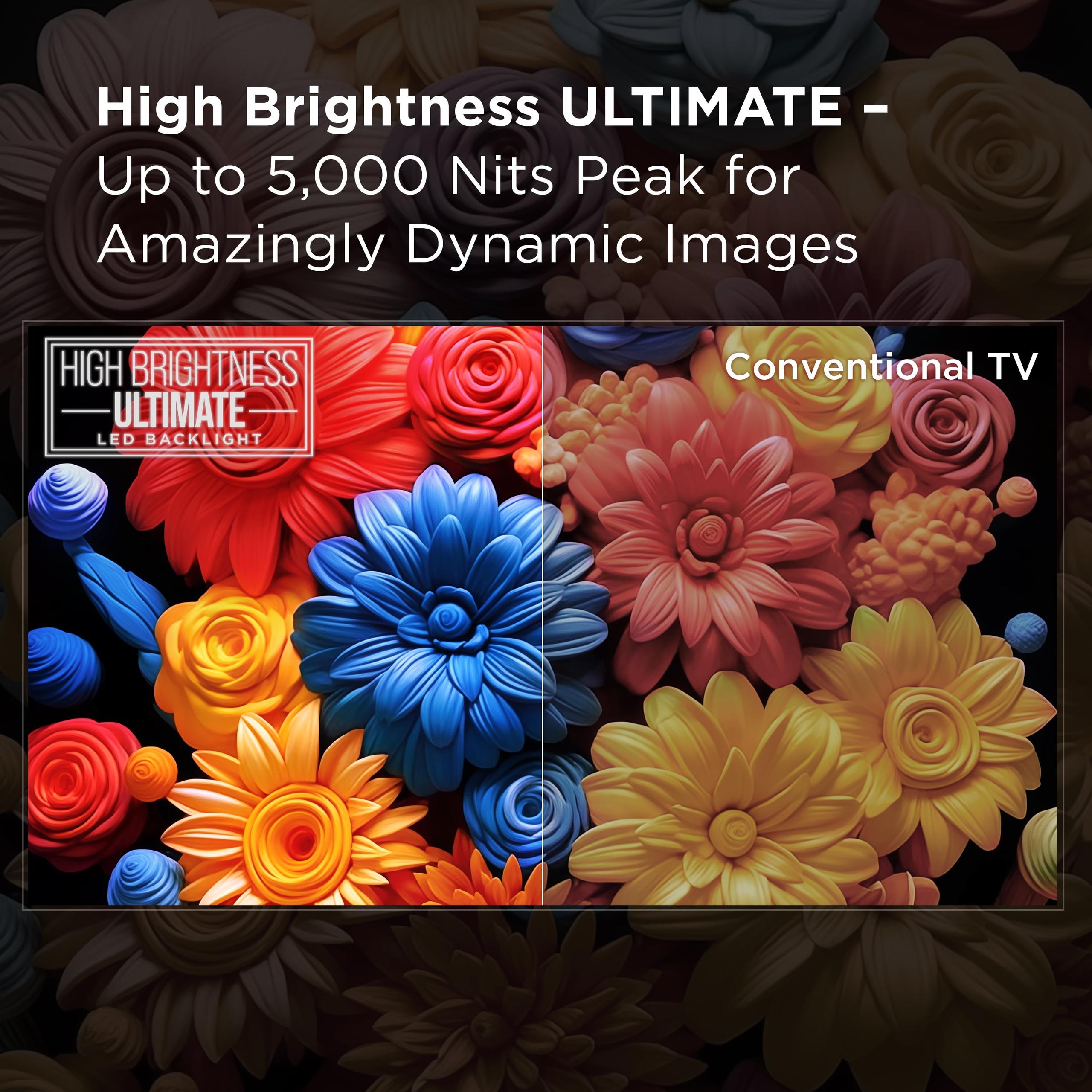
The mini-LED's local dimming also helps with gaming in bright rooms. I've found that traditional TVs often struggle with gaming during daytime hours because ambient light washes out dark details. The TCL's peak brightness of up to 5,000 nits means it can overpower most room lighting, maintaining image quality even with windows open.
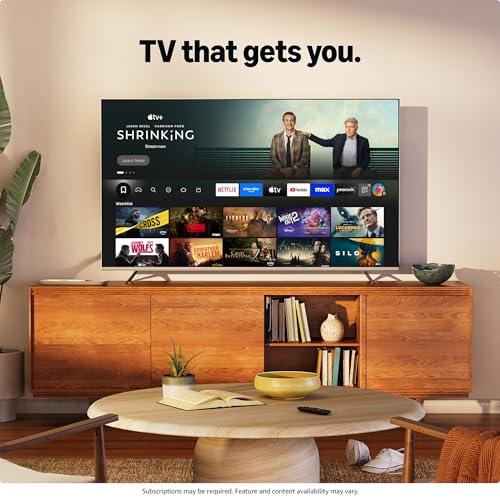
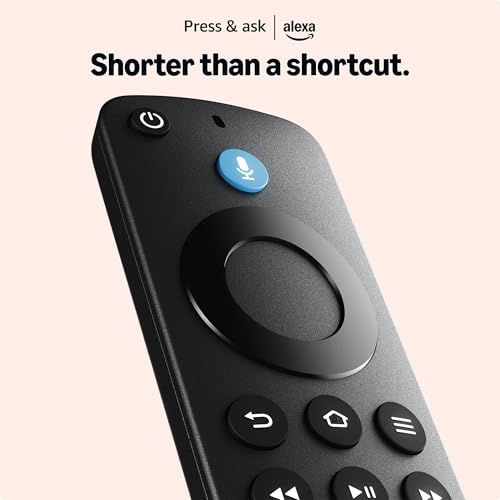
The choice between Fire TV and Google TV represents more than just interface preferences – it affects your entire smart home ecosystem. The Hisense's Fire TV platform integrates seamlessly with Amazon's ecosystem, including Alexa voice control, Prime Video optimization, and smart home device management. If you're already invested in Amazon Echo devices or use Alexa routines, this integration feels natural and comprehensive.
Fire TV has evolved significantly since its early days. The 2025 implementation includes faster app loading, better voice recognition, and improved content discovery across streaming services. However, it does include advertising within the interface – something that bothers some users but helps keep the TV's price down.
Google TV on the TCL offers broader app compatibility and superior integration with Android devices and Google services. The content recommendation system is particularly sophisticated, learning from your viewing habits across multiple streaming services to suggest relevant content. It also supports Google Assistant for voice control and can integrate with Google Home devices for smart home control.
One often-overlooked advantage of the Google TV platform is its casting capabilities. While both TVs support screen mirroring, Google TV's Chromecast built-in technology offers smoother, more reliable casting from phones, tablets, and computers. This is especially useful for sharing photos, videos, or presentations on the massive screen.
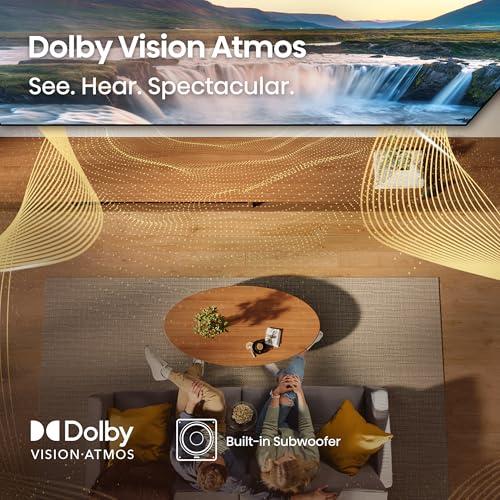
Large TVs present unique audio challenges because the screen size creates expectations for equally impressive sound. The Hisense QD6's 50-watt Dolby Atmos system is adequate for casual viewing but feels somewhat underwhelming given the visual scale. Dolby Atmos creates three-dimensional sound by bouncing audio off the ceiling, but the relatively modest power output limits its effectiveness in larger rooms.
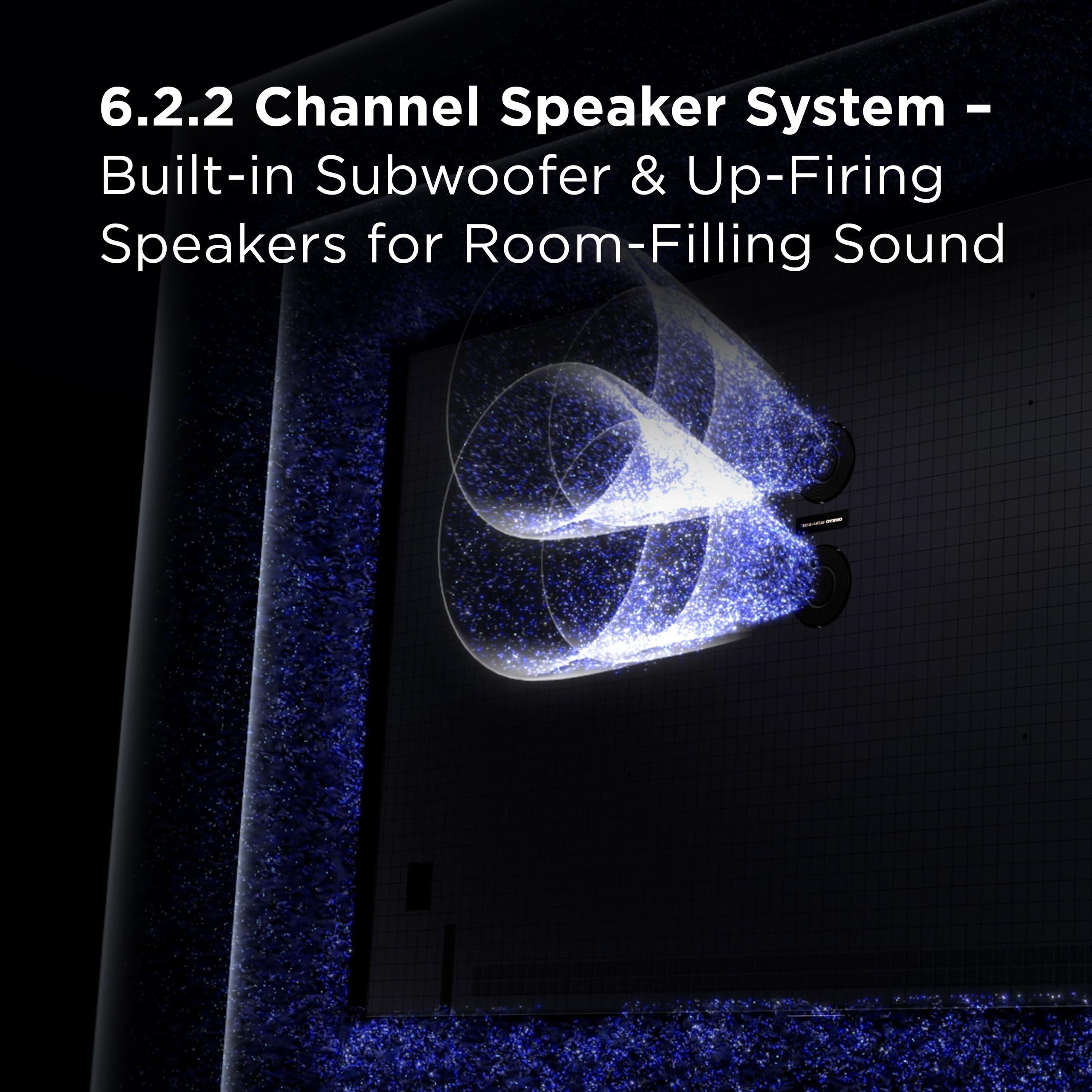
The TCL QM8 takes audio seriously with its 120-watt Onkyo 6.2.2 speaker system. This includes dedicated subwoofers for deep bass, up-firing speakers for Atmos effects, and surround speakers for directional audio. Having tested both systems, the difference is immediately apparent – the TCL delivers room-filling sound that better matches the visual impact of the 115-inch screen.
However, even the TCL's impressive built-in audio has limitations. In my home theater testing, both TVs benefit from dedicated sound systems for the most immersive experience. The difference is that the Hisense almost requires additional audio equipment to feel balanced, while the TCL provides genuinely satisfying sound on its own.
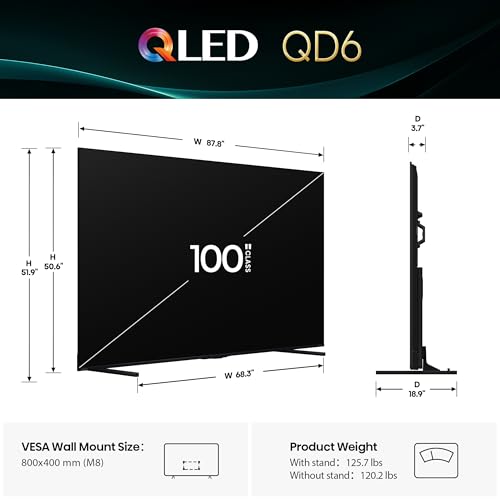
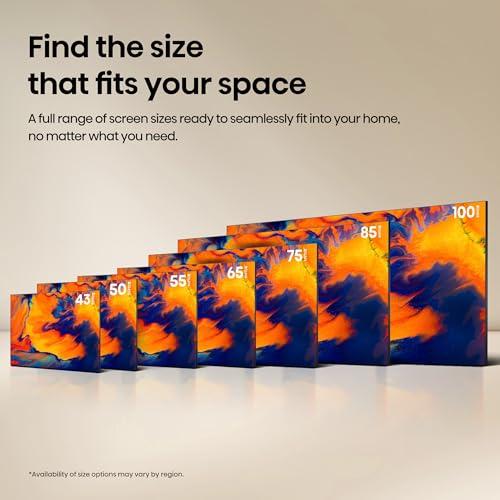
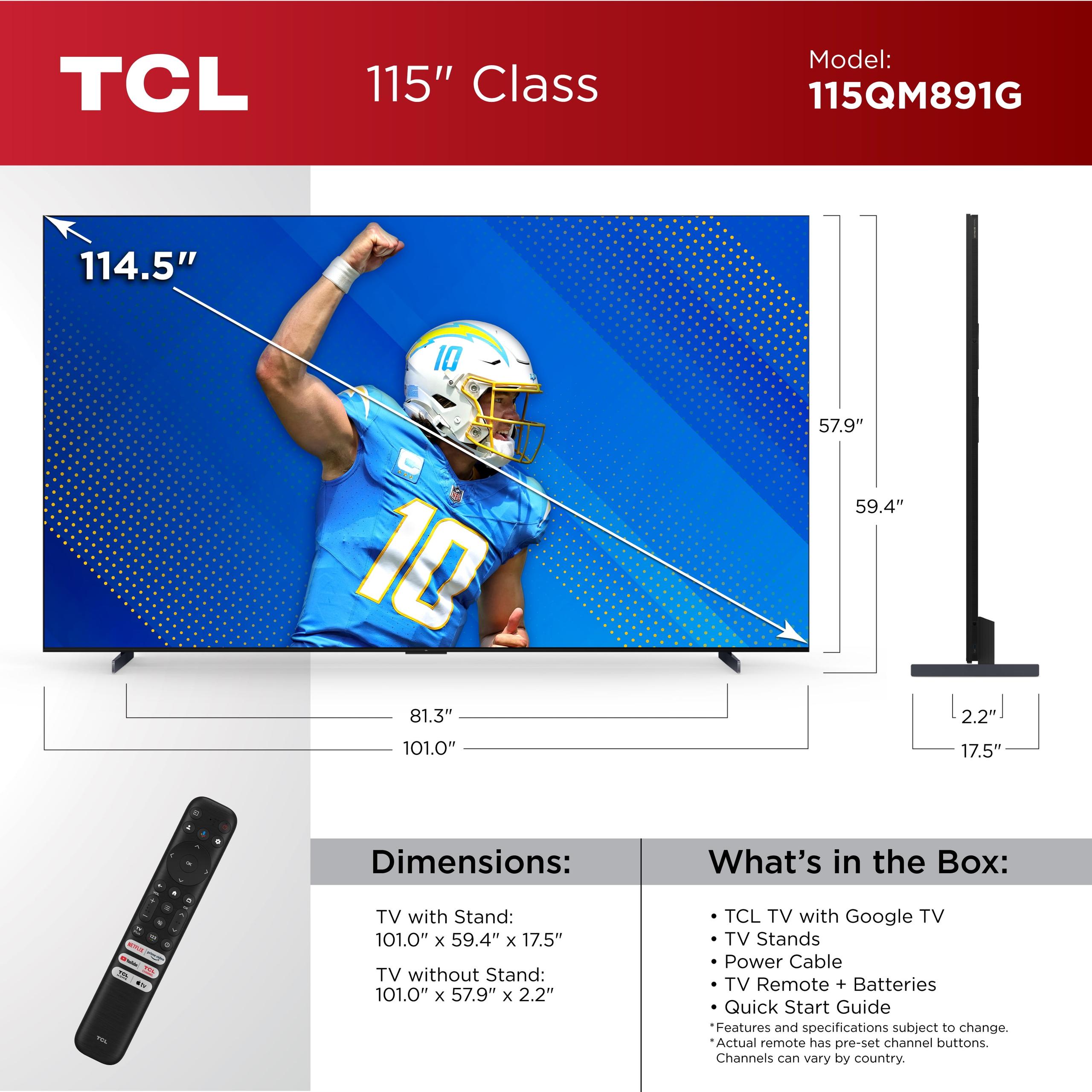
Installing either of these TVs requires serious planning. The Hisense 100" model measures nearly 88 inches wide and weighs 126 pounds with its stand. The TCL 115" version is even more substantial, requiring professional installation in most cases. Both support VESA wall mounting, but you'll need to ensure your wall can handle the weight and that your room can accommodate the viewing distances.
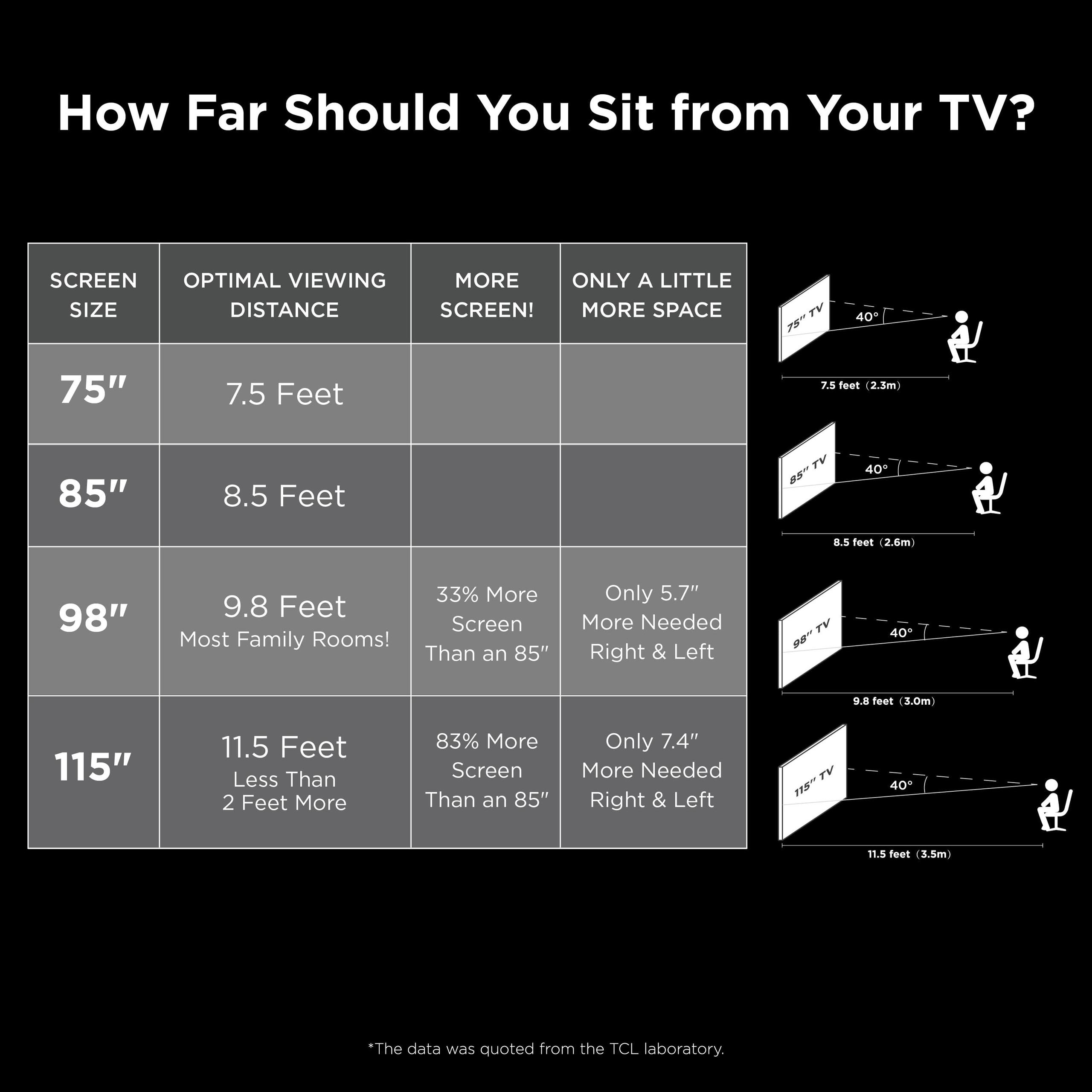
Viewing distance is crucial with screens this large. Sitting too close creates an uncomfortable experience where you're constantly moving your head to follow action, while sitting too far negates the immersive benefits. For the 100-inch Hisense, ideal viewing distance ranges from 10-15 feet, while the 115-inch TCL works best from 12-18 feet away.
The brightness difference becomes critical here. In my testing, the Hisense performs best in controlled lighting environments – think basement home theaters or rooms with blackout curtains. The TCL's superior brightness makes it viable in family rooms with windows, where it can maintain image quality even during daytime viewing.
The dramatic price difference between these TVs – the Hisense at under $2,000 versus the TCL at nearly $20,000 – reflects fundamentally different target markets. The Hisense represents exceptional value for size-focused buyers who want to maximize screen real estate within a reasonable budget. It delivers genuinely impressive performance that will satisfy most viewers, especially when paired with a quality sound system.
The TCL's premium pricing reflects cutting-edge technology that pushes the boundaries of what's possible in consumer displays. The 20,000-zone mini-LED system represents manufacturing complexity that few companies can achieve at this scale. This isn't just about being expensive – it's about implementing technology that was science fiction just a few years ago.
From a total cost perspective, consider that the Hisense will likely require a soundbar or surround system ($300-1,000+) to reach its full potential, while the TCL includes premium audio that eliminates that immediate need. Professional calibration might also be more beneficial for the TCL given its advanced capabilities.
Choose the Hisense 100" QD6 Series if you want to enter the world of massive-screen entertainment without the massive investment. It's perfect for dedicated home theaters, basement setups, or any environment where you can control lighting. The Fire TV platform is excellent if you're already in Amazon's ecosystem, and the gaming performance satisfies console players perfectly.
The Hisense makes sense for families who want to upgrade from smaller TVs and experience what true large-screen entertainment feels like. It offers a taste of the premium TV experience while leaving budget for room treatments, seating, or audio equipment that enhance the overall experience.
Choose the TCL 115" QM8 Series if you're building a no-compromise entertainment system and want the absolute best current technology can offer. It's ideal for bright family rooms where traditional TVs struggle, serious enthusiasts who appreciate cutting-edge display technology, and anyone who wants a single device that handles everything exceptionally well.
The TCL represents an investment in future-proofing. As streaming services continue pushing HDR boundaries and gaming becomes more demanding, this TV will remain capable long after lesser displays feel outdated.
Both TVs will transform your viewing experience in ways that smaller displays simply cannot match. The question isn't whether either will impress you – it's whether you prioritize exceptional value or exceptional performance. Either choice represents a significant step into the future of home entertainment, just with different price tags attached.
| Hisense 100" QD6 Series QLED 4K UHD Fire TV 2025 | TCL 115" QM8 Series 4K UHD Smart Google TV |
|---|---|
| Price - The most obvious difference between these TVs | |
| $1,999.99 | $19,998.00 |
| Screen Size - Both are massive, but 15 inches makes a noticeable difference | |
| 100" (99.5" actual) | 115" |
| Display Technology - Different approaches to brightness and contrast | |
| QLED with direct-lit LED backlight | QD-Mini LED with 20,000 local dimming zones |
| Peak Brightness - Critical for HDR performance and bright room viewing | |
| ~615 nits (adequate for dark/moderate lighting) | Up to 5,000 nits (excellent for any lighting condition) |
| Refresh Rate - Important for gaming and sports | |
| 120Hz native, 144Hz Game Mode Pro | 120Hz panel with 144Hz VRR capability |
| HDR Support - Enhanced contrast and color for premium content | |
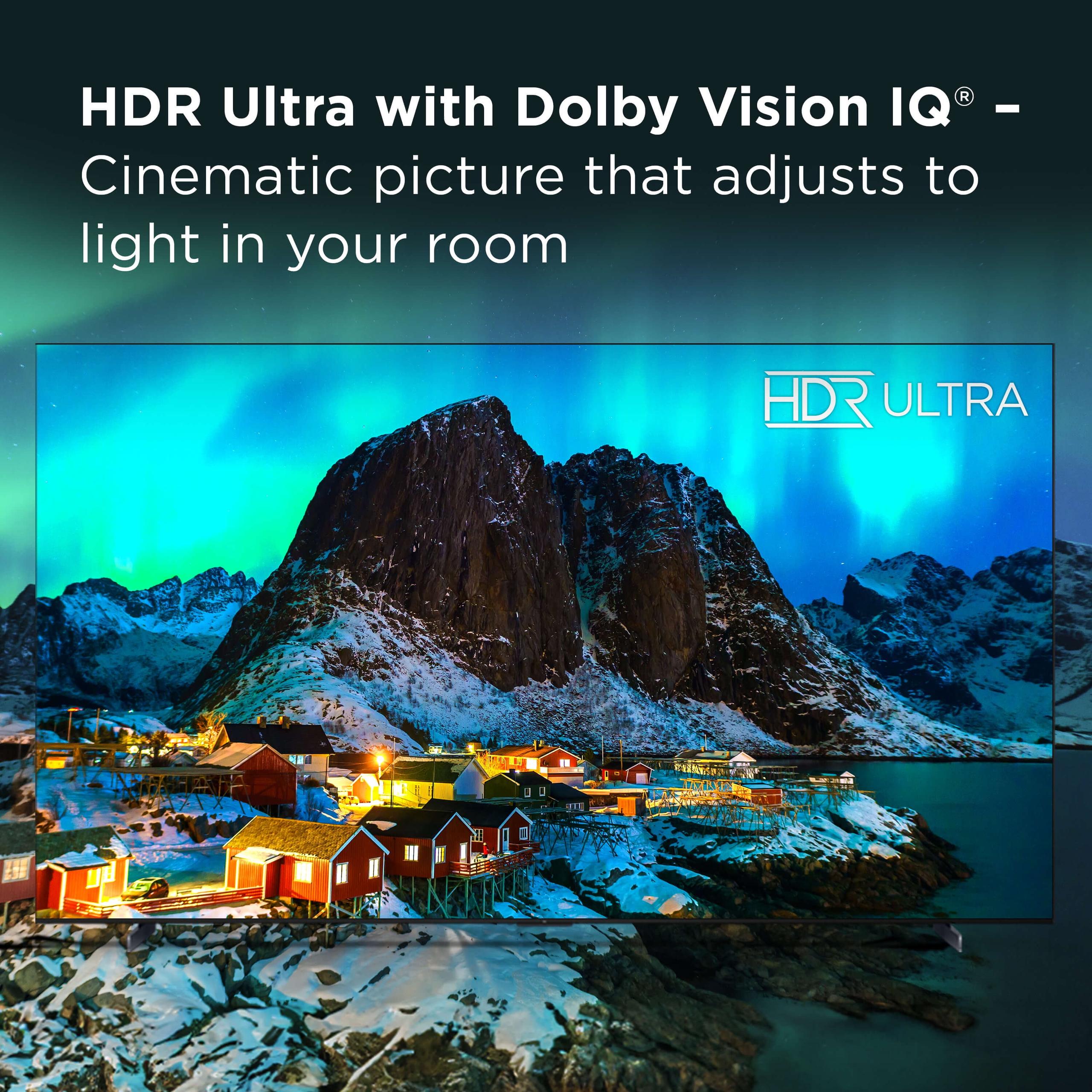
| Dolby Vision, HDR10, HDR10+, HLG | HDR ULTRA with Dolby Vision IQ, HDR10+, HDR10, HLG |
| Smart Platform - Affects app selection and voice control integration | |
| Fire TV with Alexa built-in | Google TV with Google Assistant |
| Audio System - Built-in sound quality and power | |
| 50W Dolby Atmos (likely needs soundbar upgrade) | 120W Onkyo 6.2.2 system with subwoofers (premium built-in audio) |
| Gaming Features - Console and PC gaming optimization | |
| VRR, ALLM, AMD FreeSync Premium | Game Accelerator 240, AMD FreeSync Premium Pro |
| HDMI 2.1 Ports - Future-proof connectivity for gaming and streaming | |
| 2 ports (4 total HDMI) | 2 ports (4 total HDMI) |
| Connectivity - Network and wireless capabilities | |
| Wi-Fi 5, Bluetooth 5.0 | Wi-Fi 6, Bluetooth (enhanced network performance) |
| Viewing Angles - How well the picture holds up when viewed from the side | |
| Limited (colors fade beyond 30 degrees) | Better due to mini-LED technology |
| Best Use Case - Who should consider each TV | |
| Dark/controlled rooms, budget-conscious buyers wanting maximum size | Any lighting condition, enthusiasts wanting cutting-edge technology |
The Hisense 100" QD6 Series QLED Fire TV ($1,999.99) offers exceptional value at $20 per inch, making it ideal for buyers who want maximum screen size without breaking the bank. The TCL 115" QM8 Series Google TV ($19,998) costs significantly more but includes premium mini-LED technology with 20,000 local dimming zones and superior built-in audio that rivals dedicated sound systems.
The Hisense QD6 delivers vibrant QLED colors and good HDR performance with ~615 nits peak brightness, suitable for dark to moderately lit rooms. The TCL QM8 provides dramatically superior picture quality with up to 5,000 nits peak brightness, 20,000 local dimming zones for perfect blacks, and advanced HDR processing that works excellently in any lighting condition.
Both TVs excel at gaming with 120Hz refresh rates, VRR, and ALLM support. The Hisense 100" QD6 offers 144Hz Game Mode Pro perfect for console gaming, while the TCL 115" QM8 includes Game Accelerator 240 technology and supports 1440p@120Hz gaming, making it superior for PC gaming and bright-room gaming scenarios.
The Hisense QD6 runs Fire TV with deep Amazon Alexa integration, excellent for Prime Video users and Amazon smart home ecosystems. The TCL QM8 uses Google TV with broader app compatibility, superior content recommendations, and seamless Android device integration, plus Wi-Fi 6 for enhanced streaming performance.
The TCL 115" QM8 significantly outperforms in bright rooms thanks to its 5,000 nits peak brightness and mini-LED local dimming technology. The Hisense 100" QD6 with its ~615 nits brightness works best in controlled lighting environments like dedicated home theaters or rooms with blackout curtains.
The Hisense QD6 includes a 50W Dolby Atmos system that's adequate but may require a soundbar upgrade for optimal performance. The TCL QM8 features a premium 120W Onkyo 6.2.2 speaker system with built-in subwoofers and up-firing speakers that delivers room-filling sound without needing additional audio equipment.
The Hisense 100" QD6 measures 87.8" wide and works best with 10-15 feet viewing distance, while the TCL 115" QM8 requires 12-18 feet viewing distance due to its larger size. Both need professional installation and substantial wall support, with the TCL being significantly heavier and more complex to mount.
For budget home theaters, the Hisense 100" QD6 provides excellent cinema-sized entertainment in dark rooms and leaves budget for other components like surround sound systems. The TCL 115" QM8 creates a premium home theater experience with reference-quality picture and built-in premium audio, ideal for no-compromise setups.
The Hisense QD6 has limited viewing angles with color and contrast degradation beyond 30 degrees from center. The TCL QM8 offers better off-axis performance due to its advanced mini-LED technology, making it more suitable for wider seating arrangements or family room installations.
Both support Dolby Vision and HDR10+, but the TCL 115" QM8 delivers dramatically superior HDR with its 5,000 nits peak brightness and 20,000 local dimming zones, creating true simultaneous contrast. The Hisense 100" QD6 provides good HDR performance at ~615 nits but with some light bleeding in high-contrast scenes.
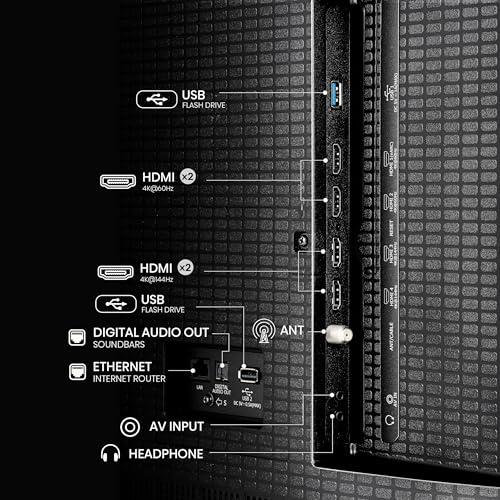
Both TVs include 4 HDMI ports (2 HDMI 2.1), USB 3.0, and Bluetooth connectivity. The TCL QM8 adds Wi-Fi 6 for enhanced network performance and more stable 4K streaming. The Hisense QD6 uses Wi-Fi 5, which is adequate for most streaming needs but may struggle with multiple high-bandwidth streams.
Choose the Hisense 100" QD6 Series if you want maximum screen size under $2,000, have a dark viewing environment, use Amazon's ecosystem, and plan to add external audio. Choose the TCL 115" QM8 Series if you want cutting-edge display technology, have a bright room, demand premium built-in audio, and prioritize future-proof performance over budget constraints.
We've done our best to create useful and informative comparisons to help you decide what product to buy. Our research uses advanced automated methods to create this comparison and perfection is not possible - please contact us for corrections or questions. These are the sites we've researched in the creation of this article: bestbuy.com - youtube.com - tvsbook.com - rtings.com - youtube.com - youtube.com - bestbuy.com - leaseville.com - pcrichard.com - bestbuy.com - youtube.com - hisense-usa.com - manuals.plus - hisense-usa.com - hisense-usa.com - brandsmartusa.com - rtings.com - pcrichard.com - valueelectronics.com - cnet.com - youtube.com - rcwilley.com - greentoe.com - tcl.com - ezown.net - kingsgreatbuys.com - romomattressfurniture.com - abt.com

Privacy Policy
Terms and Conditions - Affiliate Policy
Home Security
© Copyright 2008-2026.
11816 Inwood Rd #1211, Dallas, TX 75244