

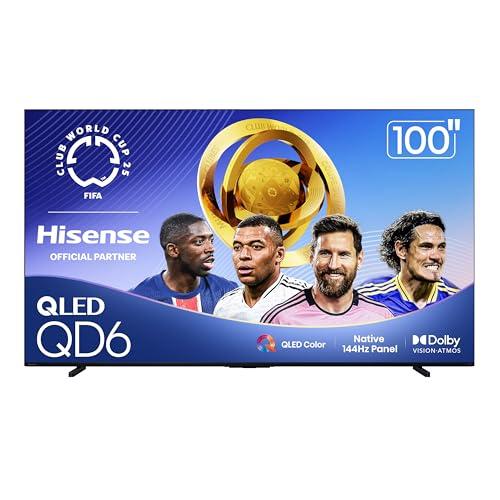
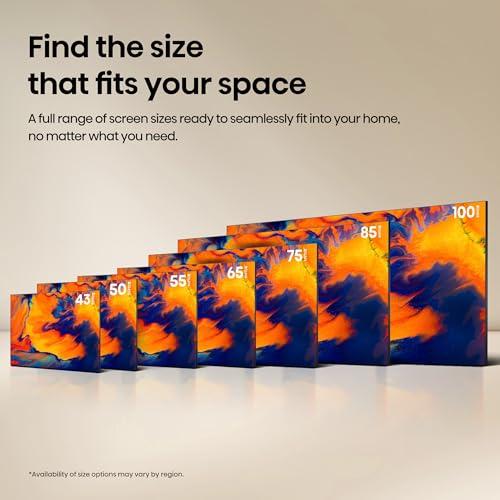
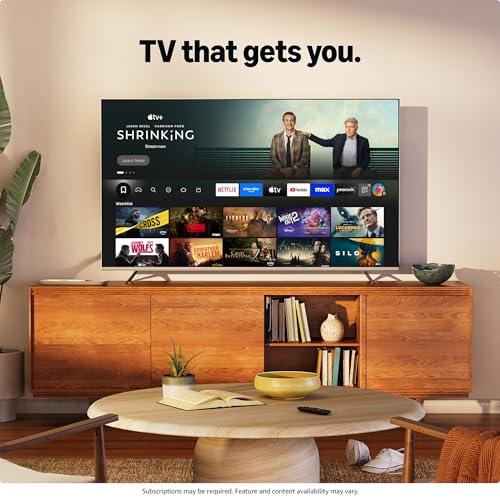
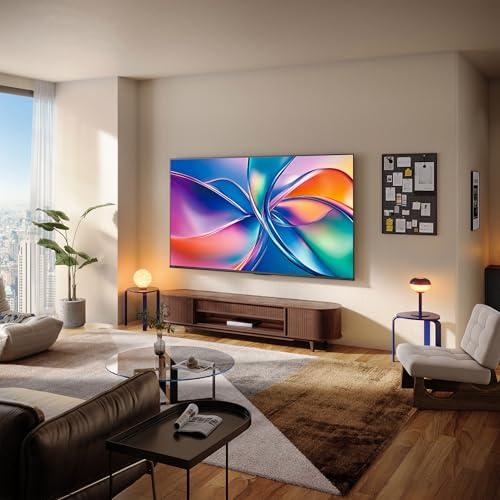
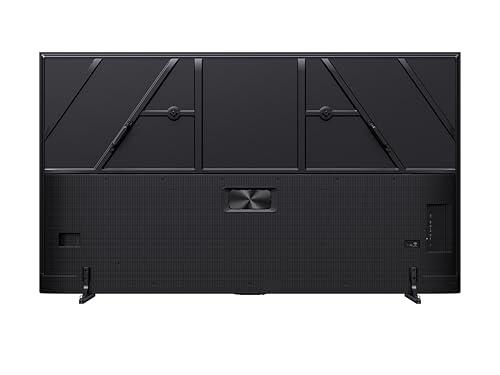
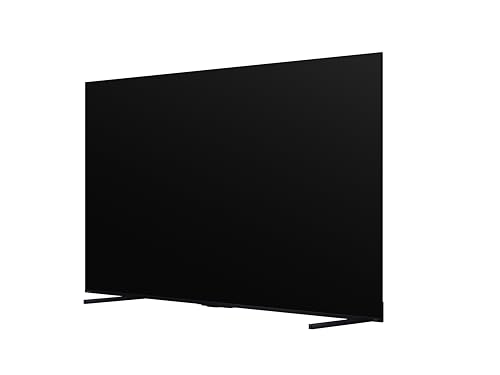
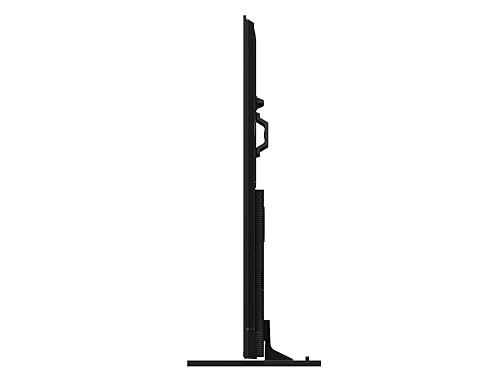
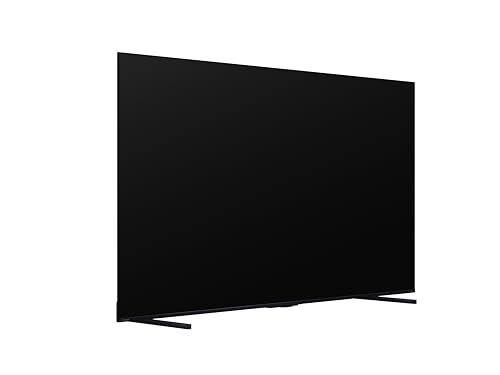
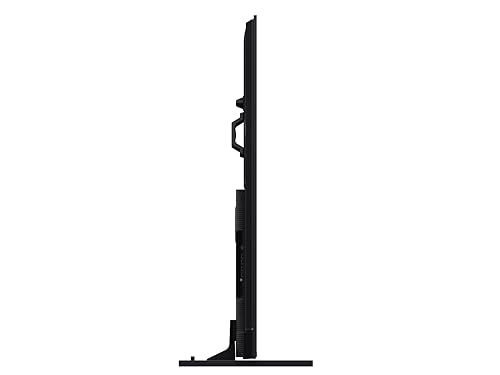
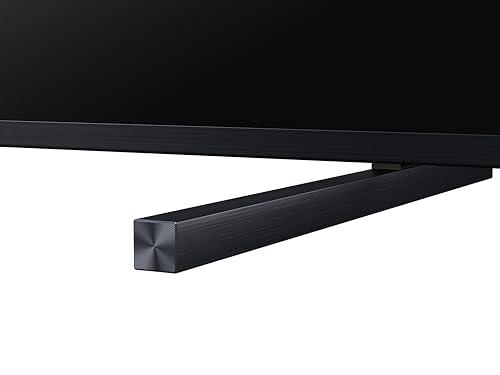
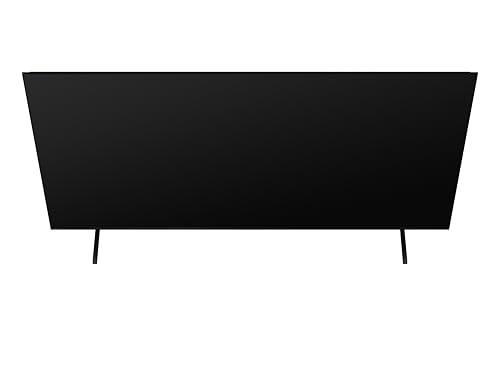
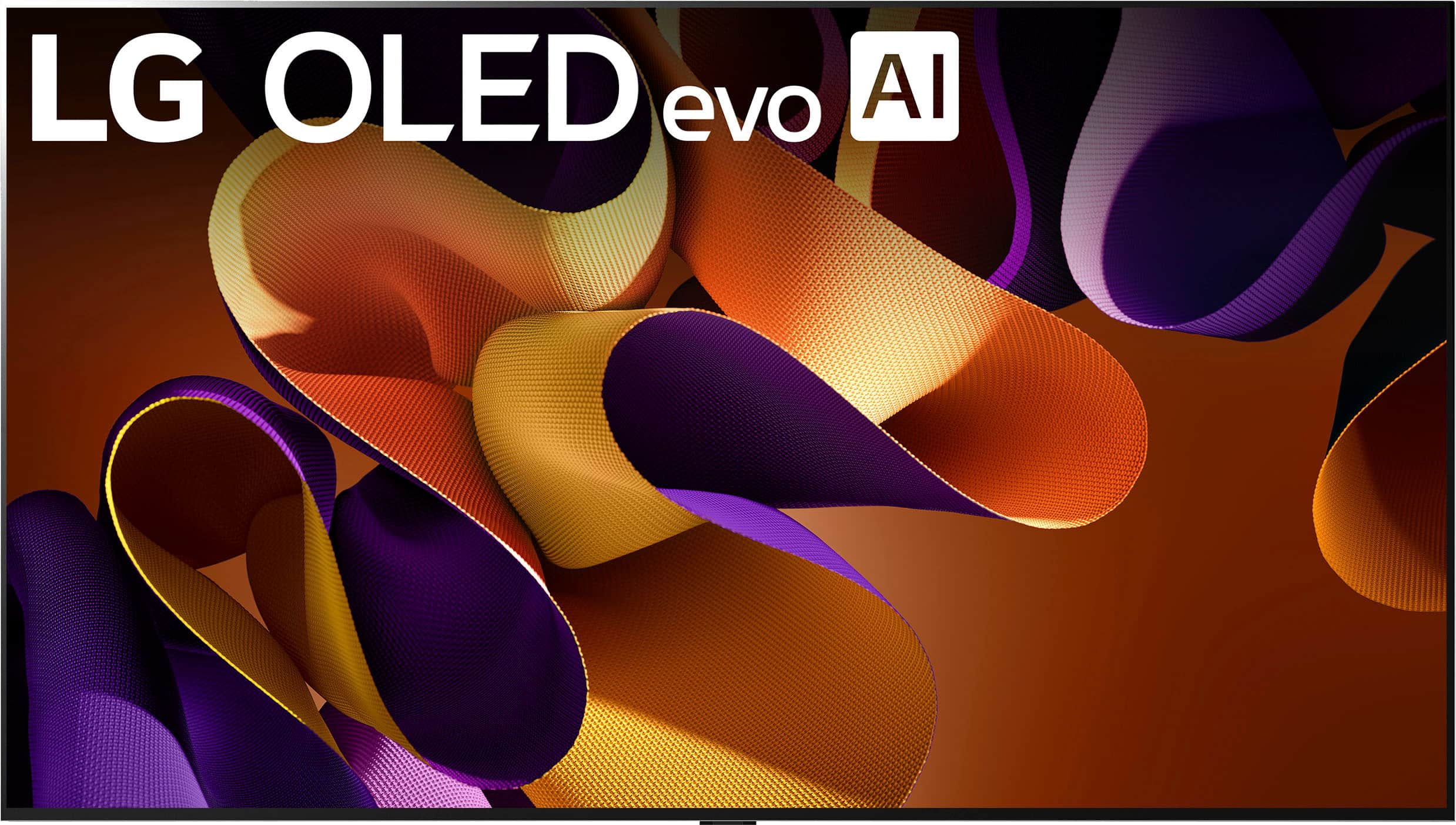
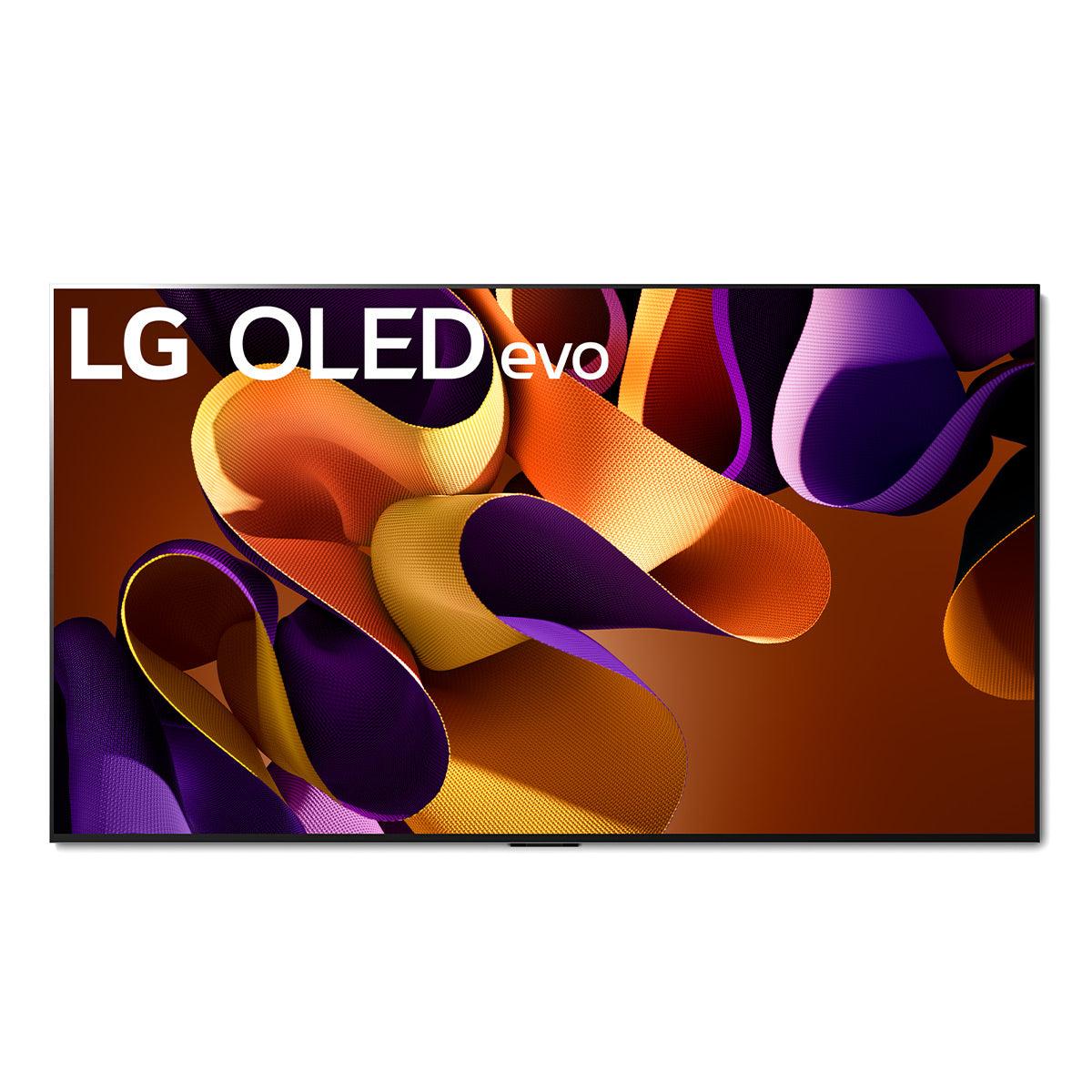
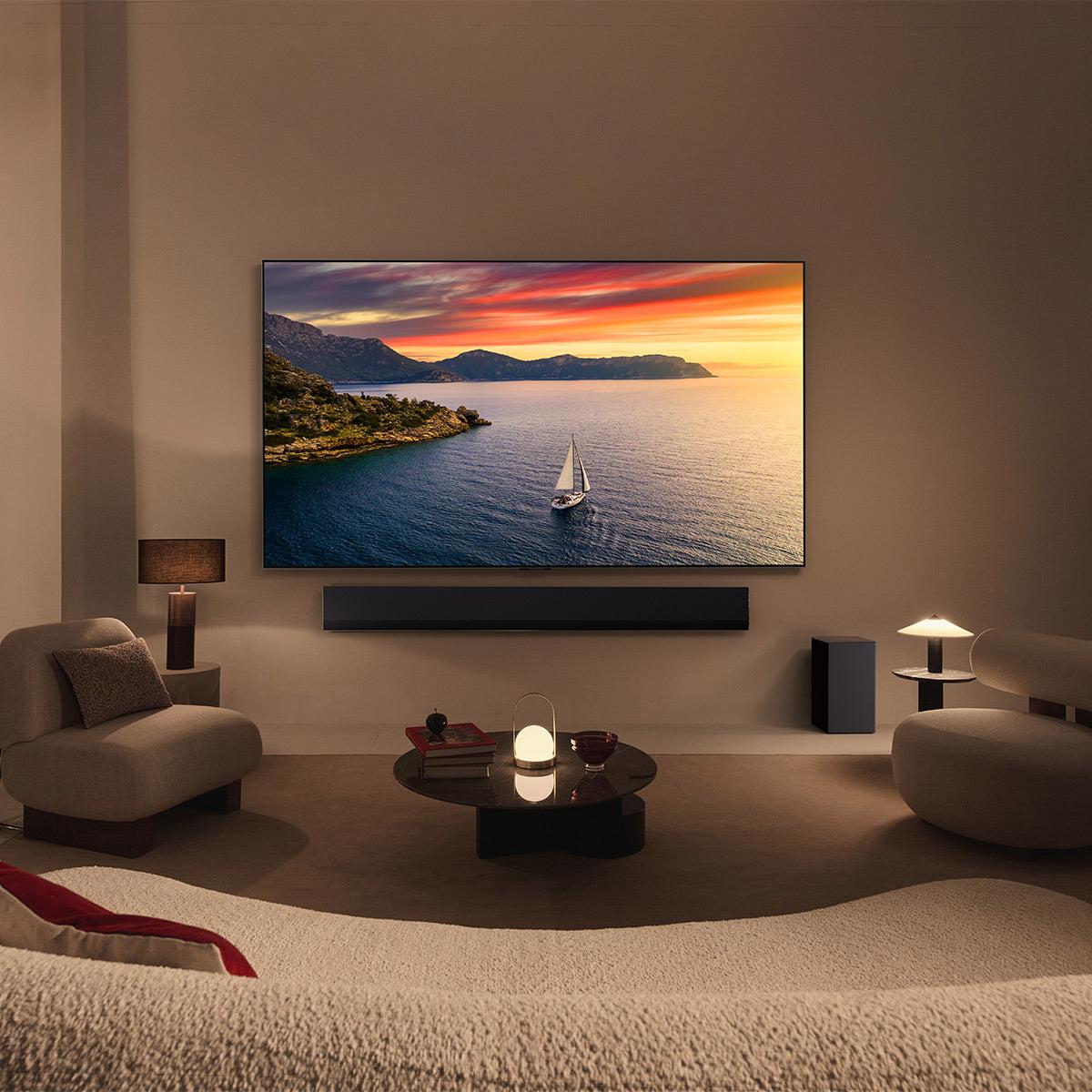
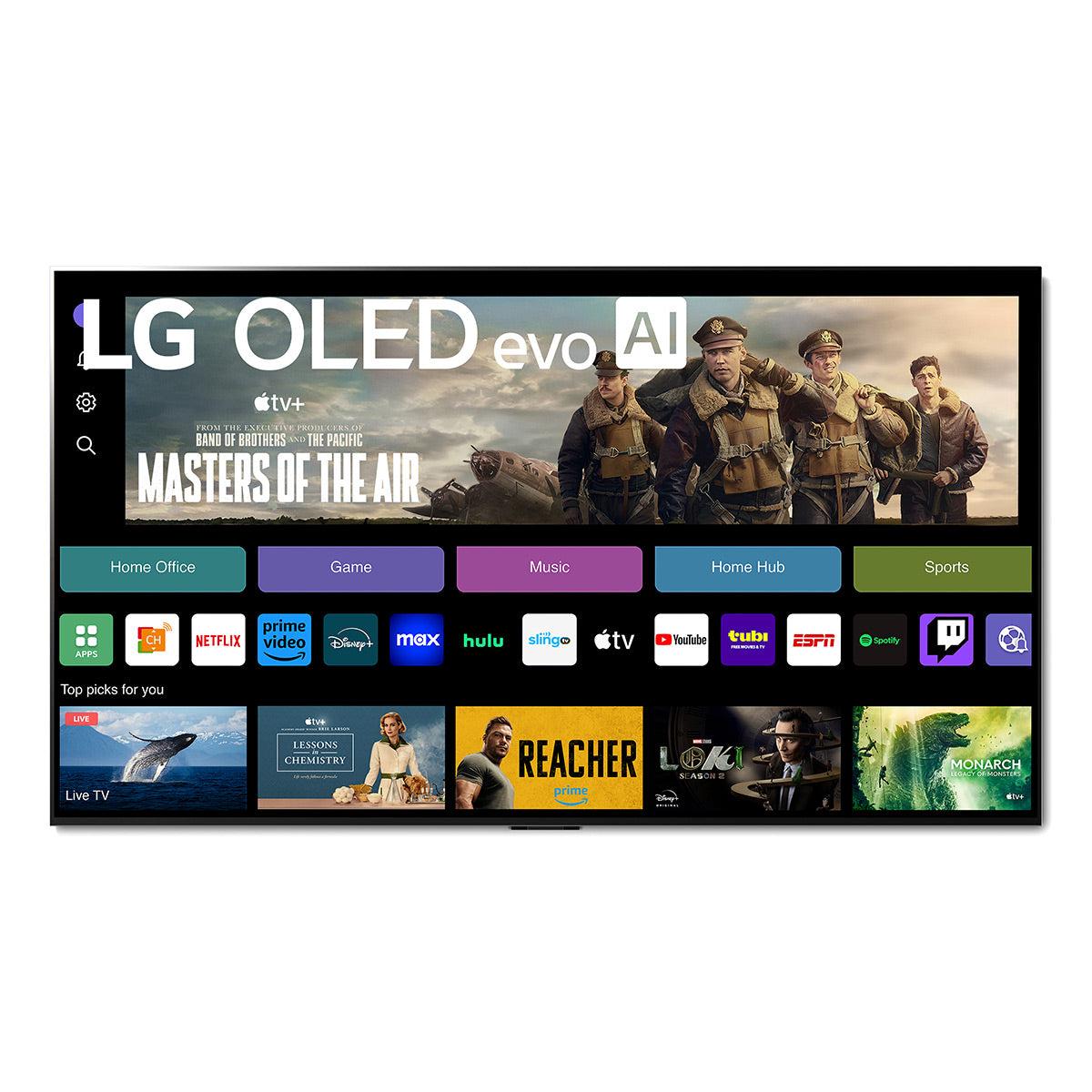
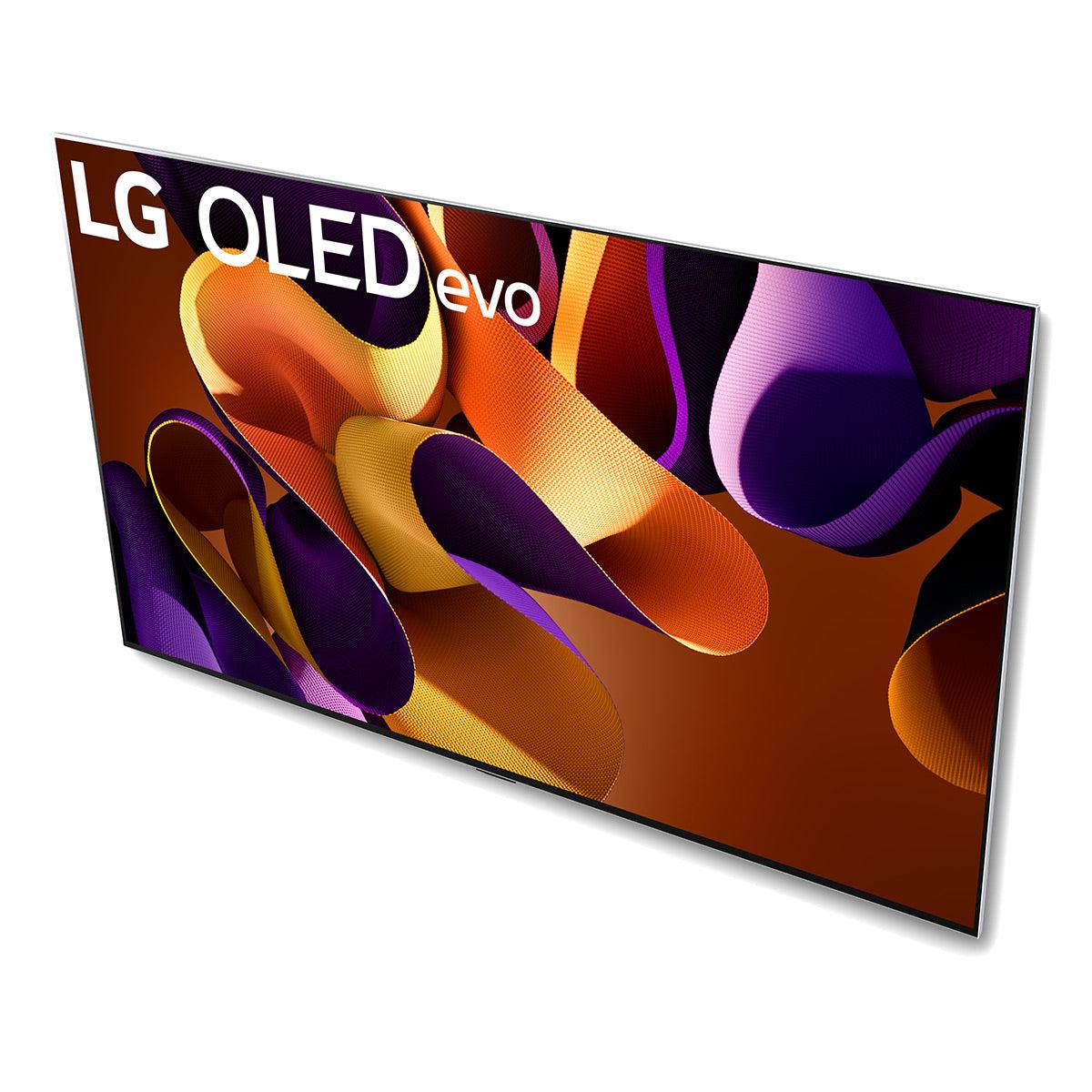
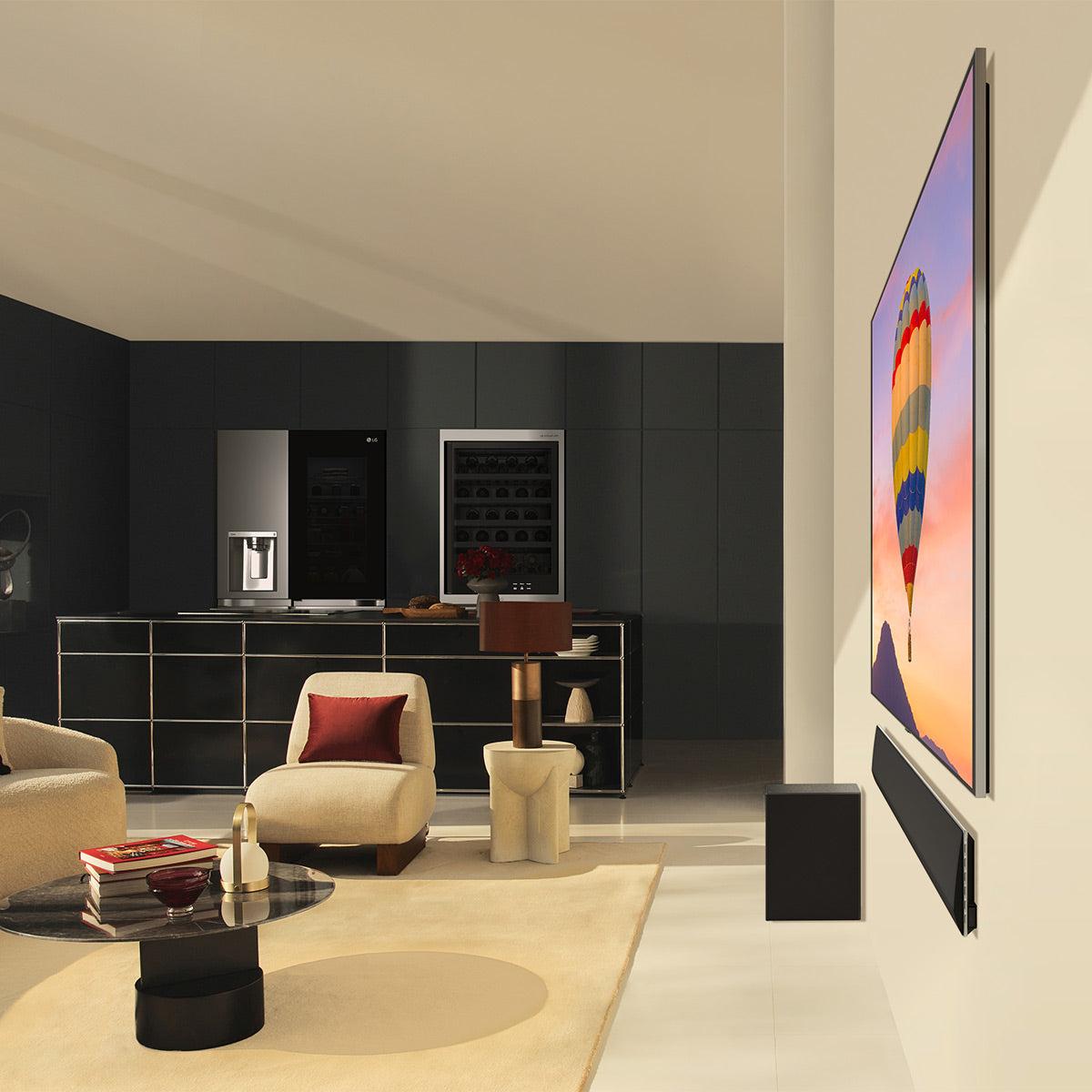
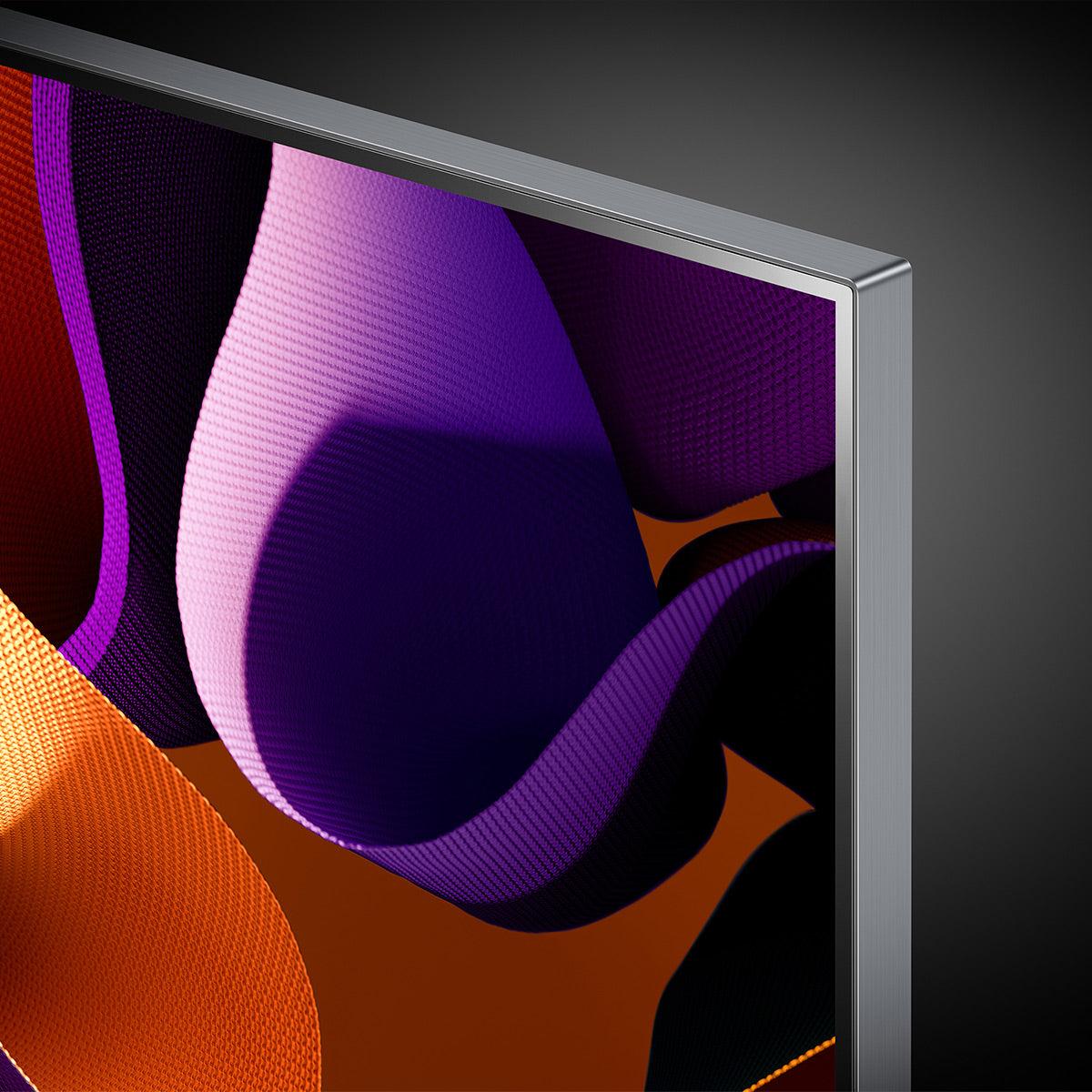
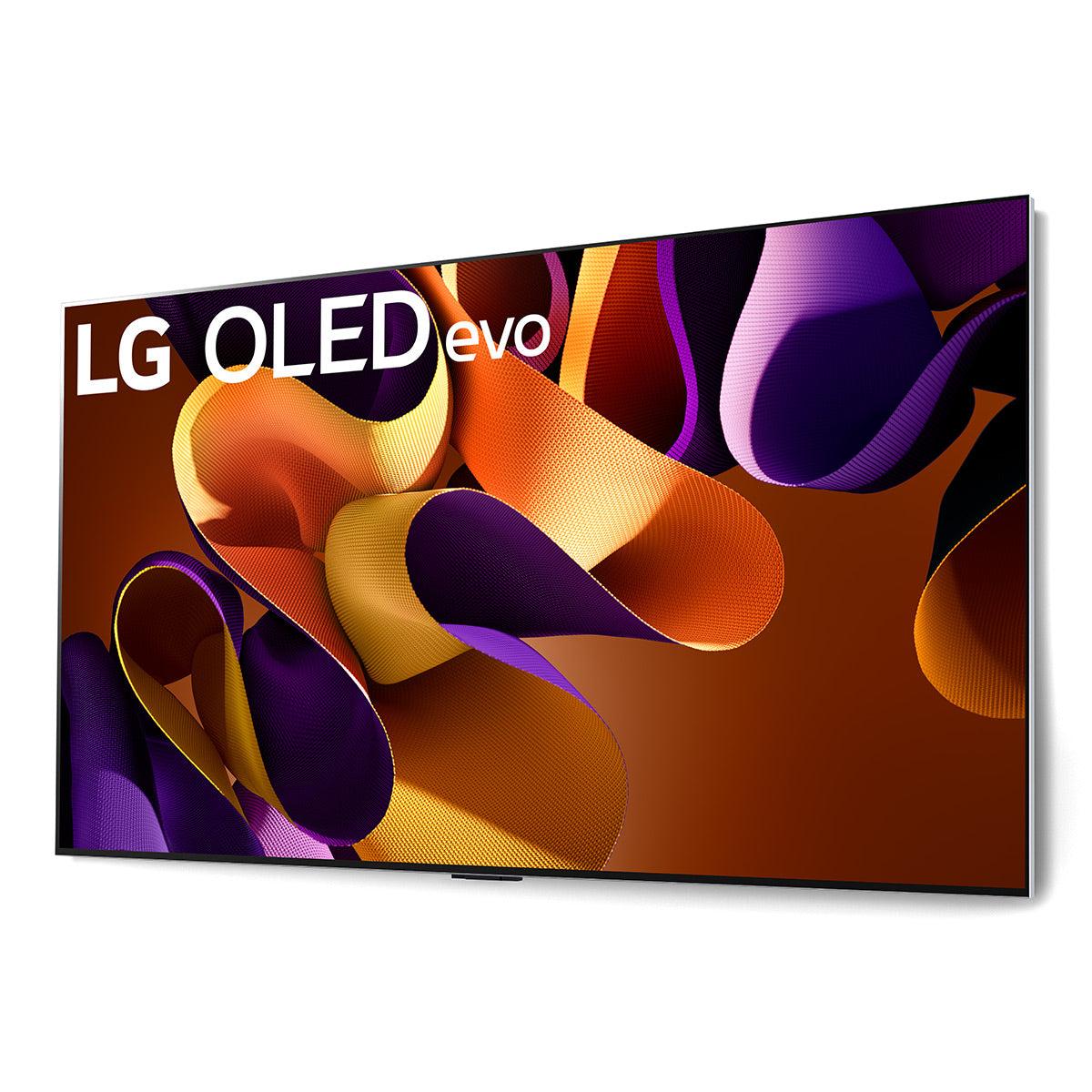
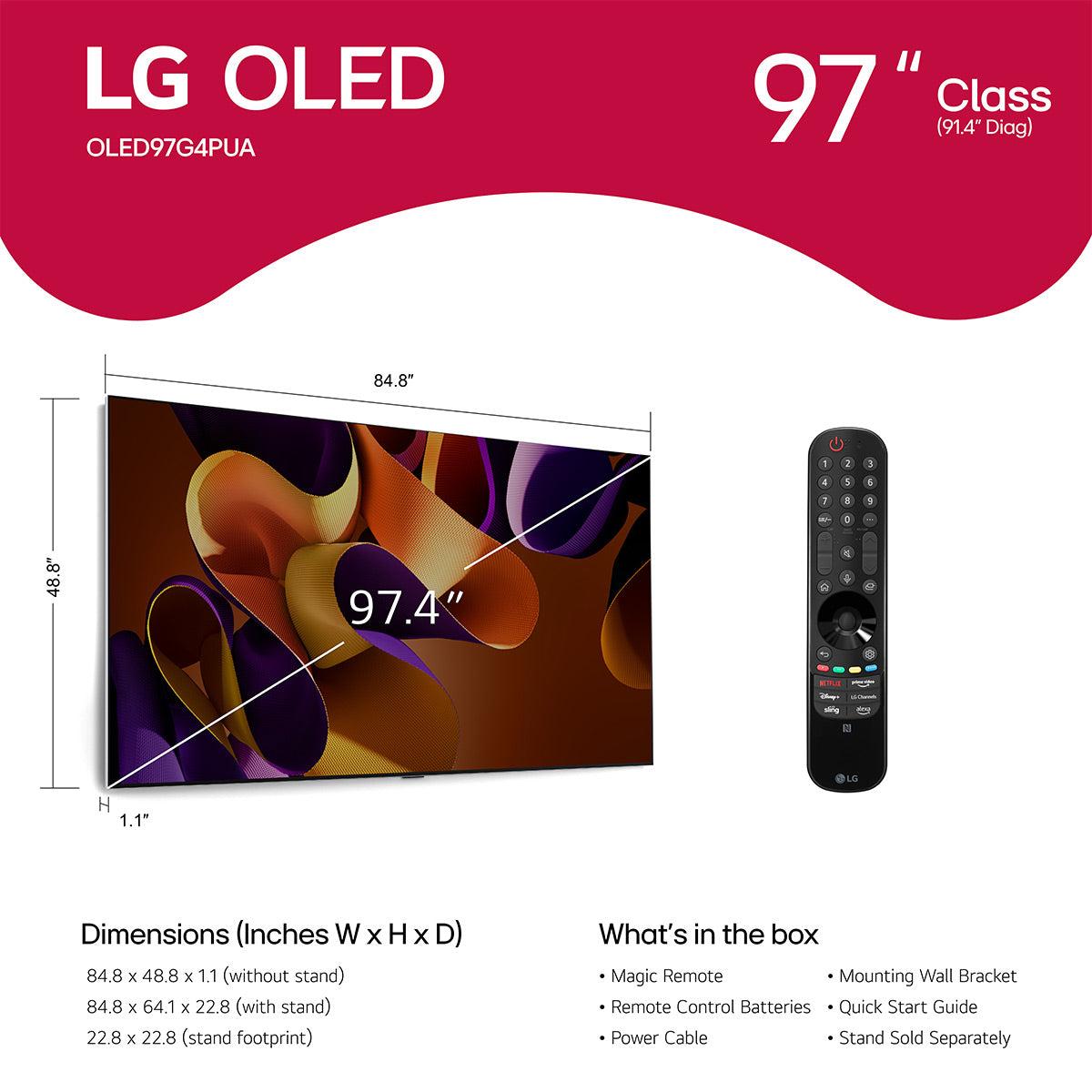
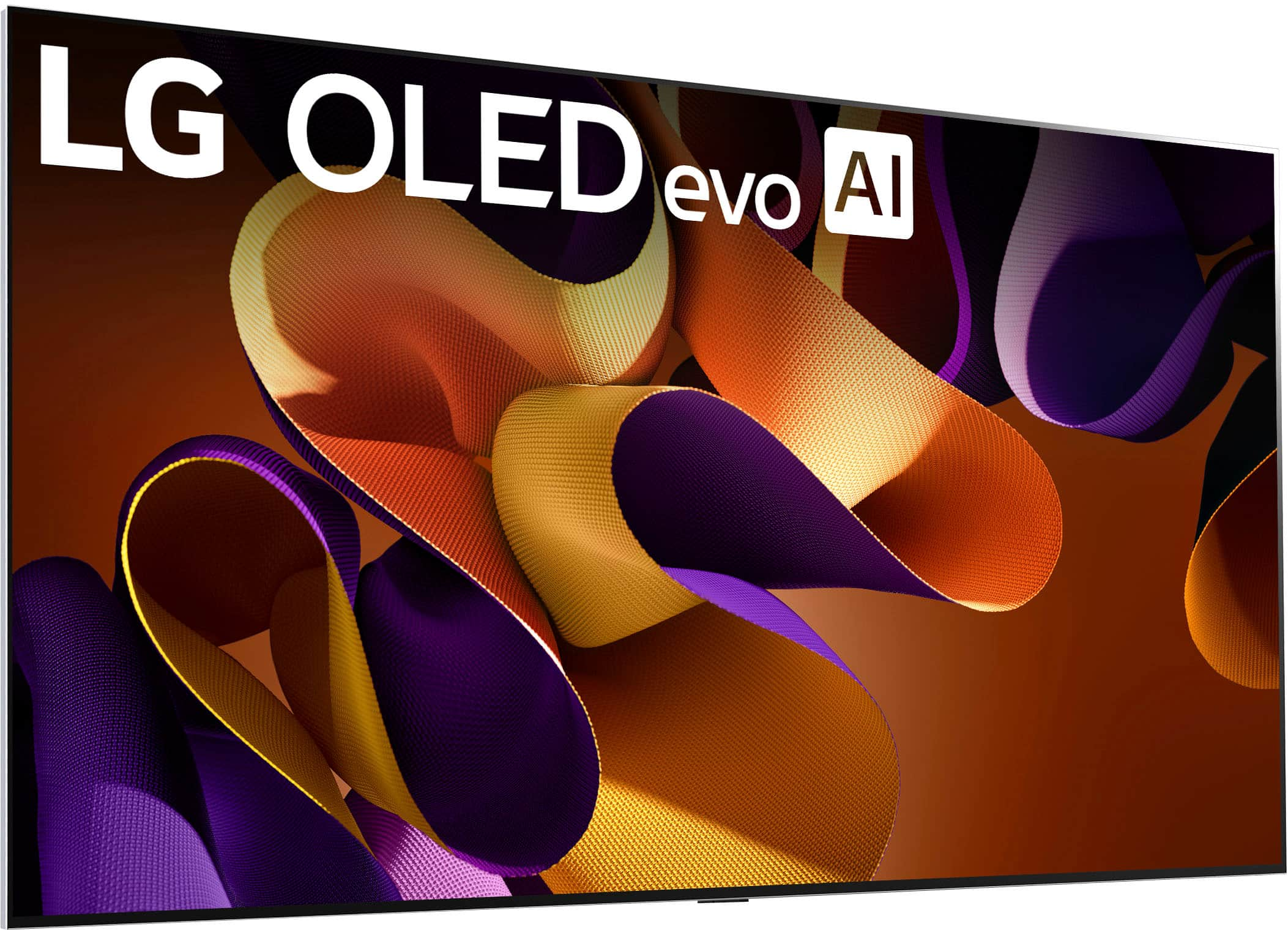
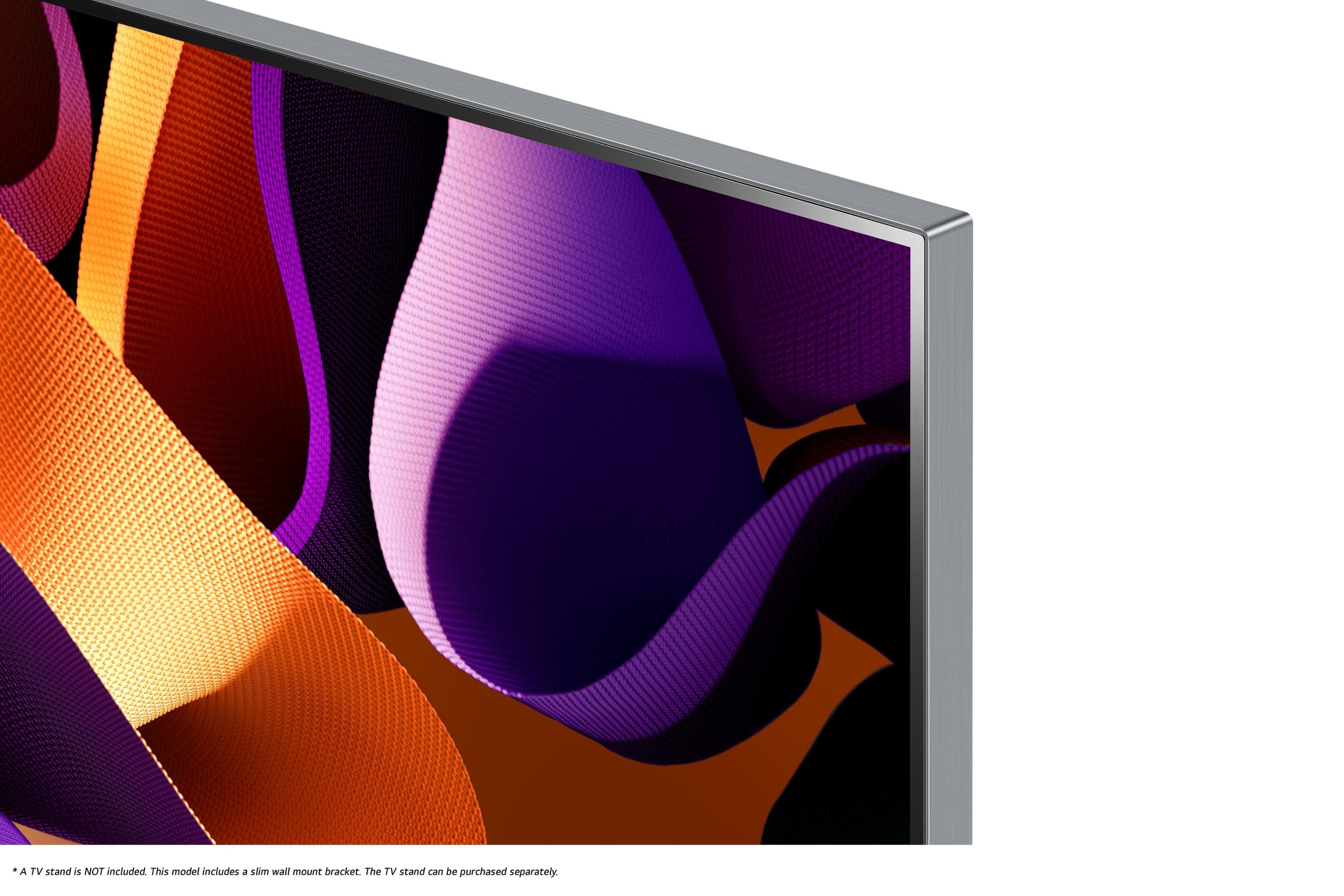
When you're ready to transform your living room into a personal theater, choosing between ultra-large TVs becomes a fascinating study in technology and value. Two standout options dominate this space: the Hisense 100" QD6 Series QLED 4K UHD Fire TV at $1,999.99 and the LG 97" OLED evo G4 Series 4K UHD Smart TV at $19,996.99. Yes, you read that price difference correctly – we're talking about a 10x cost gap for screens that are just 3 inches apart in size.
Having spent considerable time with both QLED and OLED technologies, I can tell you that this isn't just about picking the bigger or more expensive option. Each represents a fundamentally different approach to creating stunning images, and understanding these differences will help you make the right choice for your space and budget.
Before diving into specific models, let's demystify what QLED and OLED actually mean, because these acronyms represent completely different ways of creating the images you see.
QLED (Quantum Dot Light Emitting Diode) technology, like what's in the Hisense QD6, uses a traditional LED backlight that shines through layers of quantum dots – tiny semiconductor particles that emit specific colors when hit by light. Think of quantum dots as incredibly precise color filters that can produce over a billion different shades. The "quantum" part isn't marketing fluff; these particles actually use quantum mechanical properties to convert blue LED light into pure red and green colors, creating a wider color spectrum than regular LED TVs.
OLED (Organic Light Emitting Diode) technology in the LG G4 works completely differently. Each pixel contains organic compounds that light up when electricity passes through them. This means every single pixel can turn completely on or completely off independently – imagine having 8.3 million tiny lightbulbs that you can control individually. When an OLED pixel needs to show black, it simply turns off entirely, creating true black rather than the dark gray you get from backlit displays.
The Hisense 100" QD6 launched as part of Hisense's 2025 lineup, debuting during Amazon's Prime Day event in July 2025. This timing matters because Hisense has been aggressively improving their QLED technology over the past few years. The QD6 series represents their latest push into the ultra-large TV market, incorporating lessons learned from their premium U8 and U9 series while keeping costs manageable.
The LG 97" G4 OLED hit the market in March 2024 as LG's flagship gallery-style TV. What's particularly interesting about the G4 series is that it introduced Micro Lens Array (MLA) technology to combat OLED's traditional brightness limitations – though notably, the 97-inch model doesn't include this feature, making it dimmer than its smaller siblings. This seems counterintuitive, but LG likely made this decision to control manufacturing costs for what was already going to be an extremely expensive display.
Since these releases, both companies have continued refining their technologies. Hisense has been steadily improving their local dimming algorithms and color accuracy, while LG has been working on making OLED panels brighter and more durable. The timing means you're getting relatively mature technologies from both manufacturers.
The most dramatic difference between these TVs becomes apparent the moment you turn them on in a bright room. The Hisense QD6 can punch out peak brightness levels around 1,800 nits in HDR content – that's bright enough to make HDR highlights genuinely pop even with sunlight streaming through your windows. For context, a typical sunny day outdoors measures around 10,000 nits, so this TV can reproduce about 18% of that intensity, which is remarkable for indoor viewing.
Those quantum dots I mentioned earlier play a crucial role here. They're incredibly efficient at converting the blue LED backlight into other colors without losing much energy as heat. This efficiency allows the TV to get significantly brighter than older LCD displays while using similar amounts of power.
The LG G4 OLED, by contrast, peaks at around 1,488 nits – and remember, the 97-inch model lacks the Micro Lens Array that would boost this further. While this is still bright enough for most content, you'll notice the difference in bright rooms or when watching HDR content with intense highlights like explosions or sunshine reflecting off water.
Here's where the tables turn dramatically. While the Hisense might be brighter, the LG achieves something the QLED simply cannot: perfect blacks. When I watch space movies like "Interstellar" or dark TV shows like "House of the Dragon," the difference is immediately obvious. On the OLED, space looks genuinely black – like looking through a window into the void. Stars appear to float in genuine darkness.
The Hisense QD6, despite having local dimming zones that can dim sections of the backlight independently, still shows a subtle grayish hue in what should be pure black areas. This isn't necessarily a deal-breaker – many people don't notice it unless comparing side-by-side – but it's the fundamental limitation of any backlit display technology.
This contrast difference creates a cascading effect on overall image quality. The OLED's infinite contrast ratio (the mathematical result of dividing any number by zero, since true black has zero brightness) means that even dim scenes retain incredible detail and depth. The Hisense's contrast ratio, while impressive for a QLED at around 3,000:1 in optimal conditions, simply can't match this performance.
Both TVs excel at color reproduction, but in different ways. The Hisense QD6's quantum dots create extraordinarily pure colors – when you see a red Ferrari or a brilliant sunset, the quantum dots ensure those reds and oranges appear vivid and accurate. The TV covers nearly the entire DCI-P3 color space used in modern movie production, meaning you're seeing colors very close to what filmmakers intended.
The LG G4 OLED achieves what LG calls "100% Color Volume" and "100% Color Fidelity." In practical terms, this means the TV can produce accurate colors at any brightness level. Many displays struggle to maintain color accuracy as they get brighter or dimmer, but OLED's pixel-level control eliminates this problem.
For gaming enthusiasts, both TVs offer compelling but different advantages. The LG G4 delivers an almost supernatural gaming experience with its 0.1-millisecond response time. This near-instantaneous pixel response means motion blur is virtually eliminated – critical for competitive gaming where seeing enemies clearly during fast movement can mean the difference between victory and defeat.
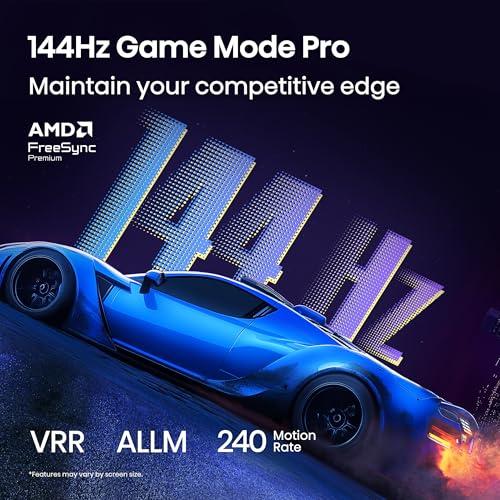
The Hisense QD6 offers respectable gaming performance with an 8-millisecond response time and 144Hz refresh rate support. While this can't match OLED's pixel-perfect motion clarity, it's more than adequate for casual gaming and actually provides some advantages. The brighter display makes it easier to spot details in shadowy game environments, and the larger 100-inch screen creates an incredibly immersive experience for single-player adventures.
Both TVs support Variable Refresh Rate (VRR) technology, which synchronizes the display's refresh rate with your gaming console or PC's frame output, eliminating screen tearing – those annoying horizontal lines that appear when the display and graphics card fall out of sync. They also include Auto Low Latency Mode (ALLM), which automatically switches to game mode when it detects a gaming signal, reducing input lag without manual intervention.
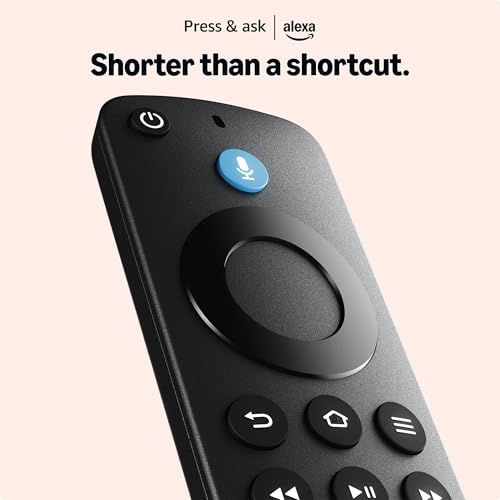
The software experience differs significantly between these TVs. The Hisense QD6 runs Amazon's Fire TV platform, which provides deep integration with Alexa voice control and prioritizes Amazon's content ecosystem. The interface is fast and responsive, though some users find the presence of advertisements on the home screen intrusive. If you're already invested in Amazon's ecosystem – using Prime Video, Amazon Music, or Alexa smart home devices – this integration feels seamless.
The LG G4 runs webOS, widely considered one of the most polished smart TV platforms available. The interface is clean, intuitive, and advertisement-free. It supports both Amazon Alexa and Google Assistant, giving you flexibility in voice control options. The Magic Remote includes a pointer function that makes navigating menus feel more like using a computer mouse than a traditional TV remote.
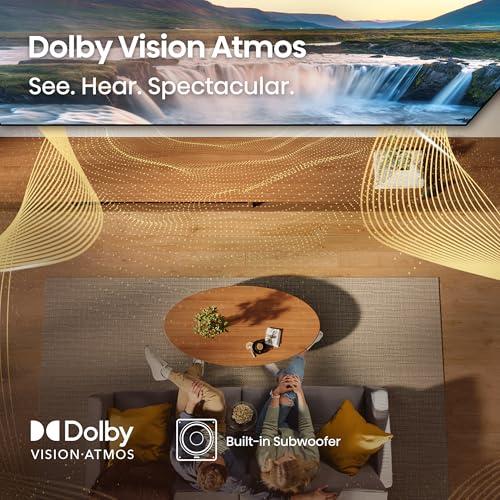
Both TVs include Dolby Atmos support, but their implementation differs. The Hisense QD6 includes a 50-watt audio system that provides adequate sound for casual viewing. The Dolby Atmos processing does add some sense of height and space to the audio, though the built-in speakers can't match dedicated surround sound systems.
The LG G4 features a more sophisticated 60-watt, 4.2-channel system with AI Acoustic Tuning that analyzes your room's acoustics and adjusts the sound accordingly. The additional power and channels create a more immersive audio experience, though at this price point, most buyers will likely pair it with a premium soundbar or full surround sound system.
If you're building a dedicated home theater, room lighting becomes the deciding factor. The LG G4 absolutely shines in dark, controlled environments. Movie nights become genuinely cinematic experiences – the perfect blacks make you forget you're looking at a TV rather than a movie theater screen. The filmmaker mode ensures you're seeing movies exactly as directors intended, without artificial enhancement or processing.
For home theaters with some ambient light or windows, the Hisense QD6 offers distinct advantages. Its superior brightness ensures the image remains punchy and engaging even when you can't achieve complete darkness. The larger 100-inch screen also provides that "wow factor" that makes guests genuinely impressed.
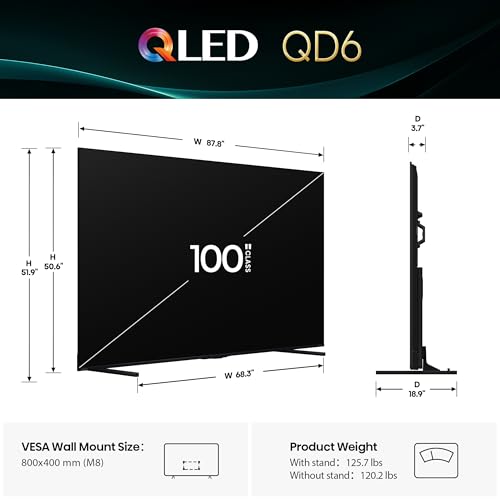
Installation presents different challenges for each. The Hisense weighs 125.7 pounds with its stand and requires careful planning for wall mounting due to its size. The LG G4 weighs 141 pounds with its stand but includes LG's "One Wall Design" philosophy, which positions it nearly flush against the wall when mounted, creating a cleaner aesthetic.
The price difference between these TVs – $1,999.99 versus $19,996.99 – represents more than just cost; it reflects entirely different value propositions.
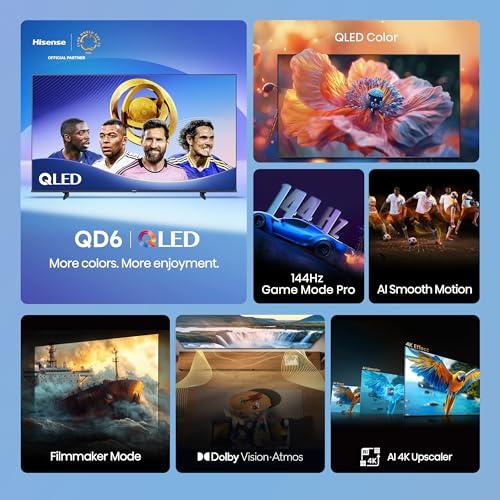
The Hisense QD6 delivers approximately 90% of the premium TV experience at 10% of the cost. You get quantum dot color technology, 144Hz gaming support, Dolby Vision HDR, and a massive 100-inch screen that would have been unimaginable at this price point just a few years ago. The compromises – slightly less perfect blacks, fewer local dimming zones, and a more basic smart platform – are reasonable given the dramatic cost savings.
The LG G4 represents the pinnacle of display technology, where every element is optimized for the best possible experience regardless of cost. The perfect blacks, infinite contrast, and premium build quality justify the price for buyers who prioritize image quality above all else and have the budget to match their standards.
Choose the Hisense 100" QD6 at $1,999.99 if you want maximum screen size and brightness for your money. It's perfect for bright living rooms, sports viewing, and anyone who wants to experience ultra-large TV ownership without the premium price tag. The quantum dot technology ensures vibrant colors, and the Fire TV platform provides access to all major streaming services.
Choose the LG 97" G4 OLED at $19,996.99 if you're building a premium home theater where image quality matters more than budget constraints. The perfect blacks and infinite contrast create an unmatched cinematic experience, especially in dark rooms. It's the choice for serious movie enthusiasts and those who view their TV as a long-term investment in premium entertainment.
Ultimately, both represent excellent examples of their respective technologies. The Hisense proves that cutting-edge TV technology is becoming more accessible, while the LG demonstrates just how incredible displays can be when cost isn't the primary concern. Your choice should align with your room, budget, and viewing priorities – both will transform your entertainment experience in their own remarkable ways.
| Hisense 100" QD6 Series QLED 4K UHD Fire TV 2025 | LG 97" OLED evo G4 Series 4K UHD Smart TV |
|---|---|
| Price - The 10x cost difference is the biggest decision factor | |
| $1,999.99 (exceptional value for 100" QLED) | $19,996.99 (premium pricing for flagship OLED) |
| Screen Size - Both offer cinema-scale viewing experiences | |
| 100 inches (99.5" actual) - largest consumer size available | 97 inches - massive but slightly smaller |
| Display Technology - Fundamentally different approaches to picture quality | |
| QLED with Quantum Dots (LED backlight with color enhancement) | OLED evo (self-lit pixels, no backlight needed) |
| Peak Brightness - Critical for HDR impact and bright room viewing | |
| ~1,800 nits (excellent for bright rooms and HDR highlights) | ~1,488 nits (dimmer due to lack of MLA in 97" model) |
| Black Levels - Determines contrast and dark scene detail | |
| Deep blacks but some grayish tint due to backlight bleeding | Perfect true blacks (pixels turn completely off) |
| Contrast Ratio - Affects overall image depth and realism | |
| ~3,000:1 (very good for QLED technology) | Infinite contrast (mathematical perfection) |
| Gaming Response Time - Essential for competitive gaming performance | |
| 8ms (good for casual gaming, adequate for most users) | 0.1ms (near-instantaneous, ideal for competitive gaming) |
| Refresh Rate - Smooth motion for sports and gaming | |
| 144Hz native (supports high frame rate gaming) | 144Hz with 4K support (premium gaming experience) |
| Smart Platform - Daily user experience and app ecosystem | |
| Fire TV OS with Alexa (Amazon ecosystem integration) | webOS with dual voice assistants (premium interface) |
| HDR Support - Enhanced contrast and color in compatible content | |
| Dolby Vision, HDR10, HDR10+ (wide format support) | Dolby Vision, HDR10, HLG (filmmaker-focused formats) |
| Audio System - Built-in sound quality and power | |
| 50W with Dolby Atmos (adequate, benefits from soundbar) | 60W 4.2-channel with AI tuning (superior built-in audio) |
| Connectivity - Future-proofing and device compatibility | |
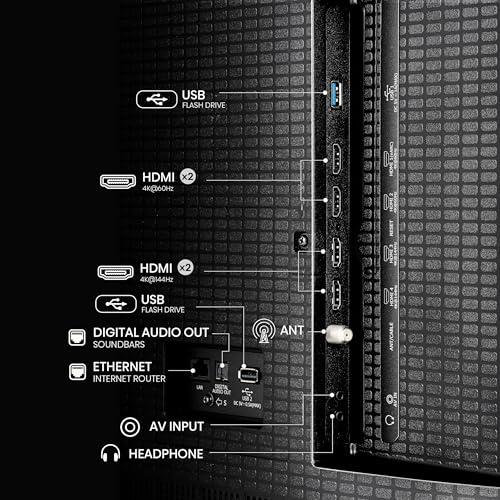
| 4 HDMI (2x HDMI 2.1), Wi-Fi 5, Bluetooth 5 | 4 HDMI 2.1 ports (all full bandwidth), Wi-Fi 6, Bluetooth 5.1 |
| Weight & Installation - Physical considerations for setup | |
| 125.7 lbs with stand (manageable installation) | 141 lbs with stand (gallery-style wall mounting design) |
| Best Use Case - Optimal viewing scenarios for each TV | |
| Bright rooms, sports viewing, value-conscious buyers | Dark home theaters, movie enthusiasts, premium setups |
The Hisense 100" QD6 Series QLED costs $1,999.99 while the LG 97" OLED evo G4 Series costs $19,996.99. That's a dramatic 10x price difference, making the Hisense an exceptional value for ultra-large TV buyers on a budget, while the LG targets premium home theater enthusiasts willing to pay for perfect picture quality.
The Hisense 100" QD6 QLED is significantly better for bright rooms, reaching peak brightness levels around 1,800 nits compared to the LG's 1,488 nits. The QLED technology handles ambient light much better, maintaining vibrant colors and clear images even with sunlight streaming through windows, while OLED displays can appear washed out in bright conditions.
The LG 97" OLED evo G4 delivers superior picture quality with perfect blacks and infinite contrast ratio, as each pixel can turn completely off. The Hisense QLED offers excellent color accuracy through quantum dot technology and higher brightness, but cannot achieve true blacks due to its LED backlight. OLED wins for dark room cinematic viewing, while QLED excels in bright environments.
The size difference between the LG 97" OLED and Hisense 100" QLED is minimal in practical viewing. Both provide massive, cinema-scale experiences that transform your living space. The 100" screen offers slightly more immersion, but the 3-inch difference won't be the deciding factor for most buyers compared to the dramatic technology and price differences.
The LG 97" OLED evo G4 is superior for serious gaming with its 0.1ms response time, eliminating motion blur for competitive play. Both support 144Hz refresh rates and gaming features like VRR and ALLM, but the Hisense 100" QLED offers excellent casual gaming performance at 8ms response time while providing a larger, more immersive screen for single-player adventures.
Yes, both the Hisense 100" QD6 QLED and LG 97" OLED evo G4 support 4K resolution and multiple HDR formats. The Hisense supports Dolby Vision, HDR10, and HDR10+, while the LG supports Dolby Vision, HDR10, and HLG. Both deliver stunning detail and enhanced contrast for compatible streaming content and 4K Blu-rays.
The LG's webOS platform is generally considered more polished and user-friendly, offering a clean interface without ads and supporting both Alexa and Google Assistant. The Hisense's Fire TV platform provides excellent Amazon ecosystem integration and fast performance, though some users dislike the presence of advertisements on the home screen.
Both excel in home theaters but for different reasons. The LG 97" OLED is ideal for dedicated dark home theaters, delivering perfect blacks and cinematic contrast that rivals commercial theaters. The Hisense 100" QLED works better in multipurpose rooms with ambient light, offering impressive brightness and the largest screen size available at its price point.
The LG 97" OLED consumes around 328 watts during normal viewing, while specific power consumption for the Hisense 100" QLED varies based on brightness settings but typically uses more power due to its LED backlight system. OLED pixels only consume power when lit, making them more efficient for dark content, while QLEDs maintain consistent power draw regardless of image content.
The LG 97" OLED evo G4 offers superior built-in audio with its 60-watt, 4.2-channel system and AI Acoustic Tuning technology. The Hisense 100" QLED provides adequate 50-watt audio with Dolby Atmos support. However, both TVs benefit significantly from external soundbars or surround sound systems, especially given their large screen sizes.
Both technologies offer excellent longevity when properly maintained. The Hisense QLED uses traditional LED backlights that typically last 60,000+ hours of viewing. The LG OLED has improved significantly in durability, with modern panels rated for similar lifespans. OLED pixels can experience gradual dimming over extremely long periods, but both TVs should provide many years of excellent performance for typical households.
The Hisense 100" QD6 QLED at $1,999.99 offers exceptional value, delivering premium features like quantum dot color, 144Hz gaming, and massive screen size at an unprecedented price point. The LG 97" OLED evo G4 at $19,996.99 justifies its premium pricing for buyers who prioritize perfect picture quality and have the budget for flagship performance. Choose based on your budget priorities and viewing environment needs.
We've done our best to create useful and informative comparisons to help you decide what product to buy. Our research uses advanced automated methods to create this comparison and perfection is not possible - please contact us for corrections or questions. These are the sites we've researched in the creation of this article: bestbuy.com - youtube.com - tvsbook.com - rtings.com - youtube.com - youtube.com - bestbuy.com - leaseville.com - pcrichard.com - bestbuy.com - youtube.com - hisense-usa.com - manuals.plus - hisense-usa.com - hisense-usa.com - brandsmartusa.com - rtings.com - marketplace.sce.com - abt.com - youtube.com - walts.com - videoandaudiocenter.com - youtube.com - fullspecs.net - big-georges.com - techradar.com - youtube.com

Privacy Policy
Terms and Conditions - Affiliate Policy
Home Security
© Copyright 2008-2026.
11816 Inwood Rd #1211, Dallas, TX 75244