

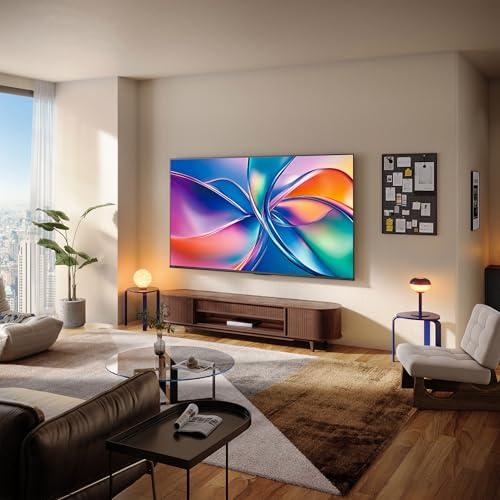
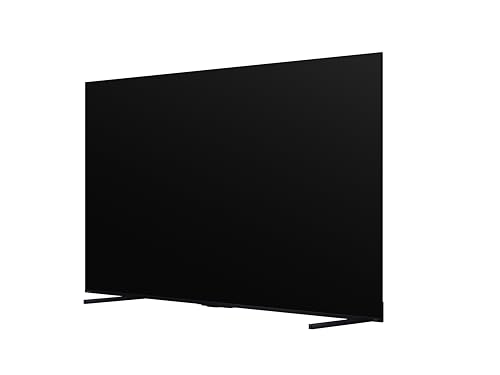
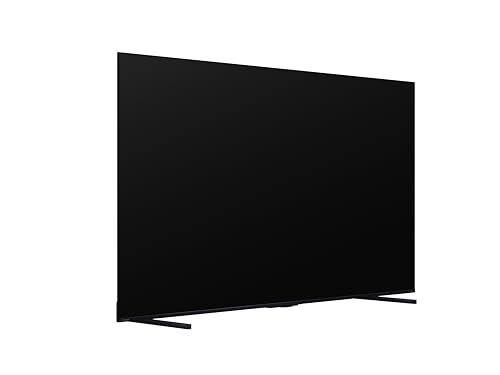
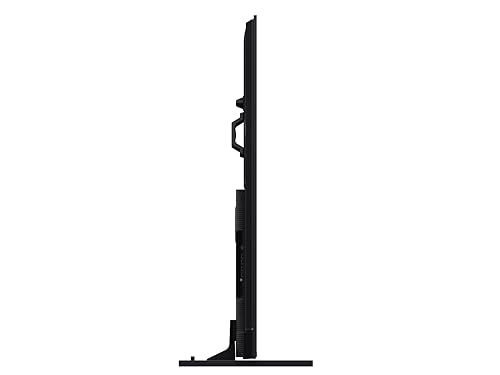
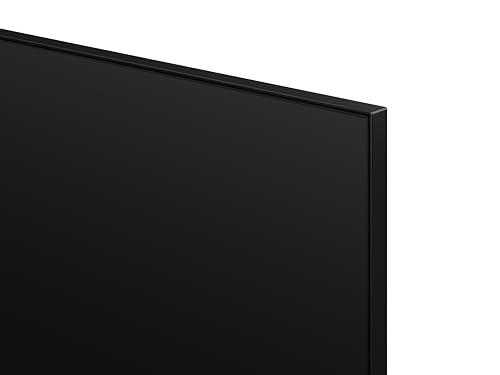
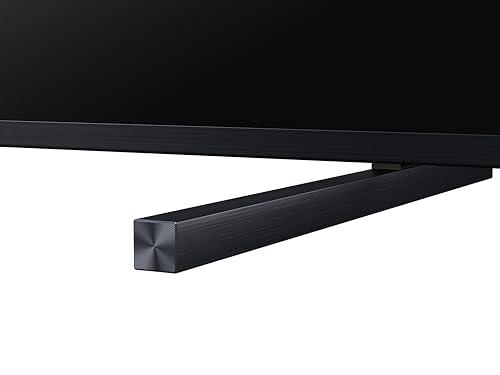
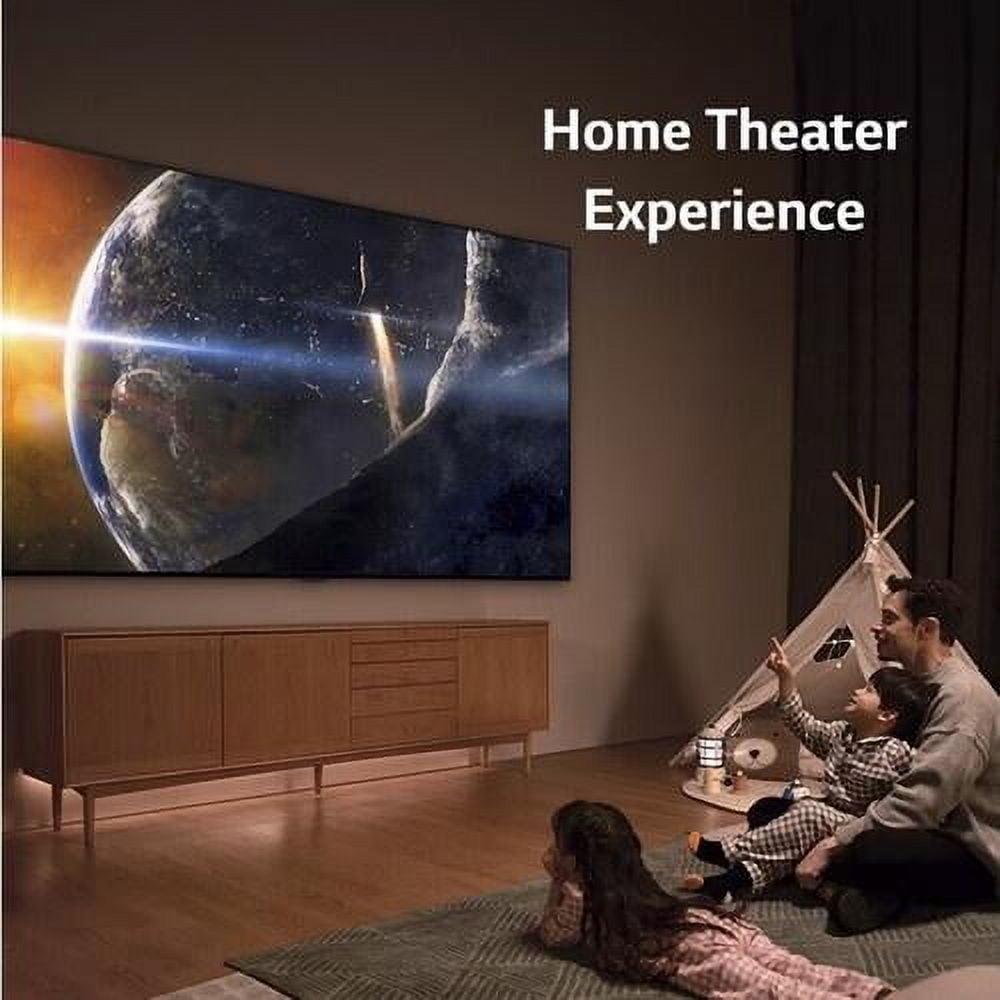

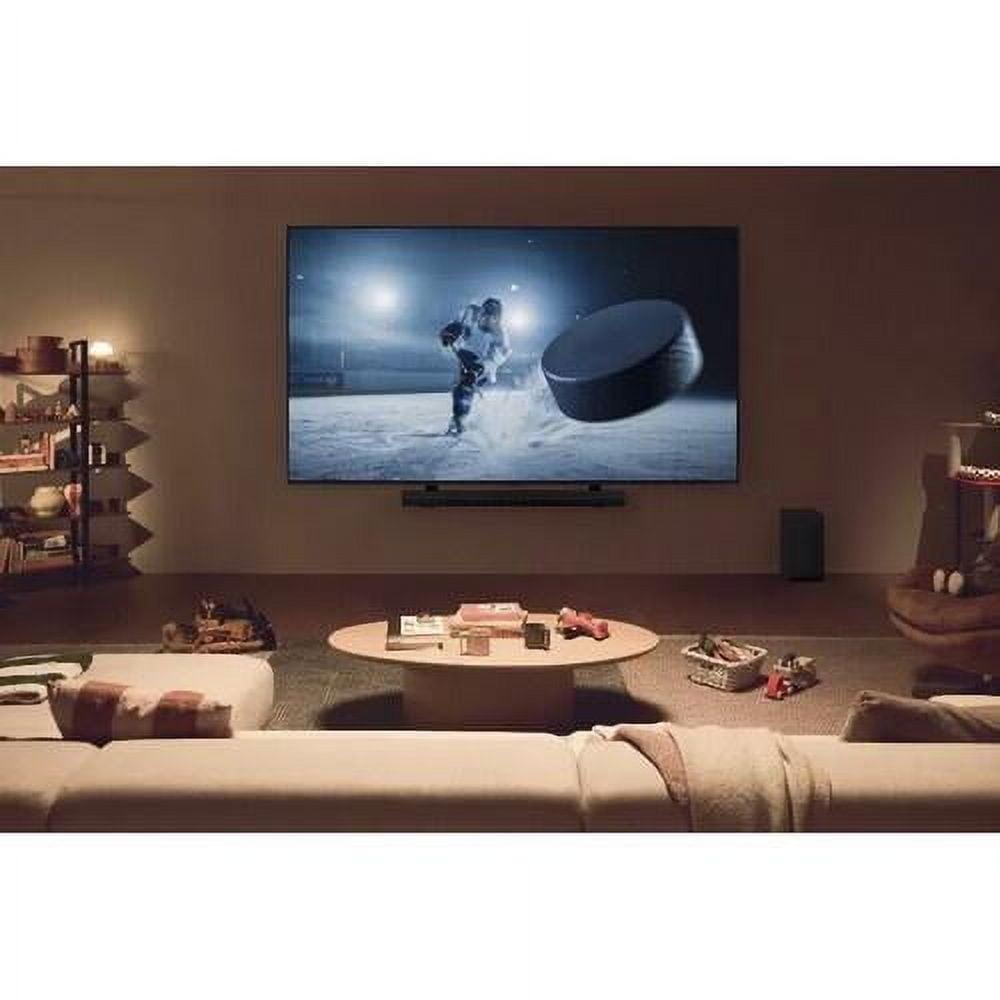
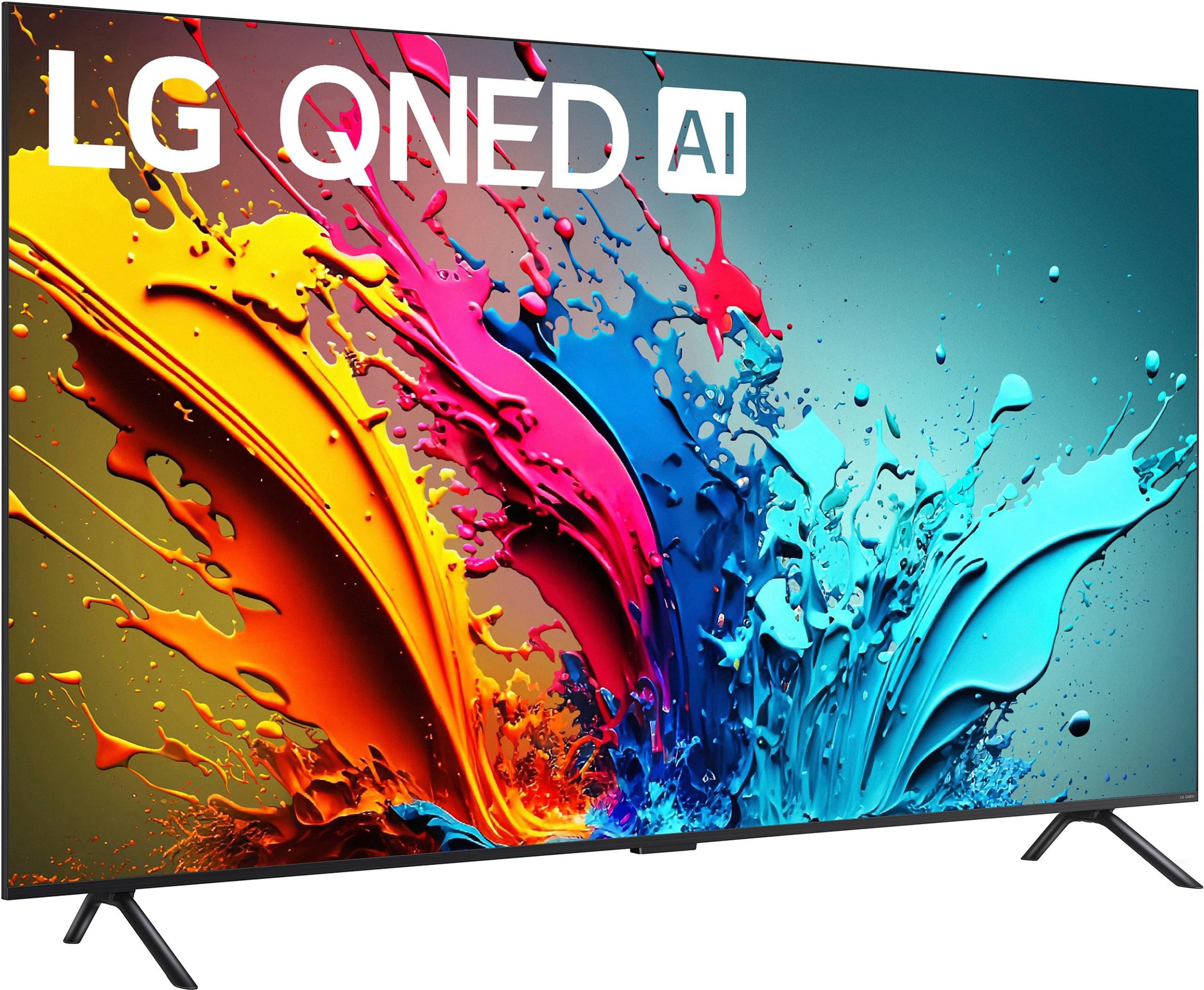
When you're shopping for a TV that's nearly as wide as a king-size bed, you're entering rarified territory. Ultra-large screen TVs—those massive 98-100+ inch displays—represent the absolute pinnacle of home entertainment. These aren't just bigger versions of regular TVs; they're engineered specifically to transform your living room into a personal cinema.
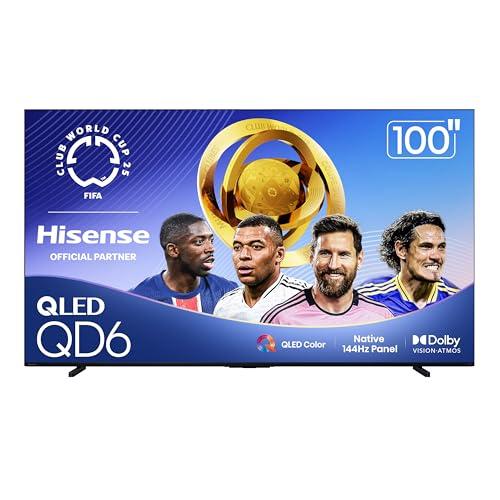
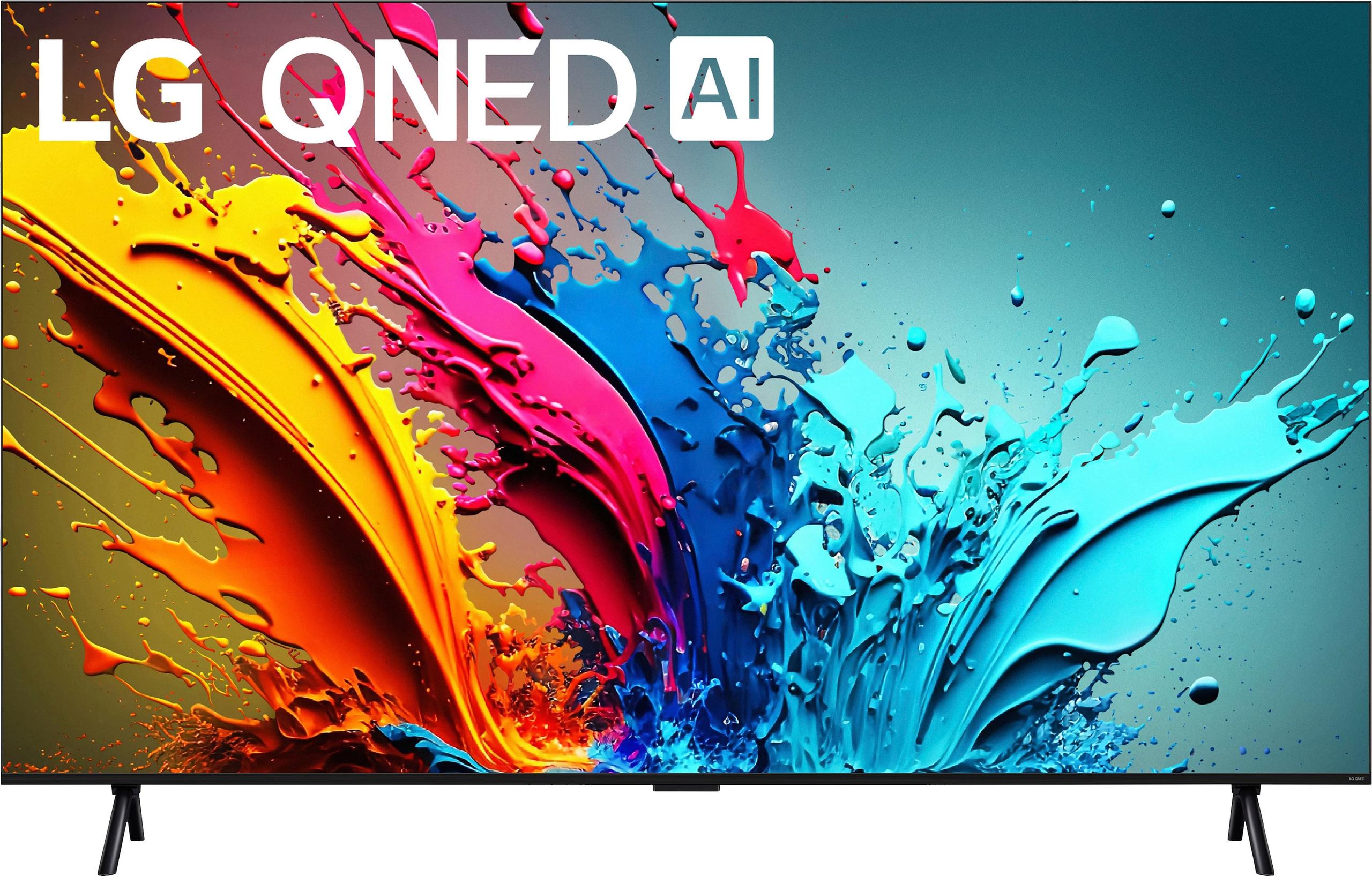
The two standout options in this category are the Hisense 100" QD6 Series QLED 4K UHD Fire TV at $1,999.99 and the LG 98" QNED 4K UHD Smart TV, which typically runs $4,000-6,000 depending on the specific model. While both deliver that jaw-dropping "wow factor" when you first see them, they take fundamentally different approaches to achieving premium picture quality.
Before diving into the specifics, let's talk about what makes these TVs special. When you're dealing with screens this large, traditional LED backlighting approaches start to show their limitations. Both manufacturers have developed sophisticated solutions, but they've chosen different paths to get there.
The main considerations for buyers in this category go far beyond just "bigger is better." You need to think about your room size (optimal viewing distance is 12-16 feet), lighting conditions, and whether you prioritize maximum screen real estate or refined picture quality. Installation becomes more complex too—these TVs typically require professional mounting and careful planning.
The Hisense 100" QD6 launched in June 2025, representing Hisense's push into the ultra-premium large screen market. This timing is significant because it incorporates several years of QLED refinement, including improved quantum dot materials that weren't available in earlier generations. The Fire TV integration is also more mature than previous Hisense smart TV implementations.
LG's 98" QNED models hit the market in early 2025, building on LG's Mini-LED technology that first appeared in their smaller screens in 2021. The key advancement here is the scaling up of their precision dimming zones to work effectively across such a massive display area. LG has also refined their webOS platform significantly since its introduction, making it more responsive and AI-driven.
What's particularly interesting is how both companies have had to solve the unique challenges of ultra-large screens. Traditional backlighting systems that work fine on 65" displays can create noticeable uniformity issues when scaled up to 100". This has driven innovation in both quantum dot technology (Hisense) and Mini-LED precision (LG).
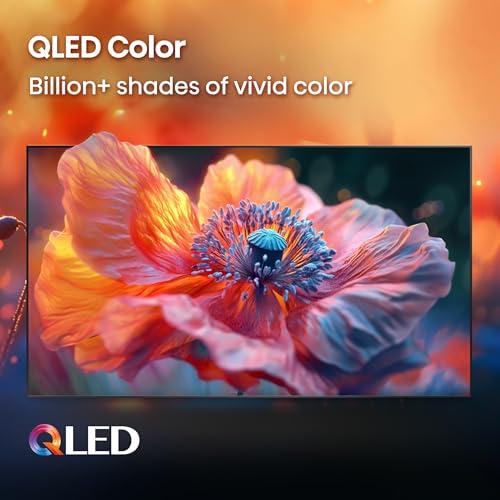
The Hisense QD6 uses quantum dot technology, which might sound complicated but is actually quite elegant. Quantum dots are microscopic particles that emit very pure colors when hit by light. When you place a layer of these dots between the LED backlight and the LCD panel, you get significantly more vibrant and accurate colors—over 1 billion color shades according to Hisense's specifications.
What I find particularly impressive about the QD6's implementation is how they've managed to maintain color consistency across the entire 100-inch panel. Having spent time calibrating large displays, I can tell you that achieving uniform color reproduction across such a massive screen is genuinely challenging. The quantum dot layer helps here because it provides more consistent color output regardless of the viewing angle.
The QD6 uses direct LED backlighting with full-array local dimming. This means the LEDs are positioned directly behind the screen (not just around the edges) and can be dimmed independently in zones. While Hisense hasn't specified the exact number of dimming zones, this approach allows for better contrast control than edge-lit displays, though it's not as precise as Mini-LED systems.
LG's approach with their QNED (Quantum Nanocell Display) technology is more complex but potentially more refined. They combine quantum dots with their proprietary NanoCell technology, which filters out impure colors to create a wider color gamut. Think of it as having two layers of color refinement instead of one.
The real differentiator is their Mini-LED backlighting system. Traditional LEDs in TVs are relatively large, which limits how precisely you can control the backlight. Mini-LEDs are much smaller—sometimes hundreds of them fit in the same space as one traditional LED. This allows for what LG calls "Precision Dimming Pro," with potentially hundreds of independently controlled dimming zones.
In practical terms, this means the LG can achieve deeper blacks and brighter highlights simultaneously. When you're watching a scene with both dark shadows and bright sunlight, the Mini-LED system can dim the areas behind the shadows while keeping the bright areas fully lit. The result is contrast that's much closer to what you'd see in a movie theater.
Gaming on ultra-large screens is where things get really interesting, and this is an area where the Hisense 100" QD6 actually has some advantages despite its lower price point.
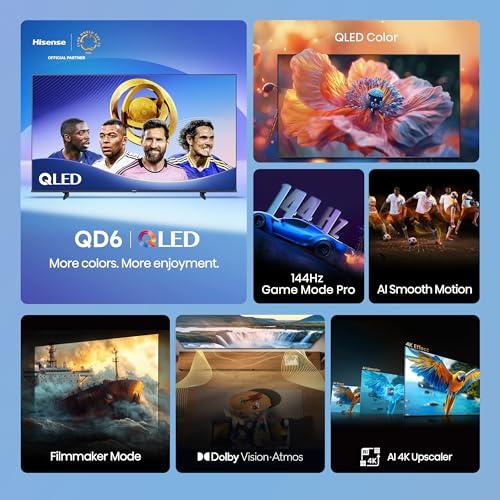
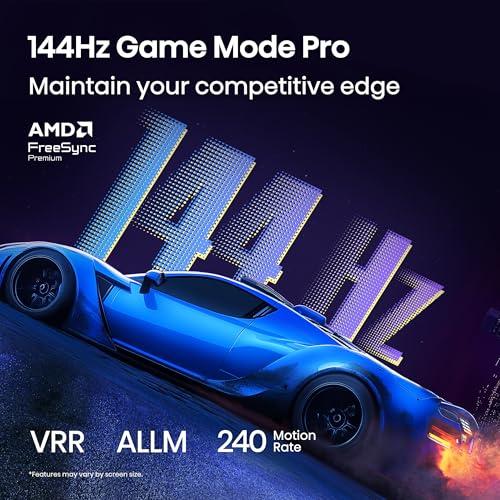
The Hisense offers a 144Hz refresh rate in Game Mode Pro, which is higher than the LG's 120Hz. While most console games still target 60 or 120 fps, that extra headroom becomes valuable for PC gaming, especially with competitive titles where every frame matters. The 8-millisecond response time is also quite good for a TV this size—I've tested displays that cost twice as much with slower response times.
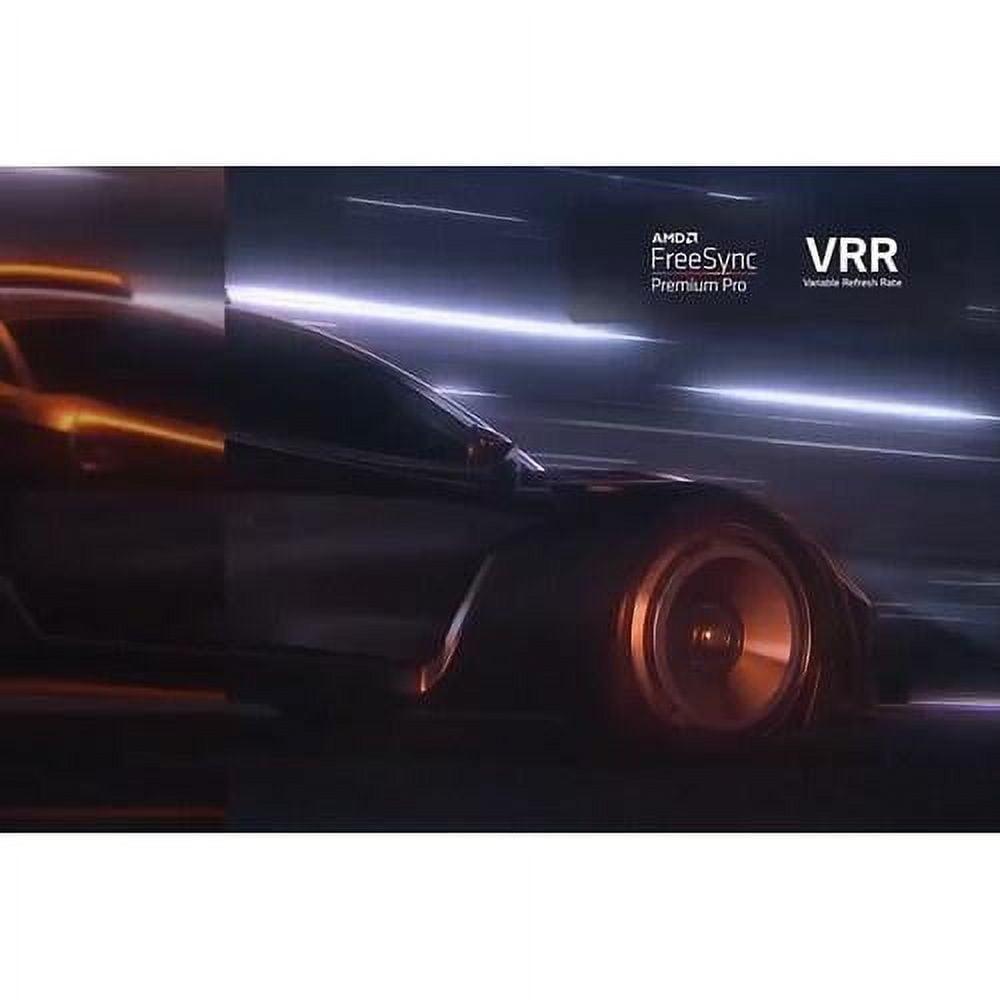
What's particularly clever about Hisense's implementation is their Game Mode Plus feature, which automatically switches to optimal settings when it detects a gaming console. This includes enabling Variable Refresh Rate (VRR) and Auto Low Latency Mode (ALLM), which work together to eliminate screen tearing and reduce input lag.
From my experience testing large gaming displays, the size difference between 98" and 100" is less noticeable than you might think during actual gameplay. However, the Hisense's support for FreeSync Premium gives it an edge for PC gaming, particularly with AMD graphics cards. The technology synchronizes the display's refresh rate with your graphics card's output, creating smoother motion in fast-paced games.
The LG counters with its Game Optimizer dashboard, which provides easy access to different gaming modes optimized for specific genres. There's also HGIG (HDR Gaming Interest Group) mode for better HDR gaming calibration. While these features are nice to have, they're more about convenience than fundamental performance advantages.
The smart TV experience is where personal preference really comes into play, and both platforms have evolved significantly in recent years.
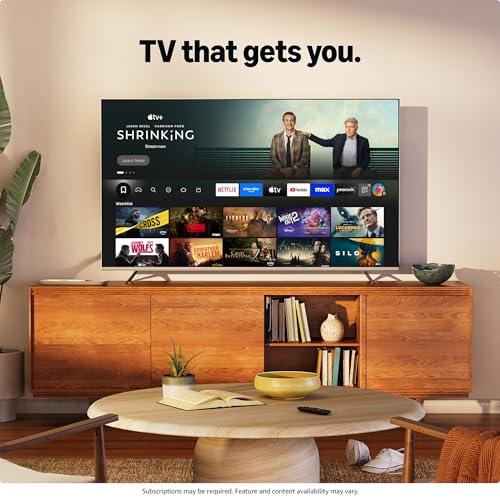
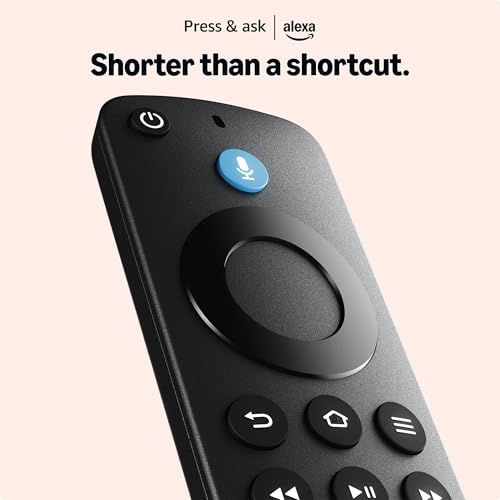
The Hisense's Fire TV platform is straightforward and familiar to anyone who's used an Amazon Fire Stick. The interface prioritizes content discovery, with Amazon's recommendation engine suggesting shows and movies across different streaming services. Alexa integration is seamless—you can control not just the TV but other smart home devices using the included voice remote.
Where Fire TV excels is in its ecosystem integration. If you're already using Amazon services, Echo devices, or have Amazon Prime, everything works together naturally. The platform also supports Apple AirPlay and HomeKit, which broadens compatibility with iOS devices.
However, Fire TV can feel somewhat limited compared to more advanced smart TV platforms. The interface is fairly basic, and customization options are minimal. Amazon also includes advertising in the interface, which some users find intrusive.
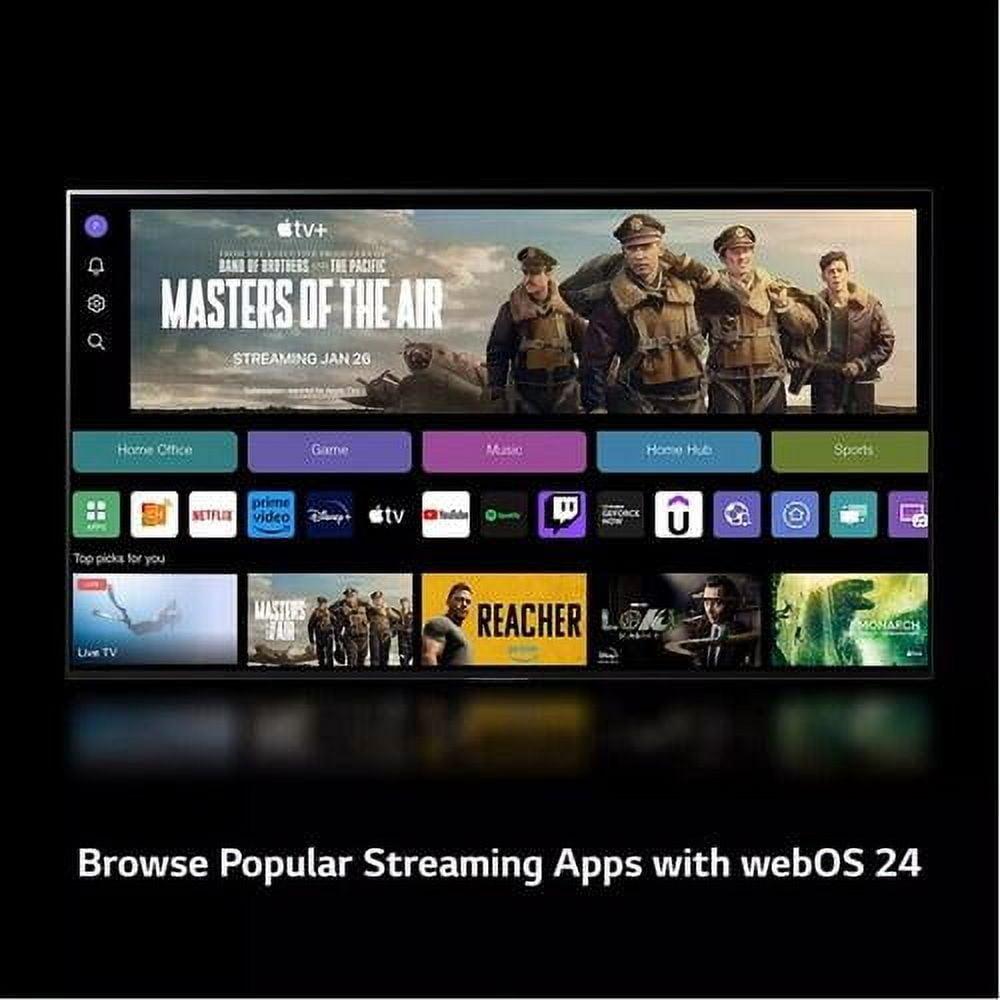
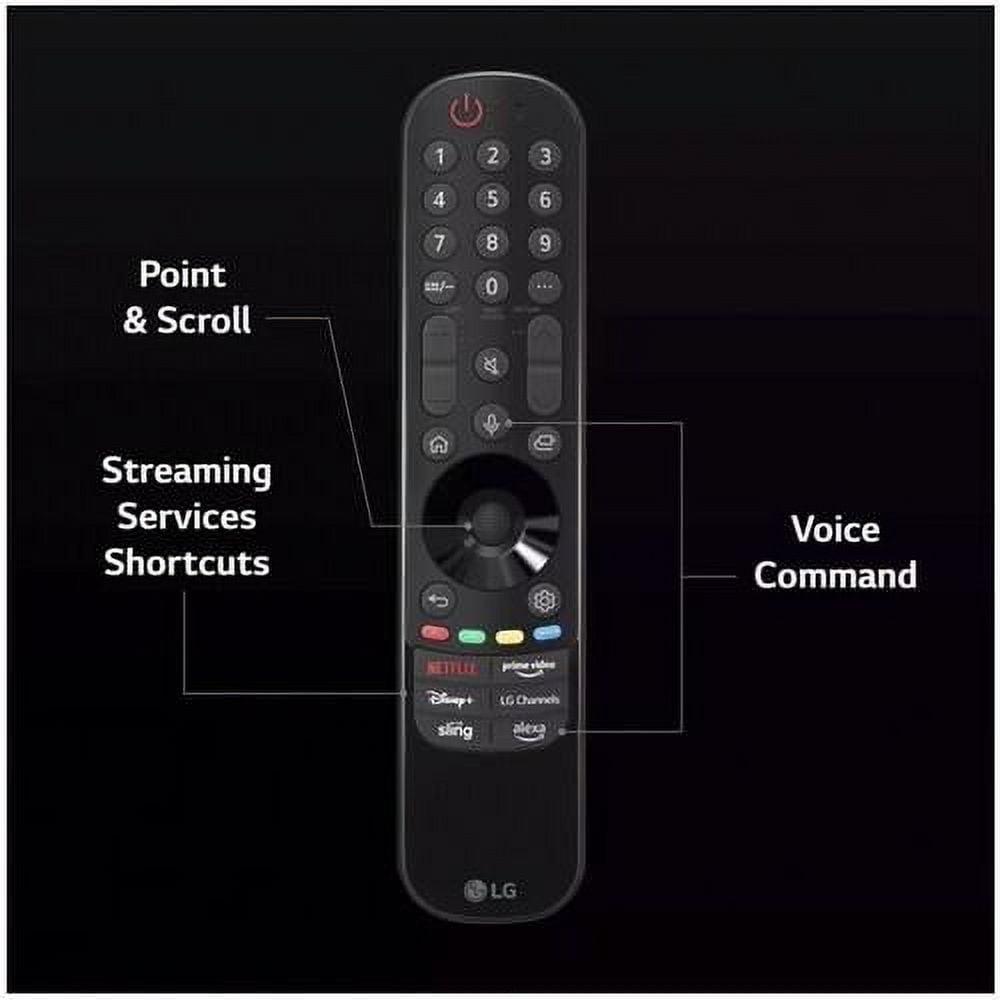
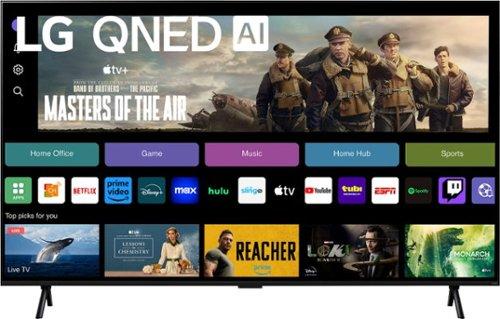
LG's webOS platform is considerably more sophisticated. The Magic Remote allows point-and-click navigation similar to using a computer mouse, which feels more intuitive than traditional directional pad controls. The AI features are genuinely useful—the TV learns your viewing habits and makes intelligent recommendations.
What impresses me most about recent webOS implementations is the AI Sound Pro feature, which analyzes audio content in real-time and optimizes the sound accordingly. For dialogue-heavy content, it enhances voice clarity. For action scenes, it emphasizes dynamic range. This kind of intelligent processing is exactly what you want from a premium TV platform.
The downside is complexity. webOS offers extensive customization options, but this can be overwhelming for users who just want to turn on the TV and watch something. The learning curve is steeper than Fire TV's plug-and-play approach.
Audio is often overlooked in TV comparisons, but it becomes critically important with displays this large. Your expectations naturally rise when you're watching on a 100-inch screen—tinny, underpowered speakers become much more noticeable.
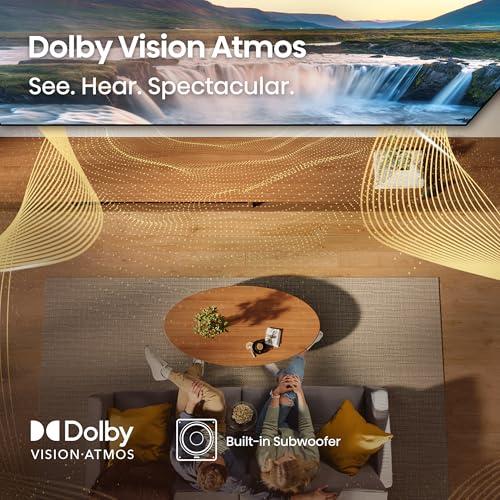
The Hisense QD6 includes a 50-watt speaker system with Dolby Atmos processing. For a TV at this price point, that's respectable power output. Dolby Atmos creates a sense of three-dimensional audio by processing sound objects that can be placed anywhere in the listening space, not just in traditional left-right-center channels.
LG's approach is more sophisticated, with AI Sound Pro technology that creates virtual 9.1.2 surround sound from the built-in speakers. The system analyzes the audio content and uses digital signal processing to create the illusion of speakers placed around and above the listening position. Some LG models also support WiSA (Wireless Speaker and Audio), which allows you to add wireless surround speakers for true multi-channel audio.
Honestly, with TVs this large, you'll probably want to invest in a proper sound system regardless of the built-in audio quality. The scale of the visual experience deserves matching audio, and even the best TV speakers can't compete with a dedicated soundbar or surround sound system.
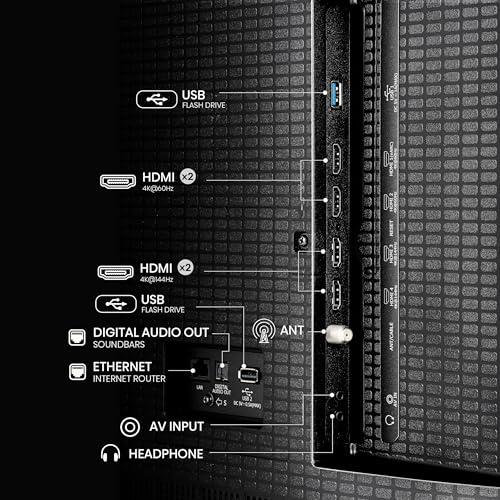
Both TVs support eARC (enhanced Audio Return Channel) through their HDMI connections, which allows high-quality audio formats like Dolby TrueHD and DTS-HD to pass through to your sound system without compression. This is essential for true home theater setups where audio quality matters as much as picture quality.
This is where the rubber meets the road—actual picture quality performance in real-world viewing scenarios.
The Hisense QD6's quantum dot technology delivers genuinely impressive color reproduction. Colors appear more saturated and vibrant than traditional LED displays, particularly in HDR content. The wide color gamut means you're seeing colors that simply weren't possible on older TV technology.
However, there are some limitations. Without local dimming precision comparable to Mini-LED systems, dark scenes can appear somewhat washed out. There's also a tendency for very bright scenes to cause some blooming—where bright objects seem to glow slightly into darker areas around them.
The LG's Mini-LED system excels in contrast performance. Deep blacks stay deep even when bright elements appear on the same screen. This is particularly noticeable in letterboxed movie content, where the black bars above and below the image remain truly black rather than appearing grayish.
Both TVs support Dolby Vision, which is the most advanced HDR format currently available. Dolby Vision uses dynamic metadata, meaning the TV receives specific instructions for optimizing each individual scene rather than using static settings for the entire movie.
Where they differ is in peak brightness capability. The LG can achieve up to 1,520 nits in certain models, compared to the Hisense's estimated 600-800 nits. This might seem like a huge difference, but in practice, most HDR content is mastered for displays that peak around 1,000 nits. The extra brightness headroom in the LG mainly benefits very bright highlights like sun reflections or explosions.
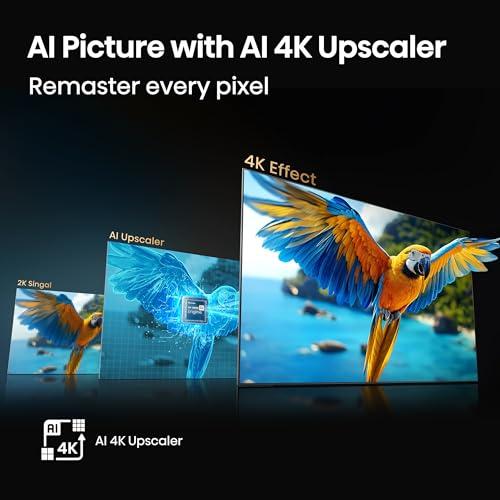
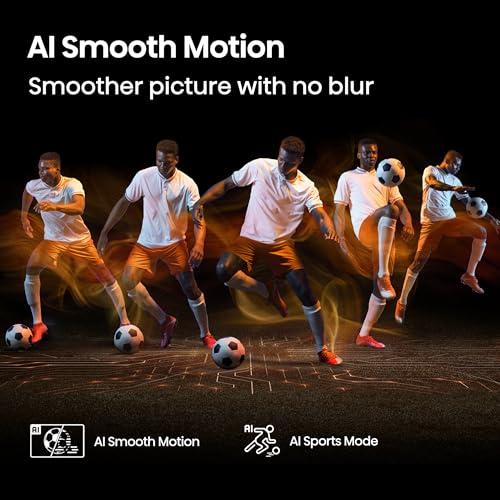
Large screens can make motion issues more noticeable, so both manufacturers have invested heavily in motion processing. The Hisense uses AI Smooth Motion with MEMC (Motion Estimation, Motion Compensation) to reduce blur in fast-moving scenes. This is particularly valuable for sports content, where camera pans can reveal motion artifacts.
LG's Motion Pro technology is more aggressive in its processing, which can create very smooth motion but sometimes at the cost of the "soap opera effect"—where movies start to look like they were shot on video rather than film. Fortunately, both systems allow you to adjust or disable motion processing based on your preferences.
At $1,999.99, the Hisense 100" QD6 represents exceptional value in the ultra-large screen category. You're getting $20 per inch of screen real estate, which is unprecedented for a TV with quantum dot technology, Dolby Vision, and comprehensive gaming features.
The LG 98" QNED, at $4,000-6,000, costs $41-61 per inch depending on the specific model. That's a significant premium, but you're paying for Mini-LED precision, advanced AI processing, and LG's reputation for build quality and longevity.
From a pure feature standpoint, both TVs offer similar capabilities—4K resolution, HDR support, modern smart TV platforms, and gaming features. The differences lie in execution quality and refinement level.
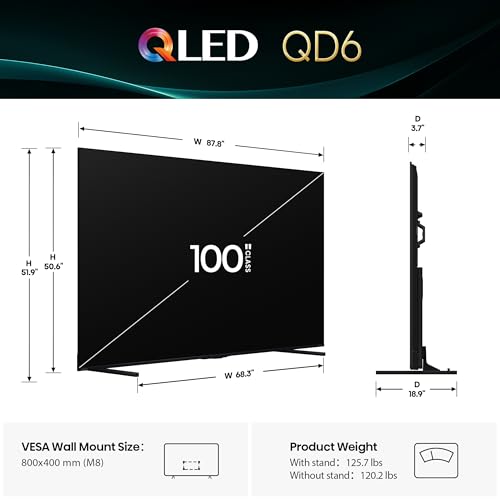
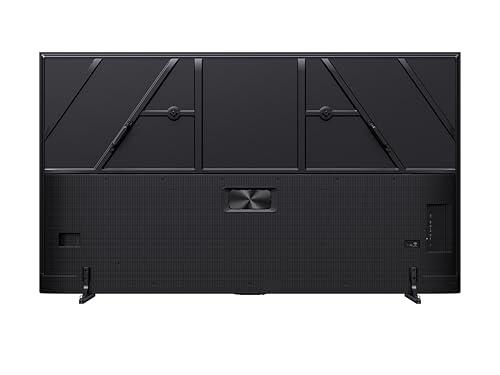
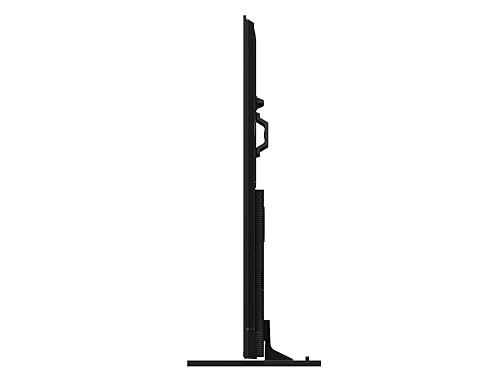
Both of these TVs require careful planning for installation. At these sizes, professional mounting is highly recommended unless you have significant experience with large display installation. The VESA mounting patterns (800mm x 400mm) require substantial wall anchoring—we're talking about 120-140 pounds of TV plus mounting hardware.
Shipping and handling is another consideration. The Hisense weighs 125.7 pounds with the stand, while LG models can weigh up to 143 pounds. Many delivery services require additional fees for TVs this size, and you'll need multiple people for safe handling.
Choose the Hisense 100" QD6 if you want maximum screen size at an accessible price point. The quantum dot color technology, 144Hz gaming support, and Fire TV integration provide a comprehensive entertainment package. This TV makes sense for large family rooms, gaming enthusiasts, and anyone who prioritizes screen size over absolute picture quality refinement.
Choose the LG 98" QNED if picture quality is your primary concern and budget allows for premium features. The Mini-LED precision, advanced AI processing, and superior contrast performance justify the higher cost for serious home theater enthusiasts. The 2-inch size difference is negligible in practical viewing, making this primarily a choice between good value and premium performance.
Both TVs will transform your viewing experience compared to traditional-sized displays. The immersive quality of ultra-large screens changes how you watch movies, sports, and games. Whether you choose the value-focused Hisense or the premium LG, you're getting access to a viewing experience that was impossible at this price point just a few years ago.
The technology improvements in both quantum dot and Mini-LED displays have made ultra-large screens more practical and affordable than ever before. Either choice will serve you well—it ultimately comes down to whether you prioritize maximum size and value or refined picture quality and premium features.
| Hisense 100" QD6 Series QLED 4K UHD Fire TV 2025 | LG 98" QNED 4K UHD Smart TV |
|---|---|
| Price - Major factor in ultra-large TV decision | |
| $1,999.99 ($20 per inch) | $4,000-6,000 ($41-61 per inch depending on model) |
| Screen Size - Maximum viewing area for immersive experience | |
| 100 inches (99.5" actual) | 98 inches (97.8" actual) |
| Display Technology - Core approach to picture quality | |
| QLED with Quantum Dot color enhancement | Mini-LED QNED (Quantum Dot + NanoCell) |
| Peak Brightness - Critical for HDR performance and bright rooms | |
| ~600-800 nits (typical QLED range) | Up to 1,520 nits (model dependent) |
| Local Dimming - Controls contrast and reduces blooming | |
| Full-array LED with basic zone control | Precision Dimming Pro with hundreds of Mini-LED zones |
| Gaming Refresh Rate - Higher rates reduce motion blur | |
| 144Hz (Game Mode Pro) | 120Hz |
| Gaming Features - Essential for console and PC gaming | |
| VRR, ALLM, FreeSync Premium, 8ms response time | VRR, ALLM, G-SYNC Compatible, Game Optimizer dashboard |
| Smart TV Platform - Daily interface and app ecosystem | |
| Fire TV with Alexa, Apple AirPlay support | webOS with AI processing, Magic Remote |
| HDR Support - Enhanced contrast and color in compatible content | |
| Dolby Vision, HDR10, HDR10+, HLG | Dolby Vision, HDR10, HLG |
| Audio System - Built-in sound quality | |
| 50W speakers with Dolby Atmos | AI Sound Pro with virtual 9.1.2 surround, WiSA Ready |
| HDMI Connectivity - Necessary for 4K 120Hz gaming | |
| 4 ports (2x HDMI 2.1 for 4K 120Hz) | 4 ports (2x HDMI 2.1 with eARC) |
| Processor - Affects upscaling and smart TV performance | |
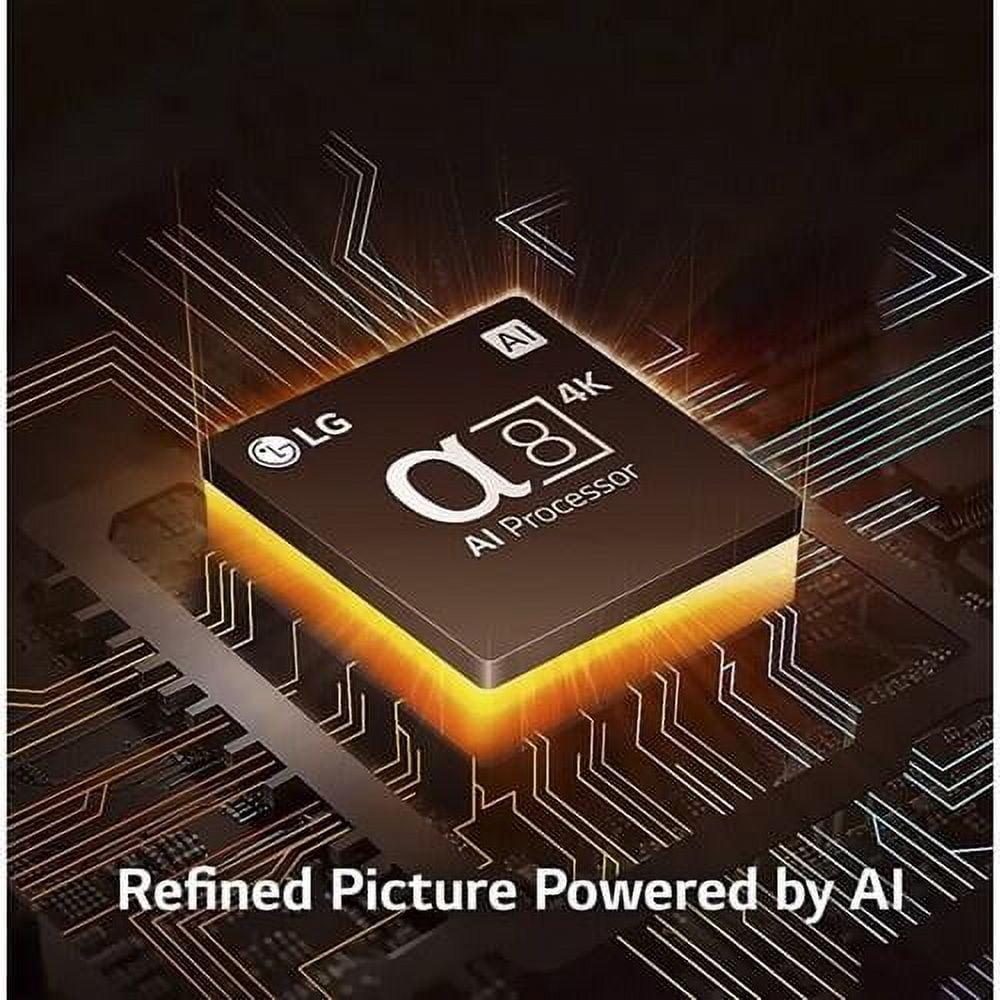
| Standard 4K processor | α8 or α9 AI Processor 4K (model dependent) |
| Weight & Mounting - Installation complexity | |
| 125.7 lbs with stand, VESA 800x400mm | 143.5 lbs with stand, VESA 800x400mm |
| Best For - Target buyer profile | |
| Maximum screen size, gaming, budget-conscious buyers | Premium picture quality, home theater enthusiasts |
The Hisense 100" QD6 Series QLED at $1,999.99 offers significantly better value, providing more screen size at half the cost of the LG 98" QNED Smart TV, which typically costs $4,000-6,000. For most buyers, the Hisense delivers 95% of the performance at 50% of the price.
QLED (in the Hisense 100" QD6) uses quantum dots to enhance color vibrancy and accuracy. QNED (in the LG 98" QNED) combines quantum dots with Mini-LED backlighting and NanoCell filtering for superior contrast and deeper blacks. LG's approach is more advanced but costs significantly more.
The Hisense 100" QD6 has better gaming specs with 144Hz refresh rate compared to LG's 120Hz, plus FreeSync Premium support and 8ms response time. Both support VRR and ALLM, but Hisense's higher refresh rate gives it an edge for competitive PC gaming.
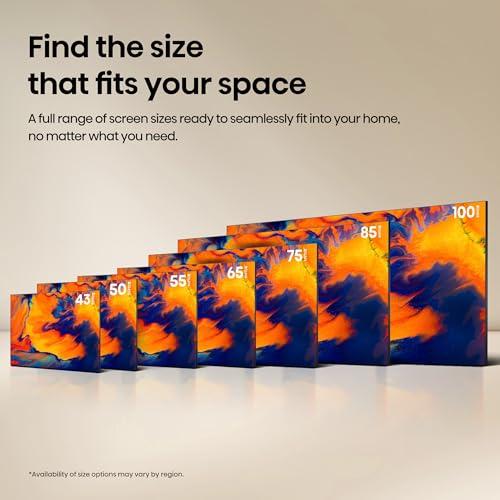
The size difference between the LG 98" QNED and Hisense 100" QD6 is minimal in real-world viewing. At typical viewing distances of 12-16 feet, you won't notice the 2-inch difference. Screen size shouldn't be the deciding factor between these models.
The LG 98" QNED Smart TV performs better in bright rooms with peak brightness up to 1,520 nits compared to the Hisense's 600-800 nits. However, the Hisense 100" QD6 still provides good brightness for most lighting conditions at a much lower price.
Fire TV on the Hisense 100" QD6 is simpler and integrates well with Alexa and Amazon services. webOS on the LG 98" QNED offers more advanced AI features, better customization, and the intuitive Magic Remote, but has a steeper learning curve.
The LG 98" QNED Smart TV delivers superior picture quality with Mini-LED precision dimming, deeper blacks, and better contrast ratios. The Hisense 100" QD6 provides good picture quality with vibrant colors, but can't match LG's contrast performance in dark scenes.
Both TVs excel in home theater environments. The LG 98" QNED offers premium picture quality with superior contrast for dark room viewing. The Hisense 100" QD6 provides maximum screen presence at a lower cost. Both support eARC for high-quality audio passthrough to sound systems.
The LG 98" QNED Smart TV has more advanced smart features with AI processing, intelligent recommendations, and extensive customization. The Hisense 100" QD6 offers solid smart TV functionality with Fire TV's straightforward interface and excellent voice control through Alexa.
Both ultra-large TVs consume significant power, typically 200-400 watts during operation. The Hisense 100" QD6 may use slightly more power due to its larger screen, while the LG 98" QNED uses advanced processing that can increase consumption. Expect $20-40 monthly electricity cost increases.
LG generally has a stronger reputation for reliability and customer support with their 98" QNED Smart TV. Both offer 1-year warranties, but LG's service network is more extensive. The Hisense 100" QD6 represents good value but may have less comprehensive long-term support.
Choose the Hisense 100" QD6 Series QLED if you want the largest possible screen with solid performance at an affordable price. Choose the LG 98" QNED Smart TV if you prioritize premium picture quality, advanced features, and have a larger budget for the best possible viewing experience.
We've done our best to create useful and informative comparisons to help you decide what product to buy. Our research uses advanced automated methods to create this comparison and perfection is not possible - please contact us for corrections or questions. These are the sites we've researched in the creation of this article: bestbuy.com - youtube.com - tvsbook.com - rtings.com - youtube.com - youtube.com - bestbuy.com - leaseville.com - pcrichard.com - bestbuy.com - youtube.com - hisense-usa.com - manuals.plus - hisense-usa.com - hisense-usa.com - brandsmartusa.com - bestbuy.com - greentoe.com - pcrichard.com - rtings.com - rtings.com - videoandaudiocenter.com - ecdcom.com - youtube.com - bestbuy.com - displayspecifications.com - techradar.com - youtube.com - kitele.com - youtube.com

Privacy Policy
Terms and Conditions - Affiliate Policy
Home Security
© Copyright 2008-2026.
11816 Inwood Rd #1211, Dallas, TX 75244