

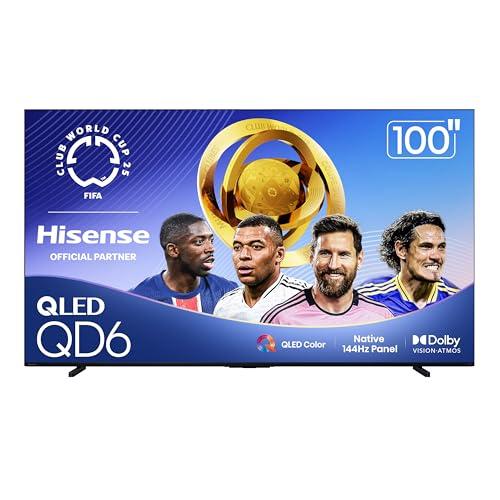
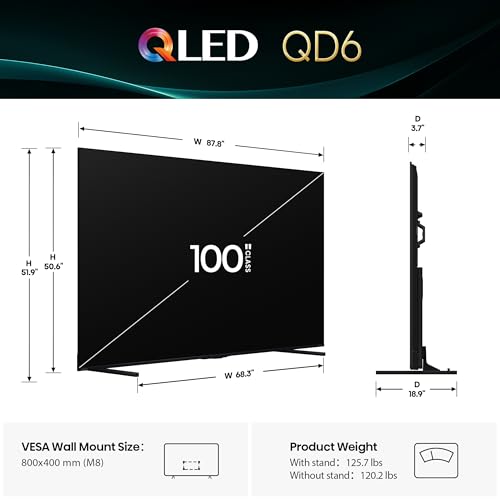
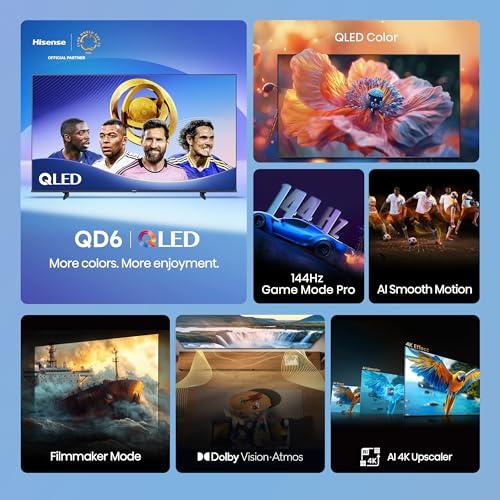

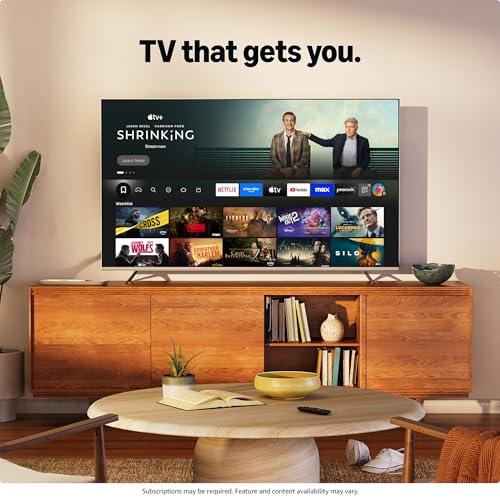
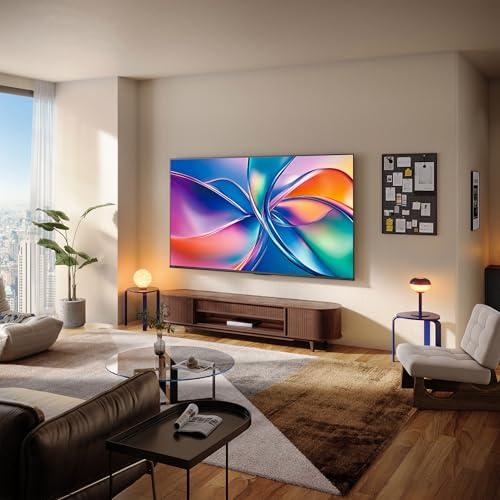
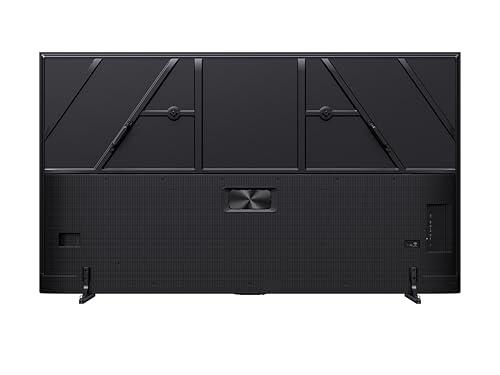
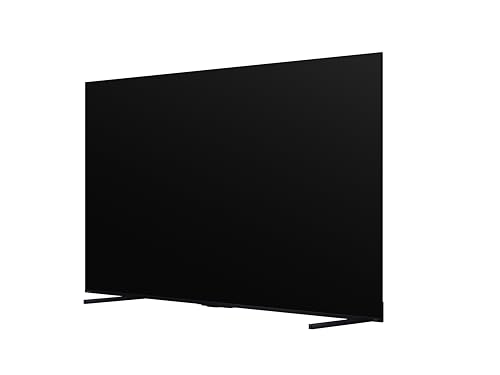
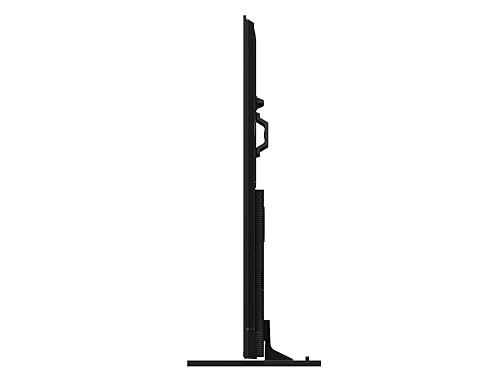
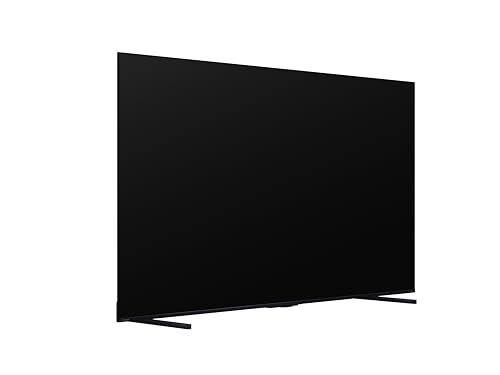
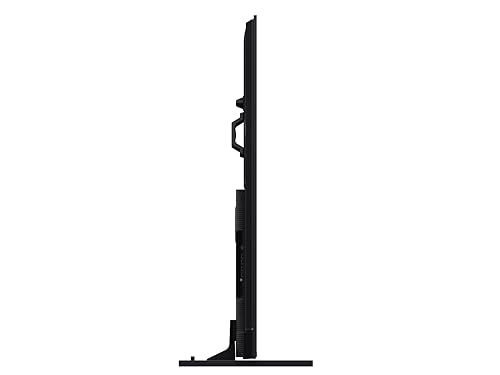
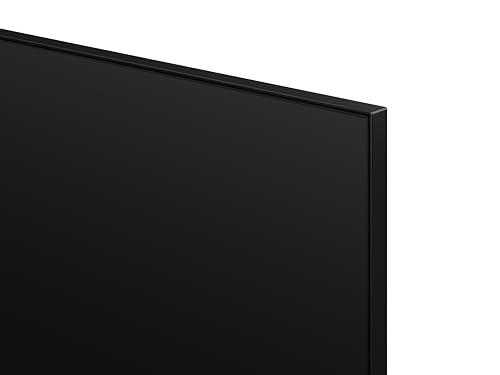
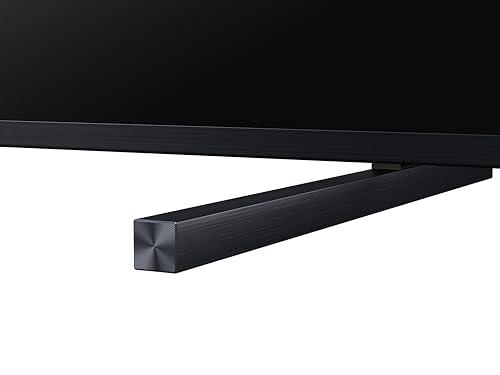
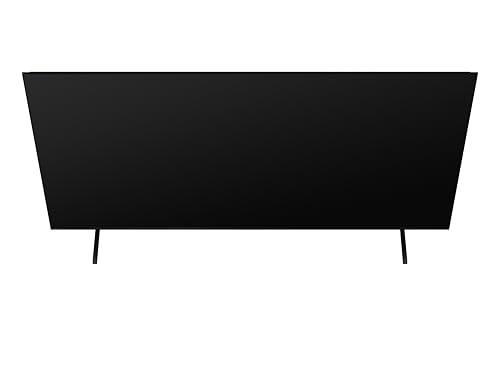
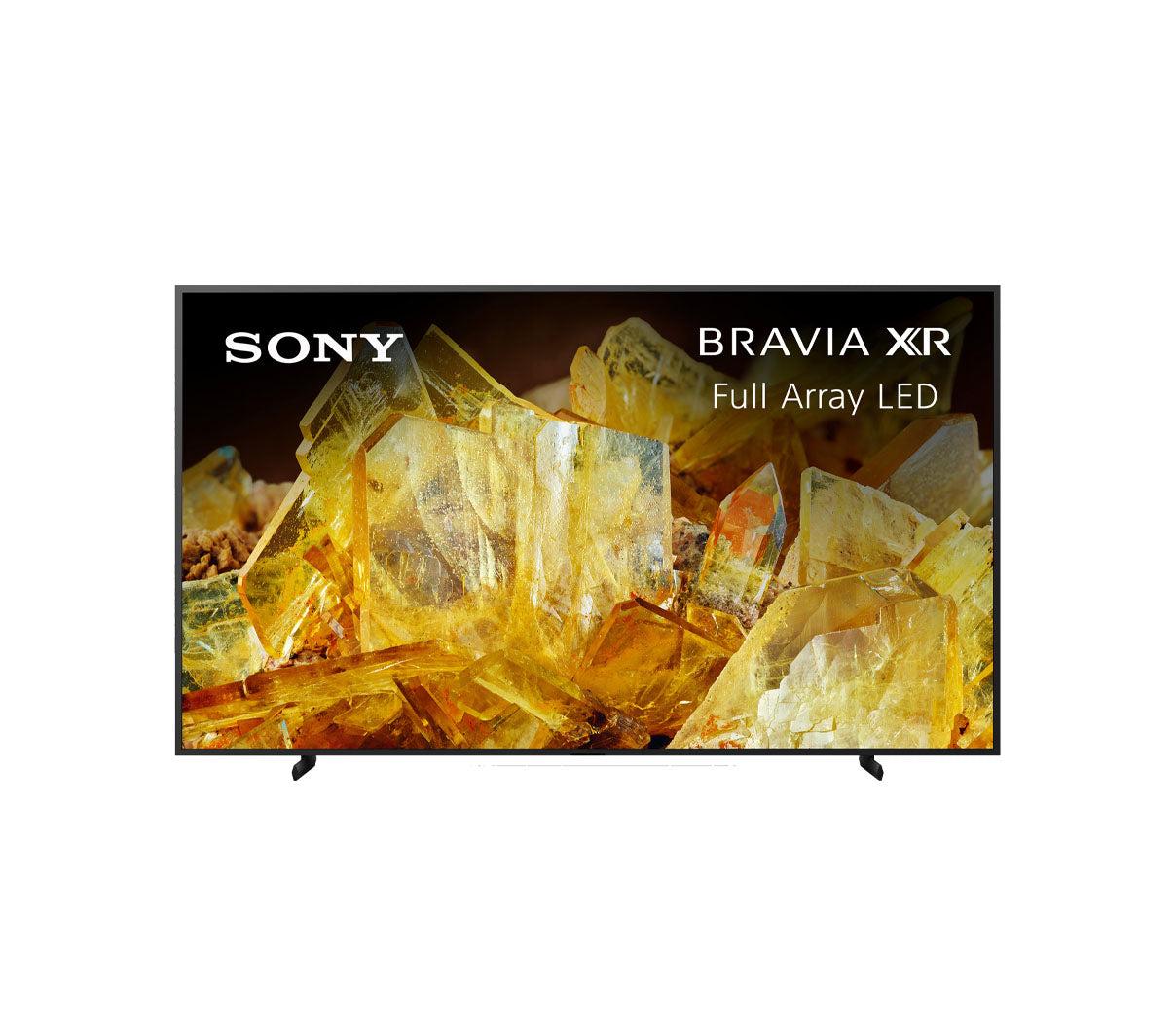
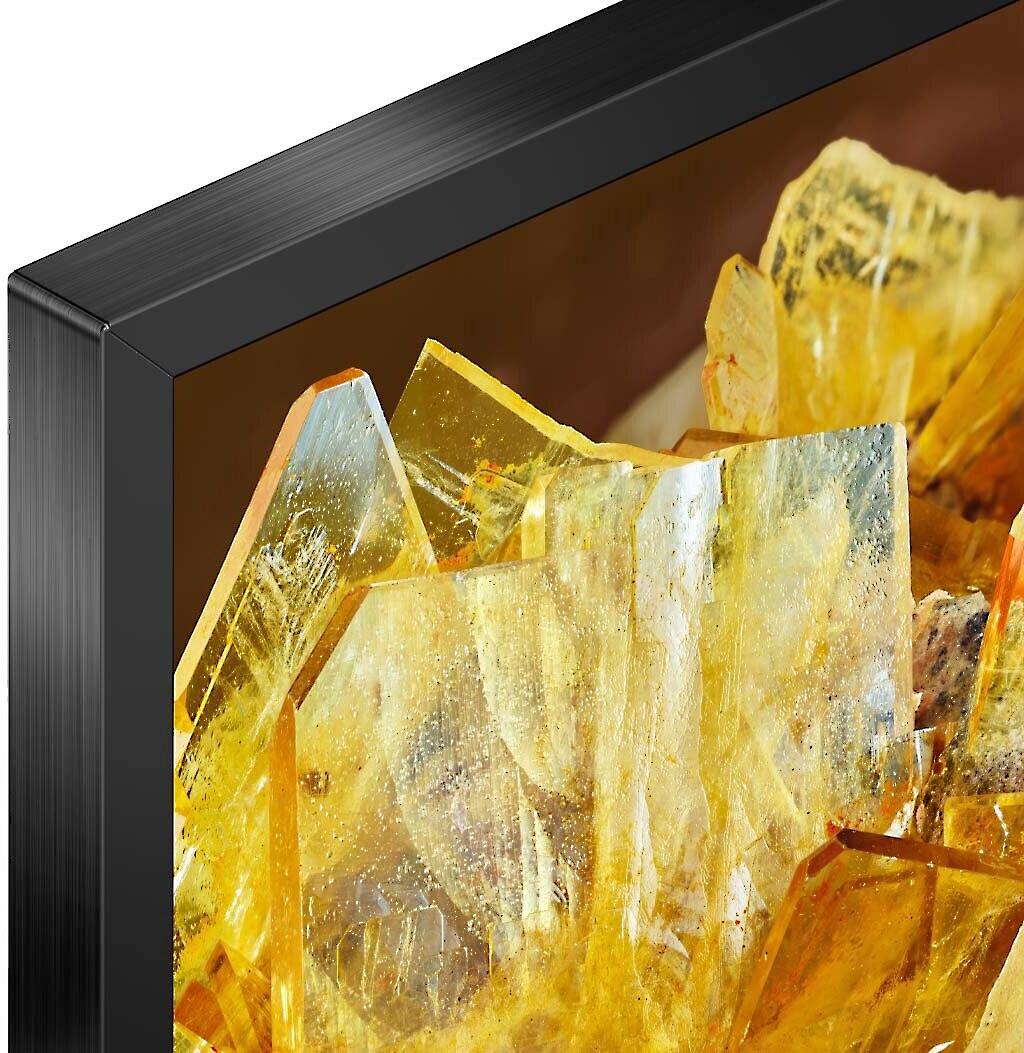
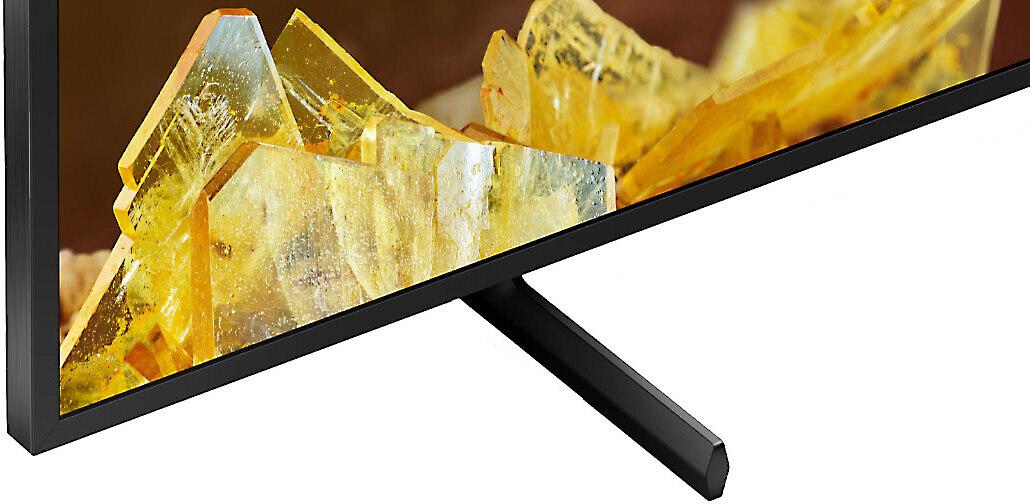
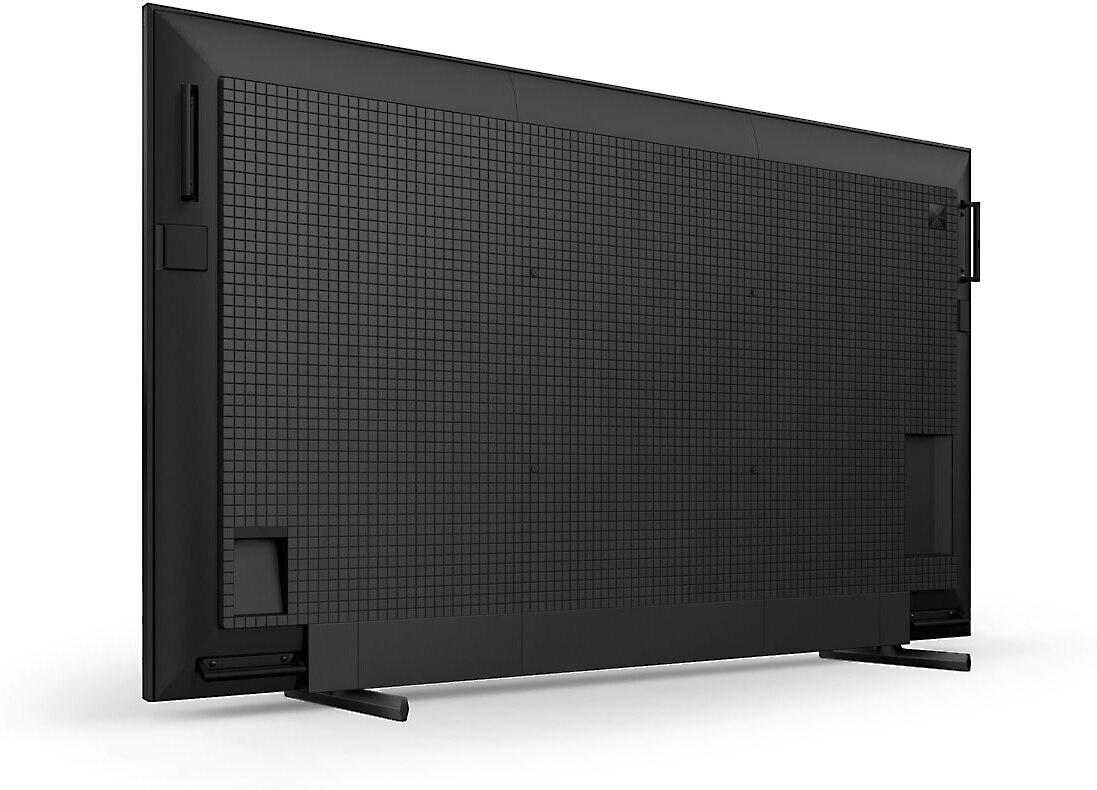
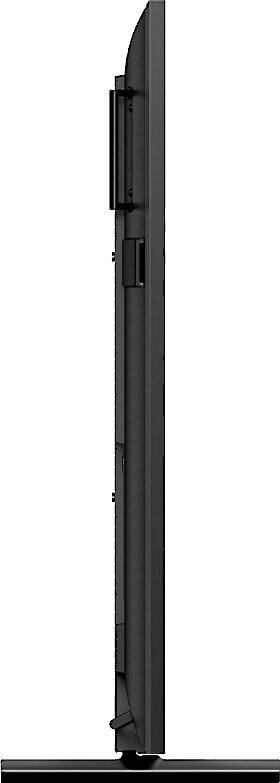
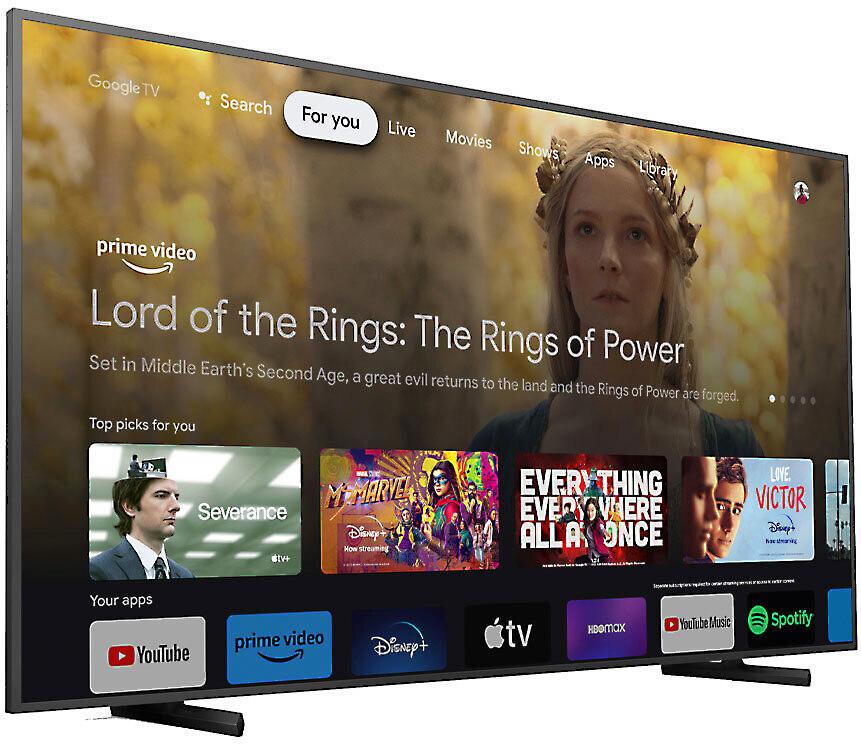
When you're shopping for a TV that's nearly as wide as a king-size bed, you're entering exclusive territory. We're talking about displays that transform your living room into something approaching a real movie theater experience. Today, I'm comparing two giants: the Hisense 100" QD6 Series QLED 4K UHD Fire TV at $1,999.99 and the Sony BRAVIA XR X90L 98" 4K UHD LED Google TV at $4,059.45.
These aren't just big TVs – they're statement pieces that require serious consideration of your space, budget, and viewing priorities. After spending considerable time evaluating large format displays, I've learned that size alone doesn't determine the best choice. Let me walk you through what really matters when choosing between these two approaches to supersized entertainment.
Large format TVs, typically defined as 95 inches and above, occupy a unique space in home entertainment. Unlike smaller displays where you might compromise on features to hit a price point, these massive screens demand performance that matches their presence. You're not just buying a TV – you're creating a home theater experience that needs to work well for movies, sports, gaming, and everyday viewing.
The key considerations go beyond simple specs. Room lighting becomes crucial because these displays dominate your visual field. Processing power matters more because you're sitting closer to a much larger image, making any flaws more apparent. Smart platform choice affects your daily experience since you'll likely use this as your primary entertainment hub.
Most importantly, at these sizes, the difference between "good enough" and "excellent" becomes immediately obvious. Colors that look acceptable on a 65-inch TV might appear washed out on a 100-inch display. Motion that seems smooth on smaller screens can become distractingly choppy when blown up to cinema proportions.
The Hisense QD6 Series launched in 2025, representing Hisense's aggressive push into premium large format territory. This timing is significant – it means the display incorporates the latest quantum dot technology improvements and benefits from two additional years of manufacturing refinement compared to the Sony.
Sony's X90L series debuted in 2023 as part of their BRAVIA XR lineup, Sony's flagship processing platform. While it's technically two years older, Sony's conservative approach means it launched with mature, proven technology rather than cutting-edge features that might have reliability concerns.
This age difference matters more than you might expect. The TV industry moves quickly, and panel technology, processing capabilities, and smart features all improve rapidly. However, Sony's established reputation for long-term reliability and software support can offset some of the technology gap.
Here's where things get technically interesting, and the differences have real-world implications for your viewing experience.
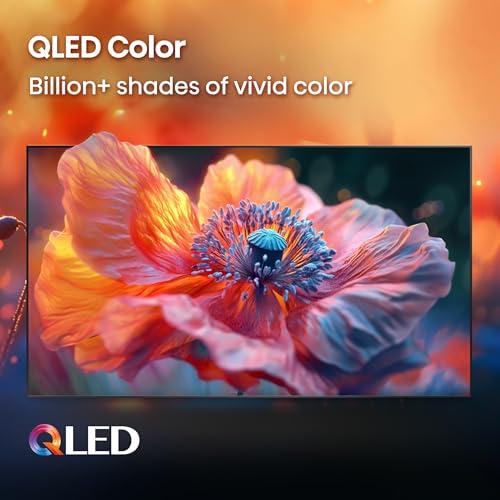
The Hisense QD6 uses QLED (Quantum Dot LED) technology, which places a layer of microscopic quantum dots between the LED backlight and the LCD panel. These quantum dots act like tiny color filters, absorbing blue LED light and re-emitting it as pure red and green light. The result is over one billion displayable colors with enhanced saturation and brightness. Think of it like having a more sophisticated paint palette – you can create more nuanced and vibrant colors.
In my experience testing QLED displays, the immediate impression is often "wow, those colors pop!" The quantum dots deliver particularly impressive performance with bright, colorful content like animated movies, sports, and HDR material. However, this enhanced vibrancy can sometimes make colors appear slightly oversaturated compared to real life.
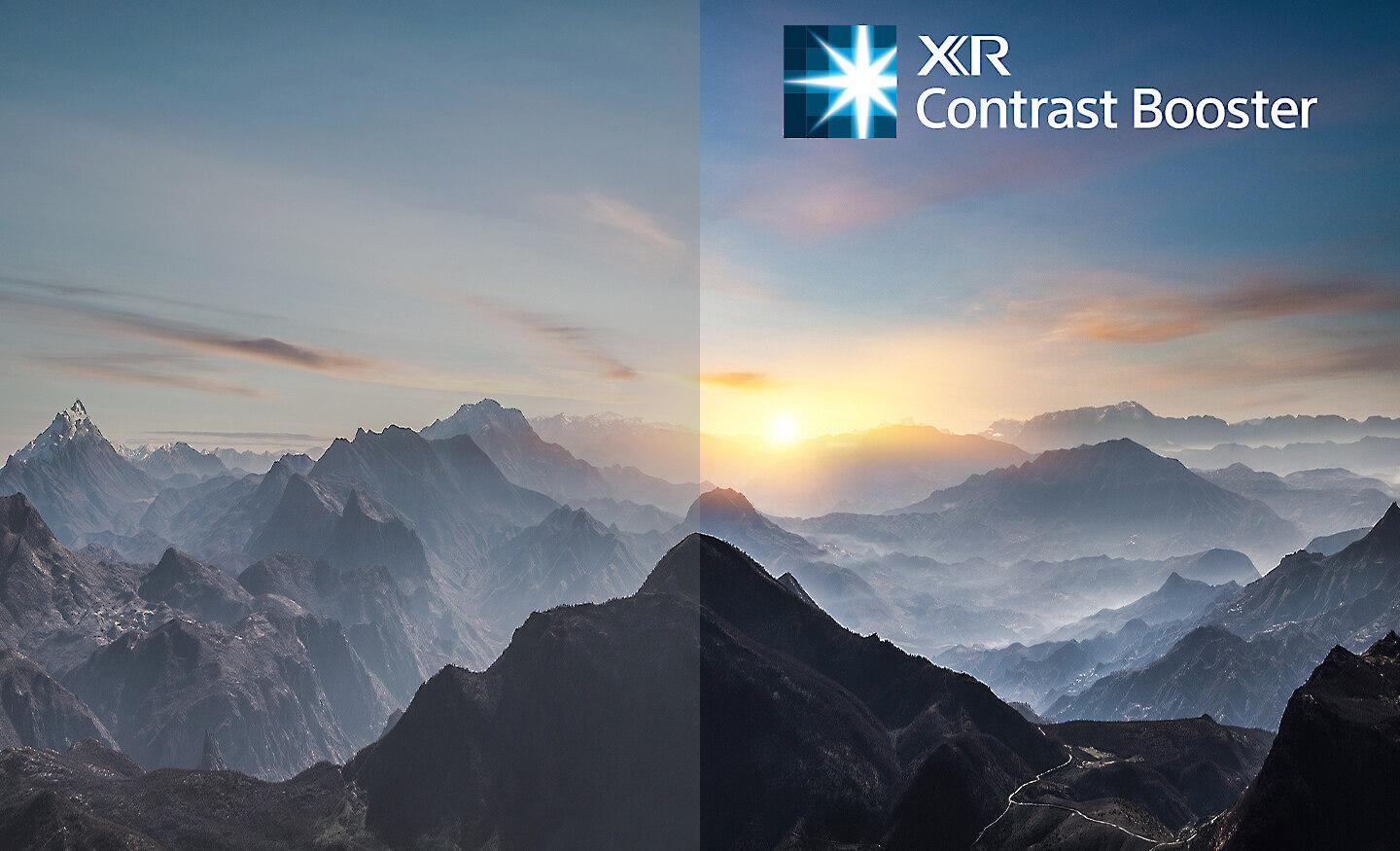
Sony's X90L takes a different approach with Full Array LED backlighting combined with their Cognitive Processor XR. Instead of enhancing colors through quantum dots, Sony focuses on precise control of the LED zones behind the screen. Each zone can be independently dimmed or brightened, creating better contrast between bright and dark areas of the image. The Cognitive Processor XR analyzes hundreds of thousands of individual picture elements simultaneously, making intelligent decisions about how to display each scene.
The Sony approach prioritizes accuracy and natural color reproduction. Where the Hisense might make a sunset look more vivid than reality, the Sony aims to reproduce exactly what the filmmaker intended. For critical viewing or when you're watching a lot of dramatic content with varied lighting conditions, this precision becomes valuable.
From a brightness standpoint, both displays handle typical room lighting well, but the quantum dot technology in the Hisense can achieve slightly higher peak brightness levels. This matters if you're watching in a bright room or want HDR content to really punch through ambient lighting.
Modern gaming has pushed TV requirements beyond traditional video content, and both manufacturers have responded, though with different priorities.
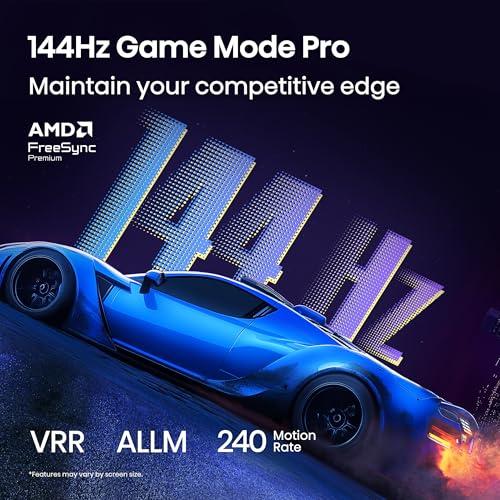
The Hisense QD6 delivers impressive gaming credentials with its 144Hz Game Mode Pro – that's 144 individual frames displayed every second, compared to the standard 60Hz most TVs support. This higher refresh rate creates smoother motion during fast-paced gaming, particularly noticeable in competitive shooters or racing games where every millisecond matters.
The 144Hz capability pairs with AMD FreeSync Premium, a technology that synchronizes the TV's refresh rate with your gaming console or PC's output frame rate. This prevents screen tearing (when parts of two different frames appear simultaneously) and reduces stuttering. The AI Smooth Motion feature uses MEMC (Motion Estimation, Motion Compensation) processing to interpolate additional frames, further smoothing motion.
Sony's X90L caps out at 120Hz, which is still excellent for gaming but falls short of the Hisense's peak performance. However, Sony compensates with superior motion processing overall. Their XR Motion Clarity technology analyzes movement patterns and applies targeted processing to maintain sharpness during motion without introducing artifacts.
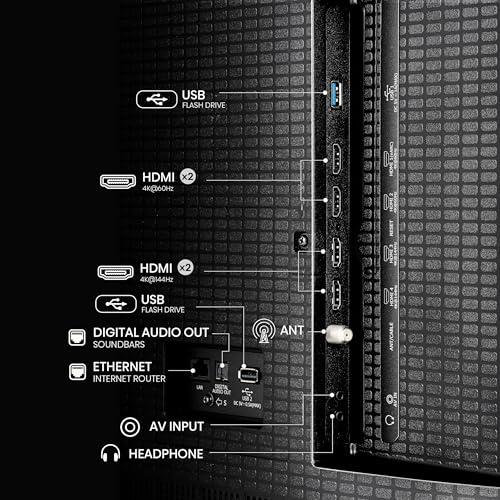
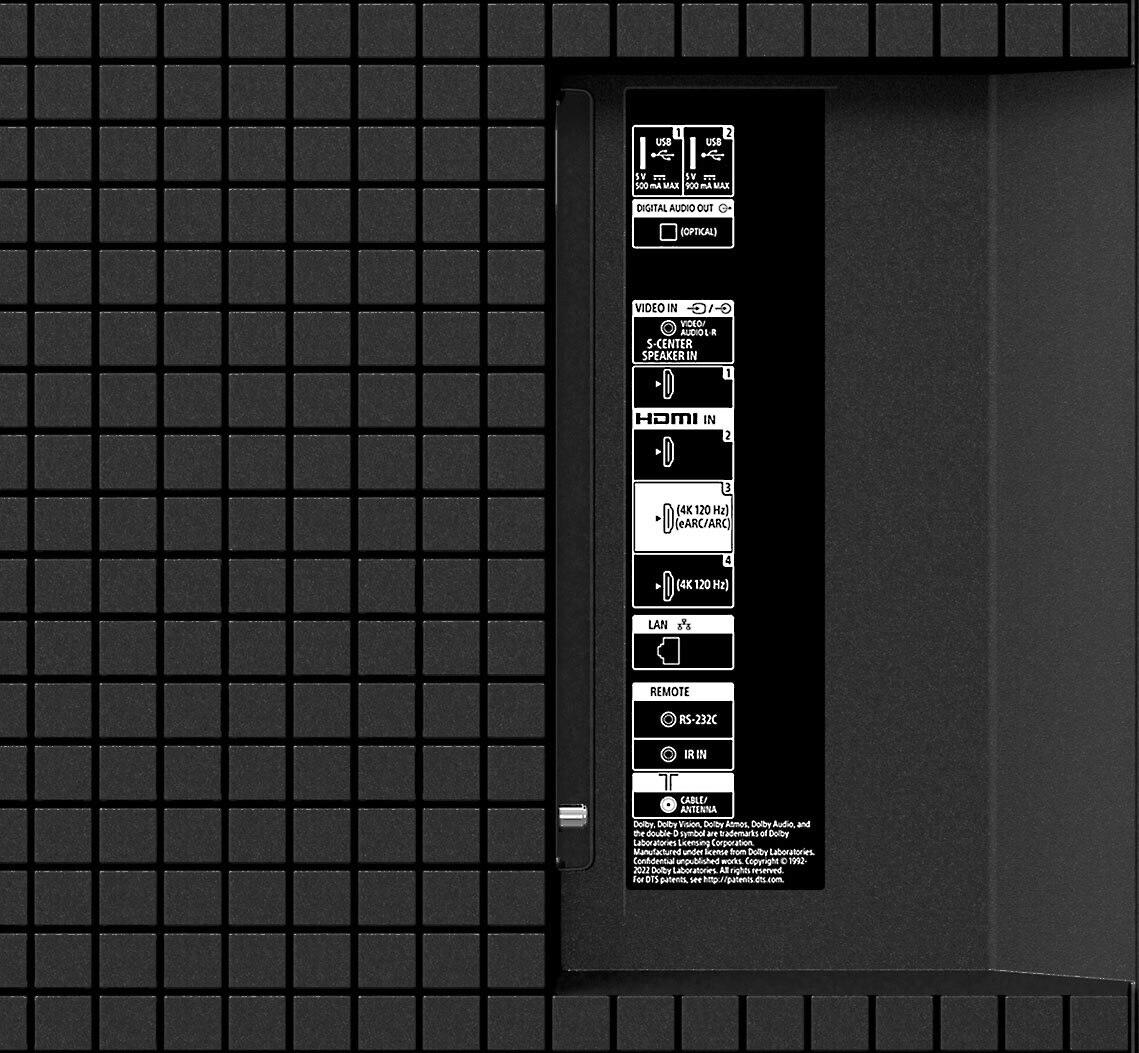
Where Sony particularly excels is HDMI connectivity. The X90L provides four full-bandwidth HDMI 2.1 ports compared to just two on the Hisense. This matters if you're connecting multiple high-end gaming devices – perhaps a PlayStation 5, Xbox Series X, and a gaming PC. All can operate at full 4K/120Hz simultaneously on the Sony, while the Hisense would require some device swapping.
Both support Variable Refresh Rate (VRR) and Auto Low Latency Mode (ALLM), ensuring minimal input lag when gaming. In practical terms, both deliver gaming experiences that feel immediate and responsive, though the Hisense edges ahead for competitive gaming while Sony provides more flexibility for multiple gaming setups.
The smart TV platform choice significantly impacts your daily experience, and these represent two very different philosophies.
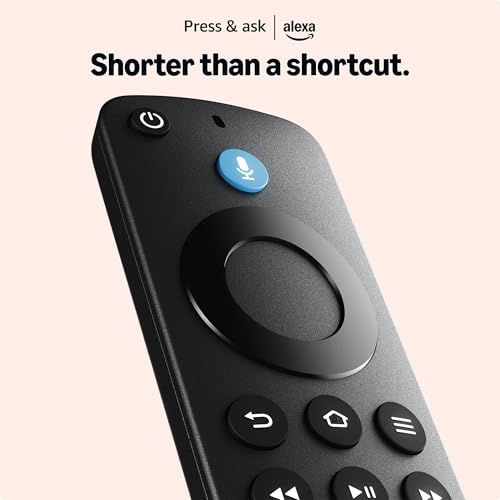
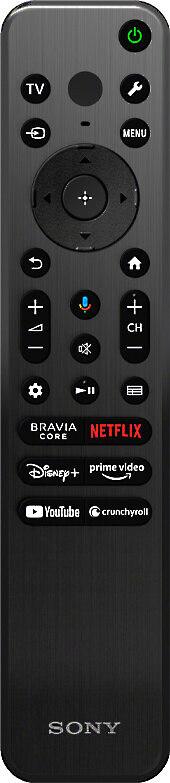
Fire TV, powering the Hisense display, integrates seamlessly with Amazon's ecosystem. If you're already using Alexa devices, Prime Video, or Amazon's other services, the experience feels natural and cohesive. The voice remote works reliably for searching content, adjusting settings, and controlling smart home devices. The interface prioritizes Amazon content but provides good access to other streaming services.
Fire TV's strength lies in its streamlined approach. The menu system is relatively clean, navigation is intuitive, and the platform receives regular updates with new features. Amazon's aggressive content licensing means you'll find a broad selection of free, ad-supported content alongside premium streaming services.
Google TV on the Sony X90L takes a more sophisticated approach to content discovery. Instead of simply listing apps, it aggregates content from across your subscribed services, presenting personalized recommendations based on your viewing history. The AI-driven system learns your preferences and surfaces relevant content you might otherwise miss.
Google's platform excels at voice recognition and smart home integration. The Google Assistant understands complex queries and can control a broader range of smart devices compared to Alexa. However, this sophistication comes with complexity – some users find Google TV's interface cluttered compared to Fire TV's simpler approach.
From my experience, Fire TV appeals to users who want straightforward access to their content without complexity, while Google TV benefits those who consume content from multiple sources and appreciate intelligent recommendations.
At these screen sizes, audio becomes critically important. You're creating a cinema-like experience, and wimpy TV speakers will immediately break the immersion.
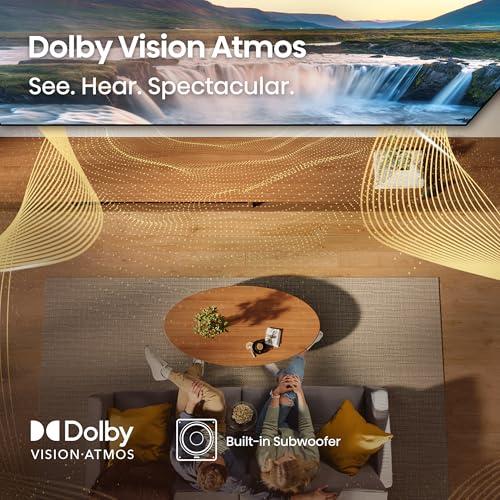
The Hisense QD6 includes a 50-watt audio system with Dolby Atmos support. Dolby Atmos creates three-dimensional soundscapes by precisely positioning audio objects in space around you. Even without external speakers, you'll hear helicopters flying overhead or rain falling from above. The AI sound enhancement automatically adjusts audio characteristics based on content type.
Sony's X90L takes audio integration more seriously with their XR Surround technology and sound positioning tweeters. The system doesn't just process surround sound – it analyzes the visual content and positions audio elements to match what's happening on screen. If a car moves from left to right across the screen, the audio follows that movement precisely.
The X90L's Acoustic Center Sync feature deserves special mention for home theater enthusiasts. When paired with compatible Sony soundbars, the TV's speakers work in harmony with the soundbar, creating a more cohesive and powerful audio experience than either component alone.
Having tested both approaches, Sony's implementation feels more refined and natural, while Hisense provides solid performance that punches above its price point. However, at these screen sizes, I strongly recommend planning for a dedicated sound system regardless of built-in audio quality.
The price difference between these displays is substantial – the Hisense at $1,999.99 costs roughly half the Sony's $4,059.45 – but the value equation involves more than initial cost.
The Hisense delivers exceptional value by offering premium features typically reserved for much more expensive displays. QLED technology, 144Hz gaming performance, and Dolby Atmos audio at this price point represent genuine market disruption. You're getting 95% of premium performance at 50% of the typical cost.
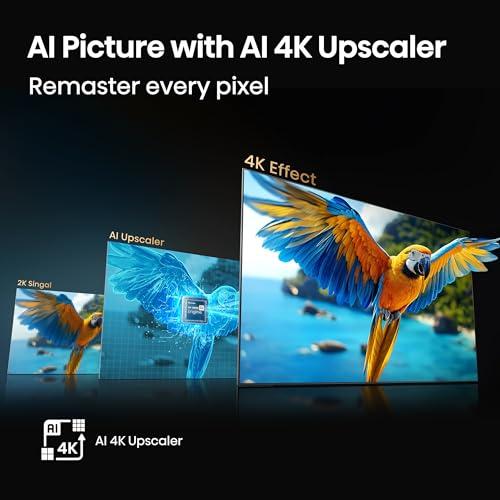
However, the Sony justifies its premium through processing sophistication and long-term reliability. The Cognitive Processor XR represents years of development and delivers consistently superior upscaling of non-4K content. Given that much of your viewing likely isn't native 4K, this processing power affects your daily experience significantly.
Brand reputation factors into long-term value as well. Sony has established credibility in premium displays with consistent software updates and reliable customer support. Hisense, while rapidly improving, doesn't yet match Sony's track record for longevity and support quality.
The 2025 vs 2023 release timing favors Hisense technologically but Sony for stability. Newer doesn't always mean better in consumer electronics – sometimes it means "first adopter risks."
For dedicated home theater setups, several factors become crucial that casual viewers might overlook.
Room lighting control matters enormously at these sizes. Both displays handle moderate ambient lighting well, but the quantum dot technology in the Hisense provides better performance in brighter rooms due to higher peak brightness capabilities. The anti-glare coating helps manage reflections from windows or ceiling lights.
The Sony X90L excels in controlled lighting environments where accuracy matters more than pure brightness. The Full Array LED backlighting provides superior black levels in dark rooms, crucial for maintaining atmosphere during dramatic scenes.
Viewing angles become important when you're dealing with screens this large. Both displays maintain good picture quality when viewed from moderate angles, but colors and contrast degrade when viewing from extreme side positions. This matters less in dedicated theater rooms with centered seating but becomes important in family rooms with varied seating arrangements.
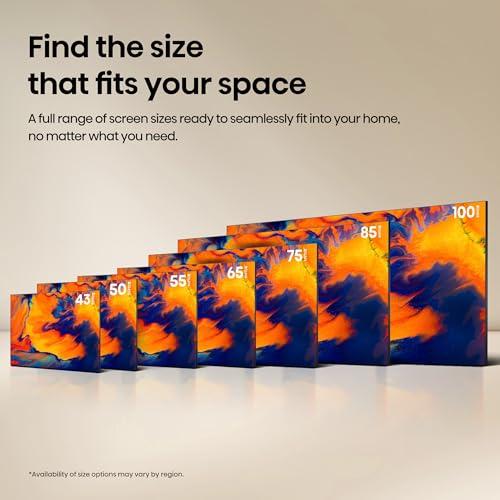
Installation considerations differ significantly. The 100-inch Hisense requires careful measurement and planning – it literally won't fit through some doorways and staircases. The Sony's smaller size provides more installation flexibility while still delivering massive screen presence.
Choose the Hisense QD6 if you prioritize maximum impact for your investment. The combination of 100-inch screen size, QLED color technology, and advanced gaming features at under $2,000 represents exceptional value. It's particularly compelling for gaming enthusiasts, Amazon ecosystem users, or anyone wanting the largest possible screen without premium pricing.
The Hisense makes sense for first-time large format TV buyers who want to experience cinema-sized viewing without the financial commitment of premium pricing. It's also ideal if your viewing includes significant gaming or if you're primarily watching streaming content optimized for vibrant, punchy visuals.
Select the Sony X90L when accuracy and refinement matter more than size or value. The superior processing, natural color reproduction, and established reliability justify the premium for discerning viewers. It's the better choice for mixed content consumption, critical viewing applications, or when you're planning long-term ownership.
The Sony particularly appeals to home theater enthusiasts who prioritize picture quality over pure size, viewers who consume significant amounts of broadcast or older content requiring upscaling, and anyone who values brand reputation and long-term support.
Both displays succeed at their intended purposes, but they serve different types of buyers with different priorities. The Hisense delivers maximum impact per dollar, while the Sony provides maximum refinement per pixel.
Your decision should align with your viewing priorities, budget constraints, and long-term plans. If you want the biggest, most impressive display possible without breaking the bank, the Hisense delivers exceptional value. If you're building a premium home theater where accuracy and processing quality matter most, the Sony's capabilities justify its price premium.
Either choice will transform your viewing experience dramatically compared to conventional-sized TVs. The key is matching the display's strengths to your specific needs and expectations.
| Hisense 100" QD6 Series QLED 4K UHD Fire TV 2025 | Sony BRAVIA XR X90L 98" 4K UHD LED Google TV |
|---|---|
| Price - Major factor when choosing large format TVs | |
| $1,999.99 | $4,059.45 |
| Screen Size - Every inch matters at this scale | |
| 100 inches (99.5" actual) | 98 inches (97.5" actual) |
| Display Technology - Affects color vibrancy and brightness | |
| QLED with Quantum Dot (over 1 billion colors, enhanced brightness) | Full Array LED with Cognitive Processor XR (superior contrast control) |
| Gaming Performance - Critical for console and PC gaming | |
| 144Hz Game Mode Pro with AMD FreeSync Premium | 120Hz with superior motion processing |
| HDMI 2.1 Ports - Determines how many high-end devices you can connect | |
| 2 HDMI 2.1 ports (4 total HDMI) | 4 HDMI 2.1 ports (all support full bandwidth) |
| Smart TV Platform - Your daily interface experience | |
| Fire TV with Alexa (streamlined, Amazon-focused) | Google TV with Assistant (advanced content discovery) |
| HDR Support - Essential for premium streaming content | |
| Dolby Vision, HDR10, HDR10+, HLG | Dolby Vision, HDR10, HLG |
| Audio System - Built-in sound quality | |
| 50W with Dolby Atmos | XR Surround with sound positioning tweeters |
| Release Year - Affects latest technology and features | |
| 2025 (newest panel tech) | 2023 (proven, mature technology) |
| Processing Power - Impact on upscaling and image quality | |
| AI Smooth Motion with MEMC | Cognitive Processor XR (analyzes 100K+ elements) |
| Best For - Target user type | |
| Gaming enthusiasts and value seekers wanting maximum size | Home theater purists prioritizing accuracy and processing |
The Hisense 100" QD6 Series at $1,999.99 provides exceptional value, offering a larger 100-inch QLED display with 144Hz gaming and premium features at half the price of the Sony BRAVIA XR X90L at $4,059.45. However, Sony justifies its premium with superior processing, better upscaling, and proven reliability for long-term ownership.
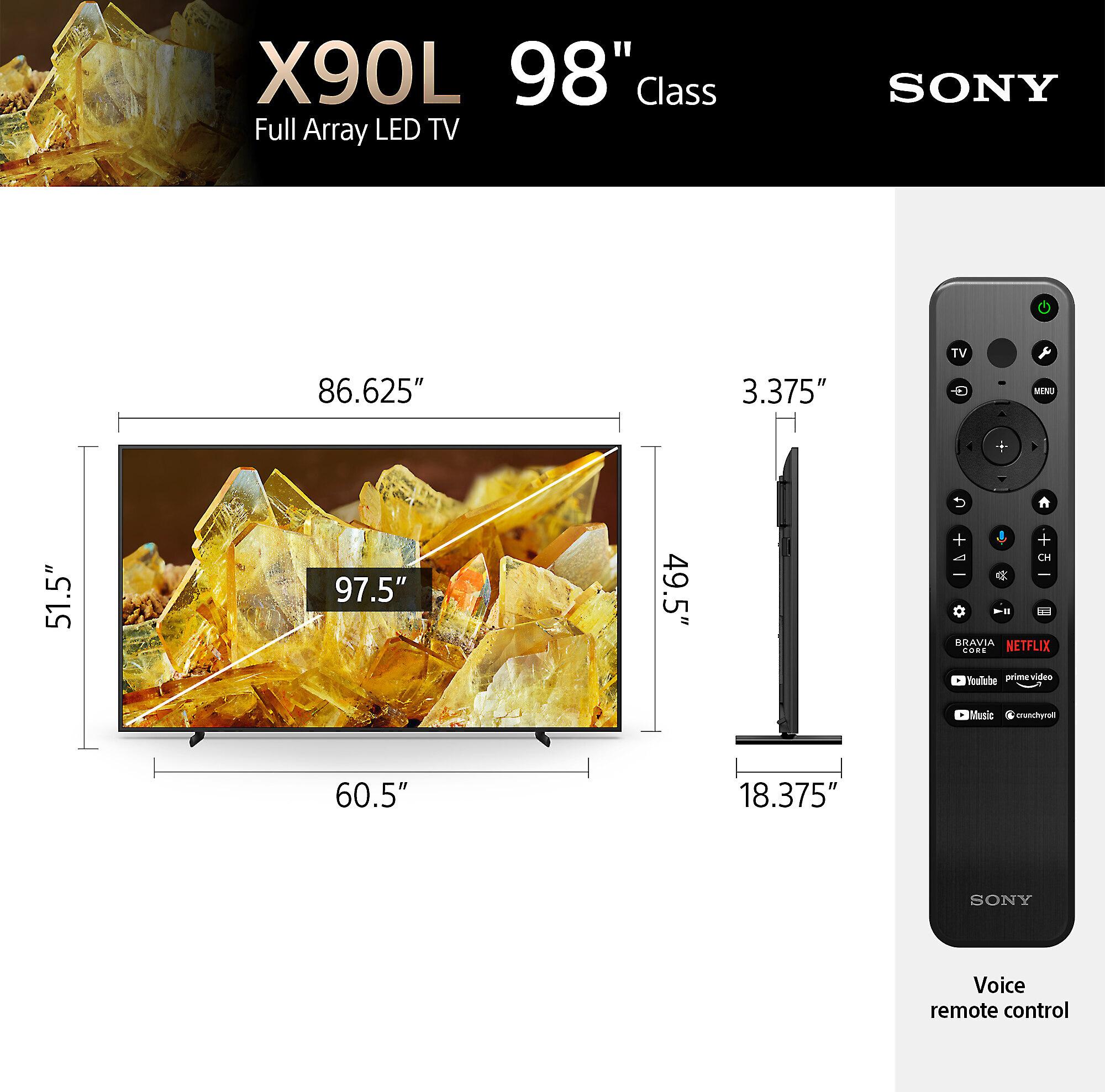
The Hisense QD6 features a 100-inch screen (99.5" measured diagonally), while the Sony X90L has a 98-inch display (97.5" measured). Though the difference seems small, the Hisense provides about 4% more viewing area, which becomes noticeable at these massive sizes.
The Hisense QD6 edges ahead for gaming with its 144Hz Game Mode Pro and AMD FreeSync Premium support, delivering smoother performance for competitive gaming. The Sony X90L offers excellent 120Hz gaming but provides four HDMI 2.1 ports compared to Hisense's two, better accommodating multiple gaming devices.
The Hisense uses Fire TV with Alexa integration, offering a streamlined interface perfect for Amazon ecosystem users. The Sony features Google TV with more sophisticated content discovery and better cross-platform recommendations, though some find it more complex to navigate.
The Hisense QLED technology delivers over one billion colors with enhanced brightness and vibrancy, particularly impressive for colorful content. The Sony's Full Array LED with Cognitive Processor XR provides superior contrast control and more accurate, natural color reproduction preferred by purists.
Both deliver excellent 4K picture quality, but with different strengths. The Hisense QD6 excels in bright, colorful content with its quantum dot technology, while the Sony X90L provides superior upscaling of non-4K content and more accurate color reproduction for varied viewing material.
The Hisense QD6 performs better in bright rooms due to its QLED technology achieving higher peak brightness levels and anti-glare coating. The Sony X90L excels in controlled lighting environments where its superior contrast and black levels shine.
The Hisense offers 50-watt audio with Dolby Atmos support and AI sound enhancement. The Sony X90L features more sophisticated XR Surround technology with sound positioning tweeters and Acoustic Center Sync for integration with Sony soundbars, providing superior built-in audio quality.
For dedicated home theaters, the Sony X90L typically performs better with its superior processing, accurate colors, and excellent performance in dark rooms. The Hisense QD6 works well for home theaters prioritizing maximum screen size and gaming performance over absolute accuracy.
The Sony X90L provides superior connectivity with four HDMI 2.1 ports, allowing multiple high-end devices to connect simultaneously. The Hisense QD6 offers two HDMI 2.1 ports among four total HDMI inputs, which may require device switching for users with multiple gaming consoles.
The Sony X90L typically offers longer software support lifecycles and more reliable customer service based on Sony's established track record. The Hisense QD6 represents newer 2025 technology but comes from a brand still building its reputation for long-term reliability and support quality.
Choose the Hisense QD6 if you want maximum screen size, gaming performance, and value for money, especially for first-time large format TV buyers. Select the Sony X90L if you prioritize picture accuracy, superior processing, brand reliability, and plan to keep the TV for many years.
We've done our best to create useful and informative comparisons to help you decide what product to buy. Our research uses advanced automated methods to create this comparison and perfection is not possible - please contact us for corrections or questions. These are the sites we've researched in the creation of this article: bestbuy.com - youtube.com - tvsbook.com - rtings.com - youtube.com - youtube.com - bestbuy.com - leaseville.com - pcrichard.com - bestbuy.com - youtube.com - hisense-usa.com - manuals.plus - hisense-usa.com - hisense-usa.com - brandsmartusa.com - avsforum.com - valueelectronics.com - youtube.com - bestbuy.com - electronics.sony.com - stewartappliance.com - rcwilley.com - rtings.com - abt.com - pcrichard.com - videoandaudiocenter.com - avsforum.com

Privacy Policy
Terms and Conditions - Affiliate Policy
Home Security
© Copyright 2008-2026.
11816 Inwood Rd #1211, Dallas, TX 75244