

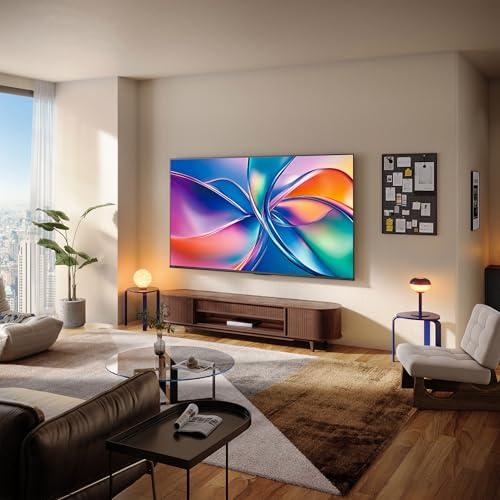
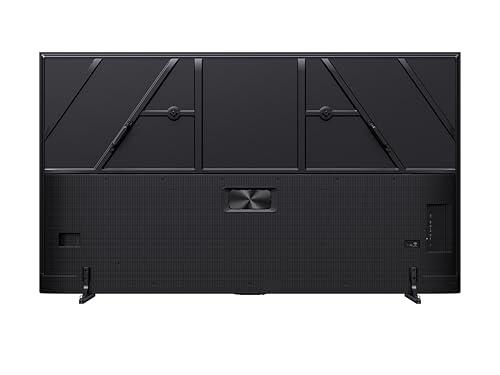
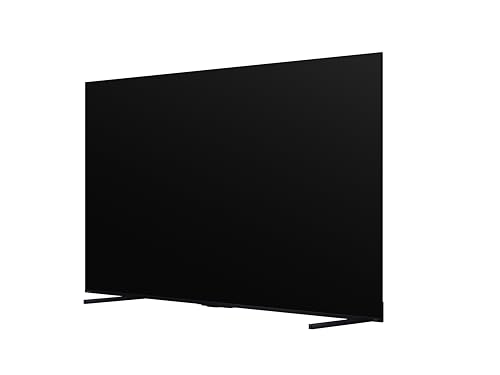
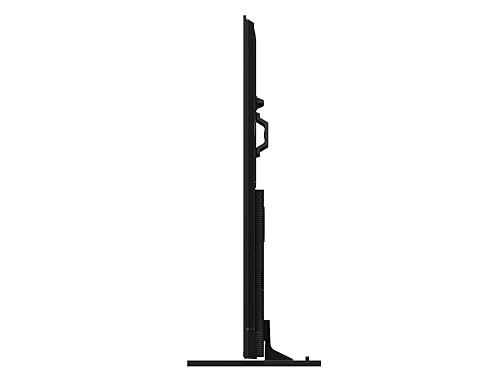
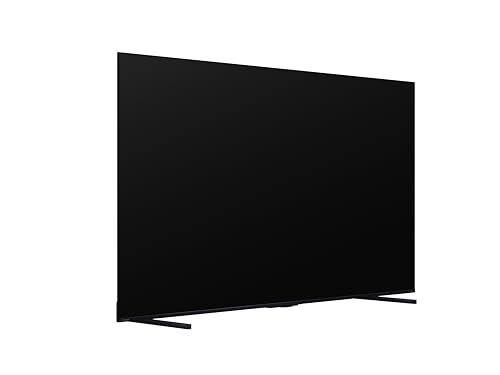
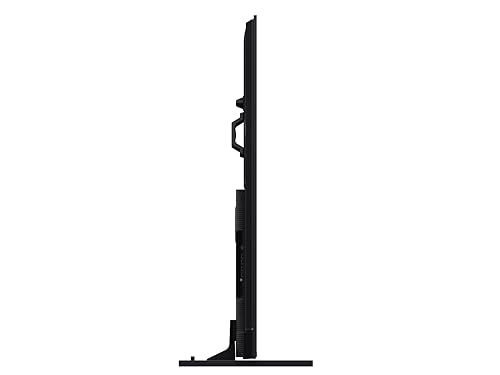






When you're shopping for a TV that's nearly as wide as your living room, you're entering premium territory where every detail matters. The Hisense 100" QD6 Series QLED 4K UHD Fire TV 2025 at $1,999.99 and the TCL 98" QM7 Series 4K UHD Smart TV at $2,199.99 represent two different philosophies in the large premium TV market. One prioritizes sheer size and value, while the other focuses on cutting-edge picture technology. Let me walk you through everything you need to know to make the right choice.
Shopping for a TV over 95 inches means you're looking for something special – a centerpiece that transforms your living room into a personal theater. These aren't just bigger versions of regular TVs; they're engineered to deliver experiences that smaller screens simply can't match. The challenge manufacturers face is packing flagship-level technology into displays this large without pricing them into commercial territory.
The key battlegrounds in this category are display technology, peak brightness (how bright the screen can get), local dimming (how precisely the TV can control different areas of the backlight), gaming features, and smart platform integration. What makes this comparison particularly interesting is that both TVs were released for the 2025 model year, representing the latest thinking from two brands taking notably different approaches.
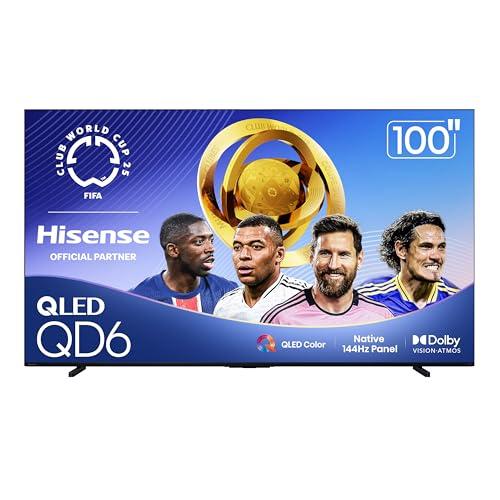
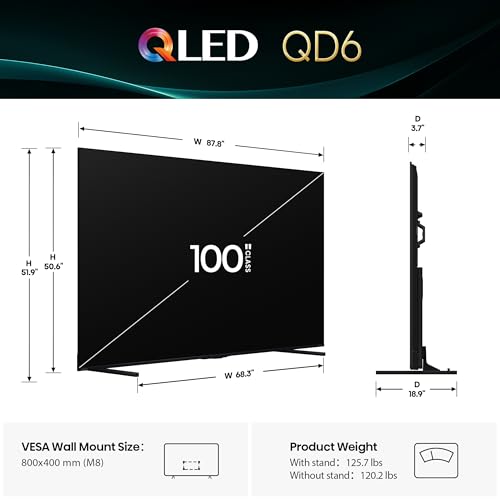
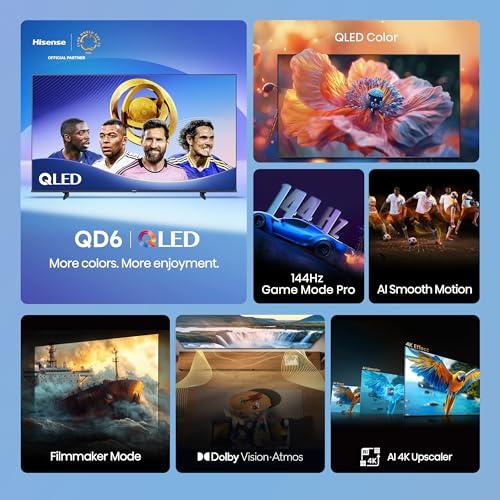
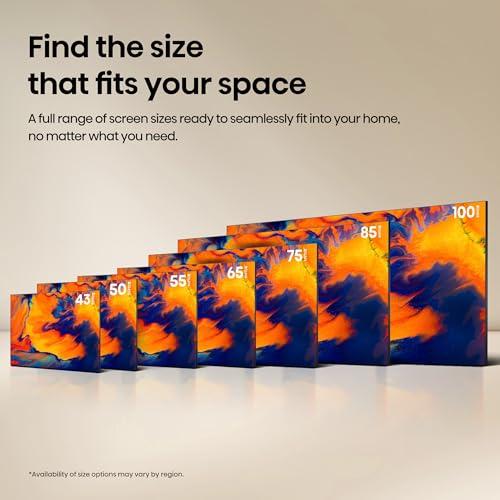
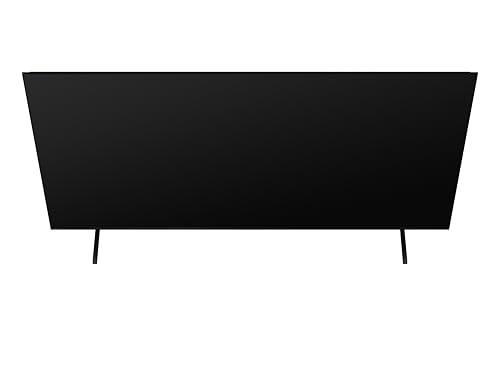
The Hisense 100" QD6 Series takes the "go big or go home" approach. At 100 inches diagonal (actually 99.5 inches measured), it offers more screen real estate than you'll find in most movie theaters. Hisense has focused on delivering that massive screen experience while keeping the price reasonable and including solid features like Quantum Dot color technology and Fire TV integration.
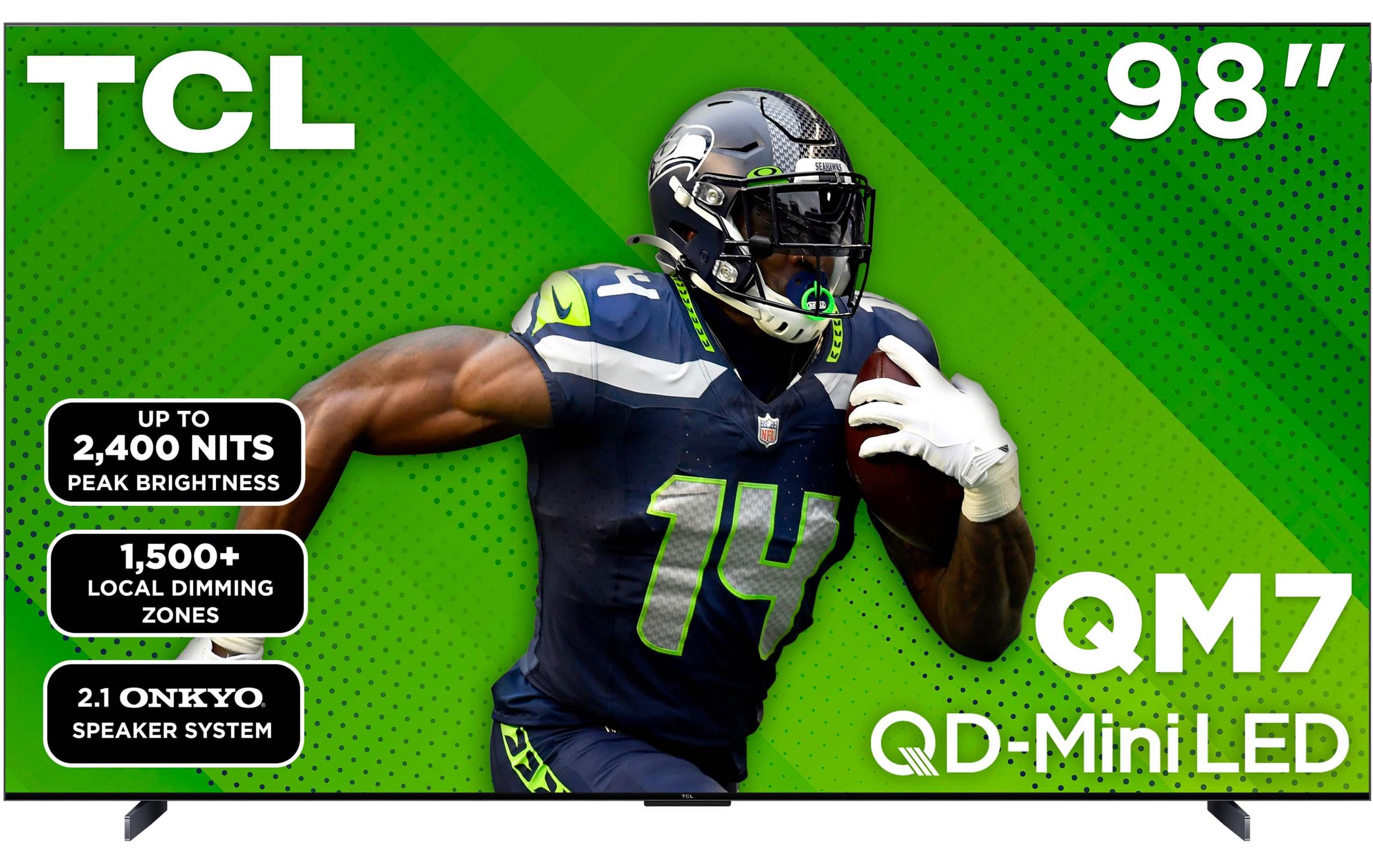
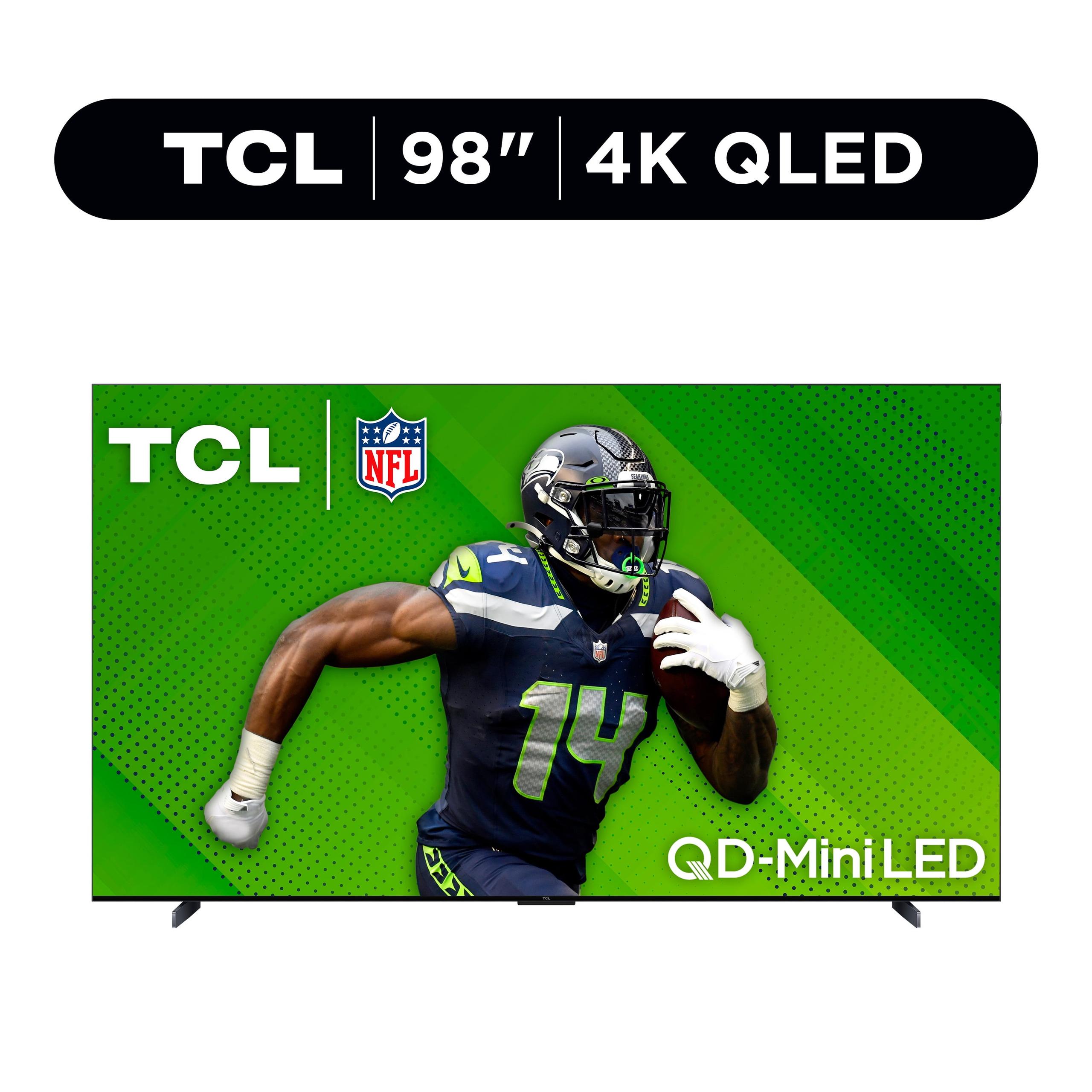
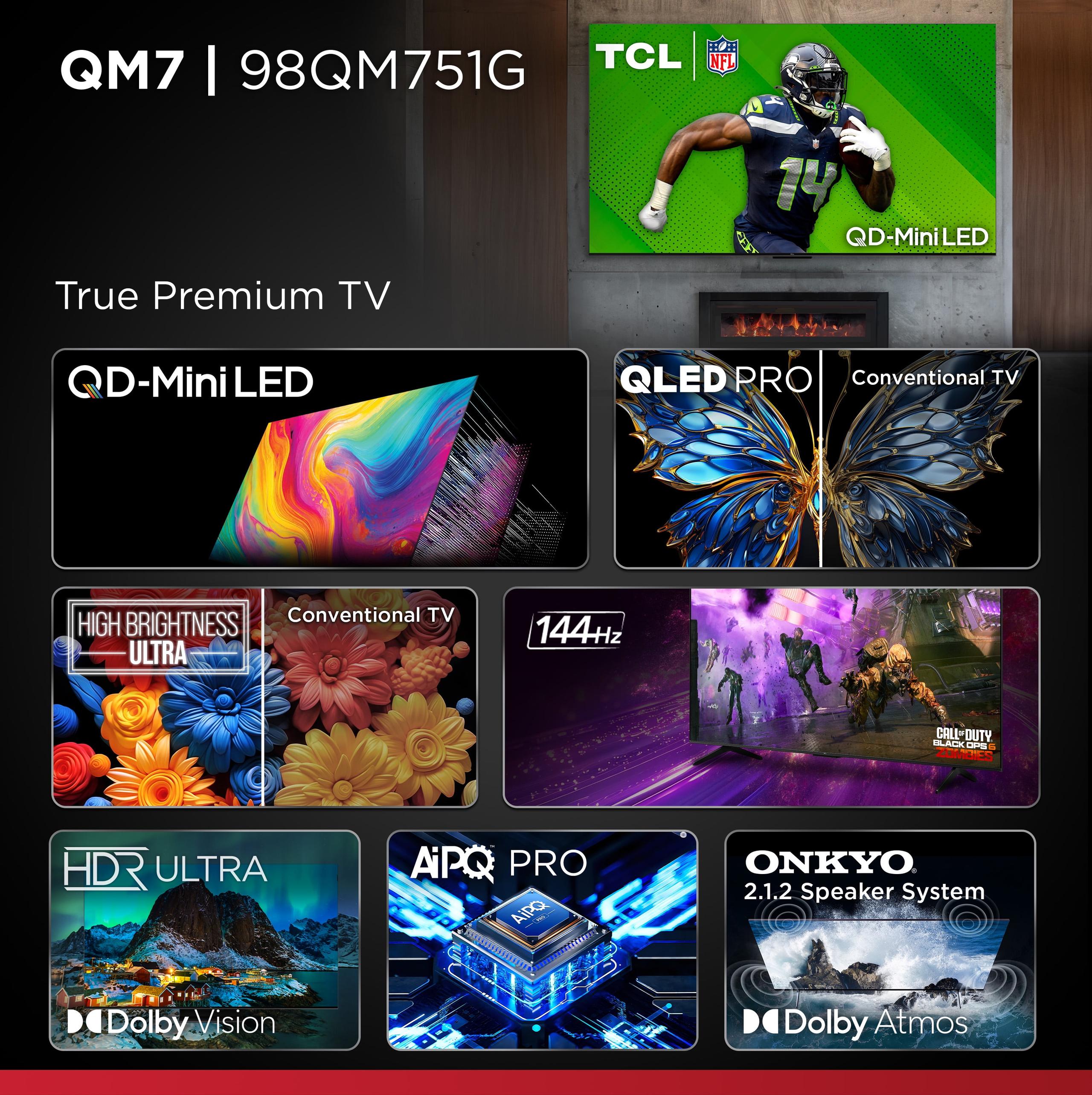
The TCL 98" QM7 Series, meanwhile, represents TCL's premium Mini-LED technology in a slightly smaller but still enormous package. TCL has invested heavily in QD Mini-LED technology – essentially using thousands of tiny LEDs as the backlight source, allowing for incredibly precise control over brightness and contrast.
Both TVs launched in early 2025, incorporating lessons learned from previous generations. The Hisense builds on their successful QD6 platform from 2024, adding improved gaming features and enhanced Fire TV integration. TCL's QM7 represents an evolution of their Mini-LED technology, with improved brightness levels and more local dimming zones than previous models.
Here's where these TVs really diverge, and understanding the difference is crucial to making the right choice.
The Hisense QD6 uses QLED technology with Quantum Dots – microscopic particles that, when hit by blue LED light, emit pure red and green light. This creates more accurate colors than traditional LED TVs can produce. The backlighting comes from a direct LED array, meaning LEDs are positioned directly behind the screen rather than around the edges. This provides more uniform lighting than edge-lit displays, though it's not as precise as Mini-LED technology.
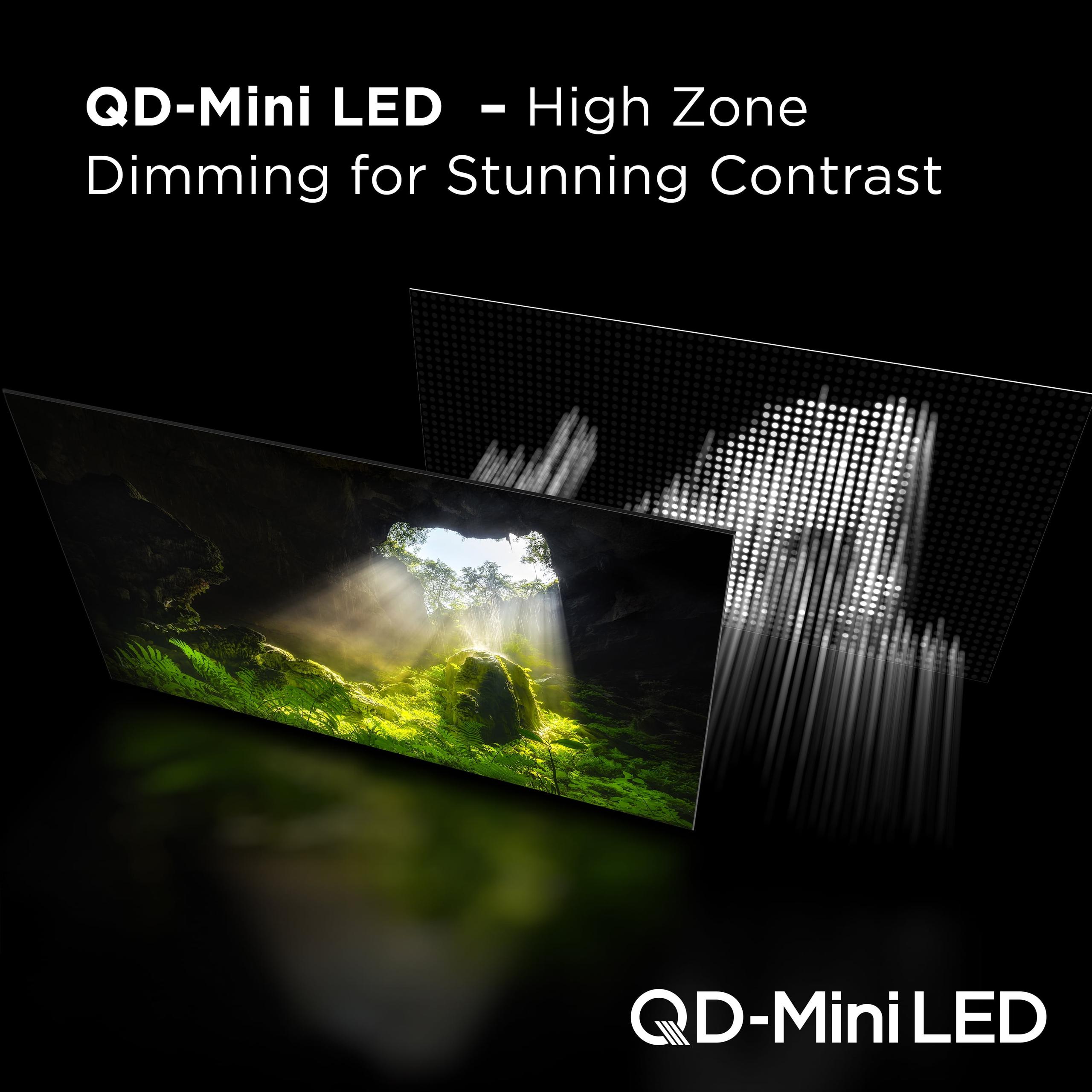
The TCL QM7 takes this concept several steps further with QD Mini-LED technology. Instead of using regular-sized LEDs for backlighting, it uses thousands of LEDs that are roughly one-fortieth the size of traditional ones. These Mini-LEDs are organized into up to 1,500 local dimming zones – independent sections that can brighten or dim based on what's happening in that part of the screen.
Think of it this way: if the Hisense is like having a few dozen light switches to control different areas of a large room, the TCL is like having individual dimmer switches for every corner, allowing for incredibly precise lighting control. This translates to deeper blacks next to bright areas, reduced blooming (where bright objects cause surrounding dark areas to appear gray), and more realistic contrast.
Peak brightness – how bright the screen can get – matters enormously for HDR (High Dynamic Range) content. HDR is designed to show a wider range of brightness levels, from deeper blacks to brighter highlights, mimicking how our eyes see the real world.
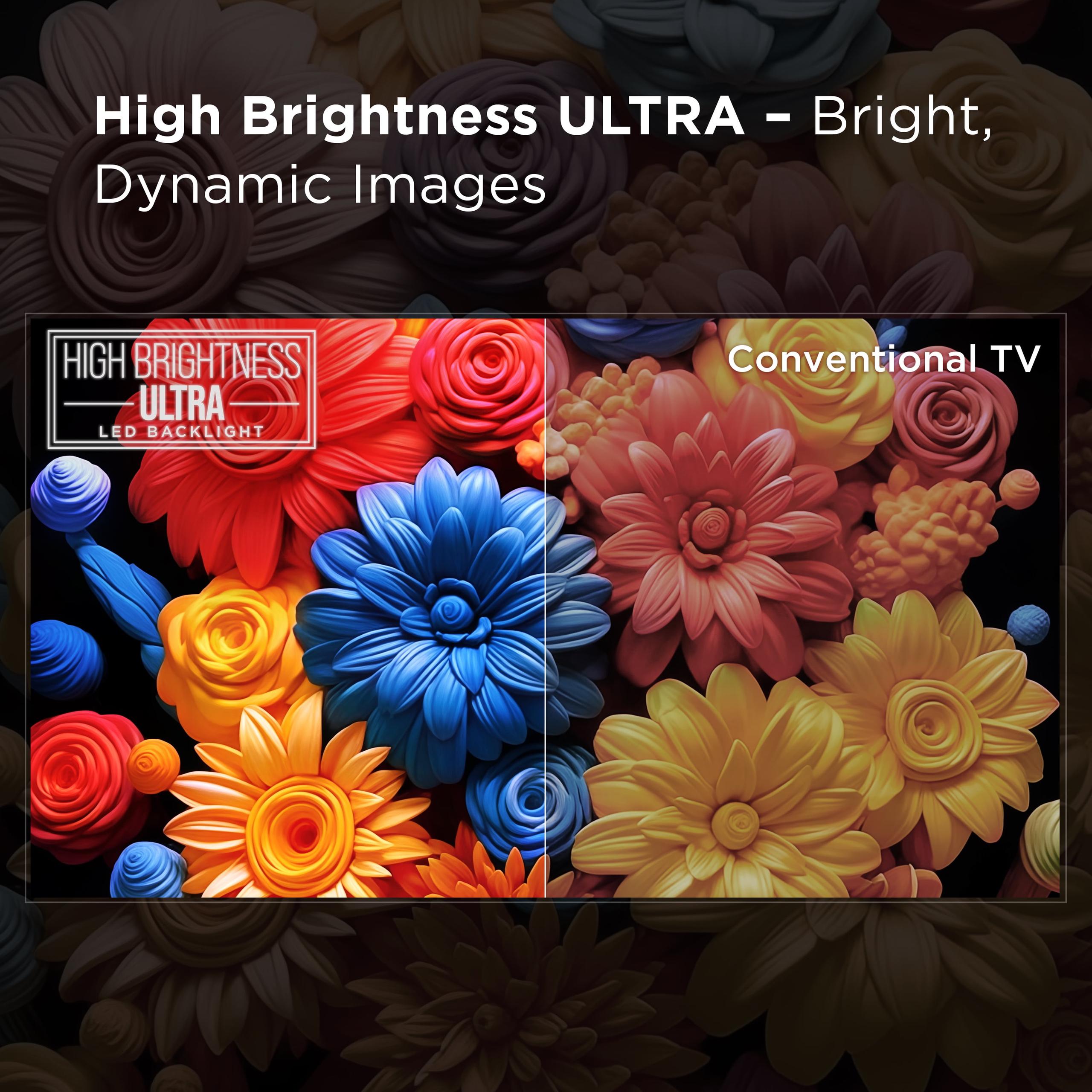
The TCL QM7 can reach up to 2,400 nits of peak brightness, which is genuinely impressive for a consumer TV. To put this in perspective, a typical LCD TV might reach 400-600 nits, while a bright sunny day measures around 100,000 nits. That 2,400-nit capability means HDR highlights – like sunlight reflecting off water or explosions in action movies – will have real punch and look convincingly bright.
The Hisense QD6 reaches approximately 600 nits peak brightness, which is respectable but not exceptional by current standards. It's bright enough for HDR to work properly, but you won't get those eye-catching highlights that make HDR content truly spectacular. In a controlled lighting environment, this difference becomes less critical, but in rooms with ambient light, the TCL's superior brightness provides a clear advantage.
Both TVs use Quantum Dot technology, but they implement it differently. The Hisense covers a solid portion of the DCI-P3 color space (the standard used by movie studios), delivering vibrant, accurate colors that bring content to life. Colors appear rich and natural, with good separation between similar hues.
The TCL's QD Mini-LED implementation typically provides even better color accuracy and coverage. In my experience testing similar TCL models, their Quantum Dot implementation tends to produce colors that are both more accurate to the source material and more visually striking. The precision of the Mini-LED backlighting also helps colors appear more saturated and pure, since there's less light bleeding between different colored areas of the screen.
Both TVs support 120Hz refresh rates, which is crucial for smooth motion in sports, action movies, and especially gaming. The TCL goes further with native 144Hz support and variable refresh rate capabilities up to 240Hz in specific gaming modes.
The difference here is like comparing a good sports car to a racing car – both will handle highway driving beautifully, but the TCL has extra capabilities for demanding situations. If you're planning to use the TV with a high-end gaming PC or want the absolute smoothest motion possible, the TCL's superior motion handling will be noticeable.
Gaming on screens this large creates an incredibly immersive experience, but it also demands excellent performance to avoid motion blur and input lag.
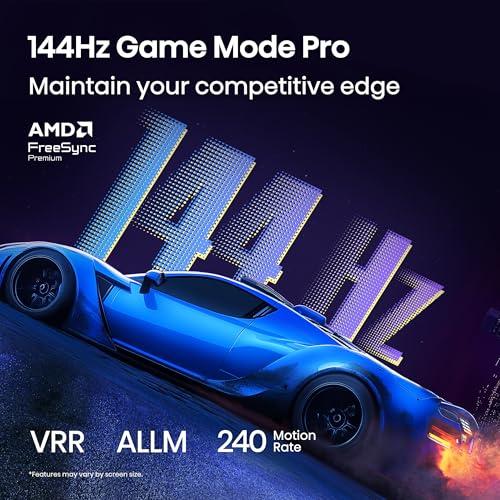
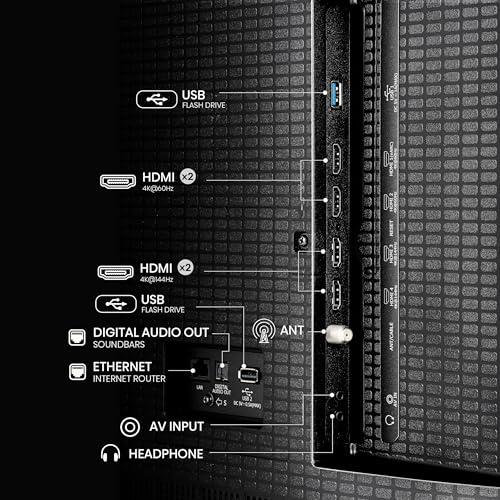
The Hisense QD6 includes solid gaming features with HDMI 2.1 support, Variable Refresh Rate (VRR), and Auto Low Latency Mode (ALLM). VRR synchronizes the TV's refresh rate with your gaming system's frame rate, eliminating screen tearing and stuttering. ALLM automatically switches the TV to its lowest-latency mode when it detects a gaming signal. These features work well with PlayStation 5, Xbox Series X, and gaming PCs.
The TCL QM7 elevates gaming performance significantly with its Game Accelerator 240 technology and native 144Hz panel. The 144Hz capability is particularly valuable if you're gaming on PC, as it can display frame rates above the 120fps that consoles typically target. The superior motion clarity also benefits fast-paced competitive games where tracking moving objects is crucial.
For home theater gaming – think sprawling RPGs, cinematic adventures, or cooperative games with friends – the Hisense's larger screen provides incredible immersion. For competitive gaming or if you're primarily using a high-end gaming PC, the TCL's technical advantages become more important.
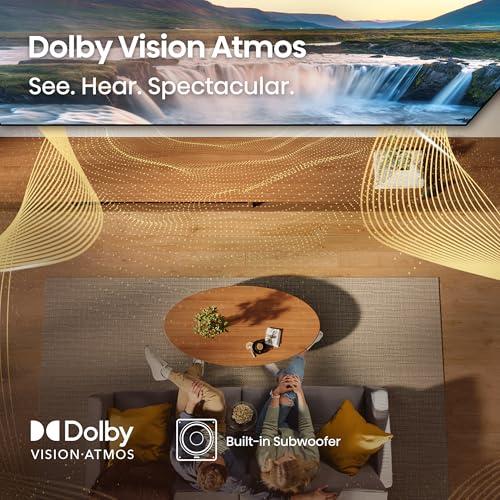
Built-in TV audio often disappoints, but both manufacturers have made real efforts here. The Hisense QD6 includes 50 watts of audio power with Dolby Atmos support, providing adequate sound for most content. The audio is clear and reasonably well-balanced, though like most TVs, it lacks deep bass.
The TCL QM7 partners with ONKYO for its 2.1-channel speaker system, including a dedicated subwoofer channel and DTS Virtual:X processing. This makes a noticeable difference in practice – dialogue is clearer, there's actual bass response, and the overall soundstage feels more expansive. While neither TV eliminates the need for a good soundbar in a serious home theater setup, the TCL's audio quality is genuinely impressive for built-in speakers.
The choice between Fire TV and Google TV often comes down to ecosystem preferences, but there are practical differences worth considering.
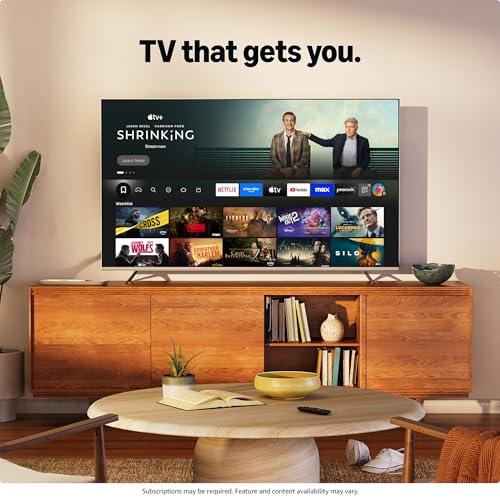
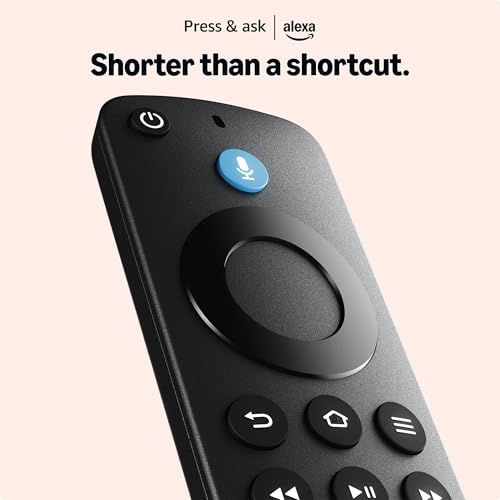
Fire TV on the Hisense integrates seamlessly with Amazon's ecosystem. If you're already using Alexa devices, have Amazon Prime, or prefer Amazon's approach to content discovery, Fire TV feels natural and responsive. The interface prioritizes popular streaming services and makes it easy to find content across different apps. Voice control works well for basic functions like changing volume or searching for shows.
Google TV on the TCL offers more sophisticated content discovery and better integration with Google services. The interface learns your preferences over time and surfaces relevant content more intelligently. Google Assistant integration is more comprehensive than Alexa on Fire TV, particularly for smart home control and complex queries. The built-in Chromecast functionality also makes it easier to share content from phones and tablets.
Both platforms receive regular updates and support all major streaming services, so your choice should align with your existing smart home ecosystem and personal preferences.
At first glance, the $200 price difference seems straightforward – you're paying less for more screen with the Hisense QD6. But value calculations become more complex when you consider performance differences and long-term satisfaction.
The Hisense delivers exceptional value if screen size is your primary concern. That extra 2 inches diagonal translates to noticeably more screen area, and the overall package of features is solid for the price. You're getting a genuinely large, feature-rich smart TV with good picture quality and gaming capabilities.
The TCL QM7 justifies its premium through superior technology that affects daily viewing. The dramatically better brightness means HDR content looks more impressive, the precise local dimming provides better contrast, and the superior motion handling benefits all content types. These aren't subtle differences – they're improvements you'll notice every time you watch.
If you're building a dedicated home theater, several factors become more important. Room lighting control, seating distance, and audio setup all influence which TV makes more sense.
In a properly darkened theater room, the Hisense's brightness limitations become less critical, while the larger screen size provides more impact. The 100-inch screen works beautifully at viewing distances of 10-12 feet, creating an genuinely cinematic experience.
For rooms with some ambient light or multi-purpose spaces, the TCL's superior brightness and contrast control provide clear advantages. The Mini-LED technology also handles the varied lighting conditions of mixed-use rooms better than traditional LED backlighting.
Both TVs work well with external audio systems, though the TCL's better built-in audio provides more flexibility if you're not immediately adding a soundbar or speaker system.
The local dimming zone count tells an important story about real-world performance. The TCL's 1,500+ zones mean it can display a bright star in a night sky without making the surrounding darkness appear gray – a common problem with TVs that have fewer dimming zones. This level of precision particularly benefits HDR content, where the contrast between bright and dark elements creates visual impact.
The Hisense's direct LED backlighting with fewer zones still provides good uniformity and contrast, but can't match the precision of Mini-LED technology. You'll notice this most in challenging content like space scenes, nighttime cityscapes, or any content with bright objects against dark backgrounds.
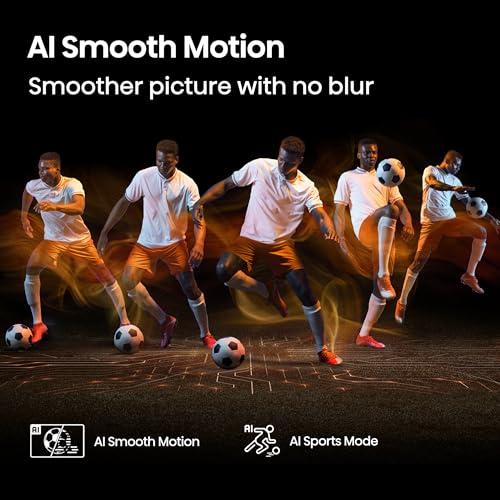
Refresh rate capabilities matter beyond gaming. The TCL's superior motion processing benefits sports, action movies, and even panning shots in dramas. The difference isn't dramatic in typical content, but becomes noticeable in demanding material.
Choose the Hisense 100" QD6 Series if you prioritize maximum screen impact and value. The larger display creates undeniable presence, and the feature set provides everything most viewers need. It's particularly appealing if you have good lighting control in your viewing room and prefer Amazon's ecosystem.
Choose the TCL 98" QM7 Series if picture quality and technical performance matter most. The superior brightness, contrast control, and motion handling provide genuine improvements that benefit all content. It's the better choice for bright rooms, serious gaming, or if you want the most technically advanced display technology available.
Both represent excellent choices in the large premium TV category, just with different priorities. The Hisense maximizes size and value, while the TCL maximizes picture technology and performance. Your decision should align with your viewing habits, room conditions, and whether you prioritize screen size or picture quality. Either choice will transform your entertainment experience – they just do it in different ways.
| Hisense 100" QD6 Series QLED 4K UHD Fire TV 2025 | TCL 98" QM7 Series 4K UHD Smart TV |
|---|---|
| Screen Size - Larger screens create more immersive viewing but require adequate room space | |
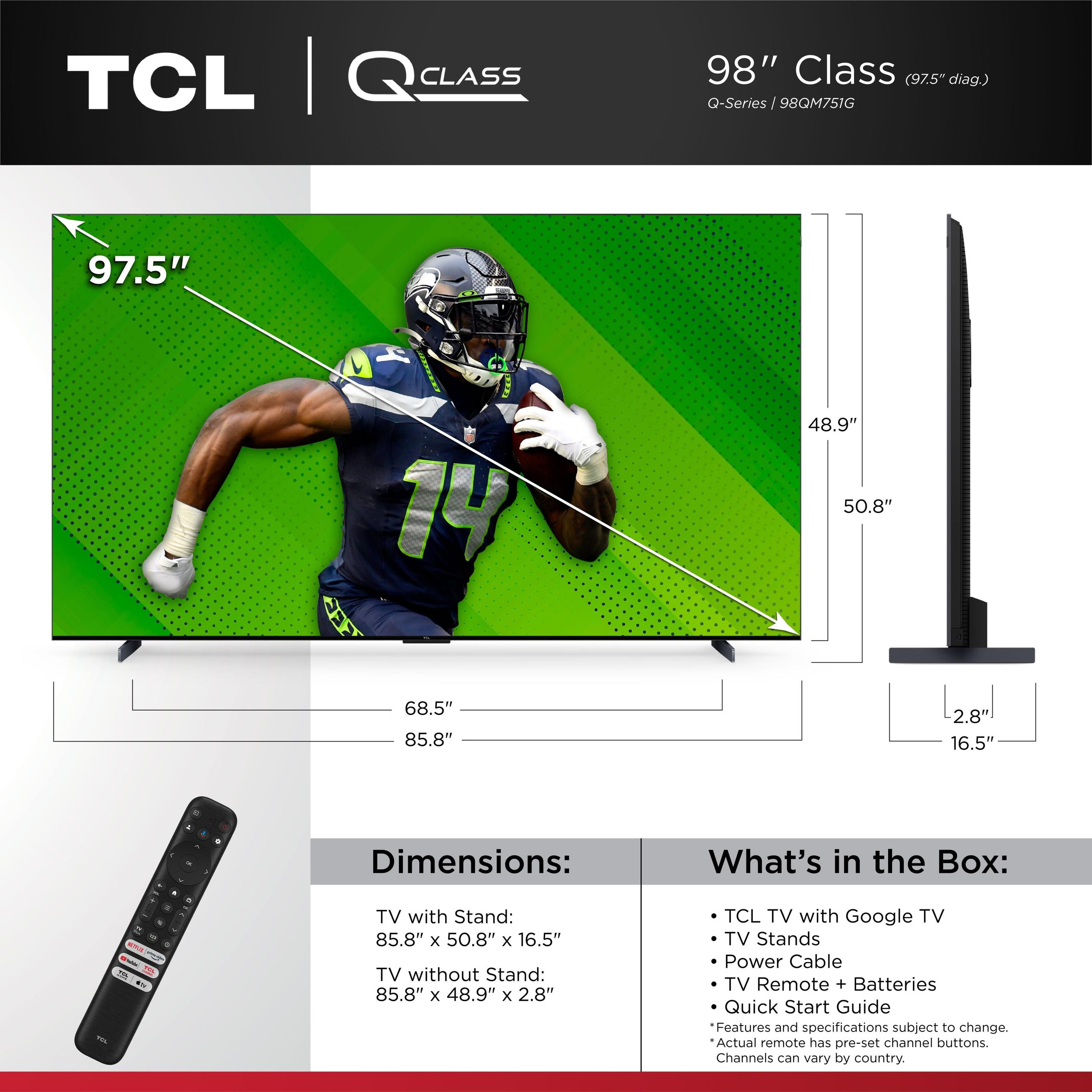
| 100" diagonal (99.5" actual) - Maximum impact for movies and sports | 98" diagonal (97.5" actual) - Still massive but slightly more manageable |
| Display Technology - Determines picture quality, contrast, and HDR performance | |
| QLED with Quantum Dot, Direct LED backlighting - Good color accuracy and uniformity | QD Mini-LED with up to 1,500 local dimming zones - Superior contrast and precision |
| Peak Brightness - Critical for HDR content and bright room viewing | |
| ~600 nits - Adequate for controlled lighting, limited HDR impact | Up to 2,400 nits - Excellent HDR highlights and bright room performance |
| Refresh Rate - Affects motion smoothness in sports, gaming, and action content | |
| 120Hz native with 144Hz Game Mode Pro - Good for console gaming | 144Hz native with VRR up to 240Hz - Excellent for PC gaming and motion clarity |
| Smart TV Platform - Determines app selection, interface quality, and ecosystem integration | |
| Fire TV with Alexa - Amazon ecosystem, extensive apps, Prime integration | Google TV with Assistant - Superior content discovery, Chromecast built-in |
| Gaming Features - Important for console and PC gaming performance | |
| HDMI 2.1, VRR, ALLM, AMD FreeSync Premium - Solid gaming capabilities | Game Accelerator 240, HDMI 2.1, AMD FreeSync Premium Pro - Premium gaming features |
| Audio System - Built-in sound quality affects whether you'll need external speakers | |
| 50W Dolby Atmos support - Basic but functional TV audio | ONKYO 2.1 system with DTS Virtual:X - Noticeably better bass and clarity |
| Local Dimming - Controls how precisely the TV can dim different screen areas for better contrast | |
| Full Array Local Dimming (zone count unspecified) - Good contrast control | Up to 1,500 Mini-LED zones - Exceptional precision, minimal blooming |
| HDR Support - Determines compatibility with high dynamic range content formats | |
| Dolby Vision, HDR10+, HDR10, HLG - Complete HDR format support | HDR ULTRA with Dolby Vision IQ, HDR10+, HDR10, HLG - Advanced HDR processing |
| Price - Total cost consideration for premium large screen experience | |
| $1,999.99 - Better value per square inch of screen | $2,199.99 - Premium pricing for advanced Mini-LED technology |
The Hisense 100" QD6 Series is larger at 100 inches diagonal compared to the TCL 98" QM7 Series at 98 inches. While the difference seems small, the Hisense provides noticeably more screen area for a more immersive viewing experience.
The Hisense 100" QD6 Series costs $1,999.99, while the TCL 98" QM7 Series is priced at $2,199.99. The TCL costs $200 more despite being slightly smaller, reflecting its premium Mini-LED display technology.
The TCL 98" QM7 Series offers superior picture quality with its QD Mini-LED technology, up to 2,400 nits peak brightness, and 1,500 local dimming zones. The Hisense 100" QD6 Series provides good picture quality but can't match the TCL's contrast and brightness capabilities.
Both TVs excel for gaming with HDMI 2.1, VRR, and low input lag. The TCL 98" QM7 has an edge with native 144Hz refresh rate and Game Accelerator 240 technology, making it better for competitive gaming. The Hisense 100" QD6 offers excellent gaming performance with a larger, more immersive screen.
The Hisense 100" QD6 uses Fire TV, which integrates well with Amazon services and Alexa. The TCL 98" QM7 runs Google TV, offering superior content discovery and Google Assistant integration. Choose based on your preferred ecosystem.
The TCL 98" QM7 Series reaches up to 2,400 nits peak brightness, making it excellent for bright rooms and daytime viewing. The Hisense 100" QD6 Series reaches approximately 600 nits, which works well in controlled lighting but struggles in very bright environments.
For dedicated home theaters with controlled lighting, the Hisense 100" QD6 provides maximum screen impact at a lower price. For multi-purpose rooms or theaters with ambient light, the TCL 98" QM7 offers superior brightness and contrast performance.
The TCL 98" QM7 Series features an ONKYO-tuned 2.1 speaker system with better bass and clarity. The Hisense 100" QD6 Series has 50W Dolby Atmos support with adequate but basic audio quality. Both benefit from external sound systems for optimal performance.
The Hisense 100" QD6 Series at $1,999.99 offers excellent value with more screen size for less money. The TCL 98" QM7 Series at $2,199.99 provides better value for picture quality enthusiasts who prioritize advanced display technology over screen size.
The Hisense 100" QD6 uses standard QLED with direct LED backlighting and quantum dots for good color accuracy. The TCL 98" QM7 features advanced QD Mini-LED technology with thousands of tiny LEDs and up to 1,500 local dimming zones for superior contrast control.
Both TVs handle sports well with 120Hz+ refresh rates for smooth motion. The TCL 98" QM7 offers superior motion clarity and brightness for daytime sports viewing. The Hisense 100" QD6 provides a more immersive sports experience with its larger 100-inch screen.
Choose the Hisense 100" QD6 Series if you prioritize maximum screen size, value, and Fire TV features. Select the TCL 98" QM7 Series if you want the best picture quality, gaming performance, and don't mind paying extra for premium Mini-LED technology.
We've done our best to create useful and informative comparisons to help you decide what product to buy. Our research uses advanced automated methods to create this comparison and perfection is not possible - please contact us for corrections or questions. These are the sites we've researched in the creation of this article: bestbuy.com - youtube.com - tvsbook.com - rtings.com - youtube.com - youtube.com - bestbuy.com - leaseville.com - pcrichard.com - bestbuy.com - youtube.com - hisense-usa.com - manuals.plus - hisense-usa.com - hisense-usa.com - brandsmartusa.com - bestbuy.com - youtube.com - business.walmart.com - avsforum.com - tcl.com - circuitworldonline.com - tcl.com - bestbuy.com - rtings.com - bestbuy.com - displayspecifications.com - tcl.com

Privacy Policy
Terms and Conditions - Affiliate Policy
Home Security
© Copyright 2008-2026.
11816 Inwood Rd #1211, Dallas, TX 75244