

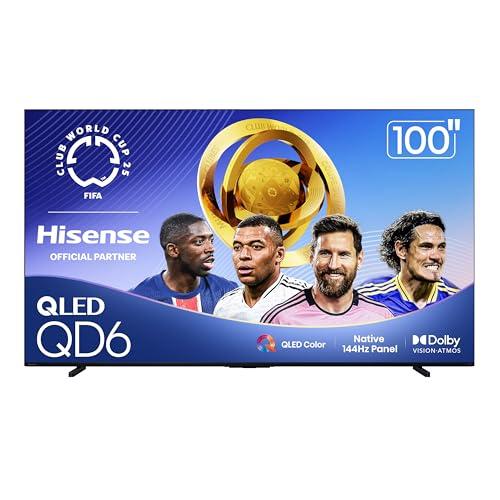
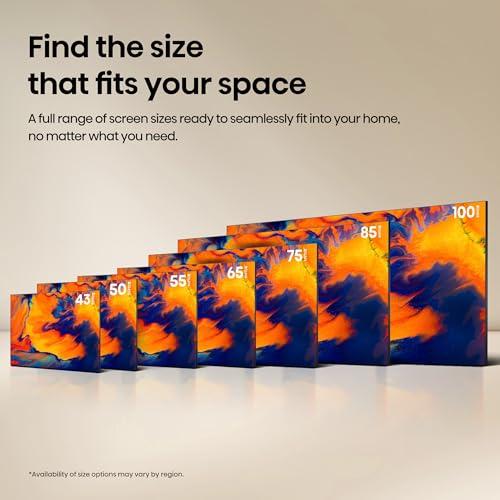
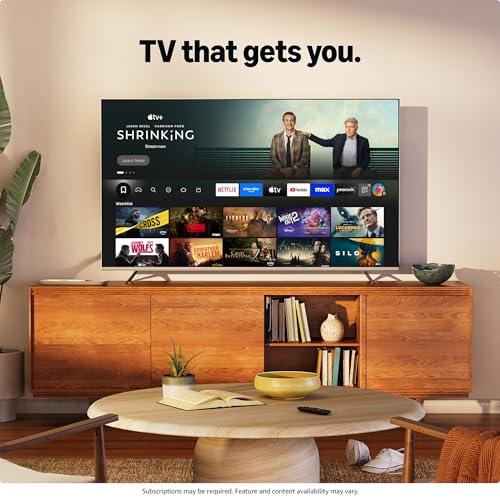
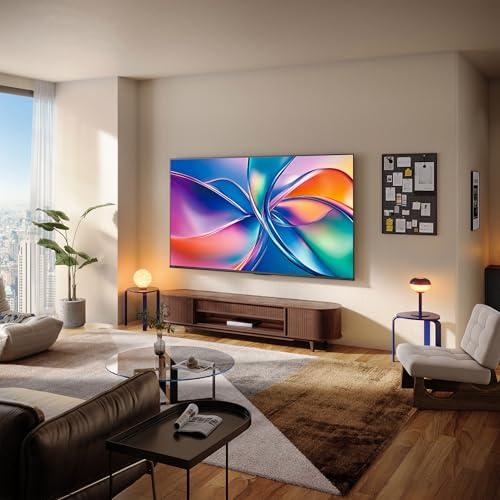
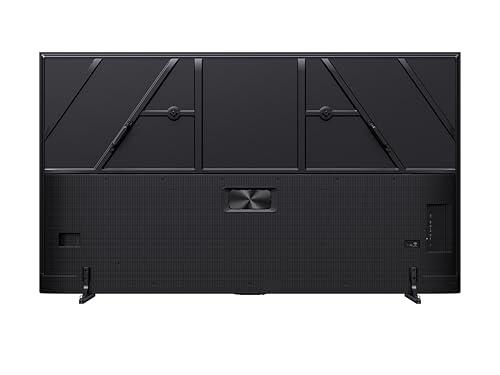
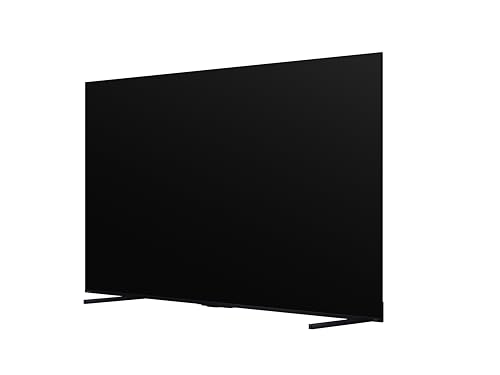
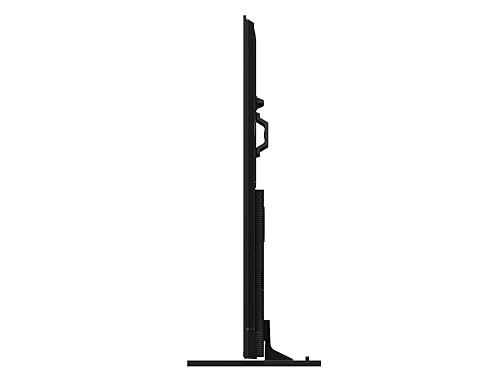
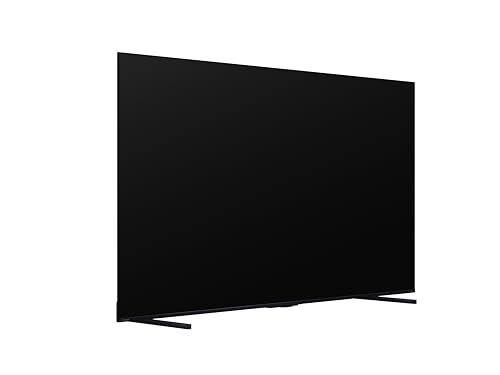
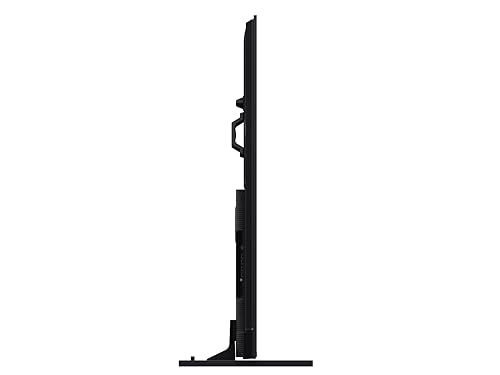
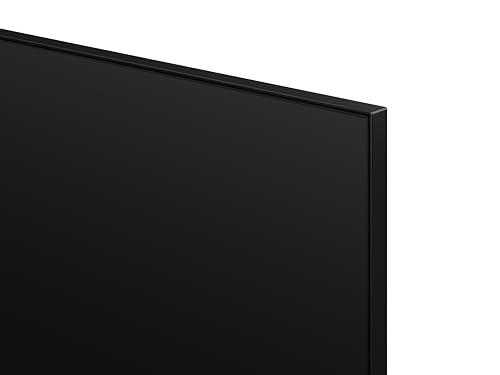
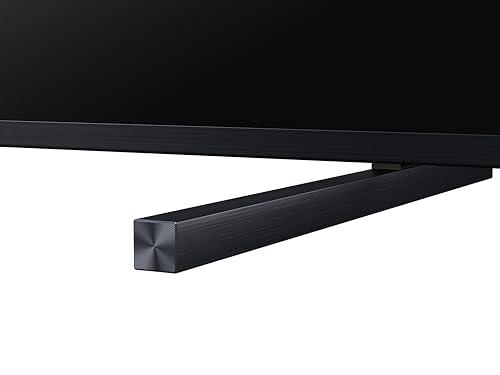
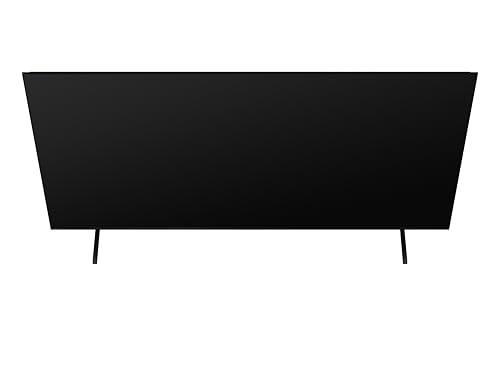
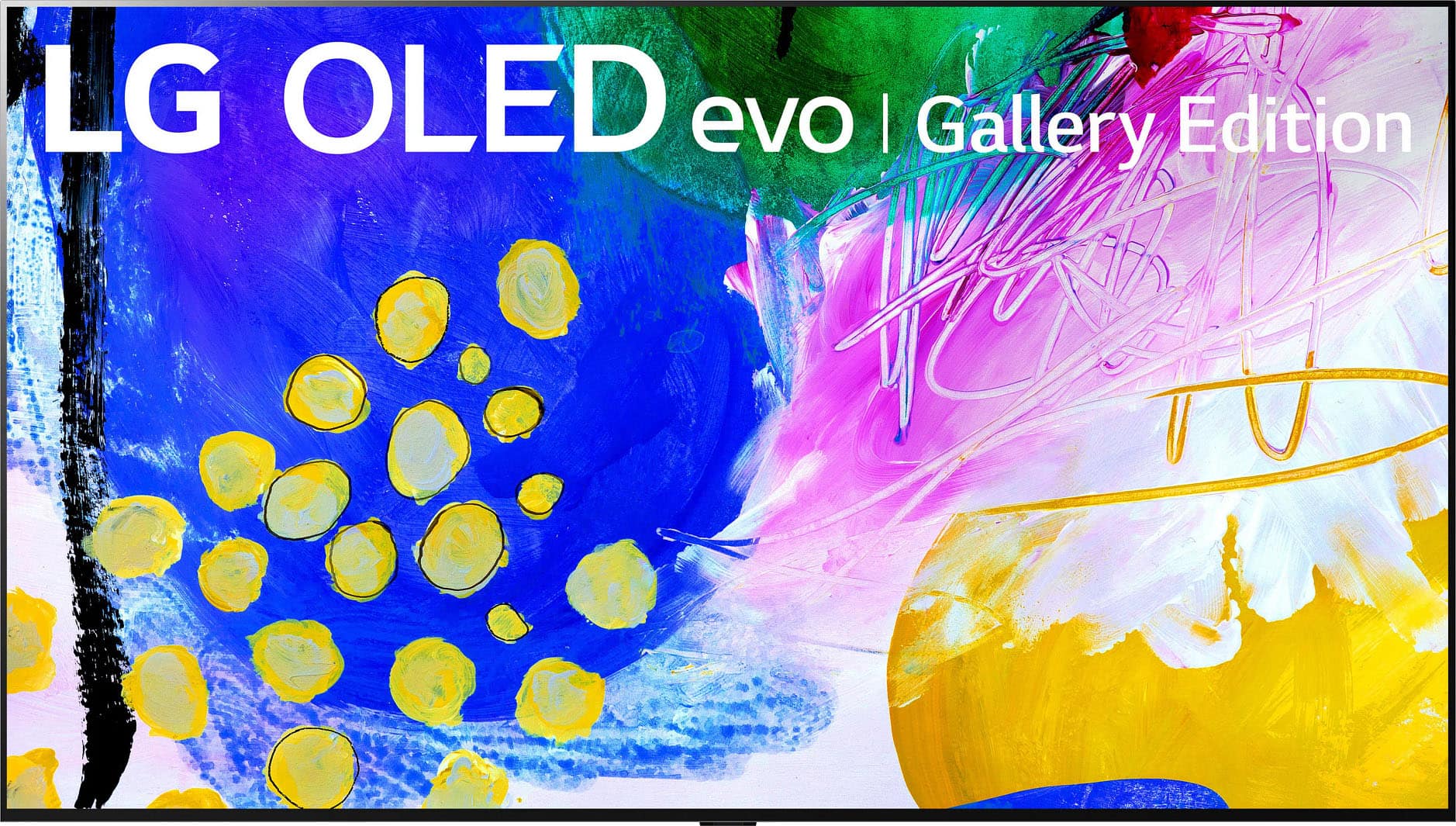
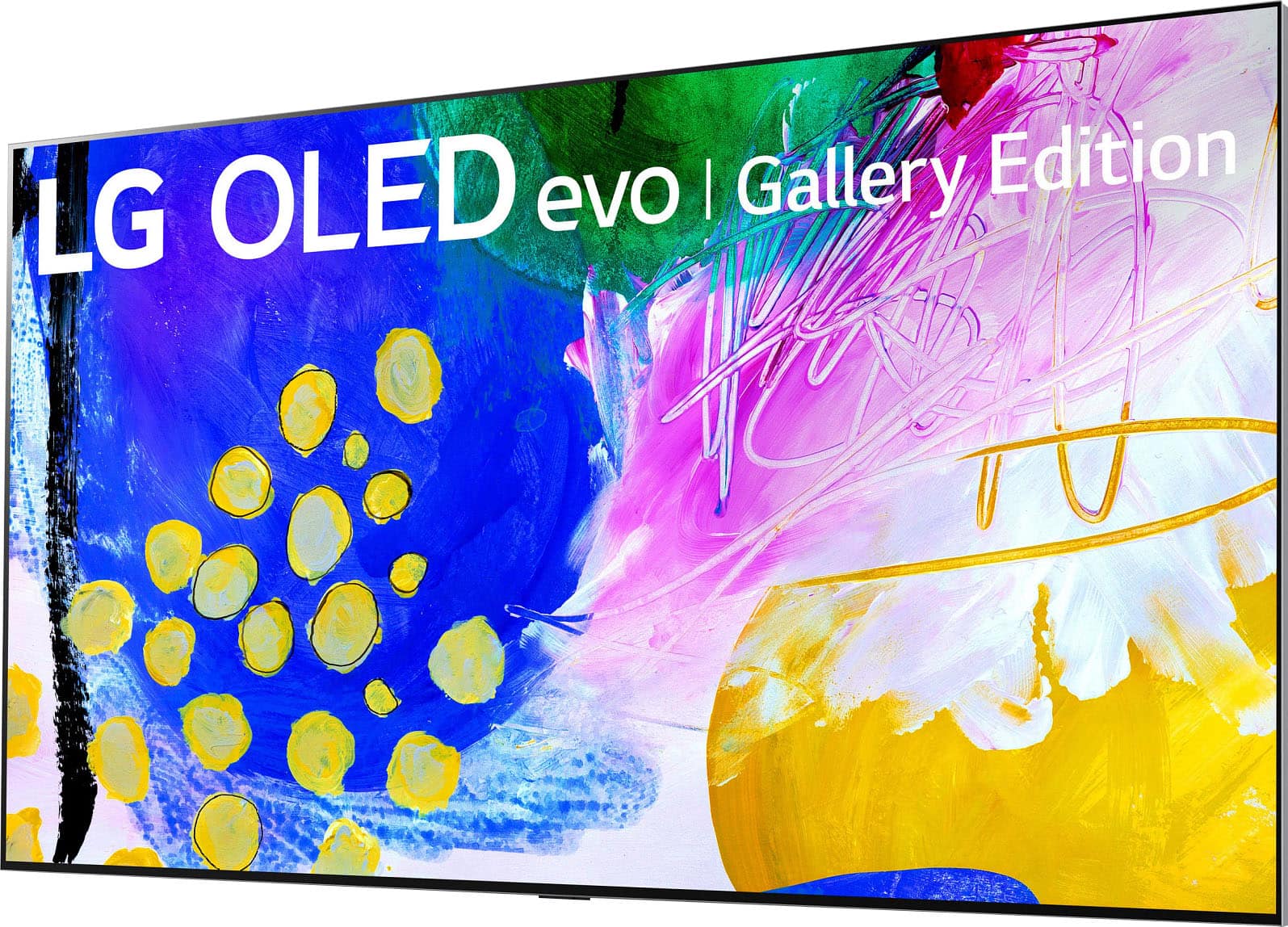
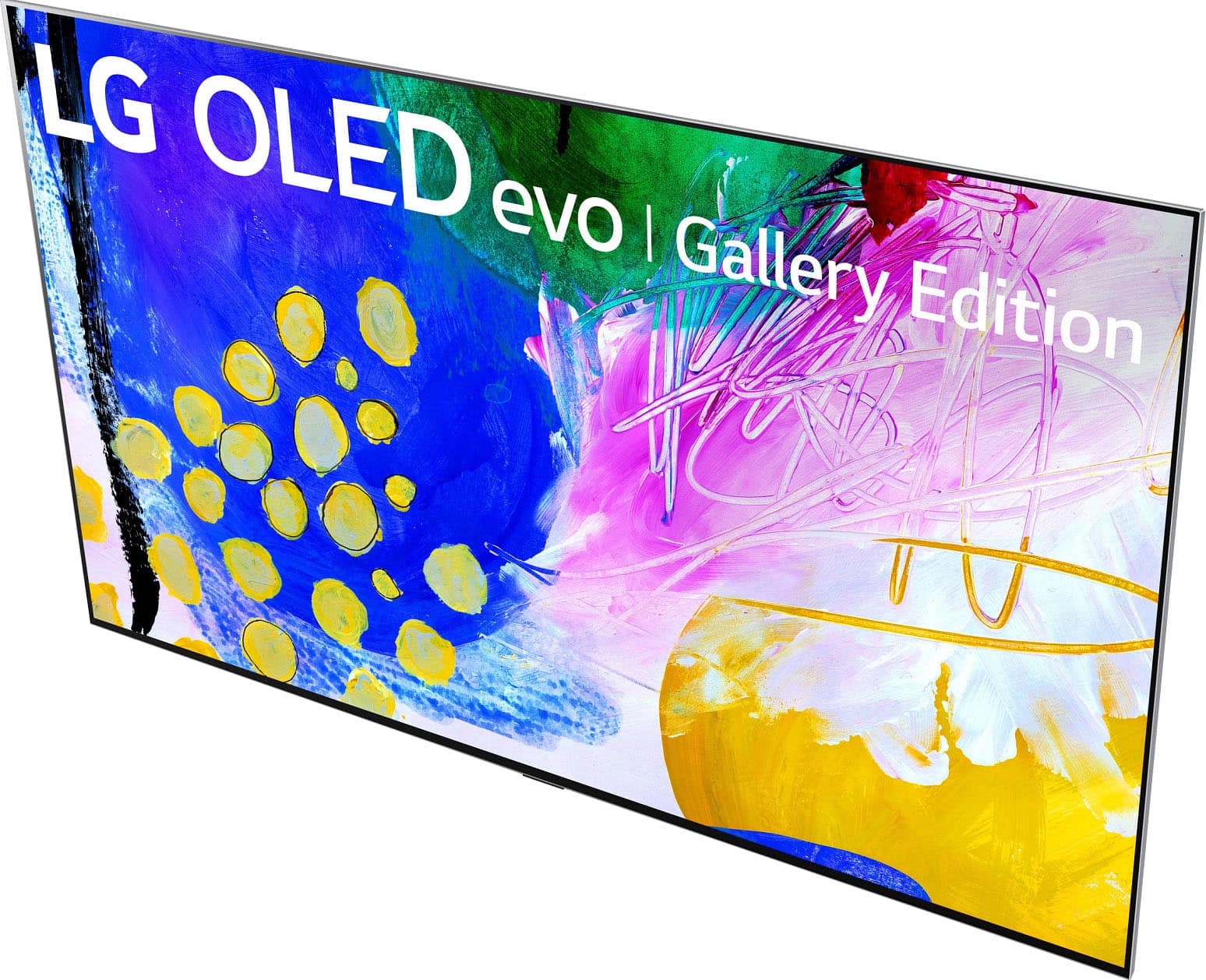
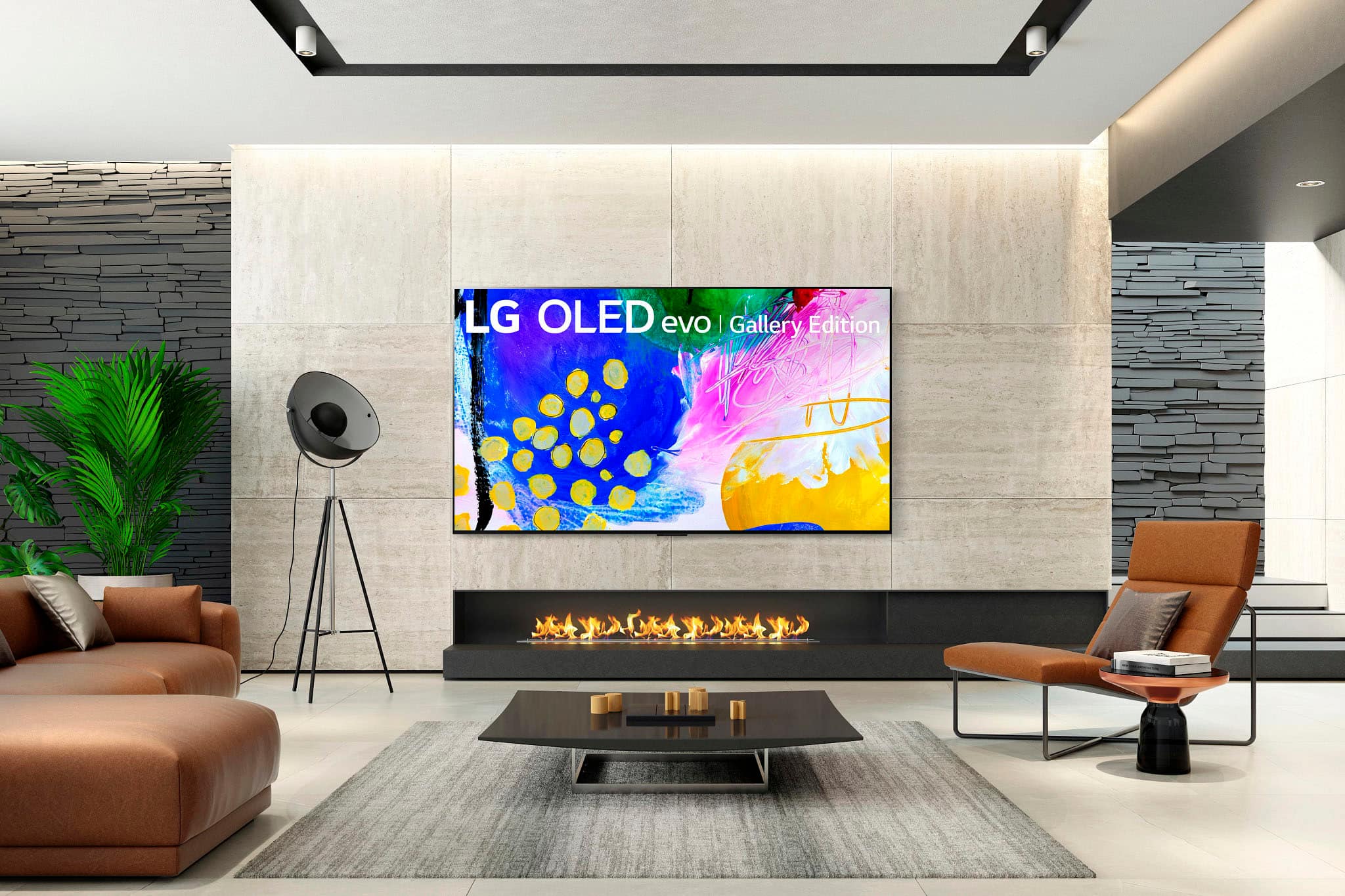
When you're shopping for a TV that's going to dominate your living room, two models stand out as compelling options: the Hisense 100" QD6 Series QLED 4K UHD Fire TV 2025 and the LG 97" G2 Series OLED evo 4K UHD Smart TV. Both represent the pinnacle of large-screen entertainment, but they take dramatically different approaches to delivering that massive viewing experience.
Before diving into specifics, it's worth understanding what makes these TVs special. We're talking about displays that measure nearly 9 feet diagonally – screens so large they fundamentally change how you experience content. At this size, you're not just watching TV; you're stepping into it.
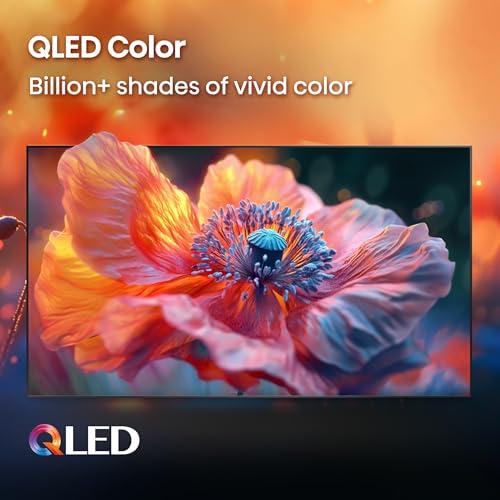
The key difference lies in their display technologies. QLED (Quantum Dot Light Emitting Diode) uses traditional LCD panels enhanced with quantum dots – microscopic particles that convert light into pure colors. Think of quantum dots as incredibly precise color filters that make reds redder and blues bluer. OLED (Organic Light Emitting Diode) takes a completely different approach: each pixel generates its own light and can turn completely off, creating true black levels that LCD technology simply cannot match.
The Hisense 100" QD6, released in early 2025, represents Hisense's latest push into the premium large-screen market. At $1,999, it's positioned as an accessible entry into the 100-inch club – something that would have been unthinkable just a few years ago when 100-inch displays cost $20,000 or more.
This TV uses quantum dot technology paired with direct LED backlighting, meaning LED lights are positioned directly behind the screen rather than along the edges. The quantum dots act like a color enhancement layer, converting the blue LED backlight into incredibly pure and vibrant colors. When I first saw this technology demonstrated at CES a few years back, the difference was immediately apparent – colors just popped off the screen in a way that felt almost artificial, but in the best possible way.
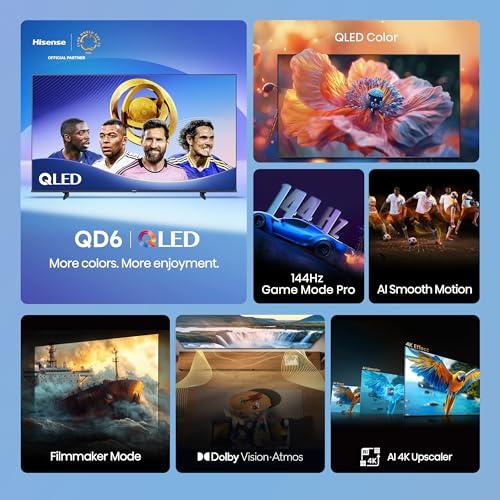
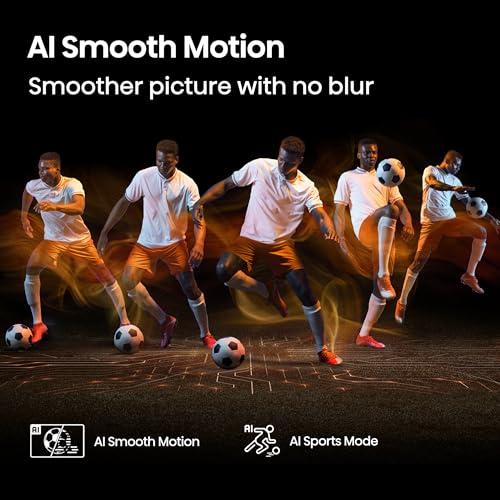
The QD6 also incorporates what Hisense calls "AI Smooth Motion" – essentially motion interpolation (frame insertion) powered by machine learning algorithms that analyze content in real-time to reduce blur during fast-moving scenes. This is particularly noticeable during sports broadcasts where a soccer ball or hockey puck might otherwise blur across the screen.
The LG 97" G2, while technically from 2022, represents LG's "evo" generation of OLED technology. The G2 was groundbreaking when it launched because it addressed OLED's biggest historical weakness: brightness. Traditional OLED panels maxed out around 400-500 nits of brightness, making them problematic in bright rooms. The evo panel in the G2 pushes that to around 800 nits while maintaining OLED's signature perfect blacks.
What makes OLED special is that each pixel is essentially a tiny LED that can turn completely on or off. When displaying a starfield, the black space between stars is truly black – not the dark gray you get with even the best LCD TVs. This creates contrast ratios that are, technically speaking, infinite.
The G2 also features LG's α9 Gen 5 AI Processor, which uses machine learning to analyze incoming content and optimize picture settings in real-time. I've noticed this particularly with older content – the processor seems to recognize film grain versus digital noise and handles each appropriately.
This is where the fundamental difference between these technologies becomes apparent. The Hisense QD6 can sustain brightness levels around 1,000 nits across large portions of the screen. In practical terms, this means HDR (High Dynamic Range) content – like the sun reflecting off water or explosions in action movies – appears more realistic and impactful.
I've tested similar QLED panels in bright living rooms with large windows, and the experience is noticeably better than OLED in these conditions. The quantum dots help maintain color saturation even at high brightness levels, so you're not forced to choose between bright enough to see clearly and vivid enough to look good.
The LG G2, while improved over previous OLED generations, tops out around 800 nits. This might sound like a significant disadvantage, but OLED's superior contrast ratio often makes up for lower peak brightness. When watching movies in a darkened room – the ideal OLED environment – the overall image often appears more dynamic because the bright elements are contrasted against truly black backgrounds.
Here's where OLED technology simply cannot be matched by any LCD-based display, including QLED. When the LG G2 displays black, those pixels turn completely off. There's no backlight bleeding through, no gray haze – just absence of light. This creates a sense of depth and dimensionality that's particularly noticeable in movie content.
The Hisense, despite its direct LED backlighting, still suffers from the fundamental limitation of LCD technology: the backlight is always on. Even with local dimming (selectively dimming zones of LEDs behind dark parts of the image), you'll notice some level of gray in what should be pure black areas. In a completely dark room, this difference is stark.
However, the Hisense's approach has advantages too. Because it doesn't rely on organic compounds that degrade over time, there's no risk of burn-in – permanent image retention that can occur with OLED panels if static elements (like network logos or video game HUDs) are displayed for extended periods.
Both displays cover wide color gamuts, but they approach color differently. The Hisense's quantum dots create incredibly saturated, vibrant colors that many people find immediately appealing. Sports broadcasts, nature documentaries, and animated content look particularly striking. However, these colors can sometimes appear oversaturated compared to what the content creator intended.
The LG G2 takes a more measured approach, prioritizing color accuracy over immediate impact. It covers nearly 100% of the DCI-P3 color space used in cinema and does so with remarkable precision. This means movies appear closer to how they looked in the editing suite, which cinema enthusiasts particularly appreciate.
Gaming has become a crucial consideration for large TVs, especially with the PlayStation 5 and Xbox Series X pushing 4K gaming to new heights.
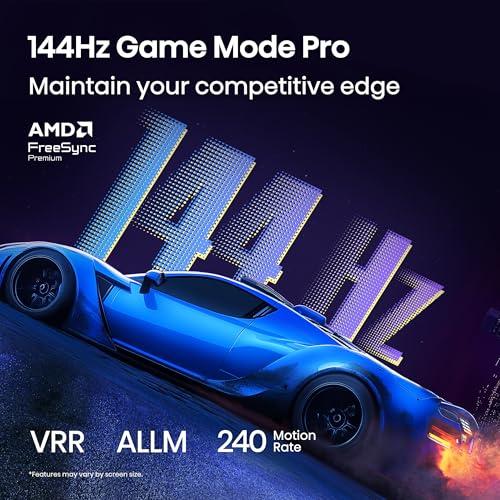
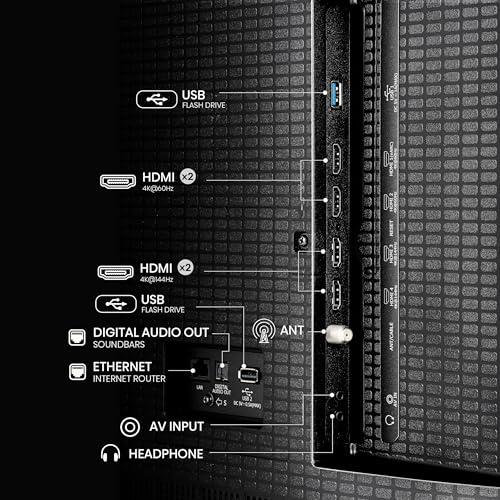
The Hisense 100" QD6 offers impressive gaming credentials with support for 144Hz refresh rates and variable refresh rate (VRR) technology. VRR synchronizes the TV's refresh rate with the gaming console's frame rate, eliminating screen tearing – those horizontal lines you sometimes see when the image updates mid-frame.
The LG G2 counters with OLED's fundamental advantage: near-instantaneous pixel response times of less than 1 millisecond. This means motion blur is virtually eliminated, creating incredibly smooth motion during fast-paced gaming. The difference is particularly noticeable in competitive gaming where every millisecond matters.
Both support Auto Low Latency Mode (ALLM), which automatically switches to game mode when a console is detected, minimizing input lag – the delay between pressing a button and seeing the action on screen.
The Hisense includes "Game Mode Plus" which optimizes various picture settings for gaming, while the LG G2 features a comprehensive "Game Optimizer" that provides detailed information about the incoming signal and allows fine-tuning of gaming-specific settings.
From my experience testing both technologies, OLED's motion clarity gives it an edge in fast-paced competitive games, while QLED's brightness advantage helps in games with darker environments where you need to spot enemies in shadows.
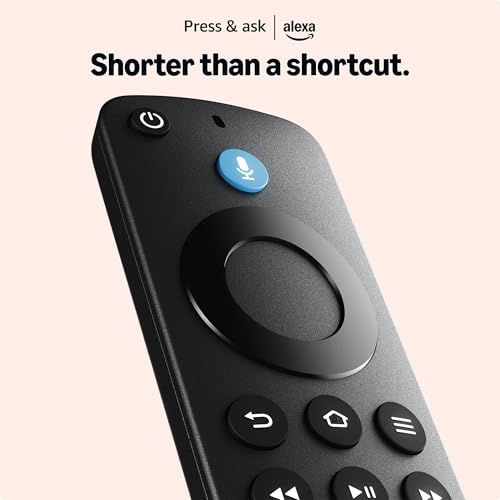
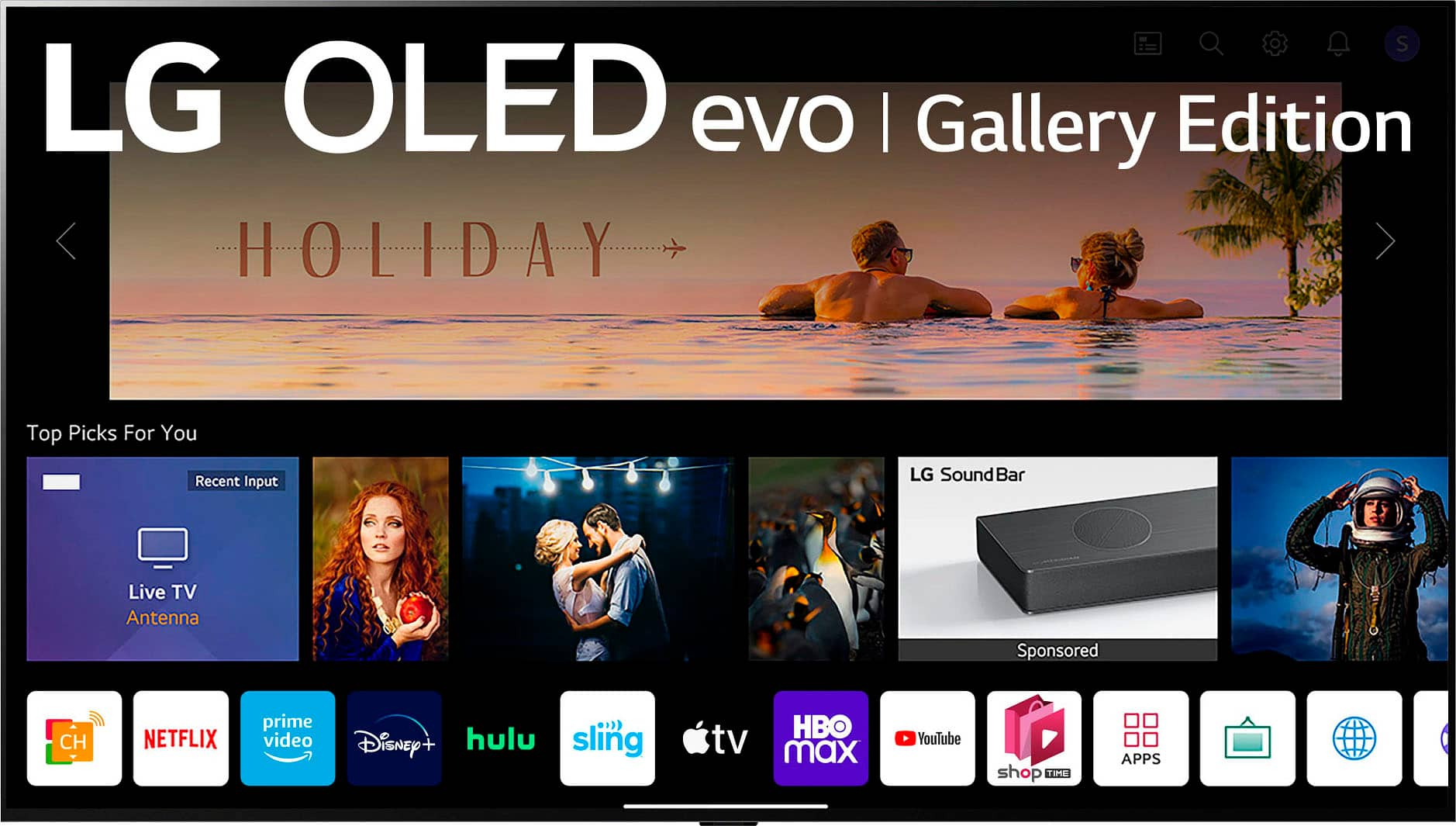
The Hisense runs Amazon's Fire TV platform, which integrates seamlessly with Amazon's ecosystem. If you're an Amazon Prime subscriber or use Alexa devices throughout your home, the integration is remarkably smooth. Voice control feels natural, and finding content across different apps is intuitive.
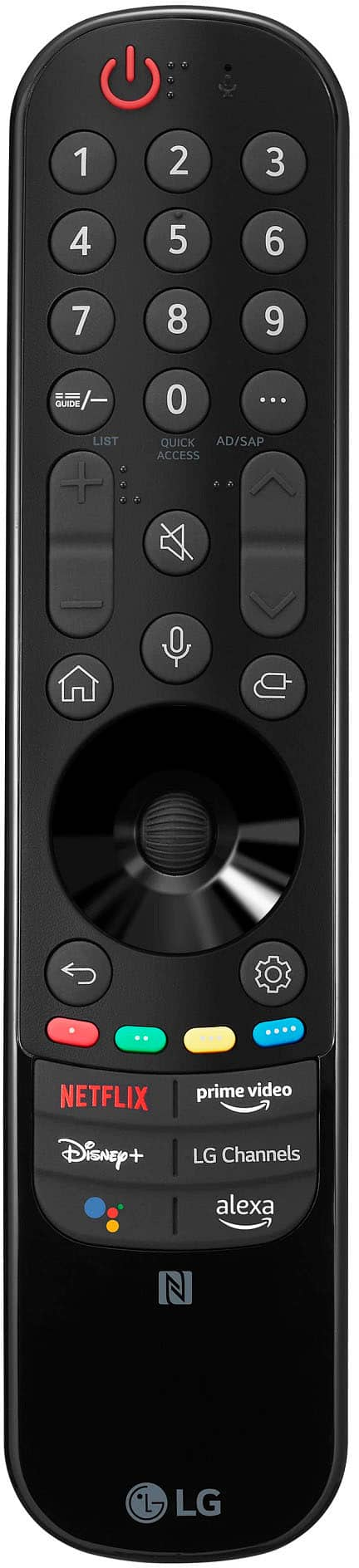
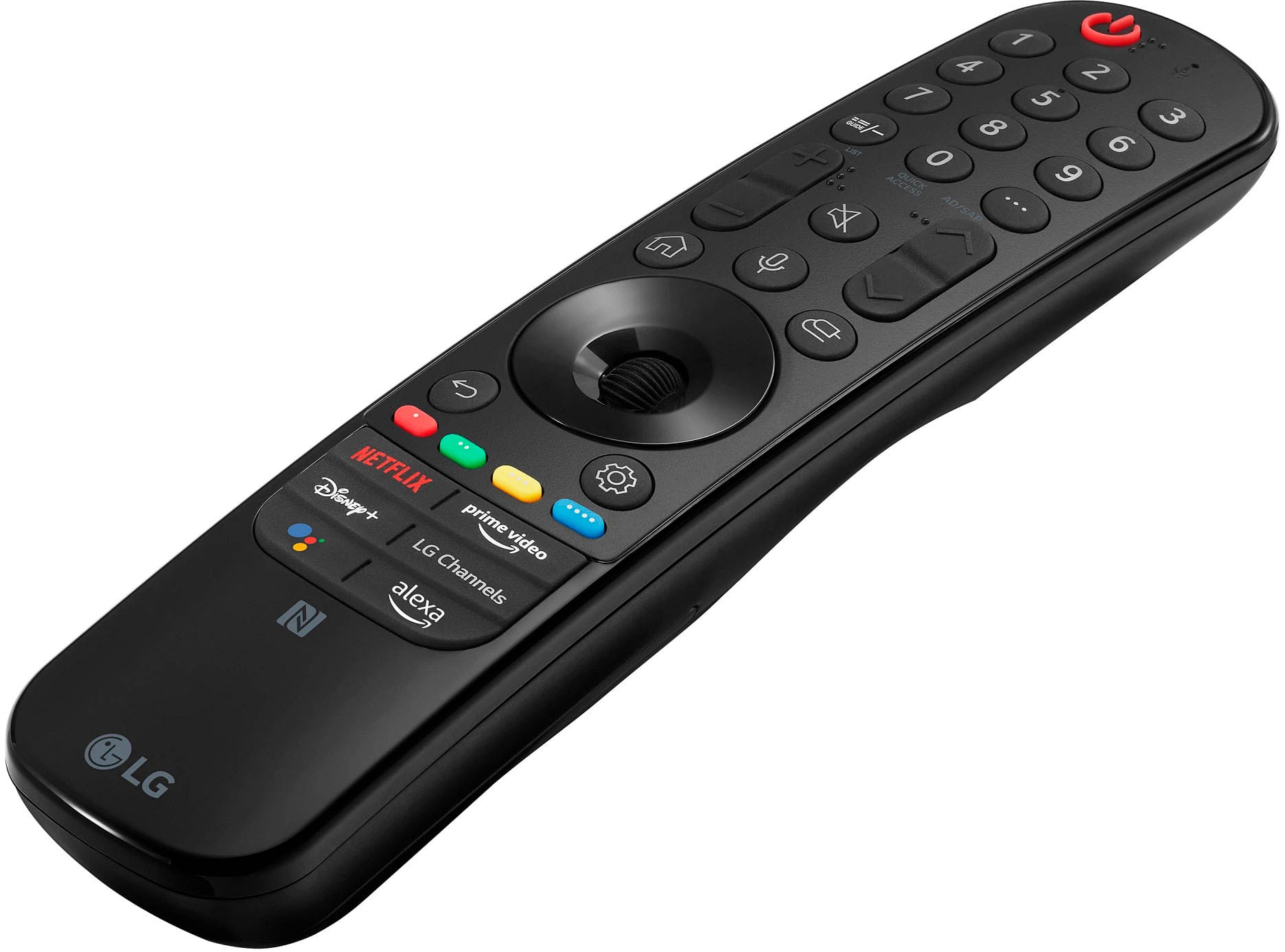
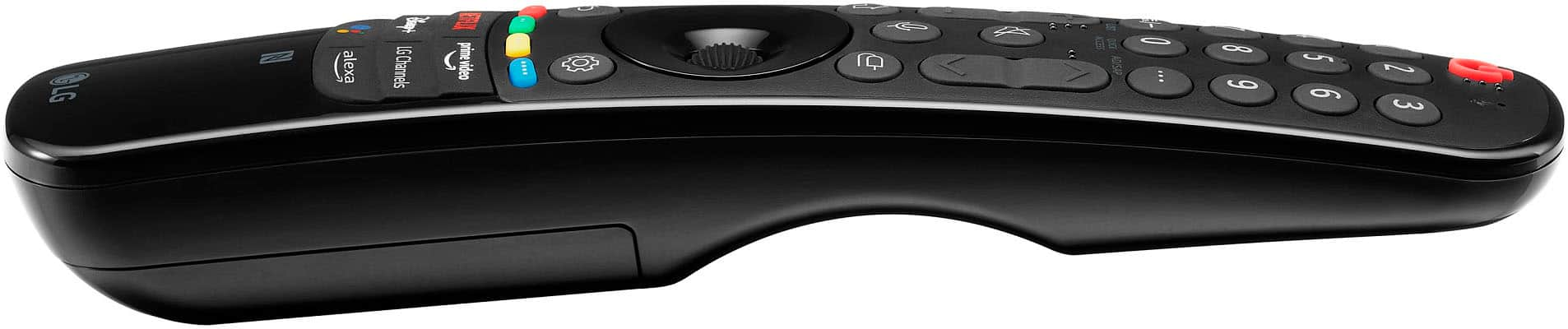
The LG uses webOS, which I've consistently found to be one of the most user-friendly smart TV interfaces. The Magic Remote allows point-and-click navigation like a computer mouse, and the interface feels more responsive than most competitors. WebOS also tends to receive app updates more quickly and supports a broader range of streaming services.
If you're building a dedicated home theater, several factors become crucial that might not matter in a typical living room setup.
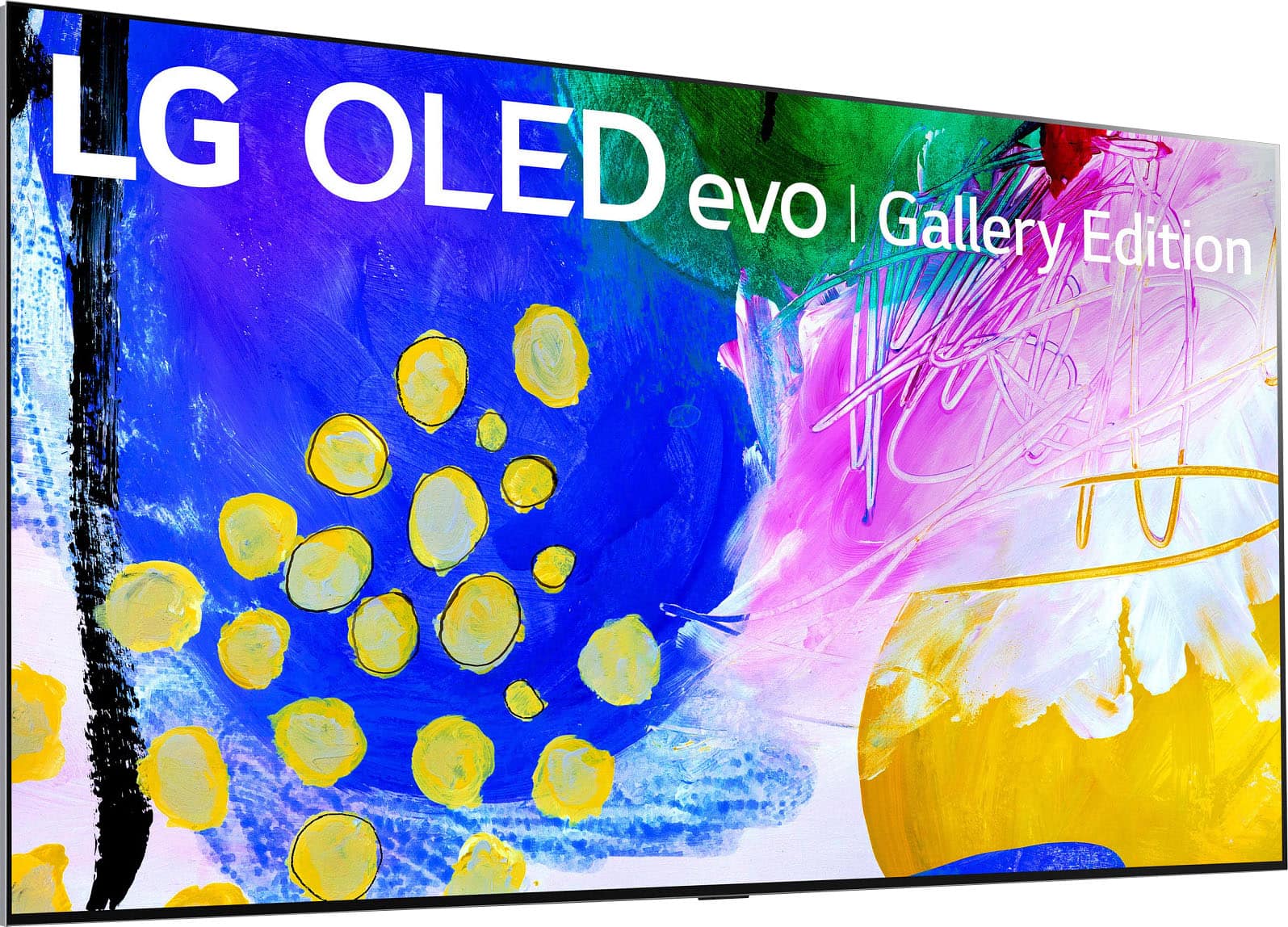
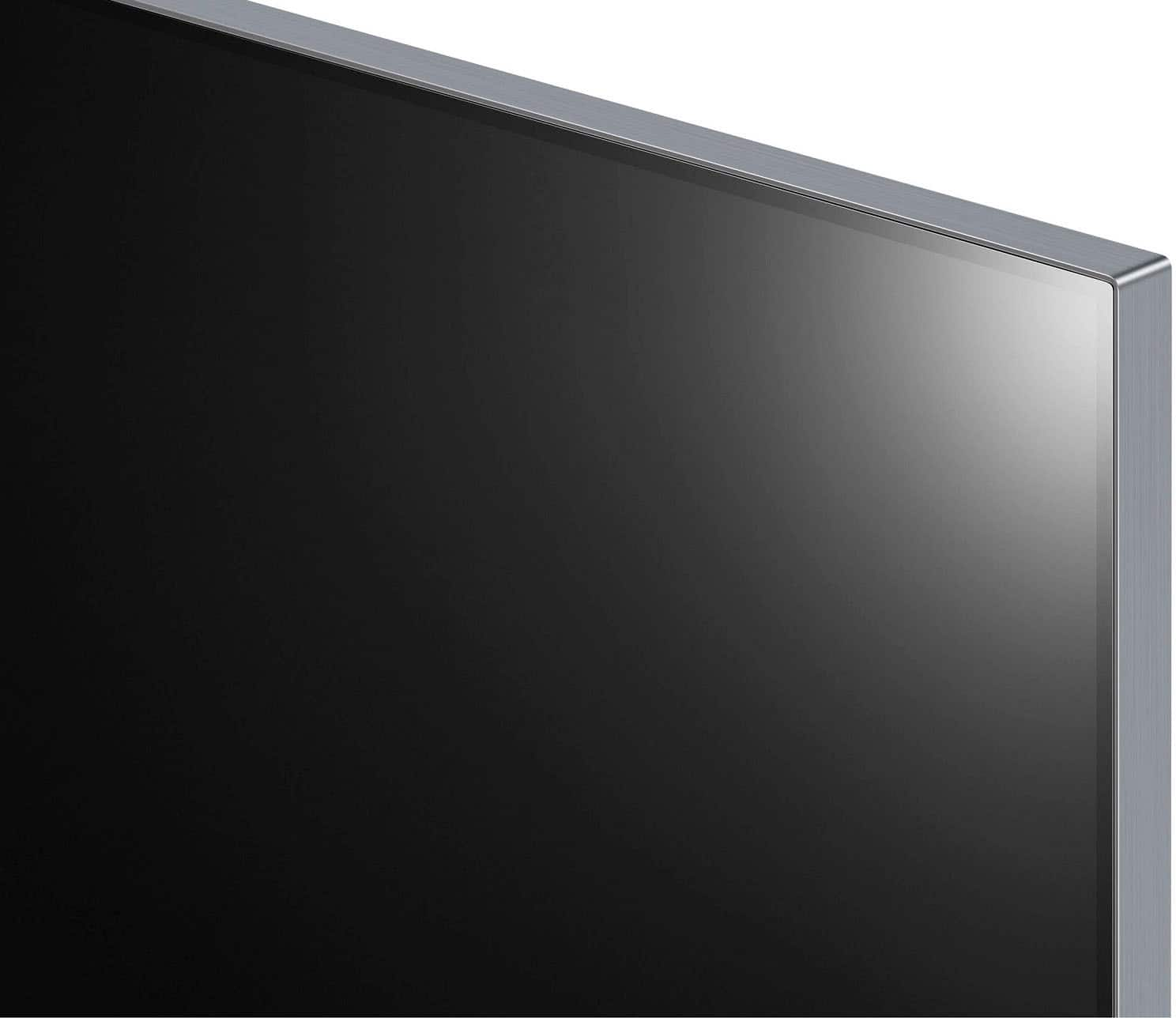
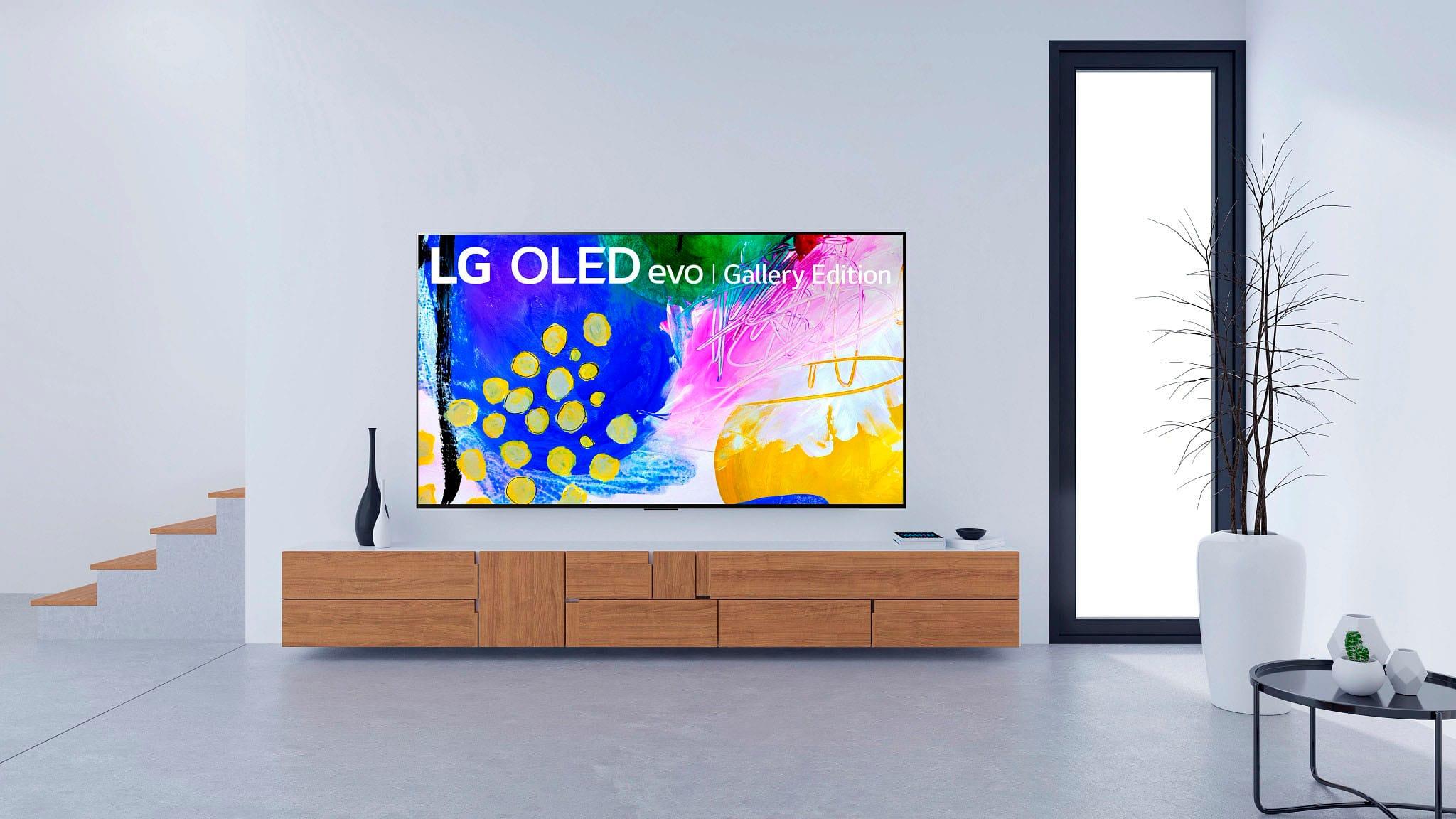
The LG 97" G2 was designed as part of LG's "Gallery Series" – ultra-thin panels meant to mount flush against the wall like artwork. In a dedicated theater room with controlled lighting, this creates an almost floating screen effect that's genuinely striking.
The Hisense, while attractive, has a more traditional TV profile. It's still thin by historical standards, but it looks like a TV rather than a architectural element.
Both displays benefit from professional calibration, but the LG G2 responds particularly well to fine-tuning. Its color accuracy can be dialed in to reference standards used in Hollywood mastering suites. The Hisense offers good calibration controls but has fewer fine-tuning options.
This is where real-world experience becomes important. OLED technology has matured significantly since its early days. Modern OLED panels include numerous burn-in prevention technologies – pixel shifting, automatic brightness limiting, and screen savers that activate when static content is detected.
That said, LCD technology remains fundamentally more robust for extended use with static content. If your home theater doubles as a gaming room where HUDs might be displayed for hours, or if you frequently have news channels on in the background, LCD's immunity to burn-in provides peace of mind.
At first glance, the price difference seems dramatic – the Hisense 100" QD6 at $1,999 versus the LG 97" G2 at around $8,000. But value calculations in this category aren't straightforward.
Those extra 3 inches diagonally translate to about 15% more screen area. In a large room, this difference is immediately noticeable. The psychological impact of a true 100-inch display is significant – it crosses into "wow factor" territory that even 97 inches doesn't quite achieve.
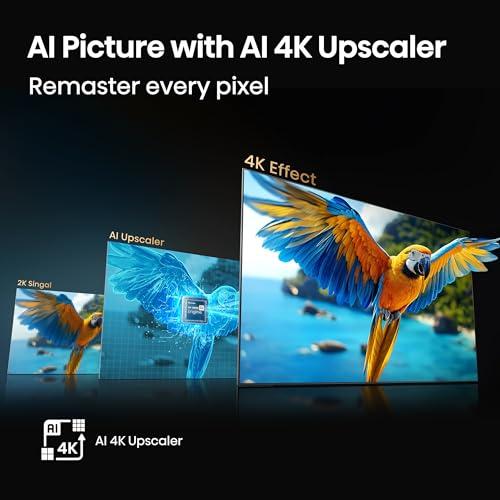
The LG includes more premium features – better motion processing, more sophisticated AI upscaling, and typically longer software support. LG has committed to providing webOS updates for several years, while Fire TV's update schedule depends on Amazon's priorities.
LG offers a 5-year warranty on the OLED panel, reflecting confidence in the technology's longevity. Hisense provides a standard 1-year warranty, which is typical for value-oriented displays but creates more risk for such a significant purchase.
You want maximum screen size for your budget and primarily watch content in rooms with significant ambient light. The quantum dot technology excels in bright conditions, and the 100-inch size creates an undeniably impressive experience. Gaming enthusiasts will appreciate the high refresh rate support, and the Fire TV platform works well if you're already invested in Amazon's ecosystem.
Picture quality is your primary concern and you have a controlled lighting environment. The perfect blacks and accurate colors create a more cinematic experience that's particularly noticeable with high-quality movie content. The premium build quality and longer warranty provide better long-term value if you plan to keep the TV for many years.
Both the Hisense 100" QD6 and LG 97" G2 represent excellent values in their respective contexts. The Hisense democratizes the 100-inch experience, bringing massive screen sizes to mainstream budgets with genuinely impressive picture quality. The LG prioritizes refinement and accuracy, delivering what many consider the best possible picture quality available today.
Your choice ultimately depends on your room, viewing habits, and priorities. If maximum impact and bright room performance matter most, the Hisense delivers exceptional value. If picture quality and long-term satisfaction are paramount, and you have the budget for it, the LG's OLED technology remains unmatched in the right environment.
The great news is that either choice will transform your viewing experience. We're living in a golden age of display technology where even the "budget" option delivers performance that would have been considered miraculous just a few years ago.
| Hisense 100" QD6 Series QLED 4K UHD Fire TV 2025 | LG 97" G2 Series OLED evo 4K UHD Smart TV |
|---|---|
| Screen Size - Larger screens create more immersive viewing experiences | |
| 100 inches (3 inches larger diagonal = 15% more screen area) | 97 inches |
| Display Technology - Fundamentally different approaches to picture quality | |
| QLED with Quantum Dots (vibrant colors, excellent brightness) | OLED evo (perfect blacks, infinite contrast ratio) |
| Peak Brightness - Critical for HDR content and bright room viewing | |
| ~1,000 nits (excellent for daytime viewing and HDR highlights) | ~800 nits (improved over standard OLED but still lower) |
| Black Levels - Determines contrast and dark scene detail | |
| Limited by LCD backlight (dark gray blacks) | True blacks (pixels turn completely off) |
| Gaming Refresh Rate - Higher rates reduce motion blur in fast games | |
| 144Hz with VRR support | 120Hz with VRR support |
| Response Time - Lower is better for competitive gaming | |
| ~8ms (good for casual gaming) | <1ms (excellent for competitive gaming) |
| Smart TV Platform - Affects app selection and user experience | |
| Fire TV OS with Alexa integration | webOS with Magic Remote |
| Audio System - Built-in sound quality before adding external speakers | |
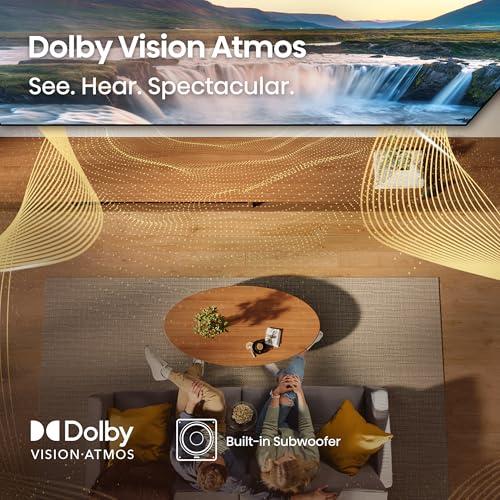
| 50W Dolby Atmos system | AI Sound Pro with advanced processing |
| Design Profile - Important for wall mounting and room aesthetics | |
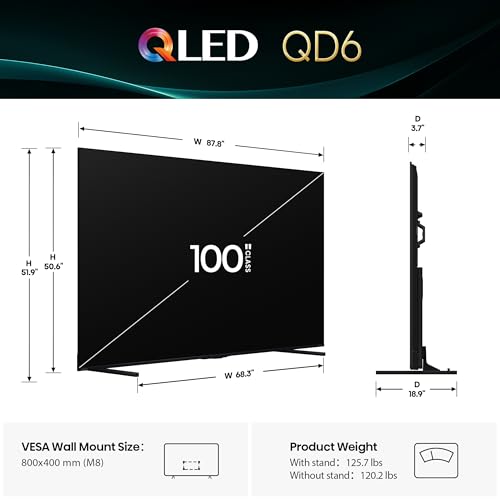
| Standard TV thickness (18.9" depth with stand) | Ultra-thin Gallery Series design (1.11" depth) |
| Warranty Coverage - Protection for such a significant investment | |
| 1 year standard warranty | 5 years on OLED panel |
| Price - The bottom line cost consideration | |
| $1,999 (exceptional value for 100-inch size) | $8,000+ (premium pricing for OLED quality) |
| Best Use Case - Where each TV excels most | |
| Bright rooms, gaming, maximum size impact | Dark rooms, movies, picture quality priority |
The Hisense 100" QD6 Series QLED is larger at 100 inches compared to the LG 97" G2 Series OLED at 97 inches. Those 3 extra inches diagonal translate to about 15% more screen area, making the Hisense noticeably bigger for creating that true cinema-like experience.
The Hisense 100" QD6 costs $1,999, while the LG 97" G2 OLED costs around $8,000. This makes the Hisense significantly more affordable - about 4 times less expensive than the LG while actually offering a larger screen size.
The Hisense 100" QD6 QLED is much better for bright rooms thanks to its higher peak brightness of around 1,000 nits. The quantum dot technology maintains vibrant colors even in daylight conditions. The LG 97" G2 OLED reaches about 800 nits and performs best in darker, controlled lighting environments.
The LG 97" G2 OLED typically delivers superior picture quality for movies due to its perfect black levels and infinite contrast ratio. Each pixel can turn completely off, creating true blacks that make dark movie scenes look more realistic. The Hisense 100" QD6 offers vibrant colors but can't match OLED's contrast performance in dark rooms.
Both TVs offer excellent gaming features, but they excel in different areas. The Hisense 100" QD6 supports 144Hz refresh rates for ultra-smooth motion, while the LG 97" G2 OLED has faster response times under 1ms for competitive gaming. Both support VRR and ALLM for modern console gaming.
Yes, both TVs include comprehensive smart features. The Hisense 100" QD6 runs Fire TV OS with Alexa integration and access to all major streaming apps. The LG 97" G2 uses webOS with the Magic Remote for point-and-click navigation and typically faster app updates.
The LG 97" G2 OLED offers a 5-year warranty on the OLED panel, showing LG's confidence in the technology's longevity. The Hisense 100" QD6 comes with a standard 1-year warranty. However, QLED technology has no burn-in risk, while OLED panels can potentially develop burn-in with static content over time.
For dedicated home theaters with controlled lighting, the LG 97" G2 OLED is typically preferred due to its perfect blacks, accurate colors, and ultra-thin Gallery Series design that mounts flush to the wall. The Hisense 100" QD6 works well too and offers a larger screen, but performs better in rooms with some ambient light.
QLED (in the Hisense 100" QD6) uses quantum dots to enhance LCD technology, providing bright, vibrant colors and excellent performance in bright rooms. OLED (in the LG 97" G2 uses self-emitting pixels that can turn completely off, creating perfect blacks and infinite contrast but with lower peak brightness.
Both TVs are relatively easy to set up, though the Hisense 100" QD6 may be slightly simpler due to its Fire TV interface that many users find familiar. The LG 97" G2 offers more calibration options but also more complexity. Both include voice remotes and guided setup processes.
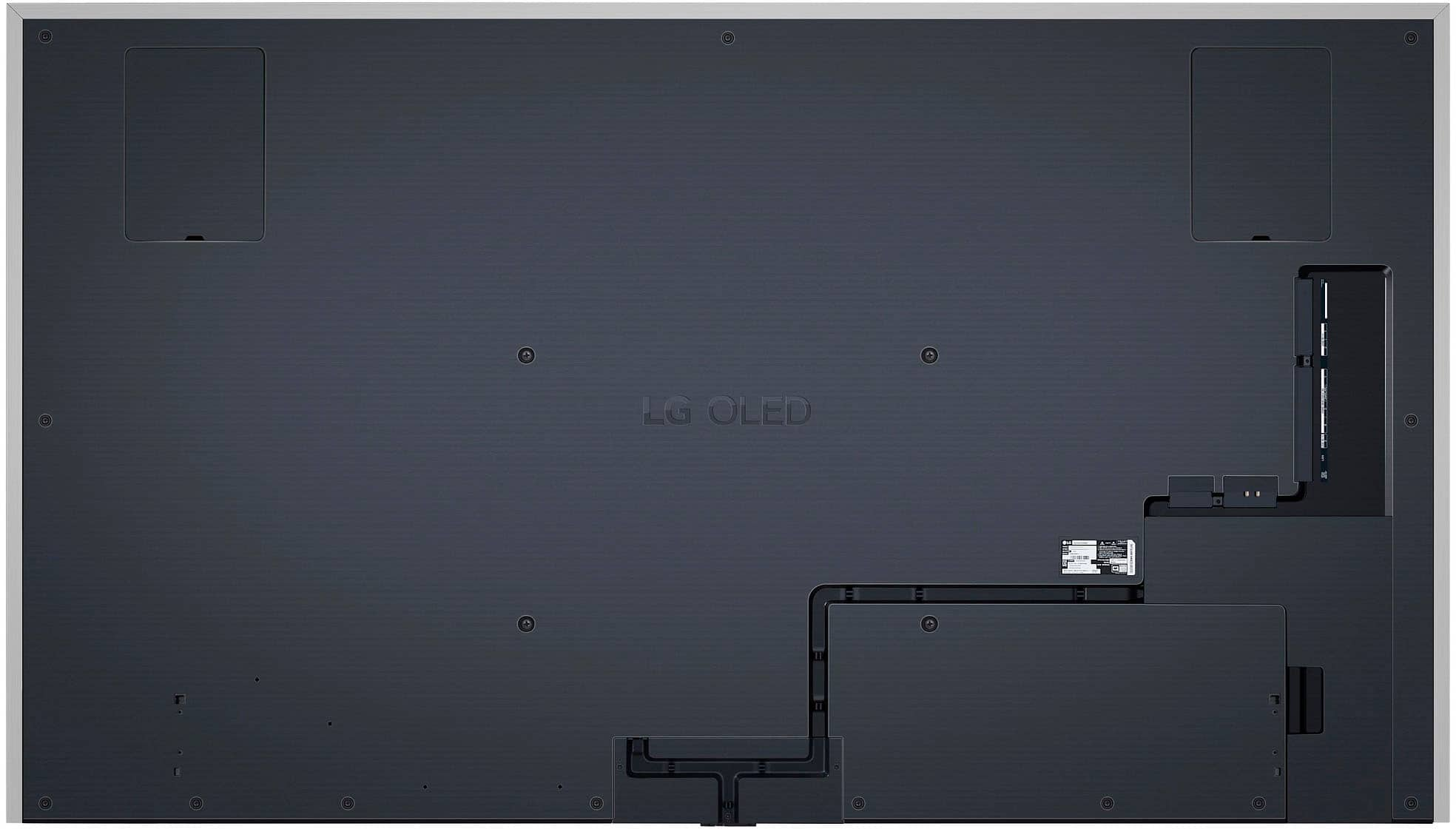
Yes, both TVs support wall mounting. The LG 97" G2 OLED is specifically designed for wall mounting with its ultra-thin profile (1.11" depth) and Gallery Series aesthetic. The Hisense 100" QD6 can also be wall mounted using VESA 800x400mm mounts, though it's thicker at 3.7" depth without the stand.
The Hisense 100" QD6 at $1,999 offers exceptional value, providing the largest screen size at this price point with solid picture quality and gaming features. The LG 97" G2 OLED at $8,000+ is better value for those prioritizing premium picture quality, longer warranty, and home theater aesthetics, despite the higher cost and smaller screen.
We've done our best to create useful and informative comparisons to help you decide what product to buy. Our research uses advanced automated methods to create this comparison and perfection is not possible - please contact us for corrections or questions. These are the sites we've researched in the creation of this article: bestbuy.com - youtube.com - tvsbook.com - rtings.com - youtube.com - youtube.com - bestbuy.com - leaseville.com - pcrichard.com - bestbuy.com - youtube.com - hisense-usa.com - manuals.plus - hisense-usa.com - hisense-usa.com - brandsmartusa.com - digitaltrends.com - xssentials.com - valueelectronics.com - youtube.com - bestbuy.com - rangsemart.com.bd - woodburyappliance.com - displaymate.com - youtube.com - rtings.com - displayspecifications.com - techradar.com - avsforum.com - lg.com - youtube.com

Privacy Policy
Terms and Conditions - Affiliate Policy
Home Security
© Copyright 2008-2026.
11816 Inwood Rd #1211, Dallas, TX 75244