


When you're shopping for a gaming monitor, you're not just buying a screen – you're choosing a philosophy about what matters most in your gaming experience. The gaming monitor market has evolved dramatically over the past few years, with manufacturers taking increasingly different approaches to solve the same fundamental challenge: delivering the fastest, clearest, and most responsive visual experience possible.
Today's gaming monitors need to handle everything from lightning-fast competitive shooters to cinematic single-player adventures, often on the same desk. The key considerations that separate good gaming monitors from great ones include refresh rate (how many times per second the screen updates), response time (how quickly pixels can change colors), panel technology (the underlying display method), and specialized gaming features that can give you a competitive edge.
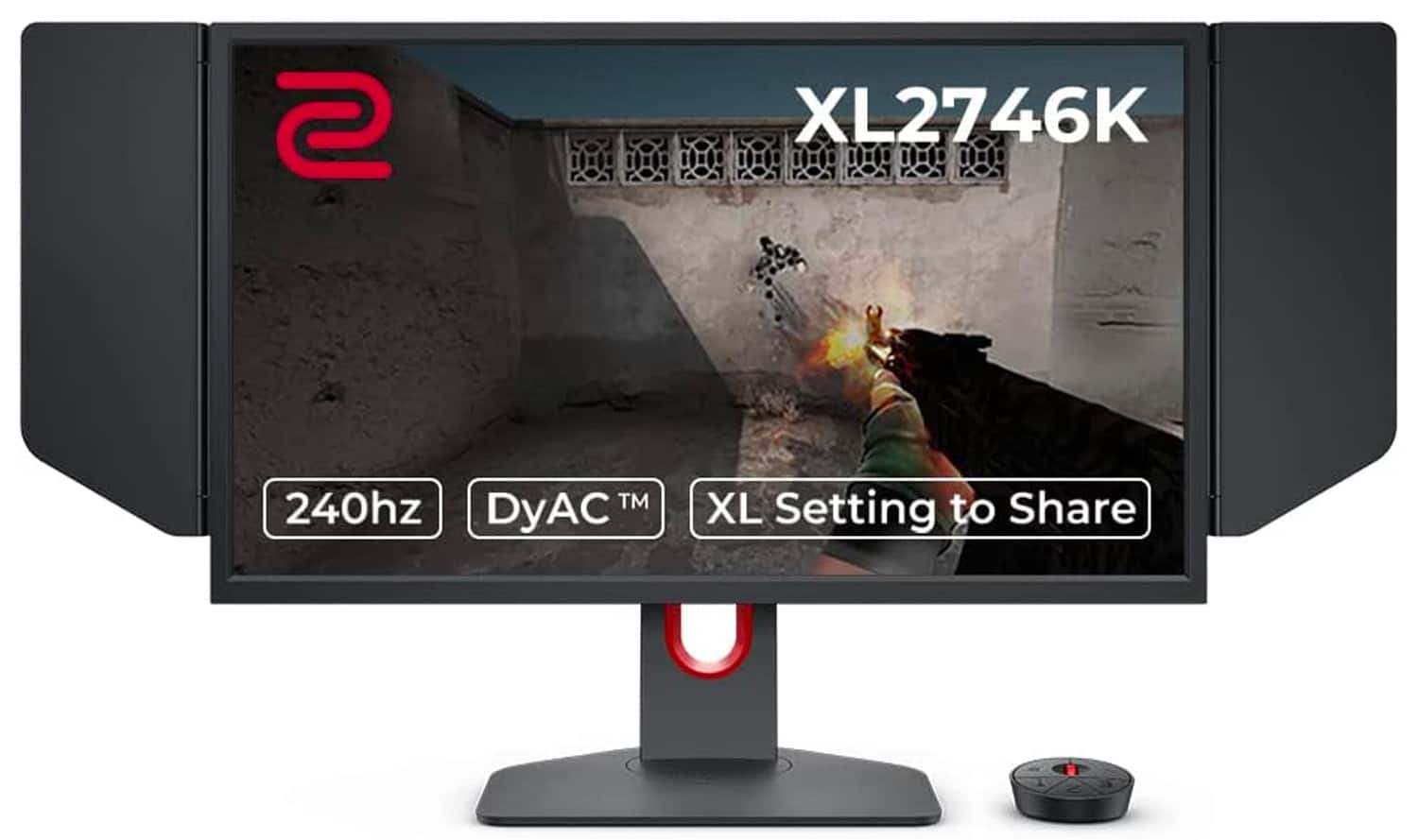
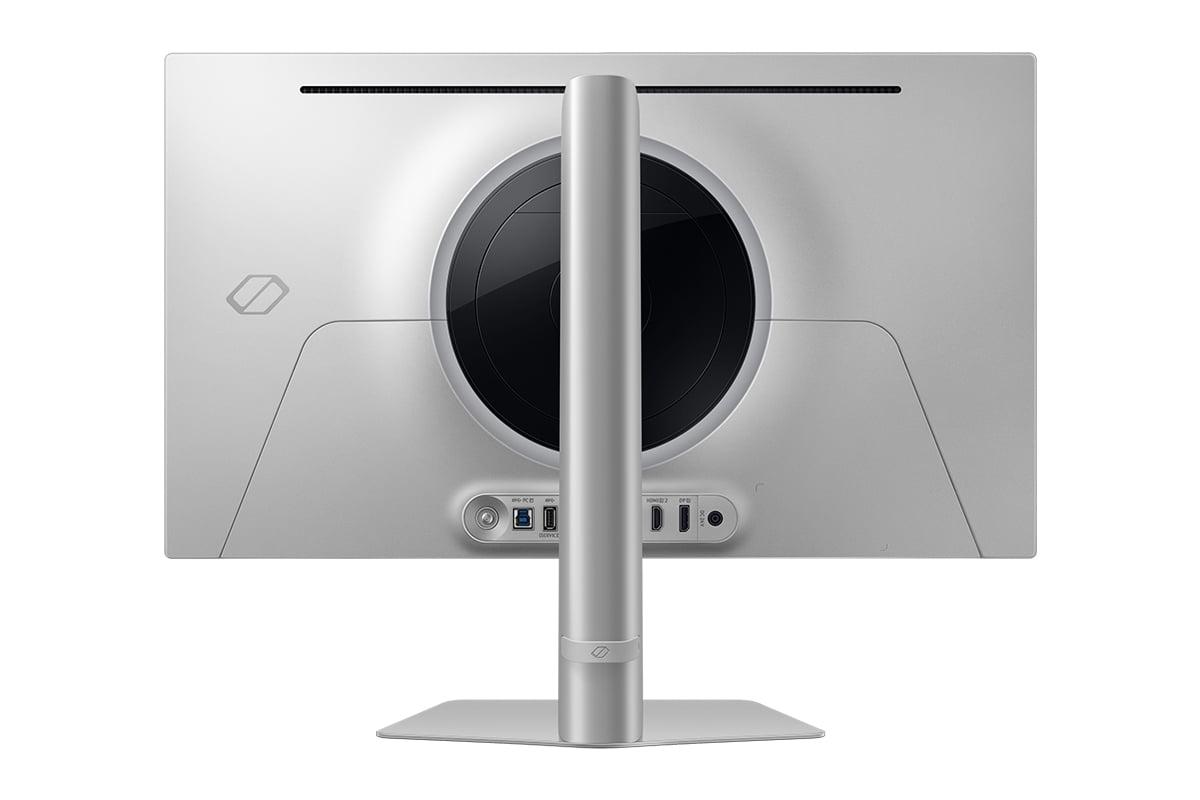
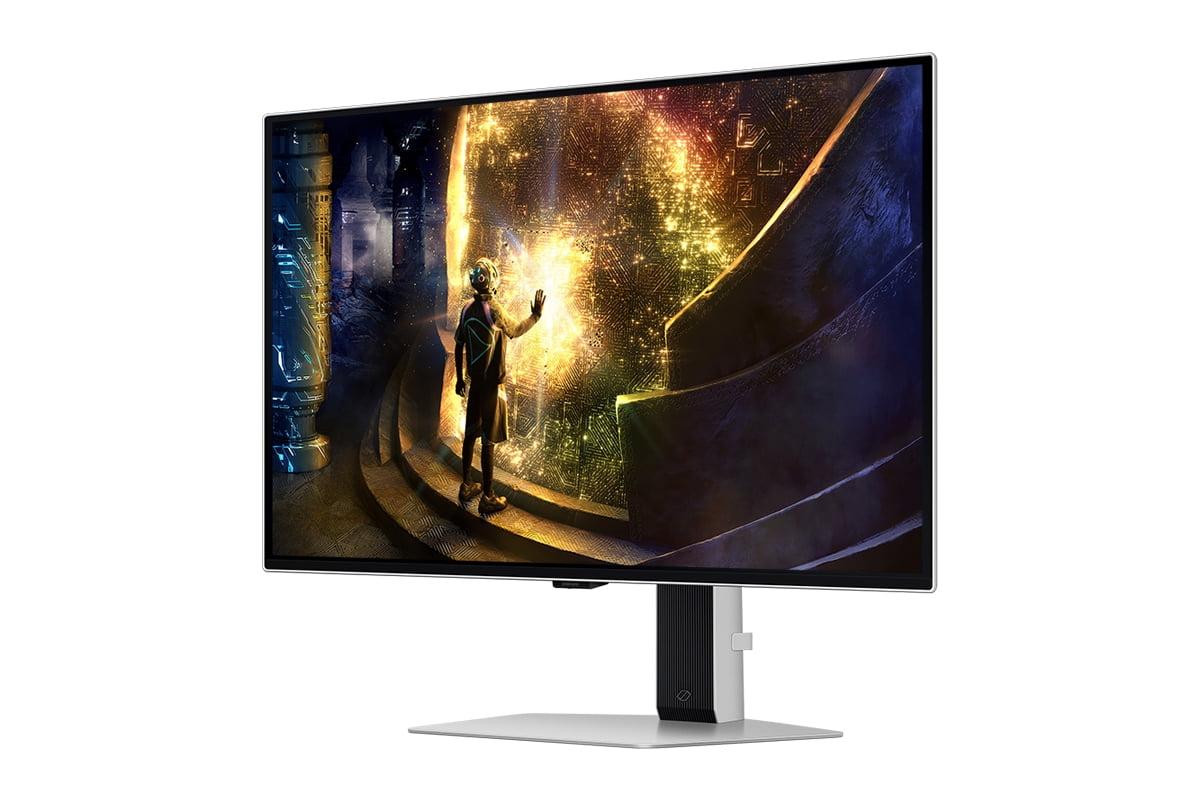
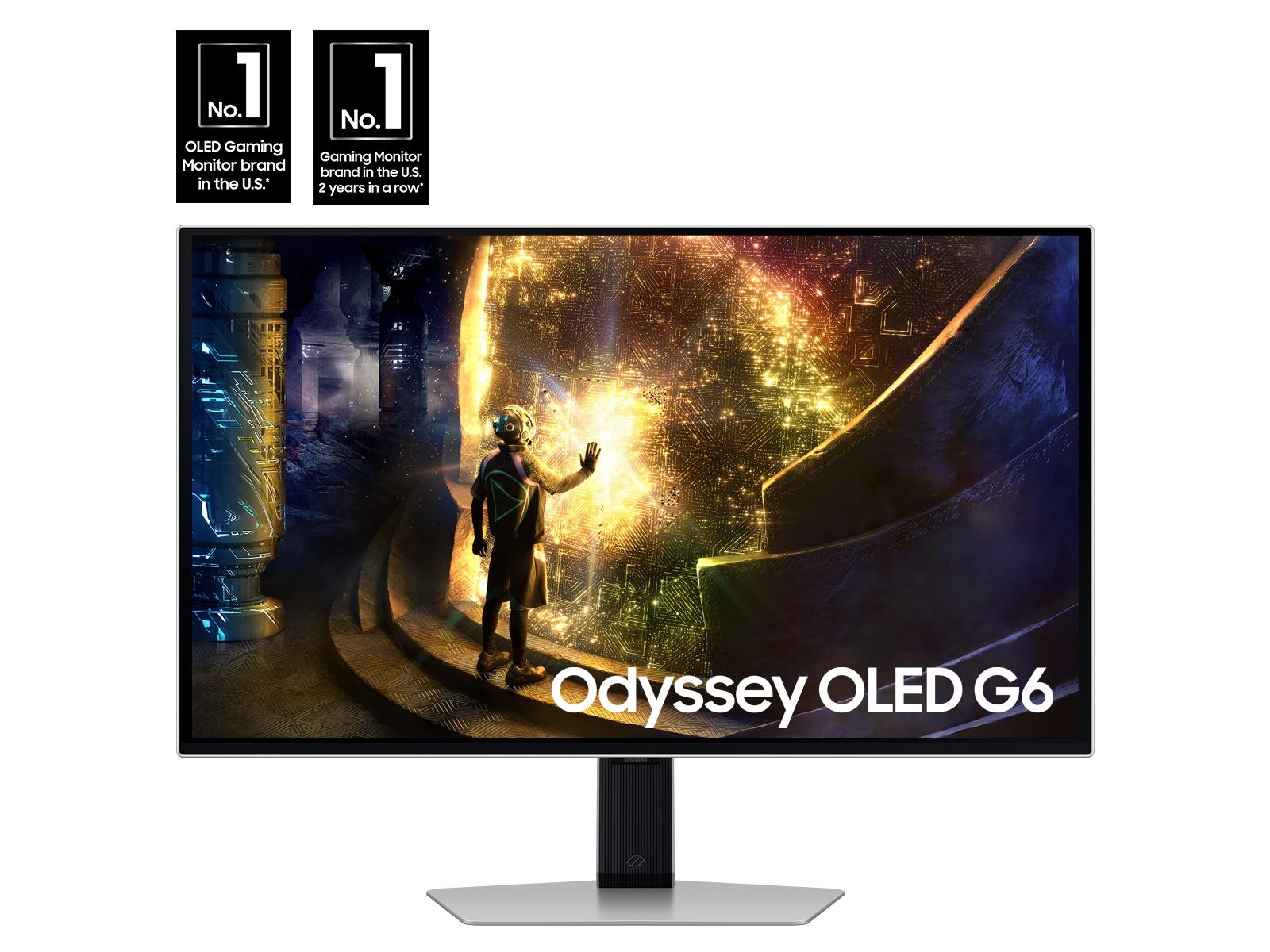
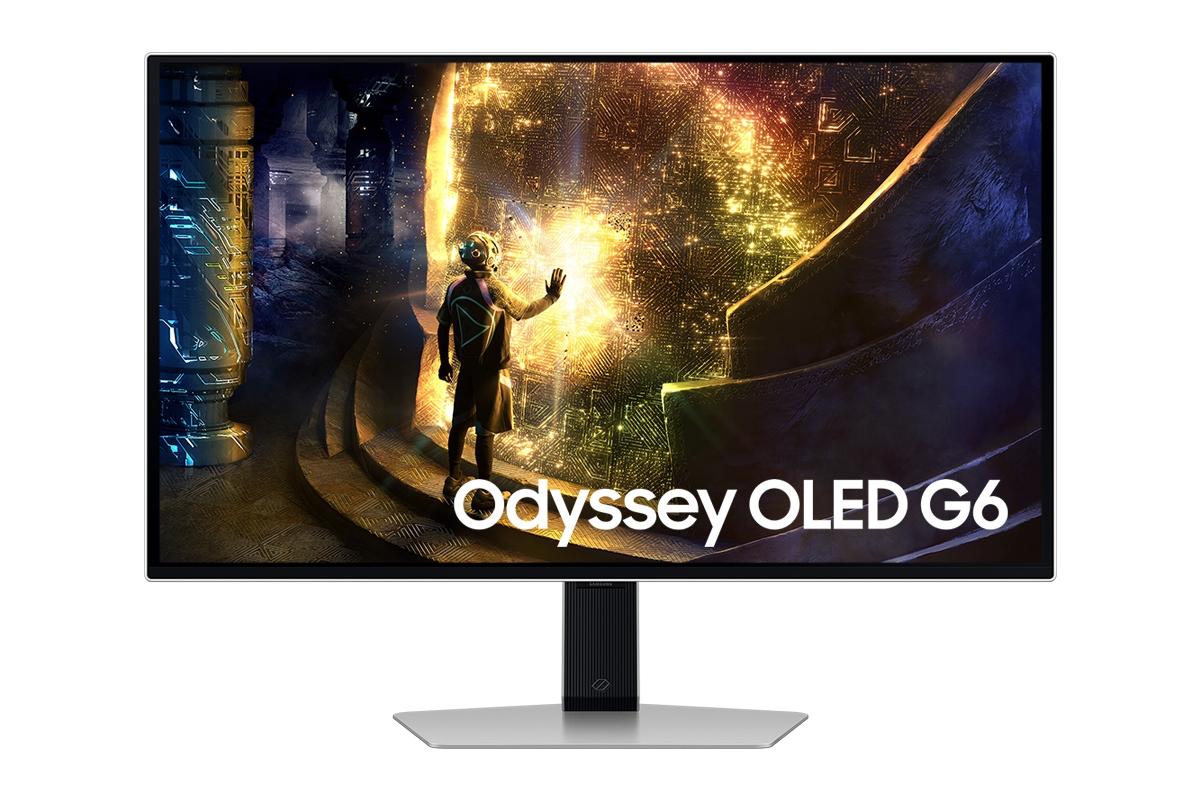
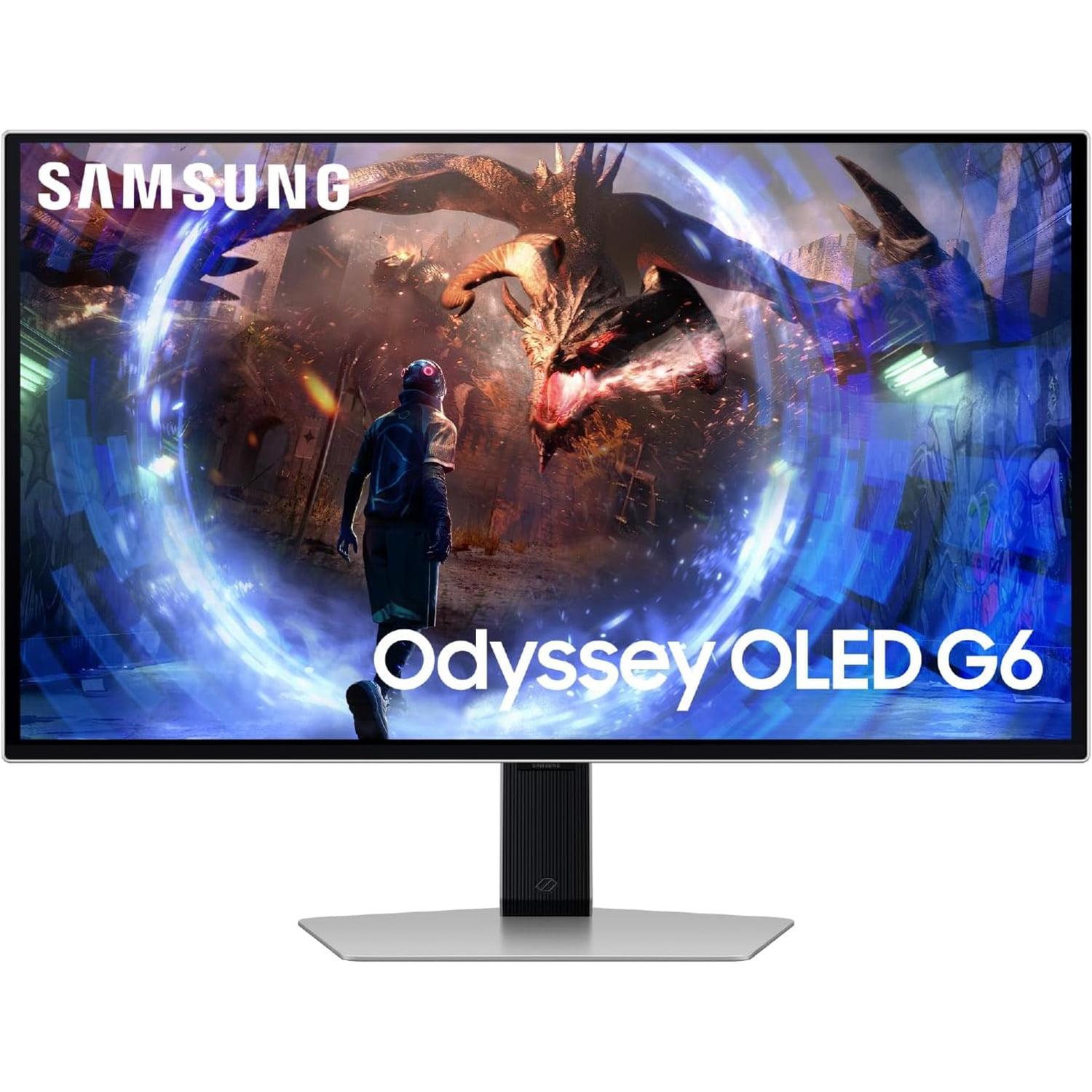
Two monitors that perfectly illustrate these different philosophies are the BenQ Zowie XL2746K and the Samsung 27" Odyssey OLED G6. Released in 2021 and 2024 respectively, these monitors represent fundamentally different approaches to gaming display technology, and understanding their differences can help you make the right choice for your specific needs.
The most important difference between these monitors lies in their panel technology – essentially, how they create the images you see on screen. The BenQ Zowie XL2746K uses a TN (Twisted Nematic) panel, while the Samsung OLED G6 uses OLED (Organic Light-Emitting Diode) technology.
TN panels, like the one in the BenQ monitor, work by twisting liquid crystals to control light from a backlight. They're the speed demons of the display world – they can change states incredibly quickly, which is why they've dominated competitive gaming for years. However, they make trade-offs in color accuracy and viewing angles to achieve this speed.
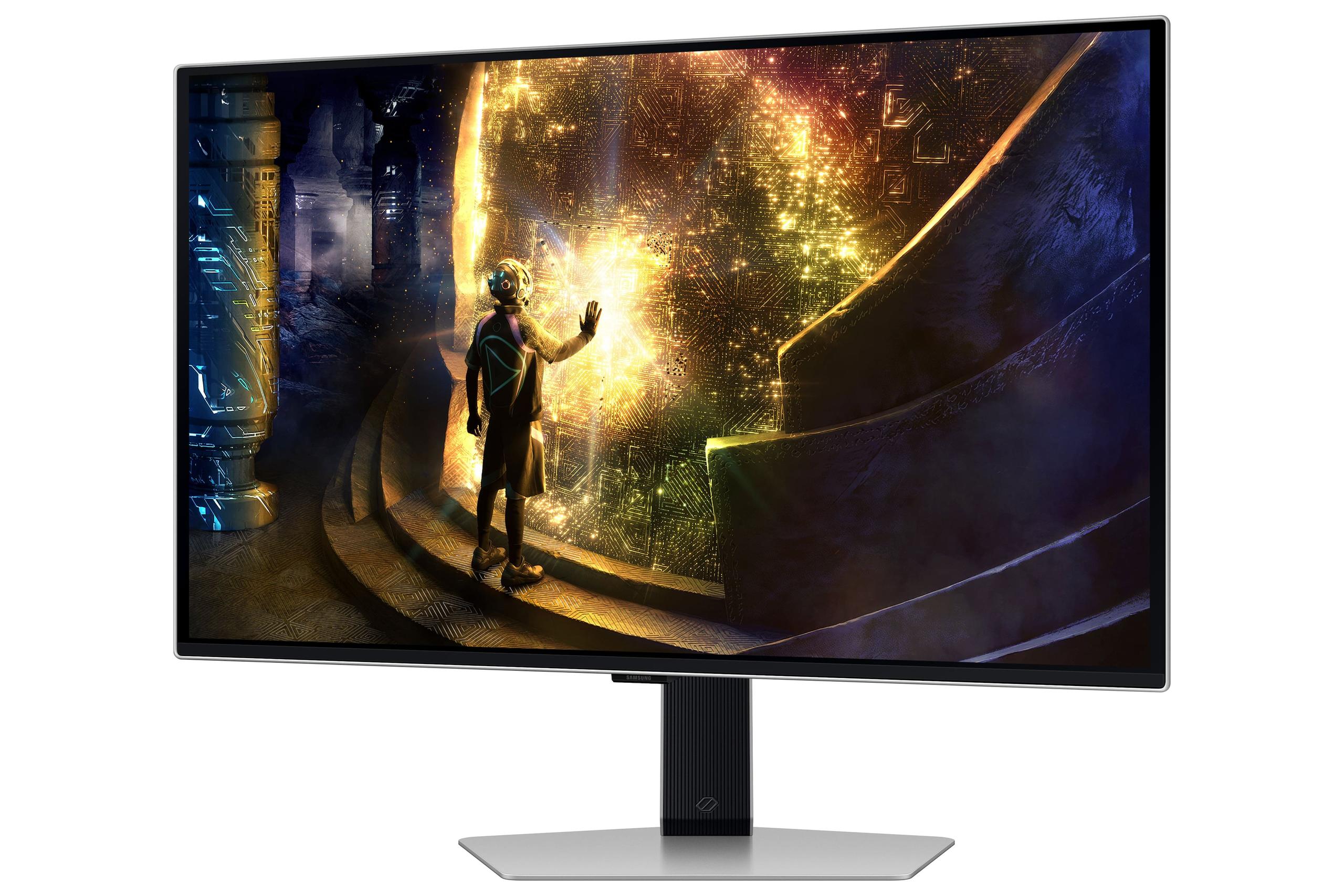
OLED technology in the Samsung monitor takes a completely different approach. Each pixel is essentially a tiny LED that can turn completely on or off, creating perfect blacks and infinite contrast. When an OLED pixel displays black, it's actually turned off – no light escapes at all. This creates stunning image quality that's immediately noticeable when you see it in person.
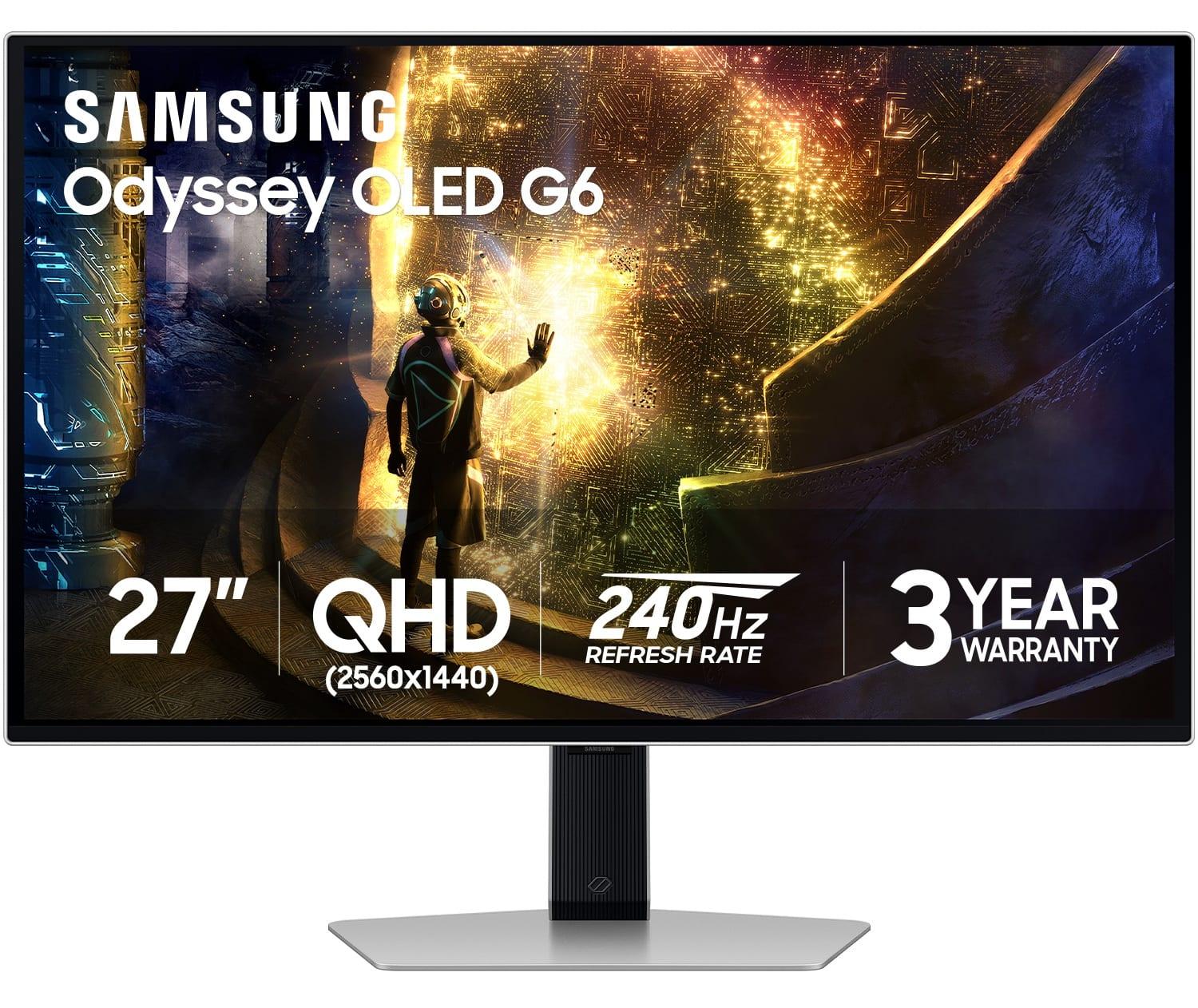
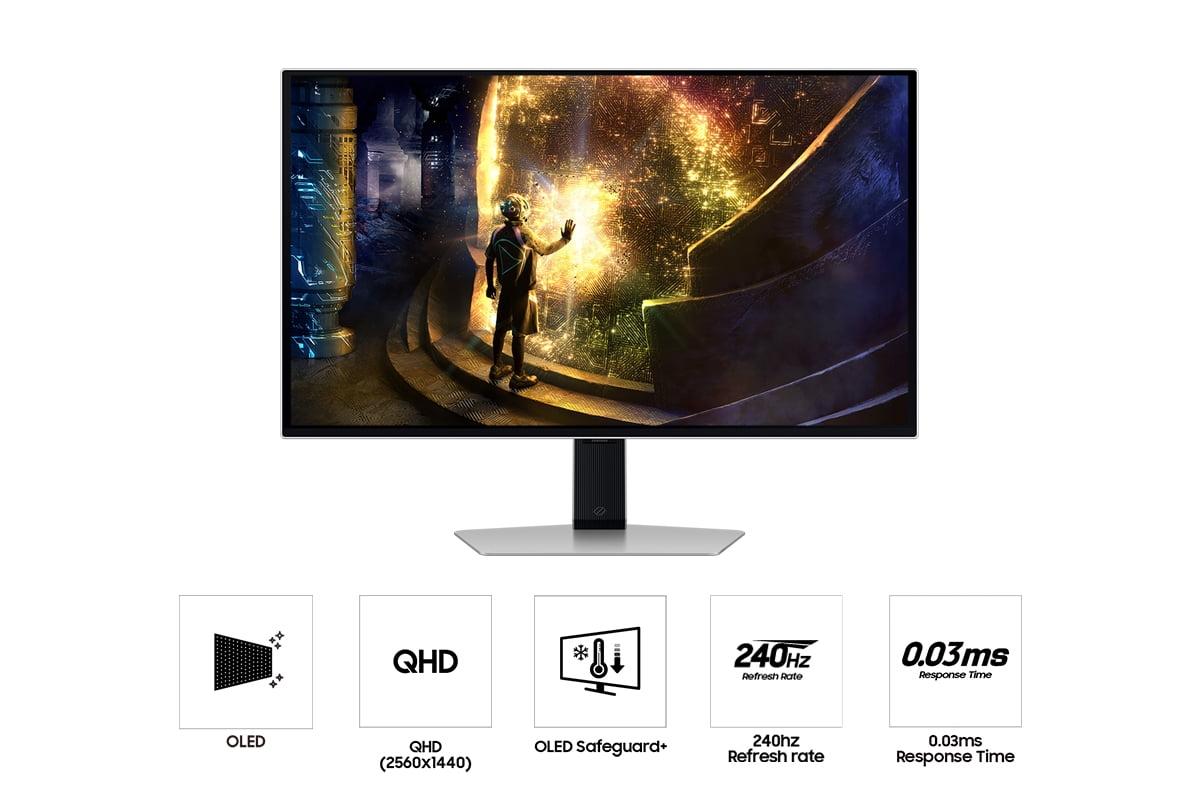
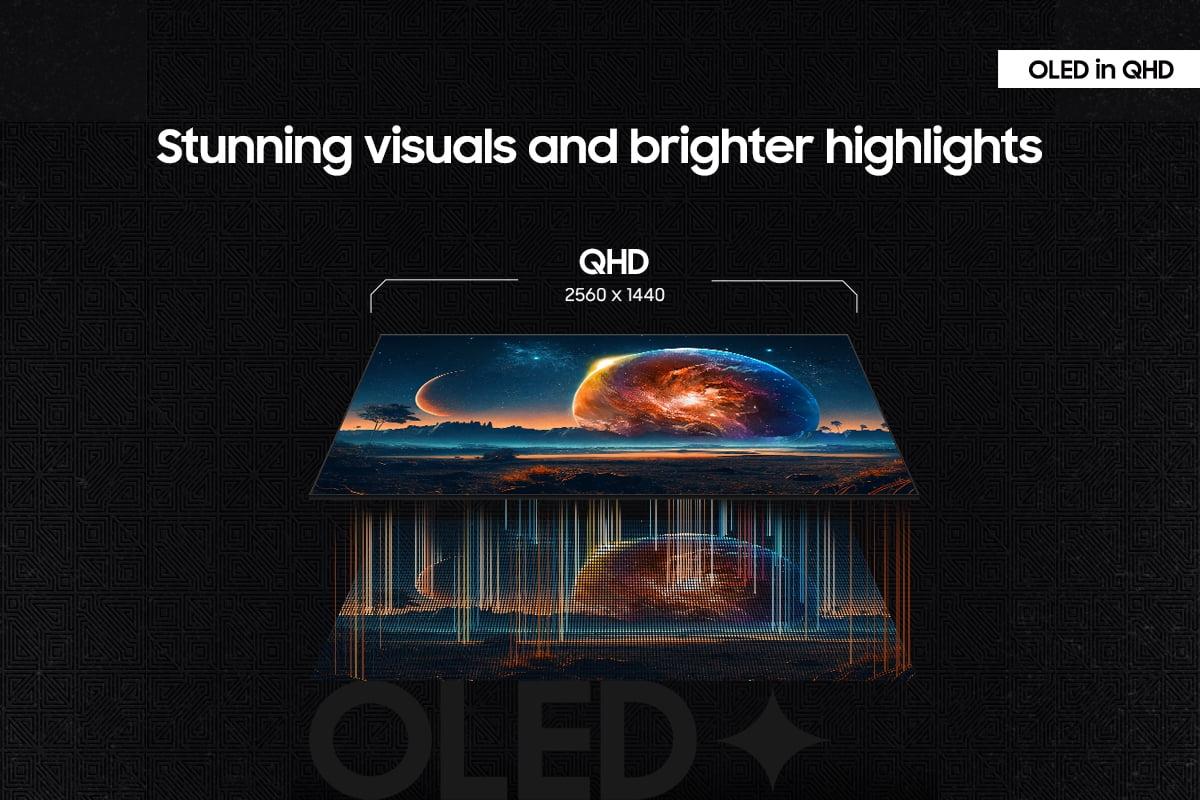
The resolution difference is equally important. The BenQ XL2746K runs at 1080p (1920x1080), while the Samsung OLED G6 displays 1440p (2560x1440). On a 27-inch screen, this means the Samsung has about 77% more pixels crammed into the same space, resulting in noticeably sharper text and game details.
Response time measures how quickly a pixel can change from one color to another, typically measured in milliseconds. Lower numbers mean less motion blur during fast action. The Samsung OLED G6 achieves an incredibly fast 0.03ms response time compared to the BenQ's 1ms specification.
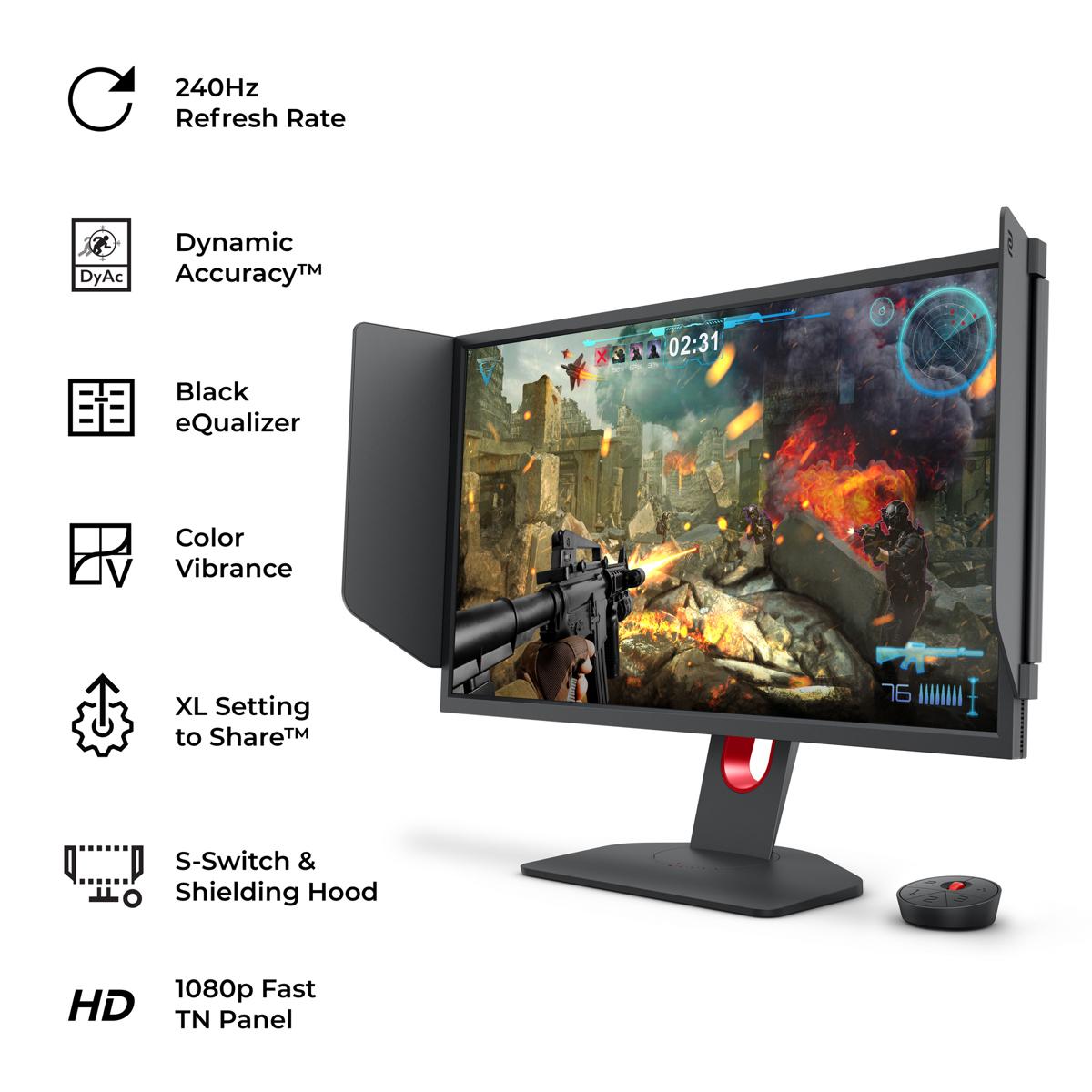
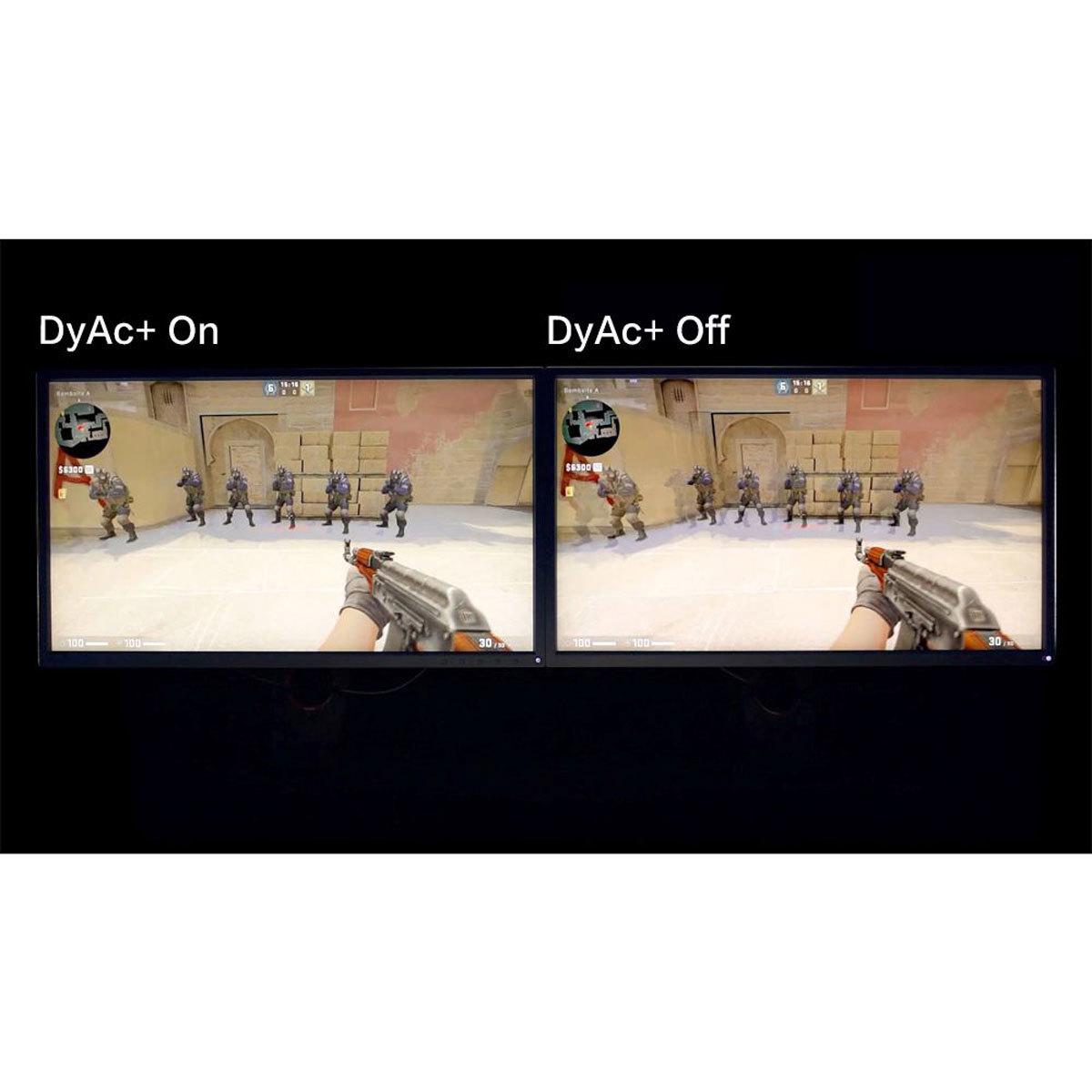
But here's where things get interesting – the BenQ XL2746K includes DyAc+ (Dynamic Accuracy Plus) technology, which is a form of backlight strobing. This technique rapidly turns the backlight on and off to reduce motion blur, similar to how older CRT monitors naturally eliminated blur. It's particularly effective in fast-paced games where tracking moving targets is crucial.
The Samsung monitor doesn't need backlight strobing because OLED pixels respond so quickly they barely create blur in the first place. However, some competitive players still prefer the specific way DyAc+ handles motion clarity, especially in games like Counter-Strike or Valorant where precise tracking is essential.
Refresh rate determines how many new frames your monitor can display each second. The BenQ XL2746K maxes out at 240Hz, while the Samsung OLED G6 pushes this to 360Hz.
In practical terms, higher refresh rates make motion appear smoother and can reduce input lag – the delay between your mouse movement and seeing it on screen. However, there's a point of diminishing returns. The jump from 60Hz to 144Hz is dramatic and immediately noticeable. Going from 144Hz to 240Hz is still significant, especially in competitive games. But the difference between 240Hz and 360Hz, while measurable, is much more subtle.
For most gamers, 240Hz is more than sufficient. However, if you're playing at the highest competitive levels or have a graphics card powerful enough to push 360+ frames per second in your favorite games, that extra smoothness can matter.
The visual quality difference between these monitors is perhaps the most dramatic aspect of this comparison. The Samsung OLED G6 delivers perfect blacks – something that's impossible with traditional LCD technology. When you're exploring a dark cave in a game or watching a movie with nighttime scenes, OLED pixels simply turn off, creating true darkness rather than the grayish "black" you get from LCD backlights.
This contrast advantage extends beyond just dark scenes. Colors appear more vibrant and natural because they're not fighting against backlight bleed. The Samsung monitor covers 99% of the DCI-P3 color space, which is the standard used for digital cinema, making colors more accurate and lifelike.
The BenQ XL2746K, with its TN panel, prioritizes speed over color accuracy. While it includes gaming-focused color features like Black eQualizer (which brightens dark areas without overexposing bright ones) and Color Vibrance settings, it can't match the natural color reproduction of OLED technology.
However, the BenQ monitor does have one brightness advantage – it can reach 320 nits compared to the Samsung's 250 nits typical brightness. In very bright rooms or if you prefer gaming with lots of ambient light, this extra brightness can be helpful.
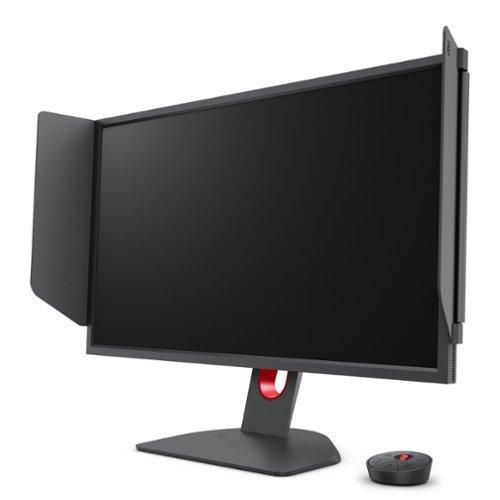
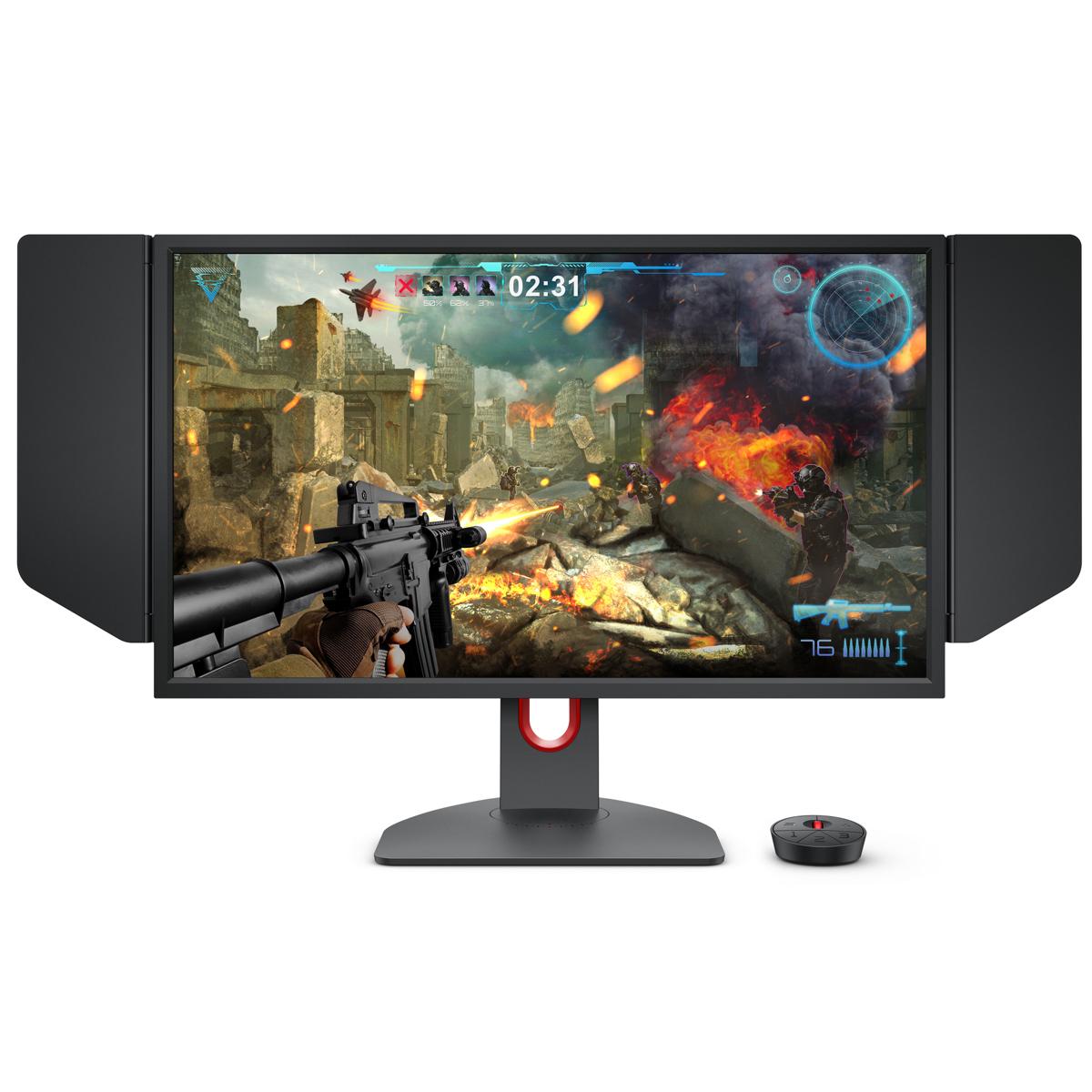
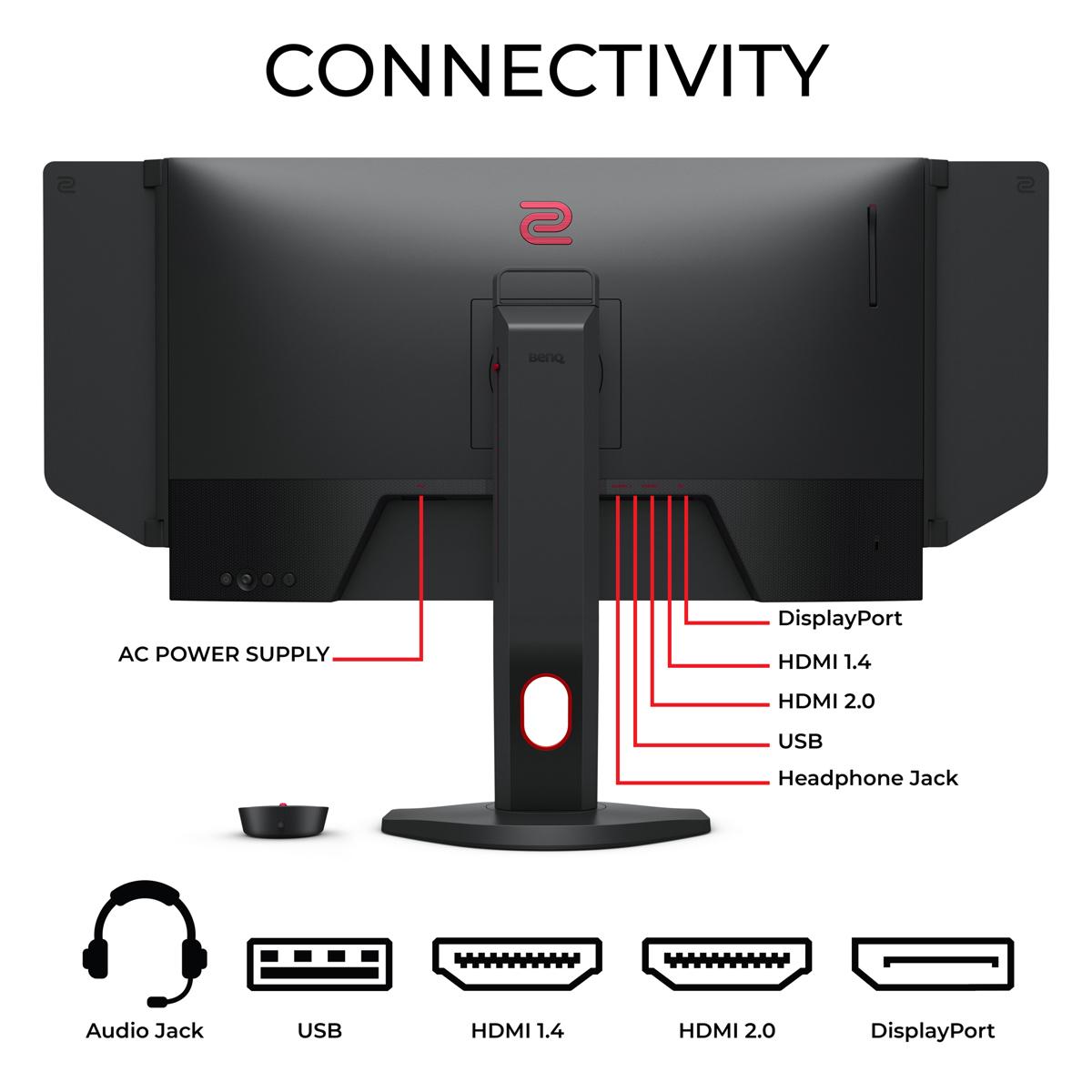
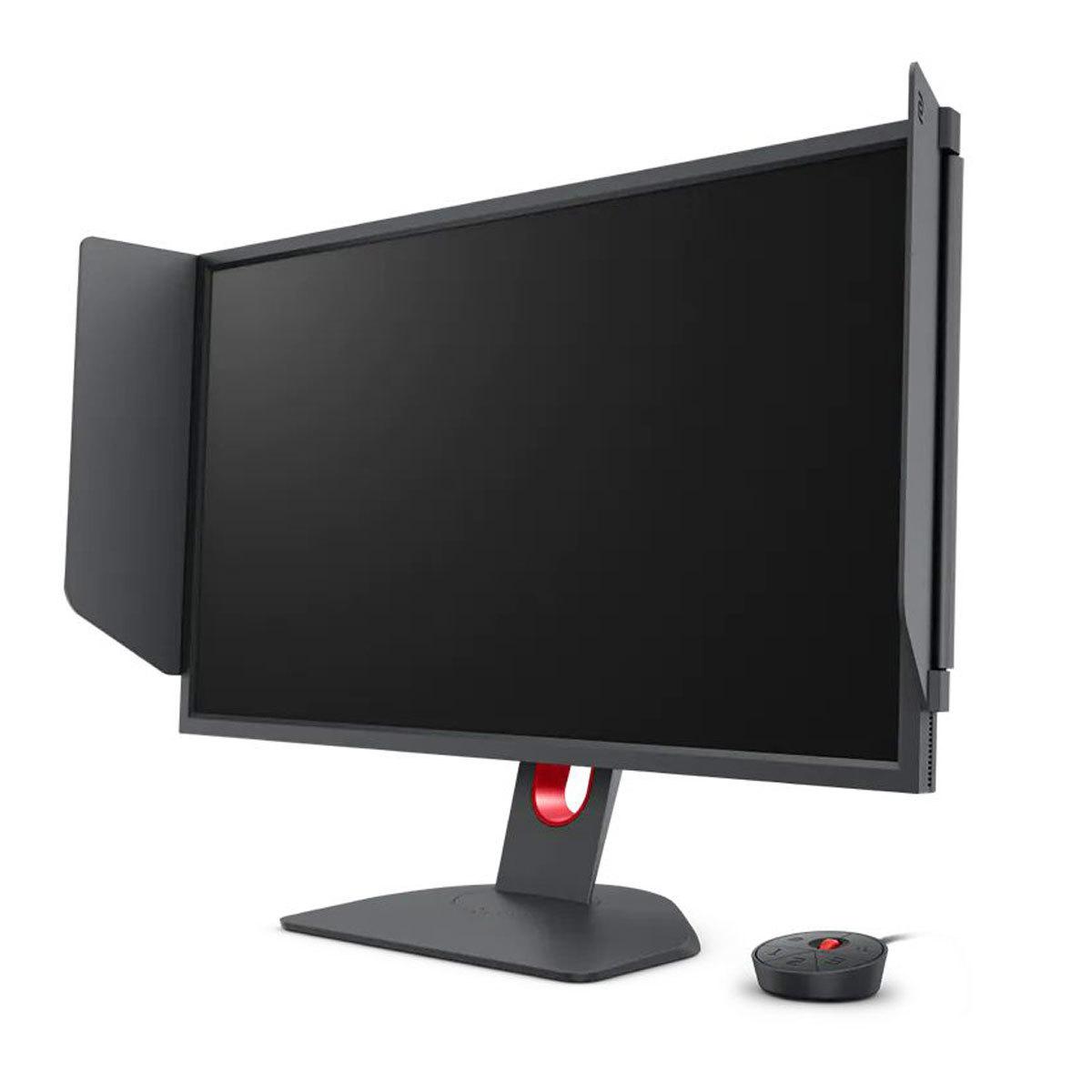
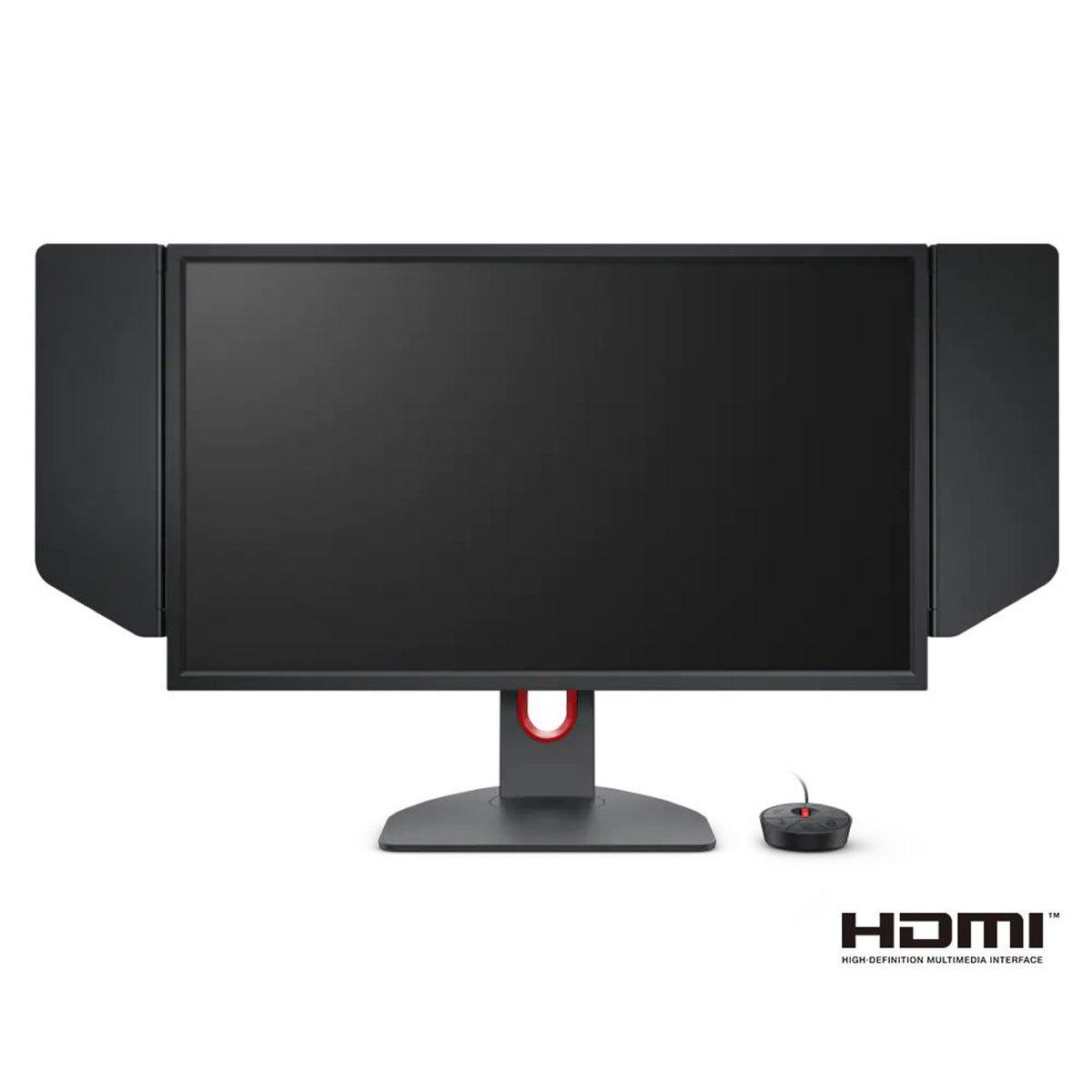
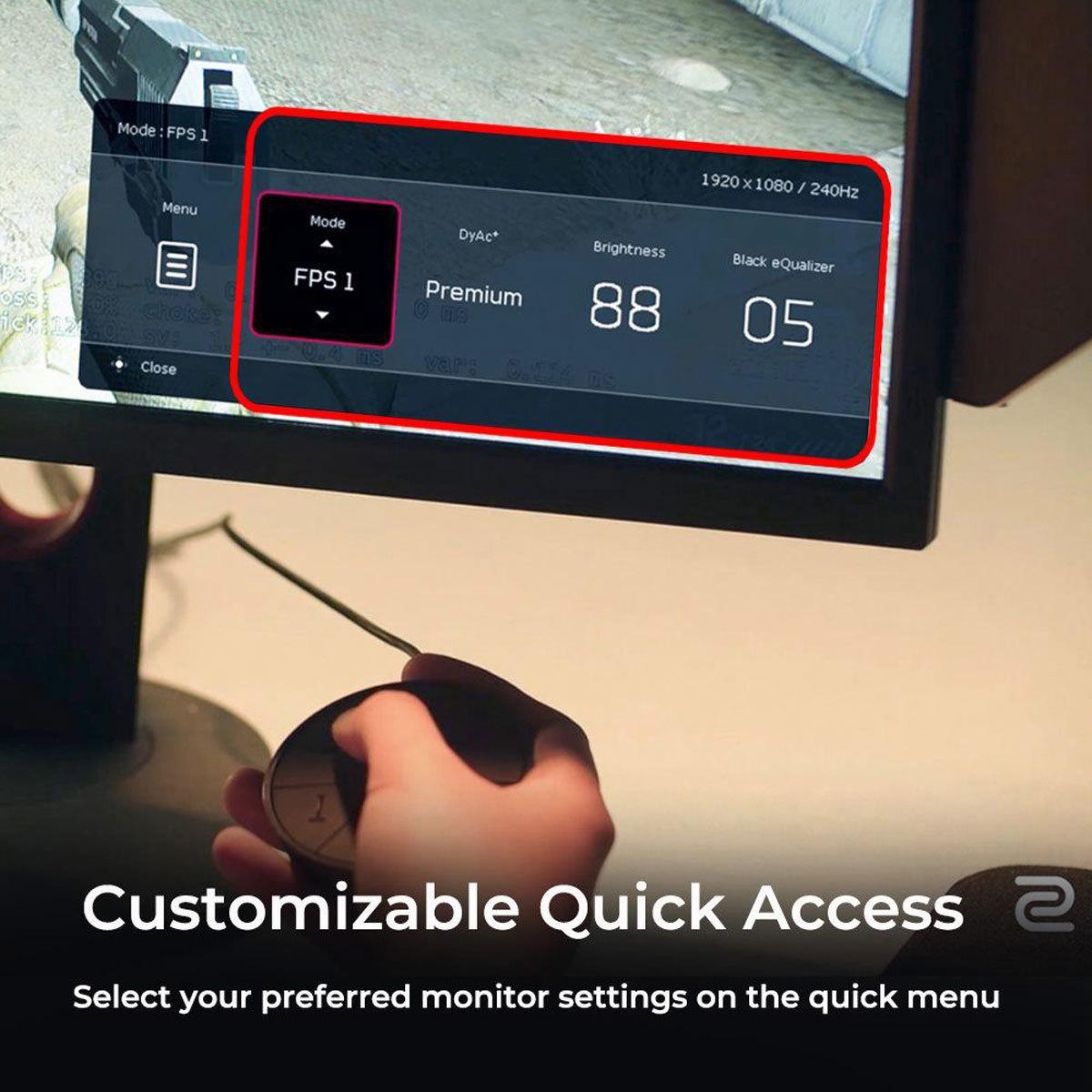
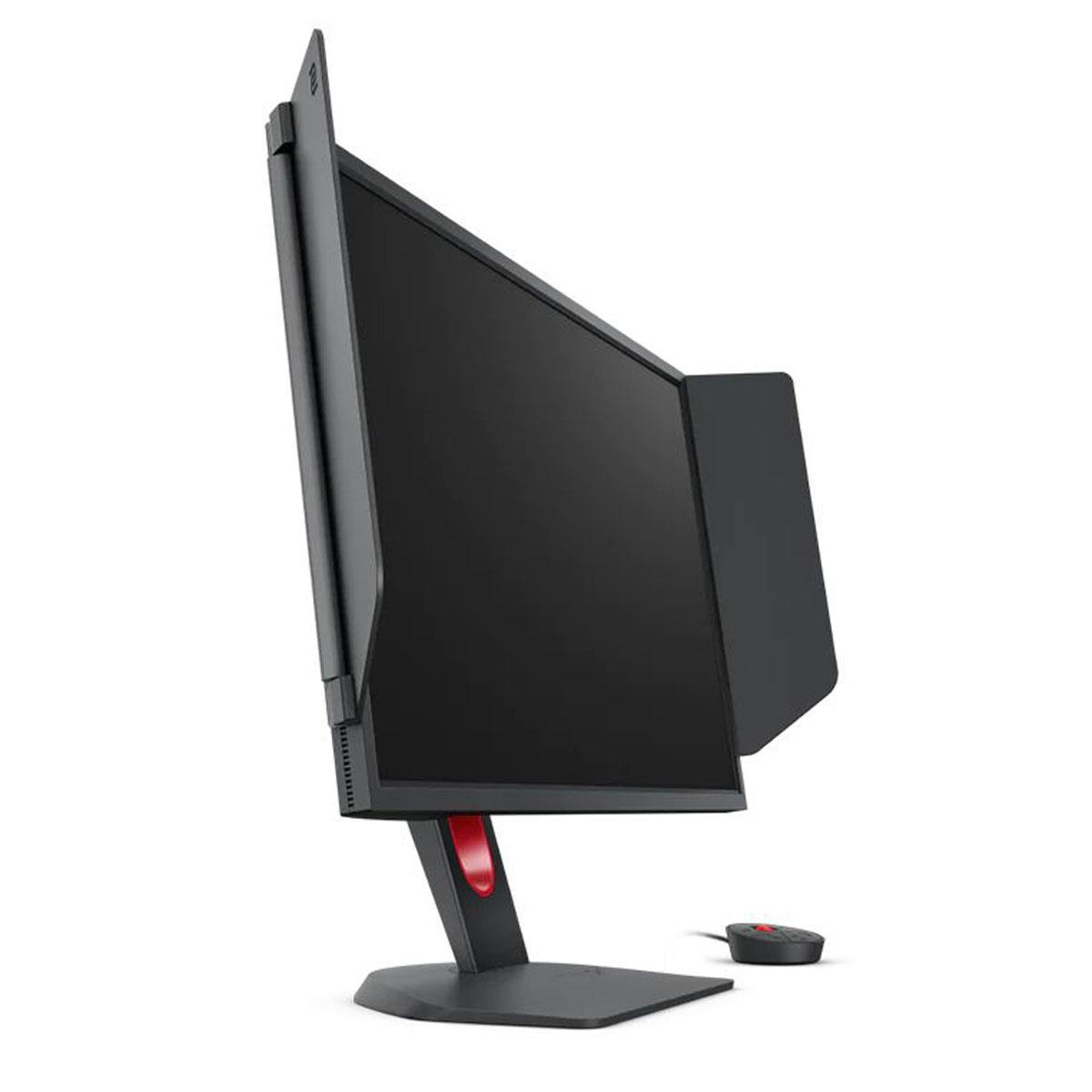
The BenQ Zowie XL2746K is purpose-built for competitive gaming. It includes several features you won't find on most monitors. The S-Switch is a dedicated hardware controller that lets you quickly switch between different monitor settings without diving into on-screen menus – crucial during tournaments where every second counts.
The XL Setting to Share feature allows players to export their monitor settings and share them with teammates or import settings from professional players. This creates consistency across practice and tournament environments.
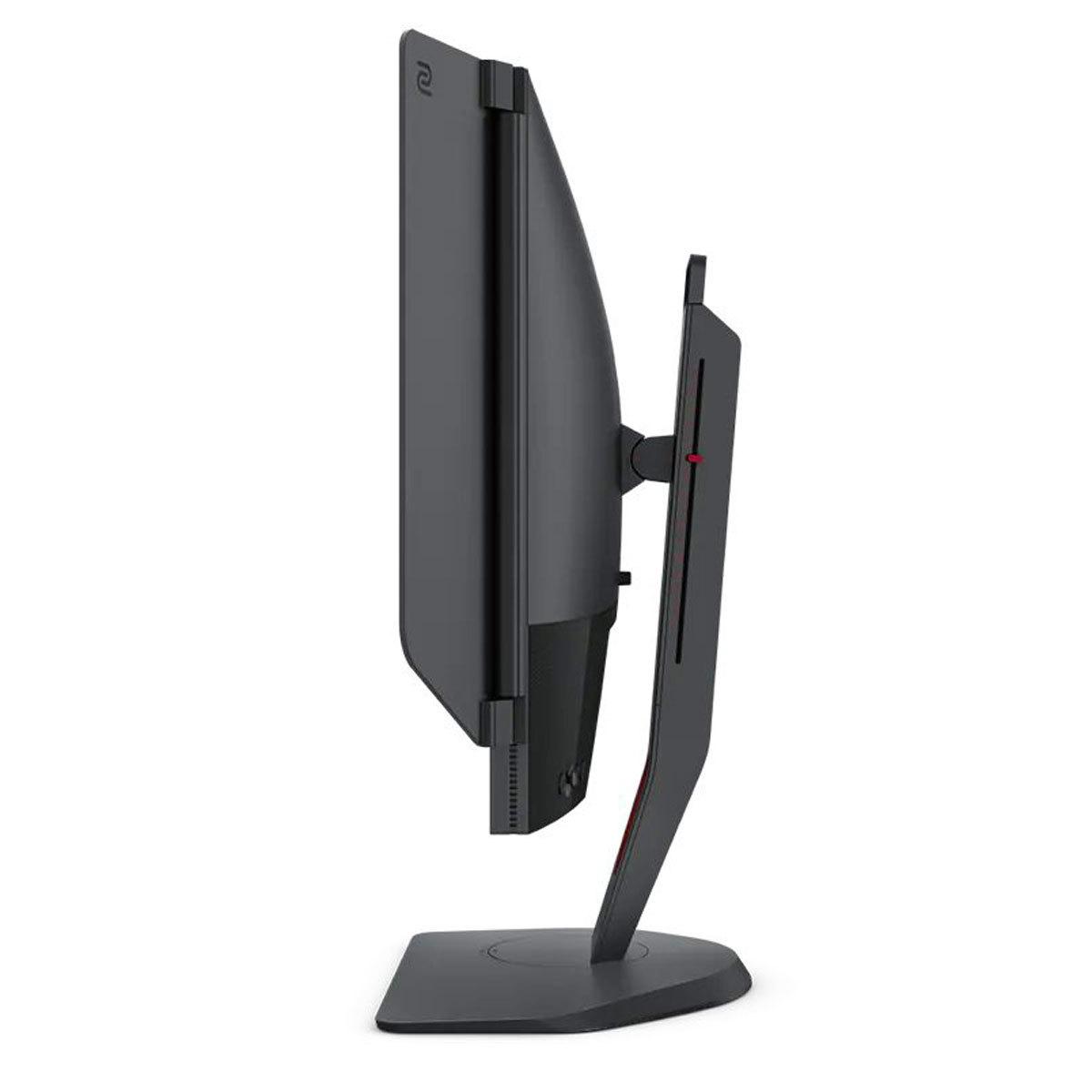
Perhaps most importantly for competitive players, the BenQ monitor includes a detachable shielding hood – physical side panels that block peripheral distractions and ambient light. While this might look unusual in a home setup, it's standard equipment in professional esports tournaments.
The Samsung OLED G6 takes a more broadly applicable approach to gaming features. It supports both AMD FreeSync Premium Pro and NVIDIA G-SYNC Compatible, ensuring smooth gameplay regardless of your graphics card choice. These technologies synchronize your monitor's refresh rate with your graphics card's output, eliminating screen tearing and reducing stuttering.
The monitor also includes HDR10+ Gaming support, which can dramatically improve the visual experience in compatible games by expanding the range of brightness and color information displayed. When I've tested HDR gaming, the difference in atmospheric games like Cyberpunk 2077 or Red Dead Redemption 2 is immediately apparent – highlights are brighter, shadows retain detail, and the overall image has more depth.
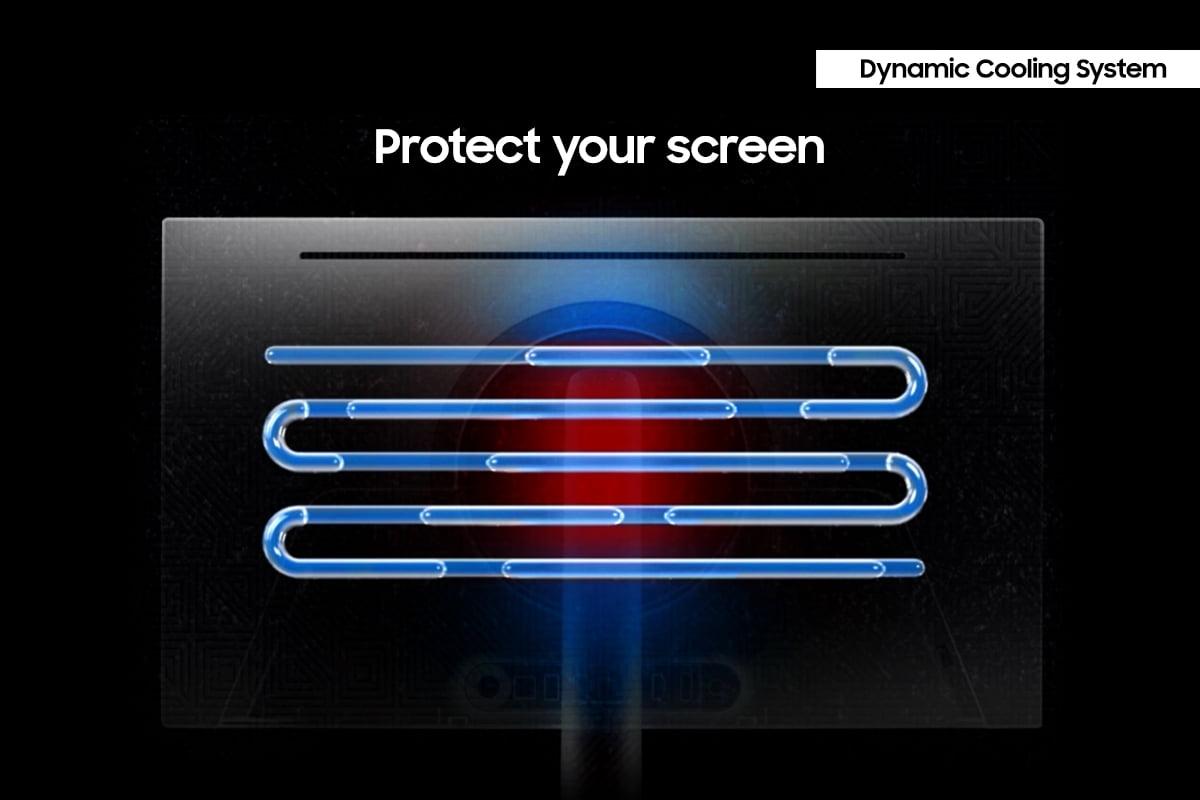
Samsung has also addressed OLED's biggest weakness – burn-in risk – with OLED Safeguard+ technology. This includes automatic pixel shifting, logo dimming, and thermal management to prevent permanent image retention from static elements like game HUDs or Windows taskbars.
Based on extensive testing and real-world gaming experience, certain performance characteristics matter more than others depending on your gaming style:
For Competitive FPS Gaming: Input lag and motion clarity trump everything else. The BenQ XL2746K excels here with its specialized DyAc+ technology and ultra-low input lag optimized for competitive play.
For Immersive Gaming: Contrast ratio, color accuracy, and HDR support create the biggest impact. The Samsung OLED G6 dominates in these areas, making single-player games and RPGs look dramatically better.
For Mixed Usage: Consider how often you'll use the monitor for non-gaming tasks. The Samsung monitor's higher resolution makes text clearer for productivity work, while its superior color accuracy benefits content creation.
If you're considering either monitor for home theater use, the Samsung OLED G6 is the clear winner. Its OLED technology delivers the same picture quality you'd find in high-end TVs, with perfect blacks essential for movie watching. The HDR support enhances compatible streaming content, and the monitor's color accuracy ensures movies look as directors intended.
The BenQ XL2746K, while excellent for gaming, isn't optimized for media consumption. Its TN panel's limited viewing angles mean colors shift when you're not sitting directly in front of it, and its color accuracy, while adequate for gaming, isn't ideal for movies or shows.
However, the BenQ monitor's higher brightness can be advantageous in rooms with lots of ambient light, where the Samsung's 250-nit peak brightness might feel dim.
When evaluating these monitors as long-term investments, several factors come into play. The BenQ XL2746K uses mature TN technology that's proven reliable over years of use. There's no risk of burn-in, and the monitor should maintain consistent performance throughout its lifespan.
The Samsung OLED G6 represents cutting-edge technology, but OLED panels do have some long-term considerations. While Samsung's burn-in protection is sophisticated, static gaming elements like health bars or mini-maps can still potentially cause issues over years of use. Additionally, OLED panels gradually lose brightness over time, though this process is very slow with modern panels.
At the time of writing, pricing makes this comparison particularly interesting. The Samsung OLED G6 often costs less than the BenQ XL2746K, despite offering newer technology, higher resolution, and faster refresh rates. This represents exceptional value for OLED technology, which traditionally commands premium pricing.
Choose the BenQ Zowie XL2746K if you're primarily focused on competitive gaming, particularly first-person shooters. Its specialized features, proven reliability, and motion clarity optimization make it ideal for players who prioritize performance over visual fidelity. The monitor's higher brightness also makes it better suited for well-lit gaming environments.
The Samsung OLED G6 makes more sense for gamers who want the best overall visual experience. If you play a variety of game genres, use your monitor for media consumption, or simply want the most impressive image quality available, OLED technology provides a dramatic upgrade that's immediately noticeable.
For most gamers, the Samsung monitor offers better long-term value due to its superior image quality, higher resolution, and faster refresh rate. However, serious competitive players may still prefer the BenQ's specialized gaming features and proven tournament-ready reliability.
The gaming monitor landscape continues evolving rapidly, with manufacturers pushing both speed and image quality to new heights. Both monitors represent excellence in their respective approaches – whether you prioritize competitive edge or visual immersion ultimately depends on how you game and what matters most in your setup.
| BenQ Zowie XL2746K | Samsung Odyssey OLED G6 |
|---|---|
| Panel Technology - Determines image quality, speed, and longevity | |
| TN (Twisted Nematic) - Fast but limited colors/viewing angles | OLED - Perfect blacks and colors but potential burn-in risk |
| Resolution - Higher resolution means sharper image and text | |
| 1920 x 1080 (Full HD) - Lower pixel density on 27" screen | 2560 x 1440 (QHD) - 77% more pixels for noticeably sharper image |
| Refresh Rate - Higher rates provide smoother motion in fast games | |
| 240Hz - Excellent for competitive gaming, diminishing returns beyond this | 360Hz - Cutting-edge smoothness, requires high-end GPU to utilize fully |
| Response Time - Lower numbers reduce motion blur during fast action | |
| 1ms (with DyAc+ motion blur reduction technology) | 0.03ms - Virtually eliminates all motion blur without special features |
| Brightness - Higher brightness better for well-lit rooms | |
| 320 nits - Good for bright gaming environments | 250 nits - May feel dim in very bright rooms but sufficient for most users |
| Contrast Ratio - Higher contrast creates more realistic dark scenes | |
| 1,000:1 (typical for LCD panels) | 1,000,000:1 (OLED's perfect blacks create infinite contrast) |
| Color Accuracy - More accurate colors benefit both gaming and content | |
| Standard sRGB coverage with gaming-focused color modes | 99% DCI-P3 coverage - Cinema-grade color accuracy for stunning visuals |
| HDR Support - Enhanced brightness range for more realistic lighting | |
| No HDR support | HDR10+ Gaming - Dramatic improvement in compatible games and media |
| Gaming Features - Specialized features for competitive advantage | |
| DyAc+ motion blur reduction, S-Switch controller, XL Setting to Share, detachable shield | AMD FreeSync Premium Pro, G-SYNC Compatible, VRR Control, OLED Safeguard+ |
| Target Use Case - Who each monitor serves best | |
| Competitive esports players prioritizing speed and reliability | Gamers wanting best image quality with high-end performance |
| Burn-in Risk - Permanent image retention from static elements | |
| No risk - TN panels immune to burn-in | Low risk with Samsung's protection, but OLED inherently susceptible to static images |
| Power Consumption - Affects electricity costs and heat generation | |
| ~45W - Energy efficient LCD backlight | ~140W - Higher consumption typical of large OLED displays |
| Viewing Angles - Image quality when viewed from the side | |
| Poor - Colors shift and contrast drops at angles (typical TN limitation) | Excellent - Perfect image quality from any viewing angle |
| Warranty Coverage - Protection against defects and burn-in | |
| 3 years standard warranty | 3 years including burn-in protection under normal usage conditions |
The BenQ Zowie XL2746K is specifically designed for competitive esports with features like DyAc+ motion blur reduction, S-Switch hardware controller, and tournament-approved settings. While the Samsung Odyssey OLED G6 offers faster response times at 0.03ms, the BenQ monitor includes specialized tools that competitive players prefer for consistency and reliability in tournament environments.
The Samsung Odyssey OLED G6 delivers dramatically better image quality with perfect blacks, infinite contrast (1,000,000:1), and 99% DCI-P3 color coverage. The BenQ Zowie XL2746K uses a TN panel that prioritizes speed over color accuracy, offering good gaming performance but limited viewing angles and color reproduction compared to the Samsung OLED monitor.
Both excel at motion clarity but use different approaches. The Samsung Odyssey OLED G6 achieves superior motion clarity through its 0.03ms response time and 360Hz refresh rate. The BenQ Zowie XL2746K uses DyAc+ backlight strobing technology specifically optimized for FPS games, which many competitive players prefer for tracking moving targets in games like Counter-Strike and Valorant.
The Samsung monitor's 360Hz provides smoother motion than the BenQ's 240Hz, but the difference is subtle and requires high-end hardware to utilize fully. For most gamers, 240Hz is more than sufficient. The 360Hz advantage becomes more noticeable in competitive scenarios where every millisecond matters, making the Samsung Odyssey OLED G6 appealing for enthusiasts with powerful graphics cards.
The Samsung Odyssey OLED G6 is significantly better for immersive single-player games due to its superior contrast, color accuracy, and HDR10+ support. Games like Cyberpunk 2077 or Red Dead Redemption 2 look dramatically more realistic with OLED's perfect blacks and vibrant colors. The BenQ Zowie XL2746K is optimized for competitive gaming rather than visual immersion.
The Samsung Odyssey OLED G6 is excellent for console gaming, supporting 120Hz from PlayStation 5 and Xbox Series X while delivering superior image quality for all game types. The BenQ Zowie XL2746K also supports console gaming but is primarily designed for PC competitive gaming, making the Samsung monitor the better choice for console players.
The BenQ Zowie XL2746K uses proven TN panel technology with no burn-in risk and is built specifically for tournament use, offering exceptional long-term reliability. The Samsung Odyssey OLED G6 features premium construction but OLED panels have inherent burn-in risks, though Samsung includes OLED Safeguard+ protection. Both offer 3-year warranties, with Samsung covering burn-in under normal usage.
The Samsung Odyssey OLED G6 is much better for productivity due to its higher 1440p resolution, superior color accuracy, and better viewing angles. Text appears sharper and colors are more accurate for content creation. The BenQ Zowie XL2746K has lower 1080p resolution and poor viewing angles typical of TN panels, making the Samsung monitor the clear choice for mixed gaming and work use.
The BenQ Zowie XL2746K performs better in very bright environments with its 320-nit peak brightness compared to the Samsung monitor's 250-nit output. However, the Samsung Odyssey OLED G6 includes anti-glare coating that helps reduce reflections. For most bright room scenarios, both work well, but the BenQ monitor has a slight advantage in extremely bright conditions.
The BenQ Zowie XL2746K has zero burn-in risk due to its LCD technology and can display static images indefinitely. The Samsung Odyssey OLED G6 has potential burn-in risk from static gaming elements like HUDs, though Samsung's OLED Safeguard+ technology includes pixel shifting and automatic dimming to minimize this risk. The Samsung monitor requires more careful usage with static content.
The Samsung Odyssey OLED G6 typically offers exceptional value with cutting-edge OLED technology, higher resolution, and faster refresh rates often priced competitively with the BenQ monitor. The BenQ Zowie XL2746K commands a premium for its specialized esports features and proven reliability. Value depends on your priorities - the Samsung monitor offers more advanced technology per dollar.
Choose the BenQ Zowie XL2746K if you primarily play competitive FPS games, participate in tournaments, or prioritize proven reliability over cutting-edge features. Select the Samsung Odyssey OLED G6 if you want the best overall image quality, play various game genres, use your monitor for media consumption, or want future-proof technology with superior visual performance.
We've done our best to create useful and informative comparisons to help you decide what product to buy. Our research uses advanced automated methods to create this comparison and perfection is not possible - please contact us for corrections or questions. These are the sites we've researched in the creation of this article: rtings.com - youtube.com - bestbuy.com - versus.com - youtube.com - versus.com - forums.blurbusters.com - pcmonitors.info - youtube.com - bhphotovideo.com - zowie.benq.com - bhphotovideo.com - device.report - newegg.com - bestbuy.com - displayspecifications.com - provantage.com - zowie.benq.com - smallonlineshop.com.sg - camcor.com - bestbuy.com - gamesradar.com - gamesradar.com - versus.com - lowyat.net - youtube.com - player2.net.au - versus.com - rtings.com - youtube.com - samsung.com - files.bbystatic.com - bestbuy.com - samsung.com - samsung.com - bestbuy.com - de.shi.com - bhphotovideo.com - pangoly.com - youtube.com

Privacy Policy
Terms and Conditions - Affiliate Policy
Home Security
© Copyright 2008-2026.
11816 Inwood Rd #1211, Dallas, TX 75244