


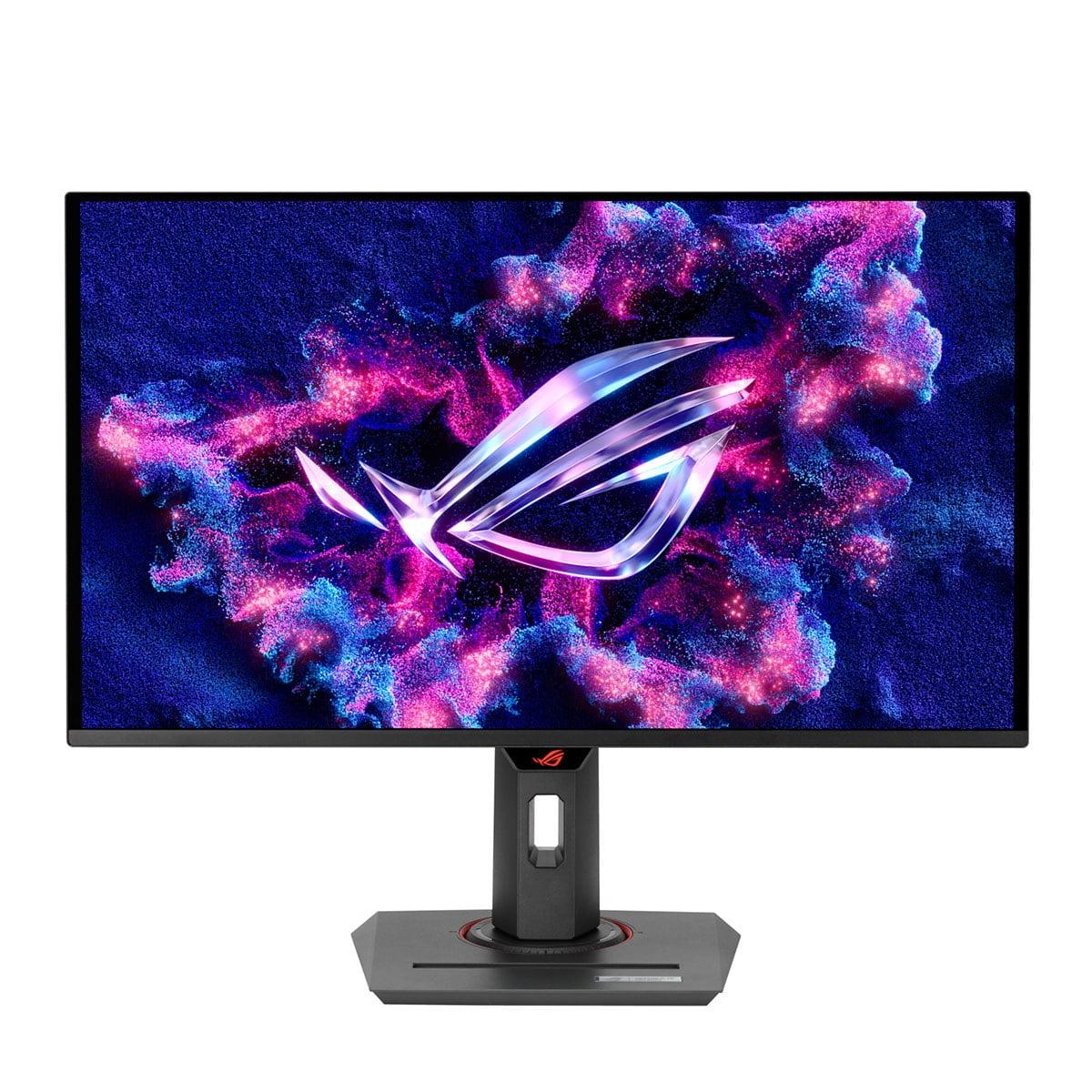
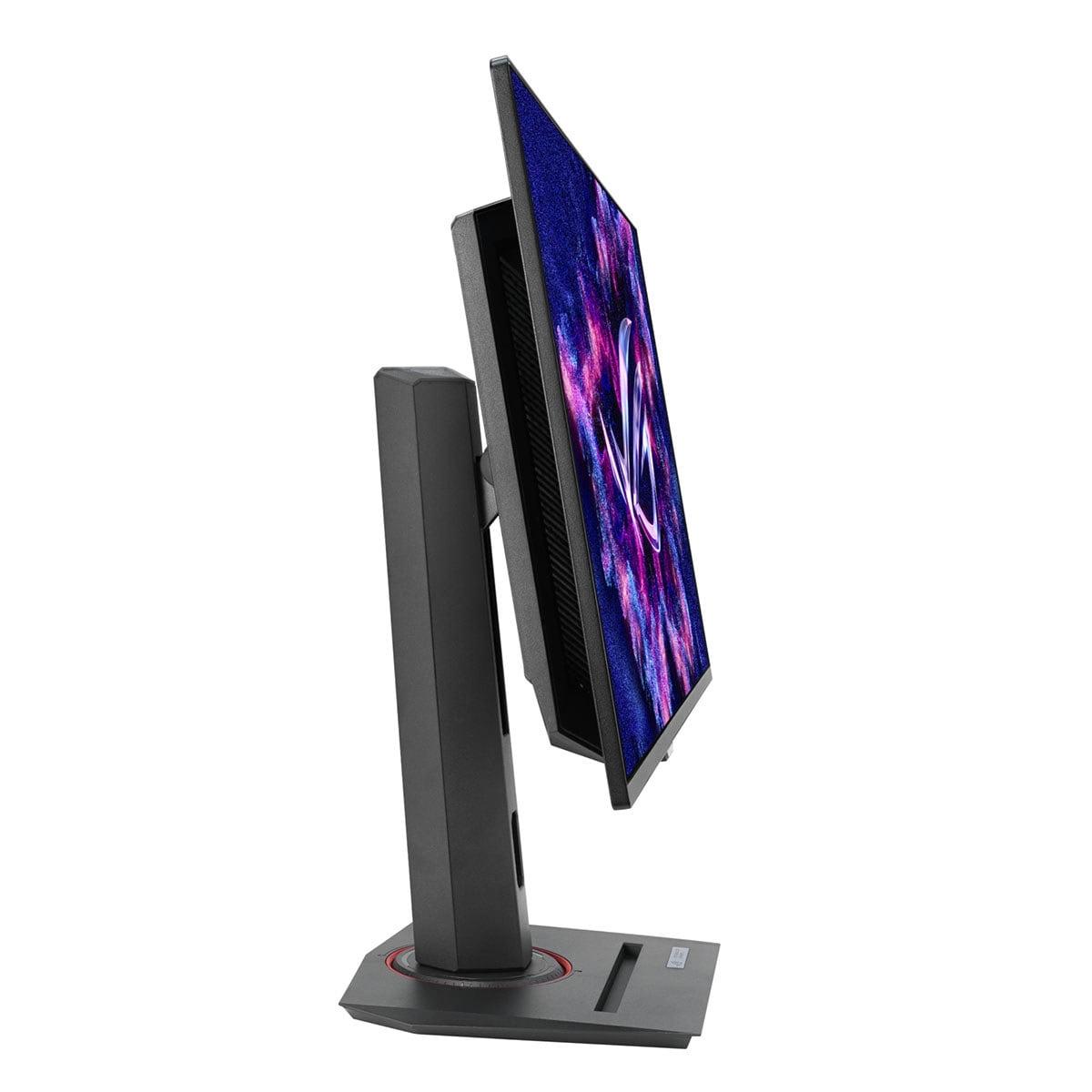
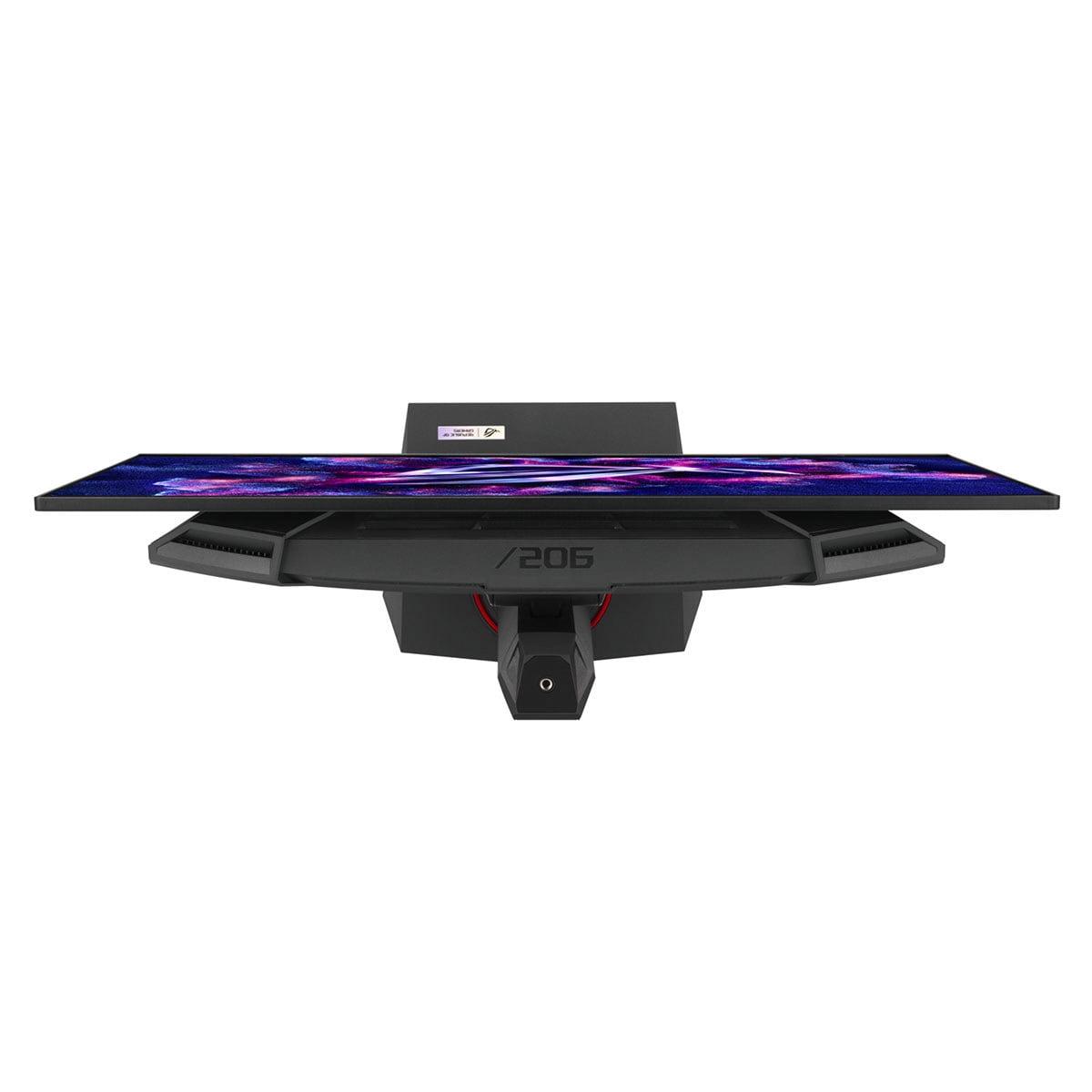
When you're shopping for a gaming monitor, you'll quickly discover that not all displays are created equal. Today, we're comparing two very different approaches to high-performance gaming: the BenQ Zowie XL2746K, a monitor laser-focused on competitive esports, and the ASUS ROG Strix OLED XG27ACDNG, which represents the cutting edge of display technology. Both are 27-inch monitors, but their similarities pretty much end there.
Understanding these differences matters because choosing the wrong monitor can impact everything from your gaming performance to your eye comfort during those late-night sessions. Let's dive into what makes each of these monitors tick and help you figure out which one deserves a spot on your desk.
Before we get into the nitty-gritty of these specific monitors, it's worth understanding what separates gaming monitors from regular displays. Gaming monitors prioritize speed and responsiveness over everything else. While your average computer monitor might update its image 60 times per second (60Hz), gaming monitors can refresh 240 times or even 360 times per second, creating much smoother motion.
Response time is another crucial factor – this measures how quickly a pixel can change from one color to another. Lower response times mean less ghosting (those annoying trails you see behind fast-moving objects). Input lag, the delay between when you click your mouse and when something happens on screen, is equally important for competitive gaming.
Panel technology plays a huge role too. TN (Twisted Nematic) panels are the old guard – they're fast but don't look particularly impressive. IPS panels offer better colors but can be slower. OLED (Organic Light Emitting Diode) is the new hotness, with perfect blacks and incredible colors, but it comes with its own set of challenges.
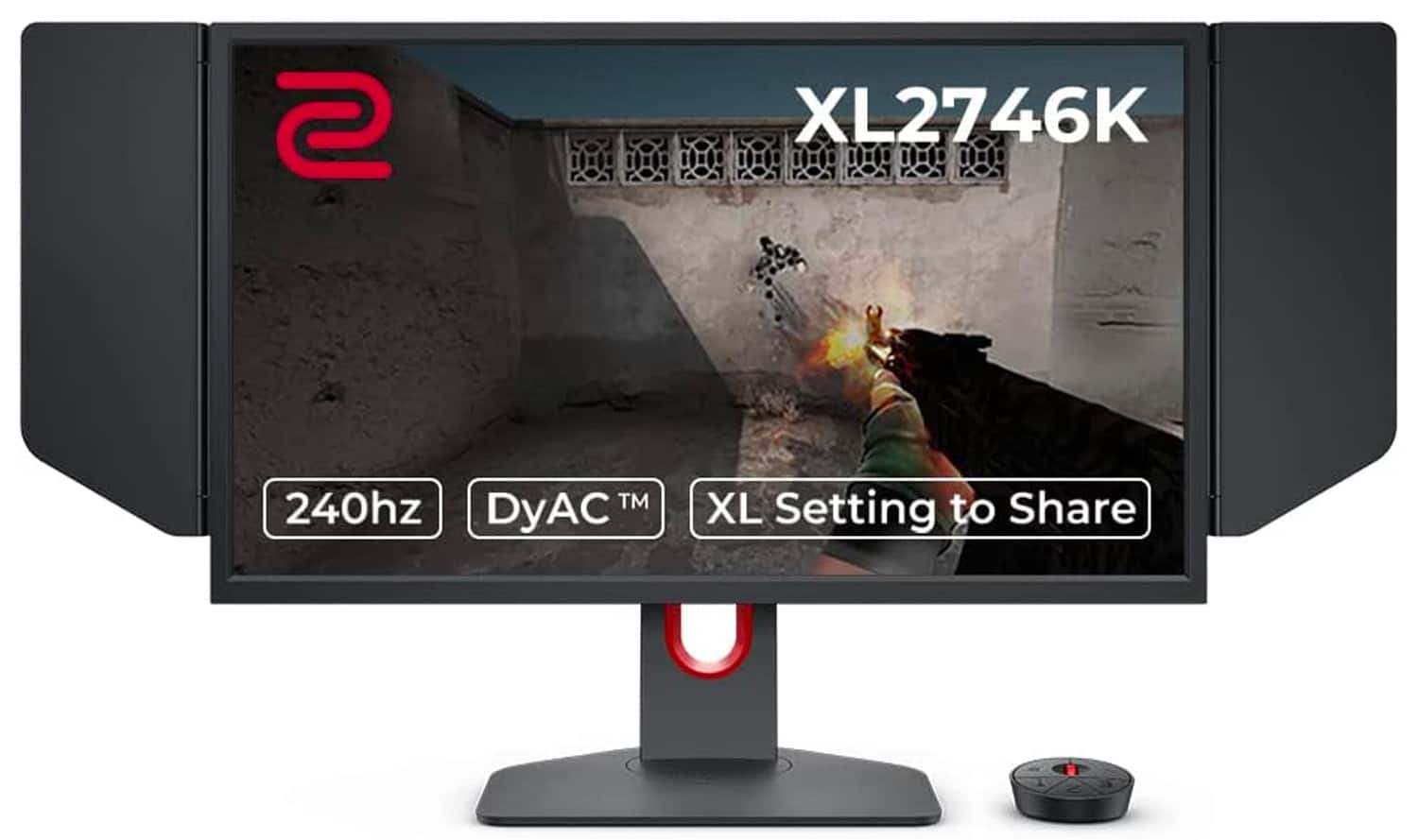
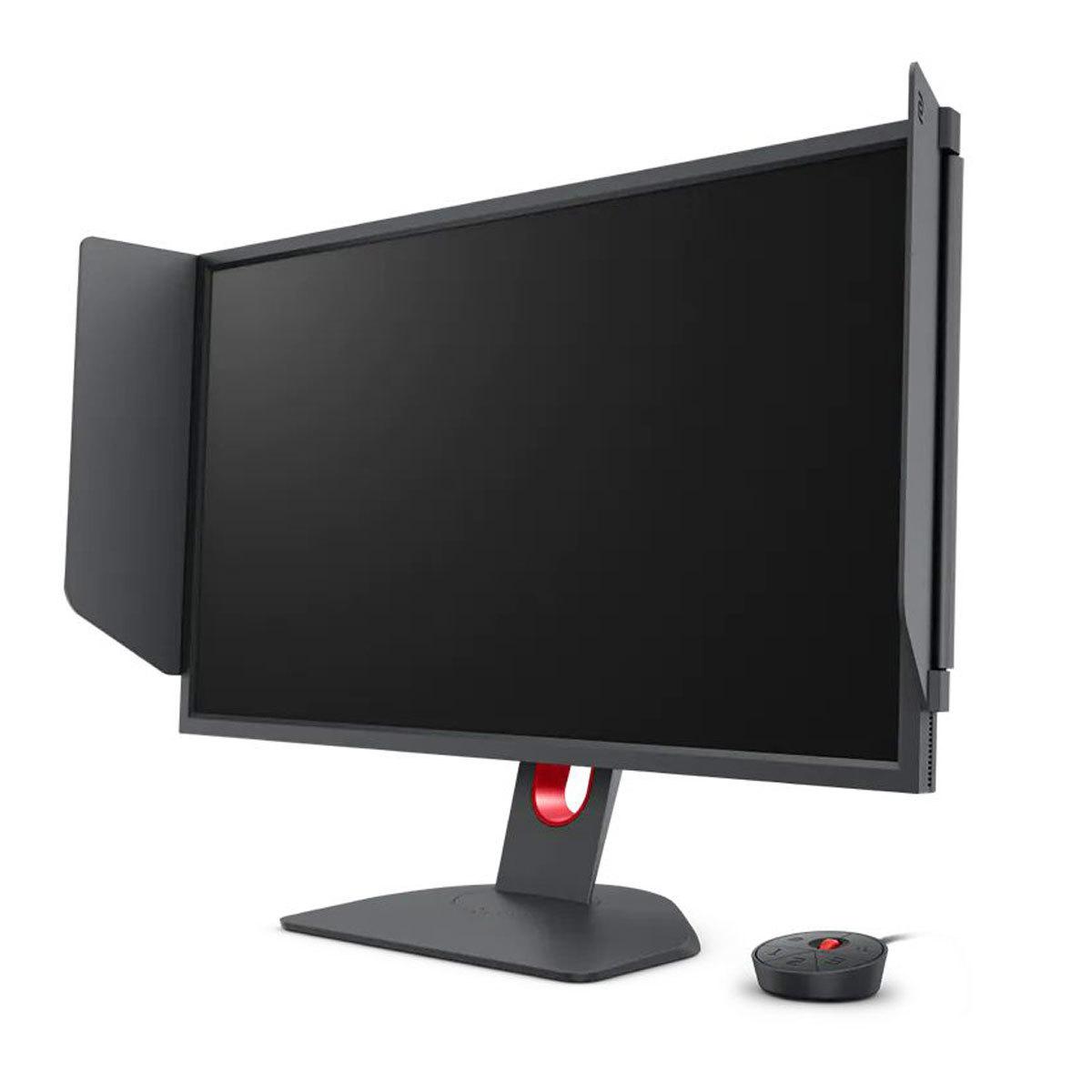
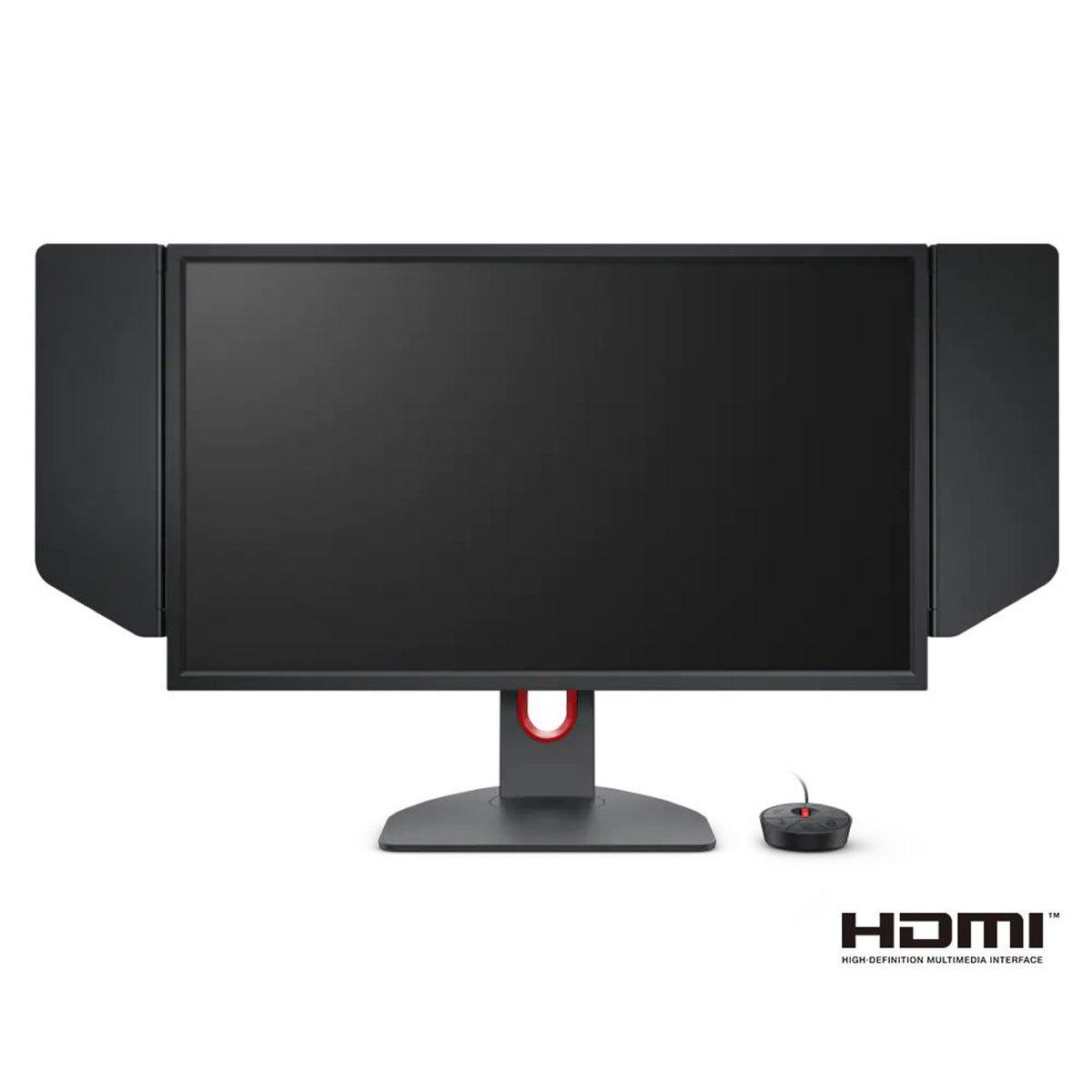
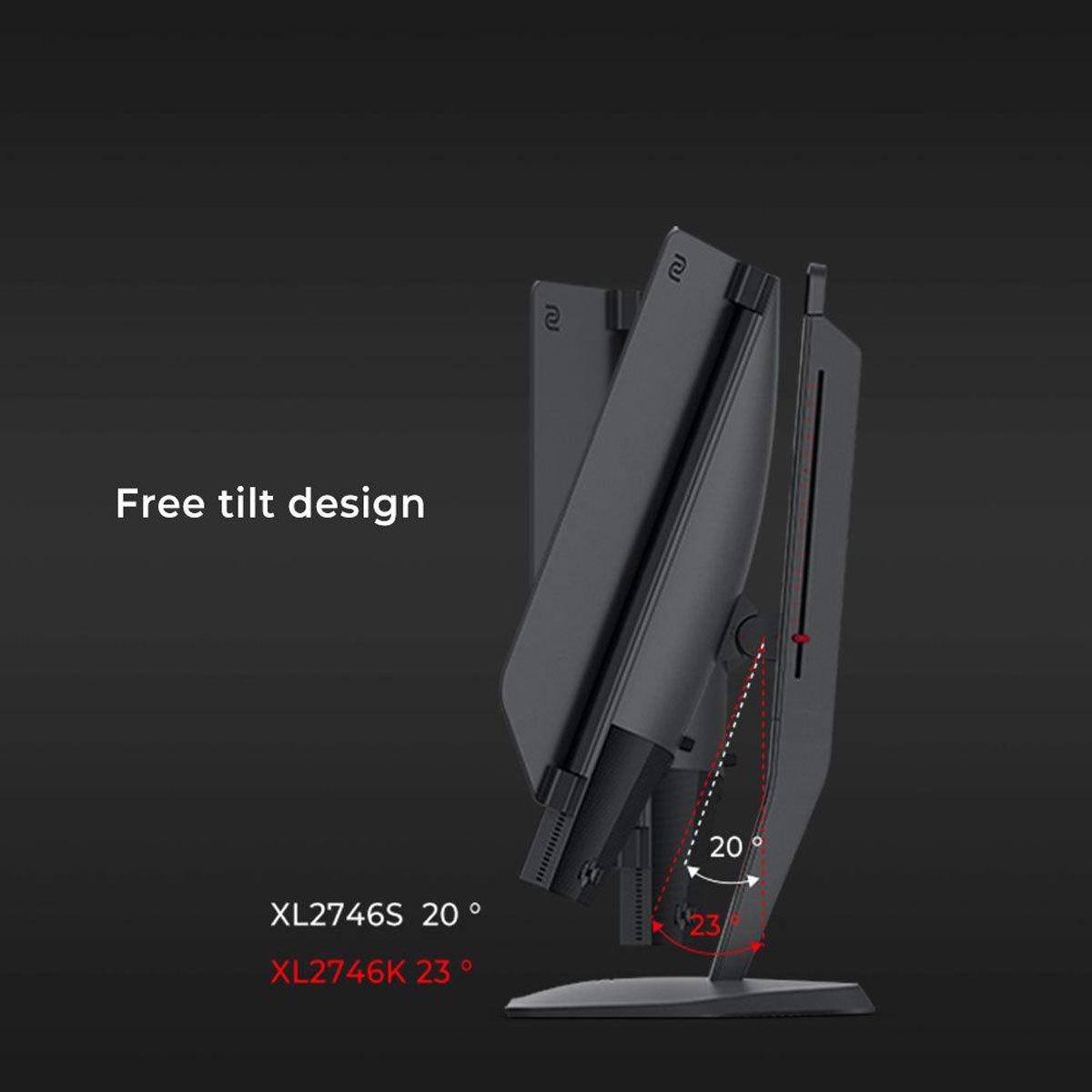
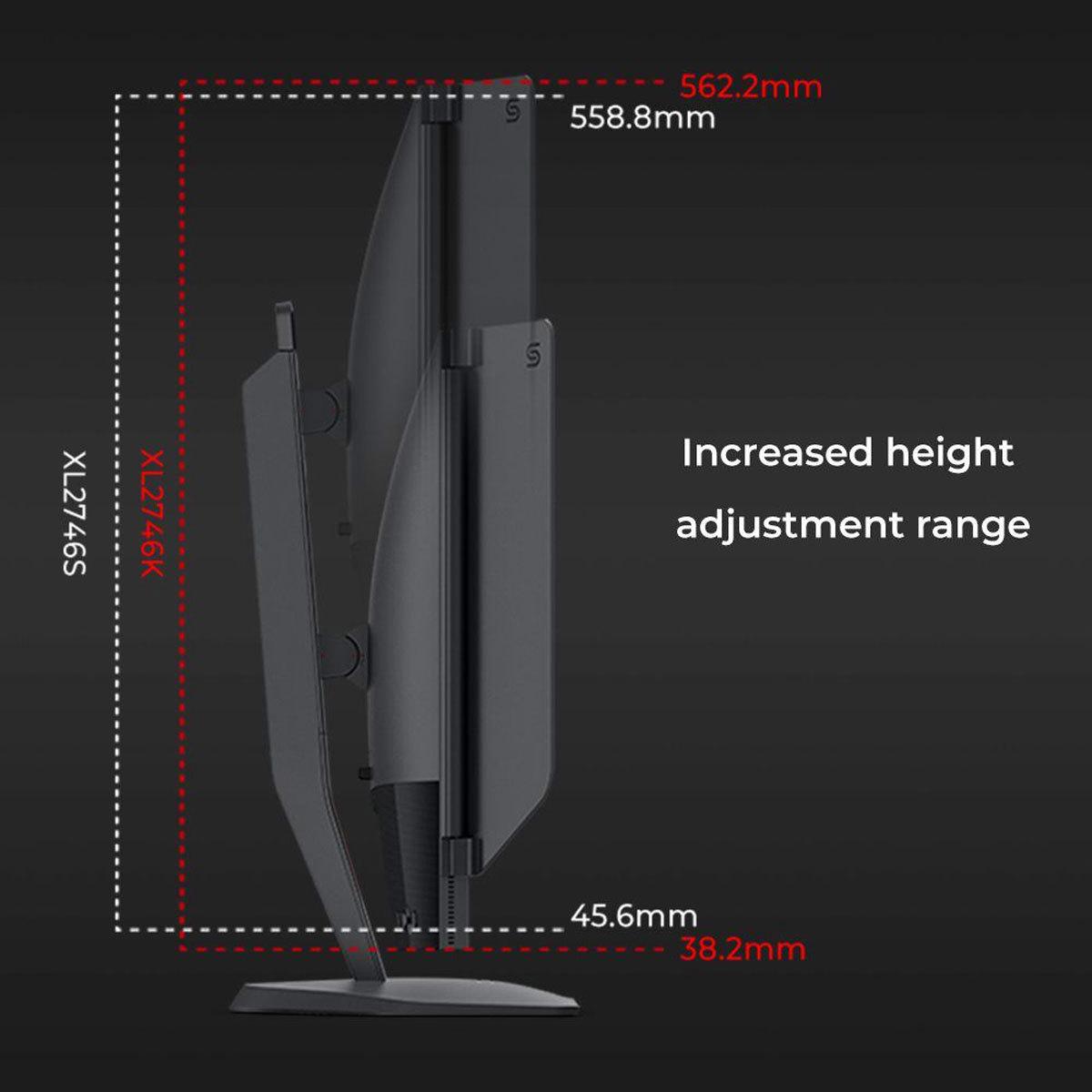
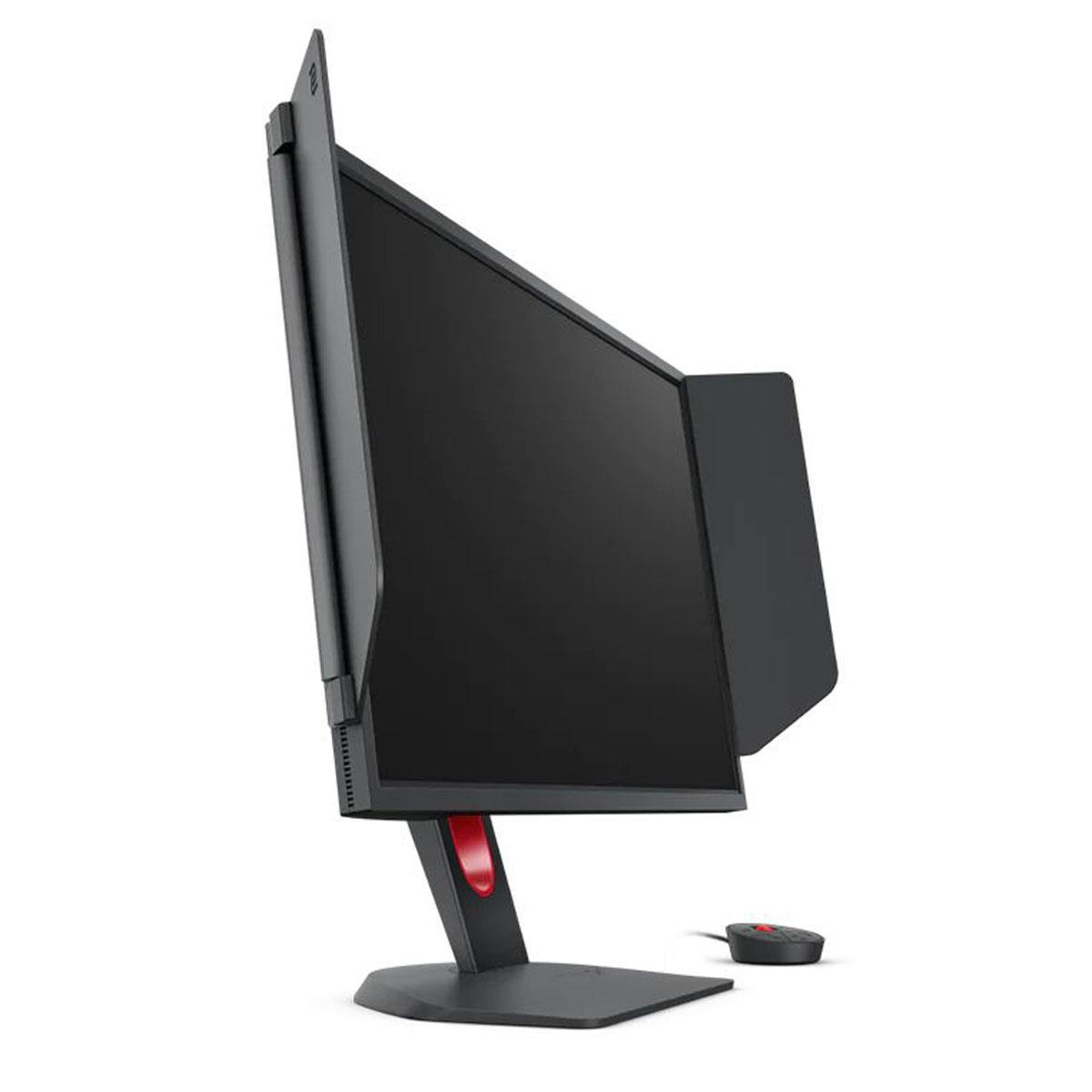
Released in 2022, the BenQ Zowie XL2746K represents BenQ's continued refinement of their esports-focused monitor line. This isn't a monitor trying to be everything to everyone – it's built specifically for competitive gaming, particularly first-person shooters like Counter-Strike and Valorant.
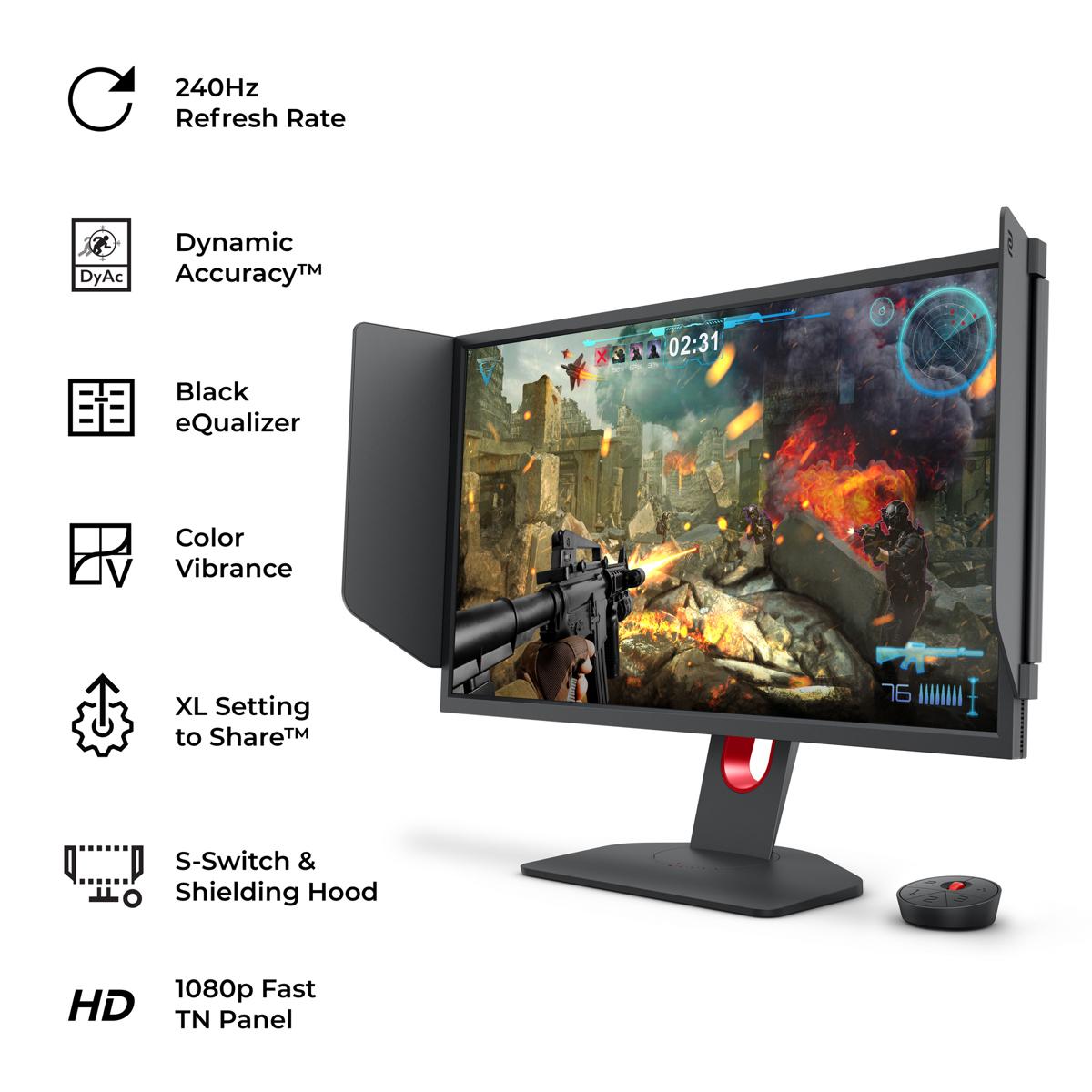
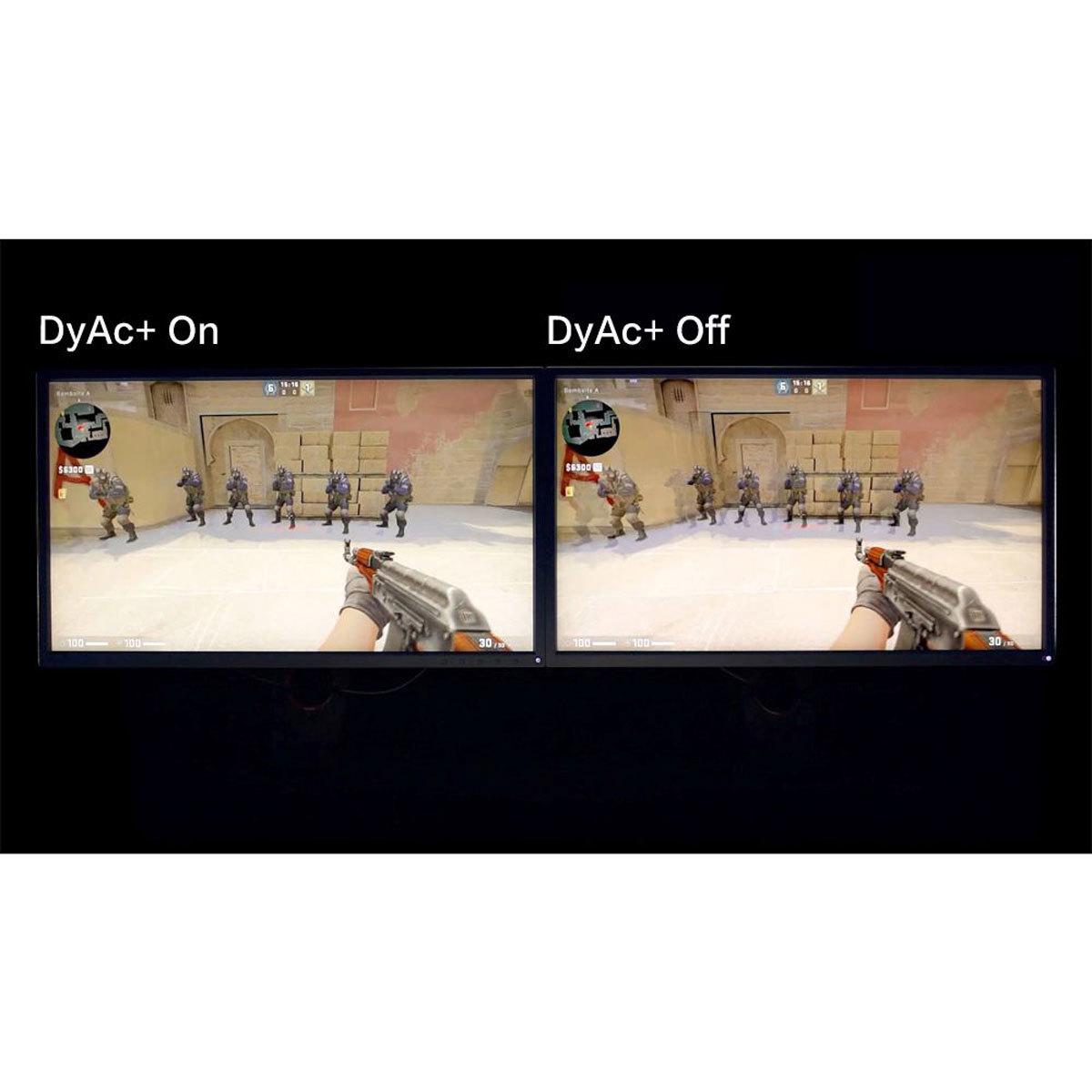
The most distinctive feature of the XL2746K is its DyAc⁺™ (Dynamic Accuracy Plus) technology. This is essentially a sophisticated backlight strobing system that reduces motion blur by turning the backlight on and off rapidly. When you're tracking an enemy player across your screen in a fast-paced shooter, DyAc⁺™ helps keep that target sharp and clear instead of becoming a blurry mess.
I've spent considerable time with various DyAc implementations, and the difference is immediately noticeable in competitive scenarios. When spraying bullets in CS:GO, for instance, you can actually see your crosshair and target more clearly, which translates to better aim and tracking. It's not just marketing fluff – professional esports players specifically request these monitors for tournaments.
The XL2746K uses a TN panel running at 1920×1080 resolution with a 240Hz refresh rate. While 1080p might seem dated in 2024, there's method to this madness. The lower resolution means your graphics card can push more frames, and every frame counts in competitive gaming. Plus, the pixel density on a 27-inch 1080p display, while not razor-sharp, is perfectly adequate for gaming where you're focused on movement and reactions rather than admiring scenery.
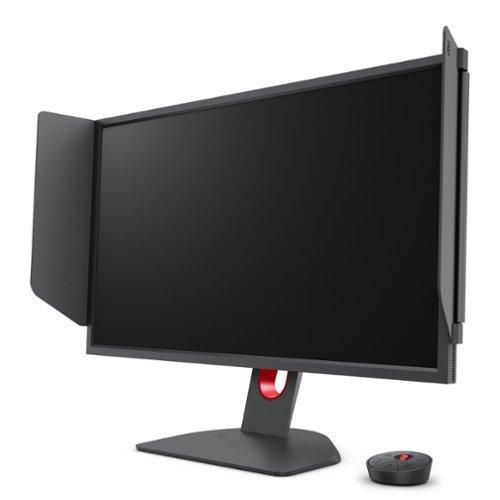
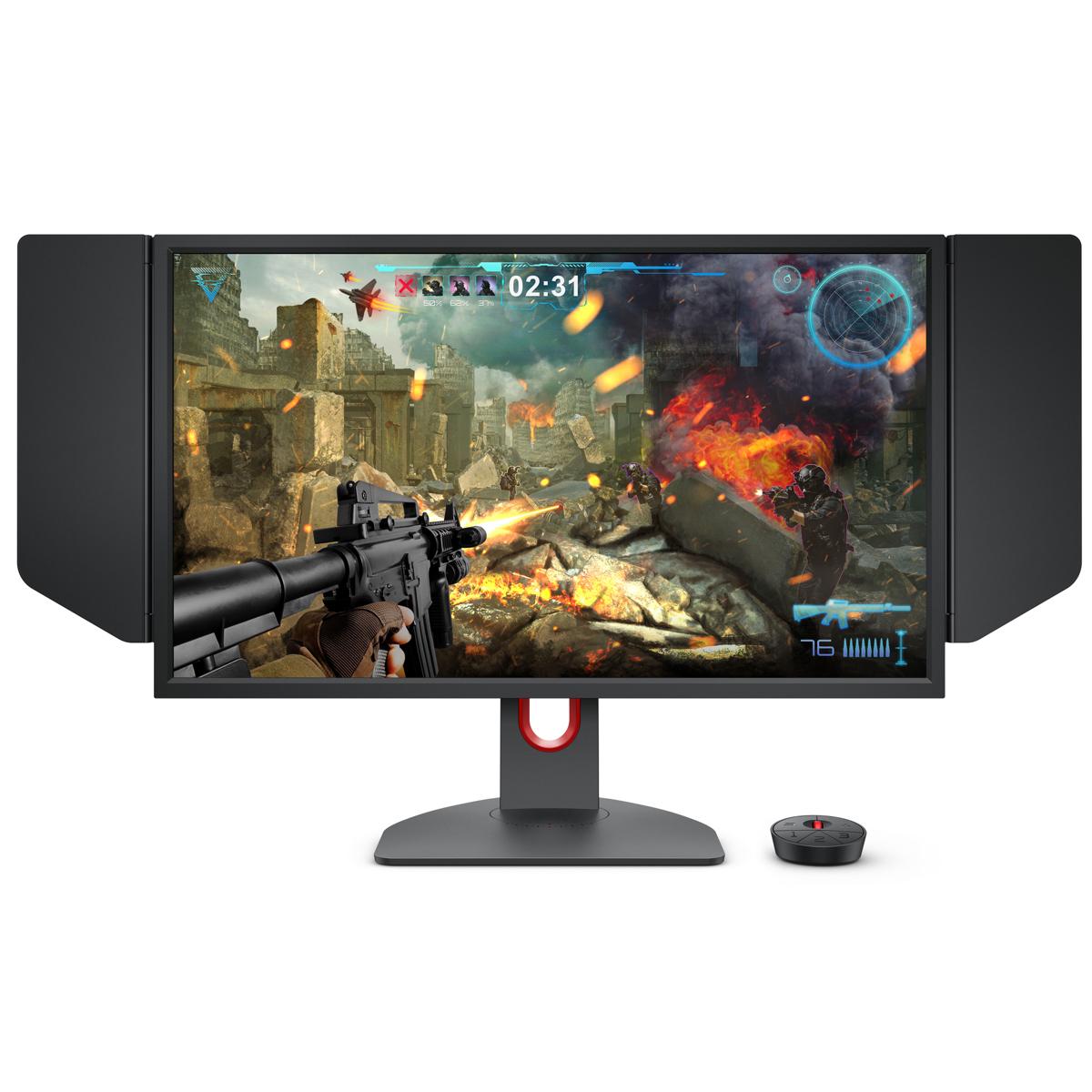
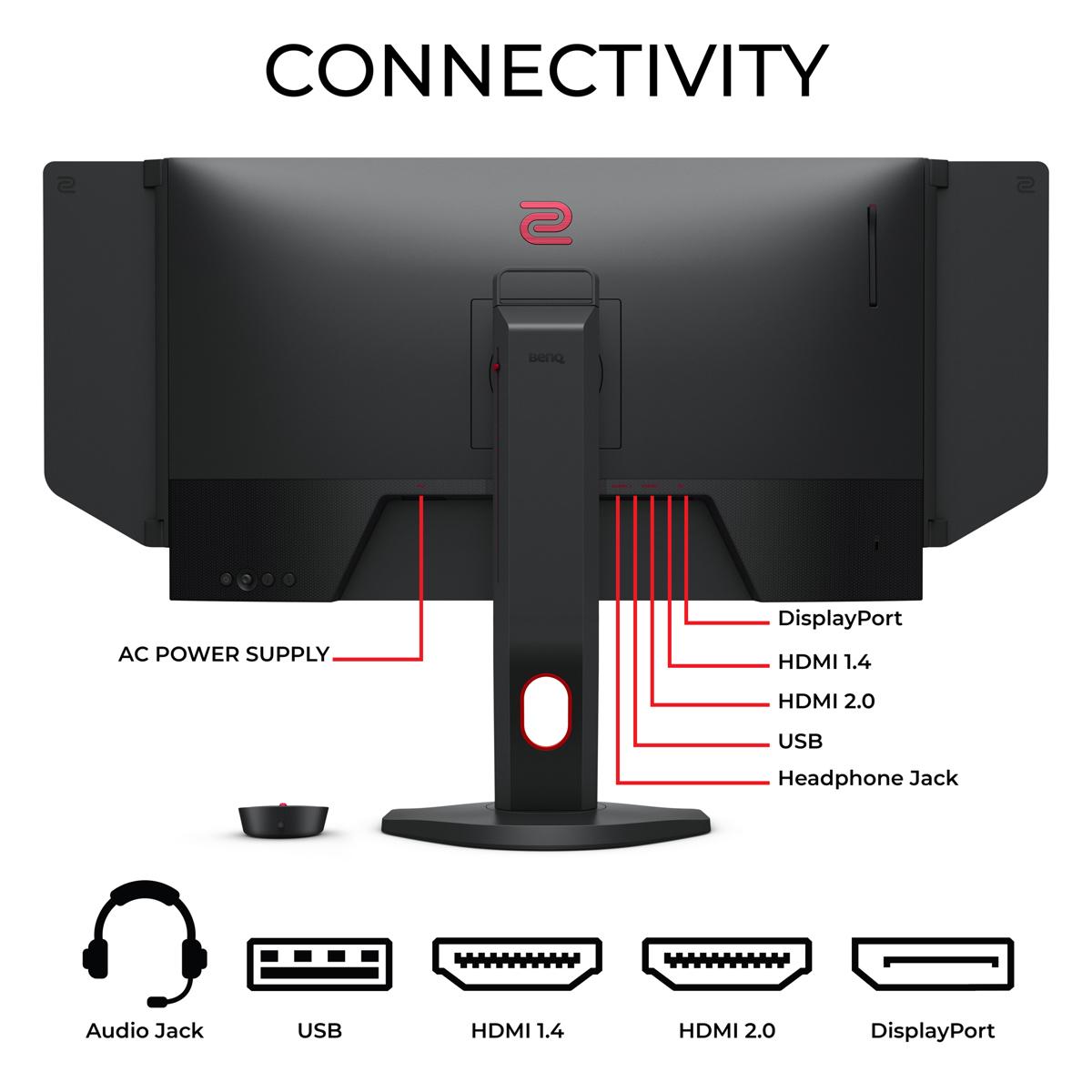
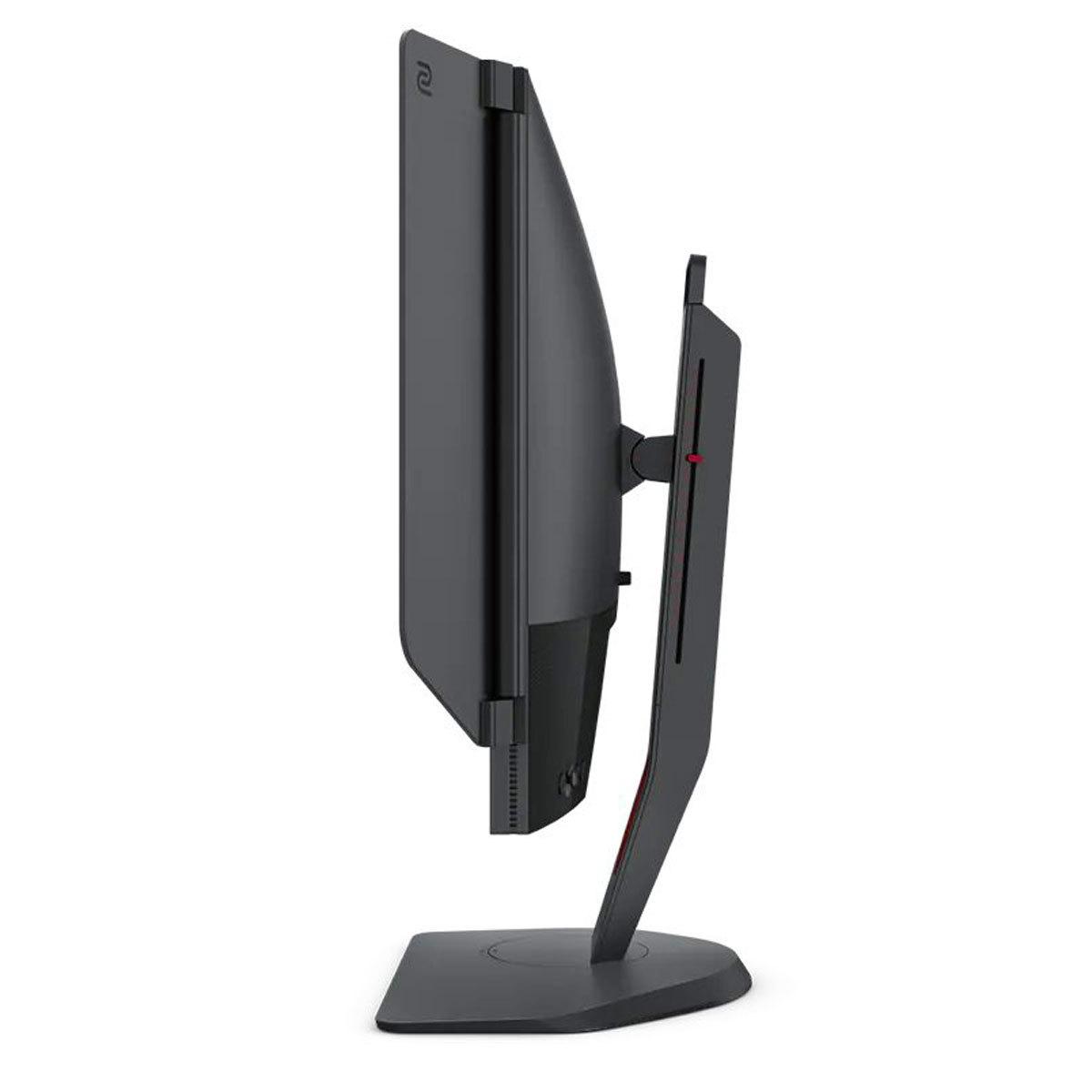
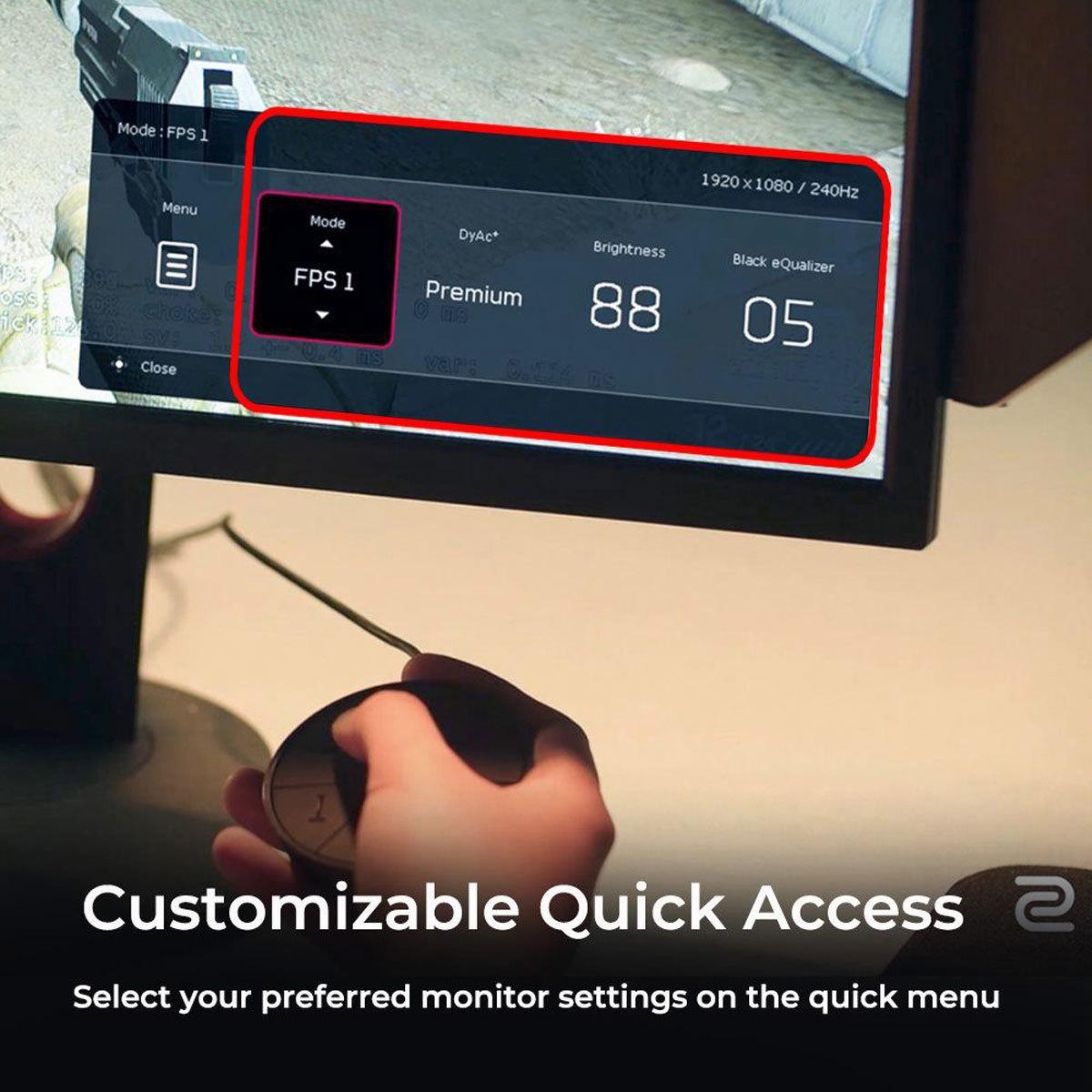
BenQ includes some thoughtful touches for the competitive gaming crowd. The S Switch is a wireless controller that lets you quickly switch between different display profiles – handy when you're jumping between different games or adjusting settings mid-tournament. The detachable shield (those black panels on the sides) might look gimmicky, but they actually help reduce peripheral distractions during intense gaming sessions.
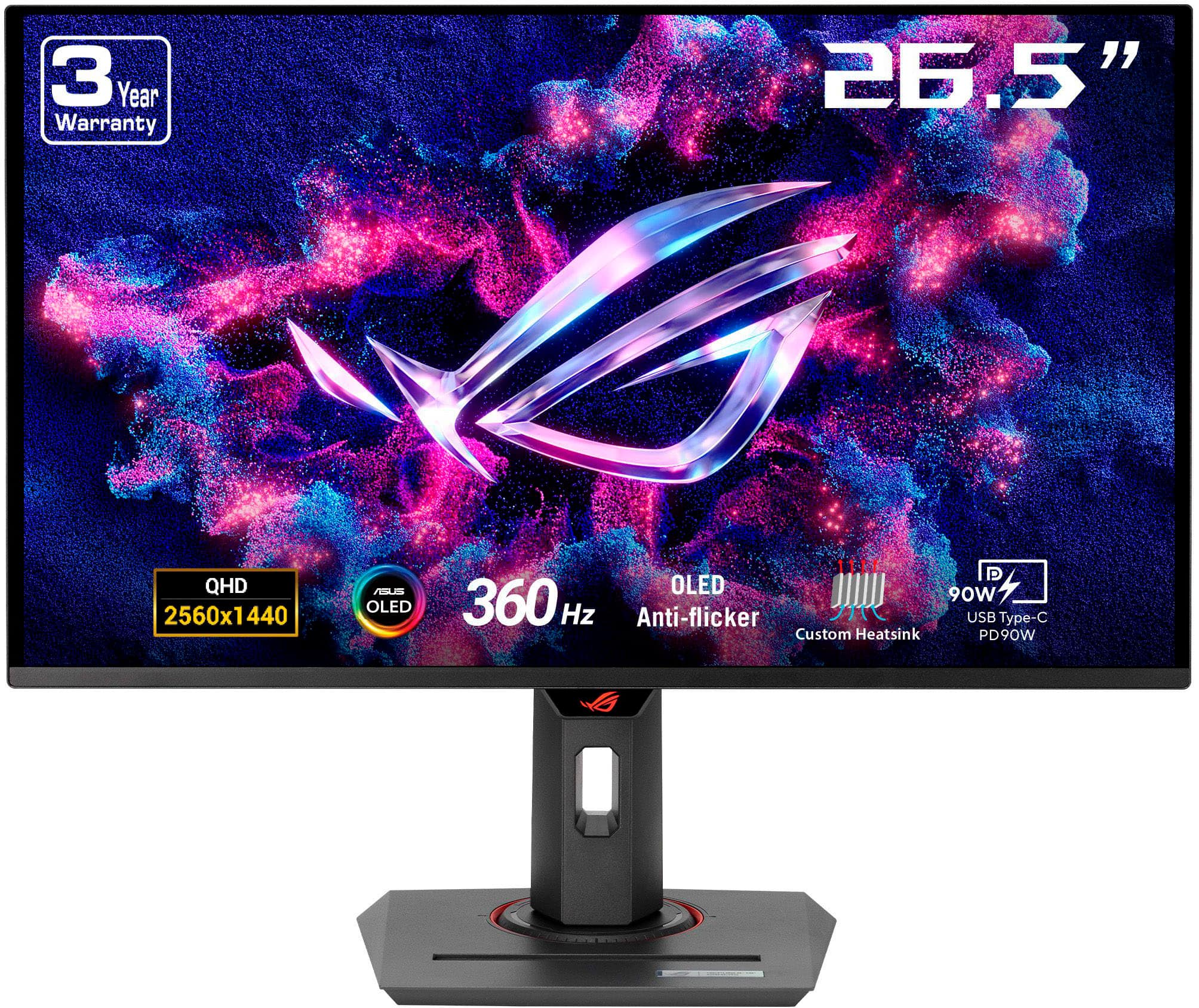
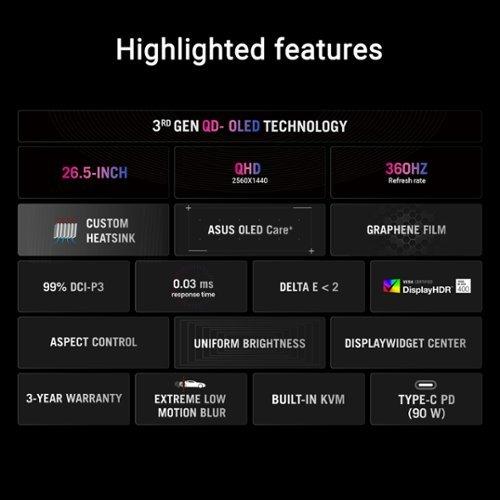
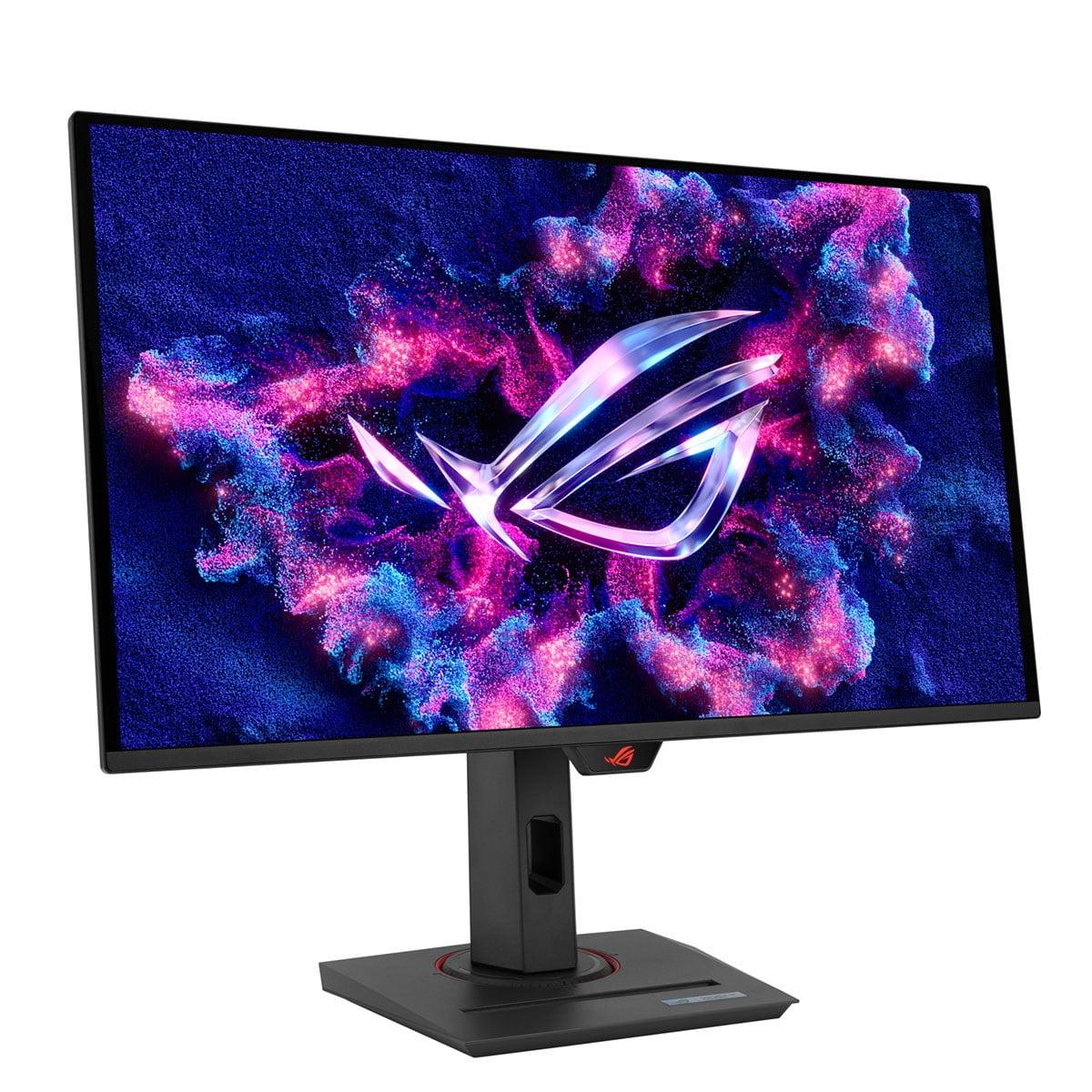
The ASUS ROG Strix OLED XG27ACDNG, which became available in 2024, takes a completely different approach. This monitor is all about delivering the most impressive visual experience possible while still maintaining competitive gaming performance. The centerpiece is its QD-OLED (Quantum Dot OLED) panel – a third-generation OLED technology that combines the perfect blacks of OLED with the color vibrancy of quantum dot technology.
OLED pixels emit their own light, which means when a pixel needs to display black, it simply turns off completely. This creates an infinite contrast ratio – something no LCD monitor can match. The result is visuals that pop off the screen with incredible depth and dimension. The XG27ACDNG covers 99% of the DCI-P3 color space and 135% of sRGB, delivering colors that are not just accurate but genuinely stunning.
The resolution bump to 2560×1440 (QHD) makes a significant difference on a 27-inch screen. Text is noticeably sharper, games look more detailed, and you get about 78% more pixels than 1080p. This is particularly noticeable in modern games where you can appreciate fine details in textures and environments.
At 360Hz, the ASUS monitor refreshes 50% faster than the BenQ. Combined with a 0.03ms response time, motion clarity is exceptional. The OLED technology means pixels switch states essentially instantaneously, eliminating the sample-and-hold blur that affects LCD panels.
ASUS has also addressed one of OLED's traditional weaknesses – burn-in susceptibility. The OLED Care+ suite includes pixel refresh cycles, screen savers, and heat management through a custom heatsink design. While burn-in remains a theoretical concern, ASUS backs the monitor with a three-year warranty that covers burn-in damage.
When it comes to competitive gaming performance, both monitors excel but in different ways. The BenQ XL2746K uses its DyAc⁺™ technology to create exceptional motion clarity specifically optimized for tracking moving targets. This isn't just about high refresh rates – it's about how your brain processes motion information.
In my testing with various competitive shooters, the BenQ consistently makes it easier to track enemies during spray patterns and quick peeks. The trade-off is that DyAc⁺™ slightly reduces overall brightness and can create a subtle flicker that some users find distracting initially.
The ASUS XG27ACDNG achieves motion clarity through brute force – that 360Hz refresh rate combined with near-instantaneous pixel response creates incredibly smooth motion. The higher refresh rate means you're seeing 50% more unique frames per second compared to the BenQ, which can provide a real advantage in fast-paced scenarios.
However, there's a catch with OLED panels and competitive gaming that's worth discussing. OLED displays can exhibit what's called VRR (Variable Refresh Rate) flicker in certain scenarios, particularly in dark scenes when the frame rate fluctuates. This can be distracting in games with significant lighting changes.
For pure competitive esports, particularly games like Counter-Strike, Valorant, or Overwatch, the BenQ XL2746K has the edge due to its specialized optimization and proven track record with professional players. For broader gaming experiences or titles with more visual complexity, the ASUS delivers superior overall performance.
This category isn't even close – the ASUS XG27ACDNG absolutely destroys the BenQ XL2746K in visual quality. The difference between TN and QD-OLED is night and day, literally in the case of dark scenes.
The BenQ's TN panel suffers from the typical limitations of the technology: washed-out colors, poor viewing angles, and blacks that look more like dark gray. It's functional but not inspiring. The monitor is designed for competitive gaming where visual fidelity takes a backseat to performance.
The ASUS, on the other hand, delivers visuals that can genuinely take your breath away. HDR content looks spectacular with deep blacks and highlights that can reach 1,000 nits in small areas. Single-player games like Cyberpunk 2077 or Red Dead Redemption 2 become completely different experiences with proper HDR and the infinite contrast ratio.
For home theater use, the ASUS monitor makes much more sense. Its HDMI 2.1 connectivity supports full 4K/120Hz from PlayStation 5 and Xbox Series X consoles, and the HDR performance rivals dedicated gaming TVs. The BenQ is limited to HDMI 2.0 and lacks HDR entirely, making it unsuitable for console gaming or media consumption.
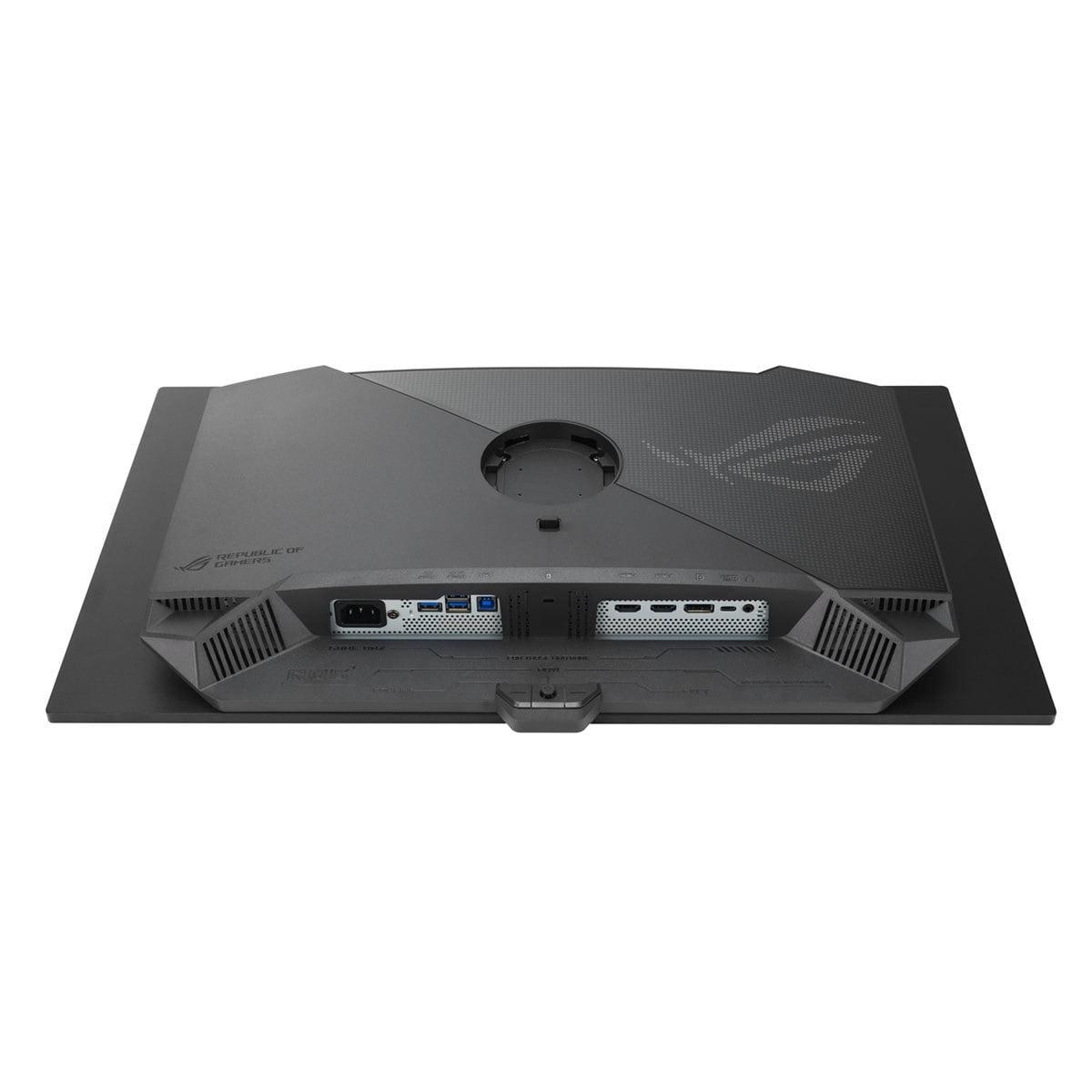
The feature gap between these monitors is substantial. The ASUS XG27ACDNG includes everything you'd expect from a premium 2024 monitor: USB-C with 90W power delivery (enough to charge most laptops), a built-in KVM switch for managing multiple devices, and comprehensive adaptive sync support for both NVIDIA and AMD graphics cards.
The USB-C port is particularly useful – you can connect a laptop with a single cable for display, power, and USB hub functionality. The KVM switch lets you seamlessly switch between different computers using the same keyboard and mouse, which is invaluable for streamers or anyone managing multiple systems.
The BenQ XL2746K keeps things simple with basic connectivity focused on its core mission. You get multiple HDMI 2.0 ports and DisplayPort, plus that handy S Switch controller for quick settings changes. It's not fancy, but it covers the essentials for competitive PC gaming.
At the time of writing, the pricing gap between these monitors reflects their different target markets and capabilities. The BenQ XL2746K typically costs $100-200 less than the ASUS XG27ACDNG, positioning it as the more budget-conscious option for competitive gaming.
However, value calculations go beyond initial price. The ASUS offers significantly more versatility – it's excellent for competitive gaming, beautiful for single-player titles, capable of productive work with its color accuracy, and suitable for console gaming. It's essentially three monitors in one.
Long-term reliability is where things get interesting. TN panels like the one in the BenQ are bulletproof – they'll run for years without issues or performance degradation. OLED panels, while protected by various technologies, do have theoretical burn-in risks and higher power consumption. That said, ASUS's three-year burn-in warranty provides significant peace of mind.
The technology trajectory also matters. OLED represents the future of display technology, while TN panels are gradually being phased out of the premium market. The ASUS is much more future-proof in terms of connectivity and capabilities.
Your decision should primarily hinge on how you plan to use your monitor and what aspects of performance matter most to you.
Choose the BenQ Zowie XL2746K if you're primarily focused on competitive esports gaming, particularly first-person shooters. If you spend most of your time in games like Counter-Strike, Valorant, or Apex Legends, and you want the same technology that professional players rely on, this is your monitor. The lower price point makes it more accessible, and the proven reliability means you won't be worrying about burn-in or other OLED-specific issues.
The ASUS ROG Strix OLED XG27ACDNG makes sense for gamers who want the best overall experience across all types of content. If you play a variety of games, use your computer for work or content creation, or want to connect consoles for couch gaming, the ASUS provides exceptional versatility. The visual upgrade is transformative for single-player games and media consumption.
For home theater integration specifically, the ASUS is the clear winner with its HDR support, console compatibility, and superior image quality. The BenQ simply isn't designed for this use case.
Both monitors represent excellent execution of their respective philosophies. The BenQ XL2746K proves that specialized tools can outperform generalist solutions in specific scenarios, while the ASUS XG27ACDNG demonstrates how cutting-edge technology can enhance every aspect of the computing experience. Your personal priorities and use cases should guide your decision, but either choice will serve you well for years to come.
| BenQ Zowie XL2746K | ASUS ROG Strix OLED XG27ACDNG |
|---|---|
| Panel Technology - Determines color quality, contrast, and long-term reliability | |
| TN (fast but limited colors, no burn-in risk) | QD-OLED (perfect blacks, vibrant colors, potential burn-in) |
| Resolution - Higher resolution means sharper text and more detailed gaming | |
| 1920 × 1080 (Full HD, maximizes frame rates) | 2560 × 1440 (QHD, 78% more pixels than 1080p) |
| Refresh Rate - Higher Hz reduces motion blur and provides competitive advantage | |
| 240Hz (excellent for competitive gaming) | 360Hz (50% smoother than 240Hz, cutting-edge performance) |
| Response Time - Lower values reduce ghosting in fast-moving scenes | |
| Fast TN response (BenQ doesn't publish GTG spec) | 0.03ms GTG (virtually eliminates ghosting) |
| Motion Clarity Technology - Specialized features for tracking moving targets | |
| DyAc⁺™ backlight strobing (proven esports optimization) | Native OLED pixel switching (no strobing needed) |
| Color Accuracy - Important for content creation and visual quality | |
| Basic TN color reproduction (functional but limited) | 99% DCI-P3, Delta E < 2 (professional-grade accuracy) |
| HDR Support - Enables enhanced contrast and brightness in supported content | |
| None (SDR only) | HDR10, 1,000 nits peak brightness, VESA DisplayHDR 400 True Black |
| Connectivity - Modern ports enable console gaming and laptop docking | |
| 3× HDMI 2.0, 1× DisplayPort 1.2 (basic but adequate) | 2× HDMI 2.1, 1× DisplayPort 1.4, USB-C with 90W power delivery |
| Console Gaming - Next-gen console compatibility and features | |
| Limited to 120Hz via HDMI 2.0 | Full 4K/120Hz support, VRR compatibility |
| Burn-in Risk - OLED-specific concern affecting long-term reliability | |
| No risk (LCD technology is immune) | Potential risk despite OLED Care+ protection and 3-year burn-in warranty |
| Target Use Case - Primary intended audience and strengths | |
| Competitive esports (CS:GO, Valorant, professional tournaments) | Premium gaming across all genres, content creation, console gaming |
| Unique Features - Standout capabilities that differentiate each product | |
| S Switch controller, detachable hood, DyAc⁺™ optimization | KVM switch, USB-C docking, custom heatsink, OLED Care+ |
The BenQ Zowie XL2746K is specifically designed for competitive esports with its DyAc⁺™ technology that reduces motion blur when tracking enemies. Professional players prefer the XL2746K for tournaments because it's optimized for games like CS:GO and Valorant. However, the ASUS ROG Strix OLED XG27ACDNG offers a higher 360Hz refresh rate and faster response times, making it excellent for competitive gaming while also providing superior visuals.
The core difference is their approach: the BenQ Zowie XL2746K uses a TN panel focused purely on competitive gaming performance, while the ASUS ROG Strix OLED XG27ACDNG uses cutting-edge QD-OLED technology for exceptional visual quality. The BenQ runs at 1080p/240Hz, while the ASUS delivers 1440p/360Hz with much better colors and contrast.
The ASUS ROG Strix OLED XG27ACDNG has significantly better picture quality with its QD-OLED panel offering perfect blacks, infinite contrast, and vibrant colors covering 99% DCI-P3. The BenQ Zowie XL2746K uses a basic TN panel with washed-out colors and poor viewing angles, but it's designed for competitive performance rather than visual appeal.
The ASUS ROG Strix OLED XG27ACDNG is excellent for console gaming with HDMI 2.1 ports supporting 4K/120Hz and VRR from both PS5 and Xbox Series X. The BenQ Zowie XL2746K only has HDMI 2.0 ports, limiting consoles to 120Hz at 1080p without HDR support, making it less suitable for modern console gaming.
The ASUS ROG Strix OLED XG27ACDNG typically costs more than the BenQ Zowie XL2746K due to its advanced OLED technology and higher resolution. The extra cost gets you better visuals, more versatility, modern connectivity, and console compatibility. The BenQ offers better value if you only need competitive PC gaming performance.
Only the ASUS ROG Strix OLED XG27ACDNG supports HDR with HDR10 compatibility and 1,000 nits peak brightness, making it excellent for HDR gaming and movie watching. The BenQ Zowie XL2746K has no HDR support and is designed purely for competitive gaming where HDR isn't typically used.
Both monitors offer extremely low input lag suitable for competitive gaming. The BenQ Zowie XL2746K is specifically optimized for minimal latency in esports scenarios, while the ASUS ROG Strix OLED XG27ACDNG achieves ultra-low input lag through its 0.03ms response time and 360Hz refresh rate. The difference in real-world gaming is negligible.
The BenQ Zowie XL2746K uses proven TN panel technology with no burn-in risk and excellent long-term reliability. The ASUS ROG Strix OLED XG27ACDNG has potential OLED burn-in concerns, though ASUS includes OLED Care+ protection and covers burn-in under their 3-year warranty. Both monitors are well-built and reliable for their intended use.
The ASUS ROG Strix OLED XG27ACDNG is far superior for content creation with its accurate colors (Delta E < 2), higher 1440p resolution, and excellent color gamut coverage. The BenQ Zowie XL2746K has poor color accuracy and limited resolution, making it unsuitable for professional creative work.
The BenQ Zowie XL2746K includes DyAc⁺™ motion blur reduction, an S Switch controller for quick settings changes, and a detachable hood for focus during tournaments. The ASUS ROG Strix OLED XG27ACDNG features a built-in KVM switch, USB-C with 90W power delivery, custom cooling, and OLED Care+ burn-in protection.
The BenQ Zowie XL2746K has a matte finish that reduces reflections but offers limited brightness. The ASUS ROG Strix OLED XG27ACDNG can get brighter with HDR content but may show reflections due to its glossy finish. Both work adequately in bright rooms, though the ASUS provides better overall visibility with its superior contrast.
The choice depends on your priorities: the BenQ Zowie XL2746K's 1080p resolution maximizes frame rates for competitive gaming and is easier for your graphics card to handle. The ASUS ROG Strix OLED XG27ACDNG's 1440p resolution provides sharper visuals and more screen real estate, making games and productivity work look much better while still maintaining high refresh rates.
We've done our best to create useful and informative comparisons to help you decide what product to buy. Our research uses advanced automated methods to create this comparison and perfection is not possible - please contact us for corrections or questions. These are the sites we've researched in the creation of this article: rtings.com - youtube.com - bestbuy.com - versus.com - youtube.com - versus.com - forums.blurbusters.com - pcmonitors.info - youtube.com - bhphotovideo.com - zowie.benq.com - bhphotovideo.com - device.report - newegg.com - bestbuy.com - displayspecifications.com - provantage.com - zowie.benq.com - smallonlineshop.com.sg - camcor.com - tomshardware.com - versus.com - pcguide.com - rog.asus.com - rtings.com - youtube.com - youtube.com - versus.com - displayninja.com - youtube.com - rog.asus.com - cdw.com - shi.com - colamco.com - rog.asus.com - microcenter.com - bestbuy.com - rtings.com - displayspecifications.com - compsource.com - rog.asus.com

Privacy Policy
Terms and Conditions - Affiliate Policy
Home Security
© Copyright 2008-2026.
11816 Inwood Rd #1211, Dallas, TX 75244