





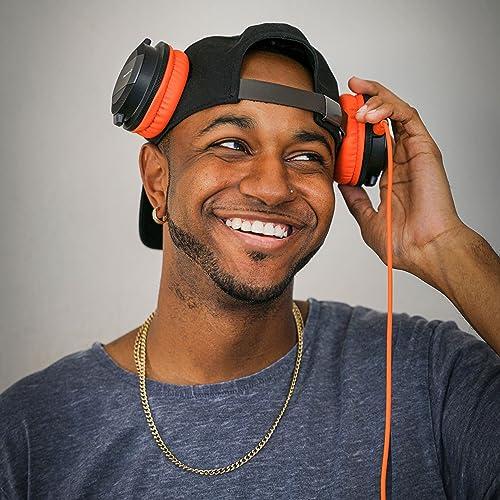
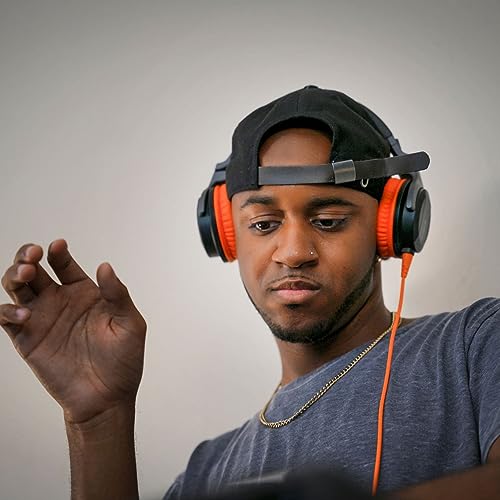
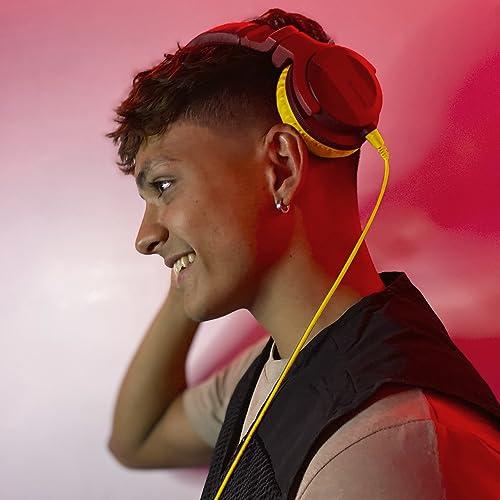


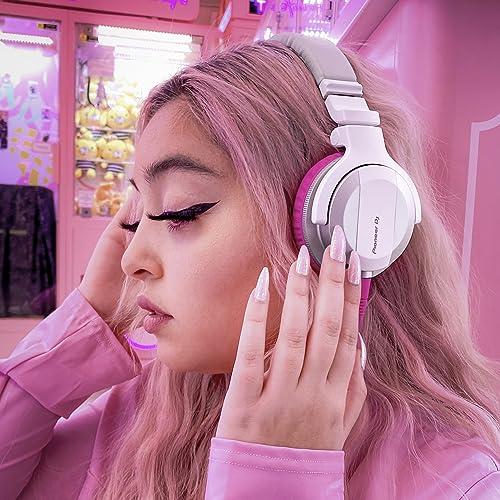
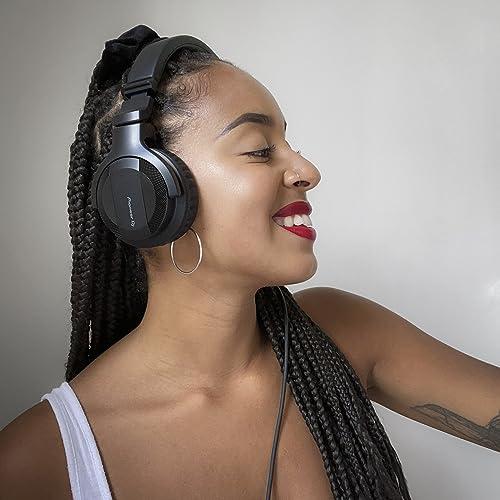
If you're diving into the world of DJ headphones, you've probably noticed there are two very different approaches competing for your attention. On one side, you have traditional wired models that prioritize reliability and proven performance. On the other, newer wireless solutions promise freedom from cables while maintaining the precision DJs need. The OneOdio Studio Max 1 and Pioneer HDJ-CUE1 perfectly represent these two philosophies, and choosing between them isn't as simple as picking the newest technology.
DJ headphones aren't just regular headphones with a fancy name. They're purpose-built tools designed for a specific job: helping DJs hear exactly what they need to create seamless mixes. Unlike consumer headphones that aim for balanced, pleasant sound, DJ headphones emphasize certain frequencies – particularly the low-end where kick drums and basslines live. They also need to handle single-ear monitoring (listening to the next track in one ear while the current track plays through speakers), survive the rigors of live performance, and provide enough isolation to work in loud club environments.
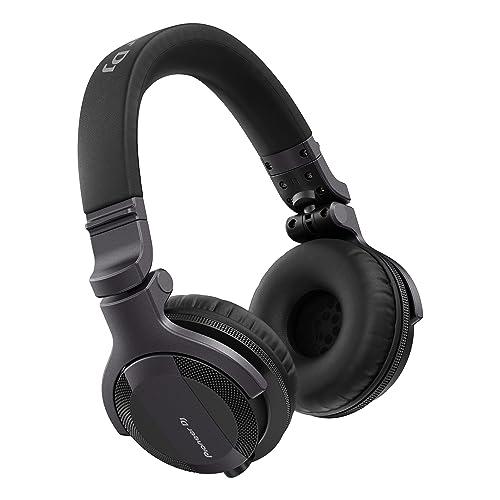
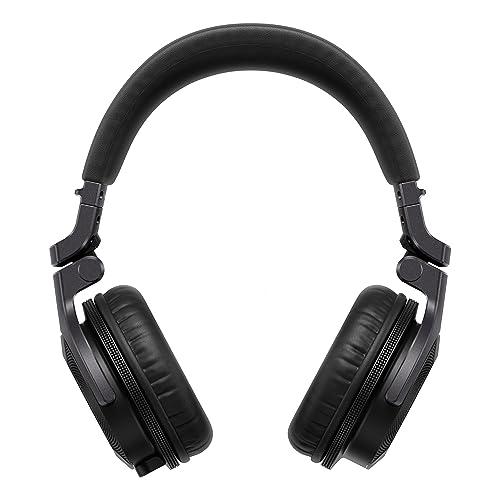
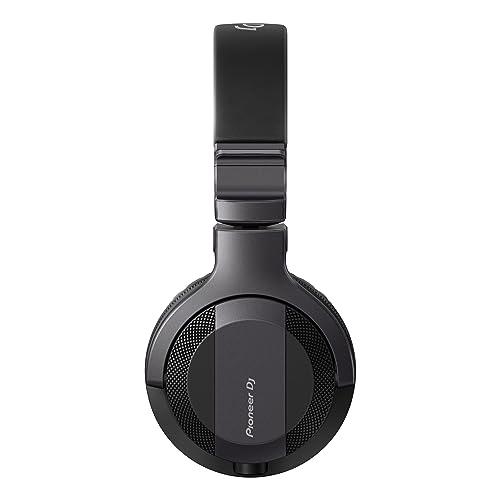
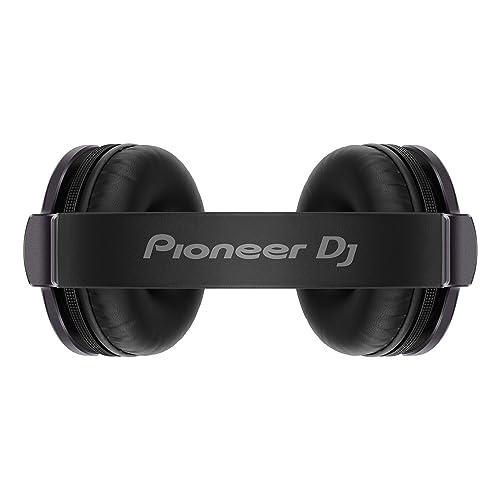
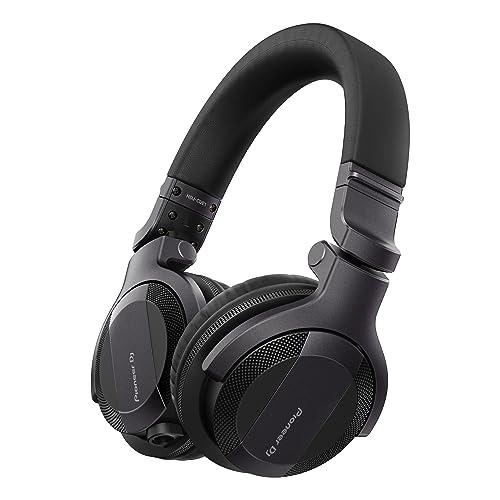
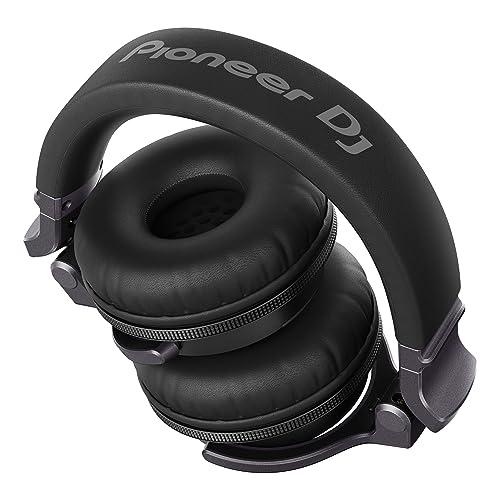
The DJ headphone market has evolved dramatically since the early 2000s. Back then, your choices were essentially limited to heavy, tank-like wired models that could withstand being dropped, thrown into equipment bags, and used for hours on end. The Pioneer HDJ-CUE1, released around 2020, represents the refined end of this traditional approach – lighter, more comfortable, but still fundamentally focused on wired reliability.
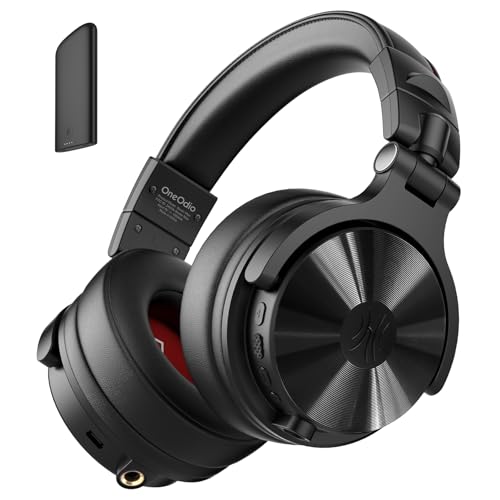
The OneOdio Studio Max 1, launched in 2025, embodies the wireless revolution that's been transforming the DJ world. What makes this particularly interesting is that wireless DJ headphones were nearly impossible until recently due to latency issues. Latency is the delay between when audio is sent and when you actually hear it – even a tiny delay of 50-100 milliseconds can throw off a DJ's timing completely.
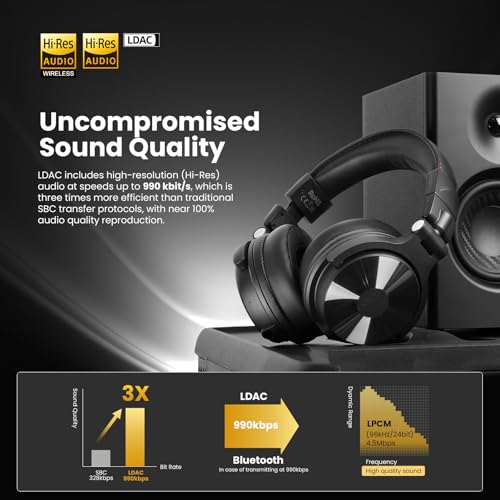
When we talk about audio quality in DJ headphones, we're not just discussing whether they sound "good" – we're examining how well they serve their specific purpose. The OneOdio Studio Max 1 uses massive 50mm neodymium drivers, which are significantly larger than typical headphones. Driver size generally correlates with the headphone's ability to move air and produce powerful bass, though it's not the only factor. These larger drivers help the Studio Max 1 deliver a frequency response ranging from 20Hz all the way up to 40kHz.
That upper frequency range deserves some explanation. Human hearing typically tops out around 20kHz, so why does that extra range matter? Hi-Res Audio certification (which the OneOdio Studio Max 1 carries) requires extended frequency response because it can affect the quality of frequencies you can actually hear. Think of it like having headroom in a car engine – you might not use all that power, but having it available improves performance across the board.
The Pioneer HDJ-CUE1 takes a different approach with smaller 40mm drivers, but don't let the size fool you. Pioneer has been making DJ equipment since the 1990s, and they've tuned these headphones using expertise gained from their professional HDJ-X5 model. The frequency response spans 5Hz to 30kHz – still impressive, with that ultra-low 5Hz response designed specifically for those earth-shaking bass drops that make dance floors move.
Both headphones emphasize bass frequencies, but they do it differently. The OneOdio Studio Max 1 delivers what reviewers describe as a "full-bodied" sound with powerful low-end that can sometimes muddy the mid-range frequencies where vocals live. This isn't necessarily a flaw – many DJs prefer this kind of bass-heavy signature because it helps them hear kick drum patterns clearly when beatmatching.
The Pioneer HDJ-CUE1 offers what's often called "specialist sound tuning," meaning Pioneer has specifically adjusted the frequency response to emphasize the frequencies DJs need most. This results in punchy, energetic sound that makes electronic music genres really come alive, though it can make the bass overwhelming for casual music listening.
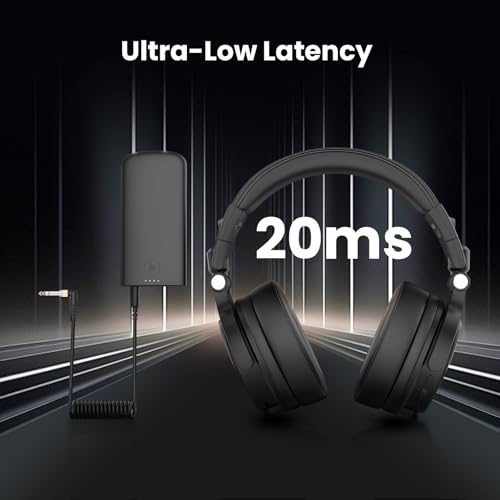
Here's where things get really interesting from a technical standpoint. The OneOdio Studio Max 1 uses something called RAPID WILL+ technology to achieve 20-millisecond latency. To put that in perspective, the speed of sound means that standing 7 feet away from a speaker creates about 6ms of natural delay. So 20ms, while not zero, is getting close to what your brain considers "real-time."
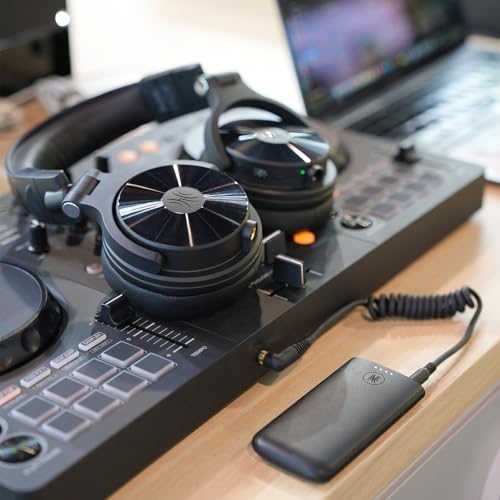
Traditional Bluetooth headphones often have latency ranging from 100-300ms, which would be completely unusable for DJing. The OneOdio Studio Max 1 accomplishes this low latency through a dedicated M1 transmitter that uses a proprietary wireless protocol instead of standard Bluetooth. This is similar to how wireless gaming headsets achieve low latency – by bypassing Bluetooth entirely for time-critical applications.
The headphones also support LDAC, which is Sony's high-resolution audio codec that can transmit much more data than standard Bluetooth. While you're using the special low-latency mode for DJing, you can switch to LDAC mode for high-quality music listening when latency doesn't matter.
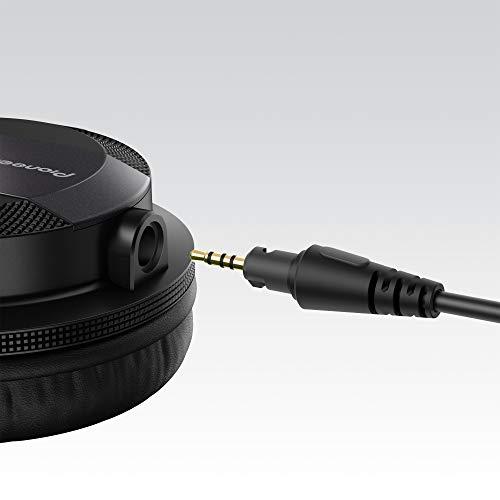
The Pioneer HDJ-CUE1 sidesteps the entire latency question by sticking with a wired connection. The 1.2-meter coiled cable extends to 1.8 meters, giving DJs plenty of reach while keeping things tidy. The L-shaped connector is a thoughtful touch – it's less likely to get accidentally unplugged and puts less stress on the headphone jack.
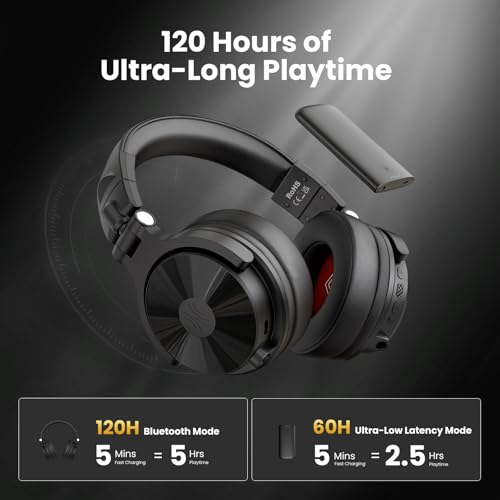
This is where the philosophical differences between these headphones become crystal clear. The OneOdio Studio Max 1 boasts an almost ridiculous 120 hours of battery life in Bluetooth mode. That's five full days of continuous use, or realistically, several months of typical DJ sessions. Even when using the lower-latency M1 transmitter mode, you still get 50 hours of use.
The quick-charge feature is particularly impressive – five minutes of charging provides an hour of listening time. This addresses one of the biggest fears DJs have about wireless gear: running out of power mid-set. With charging this fast, even if you forget to charge your headphones before a gig, you can get enough power for most sets with just a few minutes plugged in.
The Pioneer HDJ-CUE1 never needs charging because it's entirely passive. There's something beautifully reliable about gear that can't run out of battery. You can throw these headphones in a bag for six months, pull them out, plug them in, and they'll work perfectly. No firmware updates, no battery degradation, no charging cables to remember.
DJ sessions can last for hours, making comfort a crucial factor that goes beyond just how the headphones feel initially. The OneOdio Studio Max 1 weighs 330 grams, which puts them in the "substantial" category. For comparison, that's about the weight of a smartphone plus its case. The over-ear design with protein leather earpads helps distribute this weight, and the larger ear cups can be more comfortable for people with bigger ears.
However, that weight adds up during four-hour sets. I've noticed with heavier headphones that they start feeling fine for the first hour or two, but the weight becomes more noticeable as time goes on. The foldable design is helpful for transport, though the multiple cables and transmitter mean you're carrying more accessories than with simpler headphones.
The Pioneer HDJ-CUE1 weighs just 215 grams without the cable – nearly 100 grams lighter. This makes a real difference during extended use. The on-ear design means they don't completely envelope your ears like over-ear models, which some people find less claustrophobic and cooler temperature-wise during long sessions. However, on-ear headphones can create more pressure points and may become uncomfortable for people who wear glasses.
Both models feature 90-degree rotating ear cups, which is essential for DJ work. This lets you flip one cup off your ear to hear the room while keeping the other cup positioned to monitor your cue channel. It's one of those features that separates true DJ headphones from consumer models.
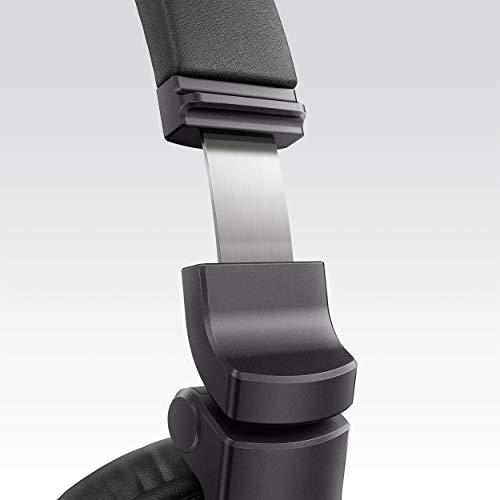
The Pioneer HDJ-CUE1 incorporates extra-strong metal sliders in the headband, and Pioneer puts their headphones through rigorous durability testing. This makes sense given Pioneer's reputation in the professional DJ world – their equipment needs to work reliably in demanding club environments. The bayonet connector (a twist-lock system) helps prevent the cable from getting yanked out accidentally.
The OneOdio Studio Max 1 faces the inherent complexity challenge that comes with wireless technology. More features mean more potential failure points – the Bluetooth radio, the proprietary wireless system, the battery, the charging circuit, and multiple connection ports. While the build quality appears solid, electronic components will always be more fragile than purely mechanical ones.
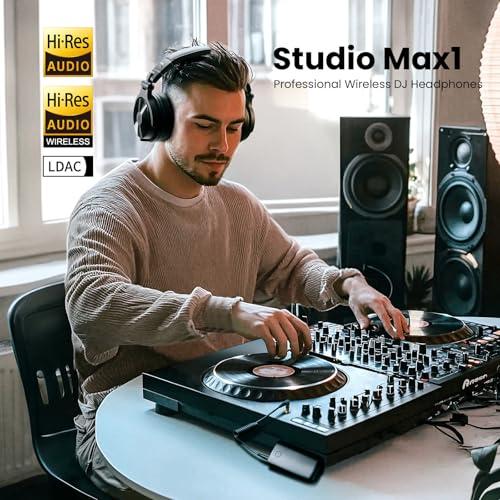
For bedroom DJs and home studio use, both headphones excel but in different ways. The OneOdio Studio Max 1 shines when you want to practice without being tethered to your DJ controller. You can move around freely, which is surprisingly liberating when you're learning new techniques or want to practice your stage presence.
The Hi-Res Audio support also makes the OneOdio Studio Max 1 more versatile for general music listening and production work. If you're also into music production or just enjoy high-quality audio streaming, the LDAC support means you can get better-than-CD quality wirelessly from compatible devices.
The Pioneer HDJ-CUE1 offers the reliability that's perfect for focused practice sessions. There's no battery to monitor, no wireless interference to worry about, and the sound signature is specifically tuned for DJ work. At the time of writing, the price difference between these models is significant enough that the Pioneer option makes sense for beginners who aren't sure how deep they want to get into DJing.
In club and venue situations, both approaches have merit. The OneOdio Studio Max 1 eliminates cable management issues, which can be a real advantage in cramped DJ booths. No more untangling cables or worrying about tripping over them when you move around.
However, wireless gear in club environments faces potential interference from other wireless devices, lighting systems, and even microwave ovens in the kitchen. The OneOdio Studio Max 1 uses the 2.4GHz band, which is crowded with WiFi, Bluetooth devices, and other wireless equipment. While the proprietary protocol should be more robust than standard Bluetooth, it's still potentially vulnerable to interference.
The Pioneer HDJ-CUE1 offers the reliability that professional DJs have depended on for decades. No interference, no dropouts, no battery concerns. When you're performing in front of hundreds of people, that reliability can be worth more than the convenience of wireless freedom.
While these are primarily DJ headphones, their characteristics make them interesting for home theater use in different ways. The OneOdio Studio Max 1 with its wireless capability and long battery life could be excellent for late-night movie watching without disturbing others. The bass-heavy tuning would make action movies and thrillers particularly exciting.
The Pioneer HDJ-CUE1 would be less convenient for home theater use due to the shorter cable, though you could use an extension. The bass emphasis would still make movies sound exciting, but the wired connection limits your seating options.
The choice between the OneOdio Studio Max 1 and Pioneer HDJ-CUE1 really comes down to your priorities and budget considerations at the time of writing.
Choose the OneOdio Studio Max 1 if wireless freedom is important to you and you're willing to invest in cutting-edge technology. The 120-hour battery life addresses most concerns about wireless reliability, and the multiple connectivity options provide flexibility for different situations. The Hi-Res Audio support makes these headphones more versatile beyond just DJing.
The Pioneer HDJ-CUE1 makes sense if you prioritize proven reliability and value. The significantly lower price point at the time of writing makes these accessible to beginners, while the professional-grade sound tuning ensures you're getting performance that's been refined over years of professional use.
Both headphones deliver the core functionality DJs need: clear bass response for beatmatching, comfortable single-ear monitoring, and build quality that can handle regular use. The OneOdio Studio Max 1 represents the future of DJ headphones with its wireless innovation, while the Pioneer HDJ-CUE1 represents the refined present – taking everything that works about traditional DJ headphones and doing it very well.
Your decision should align with your specific needs, budget, and how you prioritize convenience versus reliability. Both approaches are valid, and both headphones succeed at what they're designed to do. The DJ headphone market is healthier for having both philosophies represented, giving users real choice in how they want to approach their craft.
| OneOdio Studio Max 1 | Pioneer HDJ-CUE1 |
|---|---|
| Driver Size - Larger drivers typically produce more powerful bass and overall volume | |
| 50mm neodymium drivers | 40mm dynamic drivers |
| Connectivity - Critical for flexibility and eliminating cable management | |
| Wireless (Bluetooth 5.3 + proprietary) + wired (3.5mm/6.35mm) | Wired only (3.5mm detachable coiled cable) |
| Latency - Essential for real-time DJ monitoring and beatmatching | |
| 20ms ultra-low latency (proprietary wireless mode) | Zero latency (wired connection) |
| Weight - Affects comfort during extended DJ sessions | |
| 330g (heavier but over-ear design distributes weight) | 215g without cable (significantly lighter for long sessions) |
| Battery Life - Only matters for wireless models but critical when it does | |
| 120 hours Bluetooth / 50 hours with transmitter | N/A (wired operation, never needs charging) |
| Frequency Response - Shows how well headphones reproduce full audio spectrum | |
| 20Hz - 40kHz (Hi-Res Audio certified) | 5Hz - 30kHz (optimized for DJ monitoring) |
| Audio Tuning - Determines how well suited they are for DJ vs casual listening | |
| Bass-heavy with Hi-Res capability, good for versatile use | Specialist DJ tuning inherited from professional Pioneer models |
| Ear Cup Design - Affects isolation, comfort, and monitoring capability | |
| Over-ear closed-back with 90° rotation | On-ear closed-back with 90° rotation |
| Durability Features - Important for equipment that travels frequently | |
| Multiple electronic components, premium carry case | Metal-reinforced sliders, bayonet connector, proven durability testing |
| Included Accessories - Affects total value and usability out of box | |
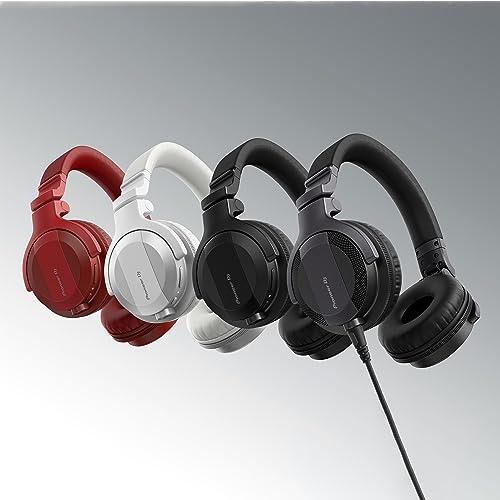
| M1 transmitter, multiple cables, USB-C charger, carry bag | Coiled cable, basic accessories, customizable colored parts available |
| Target User - Who each product serves best | |
| Tech-forward DJs wanting wireless freedom and versatility | Budget-conscious beginners and traditionalists prioritizing reliability |
The Pioneer HDJ-CUE1 headphones are generally better for beginners due to their lower cost, simpler wired operation, and proven DJ-specific tuning inherited from professional Pioneer models. The OneOdio Studio Max 1 offers more advanced features but requires a higher investment and more complex setup that may be unnecessary for those just starting out.
The OneOdio Studio Max 1 uses proprietary RAPID WILL+ technology to achieve just 20ms of latency, which is acceptable for most DJing applications. Traditional Bluetooth headphones would have unacceptable delays of 100-300ms, but the OneOdio Studio Max 1 solves this with its dedicated transmitter. The Pioneer HDJ-CUE1 has zero latency due to its wired connection.
The Pioneer HDJ-CUE1 is significantly lighter at 215g compared to the OneOdio Studio Max 1 at 330g, making it more comfortable during extended sessions. However, the OneOdio Studio Max 1 has over-ear design with better padding that some users may find more comfortable despite the extra weight.
Both headphones work for casual listening, but the OneOdio Studio Max 1 is more versatile with Hi-Res Audio certification and LDAC support for high-quality wireless streaming. The Pioneer HDJ-CUE1 has heavy bass emphasis that's great for electronic music but may be overwhelming for other genres.
The OneOdio Studio Max 1 offers exceptional battery life with up to 120 hours in Bluetooth mode and 50 hours when using the low-latency transmitter. It also features quick charging that provides one hour of use from just five minutes of charging. The Pioneer HDJ-CUE1 never needs charging since it's wired.
The Pioneer HDJ-CUE1 has proven durability with metal-reinforced sliders and fewer electronic components that could fail. The OneOdio Studio Max 1 has more complex electronics including wireless components and battery systems that create additional potential failure points, though it comes with a protective carry case.
The OneOdio Studio Max 1 works well for home theater with its wireless freedom and long battery life for late-night viewing. The bass-heavy tuning enhances action movies and shows. The Pioneer HDJ-CUE1 would be less convenient for home theater due to its shorter cable length, though the sound signature would still be exciting for movies.
Both headphones emphasize bass frequencies for DJ use, but the OneOdio Studio Max 1 offers Hi-Res Audio certification and broader frequency response (20Hz-40kHz) while the Pioneer HDJ-CUE1 features specialist tuning specifically optimized for DJ monitoring with punchy bass and clear mids in a narrower but focused range.
The OneOdio Studio Max 1 offers maximum compatibility with four connection modes including wireless, Bluetooth, and both 3.5mm and 6.35mm wired connections. The Pioneer HDJ-CUE1 connects via standard 3.5mm jack that works with most DJ controllers and mixers, with the cable extending from 1.2m to 1.8m when needed.
The Pioneer HDJ-CUE1 provides exceptional value with professional-grade DJ tuning and proven reliability at a significantly lower price point. The OneOdio Studio Max 1 offers premium wireless technology and longer battery life but at a higher cost that may be justified for DJs who prioritize wireless freedom and advanced features.
Both models excel at beatmatching with their bass-heavy tuning that emphasizes kick drums. The Pioneer HDJ-CUE1 uses specialist tuning developed from professional DJ equipment, while the OneOdio Studio Max 1 provides the same capability wirelessly with ultra-low 20ms latency that won't interfere with timing-critical mixing tasks.
Mobile DJs might prefer the OneOdio Studio Max 1 for its wireless freedom when moving around venues and exceptional 120-hour battery life that eliminates charging concerns between gigs. However, the Pioneer HDJ-CUE1 offers lighter weight for less fatigue during long events and eliminates any risk of wireless interference in challenging venue environments.
We've done our best to create useful and informative comparisons to help you decide what product to buy. Our research uses advanced automated methods to create this comparison and perfection is not possible - please contact us for corrections or questions. These are the sites we've researched in the creation of this article: techradar.com - youtube.com - oneodio.com - androidguys.com - audioxpress.com - versus.com - audioreviews.org - youtube.com - oneodio.com - youtube.com - thomannmusic.com - teqclub.com - youtube.com - homestudiobasics.com - youtube.com - youtube.com - homedjstudio.com - oneodio.com - enostech.com - oneodio.com - yourrightscount.com - bestbuy.com - pioneerdjstore.com - rtings.com - idjnow.com - youtube.com - pioneerdj.com - soundguys.com - pioneerdj.com - digitaldjtips.com - pioneerdj.com - guitarcenter.com - empirepro.com - idjnow.com - emiaudio.com - pioneerdj.com - sfm.ca - sweetwater.com - pioneerdj.com - pioneerdj.com - pioneerdj.com

Privacy Policy
Terms and Conditions - Affiliate Policy
Home Security
© Copyright 2008-2026.
11816 Inwood Rd #1211, Dallas, TX 75244