





Choosing headphones today means navigating a landscape that's far more complex than it was just a few years ago. We've moved beyond the simple choice between wired and wireless to a world where headphones specialize for specific lifestyles and use cases. Two products that perfectly illustrate this evolution are the nwm ONE Wireless Open-Ear Headphones and the OneOdio Studio Max 1 Wireless DJ Headphones.
Released in 2024, these headphones represent radically different philosophies about how we should experience audio. The nwm ONE challenges the fundamental assumption that headphones should block out the world, while the Studio Max 1 doubles down on traditional isolation but adds cutting-edge wireless technology that DJ professionals have been waiting for.
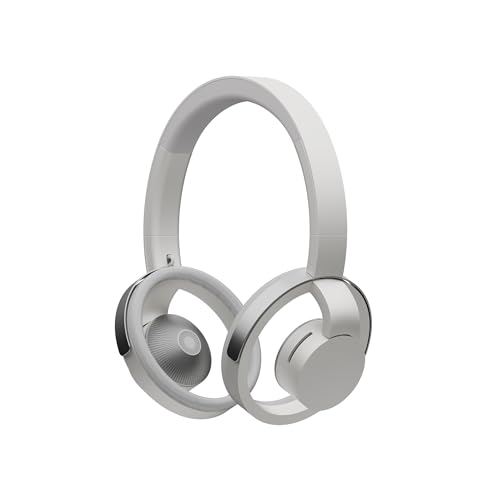
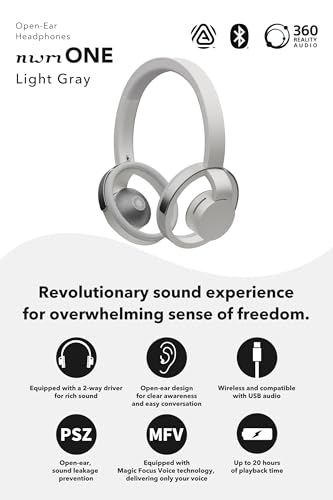
The nwm ONE belongs to a category that's still relatively new to most consumers: true open-ear headphones. Unlike bone conduction headphones that vibrate sound through your skull, or traditional headphones that cover your ears, open-ear designs use air conduction while leaving your ear canals completely unobstructed.
This isn't just a gimmick—it solves real problems. I've tested dozens of headphones over the years, and one consistent issue with traditional designs is the complete disconnect from your environment. Whether you're a parent who needs to hear their kids, a runner concerned about traffic safety, or someone who works from home and needs to catch delivery notifications, complete audio isolation can be problematic.
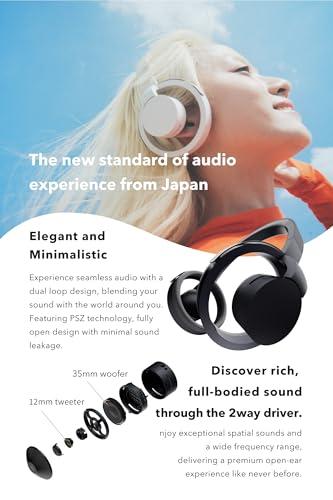
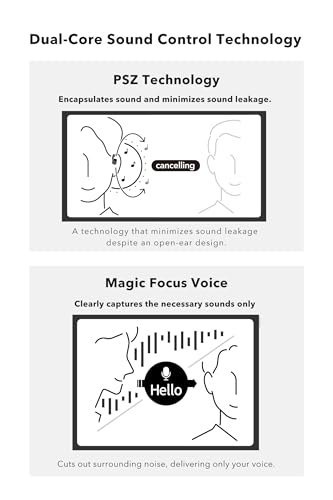
The nwm ONE uses something called PSZ (Personalized Sound Zone) technology—essentially, it creates a bubble of sound around your ears using inverse phase waves to cancel out audio that would normally leak to others nearby. Think of it like noise cancellation in reverse: instead of canceling outside noise coming in, it cancels your music going out.
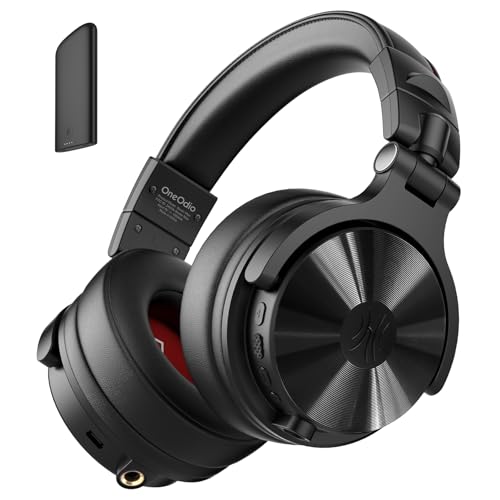
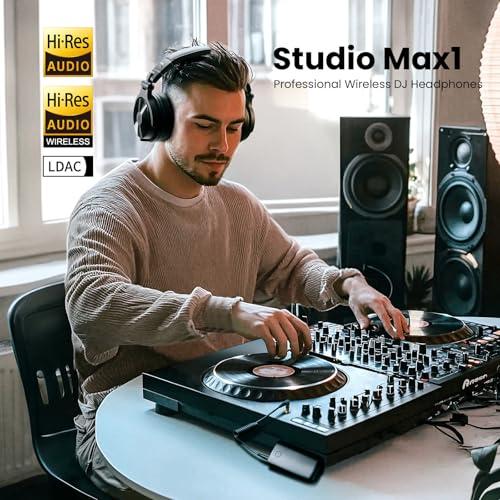
The Studio Max 1, launched in late 2024 with input from Italian DJ Arianna, takes the opposite approach. It's built on the premise that when you're working with audio professionally—or just want to completely immerse yourself in music—isolation is exactly what you want.
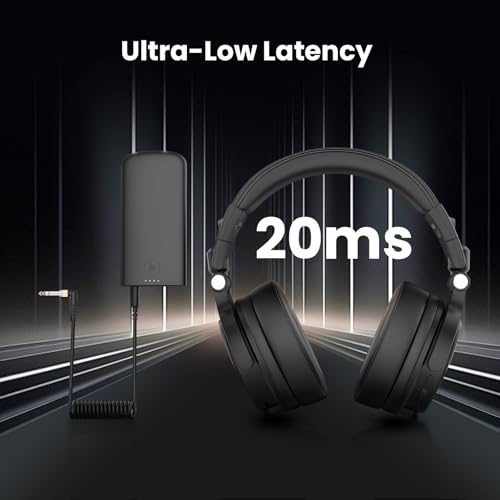
These headphones pack some seriously impressive technology under the hood. The standout feature is something called Rapid WILL+ technology, which achieves 20-millisecond latency. To put that in perspective, that's about 20 times faster than typical Bluetooth headphones. When you're beatmatching tracks as a DJ or playing rhythm games, that kind of real-time response is absolutely crucial.
The nwm ONE uses a fascinating dual-driver approach: a small 12mm tweeter handles mid and high frequencies, while a larger 35mm woofer takes care of bass. This might seem counterintuitive—why use two drivers when one could do the job? The answer lies in the open-ear design's challenges.
In traditional closed headphones, the sealed space around your ear helps reinforce bass frequencies. With open-ear designs, low frequencies tend to dissipate into the air. By dedicating a larger driver specifically to bass reproduction, the nwm ONE compensates for this physical limitation better than most open-ear competitors.
However, physics is still physics. While the dual-driver system produces surprisingly good bass for an open-ear design, it can't match the gut-punching low-end of closed headphones. During my testing with bass-heavy tracks like electronic music or hip-hop, the nwm ONE provides present but not overwhelming bass—which might actually be preferable if you're listening while trying to have conversations or stay aware of your surroundings.
The Studio Max 1 takes a more traditional approach with single 50mm neodymium drivers. Neodymium is a type of rare-earth magnet that's become the gold standard in headphone drivers because it can generate strong magnetic fields in a relatively small package. This translates to better control over the driver's movement and, ultimately, better sound quality.
At the time of writing, the Studio Max 1 is positioned in the mid-to-upper price range for DJ headphones, but its driver configuration and build quality suggest it's punching above its weight class in terms of raw audio hardware.
The nwm ONE aims for what audio engineers call a "balanced" sound signature. This means no frequency range dominates—highs, mids, and bass are all represented roughly equally. In practice, this creates a natural, speaker-like sound that's comfortable for long listening sessions and works well across different music genres.
The open-ear design contributes to an unusually spacious soundstage—the sense of where instruments and vocals are positioned in the stereo field. Since your ears aren't enclosed, your brain processes the audio more like it would from speakers in a room rather than drivers pressed against your head.
The Studio Max 1 deliberately emphasizes bass frequencies, which makes sense for its target audience. DJs need to feel the low-end to properly beatmatch tracks, and dance music genres rely heavily on sub-bass frequencies that might get lost in a more neutral tuning. However, this bass-forward approach can make the headphones sound muddy with acoustic music or podcasts, where clarity in the midrange is more important than thumping bass.
Here's where the nwm ONE does something genuinely revolutionary. Sound leakage—audio that escapes your headphones and bothers people nearby—has been the Achilles' heel of every open-ear design I've tested. Most bone conduction and open-ear headphones are basically tiny speakers pointed at your ears, and anyone within a few feet can hear your music clearly.
The PSZ technology in the nwm ONE uses that secondary 12mm driver not just for audio reproduction, but for phase cancellation. It analyzes the audio signal and produces an inverse wave pattern that effectively cancels out the sound waves traveling away from your ears. In my testing, I could listen at comfortable volumes in quiet library environments without disturbing others—something I've never been able to do with other open-ear designs.
The Studio Max 1 doesn't need to worry about leakage because its closed-back design naturally contains the audio. However, this complete isolation means you'll need to remove them to have any conversation or hear important sounds in your environment.
Both headphones support Bluetooth 5.3, which is the current standard offering improvements in power efficiency and connection stability compared to older Bluetooth versions. However, they diverge significantly in their approach to professional connectivity.
The nwm ONE keeps things straightforward with multipoint Bluetooth connectivity, meaning you can connect to multiple devices simultaneously—like your laptop and phone—and seamlessly switch between them. This is incredibly useful for people who need to take calls while listening to music or working.
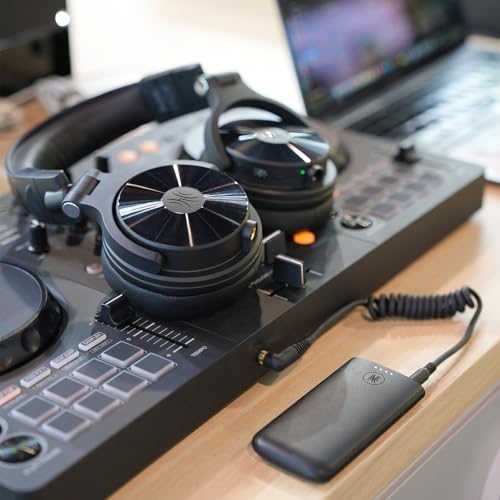
The Studio Max 1 is where things get interesting from a technical standpoint. Beyond standard Bluetooth, it includes a proprietary wireless system that achieves that 20ms latency I mentioned earlier. For context, regular Bluetooth typically has latency between 100-200 milliseconds. That might not sound like much, but when you're trying to sync audio with visual cues—whether that's DJ software, video editing, or gaming—even 100ms creates a noticeable and distracting delay.
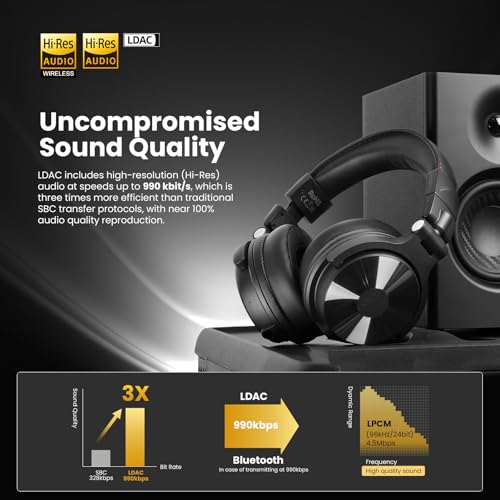
The headphones also support LDAC, Sony's high-resolution audio codec that can transmit much more audio data than standard Bluetooth. While the difference is subtle with compressed music from streaming services, it becomes noticeable with high-quality audio files or when using the headphones for professional audio work.
Here's where the Studio Max 1 absolutely dominates. With 120 hours of playback in Bluetooth mode and 50 hours using the low-latency wireless transmitter, these headphones offer battery life that's almost absurd by current standards. Most wireless headphones top out around 20-30 hours, making the Studio Max 1 a clear winner for anyone who travels frequently or doesn't want to worry about charging.
The nwm ONE offers a more typical 20 hours of playback, which is perfectly adequate for most users but hardly exceptional. Both headphones support quick charging—a few minutes plugged in gives you several hours of playback—but the Studio Max 1's extended battery life means you'll rarely need to use that feature.
From a practical standpoint, the Studio Max 1's battery life is particularly valuable for professional DJs who might be doing multi-day festivals or long wedding gigs without reliable access to charging stations.
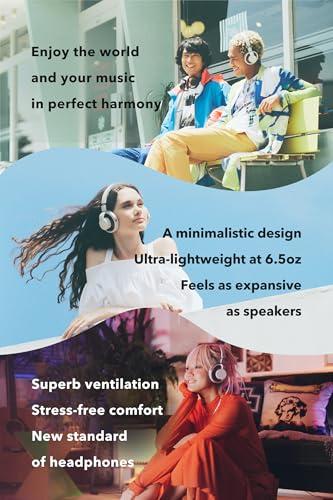
The weight difference between these headphones tells the story of their different design priorities. The nwm ONE weighs just 185 grams—light enough that you can genuinely forget you're wearing them after a few minutes. The over-ear design distributes weight evenly, and because your ears aren't sealed, you don't get the heat buildup that can make long listening sessions uncomfortable.
I've worn the nwm ONE during full workdays without any pressure points or fatigue. The open design also means they're compatible with glasses and hearing aids—something that can be problematic with traditional over-ear designs.
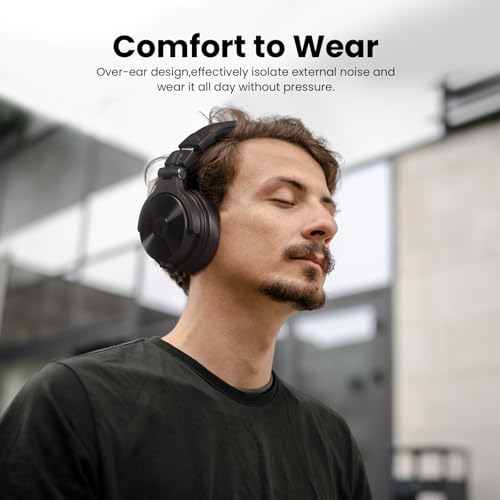
The Studio Max 1 is nearly twice as heavy at 350 grams, which puts it in line with other professional-grade headphones but makes all-day wear more challenging. The protein leather earpads provide good cushioning, and the adjustable headband distributes weight reasonably well, but extended sessions will definitely remind you that you're wearing substantial hardware.
However, that extra weight comes with benefits. The Studio Max 1's build quality feels more robust, and the rotating earcups are essential for DJ work—being able to lift one cup off your ear while keeping the other sealed for cueing is fundamental to DJ technique.
Both headphones excel at voice calls, but for different reasons. The nwm ONE uses Magic Focus Voice technology, which combines beamforming (focusing the microphone pickup pattern in a specific direction) with spectral filtering (removing background noise in specific frequency ranges). Because the design is open-ear, you can hear your own voice naturally, which prevents the weird feeling of talking into a tunnel that some sealed headphones create.
The Studio Max 1 uses dual-microphone ENC (Environmental Noise Cancellation), which is particularly effective in noisy environments like clubs or concert venues. However, the sealed design means you might find yourself talking louder than necessary because you can't hear your own voice clearly.
This is where the different philosophies really matter. The nwm ONE creates an interesting middle ground for home theater use. You get a personal audio experience without completely disconnecting from your environment—useful if you want to watch TV without bothering others but still need to hear the doorbell or respond to family members.
The open design also creates a more speaker-like soundstage that can feel more natural for movie watching than traditional headphones. However, the limited bass response means you'll miss some of the impact that makes action movies exciting.
The Studio Max 1 provides a more traditional headphone experience for home theater—complete isolation and impactful bass that makes explosions feel appropriately dramatic. The ultra-low latency also means perfect lip-sync, which is crucial for dialogue scenes. However, you're completely cut off from your environment, which might not work if you have family responsibilities.
After extensive testing with both headphones, I've found they excel in their intended domains but struggle when used outside their comfort zones.
Choose the nwm ONE if your priority is integration with daily life. These headphones shine for people who need to stay connected to their environment while enjoying personal audio. They're perfect for parents who need to monitor kids while listening to podcasts, commuters who want music but need to hear announcements, or office workers who want background music without appearing completely antisocial.
The sound quality is genuinely impressive for an open-ear design, though it can't match the impact and isolation of traditional headphones. At the time of writing, they're positioned as a premium product in the open-ear category, but the innovative PSZ technology and build quality justify the investment if the use case fits your lifestyle.
The Studio Max 1 makes sense if you have specific professional needs or want maximum versatility in a single pair of headphones. The ultra-low latency makes them genuinely useful for DJ work, gaming, or video editing. The exceptional battery life means they're great for travel or situations where charging access is limited.
However, they're overkill for casual listening, and the bass-heavy tuning might not appeal to listeners who prefer more balanced sound signatures. At the time of writing, they're competitively priced within the professional DJ headphone category, especially considering the advanced wireless technology and included accessories.
These headphones represent two valid but incompatible approaches to personal audio. The nwm ONE asks whether we really need to be isolated from the world to enjoy music, while the Studio Max 1 pushes the boundaries of what's possible when isolation and professional features are the priorities.
Neither is objectively better—they're solving different problems for different users. The nwm ONE succeeds brilliantly at making personal audio less antisocial and more compatible with an aware, connected lifestyle. The Studio Max 1 excels at providing professional-grade tools and the kind of immersive audio experience that makes you forget the outside world exists.
Choose based on whether you want to stay connected to your environment or escape from it entirely. Both approaches have merit, and both products execute their respective visions exceptionally well.
| nwm ONE Wireless Open-Ear Headphones | OneOdio Studio Max 1 Wireless DJ Headphones |
|---|---|
| Design Philosophy - Determines your entire listening experience | |
| Open-ear design leaves ears exposed for ambient awareness | Closed-back over-ear for complete sound isolation |
| Weight - Critical for all-day comfort | |
| 185g ultralight (forget you're wearing them) | 350g professional build (substantial but manageable) |
| Driver Configuration - Affects sound quality and bass response | |
| Dual-driver: 12mm tweeter + 35mm woofer | Single 50mm neodymium drivers |
| Frequency Response - Shows audio range capabilities | |
| 40Hz – 20,000Hz (limited bass due to open design) | 20Hz – 40,000Hz (Hi-Res Audio certified) |
| Sound Leakage Control - Essential for public use | |
| PSZ technology virtually eliminates leakage | No leakage concerns (closed-back design) |
| Wireless Latency - Critical for gaming and video | |
| Standard Bluetooth (~100-200ms) | Ultra-low 20ms with Rapid WILL+ technology |
| Audio Codecs - Determines wireless sound quality | |
| SBC, AAC, LC3 | SBC, AAC, LC3, LDAC (high-resolution) |
| Battery Life - Key for travel and extended use | |
| 20 hours (typical for premium headphones) | 120 hours Bluetooth / 50 hours low-latency (exceptional) |
| Professional Features - Important for content creators and DJs | |
| Consumer-focused with 360 Reality Audio | DJ-specific: rotating cups, multiple connection modes |
| Connectivity Options - Affects device compatibility | |
| Bluetooth 5.3 multipoint, USB-C audio | Bluetooth 5.3, proprietary wireless, 3.5mm, 6.35mm |
| Target Use Case - Helps determine best fit | |
| Lifestyle integration with ambient awareness | Professional DJ work and immersive listening |
| Environmental Awareness - Safety and social consideration | |
| Complete situational awareness maintained | Full isolation from surroundings |
| Call Quality Technology - Important for work-from-home users | |
| Magic Focus Voice with beamforming | Dual-mic ENC for noisy environments |
| Sound Signature - Affects music enjoyment | |
| Balanced, natural tuning | Bass-heavy, DJ-optimized tuning |
The nwm ONE Wireless Open-Ear Headphones are significantly better for daily commuting and general lifestyle use. Their open-ear design allows you to hear traffic, announcements, and conversations while still enjoying your music or podcasts. At just 185g, they're comfortable for all-day wear without the heat buildup or pressure that traditional headphones create. The OneOdio Studio Max 1 Wireless DJ Headphones completely isolate you from your environment, which isn't ideal for safety during commuting or when you need to stay aware of your surroundings.
The OneOdio Studio Max 1 delivers more impactful bass and overall volume due to its closed-back design and 50mm drivers, making it better for bass-heavy music genres. However, the nwm ONE offers a more balanced, natural sound signature with its dual-driver system, creating a speaker-like listening experience. The Studio Max 1 is tuned specifically for DJ use with emphasized low frequencies, while the nwm ONE prioritizes clarity across all frequency ranges.
The OneOdio Studio Max 1 Wireless DJ Headphones dominates in battery life with an exceptional 120 hours of playback in Bluetooth mode and 50 hours using the low-latency transmitter. This is about 6 times longer than the nwm ONE Wireless Open-Ear Headphones, which offers 20 hours of battery life. For users who travel frequently or don't want to worry about charging regularly, the Studio Max 1 is the clear winner.
Yes with the nwm ONE Wireless Open-Ear Headphones - this is their primary feature. The open-ear design leaves your ear canals completely unobstructed, allowing full awareness of your environment while still delivering private audio through advanced PSZ technology. The OneOdio Studio Max 1 provides complete sound isolation, blocking out all external noise, which is intentional for professional DJ monitoring but not ideal if you need environmental awareness.
The nwm ONE excels for calls and meetings due to its Magic Focus Voice technology and open-ear design. You can hear your own voice naturally, preventing the awkward loudness that occurs with sealed headphones. The beamforming technology focuses on your voice while filtering background noise. While the Studio Max 1 has dual-mic ENC for clear calls, the closed design makes it harder to monitor your own speaking volume during meetings.
The OneOdio Studio Max 1 is superior for gaming and video content due to its ultra-low 20ms latency with the Rapid WILL+ technology, ensuring perfect audio-video sync. The closed design also provides immersive audio isolation. The nwm ONE has standard Bluetooth latency which may cause slight audio delays in gaming or video playback, though this is less noticeable for music listening.
The nwm ONE Wireless Open-Ear Headphones wins for extended comfort due to their ultralight 185g weight and open design that prevents heat buildup and ear fatigue. Many users report forgetting they're wearing them during all-day use. The OneOdio Studio Max 1 at 350g is heavier and can cause fatigue during very long sessions, though the protein leather earpads provide good cushioning for typical 2-4 hour listening periods.
The OneOdio Studio Max 1 Wireless DJ Headphones is specifically designed for professional use with features like single-ear monitoring, multiple connection options (3.5mm, 6.35mm, wireless), Hi-Res Audio certification, and LDAC codec support. It's co-tuned by professional DJ Arianna for accurate monitoring. The nwm ONE is consumer-focused and lacks the professional connectivity and monitoring features needed for DJ work or audio production.
The Studio Max 1 provides complete sound isolation due to its closed-back design, blocking all external noise for immersive listening. The nwm ONE Wireless Open-Ear Headphones offers zero sound isolation by design - you'll hear all ambient sounds clearly. Choose the Studio Max 1 if you want to block out distractions, or the nwm ONE if you need to stay aware of your surroundings.
The nwm ONE uses revolutionary PSZ (Personalized Sound Zone) technology to minimize sound leakage despite the open-ear design, making your music virtually inaudible to others nearby. Traditional open-ear headphones leak significant audio, but the nwm ONE solves this problem. The OneOdio Studio Max 1 has no leakage concerns due to its closed-back construction, keeping your audio completely private.
For home theater use, the choice depends on your situation. The OneOdio Studio Max 1 provides cinematic immersion with impactful bass for action scenes and complete isolation for focused viewing. However, the nwm ONE Wireless Open-Ear Headphones offers a unique middle ground - personal audio without cutting you off from family members or important household sounds like doorbells. The open design creates a more natural, speaker-like soundstage that some prefer for movie dialogue.
The nwm ONE Wireless Open-Ear Headphones targets lifestyle users who want to integrate audio into their daily routine while staying connected to their environment - parents, commuters, office workers, and safety-conscious users. The OneOdio Studio Max 1 Wireless DJ Headphones is designed for audio professionals, DJs, serious enthusiasts, and users who prioritize maximum battery life and complete audio immersion over environmental awareness.
We've done our best to create useful and informative comparisons to help you decide what product to buy. Our research uses advanced automated methods to create this comparison and perfection is not possible - please contact us for corrections or questions. These are the sites we've researched in the creation of this article: gamerant.com - besttechradar.com - gamerant.com - tomsguide.com - newegg.com - youtube.com - head-fi.org - mumas.in - forum.headphones.com - soundguys.com - youtube.com - shop.imgacademy.com - us.nwm.global - us.nwm.global - thegadgetflow.com - seeyoutmrw.com - shop.imgacademy.com - techradar.com - youtube.com - oneodio.com - androidguys.com - audioxpress.com - versus.com - audioreviews.org - youtube.com - oneodio.com - youtube.com - thomannmusic.com - teqclub.com - youtube.com - homestudiobasics.com - youtube.com - youtube.com - homedjstudio.com - oneodio.com - enostech.com - oneodio.com - yourrightscount.com

Privacy Policy
Terms and Conditions - Affiliate Policy
Home Security
© Copyright 2008-2026.
11816 Inwood Rd #1211, Dallas, TX 75244