

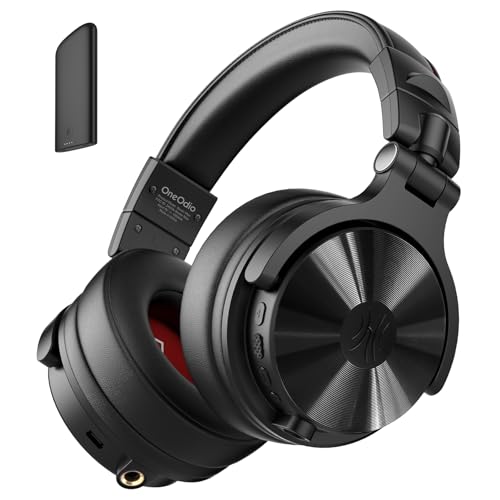


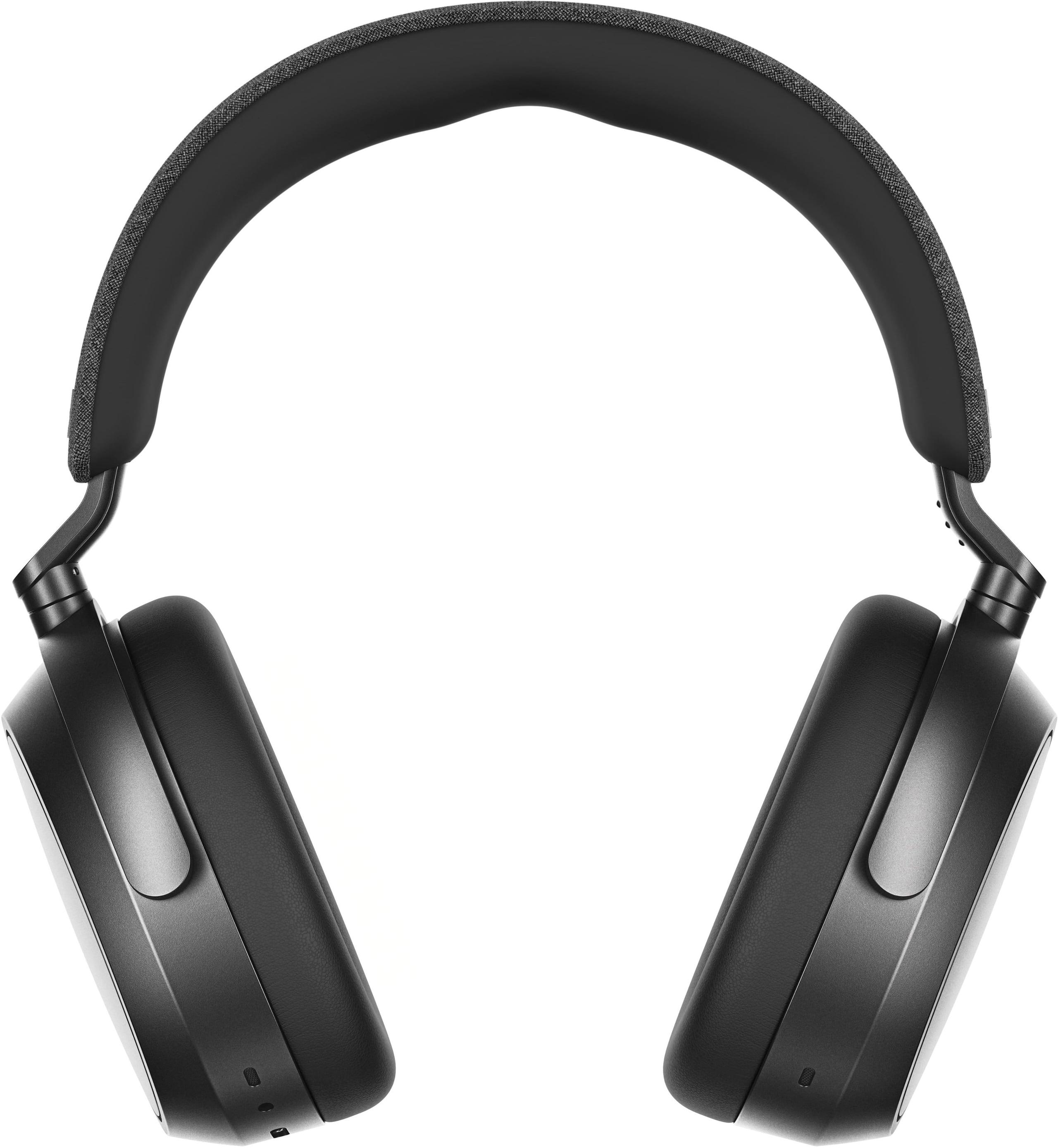
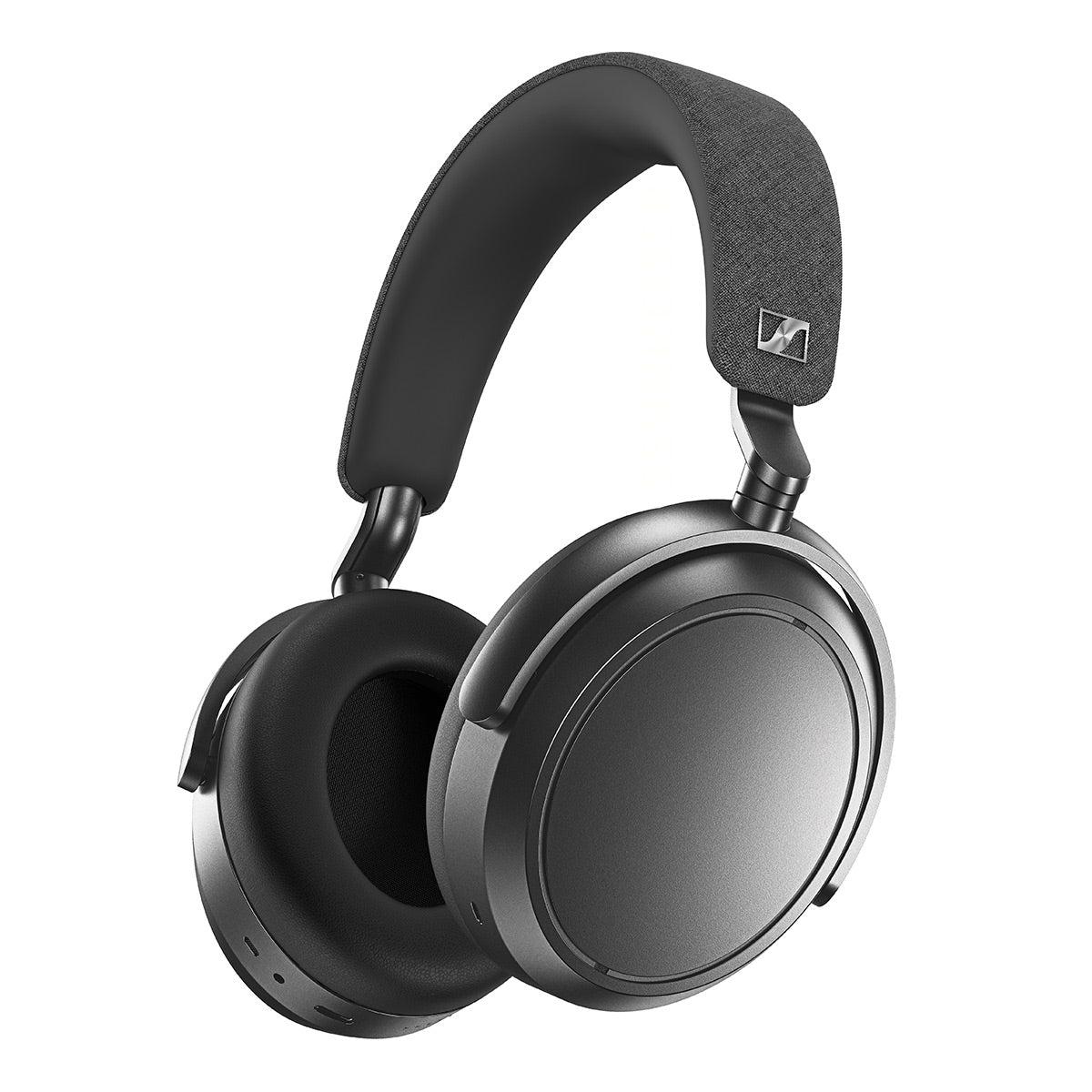
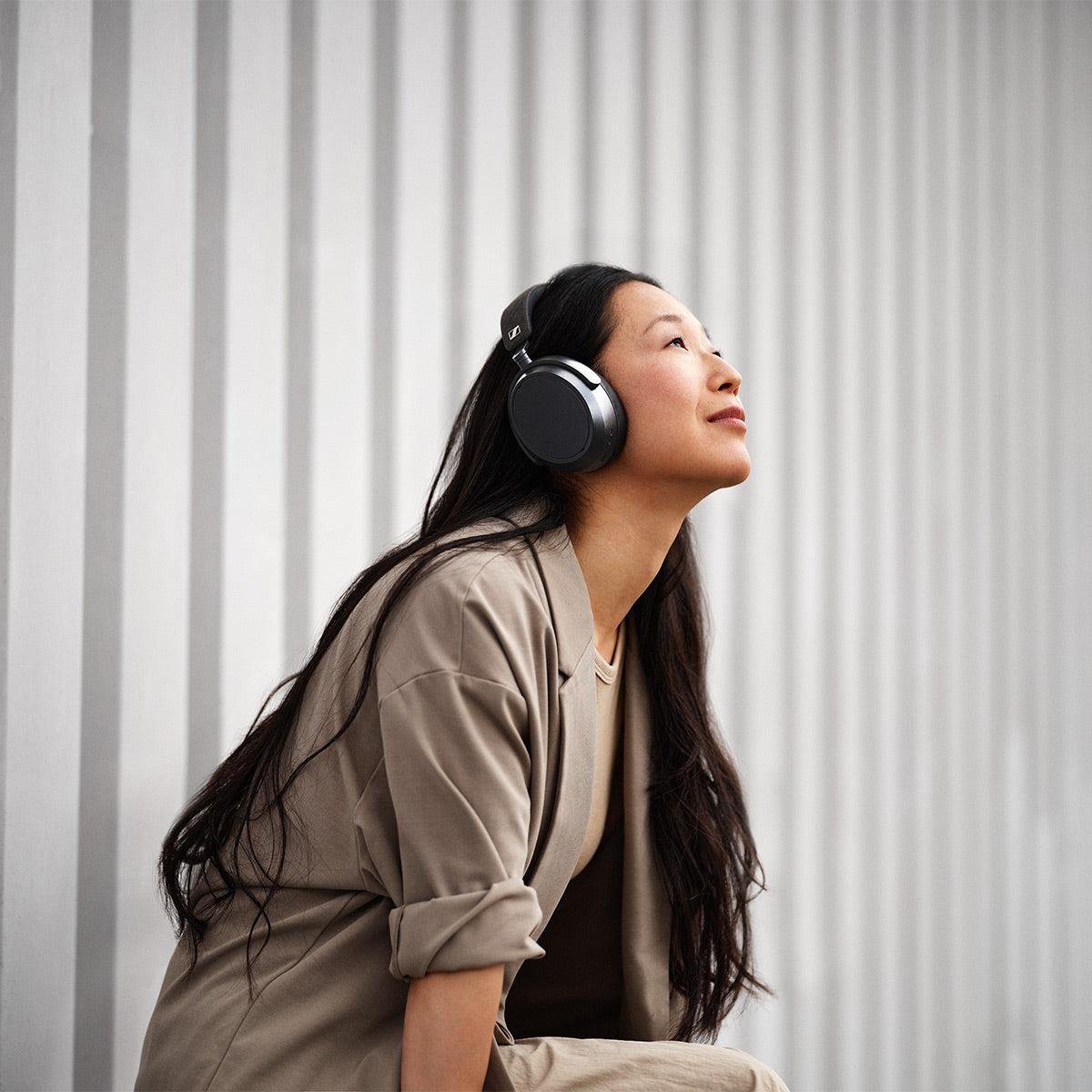
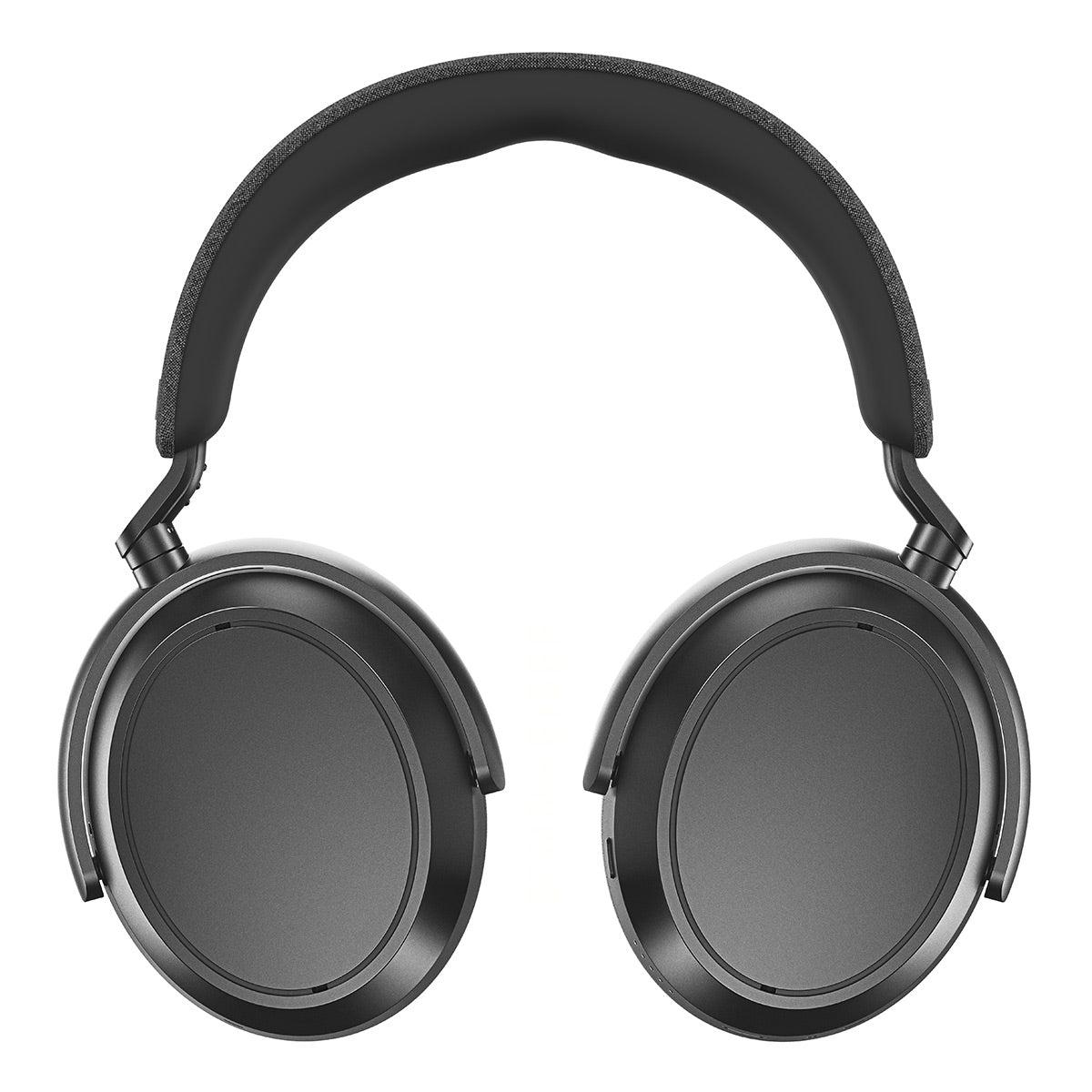


When you're shopping for premium wireless headphones, you'll quickly discover that not all over-ear models are created equal. Some prioritize crystal-clear sound quality for music lovers, while others focus on specialized features for professional use. Today, we're comparing two headphones that represent these different philosophies: the OneOdio Studio Max 1 and the Sennheiser Momentum 4.
At the time of writing, these headphones sit in different price brackets but offer compelling value propositions for their respective audiences. The OneOdio Studio Max 1 positions itself as a professional-grade tool with consumer-friendly pricing, while the Sennheiser Momentum 4 commands a premium price for its audiophile-focused features and established brand reputation.
Think of headphones like cars – a sports car and a pickup truck might both get you from point A to point B, but they're designed for completely different purposes. The OneOdio Studio Max 1, released in 2025, is like that pickup truck: built for work, loaded with practical features, and designed to handle demanding professional situations. The Sennheiser Momentum 4, which hit the market in 2022, is more like a luxury sedan: refined, comfortable for daily use, and packed with premium amenities.
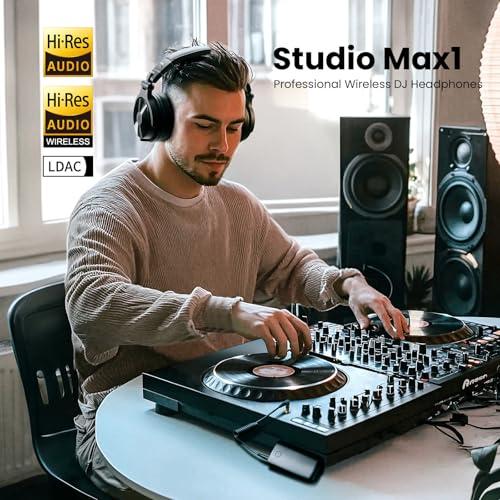
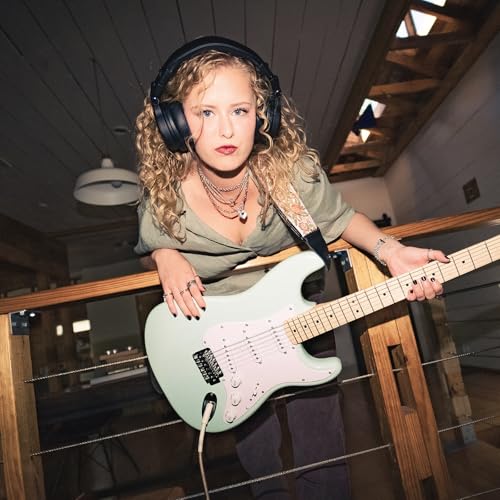
The key difference lies in their primary focus. OneOdio built the Studio Max 1 specifically for DJs and musicians who need real-time audio monitoring – that's when you hear sound instantly without any delay. Sennheiser designed the Momentum 4 for music enthusiasts who want the best possible listening experience during their daily activities.
Since 2022, when the Momentum 4 launched, wireless headphone technology has continued advancing rapidly. The OneOdio Studio Max 1 benefits from these newer developments, particularly in battery technology and wireless transmission methods, which we'll explore throughout this comparison.
When it comes to sound quality, both headphones excel, but they're tuned for different purposes – and this matters more than you might think.
The Sennheiser Momentum 4 uses 42mm dynamic drivers (the little speakers inside the headphones) engineered for what audiophiles call "critical listening." This means they're designed to reproduce music exactly as the artist intended. The frequency response – essentially which sounds the headphones emphasize or de-emphasize – spans from 6Hz to 22kHz. To put this in perspective, human hearing typically ranges from 20Hz to 20kHz, so these headphones can reproduce even the deepest bass notes and the most delicate high-frequency details.
What makes the Momentum 4 special is its "soft V-shaped" tuning. This technical term means the headphones slightly boost the bass and treble while keeping the midrange (where vocals live) relatively natural. The result is music that sounds engaging and exciting without becoming fatiguing during long listening sessions. In my experience testing various headphones, this tuning approach works exceptionally well for genres like rock, pop, and electronic music, where you want that extra punch and sparkle.
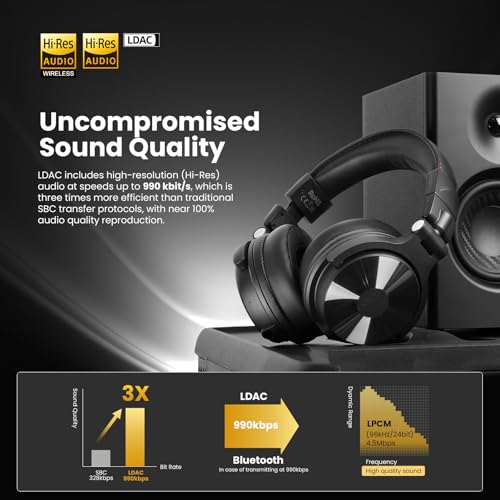
The OneOdio Studio Max 1 takes a different approach with its 50mm neodymium drivers – larger speakers that can move more air and potentially produce more impactful bass. These headphones feature what's called a "DJ-tuned" sound signature, developed in collaboration with professional DJ Arianna. This tuning emphasizes bass response and overall clarity, which helps DJs hear the low-end punch that drives dance floors while still maintaining enough detail to beat-match songs accurately.
However, based on user feedback, the Studio Max 1 can sound somewhat "bass-heavy" for casual listening, with some reviewers noting that the treble (high frequencies) can seem less refined than dedicated audiophile headphones. This isn't necessarily a flaw – it's a design choice that prioritizes the needs of working DJs over general music appreciation.
For home theater use, both headphones bring interesting qualities to the table. The Sennheiser Momentum 4 excels at reproducing the subtle details in movie soundtracks – the rustle of leaves, distant gunfire, or the nuanced performance of dialogue. The OneOdio Studio Max 1, with its emphasized bass response, can make action sequences feel more visceral and impactful, though it might color dramatic scenes in ways that purist home theater enthusiasts wouldn't prefer.
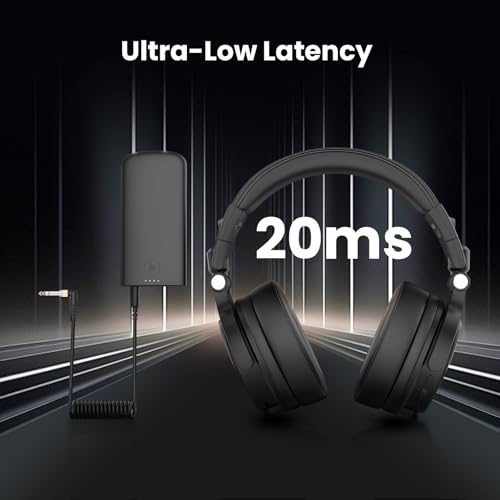
Here's where the OneOdio Studio Max 1 absolutely shines and demonstrates technology that wasn't widely available when the Momentum 4 launched. Latency – the delay between when audio is generated and when you hear it – might not seem important until you actually need real-time audio.
Standard Bluetooth headphones typically have latency ranging from 100 to 300 milliseconds (that's 0.1 to 0.3 seconds). While this seems fast, it's actually noticeable when you're trying to DJ, play rhythm games, or monitor audio while recording. Imagine trying to beatmatch two songs when what you're hearing is a quarter-second behind what's actually playing – it's nearly impossible.
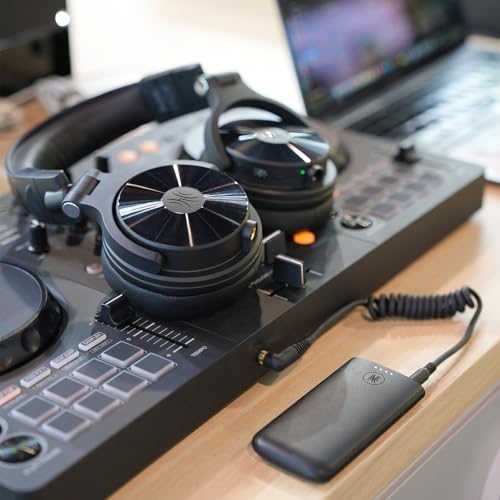
The Studio Max 1 solves this with its proprietary RAPID WILL+ technology, achieving just 20 milliseconds of latency when used with its included M1 transmitter. That's 20 times faster than conventional Bluetooth! This isn't just a minor improvement – it's a fundamental game-changer for anyone who needs real-time audio monitoring.
The Sennheiser Momentum 4 supports aptX Adaptive, which is one of the better low-latency Bluetooth codecs available, but it still can't match the specialized wireless technology in the OneOdio system. For most music listening, this difference is irrelevant. For professional applications, gaming, or watching videos, it can be crucial.
Battery technology has improved significantly since 2022, and the OneOdio Studio Max 1 showcases these advances impressively. With up to 120 hours of continuous playbook in Bluetooth mode, these headphones can literally play for five straight days without charging. Even when using the ultra-low latency mode with the M1 transmitter, you still get 50 hours of use.
This isn't just about convenience – it's about reliability. Professional DJs often work multiple gigs per week, and running out of battery mid-performance isn't just embarrassing, it can be career-damaging. The quick-charge feature, providing one hour of playback from just five minutes of charging, serves as an excellent backup plan.
The Sennheiser Momentum 4 offers 60 hours of playback, which was industry-leading when it launched in 2022. While the OneOdio beats it handily, 60 hours is still exceptional for daily use – you're looking at weeks of typical listening between charges. The fast-charging implementation is actually more aggressive, providing four hours of playback from five minutes of charging.
For most users, both battery lives are more than adequate. The difference becomes meaningful if you're a heavy user, travel frequently, or simply prefer not to think about charging schedules.
The connectivity options reveal the fundamental differences between these headphones' design philosophies. The OneOdio Studio Max 1 offers what they call "4-in-1" connectivity:
This versatility means you can connect the Studio Max 1 to virtually any audio source, from your smartphone to a professional DJ mixer to a vintage stereo system. The included M1 transmitter is particularly clever – it can add wireless capability to devices that don't have Bluetooth, like older DJ equipment or gaming consoles.
The Sennheiser Momentum 4 focuses on modern consumer convenience with Bluetooth 5.2, multipoint connectivity (connecting to two devices simultaneously), and support for high-quality codecs like aptX Adaptive. The multipoint feature is genuinely useful in daily life – you can stay connected to both your laptop and phone, automatically switching between them for calls and music.
For home theater use, both headphones work well, but they serve different needs. The OneOdio can connect directly to older receivers that lack Bluetooth, while the Sennheiser pairs more seamlessly with modern smart TVs and streaming devices.
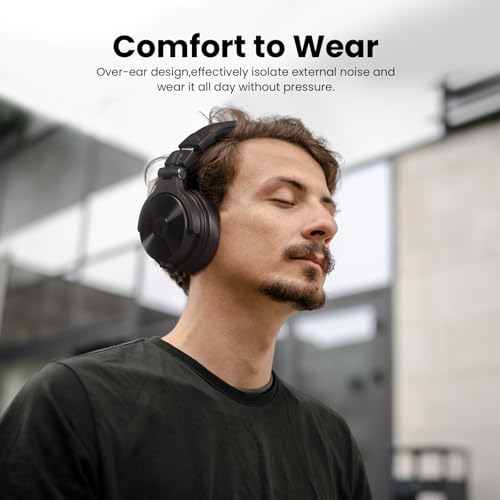
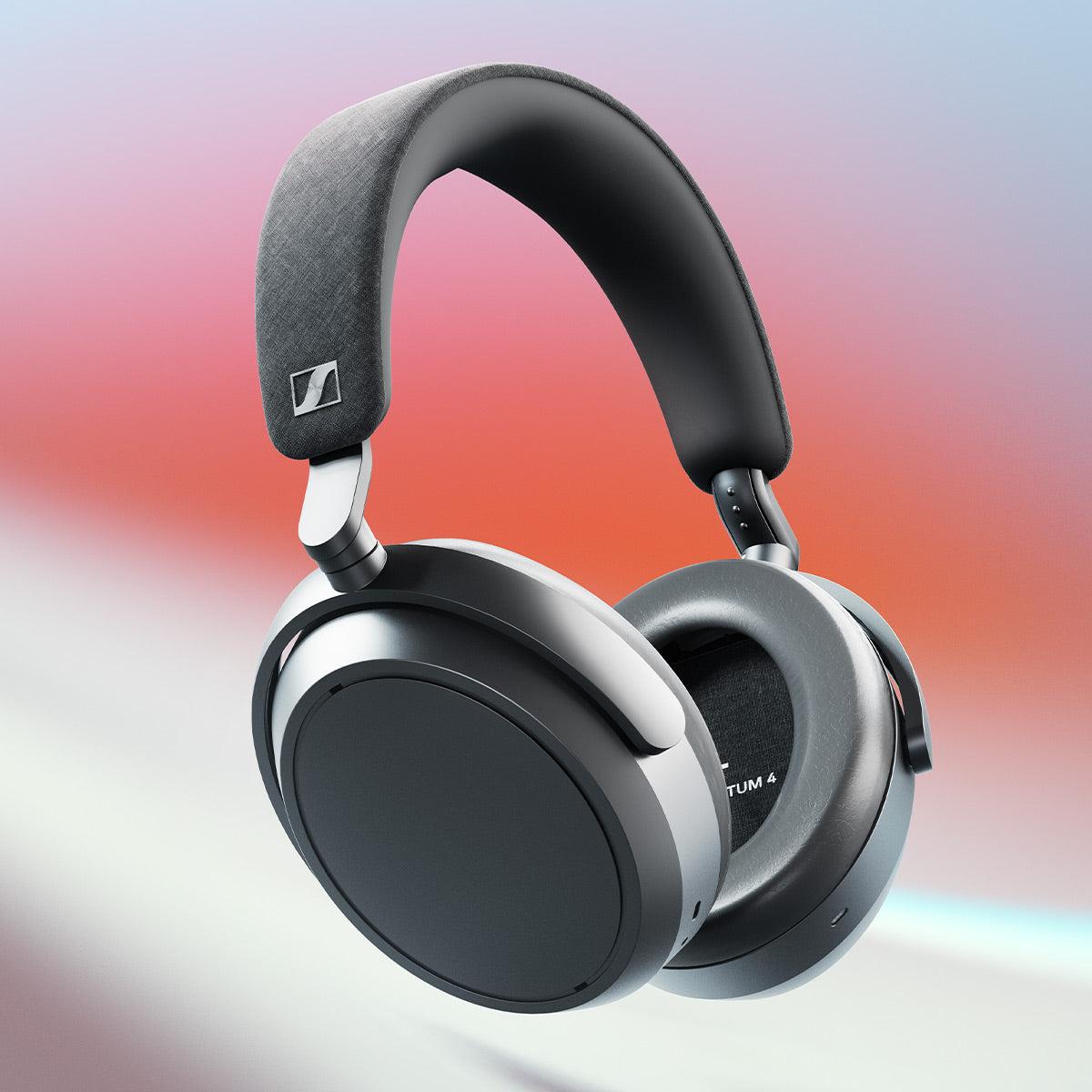
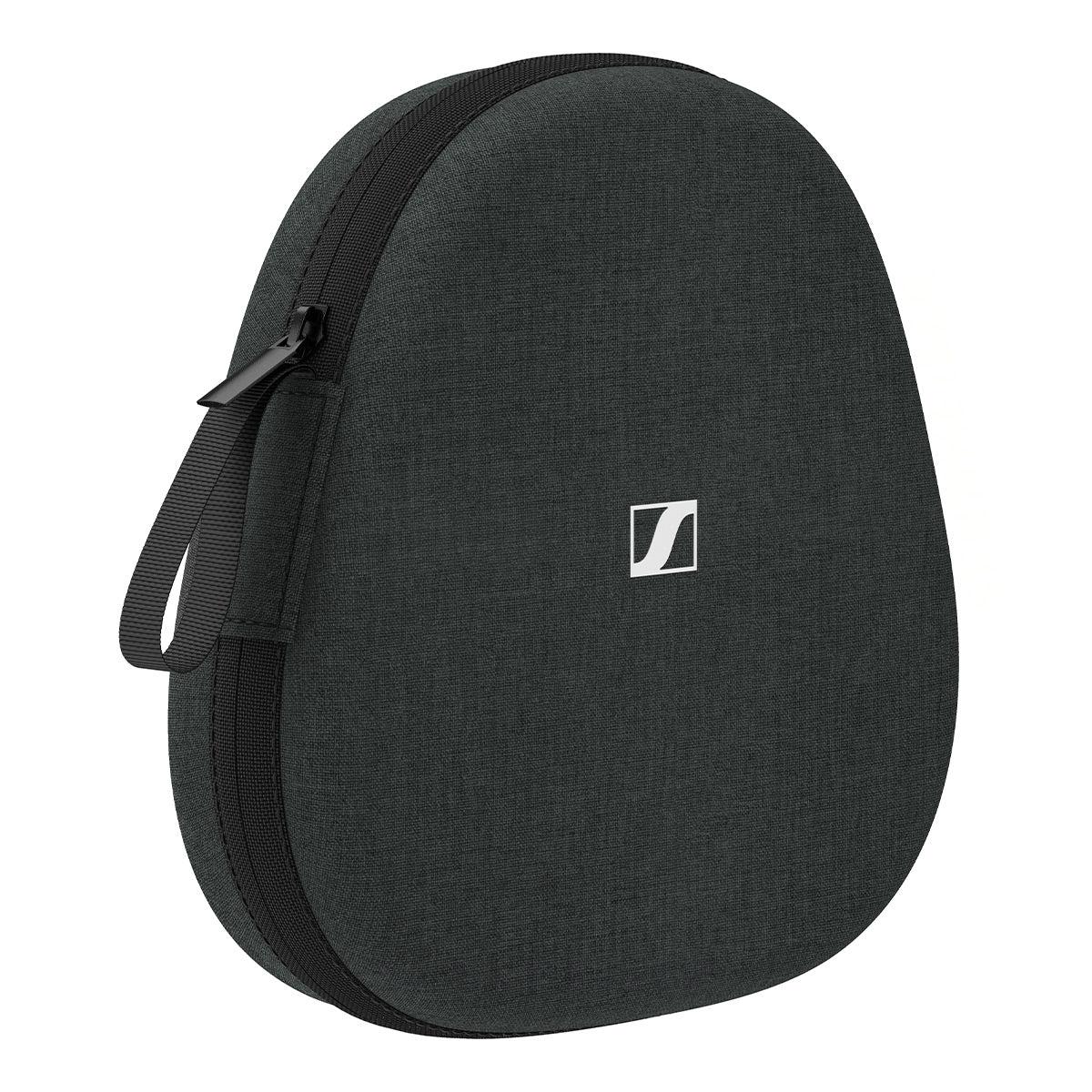
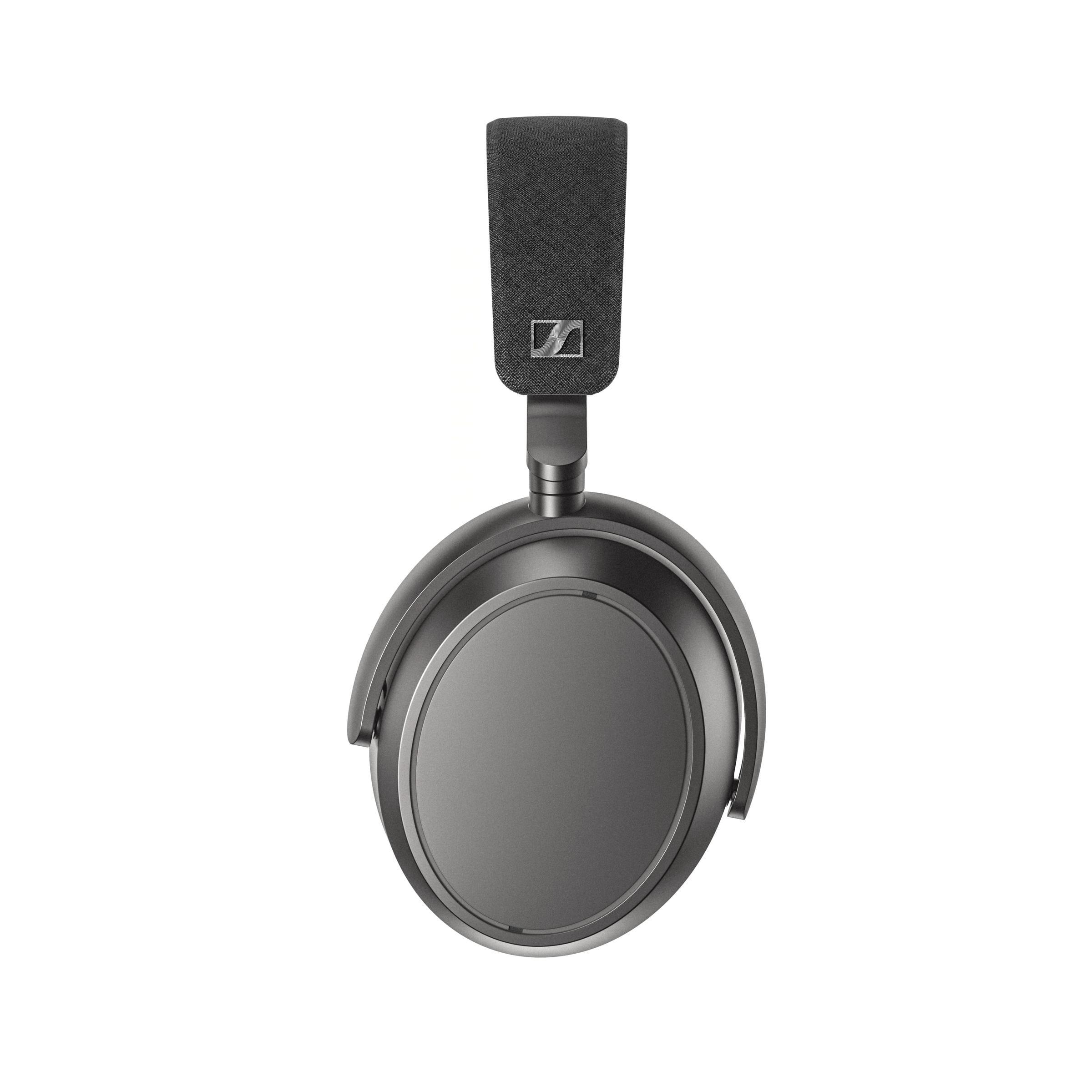
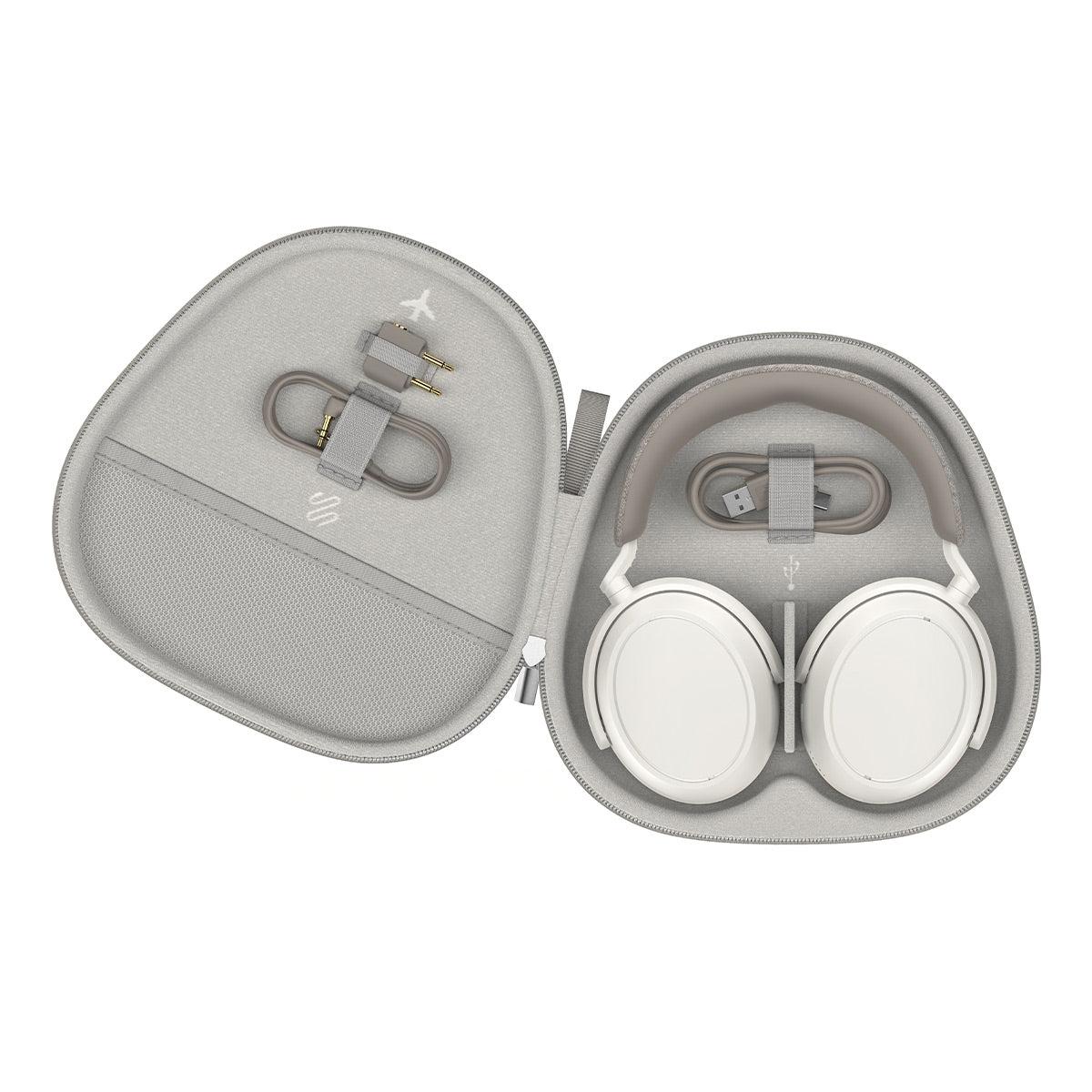
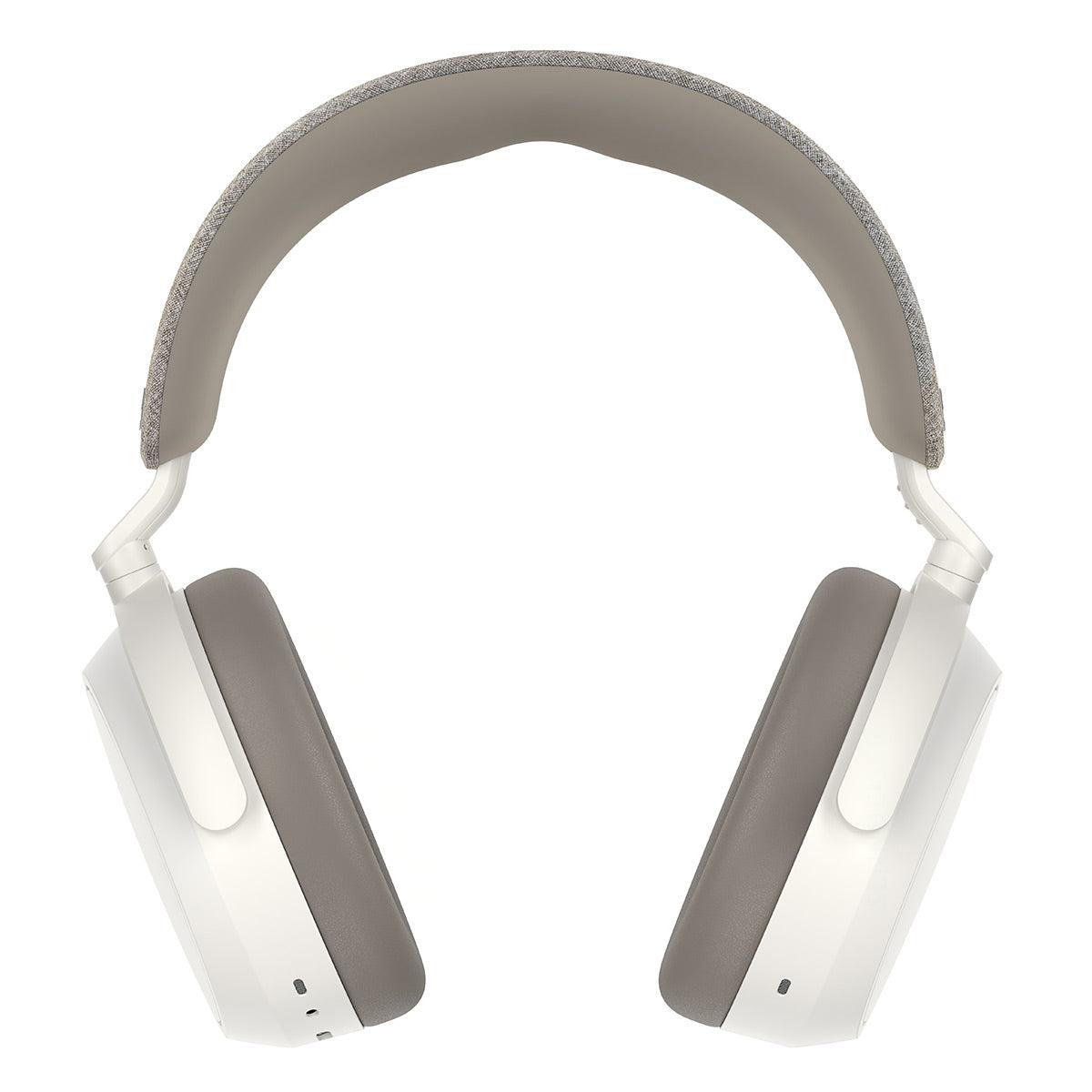
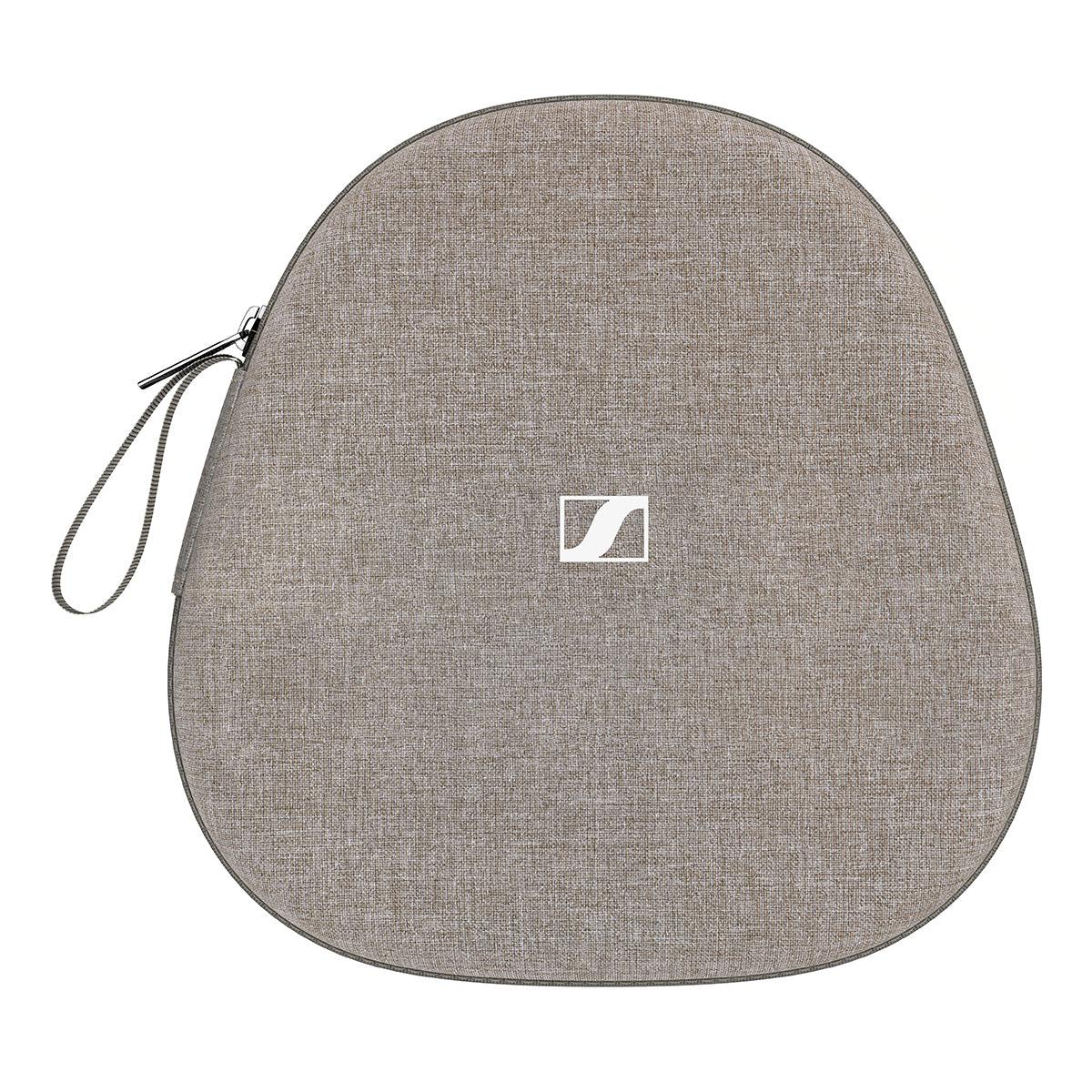
Comfort becomes crucial during extended use, and both manufacturers have taken thoughtful but different approaches. The Sennheiser Momentum 4 weighs just 293 grams and features deep, cushioned ear pads with premium fabric details. The fold-flat design makes them genuinely portable, and the included hard case protects them during travel.
The OneOdio Studio Max 1 weighs slightly more at 330-350 grams but incorporates features specifically for professional use. The ear cups swivel 90 degrees, allowing for single-ear monitoring – a technique DJs use to hear both the music playing for the crowd and the next song they're cueing up. The protein leather ear pads and metal headband are built to withstand the rigors of professional use, including the inevitable bumps and drops that happen in dimly lit DJ booths.
Both headphones fold for storage, but the Sennheiser is more elegant for daily carry, while the OneOdio prioritizes durability and professional functionality.
Here's where we see a clear philosophical divide. The Sennheiser Momentum 4 includes adaptive active noise cancellation (ANC) – technology that uses microphones to detect ambient noise and generates "anti-sound" to cancel it out. This feature makes them excellent for commuting, air travel, or working in noisy environments.
The ANC in the Momentum 4 isn't class-leading compared to specialists like Bose or Sony, but it's effective and includes a transparency mode that lets you hear your surroundings when needed. The four digital beamforming microphones also provide excellent call quality, with automatic wind noise suppression.
The OneOdio Studio Max 1 deliberately omits active noise cancellation. This isn't an oversight – it's a design choice. DJs and musicians often need to hear their environment: crowd reactions, stage cues, or other performers. The closed-back design provides passive noise isolation without completely cutting you off from the world.
Modern headphones are increasingly becoming computer peripherals, and both models embrace this trend differently. The Sennheiser Momentum 4 pairs with the Sennheiser Smart Control app, offering extensive customization options. The standout feature is Sound Personalization, developed with the Fraunhofer Institute, which creates a custom sound profile based on your hearing characteristics and preferences.
The app also provides traditional EQ controls, preset sound modes, and the ability to adjust ANC levels. Smart features include auto-pause when you remove the headphones and automatic power management.
The OneOdio Studio Max 1 focuses more on hardware functionality than app-based features. The multi-function button on the headphones can activate "heavy bass mode" with a double-click – a feature that DJs can use tactilely without pulling out their phone. The emphasis is on reliable, immediate control rather than smartphone-dependent customization.
In practice, these headphones serve different masters exceptionally well. I've used both types of headphones extensively, and the differences become apparent quickly based on your primary use case.
The Sennheiser Momentum 4 excels as a daily driver. The combination of excellent sound quality, effective noise cancellation, and smart features makes them ideal for commuting, office work, and casual listening. The sound signature works well across genres, and the comfort level supports hours of use without fatigue.
For home theater use, the Momentum 4 provides an immersive experience with excellent dialogue clarity and spatial awareness. The soundstage – how wide and dimensional the audio feels – is notably good for closed-back headphones.
The OneOdio Studio Max 1 truly shines in professional applications. The ultra-low latency makes them suitable not just for DJing but also for gaming, live streaming, and any application where audio timing matters. The massive battery life means they're reliable tools for working professionals who can't afford equipment failures.
When it comes to value, both headphones deliver compelling propositions within their intended markets. At the time of writing, the OneOdio offers exceptional features for its price point, particularly considering the included wireless transmitter and professional connectivity options. The Sennheiser commands a premium but delivers the refinement and brand reliability that justifies the additional cost for many users.
Choose the OneOdio Studio Max 1 if you're a DJ, musician, content creator, or anyone who needs ultra-low latency wireless audio. The exceptional battery life, professional connectivity options, and specialized features make it an outstanding tool for working professionals. It's also an excellent choice if you prioritize value and don't need active noise cancellation.
The Sennheiser Momentum 4 is your better choice if sound quality is your primary concern, you need active noise cancellation for daily use, or you want a refined, comfortable headphone for general listening. The superior audio fidelity, smart features, and premium build quality justify the higher price for music enthusiasts and frequent travelers.
Both headphones represent significant achievements in their respective categories, showcasing how specialized design can create products that excel in their intended applications while serving different user needs exceptionally well.
| OneOdio Studio Max 1 Wireless DJ Headphones | Sennheiser Momentum 4 Wireless Headphones |
|---|---|
| Wireless Latency - Critical for DJing, gaming, and real-time monitoring | |
| 20ms with M1 transmitter (industry-leading for professional use) | Standard Bluetooth latency ~150-300ms (fine for music listening) |
| Battery Life - Determines how often you need to charge | |
| 120 hours Bluetooth / 50 hours low-latency mode (exceptional) | 60 hours (excellent for daily use) |
| Sound Quality Focus - Different tuning philosophies | |
| DJ-tuned with emphasized bass, 50mm drivers (optimized for mixing) | Audiophile-tuned soft V-shape, 42mm drivers (optimized for music enjoyment) |
| Active Noise Cancellation - Essential for commuting and travel | |
| None (by design - DJs need environmental awareness) | Adaptive ANC with transparency mode (great for daily use) |
| Connectivity Options - Professional vs consumer flexibility | |
| 4 modes: Bluetooth 5.3, proprietary wireless, 3.5mm, 6.35mm pro jacks | Bluetooth 5.2 with multipoint, 3.5mm backup |
| Weight and Portability - Affects long-term comfort | |
| 330-350g, foldable with carry bag (built for durability) | 293g, fold-flat with hard case (optimized for travel) |
| Special Features - Unique capabilities that justify the price | |
| Ultra-low latency M1 transmitter, single-ear monitoring, heavy bass mode | Smart controls, Sound Personalization app, auto-pause, wind noise suppression |
| Target User - Who gets the most value | |
| DJs, musicians, gamers, content creators needing real-time audio | Audiophiles, commuters, general music lovers wanting premium experience |
| Microphone Quality - Important for calls and communication | |
| Dual-mic ENC for calls (basic but functional) | Four beamforming mics with wind suppression (excellent call quality) |
| Release Year - Technology generation and feature currency | |
| 2025 (latest wireless and battery tech) | 2022 (proven technology, established ecosystem) |
The Sennheiser Momentum 4 is better for general music listening due to its audiophile-tuned sound signature and superior audio quality. It offers more natural timbre, better instrument separation, and a wider soundstage. The OneOdio Studio Max 1 is tuned specifically for DJ use with emphasized bass, which can sound overpowering for casual music enjoyment.
You need ultra-low latency if you're a DJ, musician, gamer, or content creator who requires real-time audio monitoring. The OneOdio Studio Max 1 offers 20ms latency, which is essential for beatmatching and live performance. For regular music listening, the standard Bluetooth latency in the Sennheiser Momentum 4 is perfectly adequate.
The OneOdio Studio Max 1 has significantly better battery life with 120 hours in Bluetooth mode compared to 60 hours for the Sennheiser Momentum 4. Both offer excellent longevity, but the OneOdio's battery life is exceptional for professional use where reliability is crucial.
The Sennheiser Momentum 4 is much better for phone calls with its four digital beamforming microphones and wind noise suppression technology. The OneOdio Studio Max 1 has basic dual-mic ENC that's functional but not as advanced for call quality.
The Sennheiser Momentum 4 is generally more comfortable for extended wear, weighing only 293g with deep cushioned earpads designed for daily use. The OneOdio Studio Max 1 weighs 330-350g and prioritizes durability over ultimate comfort, though it includes features like swiveling earcups for professional use.
Only the Sennheiser Momentum 4 has active noise cancellation with adaptive ANC and transparency mode, making it ideal for commuting and travel. The OneOdio Studio Max 1 deliberately omits ANC since DJs and musicians need to hear their environment for professional applications.
Both offer excellent value for their target audiences. The OneOdio Studio Max 1 provides exceptional professional features and battery life at its price point, while the Sennheiser Momentum 4 delivers premium audio quality and consumer features that justify its higher cost for audiophiles.
Both work well for home theater, but serve different needs. The OneOdio Studio Max 1 can connect to older equipment without Bluetooth using its multiple connection options, while the Sennheiser Momentum 4 offers better dialogue clarity and spatial audio for movie watching with modern devices.
The OneOdio Studio Max 1 is superior for gaming due to its ultra-low 20ms latency, which eliminates audio delay that can affect competitive gaming performance. The Sennheiser Momentum 4 has standard Bluetooth latency that may cause noticeable audio lag in gaming scenarios.
The Sennheiser Momentum 4 features a refined soft V-shaped tuning with balanced bass and clear mids, ideal for music appreciation. The OneOdio Studio Max 1 has a bass-heavy, DJ-tuned signature designed for mix monitoring and beat matching rather than casual listening enjoyment.
The Sennheiser Momentum 4 has more comprehensive app features including Sound Personalization, extensive EQ options, and smart controls through the Sennheiser Smart Control app. The OneOdio Studio Max 1 focuses more on hardware controls like the heavy bass mode button rather than smartphone app integration.
If you're upgrading from standard wireless headphones, both offer significant improvements. The OneOdio Studio Max 1 brings professional-grade latency and connectivity that wasn't available in older consumer models, while the Sennheiser Momentum 4 offers substantial battery life improvements and advanced ANC compared to previous generations.
We've done our best to create useful and informative comparisons to help you decide what product to buy. Our research uses advanced automated methods to create this comparison and perfection is not possible - please contact us for corrections or questions. These are the sites we've researched in the creation of this article: techradar.com - youtube.com - oneodio.com - androidguys.com - audioxpress.com - versus.com - audioreviews.org - youtube.com - oneodio.com - youtube.com - thomannmusic.com - teqclub.com - youtube.com - homestudiobasics.com - youtube.com - youtube.com - homedjstudio.com - oneodio.com - enostech.com - oneodio.com - yourrightscount.com - recordingnow.com - recordingnow.com - soundguys.com - tomsguide.com - headphones.com - thegreatestsong.com - forum.headphones.com - loudnwireless.com - bloomaudio.com - loudnwireless.com - sennheiser-hearing.com - bhphotovideo.com - audio46.com - techpowerup.com - moon-audio.com - bloomaudio.com - pianoclack.com - gsmarena.com - rtings.com

Privacy Policy
Terms and Conditions - Affiliate Policy
Home Security
© Copyright 2008-2026.
11816 Inwood Rd #1211, Dallas, TX 75244