

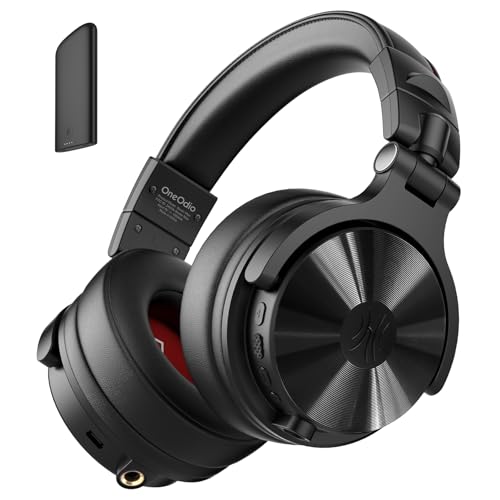






When you're shopping for wireless headphones, you might stumble across two products that look similar but serve completely different purposes. The OneOdio Studio Max 1 and Sony WH-1000XM4 are both over-ear wireless headphones, but they represent fundamentally different philosophies in audio design. Understanding these differences can save you from making an expensive mistake.
The headphone market has evolved dramatically over the past decade, branching into specialized categories that serve distinct user needs. The OneOdio Studio Max 1, released in 2023, represents the newer wave of professional-grade wireless headphones designed specifically for DJs and music producers. Meanwhile, the Sony WH-1000XM4, launched in 2020, established itself as the gold standard for premium consumer wireless headphones.
What makes this comparison interesting is that both products excel in completely different areas. Think of it like comparing a professional camera to a smartphone camera – both take pictures, but they're built for different users with different priorities.
The key considerations when choosing between these categories include audio quality and tuning philosophy, connectivity flexibility, battery performance, noise management approaches, comfort during extended use, and specialized features for your intended use case.
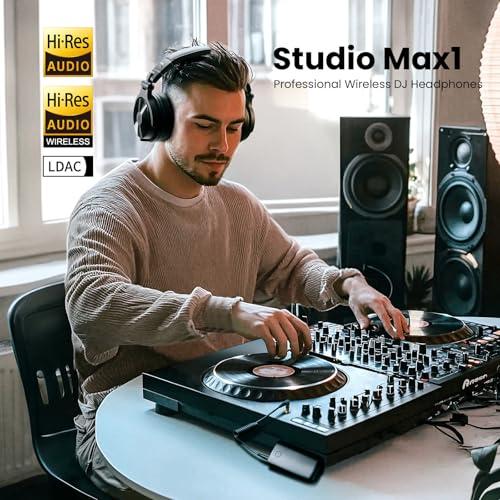
The OneOdio Studio Max 1 was built from the ground up for professional DJs, musicians, and content creators. When you're mixing tracks live or monitoring audio in a studio, you need features that most consumers never think about. You need to hear exactly what's happening in your mix without any delay, switch between different audio sources quickly, and work for hours without your headphones dying.
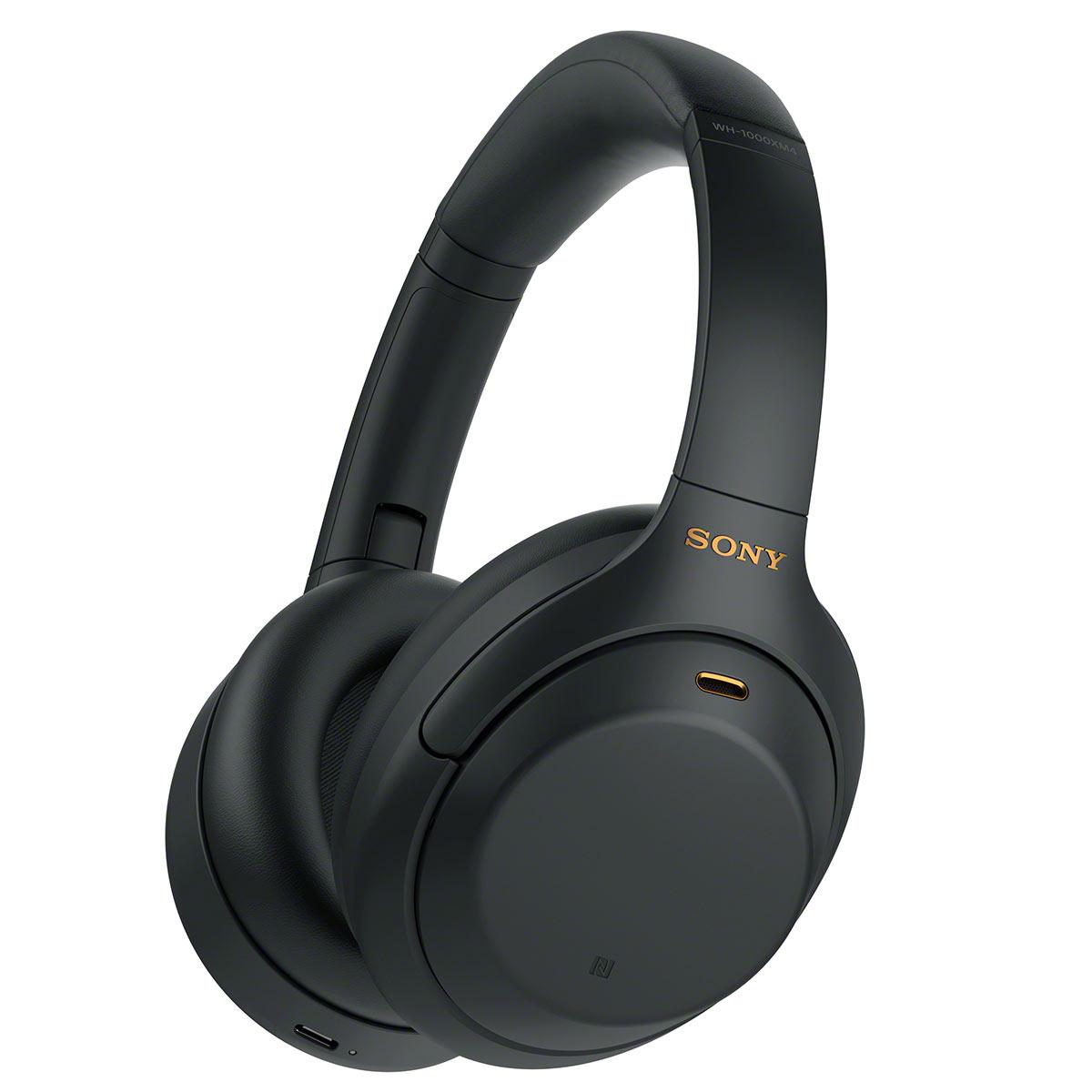
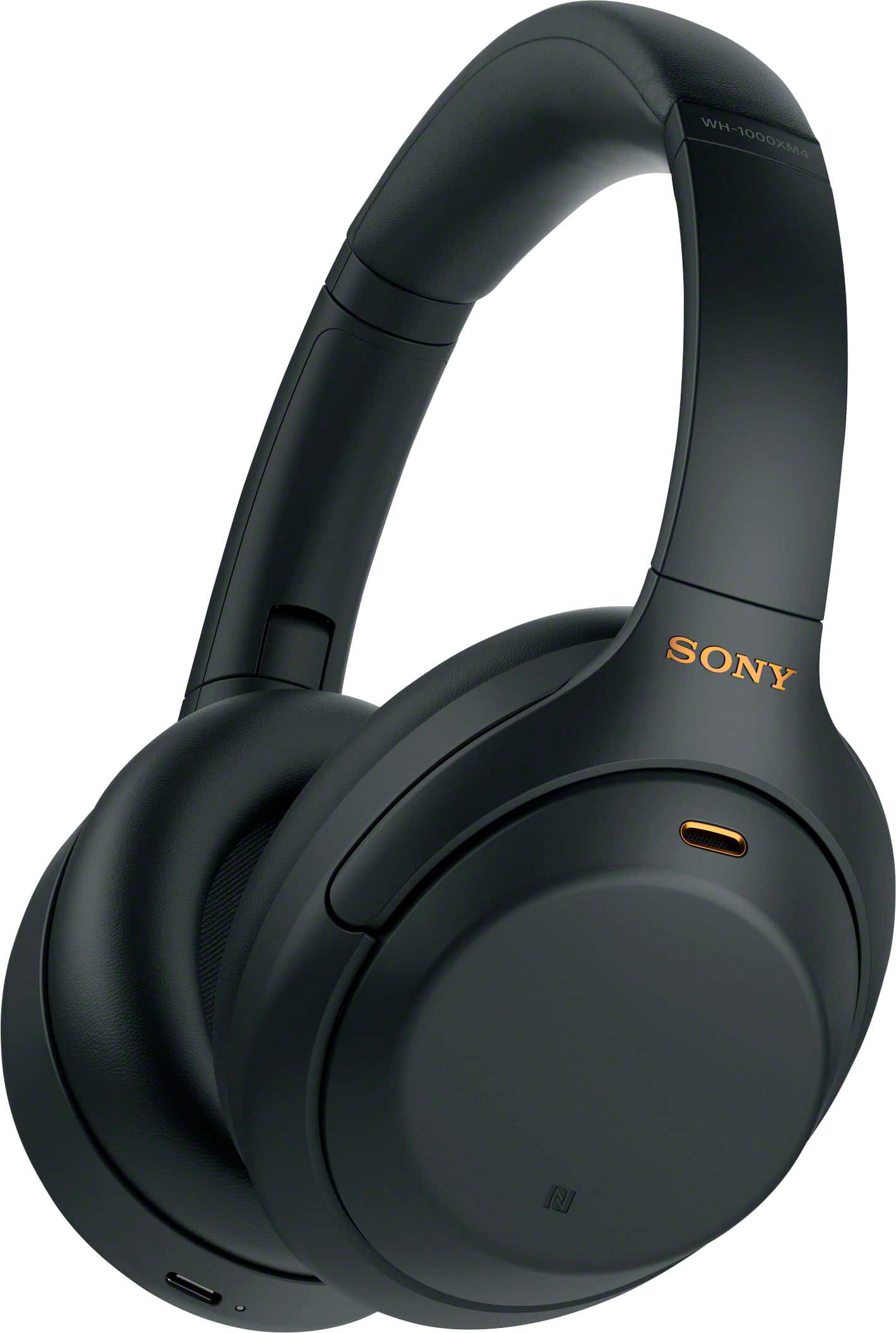
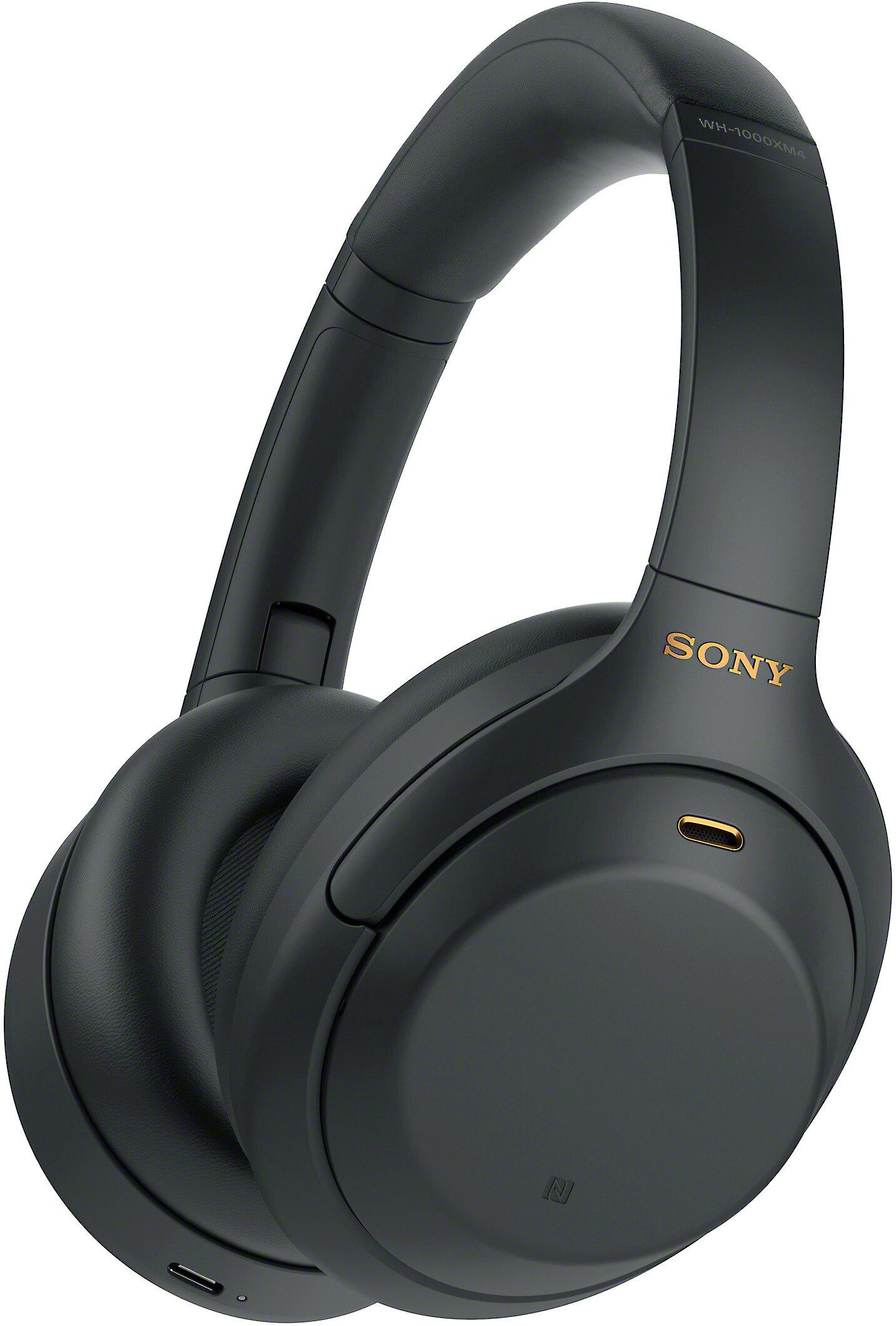
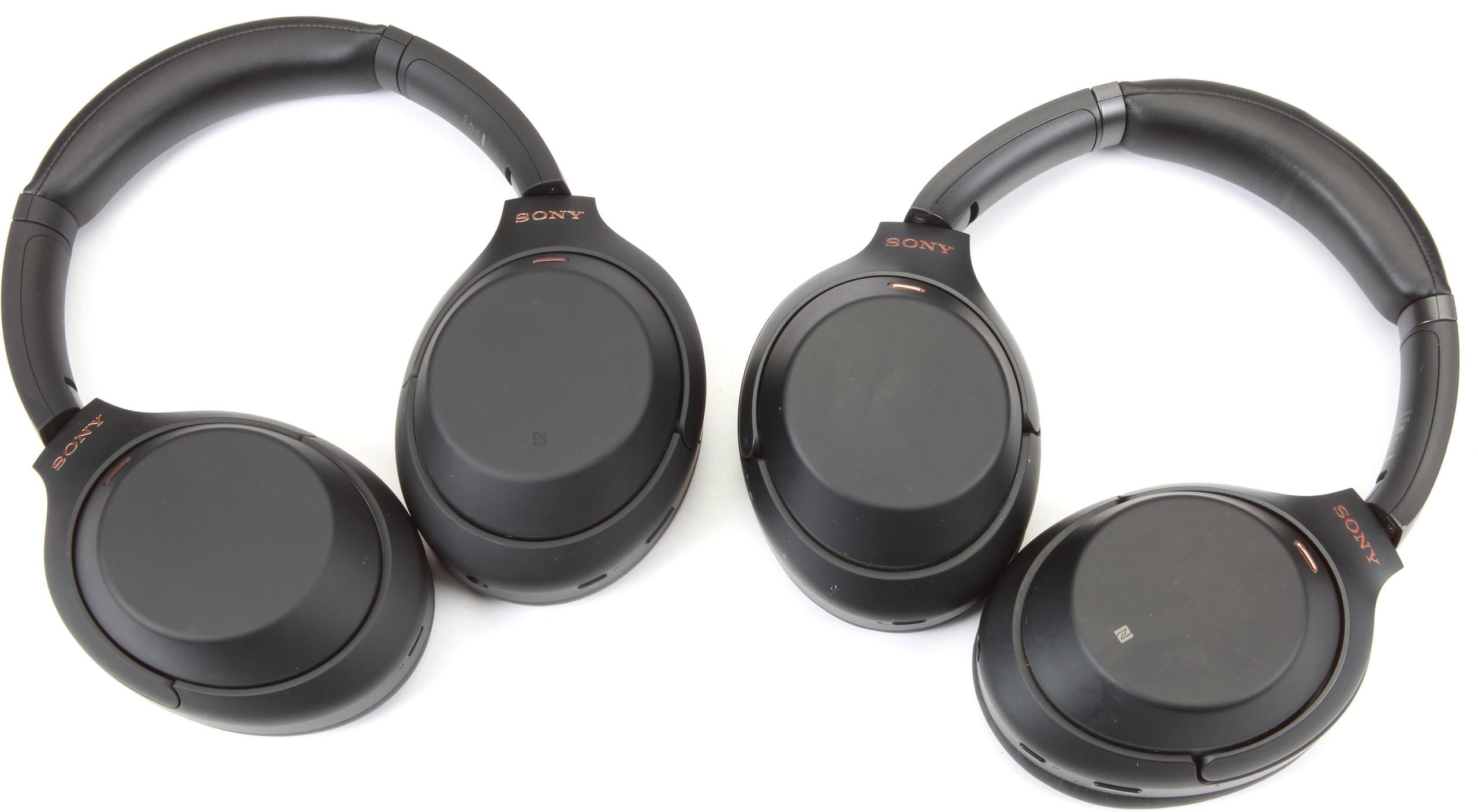
The Sony WH-1000XM4, on the other hand, was designed for the premium consumer market. Sony focused on creating the best possible experience for travelers, office workers, and music lovers who want exceptional sound quality with smart features that adapt to their daily routines. These are the headphones you'd wear on a long flight or during a focused work session.
One of the biggest differences between these headphones lies in how they connect to your devices. The OneOdio Studio Max 1 offers four different connection modes, which might sound excessive until you understand why each matters.
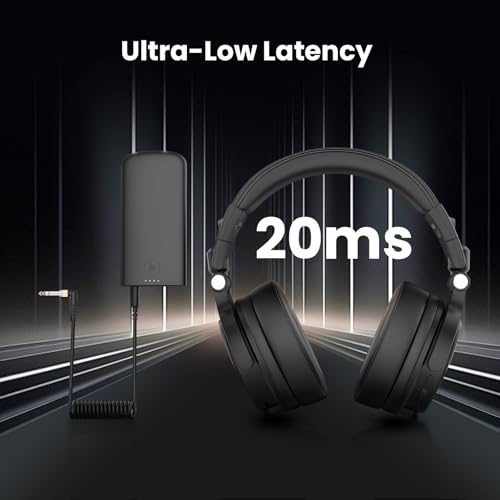
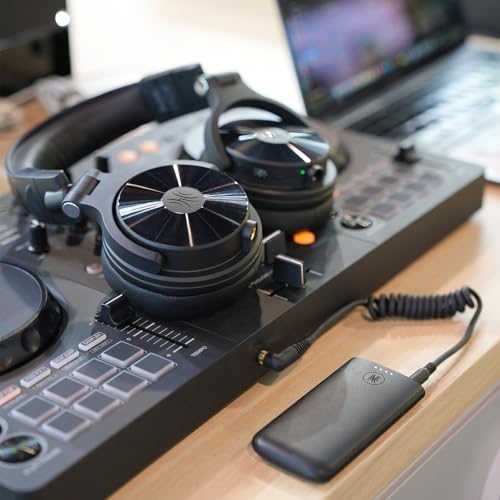
The standout feature is OneOdio's proprietary Rapid WiLL+ technology, which delivers ultra-low latency of just 20 milliseconds when used with the included M1 transmitter. Latency is the delay between when audio is sent from your device and when you hear it in your headphones. For most people watching Netflix, a 100-200 millisecond delay isn't noticeable because your brain syncs up the audio and video. But for a DJ trying to beat-match two songs, even 50 milliseconds of delay can throw off the entire mix.
This ultra-low latency mode transforms the OneOdio Studio Max 1 into something closer to a wired connection while maintaining wireless freedom. The M1 transmitter also solves another professional problem – many DJ mixers and audio interfaces don't have Bluetooth built-in. The transmitter plugs into any audio source via 3.5mm or USB, instantly adding wireless capability to professional equipment.
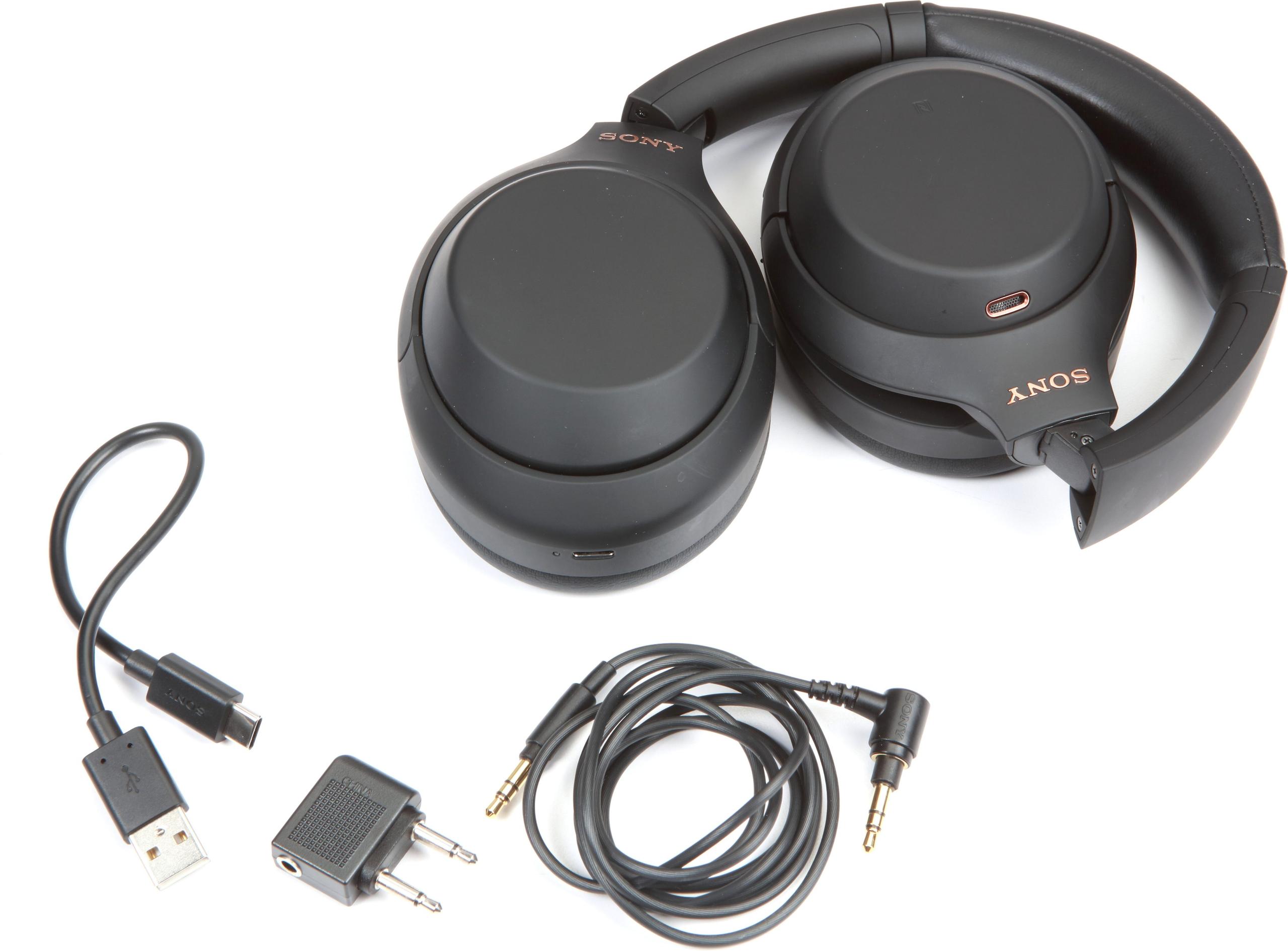
The headphones also include both 3.5mm and 6.35mm (quarter-inch) wired connections. That quarter-inch jack is standard on professional audio equipment, so you can plug directly into mixing boards, audio interfaces, or studio monitors without needing adapters.
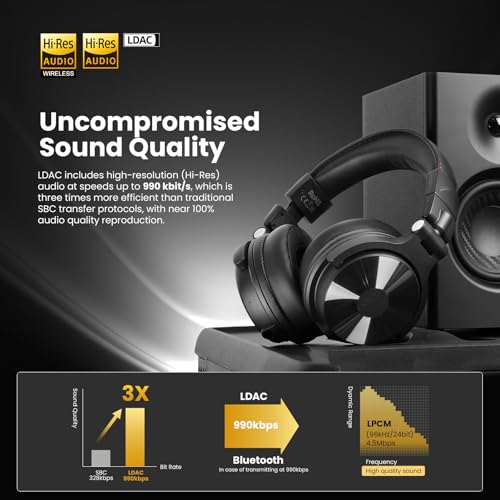
The Sony WH-1000XM4 takes a different approach, focusing on making Bluetooth as good as possible for everyday use. Sony's implementation of LDAC codec support is particularly impressive – this technology transmits about three times more audio data than standard Bluetooth, getting you closer to CD-quality sound over wireless. The headphones also support multipoint connectivity, letting you connect to two devices simultaneously. You can be listening to music on your laptop and seamlessly take a call from your phone without manually switching connections.
Battery performance reveals another fundamental difference in design philosophy. The OneOdio Studio Max 1 delivers an almost ridiculous 120 hours of playback in standard Bluetooth mode. Even when using the ultra-low latency M1 transmitter, you still get 50 hours of use. This isn't just about convenience – it's about professional reliability. When you're DJing a wedding or producing music in a studio, your headphones dying mid-session isn't just inconvenient, it's potentially catastrophic.
The quick-charge feature provides one hour of playback from just five minutes of charging, which can be a lifesaver during brief breaks. This marathon battery life comes from OneOdio's focus on efficiency over premium features like active noise cancellation, which consumes significant power.
The Sony WH-1000XM4 offers a more typical but still excellent 30 hours of battery life with active noise cancellation enabled. Sony's approach prioritizes consistent daily use rather than extreme endurance. The 10-minute quick charge providing five hours of playback is actually more generous than OneOdio's ratio, reflecting Sony's focus on user convenience.
At the time of writing, both battery performances are excellent compared to most competitors, but they serve different use cases. The OneOdio's extreme endurance matters most to professionals who can't predict when they'll next have charging access, while Sony's balance of longevity and features suits regular daily use patterns.
This is where the different design philosophies become most apparent. The OneOdio Studio Max 1 uses a bass-heavy, energetic tuning that's specifically optimized for DJ monitoring and mixing. The sound signature emphasizes punch and energy over subtle detail retrieval. This tuning helps DJs feel the rhythm and identify mix points, but it can sound "crunchy" or fatiguing for casual music listening.
The frequency response spans 20Hz to 40kHz, and the headphones are Hi-Res Audio certified, meaning they can technically reproduce high-resolution audio files. However, reviews consistently note that the treble (high-frequency) reproduction is weak, which can obscure fine details in music. The sound improves noticeably when used in wired mode, suggesting that the wireless processing prioritizes low latency over audio refinement.
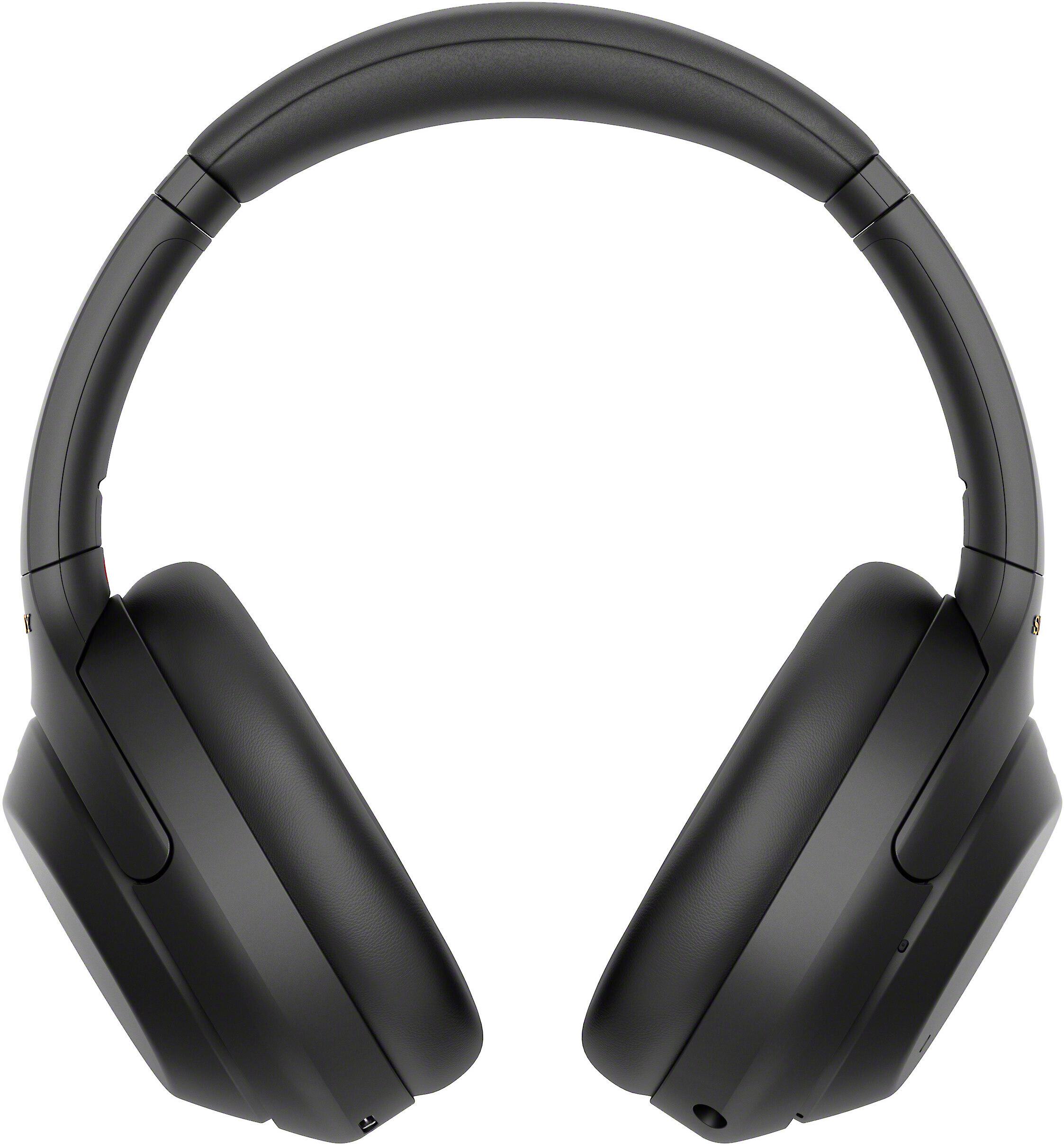
The Sony WH-1000XM4 represents four generations of refinement in consumer headphone tuning. Sony has developed a more balanced, neutral sound signature with subtle warmth that works well across different music genres. The 40mm drivers use Liquid Crystal Polymer diaphragms, which are lighter and more rigid than typical materials, allowing for better control and less distortion.
Sony's DSEE Extreme technology deserves special mention – it uses artificial intelligence to upscale compressed music files in real-time. When you're streaming from Spotify or Apple Music, the AI analyzes the music and attempts to restore high-frequency information that was lost during compression. While it can't perform miracles, it does make a noticeable improvement with heavily compressed audio.
The soundstage – how spacious and three-dimensional the music sounds – is noticeably wider on the Sony WH-1000XM4. The OneOdio presents a more intimate, "in your head" sound that works well for monitoring but can feel claustrophobic for leisurely listening.
The OneOdio Studio Max 1 relies entirely on passive noise isolation – the physical blocking of sound by the earpads and closed-back design. This approach works reasonably well and doesn't drain battery, but it can't compete with active systems for blocking consistent low-frequency noise like airplane engines or air conditioning.
For DJs, this passive approach actually has advantages. You need some environmental awareness to interact with crowds and respond to venue acoustics. Complete isolation can be counterproductive in live performance situations.
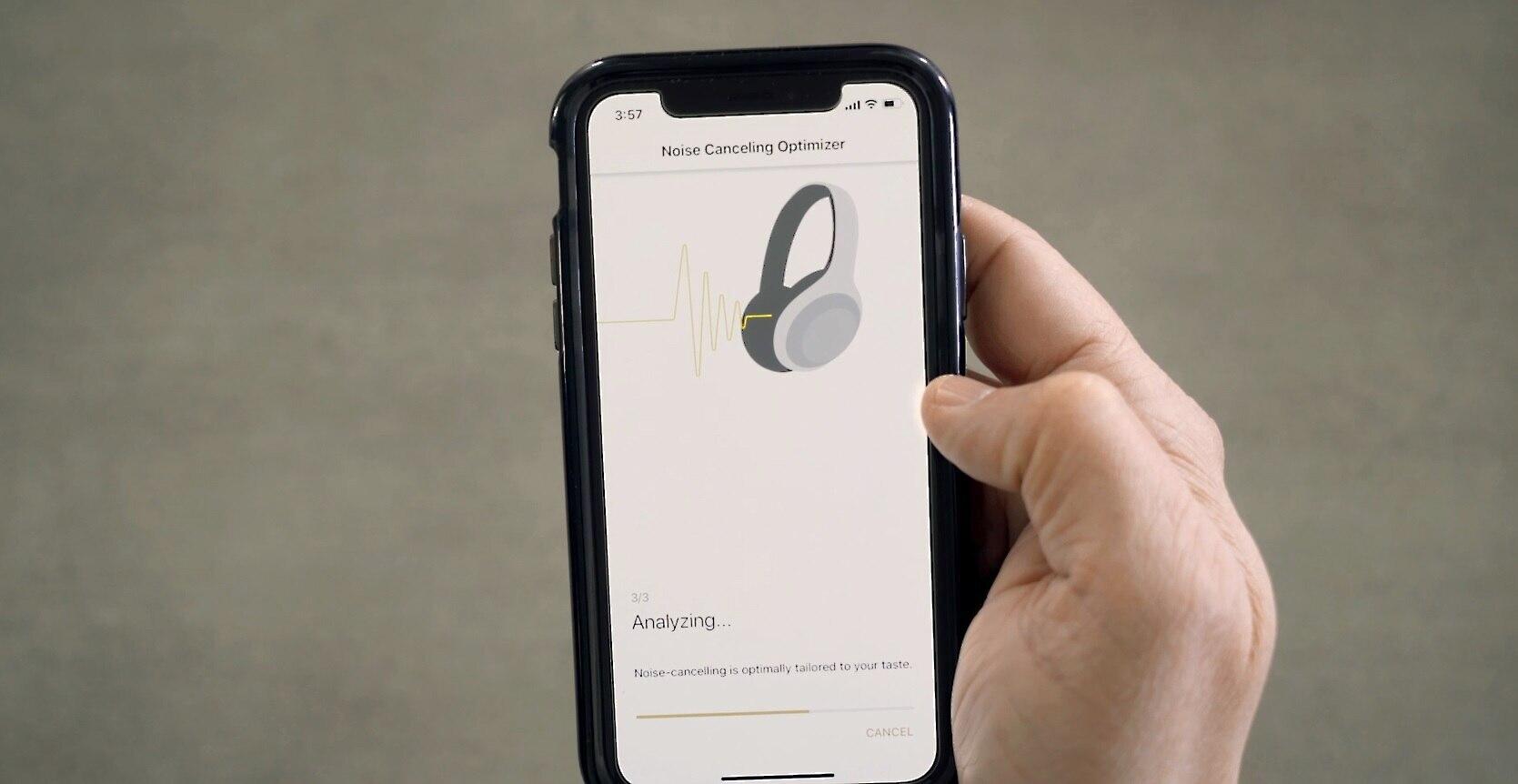
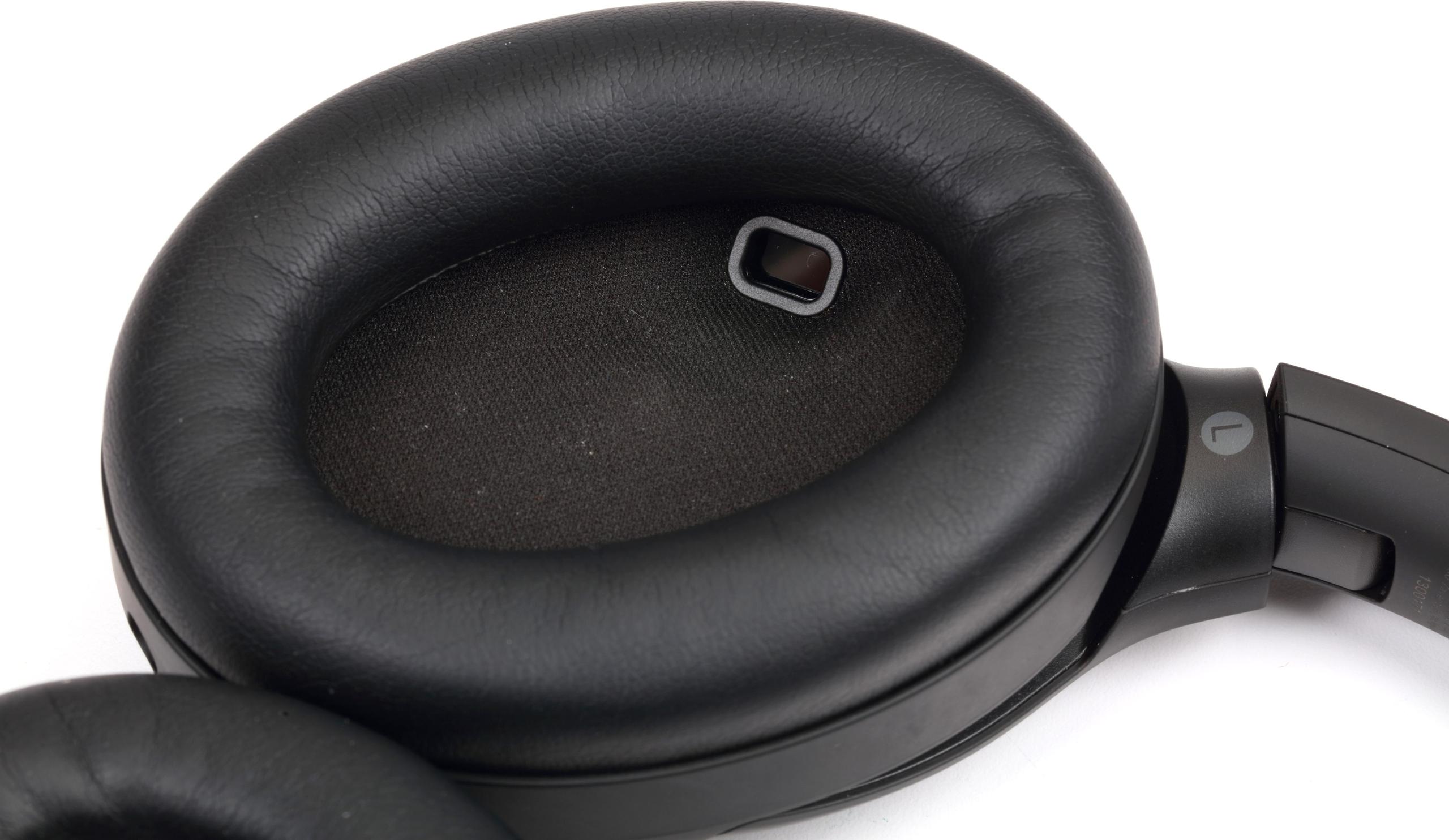
The Sony WH-1000XM4 features some of the best active noise cancellation (ANC) available at the time of writing. The system uses dual noise sensors on each earcup to capture ambient sound, then generates inverse sound waves to cancel out unwanted noise. Sony's HD Noise Cancelling Processor QN1 makes over 700 adjustments per second to optimize the cancellation.
The ANC is particularly effective against low-frequency sounds like engine drone, making these headphones exceptional for travel. The Adaptive Sound Control feature automatically adjusts noise cancellation based on your activity and location, learning your routines over time.
Comfort becomes crucial when you're wearing headphones for hours at a time, and both products take different approaches to achieve all-day wearability.
The OneOdio Studio Max 1 weighs approximately 350 grams, which is noticeable during extended sessions. However, the protein leather earpads provide good cushioning, and the 90-degree swiveling earcups allow for single-ear monitoring – essential for DJing. The build uses durable plastic construction designed to withstand the rigors of professional use.
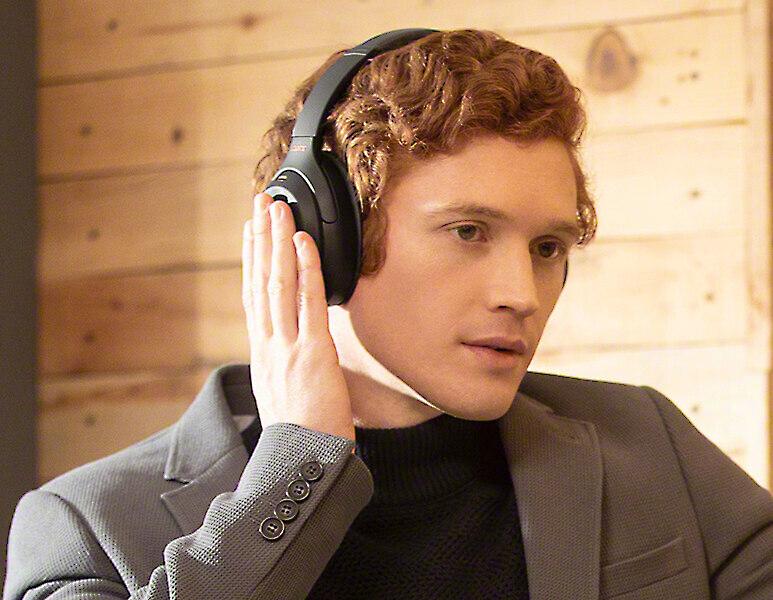
The Sony WH-1000XM4 prioritizes comfort through superior weight distribution and premium materials. The memory foam earpads adapt to your head shape, and the overall design minimizes pressure points. Sony's engineering focuses on making the headphones disappear during use rather than making a fashion statement.
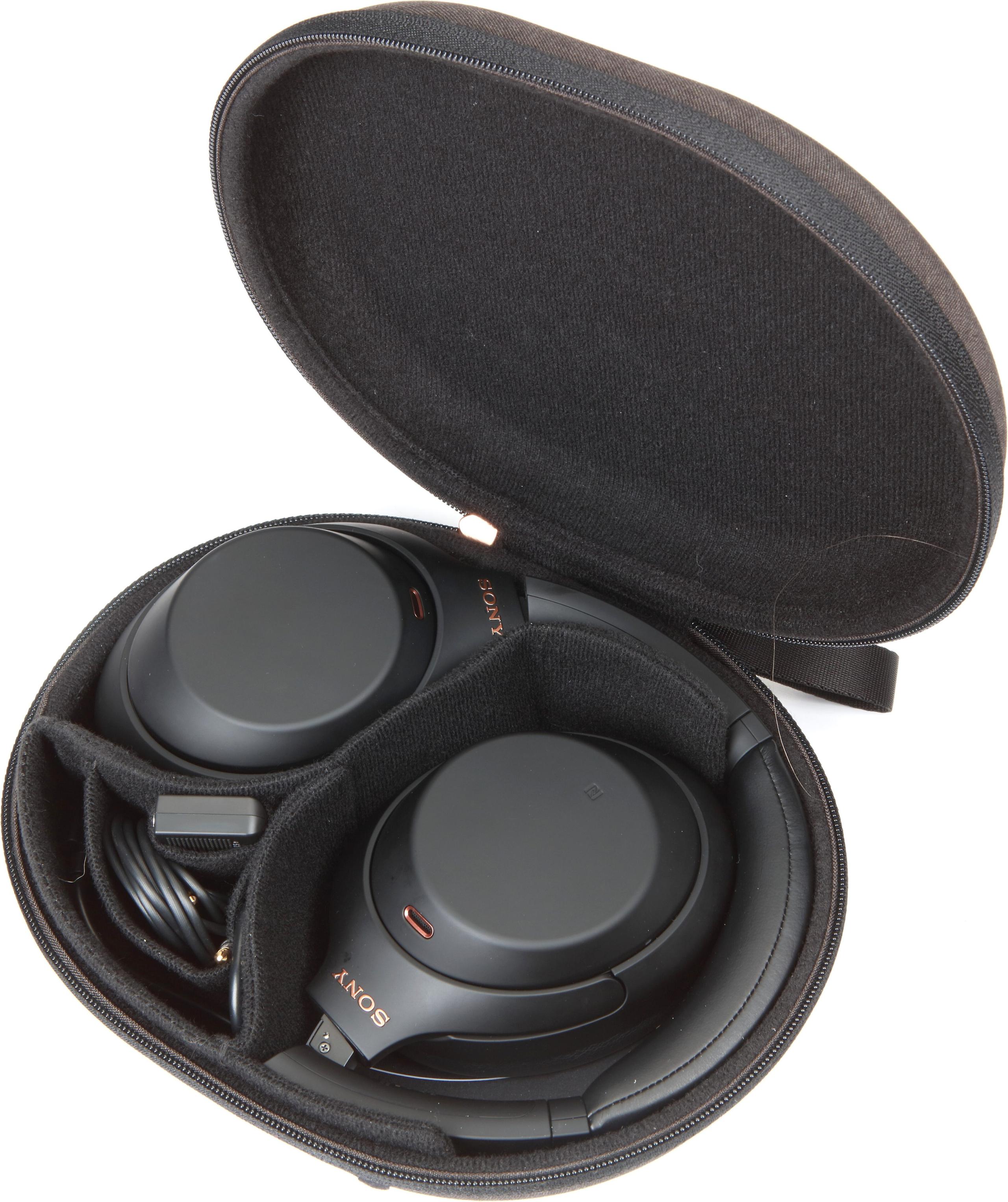
Both headphones fold for storage, but Sony includes a more premium carrying case that better protects the headphones during travel.
The Sony WH-1000XM4 excels in smart features that make daily use more convenient. Speak-to-Chat automatically pauses music when you start talking, which is incredibly useful for brief conversations without removing your headphones. Wear detection pauses playback when you take the headphones off, saving battery and keeping your place in podcasts or audiobooks.
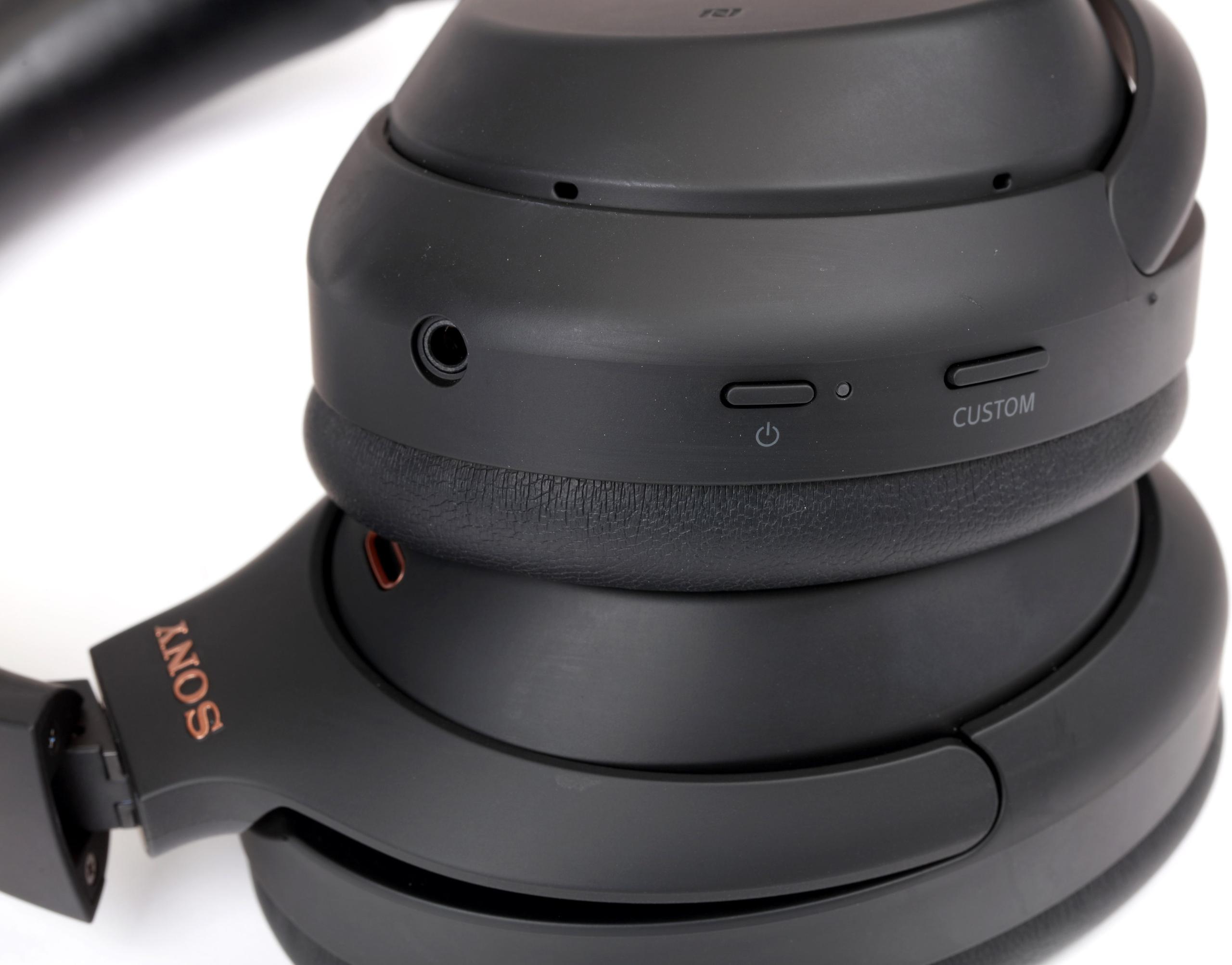
The touch-sensitive controls on the right earcup let you manage playbook, volume, and calls with intuitive gestures. Integration with voice assistants (Google Assistant, Alexa, and Siri) adds hands-free control capabilities.
The OneOdio Studio Max 1 includes fewer smart features but focuses on professional functionality. The dual-mic Environmental Noise Cancellation helps with clear voice calls, which is important for remote collaboration or communication during live events.
For home theater applications, the choice depends on your priorities. The Sony WH-1000XM4 provides a more refined, balanced sound that works well for movies and TV shows. The noise cancellation can help you focus on dialogue without disturbing others, and the wider soundstage creates a more immersive experience.
The OneOdio Studio Max 1 could work for home theater use, especially if you prioritize the ultra-low latency for gaming or if you need the extreme battery life for marathon viewing sessions. However, the bass-heavy tuning might not provide the most accurate representation of movie soundtracks.
At the time of writing, both products occupy different value propositions in the market. The Sony WH-1000XM4 typically commands a premium price but offers proven performance and refinement backed by Sony's reputation and widespread third-party support.
The OneOdio Studio Max 1 generally costs less while offering unique professional features that Sony simply cannot match. For users who need ultra-low latency or extreme battery life, OneOdio provides exceptional value. However, if you prioritize overall sound quality and smart features, Sony's additional cost may be justified.
Since the Sony WH-1000XM4 launched in 2020, it has benefited from regular firmware updates and has established a track record of reliability. The newer OneOdio Studio Max 1 represents more cutting-edge technology but lacks the proven longevity of Sony's offering.
Choose the OneOdio Studio Max 1 if you're a DJ, musician, content creator, or serious gamer who needs ultra-low latency wireless audio. The ability to connect wirelessly to professional equipment with minimal delay is genuinely revolutionary, and the marathon battery life provides peace of mind during long creative sessions. The multiple connection options and professional-grade features make this headphone unique in the market.
Choose the Sony WH-1000XM4 if you want the best overall wireless headphone experience for daily use. The superior sound quality, industry-leading noise cancellation, and smart features create a more refined and versatile product for most users. If you prioritize audio quality, comfort, and proven reliability over specialized professional features, Sony delivers a more mature and well-rounded experience.
The decision ultimately comes down to whether you need professional DJ and music production capabilities or prefer premium everyday listening excellence. Both headphones excel in their intended roles, but they serve fundamentally different masters. Understanding your primary use case will guide you to the right choice between these two very capable but distinctly different approaches to wireless audio.
| OneOdio Studio Max 1 Wireless DJ Headphones | Sony WH-1000XM4 Wireless Headphones |
|---|---|
| Target Audience - Determines which features matter most | |
| Professional DJs, musicians, content creators | Premium consumers, travelers, office workers |
| Audio Latency - Critical for real-time monitoring and gaming | |
| 20ms ultra-low latency with M1 transmitter (professional grade) | 100-200ms typical Bluetooth latency (fine for casual use) |
| Battery Life - How long you can use without charging | |
| 120 hours Bluetooth / 50 hours with transmitter (marathon sessions) | 30 hours with ANC (excellent for daily use) |
| Connectivity Options - Flexibility for different devices | |
| 4 modes: Ultra-low latency wireless, Bluetooth 5.3, 3.5mm, 6.35mm | Bluetooth 5.0 with multipoint, 3.5mm wired |
| Sound Signature - How music is tuned | |
| Bass-heavy, energetic tuning for DJ monitoring | Balanced, neutral with subtle warmth for refined listening |
| Noise Cancellation - Blocking unwanted sounds | |
| Passive isolation only (allows environmental awareness) | Industry-leading active noise cancellation with adaptive features |
| Driver Size - Affects sound quality and bass response | |
| 50mm neodymium drivers | 40mm drivers with Liquid Crystal Polymer diaphragms |
| Weight - Comfort during extended use | |
| 350g (noticeable during long sessions) | Lighter with superior weight distribution |
| Professional Features - Specialized capabilities | |
| Single-ear monitoring, swiveling cups, dual audio ports | Smart features: Speak-to-Chat, adaptive sound control, wear detection |
| Quick Charging - Emergency power boost | |
| 5 minutes = 1 hour playback | 10 minutes = 5 hours playbook (more generous ratio) |
| Audio Codec Support - Wireless sound quality | |
| LDAC, AAC, SBC, LC3 with Hi-Res certification | LDAC, AAC, SBC with DSEE Extreme AI upscaling |
| Build Quality - Durability and materials | |
| Durable plastic, protein leather earpads, foldable | Premium materials, memory foam earpads, refined build |
| Smart Features - Modern conveniences | |
| Dual-mic ENC for calls, basic controls | Voice assistants, touch controls, adaptive features, app integration |
| Best For - Primary use cases | |
| DJing, music production, gaming, ultra-long sessions | Travel, office work, premium daily listening, noise-sensitive environments |
The OneOdio Studio Max 1 is specifically designed for DJing and music production with ultra-low 20ms latency, single-ear monitoring capabilities, and professional audio connections (3.5mm and 6.35mm jacks). The Sony WH-1000XM4 lacks these professional features and has much higher latency, making the OneOdio Studio Max 1 the clear choice for DJs and musicians.
The Sony WH-1000XM4 features industry-leading active noise cancellation with dual sensors and adaptive technology that adjusts over 700 times per second. The OneOdio Studio Max 1 only offers passive noise isolation. For blocking out airplane noise, office sounds, or creating a quiet listening environment, the Sony WH-1000XM4 is significantly superior.
The OneOdio Studio Max 1 offers exceptional battery life with up to 120 hours in Bluetooth mode and 50 hours with the ultra-low latency transmitter. The Sony WH-1000XM4 provides 30 hours with active noise cancellation enabled. For marathon listening sessions or professional use where charging isn't always convenient, the OneOdio Studio Max 1 wins decisively.
The Sony WH-1000XM4 delivers more balanced, refined sound quality with better detail retrieval and a wider soundstage. The OneOdio Studio Max 1 has a bass-heavy, energetic tuning optimized for DJ monitoring rather than casual listening. For enjoying music, podcasts, and movies, the Sony WH-1000XM4 provides superior audio quality.
The Sony WH-1000XM4 is designed with superior comfort through lighter weight, better weight distribution, and premium memory foam earpads. The OneOdio Studio Max 1 weighs more at 350g and can cause fatigue during extended use. For all-day comfort, the Sony WH-1000XM4 is the better choice.
The Sony WH-1000XM4 offers better call quality with advanced microphone processing and noise cancellation that helps in noisy environments. While the OneOdio Studio Max 1 includes dual-mic ENC technology, reviews indicate the Sony WH-1000XM4 provides clearer voice transmission for professional calls and meetings.
The Sony WH-1000XM4 supports multipoint connectivity, allowing connection to two Bluetooth devices at once for seamless switching between phone and laptop. The OneOdio Studio Max 1 doesn't offer multipoint Bluetooth but provides more connection options overall with its four different modes including wired and ultra-low latency wireless.
The OneOdio Studio Max 1 excels for gaming due to its ultra-low 20ms latency with the M1 transmitter, eliminating audio delay that can affect competitive gaming performance. The Sony WH-1000XM4 has typical Bluetooth latency of 100-200ms, which can create noticeable delays between action and sound in games.
The Sony WH-1000XM4 offers comprehensive smart features including Speak-to-Chat (auto-pause when talking), wear detection, adaptive sound control, voice assistant integration, and intuitive touch controls. The OneOdio Studio Max 1 focuses on professional features rather than smart conveniences, making the Sony WH-1000XM4 superior for modern connected lifestyles.
The Sony WH-1000XM4 is ideal for travel with its exceptional active noise cancellation for flights, comfortable design for long wear, and smart features that enhance the travel experience. The OneOdio Studio Max 1 offers extreme battery life that's great for long trips, but lacks the noise cancellation that makes flights more pleasant.
Value depends on your needs: The OneOdio Studio Max 1 offers exceptional value for DJs and musicians who need its unique ultra-low latency and professional features. The Sony WH-1000XM4 provides better value for general consumers seeking premium sound quality, noise cancellation, and refined daily-use features.
For home theater, the Sony WH-1000XM4 typically works better with its balanced sound signature, wider soundstage, and refined audio quality that accurately represents movie soundtracks. The OneOdio Studio Max 1 could work for gaming or if you need ultra-long battery life for marathon viewing, but its bass-heavy tuning may not provide the most accurate movie audio experience.
We've done our best to create useful and informative comparisons to help you decide what product to buy. Our research uses advanced automated methods to create this comparison and perfection is not possible - please contact us for corrections or questions. These are the sites we've researched in the creation of this article: techradar.com - youtube.com - oneodio.com - androidguys.com - audioxpress.com - versus.com - audioreviews.org - youtube.com - oneodio.com - youtube.com - thomannmusic.com - teqclub.com - youtube.com - homestudiobasics.com - youtube.com - youtube.com - homedjstudio.com - oneodio.com - enostech.com - oneodio.com - yourrightscount.com - soundguys.com - headphones.com - recordingnow.com - electronics.sony.com - rtings.com - headphonereview.com - youtube.com - audiosciencereview.com - cnet.com - hyderseatravels.com - sony.com - sonylatvija.com - sony.com - sony.com - electronics.sony.com - sony.com - headphonecheck.com - fullspecs.net - sony.com - uclastore.com - bestbuy.com - sony.ca - helpguide.sony.net - device.report

Privacy Policy
Terms and Conditions - Affiliate Policy
Home Security
© Copyright 2008-2026.
11816 Inwood Rd #1211, Dallas, TX 75244