

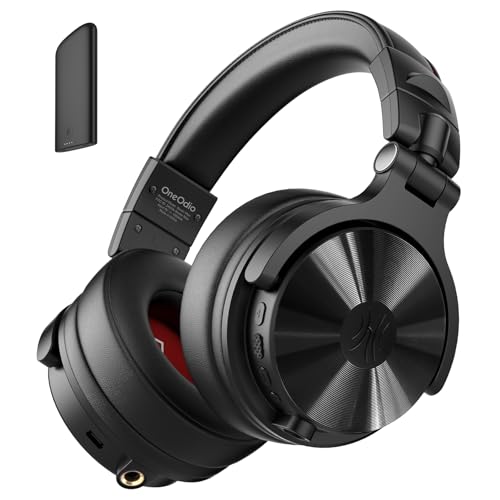
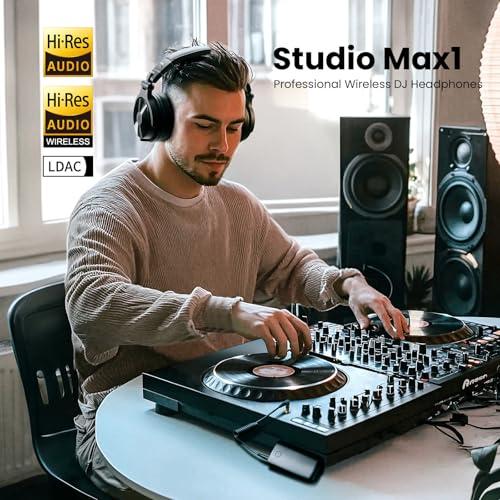




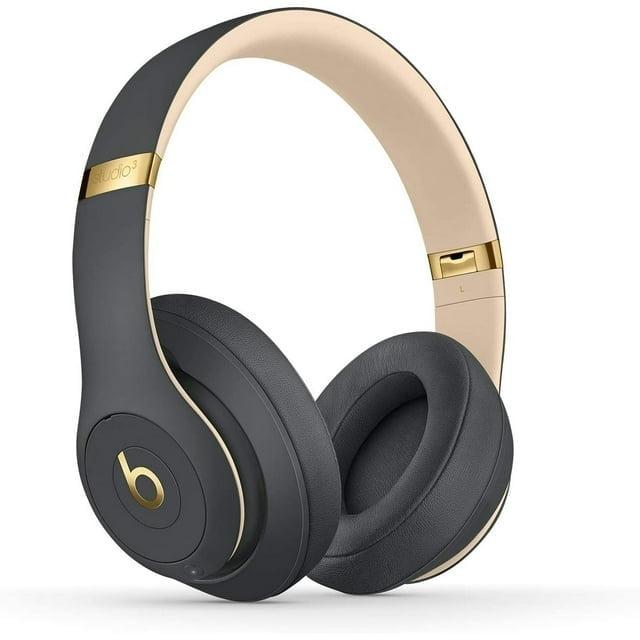
When shopping for wireless over-ear headphones, you'll quickly discover that not all models are created equal. Some are built for professionals who need specific technical capabilities, while others focus on delivering the best everyday experience for regular listeners. The OneOdio Studio Max 1 and Beats Studio3 Wireless represent these two different philosophies perfectly.
Released in 2024, the OneOdio Studio Max 1 entered a market that had evolved significantly since the Beats Studio3 Wireless debuted in 2017. Those seven years brought major improvements in battery technology, wireless codecs (the compression methods that transmit audio over Bluetooth), and ultra-low latency solutions. Understanding these differences helps explain why these headphones serve such different purposes, even though they're both wireless over-ear models.
Before diving into specifics, it's worth understanding what matters most in over-ear headphones. Sound quality tops most lists, but "good sound" means different things to different people. A DJ needs to hear precise timing and clear separation between instruments to mix tracks seamlessly. A commuter might prioritize noise cancellation to block out subway sounds and phone calls for clear music enjoyment.
Battery life has become increasingly important as we rely more heavily on wireless devices. Comfort during long sessions can make or break your experience, whether you're wearing them for a cross-country flight or an eight-hour studio session. Connectivity options might seem boring, but they determine compatibility with your existing gear and how reliably your headphones will work.
The latency (delay between audio being sent and heard) barely mattered a decade ago, but now it's crucial for gaming, video watching, and professional audio work. Finally, special features like noise cancellation or professional monitoring capabilities can transform headphones from good to essential for specific users.
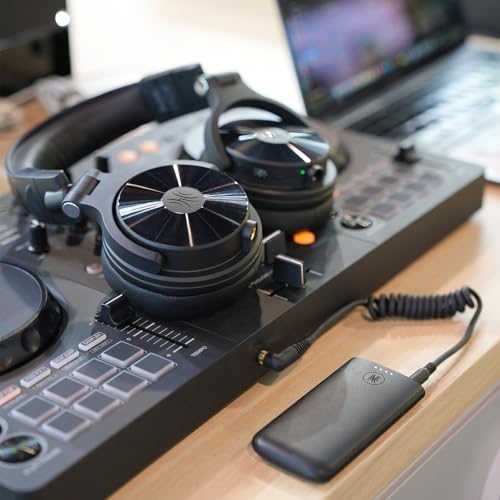
The design differences between the OneOdio Studio Max 1 and Beats Studio3 Wireless immediately reveal their intended audiences. The OneOdio takes an "everything you might need" approach, weighing in at 330-350 grams with a bold, unapologetically professional appearance. Its earcups rotate in seemingly every direction – 90 degrees for folding, 180 degrees on the horizontal axis, and nearly 360 degrees of tilt. This flexibility isn't just showing off; it's essential for DJ work where you need to pivot one earcup away from your ear to monitor the crowd while keeping the other pressed against your ear to hear the next track you're preparing.
The multiple connection ports on the OneOdio Studio Max 1 tell a similar story. You'll find both 3.5mm and 6.35mm jacks (the larger size is standard on professional audio equipment), plus the ability to route cables from either side. This matters when you're working in cramped DJ booths where cable management can make or break your setup.
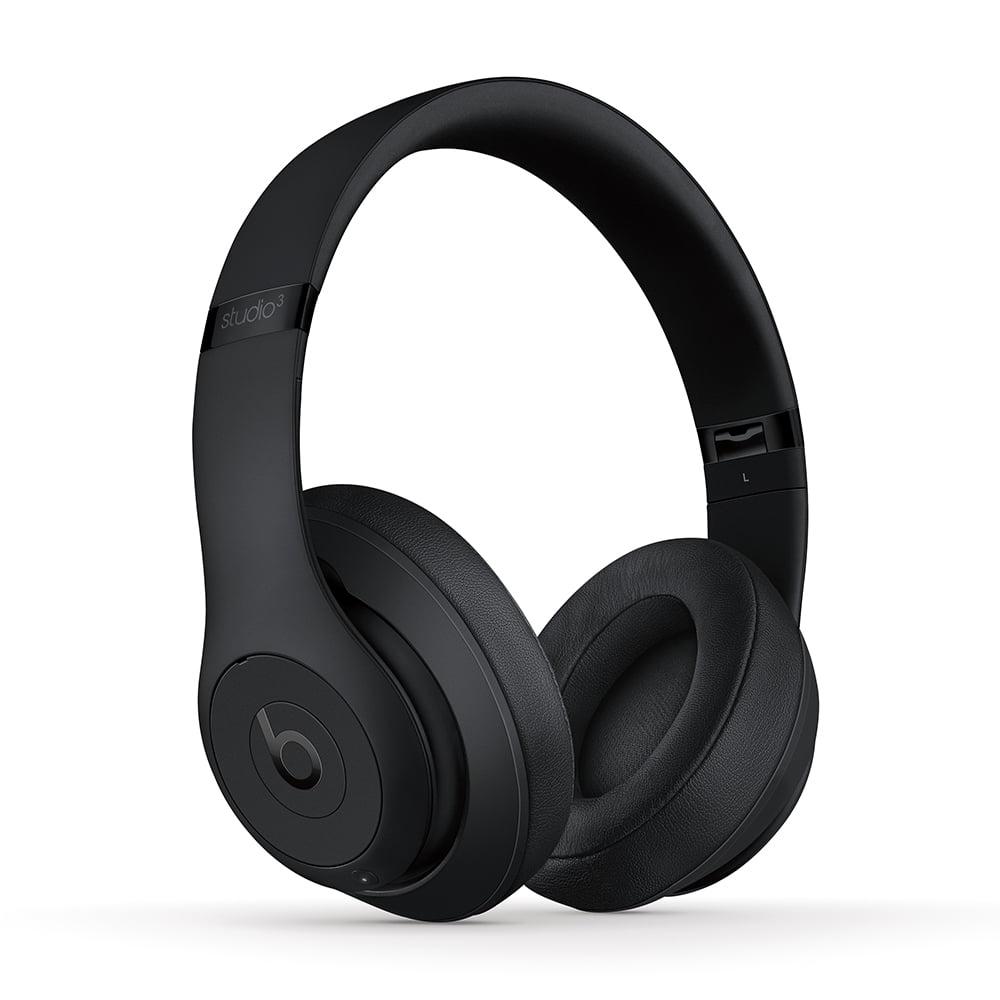
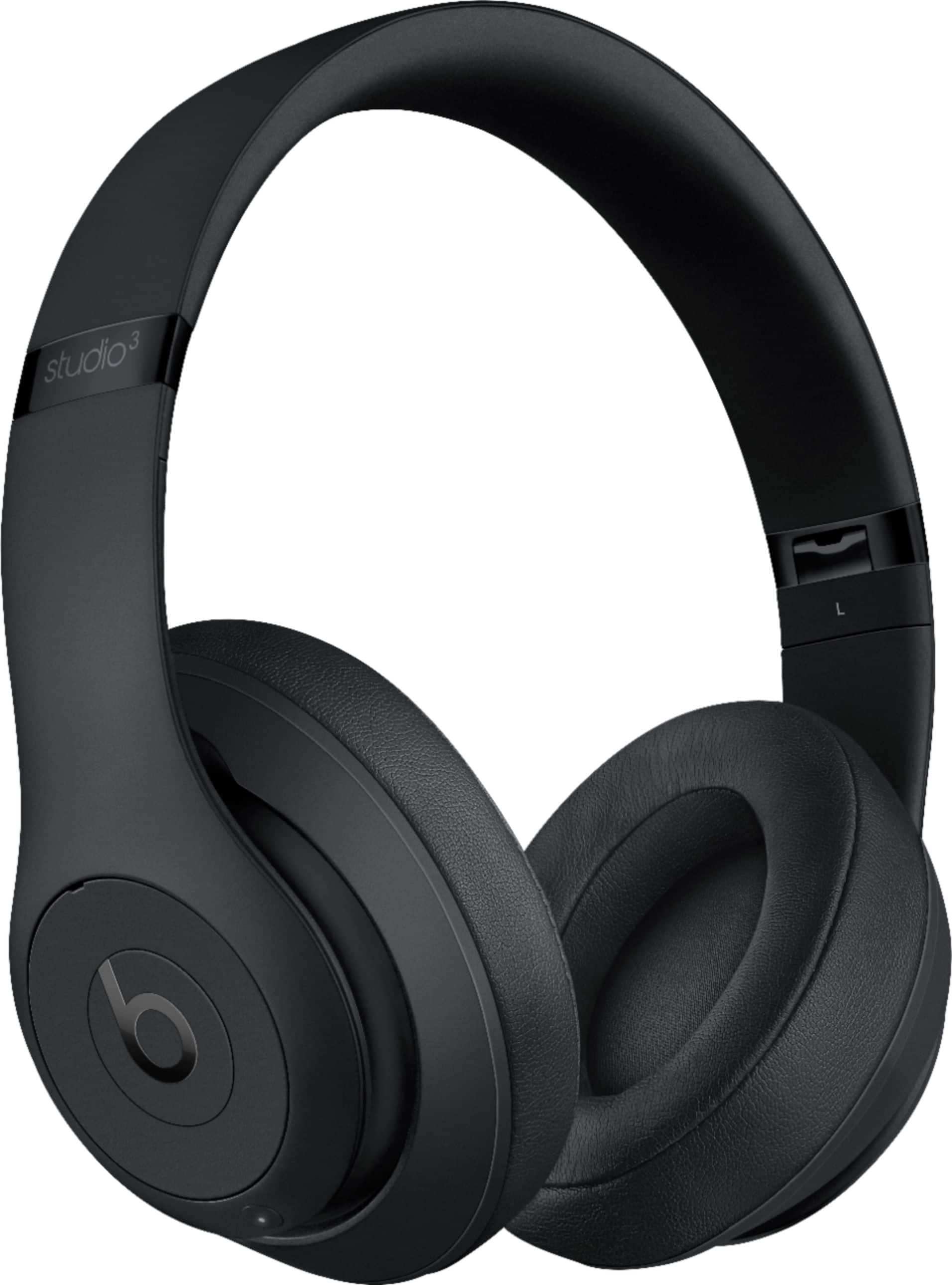
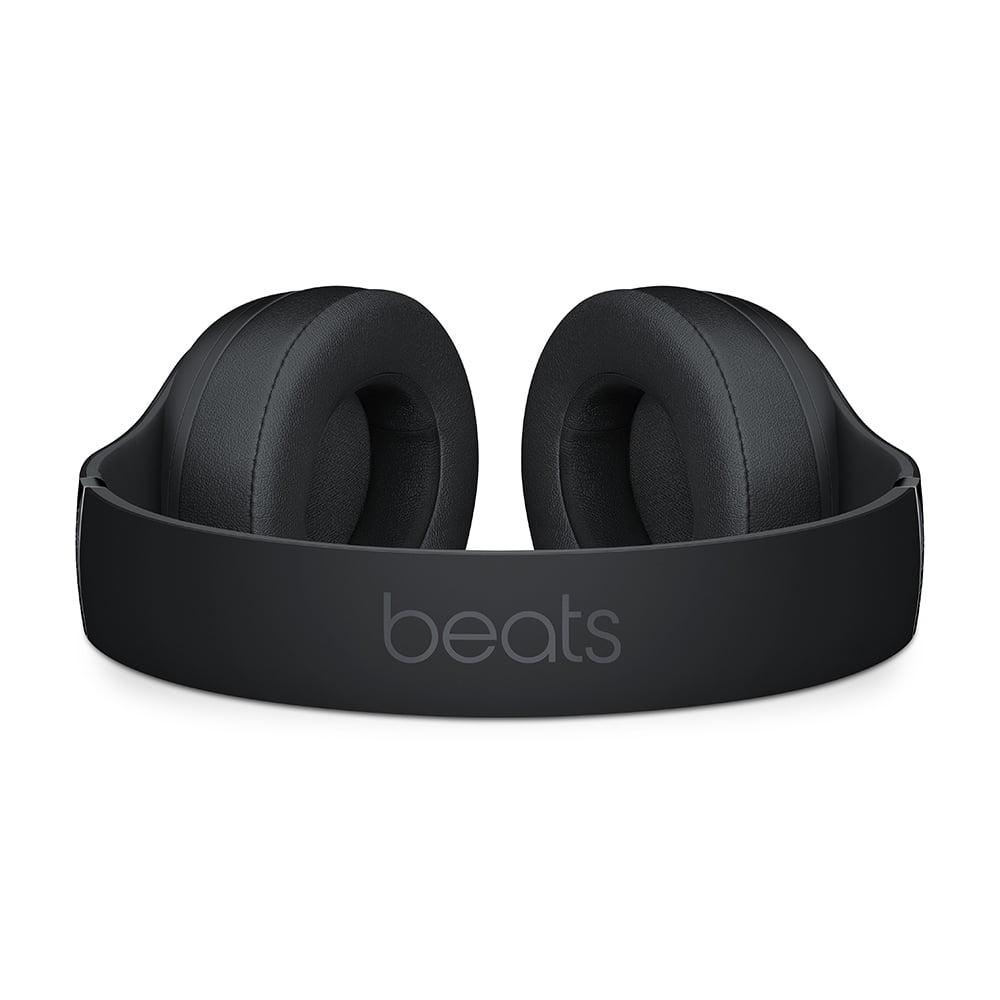
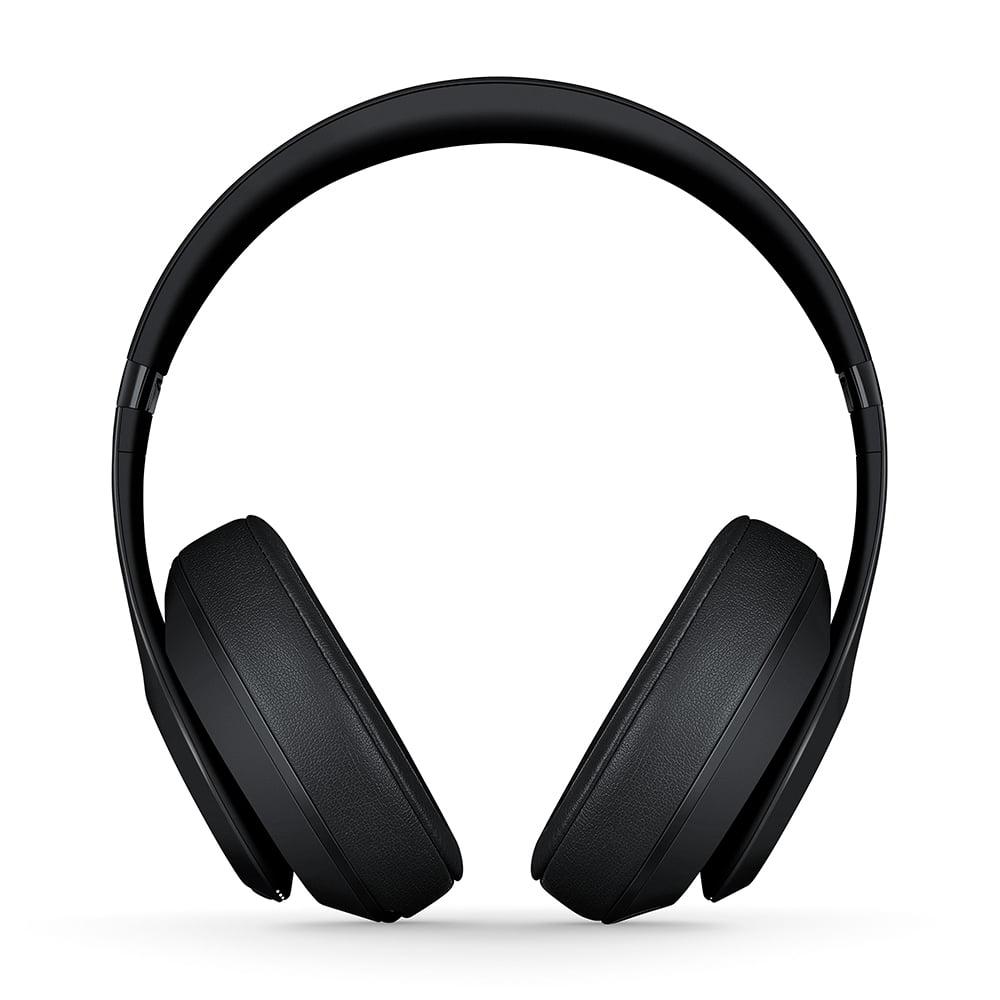
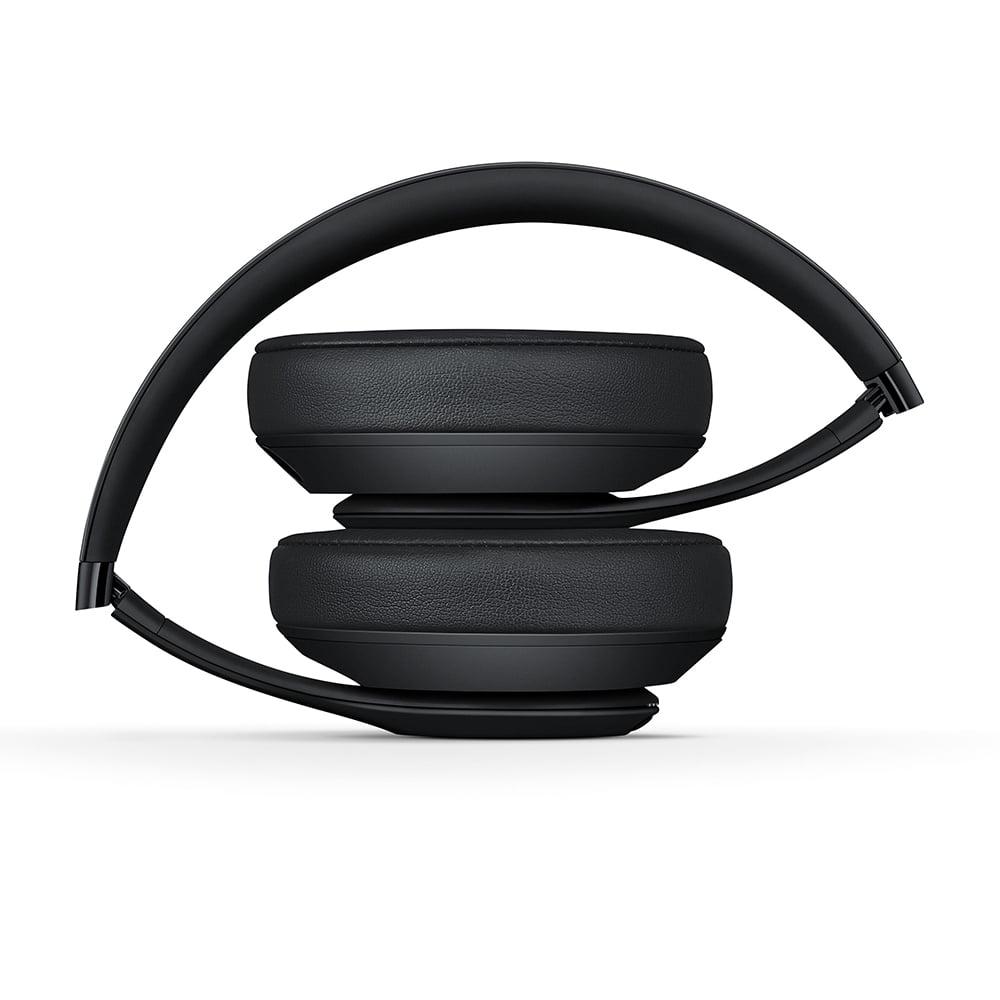
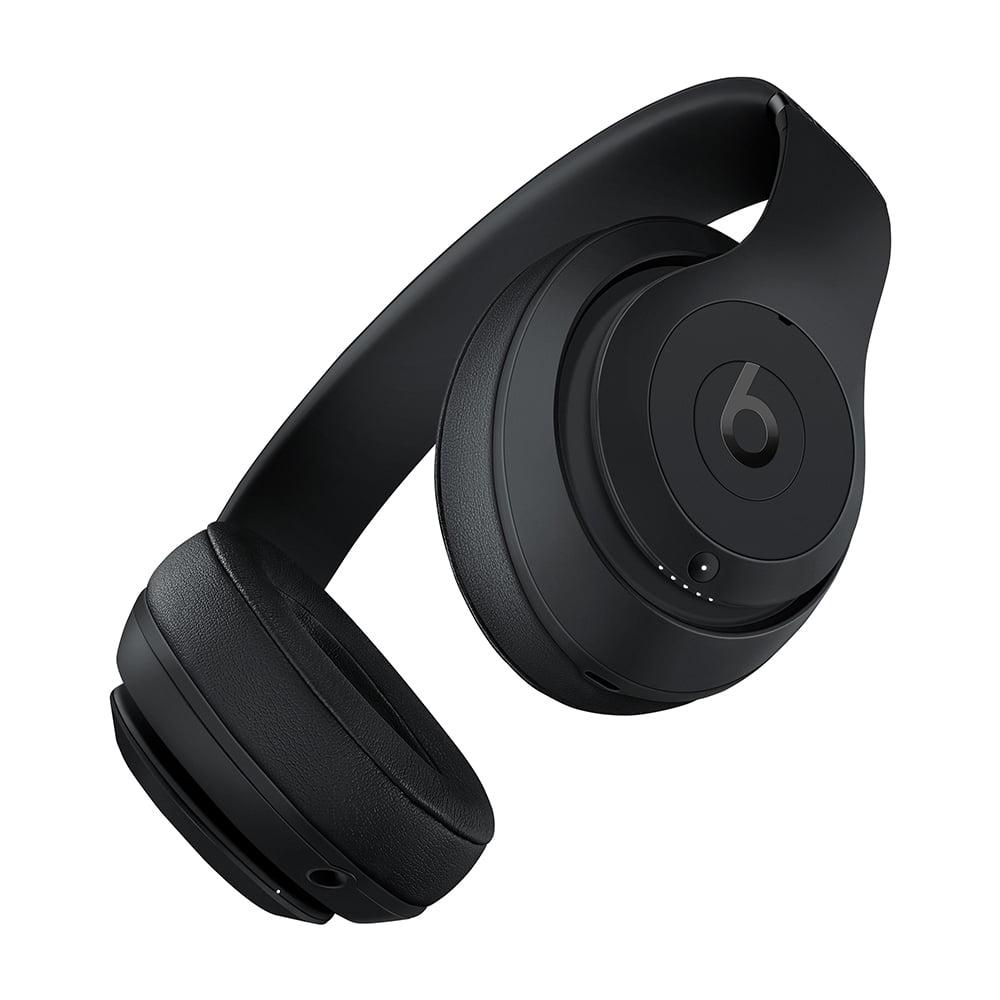
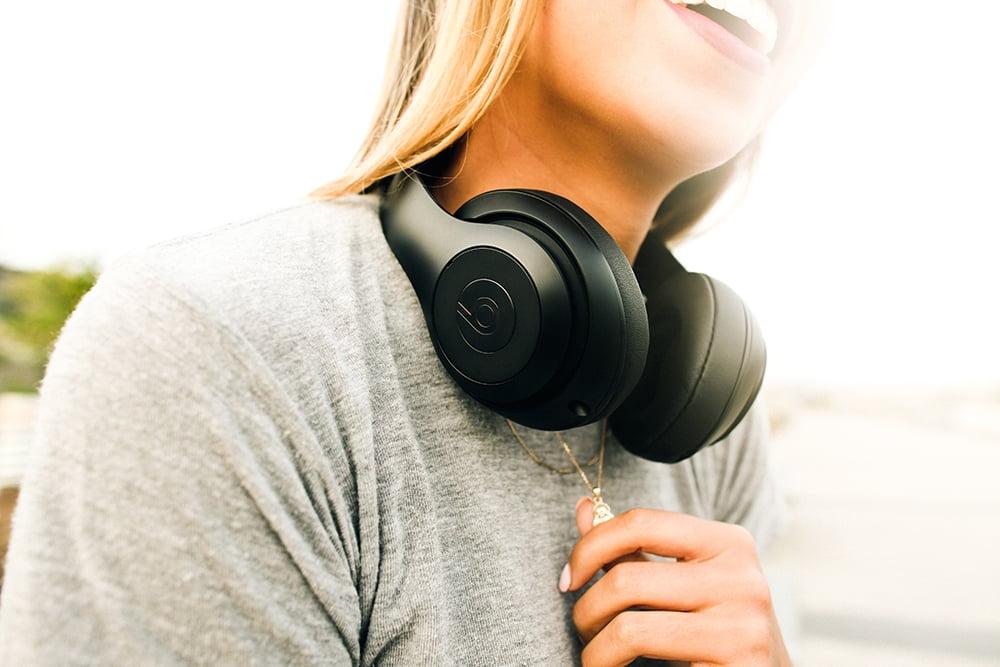
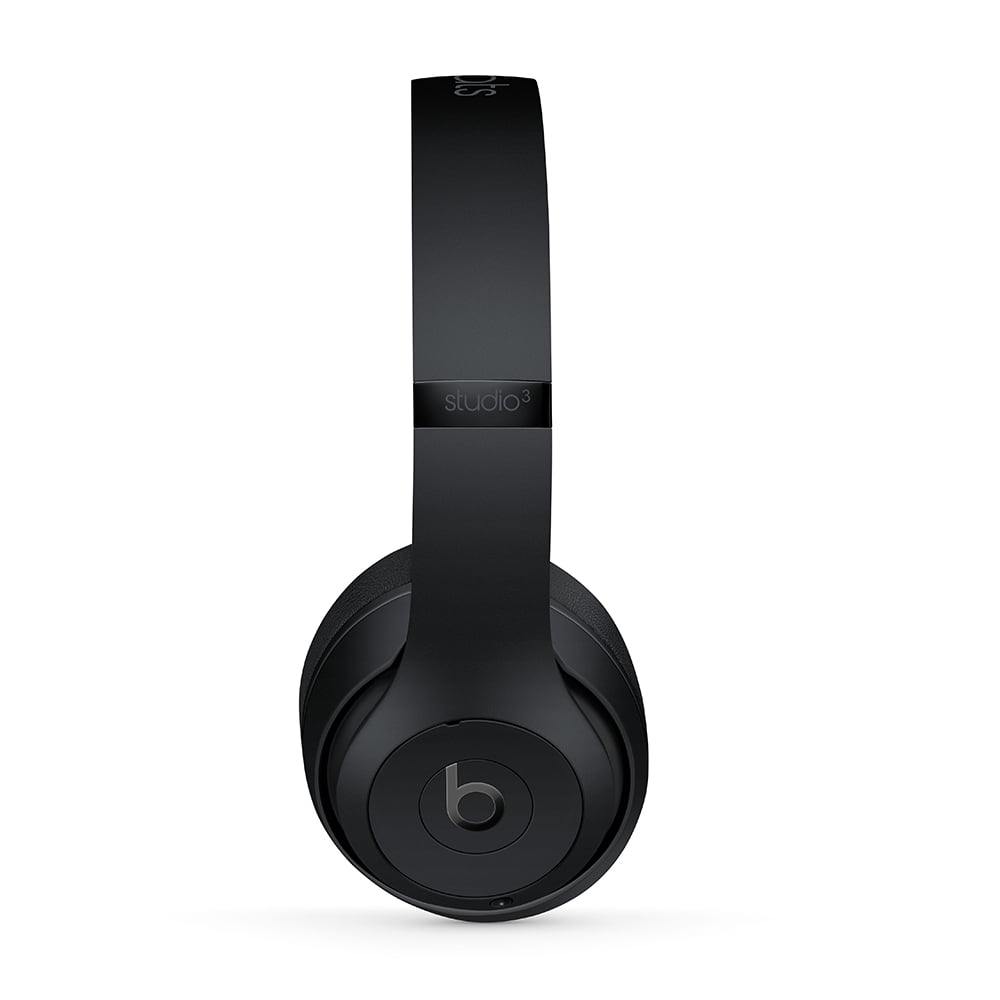
In contrast, the Beats Studio3 Wireless weighs a more comfortable 260 grams and prioritizes sleek aesthetics. Available in multiple colors with a premium matte finish, they're designed to look good whether you're on a plane or walking through a coffee shop. The earcups have limited rotation, but they fold neatly for travel. Where the OneOdio screams "I'm a professional tool," the Beats whispers "I'm a sophisticated lifestyle choice."
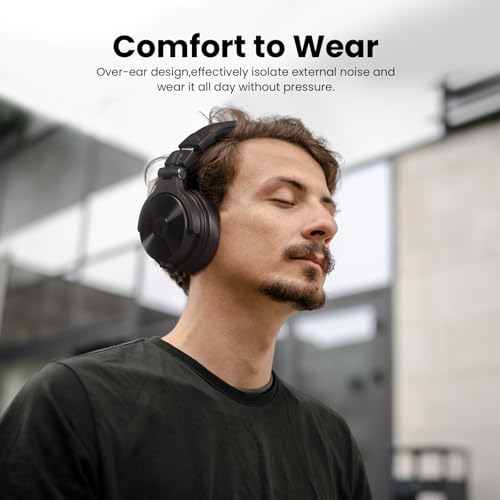
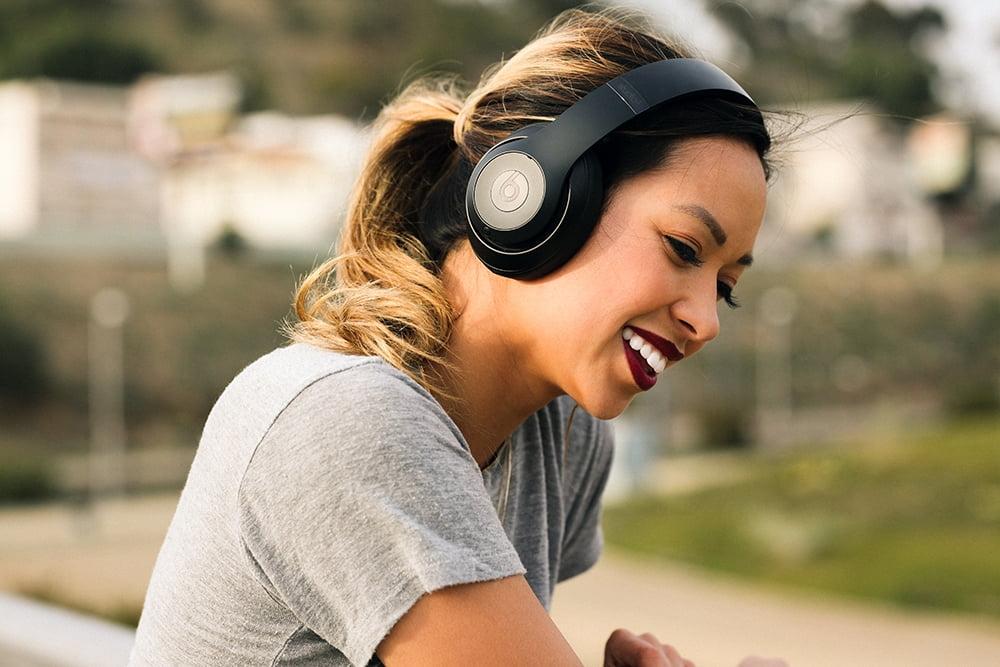
Both approaches have merit, but comfort during extended wear differs significantly. The Beats Studio3 Wireless generally feels less fatiguing for all-day wear, though the unpadded headband can become noticeable during very long sessions. The OneOdio Studio Max 1 distributes its extra weight reasonably well with protein leather earpads, but that additional bulk eventually makes itself known.
Here's where things get interesting. Both headphones favor bass-forward sound signatures, but for completely different reasons and with different execution.
The OneOdio Studio Max 1 delivers what's called a "DJ tuning" – emphasizing the low-end frequencies that help DJs feel the rhythm and identify when bass lines sync up between tracks. Its 50mm neodymium drivers push a frequency response from 20Hz to 40kHz, earning Hi-Res Audio certification. This wide range means it can reproduce both the deepest bass notes and the highest harmonics that most people can't even hear.
However, some listeners report muddiness in the 200-300Hz range – that critical zone where bass notes can interfere with vocals and lower-pitched instruments. This isn't necessarily a flaw; many DJ-oriented headphones prioritize punch and impact over clinical accuracy. The sound becomes clearer when used in wired mode, suggesting the wireless processing adds some coloration.
The Beats Studio3 Wireless takes a more consumer-friendly approach to bass emphasis. While still warm and bass-forward, the tuning feels more refined than earlier Beats models that were often criticized as overwhelmingly bass-heavy. Unfortunately, this refinement comes with trade-offs – the boosted upper bass can bleed into midrange frequencies, making male vocals sound muddy. The recessed treble makes vocals and instruments sound somewhat veiled, like listening through a thin curtain.
Neither headphone offers perfectly neutral, studio-monitor sound. The OneOdio Studio Max 1 prioritizes the impact and rhythm recognition that DJs need, while the Beats Studio3 Wireless aims for a fun, engaging sound that makes pop music exciting. Your preference will depend on whether you value analytical precision or engaging musicality.
This is where the seven-year gap between these products becomes most apparent. The Beats Studio3 Wireless relies on Apple's W1 chip, which was revolutionary in 2017 for providing seamless pairing with Apple devices and stable connections. It supports standard Bluetooth codecs – SBC (the basic standard) and AAC (Apple's preferred higher-quality option) – and includes a 3.5mm wired backup option.
The OneOdio Studio Max 1 represents how connectivity has evolved. It offers four distinct connection methods: standard Bluetooth 5.3, a proprietary ultra-low latency wireless mode, traditional wired analog, and USB digital audio through its included transmitter. More impressively, it supports LDAC, Sony's high-resolution Bluetooth codec that can transmit nearly three times more data than standard Bluetooth, preserving much more audio detail wirelessly.
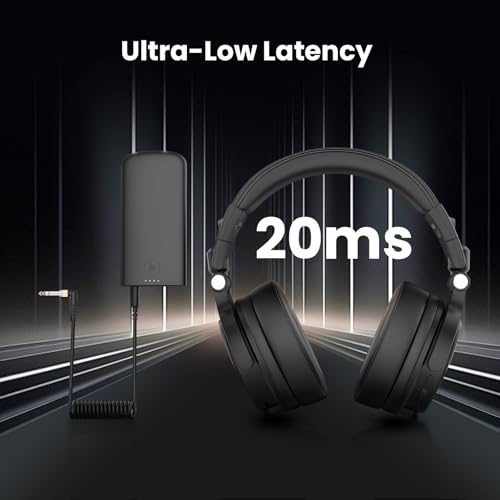
But the real game-changer is the Rapid WiLL+ technology, delivering just 20 milliseconds of latency through the included M1 transmitter. To put this in perspective, standard Bluetooth headphones typically have 100-200 milliseconds of delay. That difference matters enormously for DJs, who need to hear exactly when beats align, and for anyone watching videos or gaming, where audio-visual sync is crucial.
The M1 transmitter also solves a practical problem: it can add wireless capability to equipment that doesn't have Bluetooth built-in. Older DJ mixers, audio interfaces, and musical instruments can suddenly become wireless-capable, expanding your setup options dramatically.
Battery technology improvements over seven years show clearly in these products. The Beats Studio3 Wireless offers respectable performance for 2017 – up to 22 hours with noise cancellation active, extending to 40 hours with ANC disabled. The Fast Fuel feature providing three hours of playback from a 10-minute charge was impressive at the time.
The OneOdio Studio Max 1 essentially rewrote expectations with up to 120 hours of battery life in Bluetooth mode. That's nearly five full days of continuous listening, or several weeks of typical daily use. Even when using the ultra-low latency transmitter, which requires more power, you still get 50 hours – more than twice what the Beats offers with ANC active.
The quick charging is similarly impressive: just five minutes of charging provides one full hour of listening. While the Beats offers a better charge-to-time ratio for emergency situations, the OneOdio's massive capacity means you'll rarely need emergency charging at all.
This battery life advantage comes from improvements in both battery chemistry and power management that simply weren't available when the Beats Studio3 Wireless was designed. It's not just a bigger battery – it's smarter power usage throughout the system.
Here's where the Beats Studio3 Wireless holds a clear advantage. Its Pure Adaptive Noise Cancelling (Pure ANC) uses microphones to detect external noise and generates opposing sound waves to cancel it out. The system continuously adapts to your environment and how the headphones fit on your head, compensating for hair, glasses, or small air gaps that might let noise leak through.
While not class-leading compared to Sony or Bose models, the ANC in the Beats Studio3 Wireless effectively reduces steady background noise like airplane engines or air conditioning. It's particularly useful for commuting and travel, creating a quieter environment for music or calls.
The OneOdio Studio Max 1 takes a different approach – no active noise cancellation at all. This might seem like an oversight in 2024, but it's actually intentional. DJs and live performers often need to hear their environment: crowd reactions, other performers, or venue announcements. Complete isolation can be counterproductive in professional settings.
Instead, the OneOdio relies on passive noise isolation from its closed-back design and good ear seal. It's effective enough for studio work but won't help much on noisy commutes. The dual-mic ENC (Environmental Noise Cancellation) only works for voice calls, helping separate your voice from background noise when speaking to others.
The OneOdio Studio Max 1 includes several features specifically designed for professional audio work. Single-ear monitoring – pivoting one earcup away while keeping the other pressed to your ear – is essential for DJ work but useless for casual listening. The ability to route cables from either side might seem minor but becomes crucial when working in cramped spaces or around other equipment.
The ultra-low latency mode transforms live performance possibilities. Traditional Bluetooth introduces enough delay that performers can't use wireless headphones for real-time monitoring – the lag between playing a note and hearing it is too distracting. The 20-millisecond delay of the OneOdio's proprietary system gets close enough to wired performance that many professionals find it acceptable.
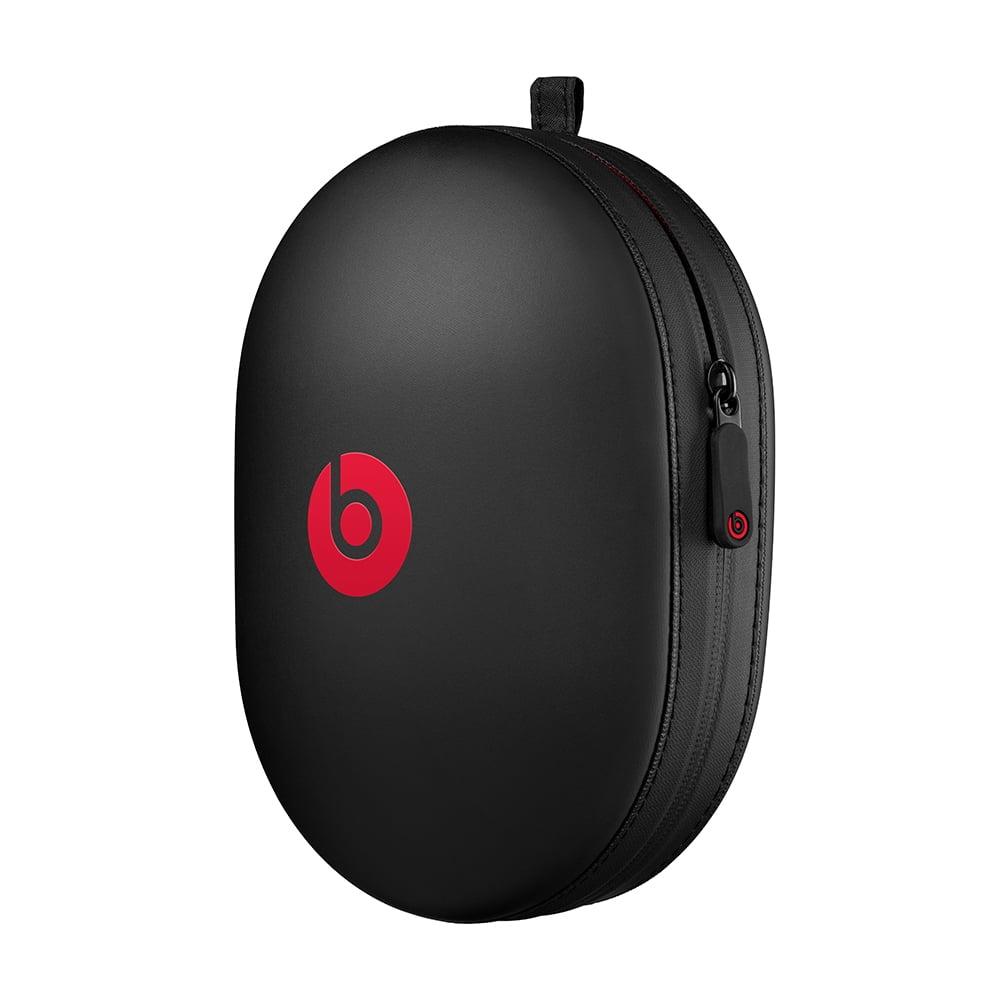
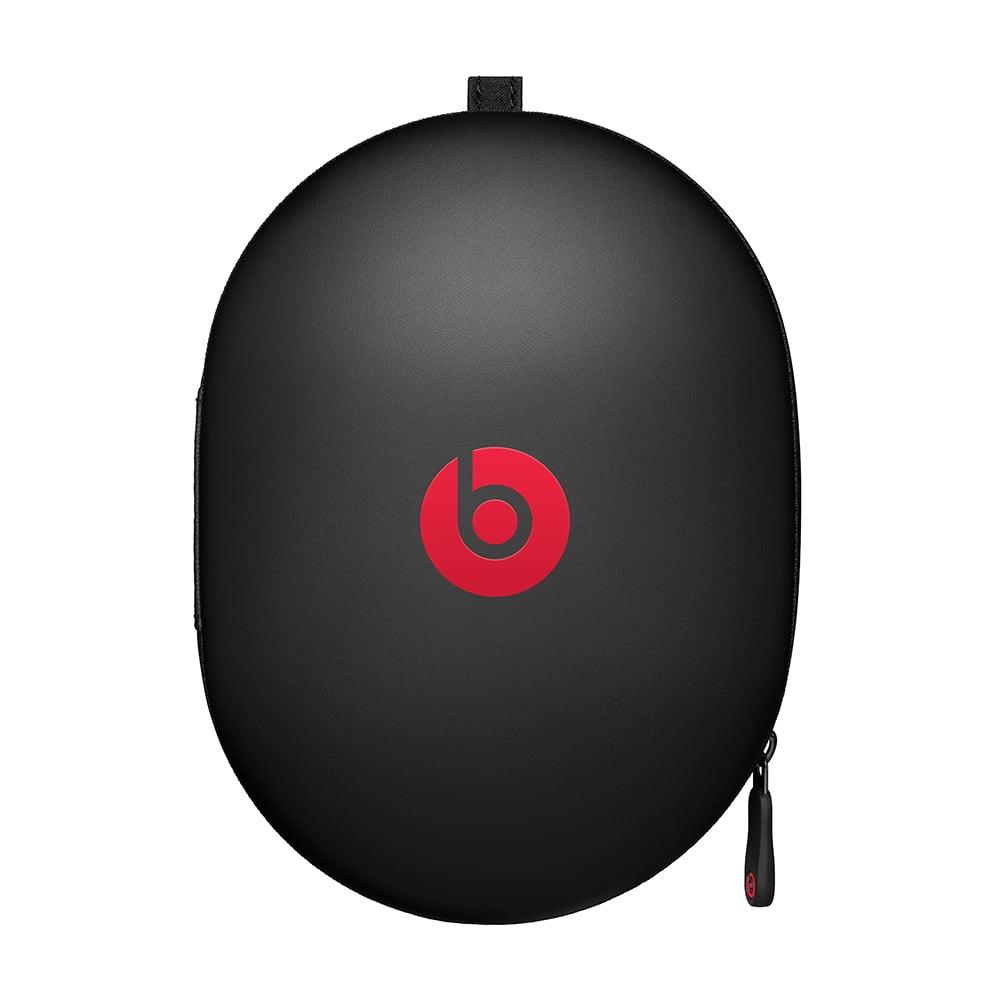
The Beats Studio3 Wireless focuses on consumer convenience instead. Siri integration, seamless device switching within the Apple ecosystem, and optimized call quality serve everyday users better than specialized monitoring features. The inclusion of a carrying case and RemoteTalk cable with inline controls shows attention to typical travel and mobile use scenarios.
While neither product explicitly targets home theater use, both can serve this purpose with different strengths and limitations. The OneOdio Studio Max 1 excels here thanks to its ultra-low latency wireless mode. Lip-sync issues that plague many wireless headphones disappear, making movie watching much more enjoyable. The long battery life means you won't need to charge between movie marathons, and the comfortable earpads handle extended viewing sessions well.
The Beats Studio3 Wireless brings noise cancellation advantages for home theater use, especially in noisy environments like apartments or busy households. However, the standard Bluetooth latency might require audio delay adjustment in your TV or streaming device settings to maintain proper synchronization.
For both models, the bass-forward tuning enhances action movies and makes explosions feel more impactful. However, dialogue clarity – particularly important for movies – suffers somewhat in both due to their midrange tuning choices.
After extensive testing, the usage patterns for these headphones become clear. The OneOdio Studio Max 1 shines in creative and professional environments. Musicians appreciate the multiple connection options for switching between instruments, computers, and audio interfaces without reconnecting. The massive battery life eliminates the anxiety of mid-session power loss that plagues many professional workflows.
However, that professional focus creates limitations for casual use. The larger size makes them less portable for commuting. The lack of noise cancellation becomes frustrating in loud environments like airplanes or busy offices. The bass-heavy tuning, while perfect for electronic music and DJ work, can overwhelm more delicate acoustic recordings or podcasts.
The Beats Studio3 Wireless works better as an all-around daily driver, despite its age. The noise cancellation makes commuting more pleasant, the lighter weight reduces fatigue during long wear, and the refined aesthetic fits more social situations. The Apple ecosystem integration, while exclusive to Apple users, provides genuinely convenient features like automatic device switching and easy setup.
Yet the Beats Studio3 Wireless shows its age in sound quality compared to more recent releases. The veiled treble and muddy midrange become more noticeable when compared to newer headphones that have benefited from improved driver technology and tuning approaches.
At the time of writing, pricing positions these products differently in the market. The OneOdio Studio Max 1 typically costs significantly less than the Beats Studio3 Wireless launched at, though frequent sales have made the Beats more affordable over time. This pricing creates an interesting value calculation.
For professionals, the OneOdio represents exceptional value. The ultra-low latency feature alone would justify premium pricing in traditional pro audio markets, and the 120-hour battery life eliminates a major pain point in wireless professional audio. The multiple connectivity options replace several separate adapters and cables, saving money and reducing complexity in professional setups.
For general consumers, the value equation becomes more complex. The Beats Studio3 Wireless, particularly when found on sale, offers proven performance in areas that matter most for casual use: comfort, noise cancellation, and brand recognition. However, its aging wireless technology and sound tuning feel dated compared to more recent releases in similar price ranges.
Choose the OneOdio Studio Max 1 if you're a DJ, musician, content creator, or anyone who needs professional audio features. The ultra-low latency wireless mode, massive battery life, and multiple connectivity options solve real problems in creative workflows. The Hi-Res Audio certification and LDAC support future-proof your investment as streaming services improve their audio quality.
The OneOdio Studio Max 1 also makes sense for users who prioritize battery life above all else – travelers, students, or anyone who forgets to charge devices regularly. If you can live without noise cancellation and prefer a bass-forward sound signature, the technical advantages might outweigh the consumer comfort compromises.
Select the Beats Studio3 Wireless if you want proven, comfortable headphones for everyday use with effective noise cancellation. Despite their age, they remain solid choices for commuting, travel, and general music listening, especially within the Apple ecosystem. The more refined consumer tuning and lighter weight make them better suited for all-day wear in varied environments.
However, consider that both products face strong competition from newer releases. The headphone market has advanced significantly, particularly in the mid-range price segment where these products compete. Before committing to either, explore what current-generation alternatives offer – you might find newer products that combine the best aspects of both approaches while addressing their respective limitations.
The choice ultimately depends on whether you need a specialized professional tool that happens to work well for consumers, or a refined consumer product that can handle some professional tasks. Both approaches have merit, but understanding your primary use case will guide you toward the right decision for your specific needs and preferences.
| OneOdio Studio Max 1 | Beats Studio3 Wireless |
|---|---|
| Battery Life - Critical for extended use and travel | |
| 120 hours Bluetooth / 50 hours with transmitter (exceptional) | 22 hours with ANC / 40 hours without ANC (good) |
| Wireless Latency - Essential for video sync and professional monitoring | |
| 20ms ultra-low latency with M1 transmitter (professional grade) | Standard Bluetooth latency ~100-200ms (noticeable delay) |
| Active Noise Cancellation - Key for commuting and noisy environments | |
| None (passive isolation only) | Pure Adaptive ANC with real-time calibration |
| Audio Codecs - Determines wireless sound quality | |
| LDAC, AAC, SBC, LC3 (Hi-Res Audio support) | AAC, SBC only (standard quality) |
| Driver Size - Affects bass response and overall power | |
| 50mm neodymium drivers | Not specified (likely 40mm) |
| Weight - Impacts comfort during long sessions | |
| 330-350g (heavier, more fatiguing) | 260g (lighter, more comfortable) |
| Connectivity Options - Flexibility for different devices | |
| 4 modes: Bluetooth, wireless transmitter, 3.5mm, 6.35mm | Bluetooth + 3.5mm wired backup |
| Professional Features - Specialized capabilities for audio work | |
| Single-ear monitoring, cable routing, DJ tuning | Consumer-focused, Apple ecosystem integration |
| Frequency Response - Range of audio reproduction | |
| 20Hz-40kHz (Hi-Res Audio certified) | Not specified (likely 20Hz-20kHz) |
| Quick Charging - Emergency power when battery is low | |
| 5 minutes = 1 hour playback | 10 minutes = 3 hours playback (better ratio) |
| Build Design - Durability and professional appearance | |
| Bold DJ aesthetic, multiple pivot points, plastic construction | Refined consumer design, premium materials, limited rotation |
| Target Market - Who each product serves best | |
| DJs, musicians, content creators, battery life prioritizers | Everyday listeners, commuters, Apple ecosystem users |
The OneOdio Studio Max 1 delivers exceptional battery performance with up to 120 hours of listening time in Bluetooth mode, compared to the Beats Studio3 Wireless which offers 22 hours with noise cancellation enabled. For extended use without frequent charging, the OneOdio Studio Max 1 is the clear winner.
The OneOdio Studio Max 1 excels for home theater use thanks to its ultra-low 20ms latency wireless mode, which eliminates lip-sync issues common with Bluetooth headphones. The Beats Studio3 Wireless can work for movies but may require audio delay adjustment due to standard Bluetooth latency. Both offer bass-forward sound that enhances action scenes.
The Beats Studio3 Wireless is superior for commuting due to its active noise cancellation, lighter 260g weight, and more portable design. The OneOdio Studio Max 1 lacks noise cancellation and is bulkier, making it less ideal for noisy public transport or frequent travel.
The OneOdio Studio Max 1 is specifically designed for professional use with features like single-ear monitoring, multiple connection ports (3.5mm and 6.35mm), and ultra-low latency wireless. The Beats Studio3 Wireless is consumer-focused and lacks professional monitoring capabilities needed for DJ work or music production.
Both have bass-forward sound signatures but serve different purposes. The OneOdio Studio Max 1 offers Hi-Res Audio certification and supports high-quality LDAC codec, while the Beats Studio3 Wireless provides more refined consumer tuning. Neither offers perfectly neutral sound - choose based on whether you prefer DJ-style punch or polished consumer appeal.
The OneOdio Studio Max 1 offers four connection modes including Bluetooth 5.3, proprietary ultra-low latency wireless, and wired options. The Beats Studio3 Wireless uses Bluetooth with Apple's W1 chip for seamless Apple device pairing. The OneOdio Studio Max 1 provides more versatility, especially for non-Apple users and professional equipment.
The Beats Studio3 Wireless is generally more comfortable for extended wear due to its lighter weight and consumer-focused ergonomics. The OneOdio Studio Max 1 is heavier and bulkier, though it includes protein leather earpads. For all-day office or casual use, the Beats Studio3 Wireless causes less fatigue.
Only the Beats Studio3 Wireless features active noise cancellation with Pure Adaptive ANC technology that adjusts to your environment. The OneOdio Studio Max 1 relies solely on passive noise isolation from its closed-back design, which is less effective in noisy environments but preferred by professionals who need environmental awareness.
The OneOdio Studio Max 1 offers superior gaming connectivity with its ultra-low latency wireless mode and multiple connection options including USB digital audio through the included transmitter. The Beats Studio3 Wireless can connect via Bluetooth or wired, but standard Bluetooth latency may cause audio-visual sync issues in games.
Value depends on your needs. The OneOdio Studio Max 1 offers exceptional value for professionals and users prioritizing battery life, with features typically found in much more expensive headphones. The Beats Studio3 Wireless provides solid consumer value when found on sale, especially for Apple users who benefit from ecosystem integration.
The Beats Studio3 Wireless features more refined construction with premium materials and a sleeker design, though some users report durability concerns with the rigid headband. The OneOdio Studio Max 1 uses plastic construction but includes professional-grade flexibility with multiple pivot points designed for heavy use in DJ environments.
The Beats Studio3 Wireless integrates seamlessly with Apple devices through the W1 chip, offering instant pairing and device switching within the Apple ecosystem. The OneOdio Studio Max 1 works with Apple devices but doesn't have special Apple features - however, it supports higher-quality LDAC codec that Apple devices don't fully utilize.
We've done our best to create useful and informative comparisons to help you decide what product to buy. Our research uses advanced automated methods to create this comparison and perfection is not possible - please contact us for corrections or questions. These are the sites we've researched in the creation of this article: techradar.com - youtube.com - oneodio.com - androidguys.com - audioxpress.com - versus.com - audioreviews.org - youtube.com - oneodio.com - youtube.com - thomannmusic.com - teqclub.com - youtube.com - homestudiobasics.com - youtube.com - youtube.com - homedjstudio.com - oneodio.com - enostech.com - oneodio.com - yourrightscount.com - techradar.com - recordingnow.com - rtings.com - soundguys.com - recordingnow.com - recordingnow.com - soundguys.com - soundguys.com - youtube.com - rtings.com - gsmarena.com - bhphotovideo.com - headphonecheck.com - themasterswitch.com - walmart.com - rentacenter.com - discussions.apple.com - beatsbydre.com - bestbuy.com - walmart.com - youtube.com - youtube.com

Privacy Policy
Terms and Conditions - Affiliate Policy
Home Security
© Copyright 2008-2026.
11816 Inwood Rd #1211, Dallas, TX 75244