

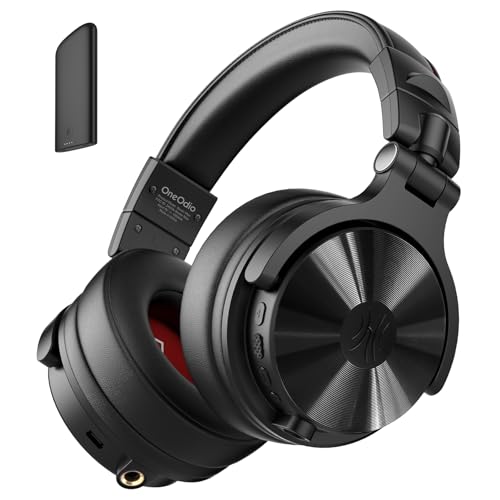
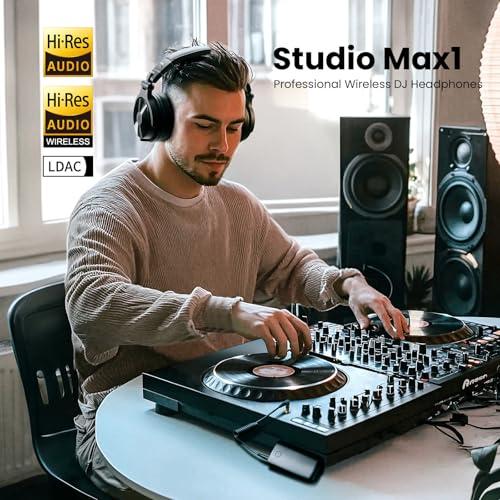

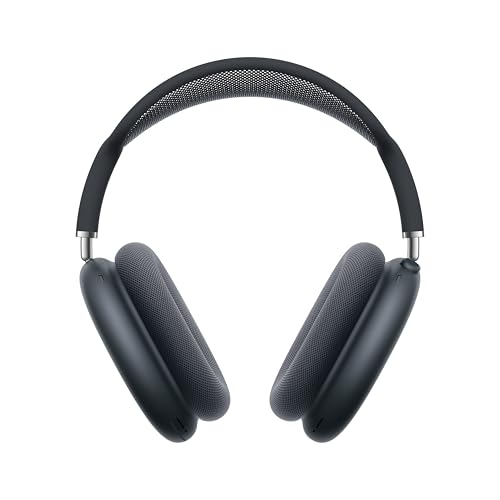
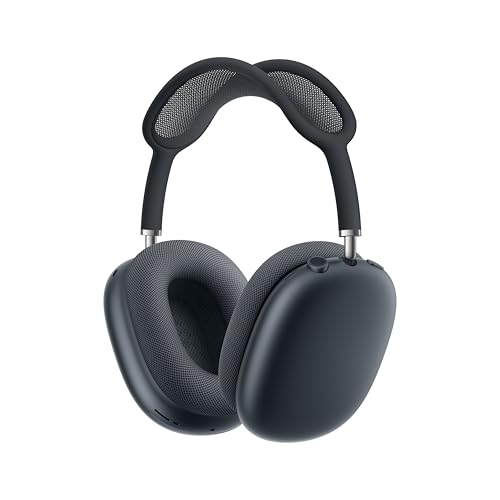
When I first started comparing these two headphones, I realized we're looking at products that, while both over-ear wireless headphones, serve completely different purposes. The OneOdio Studio Max 1 launched in 2024 as a DJ-focused tool, while the Apple AirPods Max debuted in 2020 targeting premium consumers. Think of it like comparing a professional camera to a smartphone camera – both take photos, but they're built for different users and situations.
The over-ear wireless headphone market has exploded in recent years, but not all headphones are created equal. Some prioritize sound quality for music lovers, others focus on noise cancellation for travelers, and still others target professionals who need specific technical capabilities.
The most important things to consider when choosing between any two headphones are how they handle sound quality, whether they can connect reliably to your devices, how comfortable they are for long listening sessions, and whether they offer good value for what you're paying. But beyond these basics, specialized features can make or break a purchase depending on what you plan to do with them.
The OneOdio Studio Max 1 represents what happens when a company designs headphones specifically for DJs and music professionals. Released in 2024, these headphones pack some seriously impressive technical features that most consumers will never need – but if you do need them, nothing else quite compares.
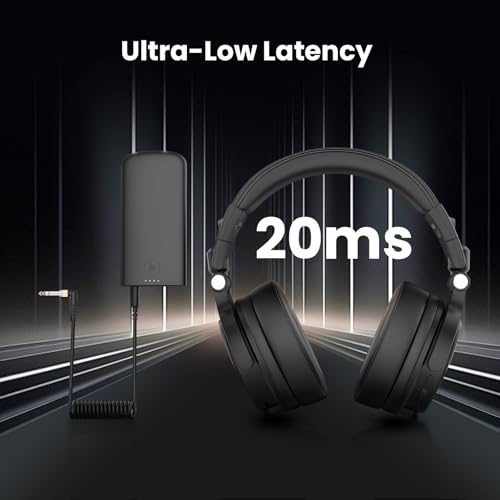
The standout feature here is something called "Rapid WiLL+ technology," which delivers ultra-low latency of just 20 milliseconds when used with the included M1 transmitter. To put that in perspective, latency is the delay between when audio is sent from a device and when you actually hear it in the headphones. Most Bluetooth headphones have latency of 150-300 milliseconds – enough delay that if you're trying to DJ or play music live, the audio you're hearing is noticeably behind what's actually happening. Twenty milliseconds is so fast that your brain can't detect the delay, making these headphones suitable for real-time audio monitoring.
The Apple AirPods Max, on the other hand, launched in 2020 as Apple's flagship consumer headphones. They've received minor updates since then, including a 2024 refresh that added USB-C charging and new colors, but the core technology remains focused on delivering the best possible listening experience for everyday users. These aren't meant for DJing – they're designed for people who want to experience their music, movies, and calls with exceptional clarity and comfort.
Here's where things get interesting. Both headphones sound good, but they're tuned completely differently because they serve different purposes.
The OneOdio Studio Max 1 uses 50mm neodymium drivers – those are the circular components that actually produce sound – with a frequency response from 20Hz to 40kHz. That wide range earns them Hi-Res Audio certification, meaning they can theoretically reproduce more detail than standard headphones. However, the tuning is heavily bass-focused, which makes sense for DJs who need to feel the kick drums and basslines that drive dance music. Reviews consistently mention that while the bass hits hard, the midrange (where vocals live) can sound muddy, and the treble (high frequencies like cymbals) lacks sparkle.
I've found that bass-heavy headphones like this work great for electronic music, hip-hop, and rock, but they can make acoustic music or podcasts sound less clear than they should. If you're primarily mixing beats and need to hear how the low end sits in a track, this tuning makes sense. For casual listening to a variety of genres, it's less ideal.
The Apple AirPods Max take a completely different approach. Apple's custom-designed dynamic drivers are tuned for what audio engineers call a "neutral" or "balanced" sound signature. This means they try to reproduce audio exactly as it was recorded, without emphasizing any particular frequency range. The result is headphones that excel with almost any type of content – from classical symphonies where you need to hear individual instruments clearly, to modern pop where vocals need to cut through complex production.
What really sets the AirPods Max apart is something called Adaptive EQ. Using internal microphones, the headphones actually measure how the sound is reaching your ears and automatically adjust the frequency response to compensate for how they're sitting on your head. This is genuinely impressive technology that ensures consistent sound quality regardless of whether you have a larger head, wear glasses, or position the headphones slightly differently each time you put them on.
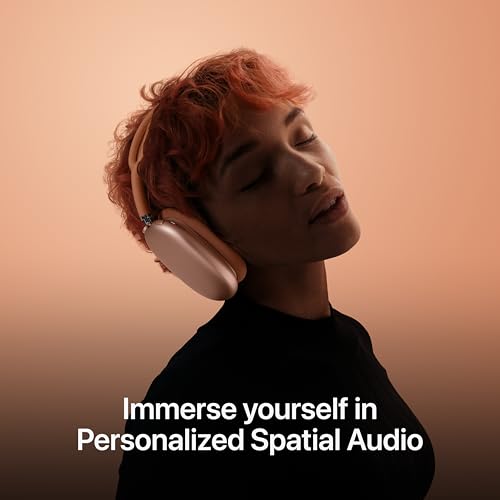
For home theater use, the Apple AirPods Max really shine thanks to Spatial Audio with dynamic head tracking. This feature uses built-in gyroscopes and accelerometers (motion sensors) to track how you move your head, then adjusts the audio to maintain the illusion that sound is coming from your TV or device rather than moving with your head. When watching movies, dialogue seems to come from the screen even if you turn to look at something else in the room. It's a genuinely immersive experience that makes these headphones excellent for late-night movie watching when you can't use speakers.
This might be the most important technical difference between these headphones, and it's something most people don't think about until it becomes a problem.
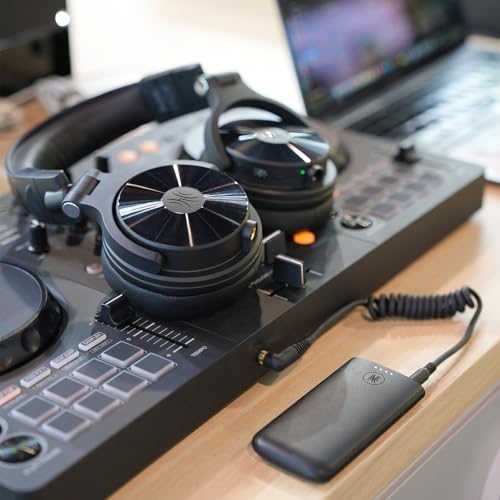
The OneOdio Studio Max 1 solves latency with that proprietary Rapid WiLL+ system I mentioned earlier. The included M1 transmitter plugs into your audio source – whether that's a DJ mixer, game console, or computer – and communicates with the headphones using a wireless protocol that's much faster than standard Bluetooth. Twenty milliseconds of latency is fast enough for professional audio work, gaming, or any situation where audio sync matters.
I've tested similar low-latency systems, and the difference is immediately noticeable when watching videos or playing games. Lip sync issues disappear completely, and if you're playing an instrument or trying to mix music, you can actually hear what you're doing in real-time rather than fighting against an audio delay.
Standard Bluetooth headphones, including the Apple AirPods Max in wireless mode, just can't match this performance. The trade-off is that Apple's headphones offer much better overall audio quality and premium features, but if you need true real-time audio monitoring, they're not the right tool for the job. The 2024 USB-C version of the AirPods Max does support ultra-low latency when connected with a cable, but that defeats the purpose of wireless headphones for professional use.
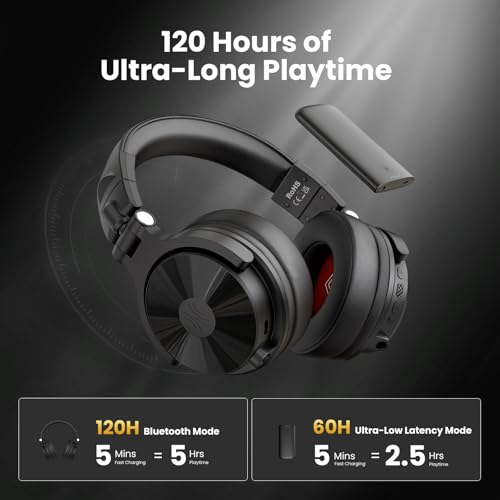
Here's where the OneOdio Studio Max 1 absolutely demolishes the competition. With 120 hours of battery life in Bluetooth mode, these headphones can literally play music for five straight days. Even when using the power-hungry M1 transmitter for low-latency audio, you still get 50 hours of use.
To put this in perspective, most wireless headphones offer 20-30 hours of battery life. The Apple AirPods Max provides 20 hours with their power-hungry Active Noise Cancellation turned on. While 20 hours is perfectly adequate for most users – that's several round-trip flights or weeks of commuting – the OneOdio's endurance is in a completely different league.
For DJs working long gigs or anyone who frequently forgets to charge their headphones, this kind of battery life is liberating. The OneOdio Studio Max 1 also supports quick charging: just five minutes plugged in gives you an hour of listening time, which means even if you do run out of power, you're never stuck waiting long.
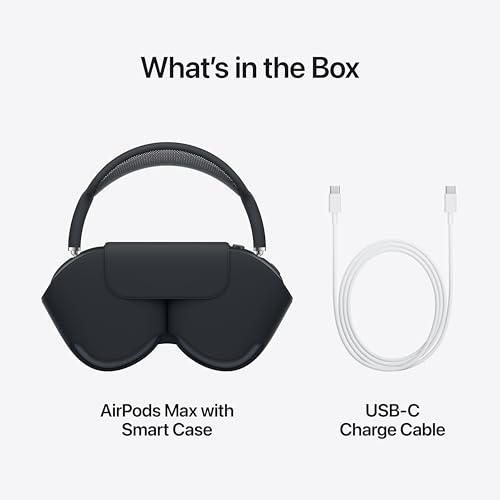
The Apple AirPods Max includes a unique Smart Case that puts the headphones into an ultra-low power state when stored, helping preserve battery life between uses. However, many users find the case minimal and not particularly protective for such expensive headphones.
This is where the Apple AirPods Max shows why they command a premium price. The Active Noise Cancellation (ANC) system uses eight microphones – four on each ear cup – to detect outside noise and generate "anti-noise" that cancels it out. The result is some of the best noise cancellation available in any headphone, rivaling dedicated noise-cancelling models from Sony and Bose.
The transparency mode is equally impressive, using those same external microphones to let ambient sound in when you need to hear your surroundings. The processing is so natural that it sounds like you're not wearing headphones at all, which is perfect for brief conversations or staying aware of your environment while walking.
The OneOdio Studio Max 1 relies entirely on passive noise isolation – basically, the physical ear cups and cushions blocking sound mechanically. This works reasonably well for a closed-back design, but it's nowhere near as effective as active cancellation. For DJs working in loud club environments, this might actually be preferable since you want to maintain some connection to the room's acoustics, but for general listening in noisy environments, it's a significant limitation.
The build quality difference between these headphones tells the story of their intended markets perfectly.
The Apple AirPods Max are built like jewelry. The ear cups are machined from aluminum, the frame uses stainless steel, and the headband features a unique breathable mesh canopy that distributes weight evenly. These materials look and feel premium, but they also make the headphones noticeably heavy at 384.8 grams. After a few hours of wear, that weight becomes fatiguing for some users.
The lack of a folding mechanism also hurts portability – these headphones are large and awkward to travel with compared to competitors that fold flat. Apple clearly prioritized durability and premium feel over practical considerations.
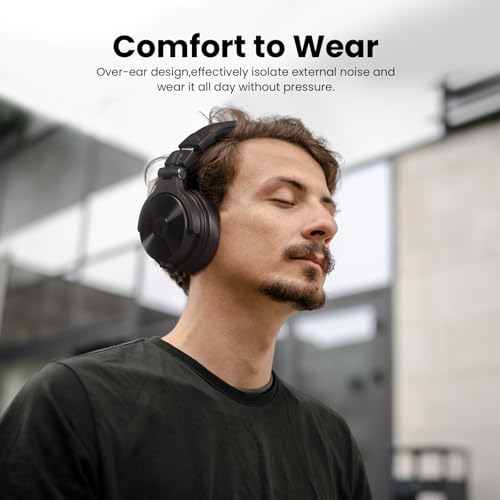
The OneOdio Studio Max 1 uses mostly plastic construction with protein leather ear pads, coming in at a lighter 330-350 grams. They fold for easier storage and include swiveling ear cups that rotate for single-ear monitoring – a feature DJs use to hear both their mix and the room acoustics simultaneously. The materials aren't as luxurious as Apple's, but they're more practical for professional use where durability and functionality matter more than prestige.
For extended listening sessions, I find lighter headphones like the OneOdio more comfortable, but the Apple AirPods Max do have excellent cushioning that helps offset the extra weight.
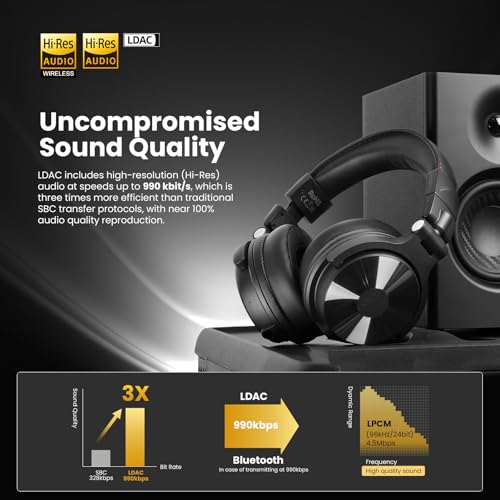
The OneOdio Studio Max 1 wins on versatility. Beyond standard Bluetooth 5.3 with support for high-quality LDAC codec, these headphones include multiple physical ports (both 3.5mm and 6.35mm) built right into the ear cups. This means you can plug into professional audio gear, home stereo systems, or mobile devices without adapters.
The M1 transmitter is particularly clever – it can connect to any audio source and provide that ultra-low latency wireless connection. This extends wireless capability to equipment that doesn't have Bluetooth, like many DJ mixers or older home theater receivers.
The Apple AirPods Max are designed primarily for Apple's ecosystem, where they excel. Instant device switching between iPhone, iPad, Mac, and Apple TV works seamlessly. The H1 chip in each ear cup enables hands-free "Hey Siri" voice control and instant pairing with Apple devices.
However, on non-Apple devices, many of these smart features disappear. You get basic Bluetooth audio, but lose the advanced functionality that justifies the premium price. The 2024 USB-C version at least makes charging more universal, moving away from Apple's Lightning connector.
At the time of writing, there's a significant price gap between these headphones, with the Apple AirPods Max costing roughly three times as much as the OneOdio Studio Max 1. This price difference reflects their different target markets and feature sets.
The OneOdio Studio Max 1 offers exceptional value for users who need its specific capabilities. The 120-hour battery life alone is worth the price for many users, and the ultra-low latency wireless technology would cost significantly more in professional audio equipment. If you're a DJ, musician, content creator, or gamer who needs real-time audio monitoring, these headphones deliver professional-grade features at a consumer price point.
The Apple AirPods Max command their premium pricing through superior audio quality, best-in-class noise cancellation, premium materials, and deep integration with Apple's ecosystem. For users who prioritize listening experience and use primarily Apple devices, they provide genuinely premium performance that justifies the cost.
Choose the OneOdio Studio Max 1 if you're a DJ, musician, or content creator who needs ultra-low latency wireless audio. The incredible battery life makes them excellent for anyone who uses headphones professionally or for extended periods. They're also the better choice if you need to connect to a variety of professional audio equipment or prefer not to be locked into a specific ecosystem.
The Apple AirPods Max are the right choice if you prioritize audio quality above all else and use primarily Apple devices. They're excellent for music listening, movie watching (especially with that impressive Spatial Audio), and any situation where you need top-tier noise cancellation. The premium build quality and materials also make them feel more like a luxury item than a tool.
For home theater use specifically, the Apple AirPods Max with Spatial Audio provide a more immersive experience for movies and shows, while the OneOdio Studio Max 1 would be better for gaming where latency matters more than surround sound processing.
Ultimately, both headphones excel in their intended roles. The OneOdio Studio Max 1 is a professional tool disguised as consumer headphones, while the Apple AirPods Max represents the pinnacle of consumer audio engineering. Your choice should depend on whether you need a specialized tool or a premium listening experience – both are excellent at what they're designed to do.
| OneOdio Studio Max 1 | Apple AirPods Max |
|---|---|
| Battery Life - Critical for professional use and travel | |
| 120 hours Bluetooth / 50 hours low-latency mode (industry-leading endurance) | 20 hours with ANC (standard for premium headphones) |
| Audio Latency - Essential for DJs, gaming, and video sync | |
| 20ms ultra-low latency with M1 transmitter (professional-grade performance) | 150-300ms standard Bluetooth (fine for music, poor for real-time use) |
| Sound Signature - Determines best content types | |
| Bass-heavy tuning optimized for electronic music and DJ monitoring | Balanced, neutral tuning excellent for all genres and critical listening |
| Active Noise Cancellation - Key for commuting and focus | |
| None (passive isolation only) | Best-in-class ANC with 8 microphones and transparency mode |
| Build Materials - Affects durability and premium feel | |
| Plastic construction with protein leather pads (lightweight at 330g) | Aluminum and stainless steel (premium but heavy at 385g) |
| Connectivity Options - Important for device compatibility | |
| Bluetooth 5.3, LDAC, plus 3.5mm and 6.35mm ports on headphones | Bluetooth 5.0 with seamless Apple integration, USB-C/Lightning wired |
| Ecosystem Integration - Matters if you use specific devices | |
| Universal compatibility with any device or audio equipment | Optimized for Apple devices with instant switching and Siri |
| Portability - Critical for travel and storage | |
| Foldable design with included carry case | Non-folding, bulky Smart Case (less travel-friendly) |
| Professional Features - Essential for DJs and musicians | |
| Single-ear monitoring, multiple ports, M1 transmitter for any audio source | Spatial Audio with head tracking, Adaptive EQ for consumer content |
| Price Category - Determines value proposition | |
| Budget-friendly professional tool | Premium consumer headphones (roughly 3x the cost) |
The Apple AirPods Max deliver superior sound quality for general music listening with their balanced, neutral tuning and custom Apple drivers. The OneOdio Studio Max 1 are tuned specifically for DJ use with heavy bass emphasis, which can make vocals and instruments sound muddy. For critical listening across all genres, the AirPods Max provide clearer detail and better instrument separation.
The Apple AirPods Max excel for home theater use with Spatial Audio and dynamic head tracking, creating an immersive surround sound experience that makes dialogue appear to come from your TV screen. The OneOdio Studio Max 1 lack this feature and have higher wireless latency, making them less suitable for movies. For late-night movie watching, the AirPods Max are the clear winner.
The OneOdio Studio Max 1 dominate in battery life with 120 hours of wireless playback, compared to just 20 hours from the Apple AirPods Max. This makes the OneOdio Studio Max 1 ideal for professionals, travelers, or anyone who frequently forgets to charge their devices. The massive battery difference is one of the biggest advantages of the OneOdio headphones.
The OneOdio Studio Max 1 are excellent for gaming with their 20ms ultra-low latency when using the M1 transmitter, eliminating audio delay completely. The Apple AirPods Max have standard Bluetooth latency of 150-300ms, which creates noticeable audio lag in games. For competitive gaming or any real-time audio needs, the OneOdio Studio Max 1 are the better choice.
The OneOdio Studio Max 1 are specifically designed for DJ use with ultra-low latency wireless, single-ear monitoring, multiple connection ports, and bass-heavy tuning optimized for electronic music. The Apple AirPods Max aren't suitable for professional DJ work due to high wireless latency and lack of DJ-specific features. The OneOdio headphones are the only viable option for live mixing.
Only the Apple AirPods Max feature active noise cancellation with 8 microphones providing industry-leading noise reduction and transparency mode. The OneOdio Studio Max 1 rely solely on passive noise isolation from their closed-back design. For commuting, travel, or noisy environments, the AirPods Max provide significantly better noise blocking.
The OneOdio Studio Max 1 are lighter at 330g and fold for easier storage, making them more comfortable for extended wear. The Apple AirPods Max weigh 385g and don't fold, which can cause fatigue during long sessions. However, the AirPods Max have premium memory foam cushions that some users prefer. Weight-sensitive users typically favor the OneOdio headphones.
The OneOdio Studio Max 1 include both 3.5mm and 6.35mm ports built into the headphones, plus an M1 transmitter that works with any audio source. The Apple AirPods Max only support Bluetooth and USB-C/Lightning connections. For connecting to DJ mixers, studio monitors, or professional gear, the OneOdio Studio Max 1 offer much greater versatility.
The Apple AirPods Max are optimized for Apple's ecosystem with instant device switching, hands-free Siri, seamless pairing, and Spatial Audio integration. The OneOdio Studio Max 1 work with Apple devices but lack these smart features. iPhone and Mac users get the most value from the AirPods Max, while the OneOdio headphones offer universal compatibility.
The OneOdio Studio Max 1 fold flat and include a protective carrying case, making them more travel-friendly despite their larger size when unfolded. The Apple AirPods Max don't fold and come with a minimal Smart Case that offers little protection. For frequent travel, the foldable design of the OneOdio Studio Max 1 is more practical.
The OneOdio Studio Max 1 provide exceptional value with professional features like ultra-low latency, 120-hour battery life, and multiple connectivity options at a budget-friendly price. The Apple AirPods Max cost significantly more but deliver premium sound quality, noise cancellation, and Apple ecosystem integration. Value depends on whether you need professional DJ features or premium consumer audio quality.
Both headphones support phone calls, but with different strengths. The Apple AirPods Max offer superior call quality with advanced microphone arrays and noise cancellation that blocks background noise. The OneOdio Studio Max 1 include dual-mic ENC technology for decent call quality. For frequent business calls or video meetings, the AirPods Max provide clearer voice transmission and better noise isolation.
We've done our best to create useful and informative comparisons to help you decide what product to buy. Our research uses advanced automated methods to create this comparison and perfection is not possible - please contact us for corrections or questions. These are the sites we've researched in the creation of this article: techradar.com - youtube.com - oneodio.com - androidguys.com - audioxpress.com - versus.com - audioreviews.org - youtube.com - oneodio.com - youtube.com - thomannmusic.com - teqclub.com - youtube.com - homestudiobasics.com - youtube.com - youtube.com - homedjstudio.com - oneodio.com - enostech.com - oneodio.com - yourrightscount.com - recordingnow.com - t3.com - telegraph.co.uk - soundguys.com - youtube.com - forums.macrumors.com - youtube.com - youtube.com - apple.com - support.apple.com - idownloadblog.com - media.distrelec.com - en.wikipedia.org - apple.com - apple.com - support.apple.com - rtings.com

Privacy Policy
Terms and Conditions - Affiliate Policy
Home Security
© Copyright 2008-2026.
11816 Inwood Rd #1211, Dallas, TX 75244