

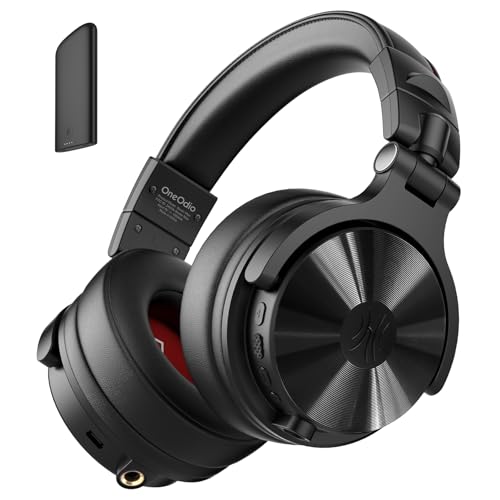
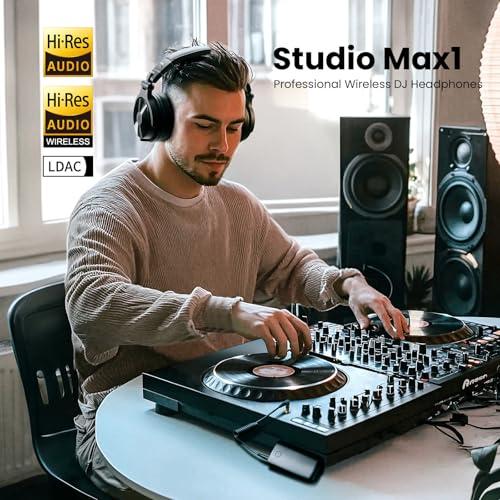







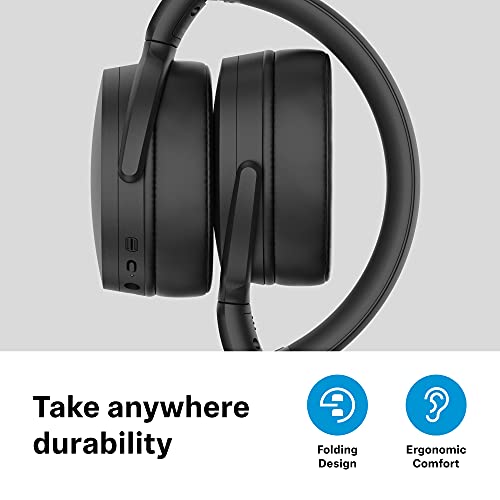
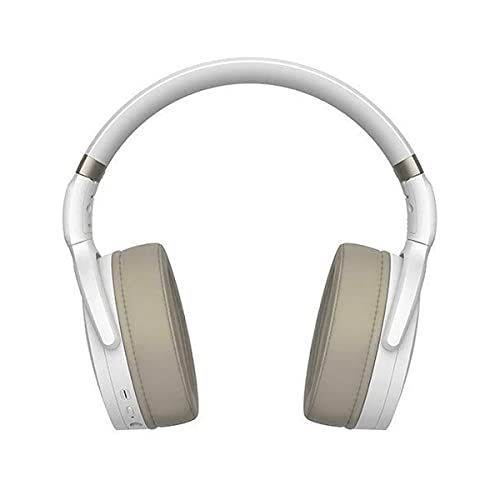
When you're shopping for wireless headphones, you'll quickly discover that not all models are created equal. Some are designed for everyday listening, while others target specific professional needs. Today, I'm comparing two very different approaches to wireless audio: the OneOdio Studio Max 1 Wireless DJ Headphones and the Sennheiser HD 450BT Wireless Noise Cancelling Headphones.
Released in 2025, the OneOdio Studio Max 1 represents a breakthrough in professional wireless audio technology. Meanwhile, the Sennheiser HD 450BT, which launched around 2022, focuses on delivering reliable active noise cancellation for everyday users. At the time of writing, these headphones occupy different price segments, with the OneOdio positioned as a mid-to-upper range professional tool, while the Sennheiser offers excellent value in the budget-to-mid range consumer market.
Before diving into specifics, let's talk about what makes wireless headphones tick. The most important factors include audio quality (how good they sound), connectivity performance (how well they connect and stay connected), battery life, comfort for long sessions, and any special features like noise cancellation or professional audio capabilities.
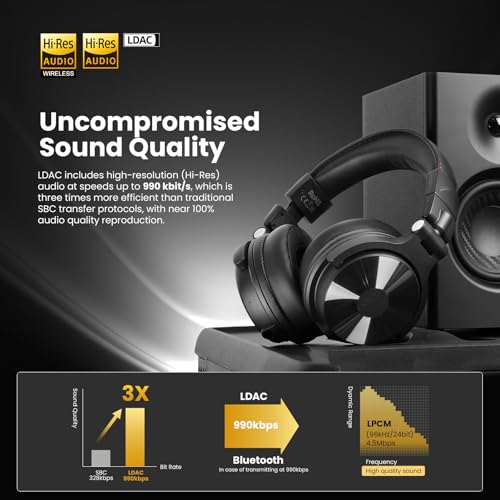
The wireless headphone market has evolved dramatically since 2020. We've seen major improvements in battery technology, with some models now offering 100+ hours of playback time. Bluetooth technology has also advanced significantly, with version 5.3 offering better range, lower power consumption, and support for higher-quality audio codecs like LDAC (Low Delay Audio Codec), which can transmit much more audio information than standard Bluetooth.
One of the biggest challenges in wireless audio has always been latency—the tiny delay between when audio is created and when you hear it. For casual listening, a delay of 100-200 milliseconds isn't noticeable. But for DJs, musicians, or serious gamers, even 40-50 milliseconds can be problematic. This is where these two headphones take completely different approaches.
The OneOdio Studio Max 1 and Sennheiser HD 450BT represent two distinct philosophies in wireless audio design. The OneOdio prioritizes technical performance that professionals demand, while the Sennheiser focuses on features that enhance daily life for regular users.
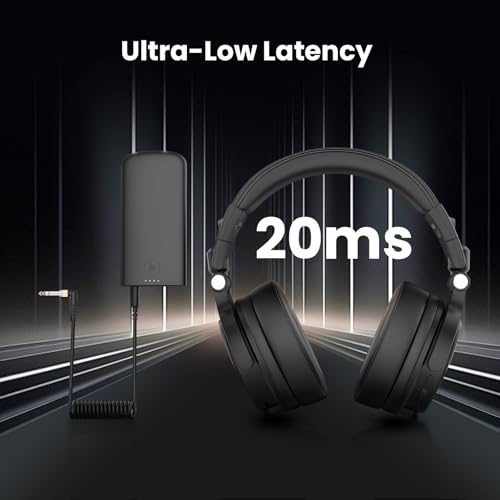
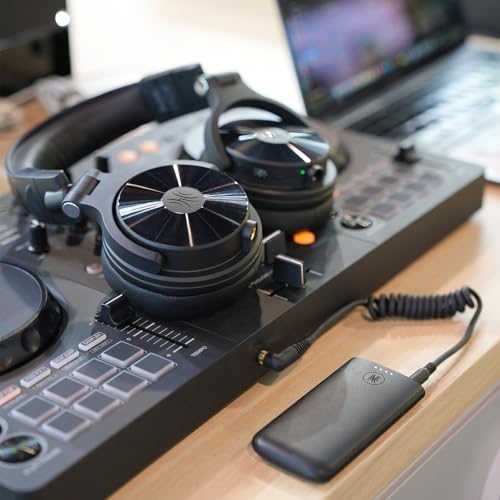
What makes the OneOdio Studio Max 1 truly special is its revolutionary approach to wireless latency. Using OneOdio's proprietary RAPID WILL+ technology, these headphones achieve just 20 milliseconds of wireless delay when used with the included M1 transmitter. To put this in perspective, that's faster than most people can blink an eye.
This ultra-low latency capability is genuinely game-changing for DJs and musicians. Traditional wireless headphones have made it nearly impossible to DJ wirelessly because the audio delay makes it impossible to match beats or cue tracks properly. The OneOdio Studio Max 1 solves this problem, essentially making wireless DJing practical for the first time.
The headphones use 50mm neodymium drivers—larger than many competitors—with an impressive frequency response range of 20Hz to 40,000Hz. Frequency response tells you the range of sounds the headphones can reproduce, from deep bass (low frequencies) to crisp highs (high frequencies). Most human hearing tops out around 20,000Hz, so the extended range suggests these headphones can capture subtle audio details that might be lost on other models.
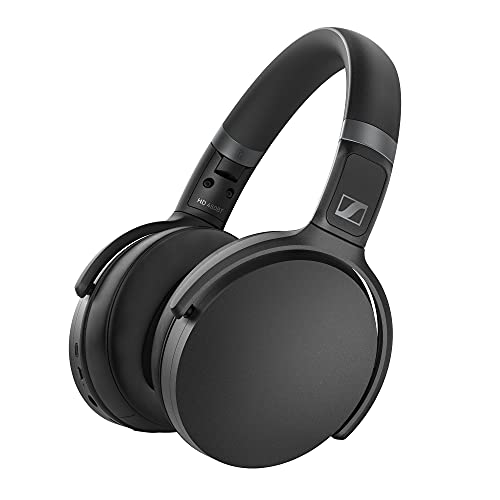
The Sennheiser HD 450BT, on the other hand, excels in areas that matter most to everyday users. Its standout feature is active noise cancellation (ANC), which uses built-in microphones to detect ambient noise and then generates opposing sound waves to cancel it out. Think of it like creating "anti-noise" that neutralizes background sounds.
While the Sennheiser HD 450BT's ANC isn't the strongest on the market, it effectively reduces low-frequency sounds like traffic, air conditioning, and background chatter. This makes them excellent for commuting, working in noisy environments, or just enjoying music without cranking up the volume to dangerous levels.
The Sennheiser HD 450BT uses Bluetooth 5.0 with support for several audio codecs, including aptX and aptX Low Latency. While not as advanced as the OneOdio's ultra-low latency system, aptX Low Latency still provides good performance for watching videos or casual gaming, reducing the typical Bluetooth delay from around 150ms to about 40ms.
The OneOdio Studio Max 1 features what's called a "DJ-tuned" sound signature, developed in collaboration with professional DJ Arianna. This means the frequency response is optimized for mixing and monitoring rather than casual listening. The sound tends to emphasize bass and clear mids, helping DJs identify different elements in complex tracks.
However, this professional tuning comes with trade-offs. Some users report that the sound can be bass-heavy with somewhat weak treble, which might not appeal to everyone for general music listening. The headphones are Hi-Res Audio certified and support LDAC codec, meaning they can handle high-resolution audio files with more detail than standard Bluetooth allows.
Interestingly, many users report that the OneOdio Studio Max 1 sounds significantly better in wired mode compared to wireless. This suggests that while the wireless technology is impressive, the wired connection still provides the purest audio quality for critical listening.
The Sennheiser HD 450BT takes a more consumer-friendly approach to sound tuning. Users consistently report smooth, detailed audio with good instrument separation—meaning you can easily distinguish between different instruments and vocals in a song. The bass is present but not overpowering, making these headphones versatile for different music genres.
The frequency response is more conservative at 18Hz-22,000Hz, but this still covers the full range of human hearing with some headroom. The soundstage—how spacious and open the music feels—is described as compact due to the closed-back design, but the overall balance makes them suitable for long listening sessions.
One area where the Sennheiser HD 450BT shines is podcast listening. The clear midrange and good vocal reproduction make spoken content particularly enjoyable, with no hiss or distortion that can plague lower-quality headphones.
This is where the OneOdio Studio Max 1 absolutely dominates. With up to 120 hours of battery life in Bluetooth mode, these headphones offer endurance that's practically unprecedented in the wireless headphone market. Even when using the ultra-low latency mode with the M1 transmitter, you still get 50 hours of playback.
To put this in perspective, 120 hours means you could listen for 4 hours every day for a month before needing to recharge. For DJs working long weekend gigs or festivals, this kind of battery life eliminates the anxiety of running out of power mid-performance.
The OneOdio Studio Max 1 also features impressive fast charging: just 5 minutes of charging provides an hour of playback time. The full charge takes about 2.5 hours using the included USB-C cable.
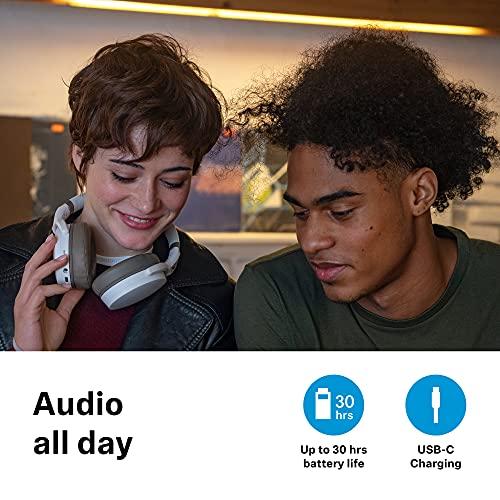
The Sennheiser HD 450BT offers a more typical but still respectable 30 hours of battery life with ANC enabled. This is excellent for consumer use—easily lasting through long flights or several days of commuting. The charging time is similar at about 2 hours for a full charge via USB-C.
Comfort becomes crucial when you're wearing headphones for hours at a time, and this is where the approaches diverge significantly.
The OneOdio Studio Max 1 weighs between 330-350 grams, making them noticeably heavier than many competitors. They feature protein leather ear pads and a padded headband, but several users report fatigue during extended sessions. The design prioritizes functionality with swiveling earcups that rotate 90 degrees for single-ear monitoring—a essential feature for DJs who need to cue tracks while keeping one ear on the room audio.
The professional design aesthetic is unmistakable: these are large, bold headphones that announce their purpose. They fold for storage and come with a premium travel case, but they're not what you'd call subtle or ultra-portable.
The Sennheiser HD 450BT takes a much lighter approach at just 238 grams—nearly 100 grams lighter than the OneOdio. This weight difference is immediately noticeable and makes them much more comfortable for extended listening sessions. The foldable design and more conservative styling make them suitable for everyday wear without drawing unwanted attention.
For home theater use, both headphones work well, but for different reasons. The OneOdio Studio Max 1's ultra-low latency makes them excellent for gaming or watching action movies where audio sync is critical. The Sennheiser HD 450BT's lighter weight and ANC make them better for long movie marathons or late-night viewing when you don't want to disturb others.
The OneOdio Studio Max 1 offers exceptional connectivity flexibility with four different connection modes. Beyond standard Bluetooth 5.3, you get the proprietary ultra-low latency wireless via the M1 transmitter, traditional wired connections through both 3.5mm and 6.35mm jacks, and even USB digital audio through the transmitter.
This versatility is crucial for professional use. DJs often work with equipment that may not have Bluetooth capability, so having multiple wired options ensures compatibility with virtually any audio setup. The M1 transmitter can also add wireless capability to devices that don't have it built-in, like older DJ controllers or musical instruments.
The Sennheiser HD 450BT focuses on consumer-friendly connectivity with Bluetooth 5.0 and multipoint capability, meaning you can connect to two devices simultaneously. This is incredibly practical for everyday use—you can be connected to both your laptop and phone, switching seamlessly between work calls and personal music.
The OneOdio Studio Max 1 includes several features specifically designed for professional audio work. The one-ear monitoring capability is essential for DJs who need to cue the next track while keeping one ear on the current output. The single-sided cable routing prevents tangling during active DJ sessions.
The M1 transmitter is particularly clever, extending the headphones' wireless capability to devices that wouldn't otherwise support it. This means you could use these wirelessly with older DJ controllers, vintage audio equipment, or even instruments with standard audio outputs.
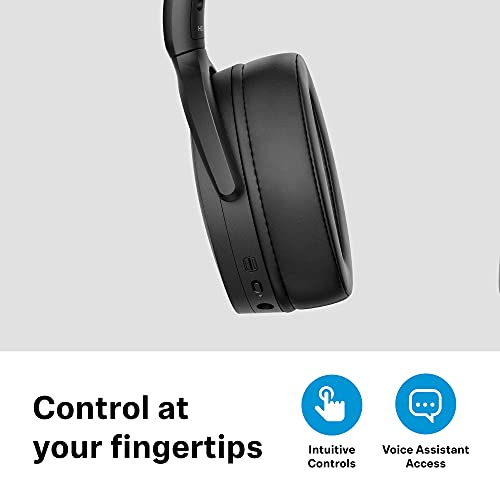
The Sennheiser HD 450BT includes practical features for everyday use. The active noise cancellation has multiple modes and can be toggled on or off depending on your environment. Integration with voice assistants like Google Assistant and Siri means you can control music, make calls, or get information without reaching for your phone.
The Sennheiser Smart Control app provides EQ adjustments and firmware updates, allowing you to customize the sound signature to your preferences. While not as extensive as some competitors, it offers enough control for most users to fine-tune their listening experience.
At the time of writing, these headphones occupy different value segments, and understanding what you're paying for is crucial to making the right choice.
The OneOdio Studio Max 1 commands a higher price point, but you're paying for genuinely innovative technology. The 20ms wireless latency capability is currently unique in consumer headphones, and the 120-hour battery life is unmatched across any price range. For professionals who need these specific capabilities, the value proposition is strong despite the higher cost.
The Sennheiser HD 450BT represents excellent value in the consumer market, particularly given significant price reductions since their 2022 launch. You're getting proven noise cancellation technology, solid build quality, and the reliability of an established audio brand at a very competitive price point.
Choose the OneOdio Studio Max 1 if you're a DJ, musician, or serious audio enthusiast who needs professional capabilities. The ultra-low latency opens up use cases that simply aren't possible with other wireless headphones. The marathon battery life means you can work long sessions without worrying about power, and the multiple connectivity options ensure compatibility with professional equipment.
The Sennheiser HD 450BT is the better choice for general consumers, commuters, and office workers. The active noise cancellation makes them excellent for noisy environments, the lighter weight ensures comfort during long sessions, and the consumer-focused features like voice assistant integration and app control enhance daily usability.
For home theater use, consider your primary needs. If you're a gamer or watch a lot of action content where audio sync matters, the OneOdio Studio Max 1's low latency is valuable. For general movie watching, especially in noisy environments, the Sennheiser HD 450BT's comfort and noise cancellation provide a better experience.
Both headphones excel in their intended domains. The OneOdio Studio Max 1 pushes the boundaries of what's possible in wireless professional audio, while the Sennheiser HD 450BT refines the consumer wireless headphone experience with practical, proven technology. Your choice should align with whether you need professional capabilities or consumer convenience—both represent solid value in their respective markets.
| OneOdio Studio Max 1 Wireless DJ Headphones | Sennheiser HD 450BT Wireless Noise Cancelling Headphones |
|---|---|
| Wireless Latency - Critical for DJs, gaming, and video sync | |
| 20ms ultra-low latency (industry-leading for real-time monitoring) | Standard Bluetooth latency ~150ms (fine for music, not ideal for video) |
| Battery Life - Determines how long you can use them wirelessly | |
| 120 hours Bluetooth / 50 hours low-latency mode (marathon endurance) | 30 hours with ANC (excellent for daily use, typical for category) |
| Weight - Affects comfort during long sessions | |
| 330-350g (heavier, may cause fatigue) | 238g (significantly lighter, better for extended wear) |
| Driver Size - Larger drivers typically produce fuller sound | |
| 50mm neodymium drivers (large for detailed sound reproduction) | Dynamic drivers, size unspecified (adequate for consumer use) |
| Active Noise Cancellation - Reduces background noise | |
| No ANC (relies on closed-back design for passive isolation) | Yes, effective ANC for commuting and noisy environments |
| Frequency Response - Range of sounds the headphones can reproduce | |
| 20Hz-40,000Hz (extended range, Hi-Res Audio certified) | 18Hz-22,000Hz (covers full human hearing range) |
| Bluetooth Version - Newer versions offer better performance and features | |
| Bluetooth 5.3 with LDAC, AAC, SBC, LC3 codecs | Bluetooth 5.0 with SBC, AAC, aptX, aptX Low Latency |
| Professional Features - Specialized capabilities for audio work | |
| One-ear monitoring, multiple connection modes, M1 transmitter included | Voice assistant integration, multipoint connection, Smart Control app |
| Target Audience - Who these headphones are designed for | |
| DJs, musicians, audio professionals, serious gamers | General consumers, commuters, office workers, casual listeners |
| Charging Speed - How quickly you can get back to listening | |
| 5 minutes = 1 hour playback, USB-C (excellent quick charge) | Standard charging speed, USB-C (typical for category) |
| Sound Signature - How the headphones are tuned | |
| DJ-tuned with punchy bass, professional monitoring focus | Consumer-friendly balanced sound with smooth detail |
The OneOdio Studio Max 1 Wireless DJ Headphones are specifically designed for DJing and music production. They feature 20ms ultra-low latency wireless technology, one-ear monitoring capability, and multiple professional connection options. The Sennheiser HD 450BT lacks these professional features and has standard Bluetooth latency that makes real-time DJ monitoring impractical.
No, only the Sennheiser HD 450BT Wireless Noise Cancelling Headphones feature active noise cancellation (ANC) that effectively reduces background noise for commuting and office work. The OneOdio Studio Max 1 relies solely on passive noise isolation from its closed-back design and doesn't include ANC technology.
The OneOdio Studio Max 1 Wireless DJ Headphones offer exceptional battery life with up to 120 hours of Bluetooth playback, far exceeding the Sennheiser HD 450BT which provides 30 hours with ANC enabled. The OneOdio's battery life is among the best in any headphone category.
The Sennheiser HD 450BT Wireless Noise Cancelling Headphones are more comfortable for extended wear at just 238g, while the OneOdio Studio Max 1 weighs 330-350g and may cause fatigue during long sessions. The weight difference of nearly 100g is significant for all-day comfort.
The OneOdio Studio Max 1 Wireless DJ Headphones excel for gaming due to their 20ms ultra-low latency, which eliminates audio delay that can affect competitive performance. The Sennheiser HD 450BT has standard Bluetooth latency that may cause noticeable audio-video sync issues in fast-paced games.
Both headphones support phone calls, but the Sennheiser HD 450BT Wireless Noise Cancelling Headphones are better suited for calls with dual MEMS beamforming microphones and ANC that reduces background noise. The OneOdio Studio Max 1 can handle calls but is primarily designed for audio monitoring rather than communication.
For home theater use, the OneOdio Studio Max 1 Wireless DJ Headphones provide superior audio-video sync with their 20ms latency, making them ideal for action movies and content where timing matters. The Sennheiser HD 450BT may have slight lip-sync delays but offers better comfort for movie marathons and ANC to block household noise.
Yes, both the OneOdio Studio Max 1 Wireless DJ Headphones and Sennheiser HD 450BT Wireless Noise Cancelling Headphones are compatible with iPhone and Android devices via Bluetooth. The Sennheiser also supports multipoint connection to pair with two devices simultaneously.
Sound quality depends on your preferences: the OneOdio Studio Max 1 offers DJ-tuned audio with punchy bass and Hi-Res Audio certification, while the Sennheiser HD 450BT provides more balanced, consumer-friendly tuning with smooth detail and good instrument separation for various music genres.
The OneOdio Studio Max 1 Wireless DJ Headphones offer extensive wired connectivity with 3.5mm and 6.35mm jack options plus detachable cables for professional equipment. The Sennheiser HD 450BT includes a 3.5mm wired connection but has more limited cable options compared to the professional-focused OneOdio.
The Sennheiser HD 450BT Wireless Noise Cancelling Headphones typically offer better value for general consumers with practical features like ANC, lightweight comfort, and proven reliability at a lower price point. The OneOdio Studio Max 1 provides exceptional value for DJs and audio professionals who need its specialized ultra-low latency capabilities.
The Sennheiser HD 450BT Wireless Noise Cancelling Headphones are superior for travel with active noise cancellation, lighter weight, and foldable design. The OneOdio Studio Max 1 Wireless DJ Headphones offer much longer battery life for extended trips but lack ANC and are bulkier, making the Sennheiser the better choice for most travelers.
We've done our best to create useful and informative comparisons to help you decide what product to buy. Our research uses advanced automated methods to create this comparison and perfection is not possible - please contact us for corrections or questions. These are the sites we've researched in the creation of this article: techradar.com - youtube.com - oneodio.com - androidguys.com - audioxpress.com - versus.com - audioreviews.org - youtube.com - oneodio.com - youtube.com - thomannmusic.com - teqclub.com - youtube.com - homestudiobasics.com - youtube.com - youtube.com - homedjstudio.com - oneodio.com - enostech.com - oneodio.com - yourrightscount.com - pocketnow.com - majorhifi.com - rtings.com - majorhifi.com - soundguys.com - rtings.com - bestbuy.com - versus.com - youtube.com - youtube.com - starkinsider.com - headphones.com - newsroom.sennheiser.com - headphonecheck.com - walmart.com - fullspecs.net - youtube.com - crutchfield.com - sennheiser-hearing.com - youtube.com - babblingboolean.com

Privacy Policy
Terms and Conditions - Affiliate Policy
Home Security
© Copyright 2008-2026.
11816 Inwood Rd #1211, Dallas, TX 75244