


Choosing the right pair of wireless headphones has become surprisingly complex. With so many options flooding the market, it's easy to get overwhelmed by marketing claims and technical specifications. Today, we're diving deep into two headphones that, while both fitting the "wireless over-ear" category, take completely different approaches to audio performance and user experience.
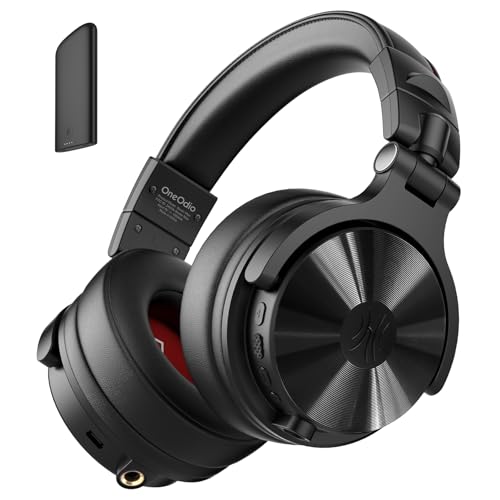
The OneOdio Studio Max 1 launched in 2025 as a professional-focused headphone designed primarily for DJs and musicians, while the Beats Studio Pro arrived in 2023 as Apple's answer to premium consumer headphones with balanced sound and modern features. Understanding which one suits your needs requires looking beyond surface-level specs to understand what each product actually delivers in real-world use.
Before we compare these specific models, it's worth discussing what matters most in wireless headphones. The key considerations break down into several areas: audio quality (how your music actually sounds), battery performance (how long they last and how quickly they charge), connectivity options (how they connect to your devices and how reliably), specialized features (like noise cancellation or low-latency modes), and build quality (comfort and durability).
What's interesting about comparing the OneOdio Studio Max 1 and Beats Studio Pro is that they prioritize these elements very differently. One focuses heavily on professional audio applications with features that most consumers will never need, while the other emphasizes the premium consumer experience with features that professionals might find limiting.
The most fundamental difference between these headphones lies in their approach to sound reproduction. The OneOdio Studio Max 1 uses massive 50mm neodymium drivers – that's the magnetic component that moves the diaphragm to create sound waves. Larger drivers generally mean more air movement and potentially better bass response, which explains why these headphones can reproduce frequencies as low as 20Hz and as high as 40kHz, well beyond what human ears can typically detect.
However, having wide frequency response doesn't automatically mean better sound. The OneOdio Studio Max 1 is specifically tuned for DJ monitoring, which means it emphasizes bass frequencies and has what reviewers describe as a "punchy" character. This tuning makes sense when you're trying to match beats or monitor low-end frequencies in a club environment, but it can sound overwhelming for casual listening to podcasts or acoustic music.
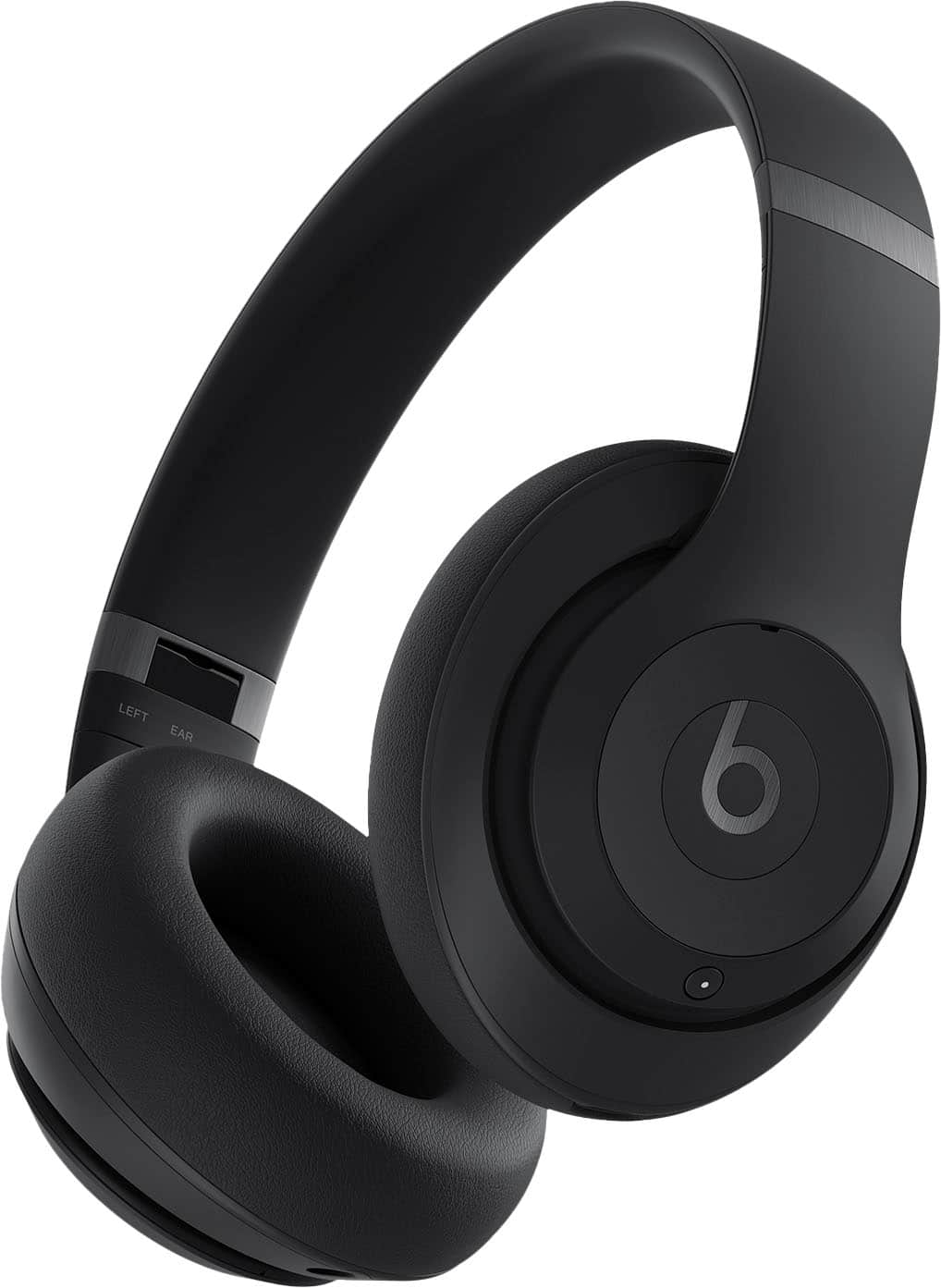
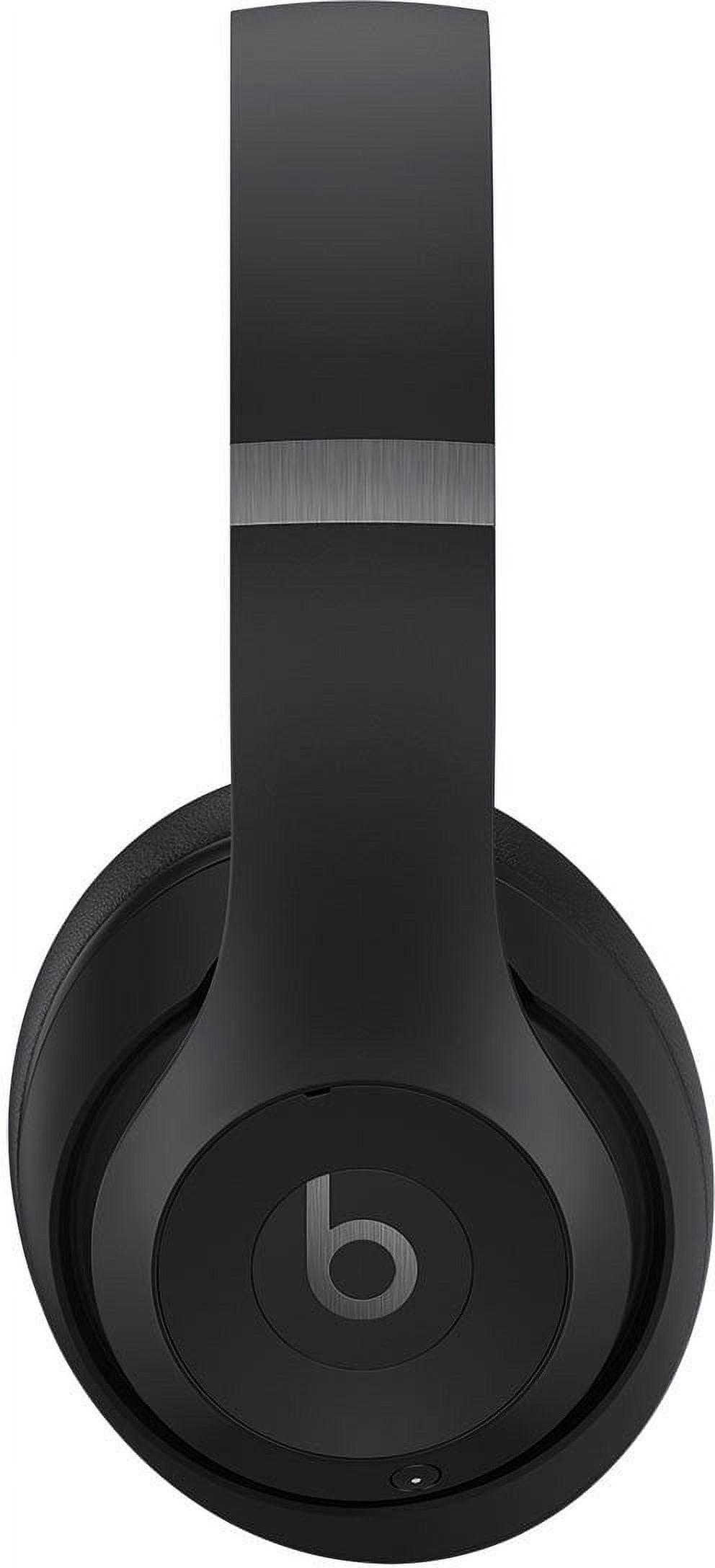
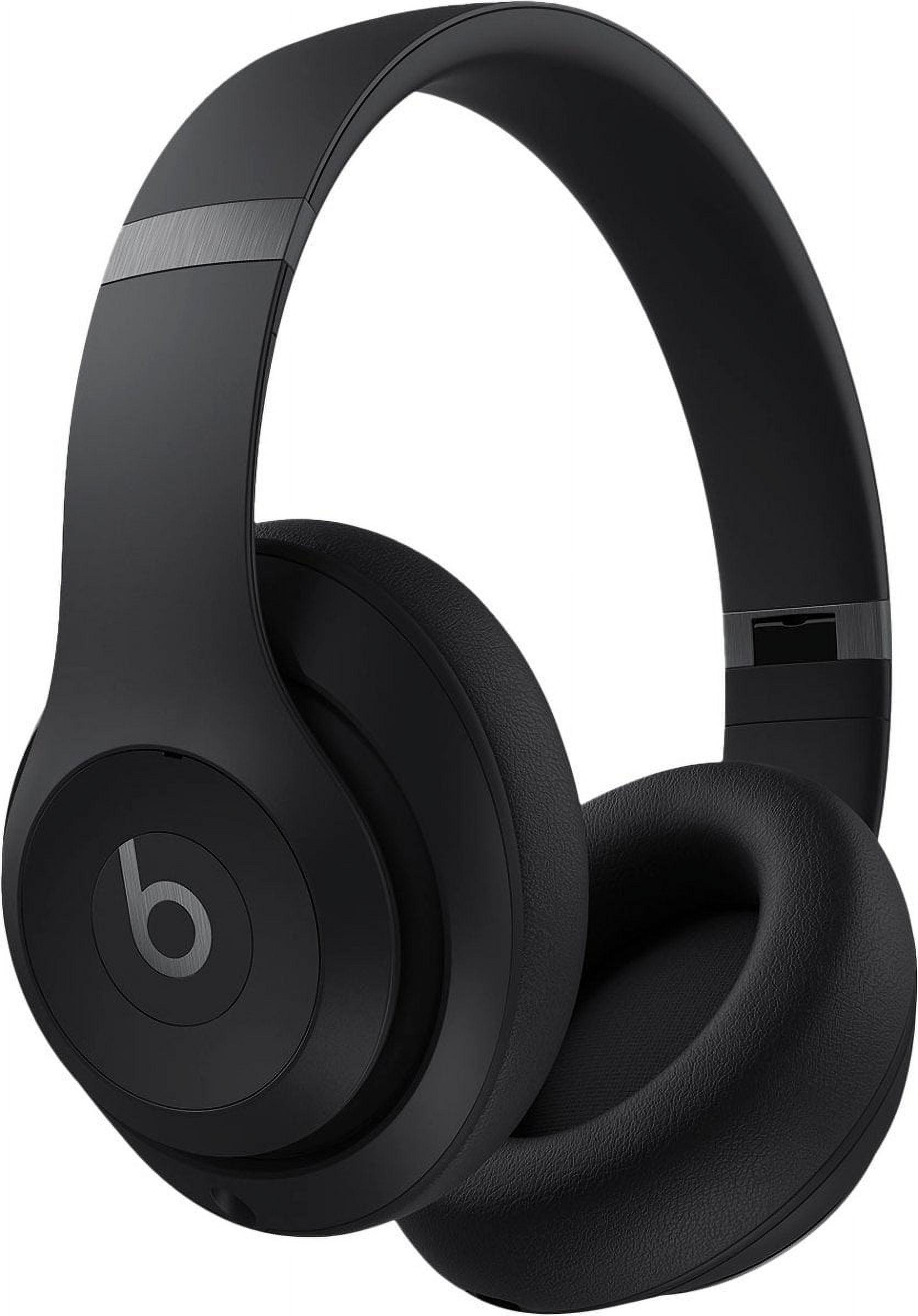
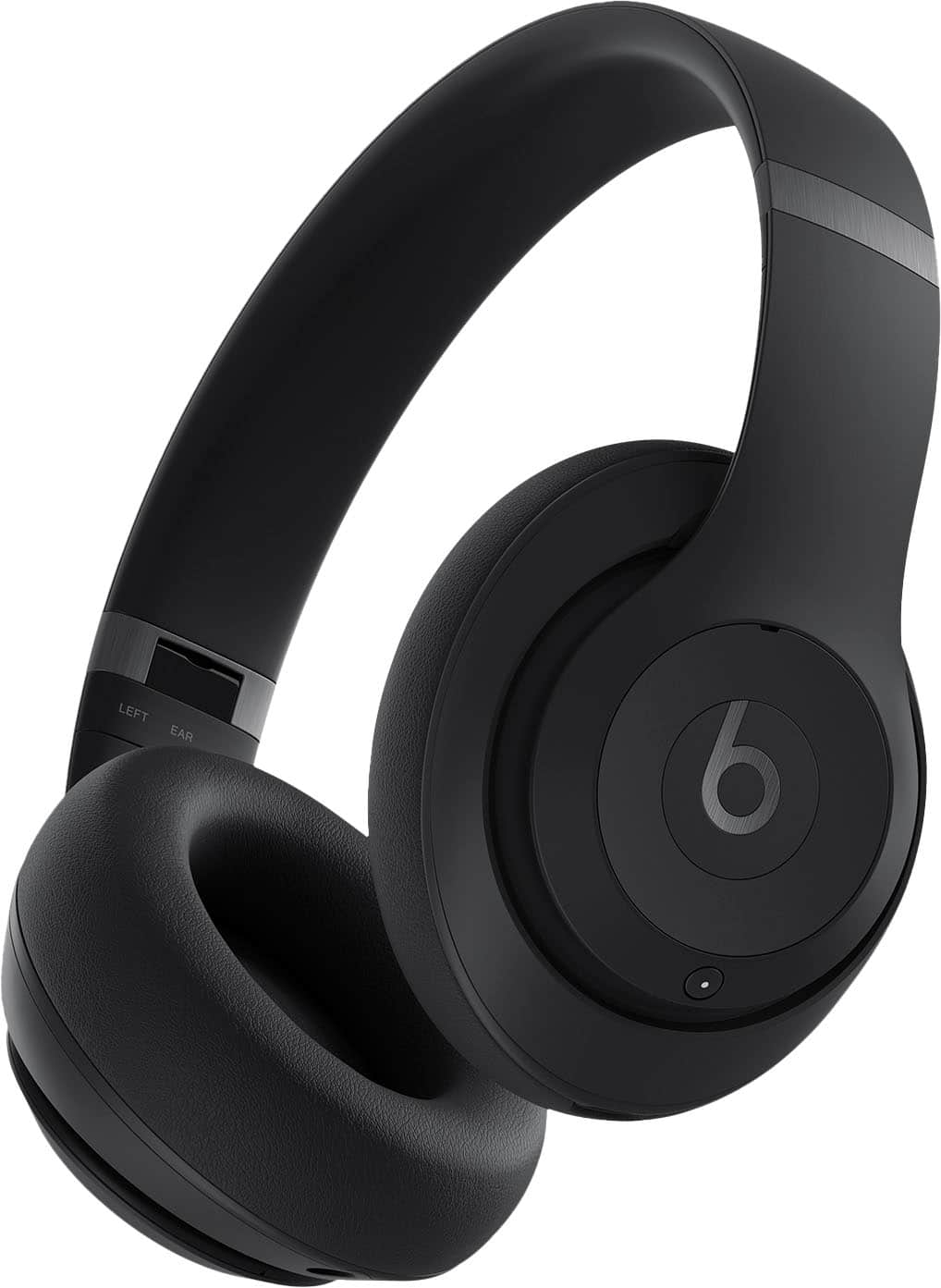
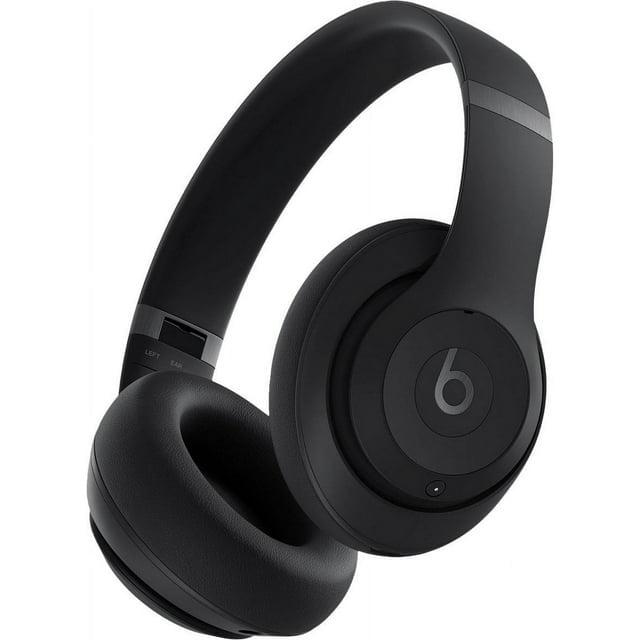
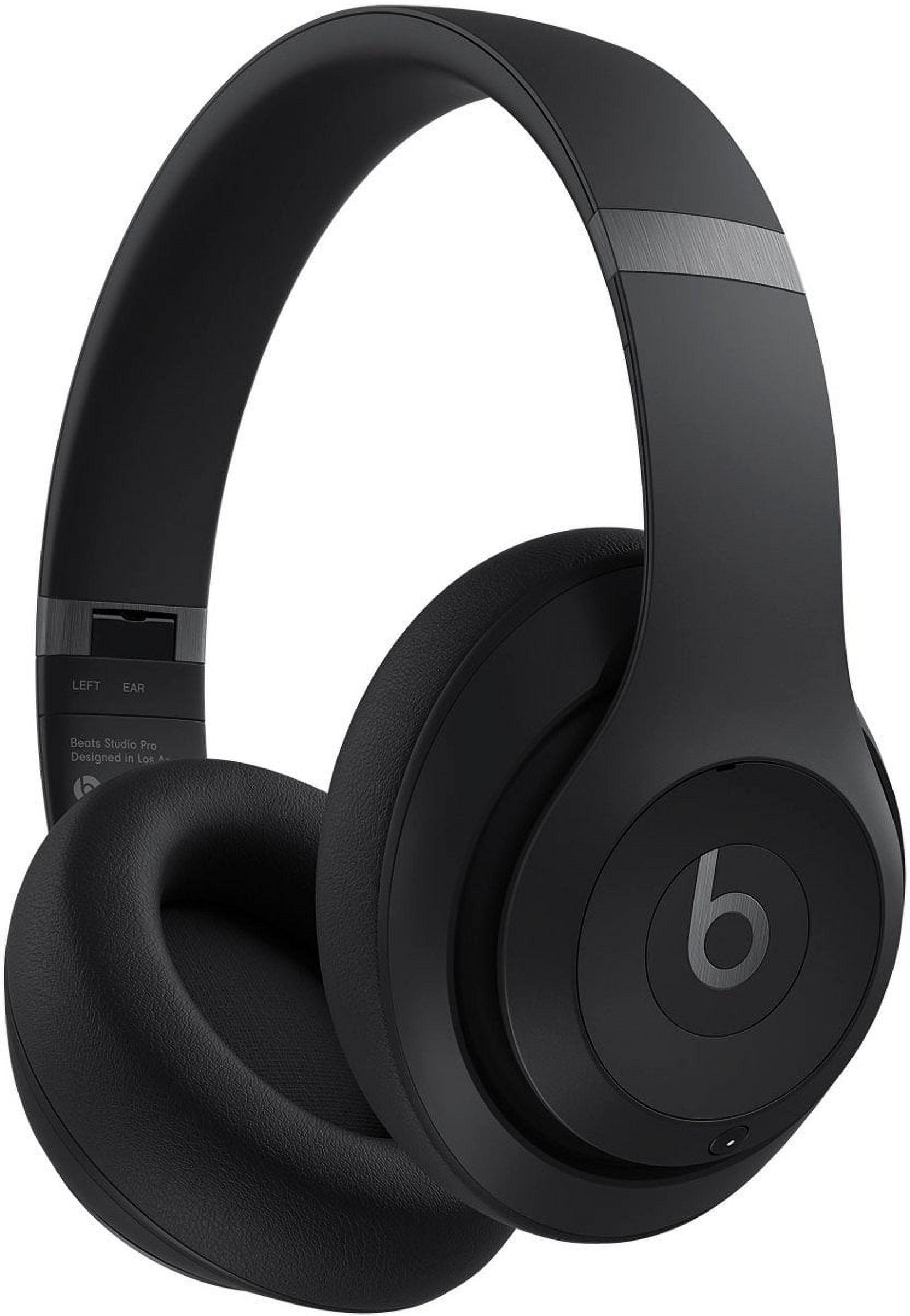
The Beats Studio Pro, on the other hand, represents a dramatic shift from the bass-heavy sound that Beats was famous for in the past. These headphones use smaller 40mm drivers but feature what Beats calls a "custom acoustic platform" – essentially, they've engineered the drivers and internal processing to produce up to 80% less distortion than their previous Studio3 model. This is a significant technical achievement because distortion at high volumes can make music sound harsh and fatiguing.
What's particularly interesting about the Beats Studio Pro is its three selectable sound profiles when connected via USB-C: Signature (balanced for music), Entertainment (enhanced for movies), and Conversation (optimized for voice clarity). This kind of adaptive tuning was rare in headphones until recently and shows how digital signal processing has advanced.
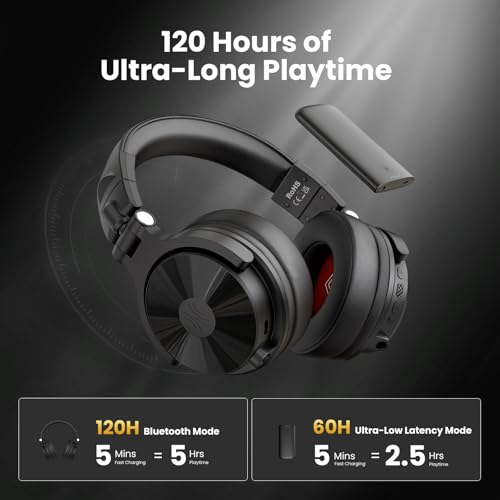
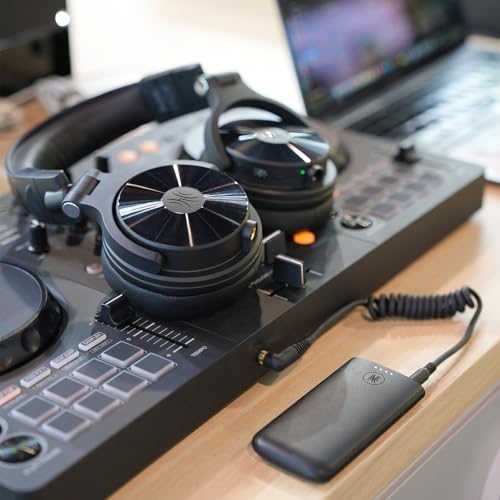
This is where the OneOdio Studio Max 1 absolutely dominates. With 120 hours of battery life in Bluetooth mode, these headphones offer roughly three times the endurance of most competitors. To put this in perspective, you could listen for four hours every day for a month before needing to charge them. Even when using their proprietary low-latency wireless mode with the included M1 transmitter, you still get 50 hours of playback.
The Beats Studio Pro, while respectable at 40 hours (24 with noise cancellation enabled), represents more typical performance for premium headphones in 2023. However, Beats includes their "Fast Fuel" charging technology, which provides four hours of playback from just ten minutes of charging – useful when you're rushing out the door.
The OneOdio Studio Max 1 also includes quick charging, but with an even more impressive ratio: five minutes of charging provides one hour of playback. The difference in overall battery capacity likely comes down to the intended use case – DJs and musicians might wear headphones for 8-12 hour sessions, while most consumers listen for 1-3 hours at a time.
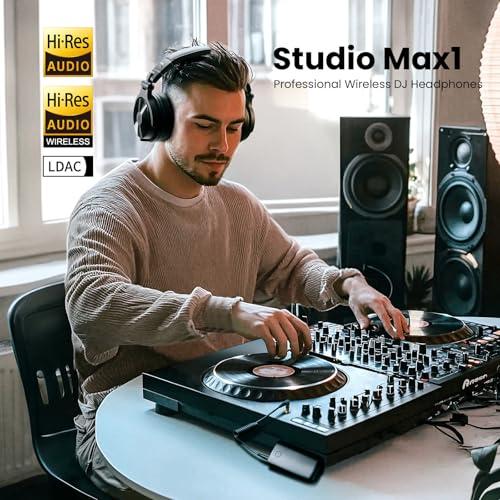
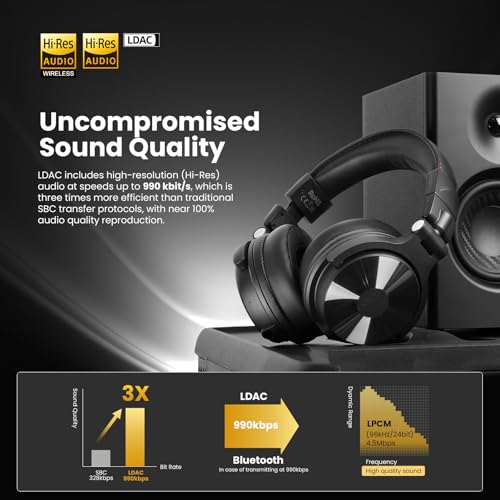
Here's where the philosophical differences between these products become most apparent. The OneOdio Studio Max 1 offers four distinct connection modes, which sounds excessive until you understand professional audio workflows. The standard Bluetooth 5.3 connection supports high-quality codecs like LDAC (which can transmit roughly three times more data than standard Bluetooth) and the newer LC3 codec for improved efficiency.
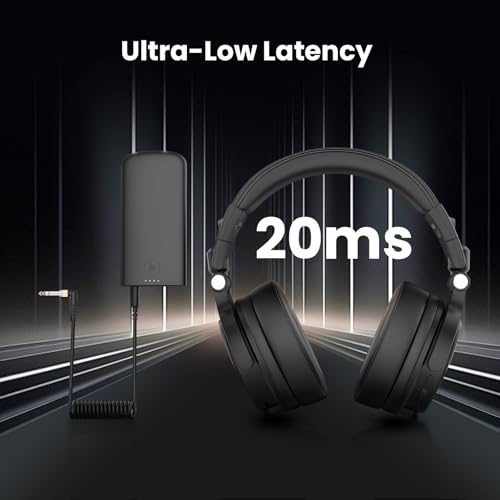
But the real innovation is their Rapid WiLL+ technology with the M1 transmitter, achieving just 20 milliseconds of latency. To understand why this matters, consider that standard Bluetooth typically has 100-300ms of delay – enough that you'd notice audio lag when watching videos or trying to sync music with live performance. For DJs mixing tracks or musicians monitoring their performance, even 50ms of delay can be disruptive.
The OneOdio Studio Max 1 also includes both 3.5mm and 6.35mm (quarter-inch) wired connections, the latter being standard on professional audio equipment. Multiple ports on the headphones themselves mean you can connect cables from either side, which is surprisingly important when you're working in cramped DJ booths or studios.
The Beats Studio Pro takes a more streamlined approach focused on consumer convenience. Their Class 1 Bluetooth implementation provides exceptional range – reportedly up to 300 feet in ideal conditions, far exceeding most headphones. For Apple users, they offer seamless integration with features like one-touch pairing and hands-free Siri access. Android users get Google Fast Pair and Audio Switch functionality.
The USB-C connection on the Beats Studio Pro enables lossless digital audio and access to those three sound profiles I mentioned earlier. However, there's a significant limitation: noise cancellation and transparency modes are disabled during USB-C playback, which seems like an odd engineering decision.
The Beats Studio Pro includes what Beats calls "fully adaptive" active noise cancellation (ANC). This technology uses microphones to detect ambient noise and generates inverse sound waves to cancel it out. The "adaptive" part means the system continuously adjusts based on your environment – stronger cancellation on airplanes, lighter filtering in quiet offices.
They also include transparency mode, which deliberately lets outside sound in when you need to hear announcements or have conversations without removing the headphones. Combined with Personalized Spatial Audio (which creates a 360-degree sound field that adapts as you move your head), the Beats Studio Pro offers a comprehensive set of environmental audio features.
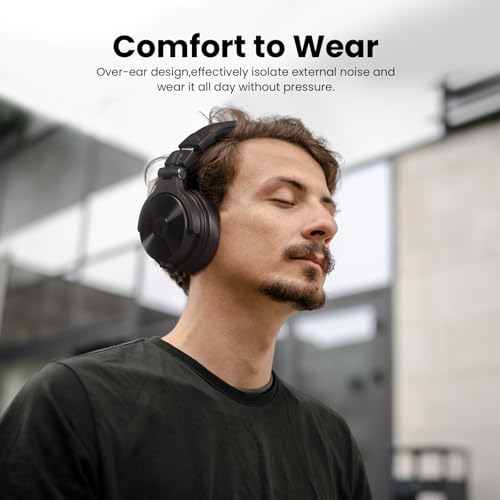
The OneOdio Studio Max 1 takes a minimalist approach – no active noise cancellation at all. This initially seems like a major limitation, but it aligns with professional audio philosophy. Many audio professionals prefer passive isolation (simply blocking sound physically) over active cancellation because ANC can introduce subtle artifacts or coloration to the audio signal. For DJs who need to hear their surroundings or cue up tracks, isolation rather than complete silence often works better.
Weight becomes crucial during extended listening sessions. The Beats Studio Pro weighs 260 grams, while the OneOdio Studio Max 1 comes in around 330-350 grams. That 90-gram difference becomes noticeable after several hours – it's roughly equivalent to adding three AA batteries to your headphones.
However, the OneOdio Studio Max 1 compensates with superior adjustability. The earcups can swivel 90 degrees for single-ear monitoring (essential for DJing), rotate 180 degrees on the horizontal axis, and tilt nearly 360 degrees. This extreme flexibility serves professional applications where you might need to quickly lift one earcup to hear room sound while keeping the other ear monitoring your mix.
The Beats Studio Pro uses what they call "UltraPlush engineered leather" cushions, which generally provide better long-term comfort than the protein leather used on the OneOdio Studio Max 1. However, some users report that the Beats have significant clamping force, which can cause discomfort during extended sessions.
For home theater use, the Beats Studio Pro clearly takes the lead with features specifically designed for this application. Personalized Spatial Audio with dynamic head tracking creates an immersive experience that adapts as you turn your head, making movie dialogue seem like it's coming from the screen even when you're not facing it directly. Dolby Atmos support adds vertical sound dimension, creating the sense that helicopters are flying overhead or rain is falling around you.
The Entertainment EQ profile accessible through USB-C connection optimizes frequency response for movie soundtracks, enhancing dialogue clarity while maintaining impact for action sequences. The active noise cancellation helps eliminate distractions from air conditioning, traffic, or household noise that can interfere with quiet movie scenes.
The OneOdio Studio Max 1 can certainly work for home theater, and their ultra-long battery life means you'll never have them die mid-movie. However, they lack the spatial audio processing and environmental awareness features that make modern movie watching more engaging. Their bass-heavy tuning might actually enhance action movies, but could overwhelm dialogue-heavy dramas or documentaries.
At the time of writing, these headphones occupy different price tiers, with the OneOdio Studio Max 1 positioned as a value-focused professional tool and the Beats Studio Pro commanding a premium for its brand recognition and feature set.
The OneOdio Studio Max 1 represents exceptional value if you need its specific capabilities. That 120-hour battery life alone could justify the purchase for someone who regularly faces charging anxiety. The ultra-low latency wireless mode is genuinely innovative technology that solves real problems for content creators, streamers, and performing musicians. However, for casual listeners who just want good-sounding headphones for commuting or working from home, many of these features provide no practical benefit.
The Beats Studio Pro commands higher pricing but delivers features that most users will actually use and appreciate. The balanced sound signature appeals to a broader range of music genres than the DJ-focused tuning of the OneOdio. Integration with both Apple and Android ecosystems, comprehensive noise control, and premium build quality justify the price premium for users who want a refined, versatile listening experience.
Your choice between these headphones should align closely with your primary use case and priorities. Choose the OneOdio Studio Max 1 if you're a DJ, musician, content creator, or anyone who needs professional audio monitoring capabilities. The ultra-low latency wireless mode, exceptional battery life, and professional connectivity options make it an excellent tool for audio work. It's also worth considering if you primarily listen to electronic music, hip-hop, or other bass-heavy genres where its tuning characteristics align with your preferences.
The Beats Studio Pro makes more sense for general consumers who want premium headphones for diverse entertainment. If you watch movies, listen to various music genres, take frequent calls, or travel regularly, the noise cancellation, spatial audio, and ecosystem integration provide real daily benefits. The lighter weight and superior comfort materials also make them better suited for long listening sessions outside of professional environments.
For home theater enthusiasts, the Beats Studio Pro clearly offers superior features, while mobile content creators and performing musicians will find more value in the OneOdio Studio Max 1's professional-focused capabilities.
Remember that headphones are highly personal devices – comfort, sound preference, and feature priorities vary significantly between individuals. If possible, try to audition both models before making your final decision. What sounds perfect to one listener might feel fatiguing or unnatural to another, and no amount of technical analysis can replace your own ears' judgment about what sounds right to you.
| OneOdio Studio Max 1 Wireless DJ Headphones | Beats Studio Pro Wireless Headphones |
|---|---|
| Driver Size - Larger drivers typically mean better bass and volume | |
| 50mm neodymium drivers | 40mm custom dynamic drivers |
| Sound Signature - How the headphones color your music | |
| Bass-heavy, DJ-tuned for electronic music monitoring | Balanced, near-neutral with slight bass boost |
| Battery Life - Critical for long sessions and travel | |
| 120 hours Bluetooth / 50 hours low-latency mode | 40 hours (ANC off) / 24 hours (ANC on) |
| Weight - Affects comfort during extended use | |
| 330-350g (heavier but professional build) | 260g (lighter for all-day comfort) |
| Active Noise Cancellation - Essential for commuting and focus | |
| None (relies on passive isolation) | Fully adaptive ANC with transparency mode |
| Wireless Latency - Critical for gaming, video editing, live performance | |
| 20ms ultra-low latency with M1 transmitter | Standard Bluetooth latency (~100-300ms) |
| Connectivity Options - Determines device compatibility | |
| 4 modes: Bluetooth, proprietary wireless, 3.5mm, 6.35mm | Bluetooth 5.3, USB-C lossless, 3.5mm analog |
| Professional Features - Important for DJs and musicians | |
| Single-ear monitoring, swiveling cups, multiple ports | Consumer-focused with call optimization |
| Spatial Audio - Enhances movies and immersive content | |
| Not available | Personalized Spatial Audio with head tracking |
| Ecosystem Integration - Seamless device switching and features | |
| Universal compatibility, basic pairing | Deep Apple/Android integration, one-touch pairing |
| Charging Speed - How quickly you can get back to listening | |
| 5 min = 1 hour playback | 10 min = 4 hours playback (Fast Fuel) |
| Audio Codecs - Affects wireless sound quality | |
| LDAC, AAC, SBC, LC3 (Hi-Res certified) | Standard Bluetooth codecs |
| Target Use Case - Who these headphones are designed for | |
| DJs, musicians, content creators needing professional monitoring | Premium consumers wanting balanced sound and modern features |
The Beats Studio Pro offers better overall sound quality for most music genres with its balanced, near-neutral tuning and custom 40mm drivers that produce 80% less distortion than previous models. The OneOdio Studio Max 1 has a bass-heavy, DJ-focused sound signature that works well for electronic music but may overwhelm vocals and acoustic instruments. For diverse music listening, the Beats Studio Pro provides more accurate and versatile sound reproduction.
The OneOdio Studio Max 1 dominates in battery life with an exceptional 120 hours of playback in Bluetooth mode, making it one of the longest-lasting headphones available. The Beats Studio Pro offers 40 hours with noise cancellation off or 24 hours with it enabled, which is still excellent but significantly shorter than the OneOdio Studio Max 1.
Only the Beats Studio Pro features active noise cancellation with fully adaptive technology that adjusts to your environment in real-time, plus a transparency mode for situational awareness. The OneOdio Studio Max 1 relies solely on passive noise isolation from its closed-back design and doesn't include any active noise cancellation features.
The Beats Studio Pro is significantly better for home theater use, offering Personalized Spatial Audio with dynamic head tracking, Dolby Atmos support, and an Entertainment EQ profile specifically designed for movies. The active noise cancellation also helps eliminate household distractions. The OneOdio Studio Max 1 lacks these immersive audio features, though its long battery life means it won't die during movie marathons.
The Beats Studio Pro excels at calls with upgraded voice-targeting microphones that provide 27% better call quality than previous models, plus dual-mic environmental noise cancellation. The OneOdio Studio Max 1 includes dual-mic ENC technology but is primarily designed for music monitoring rather than communication, making the Beats Studio Pro the better choice for frequent callers.
The Beats Studio Pro offers superior Apple integration with one-touch pairing, seamless device switching, hands-free "Hey Siri" support, and Find My compatibility. While the OneOdio Studio Max 1 works with iPhones via standard Bluetooth, it lacks the deep ecosystem features that make the Beats Studio Pro feel native to Apple devices.
The Beats Studio Pro is more comfortable for extended use, weighing 90 grams less (260g vs 330-350g) and featuring UltraPlush engineered leather cushions. However, some users report clamping force issues. The OneOdio Studio Max 1 is heavier but offers superior adjustability with swiveling earcups and is designed for professional 8-12 hour sessions, making comfort largely dependent on individual head shape and preferences.
The OneOdio Studio Max 1 has an edge in wireless audio quality, supporting LDAC, AAC, SBC, and LC3 codecs with Hi-Res Audio certification. The Beats Studio Pro supports standard Bluetooth codecs and offers lossless audio through USB-C connection. Both provide good wireless audio, but the OneOdio Studio Max 1 has more comprehensive codec support for audiophile-quality streaming.
The OneOdio Studio Max 1 is dramatically better for gaming and real-time applications, featuring revolutionary 20ms ultra-low latency with its Rapid WiLL+ technology and M1 transmitter. Standard Bluetooth headphones like the Beats Studio Pro typically have 100-300ms of delay, making them less suitable for competitive gaming or live performance where audio sync is critical.
The OneOdio Studio Max 1 is specifically designed for DJs and music production, offering single-ear monitoring, swiveling earcups, multiple professional audio connections (3.5mm and 6.35mm), and bass-heavy tuning optimized for beat matching. The Beats Studio Pro is consumer-focused and lacks these professional features, making the OneOdio Studio Max 1 the clear choice for audio professionals.
The Beats Studio Pro offers exceptional wireless range with Class 1 Bluetooth reaching up to 300 feet in ideal conditions, significantly outperforming most competitors. The OneOdio Studio Max 1 provides standard Bluetooth 5.3 range of around 30-50 feet, but includes the M1 transmitter for extended wireless connectivity to non-Bluetooth devices, giving it more versatility in professional settings.
Value depends on your needs: the OneOdio Studio Max 1 offers exceptional value for DJs, musicians, and users who prioritize ultra-long battery life and professional features. The Beats Studio Pro provides better value for general consumers who want premium build quality, noise cancellation, spatial audio, and ecosystem integration. The OneOdio Studio Max 1 delivers more specialized features per dollar, while the Beats Studio Pro offers broader appeal and premium user experience.
We've done our best to create useful and informative comparisons to help you decide what product to buy. Our research uses advanced automated methods to create this comparison and perfection is not possible - please contact us for corrections or questions. These are the sites we've researched in the creation of this article: techradar.com - youtube.com - oneodio.com - androidguys.com - audioxpress.com - versus.com - audioreviews.org - youtube.com - oneodio.com - youtube.com - thomannmusic.com - teqclub.com - youtube.com - homestudiobasics.com - youtube.com - youtube.com - homedjstudio.com - oneodio.com - enostech.com - oneodio.com - yourrightscount.com - whathifi.com - markellisreviews.com - recordingnow.com - soundguys.com - cnet.com - recordingnow.com - bestbuy.com - youtube.com - soundguys.com - recordingnow.com - uclastore.com - beatsbydre.com - shop.missouristatebookstore.com - apple.com - beatsbydre.com - audiosciencereview.com - beatsbydre.com - beatsbydre.com - cornellstore.com - forums.appleinsider.com

Privacy Policy
Terms and Conditions - Affiliate Policy
Home Security
© Copyright 2008-2026.
11816 Inwood Rd #1211, Dallas, TX 75244