





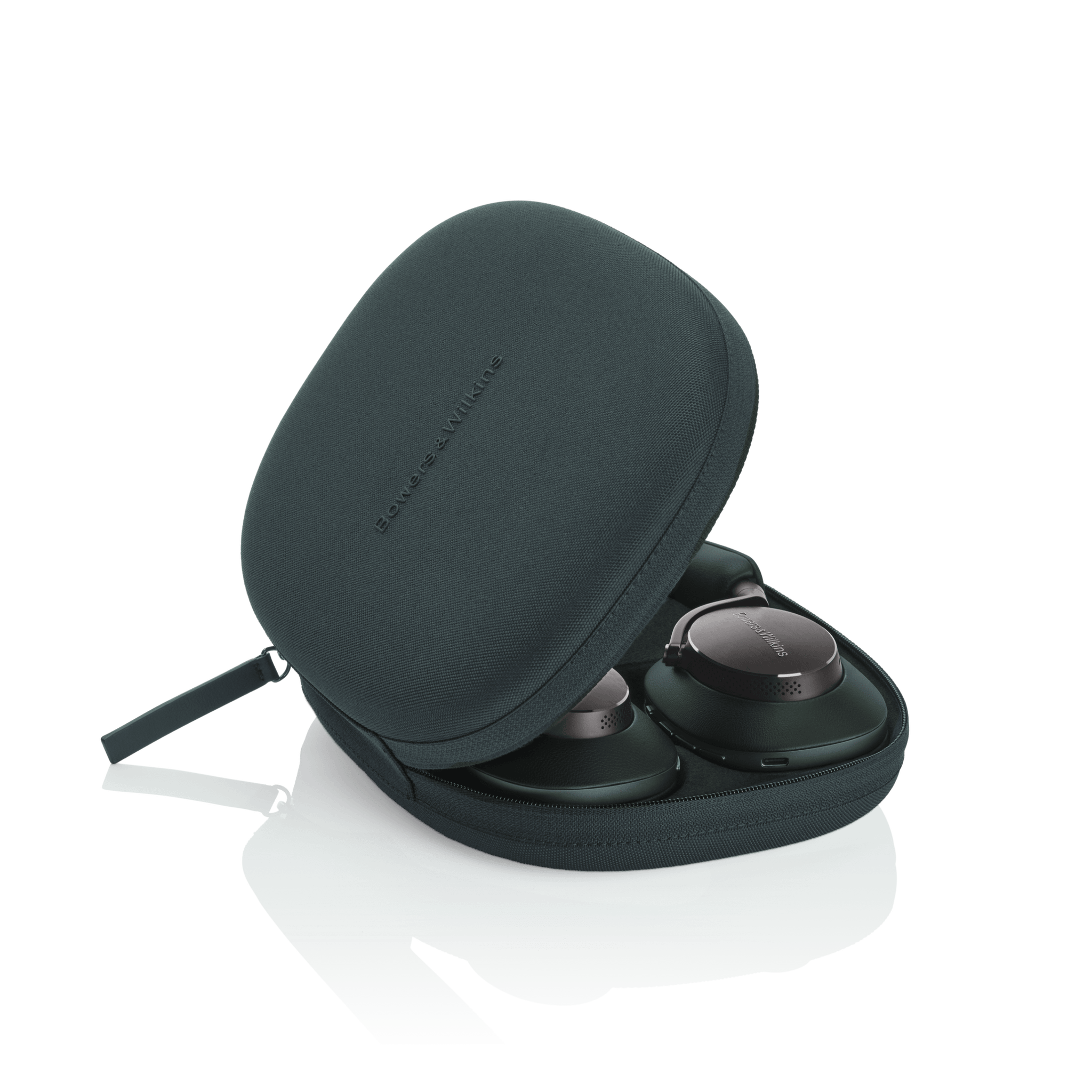
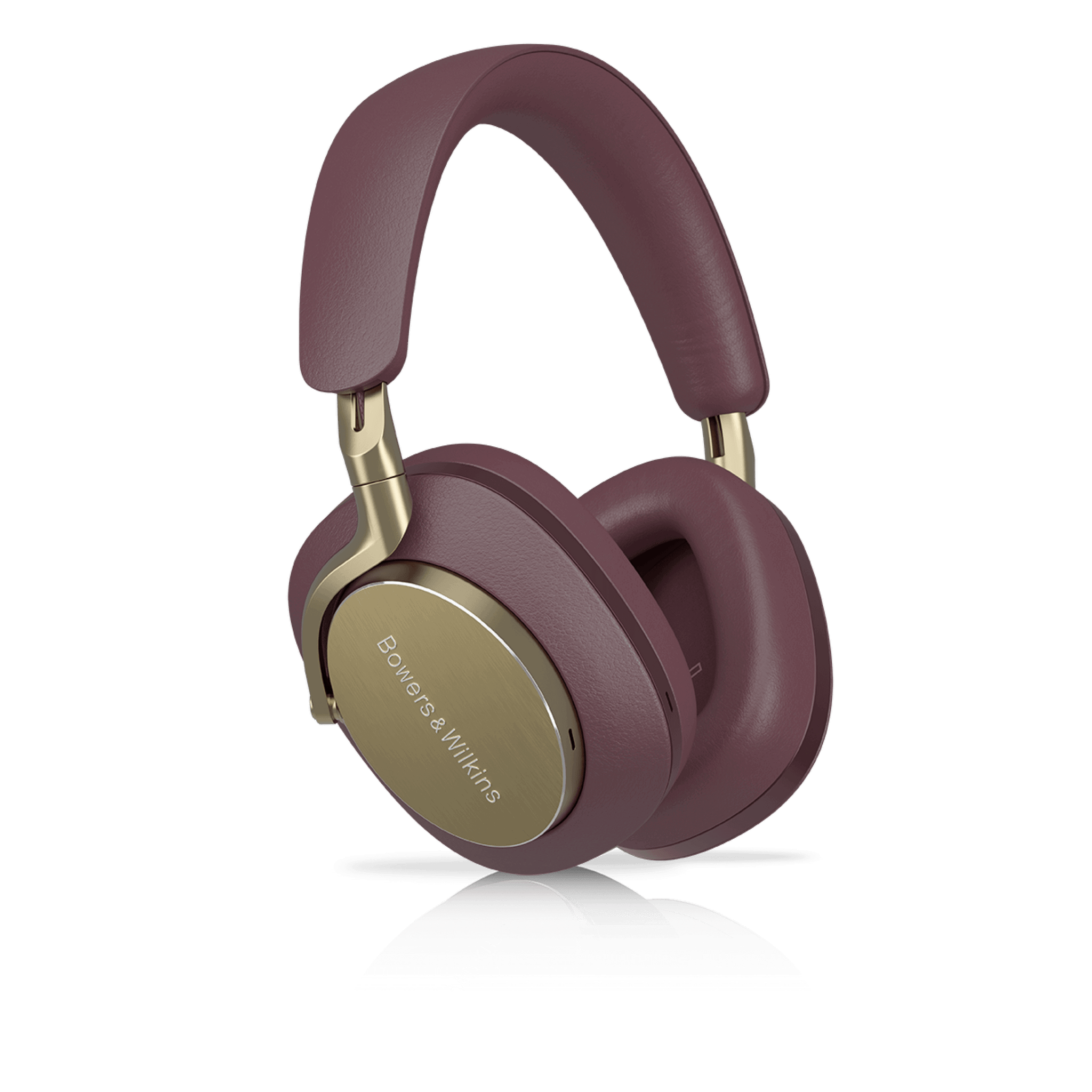
When you're shopping for premium wireless headphones, you'll quickly discover that not all expensive headphones are created equal. Two products that perfectly illustrate this point are the OneOdio Studio Max 1 and the Bowers & Wilkins Px8. While both fall into the "premium wireless over-ear" category, they represent completely different philosophies about what makes headphones worth your investment.
At the time of writing, the OneOdio Studio Max 1 sits in the budget-professional range, while the Bowers & Wilkins Px8 commands a premium price that's roughly three times higher. This isn't just a case of one being "better" than the other—they're designed for entirely different users with vastly different needs.
Before diving into specifics, it's worth understanding what separates premium wireless headphones from budget options. Premium models typically offer superior driver technology (the tiny speakers inside the headphones), better wireless performance, higher-quality materials, and specialized features that justify their higher cost.
The key considerations when evaluating any premium wireless headphones include audio quality, wireless performance and latency (the delay between audio being sent and heard), build quality and comfort, professional features, and overall value for your specific use case.
What makes this comparison particularly interesting is that the OneOdio Studio Max 1 and Bowers & Wilkins Px8 excel in completely different areas, making them ideal for understanding how different approaches to headphone design serve different user needs.
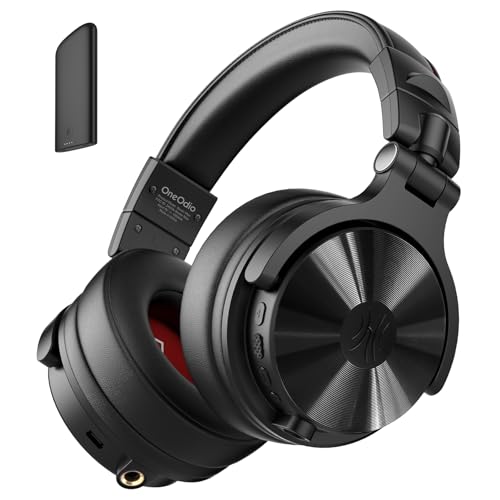
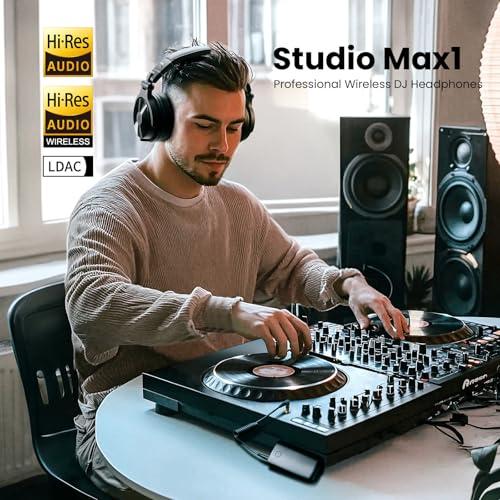
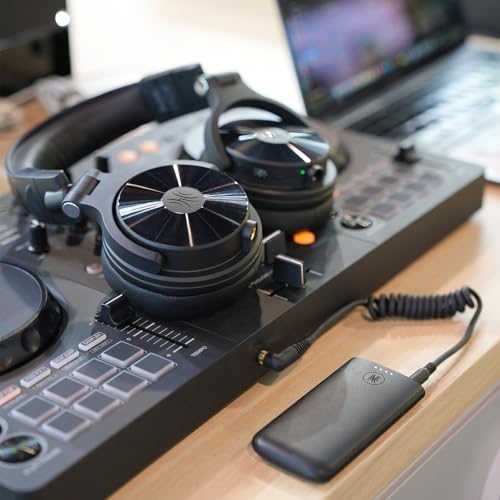
The OneOdio Studio Max 1 was designed from the ground up for DJs and content creators. Released in 2024, it represents OneOdio's push into the professional market with features specifically tailored for live performance and studio work. The company collaborated with Italian DJ Arianna, who spent six months fine-tuning the sound signature during actual live performances.
In contrast, the Bowers & Wilkins Px8, also released in 2024, targets audiophiles and premium consumers who prioritize sound quality and luxury materials above all else. Bowers & Wilkins has been crafting high-end audio equipment for decades, and their approach focuses on reproducing music exactly as the artist intended.
This fundamental difference in target audience shapes every design decision, from the materials used to the sound signature to the included accessories.
The OneOdio Studio Max 1 uses 50mm neodymium drivers—relatively large speakers that can move a lot of air to produce powerful bass. Neodymium is a type of magnet material that's particularly strong, allowing for more precise driver control. The sound signature is intentionally bass-heavy and punchy, which is exactly what DJs need when monitoring tracks in noisy club environments.
However, this tuning comes with trade-offs. Several reviewers have noted that while the bass is impressive, the overall sound can feel "crunchy" with weaker treble (high-frequency) detail. This means fine details in vocals and instruments might not be as clear as you'd want for critical music listening at home.
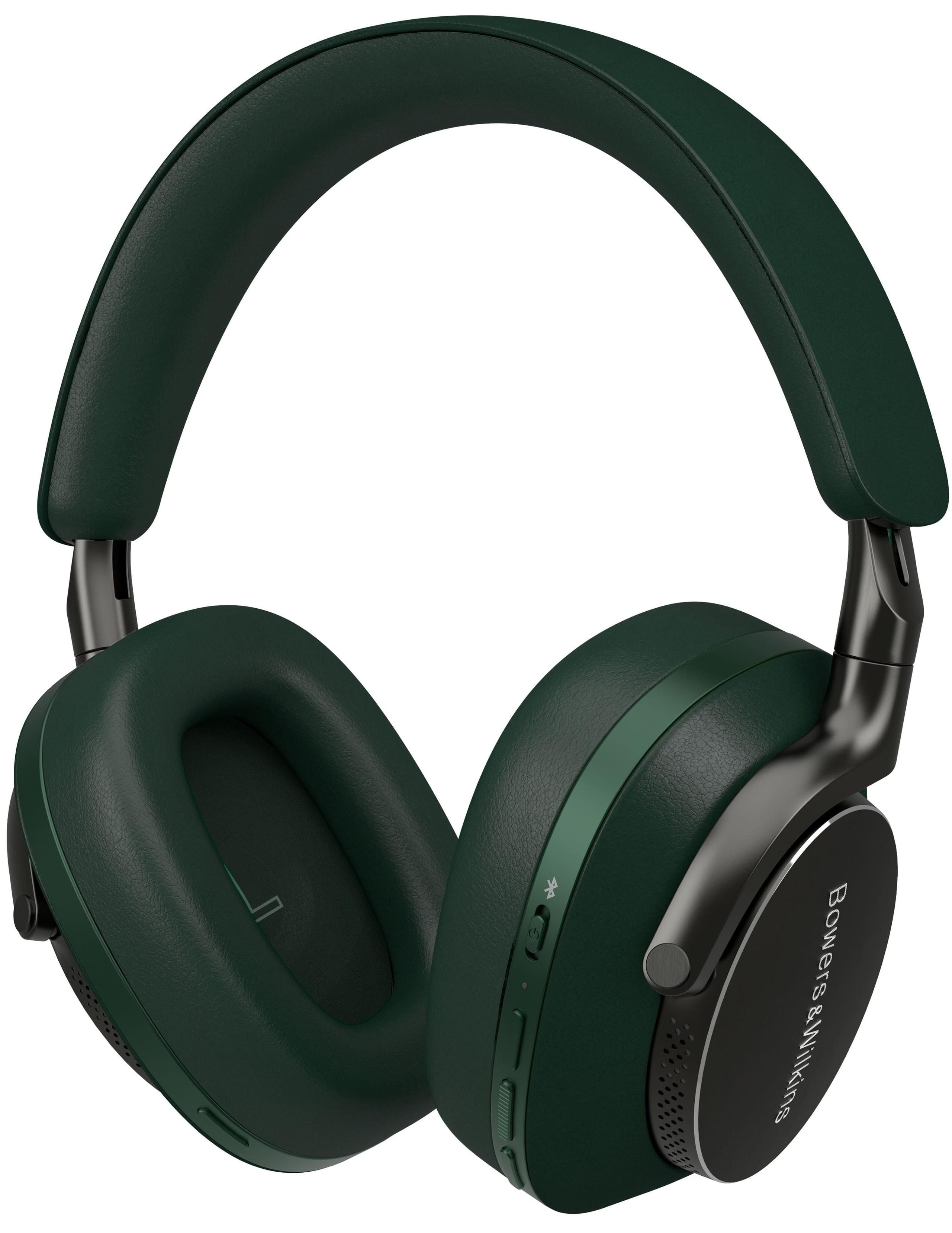
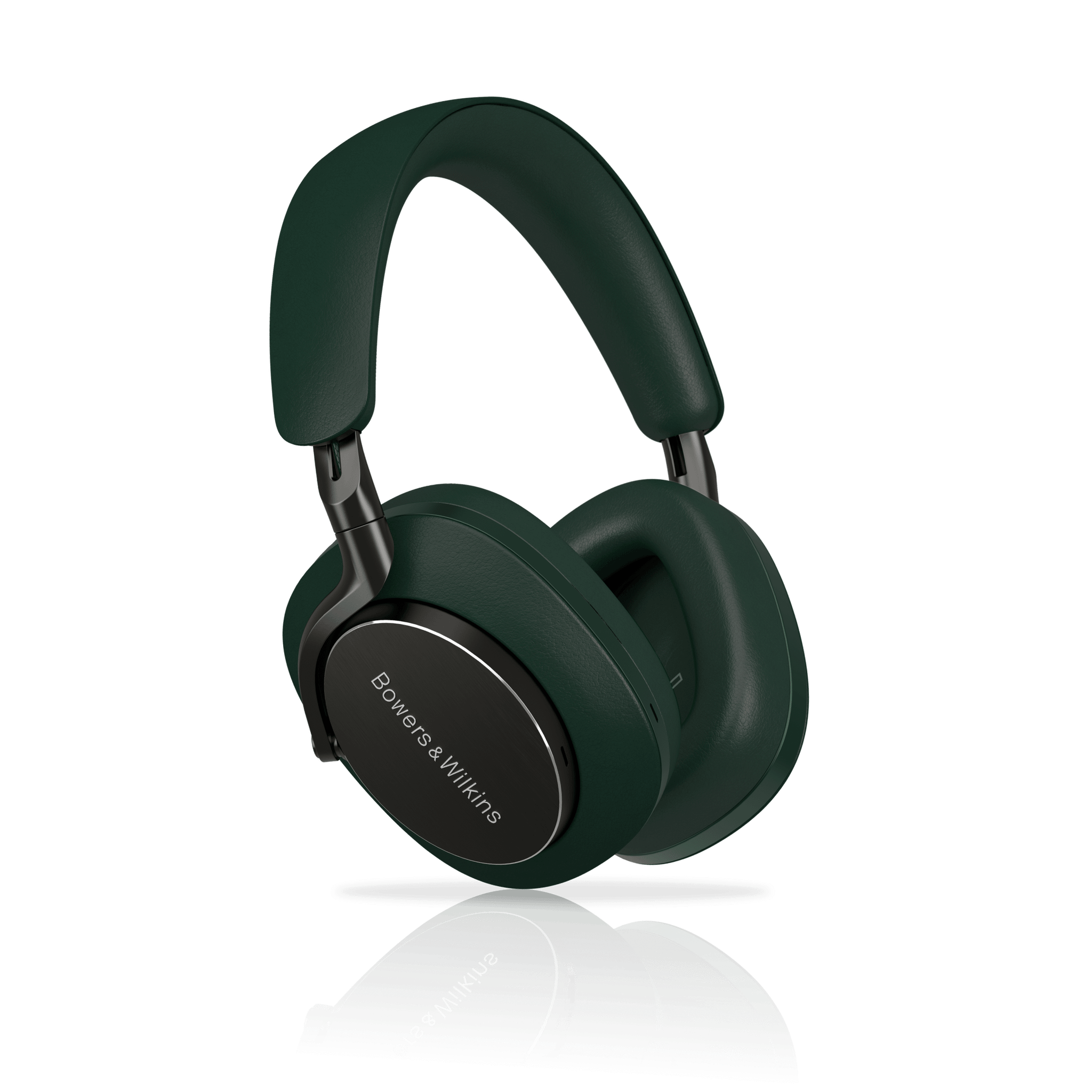
The Bowers & Wilkins Px8 takes a completely different approach with 40mm angled carbon cone drivers. Carbon fiber is incredibly light yet rigid, which means it can vibrate precisely without unwanted resonances that color the sound. The "angled" design helps create better stereo imaging—essentially making it easier to pinpoint where different instruments are positioned in the soundstage.
More importantly, the Px8 includes 24-bit DSP (Digital Signal Processing). Think of DSP as a tiny computer that can analyze and optimize audio in real-time, ensuring that what you hear matches the original recording as closely as possible. This results in what reviewers consistently describe as excellent clarity, precision, and detail, with controlled bass that doesn't overwhelm other frequencies.
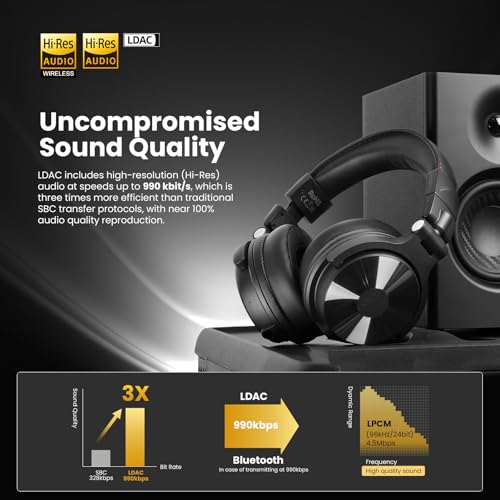
Both headphones support Hi-Res Audio, which means they can reproduce frequencies beyond standard CD quality. The OneOdio Studio Max 1 covers an impressive 20Hz to 40kHz range. To put this in perspective, human hearing typically extends from 20Hz to 20kHz, so this extended range helps preserve the subtle harmonics and overtones that give music its natural character.
The Px8 doesn't publish specific frequency response numbers, but its carbon drivers and advanced DSP are designed to maintain accuracy across the entire audible spectrum. In practice, this translates to better instrument separation and a more natural, uncolored sound that audiophiles prize.
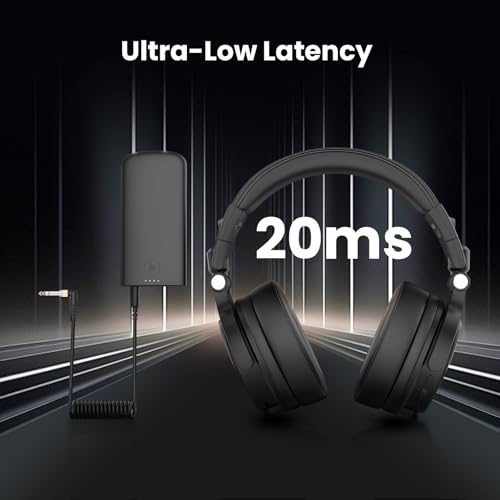
Here's where the OneOdio Studio Max 1 truly shines with its revolutionary Rapid WILL+ technology. This proprietary wireless system achieves just 20 milliseconds of latency—that's 0.02 seconds between when audio is sent and when you hear it. To understand why this matters, consider that standard Bluetooth typically has 100-200ms of latency, which is noticeable when watching videos or performing live.
For DJs, this ultra-low latency is absolutely critical. When you're mixing tracks live, even a small delay can throw off your timing and ruin the performance. The included M1 wireless transmitter makes this possible, creating a dedicated wireless connection that bypasses standard Bluetooth limitations entirely.
The Bowers & Wilkins Px8 uses standard Bluetooth 5.2 with support for advanced codecs like aptX Adaptive and aptX HD. Codecs are compression algorithms that determine how audio is transmitted wirelessly—better codecs preserve more detail and reduce latency. While the Px8 can't match the OneOdio's ultra-low latency, its codec support enables high-resolution audio streaming that maintains most of the detail from your original music files.
Battery performance represents another stark difference. The OneOdio Studio Max 1 delivers an absolutely staggering 120 hours of playback time—that's five full days of continuous listening. Even when using the M1 transmitter for ultra-low latency, it still provides 50 hours of use. This kind of battery life essentially eliminates charging anxiety for professional users.
The Bowers & Wilkins Px8 offers a more typical but still excellent 30 hours of playback. While this seems modest compared to the OneOdio, it's actually above average for premium headphones and includes fast charging that provides seven hours of use from just 15 minutes of charging.
The construction differences between these headphones perfectly illustrate their different priorities. The OneOdio Studio Max 1 uses primarily plastic construction with protein leather earpads. While this might sound cheap, it actually makes sense for professional use—plastic is lighter, more durable in harsh environments, and easier to clean after sweaty DJ sets.
The design includes 90-degree swiveling earcups, which is essential for DJ monitoring where you need to listen with one ear while keeping the other free to hear the crowd and venue audio. The single-sided cable routing keeps wires out of the way during performance.
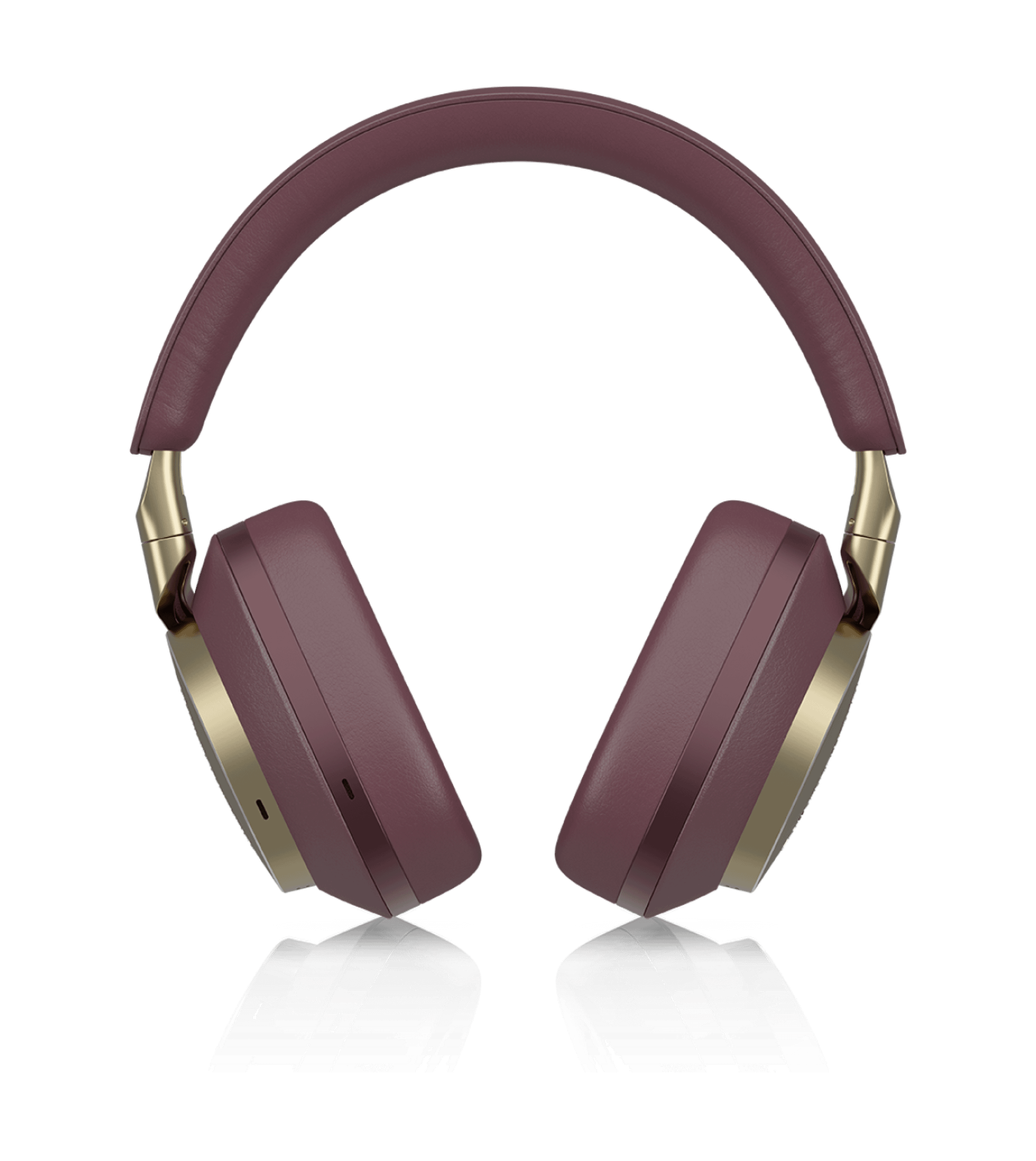
In contrast, the Bowers & Wilkins Px8 screams luxury with cast aluminum arms, genuine Nappa leather earpads, and memory foam cushioning. The diamond-cut metal accents and premium finishes make these headphones as much a fashion statement as an audio device. The materials not only look and feel premium but also contribute to better long-term durability and comfort.
Weight-wise, both headphones are similar at around 320-350 grams, but the Px8's superior weight distribution and cushioning make them more comfortable for extended listening sessions.
The OneOdio Studio Max 1 truly shines in professional connectivity with four distinct connection modes. Beyond standard Bluetooth, it offers proprietary ultra-low latency wireless via the M1 transmitter, traditional wired connections through both 3.5mm and 6.35mm jacks (the larger connector commonly used on professional audio gear), and even USB digital audio.
This flexibility is crucial for DJs and musicians who work with various equipment. The included cables and adapters ensure compatibility with everything from smartphones to professional DJ controllers to studio mixing boards. The M1 transmitter can even add wireless capability to older equipment that lacks Bluetooth entirely.
The Bowers & Wilkins Px8 focuses on sophisticated consumer features rather than professional connectivity. Its six-microphone array enables hybrid active noise cancellation (ANC)—a system that uses both internal and external microphones to identify and cancel unwanted ambient noise.
The wear detection sensors automatically pause playback when you remove the headphones, while ambient pass-through mode lets you hear important sounds like announcements without removing the headphones entirely. The Bowers & Wilkins Music app provides EQ customization and firmware updates, ensuring your headphones stay current with the latest improvements.
This category has a definitive winner since the OneOdio Studio Max 1 lacks active noise cancellation entirely, relying only on the passive isolation provided by its closed-back design. For DJ use, this actually makes sense—DJs often need to hear their environment.
The Bowers & Wilkins Px8 features sophisticated hybrid ANC that effectively reduces ambient noise for travel and daily use. While it may not match the absolute best performers like Sony or Bose in this category, it provides solid noise reduction without significantly affecting audio quality.
For home theater use, the choice depends on your priorities. The OneOdio Studio Max 1's ultra-low latency makes it excellent for gaming and watching movies where audio sync is critical. However, the bass-heavy tuning might not provide the most accurate dialogue reproduction.
The Bowers & Wilkins Px8 excels at reproducing movie soundtracks with clarity and precision. The controlled bass and excellent detail retrieval help you catch subtle audio cues and dialogue, while the ANC can help you focus on your content even in noisy households.
Since their 2024 releases, both products have benefited from firmware updates. The OneOdio Studio Max 1 has received optimizations to its Rapid WILL+ technology and battery management, while the Px8 has seen improvements to its ANC algorithms and app functionality.
The wireless headphone market has evolved significantly, with manufacturers focusing more on specialized use cases rather than trying to be everything to everyone. This trend is perfectly exemplified by these two products.
Choose the OneOdio Studio Max 1 if you're a DJ, musician, or content creator who needs professional features. The ultra-low latency is genuinely revolutionary for live performance, and the extreme battery life eliminates one major worry during long gigs. The extensive connectivity options and included accessories provide excellent value for anyone working with professional audio equipment.
The multiple connection modes also make it surprisingly versatile for home users who want to eliminate audio lag while gaming or watching movies, though you'll need to accept the bass-heavy sound signature and lack of noise cancellation.
Choose the Bowers & Wilkins Px8 if you prioritize audio quality, luxury materials, and sophisticated features for daily listening. These headphones excel at reproducing music exactly as intended, making them perfect for audiophiles who want to hear every detail in their favorite recordings.
The premium build quality, effective noise cancellation, and excellent comfort make them ideal for frequent travelers and business professionals who want headphones that perform as well in a first-class cabin as they do in a home listening room.
At the time of writing, the significant price difference between these models reflects their different target markets rather than one being inherently "better" than the other. The OneOdio delivers remarkable professional features at an accessible price point, while the Px8 justifies its premium positioning through superior audio quality and luxury construction.
Your choice should ultimately depend on how you plan to use your headphones most often. Both represent excellent value within their respective market segments, but they serve fundamentally different needs in the diverse world of premium wireless audio.
| OneOdio Studio Max 1 Wireless DJ Headphones | Bowers & Wilkins Px8 Wireless Headphones |
|---|---|
| Driver Size & Technology - Determines sound character and bass response | |
| 50mm neodymium drivers (larger for more powerful bass) | 40mm angled carbon cone drivers (carbon fiber for precision) |
| Sound Signature - How music will actually sound to your ears | |
| Bass-heavy, punchy tuning ideal for DJs and electronic music | Audiophile-tuned with balanced, detailed sound for all genres |
| Wireless Latency - Critical for gaming, video watching, and live performance | |
| 20ms ultra-low latency with Rapid WILL+ technology (virtually instant) | Standard Bluetooth latency ~100-200ms (fine for music, may lag in video) |
| Battery Life - How often you'll need to charge | |
| 120 hours Bluetooth / 50 hours with transmitter (weeks of use) | 30 hours (industry standard, excellent for daily use) |
| Build Materials - Affects durability, comfort, and premium feel | |
| Plastic with protein leather earpads (functional, lightweight) | Cast aluminum with Nappa leather and memory foam (luxury premium) |
| Active Noise Cancellation - Essential for travel and noisy environments | |
| None (passive isolation only) | Hybrid ANC with 6-microphone array (effective noise blocking) |
| Professional Connectivity - Important for studio work and DJ equipment | |
| 4 connection modes: Bluetooth, proprietary wireless, 3.5mm, 6.35mm jacks | Standard USB-C and 3.5mm wired, Bluetooth 5.2 wireless only |
| Weight & Comfort - Affects long listening sessions | |
| 330-350g with 90° swiveling earcups for DJ monitoring | 320g with superior cushioning and weight distribution |
| Codec Support - Determines wireless audio quality | |
| LDAC, aptX Adaptive, AAC, SBC, LC3 (excellent Hi-Res support) | aptX Adaptive, aptX HD, aptX, AAC, SBC (premium codec selection) |
| Special Features - Unique capabilities that set each apart | |
| M1 transmitter for ultra-low latency, 5-min quick charge = 1 hour use | 24-bit DSP processing, wear detection, ambient pass-through mode |
| Target User - Who gets the most value from each product | |
| DJs, musicians, content creators, competitive gamers | Audiophiles, business travelers, premium music listeners |
| Best Use Cases - Where each product truly excels | |
| Live DJ performance, studio monitoring, lag-free gaming | Critical music listening, travel with ANC, luxury daily use |
The Bowers & Wilkins Px8 delivers superior sound quality for general music listening with its 40mm angled carbon cone drivers and 24-bit DSP processing. The OneOdio Studio Max 1 has a bass-heavy sound signature optimized for DJ use, which may sound muddy for detailed music listening. Audiophiles will prefer the Px8's balanced, detailed sound reproduction.
The OneOdio Studio Max 1 features revolutionary 20ms ultra-low latency with its Rapid WILL+ technology, making it ideal for gaming and live performance. The Bowers & Wilkins Px8 uses standard Bluetooth with typical 100-200ms latency, which is fine for music but may cause lip-sync issues with video content.
The OneOdio Studio Max 1 offers exceptional 120-hour battery life in Bluetooth mode, lasting weeks between charges. The Bowers & Wilkins Px8 provides 30 hours of playback, which is excellent for premium headphones but significantly less than the OneOdio's marathon performance.
Only the Bowers & Wilkins Px8 features active noise cancellation with a hybrid 6-microphone system for blocking ambient noise during travel. The OneOdio Studio Max 1 relies on passive isolation only, as DJs typically need to hear their environment during performances.
The OneOdio Studio Max 1 is specifically designed for DJs with ultra-low latency, professional connectivity (3.5mm and 6.35mm jacks), single-sided cable routing, and 90-degree swiveling earcups for one-ear monitoring. The Bowers & Wilkins Px8 lacks these professional DJ features.
Both offer good comfort, but the Bowers & Wilkins Px8 excels with premium Nappa leather, memory foam cushioning, and superior weight distribution. The OneOdio Studio Max 1 uses protein leather earpads and is comfortable for DJ sessions, though the Px8 feels more luxurious for extended wear.
The OneOdio Studio Max 1 is superior for gaming due to its 20ms ultra-low latency, eliminating audio lag that can affect competitive gameplay. The Bowers & Wilkins Px8 has standard Bluetooth latency that may cause noticeable delays in fast-paced games.
The Bowers & Wilkins Px8 uses premium materials including cast aluminum arms, Nappa leather, and diamond-cut metal accents for a luxury feel. The OneOdio Studio Max 1 features durable plastic construction with protein leather earpads, prioritizing functionality and lighter weight over premium aesthetics.
The Bowers & Wilkins Px8 is ideal for travel with effective active noise cancellation, premium comfort, and sophisticated ambient pass-through modes. The OneOdio Studio Max 1 lacks noise cancellation and is designed more for professional studio use than travel comfort.
The OneOdio Studio Max 1 offers versatile connectivity with four modes: Bluetooth, proprietary wireless via M1 transmitter, 3.5mm, and 6.35mm wired connections. The Bowers & Wilkins Px8 provides standard Bluetooth 5.2, USB-C, and 3.5mm connectivity, which covers most consumer devices but fewer professional options.
The OneOdio Studio Max 1 provides exceptional value for DJs and content creators with professional features like ultra-low latency and extensive connectivity at a more accessible price point. The Bowers & Wilkins Px8 justifies its premium positioning through superior audio quality, luxury materials, and active noise cancellation for audiophiles.
The OneOdio Studio Max 1 excels for home theater use due to its ultra-low latency preventing lip-sync issues, though the bass-heavy sound may affect dialogue clarity. The Bowers & Wilkins Px8 offers better overall sound quality for movies with clearer dialogue reproduction, but standard Bluetooth latency may cause audio delay issues.
We've done our best to create useful and informative comparisons to help you decide what product to buy. Our research uses advanced automated methods to create this comparison and perfection is not possible - please contact us for corrections or questions. These are the sites we've researched in the creation of this article: techradar.com - youtube.com - oneodio.com - androidguys.com - audioxpress.com - versus.com - audioreviews.org - youtube.com - oneodio.com - youtube.com - thomannmusic.com - teqclub.com - youtube.com - homestudiobasics.com - youtube.com - youtube.com - homedjstudio.com - oneodio.com - enostech.com - oneodio.com - yourrightscount.com - whathifi.com - marius.ink - bowerswilkins.com - rtings.com - whathifi.com - whathifi.com - soundguys.com - audio46.com - youtube.com - futureaudiophile.com - listenup.com - telquestintl.com - bowerswilkins.com - bowerswilkins.com - bestbuy.com - bhphotovideo.com - audioholics.com - bowerswilkins.com - bowerswilkins.com - headphone.guru - bhphotovideo.com - bowerswilkins.com

Privacy Policy
Terms and Conditions - Affiliate Policy
Home Security
© Copyright 2008-2026.
11816 Inwood Rd #1211, Dallas, TX 75244