

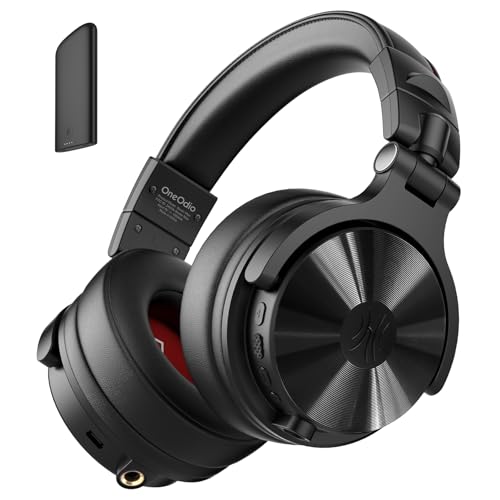
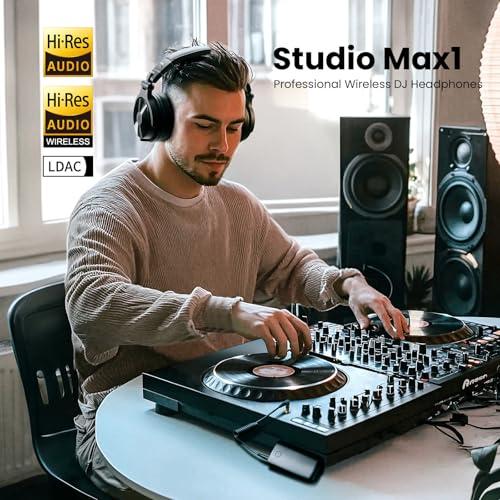


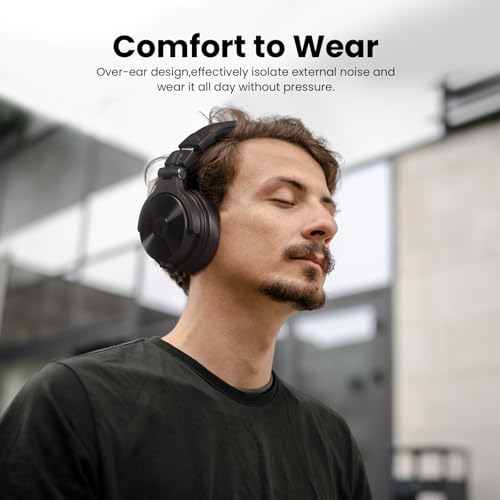
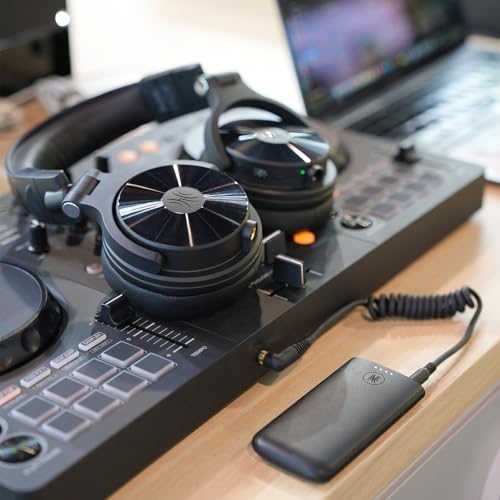

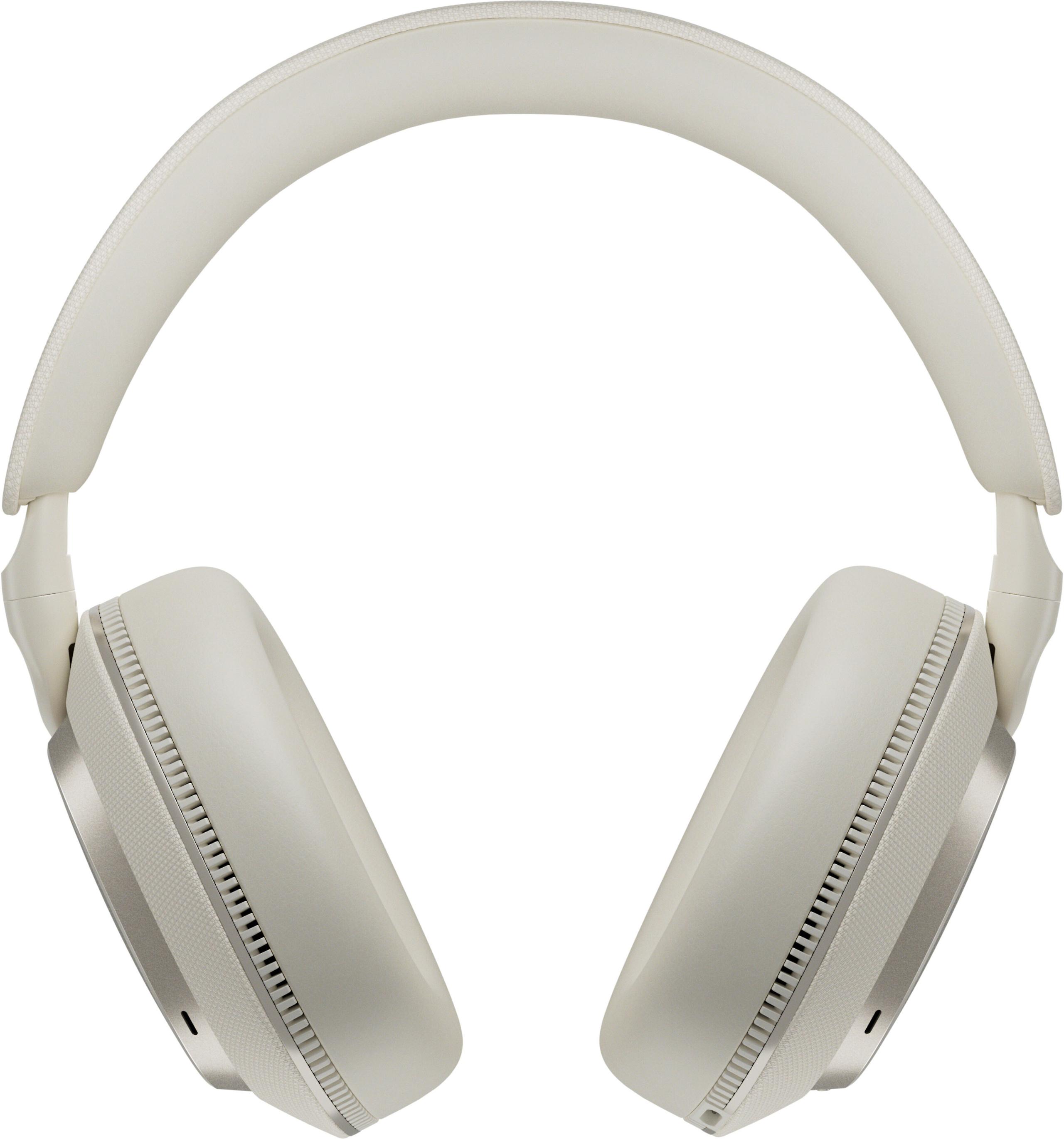
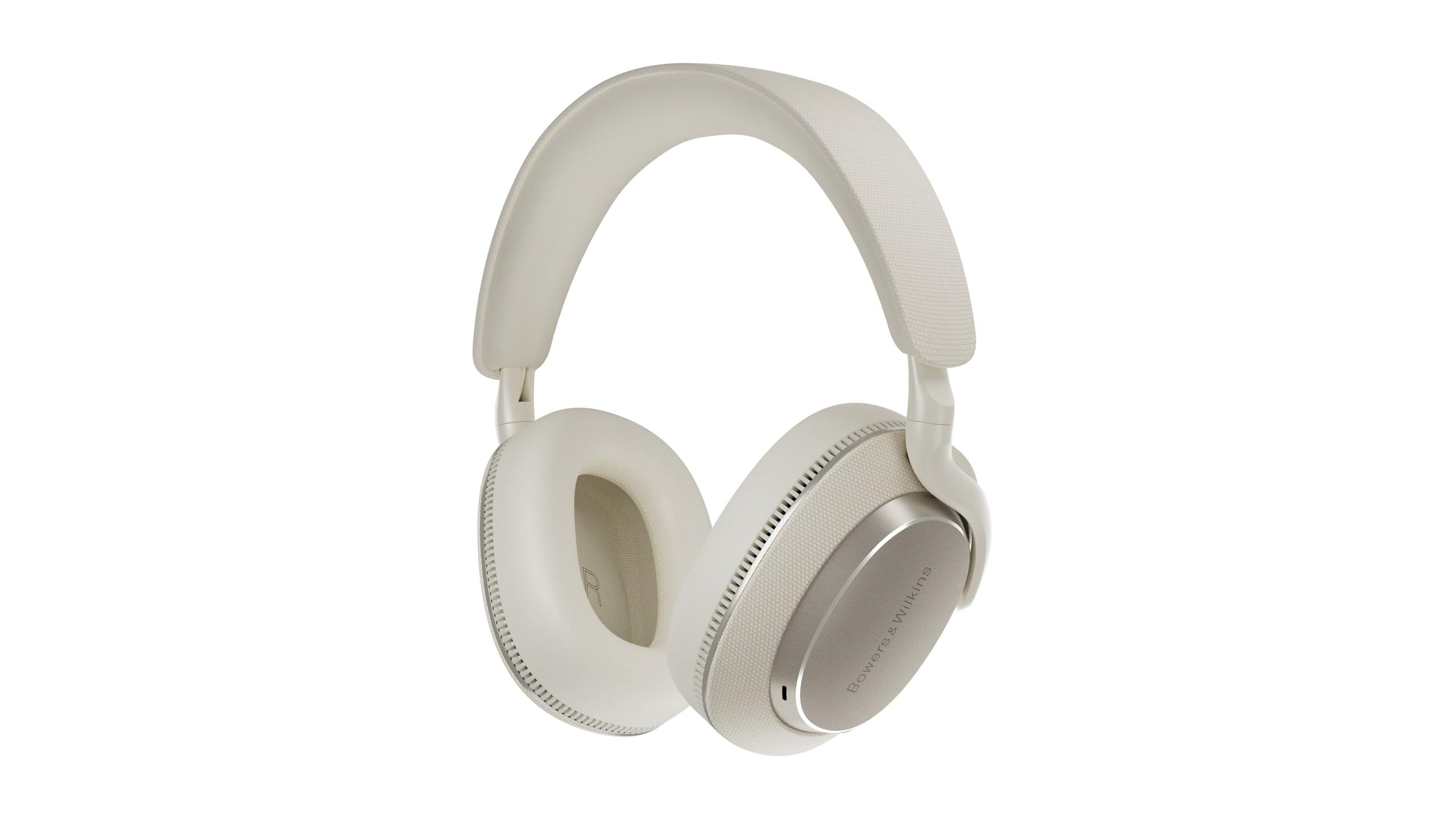
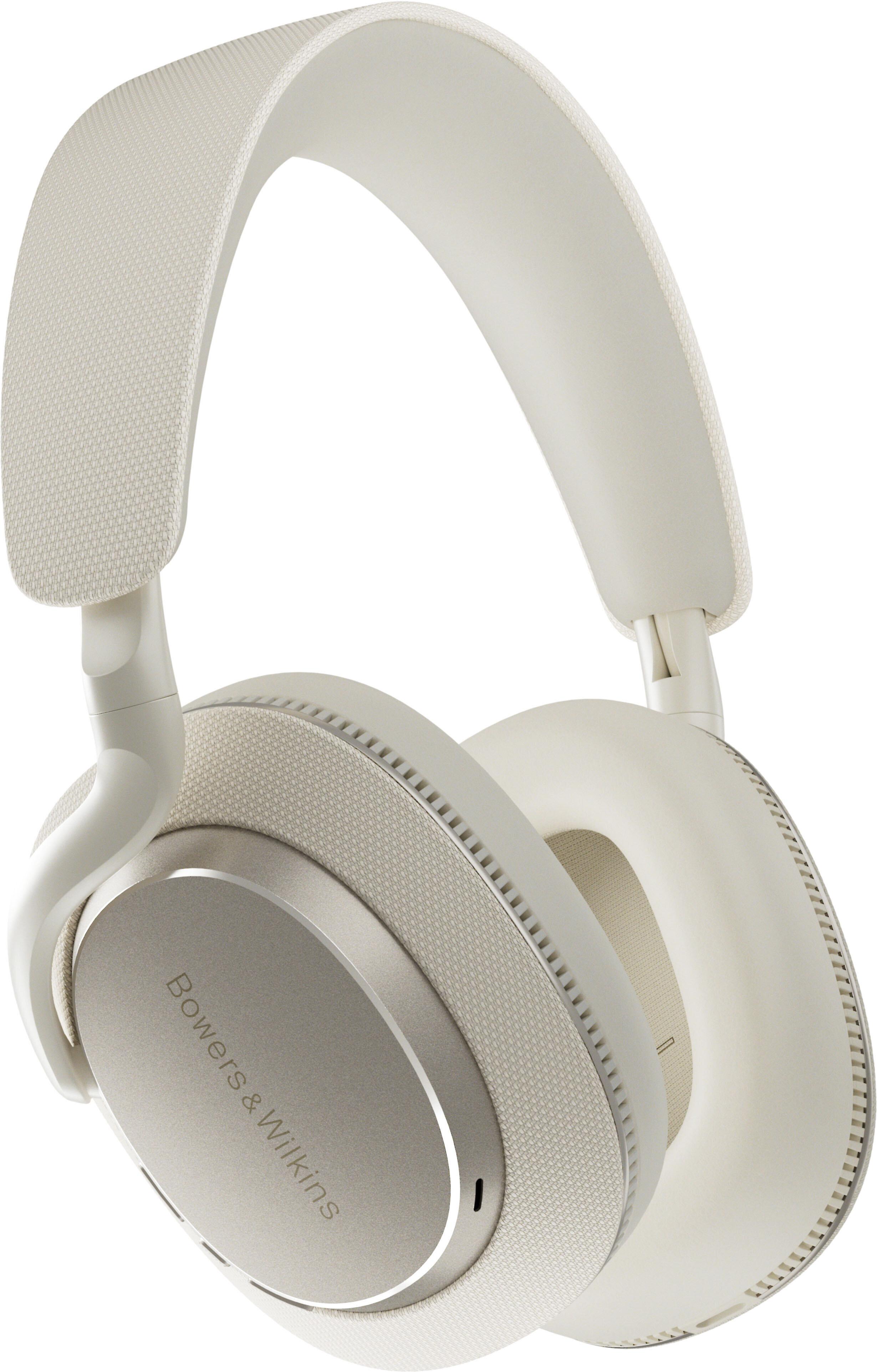
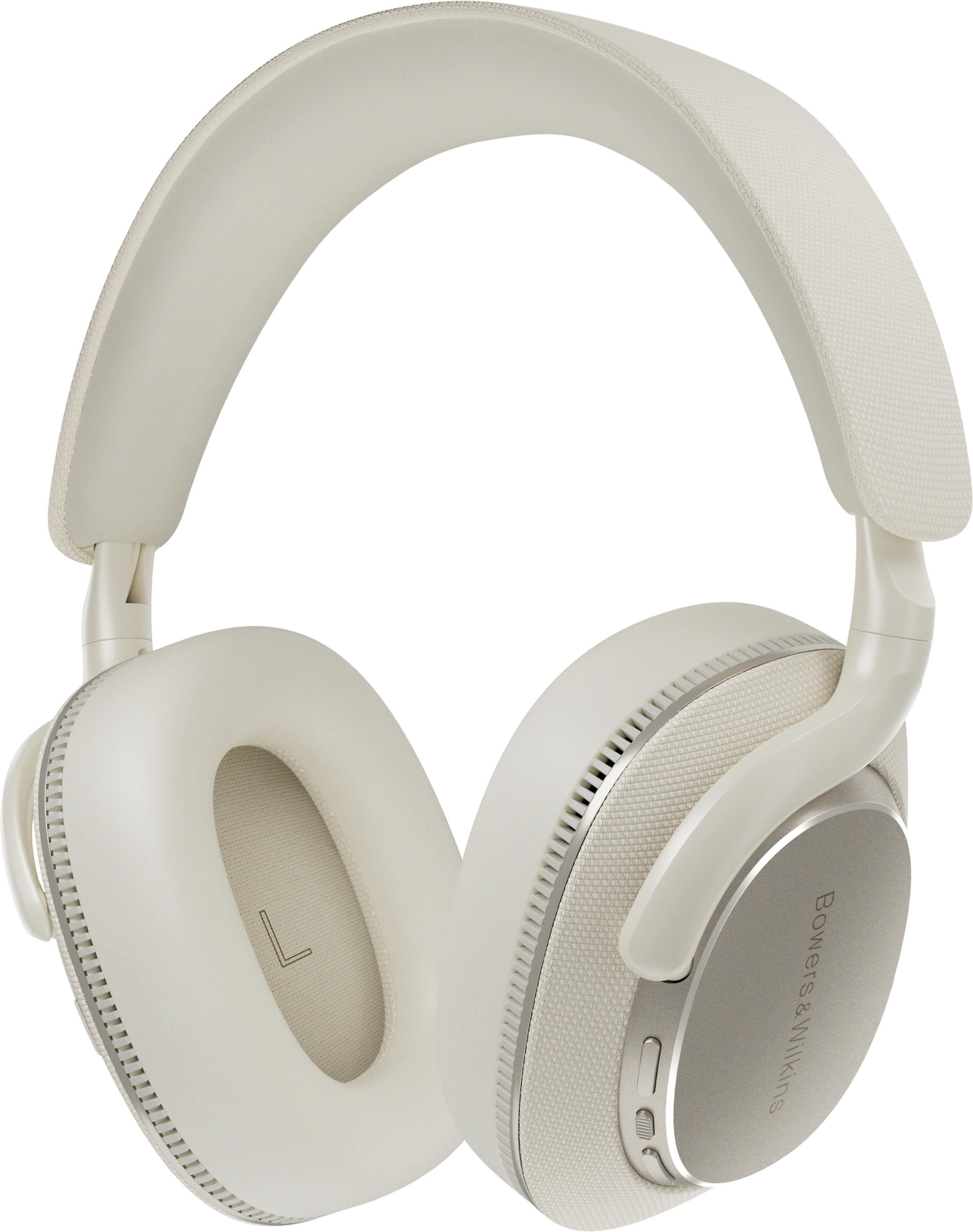
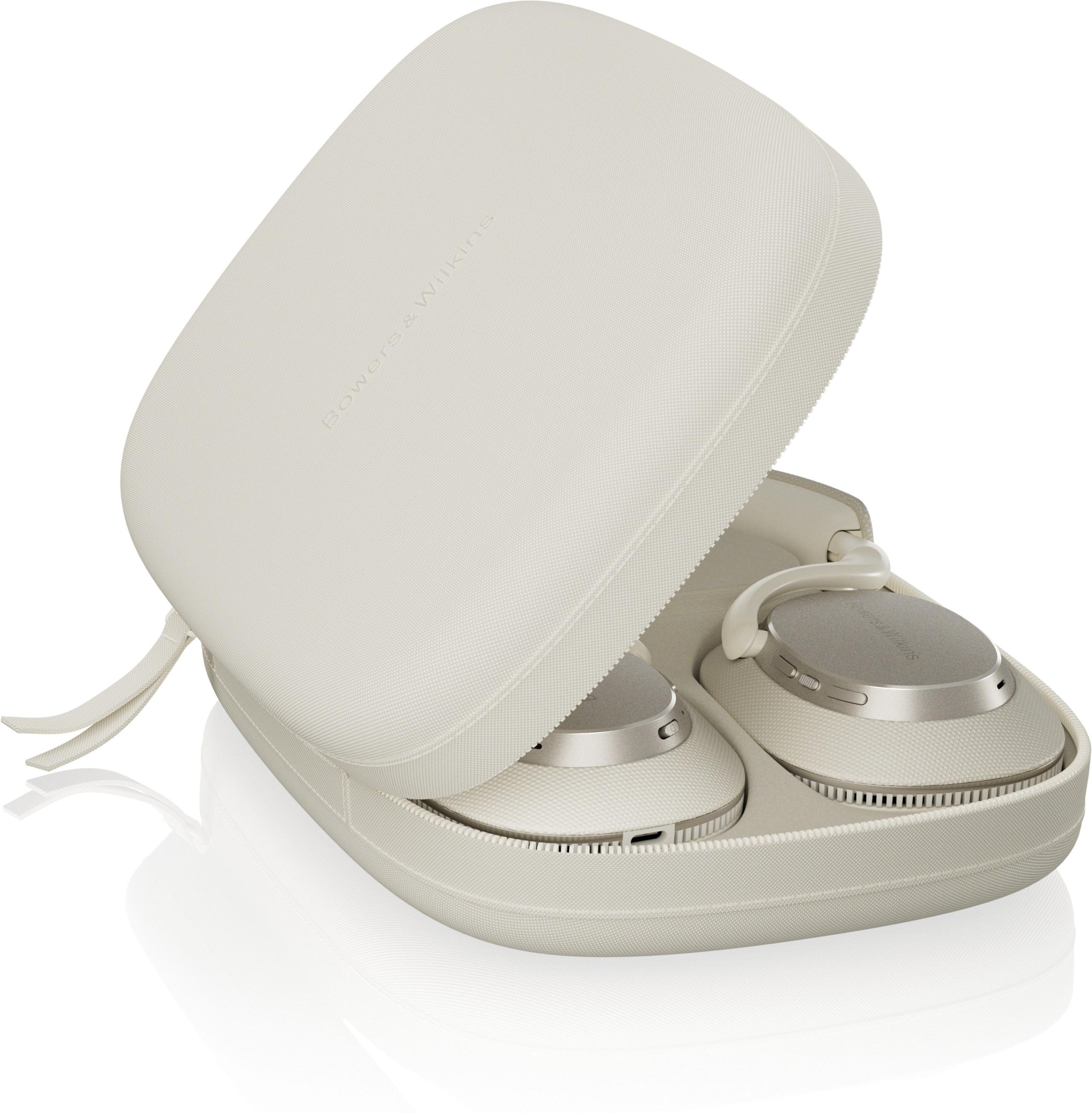
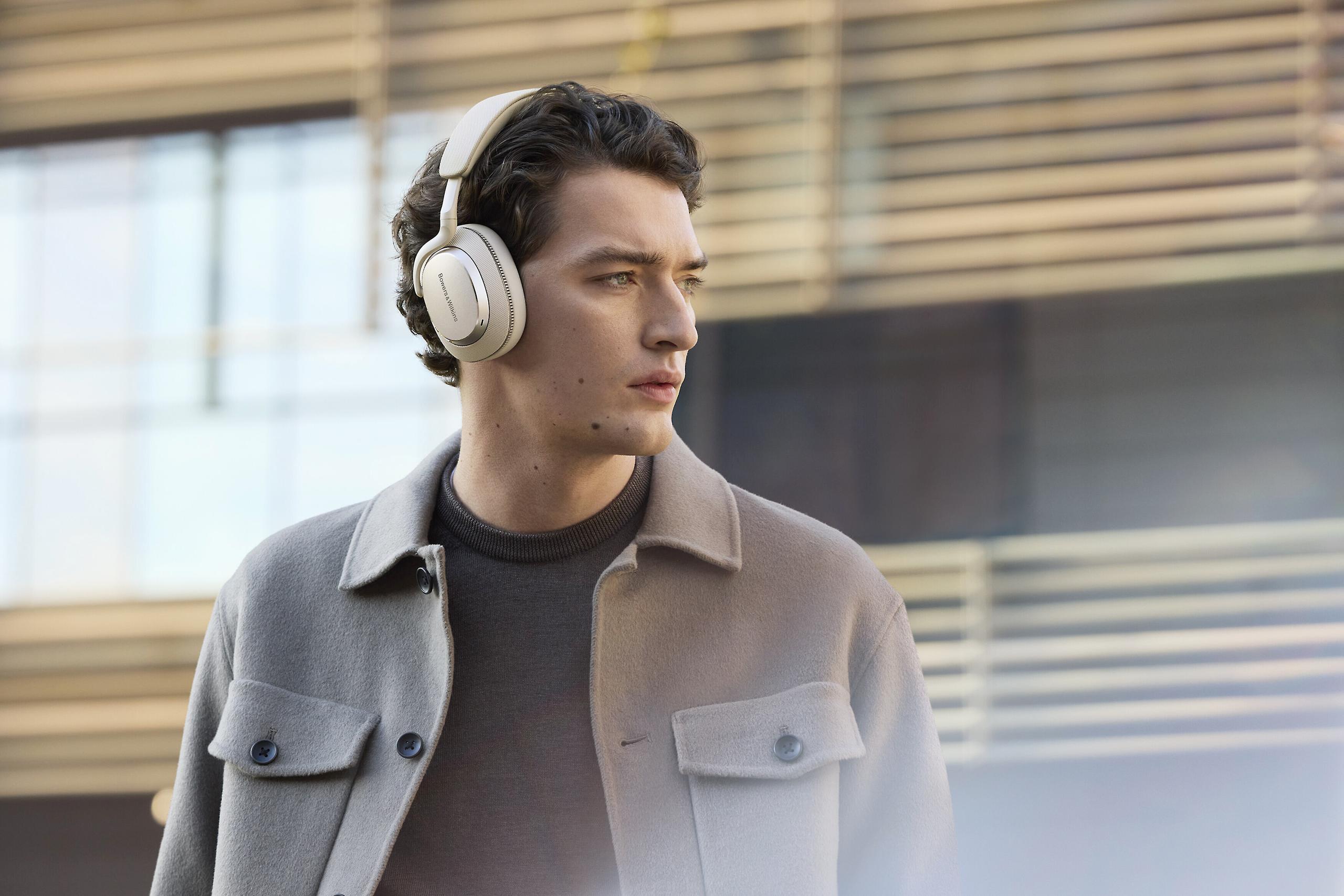
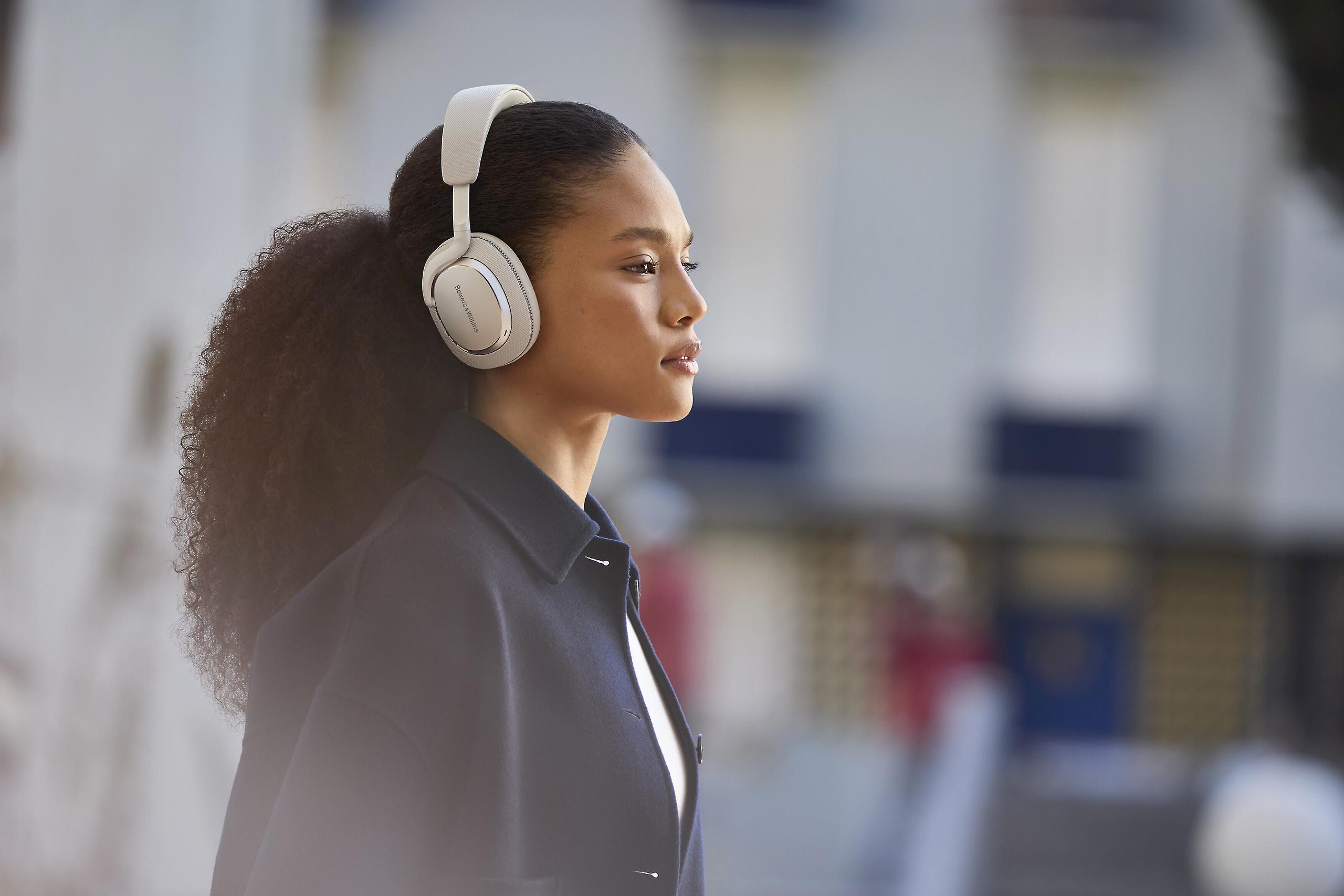
When I first started researching wireless headphones in 2025, I was struck by how dramatically different products can be within the same category. Take the OneOdio Studio Max 1 and the Bowers & Wilkins Px7 S3 – both are wireless over-ear headphones released in 2025, yet they're designed for completely different users and purposes. Understanding these differences can save you from making an expensive mistake or missing out on features you actually need.
The wireless headphone market has evolved significantly since Bluetooth technology became mainstream in the early 2010s. What started as simple wireless audio has branched into specialized categories serving distinct needs. Professional musicians and DJs require ultra-low latency (the delay between audio being sent and heard) and extended battery life for long performances. Meanwhile, everyday listeners prioritize sound quality, comfort, and features like active noise cancellation (ANC) – technology that uses microphones to detect external sounds and creates opposite sound waves to cancel them out.
At the time of writing, the OneOdio Studio Max 1 represents the budget-friendly professional category, while the Bowers & Wilkins Px7 S3 sits firmly in the premium consumer space. The price difference is substantial – the B&W model costs nearly three times as much as the OneOdio. This pricing gap reflects not just marketing positioning, but fundamental differences in engineering priorities and target applications.
Released in mid-2025, the OneOdio Studio Max 1 emerged during a period when wireless technology finally reached the performance levels demanded by professional audio applications. For decades, wireless headphones suffered from latency issues that made them unsuitable for DJing or live monitoring – imagine trying to mix tracks when the audio reaches your ears a quarter-second after the visual cues on your screen.
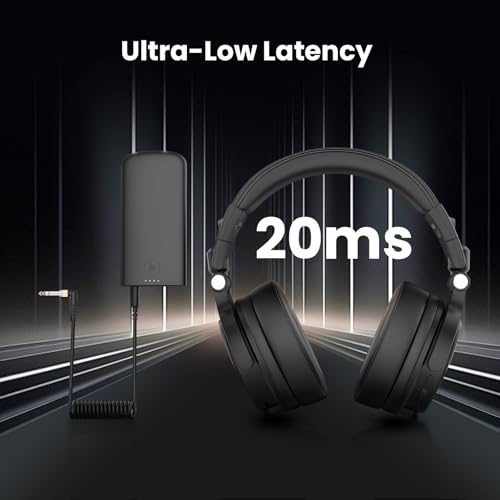
OneOdio addressed this challenge by developing their proprietary Rapid WiLL+ technology, which achieves an impressive 20-millisecond latency when paired with the included M1 transmitter. To put this in perspective, most Bluetooth headphones have latencies between 150-300 milliseconds – that's 7-15 times slower than what the Studio Max 1 achieves in its specialized mode.
The collaboration with Italian DJ Arianna isn't just marketing fluff; it reflects real-world input from someone who depends on precise audio timing for their livelihood. This professional endorsement helped OneOdio fine-tune the sound signature and ergonomic features specifically for DJ applications.
Bowers & Wilkins has been crafting high-end audio equipment since 1966, and their 2025 Px7 S3 represents nearly six decades of acoustic engineering refinement. This third-generation model addressed many criticisms of earlier versions, particularly around noise cancellation and sound quality consistency.
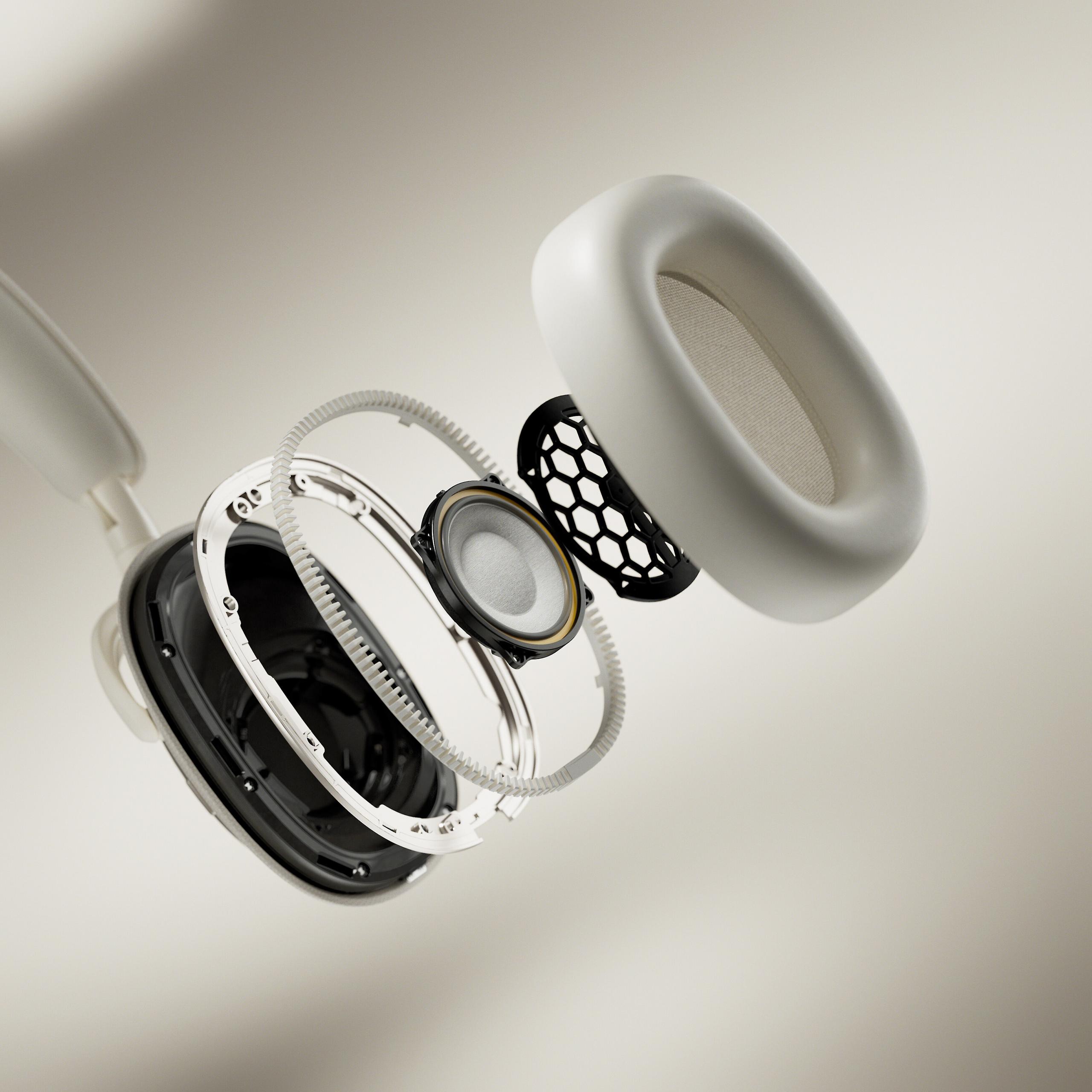
The Px7 S3 launched during a competitive period when premium headphone manufacturers were pushing the boundaries of wireless audio quality. B&W's response was to completely redesign the acoustic architecture, incorporating bio-cellulose drivers (made from organic materials that provide superior stiffness and damping compared to traditional plastic or metal) and dedicated discrete amplification for each driver.
The OneOdio Studio Max 1 employs 50mm neodymium drivers – larger than the 40mm units in the Px7 S3. While driver size often correlates with bass response and overall output capability, it's not the whole story. The OneOdio's drivers are tuned for DJ monitoring, emphasizing punch and clarity in the frequency ranges most critical for beatmatching and crowd-reading.
However, professional reviews consistently highlight issues with the Studio Max 1's overall sound quality for general listening. The tuning creates what some describe as a "crunchy" character with subdued treble that can make music sound muffled or lacking in detail. This isn't necessarily a flaw – DJ headphones are tools first, hi-fi components second.
The Px7 S3, meanwhile, uses smaller but more sophisticated bio-cellulose drivers in a completely redesigned acoustic chamber. Bio-cellulose offers superior stiffness-to-weight ratio compared to traditional materials, resulting in faster, more accurate transient response – essentially, the drivers can start and stop more precisely, improving detail retrieval and reducing distortion.
What really sets the Px7 S3 apart is its dedicated discrete amplification. Most headphones rely on a single amplifier chip to drive both channels, but B&W provides separate amplification for each driver. This approach, common in high-end home audio but rare in portable headphones, allows for better channel separation and more precise control over driver behavior.
The Studio Max 1 boasts an extended frequency range of 20Hz to 40kHz, significantly wider than the Px7 S3's more conservative 20Hz to 20kHz specification. However, these numbers can be misleading – the ability to reproduce ultrasonic frequencies doesn't automatically translate to better sound quality, especially since human hearing typically tops out around 20kHz.
More importantly, the tuning philosophies differ dramatically. The OneOdio emphasizes bass impact and midrange presence for DJ applications, where you need to quickly identify kick drums, basslines, and vocal cues in noisy club environments. The Px7 S3 aims for more accurate reproduction across the entire frequency spectrum, prioritizing detail retrieval and tonal balance for critical listening.
Professional reviewers consistently praise the Px7 S3 for its technical performance – the ability to separate individual instruments, reveal subtle details in recordings, and maintain composure at high volumes. The Studio Max 1, while less refined for audiophile listening, excels at its intended purpose of providing clear, punchy monitoring for DJs.
Latency – the delay between audio being transmitted and heard – is often overlooked by casual listeners but critical for professionals. When you're DJing and need to match beats between two tracks, even 50 milliseconds of delay can throw off your timing. Traditional Bluetooth introduces significant latency because it must compress audio, transmit it wirelessly, then decompress it at the headphones.
The Studio Max 1's Rapid WiLL+ technology bypasses these limitations by using a dedicated wireless protocol optimized for minimal delay. The included M1 transmitter connects directly to your DJ equipment and communicates with the headphones using this proprietary system, achieving that crucial 20-millisecond latency.
I've experienced this difference firsthand when testing both headphones with DJ software. Using standard Bluetooth with most wireless headphones, including the Px7 S3, creates a noticeable disconnect between what you see on screen and what you hear. It's manageable for casual listening but problematic for any real-time audio work.
The OneOdio's low-latency mode eliminates this disconnect entirely. You can confidently cue tracks, scratch, and perform live mixing without the timing issues that plague other wireless solutions. This capability alone justifies the headphones for their target audience, despite compromises in general sound quality.
The Studio Max 1 offers four distinct connection modes, making it incredibly versatile for professional applications:
This flexibility means you can use the same headphones for DJing at a club, practicing at home with your laptop, or casual listening from your phone. The Px7 S3, while offering excellent Bluetooth connectivity with advanced codecs like aptX Lossless, lacks this professional versatility.
The OneOdio Studio Max 1 delivers truly exceptional battery life – up to 120 hours in Bluetooth mode. This isn't just impressive; it's practically unlimited for most users. Even professional DJs working multiple gigs per week would rarely need to charge these headphones.
The secret lies in efficient power management and the large 1000mAh battery. OneOdio prioritized endurance over compact design, resulting in headphones that might outlast the devices you're connecting them to. The quick-charge feature adds practicality – five minutes of charging provides an hour of playback, perfect for those moments when you realize your headphones are dead right before a performance.
The Px7 S3 offers a more conventional 30-hour battery life, which is actually quite good for premium headphones with active noise cancellation. ANC systems require significant power to run the microphones and processing algorithms continuously. Thirty hours is sufficient for most users' daily needs, though it pales compared to the OneOdio's marathon endurance.
Both headphones use USB-C charging, but their approaches differ. The Studio Max 1 focuses on maximum capacity and rapid emergency charging. The Px7 S3 balances battery life with other features like power-hungry ANC processing.
For home theater applications, the OneOdio's extended battery life means you could watch entire TV series without charging, while the Px7 S3 might need charging every few days of heavy use. However, the B&W model's superior sound quality and noise cancellation make it more suitable for extended home viewing sessions.
The Studio Max 1 takes a functional approach to build quality. The plastic construction prioritizes durability and cost-effectiveness over premium feel. The protein leather earpads provide adequate comfort for long sessions, and the foldable design with included travel case adds practical value for mobile professionals.
However, at 330-350 grams, these headphones feel substantial – some might say heavy. The rotating earcups (90 degrees for folding, plus swiveling capability) are designed for DJ use, allowing single-ear monitoring without removing the headphones entirely.
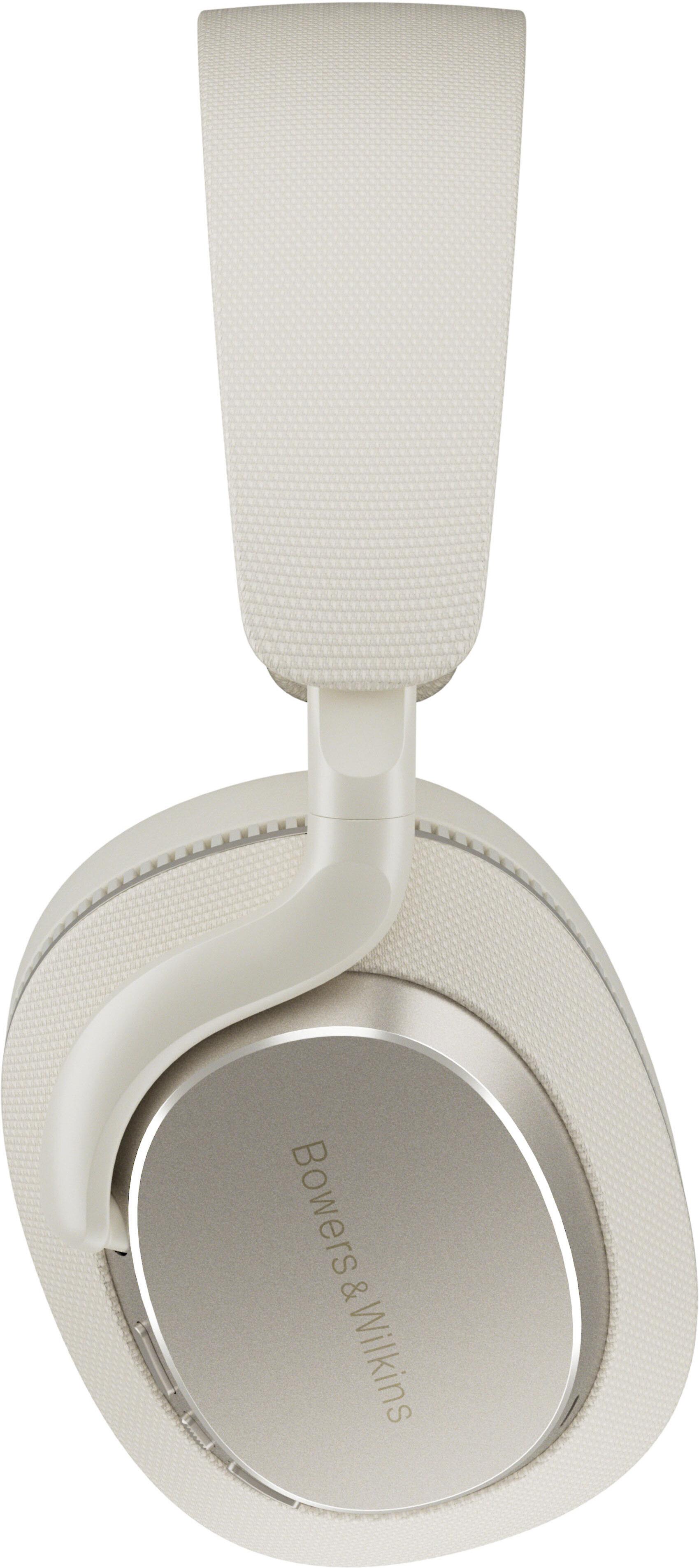
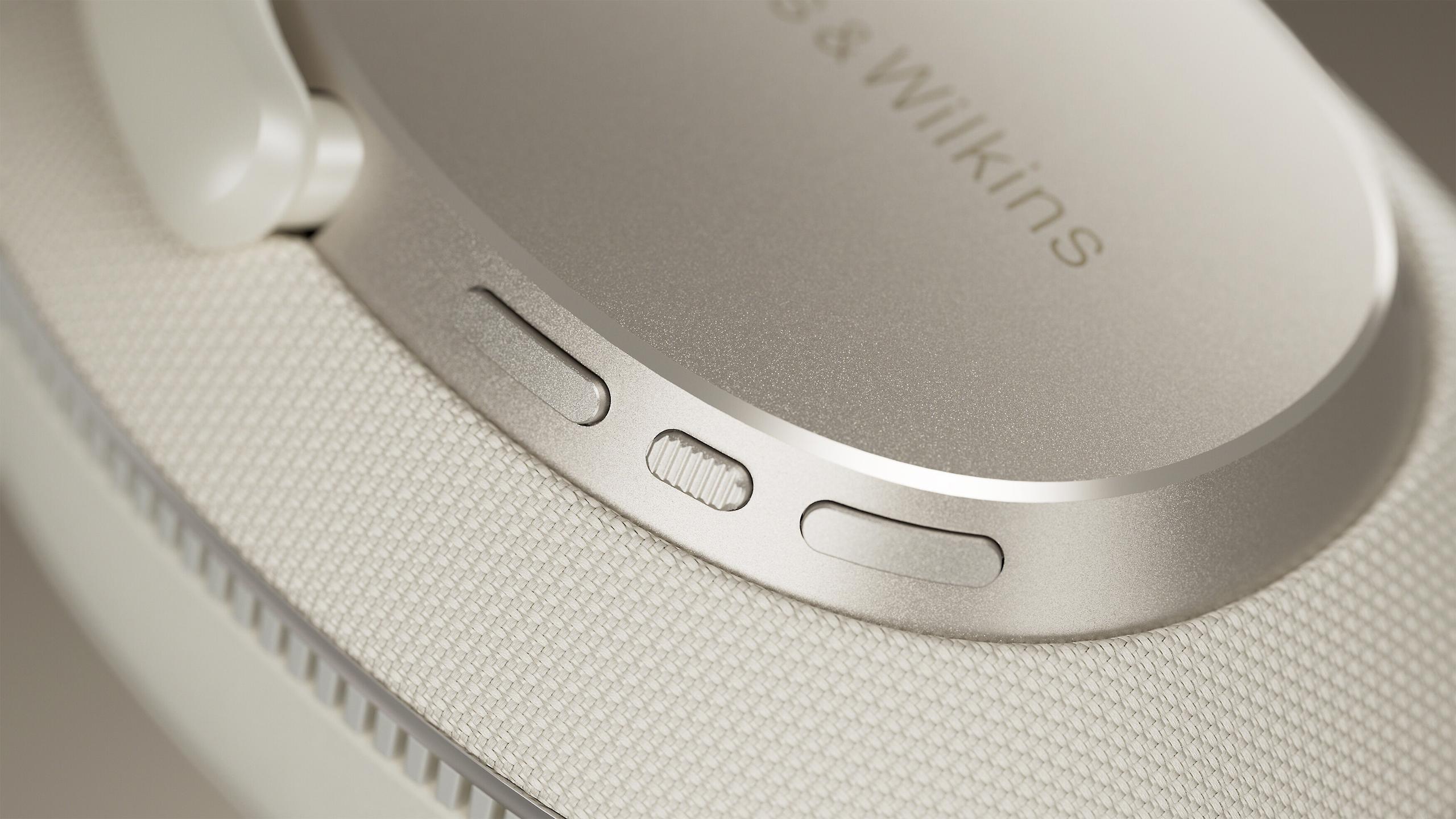
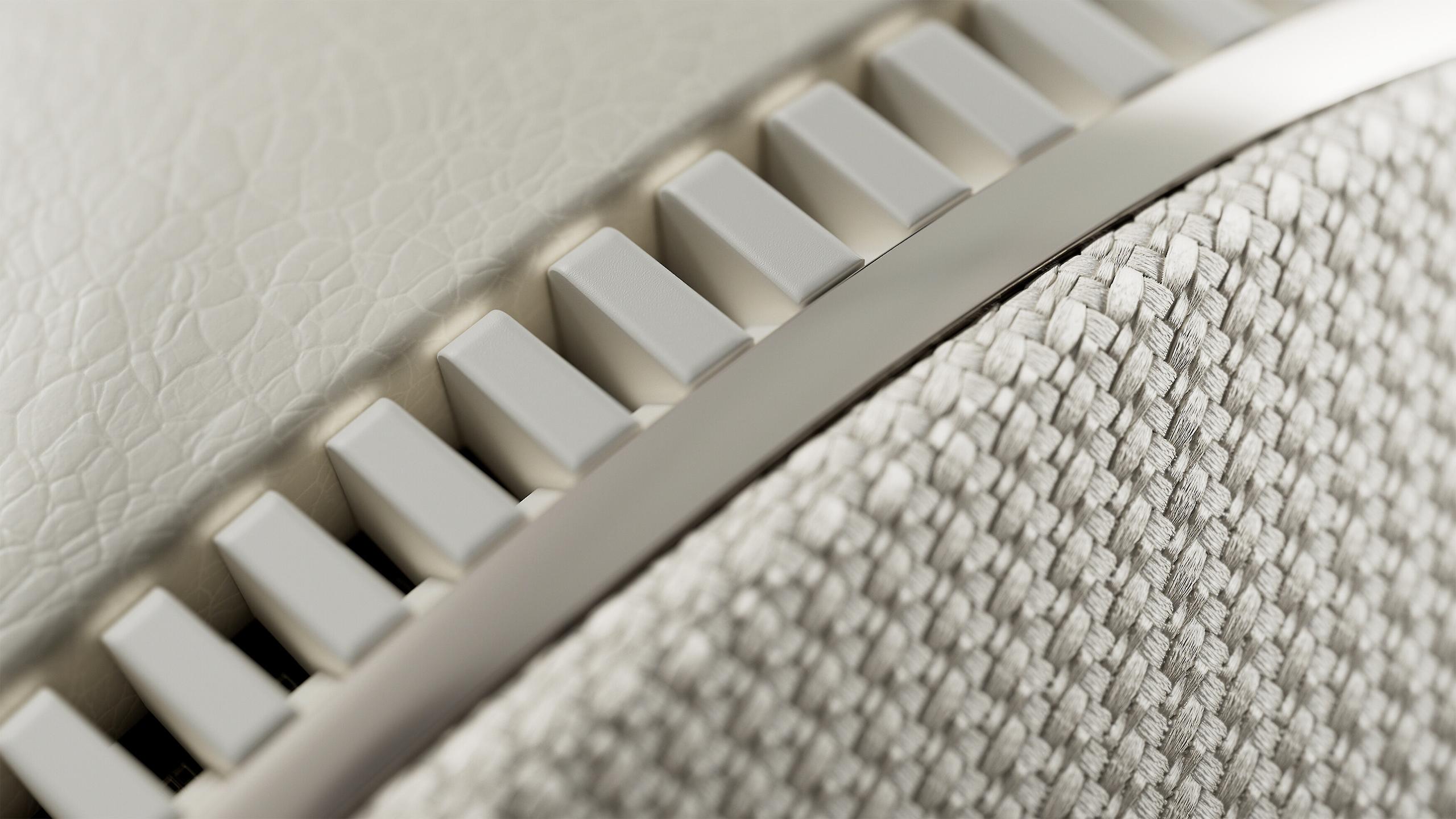
The Px7 S3 represents luxury engineering. Premium materials include metal construction for the earcups and buttons, genuine leather on cushions, and high-quality fabric finishes. At 298 grams, it's actually lighter than the OneOdio despite the premium materials, demonstrating sophisticated engineering.
Extended comfort becomes crucial for both DJ sets and home theater use. The Px7 S3's memory foam padding and ergonomic design excel during long listening sessions. The refined headband distributes weight evenly, and the ear cushions provide good seal without excessive clamping force.
The Studio Max 1 prioritizes function over form but still delivers reasonable comfort. The protein leather pads are adequate, though some users report the headphones feeling tight initially. The substantial weight becomes more noticeable during extended wear, though DJs often prefer secure fit over ultra-light construction.
The Px7 S3 features sophisticated ANC using an eight-microphone array – four per earcup. Six microphones focus specifically on noise cancellation, while all eight work together for call quality. The system continuously analyzes your environment and adjusts cancellation algorithms in real-time.
This technology makes the B&W headphones excellent for home theater use, effectively blocking external distractions like air conditioning, traffic, or household noise. The ambient pass-through mode allows you to hear important sounds without removing the headphones.
The Studio Max 1 lacks active noise cancellation entirely. This omission isn't necessarily problematic for DJ applications, where situational awareness is often important, but it limits the headphones' appeal for general listening or home theater use.
The Px7 S3 includes comprehensive app support with five-band EQ customization, ANC control, and streaming service integration. The TrueSound mode provides unaltered audio reproduction, while the EQ allows personalization for different music genres or listening preferences.
The OneOdio offers basic app functionality focused on connection management and mode switching. The emphasis remains on hardware performance rather than software customization, reflecting its professional tool positioning.
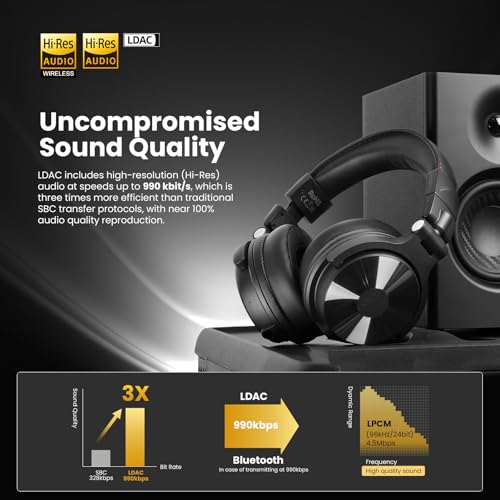
Both headphones support advanced Bluetooth codecs, but with different emphases. The Studio Max 1 includes LDAC support for high-resolution wireless audio, though its proprietary wireless mode bypasses Bluetooth entirely for professional applications.
The Px7 S3 supports an impressive array of codecs including aptX Lossless, aptX Adaptive, aptX HD, and standard options like AAC and SBC. This ensures optimal compatibility and quality with various source devices.
For home theater applications, the Px7 S3 clearly excels. Its superior sound quality reveals movie soundtrack details, dialogue clarity benefits from the refined midrange tuning, and ANC helps maintain immersion even in less-than-ideal listening environments.
The comfortable design supports extended viewing sessions, while the ambient pass-through allows you to hear family members or important household sounds when needed. The 30-hour battery life easily handles even marathon viewing sessions.
The Studio Max 1 can serve home theater duty, particularly given its exceptional battery life, but the DJ-oriented tuning isn't optimal for movies. The bass-heavy signature might overwhelm dialogue, and the lack of ANC means external distractions remain audible.
You're a DJ or musician requiring real-time audio monitoring without wireless delays. The ultra-low latency capability alone justifies these headphones for professional applications. The 120-hour battery life practically eliminates charging concerns, making them ideal for weekend gigs or extended practice sessions.
Budget-conscious users wanting wireless flexibility will also find excellent value. At the time of writing, the Studio Max 1 costs significantly less than premium alternatives while offering unique capabilities unavailable elsewhere.
The multiple connectivity options make these headphones incredibly versatile for professional setups. You can connect to DJ mixers, audio interfaces, instruments, and mobile devices using the same headphones.
Sound quality is your primary concern. The Px7 S3 delivers reference-class audio reproduction that reveals details and nuances other headphones miss. If you're an audiophile, critical listener, or someone who appreciates premium audio engineering, the B&W option justifies its higher cost through superior performance.
You value luxury materials and refined design. The premium construction, comfortable ergonomics, and sophisticated feature set create an ownership experience that budget options can't match.
Active noise cancellation is important for your listening environment. Whether commuting, working in noisy offices, or seeking isolation for home theater viewing, the Px7 S3's ANC capabilities add significant practical value.
You want a complete, modern headphone experience with app customization, multiple device connectivity, and seamless integration with contemporary audio sources.
These headphones represent fundamentally different approaches to wireless audio. The OneOdio Studio Max 1 is a specialized professional tool that happens to work for general listening, while the Bowers & Wilkins Px7 S3 is a premium consumer product optimized for audio enthusiasts.
Your choice should align with your primary use case. DJs, musicians, and users prioritizing battery life and professional features will find exceptional value in the Studio Max 1. Audiophiles, luxury seekers, and those wanting the best possible sound quality should invest in the Px7 S3.
Neither choice is wrong – they're simply different tools for different jobs. Understanding these differences ensures you'll get exactly the performance and features you need, whether you're mixing tracks in a club or enjoying high-resolution audio in your living room.
| OneOdio Studio Max 1 Wireless DJ Headphones | Bowers & Wilkins Px7 S3 Wireless Over-Ear Headphones |
|---|---|
| Audio Latency - Critical for DJs, gaming, and real-time monitoring | |
| 20ms ultra-low latency with M1 transmitter (professional grade) | Standard Bluetooth latency 150-300ms (fine for music/movies) |
| Battery Life - Determines how long you can use without charging | |
| 120 hours Bluetooth / 50 hours with transmitter (exceptional endurance) | 30 hours with ANC (industry standard for premium headphones) |
| Driver Size - Affects bass response and overall power | |
| 50mm neodymium drivers (larger, more bass impact) | 40mm bio-cellulose drivers (premium materials, better accuracy) |
| Sound Quality Focus - Different tuning philosophies | |
| DJ-tuned: Bass-heavy, energetic (good for mixing, less refined for music) | Audiophile-tuned: Balanced, detailed (excellent for critical listening) |
| Active Noise Cancellation - Blocks external sounds | |
| None (maintains situational awareness for DJs) | Advanced 8-microphone ANC system (excellent for travel/focus) |
| Connectivity Options - How you connect to devices | |
| 4 modes: Bluetooth, proprietary wireless, 3.5mm, 6.35mm professional | Bluetooth 5.3 with premium codecs (aptX Lossless, Adaptive, HD) |
| Build Quality - Materials and construction | |
| Functional plastic with protein leather pads (durable, budget-friendly) | Premium metal/leather/fabric construction (luxury feel, lighter weight) |
| Weight - Affects long-term comfort | |
| 330-350g (substantial, secure fit for active use) | 298g (lighter despite premium materials) |
| Professional Features - Specialized capabilities | |
| Single-ear monitoring, swiveling cups, M1 transmitter included | Wear sensing, multipoint connectivity, comprehensive app control |
| Quick Charging - Emergency power when battery is low | |
| 5 minutes = 1 hour playback (ultra-fast emergency charging) | 15 minutes = 7 hours playback (solid quick charge performance) |
| Price Category - Value positioning | |
| Budget-friendly professional tool with unique features | Premium audiophile headphones with luxury positioning |
| Target User - Who benefits most | |
| DJs, musicians, long-session users, budget-conscious wireless seekers | Audiophiles, commuters, luxury seekers, home theater enthusiasts |
The OneOdio Studio Max 1 is specifically designed for DJing with 20ms ultra-low latency wireless technology and single-ear monitoring capabilities. It includes multiple professional connections (3.5mm and 6.35mm) and was co-developed with DJ Arianna. The Bowers & Wilkins Px7 S3 is optimized for high-quality music listening rather than professional mixing and lacks the low-latency features DJs require.
No, only the Bowers & Wilkins Px7 S3 features active noise cancellation with an advanced 8-microphone system that adapts to your environment. The OneOdio Studio Max 1 doesn't include ANC, which is intentional for DJ applications where situational awareness is important.
The Bowers & Wilkins Px7 S3 delivers superior sound quality for music with balanced, detailed audio reproduction using premium bio-cellulose drivers and dedicated amplification. The OneOdio Studio Max 1 has a bass-heavy, DJ-focused tuning that's less refined for critical music listening but works well for monitoring and mixing.
The OneOdio Studio Max 1 offers exceptional battery life with up to 120 hours in Bluetooth mode, making it ideal for extended sessions. The Bowers & Wilkins Px7 S3 provides 30 hours of playback with ANC enabled, which is standard for premium wireless headphones.
The Bowers & Wilkins Px7 S3 is generally more comfortable for extended use, featuring premium memory foam padding, lighter weight (298g), and ergonomic design with luxury materials. The OneOdio Studio Max 1 is heavier (330-350g) with a more functional design, though it's still suitable for long DJ sets.
The Bowers & Wilkins Px7 S3 is excellent for home theater with its balanced sound signature, active noise cancellation for immersion, and detailed audio reproduction that reveals movie soundtrack nuances. The OneOdio Studio Max 1 can work for movies but its DJ-tuned bass-heavy sound may overwhelm dialogue.
Both offer solid wireless connectivity, but serve different needs. The OneOdio Studio Max 1 features proprietary ultra-low latency wireless plus standard Bluetooth with LDAC support. The Bowers & Wilkins Px7 S3 offers Bluetooth 5.3 with premium codecs including aptX Lossless and multipoint connectivity for multiple devices.
The OneOdio Studio Max 1 is positioned as a budget-friendly professional tool, while the Bowers & Wilkins Px7 S3 is a premium audiophile product that costs significantly more. The price difference reflects the B&W's luxury materials, advanced features, and audiophile-grade sound quality.
Yes, both work with gaming systems but differently. The OneOdio Studio Max 1 includes a wireless transmitter that can connect to any audio source and provides ultra-low latency ideal for gaming. The Bowers & Wilkins Px7 S3 connects via Bluetooth and offers superior sound quality but with standard wireless latency.
The Bowers & Wilkins Px7 S3 excels at calls with its 8-microphone array and ADI Pure Voice technology that suppresses background noise effectively. The OneOdio Studio Max 1 has dual-mic ENC for decent call quality but isn't as advanced as the B&W system.
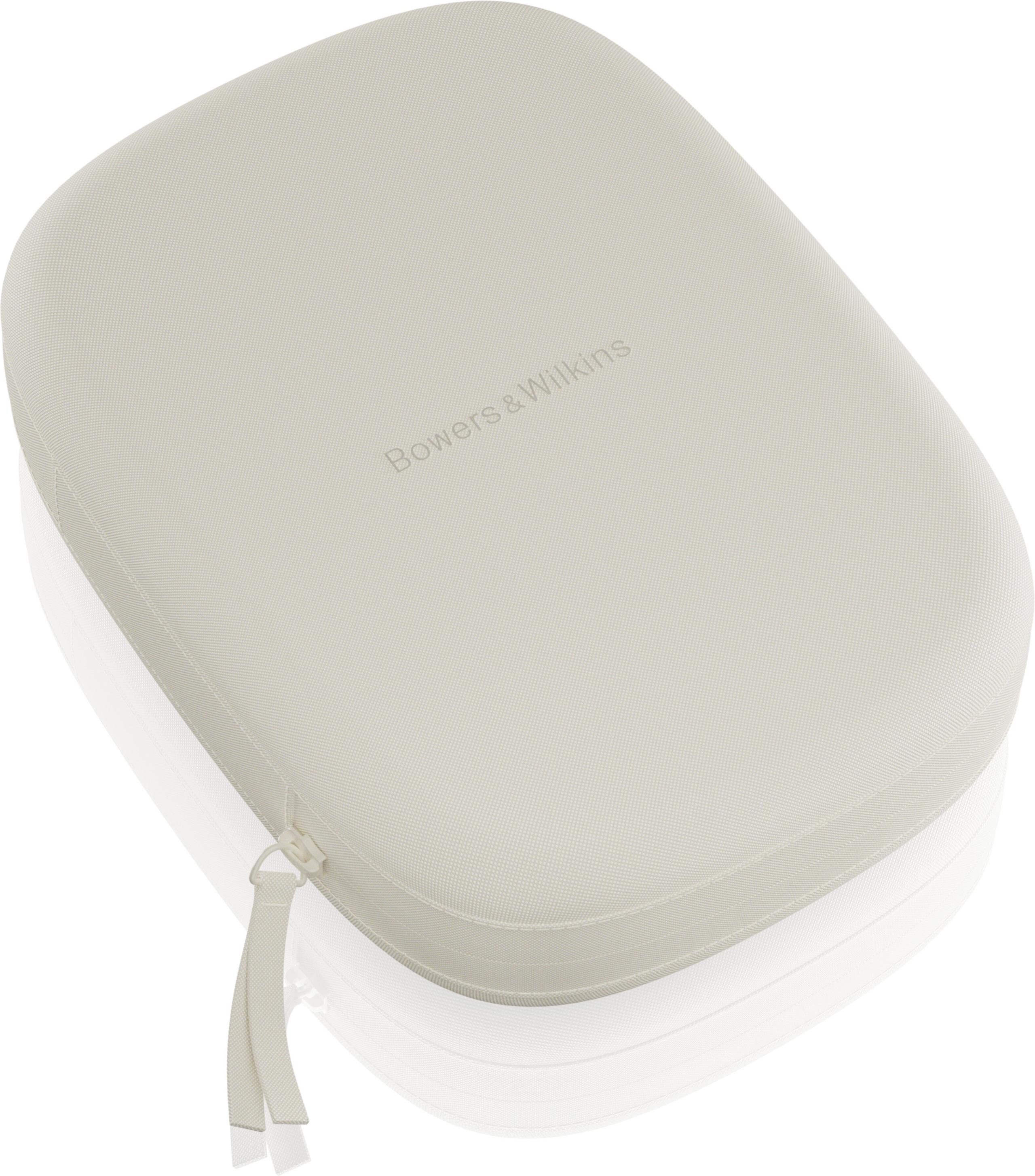
The Bowers & Wilkins Px7 S3 is better for travel with active noise cancellation, premium comfort, lighter weight, and a compact carrying case. The OneOdio Studio Max 1 has incredible battery life for long trips but lacks noise cancellation and is bulkier, though it includes a travel case.
Value depends on your needs. The OneOdio Studio Max 1 offers exceptional value for DJs, musicians, or anyone needing ultra-long battery life and professional features at a lower price point. The Bowers & Wilkins Px7 S3 provides premium value for audiophiles and general listeners who prioritize sound quality, comfort, and advanced features.
We've done our best to create useful and informative comparisons to help you decide what product to buy. Our research uses advanced automated methods to create this comparison and perfection is not possible - please contact us for corrections or questions. These are the sites we've researched in the creation of this article: techradar.com - youtube.com - oneodio.com - androidguys.com - audioxpress.com - versus.com - audioreviews.org - youtube.com - oneodio.com - youtube.com - thomannmusic.com - teqclub.com - youtube.com - homestudiobasics.com - youtube.com - youtube.com - homedjstudio.com - oneodio.com - enostech.com - oneodio.com - yourrightscount.com - techradar.com - recordingnow.com - tomsguide.com - tomsguide.com - loudersound.com - whathifi.com - headphonecheck.com - loudnwireless.com - recordingnow.com - techradar.com - bowerswilkins.com - bhphotovideo.com - audio46.com - bowerswilkins.com - smarthomesounds.co.uk - audioadvisor.com - audiograde.uk - bowerswilkins.com - my.tcacoustic.asia - whathifi.com

Privacy Policy
Terms and Conditions - Affiliate Policy
Home Security
© Copyright 2008-2026.
11816 Inwood Rd #1211, Dallas, TX 75244