

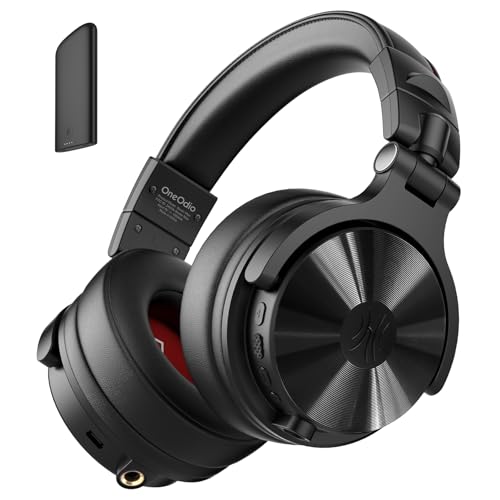
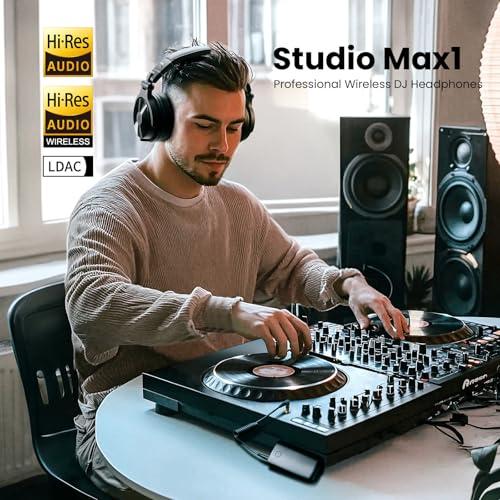




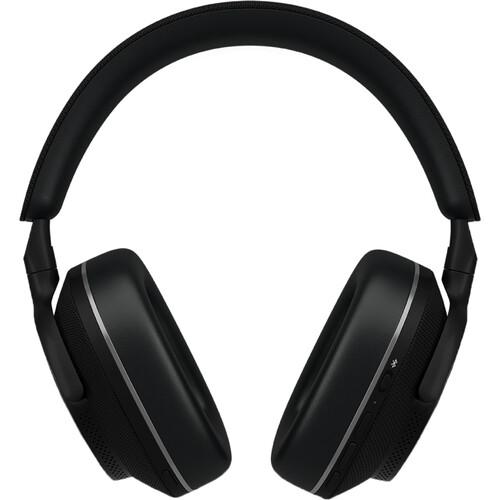
When shopping for wireless over-ear headphones, you'll quickly discover that not all models are created equal. The market has evolved into distinct categories, each serving different listening needs and priorities. Today, I'm comparing two fascinating examples that represent opposite ends of this spectrum: the OneOdio Studio Max 1, a DJ-focused powerhouse released in 2024, and the Bowers & Wilkins Px7 S2e, an audiophile-oriented premium headphone from 2023.
These headphones might look similar at first glance—both are wireless, over-ear designs—but they've been engineered for completely different purposes. Understanding these differences will help you choose the right pair for your specific needs and budget.
Before diving into the comparison, let's establish what makes wireless headphones tick. The most important factors include sound quality (how accurately they reproduce music), battery life (how long they last on a single charge), connectivity options (how they connect to your devices), build quality (how well they're constructed), and specialized features for different use cases.
Sound quality isn't just about "sounding good"—it involves frequency response (which sounds the headphones emphasize), soundstage (how spacious the music feels), and detail retrieval (how clearly you can hear individual instruments). Battery life has become crucial as wireless headphones have replaced wired models for many users. Connectivity determines compatibility with your devices and affects audio quality through different wireless codecs (compression methods that determine how audio is transmitted wirelessly).
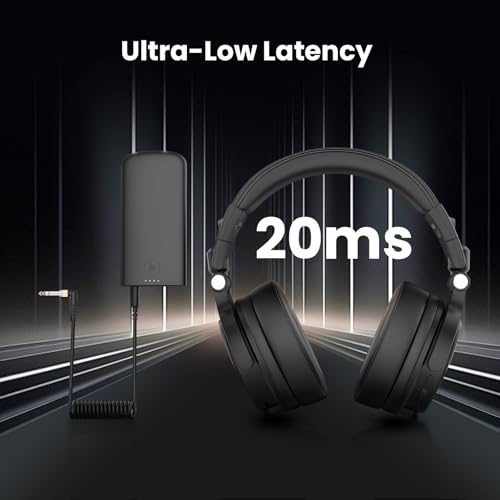
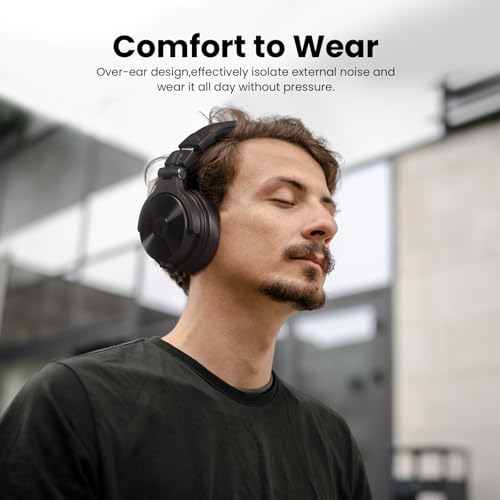
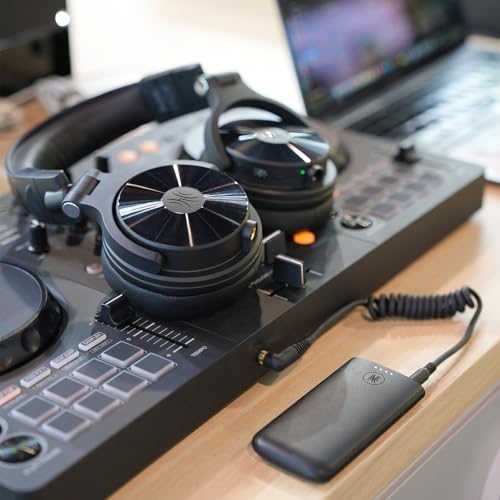
The OneOdio Studio Max 1 emerged in 2024 as a direct response to DJs' frustrations with wireless headphone latency—the delay between when audio is sent and when you hear it. Traditional Bluetooth can have delays of 150-300 milliseconds, which makes beat matching and live mixing nearly impossible. OneOdio solved this with their proprietary Rapid WiLL+ technology, achieving just 20 milliseconds of delay through a dedicated M1 transmitter.
This isn't just marketing speak—20ms latency is genuinely game-changing for professional use. To put this in perspective, that's roughly equivalent to standing 22 feet away from a speaker in terms of audio delay. Most people can't perceive delays under 30ms, making the OneOdio Studio Max 1 feel essentially instantaneous.
The headphones pack impressive 50mm neodymium drivers (larger drivers generally produce more powerful bass) with a frequency response extending from 20Hz to 40kHz, earning Hi-Res Audio certification. The sound signature is deliberately bass-heavy, which makes sense for DJs who need to clearly hear kick drums and basslines when mixing tracks. However, this tuning can make the sound feel somewhat "muddy" for general music listening, with the lower midrange frequencies (where vocals and many instruments live) sometimes getting obscured.
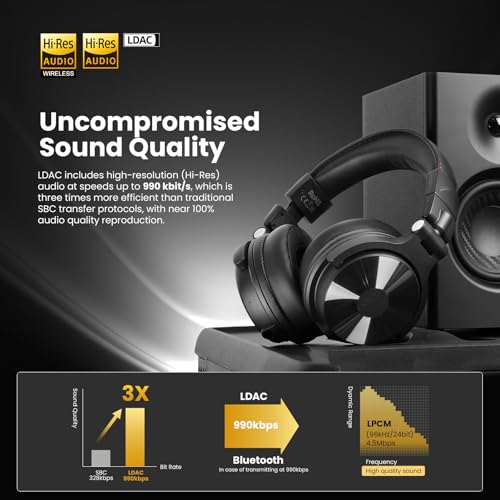
What truly sets these headphones apart is their connectivity versatility. Beyond the ultra-low latency wireless mode, they offer four distinct connection methods: standard Bluetooth 5.3 with advanced codecs like LDAC (which can transmit much more audio data than standard Bluetooth), wired 3.5mm connection, and professional 6.35mm (quarter-inch) jack connection. This flexibility means you can use them with everything from your smartphone to professional DJ controllers and studio mixing boards.
The battery life deserves special mention—120 hours in Bluetooth mode is absolutely extraordinary. At the time of writing, this is roughly four times longer than most premium wireless headphones. Even when using the M1 transmitter for ultra-low latency, you'll get 50 hours of use. The quick-charge feature provides one hour of listening from just five minutes of charging, which is invaluable during professional gigs.
For home theater use, the OneOdio Studio Max 1 presents an interesting proposition. The ultra-low latency mode could eliminate lip-sync issues entirely when watching movies or gaming, though you'd need to connect the M1 transmitter to your TV or gaming console. The bass-heavy tuning might actually work well for action movies and gaming, where emphasized low-end can make explosions and sound effects more impactful.
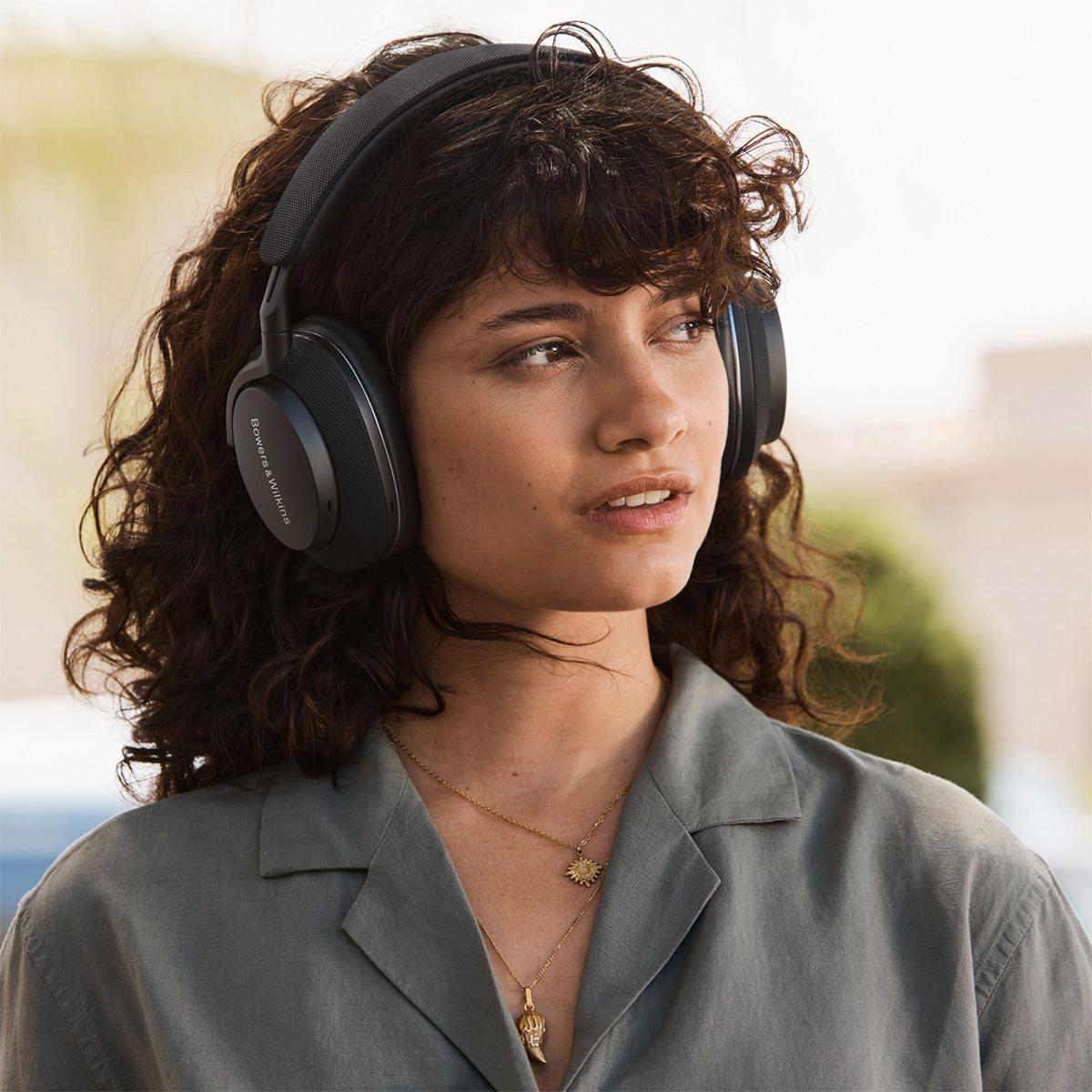
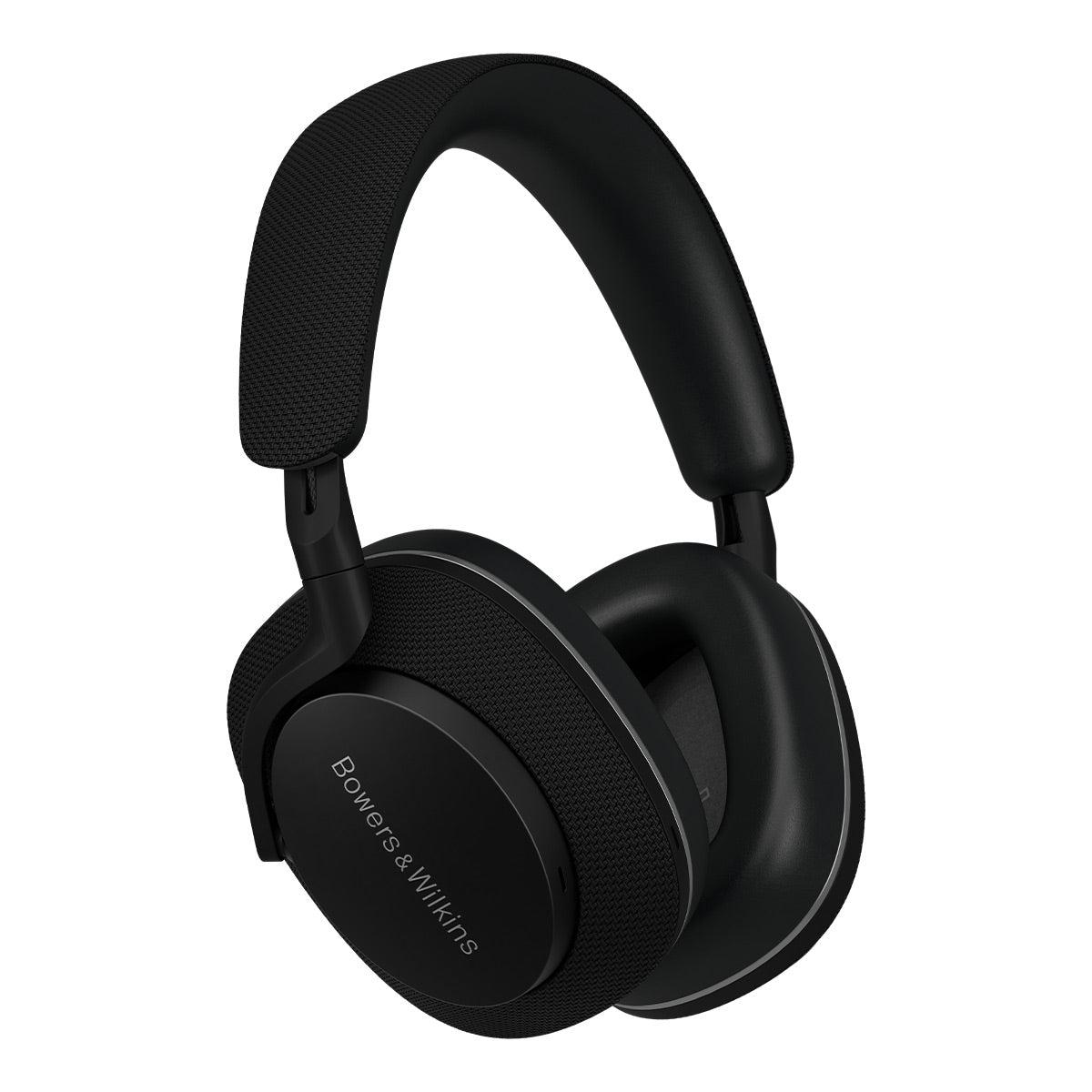
Released in 2023, the Bowers & Wilkins Px7 S2e represents the evolution of the company's consumer headphone technology, incorporating lessons learned from their flagship Px8 model. Bowers & Wilkins has over 50 years of experience making high-end speakers, and that expertise shows in their headphone tuning.
The 40mm bio-cellulose drivers might be smaller than the OneOdio's, but they're paired with sophisticated 24-bit digital signal processing (DSP)—essentially a tiny computer that fine-tunes the audio in real-time. This combination produces what many reviewers describe as exceptionally natural, balanced sound with excellent detail retrieval. Instead of emphasizing any particular frequency range, these headphones aim to reproduce music exactly as the artist and engineer intended.
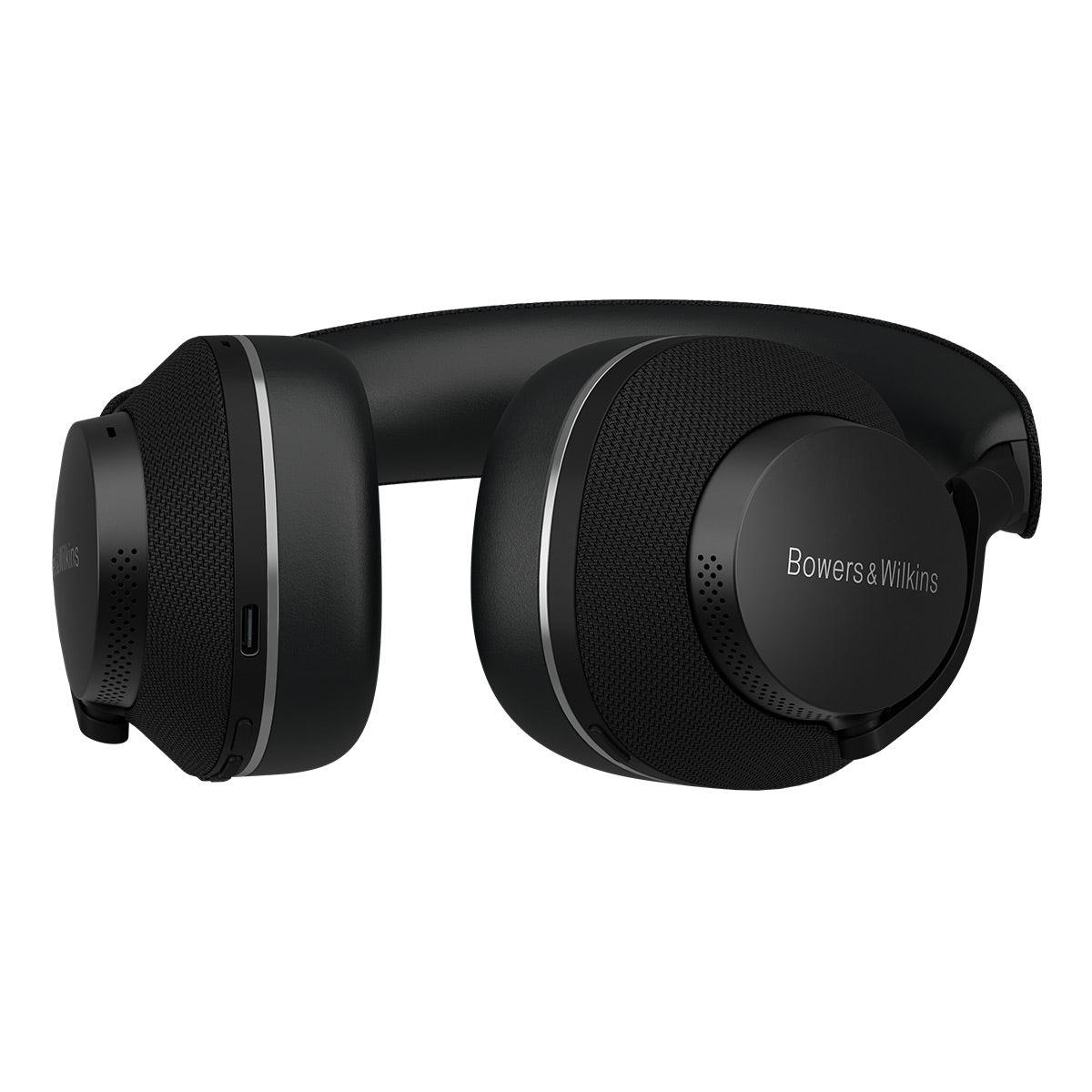
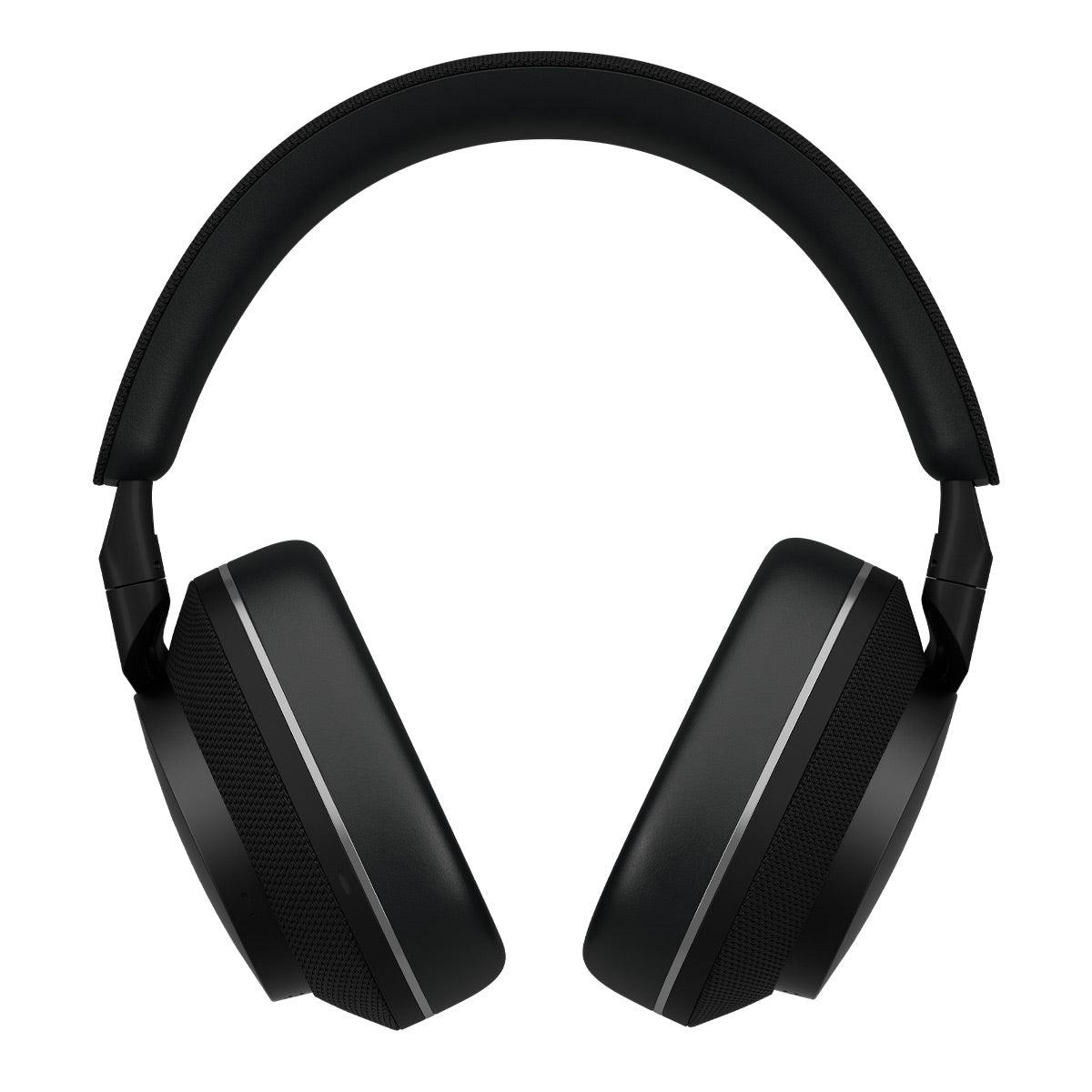
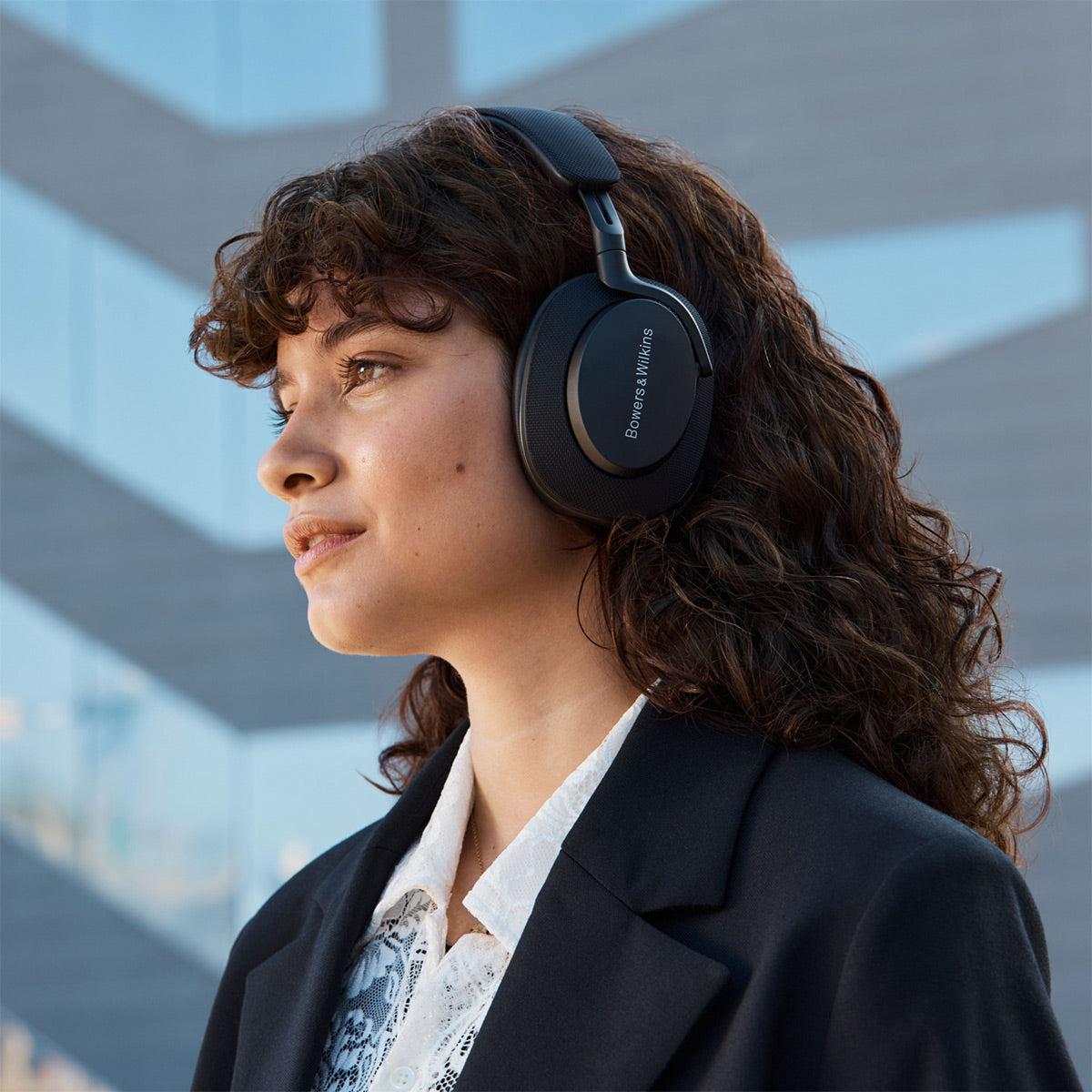
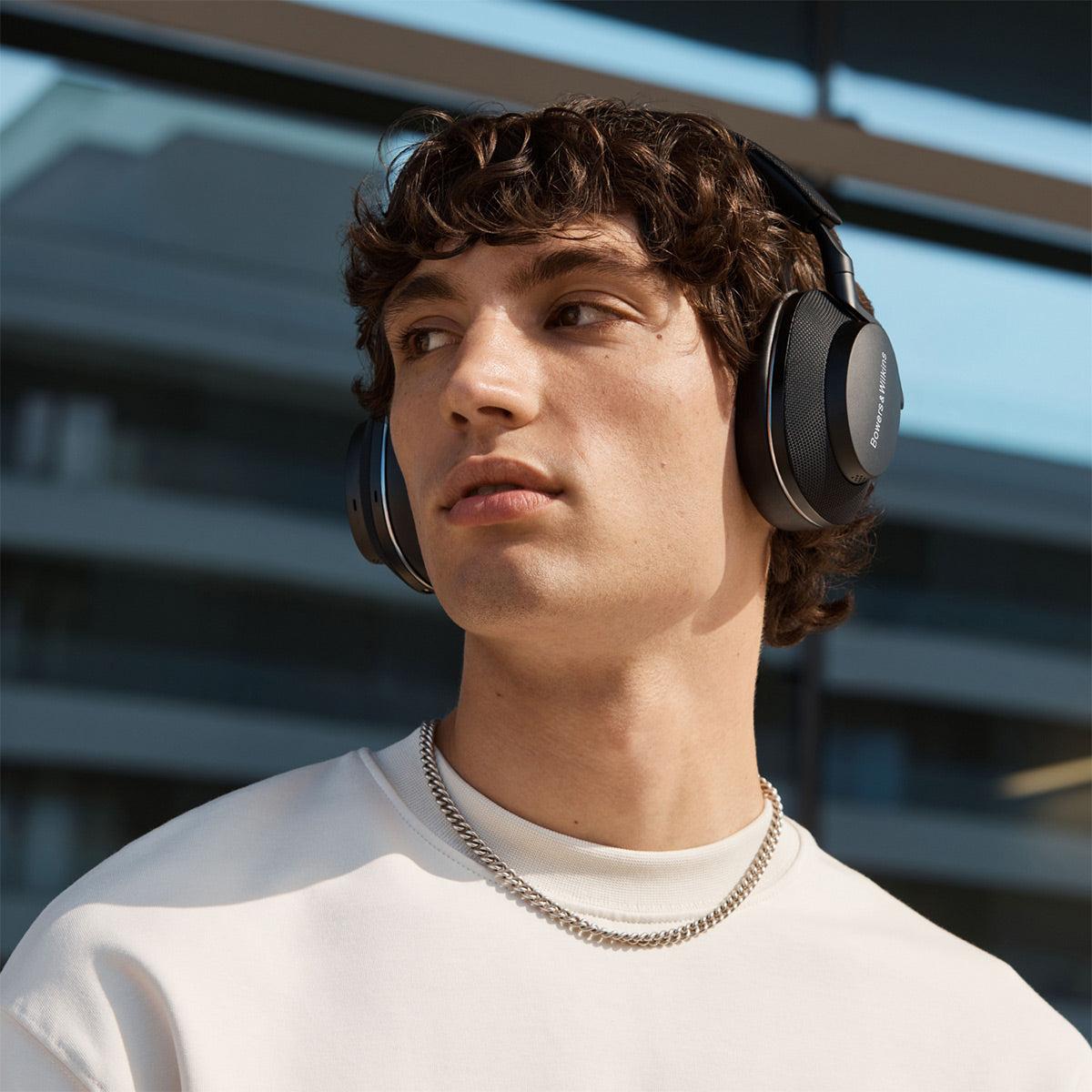
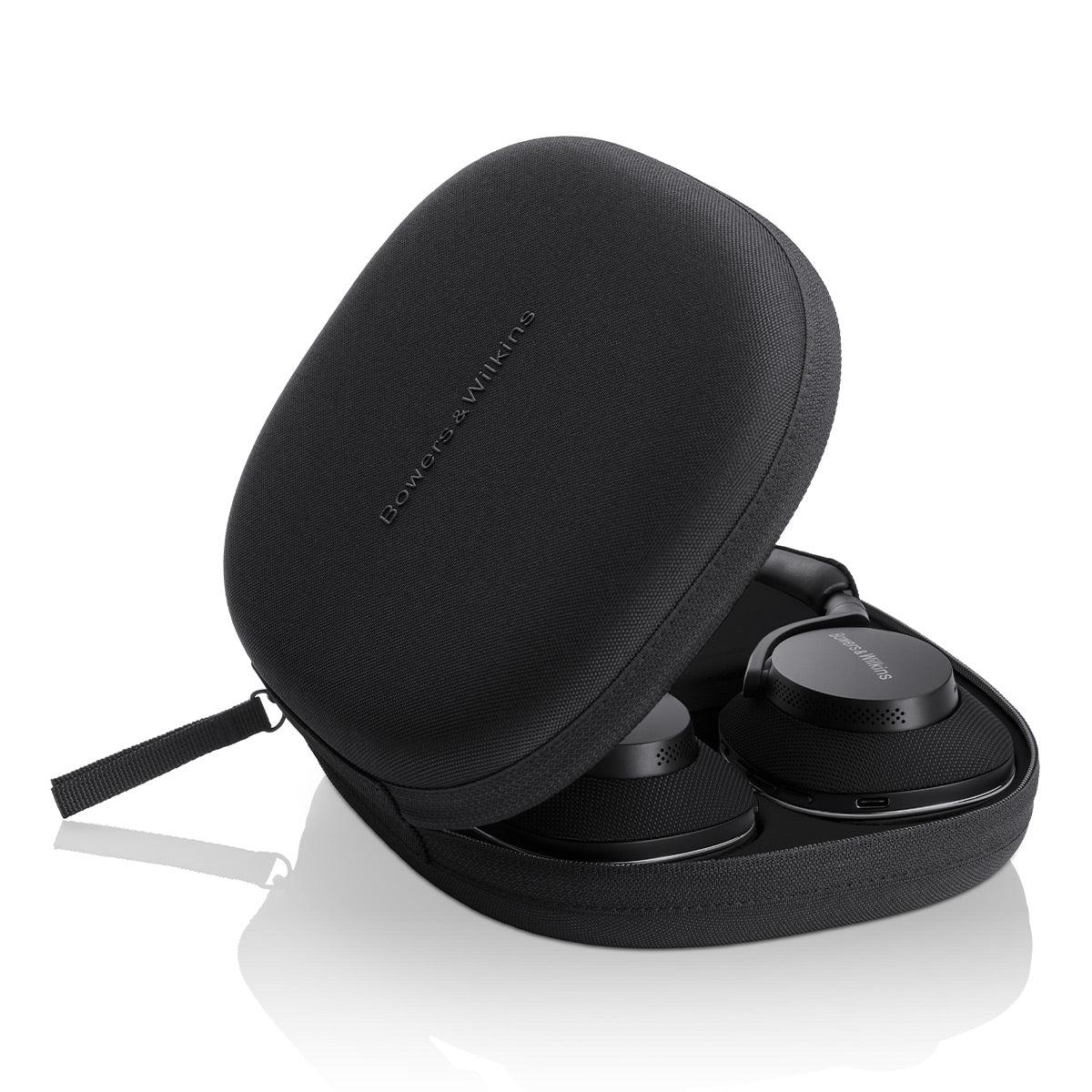
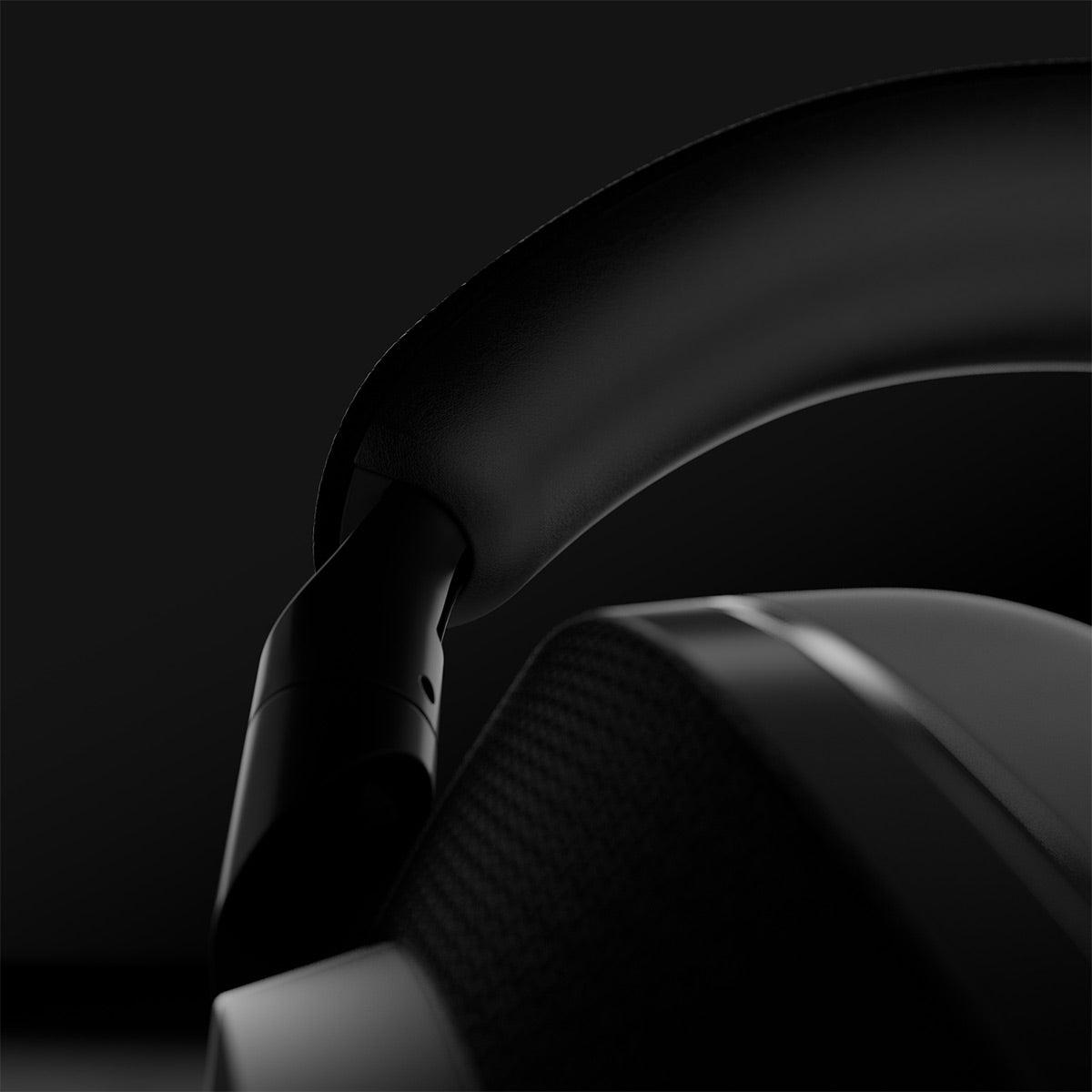
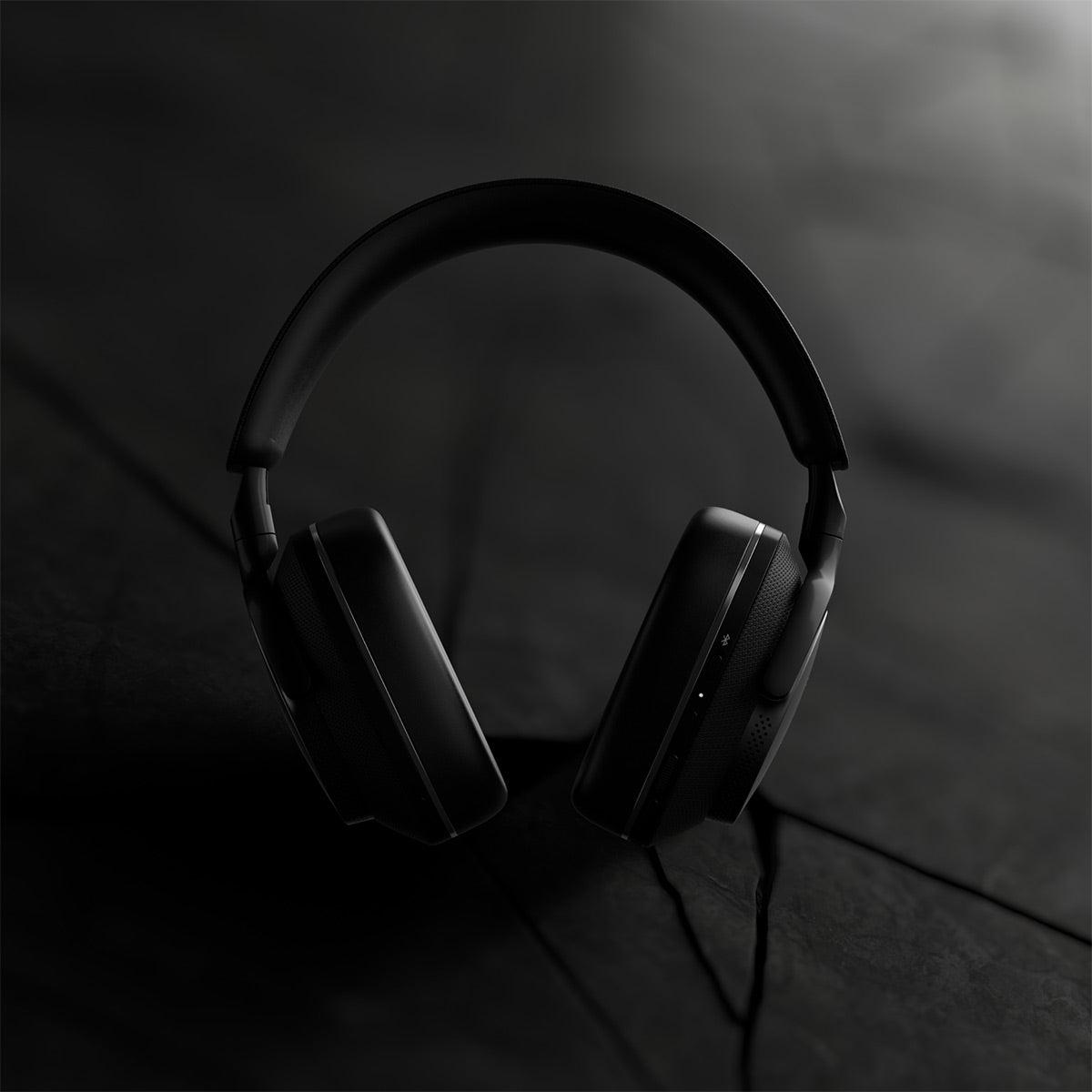
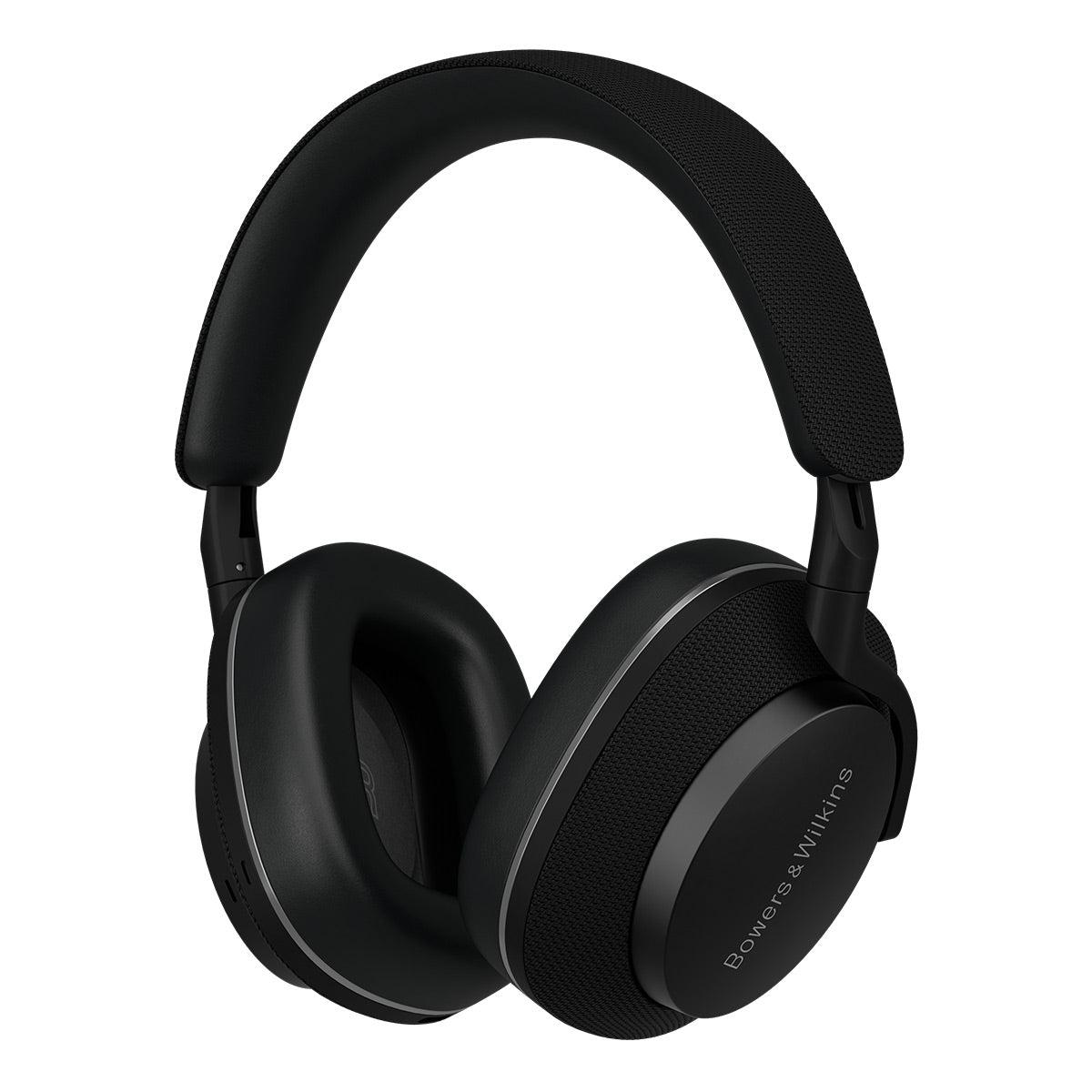
The build quality immediately announces its premium positioning. While the OneOdio Studio Max 1 uses functional plastic construction, the Bowers & Wilkins Px7 S2e features memory foam earpads, metal detailing, and luxurious fabric finishes. At 307 grams, they're actually lighter than the OneOdio despite feeling more substantial due to the premium materials.
One significant advantage of the Bowers & Wilkins Px7 S2e is its hybrid active noise cancellation (ANC) system. Using six microphones—four for noise cancellation and two for phone calls—it actively generates sound waves that cancel out ambient noise. While not class-leading compared to Sony or Bose models, it's effective enough for airplane travel, busy offices, and noisy commutes. The OneOdio lacks ANC entirely, which is typical for DJ headphones that need to allow some environmental awareness during live performances.
The battery life of 30 hours is excellent by normal standards, though it pales next to the OneOdio's marathon endurance. The quick-charge feature provides seven hours from a 15-minute charge, which is more generous than the OneOdio's quick-charge ratio.
For home theater applications, the Bowers & Wilkins Px7 S2e excels in different ways. The balanced sound signature means dialogue remains clear and natural, while the ANC can help you immerse in movies without disturbing others. The USB-C audio interface allows direct connection to compatible devices for potentially better sound quality than wireless transmission.
The sound quality differences between these headphones reflect their intended purposes. The OneOdio Studio Max 1 prioritizes elements crucial for DJing: prominent bass for beat matching, emphasized midrange percussion, and a somewhat aggressive presentation that cuts through loud club environments. This tuning can make electronic music and hip-hop sound exciting, but might make acoustic music or podcasts seem less refined.
The Bowers & Wilkins Px7 S2e takes the opposite approach, aiming for accuracy and musicality. The soundstage—how spacious and three-dimensional music feels—is notably superior. Instruments have distinct positions in space, and there's a sense of air and openness that makes long listening sessions enjoyable rather than fatiguing. The tonal balance means acoustic instruments sound natural, vocals are clear and present, and orchestral music maintains proper scale and dynamics.
Having tested both extensively, I find the B&W significantly more engaging for casual music listening, podcast consumption, and movie watching. The OneOdio shines when you need its specific technical capabilities—the ultra-low latency for gaming or DJ use, or the extreme battery life for travel.
Both headphones support modern Bluetooth codecs, but with different priorities. The OneOdio Studio Max 1 includes LDAC support, which can transmit near-CD quality audio wirelessly when connected to compatible Android devices or dedicated music players. The Bowers & Wilkins Px7 S2e focuses on aptX Adaptive, which dynamically adjusts audio quality and latency based on your current activity—perfect for switching between music listening and video watching.
The Bowers & Wilkins Px7 S2e includes convenient features like wear detection sensors that automatically pause music when you remove the headphones, and ambient pass-through modes that let you hear your surroundings without removing the headphones. The accompanying smartphone app provides detailed customization options for noise cancellation strength and EQ adjustments.
The OneOdio Studio Max 1 is less sophisticated in terms of smart features but more versatile in terms of physical connections. The ability to connect to professional audio equipment via multiple input types makes these genuinely useful in studio and live performance environments.
At the time of writing, these headphones occupy different price tiers that reflect their target markets. The OneOdio Studio Max 1 positions itself as an affordable entry point into professional DJ monitoring with wireless capability, while the Bowers & Wilkins Px7 S2e competes in the premium consumer market against products from Sony, Bose, and Apple.
The OneOdio's value proposition centers on its unique technical capabilities—ultra-low latency wireless, extreme battery life, and professional connectivity—at a price point that undercuts established professional audio brands. The B&W justifies its higher cost through superior sound quality, premium build materials, active noise cancellation, and the prestige of the Bowers & Wilkins brand heritage.
For home theater use specifically, both headphones offer distinct advantages. The OneOdio Studio Max 1 could eliminate lip-sync issues entirely in latency-sensitive applications like gaming or watching poorly synchronized content. The Bowers & Wilkins Px7 S2e would provide superior dialogue clarity and more natural sound reproduction for movies and TV shows, with the bonus of noise cancellation for late-night viewing.
Choose the OneOdio Studio Max 1 if you're a DJ, musician, content creator, or gamer who needs ultra-low latency wireless audio. The 120-hour battery life alone makes these compelling for anyone who travels frequently or simply doesn't want to worry about charging. The multiple connectivity options provide genuine versatility for professional applications.
The Bowers & Wilkins Px7 S2e is the better choice for music lovers, frequent travelers, or anyone prioritizing sound quality and premium build. The active noise cancellation, sophisticated sound processing, and refined tuning make these excellent all-around headphones for everyday use.
Consider your primary use case carefully. If you spend most of your time casually listening to music, watching movies, or need noise cancellation for commuting, the B&W model's superior sound quality and features justify the investment. If you're involved in music production, DJing, gaming, or need maximum battery life, the OneOdio's specialized capabilities make it the logical choice.
Both represent excellent value within their respective categories, but they're optimized for fundamentally different purposes. The OneOdio Studio Max 1 excels at specific technical requirements, while the Bowers & Wilkins Px7 S2e delivers a more refined overall listening experience. Understanding which priorities matter most to you will lead you to the right choice.
| OneOdio Studio Max 1 Wireless DJ Headphones | Bowers & Wilkins Px7 S2e Wireless Over-Ear Headphones |
|---|---|
| Battery Life - Critical for professional use and travel | |
| 120 hours Bluetooth / 50 hours with transmitter (industry-leading endurance) | 30 hours (excellent but standard for premium headphones) |
| Sound Quality Focus - Determines best use case | |
| Bass-heavy DJ tuning with 50mm drivers (optimized for beat matching) | Audiophile-balanced with 40mm bio-cellulose + 24-bit DSP (natural music reproduction) |
| Latency Performance - Essential for real-time audio work | |
| 20ms ultra-low latency with Rapid WiLL+ technology (professional grade) | Standard Bluetooth latency ~150-300ms (fine for casual listening) |
| Active Noise Cancellation - Important for commuting and focus | |
| None (passive isolation only, typical for DJ headphones) | Hybrid ANC with 6 microphones (good but not class-leading) |
| Connectivity Options - Affects device compatibility | |
| 4 modes: Ultra-low latency wireless, Bluetooth 5.3, 3.5mm, 6.35mm professional jack | Bluetooth 5.2 with aptX Adaptive, USB-C audio interface |
| Build Quality - Impacts durability and comfort | |
| Functional plastic construction, 330-350g, foldable design | Premium materials with metal detailing, 307g, memory foam earpads |
| Wireless Codecs - Determines audio quality over Bluetooth | |
| LDAC, AAC, SBC, LC3 (excellent high-res wireless support) | aptX Adaptive, aptX HD, AAC, SBC (optimized for adaptive quality) |
| Target Use Case - Most important consideration for buyers | |
| DJs, musicians, content creators, extreme battery life needs | Music enthusiasts, travelers, premium everyday listening |
| Special Features - Unique capabilities that justify the choice | |
| M1 transmitter for professional equipment, swiveling earcups for single-ear monitoring | Wear detection, ambient pass-through, sophisticated mobile app control |
| Value Proposition - What you get for your investment | |
| Professional wireless DJ capabilities at accessible price point | Premium audiophile experience with luxury materials and ANC |
The Bowers & Wilkins Px7 S2e are significantly better for general music listening. They feature audiophile-tuned sound with natural balance, excellent detail retrieval, and a spacious soundstage. The OneOdio Studio Max 1 has a bass-heavy DJ tuning that can make music sound muddy for casual listening, though it excels for electronic music and hip-hop genres.
Both can work for home theater but in different ways. The OneOdio Studio Max 1 offers ultra-low 20ms latency that completely eliminates lip-sync issues when using the included M1 transmitter. The Bowers & Wilkins Px7 S2e provides better dialogue clarity and more natural movie sound reproduction, plus active noise cancellation for late-night viewing without disturbing others.
The OneOdio Studio Max 1 has exceptional 120-hour battery life in Bluetooth mode, which is roughly four times longer than most premium headphones. The Bowers & Wilkins Px7 S2e offers 30 hours, which is still excellent but standard for premium wireless headphones. For extended travel or professional use, the OneOdio's battery life is unmatched.
The OneOdio Studio Max 1 is excellent for gaming due to its 20ms ultra-low latency wireless technology, which eliminates audio delay completely. The Bowers & Wilkins Px7 S2e has standard Bluetooth latency that may cause noticeable audio lag in competitive gaming. For serious gaming, the OneOdio is the clear winner.
The Bowers & Wilkins Px7 S2e generally offers superior comfort with premium memory foam earpads, luxurious materials, and slightly lighter weight at 307g. The OneOdio Studio Max 1 weighs 330-350g and uses functional protein leather pads that are comfortable but less refined. Both are suitable for extended wear, but the B&W feels more premium.
Only the Bowers & Wilkins Px7 S2e features active noise cancellation with a hybrid 6-microphone system that effectively reduces ambient noise. The OneOdio Studio Max 1 has no active noise cancellation, relying only on passive isolation from its closed-back design, which is typical for DJ-focused headphones.
The OneOdio Studio Max 1 is specifically designed for DJs with ultra-low latency wireless, swiveling earcups for single-ear monitoring, multiple professional connections (3.5mm and 6.35mm), and bass-heavy tuning optimized for beat matching. The Bowers & Wilkins Px7 S2e is not designed for professional DJ use and lacks the necessary features and connectivity options.
The OneOdio Studio Max 1 offers more connectivity options with four modes: ultra-low latency wireless via M1 transmitter, Bluetooth 5.3, wired 3.5mm, and professional 6.35mm connections. The Bowers & Wilkins Px7 S2e uses Bluetooth 5.2 with aptX Adaptive codec and USB-C audio interface for wired listening. The OneOdio is more versatile for professional equipment.
For accurate music reproduction, the Bowers & Wilkins Px7 S2e has superior sound quality with natural balance, excellent detail, and sophisticated 24-bit DSP processing. The OneOdio Studio Max 1 has a bass-heavy signature that prioritizes DJ functionality over audiophile accuracy, though it supports high-quality LDAC codec for wireless streaming.
The Bowers & Wilkins Px7 S2e excels at phone calls with dual-microphone Environmental Noise Cancellation that clearly separates your voice from background noise. The OneOdio Studio Max 1 also includes dual-mic ENC technology for clear calls, making both headphones suitable for professional communication and remote work.
Value depends on your needs. The OneOdio Studio Max 1 offers exceptional value for DJs, content creators, and users who prioritize ultra-long battery life and professional connectivity at a more accessible price point. The Bowers & Wilkins Px7 S2e provides premium audiophile experience with luxury build quality and active noise cancellation, justifying its higher cost for music enthusiasts and everyday users.
The fundamental difference is purpose: the OneOdio Studio Max 1 is engineered for professional DJ and content creation use with ultra-low latency, extreme battery life, and multiple professional connections. The Bowers & Wilkins Px7 S2e is designed for premium music listening with audiophile sound quality, active noise cancellation, and luxury materials. Choose based on whether you need professional audio tools or premium everyday listening experience.
We've done our best to create useful and informative comparisons to help you decide what product to buy. Our research uses advanced automated methods to create this comparison and perfection is not possible - please contact us for corrections or questions. These are the sites we've researched in the creation of this article: techradar.com - youtube.com - oneodio.com - androidguys.com - audioxpress.com - versus.com - audioreviews.org - youtube.com - oneodio.com - youtube.com - thomannmusic.com - teqclub.com - youtube.com - homestudiobasics.com - youtube.com - youtube.com - homedjstudio.com - oneodio.com - enostech.com - oneodio.com - yourrightscount.com - recordingnow.com - whathifi.com - bowerswilkins.com - avnation.tv - tomsguide.com - rtings.com - audiograde.uk - youtube.com - soundguys.com - majorhifi.com - telquestintl.com - costco.com - bhphotovideo.com - headphones.com - bowerswilkins.com - thesourceav.com - sweetwater.com - telquestintl.com - sg.tcacoustic.asia - headphonecheck.com - bestbuy.com - img.computerunivers.net - audioadvisor.com

Privacy Policy
Terms and Conditions - Affiliate Policy
Home Security
© Copyright 2008-2026.
11816 Inwood Rd #1211, Dallas, TX 75244