






Choosing premium wireless headphones has become more complex as manufacturers target increasingly specific use cases. The OneOdio Studio Max 1 and JBL Tour One M2 represent two fundamentally different approaches to high-end wireless audio—one prioritizes professional DJ monitoring capabilities, while the other focuses on comprehensive consumer features and audio refinement.
Both headphones were released in 2024, during a period when wireless audio technology has matured significantly. We've moved beyond the early days when wireless meant compromising on sound quality or dealing with constant connection drops. Today's premium headphones deliver impressive battery life, support high-resolution audio codecs (digital compression methods that affect sound quality), and offer sophisticated noise management systems.
The premium wireless headphone market has essentially split into specialized categories. At the time of writing, buyers can expect to pay premium prices for either professional-grade monitoring headphones or feature-rich consumer models. The OneOdio Studio Max 1 targets the former category with breakthrough low-latency wireless technology, while the JBL Tour One M2 exemplifies the latter with comprehensive noise cancellation and smart features.
Battery technology has improved dramatically since 2020, with many premium models now offering 30+ hours of playback. Active Noise Cancellation (ANC)—technology that uses microphones to detect and cancel external sounds—has become virtually standard in this price range. However, the implementation quality varies significantly between manufacturers.
The most immediate difference between these headphones is their intended audience, which shapes every design decision from aesthetics to functionality.
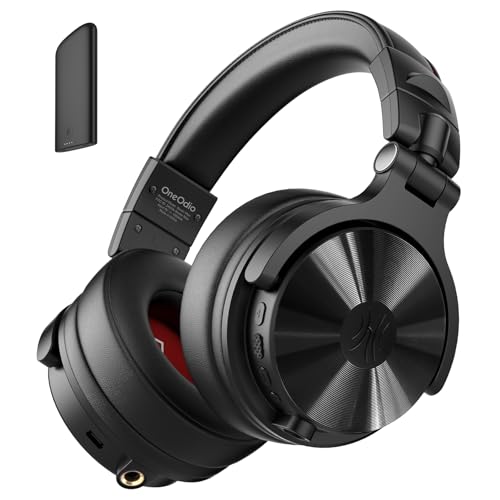
The OneOdio Studio Max 1 embraces its DJ heritage with bold, utilitarian styling. The oversized earcups aren't just for show—they rotate and swivel extensively, allowing DJs to monitor with one ear while keeping the other free to hear the crowd or next track. This single-ear monitoring capability has been essential for DJs since the earliest days of mixing, and the Studio Max 1 maintains this tradition in wireless form.
At 330-350 grams, these headphones feel substantial. The protein leather ear pads (synthetic material designed to feel like real leather) provide good comfort, though the weight becomes noticeable during extended sessions. The metal headband adjusts smoothly and feels built to withstand the rigors of regular transport between gigs.
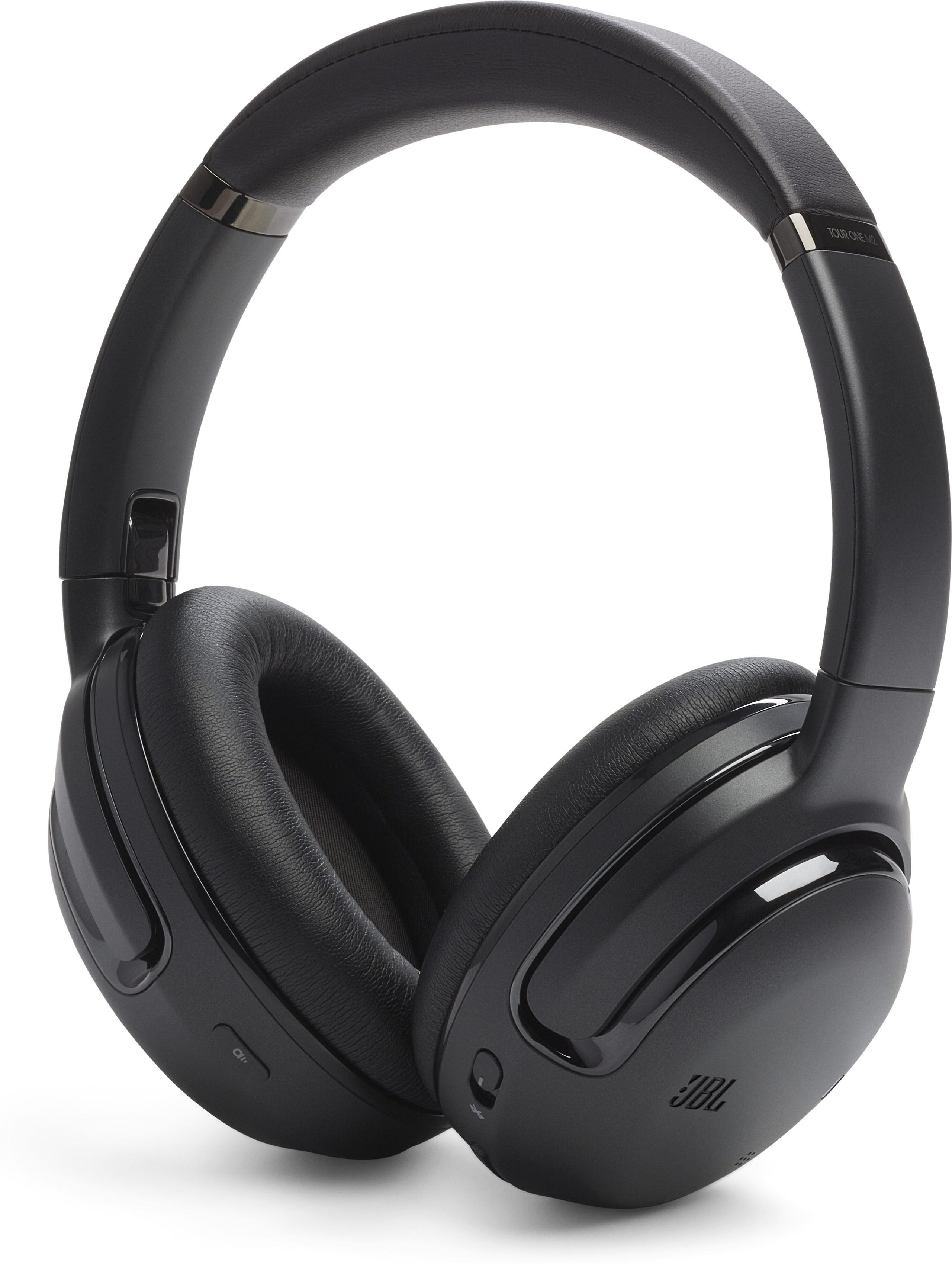
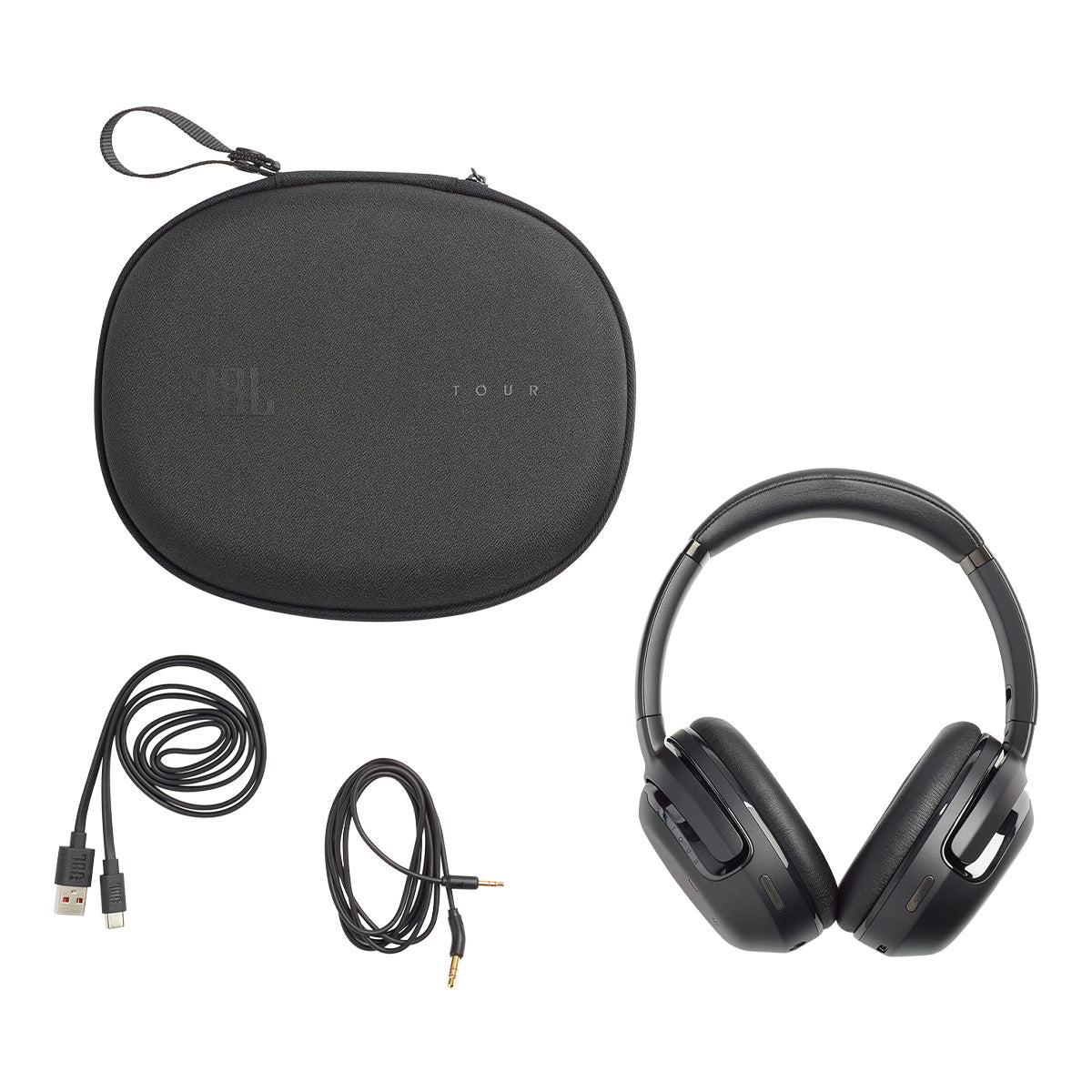
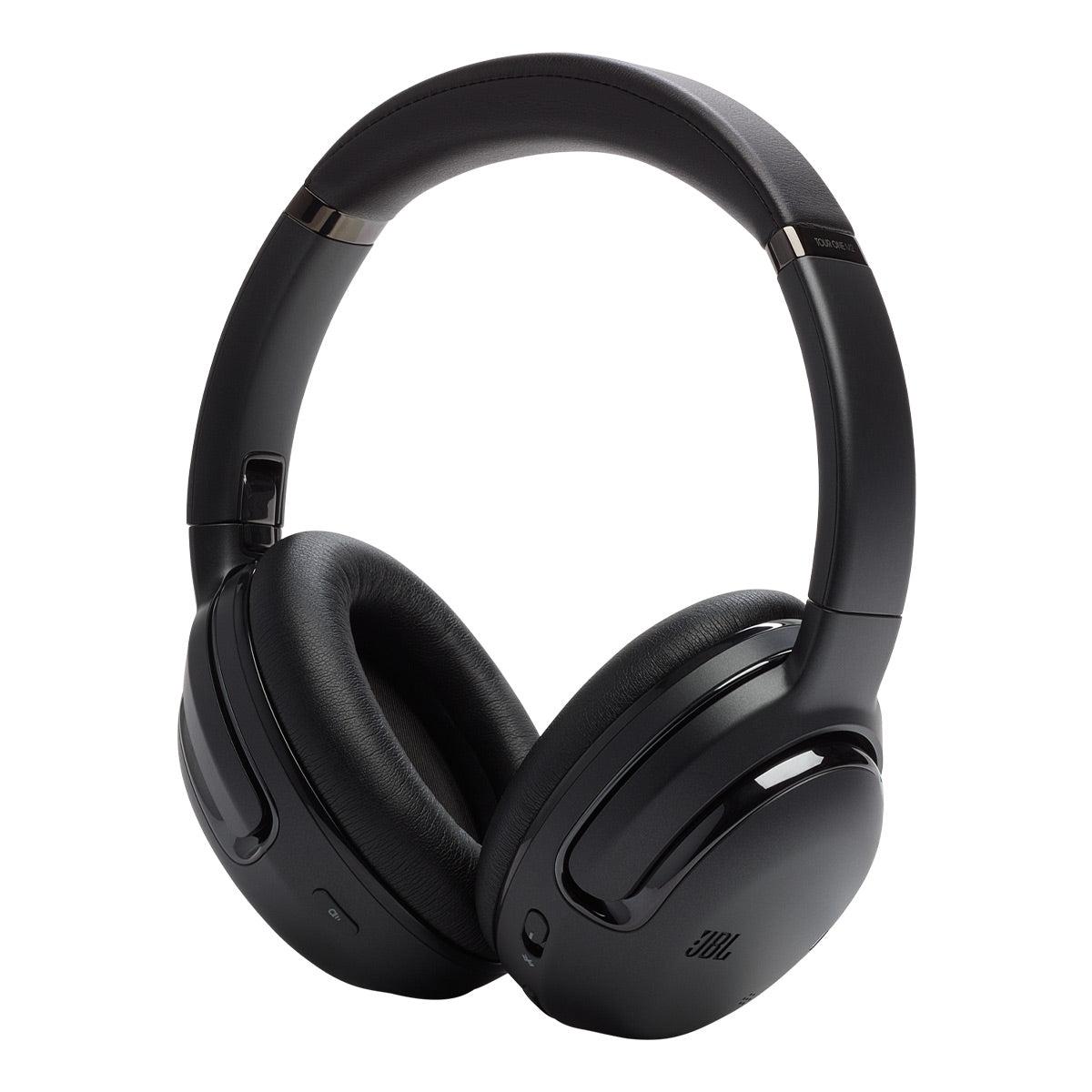
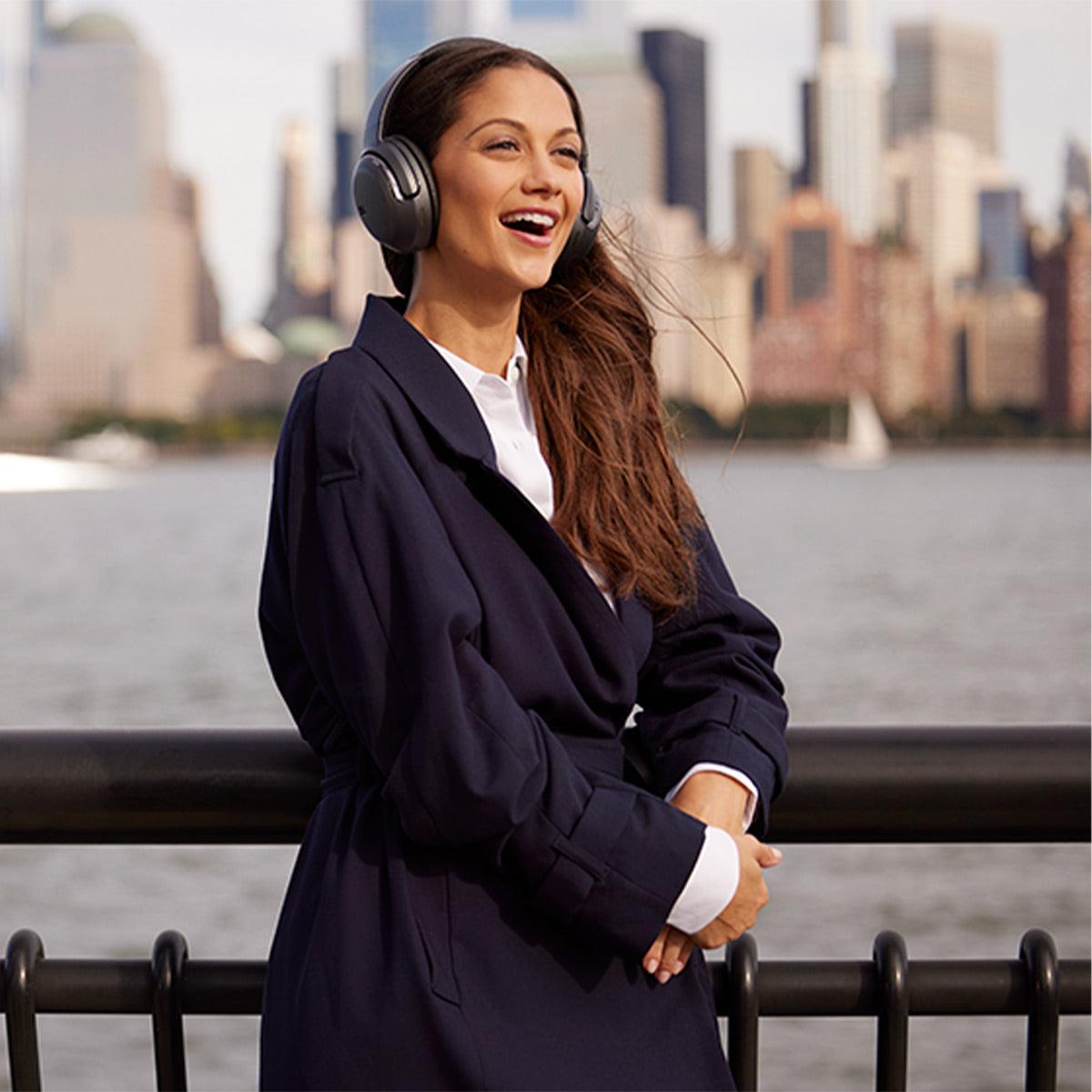
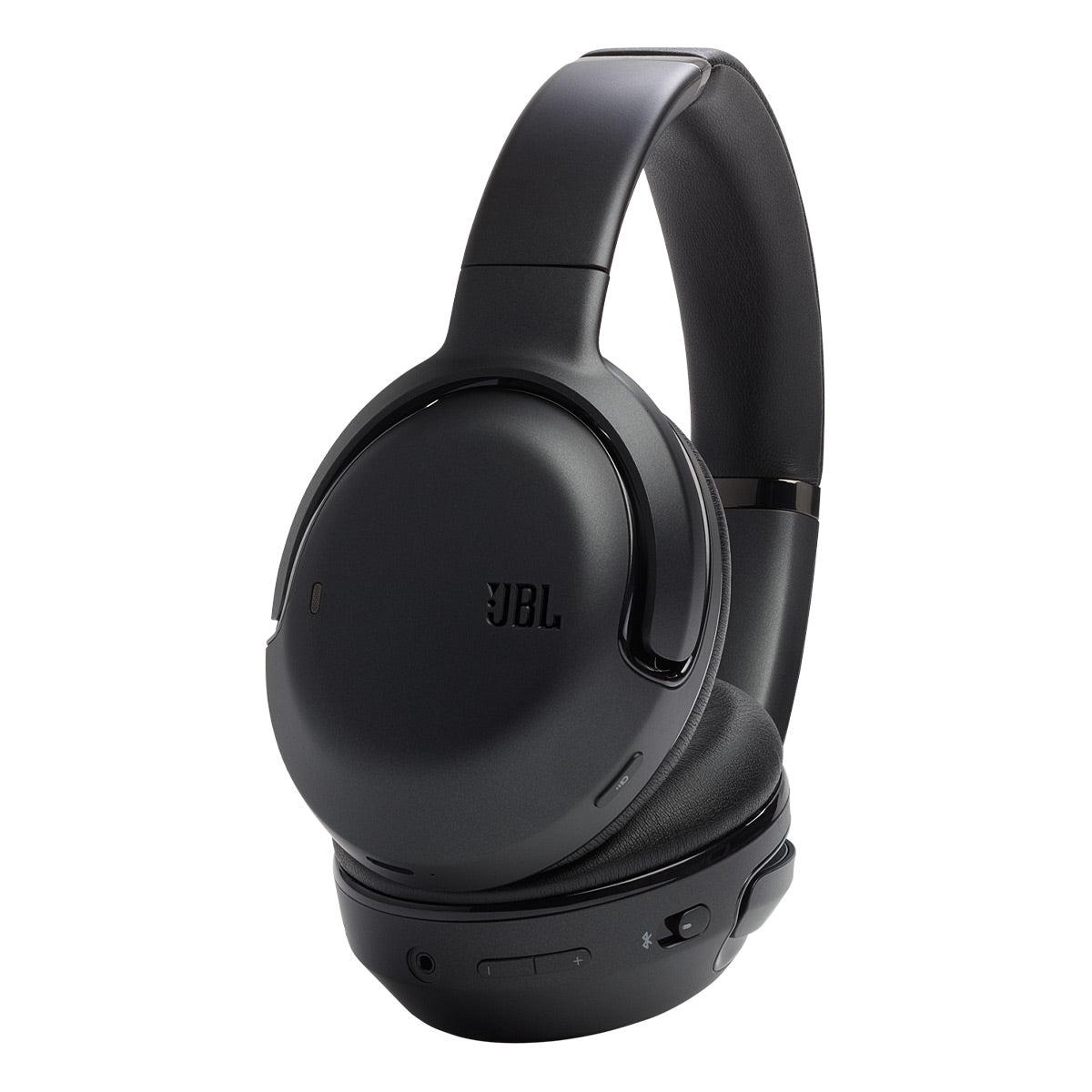
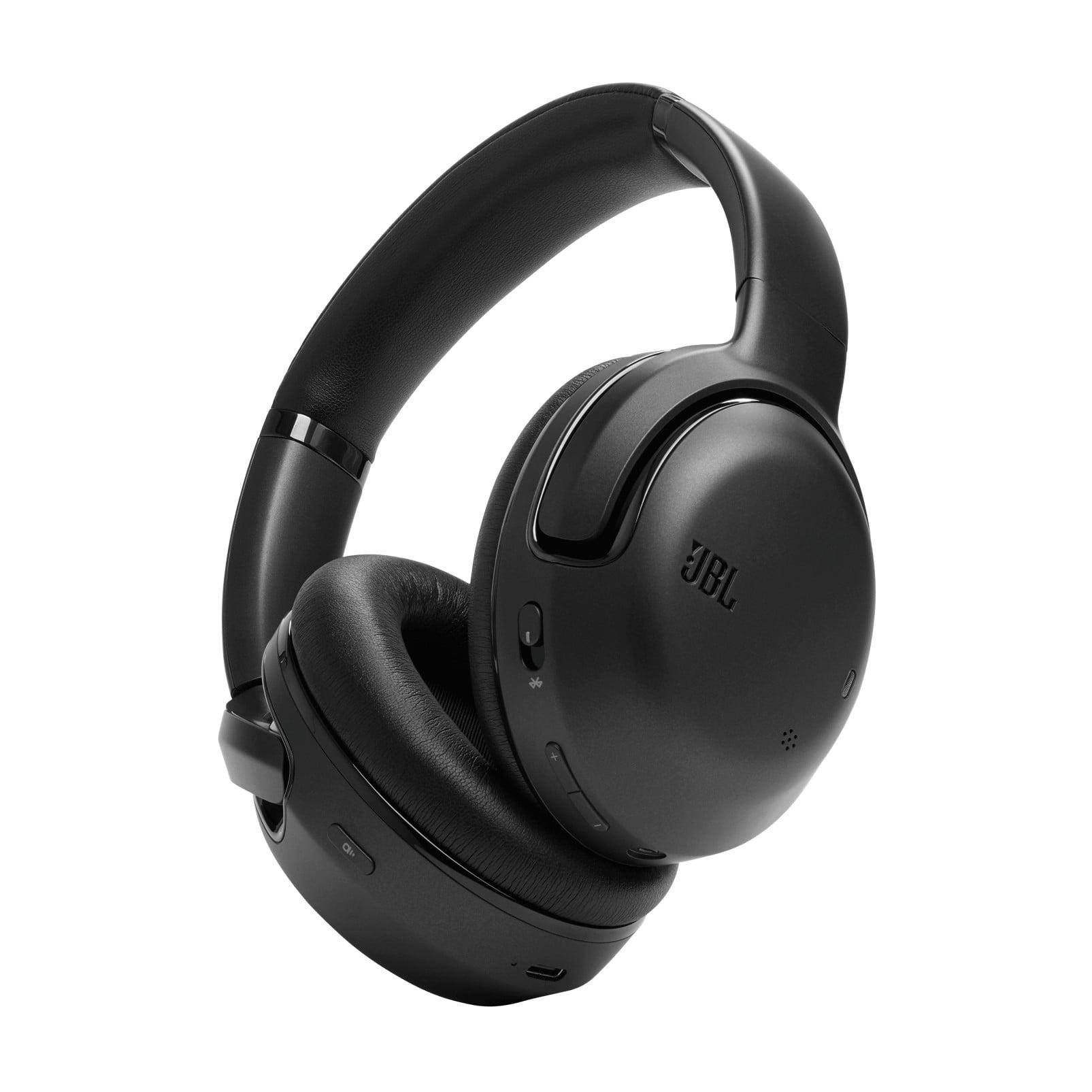
The JBL Tour One M2 takes a more refined approach at just 272 grams. This lighter weight makes a real difference during long listening sessions—something I've noticed when comparing headphones for extended use. The faux-leather ear cups feel softer and create a better seal around the ears without excessive clamping pressure.
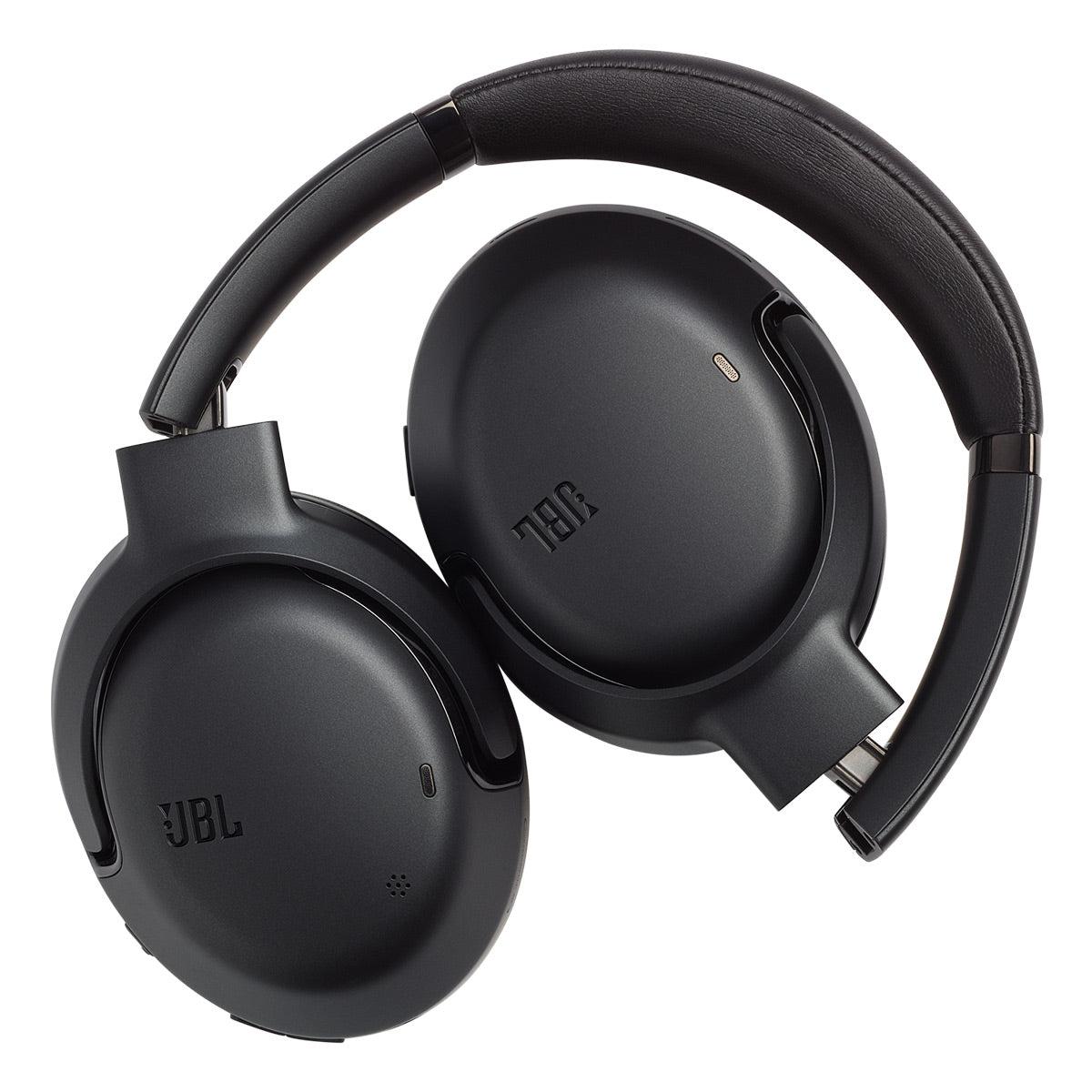
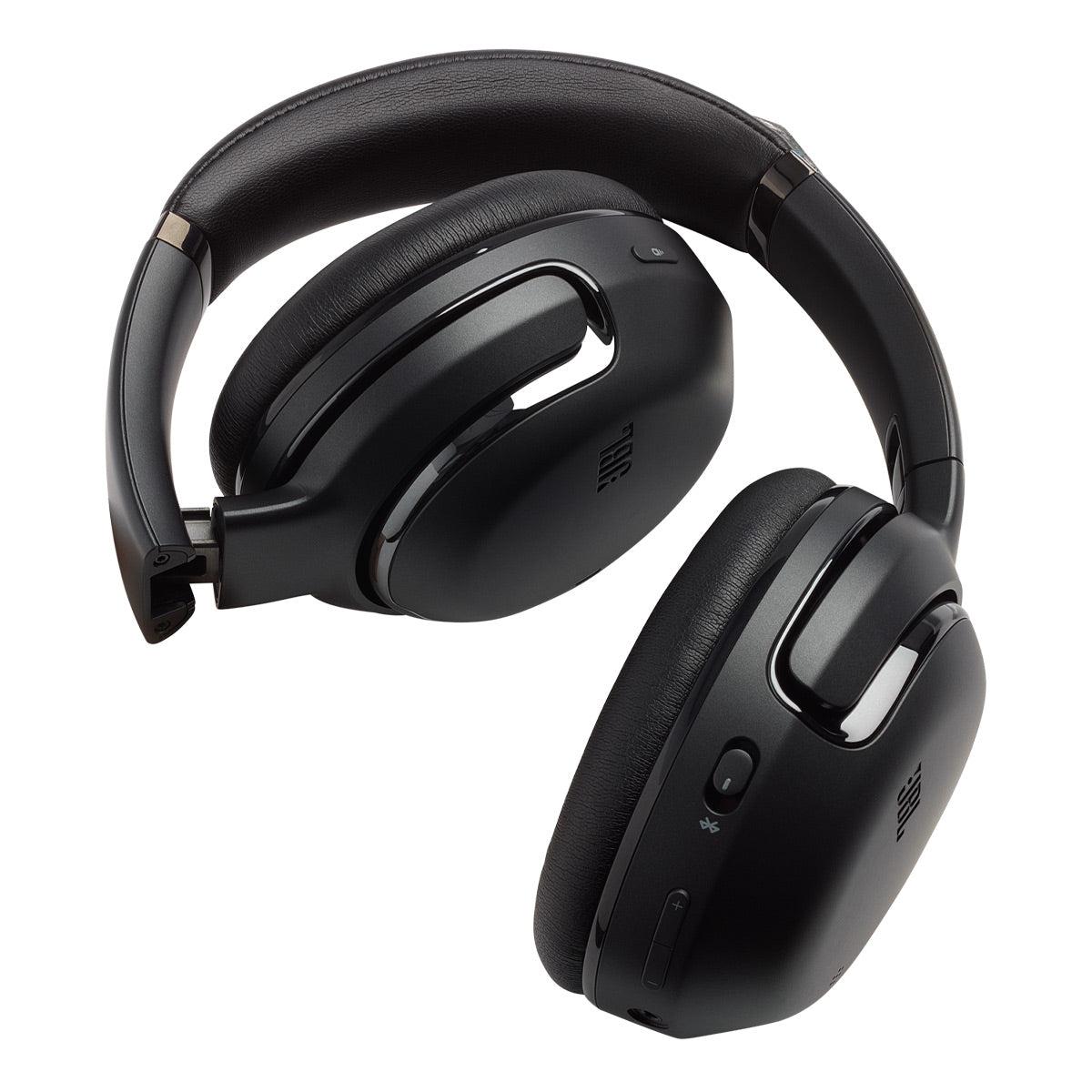
JBL's design philosophy prioritizes portability and everyday use. The headphones fold compact for travel, and the included carrying case feels premium without being bulky. The overall aesthetic is sophisticated enough for professional environments while remaining understated.
Sound quality represents the most significant difference between these models, with each taking distinctly different approaches to audio reproduction.
The OneOdio Studio Max 1 features 50mm neodymium drivers—larger than typical consumer headphones and designed to move more air for powerful bass response. Neodymium is a rare earth metal that creates stronger magnetic fields in smaller packages, allowing for more efficient drivers.
However, the tuning presents challenges. The bass response is intentionally emphasized for DJ use, where kick drums and sub-bass need to cut through noisy club environments. This results in what many reviewers describe as "overwhelming" bass that can muddy the midrange frequencies where vocals and many instruments sit. The frequency response extends from 20Hz to 40kHz, covering the entire range of human hearing and beyond.
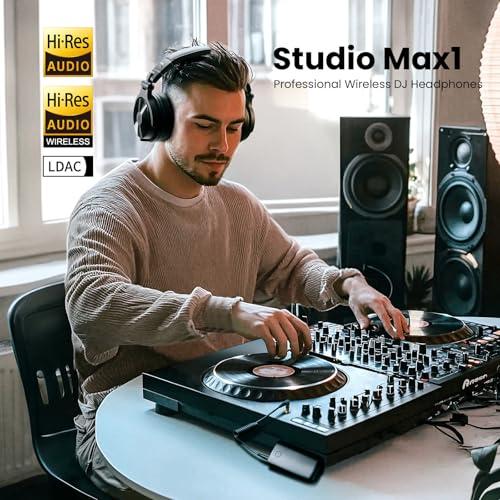
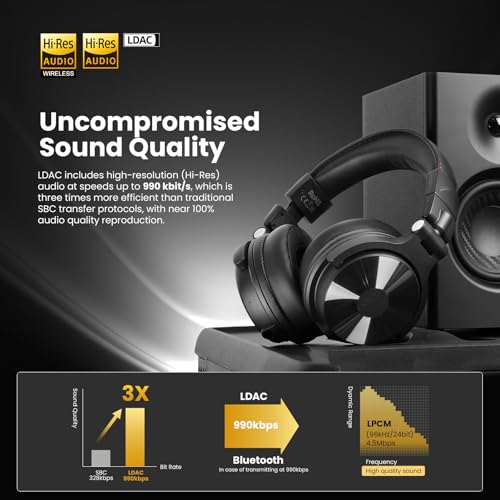
The wireless sound quality suffers from what appears to be aggressive compression in the Bluetooth processing. Even with LDAC support—Sony's high-resolution Bluetooth codec that can transmit nearly three times more data than standard Bluetooth—the Studio Max 1 sounds cramped and lacking in detail when compared to wired listening.
The JBL Tour One M2 uses smaller 40mm drivers but achieves more balanced sound reproduction. JBL's tuning philosophy aims for broad appeal rather than specialized use. The bass is present and impactful but doesn't overwhelm other frequencies. The midrange remains clear for vocals and dialogue, while the treble provides enough sparkle without becoming harsh.
What impresses me most about the Tour One M2 is how it maintains clarity across different volume levels. Many headphones sound great at moderate volumes but become congested when pushed hard. The JBL maintains its composure, making it suitable for everything from quiet late-night listening to energetic workout sessions.
The Personi-Fi 2.0 feature conducts a hearing test through the companion app, then adjusts the sound signature to compensate for your individual hearing characteristics. This personalization technology has become increasingly sophisticated, and JBL's implementation feels genuinely useful rather than gimmicky.
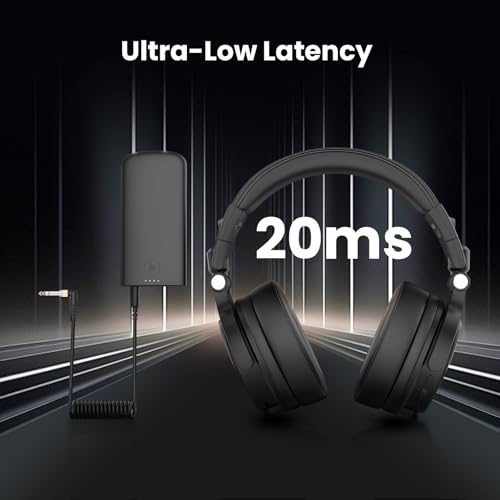
Perhaps the most groundbreaking feature of the OneOdio Studio Max 1 is its ultra-low 20ms latency when used with the included M1 transmitter. To understand why this matters, we need to examine how wireless audio typically works.
Standard Bluetooth audio introduces delay between the source and your ears—typically 100-300ms depending on the codec used. This delay is imperceptible when listening to music, but becomes problematic for real-time applications. DJs mixing live need to hear audio changes instantly; even small delays can throw off timing and ruin transitions.
Professional DJs have historically been limited to wired headphones because wireless couldn't deliver real-time performance. The Studio Max 1 changes this equation with proprietary Rapid WILL+ technology that reduces latency to just 20ms—faster than many wired connections when you account for analog-to-digital conversion delays.
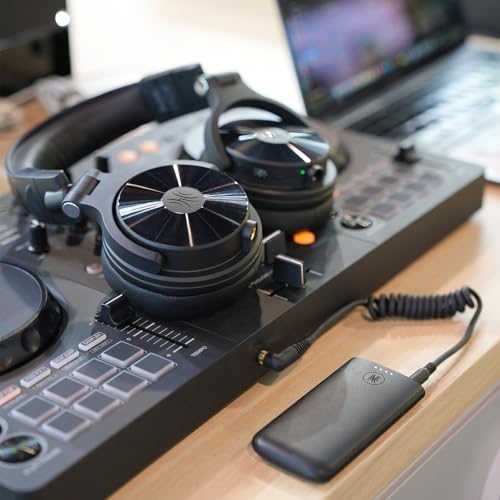
The included M1 transmitter creates a dedicated wireless connection using a proprietary protocol rather than standard Bluetooth. This allows for optimized data transmission with minimal processing delays. The transmitter connects via USB or analog inputs, making it compatible with DJ mixers, audio interfaces, and other professional equipment.
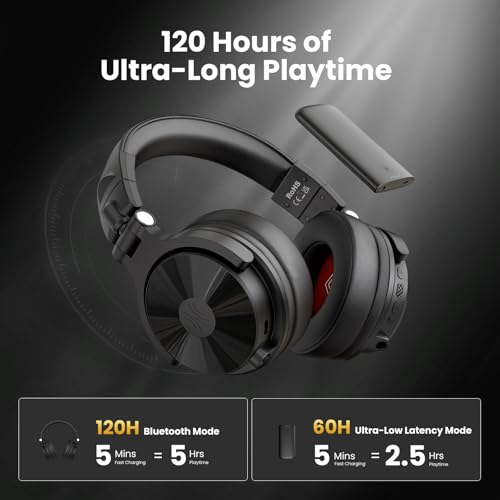
In Bluetooth mode, the Studio Max 1 can achieve up to 120 hours of playback. When using the M1 transmitter, battery life drops to 50 hours—still exceptional by any standard, but the trade-off reveals the power requirements of real-time wireless audio processing.
The two models take opposite approaches to managing external noise, reflecting their different use cases.
The OneOdio Studio Max 1 relies entirely on passive noise isolation—the physical barrier created by the ear cups and pads. This approach makes sense for DJ applications where you need to remain aware of your environment while focusing on specific audio elements. The large ear cups and protein leather pads create decent isolation, though nothing approaching the performance of active systems.
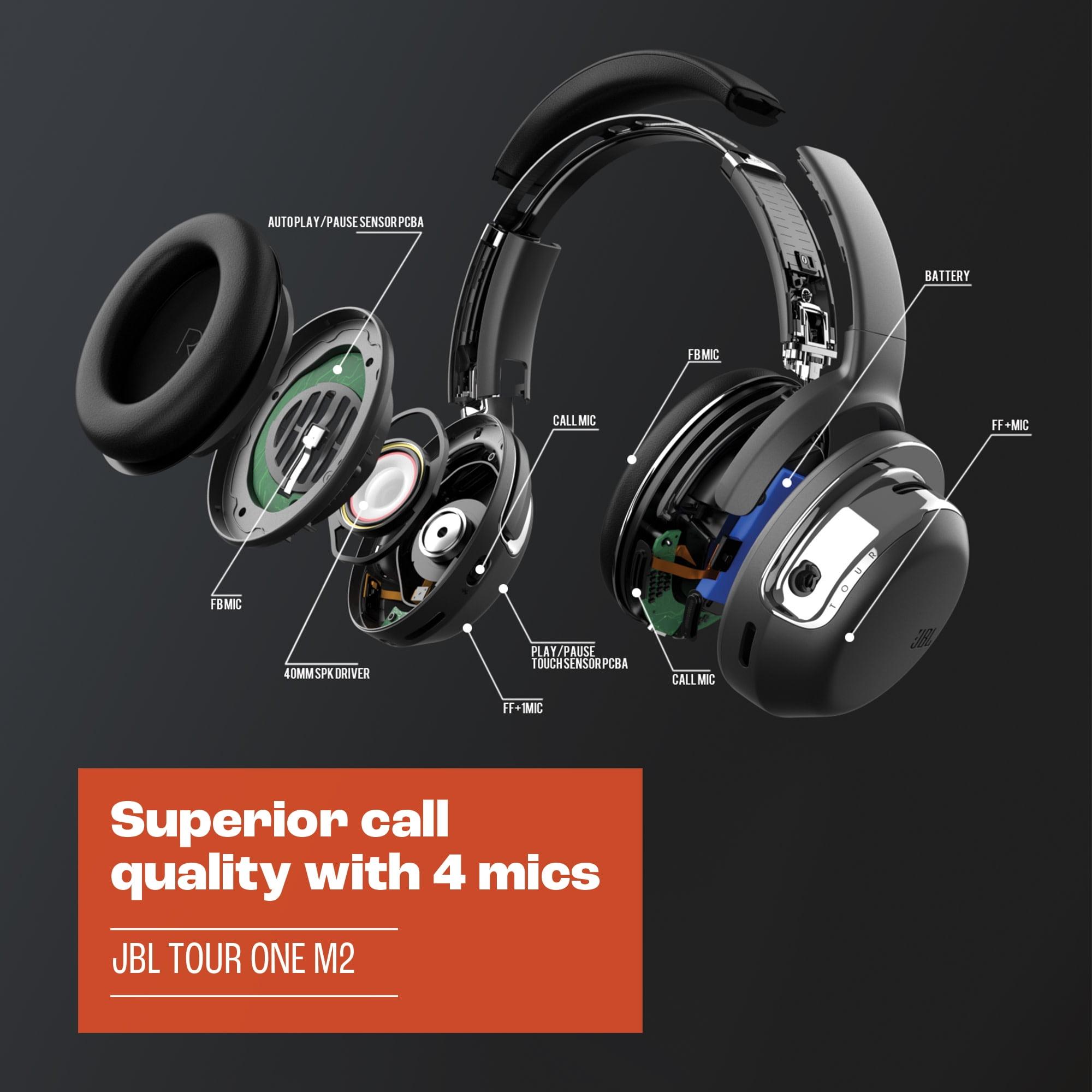
The JBL Tour One M2 features True Adaptive Noise Cancelling with four microphones constantly monitoring environmental sound. The system automatically adjusts cancellation strength based on detected noise levels—stronger cancellation on airplanes, lighter touch in quiet offices.
What sets JBL's implementation apart is the Smart Ambient feature, which intelligently manages how much outside sound reaches your ears. Unlike simple on/off transparency modes, Smart Ambient can emphasize human voices while suppressing mechanical noise. This proves invaluable for travelers who need to hear announcements without removing their headphones.
The Smart Talk feature automatically pauses music and activates ambient sound when you start speaking. Voice recognition technology detects your speech patterns, creating seamless transitions between focused listening and conversation. After testing similar features across multiple brands, JBL's implementation feels the most natural and responsive.
Battery technology in wireless headphones has improved dramatically, but these models showcase different optimization strategies.
The Studio Max 1's 120-hour battery life in Bluetooth mode is simply unprecedented. This endurance comes from the large 1000mAh battery and efficient power management. The quick charge feature provides an hour of playback from just five minutes of charging—essential for professional use where downtime must be minimized.
When using the M1 transmitter, battery life drops to 50 hours. This reduction reflects the additional processing required for ultra-low latency performance, but 50 hours still exceeds most competitors' maximum battery life.
The JBL Tour One M2 offers more typical premium performance: 50 hours with ANC off, 30 hours with noise cancellation active. The 920mAh battery provides solid endurance while maintaining the lighter overall weight that benefits long-term comfort.
JBL's speed charging delivers five hours of playback from ten minutes of charging. While not as impressive as OneOdio's ratio, it's more than adequate for daily use scenarios.
Modern wireless headphones must balance compatibility, sound quality, and connection stability across diverse devices and use cases.
The Studio Max 1 offers the most comprehensive connectivity options I've encountered. Beyond Bluetooth 5.3 with LDAC support, it includes both 3.5mm and 6.35mm (1/4-inch) jack connections. The larger jack is standard on professional audio equipment, eliminating the need for adapters in studio environments.
The four connection modes—Bluetooth, proprietary wireless, 3.5mm, and 6.35mm—ensure compatibility with virtually any audio source. This flexibility proves invaluable for professionals who work with diverse equipment.
The Tour One M2 focuses on seamless consumer device integration. Bluetooth 5.3 provides stable connections, while Google Fast Pair and Microsoft Swift Pair enable effortless pairing with Android and Windows devices. Multi-point connectivity allows simultaneous connection to two devices—invaluable for users who switch between phones and computers frequently.
However, codec support is limited to AAC and SBC. The absence of LDAC or aptX variants disappoints at this price point, especially when competing models offer high-resolution wireless streaming.
For home theater applications, each headphone serves different needs depending on your setup and priorities.
The OneOdio Studio Max 1's ultra-low latency makes it exceptional for gaming and content creation where audio sync matters. The 20ms delay is imperceptible, maintaining perfect lip-sync with video content. The professional connectivity options also suit home studios where you might connect to audio interfaces or mixing boards.
However, the bass-heavy tuning can overwhelm dialogue and subtle sound effects in movies and TV shows. The aggressive low-end emphasis that works for DJ monitoring becomes fatiguing during extended movie watching.
The JBL Tour One M2 excels for home theater use with its balanced sound signature and JBL Spatial Sound technology. The spatial processing creates a more immersive soundstage that enhances movie watching, while the controlled bass response ensures dialogue remains clear.
The adaptive noise cancellation proves surprisingly useful in home environments, blocking out household distractions without completely isolating you from important sounds like doorbells or family members calling.
Both headphones offer smartphone apps, but with different focuses and capabilities.
The JBL Headphones app provides extensive customization options that genuinely enhance the listening experience. The multi-band EQ allows precise sound tuning, while preset profiles cater to different genres and use cases. The Personi-Fi hearing test creates personalized sound profiles that adapt to your individual hearing characteristics.
Noise cancellation and ambient sound levels are fully adjustable, with presets for different environments. Firmware updates arrive regularly, adding new features and improving performance over time.
OneOdio's app prioritizes connection management and basic customization over comprehensive feature sets. The focus remains on reliable performance rather than extensive tweaking options, reflecting the professional user base's preferences for consistency over experimentation.
At the time of writing, both headphones command premium prices, but they deliver value in entirely different ways.
You're a DJ, musician, or content creator who needs wireless freedom without latency compromises. The revolutionary 20ms wireless performance enables applications previously impossible with wireless headphones. The 120-hour battery life suits extended professional use, while the comprehensive connectivity options ensure compatibility with any audio equipment.
The sound quality compromises are acceptable if your primary use involves monitoring and cueing rather than critical listening. The investment makes sense if wireless DJ performance or content creation capabilities justify the specialized feature set.
You want premium wireless headphones for general listening, travel, and multimedia consumption. The balanced sound signature, adaptive noise cancellation, and comprehensive smart features create an excellent all-around package. The lighter weight and superior comfort suit daily use, while the app customization allows fine-tuning for personal preferences.
The Tour One M2 represents better value for most users who prioritize audio quality, comfort, and versatile functionality over specialized professional features.
These headphones represent different philosophies in wireless audio design. The OneOdio Studio Max 1 breaks new ground in professional wireless monitoring, solving latency problems that have limited DJ and musician adoption of wireless technology. The JBL Tour One M2 refines the premium consumer formula with excellent sound quality, comprehensive features, and thoughtful user experience design.
Your choice ultimately depends on whether you need the groundbreaking professional capabilities of the Studio Max 1 or prefer the refined all-around excellence of the Tour One M2. Both headphones excel within their intended use cases, making the decision about matching your specific needs rather than determining an objective "winner."
For most users, the JBL Tour One M2 provides better overall value with superior sound quality, comfort, and feature integration. However, if you're among the professional users who can utilize the Studio Max 1's unique wireless monitoring capabilities, it represents a genuine breakthrough in professional audio technology.
| OneOdio Studio Max 1 Wireless DJ Headphones | JBL Tour One M2 Wireless Over-Ear Headphones |
|---|---|
| Target Audience - Determines which features matter most | |
| Professional DJs and musicians needing wireless monitoring | Premium consumers seeking versatile travel/everyday headphones |
| Driver Size - Larger drivers typically mean more powerful sound | |
| 50mm neodymium drivers (bigger bass impact) | 40mm dynamic drivers (more balanced response) |
| Wireless Latency - Critical for real-time audio work like DJing | |
| 20ms ultra-low latency with M1 transmitter (professional grade) | Standard Bluetooth latency ~100-200ms (fine for music/media) |
| Battery Life - How long between charges matters for extended use | |
| 120 hours Bluetooth / 50 hours with transmitter (exceptional) | 50 hours ANC off / 30 hours ANC on (very good) |
| Weight - Affects long-session comfort | |
| 330-350g (heavier, more substantial feel) | 272g (lighter, better for all-day wear) |
| Active Noise Cancellation - Blocks external noise for focus | |
| None (passive isolation only) | True Adaptive ANC with 4-mic array (excellent for travel) |
| Connectivity Options - Determines device compatibility | |
| Bluetooth 5.3, LDAC, 3.5mm, 6.35mm professional jacks | Bluetooth 5.3, multi-point, 3.5mm (consumer-focused) |
| Audio Codecs - Higher quality codecs preserve more detail | |
| LDAC, AAC, SBC, LC3 (includes high-res options) | AAC, SBC only (limited for premium headphones) |
| Sound Signature - How the headphones are tuned affects enjoyment | |
| Bass-heavy DJ tuning (great for monitoring, fatiguing for music) | Balanced consumer tuning (versatile for all content types) |
| Special Features - Unique capabilities that add value | |
| M1 transmitter, swiveling cups, professional monitoring | Smart Talk, Personi-Fi 2.0, adaptive ambient modes |
| Quick Charge Performance - Emergency power when you're in a hurry | |
| 5 minutes = 1 hour playback (excellent ratio) | 10 minutes = 5 hours playback (very good) |
| App Features - Software customization and control options | |
| Basic connection management and settings | Comprehensive EQ, hearing test, noise control, firmware updates |
| Build Quality Focus - Design priorities affect durability and comfort | |
| Professional durability, bold aesthetic, swivel mechanics | Premium consumer comfort, refined styling, travel-friendly |
The OneOdio Studio Max 1 is specifically designed for DJing with revolutionary 20ms ultra-low latency wireless technology that enables real-time monitoring. It features swiveling earcups for single-ear monitoring, professional 6.35mm jack connectivity, and bass-heavy tuning optimized for DJ use. The JBL Tour One M2 is not suitable for professional DJ work due to standard Bluetooth latency of 100-200ms, which would make beat matching and live mixing impossible.
The JBL Tour One M2 delivers superior sound quality for general music listening with its balanced tuning, controlled bass response, and clear midrange that doesn't overwhelm vocals. The OneOdio Studio Max 1 has a bass-heavy, DJ-focused sound signature that can sound muddy and fatiguing for regular music enjoyment, despite its larger 50mm drivers and Hi-Res Audio certification.
The OneOdio Studio Max 1 offers exceptional battery life with up to 120 hours in Bluetooth mode and 50 hours when using the M1 transmitter. The JBL Tour One M2 provides 50 hours with ANC off and 30 hours with noise cancellation active. For marathon listening sessions, the OneOdio Studio Max 1 clearly wins with industry-leading endurance.
The JBL Tour One M2 is more comfortable for extended wear at just 272 grams with soft faux-leather ear cups that don't clamp too tightly. The OneOdio Studio Max 1 weighs 330-350 grams and feels more substantial, which can cause fatigue during very long sessions despite its protein leather padding.
Only the JBL Tour One M2 features active noise cancellation with True Adaptive ANC technology using a 4-microphone array that automatically adjusts to your environment. The OneOdio Studio Max 1 relies solely on passive noise isolation from its ear cups, as DJs typically need to remain aware of their surroundings during performances.
The JBL Tour One M2 excels for calls with its 4-microphone crystal call algorithm, VoiceAware technology, and advanced noise reduction that works even in windy or noisy environments. The OneOdio Studio Max 1 has basic dual-microphone ENC for calls but lacks the sophisticated voice processing features of the JBL model.
Both headphones offer wired and wireless connectivity. The OneOdio Studio Max 1 provides more professional options with both 3.5mm and 6.35mm jacks plus Bluetooth 5.3 with LDAC support. The JBL Tour One M2 includes standard 3.5mm wired connection and Bluetooth 5.3, though it lacks high-resolution codecs like LDAC that the OneOdio supports.
The JBL Tour One M2 is superior for travel with its lighter weight, active noise cancellation for blocking airplane noise, Smart Ambient modes for hearing announcements, and compact folding design. The OneOdio Studio Max 1 is bulkier and heavier without noise cancellation, making it less practical for frequent travel.
The OneOdio Studio Max 1 charges fully in 2.5 hours and offers impressive quick charging with 5 minutes providing 1 hour of playback. The JBL Tour One M2 also charges in about 2 hours with 10 minutes of charging giving 5 hours of playback. Both offer convenient USB-C charging.
The JBL Tour One M2 offers more comprehensive app features including a multi-band EQ, Personi-Fi 2.0 hearing test for personalized sound, adaptive noise control settings, and regular firmware updates. The OneOdio Studio Max 1 has a more basic app focused on connection management rather than extensive customization options.
For gaming, the OneOdio Studio Max 1 excels with its 20ms latency ensuring perfect audio-video sync, while the JBL Tour One M2 may have noticeable delay in fast-paced games. For movies and TV, the JBL Tour One M2 is better with its balanced sound that keeps dialogue clear and JBL Spatial Sound technology for immersive audio experiences.
Value depends on your needs. The OneOdio Studio Max 1 provides exceptional value for DJs and musicians who need its unique wireless monitoring capabilities and marathon battery life. For general consumers, the JBL Tour One M2 offers better overall value with superior sound quality, comprehensive noise management, lighter comfort, and extensive smart features for everyday use.
We've done our best to create useful and informative comparisons to help you decide what product to buy. Our research uses advanced automated methods to create this comparison and perfection is not possible - please contact us for corrections or questions. These are the sites we've researched in the creation of this article: techradar.com - youtube.com - oneodio.com - androidguys.com - audioxpress.com - versus.com - audioreviews.org - youtube.com - oneodio.com - youtube.com - thomannmusic.com - teqclub.com - youtube.com - homestudiobasics.com - youtube.com - youtube.com - homedjstudio.com - oneodio.com - enostech.com - oneodio.com - yourrightscount.com - tomsguide.com - majorhifi.com - audio46.com - synced.sg - majorhifi.com - versus.com - youtube.com - youtube.com - peterfalkingham.com - youtube.com - jbl.com - manuals.plus - bhphotovideo.com - device.report - jblonlinestore.com - bhphotovideo.com - jbl.com.my - en.jblthailand.com - harmanhouse.com - versus.com - consumerreports.org - bestbuy.com - th.jbl.com - jbl.com - theindianaudiophileforum.com

Privacy Policy
Terms and Conditions - Affiliate Policy
Home Security
© Copyright 2008-2026.
11816 Inwood Rd #1211, Dallas, TX 75244