





When you're shopping for wireless headphones today, you'll quickly discover that not all models are created equal. Some focus on convenience and everyday listening, while others pack professional features that might seem like overkill for casual use. The JBL Tune 720BT and OneOdio Studio Max 1 represent these two different philosophies perfectly – and understanding their differences can save you from buying the wrong headphones for your needs.
The wireless headphone market has exploded since Apple removed the headphone jack in 2016. Today's options range from budget models under $50 to professional monitoring headphones costing several hundred dollars. The key considerations haven't changed much, but the technology certainly has.
Audio quality remains paramount, but it's not just about "good" versus "bad" sound anymore. Consumer headphones often emphasize bass and excitement, while professional models prioritize accuracy and detail. Battery life has become a major selling point as wireless technology improved – we've gone from 8-hour batteries being impressive to some models lasting over 100 hours on a single charge.
Connectivity has evolved beyond simple Bluetooth pairing. Modern headphones offer multi-device connections, specialized low-latency modes, and various wired backup options. Comfort becomes critical when you're wearing headphones for hours, whether you're commuting, working, or performing live music.
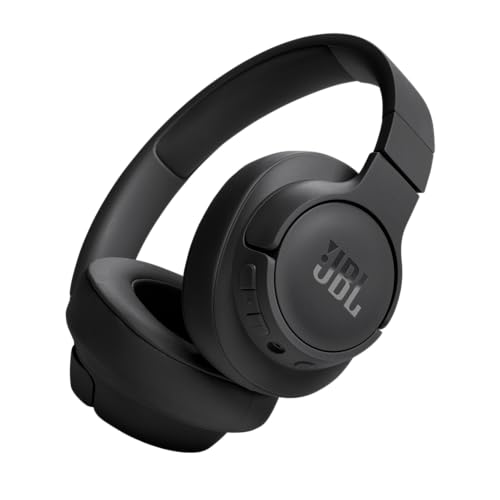
The JBL Tune 720BT, released in 2023, represents the consumer-focused approach with its emphasis on long battery life and user-friendly features. The OneOdio Studio Max 1, also released around the same time, takes the professional route with specialized DJ features and ultra-low latency wireless technology that didn't exist in consumer headphones just a few years ago.
These headphones serve completely different users, and understanding this distinction is crucial for making the right choice.
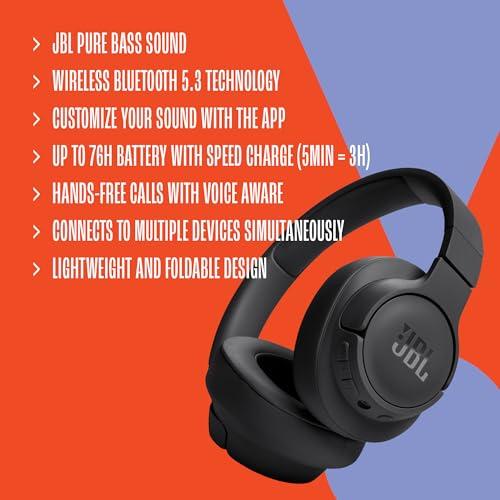
The JBL Tune 720BT targets everyday listeners who want the convenience of wireless audio without breaking the bank. JBL designed these for commuters, students, and casual music lovers who prioritize battery life and ease of use. The company's "Pure Bass Sound" philosophy emphasizes the kind of punchy, exciting audio that makes pop music and podcasts sound engaging.
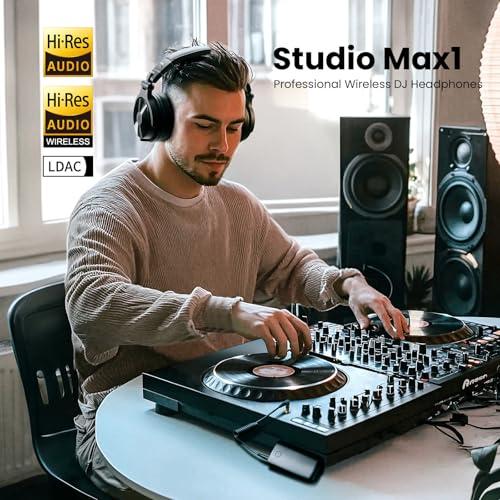
In contrast, the OneOdio Studio Max 1 specifically targets DJs, musicians, and content creators. The "Studio Max" name isn't marketing fluff – these headphones include features like single-ear monitoring (listening to one channel while keeping an ear free for the room) and ultra-low latency wireless that's essential for live performance. When a DJ is beatmatching two songs, even a 100-millisecond delay between what they hear and what's actually playing can throw off their entire set.
The sound quality differences between these headphones reveal their different priorities clearly.
The JBL Tune 720BT uses 40mm drivers – the speakers inside the headphones – which are perfectly adequate for consumer use. The frequency response of 20Hz to 20kHz covers the entire range of human hearing. However, reviewers consistently note that the stock sound is somewhat muffled and bass-heavy, requiring adjustment through JBL's smartphone app to really shine. This isn't necessarily a flaw; many consumer headphones are tuned this way because it sounds impressive in a store demo but may become fatiguing over long listening sessions.
Once properly EQ'd (equalized, meaning you adjust different frequency ranges), the JBL Tune 720BT delivers clear vocals and a balanced presentation that works well for most music genres. The "Pure Bass Sound" tuning emphasizes the low end without completely overwhelming the midrange where most vocals sit.
The OneOdio Studio Max 1 takes a more technical approach with larger 50mm neodymium drivers and an extended frequency response reaching up to 40kHz – double the upper limit of the JBL. While humans can't hear frequencies that high, these extended ranges often indicate better driver technology and can contribute to more natural sound reproduction in the audible range.
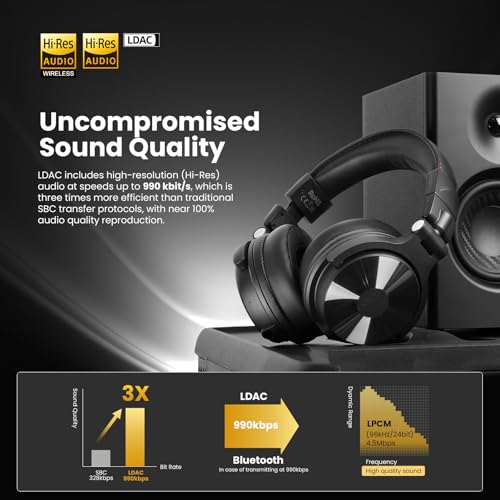
More importantly, the OneOdio Studio Max 1 is Hi-Res Audio certified and supports the LDAC codec. LDAC is Sony's high-quality Bluetooth audio format that can transmit nearly three times more data than standard Bluetooth audio, preserving more musical detail. This matters for professional users who need to hear subtle mix details, but casual listeners might not notice the difference, especially when streaming compressed music from Spotify or Apple Music.
However, reviewers note that the OneOdio Studio Max 1 also leans bass-heavy in its wireless mode, with some muddiness in the midrange. Interestingly, the sound quality improves noticeably when using the wired connection, suggesting that the wireless processing adds some coloration to the audio.
For home theater use, both headphones can work, but they serve different purposes. The JBL Tune 720BT excels for casual movie watching and streaming, especially after EQ adjustment. The OneOdio Studio Max 1 would be better for critical listening or if you're editing video content and need to hear dialogue clearly.
This is where these headphones diverge most dramatically, and where the OneOdio Studio Max 1 justifies its professional positioning.
Both headphones use Bluetooth 5.3, the latest version of the Bluetooth standard as of their 2023 release. Bluetooth 5.3 offers better power efficiency and more stable connections compared to earlier versions. The JBL Tune 720BT implements this in a straightforward consumer-friendly way, with multi-point connectivity that lets you connect to two devices simultaneously. This means you can watch a video on your tablet and automatically switch to your phone when a call comes in – a genuinely useful feature for everyday use.
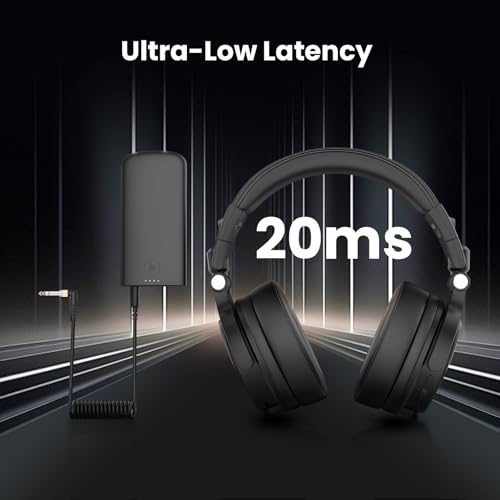
But the OneOdio Studio Max 1 goes much further with its proprietary Rapid WiLL+ technology. Using the included M1 transmitter, these headphones achieve 20-millisecond latency – that's 0.02 seconds between when audio is sent and when you hear it. To put this in perspective, standard Bluetooth typically has 100-200 milliseconds of latency, which is why you sometimes notice audio sync issues when watching videos.
This ultra-low latency is crucial for professional applications. When a DJ is cueing up the next track, they need to hear exactly when the beat hits to mix smoothly. When a musician is recording, they need real-time feedback without the disorienting echo effect that latency creates. The 20ms latency of the OneOdio Studio Max 1 is comparable to what you'd get from professional wired monitoring systems.
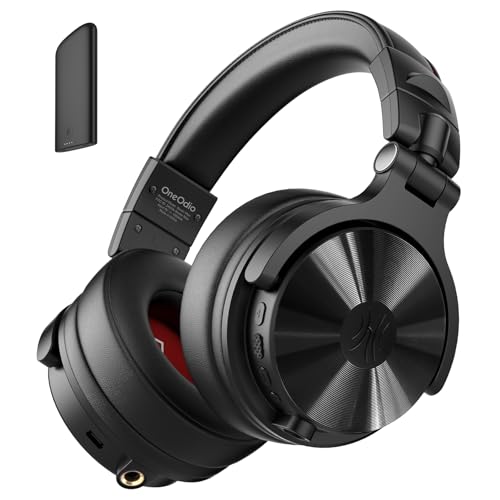
The OneOdio Studio Max 1 actually offers four different connection modes: standard Bluetooth, the proprietary low-latency wireless, traditional 3.5mm wired, and professional 6.35mm (quarter-inch) wired connections. This versatility means you can use them with DJ mixers, audio interfaces, instruments, and consumer devices without needing adapters.
Battery life has become a major competitive feature in wireless headphones, and both of these models excel compared to the market average of 20-30 hours.
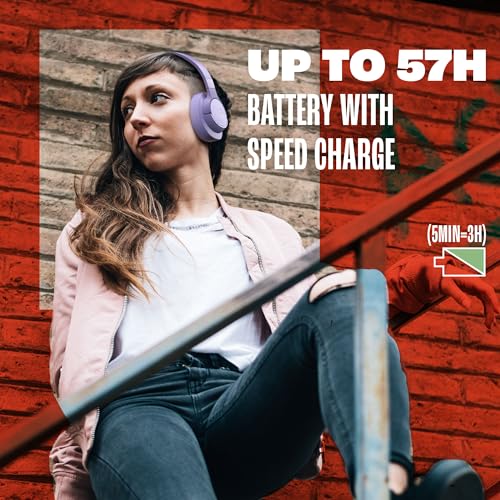
The JBL Tune 720BT delivers up to 76 hours of continuous playback, which is exceptional for consumer headphones. The quick-charge feature provides 3 hours of listening from just 5 minutes of charging, which can be a lifesaver when you forget to charge overnight. The 2-hour full charge time is reasonable for this battery capacity.
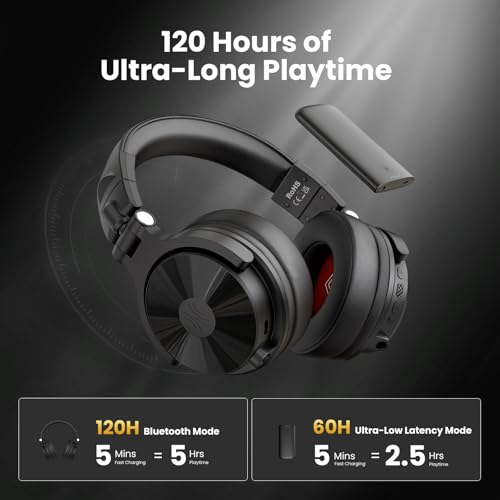
But the OneOdio Studio Max 1 pushes battery life even further with up to 120 hours of continuous playback – that's 58% longer than the already impressive JBL. When using the M1 transmitter for low-latency mode, the battery life drops to 50 hours, which is still excellent for professional use. The quick charge provides 1 hour of playback from 5 minutes of charging.
These extended battery lives reflect improvements in Bluetooth chip efficiency and battery technology since 2020. Both headphones use large 1000mAh+ batteries and efficient Class 2 Bluetooth implementations to achieve these numbers.
For practical purposes, either set of headphones will last through multiple days of heavy use or several weeks of casual listening. The OneOdio Studio Max 1's longer battery life mainly benefits professionals who might use them for 8-12 hour sessions or multi-day events where charging opportunities are limited.
This is where both headphones reveal their price-conscious design, though in different ways.
The JBL Tune 720BT weighs a reasonable 220 grams, making them lighter than many competitors. However, multiple reviewers consistently report significant comfort issues. The clamping force – how tightly the headphones grip your head – is described as "way too strong," creating pressure that becomes uncomfortable after 30-60 minutes of wear.
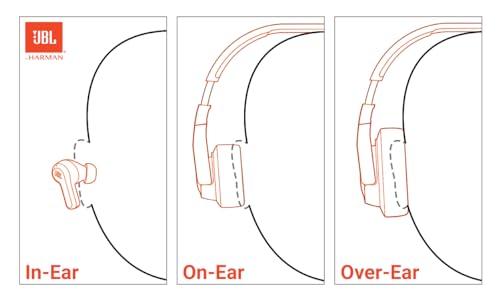
Additionally, the earcups are smaller than typical over-ear designs, meaning they sit partially on your ears rather than completely around them for many users. This transforms them from over-ear to on-ear headphones for people with larger ears, reducing both comfort and sound isolation. The plastic construction feels budget-appropriate but not premium.
The OneOdio Studio Max 1 weighs significantly more at 330-350 grams, but the weight is distributed better and the materials are notably superior. The protein leather earpads and padded metal headband feel more substantial and comfortable for extended wear. The 90-degree swiveling earcups aren't just for storage – they're designed for DJ-style single-ear monitoring where you listen to the mix in one ear while keeping the other ear free to hear the room.
However, the extra weight can cause neck fatigue during very long sessions, and the larger overall size might not suit smaller heads as well.
Neither headphone excels in comfort, but the OneOdio Studio Max 1 uses better materials and more thoughtful ergonomics despite the weight penalty.
The OneOdio Studio Max 1 includes several features that are meaningless for casual listening but essential for professional use.
Single-ear monitoring lets DJs listen to the next track in one ear while hearing the room and current track in the other. The 90-degree rotating earcups and single-sided cable routing make this practical during live performance.
Multiple input jacks on the headphones themselves mean you can plug in different sources without switching cables. Professional DJ mixers and audio interfaces typically use 6.35mm (quarter-inch) jacks rather than the 3.5mm jacks found on consumer devices.
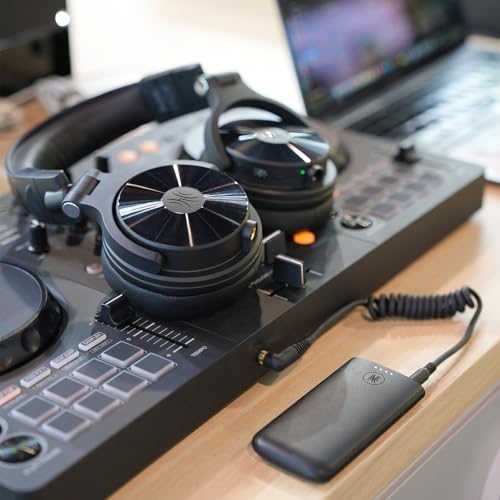
Ultra-low latency wireless eliminates the delay that makes beatmatching impossible with standard Bluetooth headphones. The M1 transmitter also enables wireless connectivity for devices that don't have built-in Bluetooth, like many DJ controllers and mixers.
Extended frequency response and Hi-Res Audio certification ensure that subtle mix details aren't lost in wireless transmission, which matters when you're trying to hear exactly when one track's bass line will complement another's.
These features add cost and complexity that casual listeners don't need, but they're not optional for professional use.
At the time of writing, these headphones occupy different price tiers, which reflects their different target markets and feature sets.
The JBL Tune 720BT positions itself in the budget-conscious consumer segment, offering excellent battery life and basic wireless functionality at an accessible price point. The main value proposition is getting 76 hours of battery life and decent sound quality (after EQ adjustment) without spending premium headphone money. However, the comfort issues mean you're making a significant trade-off for the price savings.
The OneOdio Studio Max 1 costs more, which reflects the professional features, better build materials, and specialized technology like the ultra-low latency wireless system. For casual listeners, you're paying for capabilities you won't use. But for DJs, musicians, and content creators, the professional features aren't luxuries – they're requirements that justify the higher price.
The value calculation depends entirely on your intended use. The JBL Tune 720BT offers excellent value for casual listening if you can tolerate the comfort issues. The OneOdio Studio Max 1 provides good value for professional applications but represents poor value for casual use where most features go unused.
Choose the JBL Tune 720BT if you're a casual listener who prioritizes battery life and doesn't want to spend a lot. The comfort issues are real, but if you typically listen for shorter sessions or they happen to fit your head well, the 76-hour battery life and consumer-friendly features like multi-point connectivity offer good value. The sound quality becomes quite respectable after EQ adjustment through the JBL app.
Choose the OneOdio Studio Max 1 if you're a DJ, musician, content creator, or anyone who needs professional wireless monitoring capabilities. The ultra-low latency wireless, professional connectivity options, and superior build quality justify the higher price for users who need these features. The 120-hour battery life is just a bonus.
For home theater use, the JBL Tune 720BT works well for casual movie watching, while the OneOdio Studio Max 1 would be better for critical listening or content creation where you need to hear dialogue and sound effects clearly.
The fundamental choice comes down to whether you need professional capabilities. The JBL Tune 720BT serves casual users well despite its limitations, while the OneOdio Studio Max 1 provides professional features that most people don't need but can't live without if they do need them.
Both headphones represent the current state of wireless audio technology in 2023-2024, with impressive battery lives and reliable Bluetooth 5.3 connectivity that would have seemed impossible just a few years ago. Your choice should depend on which set of compromises align better with your specific needs and budget.
| JBL Tune 720BT Wireless Over-Ear Headphones | OneOdio Studio Max 1 Wireless DJ Headphones |
|---|---|
| Driver Size - Larger drivers typically produce fuller sound and better bass | |
| 40mm dynamic drivers (standard for consumer headphones) | 50mm neodymium drivers (professional-grade, better power handling) |
| Frequency Response - Wider range captures more audio detail | |
| 20Hz – 20kHz (covers full human hearing range) | 20Hz – 40kHz (Hi-Res Audio certified, extended high frequencies) |
| Battery Life - Critical for wireless headphones, longer is better | |
| Up to 76 hours (excellent for consumer use) | Up to 120 hours Bluetooth / 50 hours with transmitter (industry-leading) |
| Wireless Latency - Lower latency prevents audio sync issues | |
| Standard Bluetooth latency (~100-200ms, fine for casual use) | 20ms ultra-low latency with M1 transmitter (essential for DJs/musicians) |
| Bluetooth Version - Newer versions offer better efficiency and stability | |
| Bluetooth 5.3 with multi-point connection | Bluetooth 5.3 plus proprietary wireless system |
| Audio Codecs - Higher quality codecs preserve more musical detail | |
| Standard AAC/SBC (good for streaming services) | LDAC, AAC, SBC, LC3 (Hi-Res Audio support) |
| Weight - Lighter is more comfortable for extended wear | |
| 220g (lightweight but has comfort issues) | 330-350g (heavier but better weight distribution) |
| Connectivity Options - More options mean greater versatility | |
| Bluetooth + 3.5mm wired backup | 4 modes: Bluetooth, low-latency wireless, 3.5mm, 6.35mm professional |
| Professional Features - Specialized features for creative work | |
| Consumer-focused (multi-point, app EQ, voice prompts) | DJ-focused (single-ear monitoring, swiveling cups, professional jacks) |
| Build Quality - Better materials last longer and feel more premium | |
| Lightweight plastic, basic padding (budget-appropriate) | Protein leather pads, metal headband (professional-grade materials) |
| Target Use Case - Choose based on your primary intended use | |
| Casual listening, commuting, media consumption | DJing, music production, live performance, content creation |
| Quick Charge - How much listening time from brief charging | |
| 5 minutes = 3 hours playback | 5 minutes = 1 hour playbook |
| Comfort Issues - Important limitations to consider | |
| Excessive clamping force, small earcups for many users | Weight can cause fatigue during very long sessions |
The OneOdio Studio Max 1 wins decisively with up to 120 hours of battery life compared to the JBL Tune 720BT's 76 hours. Both offer exceptional endurance that will last multiple days of heavy use, but the OneOdio Studio Max 1 provides nearly 60% more listening time on a single charge.
The OneOdio Studio Max 1 is specifically designed for DJs and musicians, featuring 20ms ultra-low latency wireless, single-ear monitoring capabilities, and professional 6.35mm jacks. The JBL Tune 720BT lacks these professional features and has standard Bluetooth latency that makes it unsuitable for live performance or real-time audio monitoring.
Both have comfort limitations, but the OneOdio Studio Max 1 uses better materials with protein leather ear pads and a padded metal headband. The JBL Tune 720BT suffers from excessive clamping force and small earcups that sit on rather than around many users' ears, making them uncomfortable after 30-60 minutes.
The OneOdio Studio Max 1 offers Hi-Res Audio certification, larger 50mm drivers, and extended frequency response up to 40kHz compared to the JBL Tune 720BT's 40mm drivers and 20kHz range. However, both have bass-heavy tuning that benefits from EQ adjustment, and the JBL Tune 720BT sounds quite good after customization through the JBL app.
The JBL Tune 720BT supports multi-point Bluetooth connectivity, allowing connection to two devices simultaneously for seamless switching between phone calls and media. The OneOdio Studio Max 1 focuses on professional connectivity options with four connection modes but doesn't offer consumer-oriented multi-point pairing.
For casual listeners, the JBL Tune 720BT typically offers better value with consumer-friendly features, excellent battery life, and a lower price point. The OneOdio Studio Max 1 includes professional features that casual users won't need, making it poor value unless you specifically require DJ or studio capabilities.
The JBL Tune 720BT includes Voice Aware technology and hands-free calling optimized for consumer use. The OneOdio Studio Max 1 features dual-mic ENC (Environmental Noise Cancellation) for clear calls in noisy environments, which can be beneficial for professional situations like DJ booths or studios.
Both headphones offer wired backup options. The JBL Tune 720BT includes a standard 3.5mm cable for consumer devices. The OneOdio Studio Max 1 provides more versatility with both 3.5mm and professional 6.35mm cables, plus the ability to use multiple connection types simultaneously.
The OneOdio Studio Max 1 excels for gaming with its 20ms ultra-low latency wireless mode that eliminates audio delay issues common with standard Bluetooth. The JBL Tune 720BT has typical Bluetooth latency that can cause sync problems in competitive gaming scenarios.
For casual movie watching, the JBL Tune 720BT works well with its consumer-friendly tuning and multi-point connectivity. The OneOdio Studio Max 1 would be better for critical viewing or content creation where you need to hear dialogue and sound effects clearly, though both can serve basic home entertainment needs.
The JBL Tune 720BT uses standard Bluetooth 5.3 with reliable consumer-grade connectivity. The OneOdio Studio Max 1 offers both Bluetooth 5.3 and a proprietary wireless system via the M1 transmitter that provides professional-grade low-latency performance and works with devices that lack built-in Bluetooth.
For non-professionals, the JBL Tune 720BT is typically the better choice unless you specifically need the extended battery life of the OneOdio Studio Max 1. The JBL Tune 720BT offers consumer-focused features like multi-point connectivity and app customization at a more accessible price point, while the professional features of the OneOdio Studio Max 1 would go unused.
We've done our best to create useful and informative comparisons to help you decide what product to buy. Our research uses advanced automated methods to create this comparison and perfection is not possible - please contact us for corrections or questions. These are the sites we've researched in the creation of this article: audio46.com - e-catalog.com - headphonedungeon.com - e-catalog.com - recordingnow.com - versus.com - youtube.com - versus.com - consumerreports.org - youtube.com - ca.jbl.com - jblstore.co.id - jbl.com.tw - th.jbl.com - jblonlinestore.com - onward.ph - youtube.com - jbl.com - ro.harmanaudio.com - device.report - en.jblthailand.com - techradar.com - youtube.com - oneodio.com - androidguys.com - audioxpress.com - versus.com - audioreviews.org - youtube.com - oneodio.com - youtube.com - thomannmusic.com - teqclub.com - youtube.com - homestudiobasics.com - youtube.com - youtube.com - homedjstudio.com - oneodio.com - enostech.com - oneodio.com - yourrightscount.com

Privacy Policy
Terms and Conditions - Affiliate Policy
Home Security
© Copyright 2008-2026.
11816 Inwood Rd #1211, Dallas, TX 75244