





When shopping for premium headphones, you might find yourself comparing products that seem similar on paper but serve completely different purposes. That's exactly the case with OneOdio's Studio Max 1 and A10 headphones. While both offer wireless connectivity and impressive battery life, they're designed for entirely different worlds—one for professional DJ work and studio monitoring, the other for everyday listening with active noise cancellation.
Understanding which approach suits your needs better can save you from buyer's remorse and ensure you get the features that actually matter for how you'll use your headphones. Let's dive deep into what makes each model unique and help you figure out which one deserves a spot in your audio setup.
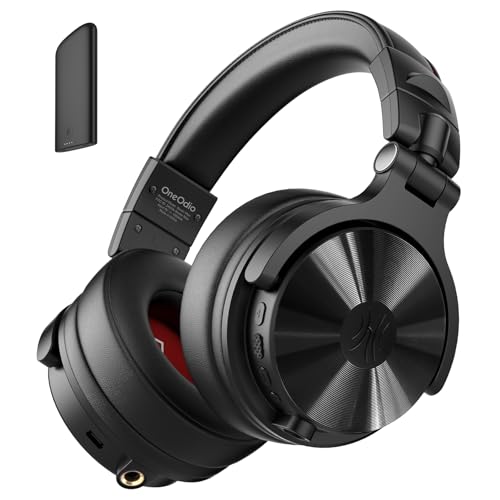
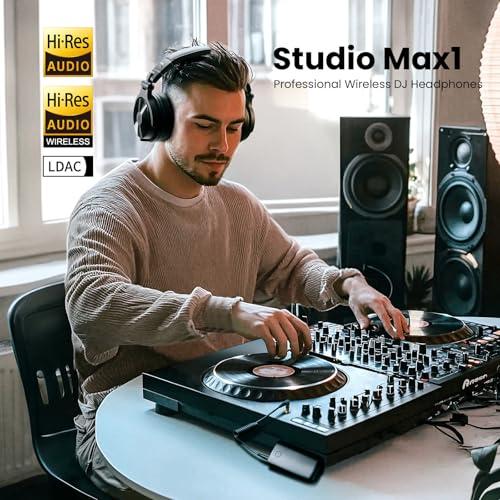
The Studio Max 1 falls into the professional DJ and studio monitoring category, released in early 2025 as OneOdio's flagship wireless DJ headphone. This category prioritizes accuracy, connectivity options, and features that help DJs and music producers work effectively. Think ultra-low latency (the tiny delay between audio being sent and heard), multiple connection methods, and tuning that helps you hear exactly what's happening in your mix.
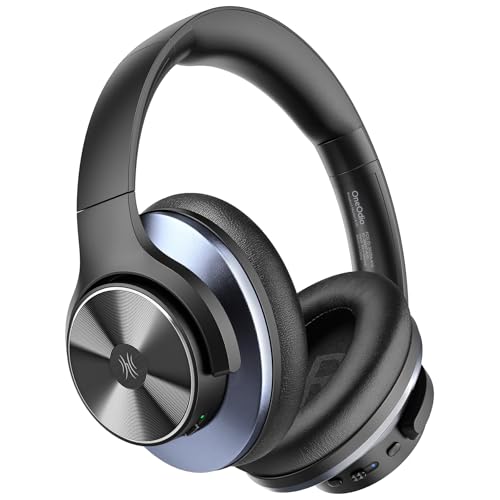
The A10, on the other hand, belongs to the consumer active noise cancelling (ANC) category. ANC headphones use microphones to detect outside noise and create opposite sound waves to cancel it out—imagine wearing invisible earplugs that also play music. These headphones focus on comfort during long listening sessions, effective noise reduction for commuting or working, and sound tuning that makes your favorite music sound engaging rather than clinically accurate.
The key difference here isn't about one being better than the other—it's about fundamentally different design philosophies. Professional headphones prioritize accuracy and functionality, while consumer ANC models prioritize comfort and convenience.
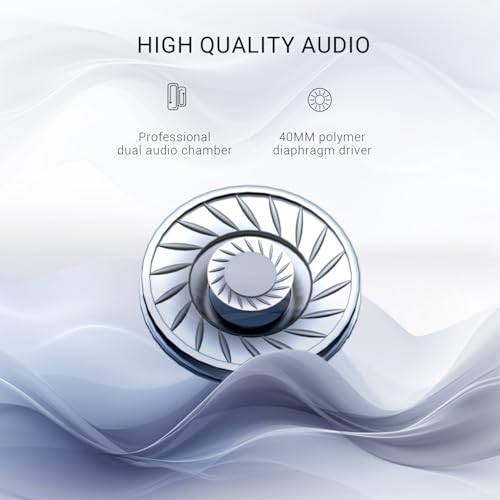
The Studio Max 1 uses larger 50mm neodymium drivers (the magnetic speakers inside) compared to the A10's 40mm drivers. Generally speaking, larger drivers can move more air and produce deeper, more controlled bass, though size isn't everything in audio design.
However, here's where things get interesting: the Studio Max 1 has received mixed reviews for its sound quality despite the larger drivers. Many users report a bass-heavy signature that can make the midrange (where vocals and many instruments live) sound muddy or recessed. This "V-shaped" tuning—where bass and treble are emphasized while mids are pulled back—might sound exciting initially but can become fatiguing during long listening sessions.
The A10, despite its smaller drivers, appears to offer a more balanced presentation that many listeners find less fatiguing over time. Its V-shaped tuning is reportedly more restrained, avoiding the "layer of mud" that some users describe with the Studio Max 1's sound signature.
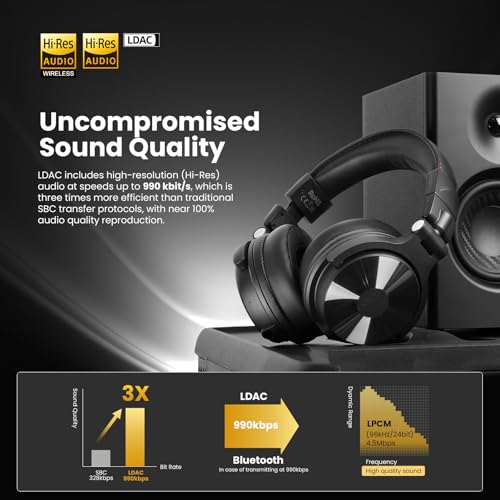
Both headphones support Hi-Res Audio certification, meaning they can reproduce frequencies beyond the standard CD range of 20Hz-20kHz. The Studio Max 1 extends this to an impressive 20Hz-40kHz range and supports LDAC, Sony's high-quality Bluetooth codec that can transmit much more data than standard Bluetooth audio.
LDAC essentially allows for near-CD quality streaming over Bluetooth, which is particularly valuable for the Studio Max 1's professional use cases. The A10 sticks with more common SBC and AAC codecs, which work well with all devices but don't offer the same high-resolution potential.
In practical terms, if you're streaming from high-quality sources like Tidal or Apple Music's lossless tiers, the Studio Max 1 can theoretically deliver more detail. However, this advantage only matters if the rest of the audio chain—from your source device to the headphone tuning—supports that level of detail retrieval.
For home theater use, both headphones offer interesting but different advantages. The Studio Max 1's ultra-low latency mode (we'll discuss this more below) makes it excellent for gaming or watching videos without audio sync issues. However, its bass-heavy tuning might make dialogue less clear in movies.
The A10's more balanced signature and active noise cancellation could be better for home theater in noisy environments. ANC helps isolate you from household sounds like air conditioning or family conversations, creating a more immersive experience. However, standard Bluetooth introduces audio delay that can cause lip-sync issues with video content.
Here's where the Studio Max 1 really shows its professional DNA. It offers four distinct connection methods, each optimized for different scenarios:
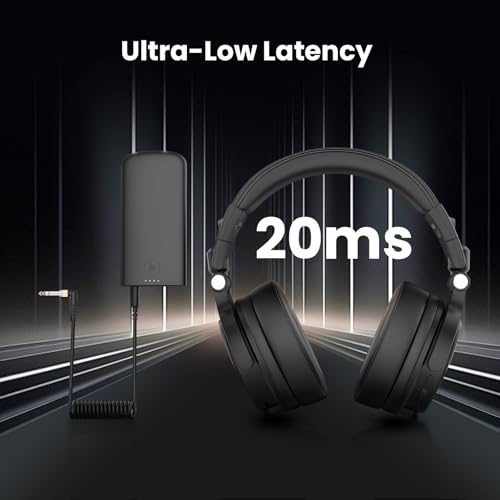
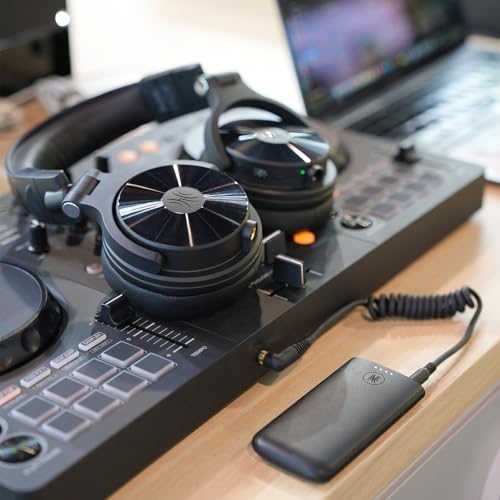
DJ Wireless Mode uses the included M1 transmitter to achieve just 20 milliseconds of latency. To put this in perspective, most Bluetooth headphones have 100-300ms of delay—enough to throw off your timing when mixing tracks or playing games. Twenty milliseconds is barely perceptible, making real-time monitoring possible.
Bluetooth Mode provides standard wireless connectivity with impressive codec support including LDAC for high-resolution streaming. Wired Monitoring Mode uses a standard 3.5mm cable for direct connection to phones, computers, or audio interfaces. DJ Wired Mode employs a professional 6.35mm (quarter-inch) cable for connecting to mixing boards, audio interfaces, and professional equipment.
This flexibility means the Studio Max 1 can adapt to virtually any audio setup, from bedroom producers working on laptops to professional DJs using club sound systems.
The A10 takes a different approach, focusing on seamless integration with modern digital lifestyles. Its multipoint connectivity lets you connect to two devices simultaneously—your phone and laptop, for example. When a call comes in on your phone while you're listening to music from your laptop, the headphones automatically switch to handle the call, then switch back afterward.
This might seem like a small feature, but it's incredibly convenient for remote workers or students who constantly juggle multiple devices. The Studio Max 1 doesn't offer multipoint connectivity, requiring manual switching between devices.
The Studio Max 1's 20ms latency in wireless mode is genuinely impressive and crucial for its intended use cases. DJs need to hear their cues in real-time to match beats properly. Gamers benefit from immediate audio feedback. Video editors need synchronized audio to work effectively.
However, achieving this low latency requires the special M1 transmitter, which means you're carrying an extra device and the transmitter needs its own power. The system is brilliant for professional use but adds complexity for casual listening.
The A10 doesn't specify its latency, but standard Bluetooth typically ranges from 100-200ms. This is fine for music listening but can be noticeable when watching videos, though many modern devices compensate with audio delay correction.
Both headphones offer excellent battery life, but with different optimization approaches. The Studio Max 1 delivers an almost absurd 120 hours in Bluetooth mode, dropping to 50 hours when using the low-latency transmitter. Even 50 hours represents multiple full days of continuous use—perfect for DJs working festival weekends or producers in long studio sessions.
The A10 provides 40-45 hours with both ANC and Bluetooth active, extending to 50 hours in Bluetooth-only mode. While shorter than the Studio Max 1, this still represents weeks of typical daily use without charging.
Both offer fast charging features, though the specifics differ. The Studio Max 1 provides one hour of playback from five minutes of charging, while the A10 offers two hours from the same five-minute charge. In practical terms, both eliminate battery anxiety for most users.
These battery life figures represent significant improvements over earlier wireless headphone generations. When ANC headphones first became popular around 2018-2019, 20-30 hours was considered excellent. Today's improved battery technology and more efficient processors allow for these extended run times without significantly increasing weight or size.
The Studio Max 1 relies on passive noise isolation—using the physical seal of the ear cups to block outside sound. This approach works well in controlled environments like studios or quiet rooms but struggles with consistent noise like airplane engines or air conditioning.
However, passive isolation has advantages for professional use. It doesn't color the sound with processing artifacts that active noise cancellation can introduce. DJs need to hear their music exactly as it is, without the subtle changes that ANC processing can create.
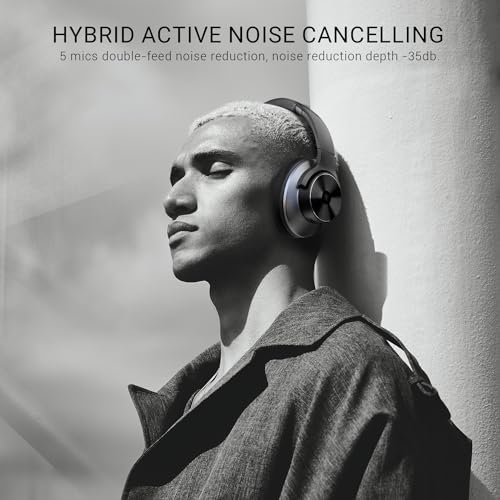
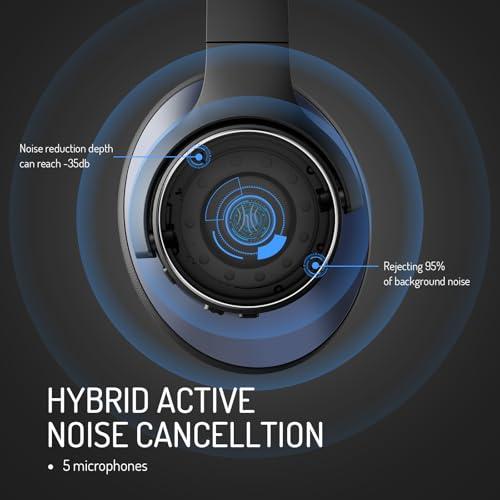
The A10 features hybrid active noise cancellation using four microphones—two inside the ear cups (feedback mics) and two outside (feedforward mics). This dual approach helps cancel both external noise that penetrates the ear cups and resonances that build up inside the sealed chamber around your ears.
The A10's ANC can reduce noise by up to 35 decibels, which is substantial though not quite matching the best from Sony or Bose. It also includes transparency mode, which uses the external microphones to amplify outside sounds—particularly useful for hearing announcements while traveling or having conversations without removing the headphones.
For home theater use, the A10's ANC could be valuable in noisy households, helping isolate you from external distractions during movie watching. However, some users find that ANC can create a slight feeling of pressure or affect the sound signature in ways that impact dialogue clarity.
Both headphones prioritize comfort but approach it differently based on their intended use. The Studio Max 1 weighs 350 grams and features extensive adjustability—the ear cups can rotate 90 degrees for folding, 180 degrees on the x-axis, and nearly 360 degrees of tilt. This flexibility is crucial for DJs who need single-ear monitoring while mixing.
However, this flexibility comes with bulk. The Studio Max 1 is notably large and can feel heavy during extended wear, despite comfortable protein leather padding. Professional users often prioritize functionality over lightweight design, but casual listeners might find the size and weight fatiguing.
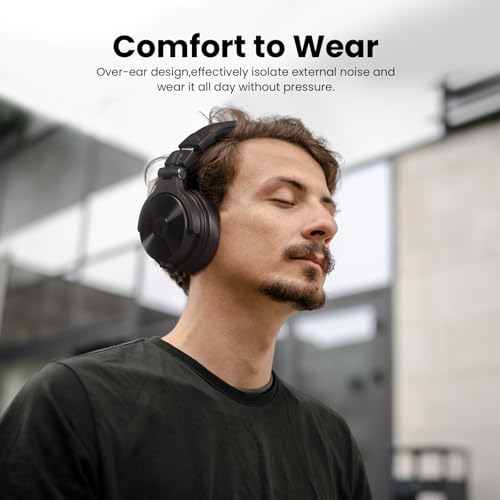
The A10 is lighter at 295 grams and optimized for standard listening positions. Its ultra-soft protein memory foam padding and less complex adjustment mechanisms create a more conventional comfortable fit. The build quality appears solid for its price point, though it uses more plastic in construction compared to the Studio Max 1's more metal-heavy build.
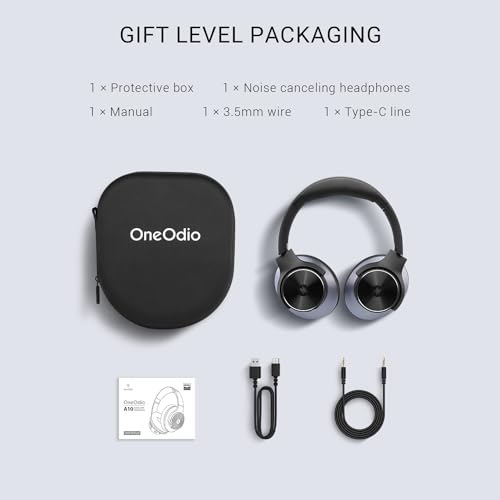
Both feature foldable designs for travel, though the Studio Max 1 includes a more premium carrying case while the A10 comes with a simple zippered pouch.
At the time of writing, the Studio Max 1 commands a premium price that reflects its professional feature set and included accessories (M1 transmitter, multiple cables, premium case). For working DJs or serious music producers, the ultra-low latency capability alone could justify the cost difference.
However, for general consumers, the Studio Max 1's specialized features might represent paying for capabilities they'll never use. The complex setup process and professional-oriented design philosophy could frustrate users who just want good wireless headphones for commuting or casual listening.
The A10 positions itself in the competitive budget ANC category, offering features typically found in more expensive headphones—effective noise cancellation, multipoint connectivity, excellent battery life—at an accessible price point. For its intended market, it represents strong value, though it lacks the premium build quality and specialized features of higher-end alternatives.
Both headphones incorporate relatively recent technology improvements. The Studio Max 1's Bluetooth 5.3 with LDAC support and proprietary ultra-low latency mode represent current best practices for professional wireless audio. Its comprehensive connectivity options should remain relevant as audio equipment evolves.
The A10's hybrid ANC and multipoint connectivity reflect consumer audio trends from the past few years, when these features became standard expectations rather than premium additions. Its Bluetooth 5.0 implementation is slightly older but still fully compatible with current devices.
Both headphones should remain technologically relevant for several years, though the rapid pace of Bluetooth audio development means newer codecs and features will eventually emerge.
Choose the Studio Max 1 if you're a DJ, music producer, or serious gamer who needs ultra-low latency wireless audio. Its professional connectivity options, exceptional battery life, and comprehensive accessory package justify the premium for users who will utilize these specialized features. However, be prepared for a learning curve in setup and potentially disappointing sound quality for casual music listening.
Choose the A10 if you want effective noise cancellation for commuting, working, or general listening. Its simpler operation, lighter weight, more balanced sound signature, and modern convenience features like multipoint connectivity make it better suited for everyday use. The lower price point also makes it accessible to a broader range of users.
Consider your primary listening environment carefully. If you're mostly listening in quiet, controlled spaces, the Studio Max 1's passive isolation might be sufficient. If you deal with noisy commutes, open offices, or busy households, the A10's active noise cancellation becomes much more valuable.
Both headphones represent solid engineering within their respective categories, but they're optimized for fundamentally different use cases. Understanding which category matches your needs will lead to much greater satisfaction with whichever model you choose.
| OneOdio Studio Max 1 Wireless DJ Headphones | OneOdio A10 Hybrid Active Noise Cancelling Headphones |
|---|---|
| Driver Size - Larger drivers typically produce fuller sound and deeper bass | |
| 50mm neodymium drivers | 40mm dynamic drivers |
| Primary Use Case - Determines which features matter most | |
| Professional DJ/studio monitoring with ultra-low latency | Consumer ANC for commuting and everyday listening |
| Battery Life - Critical for extended use without charging breaks | |
| 120 hours (Bluetooth) / 50 hours (with transmitter) | 40-45 hours (ANC + Bluetooth) / 50 hours (Bluetooth only) |
| Latency Performance - Essential for DJs, gaming, and video sync | |
| 20ms ultra-low latency with M1 transmitter | Standard Bluetooth latency (~100-200ms) |
| Connectivity Options - Professional flexibility vs consumer convenience | |
| 4 modes: Bluetooth 5.3, wireless transmitter, 3.5mm, 6.35mm | Bluetooth 5.0 with multipoint + 3.5mm backup |
| Noise Management - Different approaches to blocking distractions | |
| Passive isolation only (no ANC) | Hybrid ANC up to 35dB reduction + transparency mode |
| Audio Codecs - Higher quality codecs preserve more detail | |
| LDAC, AAC, SBC, LC3 (Hi-Res wireless capable) | SBC, AAC (standard quality) |
| Weight and Portability - Affects comfort during long sessions | |
| 350g (heavier, professional build) | 295g (lighter, consumer-focused) |
| Special Features - Unique capabilities that justify the price difference | |
| DJ monitoring modes, extensive rotation, M1 transmitter | Multipoint connectivity, ANC, transparency mode |
| Included Accessories - What's in the box affects overall value | |
| M1 transmitter, multiple cables, premium carry case | Basic carry pouch, charging cable |
| Target Market - Who gets the most value from each model | |
| DJs, producers, gamers needing zero-lag audio | Commuters, office workers, general music listeners |
The OneOdio A10 is better suited for everyday listening thanks to its active noise cancellation, lighter weight, and more balanced sound signature. The A10 blocks out distracting background noise and offers multipoint connectivity to seamlessly switch between your phone and laptop. The OneOdio Studio Max 1 is designed specifically for DJs and professional use, making it overkill for casual music listening.
The OneOdio Studio Max 1 is a professional DJ headphone with ultra-low latency wireless transmission and multiple connectivity options, while the OneOdio A10 is a consumer-focused active noise cancelling headphone for everyday use. The Studio Max 1 prioritizes professional features like real-time audio monitoring, whereas the A10 focuses on comfort and noise reduction for commuting and general listening.
The OneOdio Studio Max 1 offers exceptional battery life with up to 120 hours in Bluetooth mode, significantly longer than the A10's 40-45 hours with ANC enabled. However, both provide excellent longevity compared to most wireless headphones. The Studio Max 1 is designed for marathon DJ sessions, while the A10's battery life easily handles daily commuting and work use.
The OneOdio Studio Max 1 is excellent for gaming due to its ultra-low 20ms latency mode, which eliminates audio delay for competitive gaming and real-time audio feedback. The OneOdio A10 has standard Bluetooth latency which can cause noticeable audio delay in games. For serious gaming, the Studio Max 1 is the clear winner despite its higher price.
Both headphones handle calls well, but the OneOdio A10 has advantages for business use with its multipoint connectivity, allowing seamless switching between devices during calls. The A10 also weighs less for extended conference calls. The OneOdio Studio Max 1 offers clear call quality with dual-mic ENC but lacks the convenient device switching of the A10.
The OneOdio Studio Max 1 works better for home theater due to its ultra-low latency mode preventing audio-video sync issues when watching movies. However, the OneOdio A10's active noise cancellation can create a more immersive experience by blocking household distractions. For serious home theater use, the Studio Max 1's audio sync advantages outweigh the A10's noise isolation benefits.
The OneOdio A10 is more comfortable for extended wear, weighing 295g compared to the Studio Max 1's 350g. The A10 features ultra-soft memory foam padding optimized for long listening sessions. While the OneOdio Studio Max 1 has good padding, its larger size and professional build make it bulkier for casual extended use.
Both models support Hi-Res Audio, but the OneOdio Studio Max 1 offers superior wireless audio quality with LDAC codec support for near-CD quality Bluetooth streaming. The Studio Max 1 also has larger 50mm drivers compared to the A10's 40mm drivers. The OneOdio A10 supports standard SBC and AAC codecs, which work well with all devices but don't match the Studio Max 1's high-resolution capabilities.
The OneOdio A10 is designed for travel with effective active noise cancellation that blocks airplane engines, train noise, and other consistent background sounds. The A10 is also lighter and more compact than the OneOdio Studio Max 1. The Studio Max 1 only offers passive noise isolation, making the A10 the clear choice for frequent travelers and commuters.
The OneOdio Studio Max 1 is specifically designed for professional use with multiple connection options including 6.35mm (quarter-inch) jacks for mixing boards and audio interfaces. It includes professional cables and connectivity for studio equipment. The OneOdio A10 only offers standard 3.5mm connection and is not designed for professional audio applications, making the Studio Max 1 essential for serious music production.
The OneOdio A10 typically offers better value for general consumers, providing essential modern features like active noise cancellation and multipoint connectivity at a lower price point. The OneOdio Studio Max 1 commands a premium for specialized professional features that most casual listeners won't use. Unless you specifically need DJ monitoring or ultra-low latency, the A10 delivers more practical benefits for everyday users.
The OneOdio Studio Max 1 has larger drivers and supports higher-quality LDAC codec, but reviews indicate it has a bass-heavy sound signature that can muddy the midrange. The OneOdio A10 reportedly offers more balanced audio despite smaller drivers, making it less fatiguing for extended listening. For critical listening and music enjoyment, the A10 may actually sound better to most users despite the Studio Max 1's superior technical specifications.
We've done our best to create useful and informative comparisons to help you decide what product to buy. Our research uses advanced automated methods to create this comparison and perfection is not possible - please contact us for corrections or questions. These are the sites we've researched in the creation of this article: techradar.com - youtube.com - oneodio.com - androidguys.com - audioxpress.com - versus.com - audioreviews.org - youtube.com - oneodio.com - youtube.com - thomannmusic.com - teqclub.com - youtube.com - homestudiobasics.com - youtube.com - youtube.com - homedjstudio.com - oneodio.com - enostech.com - oneodio.com - yourrightscount.com - techbuzzireland.com - creativebloq.com - head-fi.org - homestudiobasics.com - versus.com - androidguys.com - thegadgetflow.com - oneodio.com - mbreviews.com - the-gadgeteer.com - newegg.com - howtogeek.com - youtube.com - newegg.com - manuals.plus - majorhifi.com - soundphilereview.com - youtube.com - howtogeek.com - oneodio.com - youtube.com - youtube.com - youtube.com - walmart.com

Privacy Policy
Terms and Conditions - Affiliate Policy
Home Security
© Copyright 2008-2026.
11816 Inwood Rd #1211, Dallas, TX 75244