

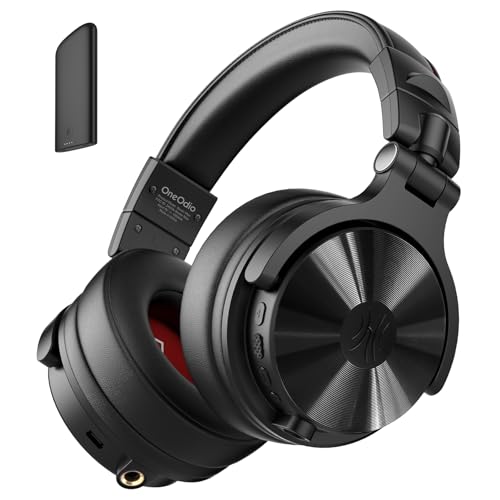
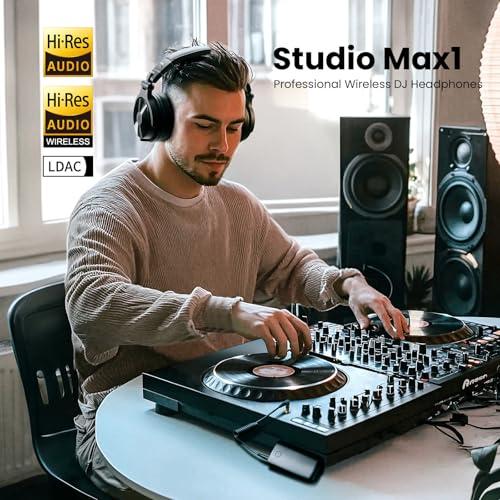








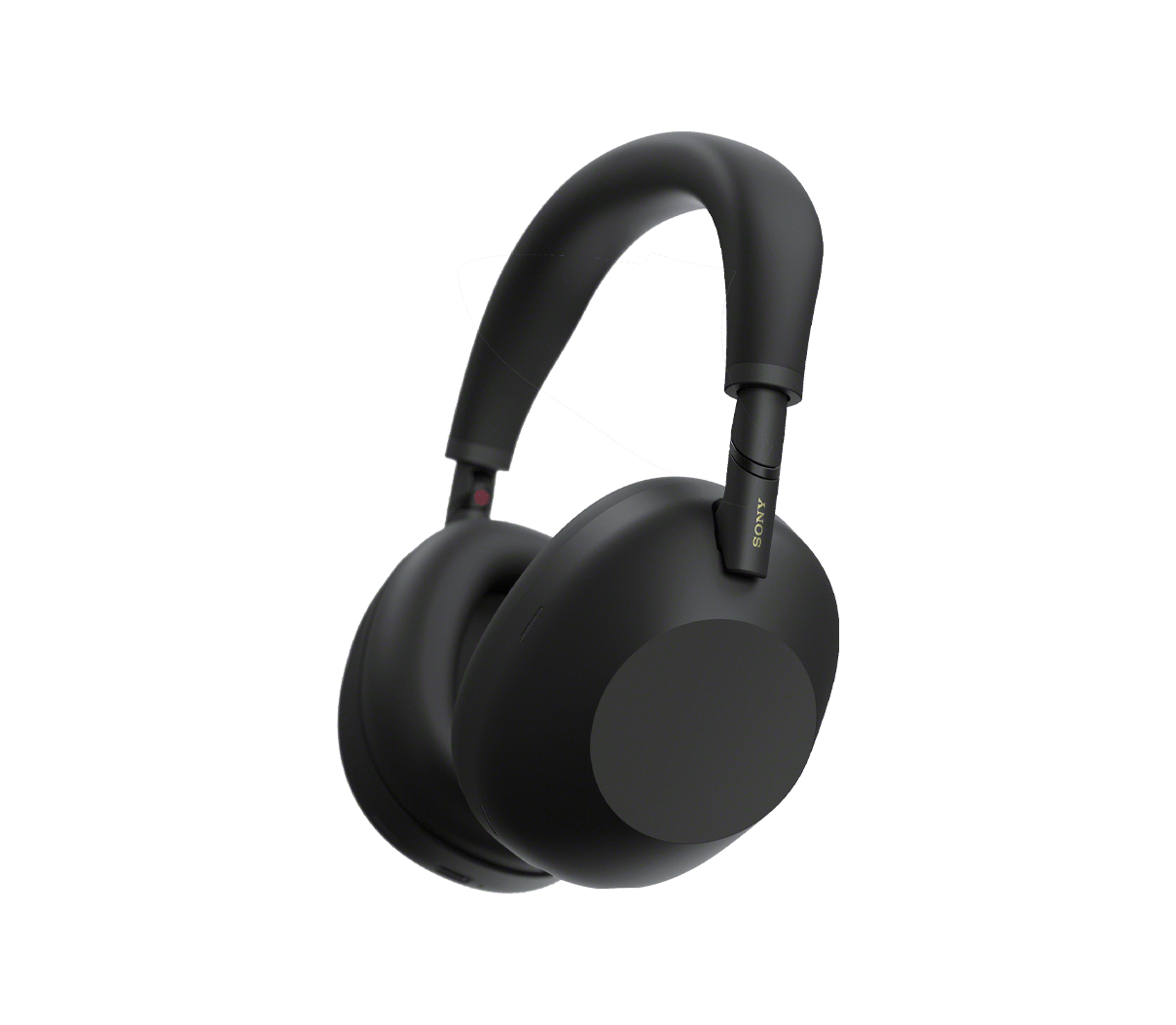
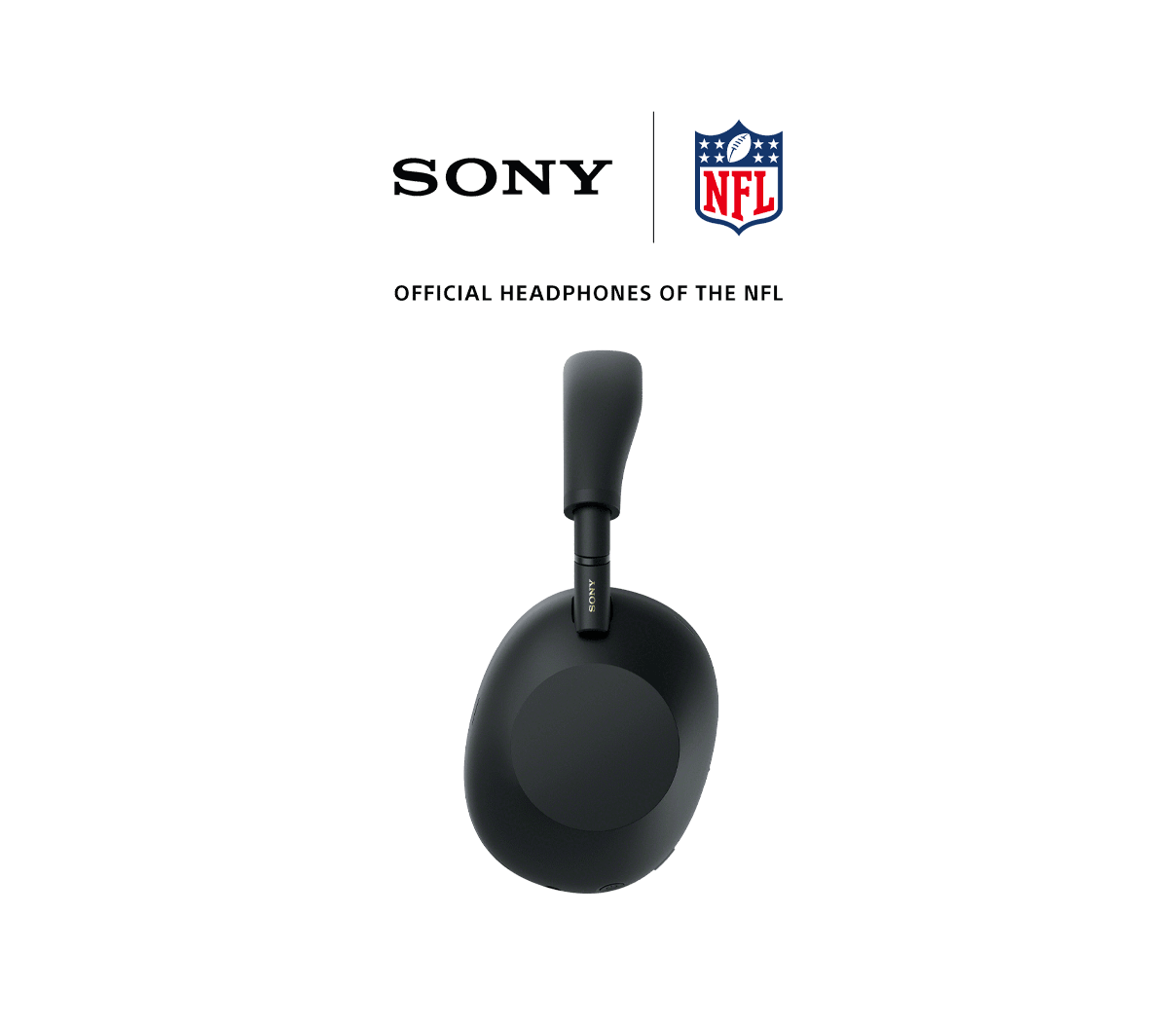
When I first heard about wireless DJ headphones a few years ago, I'll admit I was skeptical. How could any wireless technology handle the split-second timing that DJs need? Then came products like the OneOdio Studio Max 1, released in 2025, which promised to solve the latency problem that had plagued wireless audio for decades. Meanwhile, Sony continued refining their consumer flagship with the WH-1000XM6, also from 2025, pushing noise cancellation and audio quality to new heights.
These two headphones couldn't be more different in their approach, yet they both tackle the fundamental challenge of wireless audio in their own unique ways. One prioritizes professional functionality above all else, while the other represents the pinnacle of consumer audio engineering. Understanding which approach suits your needs requires diving deep into what makes each tick.
The wireless headphone market has exploded in recent years, but it's important to understand that not all wireless headphones serve the same purpose. Consumer-focused models like the Sony WH-1000XM6 prioritize comfort, sound quality, and features like active noise cancellation (ANC) – a technology that uses microphones to detect external sound and creates opposing sound waves to cancel it out. Professional models like the OneOdio Studio Max 1 focus on reliability, battery life, and solving technical challenges that matter in live performance settings.
When evaluating wireless headphones, most people should consider four key areas: audio quality (how accurate and pleasant the sound reproduction is), battery life (how long they'll work between charges), connectivity options (how they connect to your devices), and specialized features (like noise cancellation or low-latency modes). The weight you give each factor depends entirely on how you plan to use them.
For home theater use specifically, both headphones offer interesting possibilities, though they approach the challenge differently. The Sony WH-1000XM6 provides excellent isolation from household noise and supports spatial audio formats that can enhance movie watching. The OneOdio Studio Max 1, while not designed for this purpose, offers the ultra-long battery life that means you'll never have a movie interrupted by a dead battery warning.
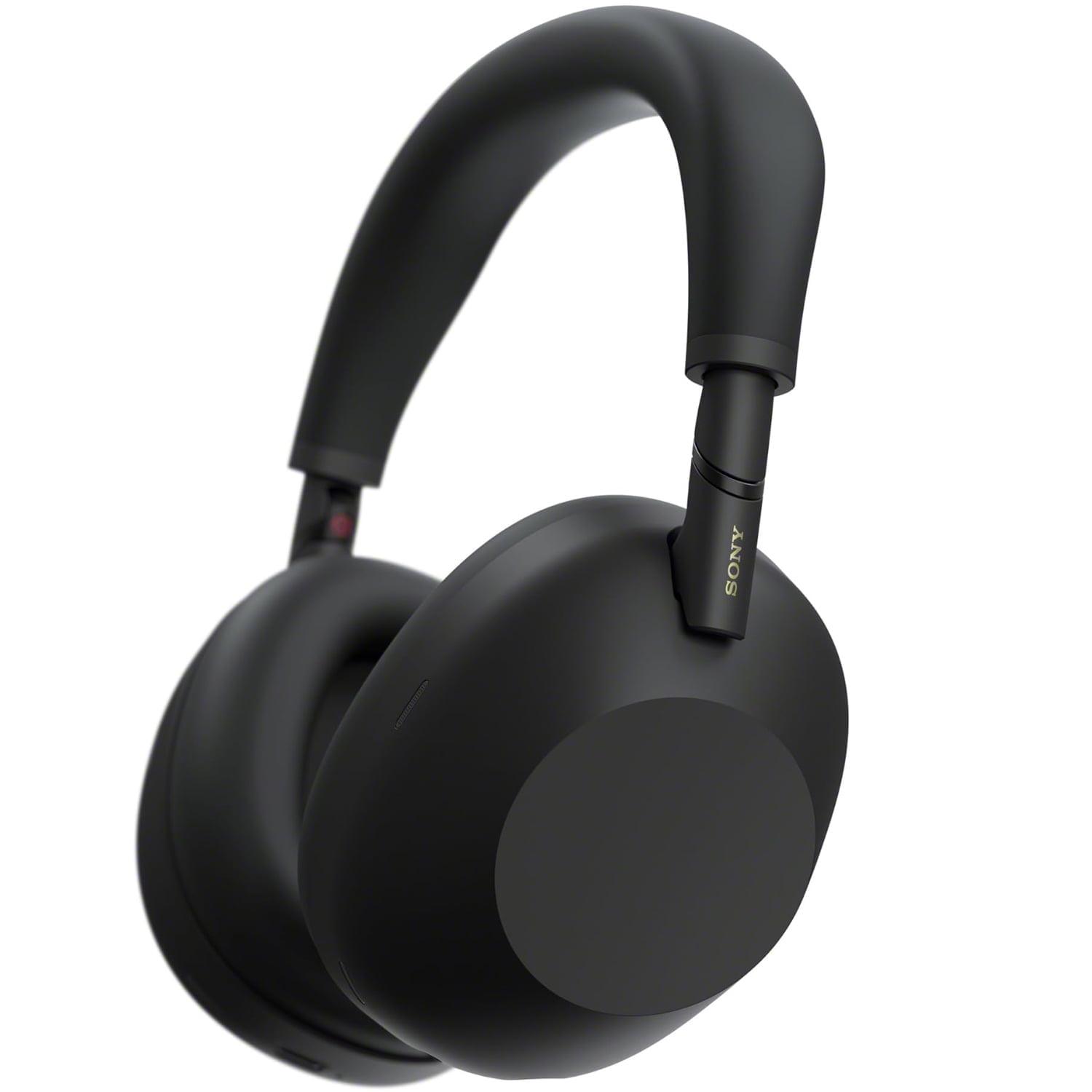
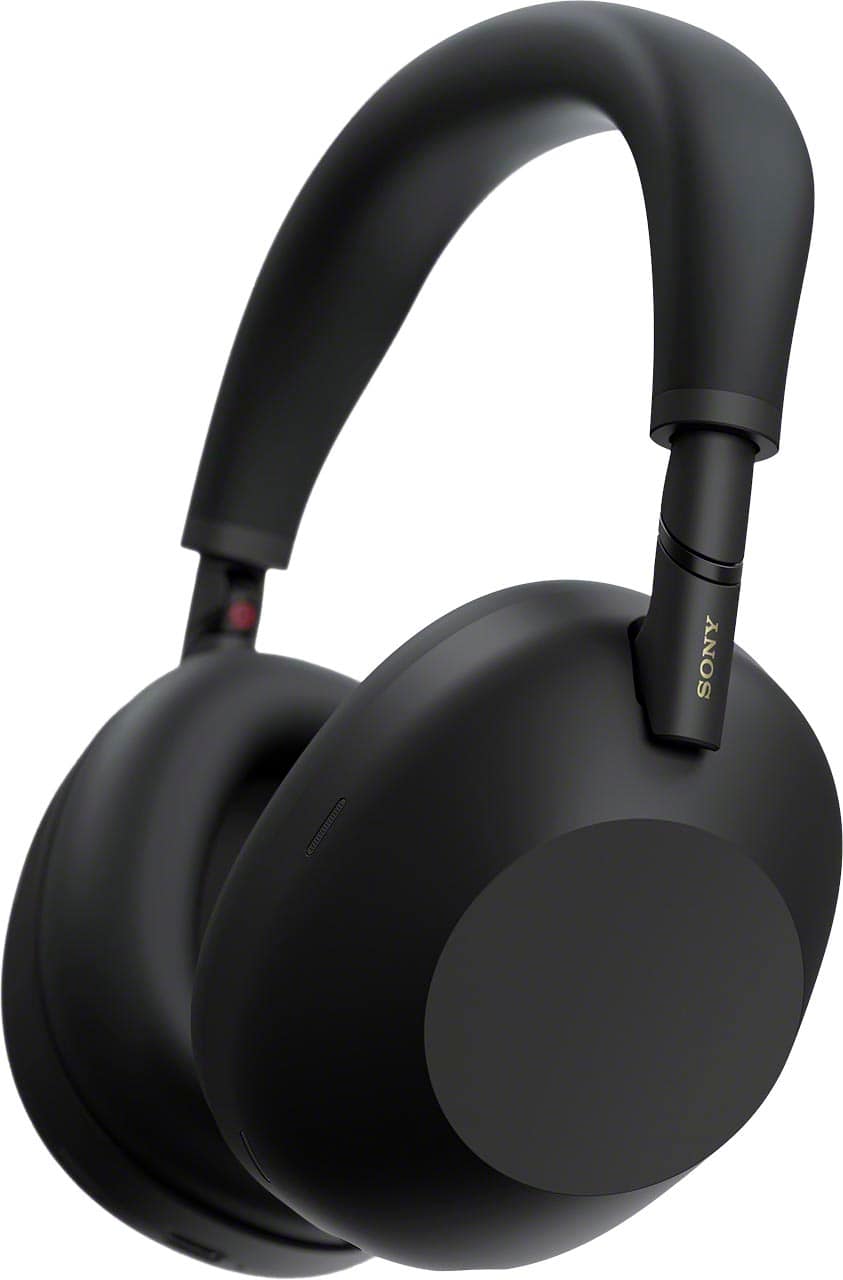
Here's where these headphones reveal their fundamentally different philosophies. The Sony WH-1000XM6 uses 30mm carbon fiber composite drivers – the part of the headphone that actually produces sound by vibrating air. Sony chose carbon fiber because it's both lighter and stiffer than traditional materials, allowing the driver to move more precisely and reduce distortion (unwanted changes to the original sound).
What impressed me most about Sony's approach is their collaboration with mastering engineers – the professionals who put the final touches on recordings in studios. This partnership shows in the WH-1000XM6's balanced sound signature, meaning it doesn't artificially boost bass or treble but tries to reproduce music as the artist intended. The frequency response spans from 4Hz to 40,000Hz when wired (frequency response tells you the range of pitches the headphones can reproduce – human hearing typically ranges from 20Hz to 20,000Hz).
The OneOdio Studio Max 1 takes a completely different approach with its larger 50mm neodymium drivers. Neodymium is a type of magnet material that's particularly strong, allowing for powerful bass response – exactly what DJs need when monitoring bass-heavy electronic music in noisy club environments. The larger driver size generally means more air can be moved, resulting in stronger bass and higher maximum volume levels.
However, this professional tuning comes with trade-offs. Several reviewers noted that the Studio Max 1 has a bass-heavy sound signature that can make vocals sound distant and reduce overall clarity for casual music listening. The treble (high frequencies) lacks the sparkle and detail that audiophiles expect. This isn't necessarily a flaw – it's by design for DJ use – but it means these headphones aren't ideal for critical music listening at home.
The Sony WH-1000XM6 includes DSEE Extreme, Sony's AI-powered audio upscaling technology. This feature analyzes compressed audio files (like MP3s) in real-time and tries to restore details that were lost during compression. It's particularly noticeable when listening to older recordings or streaming music, where it can add presence and detail that wasn't there in the compressed version.
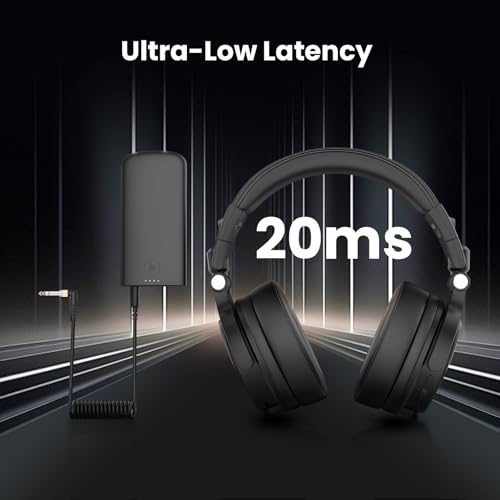
This is where the OneOdio Studio Max 1 truly shines and represents a genuine breakthrough in wireless audio technology. Traditional Bluetooth audio typically has latency (delay) of 100-200 milliseconds – that's one-tenth to one-fifth of a second. For casual listening, this delay is barely noticeable, but for DJing, it's absolutely catastrophic. Imagine trying to mix two songs when what you hear in your headphones is a fifth of a second behind what's actually playing. It's impossible.
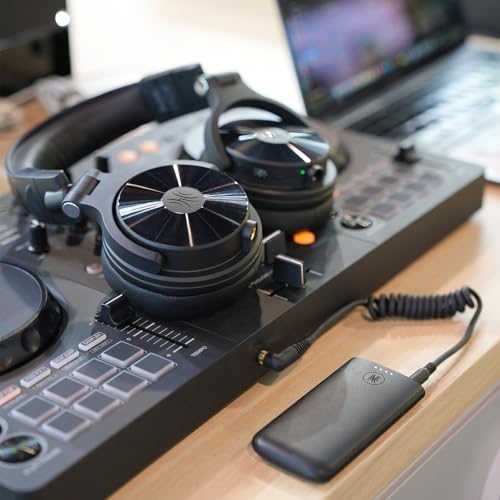
OneOdio solved this with their proprietary Rapid WiLL+ technology, achieving just 20 milliseconds of latency when using the included M1 transmitter. To put this in perspective, 20ms is faster than human reaction time – it's essentially imperceptible. This technological achievement required developing their own wireless protocol rather than relying on standard Bluetooth, which is why the system includes a dedicated transmitter that plugs into DJ equipment.
The M1 transmitter is a small device that connects to any audio source via a 3.5mm jack and creates its own wireless connection to the headphones. This means you can add wireless capability to any piece of equipment – DJ controllers, mixers, keyboards, or even older devices that don't have Bluetooth built-in.
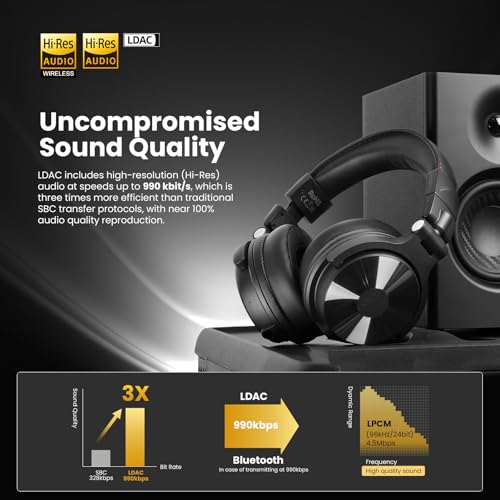
In contrast, the Sony WH-1000XM6 uses standard Bluetooth 5.3 with support for advanced codecs like LDAC (Low Delay Audio Codec, which can transmit up to three times more data than standard Bluetooth) and LC3 (Low Complexity Communications Codec, which is more efficient and can work better in noisy wireless environments). While these provide excellent audio quality, they still have enough latency to make them unsuitable for professional DJ use.
The battery life difference between these headphones is frankly astounding. The OneOdio Studio Max 1 claims 120 hours of playbook in Bluetooth mode – that's five full days of continuous use. Even when using the power-hungry M1 transmitter mode, it still provides 50 hours of use. This isn't just impressive; it's practically essential for touring musicians or DJs who might go days without reliable charging opportunities.
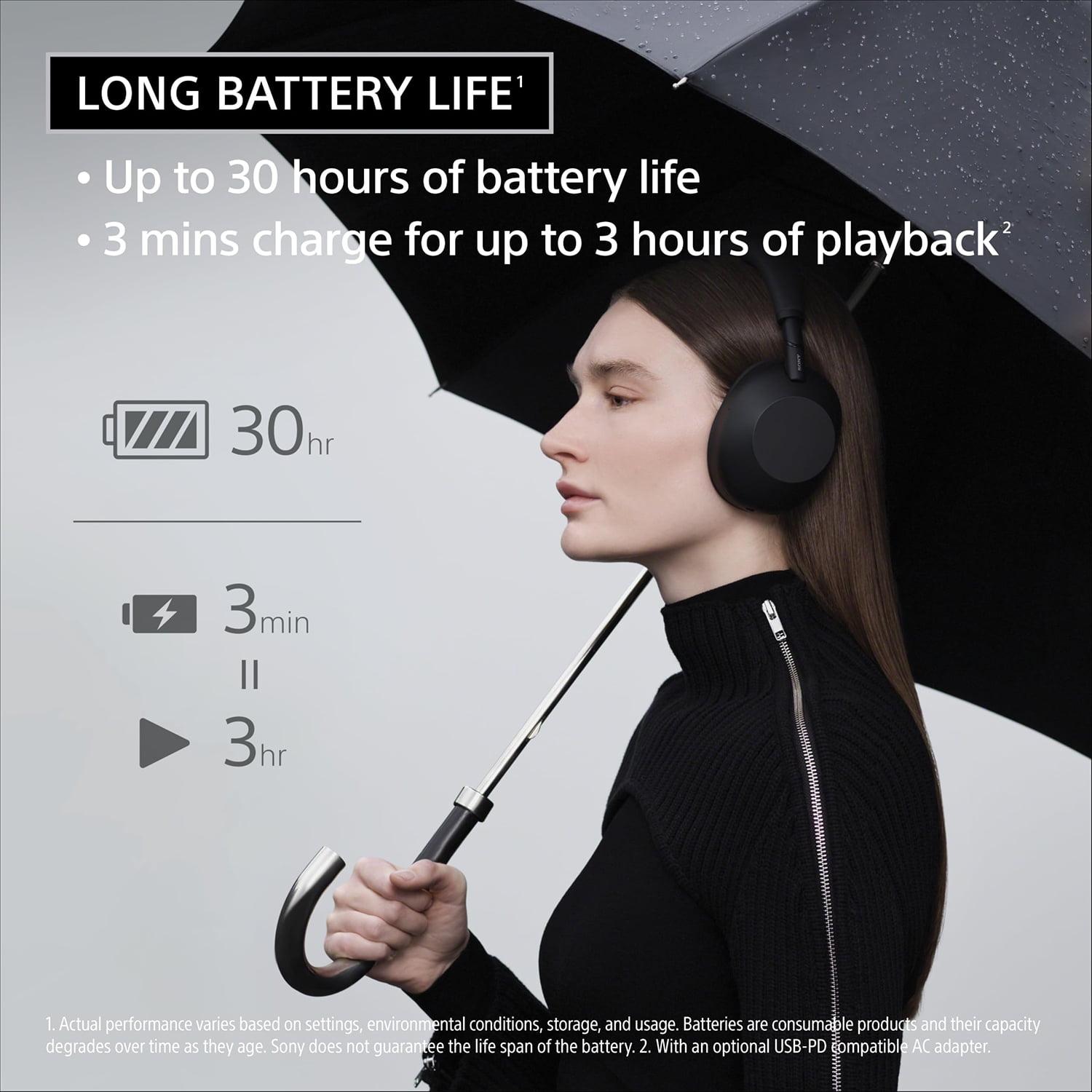
The Sony WH-1000XM6 provides a more typical 30 hours with noise cancellation enabled, extending to 40 hours when ANC is disabled. While this is excellent for consumer headphones and beats most competitors, it's in a completely different category from the OneOdio's marathon endurance.
Both headphones support fast charging, but with different approaches. The Sony can provide three hours of playback from just three minutes of charging, which is perfect for those "oh no, I forgot to charge them" moments before a flight. The OneOdio offers one hour of use from five minutes of charging, which seems modest until you remember that one hour represents just 1/120th of its total capacity.
From a practical standpoint, I've found that the Sony's charging approach is more convenient for daily use since you can listen while charging. The OneOdio requires you to stop using them while they charge, which could be problematic during long studio sessions.
The Sony WH-1000XM6 represents the current pinnacle of active noise cancellation technology. Sony's HD Noise Cancelling Processor QN3 is seven times faster than its predecessor and works with 12 microphones (six on each earcup) to create what reviewers consistently call the best ANC available. The system continuously analyzes environmental noise and generates opposing sound waves to cancel it out, adapting in real-time to changes in your environment.
What makes Sony's implementation special is its intelligence. The Adaptive NC Optimizer automatically adjusts cancellation based on factors like air pressure (useful when flying), your head shape, and even whether you're wearing glasses. The atmospheric pressure optimization is particularly clever – air pressure changes at altitude affect how sound travels, and the system compensates for this automatically.
The OneOdio Studio Max 1 takes the opposite approach: no active noise cancellation at all. This might seem like a disadvantage, but it's actually intentional. DJs need to hear their environment – the crowd's energy, announcements, or other audio cues. Complete isolation can be counterproductive in professional settings. Instead, the Studio Max 1 relies on passive isolation from its closed-back design and thick ear pads.
For home theater use, this difference is significant. The Sony WH-1000XM6 excels when you want to block out household noise – air conditioning, traffic, or family members in other rooms. The isolation helps you focus on movie dialogue and subtle sound effects. The OneOdio would be less ideal for this application since you'd still hear environmental distractions.
The OneOdio Studio Max 1 includes several features that reveal its professional DNA. The earcups can swivel 90 degrees and rotate 180 degrees on the x-axis, allowing for single-ear monitoring – a crucial DJ technique where you listen to the upcoming track in one ear while monitoring the currently playing track with the other. The single-sided cable routing keeps cables out of the way during performance.
Multiple input ports (both 3.5mm and 6.35mm) mean the headphones can connect directly to professional audio equipment without adapters. The detachable cables are not just convenient but necessary for professional use – cables get damaged, and being able to replace them quickly is essential during live events.
The Sony WH-1000XM6 focuses on consumer convenience with features like Speak-to-Chat, which automatically pauses music and activates transparency mode when you start speaking. Quick Attention mode lets you temporarily lower volume and hear your surroundings by simply covering the right earcup with your hand. These features are genuinely useful for everyday situations like ordering coffee or having brief conversations.
Multipoint connectivity allows the Sony to maintain simultaneous connections to two devices – perhaps your laptop and phone – automatically switching between them as needed. This is incredibly convenient for modern life where we're constantly switching between work calls, music, and personal device notifications.
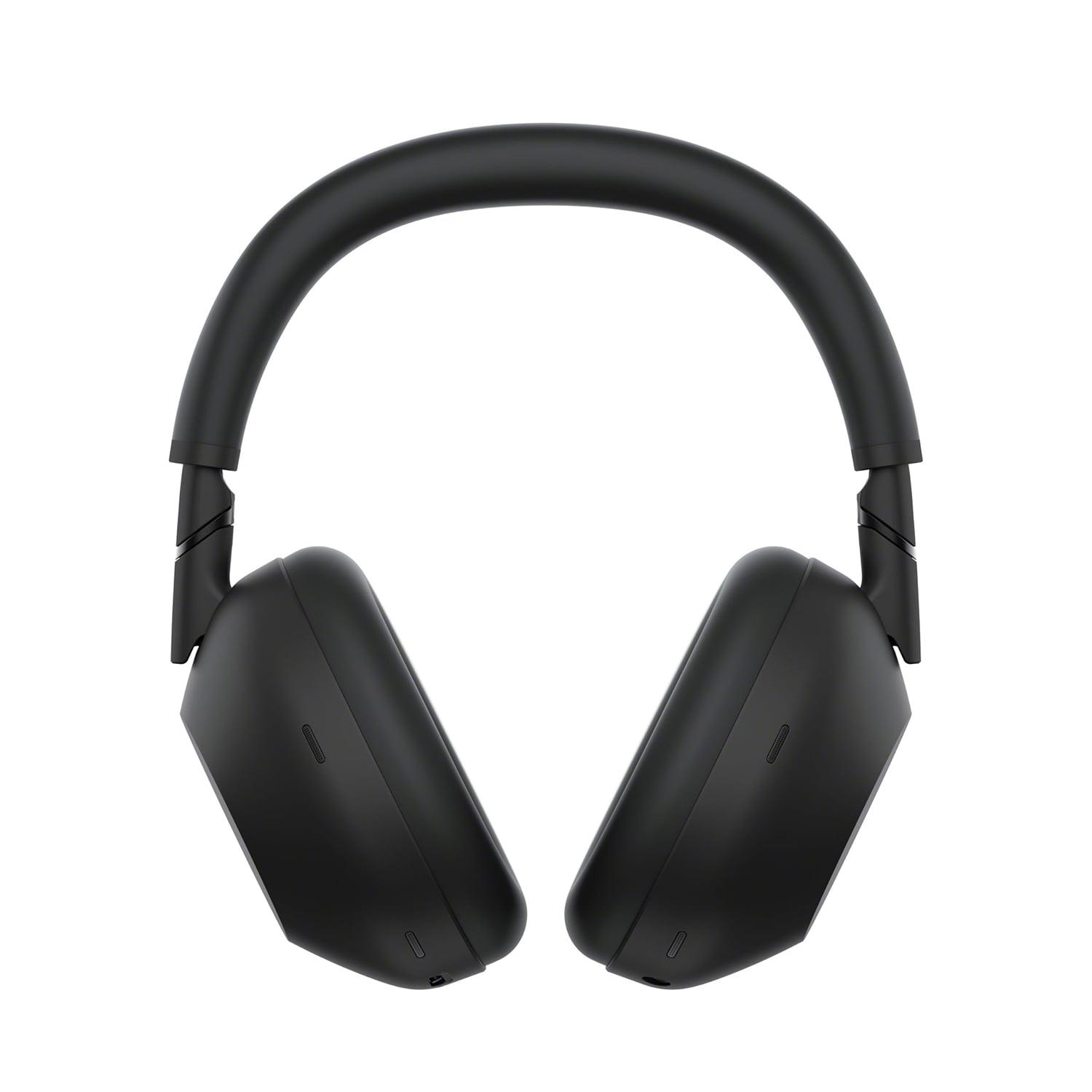
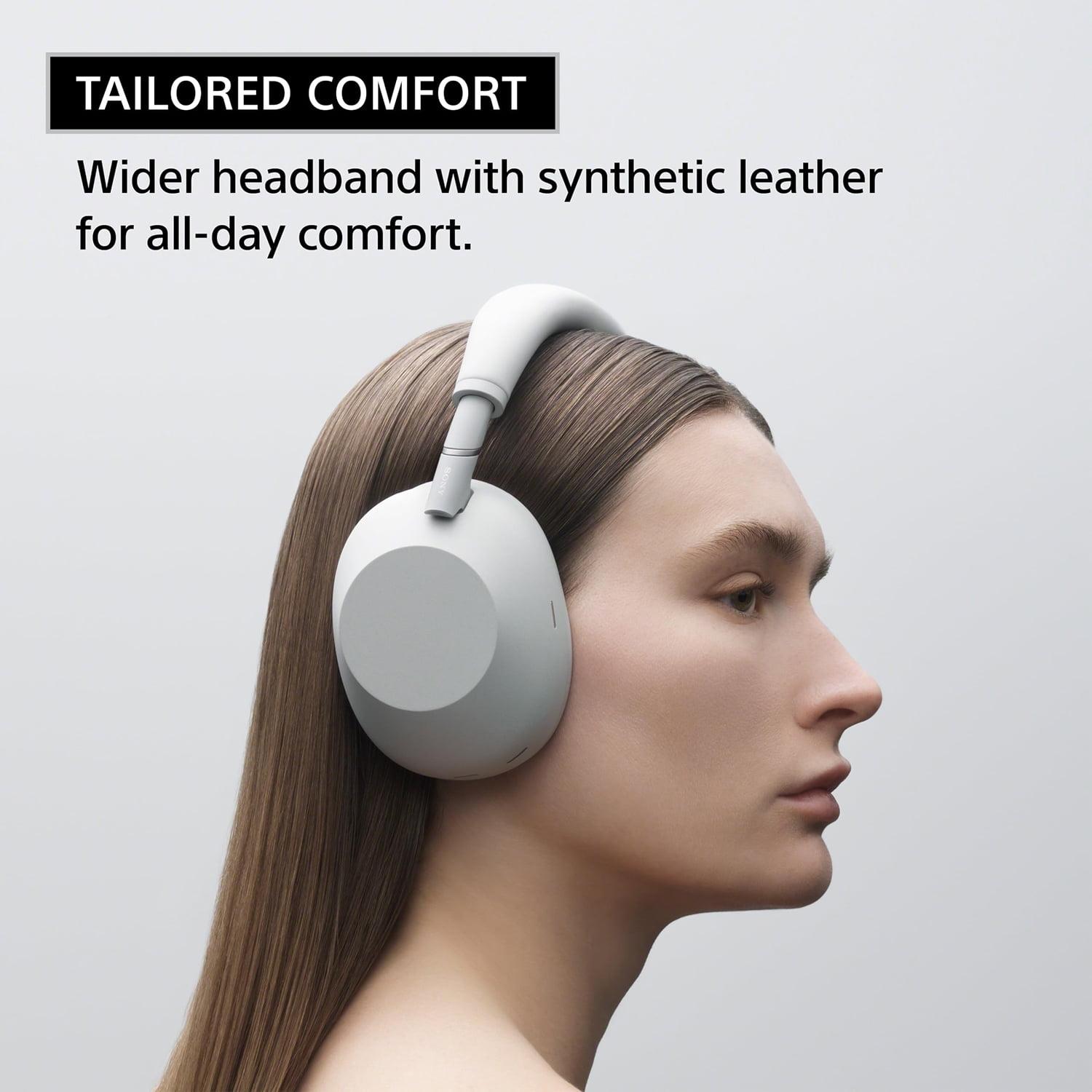
The construction differences reflect each product's intended use. The Sony WH-1000XM6 weighs just 254 grams and uses premium materials including synthetic leather and a fingerprint-resistant coating. The foldable design is compact and travel-friendly, with an improved carrying case that uses magnetic closures.
The OneOdio Studio Max 1 is substantially heavier at 330-350 grams, built like a tank for professional use. The thicker construction and more robust materials are designed to survive the rigors of touring, late-night studio sessions, and the general abuse that professional equipment endures. Weight becomes less important when durability is the priority.
I've noticed that consumer headphones, no matter how well-built, often show wear in professional environments. The Sony's touch controls, while elegant for consumer use, could be problematic in a dark DJ booth where you might accidentally trigger functions while adjusting the headphones.
At the time of writing, both products occupy premium price segments but justify their costs differently. The Sony WH-1000XM6 commands a high price for consumer headphones, but delivers cutting-edge noise cancellation technology, refined audio engineering, and the kind of polish that comes from Sony's decades of audio expertise.
The OneOdio Studio Max 1 offers exceptional value for professional users when you consider that traditional professional DJ headphones often cost similar amounts and don't offer wireless capability at all. The inclusion of the M1 transmitter, multiple cables, and carrying case adds significant value to the package.
For home theater enthusiasts, the Sony provides better overall value unless battery life is your primary concern. The noise cancellation creates an immersive experience that rivals dedicated home theater setups, especially for late-night viewing when you can't turn up speakers.
The OneOdio Studio Max 1's ultra-low latency achievement represents a significant technological breakthrough that other manufacturers will likely need to match. As wireless audio becomes increasingly important in professional settings, this 20-millisecond barrier was a crucial hurdle to overcome.
Sony's continued refinement of noise cancellation technology in the WH-1000XM6 sets the standard for what consumers expect from premium headphones. The integration of AI and machine learning into audio processing is becoming increasingly sophisticated, with real-time optimization that was unimaginable just a few years ago.
Both products represent the current state-of-the-art in their respective categories, but they also point toward future developments. Professional wireless audio will likely see more products adopting ultra-low latency solutions, while consumer headphones will continue integrating more intelligent features and improved noise cancellation.
Choose the OneOdio Studio Max 1 if you're a DJ, musician, or audio professional who needs wireless freedom without compromising on latency. The exceptional battery life makes it ideal for touring musicians, while the multiple connectivity options ensure compatibility with any professional setup. It's also excellent for anyone who prioritizes battery life above all else – gamers who don't want charging interruptions, or frequent travelers who want to avoid carrying chargers.
The Sony WH-1000XM6 is the better choice for virtually everyone else. If you want the best possible audio quality for music listening, need superior noise cancellation for travel or focus, or simply want headphones that excel at being headphones rather than professional tools, Sony's offering is the clear winner.
For home theater use specifically, I'd lean toward the Sony WH-1000XM6 unless you have specific battery life concerns. The noise cancellation creates a more immersive experience, and the refined audio quality better serves the wide range of content you'll encounter in movies and TV shows.
The fundamental question comes down to this: Are you looking for professional tools that happen to sound good, or premium headphones that deliver an exceptional listening experience? Your answer will make the choice clear.
| OneOdio Studio Max 1 Wireless DJ Headphones | Sony WH-1000XM6 Wireless Noise Canceling Headphones |
|---|---|
| Driver Size - Larger drivers typically mean more powerful bass and higher volume | |
| 50mm neodymium drivers (optimized for DJ monitoring) | 30mm carbon fiber composite drivers (engineered for precision) |
| Audio Latency - Critical for DJs and real-time monitoring | |
| 20ms ultra-low latency with M1 transmitter (professional grade) | Standard Bluetooth latency ~100-200ms (fine for music listening) |
| Battery Life - How long between charges | |
| 120 hours Bluetooth / 50 hours with transmitter (exceptional endurance) | 30 hours with ANC / 40 hours without ANC (industry leading for consumer) |
| Active Noise Cancellation - Blocks external noise | |
| None (passive isolation only, allows environmental awareness) | HD Processor QN3 with 12 mics (best-in-class ANC performance) |
| Weight - Affects long-term comfort | |
| 330-350g (robust professional build) | 254g (premium lightweight design) |
| Connectivity Options - How they connect to devices | |
| Bluetooth 5.3, proprietary wireless, 3.5mm, 6.35mm (maximum flexibility) | Bluetooth 5.3 with multipoint, 3.5mm wired (consumer focused) |
| Target Use Case - Who they're designed for | |
| Professional DJs, musicians, extended use scenarios | Premium consumers, travelers, audiophiles |
| Special Features - Unique capabilities | |
| M1 transmitter, swiveling earcups, single-ear monitoring | Speak-to-Chat, adaptive sound control, spatial audio support |
| Audio Quality - Sound reproduction accuracy | |
| Bass-heavy DJ tuning (good for monitoring, less ideal for music) | Neutral, balanced signature (excellent for all music genres) |
| Quick Charge - Emergency power boost | |
| 5 minutes = 1 hour playback | 3 minutes = 3 hours playback |
| Codec Support - Wireless audio quality | |
| LDAC, AAC, SBC, LC3 | LDAC, AAC, SBC, LC3 (identical high-res support) |
| Professional Features - DJ/studio specific capabilities | |
| Multiple input ports, detachable cables, single-sided routing | Touch controls, app integration, automatic optimization |
The Sony WH-1000XM6 delivers significantly better sound quality for general music listening. It features a balanced, neutral sound signature developed with mastering engineers, while the OneOdio Studio Max 1 has a bass-heavy tuning designed specifically for DJ monitoring that can sound muddy for regular music enjoyment.
The OneOdio Studio Max 1 offers exceptional battery life with 120 hours in Bluetooth mode and 50 hours when using the included transmitter. The Sony WH-1000XM6 provides 30 hours with noise cancellation on or 40 hours with it off, which is still excellent for consumer headphones.
Only the Sony WH-1000XM6 features active noise cancellation, using Sony's advanced HD Processor QN3 with 12 microphones for industry-leading noise blocking. The OneOdio Studio Max 1 has no active noise cancellation, relying only on passive isolation, which is intentional for professional DJ use where environmental awareness is important.
The OneOdio Studio Max 1 is specifically designed for professional DJ use with 20ms ultra-low latency, swiveling earcups for single-ear monitoring, and multiple professional audio connections. The Sony WH-1000XM6 is not suitable for DJing due to standard Bluetooth latency that would make beat matching impossible.
The Sony WH-1000XM6 excels for home theater use thanks to its excellent noise cancellation that blocks household distractions and spatial audio support for immersive movie experiences. The OneOdio Studio Max 1 offers ultra-long battery life for marathon viewing sessions but lacks the noise isolation ideal for focused movie watching.
The Sony WH-1000XM6 is more comfortable at 254g with premium padding and ergonomic design optimized for extended wear. The OneOdio Studio Max 1 weighs 330-350g with a more robust build that prioritizes durability over lightweight comfort, though it's still suitable for professional all-day use.
The Sony WH-1000XM6 supports multipoint connectivity, allowing simultaneous connections to two devices like your phone and laptop. The OneOdio Studio Max 1 focuses on multiple connection types (Bluetooth, proprietary wireless, wired) rather than connecting to multiple devices simultaneously.
The Sony WH-1000XM6 offers better quick charging with 3 hours of playback from just 3 minutes of charging. The OneOdio Studio Max 1 provides 1 hour of use from 5 minutes of charging, but given its massive 120-hour capacity, this represents a smaller percentage of total battery life.
Both headphones handle calls well, but with different strengths. The Sony WH-1000XM6 uses six beamforming microphones with AI noise reduction for crystal-clear calls in noisy environments. The OneOdio Studio Max 1 features dual-mic ENC technology that effectively separates your voice from background noise.
Value depends on your needs. The OneOdio Studio Max 1 offers exceptional value for DJs and professionals who need ultra-low latency and marathon battery life. The Sony WH-1000XM6 provides better value for general consumers seeking premium audio quality and best-in-class noise cancellation for everyday use.
Yes, both headphones support wired operation. The OneOdio Studio Max 1 includes both 3.5mm and 6.35mm cables for professional equipment compatibility. The Sony WH-1000XM6 includes a 3.5mm cable and can operate passively when the battery is dead, though some features like noise cancellation won't work.
The Sony WH-1000XM6 is more travel-friendly with its lightweight 254g design, compact folding mechanism, and superior noise cancellation for flights. The OneOdio Studio Max 1 is bulkier at 330-350g but offers the advantage of never needing to charge during even the longest trips thanks to its 120-hour battery life.
We've done our best to create useful and informative comparisons to help you decide what product to buy. Our research uses advanced automated methods to create this comparison and perfection is not possible - please contact us for corrections or questions. These are the sites we've researched in the creation of this article: techradar.com - youtube.com - oneodio.com - androidguys.com - audioxpress.com - versus.com - audioreviews.org - youtube.com - oneodio.com - youtube.com - thomannmusic.com - teqclub.com - youtube.com - homestudiobasics.com - youtube.com - youtube.com - homedjstudio.com - oneodio.com - enostech.com - oneodio.com - yourrightscount.com - moon-audio.com - soundguys.com - electronics.sony.com - recordingnow.com - tomsguide.com - electronics.sony.com - rtings.com - recordingnow.com - youtube.com - soundguys.com - whathifi.com - bhphotovideo.com - sony.com - sony.com - bestbuy.com - youtube.com - sony.eu - soundguys.com - audio46.com - electronics.sony.com

Privacy Policy
Terms and Conditions - Affiliate Policy
Home Security
© Copyright 2008-2026.
11816 Inwood Rd #1211, Dallas, TX 75244