

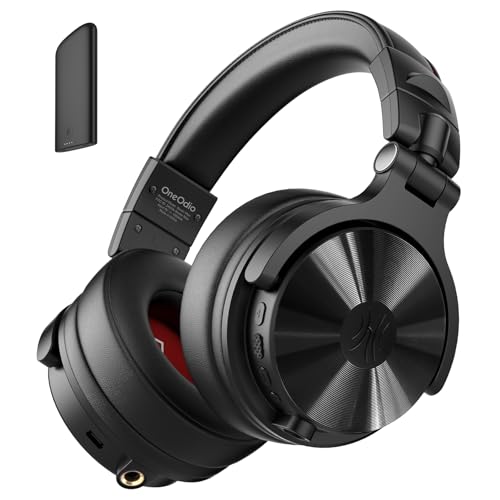



Choosing the right wireless headphones can feel overwhelming when you're comparing products that seem similar on the surface but are actually designed for completely different purposes. The OneOdio Studio Max 1 and Bose QuietComfort Wireless Headphones represent two distinct philosophies in audio design—one built for professional creators and DJs, the other crafted for premium everyday listening.
At the time of writing, these headphones sit in different price categories, with the OneOdio Studio Max 1 positioned as a feature-rich budget option while the Bose QuietComfort commands a premium price that's roughly two to three times higher. Understanding what you get for that price difference—and which approach better serves your needs—is crucial for making the right choice.
When shopping for wireless over-ear headphones, you'll encounter products designed with vastly different priorities. The OneOdio Studio Max 1 emerged in 2025 as part of the growing trend toward hybrid professional-consumer devices. It's built around the idea that modern users—especially content creators, musicians, and DJs—need equipment that can handle both professional tasks and everyday listening without breaking the bank.
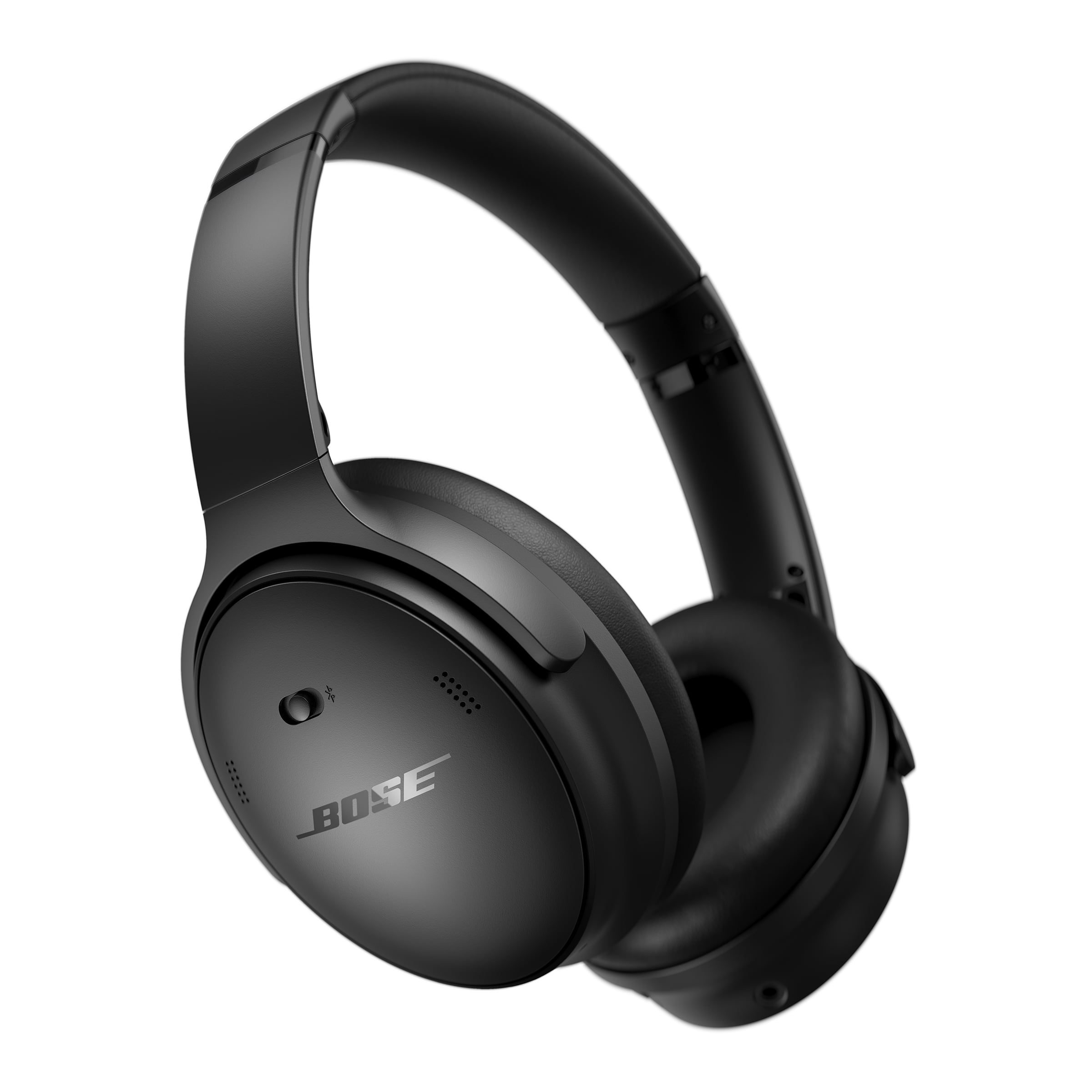
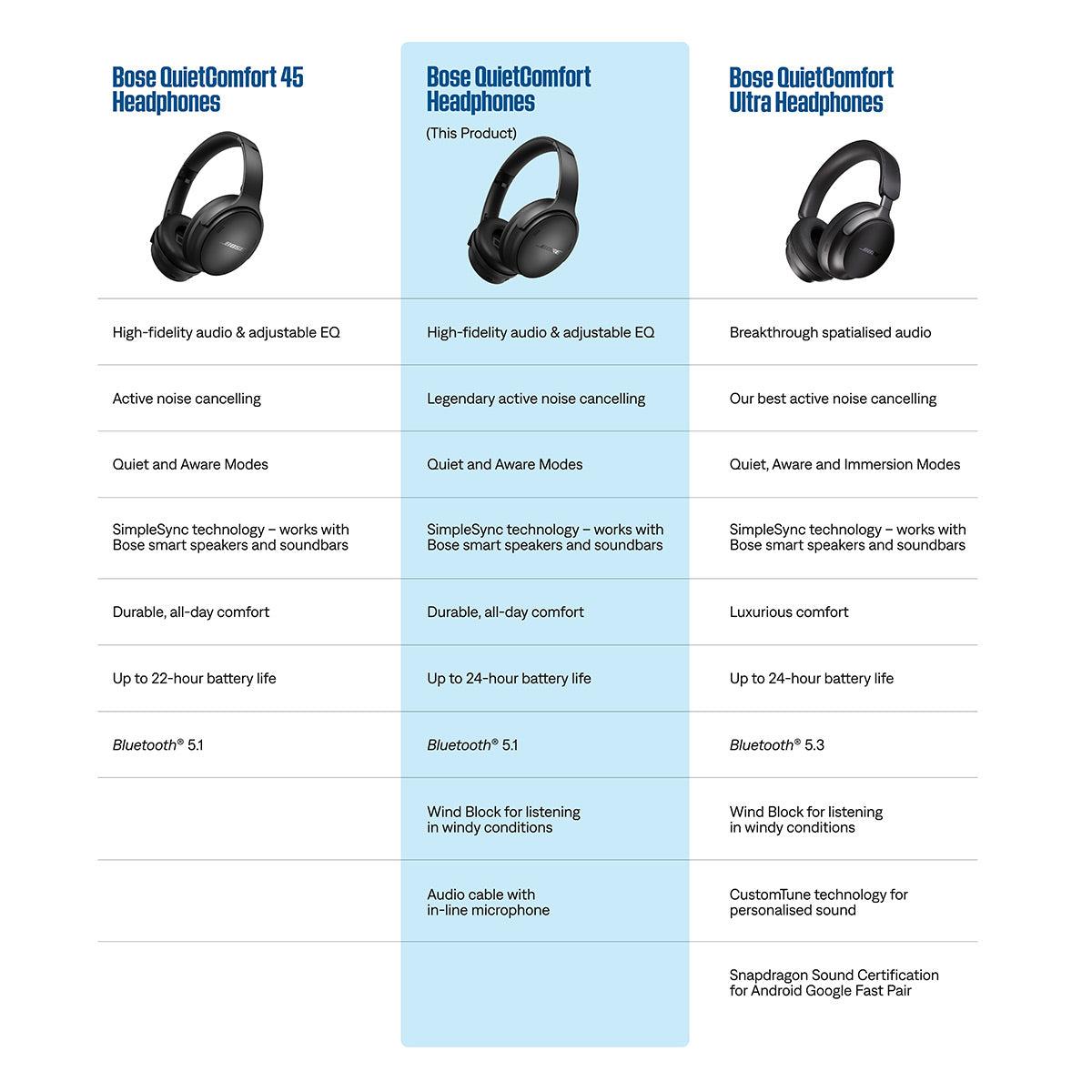
The Bose QuietComfort line, available since 2023, represents the traditional premium consumer approach. Bose has spent decades perfecting noise cancellation technology and comfort engineering, targeting travelers, office workers, and anyone who values audio quality in noisy environments. These headphones prioritize what matters most to mainstream users: comfort, noise isolation, and refined sound quality.
The key considerations when choosing between these approaches include audio quality and sound signature, battery life and power management, connectivity options and latency performance, physical comfort and build quality, and special features that enhance specific use cases. Let's dive into how each product handles these critical areas.
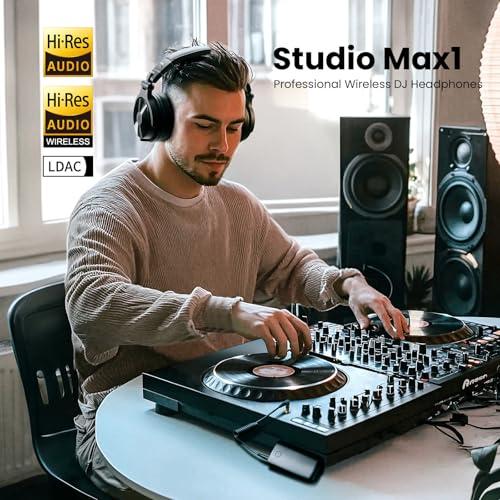
Understanding frequency response—how headphones reproduce different sound frequencies from deep bass to crisp highs—helps explain why these products sound so different. The OneOdio Studio Max 1 uses 50mm neodymium drivers (the speakers inside the headphones) with a frequency response spanning 20Hz to 40kHz. This ultra-wide range earns it Hi-Res Audio certification, meaning it can theoretically reproduce more detail than standard CD quality.
However, having wide frequency response doesn't automatically mean better sound. The OneOdio Studio Max 1 is tuned specifically for DJ monitoring, which means it emphasizes bass response and punch. This tuning helps DJs feel the low-end energy that drives dance floors, but it can make the headphones sound bass-heavy for regular music listening. Some users report that the midrange frequencies—where vocals and many instruments live—can sound muddy or recessed, while the treble (high frequencies) lacks the sparkle that makes cymbals and acoustic instruments sound crisp.
The Bose QuietComfort takes a more balanced approach. Rather than chasing technical specifications, Bose focuses on what they call "lifelike" sound reproduction. Their drivers are tuned to present a warm, natural sound signature that works well across different music genres. Vocals come through clearly, bass is present but not overwhelming, and the overall presentation feels cohesive rather than emphasizing any particular frequency range.
For home theater use, these differences become more apparent. The OneOdio Studio Max 1 might make action movie soundtracks feel more impactful thanks to its bass emphasis, but dialogue could get lost in the mix. The Bose QuietComfort would likely provide better balance for both dialogue and music in films, though neither headphone offers the spatial audio features found in some premium home theater headphones.
The Bose QuietComfort includes adjustable EQ through their smartphone app, allowing users to customize bass, midrange, and treble to their preferences. This flexibility helps compensate for personal taste or specific content types. The OneOdio Studio Max 1 doesn't offer app-based EQ, so you're stuck with its DJ-focused tuning unless you use external equalizer software.
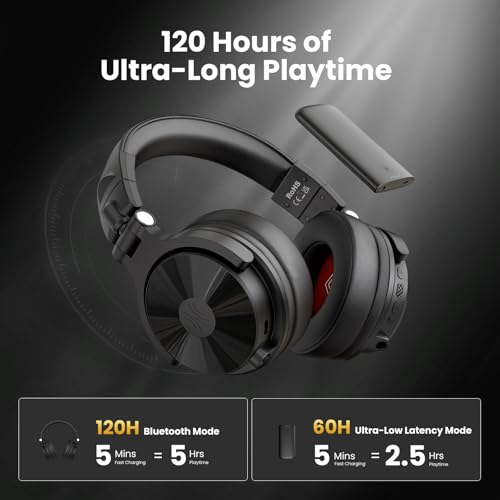
Battery technology represents one of the most dramatic differences between these headphones. The OneOdio Studio Max 1 claims an extraordinary 120 hours of playback time in Bluetooth mode—that's five full days of continuous listening. Even when using the included M1 transmitter for ultra-low latency mode, it still delivers 50 hours of use. These numbers put it among the longest-lasting wireless headphones available.
This exceptional battery life comes from a larger 1000mAh battery pack, which contributes to the headphones' 330-gram weight. The quick-charge feature provides one hour of playback from just five minutes of charging, which can be a lifesaver during long sessions. For DJs playing multi-day festivals or content creators working marathon editing sessions, this endurance eliminates battery anxiety entirely.
The Bose QuietComfort offers 24 hours of battery life with active noise cancellation running—respectable for premium headphones but nowhere near the OneOdio's endurance. However, Bose's power management is more sophisticated. Their quick-charge system provides 2.5 hours of playback from a 15-minute charge, and the headphones are better at preserving battery when not in active use.
For most users, 24 hours covers several days of typical listening. But if you frequently travel internationally, work long shifts, or simply hate charging devices, the OneOdio's marathon battery life offers genuine practical advantages.
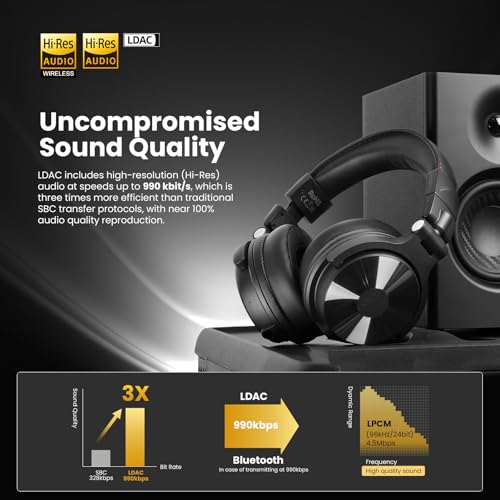
Modern wireless headphones rely on Bluetooth for connectivity, but the implementation varies dramatically. The OneOdio Studio Max 1 supports Bluetooth 5.3 along with advanced audio codecs like LDAC, which can transmit much more audio data than standard Bluetooth. LDAC support means you can stream high-resolution audio files from compatible devices with minimal quality loss.
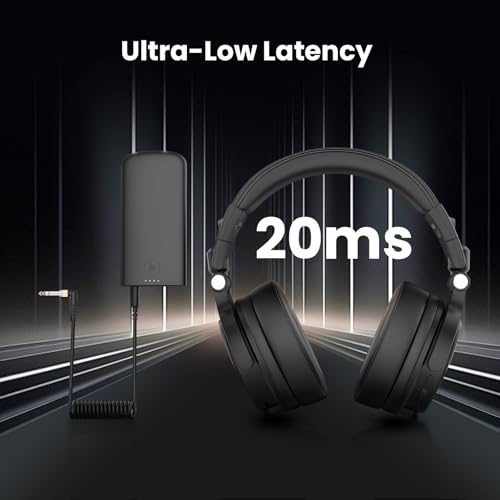
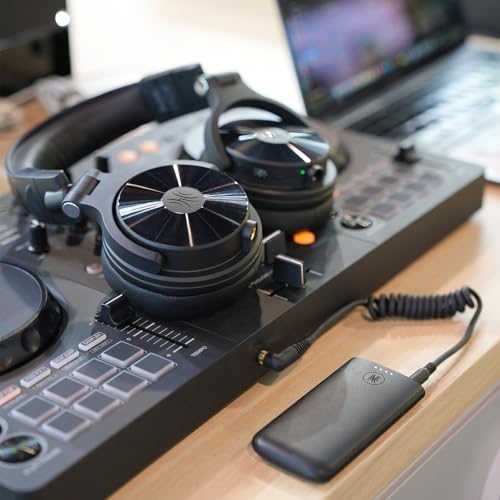
But the OneOdio's real innovation lies in its four-mode connectivity system. Beyond standard Bluetooth, it includes a proprietary M1 transmitter that creates an ultra-low latency wireless connection—just 20 milliseconds of delay between source and headphones. To put this in perspective, most Bluetooth headphones have 100-300 milliseconds of latency, which creates noticeable lip-sync issues when watching videos or makes real-time audio monitoring impossible for DJs.
This M1 transmitter also enables the OneOdio Studio Max 1 to connect wirelessly to devices that lack Bluetooth, like professional DJ controllers, mixing boards, or vintage audio equipment. The headphones also include both 3.5mm and 6.35mm (quarter-inch) wired connections, making them compatible with virtually any audio device you might encounter.
The Bose QuietComfort focuses on consumer-friendly connectivity. It supports Bluetooth multipoint, meaning you can connect to two devices simultaneously and seamlessly switch between them. This is incredibly useful if you want to listen to music from your laptop while staying connected to your phone for calls. The implementation is smooth and reliable, though it doesn't support advanced codecs like LDAC.
For home theater use, the OneOdio's M1 transmitter could connect to TV audio outputs that lack Bluetooth, while the Bose QuietComfort would require your TV to have built-in Bluetooth or a separate transmitter.
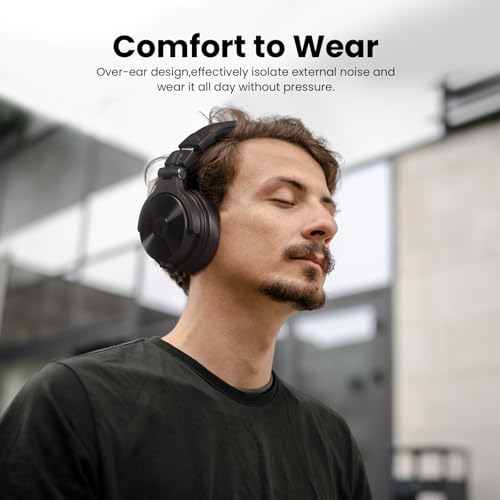
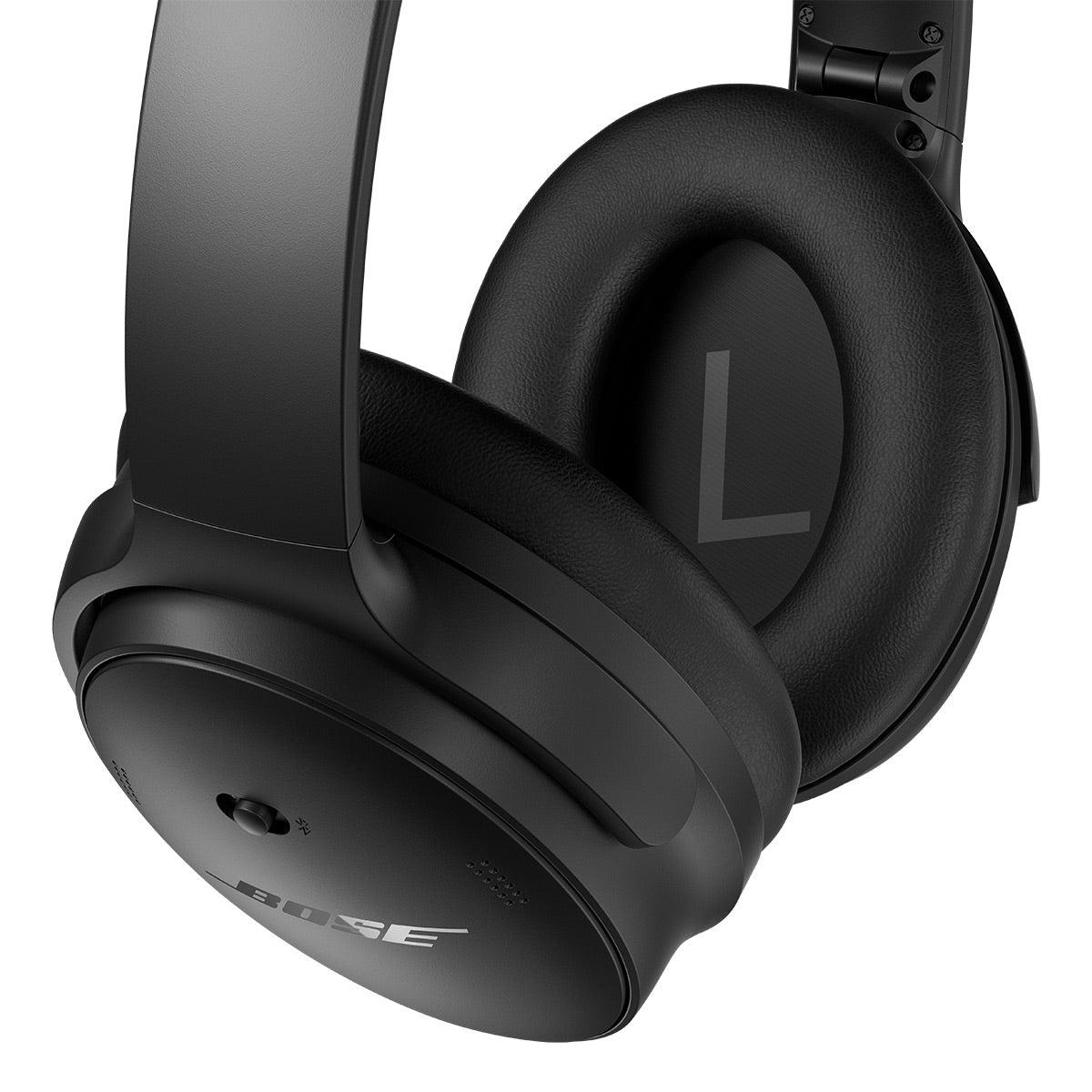
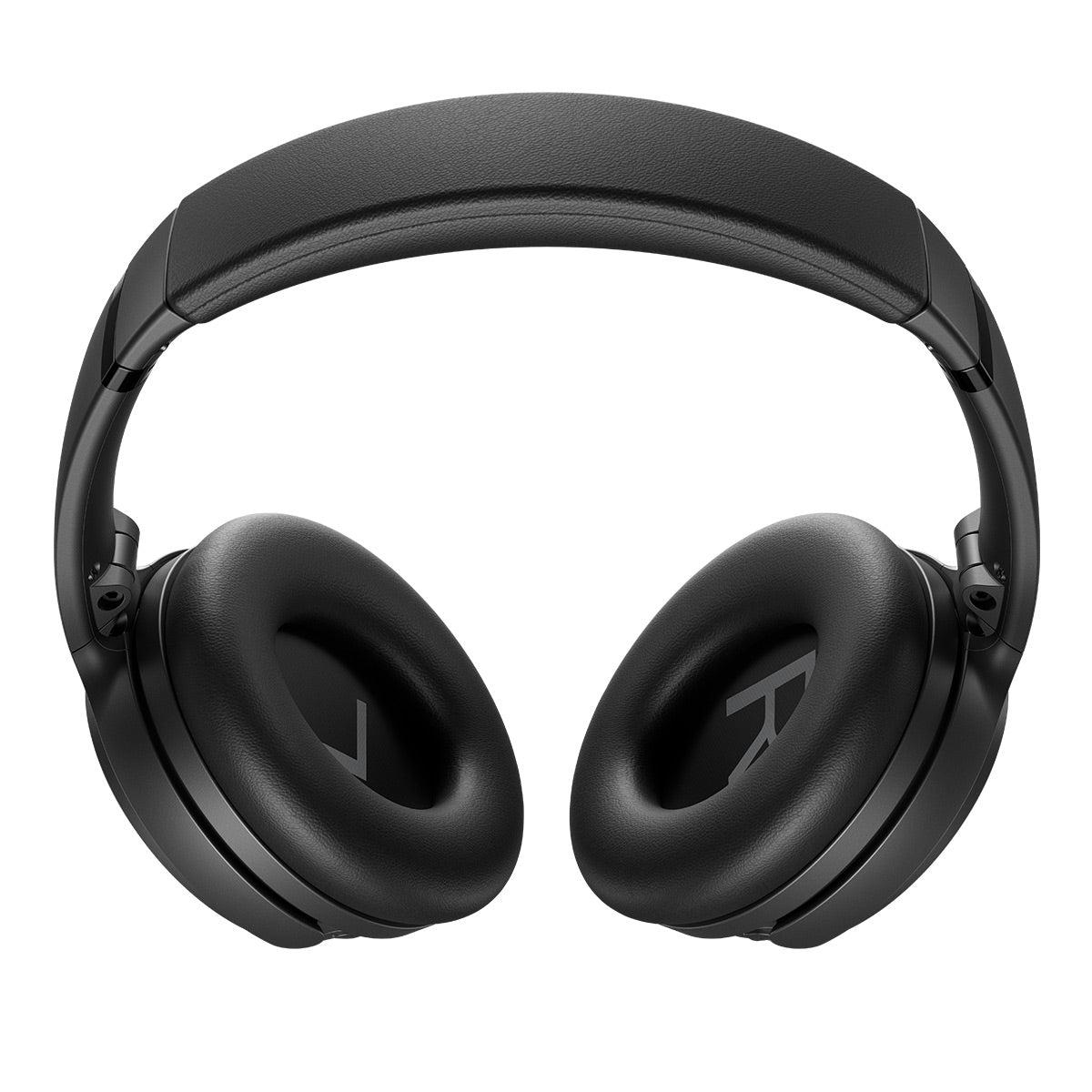
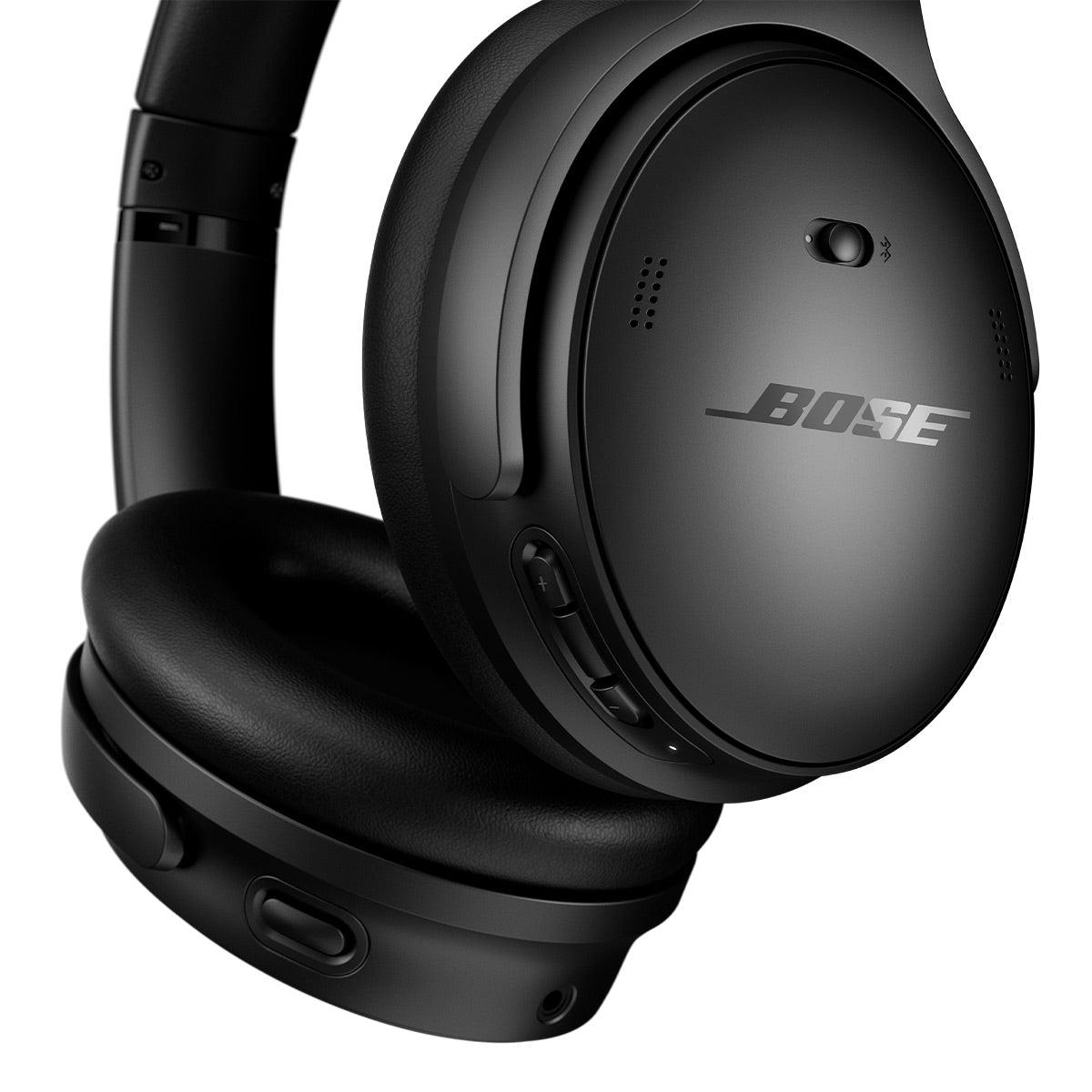
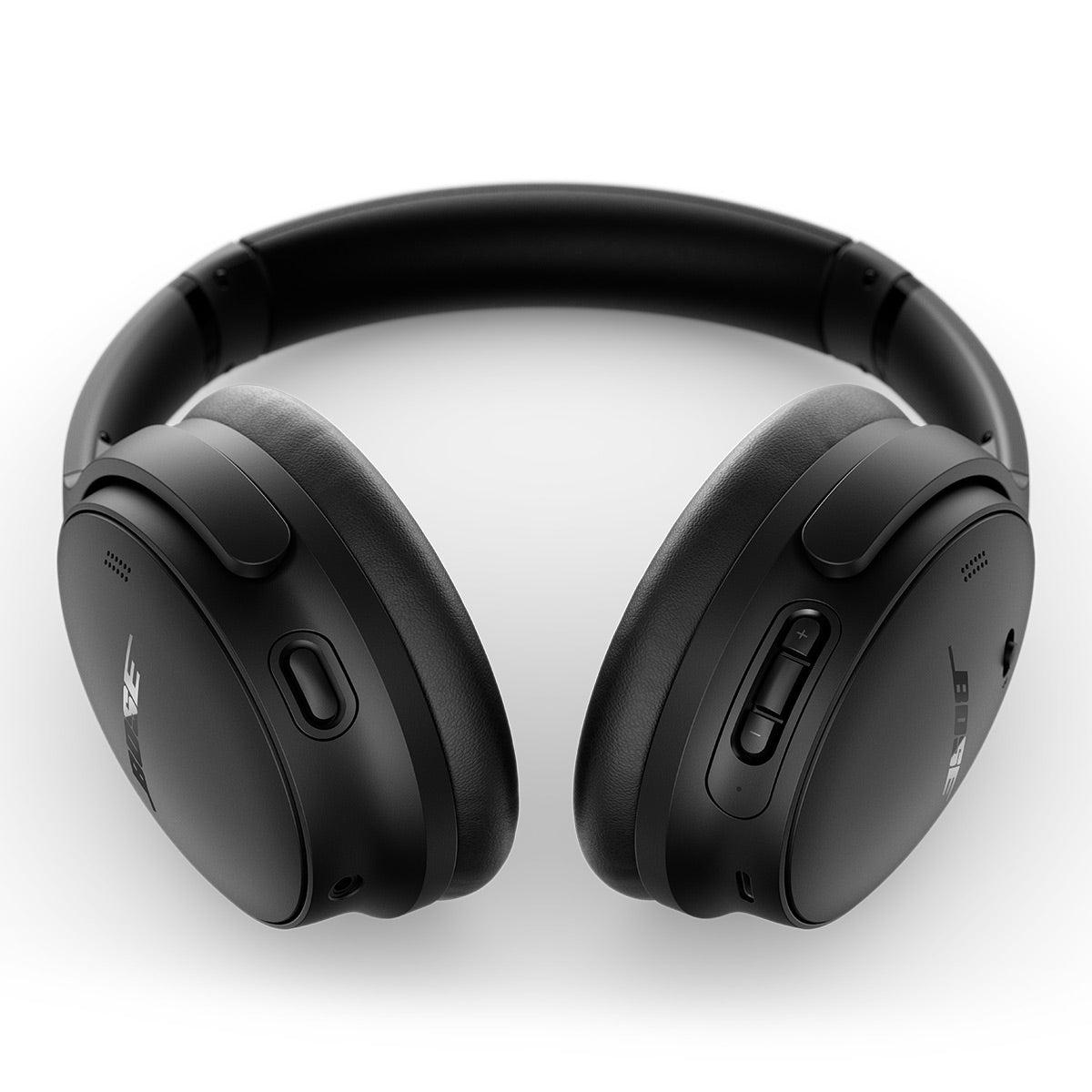
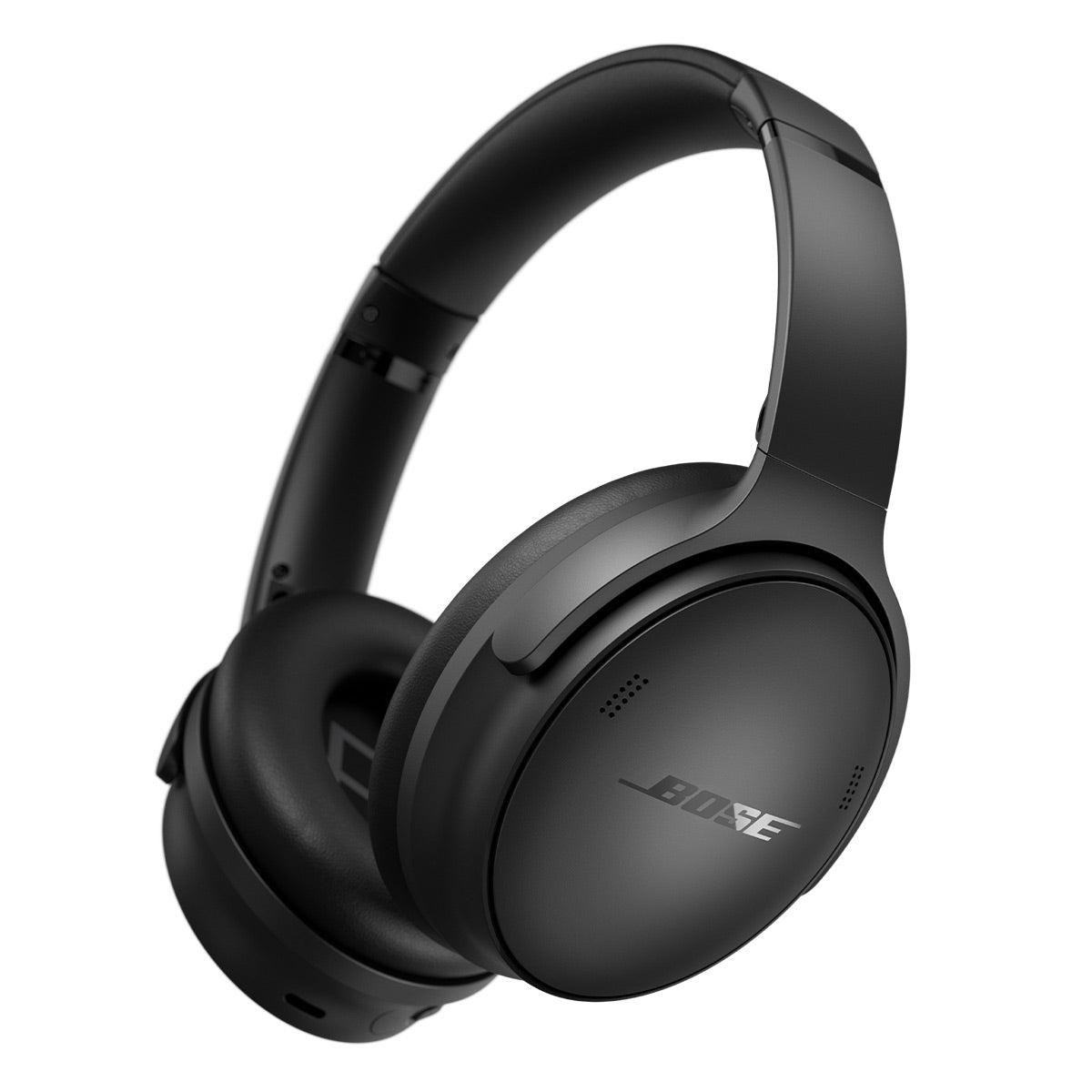
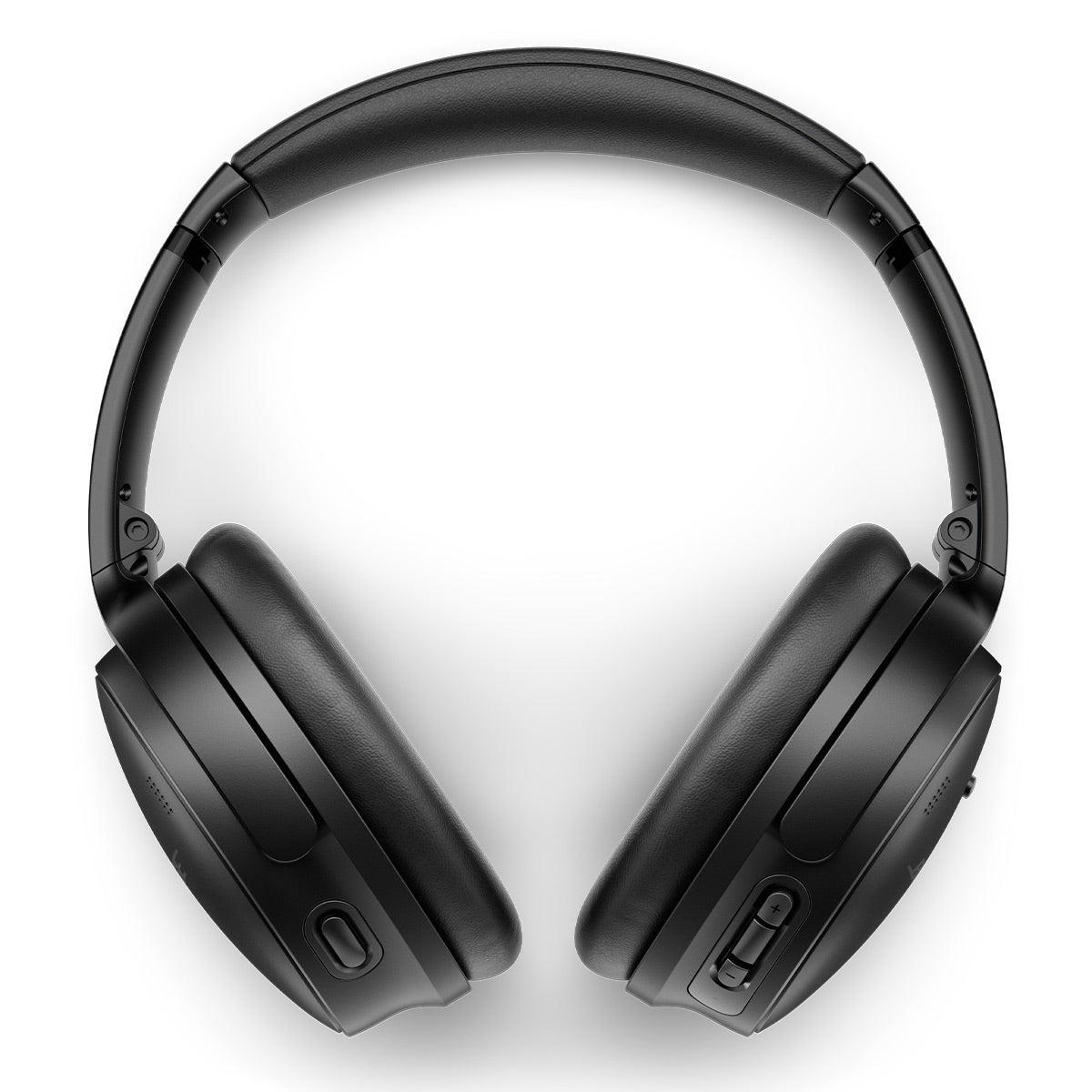
Physical comfort becomes crucial during extended listening sessions. The Bose QuietComfort lives up to its name with exceptionally comfortable protein leather ear cushions and a lightweight 236-gram design. The headband distributes weight evenly, and the clamping force is perfectly calibrated—tight enough for a secure fit without creating pressure points.
The OneOdio Studio Max 1 weighs nearly 100 grams more at 330 grams, which you'll notice during long sessions. However, its design serves different purposes. The ear cups swivel 90 degrees for single-ear monitoring—a critical feature for DJs who need to hear both their mix and the crowd. The protein leather pads are comfortable, but the overall design prioritizes functionality over pure comfort.
Both headphones fold for storage, but the Bose QuietComfort comes with a more premium carrying case. The OneOdio Studio Max 1 includes a basic carry pouch and multiple cables for different connection scenarios.
Build quality reflects their different price points and intended uses. The Bose QuietComfort feels more refined with better materials and tighter manufacturing tolerances. The OneOdio Studio Max 1 is solidly built but uses more plastic components to keep costs down. For professional use where equipment gets handled frequently, both should hold up well, though the Bose feels more premium.
Active noise cancellation (ANC) represents one of the biggest feature differences. The Bose QuietComfort includes sophisticated ANC that uses microphones inside and outside each ear cup to monitor environmental noise and generate opposing sound waves to cancel it out. This technology excels at reducing constant low-frequency sounds like airplane engines, air conditioning, or traffic noise.
Bose's ANC implementation includes multiple modes: full noise cancellation for maximum isolation, transparency mode that lets environmental sounds through for safety, and customizable modes you can adjust through their app. There's even a wind block feature that reduces the buffeting sound of wind hitting the external microphones.
The OneOdio Studio Max 1 completely lacks active noise cancellation. This omission keeps costs down but means you rely entirely on passive noise isolation from the ear cups for noise reduction. For DJs, this isn't necessarily a disadvantage—they often need to hear environmental sounds like crowd reactions or stage directions.
However, the OneOdio Studio Max 1 includes features the Bose QuietComfort lacks. The single-ear monitoring capability lets DJs listen to their mix in one ear while keeping the other ear free to hear the crowd or communicate with others. The multiple connection options and included transmitter provide professional flexibility that consumer headphones simply don't offer.
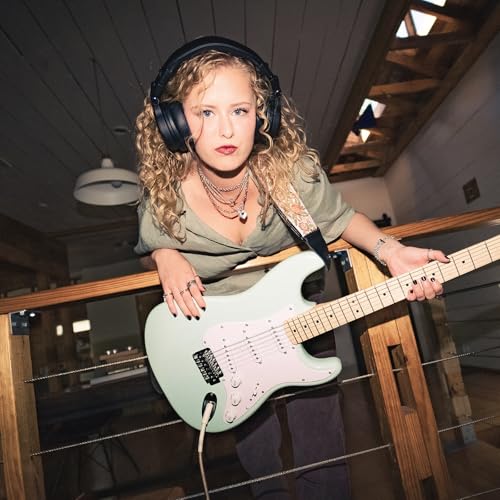
The OneOdio Studio Max 1 serves several specific audiences exceptionally well. Professional DJs get the low-latency monitoring, multiple connectivity options, and bass-heavy tuning they need for live performance. Content creators benefit from the marathon battery life and flexible connections for various recording equipment. Musicians can connect to amplifiers, mixing boards, and instruments using the included cables. Budget-conscious users who prioritize battery life and don't need noise cancellation get tremendous value.
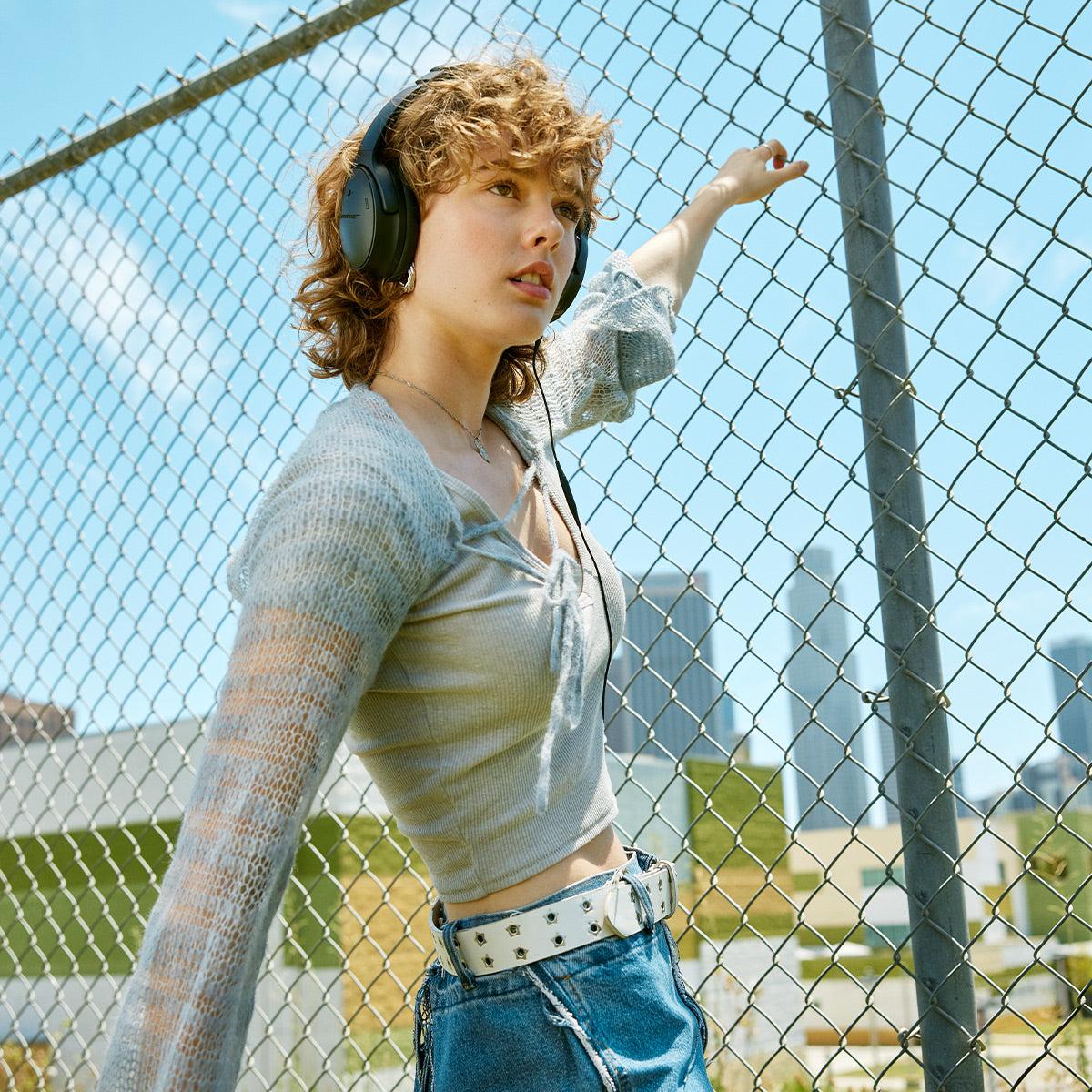
The Bose QuietComfort targets mainstream users who value refinement and convenience. Frequent travelers benefit enormously from the noise cancellation and comfortable design. Office workers in noisy environments can focus better with effective ANC. Audiophiles who want balanced, natural sound reproduction will prefer Bose's tuning approach. Anyone willing to pay premium prices for premium features and brand reliability fits Bose's target market.
For home theater applications, the choice depends on your setup and preferences. The OneOdio Studio Max 1 could connect to more audio sources thanks to its transmitter and multiple inputs, but the Bose QuietComfort would likely provide better overall sound quality for movies and TV shows.
Choose the OneOdio Studio Max 1 if you're a DJ, musician, or content creator who needs professional features at a budget price. The ultra-long battery life alone makes it worth considering for anyone who frequently finds themselves away from charging options. The multiple connectivity modes provide future-proofing and compatibility with equipment that lacks modern Bluetooth support.
The 20-millisecond latency mode is genuinely useful for applications where timing matters—not just DJing, but also gaming, video editing, or any situation where you need real-time audio monitoring. The bass-heavy tuning works well for electronic music, hip-hop, and other bass-dependent genres, even if it's not ideal for classical music or jazz.
Choose the Bose QuietComfort if you prioritize comfort, noise cancellation, and refined audio quality for everyday listening. The superior build quality and brand reputation provide confidence in long-term reliability. The balanced sound signature works well across all music genres and content types, while the adjustable EQ lets you fine-tune the presentation to your preferences.
The active noise cancellation is genuinely useful for travel, commuting, or working in noisy environments. If you frequently take calls, the Bose QuietComfort also provides better microphone quality for professional communication.
These headphones succeed at very different goals. The OneOdio Studio Max 1 maximizes value and professional utility, delivering features that cost significantly more in competing products. The Bose QuietComfort maximizes refinement and user experience, justifying its premium price through superior comfort, noise cancellation, and audio quality.
Neither choice is objectively wrong—they simply serve different masters. The OneOdio Studio Max 1 excels as a multi-purpose tool for creators and professionals who need maximum flexibility and endurance. The Bose QuietComfort excels as a premium consumer product designed to provide the best possible daily listening experience.
Consider your primary use case, budget constraints, and which features matter most to your specific situation. Both headphones represent solid value propositions within their intended markets, making your decision ultimately about matching the right tool to your particular needs and preferences.
| OneOdio Studio Max 1 Wireless DJ Headphones | Bose QuietComfort Wireless Headphones |
|---|---|
| Battery Life - Critical for long sessions and travel | |
| 120 hours (Bluetooth) / 50 hours (with transmitter) - Industry-leading endurance | 24 hours with ANC - Standard premium performance |
| Active Noise Cancellation - Essential for noisy environments | |
| None - Relies on passive isolation only | Yes - Industry-leading ANC with multiple modes |
| Weight - Affects comfort during extended wear | |
| 330-350g - Heavier but includes professional features | 236g - Lightweight premium design |
| Connectivity Options - Determines device compatibility | |
| 4 modes: Bluetooth 5.3, M1 transmitter, 3.5mm, 6.35mm - Maximum versatility | Bluetooth multipoint + 3.5mm backup - Consumer-focused |
| Audio Latency - Critical for real-time monitoring and gaming | |
| 20ms with M1 transmitter - Professional-grade performance | Standard Bluetooth latency (~100-300ms) |
| Sound Signature - Impacts music enjoyment across genres | |
| Bass-heavy DJ tuning with Hi-Res certification - Best for electronic/dance music | Balanced, natural sound with app EQ - Works well for all genres |
| Professional Features - Important for DJs and content creators | |
| Single-ear monitoring, swiveling cups, multiple cable types | None - Consumer-focused design |
| Price Category - Value consideration at time of writing | |
| Budget-friendly with premium features - Exceptional value | Premium pricing - Justifies cost through refinement |
| Audio Codecs - Affects wireless sound quality | |
| LDAC, AAC, SBC, LC3 - High-resolution wireless support | Standard Bluetooth codecs - Reliable but not cutting-edge |
| Quick Charge - Useful for busy lifestyles | |
| 5 minutes = 1 hour playback | 15 minutes = 2.5 hours playback |
| Target User - Who benefits most | |
| DJs, musicians, content creators, battery life prioritizers | Travelers, office workers, premium audio seekers |
The OneOdio Studio Max 1 has exceptional battery life with 120 hours of playback in Bluetooth mode, making it one of the longest-lasting wireless headphones available. The Bose QuietComfort offers 24 hours of battery life with active noise cancellation enabled, which is standard for premium headphones but significantly shorter than the OneOdio Studio Max 1.
No, only the Bose QuietComfort features active noise cancellation with multiple modes including full ANC, transparency mode, and customizable settings. The OneOdio Studio Max 1 does not include active noise cancellation and relies entirely on passive noise isolation from the ear cups.
The OneOdio Studio Max 1 is specifically designed for DJs with features like single-ear monitoring, 90-degree swiveling ear cups, ultra-low 20ms latency with the M1 transmitter, and multiple professional audio connections. The Bose QuietComfort is designed for consumer use and lacks these professional DJ features.
The Bose QuietComfort is lighter at 236g with premium protein leather cushions and minimal clamping force, making it more comfortable for extended wear. The OneOdio Studio Max 1 weighs 330-350g and while comfortable, the extra weight may cause fatigue during very long sessions, though it includes comfortable protein leather ear pads.
The Bose QuietComfort offers more balanced, natural sound across all music genres with adjustable EQ through their app. The OneOdio Studio Max 1 has a bass-heavy, DJ-focused tuning that works well for electronic and dance music but may sound unbalanced for other genres like classical or jazz.
The OneOdio Studio Max 1 includes an M1 transmitter that can connect to TVs without Bluetooth, making it more versatile for home theater use. The Bose QuietComfort requires your TV to have built-in Bluetooth or you'll need to purchase a separate transmitter for wireless TV audio.
The OneOdio Studio Max 1 offers exceptional value with professional features, 120-hour battery life, Hi-Res Audio certification, and multiple connectivity options at a budget-friendly price point. The Bose QuietComfort commands a premium price but justifies it through superior build quality, comfort, and active noise cancellation technology.
The Bose QuietComfort provides better call quality with more advanced microphone technology and noise isolation for clearer voice transmission. The OneOdio Studio Max 1 includes dual-mic ENC (Environmental Noise Cancellation) for calls, but the Bose QuietComfort is generally superior for professional communication needs.
The Bose QuietComfort is better for travel due to its active noise cancellation that blocks airplane and traffic noise, lighter weight, and premium carrying case. While the OneOdio Studio Max 1 has much longer battery life for extended trips, it lacks the noise cancellation that makes travel listening more enjoyable.
The Bose QuietComfort supports Bluetooth multipoint, allowing simultaneous connection to two devices with seamless switching. The OneOdio Studio Max 1 offers four different connection modes including Bluetooth, proprietary wireless, and wired options, but doesn't support traditional multipoint connectivity like the Bose QuietComfort.
The OneOdio Studio Max 1 is better for gaming due to its ultra-low 20ms latency mode with the M1 transmitter, eliminating audio delay that's crucial for competitive gaming. The Bose QuietComfort has standard Bluetooth latency which can cause noticeable delays between audio and video, making it less suitable for gaming applications.
Both headphones offer solid build quality, but the Bose QuietComfort features more premium materials and tighter manufacturing tolerances. The OneOdio Studio Max 1 is well-built for its price point but uses more plastic components. For professional environments where equipment gets heavy use, both should hold up well, though the Bose QuietComfort feels more premium and refined.
We've done our best to create useful and informative comparisons to help you decide what product to buy. Our research uses advanced automated methods to create this comparison and perfection is not possible - please contact us for corrections or questions. These are the sites we've researched in the creation of this article: techradar.com - youtube.com - oneodio.com - androidguys.com - audioxpress.com - versus.com - audioreviews.org - youtube.com - oneodio.com - youtube.com - thomannmusic.com - teqclub.com - youtube.com - homestudiobasics.com - youtube.com - youtube.com - homedjstudio.com - oneodio.com - enostech.com - oneodio.com - yourrightscount.com - techradar.com - whathifi.com - bose.com - rtings.com - recordingnow.com - bose.com - ottorinobruni.com - whathifi.com - costco.com - recordingnow.com - youtube.com - bose.com - bestbuy.com - global.bose.com - boselatam.com - projectorscreen.com - bose.com - bose.com - bose.com

Privacy Policy
Terms and Conditions - Affiliate Policy
Home Security
© Copyright 2008-2026.
11816 Inwood Rd #1211, Dallas, TX 75244