




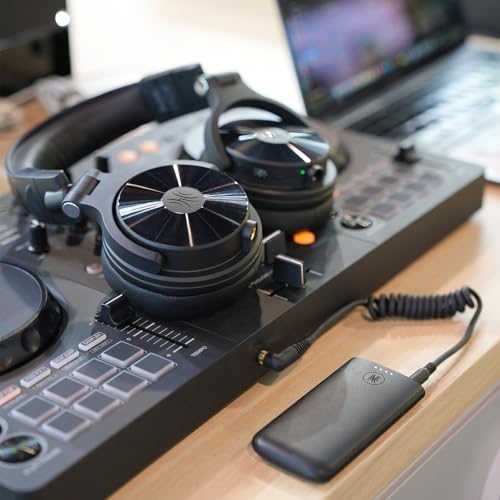

Shopping for DJ headphones can feel overwhelming, especially when you're comparing a traditional professional model like the Pioneer DJ HDJ-X5 against a feature-packed wireless option like the OneOdio Studio Max 1 Wireless. Both headphones target DJs, but they take completely different approaches to solving the same core problems. Let me walk you through everything you need to know to make the right choice.
Before diving into these specific models, it's worth understanding what separates DJ headphones from regular consumer headphones. When you're mixing tracks in a loud club or trying to beatmatch two songs perfectly, you need headphones that prioritize accurate sound reproduction over making music sound "exciting" or bass-heavy. Think of it like the difference between a magnifying glass and tinted sunglasses—DJs need the magnifying glass approach to hear exactly what's happening in their mix.
DJ headphones also need to survive being thrown into bags, dropped on floors, and used for hours at a time. The swivel mechanisms that let you monitor with one ear while keeping the other free to hear the room are essential features that regular headphones often skip. Plus, they need to isolate sound well enough that you can hear your cue track even when standing next to massive speakers pumping out 120 decibels.
The main considerations when choosing DJ headphones include sound accuracy for precise mixing, build quality to handle professional abuse, comfort for those marathon six-hour sets, connectivity options that work with your gear, and practical features like swivel cups and detachable cables.
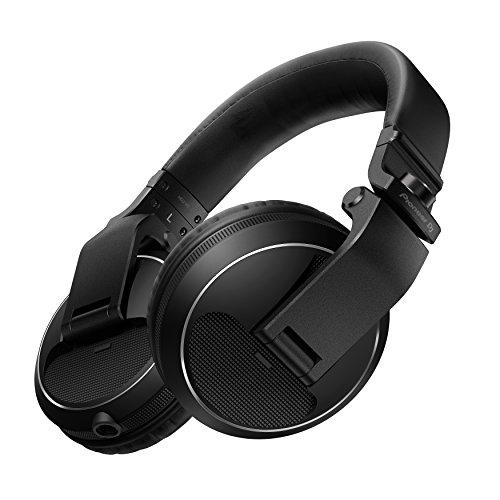
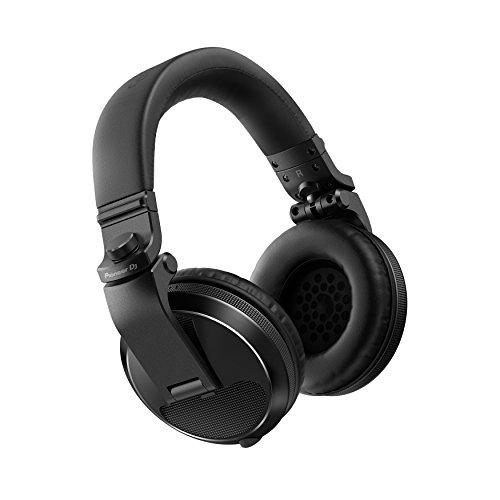
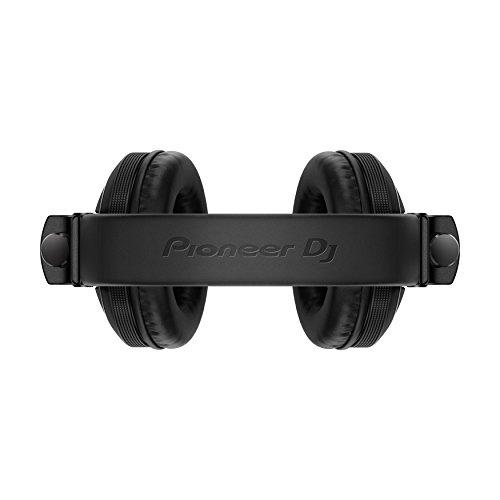
The Pioneer DJ HDJ-X5, released around 2017, represents the traditional approach to professional DJ headphones. Pioneer DJ has been making industry-standard equipment for decades, and these headphones follow their philosophy of "if it works perfectly, don't mess with it." They're wired-only, built like tanks, and tuned specifically for booth monitoring.
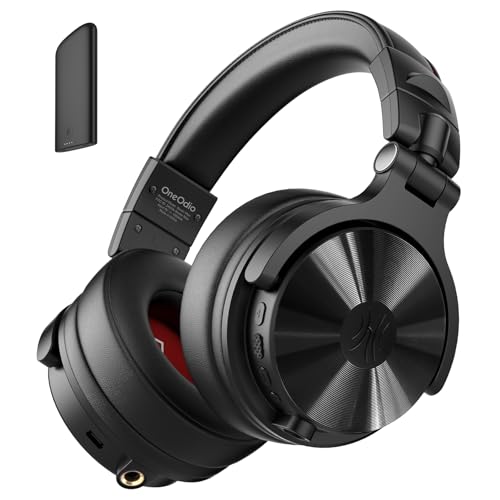
The OneOdio Studio Max 1 Wireless, a much more recent release from around 2023-2024, embraces the wireless revolution while trying to maintain professional standards. OneOdio recognized that modern DJs often want the freedom to move around without cables, but they also knew that wireless typically means compromises in latency and reliability.
Since the Pioneer HDJ-X5 launched, we've seen massive improvements in wireless audio technology. Bluetooth codecs like LDAC now support near-CD quality streaming, and proprietary wireless protocols can achieve latencies low enough for real-time monitoring. These technological advances are exactly what make the OneOdio Studio Max 1 possible—it couldn't have existed with the same performance five years ago.
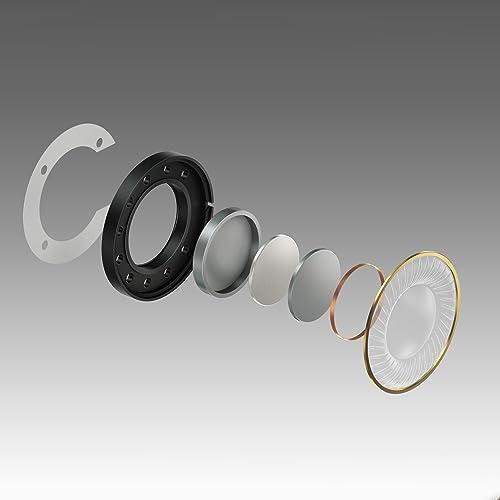
When it comes to sound quality, these headphones take fundamentally different approaches. The Pioneer HDJ-X5 uses 40mm drivers in a design optimized for neutral, accurate sound reproduction. The frequency response spans 5 Hz to 30,000 Hz, which covers everything from the deepest sub-bass to the highest cymbal crashes you'll encounter in most music.
What makes the Pioneer HDJ-X5 special is its 4-core twisted-structure cable. This isn't marketing fluff—it's a genuine technical advancement that includes separate ground wires for each channel. This design dramatically improves channel separation, which is the ability to distinguish between left and right audio signals. When you're trying to beatmatch two tracks, better channel separation means you can more easily hear the subtle timing differences between the kick drums in each song.
The OneOdio Studio Max 1 takes a different approach with larger 50mm neodymium drivers and a frequency response extending from 20 Hz to 40,000 Hz. The larger drivers theoretically provide more headroom—think of it like having a bigger engine in your car. They can move more air and potentially deliver more detailed sound, especially in the bass frequencies where larger drivers typically excel.
However, there's a significant difference in tuning philosophy. The Pioneer HDJ-X5 aims for a neutral sound signature that accurately represents your mix as it will sound through club sound systems. The OneOdio Studio Max 1 has what reviewers describe as a more bass-forward tuning, which can make electronic music sound exciting but might mask important details in the midrange frequencies where vocals and many instruments live.
Here's where my experience comes into play: I've found that bass-heavy headphones can initially sound impressive but become fatiguing during long mixing sessions. They can also trick you into mixing tracks with too little bass, since your headphones are already emphasizing those frequencies. The Pioneer HDJ-X5's neutral approach might sound less exciting at first, but it provides a more accurate foundation for making mixing decisions.
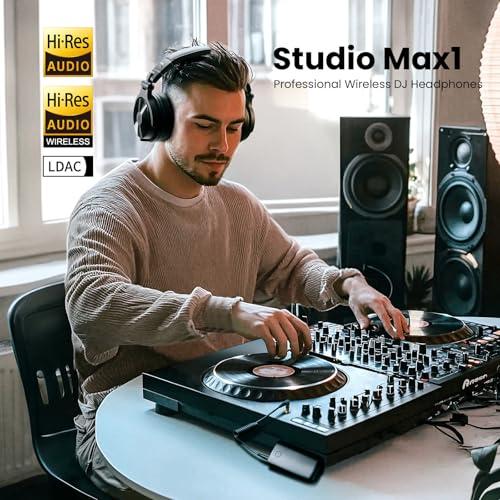
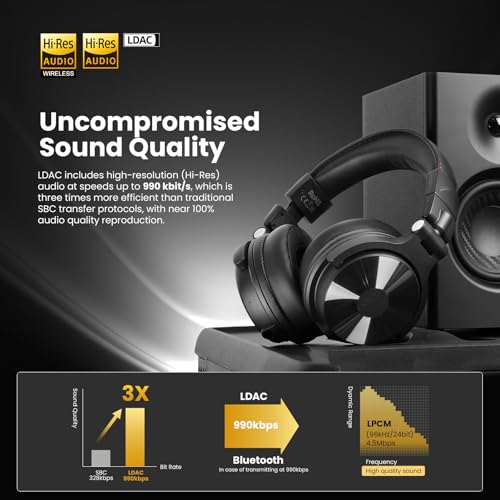
The OneOdio Studio Max 1 does have one significant advantage: it supports Hi-Res Audio certification and the LDAC codec. LDAC is Sony's high-resolution Bluetooth codec that can transmit nearly three times more data than standard Bluetooth audio. In practical terms, this means wireless streaming that approaches CD quality rather than the compressed audio you get with basic Bluetooth connections.
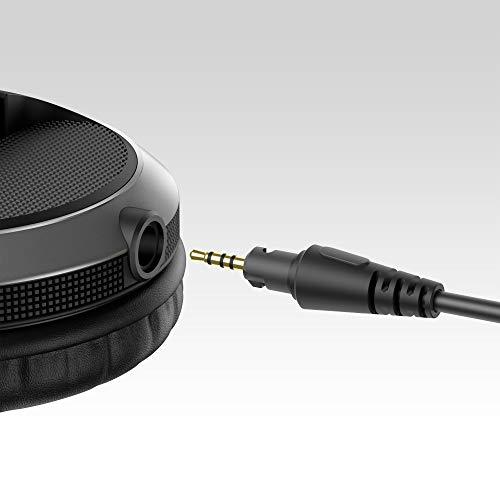
This is perhaps the biggest philosophical difference between these headphones. The Pioneer HDJ-X5 is proudly wired-only, using a 1.2-meter coiled cable that extends to 1.8 meters when stretched. The L-type connector is designed to prevent accidental disconnection—a small detail that becomes crucial when you're performing and accidentally snag the cable.
There's something to be said for the reliability of wired connections. They work every time, there's zero latency, and they never run out of battery at the worst possible moment. Professional DJs often prefer wired headphones for the same reason professional audio engineers use wired microphones for critical recordings—when failure isn't an option, simpler is often better.
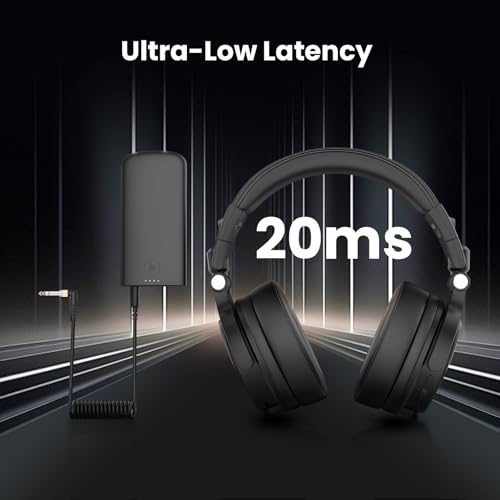
The OneOdio Studio Max 1 offers four different connection modes, which sounds impressive but creates complexity. The standard Bluetooth 5.3 mode works with any modern device but has the typical Bluetooth latency that makes real-time monitoring challenging. The proprietary Rapid WiLL+ mode using the included M1 transmitter achieves 20-millisecond latency, which is low enough for professional use but still not quite zero like a wired connection.
Twenty milliseconds might not sound like much, but when you're trying to match beats precisely, even small delays can throw off your timing. However, 20ms is genuinely impressive for wireless technology and represents a significant improvement over standard Bluetooth's 100-200 millisecond delays.
The wireless modes really shine for versatility. You can use the OneOdio Studio Max 1 with your phone for casual listening, connect wirelessly to your laptop for production work, and still plug into your DJ controller when you need the most reliable connection. This flexibility means one pair of headphones can serve multiple purposes, which brings value if you're not exclusively using them for DJing.
Here's where the OneOdio Studio Max 1 absolutely dominates—battery life. The claimed 120 hours of Bluetooth playback time is genuinely remarkable and sets a new standard for wireless headphones. Even the 50 hours when using the M1 transmitter would last most DJs several weeks of regular use.
The quick charging feature providing one hour of playback from five minutes of charging is also genuinely useful. We've all been in situations where we forgot to charge something important, and having that emergency backup option can save a performance.
The Pioneer HDJ-X5, being passive and wired, never needs charging and will work as long as the drivers remain intact. There's psychological comfort in knowing your headphones will always work, but the practical inconvenience of cables can be significant, especially if you're moving between different setups or performing in spaces where cable management is challenging.
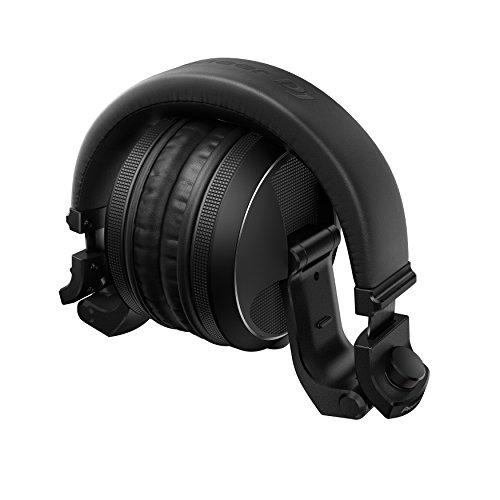
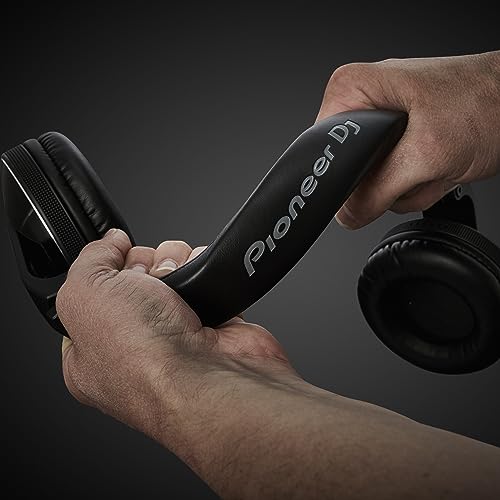
The build quality difference between these headphones reflects their target markets. The Pioneer HDJ-X5 has been tested to the MIL-STD-810G military standard for shock resistance, which means it's been dropped, vibrated, and abused in ways that simulate years of professional use. The moving parts use metal construction rather than plastic, and Pioneer offers replacement parts like cables and ear pads to extend the headphones' lifespan.
This level of durability comes from Pioneer's experience building equipment for working DJs who might use their headphones six nights a week in challenging environments. Club floors are sticky, equipment gets knocked around during setup, and gear needs to survive the rigors of constant transport.
The OneOdio Studio Max 1 uses primarily plastic construction with protein leather ear pads. While this keeps the weight reasonable at 350 grams, it represents a more consumer-oriented approach to durability. The foldable design is practical for travel and storage, but folding mechanisms are typically the first points of failure on headphones that see heavy use.
I've noticed that plastic construction often starts showing wear sooner than metal, especially around pivot points and adjustment mechanisms. However, for DJs who are more careful with their equipment or use headphones primarily in controlled environments, the lighter weight and more portable design might be worth the durability trade-off.
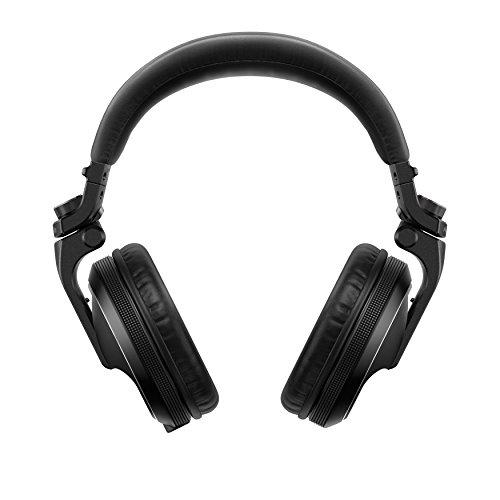
Comfort becomes critical during long DJ sets, and both headphones approach this differently. The Pioneer HDJ-X5 uses a pressure-reducing housing design with an enhanced grip texture that helps them stay in place without excessive clamping force. At 269 grams without the cable, they're reasonably lightweight for professional headphones.
The circumaural (around-the-ear) design of both models helps with comfort compared to on-ear headphones that press directly against your ears. However, the OneOdio Studio Max 1 is noticeably heavier at 350 grams, and some users report that the weight becomes noticeable during extended sessions.
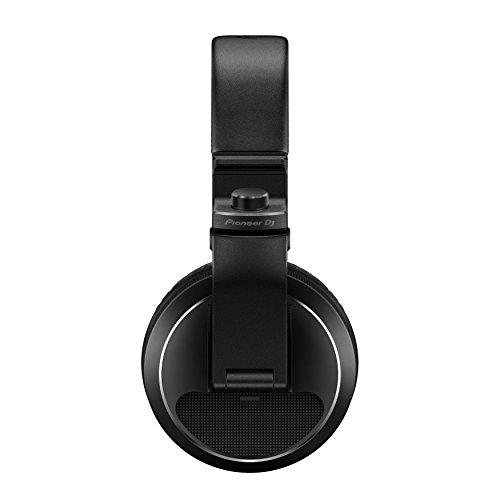
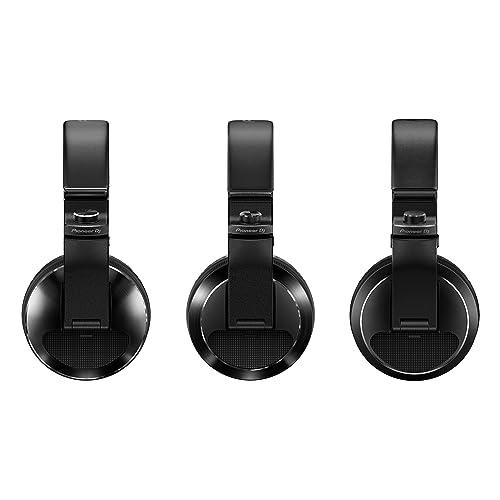
Both headphones feature swiveling ear cups for one-ear monitoring, which is essential for DJing. The ability to quickly flip one cup away from your ear to hear the room while keeping the other ear monitoring your cue channel is a fundamental DJ technique that both headphones support well.
For traditional DJ booth work, the Pioneer HDJ-X5 excels. The neutral sound signature helps you make accurate mixing decisions, the wired connection is completely reliable, and the build quality can handle the abuse of professional use. In loud club environments, the passive noise isolation effectively blocks external sound while preserving the detail you need for precise cueing.
The OneOdio Studio Max 1 offers more versatility for modern, varied use cases. Mobile DJs who need to move around during performances benefit from the wireless freedom. The multiple connection modes make these headphones suitable for music production, gaming, and casual listening in addition to DJing.
For home studio use, both headphones have merit but for different reasons. The Pioneer HDJ-X5 provides the accurate monitoring that's valuable for mixing and mastering work. The OneOdio Studio Max 1 offers the convenience of wireless connection to your computer and the flexibility to switch between different devices easily.
Regarding home theater use, neither headphone is specifically designed for this application, but both could work. The OneOdio Studio Max 1 would be more convenient thanks to its wireless capabilities and longer battery life. However, both headphones' closed-back design and DJ-oriented tuning might not provide the spacious soundstage that makes movies and TV shows most engaging.
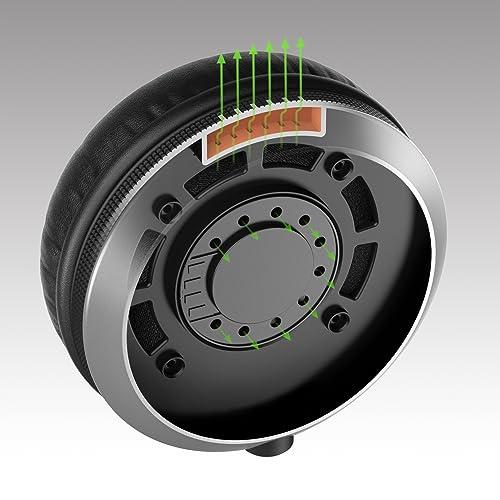
The Pioneer HDJ-X5 includes some thoughtful technical details that reflect its professional focus. The bass reflex chamber in the housing improves low-frequency response and enhances sound isolation. This feature helps you hear kick drums and bass lines clearly even in very loud environments.
The OneOdio Studio Max 1 incorporates dual-mic Environmental Noise Cancellation (ENC) for clearer phone calls and communication. While not as important for pure DJ use, this feature adds value for users who take calls or participate in video conferences while wearing the headphones.
The M1 transmitter that comes with the OneOdio Studio Max 1 deserves special mention because it adds wireless capability to devices that don't have Bluetooth built-in. This means you could add wireless functionality to older DJ equipment, gaming consoles, or professional audio gear that only has analog outputs.
At the time of writing, these headphones occupy different price segments that reflect their different approaches and target markets. The Pioneer HDJ-X5 is positioned as a professional tool with pricing that reflects its specialized design and proven reliability in demanding environments.
The OneOdio Studio Max 1 offers more features and versatility at a competitive price point, making it attractive for users who want professional-style capabilities without the premium associated with established professional brands.
The value equation depends heavily on how you plan to use the headphones. If you're a working DJ who needs reliable, accurate monitoring and you only use headphones for DJing, the Pioneer HDJ-X5 delivers focused performance that justifies its professional pricing.
If you want headphones that can serve multiple roles—DJing, casual listening, gaming, and production work—the OneOdio Studio Max 1 provides exceptional versatility and battery life that makes it a compelling value for users who prioritize flexibility over specialized performance.
Choose the Pioneer DJ HDJ-X5 if you're serious about DJing and want headphones that excel specifically at that task. The neutral sound signature helps you make better mixing decisions, the wired reliability eliminates technical complications, and the professional build quality will withstand years of heavy use. These are particularly good if you work primarily in traditional DJ booth environments where wireless connectivity doesn't add much value.
The Pioneer HDJ-X5 is also the better choice if you prioritize accurate sound reproduction for critical listening applications like mixing and mastering music. The neutral tuning and superior channel separation provide the detail and accuracy that professional audio work demands.
Choose the OneOdio Studio Max 1 Wireless if you value versatility and modern convenience features. The wireless freedom is genuinely liberating, the exceptional battery life minimizes charging interruptions, and the multiple connection modes make these headphones suitable for a wide range of applications beyond just DJing.
The OneOdio Studio Max 1 makes particular sense for mobile DJs, producer-DJs who work in multiple environments, or anyone who wants one pair of headphones to handle multiple roles. The Hi-Res Audio certification and LDAC support also provide future-proofing as high-resolution wireless streaming becomes more common.
For beginners and intermediate DJs, the OneOdio Studio Max 1 offers room to grow into the headphones while providing immediate benefits like wireless convenience and impressive battery life. The bass-forward tuning might actually be preferable for DJs who primarily work with electronic dance music genres where enhanced low-end response complements the music style.
The Pioneer DJ HDJ-X5 represents the traditional professional approach—proven, reliable, and optimized for booth monitoring. The OneOdio Studio Max 1 Wireless embraces modern versatility with wireless freedom and multi-purpose functionality. Your choice ultimately depends on whether you prioritize specialized professional performance or flexible, feature-rich convenience that adapts to how you actually use headphones in 2025.
| Pioneer DJ HDJ-X5 Headphones | OneOdio Studio Max 1 Wireless DJ Headphones |
|---|---|
| Driver Size - Larger drivers can move more air and potentially deliver more detailed sound | |
| 40mm dome type | 50mm neodymium |
| Frequency Response - Wider range captures more musical detail, especially important for mixing | |
| 5 Hz - 30,000 Hz | 20 Hz - 40,000 Hz (Hi-Res Audio certified) |
| Connectivity - Determines reliability and latency for professional DJ monitoring | |
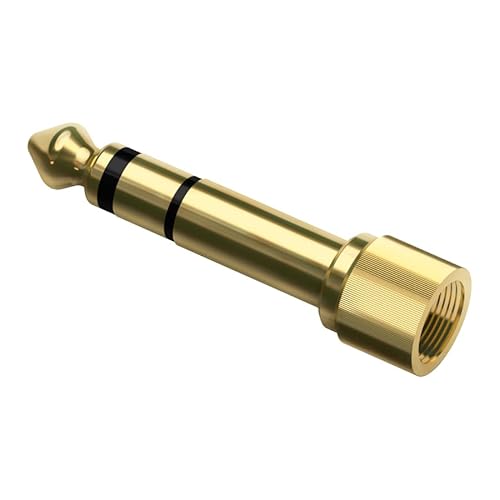
| Wired only (3.5mm + 6.35mm adapter) | Bluetooth 5.3 + Proprietary wireless (20ms latency) + Wired |
| Weight - Affects comfort during long DJ sets and extended wear | |
| 269g (without cable) | 350g |
| Battery Life - Critical for wireless operation and performance reliability | |
| No battery required (passive) | 120 hours Bluetooth / 50 hours with transmitter |
| Build Quality - Determines durability for professional touring and club use | |
| MIL-STD-810G shock tested, metal moving parts | Plastic construction, foldable design |
| Sound Signature - Affects mixing accuracy and how your final mix translates | |
| Neutral, professional monitoring tuning | Bass-forward, consumer-friendly tuning |
| Channel Separation - Important for precise beatmatching and stereo imaging | |
| 4-core twisted cable structure for superior separation | Standard wireless/cable design |
| Professional Features - Tools that matter for working DJs in booth environments | |
| Bass reflex chamber, pressure-reducing housing | Dual-mic ENC, multiple connection modes |
| Wireless Audio Quality - Determines if wireless can match wired performance | |
| N/A (wired only) | LDAC codec support, Hi-Res certified streaming |
| Replacement Parts - Impacts long-term value and repairability | |
| Detachable cables and ear pads available | Limited replacement part availability |
| Target User - Who each product is designed for | |
| Professional and serious hobbyist DJs | Versatile users wanting DJ features + wireless convenience |
The Pioneer DJ HDJ-X5 Headphones are specifically designed for professional DJ use with neutral sound tuning, MIL-STD-810G durability testing, and superior channel separation through their 4-core twisted cable design. The OneOdio Studio Max 1 Wireless DJ Headphones offer more versatility but prioritize wireless convenience over the specialized accuracy that professional DJs need for critical mixing decisions.
The OneOdio Studio Max 1 Wireless DJ Headphones achieve 20ms latency with their proprietary M1 transmitter, which is acceptable for most DJ applications but still not zero-latency like the Pioneer DJ HDJ-X5 Headphones. For critical beatmatching and professional booth work, the wired connection of the Pioneer model eliminates any timing delays completely.
The Pioneer DJ HDJ-X5 Headphones provide more accurate sound reproduction with their neutral tuning designed specifically for booth monitoring. The OneOdio Studio Max 1 Wireless DJ Headphones use a bass-forward tuning that can make music sound exciting but may mask important midrange details needed for precise mixing decisions.
The OneOdio Studio Max 1 Wireless DJ Headphones offer exceptional battery life with 120 hours in Bluetooth mode and 50 hours when using the low-latency transmitter. The Pioneer DJ HDJ-X5 Headphones never need charging since they're passive wired headphones, ensuring they're always ready to use.
The Pioneer DJ HDJ-X5 Headphones are built to military shock standards (MIL-STD-810G) with metal moving parts and replaceable components, making them ideal for touring DJs. The OneOdio Studio Max 1 Wireless DJ Headphones use lighter plastic construction that's adequate for regular use but may not withstand the same level of professional abuse.
Both headphones work with older equipment, but differently. The Pioneer DJ HDJ-X5 Headphones connect directly via standard 3.5mm and 6.35mm jacks. The OneOdio Studio Max 1 Wireless DJ Headphones include an M1 transmitter that can add wireless capability to older gear that lacks Bluetooth connectivity.
The Pioneer DJ HDJ-X5 Headphones weigh less at 269g and use pressure-reducing housing design for extended comfort. The OneOdio Studio Max 1 Wireless DJ Headphones are heavier at 350g, which can cause fatigue during marathon sessions, though their wireless freedom eliminates cable management issues.
The OneOdio Studio Max 1 Wireless DJ Headphones excel at versatility with Hi-Res Audio certification, LDAC support, and multiple connection modes for various devices. The Pioneer DJ HDJ-X5 Headphones provide accurate monitoring suitable for production work but lack wireless convenience for casual listening scenarios.
Value depends on your needs. The Pioneer DJ HDJ-X5 Headphones deliver specialized professional performance with long-term durability that justifies their investment for serious DJs. The OneOdio Studio Max 1 Wireless DJ Headphones provide more features and versatility at a competitive price point, making them better value for multi-purpose users.
The OneOdio Studio Max 1 Wireless DJ Headphones are excellent for gaming with their 20ms low-latency mode and dual-mic noise cancellation for clear calls. The Pioneer DJ HDJ-X5 Headphones can work for gaming but lack wireless convenience and don't include microphone features for communication.
Both headphones provide good passive noise isolation with their closed-back, circumaural design. The Pioneer DJ HDJ-X5 Headphones include a bass reflex chamber that enhances isolation specifically for DJ booth environments. The OneOdio Studio Max 1 Wireless DJ Headphones offer comparable isolation but focus more on wireless convenience than specialized booth performance.
The Pioneer DJ HDJ-X5 Headphones offer excellent repairability with detachable cables and replaceable ear pads available as official parts, extending their lifespan significantly. The OneOdio Studio Max 1 Wireless DJ Headphones have limited replacement part availability, making the entire unit more disposable when components wear out over time.
We've done our best to create useful and informative comparisons to help you decide what product to buy. Our research uses advanced automated methods to create this comparison and perfection is not possible - please contact us for corrections or questions. These are the sites we've researched in the creation of this article: guitarcenter.com - pioneerdj.com - digitaldjtips.com - youtube.com - idjnow.com - youtube.com - youtube.com - wearecrossfader.co.uk - audio46.com - youtube.com - pioneerdj.com - pioneerdj.com - idjnow.com - milehighdjsupply.com - pioneerdj.com - store.djtechtools.com - pioneerdjstore.com - americanmusical.com - sweetwater.com - stars-music.com - store.djtechtools.com - pioneerdj.com - techradar.com - youtube.com - oneodio.com - androidguys.com - audioxpress.com - versus.com - audioreviews.org - youtube.com - oneodio.com - youtube.com - thomannmusic.com - teqclub.com - youtube.com - homestudiobasics.com - youtube.com - youtube.com - homedjstudio.com - oneodio.com - enostech.com - oneodio.com - yourrightscount.com

Privacy Policy
Terms and Conditions - Affiliate Policy
Home Security
© Copyright 2008-2026.
11816 Inwood Rd #1211, Dallas, TX 75244