






When shopping for wireless headphones, you'll quickly discover that not all premium models are created equal. The OneOdio Studio Max 1 and Sony WH-1000XM5 represent two completely different philosophies in headphone design, despite both carrying premium price tags. One is built for professional DJs and content creators, while the other targets everyday consumers who want the best possible listening experience. Understanding which approach suits your needs can save you from buyer's remorse and ensure you get exactly what you're paying for.
The wireless headphone market has evolved dramatically over the past few years, with manufacturers taking increasingly specialized approaches. The OneOdio Studio Max 1, released in 2025, represents the newest wave of professional-grade wireless headphones designed specifically for DJs and music creators. Meanwhile, the Sony WH-1000XM5, which has been refined over several iterations since its initial release, epitomizes the premium consumer headphone experience.
Here's what makes these categories fundamentally different: professional headphones prioritize accuracy, versatility, and reliability over comfort features. They're tools first, lifestyle products second. Consumer headphones, on the other hand, focus on enhancing your everyday listening experience with features like noise cancellation, superior comfort, and smart connectivity.
When choosing between these approaches, consider your primary use case. Do you need headphones that can handle the demanding requirements of live mixing, content creation, or studio work? Or are you looking for the best possible experience when listening to music, taking calls, or blocking out the world during your commute?
The key factors that separate these categories include latency (the delay between audio signal and what you hear), battery life requirements, connectivity options, and environmental considerations like noise cancellation.
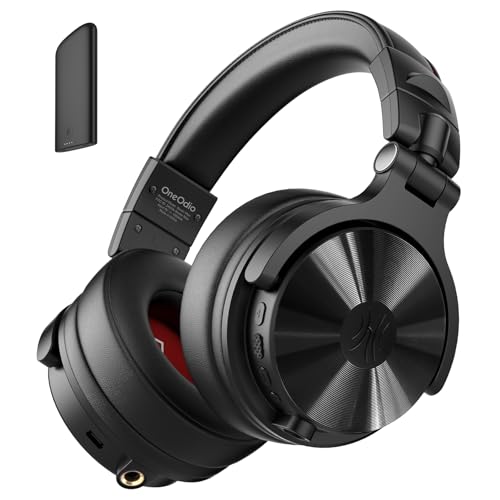
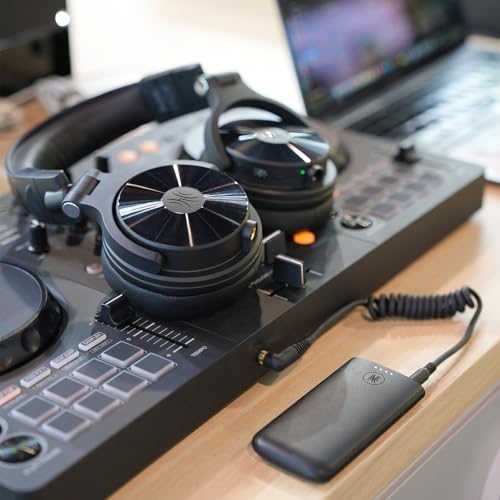
The OneOdio Studio Max 1 was developed in collaboration with Italian DJ Arianna, and this professional input shows in every design decision. When DJs and producers provided feedback during development, they consistently emphasized the same concerns: battery life that lasts through long gigs, ultra-low latency for real-time mixing, and connectivity options that work with professional equipment.
The result is a headphone that feels more like a piece of professional audio equipment than a lifestyle accessory. At 330-350 grams, it's noticeably heavier than consumer models, but this weight comes from larger 50mm drivers (the speakers inside the headphones) and the robust construction needed for professional use. The swiveling earcups can rotate 90 degrees for single-ear monitoring – a technique DJs use to hear the crowd while cueing up the next track.
What makes the OneOdio Studio Max 1 truly unique is its four different connection modes. You can use standard Bluetooth 5.3 for everyday listening, switch to the proprietary Rapid WiLL+ wireless mode for professional work with ultra-low latency, or go wired with either 3.5mm or 6.35mm cables for different types of audio equipment. This versatility means one pair of headphones can handle everything from casual music listening to professional DJ sets.
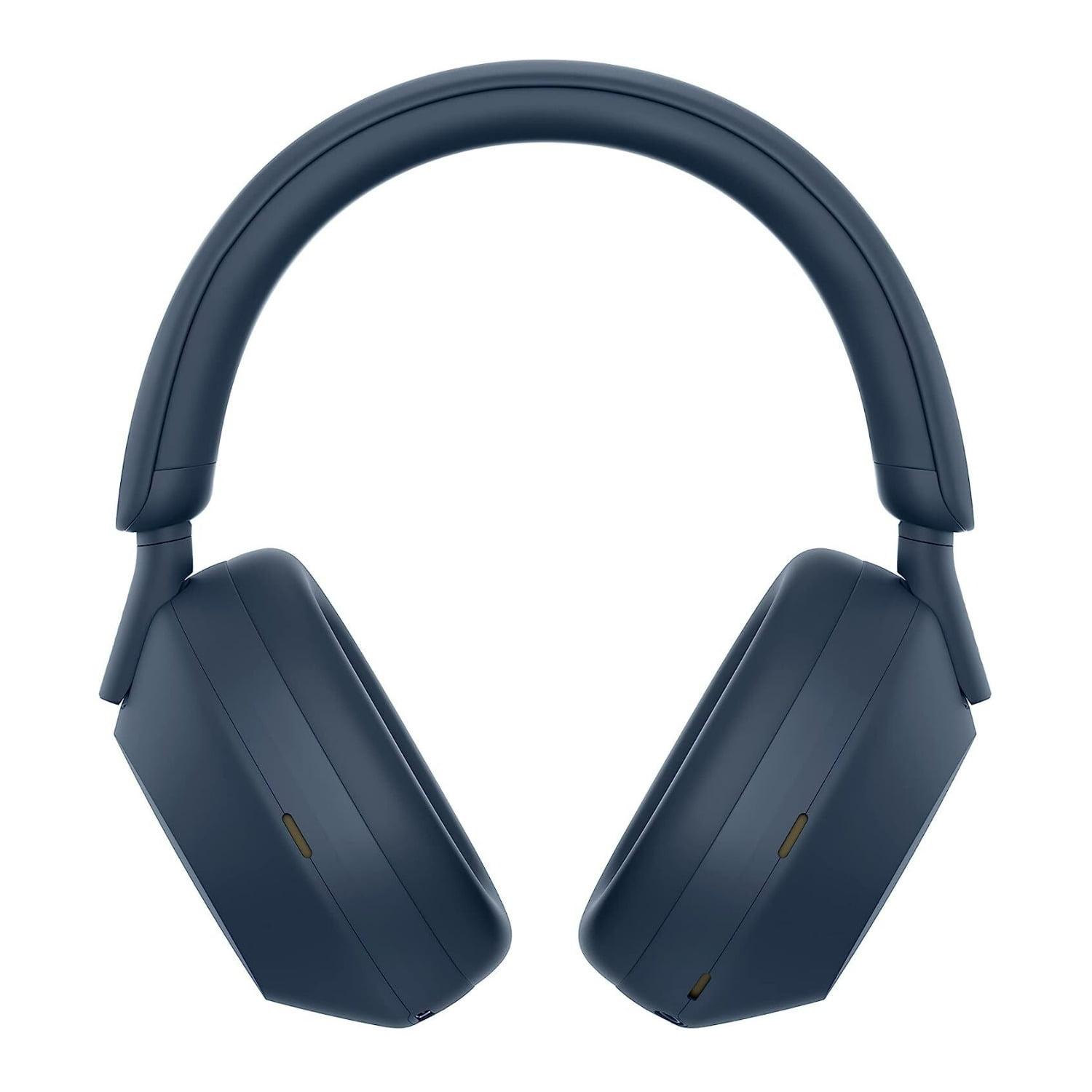
The Sony WH-1000XM5 takes the opposite approach, focusing intensely on perfecting the daily listening experience. Sony has spent years refining their noise cancellation technology, and it shows. The headphones use eight microphones – four in each earcup – along with dual processors to create some of the most effective noise cancellation available.
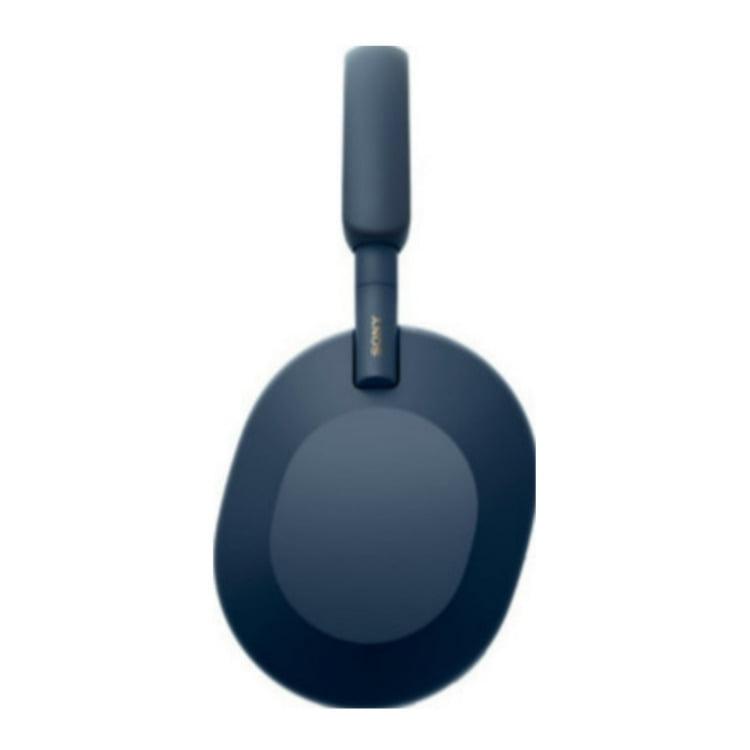
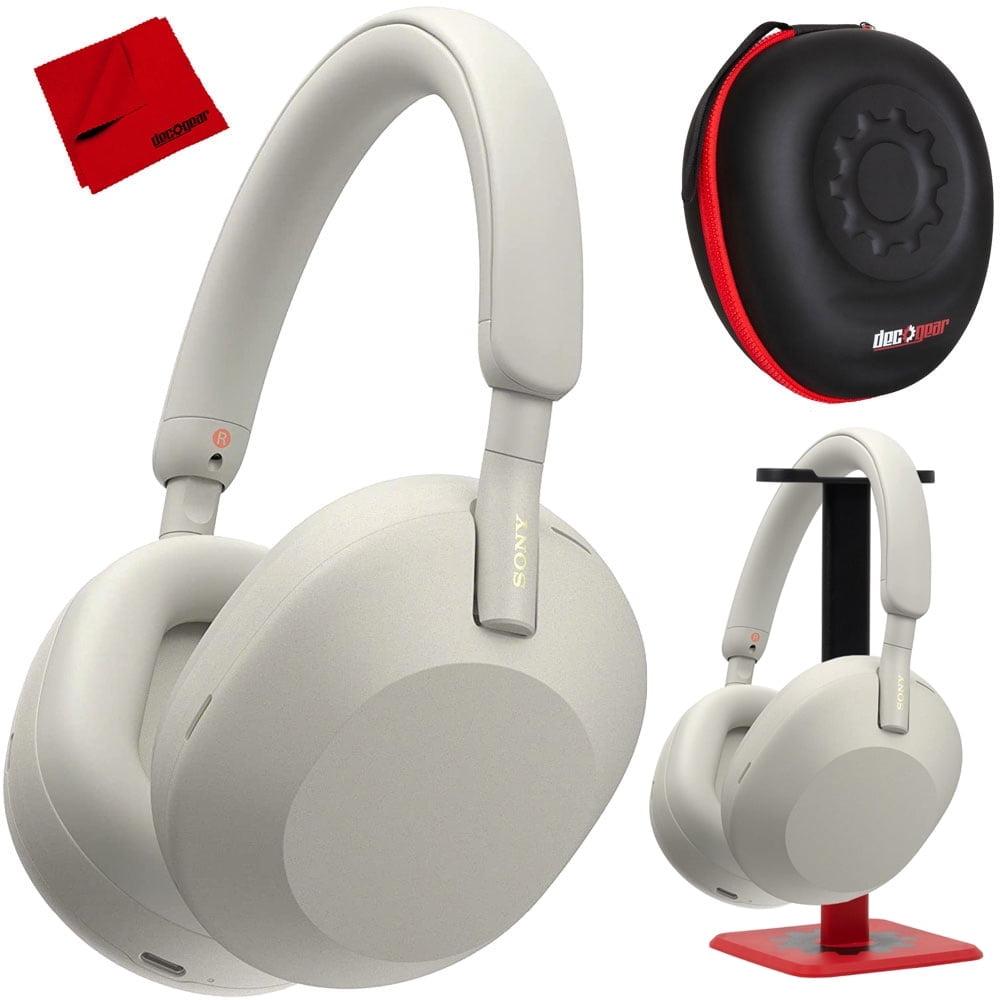
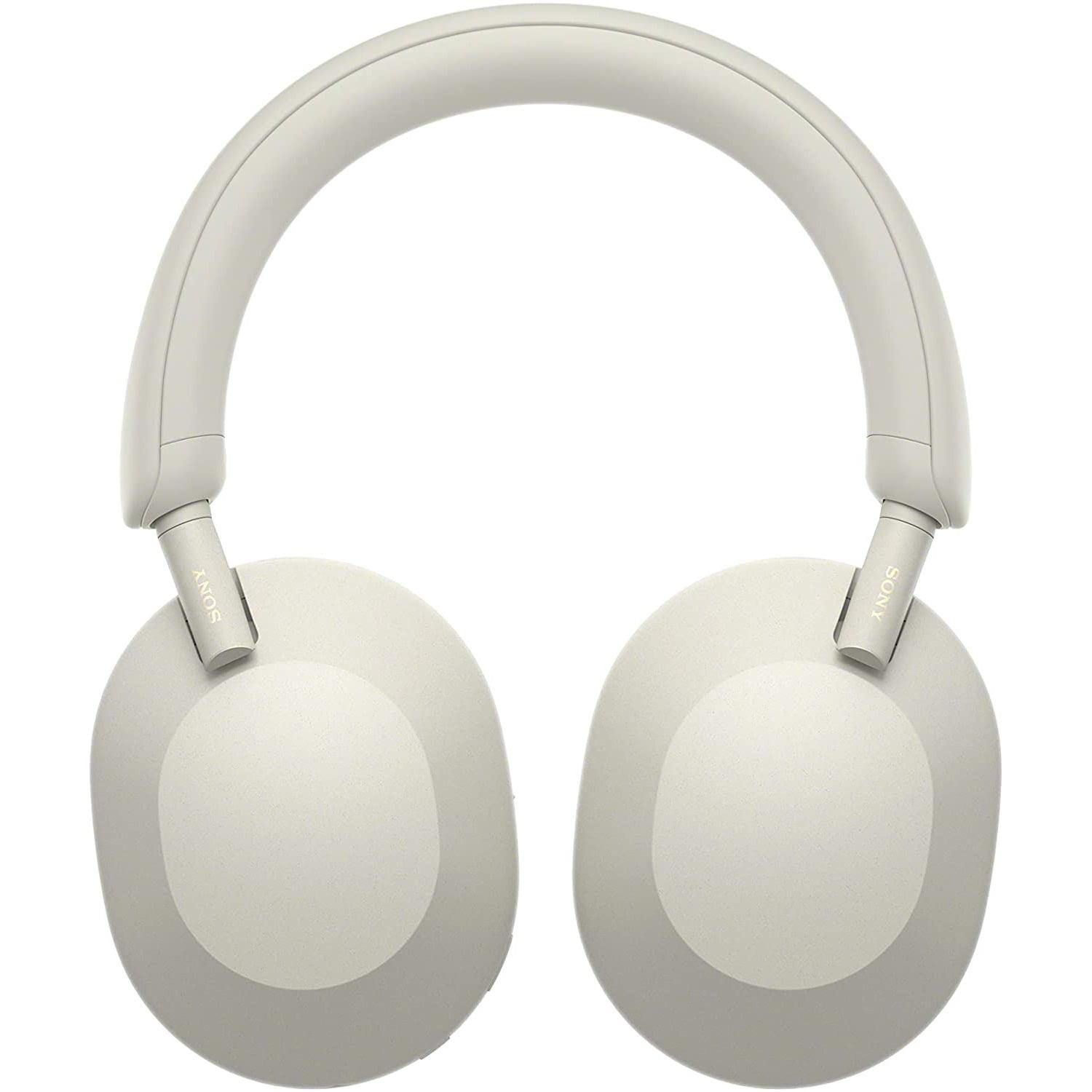
At 250 grams, the Sony WH-1000XM5 is significantly lighter than the OneOdio, making it more comfortable for all-day wear. The design prioritizes comfort with soft synthetic leather earpads and a stepless slider that adjusts to your head size automatically. Unlike many headphones that fold for storage, Sony chose a non-folding design that maximizes comfort at the expense of portability.
The sound signature is carefully tuned for consumer enjoyment rather than professional accuracy. Sony's engineers have created a warm, engaging sound that makes music more enjoyable, with enhanced bass response and clear treble that brings out details in your favorite tracks.
This is where the OneOdio Studio Max 1 absolutely dominates. With 120 hours of continuous Bluetooth playback, it offers four times the battery life of most premium headphones. To put this in perspective, you could listen for four hours every single day for a month before needing to charge. Even when using the ultra-low latency mode with the M1 transmitter, you still get 50 hours – more than most headphones offer in their standard mode.
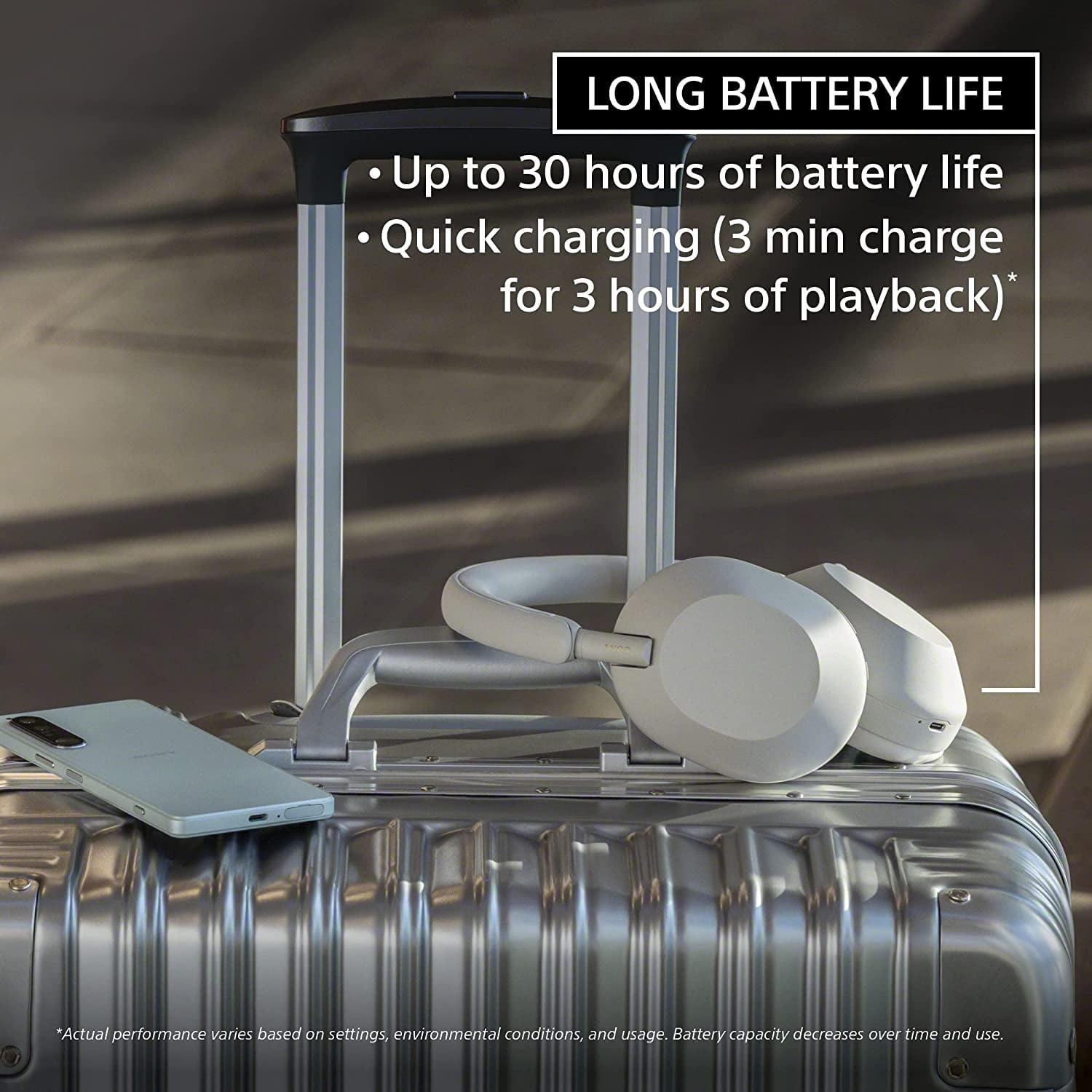
The Sony WH-1000XM5 offers 30 hours with noise cancellation on, or 40 hours with it off. While this might seem modest compared to the OneOdio, it's actually quite good for the consumer headphone category, especially considering the power requirements of advanced noise cancellation.
For most people, 30-40 hours is more than enough for daily use. You could commute two hours daily for two weeks before needing to charge. But if you're a content creator doing long streaming sessions, a DJ working weekend gigs, or someone who simply hates remembering to charge devices, the OneOdio Studio Max 1's marathon battery life is genuinely game-changing.
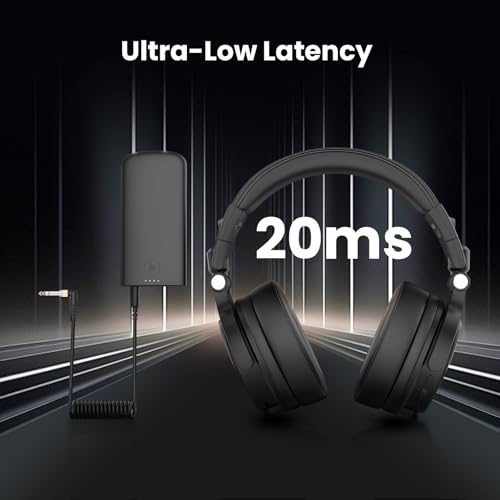
Latency – the delay between when audio is produced and when you hear it – might seem like a technical detail, but it's crucial for certain applications. Standard Bluetooth typically has 150-300 milliseconds of delay, which is fine for listening to music but unusable for live performance or gaming where timing matters.
The OneOdio Studio Max 1 solves this with its Rapid WiLL+ technology, achieving just 20 milliseconds of latency when used with the included M1 transmitter. This is fast enough for DJs to mix tracks in real-time or for gamers to hear enemy footsteps without delay. It's a feature that transforms wireless headphones from a compromise into a professional tool.
The Sony WH-1000XM5 uses standard Bluetooth latency, which means it's great for music, movies, and calls, but not suitable for applications where timing is critical. This isn't a flaw – it's simply optimized for different uses.
Here's where things get interesting, and where the different design philosophies really show. The Sony WH-1000XM5 delivers superior audio quality for music listening, despite having smaller 30mm drivers compared to the OneOdio's 50mm units.
Sony's advantage comes from their advanced signal processing. The headphones include DSEE Extreme, an AI-powered technology that analyzes compressed music files in real-time and restores details lost during compression. When you're listening to Spotify or YouTube, this processing makes a noticeable difference in clarity and detail.
The OneOdio Studio Max 1 takes a more straightforward approach with less processing, which some professional users prefer for monitoring applications where you want to hear exactly what's being recorded or mixed. However, reviews consistently note that the audio quality, while functional, doesn't match the refined sound of premium consumer headphones like the Sony.
For home theater use, this difference becomes more apparent. The Sony WH-1000XM5 excels at movie watching, with processing that enhances dialogue clarity and creates an immersive soundstage. The OneOdio Studio Max 1 will work fine for movies, but it's optimized for different priorities.
This is perhaps the biggest practical difference between these headphones. The Sony WH-1000XM5 features industry-leading active noise cancellation (ANC), which uses microphones to detect outside noise and generates opposite sound waves to cancel it out. It's incredibly effective at blocking consistent sounds like airplane engines, air conditioning, or traffic.
The noise cancellation adapts automatically to your environment using Sony's Adaptive Sound Control, which recognizes your location and activity to adjust settings accordingly. Walking through a busy street? It increases noise cancellation. Sitting in a quiet cafe? It dials it back to let in some ambient sound.
The OneOdio Studio Max 1 has no active noise cancellation at all, relying only on passive isolation from the closed-back design and earpads. In a quiet studio or bedroom, this isn't a problem. But if you're trying to focus in a noisy office, commute on public transport, or use them in a busy household, the Sony's noise cancellation provides a dramatically better experience.
For home theater applications, this difference is particularly relevant. If you want to watch movies late at night without disturbing others, both headphones will work by keeping sound contained. But if you want to block out household noise while watching, only the Sony WH-1000XM5 can actively silence distractions.
The OneOdio Studio Max 1 wins on pure connectivity options. Beyond standard Bluetooth, you get the M1 wireless transmitter that can connect to any audio source with a 3.5mm or RCA output – perfect for DJ equipment, older stereo systems, or professional audio gear that lacks Bluetooth. The headphones themselves have both 3.5mm and 6.35mm (quarter-inch) ports, so you can connect directly to professional mixing boards or musical instruments.
This versatility extends to the wireless modes. Standard Bluetooth 5.3 handles everyday devices, while the proprietary wireless mode via the M1 transmitter enables professional applications. You can even use both simultaneously – monitoring your DJ mix wirelessly while staying connected to your phone for incoming calls.
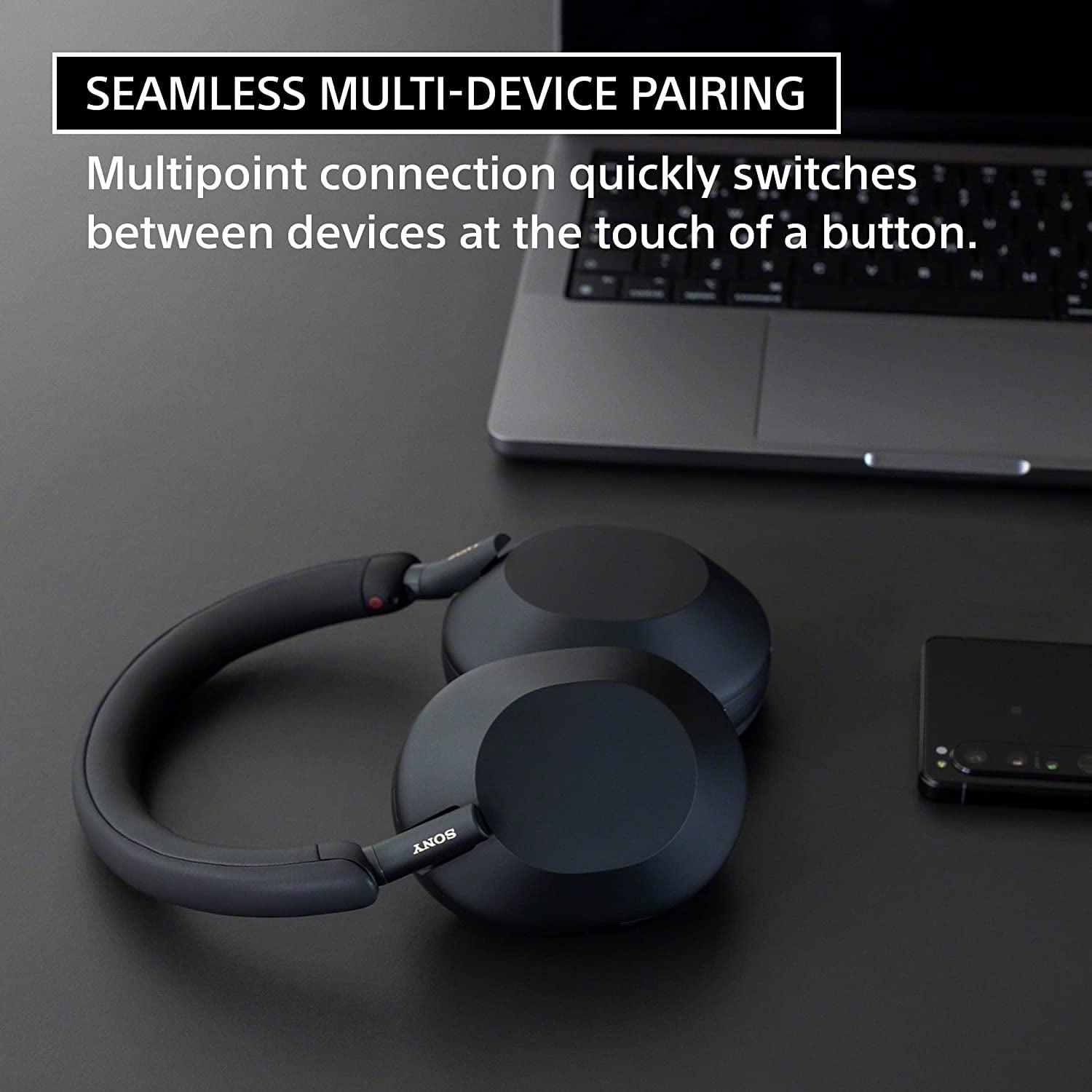
The Sony WH-1000XM5 focuses on making consumer connectivity as smooth as possible. Bluetooth 5.2 with multipoint connectivity lets you pair with two devices simultaneously and automatically switches between them. Answer a call on your phone while music pauses on your laptop, then resume the music when you hang up. It's elegant and works reliably with phones, tablets, and computers.
The weight difference between these headphones – 250g for the Sony versus 330-350g for the OneOdio – becomes noticeable during extended wear. The Sony WH-1000XM5 feels almost impossibly light for a full-sized headphone, making it comfortable for all-day office wear or long flights.
The OneOdio Studio Max 1 uses its extra weight for larger drivers and more robust construction suitable for professional environments. The foldable design and swiveling earcups add practicality for DJs who need to quickly switch between normal listening and single-ear monitoring. However, this professional focus means comfort takes a back seat to functionality.
Both headphones use protein leather earpads, but the Sony's are noticeably softer and the lighter overall weight reduces pressure on your head and neck. For casual listening sessions or long work-from-home days, the Sony provides superior comfort.
At the time of writing, these headphones occupy different price segments, though both are considered premium options in their respective categories. The OneOdio Studio Max 1 offers exceptional value for professional users who need its specific features – the 120-hour battery life alone justifies the cost for working DJs or content creators.
For general consumers, the calculation is different. The Sony WH-1000XM5 delivers features that improve daily life – superior comfort, excellent noise cancellation, and refined audio processing that makes all your music sound better. These quality-of-life improvements are harder to quantify but significantly impact your daily experience.
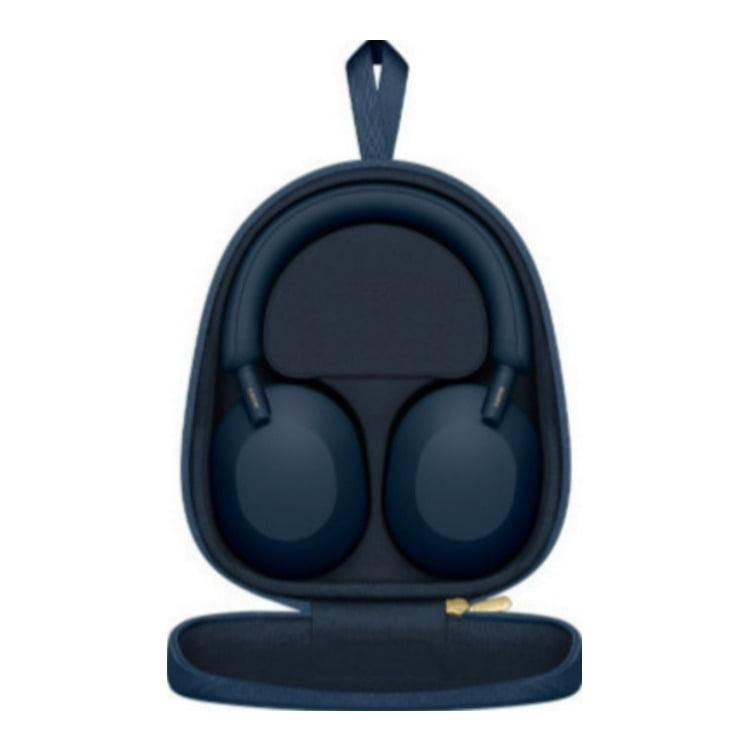
Consider the included accessories: The OneOdio Studio Max 1 includes the M1 wireless transmitter, multiple cables, and adapters – essentially a complete professional setup. The Sony WH-1000XM5 includes a premium carrying case and basic cables, focusing on protecting your investment rather than expanding functionality.
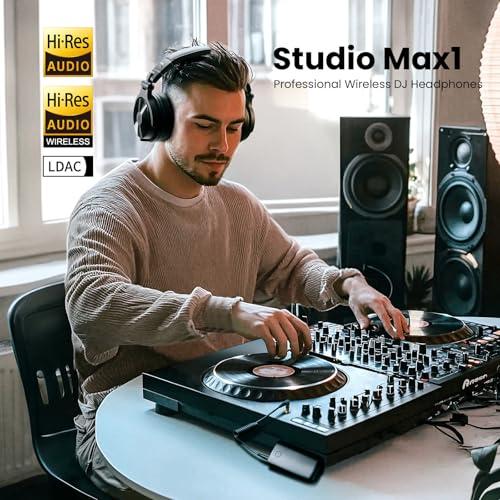
The OneOdio Studio Max 1 truly shines in professional environments. DJs can use the ultra-low latency mode to mix tracks wirelessly – something previously impossible with consumer Bluetooth headphones. Content creators benefit from the marathon battery life during long streaming sessions or recording marathons.
The versatility extends to home use in unexpected ways. The M1 transmitter can add wireless capability to older stereo systems, turntables, or even gaming consoles that lack modern Bluetooth. If you have a vinyl collection or vintage audio equipment, the OneOdio can bridge the gap to modern wireless convenience.
For gaming enthusiasts, the 20ms latency makes these headphones competitive with dedicated gaming headsets, while the 120-hour battery means never worrying about charge levels during extended gaming sessions.
The Sony WH-1000XM5 excels at making everyday activities more enjoyable. The noise cancellation transforms noisy commutes into peaceful listening sessions. The adaptive sound control means you don't need to constantly adjust settings as you move between environments.
For home theater applications, the Sony provides an excellent wireless movie-watching experience. The processing enhances dialogue clarity while the noise cancellation blocks household distractions. The comfortable design makes it suitable for longer movie sessions, and the automatic pause feature when you remove the headphones adds convenience.
Office workers particularly benefit from the Sony's intelligent features. Quick Attention mode lets you hold your hand over the right earcup to temporarily lower volume and let in ambient sound for quick conversations without removing the headphones.
Choose the OneOdio Studio Max 1 if you're a DJ, music producer, content creator, or serious gamer who needs professional features. The ultra-low latency wireless capability is genuinely revolutionary for these applications, and the 120-hour battery life eliminates a common pain point for working professionals. The versatile connectivity options make it a true Swiss Army knife for audio applications.
The OneOdio is also ideal if you hate charging devices frequently, need to connect to older audio equipment, or want one pair of headphones that can handle both casual listening and professional work.
Choose the Sony WH-1000XM5 if you prioritize daily comfort, superior audio quality for music and movies, and intelligent features that enhance your lifestyle. The noise cancellation is genuinely life-changing for commuters and travelers, while the refined audio processing makes all your content sound better.
The Sony is the better choice for most people who simply want excellent headphones for music, calls, and media consumption. The comfortable design, proven reliability, and premium features justify the investment for daily use scenarios.
Consider your primary use case carefully. If you need professional features like ultra-low latency or extreme battery life, the OneOdio Studio Max 1 offers capabilities you can't get elsewhere. But if you want the best possible daily listening experience with premium comfort and smart features, the Sony WH-1000XM5 delivers exactly that.
Both headphones represent excellent value in their respective categories, but they solve very different problems. The key is choosing the one that aligns with how you actually plan to use your headphones, rather than being swayed by impressive specifications that don't match your needs.
| OneOdio Studio Max 1 | Sony WH-1000XM5 |
|---|---|
| Battery Life - Critical for long sessions and travel | |
| 120 hours Bluetooth (exceptional for professionals) | 30 hours with ANC, 40 hours without (adequate for daily use) |
| Weight - Affects comfort during extended wear | |
| 330-350g (heavier, built for durability) | 250g (significantly lighter, optimized for comfort) |
| Latency - Essential for real-time audio work | |
| 20ms with Rapid WiLL+ (professional-grade performance) | Standard Bluetooth latency (fine for music, not real-time work) |
| Driver Size - Impacts sound reproduction capability | |
| 50mm neodymium (larger for potential volume/bass) | 30mm neodymium (smaller but with advanced processing) |
| Active Noise Cancellation - Blocks external noise | |
| None (passive isolation only) | Industry-leading with 8 microphones (excellent for travel/commute) |
| Connectivity Options - Determines device compatibility | |
| 4 modes: Bluetooth 5.3, proprietary wireless, 3.5mm, 6.35mm | Bluetooth 5.2 with multipoint, 3.5mm wired |
| Professional Features - Specialized DJ/production capabilities | |
| DJ monitoring, M1 transmitter, swiveling earcups | Consumer-focused with adaptive sound control |
| Audio Processing - Enhances sound quality | |
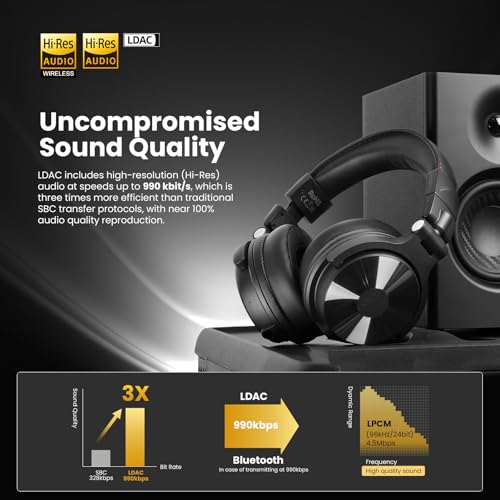
| Minimal processing, Hi-Res with LDAC | DSEE Extreme AI upscaling, advanced Sony algorithms |
| Included Accessories - What's in the box | |
| M1 transmitter, multiple cables, carry bag | Premium carrying case, USB-C cable, 3.5mm cable |
| Target Use Case - Who these are designed for | |
| DJs, producers, content creators, gamers | Daily listeners, commuters, office workers, travelers |
The Sony WH-1000XM5 is significantly better for everyday listening. It offers superior audio quality with advanced processing, industry-leading noise cancellation, and much lighter weight (250g vs 330-350g) for comfortable all-day wear. The OneOdio Studio Max 1 is designed primarily for professional DJ use and lacks noise cancellation, making it less suitable for daily listening scenarios.
The OneOdio Studio Max 1 offers exceptional battery life with 120 hours of Bluetooth playback, making it ideal for professionals and heavy users. The Sony WH-1000XM5 provides 30 hours with noise cancellation on or 40 hours with it off. While the OneOdio clearly wins on battery life, the Sony offers sufficient power for most daily use cases.
The OneOdio Studio Max 1 is specifically designed for DJs and music production. It features ultra-low 20ms latency with Rapid WiLL+ technology, professional connectivity options (3.5mm and 6.35mm ports), single-ear monitoring capability, and the included M1 transmitter for wireless professional work. The Sony WH-1000XM5 lacks these professional features and has standard Bluetooth latency unsuitable for real-time mixing.
Only the Sony WH-1000XM5 has active noise cancellation, featuring an industry-leading system with 8 microphones that effectively blocks external noise. The OneOdio Studio Max 1 has no active noise cancellation, relying only on passive isolation from its closed-back design. For commuting, travel, or noisy environments, the Sony provides a significantly better experience.
The Sony WH-1000XM5 is more comfortable for extended wear due to its lighter weight (250g vs 330-350g), premium padding, and consumer-focused ergonomic design. The OneOdio Studio Max 1 is heavier and built more for professional durability than comfort, though both use protein leather earpads. For all-day office work or long flights, the Sony is the clear winner.
The OneOdio Studio Max 1 is excellent for gaming thanks to its ultra-low 20ms latency, which is crucial for competitive gaming where audio timing matters. The 120-hour battery life also means never worrying about charge during long gaming sessions. The Sony WH-1000XM5 works for casual gaming but has standard Bluetooth latency that may impact competitive performance.
The Sony WH-1000XM5 delivers superior sound quality for music listening with its advanced audio processing, DSEE Extreme AI upscaling, and consumer-tuned sound signature. Despite having smaller 30mm drivers compared to the OneOdio Studio Max 1's 50mm drivers, the Sony's sophisticated processing and tuning create a more refined, engaging listening experience for most music genres.
The Sony WH-1000XM5 is better for home theater applications due to its superior audio processing, comfortable lightweight design for movie-length sessions, and noise cancellation that blocks household distractions. The OneOdio Studio Max 1 will work for movies but is optimized for professional monitoring rather than entertainment consumption. The Sony provides better dialogue clarity and immersive soundstage for films.
The OneOdio Studio Max 1 offers more wireless connectivity options with Bluetooth 5.3, proprietary Rapid WiLL+ low-latency mode, and the included M1 transmitter that adds wireless to non-Bluetooth devices. The Sony WH-1000XM5 uses Bluetooth 5.2 with multipoint connectivity for seamless device switching. The OneOdio provides more professional flexibility while the Sony offers better consumer convenience.
Value depends on your needs. The OneOdio Studio Max 1 offers exceptional value for DJs, content creators, and users who need ultra-long battery life and professional features. The Sony WH-1000XM5 provides better value for general consumers who prioritize audio quality, comfort, and noise cancellation for daily use. Neither is universally "better value" – it depends on matching features to your specific requirements.
Both headphones support wired and wireless operation. The OneOdio Studio Max 1 offers more wired options with both 3.5mm and 6.35mm ports plus multiple included cables for professional equipment compatibility. The Sony WH-1000XM5 has standard 3.5mm wired connectivity and Bluetooth wireless. The OneOdio provides more professional connectivity while the Sony covers typical consumer needs.
The Sony WH-1000XM5 is significantly better for travel and commuting due to its industry-leading active noise cancellation, lighter weight, and adaptive sound control that automatically adjusts to your environment. The comfortable design and 30-40 hour battery life are perfect for travel needs. The OneOdio Studio Max 1 lacks noise cancellation and is heavier, making it less suitable for travel despite its longer battery life.
We've done our best to create useful and informative comparisons to help you decide what product to buy. Our research uses advanced automated methods to create this comparison and perfection is not possible - please contact us for corrections or questions. These are the sites we've researched in the creation of this article: techradar.com - youtube.com - oneodio.com - androidguys.com - audioxpress.com - versus.com - audioreviews.org - youtube.com - oneodio.com - youtube.com - thomannmusic.com - teqclub.com - youtube.com - homestudiobasics.com - youtube.com - youtube.com - homedjstudio.com - oneodio.com - enostech.com - oneodio.com - yourrightscount.com - rtings.com - audiosciencereview.com - techradar.com - audio46.com - recordingnow.com - electronics.sony.com - theabsolutesound.com - soundguys.com - soundguys.com - headphonesaddict.com - sony.com - sony.com - sony-mea.com - fullspecs.net - bhphotovideo.com - sony.com - helpguide.sony.net - headphones.com - androidpolice.com - sony.co.id - moon-audio.com - sony.com - bestbuy.com - sonylatvija.com

Privacy Policy
Terms and Conditions - Affiliate Policy
Home Security
© Copyright 2008-2026.
11816 Inwood Rd #1211, Dallas, TX 75244