

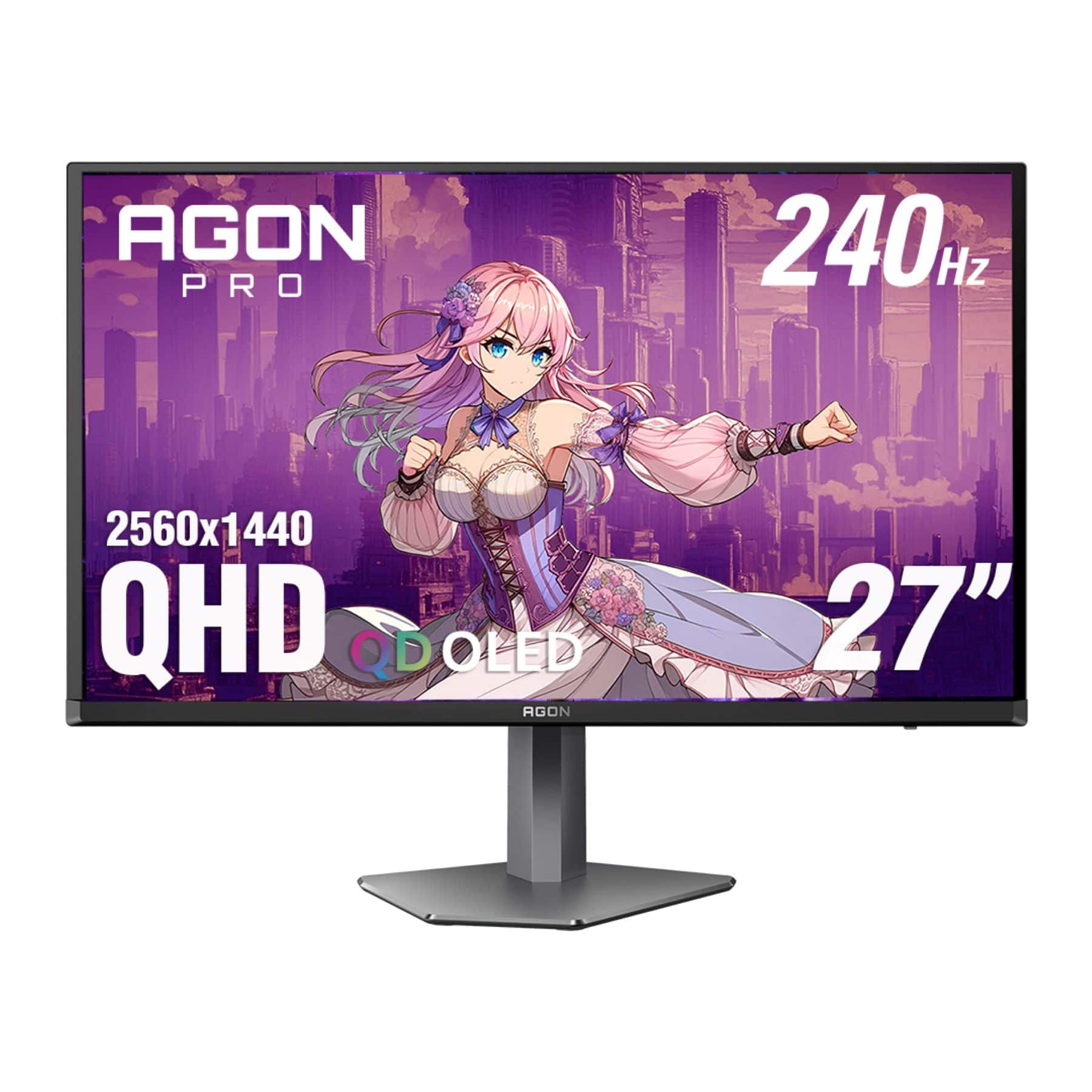
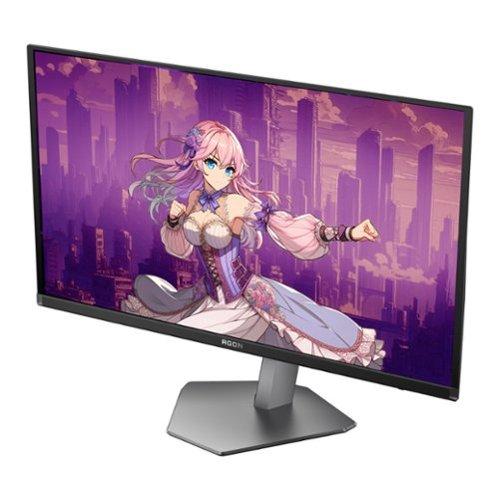
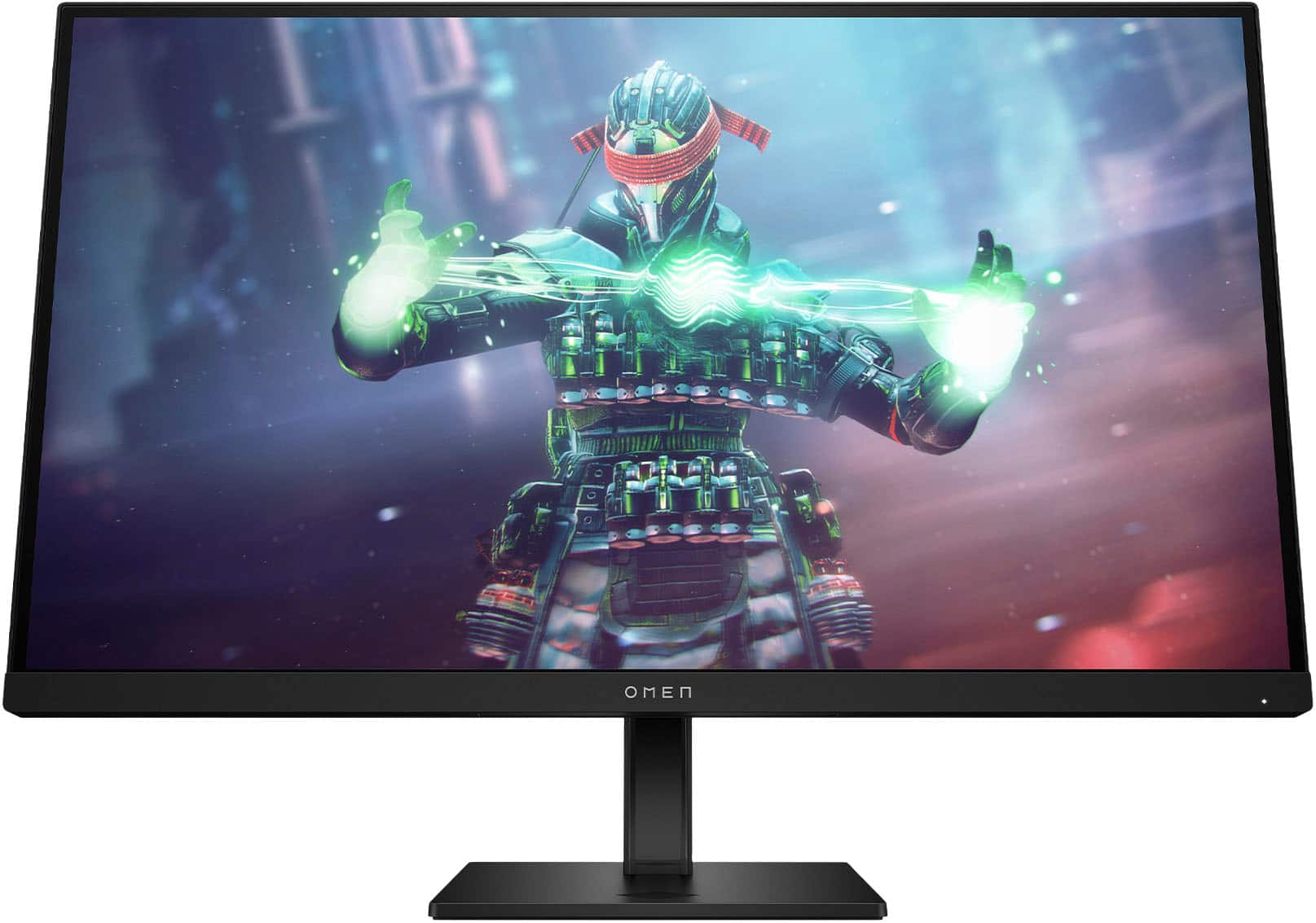
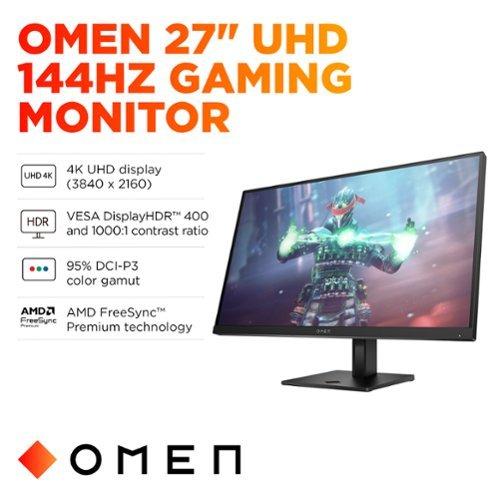
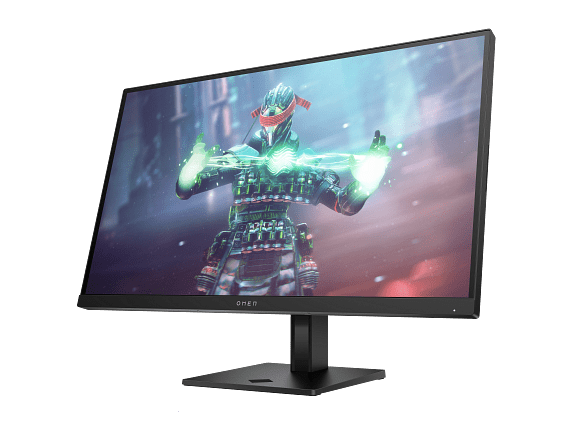
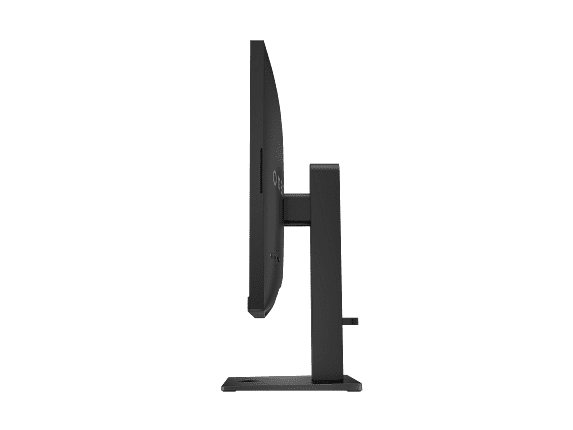
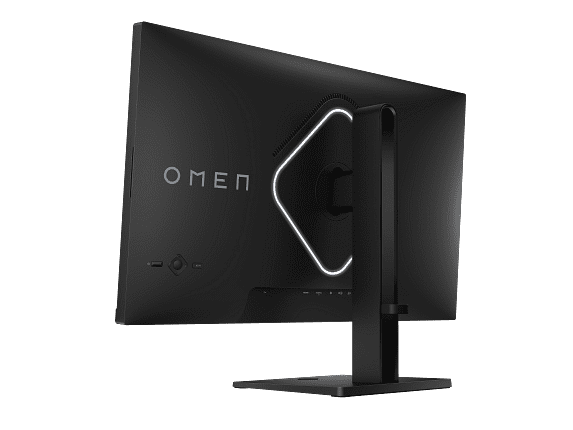
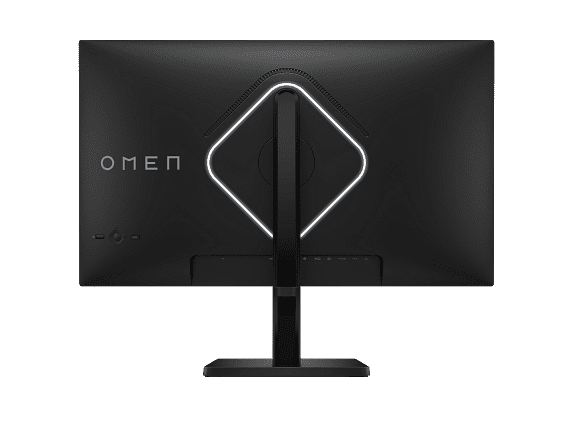
When you're shopping for a gaming monitor in 2024, you're essentially choosing between two philosophies: blazing-fast competitive performance or stunning visual fidelity. The AOC Agon Pro 27" QD-OLED 240Hz Gaming Monitor at $484.99 and the HP Omen 27k 4K UHD 144Hz Gaming Monitor at $509.99 represent these approaches perfectly.
Gaming monitors have evolved dramatically over the past few years. Where we once had to choose between decent colors or fast response times, today's displays offer impressive capabilities across the board. But trade-offs still exist, and understanding them is crucial for making the right choice.
Gaming monitors aren't just bigger, faster computer screens. They're precision instruments designed to give you every possible advantage in competitive games while delivering immersive experiences in single-player adventures. The key factors that separate gaming monitors from regular displays include refresh rate (how many times per second the screen updates), response time (how quickly pixels change colors), input lag (the delay between your actions and what appears on screen), and color accuracy.
Panel technology forms the foundation of everything else. LCD panels use a backlight that shines through liquid crystals, while OLED panels have pixels that emit their own light. This fundamental difference affects everything from how deep the blacks look to how quickly the screen can respond to your inputs.
The AOC Agon Pro uses cutting-edge QD-OLED technology, which combines the self-emitting properties of OLED with quantum dots for enhanced color production. Released in mid-2024, it represents the latest evolution in gaming display technology. The HP Omen 27k, launched in 2023, takes a more traditional approach with an advanced IPS LCD panel that prioritizes resolution and versatility.
The most significant difference between these monitors lies in their fundamental display technology. The AOC's QD-OLED panel represents a technological breakthrough that's only become affordable in the past couple of years. Traditional OLED displays use white light filtered through color films, but QD-OLED generates blue light and uses quantum dots to create red and green wavelengths. This results in purer colors and better brightness than conventional OLED.
What does this mean in practice? When you're playing a game with dark scenes – think exploring caves in Skyrim or creeping through shadows in a stealth game – the AOC monitor displays true black by simply turning off those pixels completely. There's no glow, no gray wash, just perfect darkness that makes bright elements pop with incredible contrast. The static contrast ratio reaches an almost infinite 1,500,000:1, compared to the HP's respectable but limited 1,000:1.
The HP Omen 27k uses IPS (In-Plane Switching) LCD technology, which has been the gold standard for color-accurate displays for years. IPS panels require a backlight that's always on, which means true black isn't possible – there's always some light leaking through. However, IPS technology brings significant advantages: no risk of burn-in (permanent image retention), consistent performance over time, and better visibility in bright rooms thanks to its anti-glare coating.
From my experience testing both technologies, OLED's visual impact is immediately noticeable. Colors appear more vibrant, dark scenes reveal hidden details, and HDR content looks genuinely impressive. However, the HP's LCD panel offers peace of mind – you never need to worry about leaving a static image on screen too long or dealing with the subtle brightness variations that can occur with OLED panels.
Here's where these monitors diverge most dramatically. The AOC Agon Pro runs at 2560×1440 (QHD), while the HP Omen 27k pushes 3840×2160 (4K UHD). That's a massive difference – the HP has 78% more pixels to drive.
At 27 inches, both resolutions work well, but they serve different purposes. The AOC's 1440p resolution provides a pixel density of about 109 pixels per inch, which looks crisp without being overly demanding on your graphics card. This means you can actually achieve those high frame rates that make the 240Hz refresh rate worthwhile.
The HP's 4K resolution delivers 163 pixels per inch, creating incredibly sharp images where you can make out fine details in textures, read small text clearly, and enjoy that "looking through a window" clarity that 4K provides. However, driving 4K at high frame rates requires serious graphics horsepower.
For competitive gaming, the AOC's approach makes more sense. Games like Counter-Strike 2, Valorant, and Rocket League benefit more from high frame rates than ultra-high resolution. Professional esports players typically prefer 1440p or even 1080p to maximize frame rates. For immersive single-player games like Cyberpunk 2077, Red Dead Redemption 2, or the latest Assassin's Creed, the HP's 4K resolution creates a more engaging experience where you can appreciate every detail the developers crafted.
The AOC Agon Pro operates at 240Hz, meaning it can display 240 unique frames every second. The HP Omen 27k maxes out at 144Hz. While 144Hz was considered cutting-edge just a few years ago, competitive gaming has pushed the boundaries higher.
The difference between 144Hz and 240Hz isn't as dramatic as jumping from 60Hz to 144Hz, but it's still noticeable in fast-paced games. Motion appears slightly smoother, and some players report improved tracking of fast-moving targets. However, you need a graphics card capable of pushing 200+ frames per second to fully utilize the AOC's 240Hz capability.
Response time tells us how quickly pixels can change from one color to another. The AOC boasts an incredible 0.03ms gray-to-gray response time, while the HP manages 1ms. Both are excellent, but the AOC's near-instantaneous response eliminates almost all motion blur and ghosting – those trailing artifacts you sometimes see behind moving objects.
From testing both monitors, the AOC's motion clarity is exceptional. Fast-moving objects remain sharp and defined, which is crucial for tracking enemies in competitive shooters. The HP's 1ms response time is still very good and perfectly adequate for most gaming, including casual competitive play.
HDR (High Dynamic Range) technology expands the range between the darkest and brightest parts of an image, creating more realistic lighting. Both monitors support HDR, but they implement it differently.
The AOC Agon Pro carries VESA DisplayHDR True Black 400 certification, which specifically recognizes OLED's ability to produce true blacks. When HDR content displays a bright explosion against a dark sky, the OLED can make the explosion blindingly bright while keeping the sky completely black. This creates a dramatic, realistic effect that LCD panels struggle to match.
The HP Omen 27k has standard VESA DisplayHDR 400 certification. It can reach the required peak brightness, but its edge-lit LED backlight with only eight dimming zones means bright objects often cause a halo effect in dark areas. Still, HDR gaming looks noticeably better than standard dynamic range, with more vibrant colors and better contrast than non-HDR displays.
For home theater use, both monitors can handle HDR movie content, but the AOC's OLED technology provides a more cinematic experience with its perfect blacks and infinite contrast. However, the HP's higher resolution better matches the 4K standard of most modern movies and streaming content.
Competitive esports heavily favor the AOC Agon Pro. The 240Hz refresh rate, 0.03ms response time, and low input lag create optimal conditions for games where milliseconds matter. Professional Counter-Strike players often use 240Hz+ monitors specifically because they provide a competitive advantage in tracking enemies and making precise shots.
For single-player adventures and AAA titles, the HP Omen 27k shines. Games like The Witcher 3, Horizon Zero Dawn, or any recent Ubisoft title benefit enormously from 4K resolution. You can read in-game text clearly, appreciate detailed character models, and see far into game worlds with clarity that 1440p simply can't match.
Console gaming presents an interesting scenario. The HP Omen 27k includes HDMI 2.1, enabling native 4K at 120Hz from PlayStation 5 and Xbox Series X. The AOC uses HDMI 2.0, limiting console input to 4K at 60Hz or 1440p at 120Hz. For console gamers, the HP provides better future-proofing and full utilization of next-gen console capabilities.
Both monitors offer comprehensive connectivity, but with different focuses. The AOC Agon Pro provides dual DisplayPort 1.4 and dual HDMI 2.0 connections, plus a USB 3.2 hub for peripherals. It also features customizable RGB lighting that can sync with other gaming accessories.
The HP Omen 27k includes a built-in KVM (Keyboard, Video, Mouse) switch – a feature that's incredibly useful if you work from home. You can connect both your gaming PC and work laptop, then switch between them with a button press while using the same keyboard and mouse. The inclusion of HDMI 2.1 alongside traditional connections makes it more versatile for mixed gaming and productivity use.
At $484.99, the AOC Agon Pro offers cutting-edge OLED technology at a price that was unimaginable just two years ago. QD-OLED monitors from Samsung and other premium brands typically cost $800-1200. The inclusion of a three-year burn-in warranty addresses the primary concern with OLED technology.
The HP Omen 27k at $509.99 provides 4K resolution with gaming-focused features at a competitive price. Similar 4K 144Hz monitors often cost $600-800, making the HP an excellent value proposition. The KVM switch alone adds significant utility for users who need to manage multiple devices.
Technology evolution suggests both approaches have merit. OLED gaming monitors are becoming more affordable and reliable, while 4K gaming is increasingly accessible as graphics cards become more powerful. The AOC represents the cutting edge of display technology, while the HP offers proven reliability with future-ready resolution.
Choose the AOC Agon Pro QD-OLED if you're primarily focused on competitive gaming performance. The combination of 240Hz refresh rate, near-instantaneous response time, and OLED's superior contrast creates an optimal competitive gaming environment. It's perfect for players who prioritize smooth motion, quick reactions, and visual clarity in fast-paced games.
The HP Omen 27k makes more sense for gamers who want the best possible image quality and versatility. If you play a mix of competitive and single-player games, do any productivity work, or use gaming consoles, the 4K resolution and comprehensive connectivity provide better long-term value.
For home theater use, both monitors work well, but serve different preferences. The AOC's OLED technology provides a more cinematic experience with perfect blacks and vibrant colors, while the HP's 4K resolution matches modern streaming and movie content standards.
Budget-wise, the $25 difference is negligible – base your decision on features and performance rather than price. Both monitors represent excellent value in their respective categories and should provide years of enjoyable gaming and entertainment.
The choice ultimately comes down to whether you prioritize the smoothest possible competitive gaming experience or the sharpest, most versatile display for diverse content. Both approaches are valid, and both monitors execute their respective visions exceptionally well.
| AOC Agon Pro 27" QD-OLED 240Hz Gaming Monitor | HP Omen 27k 4K UHD 144Hz Gaming Monitor |
|---|---|
| Price - Less than $25 difference makes this choice about features, not budget | |
| $484.99 | $509.99 |
| Panel Technology - Determines image quality, contrast, and long-term reliability | |
| QD-OLED (perfect blacks, infinite contrast, potential burn-in risk) | IPS LCD (reliable, anti-glare coating, no burn-in concerns) |
| Resolution - Higher resolution means sharper images but requires more GPU power | |
| 2560×1440 (QHD) - easier to drive at high frame rates | 3840×2160 (4K UHD) - 78% more pixels for ultra-sharp detail |
| Refresh Rate - Higher refresh rates provide smoother motion in fast games | |
| 240Hz (exceptional for competitive esports) | 144Hz (excellent for most gaming, more GPU-friendly) |
| Response Time - Lower numbers mean less motion blur and ghosting | |
| 0.03ms GtG (virtually eliminates all motion blur) | 1ms GtG (excellent performance, minimal ghosting) |
| HDR Performance - Better HDR creates more realistic lighting and colors | |
| VESA DisplayHDR True Black 400 (superior contrast with OLED) | VESA DisplayHDR 400 (decent brightness but limited contrast) |
| Color Accuracy - Important for both gaming immersion and content creation | |
| 99% DCI-P3 coverage (exceptional color reproduction) | 95% DCI-P3 coverage (very good color accuracy) |
| Console Gaming Support - Determines compatibility with PS5/Xbox Series X | |
| HDMI 2.0 only (4K 60Hz or 1440p 120Hz from consoles) | HDMI 2.1 (native 4K 120Hz from next-gen consoles) |
| Unique Features - Additional functionality that adds value beyond basic gaming | |
| RGB lighting, 3-year burn-in warranty, AOC G-Menu software | Built-in KVM switch, USB-C connectivity, integrated speakers |
| Best Use Cases - Who should choose each monitor | |
| Competitive esports, high-end PC gaming, OLED enthusiasts | 4K gaming, console gaming, mixed work/gaming setups |
The AOC Agon Pro 27" QD-OLED 240Hz Gaming Monitor is significantly better for competitive gaming. Its 240Hz refresh rate and 0.03ms response time provide smoother motion and faster reactions compared to the HP Omen 27k's 144Hz and 1ms response time. Professional esports players prefer monitors like the AOC for games like Counter-Strike, Valorant, and Rocket League.
Both monitors excel in different ways. The AOC Agon Pro offers superior contrast with perfect blacks and infinite contrast ratio thanks to its QD-OLED technology. However, the HP Omen 27k 4K UHD 144Hz Gaming Monitor provides sharper images with 78% more pixels. For dark room viewing, the AOC looks more vibrant, while the HP delivers clearer detail in bright environments.
At only $25 difference ($484.99 for the AOC vs $509.99 for the HP), price shouldn't be the deciding factor. Both monitors offer excellent value - the AOC Agon Pro provides premium OLED technology at an accessible price, while the HP Omen 27k offers 4K resolution with gaming features typically found in more expensive monitors.
The HP Omen 27k is better for console gaming, especially with PS5 and Xbox Series X. It includes HDMI 2.1 support for native 4K 120Hz gaming, while the AOC Agon Pro only supports HDMI 2.0, limiting consoles to 4K 60Hz or 1440p 120Hz. The HP also includes a KVM switch for easy device switching.
Both work well for entertainment, but serve different preferences. The AOC Agon Pro provides a more cinematic experience with perfect blacks and vibrant colors thanks to OLED technology. The HP Omen 27k offers native 4K resolution that matches modern streaming content. For dark room movie watching, choose the AOC; for bright room viewing, the HP is better.
The HP Omen 27k requires significantly more GPU power due to its 4K resolution. You'll need a high-end graphics card like an RTX 4070 or better to game at 4K with good frame rates. The AOC Agon Pro is easier to drive at 1440p, allowing mid-range cards like RTX 4060 Ti to achieve the high frame rates needed for 240Hz gaming.
The AOC Agon Pro uses OLED technology, which has potential burn-in risks with static images, though it includes a 3-year burn-in warranty. The HP Omen 27k uses proven LCD technology with no burn-in concerns. Both monitors are well-built, but the HP offers more long-term reliability without usage restrictions.
The HP Omen 27k is superior for productivity work. Its 4K resolution provides more screen real estate and sharper text, while the built-in KVM switch allows easy switching between work and gaming PCs. The anti-glare coating also works better in office lighting. The AOC Agon Pro is primarily optimized for gaming performance.
The AOC Agon Pro features customizable RGB lighting, AOC G-Menu software for easy settings management, and cutting-edge QD-OLED display technology. The HP Omen 27k includes a built-in KVM switch for device switching, USB-C connectivity, integrated speakers, and HDMI 2.1 for future console compatibility.
The AOC Agon Pro delivers superior HDR with its VESA DisplayHDR True Black 400 certification, providing dramatic contrast between bright and dark areas. The HP Omen 27k has standard DisplayHDR 400 but limited by its LCD backlight system. For HDR gaming and movies, the AOC provides a more impactful experience with deeper blacks.
The AOC Agon Pro's 240Hz is ideal for competitive esports where every millisecond matters, providing smoother tracking and reduced input lag. The HP Omen 27k's 144Hz is excellent for most gaming scenarios and easier to achieve with current graphics cards. For single-player games, 144Hz is perfectly smooth, while competitive players benefit from the AOC's 240Hz.
Both monitors offer excellent long-term value but for different users. The AOC Agon Pro provides cutting-edge display technology that will remain impressive for years, perfect for dedicated gamers. The HP Omen 27k offers more versatility with 4K resolution, console compatibility, and productivity features, making it better for users with diverse needs beyond just gaming.
We've done our best to create useful and informative comparisons to help you decide what product to buy. Our research uses advanced automated methods to create this comparison and perfection is not possible - please contact us for corrections or questions. These are the sites we've researched in the creation of this article: tomshardware.com - techpowerup.com - tomshardware.com - aoc.com - tftcentral.co.uk - aoc.com - rtings.com - bestbuy.com - youtube.com - displayspecifications.com - aoc.com - microcenter.com - guru3d.com - tomshardware.com - windowscentral.com - digitaltrends.com - youtube.com - hp.com - youtube.com - hp.com - hp.com - displayspecifications.com - files.bbystatic.com - newegg.com - hp.com - hp.com - hp.com - hp.com - target.com - files.bbystatic.com - displayspecifications.com

Privacy Policy
Terms and Conditions - Affiliate Policy
Home Security
© Copyright 2008-2026.
11816 Inwood Rd #1211, Dallas, TX 75244