

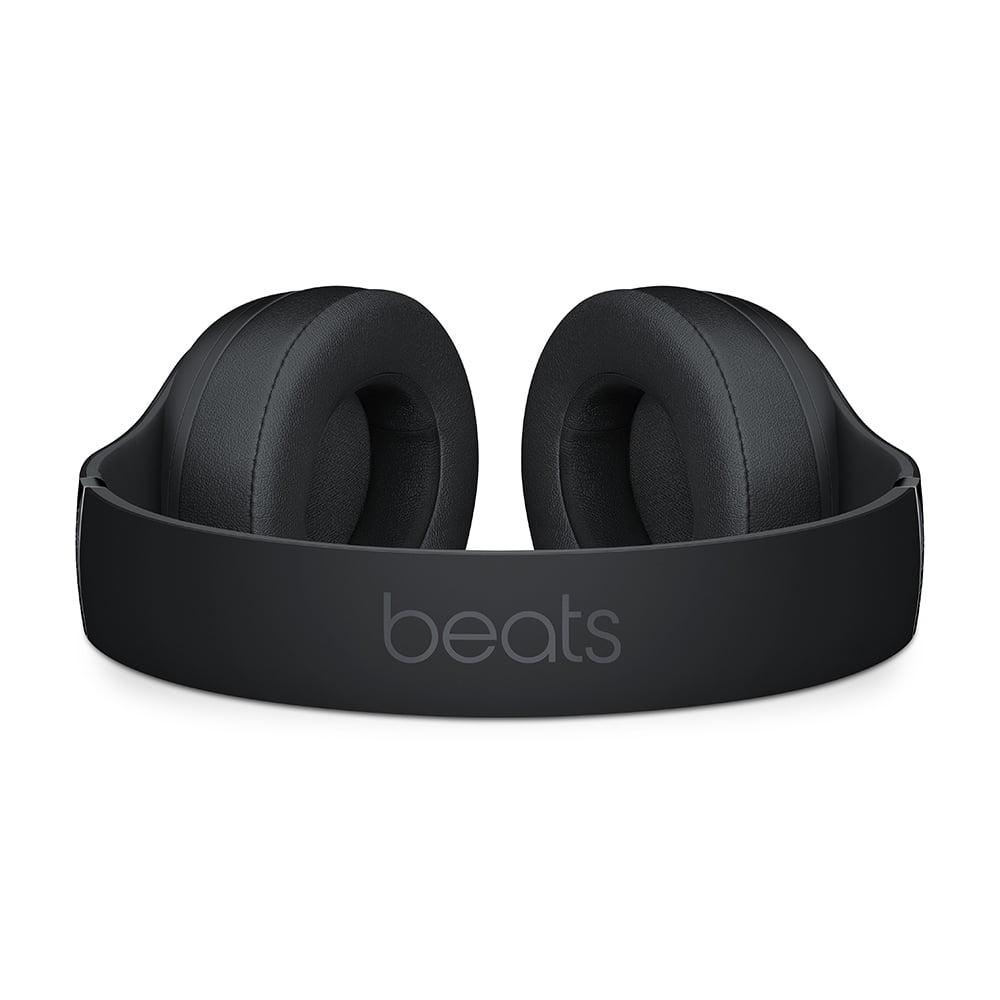
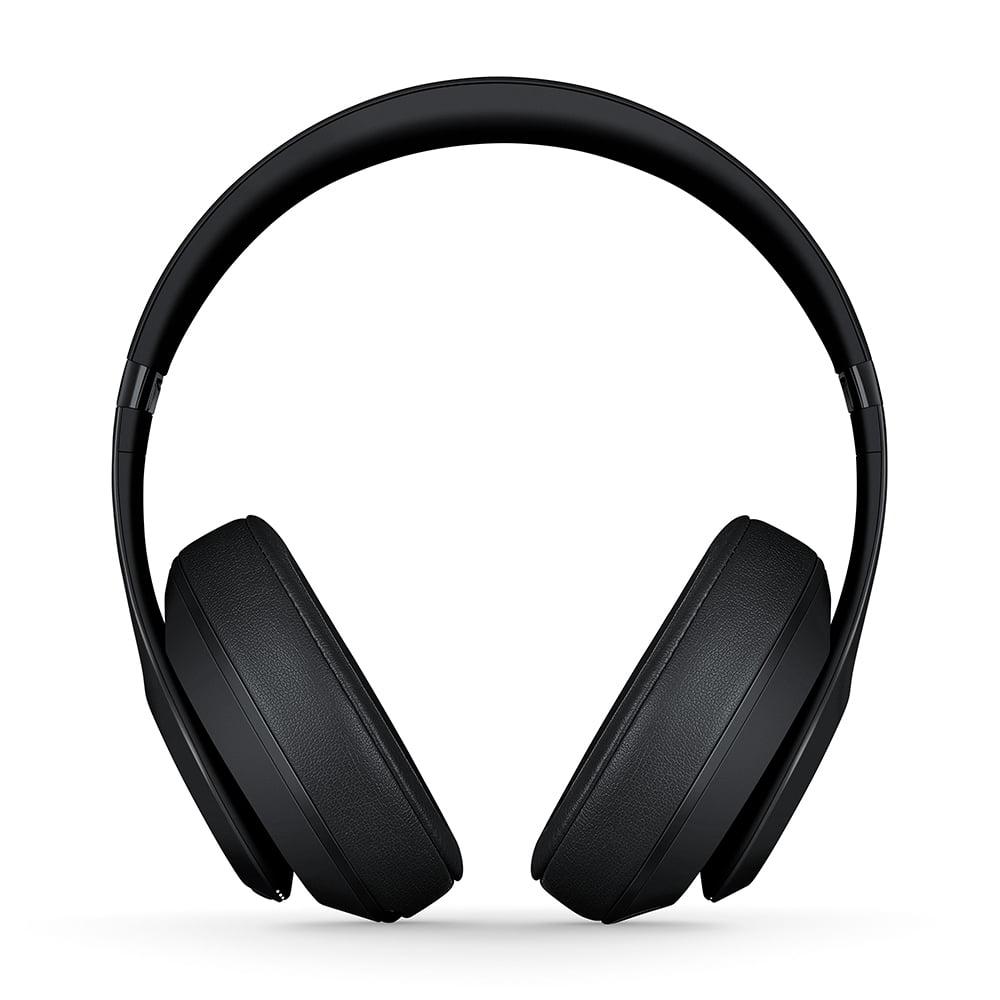
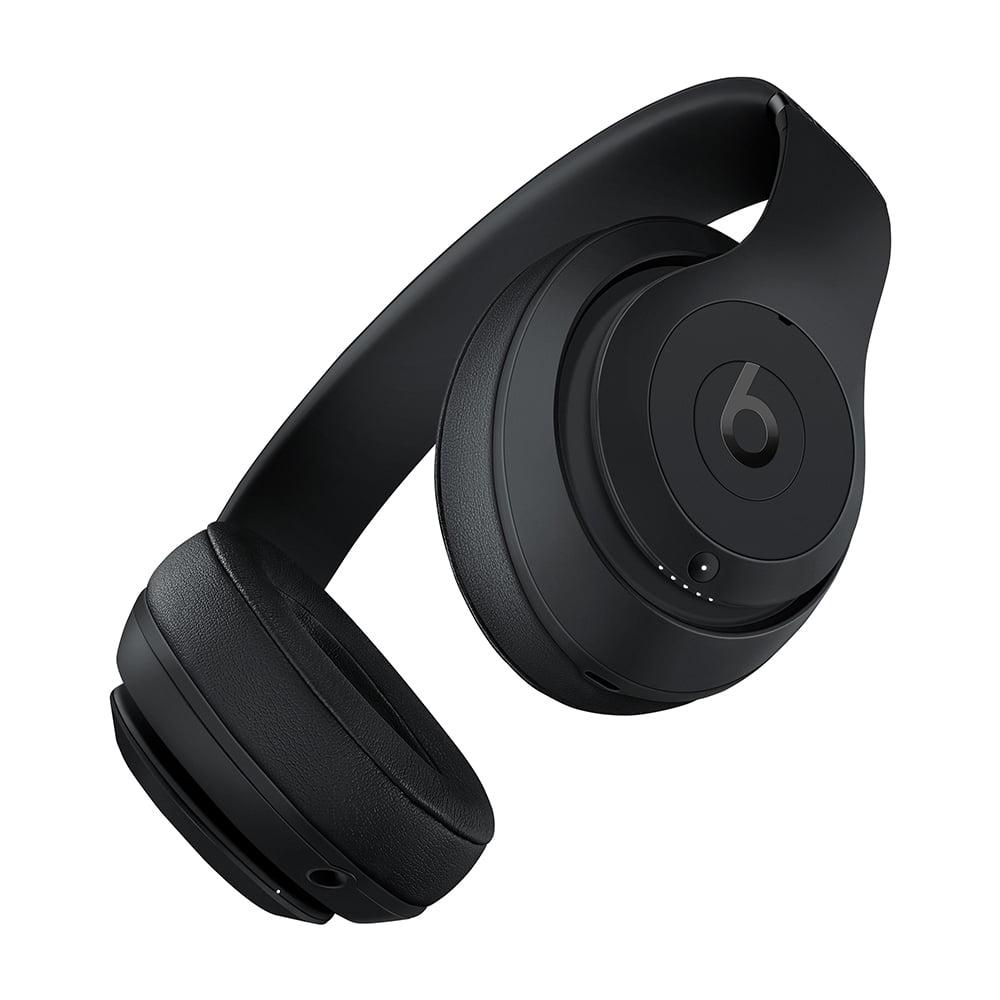
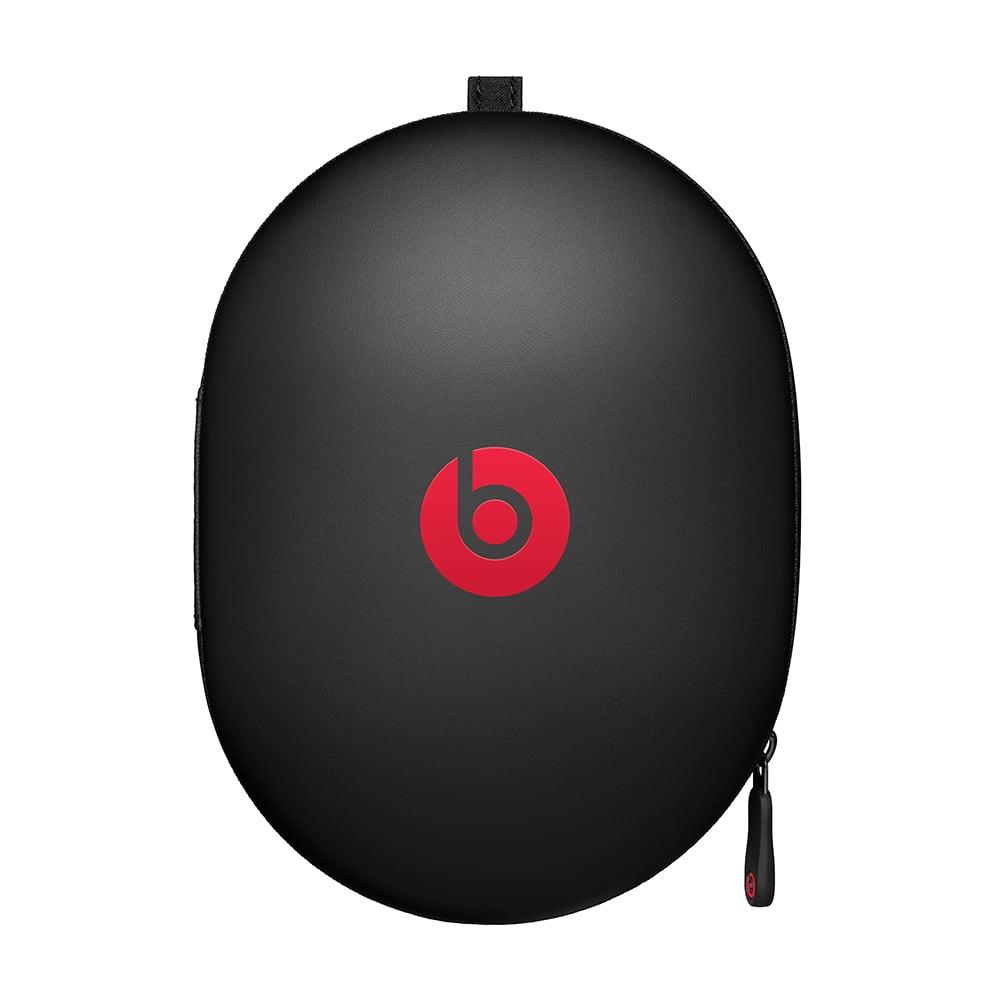
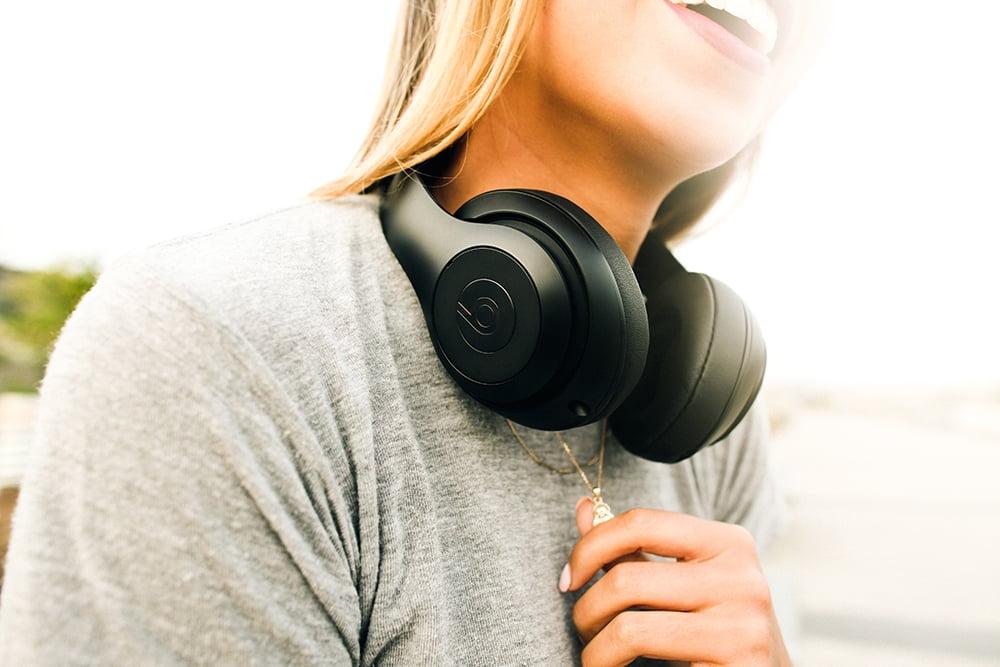
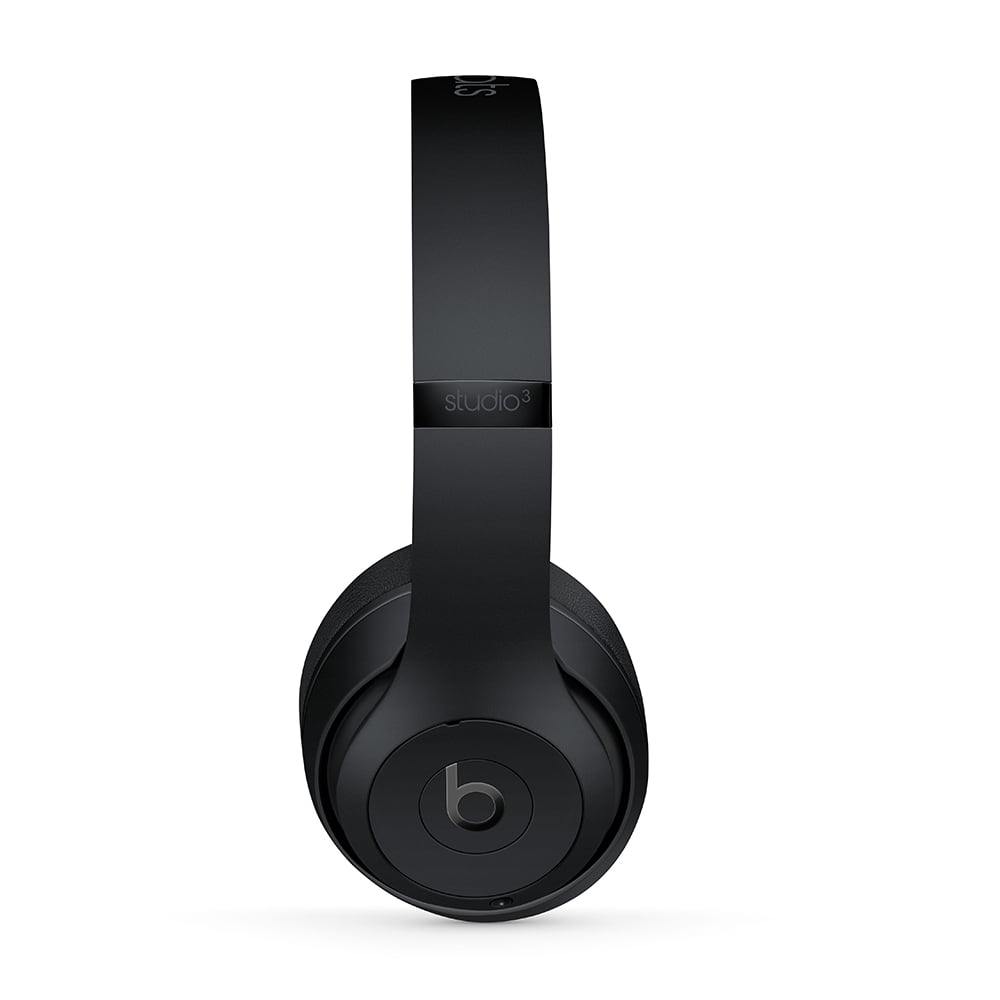
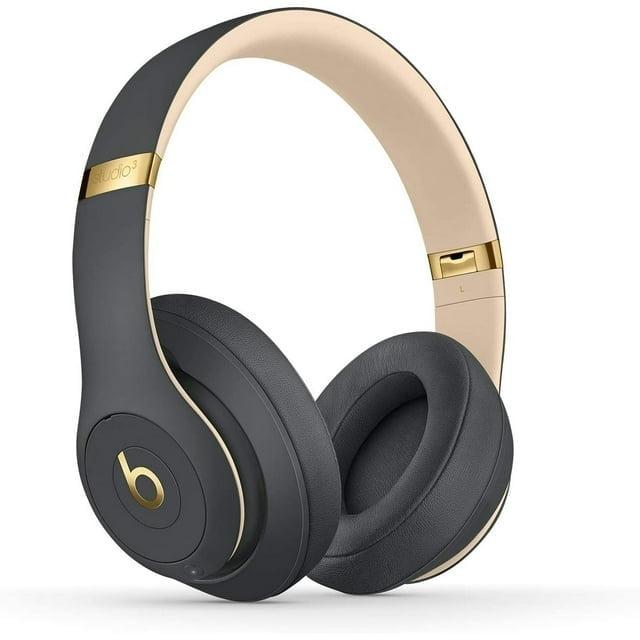
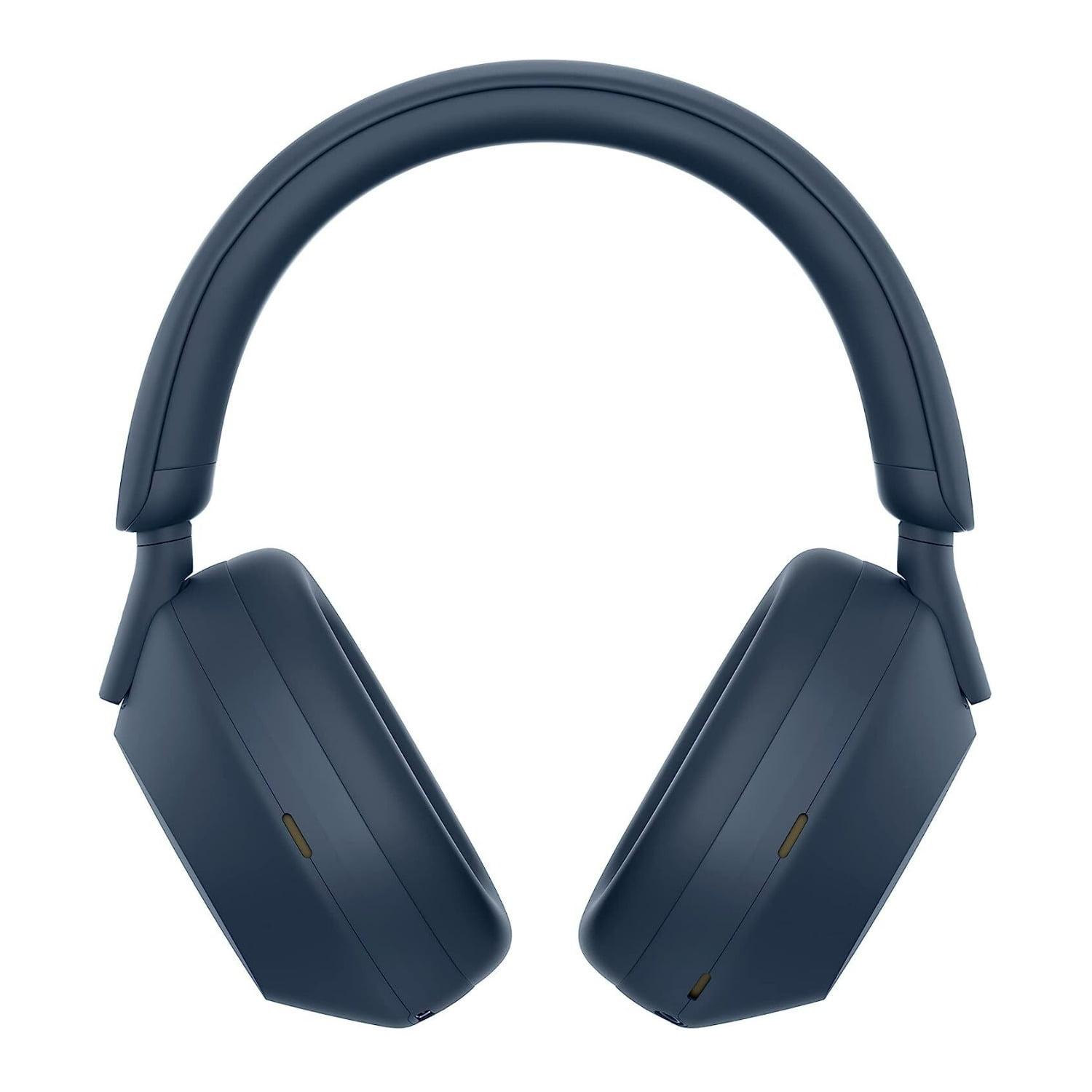
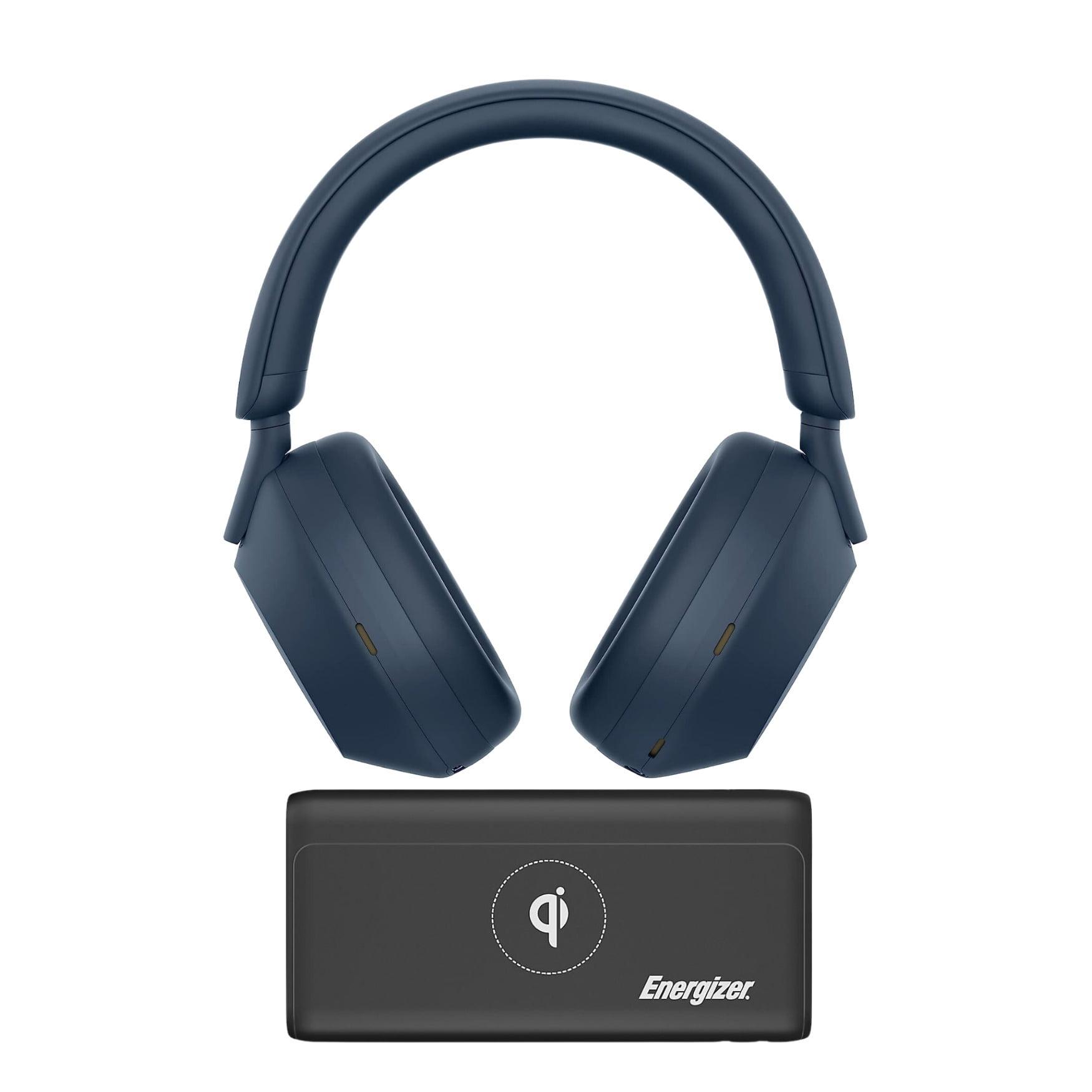
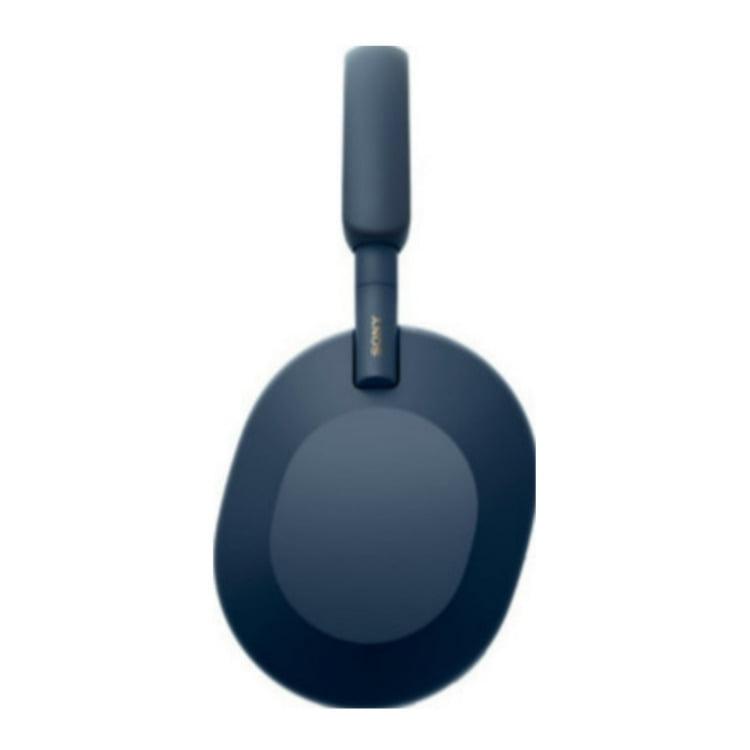

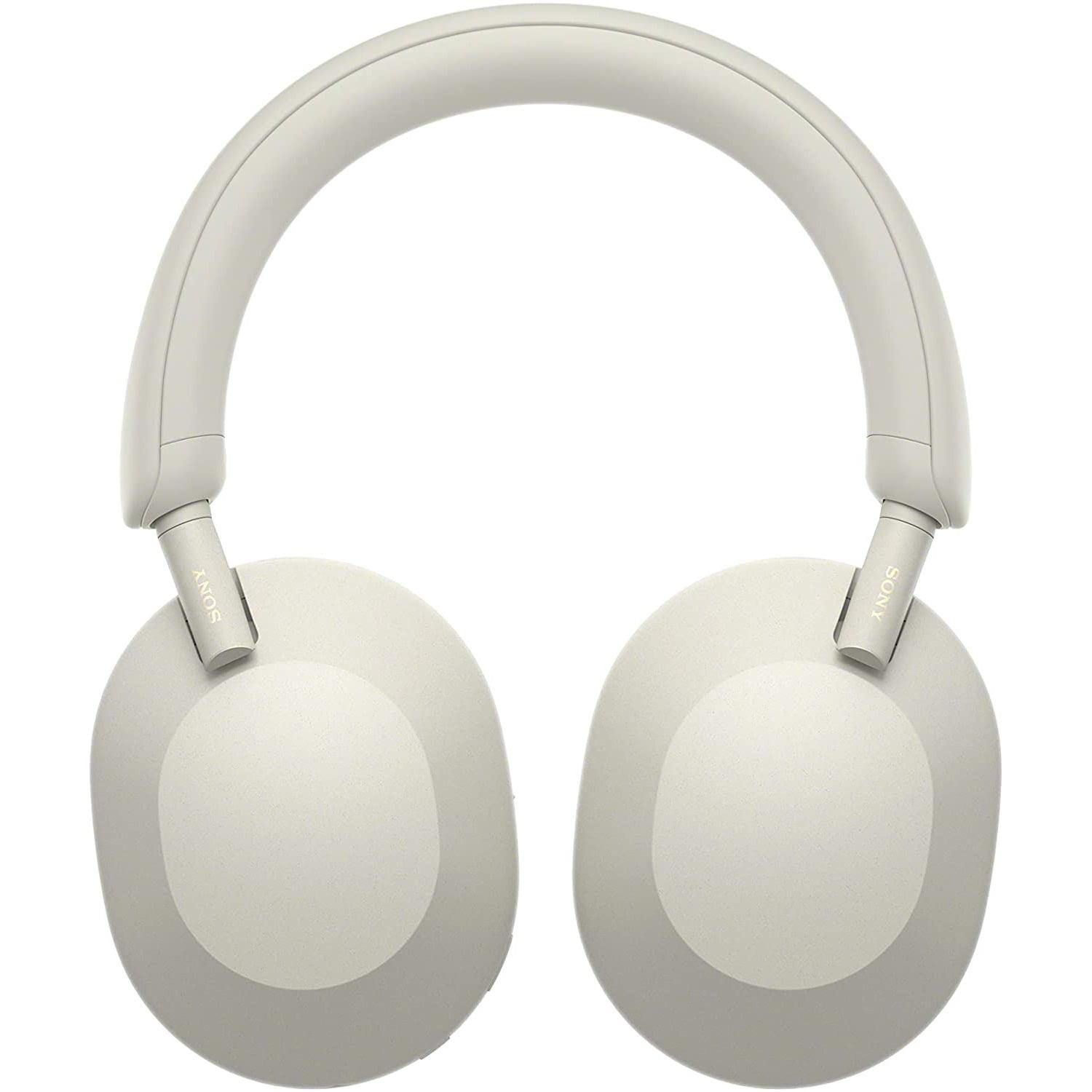
When you're shopping for premium wireless noise-canceling headphones, the choice often comes down to two distinct philosophies: seamless ecosystem integration or cutting-edge technical performance. The Beats Studio3 and Sony WH-1000XM5 represent these different approaches perfectly, each excelling in areas that matter most to their target audiences.
Wireless noise-canceling headphones have evolved from a luxury item to an essential tool for modern life. Whether you're a frequent traveler dealing with airplane noise, a remote worker seeking focus in a noisy environment, or simply someone who values high-quality audio without wires, these headphones serve multiple critical functions.
The key considerations when choosing in this category go beyond just "do they sound good?" You need to think about how effectively they block external noise (crucial for planes and trains), how comfortable they feel during a six-hour flight, whether the battery will last through your longest days, and how well they integrate with your existing devices. Build quality matters too – these aren't cheap purchases, and you want them to survive being stuffed into bags and pulled out dozens of times.
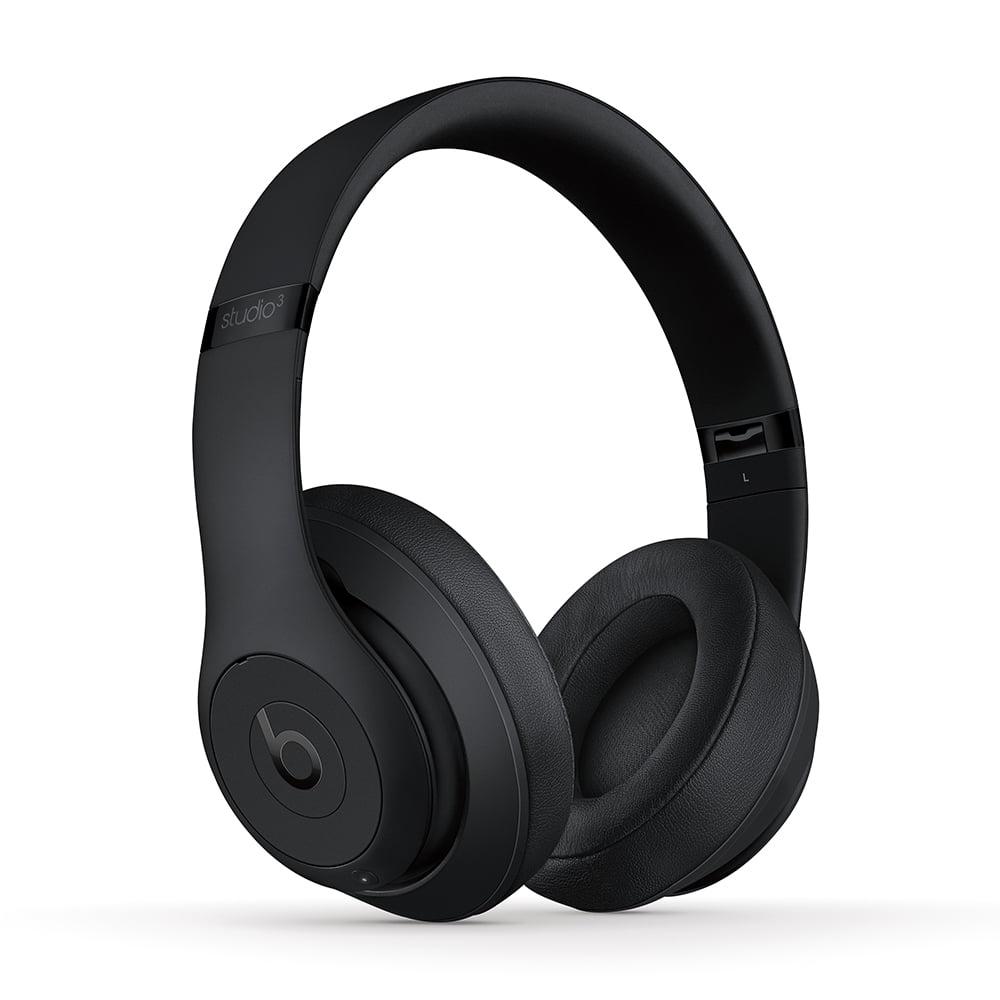
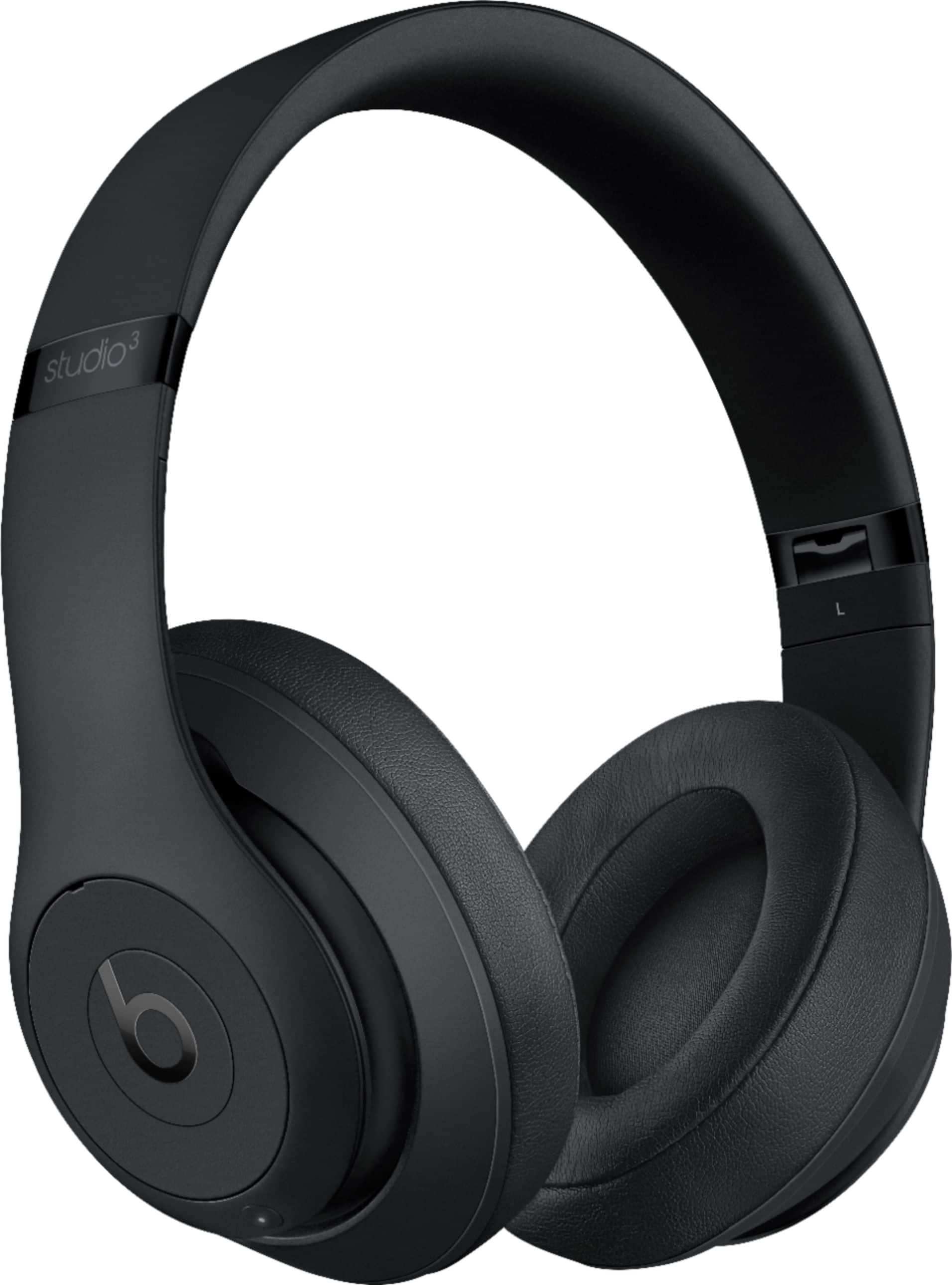
The Beats Studio3, released in 2017, represents Apple's approach to premium audio: simple, stylish, and optimized for the Apple ecosystem. Meanwhile, the Sony WH-1000XM5, launched in 2022, showcases Sony's engineering prowess with industry-leading noise cancellation and extensive customization options.
Let's start with what many consider the most important aspect of these headphones: their ability to create a quiet bubble around your ears. This is where the differences between these two models become crystal clear.
The Sony WH-1000XM5 uses what Sony calls a dual-processor system – essentially two specialized computer chips working together. The Integrated Processor V1 teams up with the HD Noise Cancelling Processor QN1 to control eight microphones (four on each ear cup) that constantly monitor the sound around you. Think of these microphones as tiny ears that listen to outside noise and then generate opposing sound waves to cancel it out – a technology called active noise cancellation or ANC.
What makes Sony's approach particularly effective is how these eight microphones work together. They're positioned strategically to capture different types of noise: some focus on low-frequency rumbles like airplane engines or air conditioners, while others target higher-frequency sounds like conversations or keyboard clicking. The system adapts in real-time, meaning if you walk from a quiet library into a busy coffee shop, the headphones automatically adjust their noise cancellation strategy.
The Beats Studio3, on the other hand, uses what Beats calls Pure Adaptive Noise Canceling. While it doesn't match Sony's microphone count, it does something clever: it continuously monitors both the sound coming from outside and how well the headphones are sealing around your ears. If you adjust the headphones or if your hair is affecting the fit, the system compensates automatically. This real-time calibration helps maintain consistent performance, but the overall noise reduction isn't as comprehensive as Sony's more aggressive approach.
In practical terms, if you're on an airplane, the Sony WH-1000XM5 will make that constant engine drone nearly disappear, while also significantly reducing the chatter from nearby passengers. The Beats Studio3 will handle the passenger conversations well but won't eliminate the engine noise as effectively. For train commutes or office environments, both perform admirably, but Sony maintains its edge in challenging acoustic environments.
Here's where things get interesting, because "better" sound quality isn't always objective – it often comes down to personal preference and how you plan to use the headphones.
The Sony WH-1000XM5 features newly designed 30mm drivers (the speakers inside the headphones) made with a carbon fiber composite material. This might sound like marketing speak, but it actually matters: carbon fiber is both lightweight and rigid, which means the drivers can move quickly and accurately to reproduce sound without unwanted vibrations that muddy the audio.
Out of the box, Sony has tuned these headphones with what they call a "consumer-friendly" sound signature. This means they've boosted the bass to make music feel more exciting and emphasized the treble to add sparkle to vocals and instruments. However, the midrange – where most vocals and lead instruments live – is somewhat recessed. Some listeners find this makes music sound slightly muffled or lacking in detail initially.
But here's where Sony's approach shines: the companion app includes a comprehensive equalizer (EQ) that lets you adjust the sound signature to your preferences. Want more vocal presence? Boost the mids. Prefer a more neutral, studio-monitor sound? There are presets for that. The transformation can be dramatic – many users report the headphones sound completely different (and much better) after EQ adjustment.
The Beats Studio3 takes a more traditional Beats approach with a warm, bass-forward sound signature. However, it's considerably more restrained than older Beats models that were sometimes criticized for overwhelming bass. The problem is that these headphones lack the detail and clarity that you'd expect at this price point. The midrange can sound muddy, vocals often seem veiled, and there's no EQ option to fix these issues. What you hear out of the box is what you're stuck with.
For casual listening – especially genres like hip-hop, pop, and electronic music that benefit from emphasized bass – the Beats Studio3 can be enjoyable. But for complex orchestral music, jazz, or anything where you want to hear subtle details, the Sony WH-1000XM5 is in a different league entirely.
The Sony also supports high-resolution audio codecs like LDAC, which can transmit about three times more data than standard Bluetooth audio. If you're streaming from a compatible device with high-quality audio files, you'll hear the difference in clarity and detail.
When you're wearing headphones for hours at a time, comfort becomes crucial. Both of these models take different approaches to achieving all-day wearability.
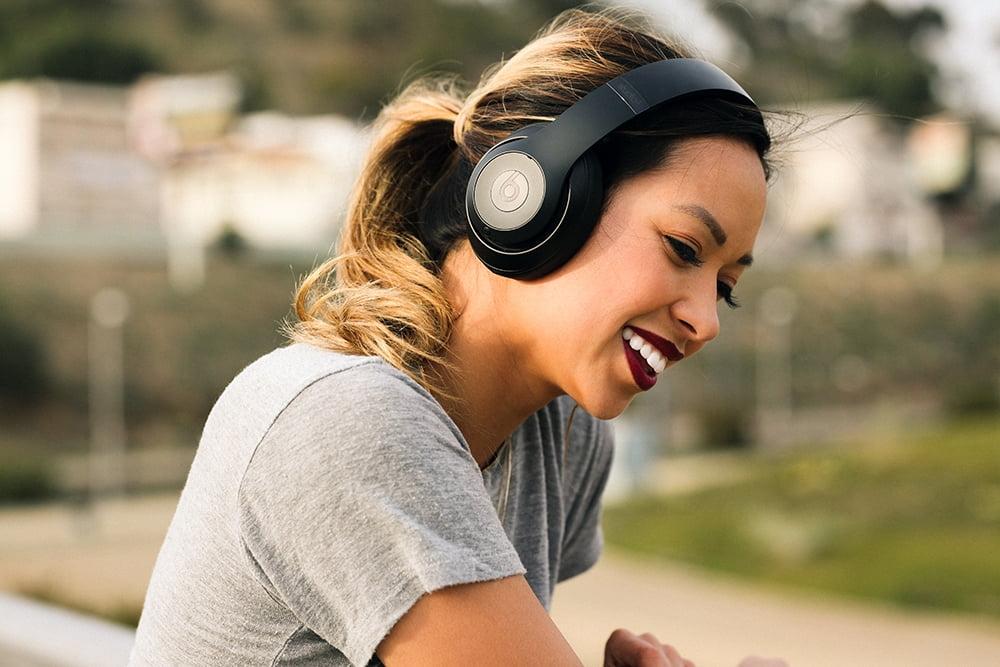
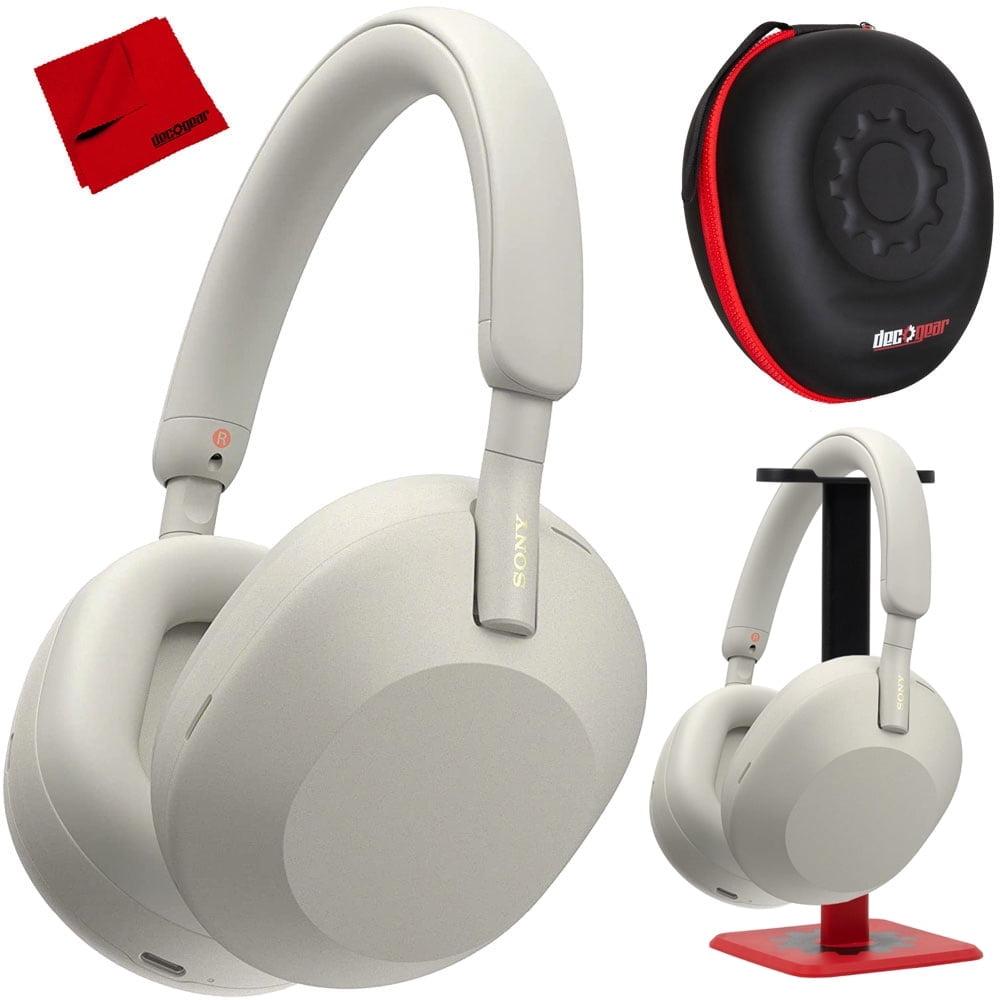
The Sony WH-1000XM5 weighs 250 grams and uses a non-folding design with soft synthetic leather ear pads and a well-padded headband. The weight distribution is excellent – you can wear these for entire workdays without developing pressure points or fatigue. The stepless slider adjustment means you can fine-tune the fit perfectly for your head size.
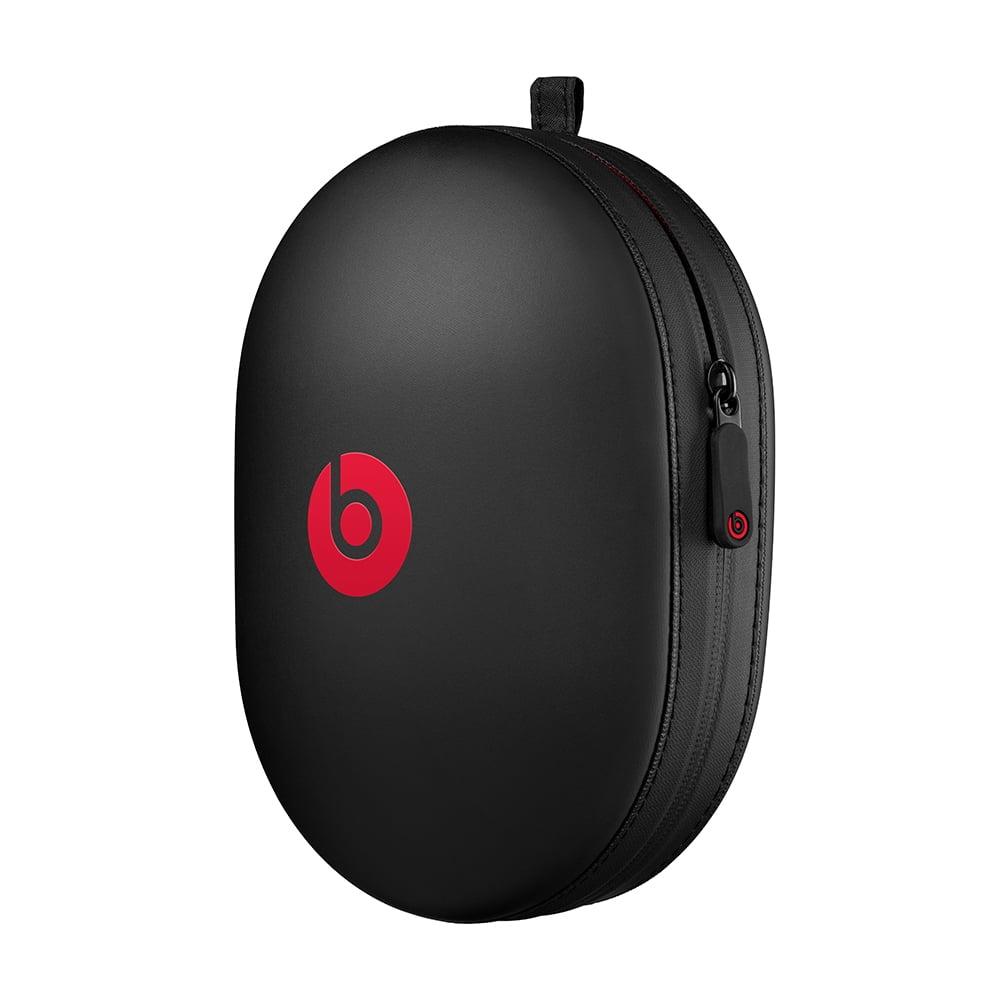
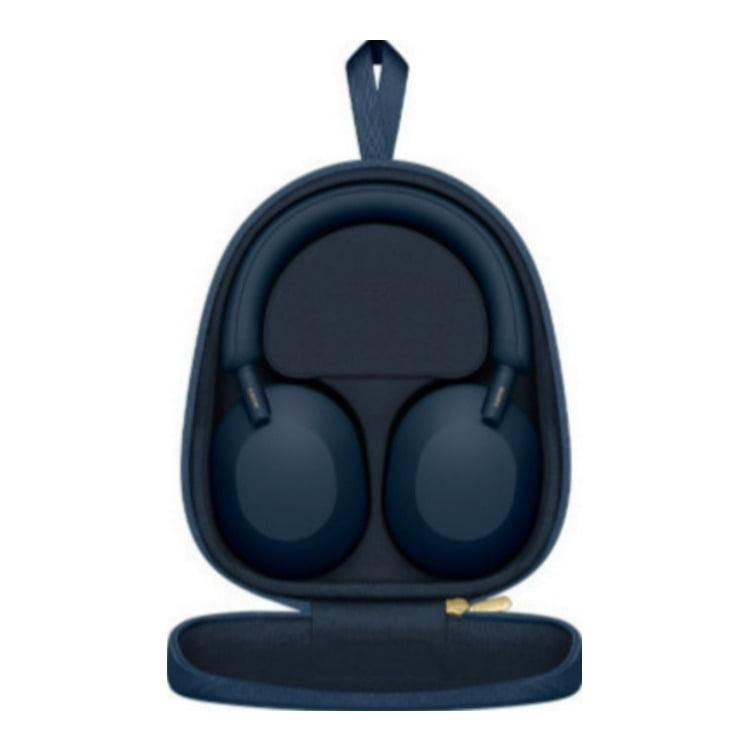
The trade-off with Sony's design is portability. These headphones don't fold, so they take up more space in a bag. However, they do come with a nice carrying case that provides protection during travel.
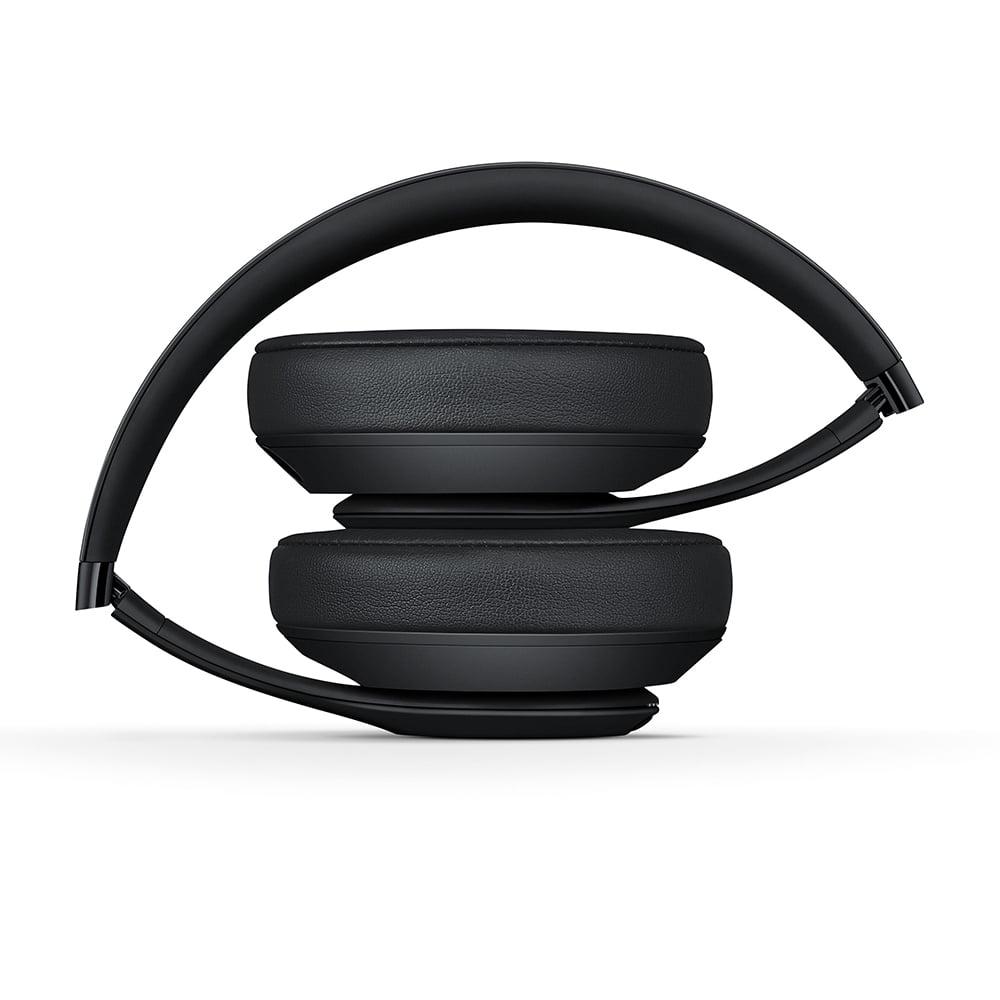
The Beats Studio3 weighs slightly more at 260 grams but features a foldable design that makes them much more portable. The ear pads are comfortable, but the headband padding is minimal, which can become noticeable during extended wear. Some users also report that the plastic construction can stick to hair, which is annoying when removing the headphones.
Both models are well-built, though there are some durability concerns worth noting. The Beats Studio3 has a somewhat rigid construction that doesn't flex much, raising questions about long-term durability if they're dropped or twisted. The Sony WH-1000XM5 feels more robust overall, though some users have reported concerns about the hinge mechanism.
Battery performance is where both headphones deliver solid, if not spectacular, results with some important differences in implementation.
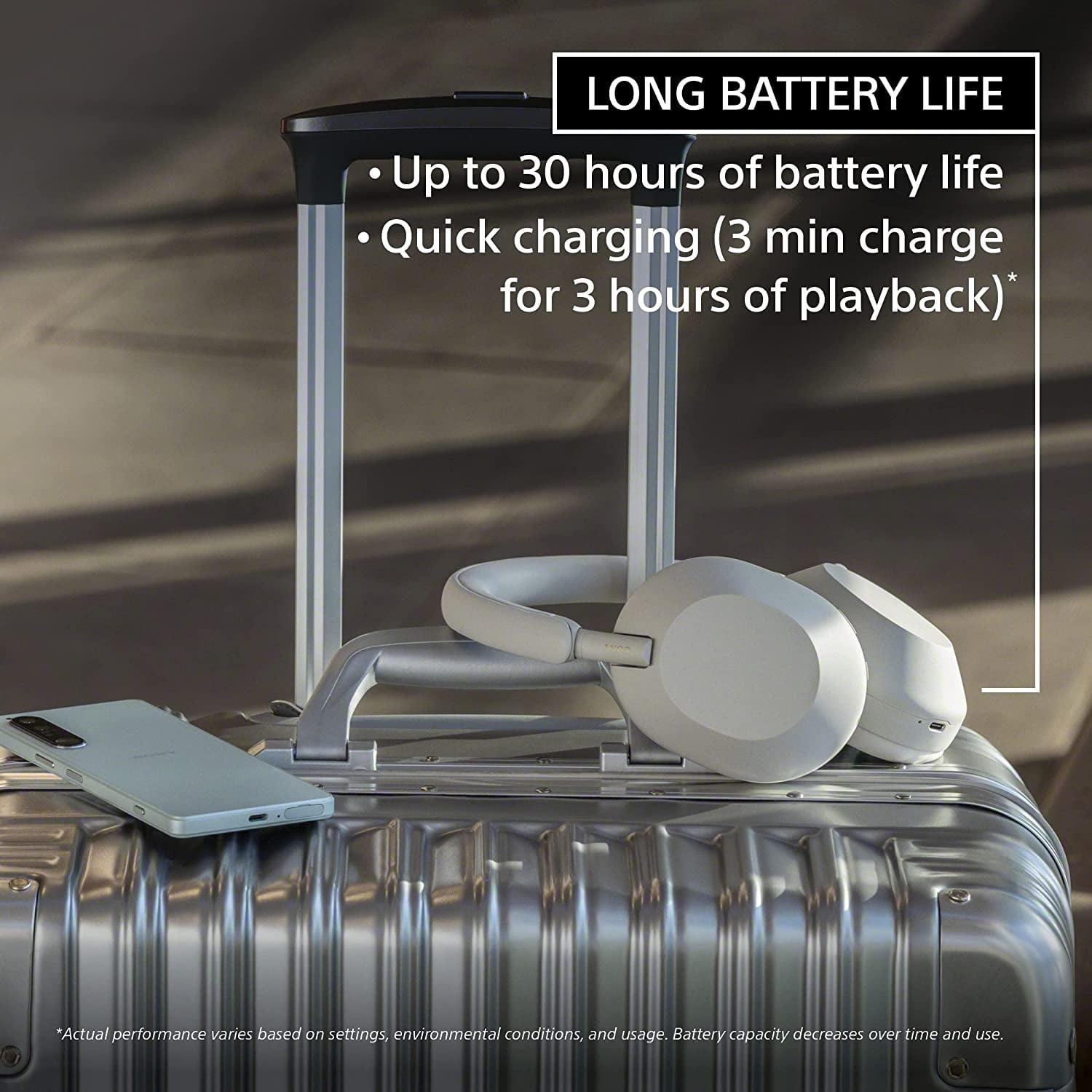
The Sony WH-1000XM5 provides up to 30 hours of playback with noise cancellation enabled, extending to 40 hours with ANC turned off. The fast-charging feature is particularly useful: just three minutes of charging via USB-C gives you about three hours of playback time. Full charging takes about 3.5 hours.
One limitation worth noting: you can't use the Sony headphones while they're charging, which can be inconvenient during long work sessions when the battery runs low.
The Beats Studio3 offers up to 22 hours with ANC enabled or 40 hours with it disabled. The Fast Fuel technology provides about three hours of listening from a 10-minute charge, which is convenient for quick top-ups. However, these headphones still use the older Micro-USB charging standard rather than the more modern USB-C, which means carrying an extra cable if your other devices use USB-C.
For most users, both provide more than enough battery life for daily use, though the Sony's longer ANC-enabled runtime gives it an edge for heavy travelers.
This is perhaps where the philosophical differences between these two headphones become most apparent.
The Beats Studio3 features Apple's W1 chip, which provides seamless integration within the Apple ecosystem. If you own an iPhone, iPad, Mac, or Apple TV, pairing is instant – just power on the headphones near your device and they connect automatically. The W1 chip also enables automatic switching between your Apple devices and provides extended wireless range through Class 1 Bluetooth technology.
However, this Apple-centric approach means Android users miss out on some features, though the basic Bluetooth functionality works fine with any device.
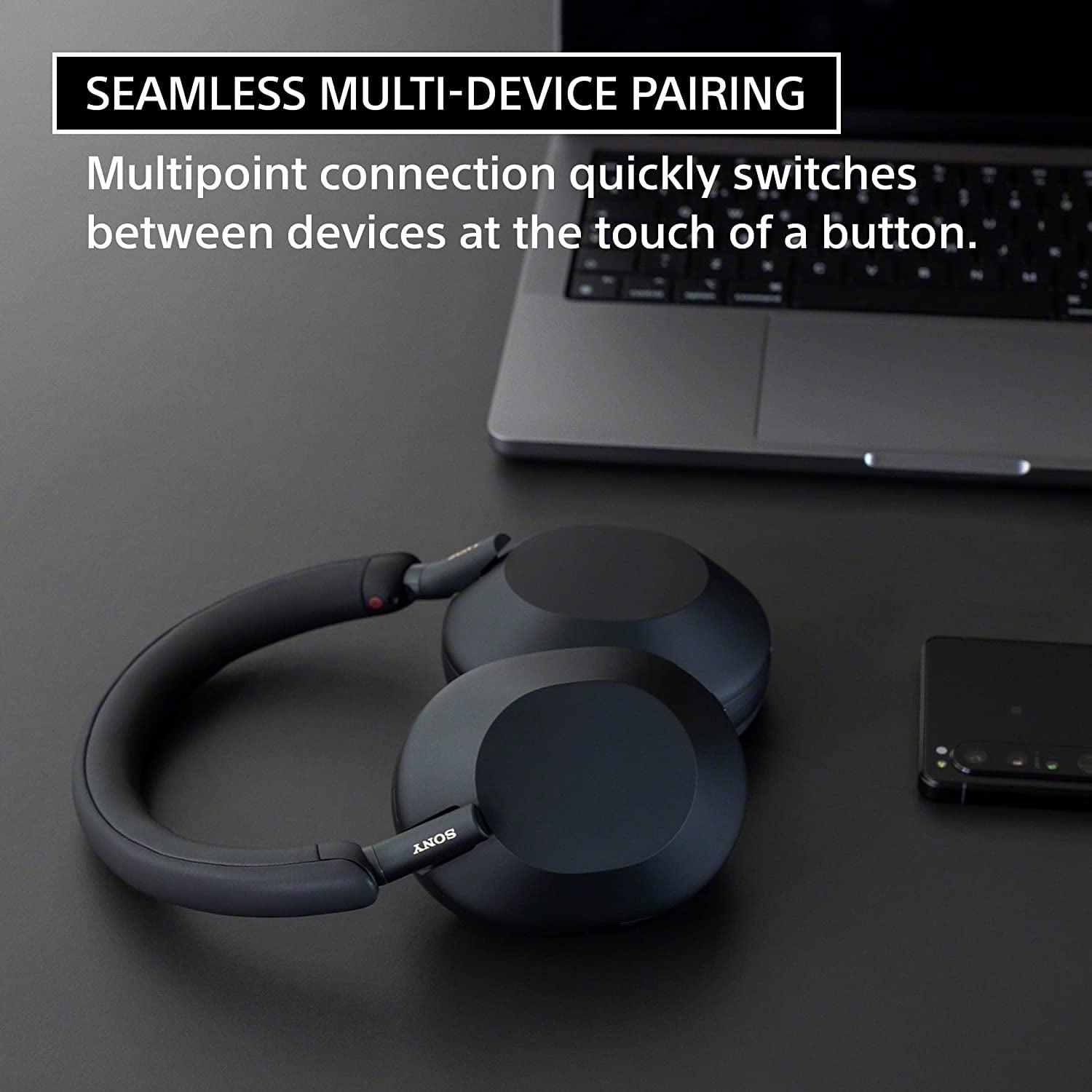
The Sony WH-1000XM5 takes a more platform-agnostic approach with Bluetooth 5.2 and multipoint connectivity, allowing you to connect to two devices simultaneously. This means you could have them connected to both your laptop and phone, automatically switching audio sources as needed.
Sony's companion app is comprehensive, offering EQ adjustment, ambient sound modes, adaptive sound control (which automatically adjusts noise cancellation based on your activity and location), and even hearing protection features. The touch controls on the right ear cup are intuitive and responsive, allowing you to control playback, adjust volume, and activate voice assistants.
While both headphones are primarily designed for mobile use, they can serve as excellent options for home theater applications, especially for late-night viewing when you don't want to disturb others.
The Sony WH-1000XM5 excels here thanks to its detailed sound reproduction and excellent noise isolation. Movie soundtracks benefit from the wide soundstage and clear dialogue reproduction, while the noise cancellation helps eliminate household distractions like air conditioning or outside traffic. The multipoint connectivity is particularly useful – you could stay connected to your phone while watching TV via Bluetooth from a streaming device.
The Beats Studio3 can work for casual movie watching, though the bass-heavy tuning might make dialogue less clear in complex action sequences. The Apple TV integration is seamless if you're in that ecosystem, but the overall audio quality doesn't match Sony's level for critical listening.
For both models, keep in mind that Bluetooth introduces slight audio delay (latency), which can cause lip-sync issues with video. Many modern devices compensate for this automatically, but it's worth testing with your specific setup.
At the time of writing, pricing for both models fluctuates significantly based on sales and availability, but some general patterns emerge.
The Sony WH-1000XM5 typically commands a premium price reflecting its newer technology and superior performance. However, when considering the comprehensive feature set, industry-leading noise cancellation, and sound quality flexibility through EQ, many users find the extra cost justified for serious use.
The Beats Studio3, being an older model, frequently appears at substantial discounts. At these reduced prices, they can represent decent value for casual users, especially those already invested in the Apple ecosystem who prioritize style and simplicity over technical excellence.
The key consideration is matching the product to your specific needs and budget. If you're a frequent traveler who needs the best possible noise cancellation, the Sony's premium is likely worth paying. If you want decent ANC headphones for occasional use and can find the Beats at a significant discount, they might suffice.
Choose the Sony WH-1000XM5 if you prioritize technical performance above all else. These headphones deliver superior noise cancellation, more detailed sound quality, longer battery life with ANC enabled, and extensive customization options. They're ideal for frequent travelers, audiophiles who want to fine-tune their sound, and anyone who uses multiple devices or platforms.
The Beats Studio3 makes sense for users deeply embedded in the Apple ecosystem who value simplicity and style. If you can find them at a substantial discount and don't need cutting-edge performance, they offer decent noise cancellation and the seamless Apple integration that makes daily use effortless.
For most users, the Sony WH-1000XM5 represents the better long-term investment despite the higher upfront cost. The superior technology, more comprehensive features, and better sound quality provide better value over the headphones' lifespan. However, if Apple ecosystem integration is crucial to your workflow and you can secure the Beats Studio3 at a significant discount, they remain a viable option for less demanding use cases.
The wireless noise-canceling headphone market has matured to the point where even older models like the Studio3 provide competent performance. But when you're investing in a product you'll use daily for years, the Sony's technical advantages make it the clear choice for users who want the best possible experience.
| Beats Studio3 Wireless Over-Ear Headphones | Sony WH-1000XM5 Wireless Noise Canceling Headphones |
|---|---|
| Noise Cancellation Technology - Critical for blocking ambient noise during travel and work | |
| Pure Adaptive Noise Canceling with real-time calibration, effective for mid-frequency sounds | Dual-processor system with 8 microphones, industry-leading performance across all frequencies |
| Sound Quality & Customization - Determines your long-term listening satisfaction | |
| Warm, bass-forward signature with no EQ options, lacks detail and clarity | Consumer-friendly tuning out-of-box but transforms with comprehensive EQ customization |
| Battery Life with ANC - Essential for all-day use without charging anxiety | |
| Up to 22 hours (competitive but shorter than Sony) | Up to 30 hours (class-leading for ANC-enabled use) |
| Weight & Comfort - Crucial for extended wear during flights or work sessions | |
| 260g, comfortable ear pads but minimal headband padding, foldable for portability | 250g, excellent weight distribution and all-day comfort, non-folding design |
| Connectivity & Smart Features - Impacts daily usability and device integration | |
| Apple W1 chip for seamless Apple ecosystem integration, basic app functionality | Bluetooth 5.2 with multipoint connectivity, comprehensive app with advanced features |
| Driver Technology - Affects audio clarity and detail reproduction | |
| Standard dynamic drivers, modest resolution and soundstage | New 30mm carbon fiber composite drivers with superior clarity and detail |
| Charging Technology - Convenience factor for modern device compatibility | |
| Fast Fuel (3 hours from 10 minutes), Micro-USB charging (older standard) | Quick charge (3 hours from 3 minutes), USB-C charging (modern standard) |
| Audio Codec Support - Important for wireless audio quality from compatible devices | |
| SBC and AAC codecs (standard Bluetooth quality) | SBC, AAC, and LDAC codecs (high-resolution wireless audio capability) |
| Release Year & Technology - Indicates how current the technology and features are | |
| 2017 release, older but proven technology with Apple focus | 2022 release, latest noise cancellation and audio processing technology |
| Best Use Cases - Who should choose each product | |
| Apple ecosystem users wanting simple, stylish ANC at discounted prices | Frequent travelers and audio enthusiasts prioritizing best-in-class performance |
The Sony WH-1000XM5 has significantly better noise cancellation than the Beats Studio3. Sony uses a dual-processor system with eight microphones that excels at blocking all types of ambient noise, especially low-frequency sounds like airplane engines. The Beats Studio3 offers decent noise canceling for conversations and mid-frequency sounds but can't match Sony's performance for travel or noisy environments.
For most users, yes. The Sony WH-1000XM5 offers superior noise cancellation, better sound quality, longer battery life, and extensive customization options through its app. However, the Beats Studio3 can be good value when found at significant discounts, especially for Apple users who prioritize ecosystem integration over technical performance.
The Sony WH-1000XM5 is generally more comfortable for extended wear due to better weight distribution at 250g and superior headband padding. The Beats Studio3 weighs 260g with good ear pads but minimal headband cushioning, which can become noticeable during long sessions. Both are suitable for all-day use, but Sony has the edge for comfort.
The Sony WH-1000XM5 works excellently with both iPhone and Android, offering full functionality and multipoint connectivity. The Beats Studio3 works with Android but is optimized for Apple devices with the W1 chip providing seamless pairing and device switching. Android users will get better features and performance from the Sony headphones.
The Sony WH-1000XM5 delivers superior sound quality with more detail, clarity, and the ability to customize the sound signature through EQ settings. The Beats Studio3 has a warm, bass-forward sound that some enjoy but lacks the detail and precision of the Sony model, with no EQ options available for adjustment.
The Sony WH-1000XM5 provides up to 30 hours with noise cancellation enabled, while the Beats Studio3 offers up to 22 hours with ANC on. Both extend to around 40 hours with noise cancellation disabled. The Sony headphones also feature faster charging via USB-C compared to the Micro-USB on the Beats.
The Sony WH-1000XM5 offers better call quality with four dedicated beamforming microphones that isolate your voice from background noise. The Beats Studio3 provides adequate call quality in quiet environments but struggles more with background noise. For frequent calls or video meetings, the Sony is the better choice.
The Sony WH-1000XM5 is superior for travel due to its industry-leading noise cancellation that effectively blocks airplane engines and train noise. However, the Beats Studio3 offers better portability with its foldable design. For serious travelers prioritizing noise isolation, the Sony model is worth the larger carrying case.
Both can work for home theater use, but the Sony WH-1000XM5 is better suited due to its detailed sound reproduction, wide soundstage, and excellent dialogue clarity. The multipoint connectivity allows you to stay connected to your phone while watching TV. The Beats Studio3 works for casual viewing but the bass-heavy tuning may muddy dialogue in complex scenes.
The Sony WH-1000XM5 has a comprehensive app with extensive EQ customization, ambient sound modes, adaptive sound control, and hearing protection features. The Beats Studio3 has basic app functionality with limited customization options. For users who want to fine-tune their listening experience, the Sony headphones offer significantly more control.
Both models are generally well-built, but the Beats Studio3 has a more rigid construction that may be less forgiving if dropped or twisted. The Sony WH-1000XM5 feels more robust overall, though some users report concerns about the hinge mechanism. The non-folding design of the Sony model may actually improve long-term durability by eliminating moving parts.
While the Beats Studio3 offers seamless Apple ecosystem integration with the W1 chip, the Sony WH-1000XM5 still works excellently with Apple devices and provides superior technical performance. Unless you find the Beats at a significant discount and prioritize the automatic device switching feature, the Sony headphones offer better overall value even for Apple users.
We've done our best to create useful and informative comparisons to help you decide what product to buy. Our research uses advanced automated methods to create this comparison and perfection is not possible - please contact us for corrections or questions. These are the sites we've researched in the creation of this article: techradar.com - recordingnow.com - rtings.com - soundguys.com - recordingnow.com - recordingnow.com - soundguys.com - soundguys.com - youtube.com - rtings.com - gsmarena.com - bhphotovideo.com - headphonecheck.com - themasterswitch.com - walmart.com - rentacenter.com - discussions.apple.com - beatsbydre.com - bestbuy.com - walmart.com - youtube.com - youtube.com - rtings.com - audiosciencereview.com - techradar.com - audio46.com - recordingnow.com - electronics.sony.com - theabsolutesound.com - soundguys.com - soundguys.com - headphonesaddict.com - sony.com - sony.com - sony-mea.com - fullspecs.net - bhphotovideo.com - sony.com - helpguide.sony.net - headphones.com - androidpolice.com - sony.co.id - moon-audio.com - sony.com - bestbuy.com - sonylatvija.com

Privacy Policy
Terms and Conditions - Affiliate Policy
Home Security
© Copyright 2008-2026.
11816 Inwood Rd #1211, Dallas, TX 75244