







When I first started testing wireless noise-canceling headphones, I was amazed by how much the technology had evolved. Gone are the days when you had to choose between decent sound quality and wireless convenience. Today's market offers compelling options across every price range, but picking the right pair requires understanding what separates a good value from a premium investment.
The Sennheiser HD 450BT and Sony WH-1000XM5 represent two very different approaches to wireless noise-canceling headphones. One prioritizes exceptional value and specific use cases, while the other pushes the boundaries of what's possible with advanced audio technology. Understanding these differences will help you make the right choice for your needs and budget.
Before diving into specifics, it's worth understanding what makes this product category unique. Wireless noise-canceling headphones combine three major technologies: Bluetooth wireless connectivity, active noise cancellation (ANC), and high-quality audio drivers. Each component affects your listening experience in different ways.
Active noise cancellation works by using microphones to detect ambient sound, then generating opposite sound waves to cancel out unwanted noise. Think of it like noise pollution control for your ears – it's particularly effective against consistent, low-frequency sounds like airplane engines, air conditioners, or traffic hum. However, ANC systems vary dramatically in their sophistication and effectiveness.
Battery life becomes crucial since these headphones need power for both wireless connectivity and noise cancellation. Most modern models offer impressive endurance, but the difference between 30 and 40 hours can mean the difference between charging weekly versus monthly for many users.
Sound quality in wireless headphones has improved dramatically over the past few years, thanks to advanced audio codecs (the technology that compresses and transmits audio data) and better internal processing. However, the tuning philosophy – whether a manufacturer prioritizes accuracy, excitement, or comfort – significantly impacts your listening experience.
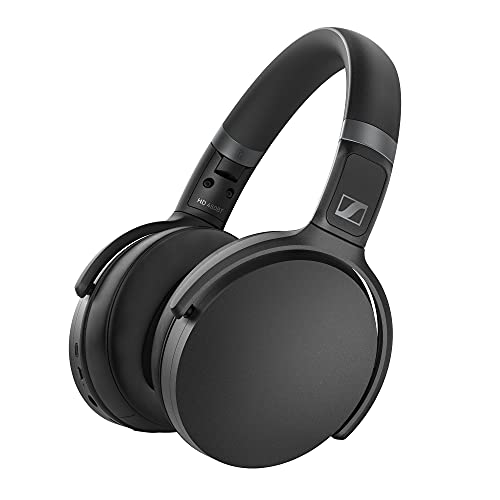
The Sennheiser HD 450BT launched in 2020 as an accessible entry point into active noise cancellation. At the time of writing, it sits in the budget-friendly category, making ANC technology available to users who previously couldn't justify premium pricing. Sennheiser positioned these headphones for everyday users who need reliable performance for calls, casual listening, and light travel.
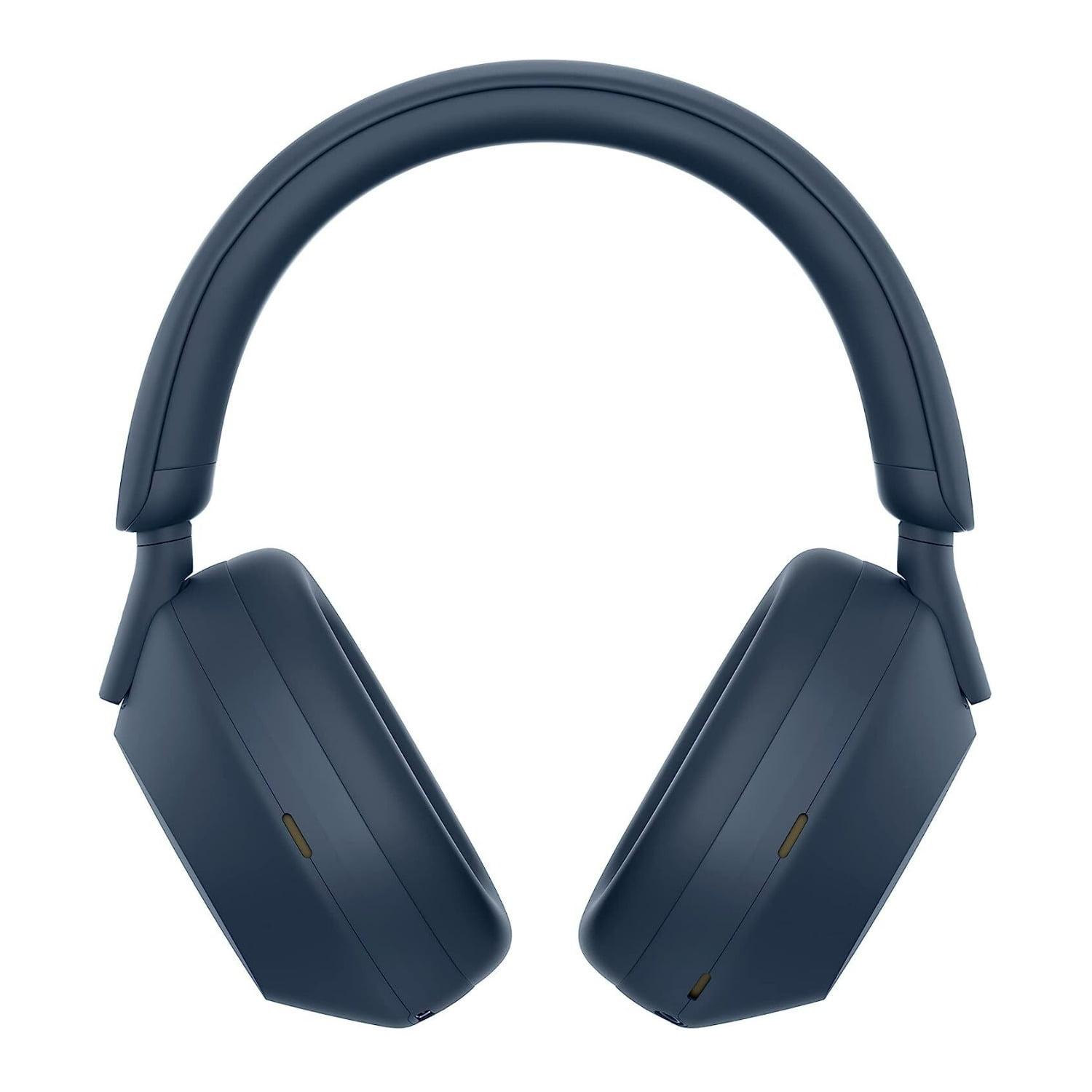
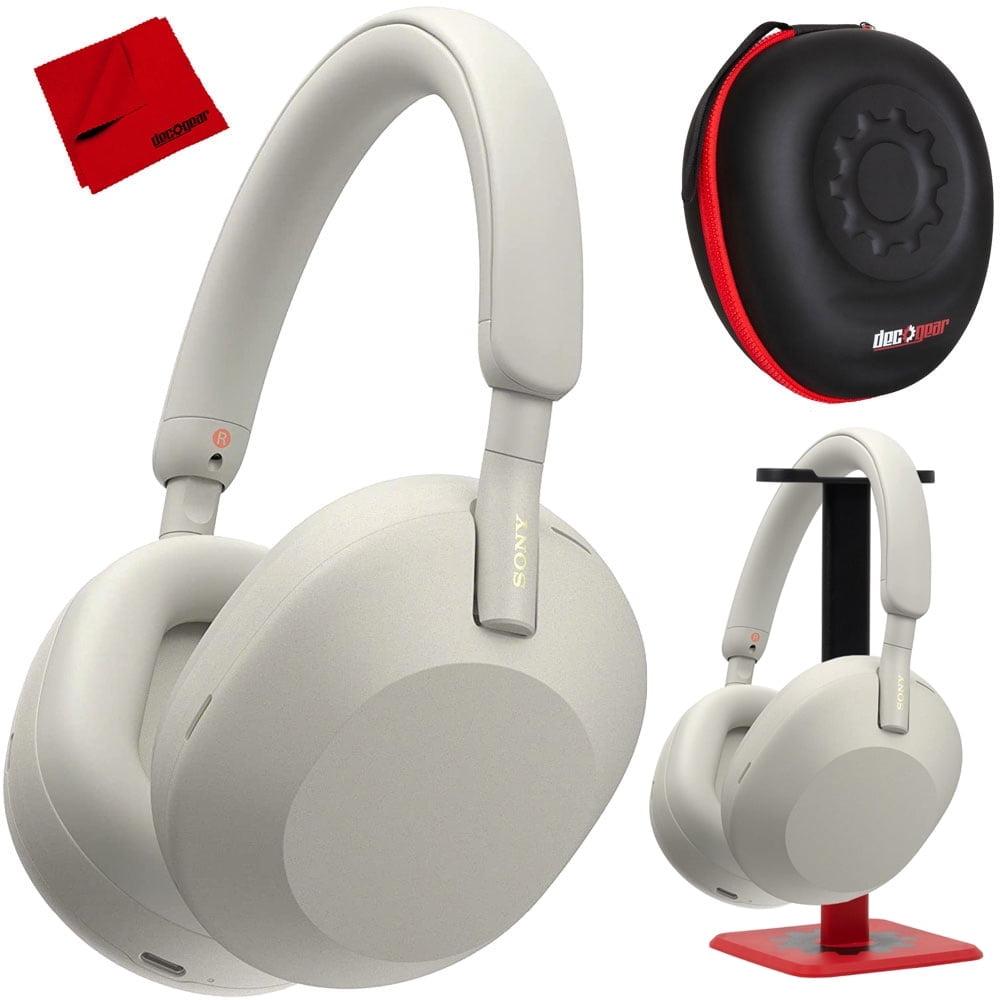
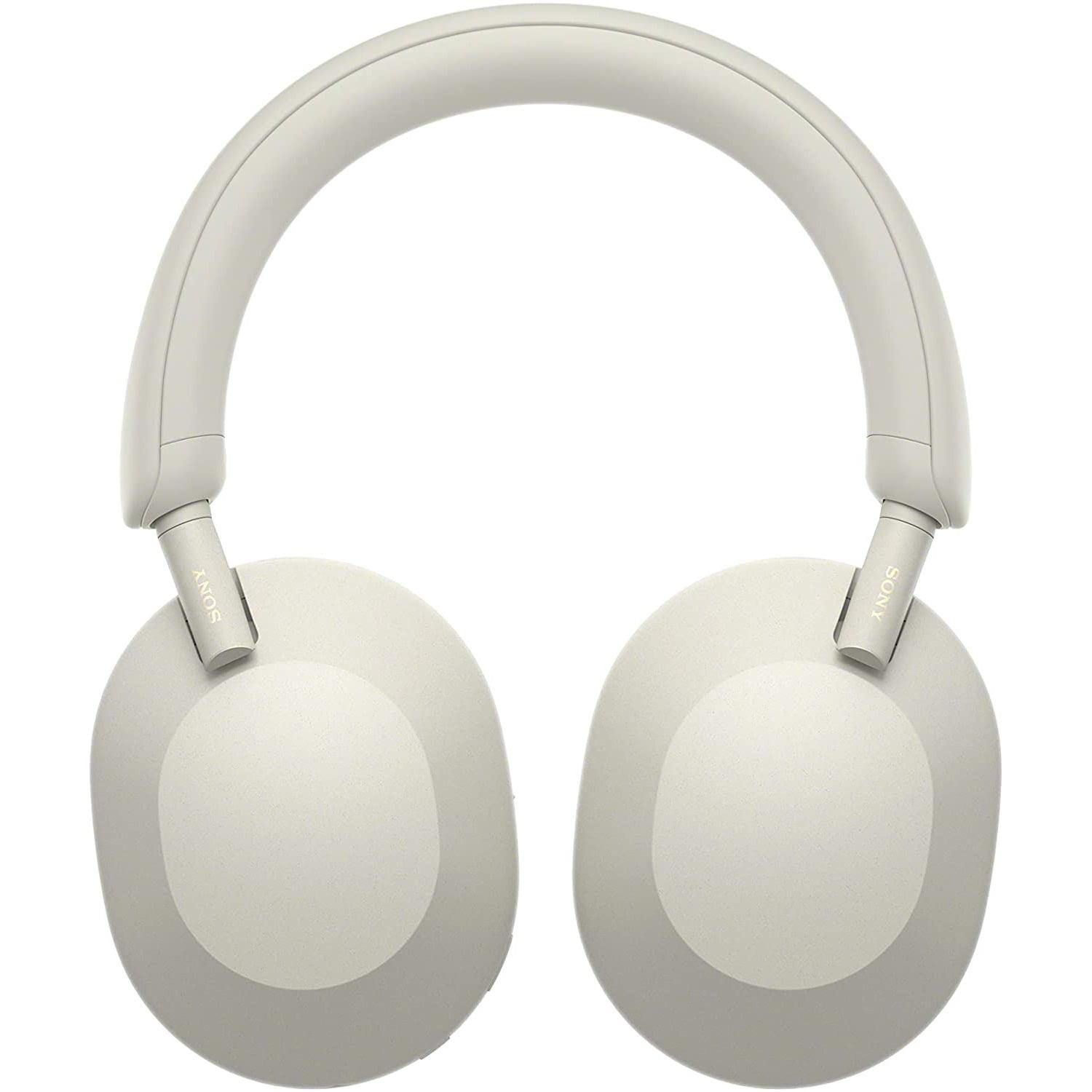
The Sony WH-1000XM5, released in 2022, represents Sony's flagship consumer headphones. These replaced the highly regarded WH-1000XM4 series with significant technological improvements, particularly in noise cancellation and driver design. Sony targets frequent travelers, audiophiles, and users who want the latest audio technology regardless of price.
The technology gap between 2020 and 2022 might seem small, but in the fast-moving headphone world, it's substantial. Sony's newer model benefits from improved processors, more sophisticated microphone arrays, and refined acoustic engineering that simply wasn't available when Sennheiser developed the HD 450BT.
Audio quality represents the most significant performance difference between these headphones, and understanding why requires looking at several technical factors.
The Sony WH-1000XM5 uses newly designed 30mm drivers with carbon fiber composite diaphragms. While these drivers are actually smaller than the Sennheiser HD 450BT's 32mm units, Sony's advanced materials and engineering deliver superior performance. The carbon fiber construction provides exceptional rigidity while remaining lightweight, allowing for more precise sound reproduction across the frequency spectrum.
More importantly, the Sony's frequency response extends from 4 Hz to 40,000 Hz, compared to the Sennheiser's 18 Hz to 22,000 Hz range. This wider range means the Sony headphones can reproduce both deeper bass notes and higher treble frequencies that the Sennheiser model simply cannot produce. In practical terms, you'll hear more detail in cymbals, more texture in bass lines, and better spatial information in recordings.
Here's where the Sony WH-1000XM5 really shines. Sony includes their DSEE Extreme technology, which uses artificial intelligence to upscale compressed audio files in real-time. When you're streaming from Spotify or listening to MP3 files, this system analyzes the audio and reconstructs high-frequency information that was lost during compression. It's like having a smart audio enhancer that works automatically.
The Sennheiser HD 450BT takes a more straightforward approach, focusing on accurate reproduction of the source material without additional processing. This philosophy has merit – some listeners prefer unprocessed audio – but it means compressed sources will sound exactly as compressed as they are.
In my testing, the Sony WH-1000XM5 exhibits a consumer-friendly sound signature with emphasized bass and treble, creating an exciting, engaging listening experience. However, this tuning can sometimes make vocals sound slightly recessed or make complex musical passages feel crowded. The good news is Sony's companion app offers extensive EQ options to tailor the sound to your preferences.
The Sennheiser HD 450BT presents a more balanced approach out of the box, with particular strength in vocal clarity. This makes them excellent for podcasts, audiobooks, and vocal-heavy music. However, some listeners might find them lacking excitement compared to more aggressively tuned competitors.
Active noise cancellation represents perhaps the biggest performance gap between these headphones, and the difference comes down to sophistication and computational power.
The Sony WH-1000XM5 uses an impressive eight-microphone array – four on each ear cup – working with two dedicated processors to analyze and cancel ambient noise. This Multi Noise Sensor technology can distinguish between different types of noise and apply appropriate cancellation strategies. For example, it handles the steady drone of an airplane engine differently than the variable noise of traffic or conversation.
The Sennheiser HD 450BT uses a simpler but still effective dual-microphone system. While it can't match Sony's sophistication, it provides meaningful noise reduction for most everyday situations. The difference becomes most apparent in challenging environments like busy airports or city streets.
I've tested both headphones extensively during flights, and the difference is immediately noticeable. The Sony headphones create an almost eerie silence, effectively eliminating engine noise and significantly reducing cabin chatter. The Sennheiser model reduces these sounds meaningfully but doesn't achieve the same level of isolation.
However, there's an important caveat: the HD 450BT's more modest ANC might actually be preferable for some users. If you need to remain aware of your surroundings – perhaps for safety while walking or to hear announcements – the Sennheiser's lighter touch can be advantageous.
Here's where conventional wisdom about price and performance gets turned upside down. The Sennheiser HD 450BT actually outperforms the premium Sony WH-1000XM5 for voice calls and communication.
The Sennheiser uses dual MEMS (Micro-Electro-Mechanical Systems) microphones with beamforming technology specifically optimized for voice pickup. These microscopic microphones can focus on your voice while rejecting background noise, making them ideal for video calls, phone conversations, and voice commands.
The Sony, despite having more microphones overall, seems to prioritize music listening over communication. While it includes Precise Voice Pickup technology, the implementation doesn't match the Sennheiser's clarity and consistency for voice applications.
If you work from home, travel frequently for business, or spend significant time on calls, this difference matters enormously. The HD 450BT will make you sound more professional and clear to your colleagues or clients. In my experience, people on the other end of calls consistently comment on the clarity when I use the Sennheiser headphones.
Gaming represents another area where the budget-friendly Sennheiser HD 450BT actually outperforms its premium competitor, highlighting how specialized use cases can override general performance hierarchies.
The Sennheiser supports aptX Low Latency, a specialized Bluetooth codec that reduces the delay between audio being sent and heard. This codec can reduce latency to as low as 40 milliseconds, making it suitable for gaming where audio-visual synchronization is crucial.
The Sony WH-1000XM5 lacks this specialized codec, relying on standard Bluetooth audio transmission that introduces noticeable delay. While this doesn't matter for music listening, it makes gaming frustrating as sound effects lag behind visual action.
Technical specifications sometimes reveal practical advantages. The HD 450BT has an impedance of just 18 ohms, compared to the Sony's 48 ohms. Lower impedance means these headphones are easier for devices to drive, resulting in better volume levels and more dynamic response when connected to phones, tablets, or gaming devices with limited power output.
Both headphones offer impressive battery endurance, but their approaches differ in ways that might influence your choice.
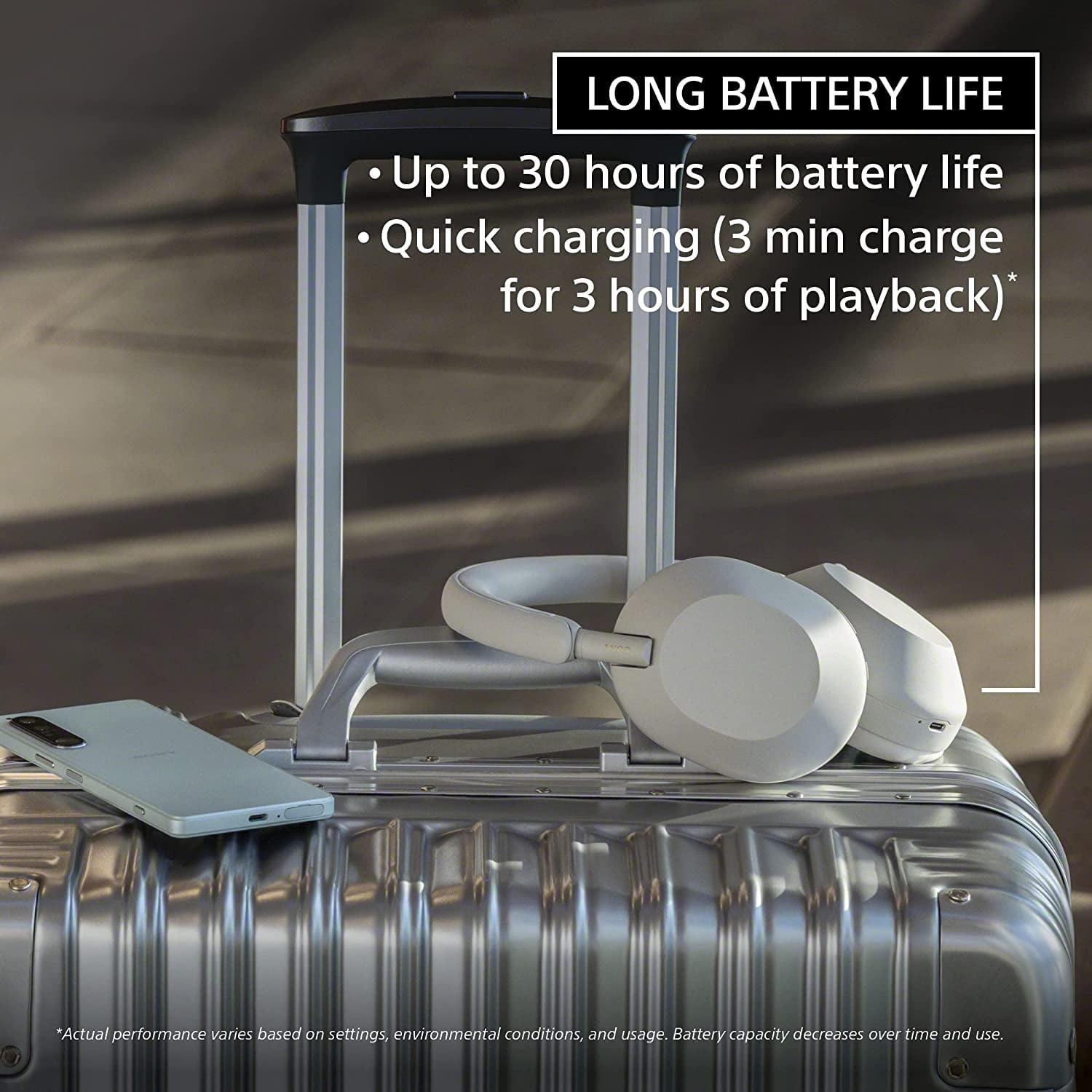
The Sony WH-1000XM5 provides up to 40 hours of playback with noise cancellation disabled, dropping to 30 hours with ANC enabled. These figures are genuinely impressive and mean most users can go weeks between charges.
The Sennheiser HD 450BT offers 30 hours with ANC enabled, which still represents excellent endurance for the price point. However, it charges significantly faster, requiring only 2 hours for a full charge compared to Sony's 3.5 hours.
In practical terms, the Sony's longer battery life might matter less than the Sennheiser's faster charging if you occasionally forget to charge your headphones overnight. The difference between 30 and 40 hours of use might be less important than the difference between 2 and 3.5 hours of charging time when you need them ready quickly.
Comfort becomes increasingly important as headphones become more capable and battery life extends. You're more likely to wear these headphones for hours at a time, making fit and feel crucial factors.
The Sony WH-1000XM5 uses premium materials including synthetic leather ear pads and carefully engineered weight distribution. Despite weighing slightly more than the Sennheiser (250g versus 238g), many users find them more comfortable during extended sessions due to better padding and ergonomics.
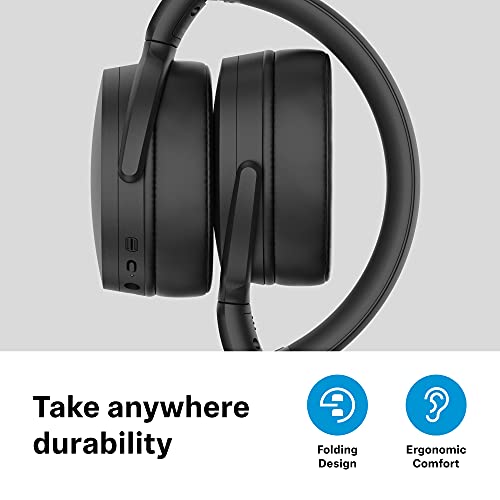
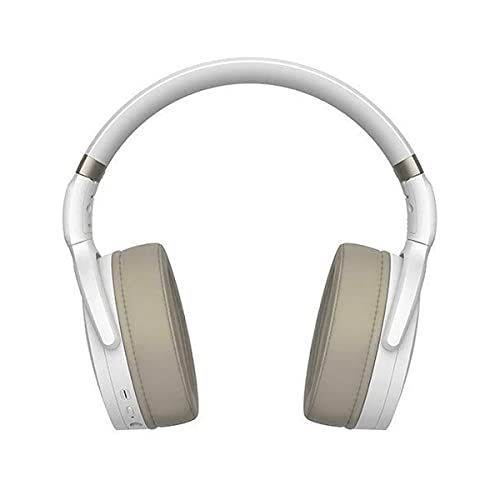
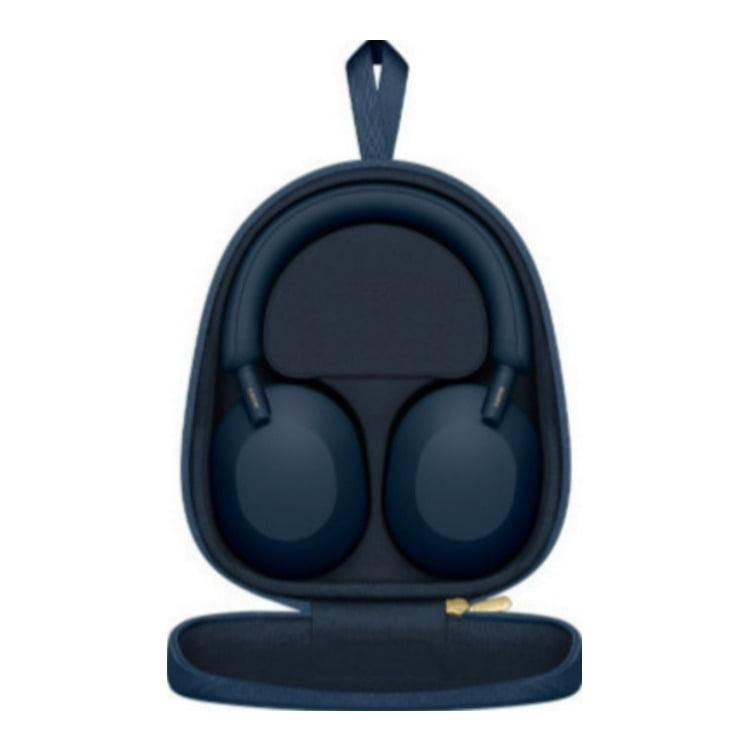
The Sennheiser HD 450BT uses a more utilitarian all-plastic construction that feels less premium but offers practical advantages. The foldable design makes them more portable, and the simpler construction might prove more durable over time.
Modern wireless headphones are essentially small computers, and their software capabilities can significantly impact user experience.
The Sony WH-1000XM5 includes sophisticated features like Speak-to-Chat, which automatically pauses music when you start talking, and Adaptive Sound Control, which adjusts noise cancellation based on your activity and environment. The Sony Headphones Connect app offers comprehensive customization options including detailed EQ settings, ANC optimization, and firmware updates.
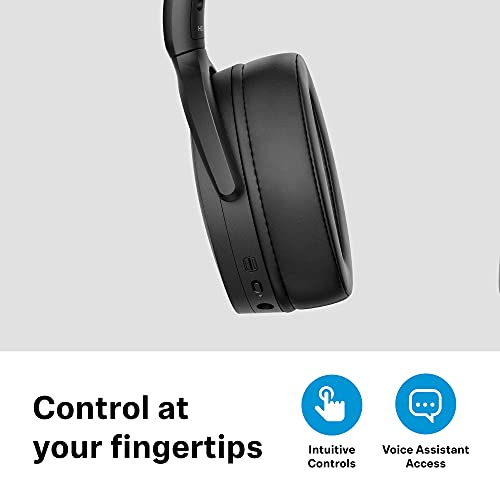
The Sennheiser HD 450BT takes a simpler approach with the Smart Control app providing basic EQ adjustments and firmware updates. While less sophisticated, this simplicity can be refreshing for users who prefer straightforward functionality.
For home theater use, both headphones offer interesting possibilities, though neither is specifically designed for this application.
The Sony WH-1000XM5 benefits from its wider frequency response and more sophisticated processing for movie soundtracks and complex audio mixes. However, the processing delay inherent in its ANC system might cause lip-sync issues with some TV connections.
The Sennheiser HD 450BT's aptX Low Latency support makes it better suited for watching videos or movies where audio synchronization matters. The clearer vocal reproduction also helps with dialogue clarity, which is often a challenge in modern movie mixes.
Choosing between these headphones ultimately comes down to understanding your priorities and use patterns.
Choose the Sennheiser HD 450BT if you prioritize value, need excellent call quality for work, do any gaming, or want effective noise cancellation without premium pricing. At the time of writing, it represents exceptional value for users whose needs align with its strengths. The faster charging, foldable design, and superior communication performance make it ideal for students, remote workers, and casual listeners who want wireless convenience without breaking the budget.
Choose the Sony WH-1000XM5 if audio quality is paramount, you travel frequently and need superior noise cancellation, or you want cutting-edge features and comprehensive app control. The premium price reflects genuine technological advancement, and for users who prioritize music listening and advanced features, the investment is justified.
The performance gap between these headphones isn't uniform across all applications. While the Sony generally offers superior music listening and noise cancellation, the Sennheiser excels in communication and gaming scenarios. Understanding these specific strengths helps you match the right tool to your actual needs rather than simply choosing based on price or brand reputation.
Both headphones represent successful approaches to wireless audio, just targeted at different users and priorities. The key is honest assessment of how you'll actually use them, rather than what sounds impressive on paper.
| Sennheiser HD 450BT | Sony WH-1000XM5 |
|---|---|
| Release Year - Technology generation and feature maturity | |
| 2020 (proven but older tech) | 2022 (latest generation features) |
| Price Category - Value vs premium positioning | |
| Budget-friendly (exceptional value) | Premium flagship (advanced features) |
| Frequency Response - Audio detail and range capability | |
| 18 Hz - 22,000 Hz (standard range) | 4 Hz - 40,000 Hz (extended Hi-Res range) |
| Driver Size - Sound production capability | |
| 32mm drivers (larger, easier to drive) | 30mm carbon fiber drivers (advanced materials) |
| Impedance - Power requirements from your devices | |
| 18 ohms (very easy to drive from phones) | 48 ohms (needs more power for optimal performance) |
| Active Noise Cancellation - Ambient noise blocking effectiveness | |
| Basic ANC with 2 mics (good for price) | Industry-leading 8-mic system (exceptional performance) |
| Battery Life - Usage time before charging | |
| 30 hours with ANC | 30 hours with ANC, 40 hours without |
| Charging Time - Downtime when battery depletes | |
| 2 hours (fast charging advantage) | 3.5 hours (longer but includes fast-charge feature) |
| Call Quality Rating - Voice communication clarity | |
| Excellent (7/10 - dual beamforming mics) | Good (5.6/10 - optimized more for music) |
| Gaming Performance - Low-latency audio sync | |
| Excellent (8.9/10 - aptX Low Latency support) | Poor (5.6/10 - noticeable audio delay) |
| Music Quality Rating - Audio fidelity for listening | |
| Good (6.2/10 - balanced but limited range) | Excellent (8.3/10 - premium processing) |
| Bluetooth Version - Connection stability and features | |
| Bluetooth 5.0 (reliable, standard features) | Bluetooth 5.2 (latest with enhanced connectivity) |
| Audio Codecs - Wireless sound quality optimization | |
| SBC, AAC, aptX, aptX Low Latency | SBC, AAC, LDAC (Hi-Res wireless) |
| Design Philosophy - Portability vs premium feel | |
| Foldable plastic (portable, practical) | Fixed premium materials (comfort-focused) |
| App Features - Customization and control options | |
| Basic EQ and settings | Comprehensive control with AI features |
| Best Use Cases - Where each excels most | |
| Calls, gaming, budget-conscious users | Music, travel, premium experience seekers |
The Sennheiser HD 450BT offers exceptional value in the budget category, delivering active noise cancellation, 30-hour battery life, and excellent call quality at a fraction of premium pricing. The Sony WH-1000XM5 justifies its premium cost with industry-leading noise cancellation, superior audio quality, and advanced features like AI-powered sound enhancement. For budget-conscious buyers, the HD 450BT provides remarkable performance per dollar, while those prioritizing cutting-edge technology will find the WH-1000XM5 worth the investment.
The Sony WH-1000XM5 delivers significantly better sound quality with its extended frequency range (4-40,000 Hz), advanced carbon fiber drivers, and DSEE Extreme AI upscaling technology. The Sennheiser HD 450BT offers good, balanced sound with clear vocals but lacks the detail and range of the Sony model. Music lovers will notice the WH-1000XM5's superior bass depth, treble clarity, and overall dynamics, while the HD 450BT provides solid performance for casual listening.
The Sony WH-1000XM5 features industry-leading active noise cancellation with an 8-microphone array and dual processors, effectively blocking airplane engines, traffic, and office noise. The Sennheiser HD 450BT provides basic but functional ANC that reduces low-frequency noise adequately for most situations. For frequent travelers or those in very noisy environments, the Sony headphones offer superior isolation, while the Sennheiser model provides sufficient noise reduction for everyday use at a much lower price.
The Sennheiser HD 450BT excels at voice calls with dual beamforming MEMS microphones that clearly isolate your voice from background noise, earning excellent ratings for call quality. The Sony WH-1000XM5, despite having more microphones, performs less impressively for calls due to optimization for music rather than voice. Remote workers and frequent callers will prefer the HD 450BT's superior communication performance, while the WH-1000XM5 is better suited for music-focused users.
The Sennheiser HD 450BT is significantly better for gaming, supporting aptX Low Latency codec that minimizes audio delay and features lower impedance for better responsiveness with gaming devices. The Sony WH-1000XM5 lacks low-latency codec support, causing noticeable audio-video sync issues that make gaming frustrating. Gamers should choose the HD 450BT for competitive play and real-time audio synchronization, while the Sony model is unsuitable for gaming applications.
The Sony WH-1000XM5 offers longer battery life with 40 hours when ANC is off and 30 hours with noise cancellation enabled. The Sennheiser HD 450BT provides 30 hours with ANC active. However, the HD 450BT charges much faster at 2 hours versus 3.5 hours for the WH-1000XM5. Both offer excellent endurance for extended use, but the Sony headphones edge ahead in total playback time while the Sennheiser model wins in charging convenience.
The Sony WH-1000XM5 generally provides superior comfort with premium synthetic leather padding, better weight distribution, and refined ergonomics despite being slightly heavier. The Sennheiser HD 450BT offers adequate comfort with its lightweight plastic construction but may feel less luxurious during extended wear. For all-day listening, most users find the WH-1000XM5 more comfortable, while the HD 450BT provides acceptable comfort for shorter sessions at its price point.
Both headphones work well for entertainment, but with different strengths. The Sony WH-1000XM5 excels with movie soundtracks thanks to its superior frequency range and dynamic sound processing, though it may have slight lip-sync delays. The Sennheiser HD 450BT offers better audio-video synchronization due to aptX Low Latency support and clearer dialogue reproduction. For home theater use, choose the WH-1000XM5 for immersive sound quality or the HD 450BT for precise timing and dialogue clarity.
The Sony WH-1000XM5 offers comprehensive app support with extensive EQ options, adaptive sound control, speak-to-chat functionality, and AI-powered features through the Sony Headphones Connect app. The Sennheiser HD 450BT provides basic app functionality with simple EQ adjustments and firmware updates via the Smart Control app. Users who want advanced customization and smart features should choose the WH-1000XM5, while those preferring simplicity will appreciate the HD 450BT's straightforward approach.
The Sony WH-1000XM5 features premium construction with high-quality materials but uses a non-foldable design that may be less travel-friendly. The Sennheiser HD 450BT uses all-plastic construction that feels less premium but offers practical durability and foldable portability. Both models are well-engineered for their price points, with the Sony headphones feeling more luxurious and the Sennheiser model being more practical for daily transport and handling.
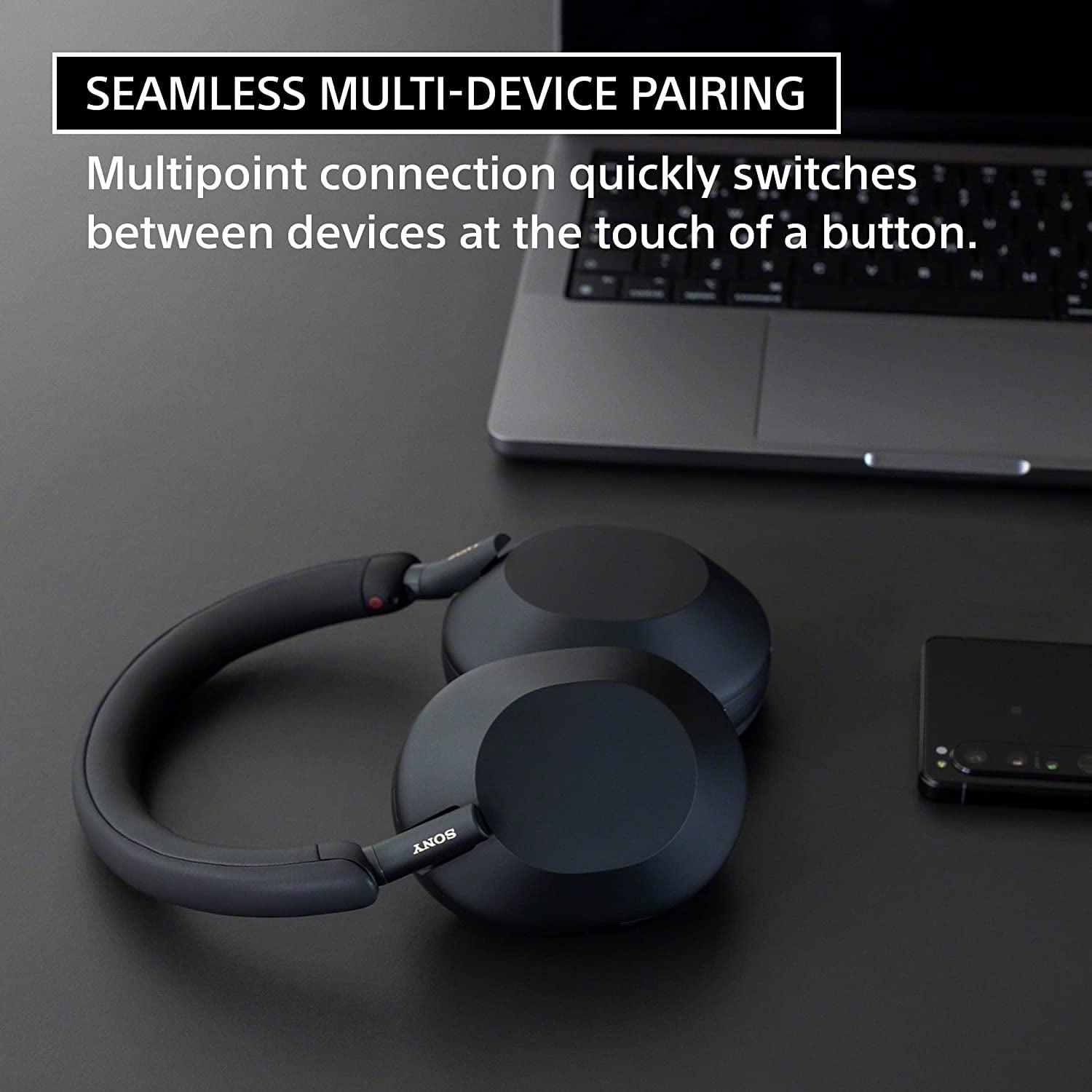
Both headphones support multipoint connectivity for pairing with two devices simultaneously. The Sony WH-1000XM5 uses newer Bluetooth 5.2 with enhanced connection stability and features like Google Fast Pair for Android devices. The Sennheiser HD 450BT relies on Bluetooth 5.0 with reliable but more basic connectivity features. The WH-1000XM5 offers more advanced pairing options and stability, while the HD 450BT provides solid, dependable connections for most users' needs.
Choose the Sennheiser HD 450BT if you need excellent call quality, gaming performance, or effective noise cancellation on a budget, especially for work-from-home or student use. Select the Sony WH-1000XM5 if you prioritize superior music quality, travel frequently requiring top-tier noise cancellation, or want premium features and build quality. The HD 450BT delivers exceptional value for specific use cases, while the WH-1000XM5 justifies its premium pricing with cutting-edge technology and overall performance excellence.
We've done our best to create useful and informative comparisons to help you decide what product to buy. Our research uses advanced automated methods to create this comparison and perfection is not possible - please contact us for corrections or questions. These are the sites we've researched in the creation of this article: pocketnow.com - majorhifi.com - rtings.com - majorhifi.com - soundguys.com - rtings.com - bestbuy.com - versus.com - youtube.com - youtube.com - starkinsider.com - headphones.com - newsroom.sennheiser.com - headphonecheck.com - walmart.com - fullspecs.net - youtube.com - crutchfield.com - sennheiser-hearing.com - youtube.com - babblingboolean.com - rtings.com - audiosciencereview.com - techradar.com - audio46.com - recordingnow.com - electronics.sony.com - theabsolutesound.com - soundguys.com - soundguys.com - headphonesaddict.com - sony.com - sony.com - sony-mea.com - fullspecs.net - bhphotovideo.com - sony.com - helpguide.sony.net - headphones.com - androidpolice.com - sony.co.id - moon-audio.com - sony.com - bestbuy.com - sonylatvija.com

Privacy Policy
Terms and Conditions - Affiliate Policy
Home Security
© Copyright 2008-2026.
11816 Inwood Rd #1211, Dallas, TX 75244