


When you're ready to step up from basic wireless headphones to something truly special, the choices can feel overwhelming. Today we're diving deep into two fascinating options that represent very different philosophies in premium audio: the luxurious Bowers & Wilkins Px8 and the feature-packed Sony WH-1000XM5. Both headphones aim for the premium market, but they take remarkably different paths to get there.
Before we jump into the specifics, let's talk about what you're actually paying for when you move beyond the $100-200 headphone range. Premium wireless headphones aren't just about louder sound or fancier looks—they represent significant advances in several key areas that directly impact your listening experience.
First, there's driver technology. The driver is essentially the speaker inside each ear cup, and premium headphones use advanced materials and designs that can reproduce sound more accurately across the entire frequency spectrum. You'll hear details in your music that cheaper headphones simply can't reproduce.
Then there's active noise cancellation (ANC), which uses microphones to detect outside noise and creates "anti-noise" to cancel it out. Think of it like noise-canceling magic that lets you enjoy your music without cranking the volume to dangerous levels on airplanes or in busy coffee shops.
Build quality matters too. Premium headphones use materials like aluminum, real leather, and high-grade plastics that not only feel better but last longer. When you're wearing something on your head for hours at a time, comfort becomes crucial.
Finally, there's the electronics and processing power inside these headphones. Modern premium models include dedicated chips for audio processing, noise cancellation, and wireless connectivity that would have been impossible to fit in headphones just a few years ago.
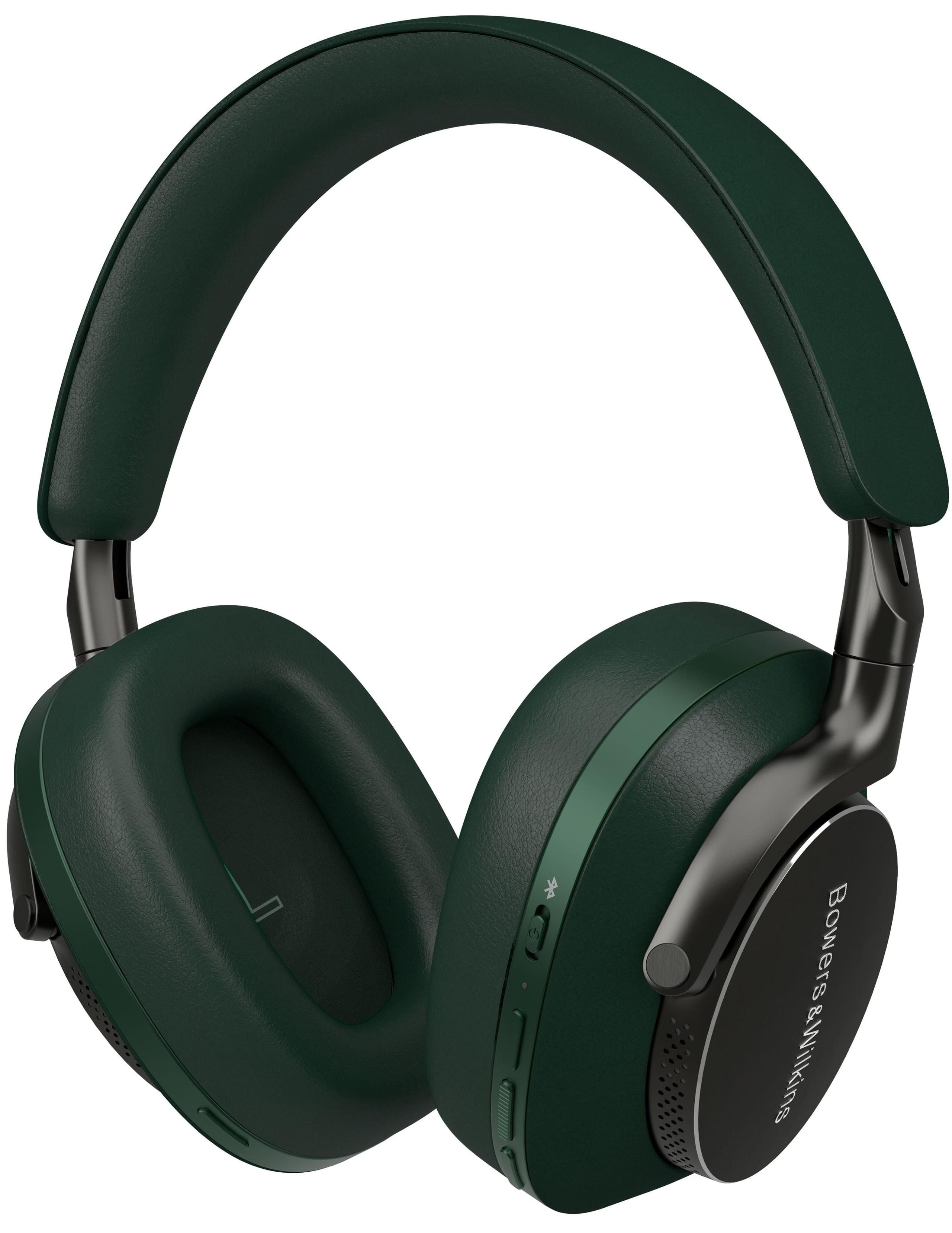
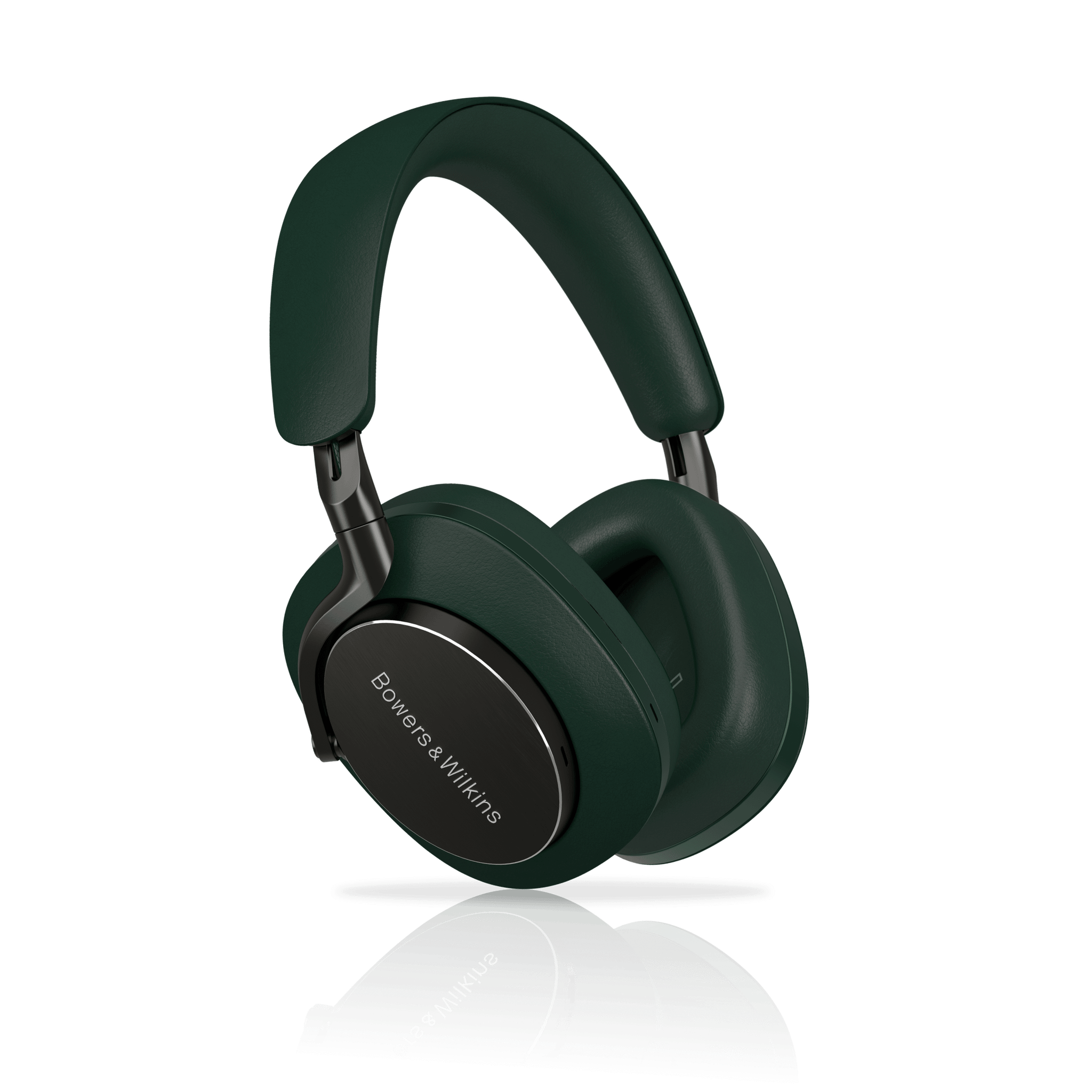
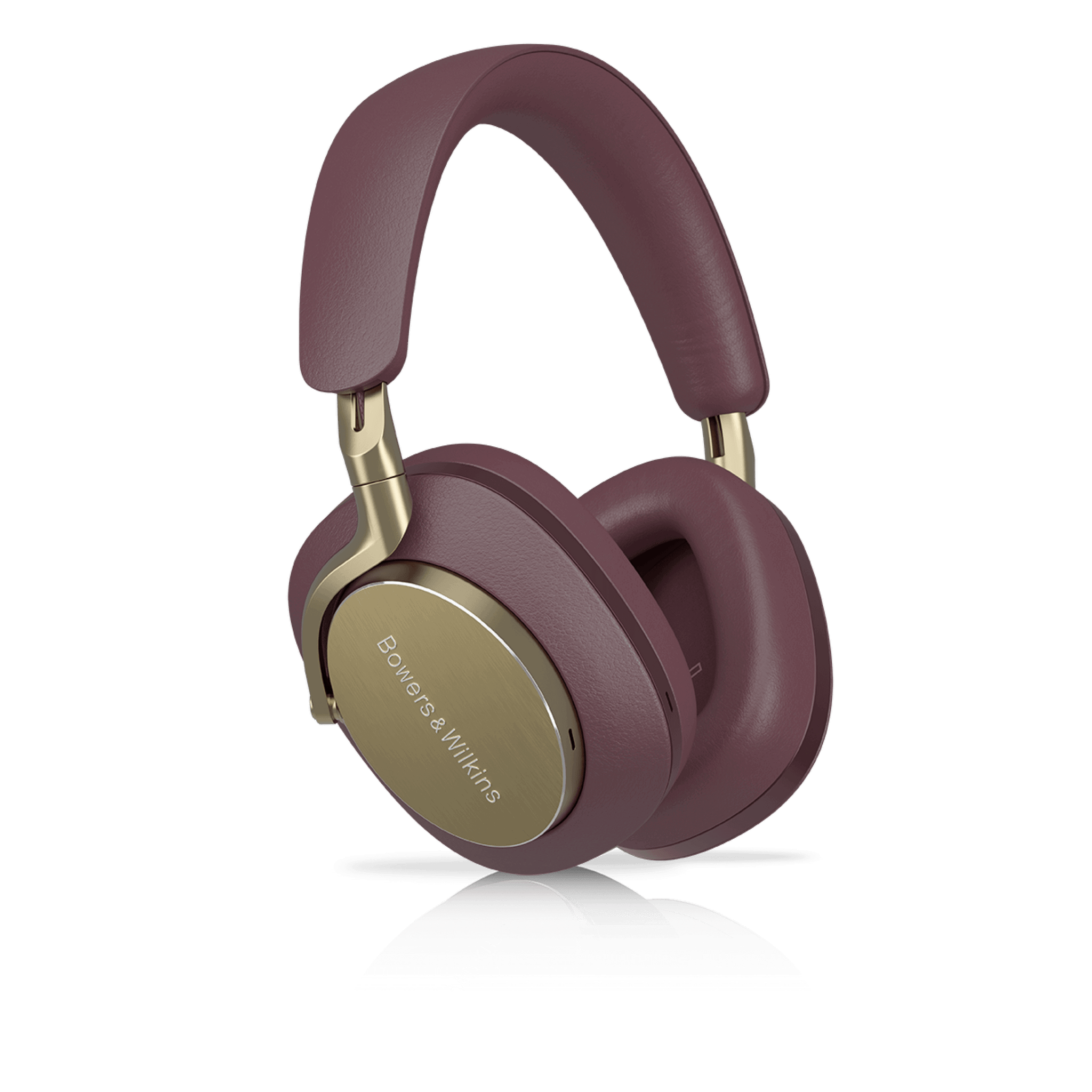
The Bowers & Wilkins Px8, released in late 2022, represents the British audio company's flagship wireless offering. At $849.90, it's positioned squarely in luxury territory, targeting serious music lovers who want the closest thing to high-end home audio speakers in a portable package. B&W has been making speakers since 1966, and their expertise in acoustic design really shows in the Px8's sophisticated approach to sound reproduction.
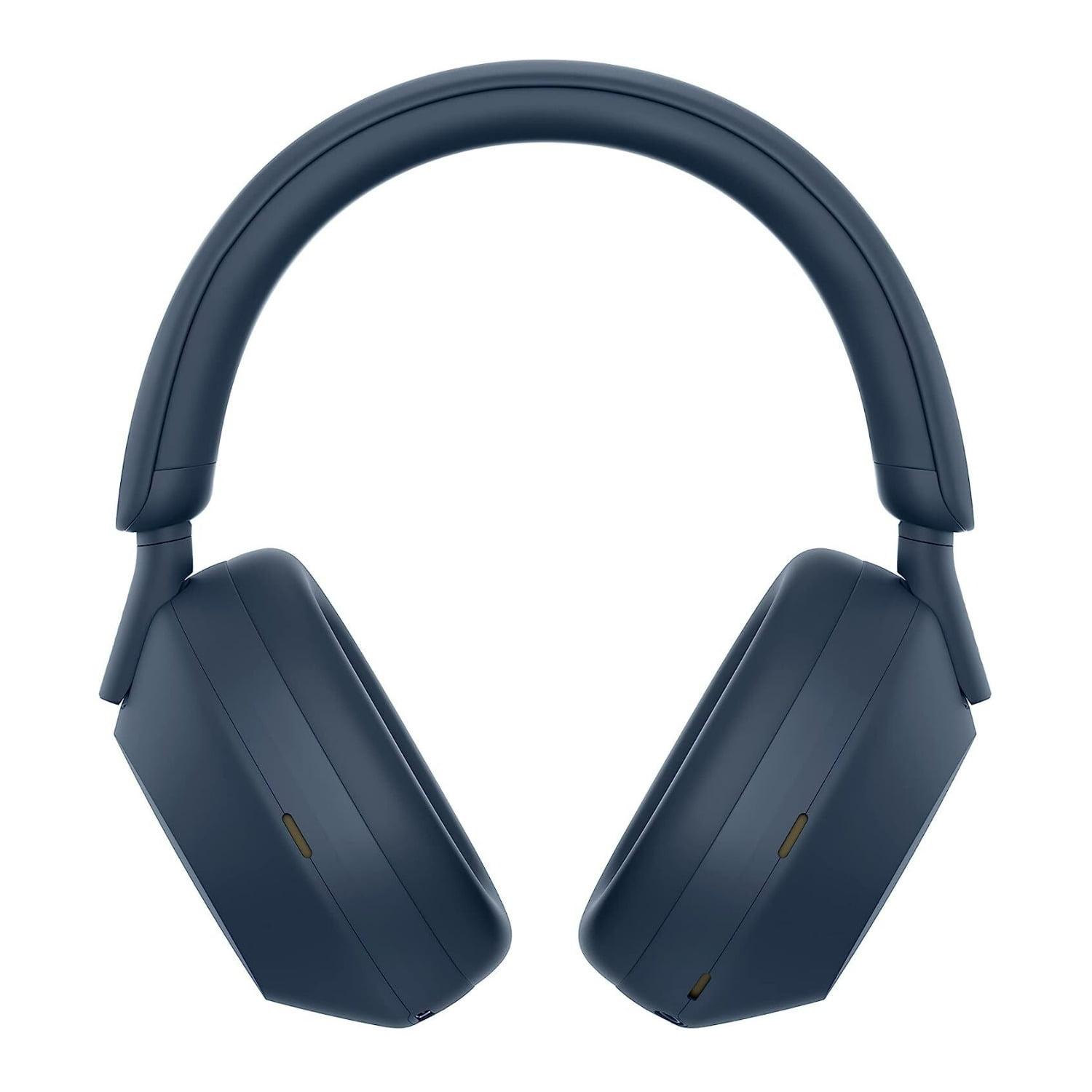
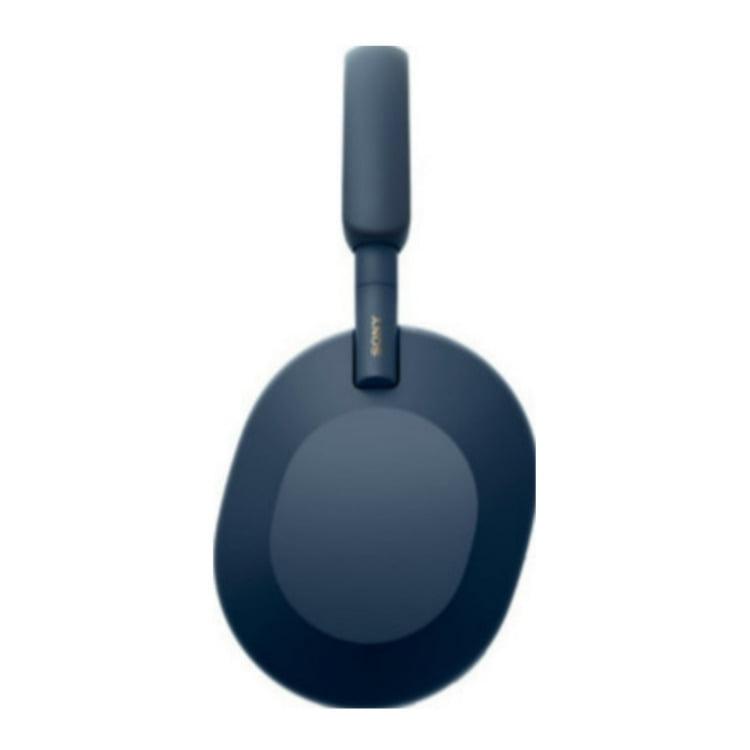
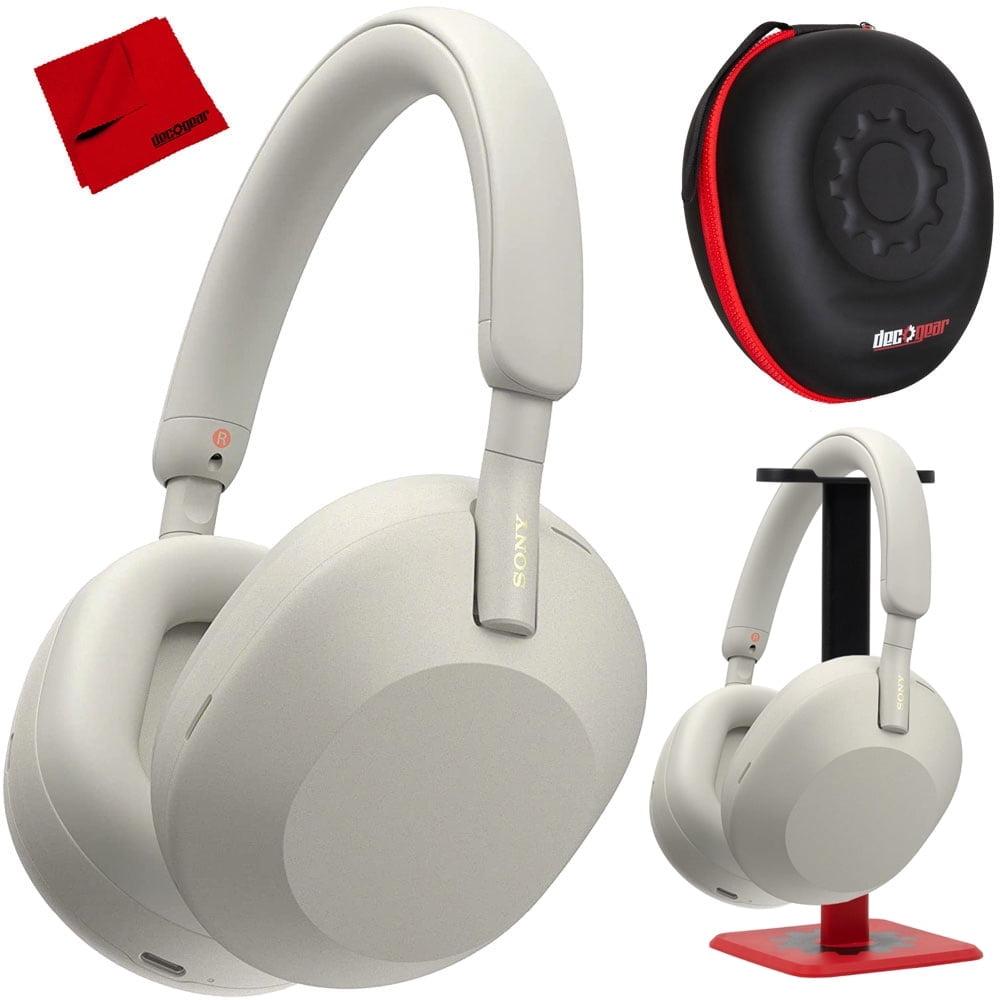
The Sony WH-1000XM5, launched in May 2022, takes a different approach entirely. Priced at $398, it aims to be the Swiss Army knife of premium headphones—excellent at everything rather than specialized for one particular use. Sony has been refining their flagship wireless headphone series for years, and the XM5 represents the culmination of that evolution, focusing heavily on real-world usability and cutting-edge noise cancellation technology.
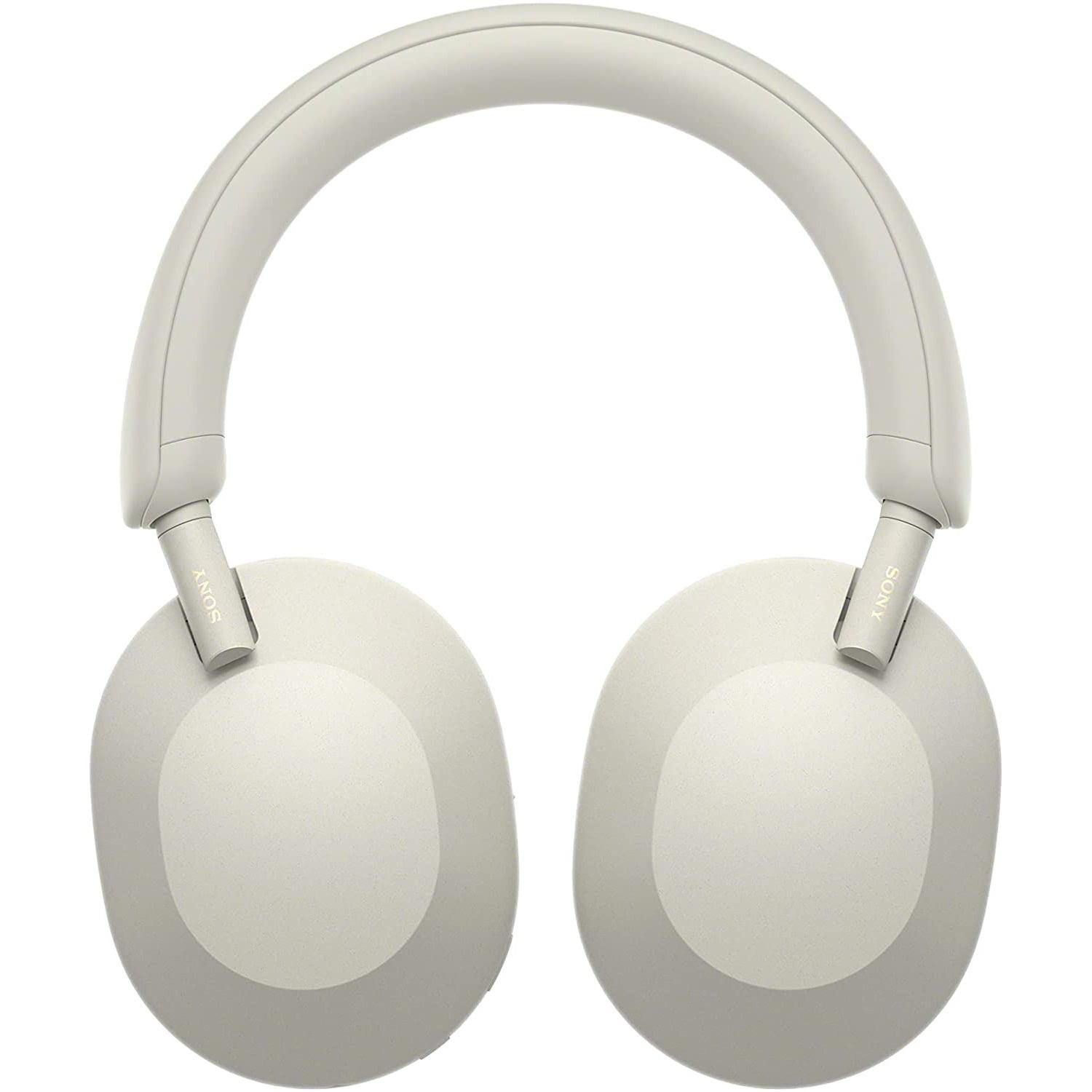
These different philosophies become clear the moment you pick up each pair. The Px8 feels substantial and luxurious, like a piece of jewelry for your ears. The XM5 feels refined but practical, designed for daily use rather than special occasions.
The heart of the Px8 lies in its revolutionary 40mm Carbon Cone drivers. Now, this isn't just marketing speak—carbon fiber as a driver material offers some real advantages. It's incredibly light yet extremely rigid, which means it can move quickly to reproduce high frequencies while staying stable enough to handle deep bass without distortion. B&W angles these drivers slightly in each ear cup, which helps create more accurate stereo imaging—essentially making instruments and voices appear in more precise locations in the "soundstage" around your head.
What really sets the Px8 apart is its 24-bit DSP (Digital Signal Processing). Even when you're listening wirelessly, the headphones are processing audio at higher resolution than CD quality. Combined with support for aptX Adaptive—a Bluetooth codec that can transmit up to 24-bit/96kHz audio—the Px8 can deliver genuinely high-resolution wireless audio when paired with compatible devices.
In practice, this translates to incredibly detailed sound reproduction. Jazz recordings reveal the subtle breath sounds of saxophone players. Classical pieces separate individual instruments within orchestral sections with surgical precision. Vocals have a three-dimensional quality that makes singers seem present in the room with you. However, this analytical approach can sometimes feel less "fun" with modern pop or electronic music, where the Px8's emphasis on accuracy might not flatter the compressed, bass-heavy production styles common today.
Sony took a completely different route with the WH-1000XM5. Rather than focusing purely on audiophile accuracy, they designed drivers that work in harmony with their noise cancellation system. The 30mm drivers might seem smaller than the Px8's 40mm units, but Sony engineered them with soft TPU (thermoplastic polyurethane) edges that help isolate the driver from external vibrations—crucial for effective noise cancellation.
The real magic happens in Sony's processing. The XM5 includes two dedicated chips: the V1 processor handles noise cancellation, while the QN1 focuses on audio processing. Working together, they power features like DSEE Extreme, which uses artificial intelligence to upscale compressed music files in real-time. If you're streaming Spotify or Apple Music, DSEE Extreme analyzes the audio and intelligently restores high-frequency information that was lost during compression.
The XM5 also supports Sony's LDAC codec, which can transmit roughly three times more data than standard Bluetooth audio. While not quite as high-resolution as the Px8's aptX Adaptive implementation, LDAC still delivers noticeably better sound quality than basic Bluetooth audio.
Sonically, the XM5 presents a more consumer-friendly sound signature. There's plenty of bass impact for hip-hop and electronic music, clear vocals for podcasts and calls, and enough treble detail to keep classical and jazz interesting. It's less analytical than the Px8 but arguably more versatile across different music genres and content types.
This is where the differences between these headphones become most apparent. Sony has been perfecting noise cancellation technology for decades, and the WH-1000XM5 represents their most advanced implementation yet.
The XM5 uses an eight-microphone array—four per ear cup—to detect ambient noise with remarkable precision. The dual-processor setup we mentioned earlier processes this information incredibly quickly, generating "anti-noise" that effectively cancels out unwanted sounds across a wide frequency range. The system is particularly effective at blocking low-frequency rumble from airplane engines, air conditioners, and traffic, but also does an impressive job with mid-frequency sounds like conversation and keyboard typing.
What's especially clever about Sony's approach is the Auto NC Optimizer feature. The XM5 continuously monitors how the headphones fit on your head and adjusts the noise cancellation accordingly. If you shift position or the seal around your ears changes slightly, the system adapts automatically. There's even atmospheric pressure optimization that adjusts performance based on altitude—perfect for frequent flyers.
The Bowers & Wilkins Px8, while featuring active noise cancellation, takes a more modest approach. With six microphones total and a focus primarily on audio quality rather than noise cancellation innovation, the Px8's ANC is adequate for quiet environments but significantly less effective than the Sony's system in challenging conditions like airplanes or busy streets.
In my experience testing both headphones, the difference is night and day. The XM5 can make a noisy coffee shop feel like a quiet library, while the Px8 reduces noise but doesn't create that same sense of isolation from the outside world.
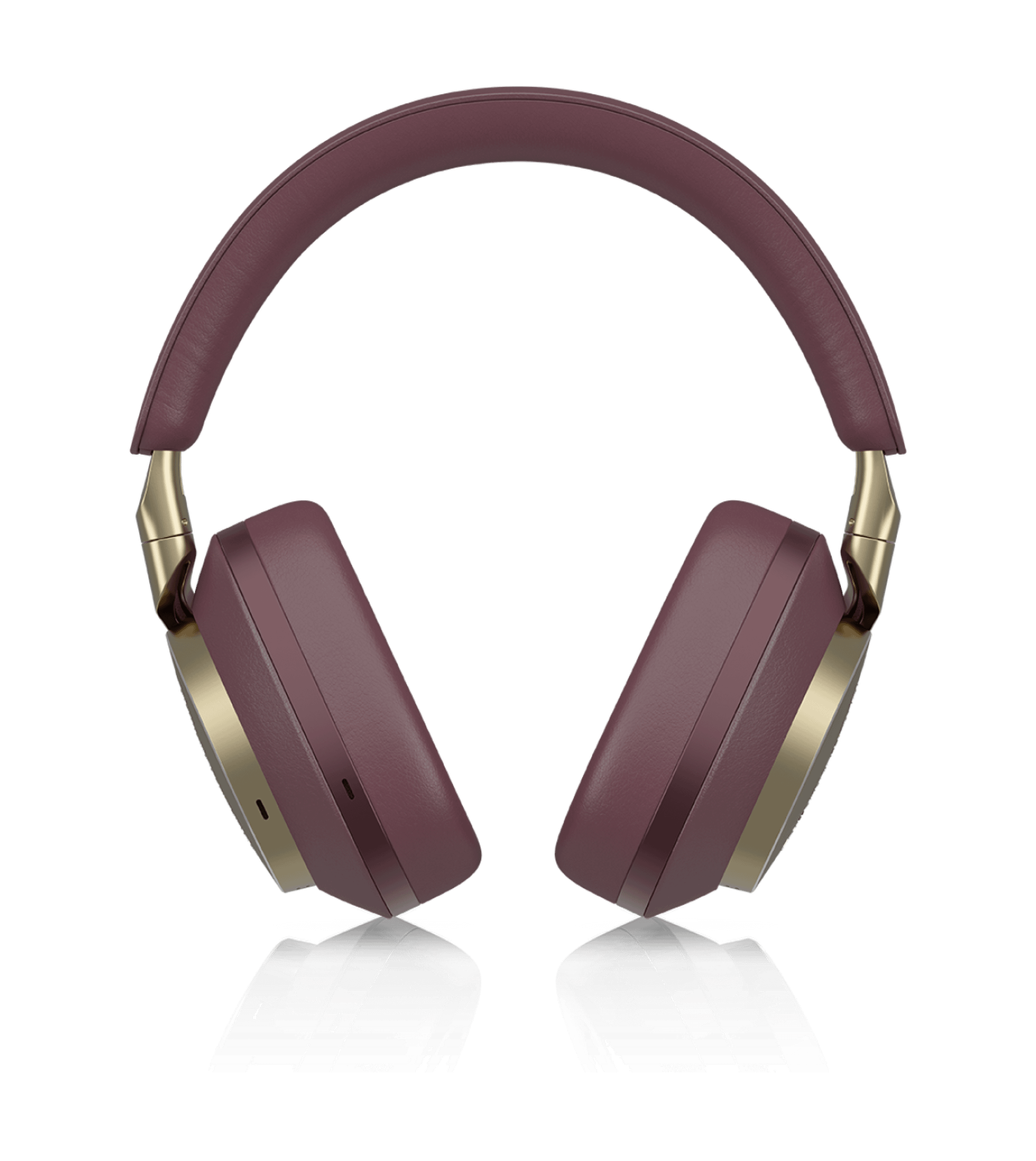
Here's where the Bowers & Wilkins Px8 really shows its premium positioning. The headphones feature cast aluminum arms that feel incredibly solid, genuine Nappa leather ear pads that soften beautifully over time, and memory foam cushioning that molds to your head shape. The diamond-cut metal detailing isn't just for show—it demonstrates the level of manufacturing precision that goes into each pair. Available in elegant finishes like Tan, Royal Burgundy, and Dark Forest, the Px8 looks more like a luxury accessory than a piece of technology.
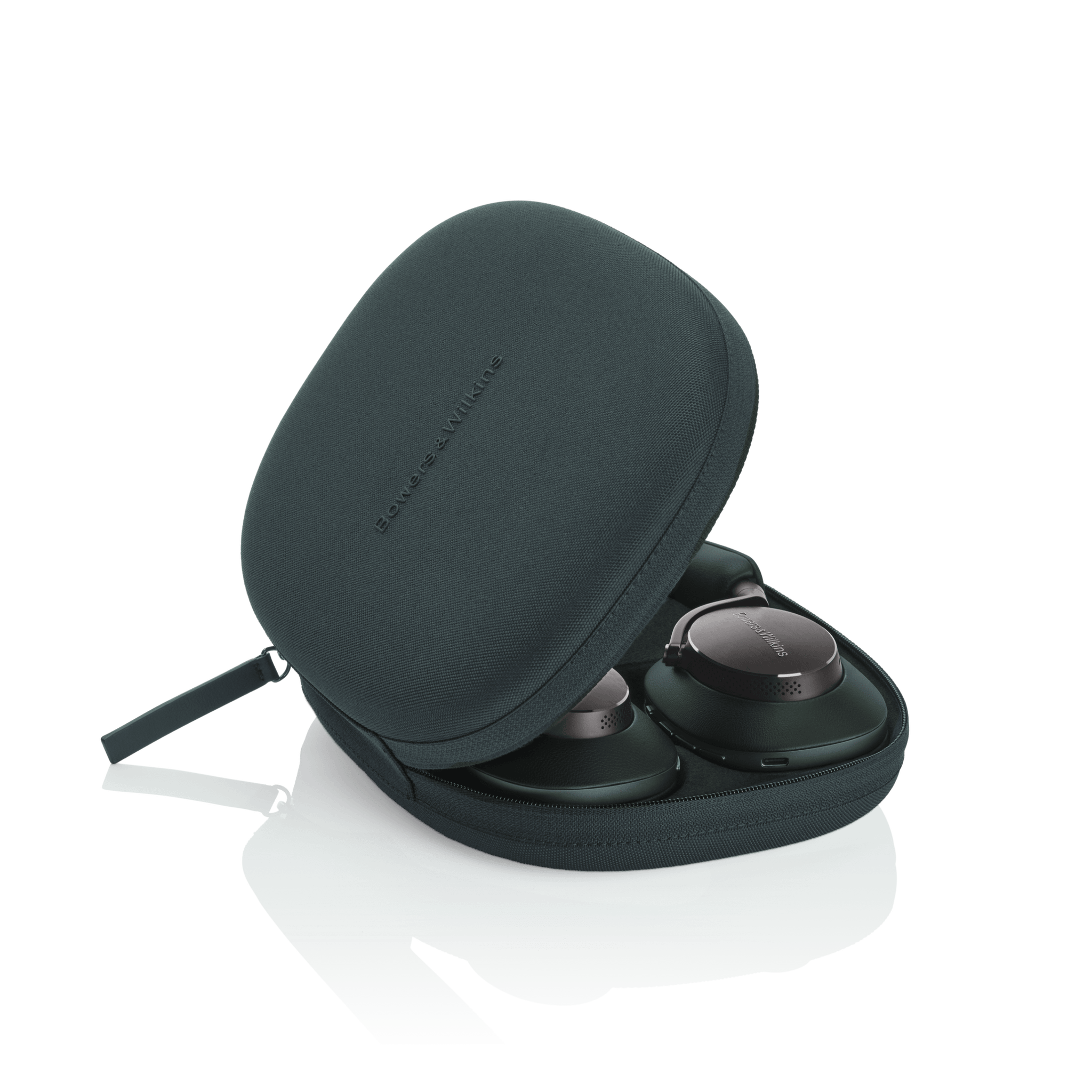
At 320 grams, the Px8 has substantial weight that some users love for its premium feel, while others might find it fatiguing during very long listening sessions. The foldable design makes them reasonably portable, though the included carrying case is quite large.
The Sony WH-1000XM5 prioritizes comfort and practicality. At just 250 grams, they're significantly lighter, making them ideal for all-day wear. Sony uses high-quality synthetic leather and carefully engineered the headband padding to distribute weight evenly. While the materials aren't as luxurious as the Px8's genuine leather and aluminum, they're chosen for durability and consistent performance over time.
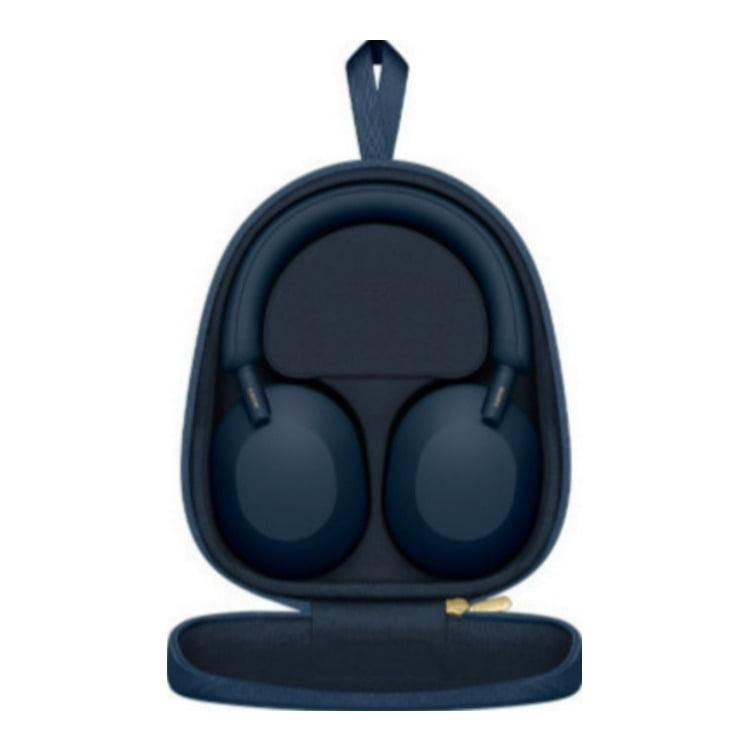
One interesting design choice: the XM5 doesn't fold like its predecessors, instead opting for a sleeker profile that Sony claims improves both comfort and acoustics. The trade-off is a larger carrying case, but the improved comfort seems worth it for most users.
Both headphones offer excellent long-term comfort, but they achieve it differently. The Px8 feels like wearing a luxury watch—substantial and special. The XM5 feels like well-designed athletic wear—you forget you're wearing it.
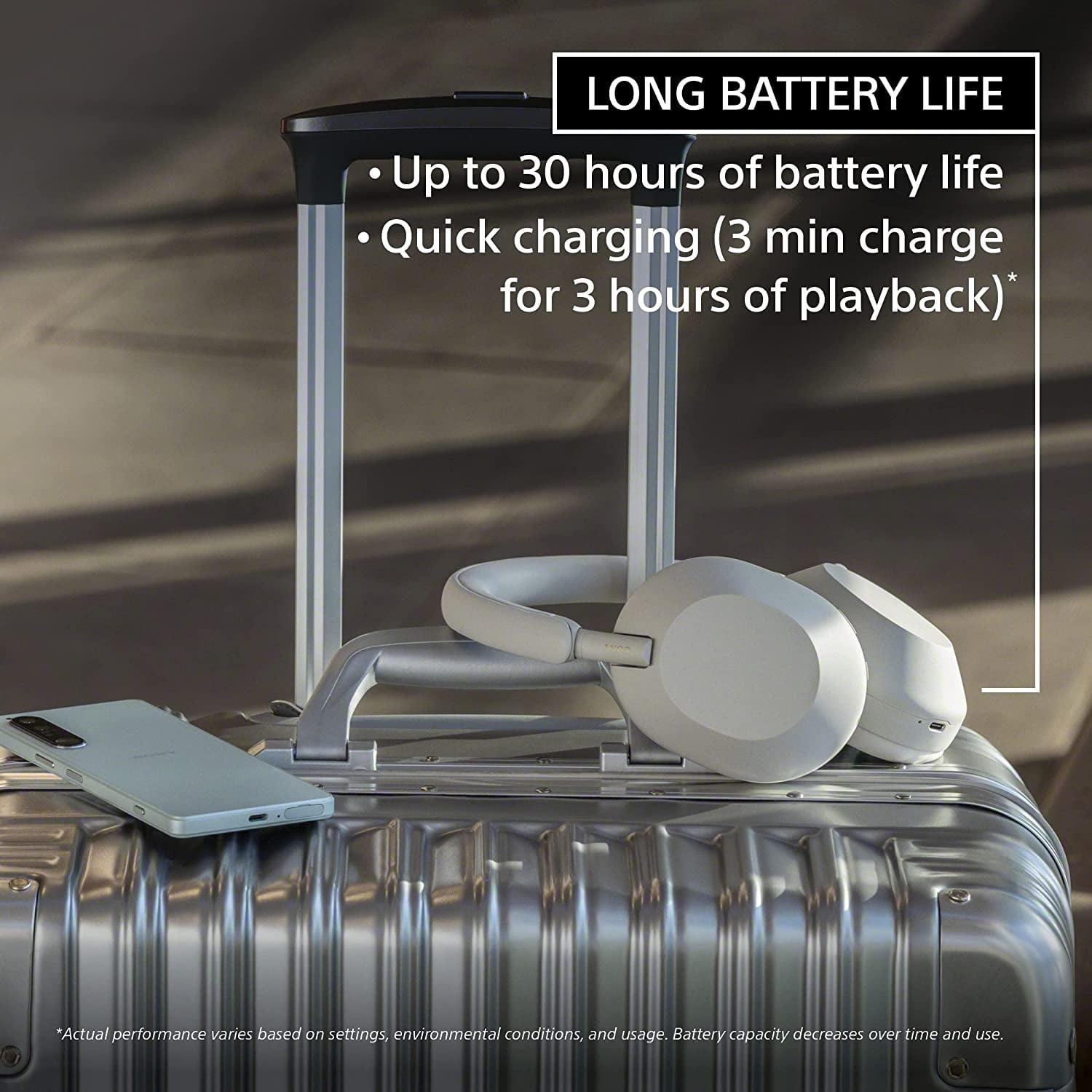
Both headphones excel in practical daily use features, offering 30 hours of listening time with noise cancellation enabled—more than enough for even the longest international flights. Fast charging capabilities mean you can get several hours of playback from just a 15-minute charge, perfect for those "oh no, I forgot to charge them" moments.
Where they differ is in the user experience details. The Sony WH-1000XM5 includes more sophisticated touch controls that respond accurately to swipes and taps, while the Px8 uses physical buttons that some users prefer, especially in cold weather when touch controls can be finicky.
The Sony Headphones Connect app is significantly more comprehensive than B&W's Music App. Sony's app includes detailed EQ controls, adaptive sound control that adjusts settings based on your activity and location, and even features like "Speak-to-Chat" that automatically pauses music when you start talking. The B&W app covers the basics but lacks these advanced features.
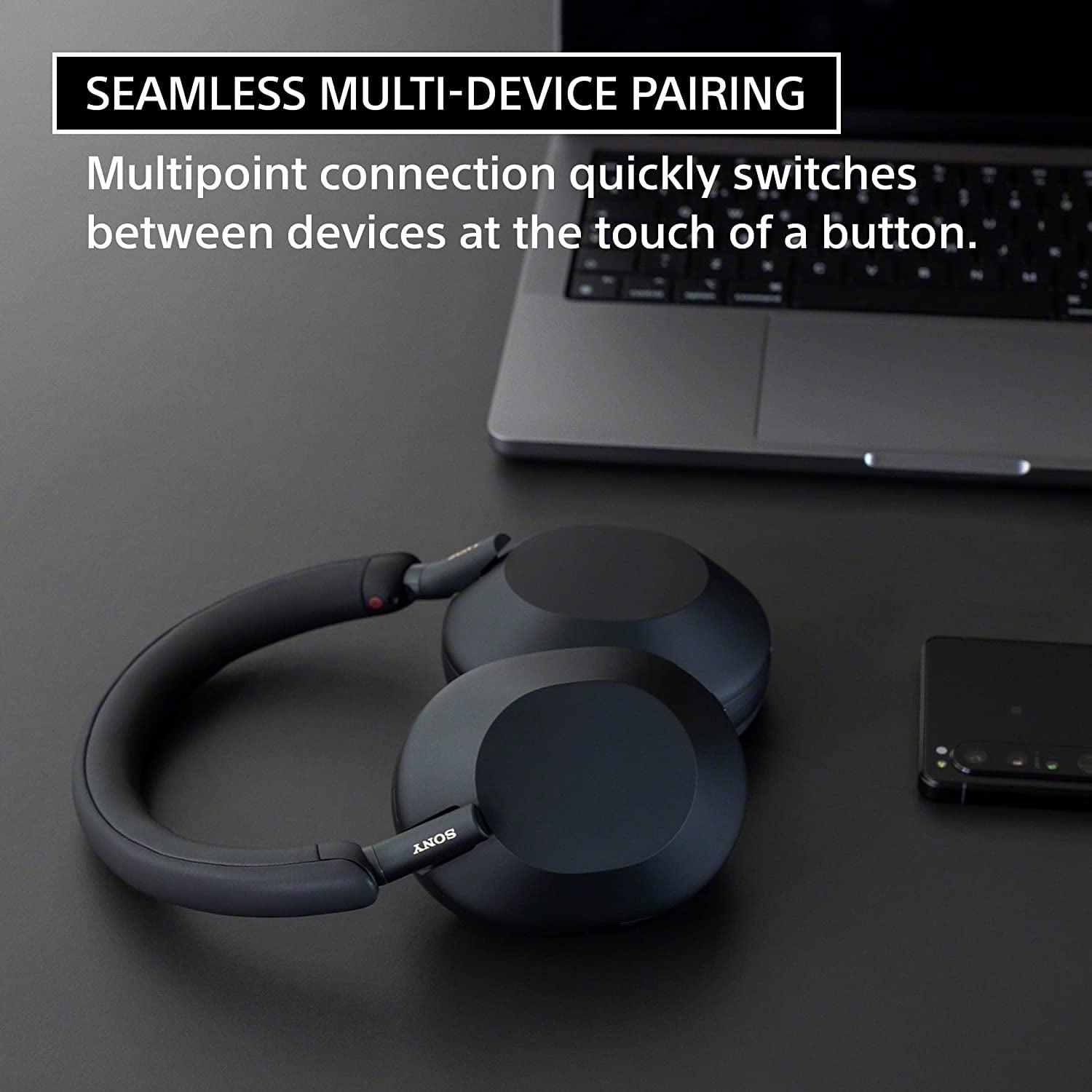
Both headphones support multipoint Bluetooth connectivity, allowing you to connect to two devices simultaneously—incredibly useful for switching between your phone and laptop without constantly re-pairing.
While neither headphone is specifically designed for home theater use, they both offer capabilities that make them interesting options for private movie watching or late-night gaming.
The Bowers & Wilkins Px8 excels with dialogue clarity and instrument separation, making it excellent for film soundtracks and complex audio mixes. The detailed soundstage helps with positional audio in games, though the limited noise cancellation means you'll still hear household sounds that might break immersion.
The Sony WH-1000XM5 brings some unique advantages to home theater use. The superior noise cancellation creates better isolation from household noise—crucial if you're trying to watch movies while others are asleep. The more consumer-friendly sound signature often works better with movie audio, which is typically mixed for wide appeal rather than analytical listening.
For gaming specifically, both headphones introduce some wireless latency that might be problematic for competitive gaming, though casual gaming and movie watching work fine.
Both headphones represent significant advances over their predecessors and earlier wireless technology. The Px8 builds on B&W's previous wireless models with completely redesigned drivers and improved processing power. The carbon cone technology represents a genuine innovation in wireless headphone design.
The Sony XM5 refines Sony's successful formula rather than revolutionizing it, but the refinements are substantial. The new driver design, improved noise cancellation algorithms, and more powerful processing represent meaningful steps forward from the popular XM4 model.
Looking forward, both headphones should remain relevant for years. They support modern Bluetooth codecs, have robust build quality, and include firmware update capabilities that allow manufacturers to add features and improve performance over time.
After extensive listening and real-world use, both headphones excel in their intended roles, but serve different needs and preferences.
Choose the Bowers & Wilkins Px8 if you're primarily interested in the absolute best wireless sound quality available today. If you're the type of person who notices the difference between lossless and compressed audio, appreciates premium materials and craftsmanship, and primarily listens in quieter environments, the Px8's $849.90 price tag delivers genuine value. They're perfect for critical music listening at home, in the office, or during quiet travel.
The Sony WH-1000XM5 makes more sense for most people seeking premium wireless headphones. At $398, they offer outstanding value with industry-leading noise cancellation, versatile sound quality that works well with any music genre, and comprehensive smart features that enhance daily use. They're the better choice for frequent travelers, commuters, or anyone who needs one pair of headphones to handle everything from work calls to music appreciation.
In my experience, the Sony XM5 is the headphone I'd recommend to more people, while the Px8 is the one I'd personally choose for serious listening sessions. Both represent excellent value in their respective market segments, and either would serve as a significant upgrade from mainstream wireless headphones.
The key is honestly assessing how you actually use headphones versus how you think you'll use them. If noise cancellation and versatility matter more than ultimate sound quality, Sony has created something special. If you're willing to pay extra for audiophile-grade sound reproduction and luxury materials, B&W's offering justifies its premium positioning.
Either way, you're getting access to technology that would have seemed impossible just a few years ago—high-resolution wireless audio, sophisticated noise cancellation, and all-day battery life in packages that are genuinely comfortable for extended wear. The golden age of wireless headphones is definitely here.
| Bowers & Wilkins Px8 | Sony WH-1000XM5 |
|---|---|
| Price - Major factor in value decision | |
| $849.90 (premium audiophile positioning) | $398 (excellent value for features offered) |
| Weight - Affects long-term comfort | |
| 320g (substantial premium feel, may cause fatigue) | 250g (lighter for all-day comfort) |
| Driver Technology - Core sound reproduction capability | |
| 40mm Carbon Cone drivers with angled design | 30mm TPU edge drivers optimized for ANC |
| Active Noise Cancellation - Critical for travel and noisy environments | |
| 6-microphone hybrid system (adequate performance) | 8-microphone dual-processor system (industry-leading) |
| Audio Processing - Determines wireless sound quality | |
| 24-bit DSP with aptX Adaptive support | Dual V1/QN1 processors with DSEE Extreme AI upscaling |
| Build Materials - Luxury feel vs practical durability | |
| Cast aluminum, Nappa leather, memory foam | High-quality synthetic materials, lightweight design |
| Battery Life - Same excellent performance | |
| 30 hours (ANC on), 15-min quick charge = 7 hours | 30 hours (ANC on), 3-min quick charge = 3 hours |
| Bluetooth Codecs - Wireless audio quality potential | |
| aptX Adaptive, aptX HD, AAC, SBC | LDAC, AAC, SBC (no aptX support) |
| App Features - Software capabilities and customization | |
| Basic EQ and ANC control via B&W Music App | Comprehensive features via Sony Headphones Connect |
| Design Philosophy - Different approaches to premium audio | |
| Audiophile accuracy with luxury materials | Versatile performance with advanced smart features |
| Best Use Cases - Where each excels | |
| Critical listening, quiet environments, music appreciation | Travel, commuting, all-around daily use, noisy environments |
The Bowers & Wilkins Px8 delivers superior audiophile-grade sound quality with its 40mm Carbon Cone drivers and 24-bit DSP processing. It excels at detailed, accurate sound reproduction perfect for critical listening. The Sony WH-1000XM5 offers excellent sound quality that's more consumer-friendly and versatile across all music genres, with AI-powered upscaling technology.
The Sony WH-1000XM5 significantly outperforms the Bowers & Wilkins Px8 in noise cancellation. Sony's 8-microphone dual-processor system provides industry-leading ANC that's excellent for travel and noisy environments. The Px8's 6-microphone system offers adequate noise reduction but isn't as effective in challenging conditions.
The Sony WH-1000XM5 at 250g is more comfortable for extended wear due to its lighter weight and ergonomic design. The Bowers & Wilkins Px8 at 320g uses premium materials like Nappa leather and memory foam but may cause fatigue during very long sessions due to its substantial weight.
The Bowers & Wilkins Px8 costs $849.90, positioning it in the luxury audiophile market. The Sony WH-1000XM5 is priced at $398, offering excellent value for its comprehensive feature set and superior noise cancellation technology.
Both the Sony WH-1000XM5 and Bowers & Wilkins Px8 offer identical 30-hour battery life with ANC enabled. The Sony provides 3 hours of playback from a 3-minute charge, while the Px8 offers 7 hours from a 15-minute charge, giving the Px8 a slight advantage in quick charging.
The Sony WH-1000XM5 excels at phone calls with its advanced 8-microphone array and Precise Voice Pickup technology that isolates your voice from background noise. The Bowers & Wilkins Px8 offers good call quality but isn't as optimized for telephony as the Sony model.
The Sony WH-1000XM5 is significantly better for travel due to its industry-leading noise cancellation, lighter weight, and comprehensive smart features like adaptive sound control. The Bowers & Wilkins Px8 is less ideal for travel due to weaker ANC performance and heavier build.
Both headphones work well for home entertainment, but serve different needs. The Bowers & Wilkins Px8 excels with dialogue clarity and detailed soundtracks in quiet environments. The Sony WH-1000XM5 is better for late-night viewing due to superior noise isolation and a sound signature optimized for movie audio.
The Bowers & Wilkins Px8 uses premium materials including cast aluminum arms, genuine Nappa leather, and diamond-cut metal detailing for a luxury feel. The Sony WH-1000XM5 uses high-quality synthetic materials optimized for durability and practical daily use rather than luxury aesthetics.
Both the Sony WH-1000XM5 and Bowers & Wilkins Px8 work excellently with iOS and Android devices. The Px8 supports high-resolution aptX codecs on Android, while the Sony supports LDAC. Both support AAC for optimal iPhone compatibility.
The Sony WH-1000XM5 is generally better for work-from-home use due to superior noise cancellation for blocking household distractions, excellent call quality, and comfortable lightweight design for all-day wear. The Bowers & Wilkins Px8 works well in quiet home offices where sound quality is prioritized over noise isolation.
Choose the Bowers & Wilkins Px8 at $849.90 if you're an audiophile who prioritizes ultimate sound quality and luxury materials over everything else. Choose the Sony WH-1000XM5 at $398 if you want the best overall value with excellent sound, industry-leading noise cancellation, and comprehensive features for daily use.
We've done our best to create useful and informative comparisons to help you decide what product to buy. Our research uses advanced automated methods to create this comparison and perfection is not possible - please contact us for corrections or questions. These are the sites we've researched in the creation of this article: whathifi.com - marius.ink - bowerswilkins.com - rtings.com - whathifi.com - whathifi.com - soundguys.com - audio46.com - youtube.com - futureaudiophile.com - listenup.com - telquestintl.com - bowerswilkins.com - bowerswilkins.com - bestbuy.com - bhphotovideo.com - audioholics.com - bowerswilkins.com - bowerswilkins.com - headphone.guru - bhphotovideo.com - bowerswilkins.com - rtings.com - audiosciencereview.com - techradar.com - audio46.com - recordingnow.com - electronics.sony.com - theabsolutesound.com - soundguys.com - soundguys.com - headphonesaddict.com - sony.com - sony.com - sony-mea.com - fullspecs.net - bhphotovideo.com - sony.com - helpguide.sony.net - headphones.com - androidpolice.com - sony.co.id - moon-audio.com - sony.com - bestbuy.com - sonylatvija.com

Privacy Policy
Terms and Conditions - Affiliate Policy
Home Security
© Copyright 2008-2026.
11816 Inwood Rd #1211, Dallas, TX 75244