

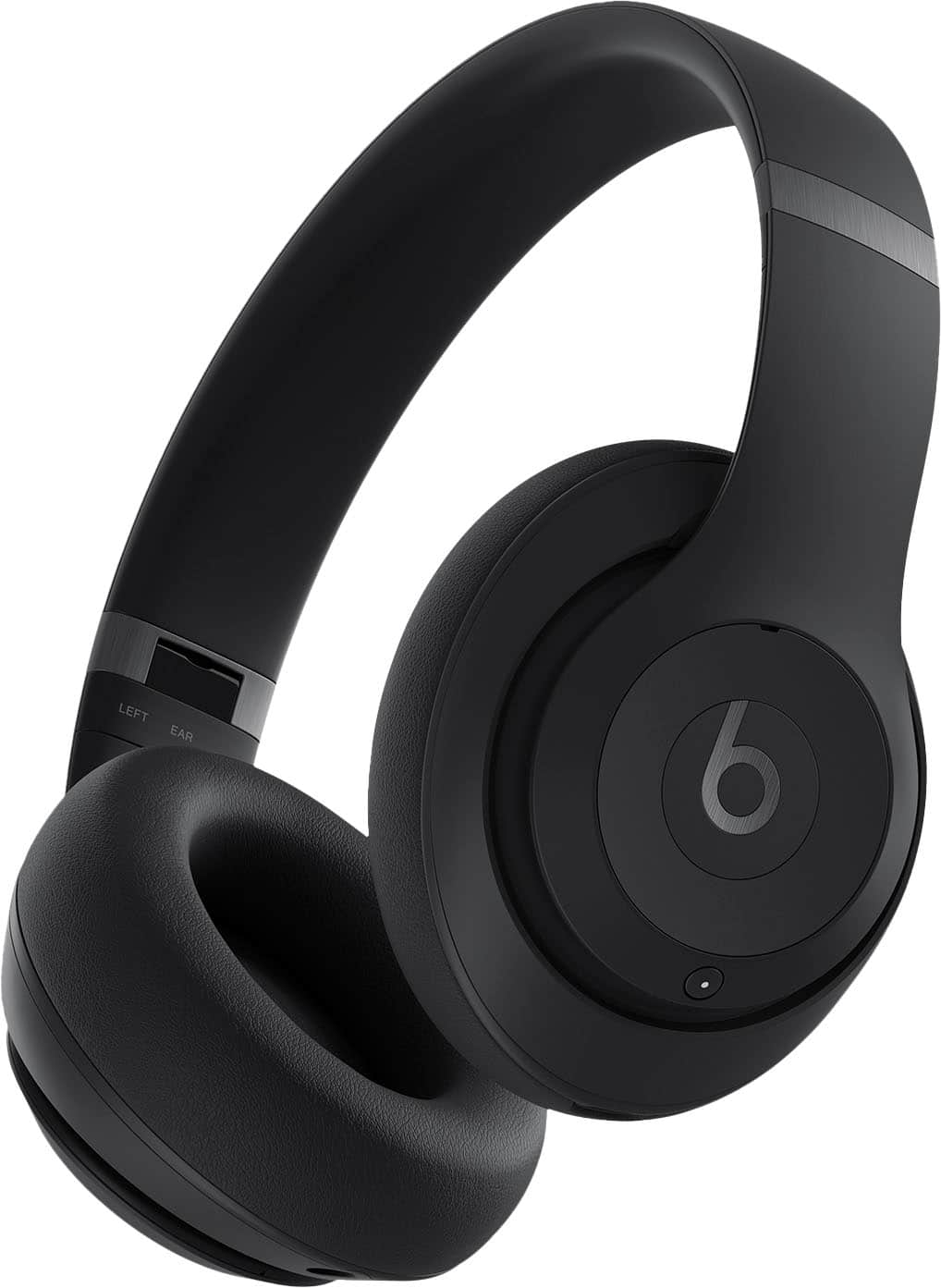
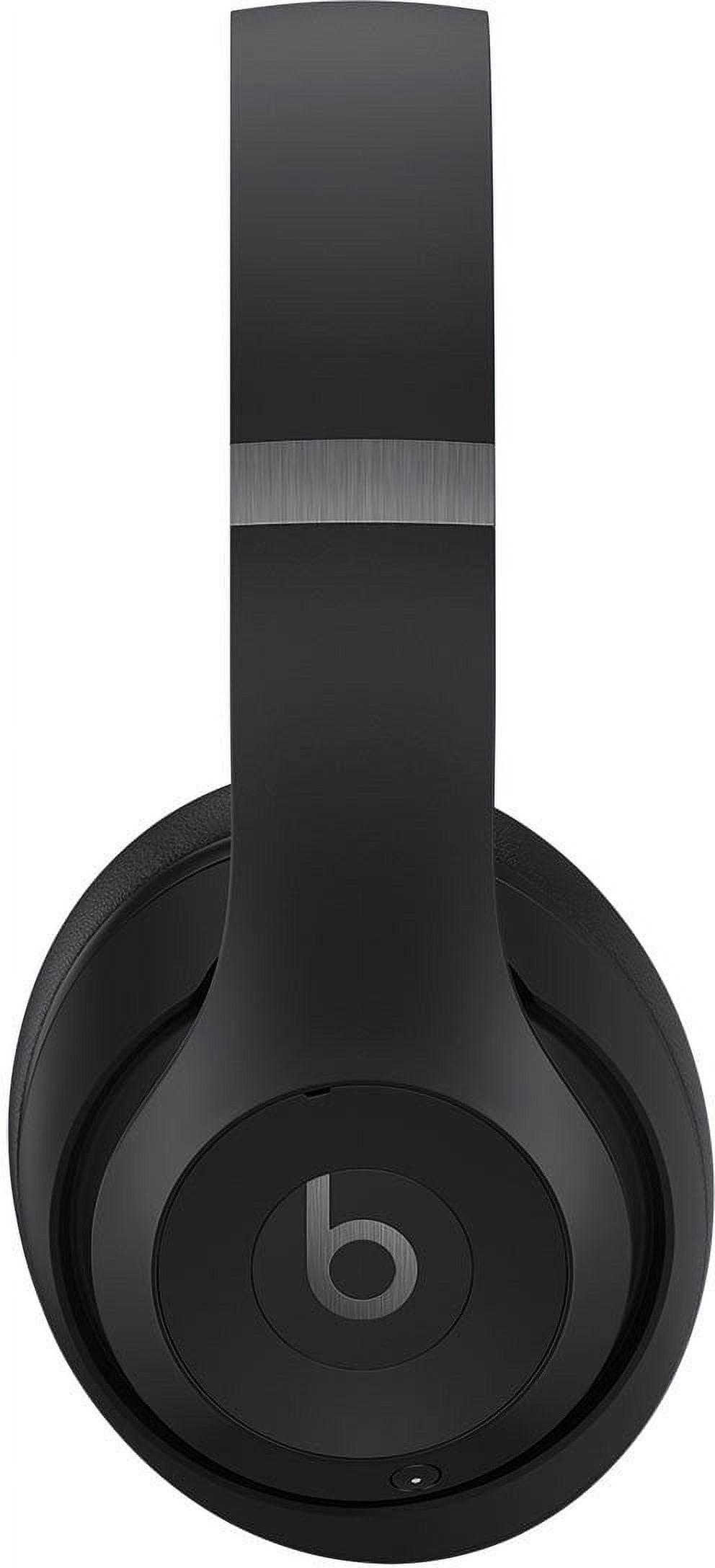
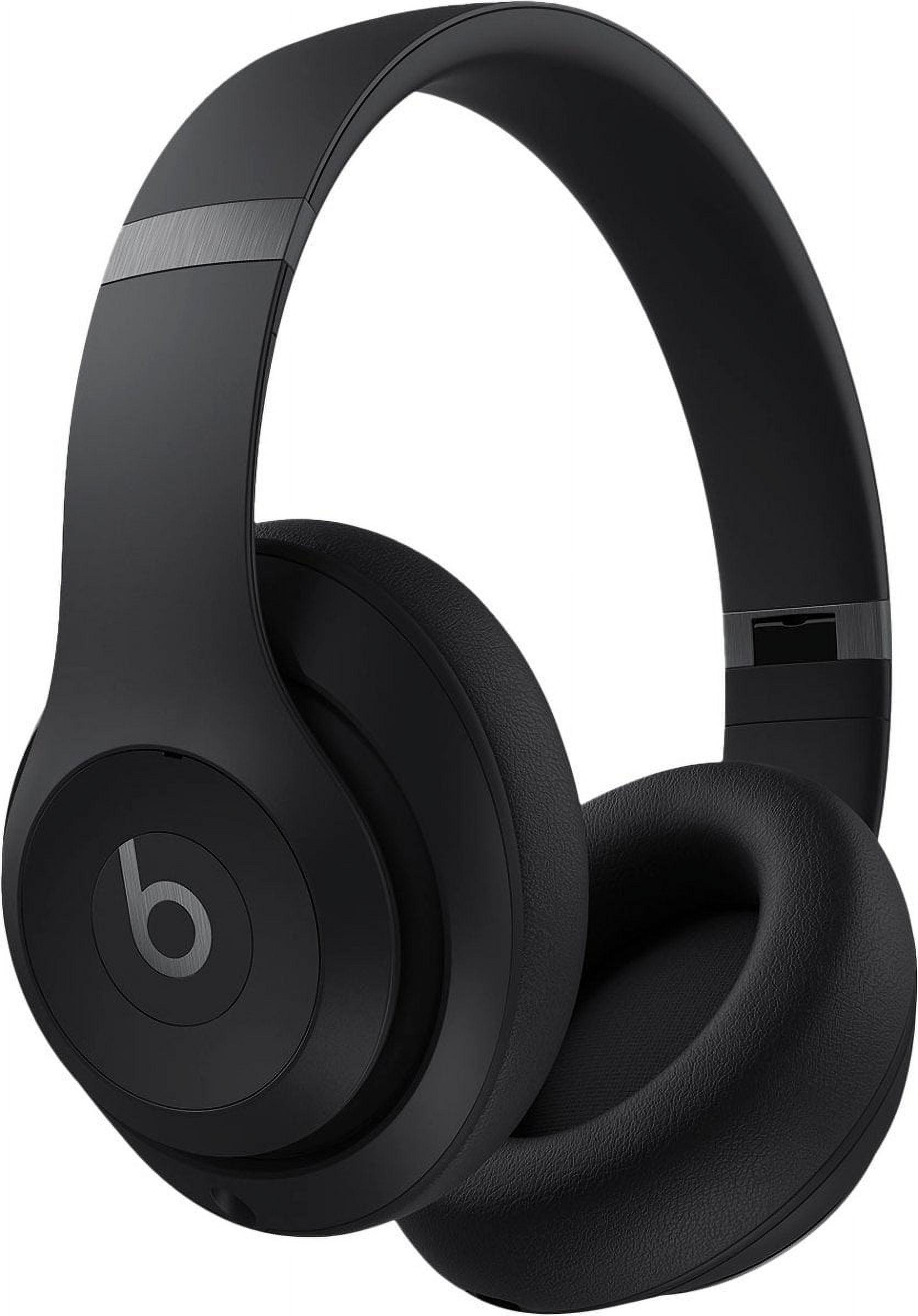
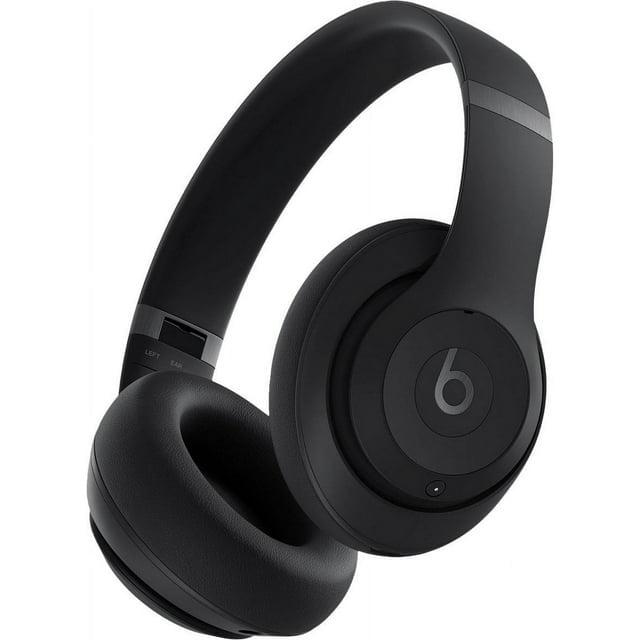
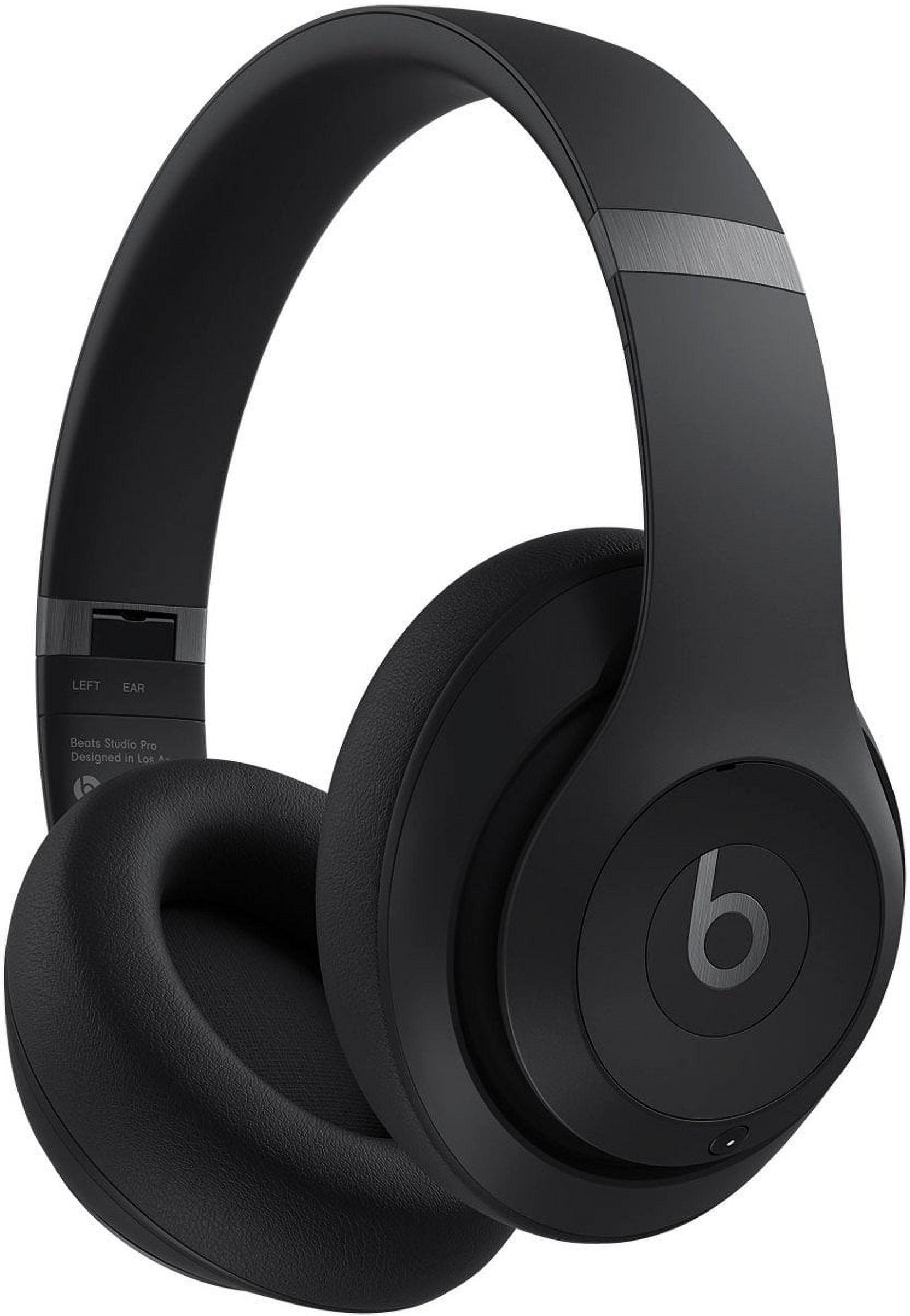
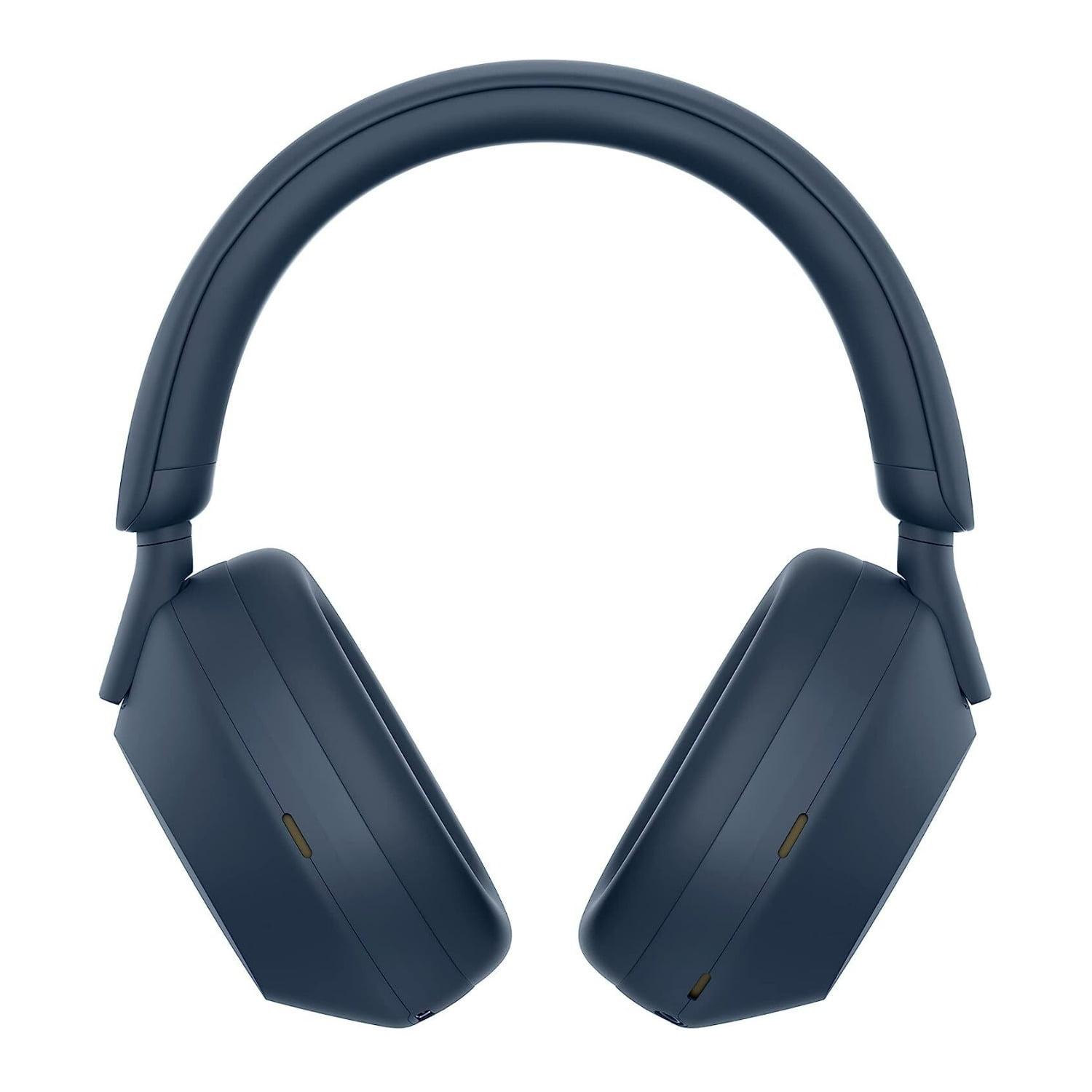

When you're ready to invest in premium wireless headphones, two models consistently rise to the top of recommendation lists: Apple's Beats Studio Pro and Sony's WH-1000XM5. Both represent the pinnacle of what their respective companies can achieve in wireless audio, but they take surprisingly different approaches to reaching audio excellence.
The premium wireless headphone market has exploded over the past few years, driven by our increasingly mobile lifestyles and the removal of headphone jacks from most smartphones. These aren't just any headphones—they're sophisticated pieces of technology that combine advanced noise cancellation, high-quality drivers, and smart features that adapt to your listening environment.
Before diving into the specifics, it's helpful to understand what makes these headphones "premium." Beyond just good sound quality, these models feature active noise cancellation (ANC)—a technology that uses microphones to detect outside noise and creates opposite sound waves to cancel it out. Think of it like having a sound bodyguard that actively fights against distracting noises.
Modern premium headphones also include features like spatial audio (which creates a 3D-like listening experience), adaptive EQ (automatic sound adjustments), and seamless connectivity across multiple devices. The Beats Studio Pro launched in July 2023 as the fourth generation of the Studio line, while the Sony WH-1000XM5 arrived in May 2022 as Sony's latest flagship model.
What you're really choosing between are two different philosophies: Beats focuses on immediate satisfaction with great out-of-the-box sound and deep Apple integration, while Sony emphasizes customization and industry-leading noise cancellation that you can fine-tune to your preferences.
Let's start with arguably the most important feature for many users: active noise cancellation. This is where the Sony WH-1000XM5 truly shines and justifies its slightly higher price point.
Sony has been perfecting their noise cancellation technology for years, and the WH-1000XM5 represents their most advanced implementation yet. The headphones use eight microphones—four on each ear cup—working with two dedicated processors to analyze and cancel out ambient noise. In real-world testing, these headphones block approximately 87% of external noise, which is genuinely impressive.
What makes Sony's approach special is how adaptive it is. The headphones continuously monitor your environment and adjust the noise cancellation accordingly. If you're on a plane, they'll focus on canceling the low rumble of engines. In a coffee shop, they'll target the mid-frequency chatter of conversations. The system even adjusts for changes in atmospheric pressure, which is why these headphones perform exceptionally well during flights.
The Beats Studio Pro, while offering solid noise cancellation, takes a more straightforward approach. They block around 79% of external noise, which is still very good for daily use. The ANC adapts in real-time, but it's not as sophisticated as Sony's system. Where you'll notice the difference most is in environments with consistent low-frequency noise—like airplane cabins or busy streets.
From my experience using both headphones during cross-country flights, the Sony's create an almost eerie sense of isolation. The world genuinely seems to disappear around you. The Beats are quieter than most headphones, but you'll still hear some engine drone and cabin noise bleeding through.
For home theater use, both headphones offer transparency modes that let outside sound in when needed. However, if you're planning to use these headphones primarily in quiet environments like your living room, the noise cancellation differences become less critical.
Here's where things get interesting, and where your personal preferences really matter. The Beats Studio Pro and Sony WH-1000XM5 have distinctly different sound signatures that cater to different listening styles.
The Beats Studio Pro represents a significant departure from the bass-heavy "Beats sound" of the past. These headphones feature custom 40mm drivers with what Beats calls their "Custom Acoustic Platform." The result is a more balanced sound with excellent clarity in the mids and highs. Vocals cut through clearly, instruments have good separation, and there's detail in the music that older Beats headphones would have buried under heavy bass.
What's particularly impressive is the low distortion—Beats claims 80% less distortion than their previous Studio3 model. In practice, this means you can turn up the volume without the sound becoming harsh or muddy. The frequency response is fairly neutral with a slight emphasis on the upper mids and treble, making them excellent for podcasts, pop music, and modern hip-hop.
The Sony WH-1000XM5 takes a different approach with their new 30mm drivers. Yes, that's smaller than the Beats' 40mm drivers, but Sony has engineered these with a soft TPU (thermoplastic polyurethane) edge that actually enhances both sound quality and noise cancellation. Out of the box, these headphones have a warmer, more bass-forward sound that some describe as "muffled" compared to the crisp Beats.
However—and this is crucial—the Sony's transform completely when you use their companion app to adjust the EQ. The Sony Headphones Connect app includes a 10-band equalizer that lets you fine-tune the sound to your exact preferences. With some tweaking, these headphones can sound remarkably clear and detailed, often exceeding the Beats in overall audio quality.
The Sony's also support LDAC, a high-resolution Bluetooth codec that can transmit about three times more data than standard Bluetooth audio. If you have a compatible device and high-quality music files, this can make a noticeable difference in audio clarity.
For home theater use, both headphones support spatial audio technologies. The Beats Studio Pro works with Apple's Personalized Spatial Audio, creating a convincing surround sound effect when watching movies on Apple devices. The Sony WH-1000XM5 supports Sony's 360 Reality Audio and works well with various streaming services for immersive audio experiences.
Battery life is where the Beats Studio Pro pulls ahead significantly. These headphones offer up to 40 hours of playback time, or 24 hours with active noise cancellation enabled. The Sony's provide 30 hours with ANC on, or 40 hours with it off. While both offer excellent battery life, the Beats' longer runtime with ANC active is genuinely useful for frequent travelers.
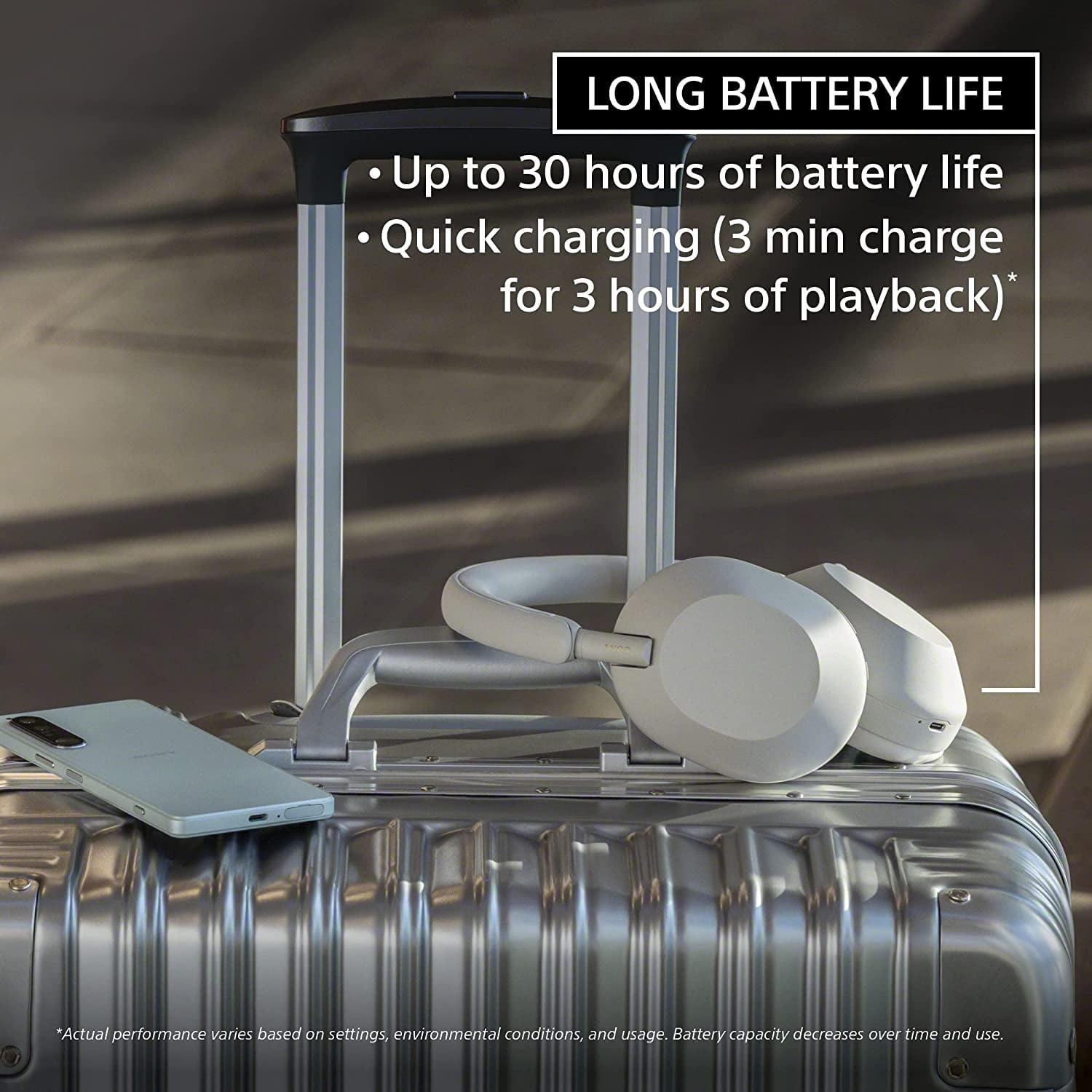
Both headphones feature fast charging, but with different approaches. The Beats Studio Pro provides 4 hours of playback from a 10-minute charge, while the Sony WH-1000XM5 offers 3 hours from just 3 minutes of charging. The Sony's faster charging is convenient, but the Beats' longer overall battery life often matters more in real-world use.
Here's a unique advantage of the Beats: you can use them while charging via USB-C. The Sony's must be disconnected from power to work, which can be frustrating if you're settled in for a long work session and the battery dies.
The Beats Studio Pro also offers something relatively rare in consumer headphones: lossless audio via USB-C. When connected to a compatible device with a USB-C cable, you can bypass Bluetooth compression entirely and get bit-perfect audio transmission. This feature makes them surprisingly appealing for home theater setups where you want the absolute best audio quality.
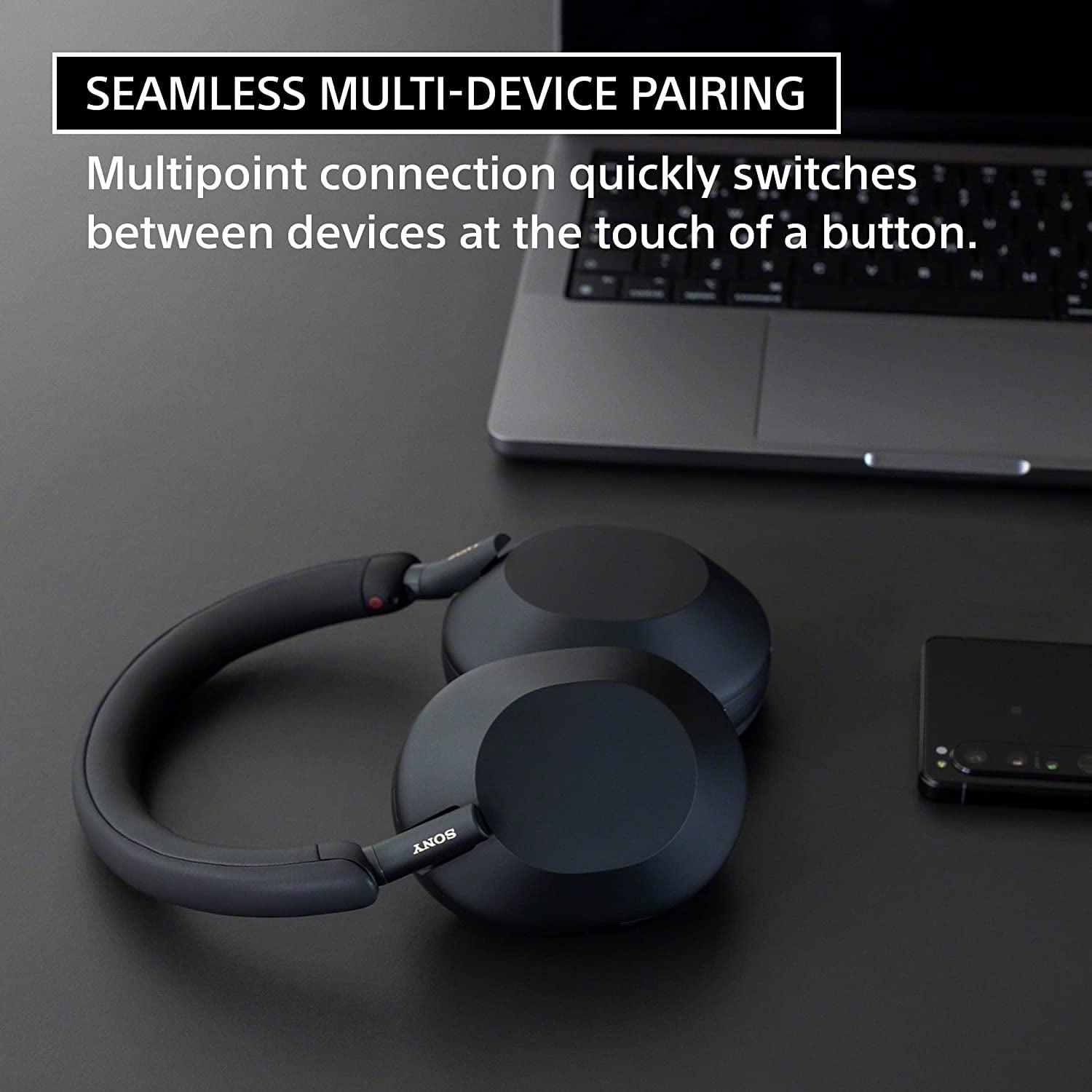
Both headphones support multipoint connectivity, allowing them to connect to two devices simultaneously. This means you can be listening to music on your laptop while staying connected to your phone for calls—a feature that's become essential in our multi-device world.
Comfort becomes crucial when you're wearing headphones for hours at a time, and this is another area where the two models differ significantly.
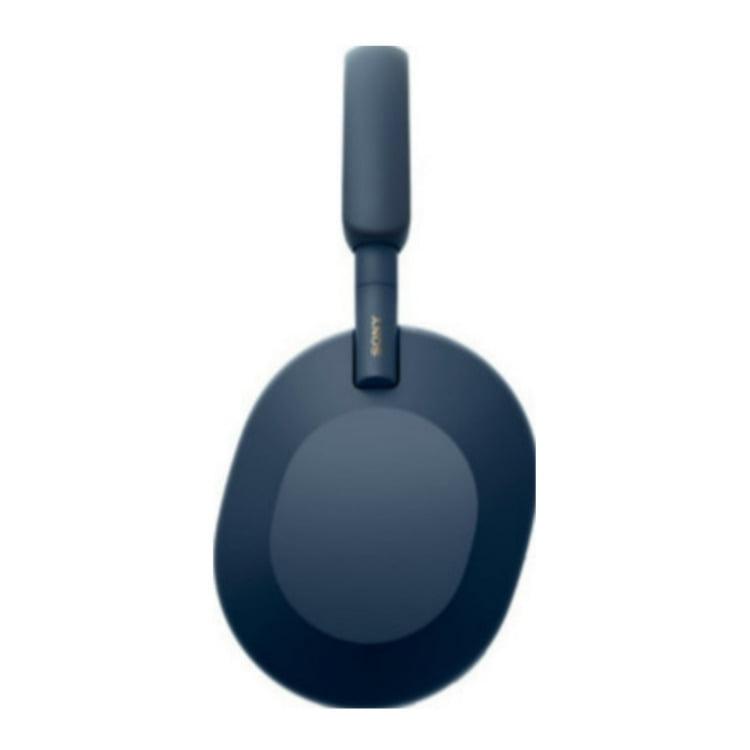
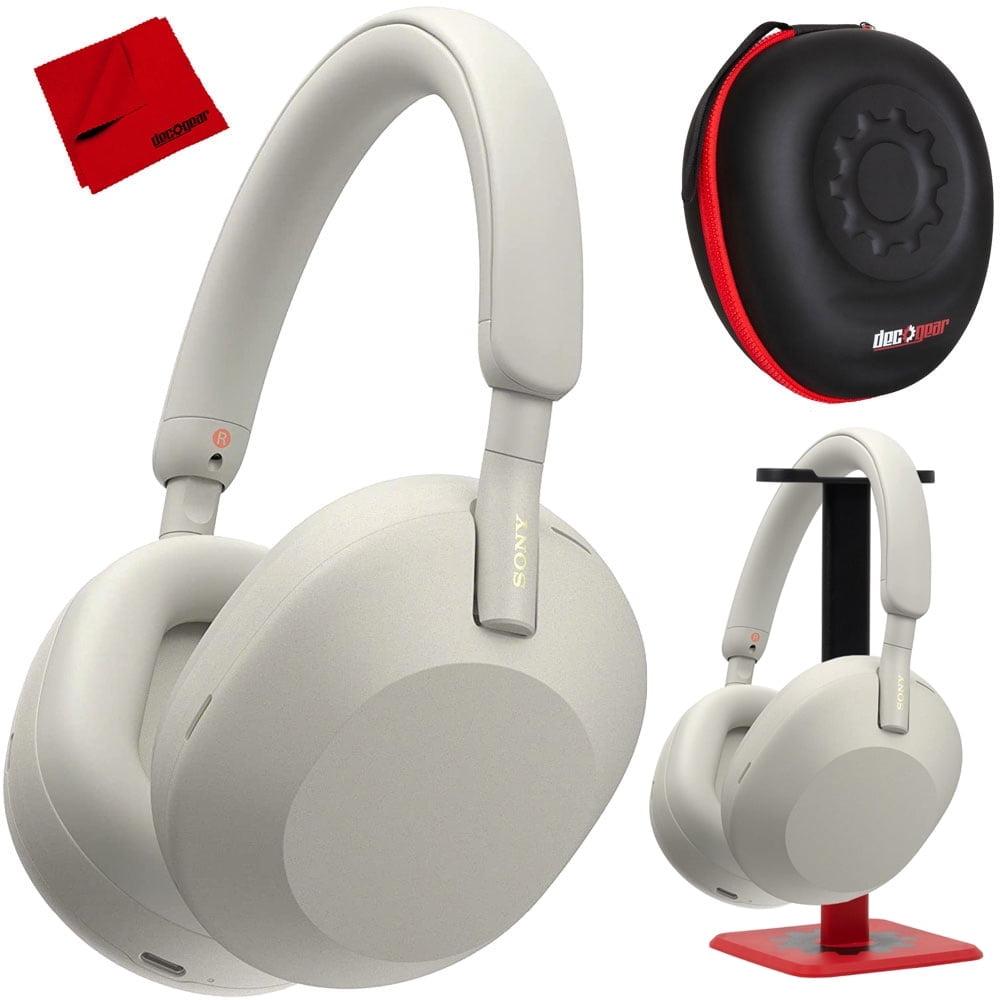
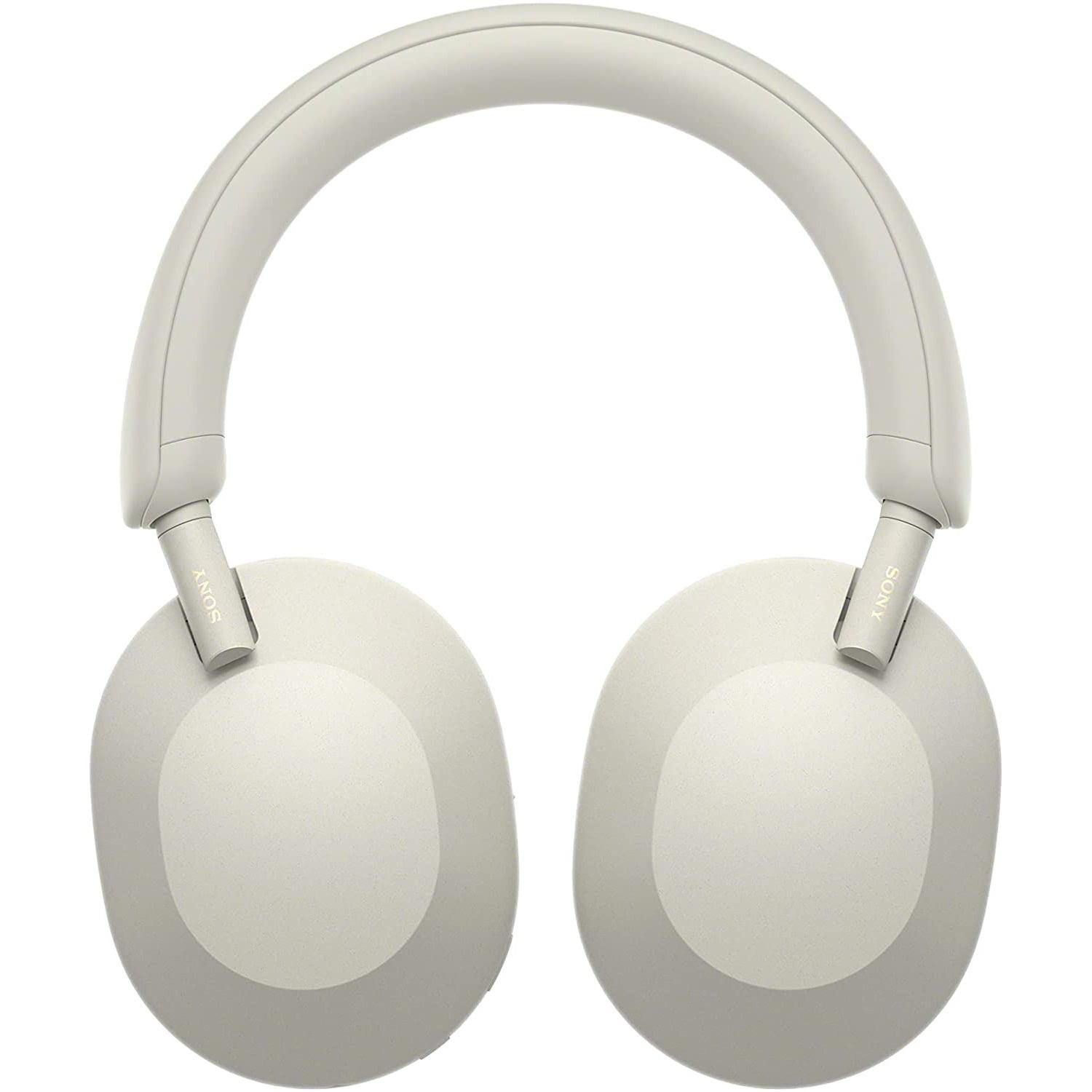
The Sony WH-1000XM5 is the clear winner for long-term comfort. At 250 grams, they're slightly lighter than the 260-gram Beats, but more importantly, they have a stepless headband adjustment system that distributes weight more evenly. The ear cups are generously padded with soft synthetic leather that feels premium against your skin.
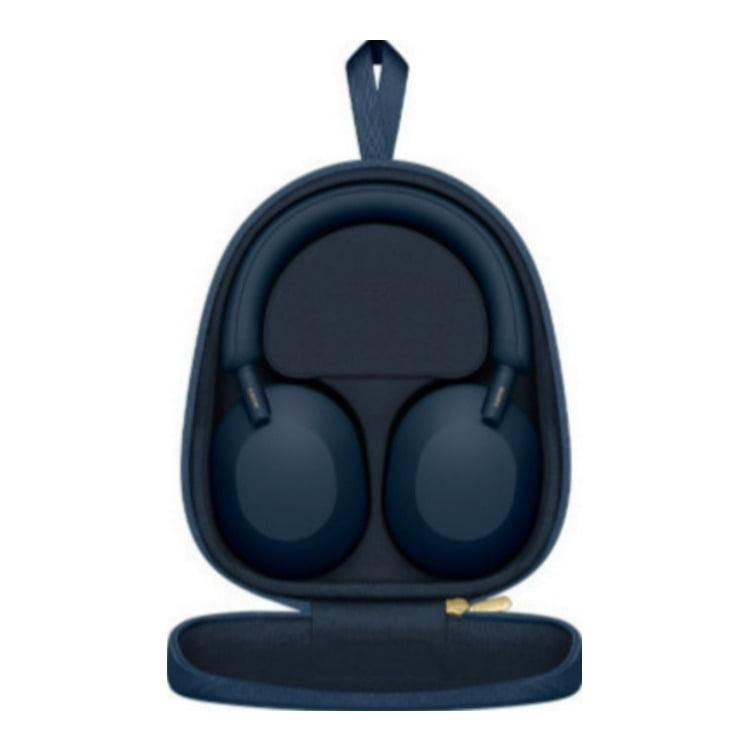
Sony redesigned these headphones with a non-folding construction, which makes them less portable but significantly more comfortable. The headband has multiple adjustment points that conform to different head shapes, and the clamping force is just right—secure enough to stay in place but gentle enough for all-day wear.
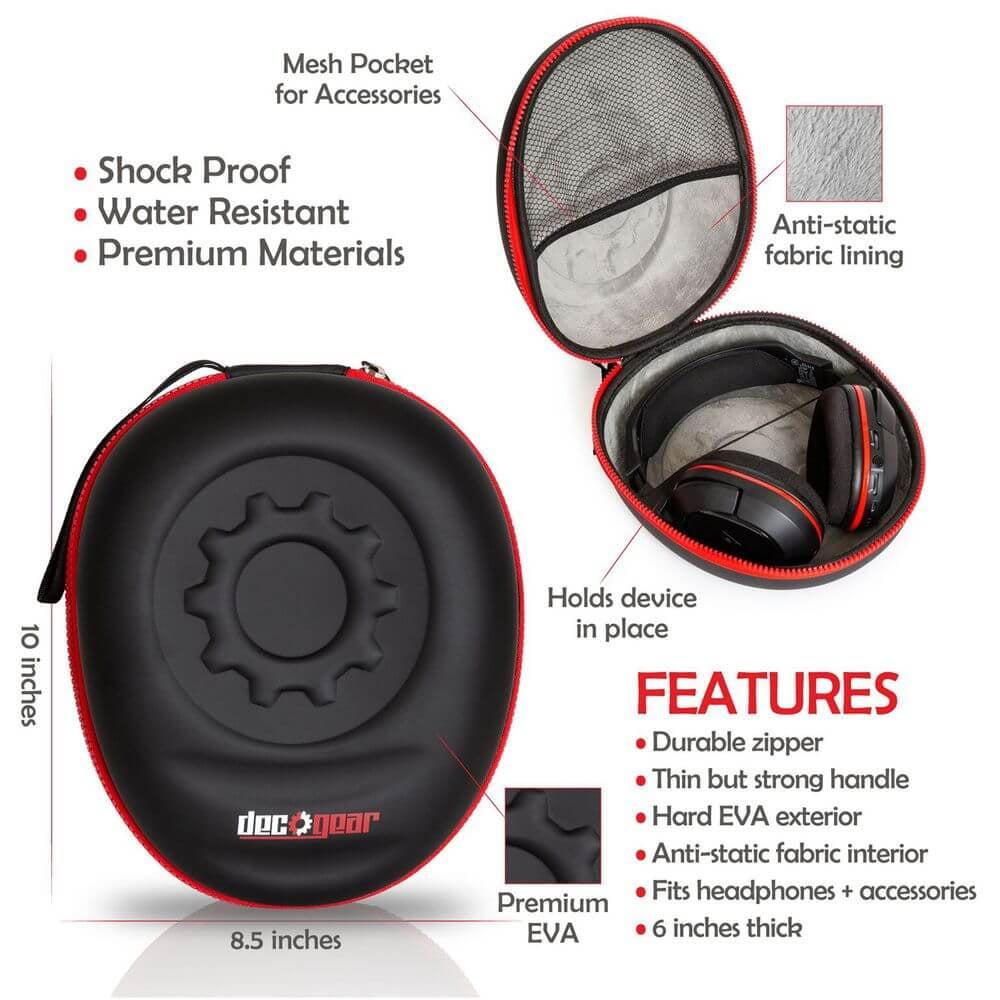
The Beats Studio Pro takes a more traditional approach with a folding design that makes them more portable. They come with a nice compact carrying case, and the hinges feel solid. However, the clamping force is noticeably stronger, which some users find uncomfortable during extended listening sessions. The UltraPlush engineered leather cushions are comfortable, but the overall fit feels more "secure" than "relaxed."
For home use, the Sony's comfort advantage becomes even more pronounced. If you're planning to wear these for movie marathons or long gaming sessions, the lighter feel and better weight distribution make a real difference.
This is where personal preference really comes into play. The Beats Studio Pro uses physical buttons for all controls—a multi-function button, volume rocker, and dedicated ANC button. Many users prefer this tactile approach because you can operate the headphones without looking, and there's no risk of accidental touches.
The Sony WH-1000XM5 relies primarily on touch controls on the right ear cup. Swipe gestures control volume and track skipping, while taps handle play/pause functions. When the system works, it feels futuristic and intuitive. However, touch controls can be finicky in cold weather or if you're wearing gloves, and some users accidentally trigger controls when adjusting the headphones.
Sony does include some clever features like Speak-to-Chat, which automatically pauses music and activates transparency mode when you start talking. There's also Quick Attention mode—hold your hand over the right ear cup, and the music dims while outside sound is amplified for quick conversations.
The Beats Studio Pro is clearly designed with Apple users in mind. If you're deep in the Apple ecosystem, these headphones offer seamless integration that feels almost magical. They pair instantly with your iPhone, support hands-free Siri activation, and work with Apple's Find My network if you lose them.
The Personalized Spatial Audio feature creates a convincing surround sound experience for movies and music, with head tracking that adjusts the soundstage as you move your head. For Apple TV users, this can transform your living room into a personal theater.
However, the Beats also work well with Android devices, supporting Google Fast Pair and Find My Device features. You won't get all the Apple-specific features, but core functionality remains excellent.
The Sony WH-1000XM5 takes a more platform-agnostic approach. The Sony Headphones Connect app works equally well on iOS and Android, providing access to all the customization features regardless of your phone choice. The headphones integrate well with both Google Assistant and Amazon Alexa, giving you flexibility in voice assistant preferences.
Both manufacturers have included some interesting technical innovations that hint at the future of headphones.
The Beats Studio Pro includes what they call DSEE (Digital Sound Enhancement Engine) processing when connected via USB-C, which can upscale compressed audio in real-time. The three built-in EQ presets accessible via USB-C connection (Signature, Entertainment, and Conversation) are optimized for different content types, though they're not as flexible as Sony's full EQ.
Sony's WH-1000XM5 features their DSEE Extreme technology, powered by Edge-AI, which analyzes music in real-time and restores high-frequency details lost during compression. It's particularly effective with streaming services like Spotify, where compression is necessary for data transmission.
The Sony's also include atmospheric pressure optimization, which adjusts the noise cancellation based on altitude—a feature that frequent flyers will appreciate during takeoff and landing when cabin pressure changes rapidly.
After extensive use with both headphones, here's how I'd recommend approaching your decision:
Choose the Beats Studio Pro if you want headphones that sound excellent right out of the box without any tweaking. They're particularly appealing if you're an Apple user who values seamless integration, or if you need the USB-C lossless audio feature for home theater use. At their frequent sale price of around $220, they offer exceptional value for the sound quality and features provided.
The Sony WH-1000XM5 makes more sense if noise cancellation is your top priority, or if you enjoy customizing your audio experience. They're the better choice for frequent travelers, people working in noisy environments, or anyone who wants the absolute best comfort for long listening sessions. The higher price feels justified when you consider the superior ANC and the potential for audio customization.
For home theater use specifically, both headphones excel, but for different reasons. The Beats offer lossless USB-C connectivity and excellent Apple TV integration, while the Sony's provide superior comfort for long viewing sessions and more flexible EQ options for different content types.
The reality is that both the Beats Studio Pro and Sony WH-1000XM5 are excellent headphones that represent the current state of the art in wireless audio. Your choice between them should align with whether you value immediate satisfaction and Apple integration (Beats) or maximum customization potential and industry-leading noise cancellation (Sony). Either way, you're getting a pair of headphones that will serve you well for years to come.
| Beats Studio Pro | Sony WH-1000XM5 |
|---|---|
| Price - Significant value difference, especially on sale | |
| $349.99 MSRP (often $219.99 on sale) | $398.00 |
| Active Noise Cancellation - Critical for travel and noisy environments | |
| Good ANC blocking ~79% of noise, adaptive but basic | Industry-leading ANC blocking ~87% of noise, 8-mic array |
| Battery Life with ANC - Essential spec for daily use | |
| 24 hours (40 hours ANC off) | 30 hours (40 hours ANC off) |
| Fast Charging - Convenience for busy lifestyles | |
| 10 minutes = 4 hours playback | 3 minutes = 3 hours playbook |
| Sound Quality Out of Box - How good they sound without tweaking | |
| Excellent balanced sound, detailed mids/highs | Warm/muffled sound that needs EQ adjustment |
| Sound Customization - Ability to tailor audio to your preferences | |
| Limited to 3 USB-C presets only | Full 10-band EQ via app, extensive options |
| Weight & Comfort - Critical for extended wear | |
| 260g, higher clamping force, foldable design | 250g, superior comfort, stepless adjustment |
| Controls - Daily usability factor | |
| Physical buttons (reliable, tactile feedback) | Touch controls (modern but can be finicky) |
| Lossless Audio - Important for audiophiles and home theater | |
| USB-C lossless audio support (rare feature) | LDAC high-res Bluetooth only |
| Apple Integration - Seamless experience for iOS users | |
| Excellent: Spatial Audio, Find My, instant pairing | Basic compatibility, no special Apple features |
| Charge While Listening - Practical advantage for long sessions | |
| Yes, via USB-C connection | No, must disconnect to charge |
| Driver Size - Affects potential sound quality | |
| 40mm custom drivers with low distortion | 30mm drivers with TPU edge design |
| Bluetooth Codec Support - Audio quality over wireless | |
| SBC, AAC (standard quality) | SBC, AAC, LDAC (high-resolution capable) |
The Sony WH-1000XM5 has significantly better noise cancellation, blocking approximately 87% of external noise compared to the Beats Studio Pro's 79%. Sony uses an advanced 8-microphone system with dual processors that adapts to your environment in real-time, making it the clear winner for travel and noisy environments.
The Beats Studio Pro sounds excellent right out of the box with balanced, detailed audio that needs no adjustment. The Sony WH-1000XM5 sounds muffled initially but transforms with EQ tweaking through their app. Choose Beats for immediate satisfaction, Sony for customization potential.
The Beats Studio Pro offers superior battery life with 40 hours of playback (24 hours with ANC on), compared to the Sony WH-1000XM5's 30 hours with ANC enabled. Both offer excellent longevity, but Beats edges ahead for extended use.
Only the Beats Studio Pro allows listening while charging via USB-C connection. The Sony WH-1000XM5 must be disconnected from power to function, which can be inconvenient during long listening sessions or work calls.
The Sony WH-1000XM5 is more comfortable for extended wear, weighing 250g with superior weight distribution and stepless headband adjustment. The Beats Studio Pro at 260g has higher clamping force that some find uncomfortable after several hours of use.
Yes, the Beats Studio Pro offers seamless Apple integration including Personalized Spatial Audio, Find My support, and instant pairing. The Sony WH-1000XM5 works with iPhones but lacks these Apple-specific features, making Beats the better choice for iOS users.
The Beats Studio Pro offers better value, especially at sale prices around $219.99, providing excellent sound quality and unique features like USB-C lossless audio. The Sony WH-1000XM5 at $398 justifies its higher price with superior noise cancellation and extensive customization options.
The Sony WH-1000XM5 offers extensive sound customization with a 10-band EQ and multiple presets through their app. The Beats Studio Pro has limited customization with only three EQ presets available when connected via USB-C, making Sony the clear winner for audio personalization.
The Beats Studio Pro uses reliable physical buttons that work in all conditions and provide tactile feedback. The Sony WH-1000XM5 features touch controls that feel modern but can be finicky in cold weather or with gloves. Most users prefer the Beats' physical controls for consistency.
Both excel for home theater but differently. The Beats Studio Pro offers USB-C lossless audio connection and excellent Apple TV integration with Spatial Audio. The Sony WH-1000XM5 provides superior long-session comfort and flexible EQ for different content types. Choose based on your primary streaming device and comfort priorities.
The Sony WH-1000XM5 supports LDAC codec for high-resolution Bluetooth audio transmission, delivering significantly better wireless quality than standard codecs. The Beats Studio Pro uses standard AAC/SBC codecs but compensates with USB-C lossless wired connection capability.
For frequent travel, choose the Sony WH-1000XM5 due to its superior noise cancellation that effectively blocks airplane and traffic noise. However, the Beats Studio Pro offers longer battery life and a more compact folding design with carrying case, making it better for light travelers who prioritize portability over maximum noise isolation.
We've done our best to create useful and informative comparisons to help you decide what product to buy. Our research uses advanced automated methods to create this comparison and perfection is not possible - please contact us for corrections or questions. These are the sites we've researched in the creation of this article: whathifi.com - markellisreviews.com - recordingnow.com - soundguys.com - cnet.com - recordingnow.com - bestbuy.com - youtube.com - soundguys.com - recordingnow.com - uclastore.com - beatsbydre.com - shop.missouristatebookstore.com - apple.com - beatsbydre.com - audiosciencereview.com - beatsbydre.com - beatsbydre.com - cornellstore.com - forums.appleinsider.com - rtings.com - audiosciencereview.com - techradar.com - audio46.com - recordingnow.com - electronics.sony.com - theabsolutesound.com - soundguys.com - soundguys.com - headphonesaddict.com - sony.com - sony.com - sony-mea.com - fullspecs.net - bhphotovideo.com - sony.com - helpguide.sony.net - headphones.com - androidpolice.com - sony.co.id - moon-audio.com - sony.com - bestbuy.com - sonylatvija.com

Privacy Policy
Terms and Conditions - Affiliate Policy
Home Security
© Copyright 2008-2026.
11816 Inwood Rd #1211, Dallas, TX 75244