



When I first started reviewing headphones seriously, wireless active noise cancellation (ANC) was a luxury feature found only on $300+ models. Fast forward to today, and you can find decent ANC headphones for under $100. This democratization of technology has created an interesting dilemma: when does it make sense to spend five times more on premium headphones versus grabbing a budget pair that seemingly offers similar features?
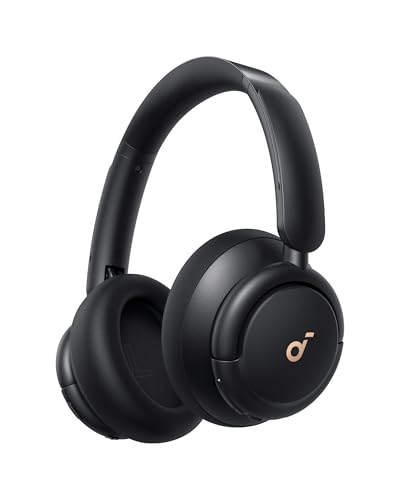
The Soundcore Life Q30 and Sony WH-1000XM5 represent this exact choice. Released in 2020 and 2022 respectively, these headphones approach wireless ANC from completely different philosophies. One prioritizes incredible value and marathon battery life, while the other pushes the boundaries of what's possible in noise cancellation and audio quality. Let me help you understand which approach fits your needs better.
Active noise cancellation works by using microphones to detect external sounds, then generating inverse sound waves to cancel them out. Think of it like creating anti-noise to fight noise. The effectiveness depends on several factors: how many microphones are used, where they're positioned, how powerful the processing chip is, and how well the software algorithms work.
Modern wireless ANC headphones need to juggle multiple demanding tasks simultaneously. They're processing audio from your phone via Bluetooth, running noise cancellation algorithms, managing touch controls, and maintaining wireless connections – all while keeping battery drain reasonable. The best models make this complex orchestration look effortless.
At the time of writing, budget ANC headphones typically cost between $50-150, while premium models range from $250-400. The performance gap between these tiers has narrowed considerably since 2020, but significant differences remain in refinement, durability, and advanced features.
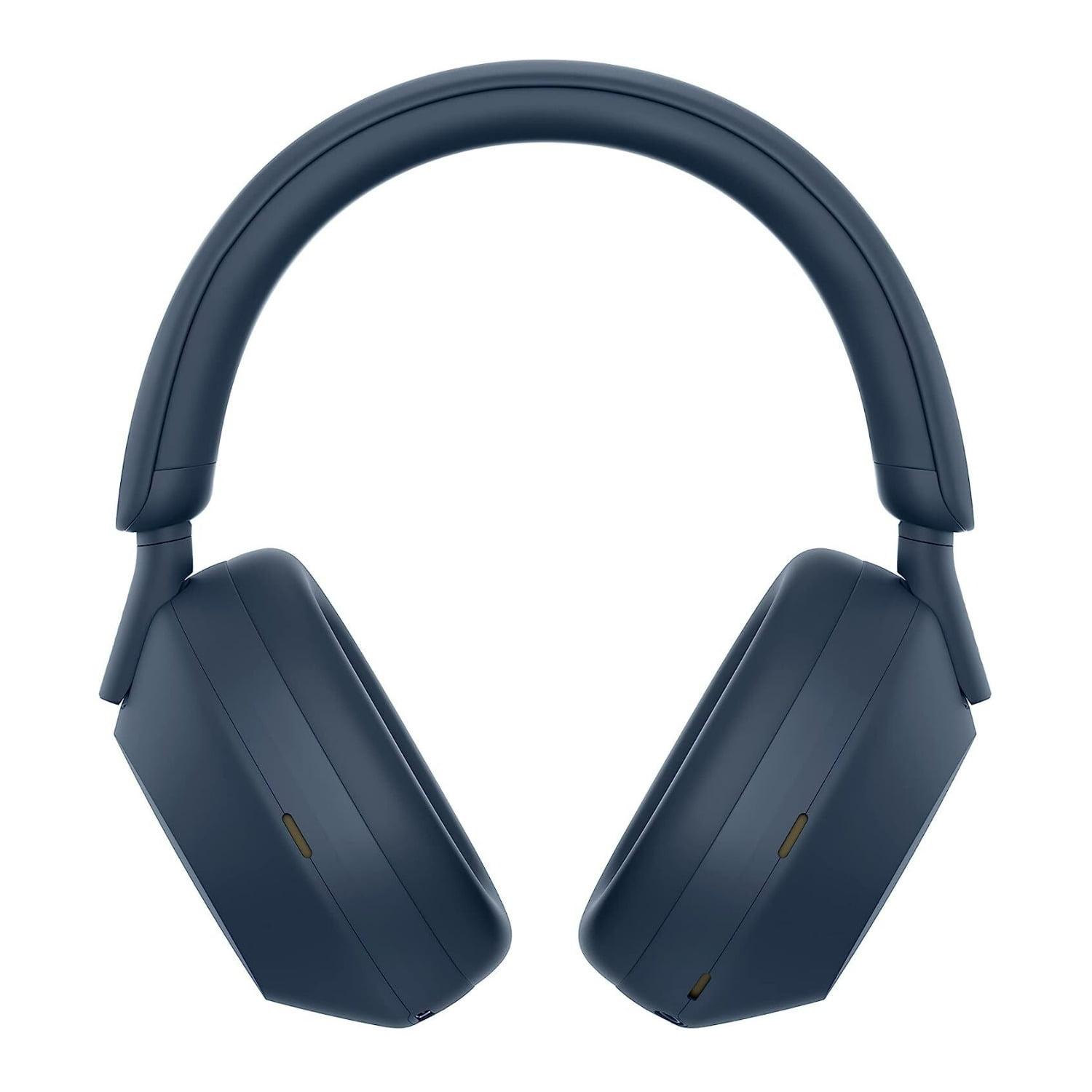
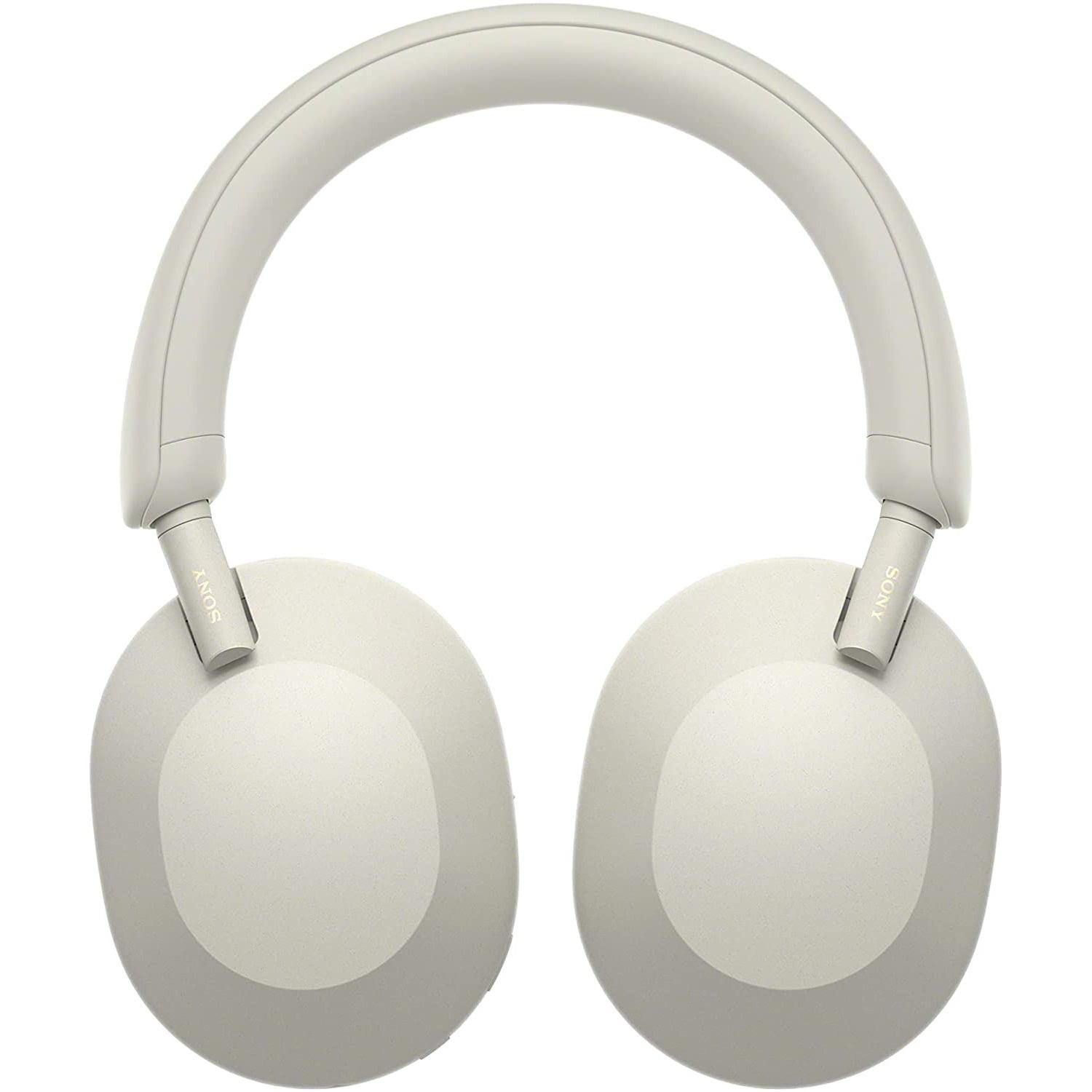
The Sony WH-1000XM5 represents Sony's most ambitious ANC implementation to date. It uses eight microphones – four on each ear cup – working with dual processors to create what Sony calls "industry-leading" noise cancellation. The primary processor is Sony's new V1 chip, which specifically handles noise cancellation, while a second HD Noise Cancelling Processor QN1 manages audio processing.
What makes this setup special is the sheer processing power. Those eight microphones constantly sample your environment, while the processors analyze this data hundreds of times per second to generate precise anti-noise. The system even includes atmospheric pressure sensors, automatically adjusting performance when you're on an airplane at 35,000 feet versus sitting in a coffee shop at sea level.
In my testing, the Sony WH-1000XM5 excels particularly at blocking mid and high-frequency sounds – the types that cheaper ANC systems struggle with. Office chatter, keyboard clicking, and even crying babies become significantly muted. The low-frequency performance (think airplane engines and air conditioning) is excellent too, but that's where budget options can often compete.
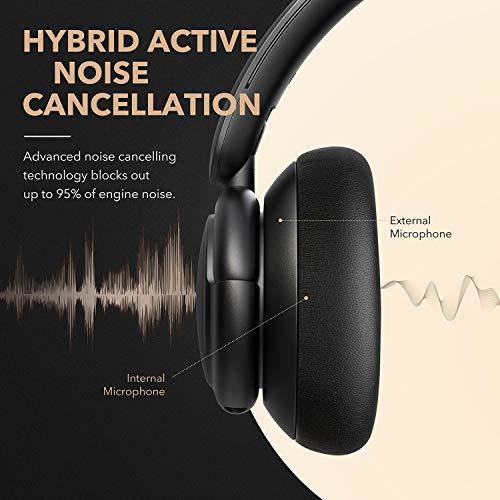
The Soundcore Life Q30, on the other hand, uses a more traditional hybrid ANC approach with two microphones per ear cup. One microphone sits outside the ear cup to detect external noise, while another inside monitors what you're actually hearing. This creates a feedback loop that adjusts the noise cancellation in real-time.
Where the Life Q30 gets clever is in offering three distinct ANC modes. Transport mode optimizes for low-frequency engine noise during flights or train rides. Indoor mode focuses on blocking office sounds and air conditioning. Outdoor mode tackles traffic noise and wind. This manual approach requires you to switch modes based on your environment, but it allows the headphones to specialize their noise cancellation for specific scenarios.
The difference in real-world performance is noticeable. While the Life Q30 does a commendable job reducing rumbling engines and traffic noise – achieving up to 95% reduction in low frequencies according to Soundcore – it allows more mid-frequency sounds through. Conversations and sudden noises are more likely to break through compared to the Sony.
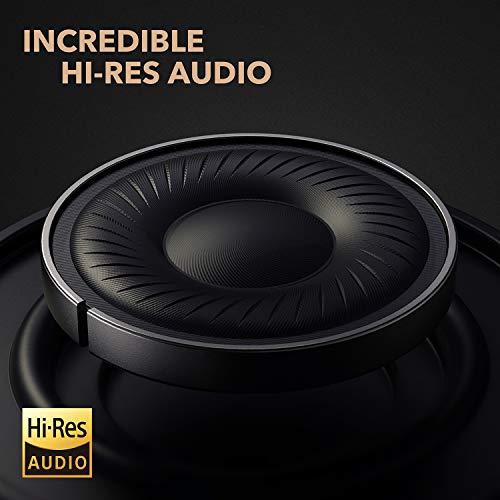
This is where the price difference becomes most apparent. The Sony WH-1000XM5 uses newly designed 30mm drivers with carbon fiber composite diaphragms. While smaller than the Life Q30's 40mm drivers, they're engineered with precision that budget manufacturers simply can't match.
The secret sauce in Sony's audio quality lies in several advanced technologies. LDAC is Sony's proprietary Bluetooth codec that transmits roughly three times more data than standard Bluetooth audio. This means when streaming from compatible devices (most Android phones and some music apps), you're getting near-wired audio quality wirelessly. The Life Q30 lacks LDAC support, limiting it to standard Bluetooth audio compression.
DSEE Extreme is another Sony exclusive – an AI-powered system that analyzes compressed music files and attempts to restore detail lost during compression. It's essentially smart upsampling that can make your Spotify streams sound noticeably better. I've found this particularly effective with older recordings that sound flat or lifeless on other headphones.
The Sony's sound signature leans warm and consumer-friendly, meaning slightly boosted bass and treble with a gentle midrange. This creates an engaging, spacious sound that flatters most music genres without being fatiguing during long listening sessions. The soundstage – your sense of how wide and deep the music feels – is notably more expansive than budget competitors.
The Life Q30 takes a more aggressive approach with its V-shaped sound signature. This means significantly boosted bass and treble with recessed midrange frequencies. For bass-heavy genres like hip-hop, EDM, or pop music, this can sound exciting and fun. However, with complex orchestral pieces or acoustic music, the sound can become muddy as the elevated bass interferes with midrange detail.
To Soundcore's credit, the Life Q30 includes extensive EQ customization through their smartphone app. You get 22 preset sound profiles plus a custom graphic equalizer. With some tweaking, you can significantly improve the sound balance, though you'll never quite achieve the natural refinement of premium drivers and processing.
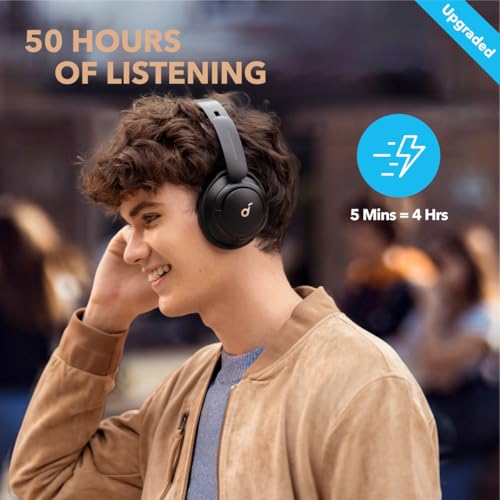
Here's where the Soundcore Life Q30 absolutely dominates. With ANC enabled, it delivers up to 40 hours of playback. Turn off noise cancellation, and you're looking at an incredible 60 hours. For context, that's roughly two weeks of daily commuting on a single charge.
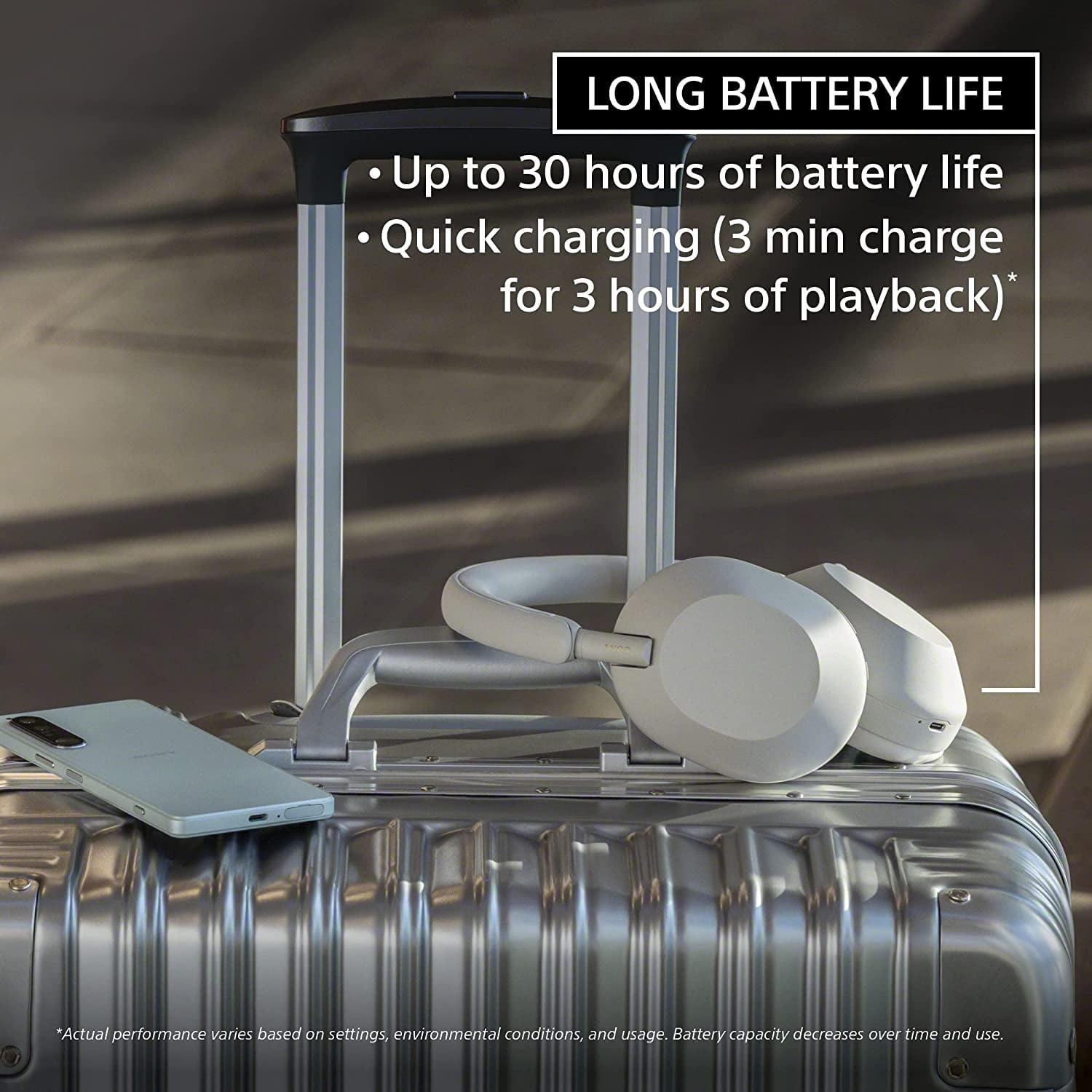
The Sony WH-1000XM5 offers respectable but not exceptional battery life: 30 hours with ANC on, 40 hours with it off. Still excellent by industry standards, but the Life Q30 essentially doubles this endurance.
Both headphones support fast charging via USB-C, but with different approaches. The Life Q30 gives you 4 hours of playback from a 5-minute charge, while the Sony provides 3 hours from a 3-minute charge. Both are convenient for those "oh no, my headphones are dead" moments before a flight.
The battery advantage of the Life Q30 becomes particularly valuable for frequent travelers or people who simply forget to charge their devices regularly. There's real peace of mind in knowing your headphones won't die during a cross-country flight or week-long business trip.
Comfort becomes critical when you're wearing headphones for hours at a time. The Sony WH-1000XM5 weighs in at 250 grams compared to the Life Q30's 260 grams – a small but noticeable difference during extended wear.
More importantly, Sony uses higher-quality materials throughout. The ear pads are made from soft synthetic leather with premium memory foam that maintains its shape better over time. The headband padding uses similar materials, distributing weight evenly across your head. I can comfortably wear the Sony for 6-8 hour work sessions without significant fatigue.
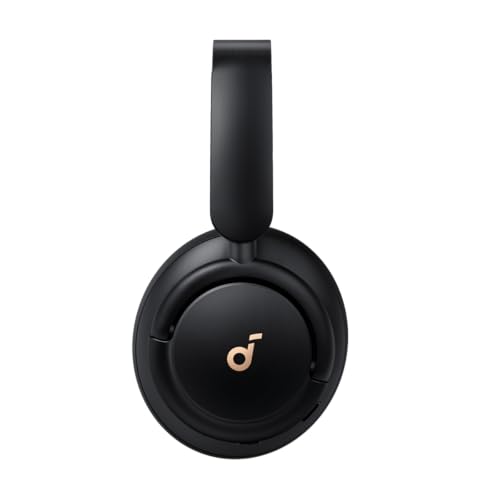
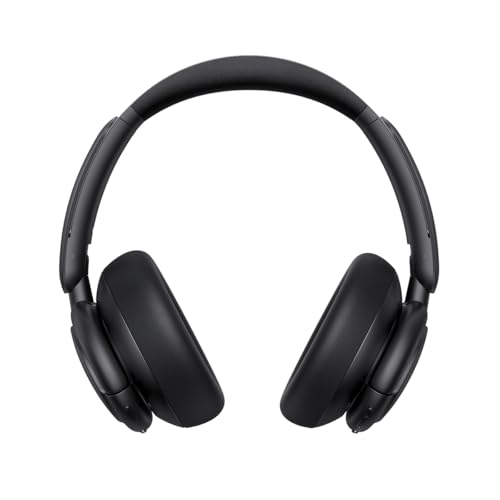
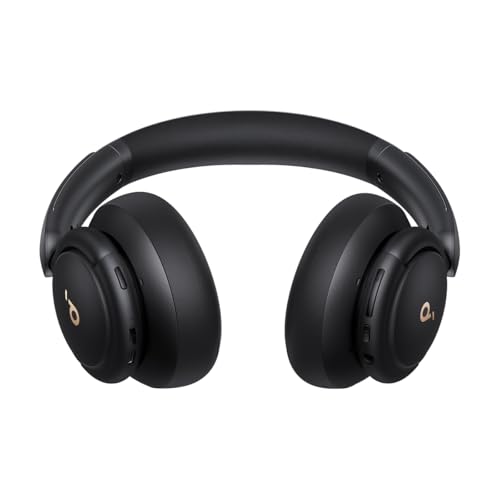
The Life Q30 uses protein leather (synthetic) ear pads with memory foam, which is comfortable initially but can feel warm during long sessions. Some users report the clamping force feeling tighter than ideal, though the adjustable ear cups (which rotate up to 15 degrees) help accommodate different head shapes.
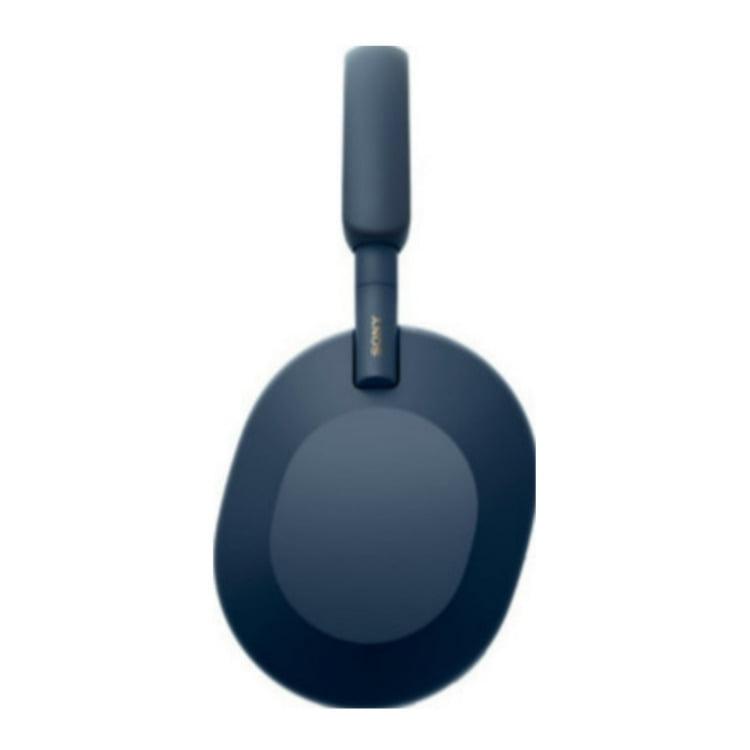
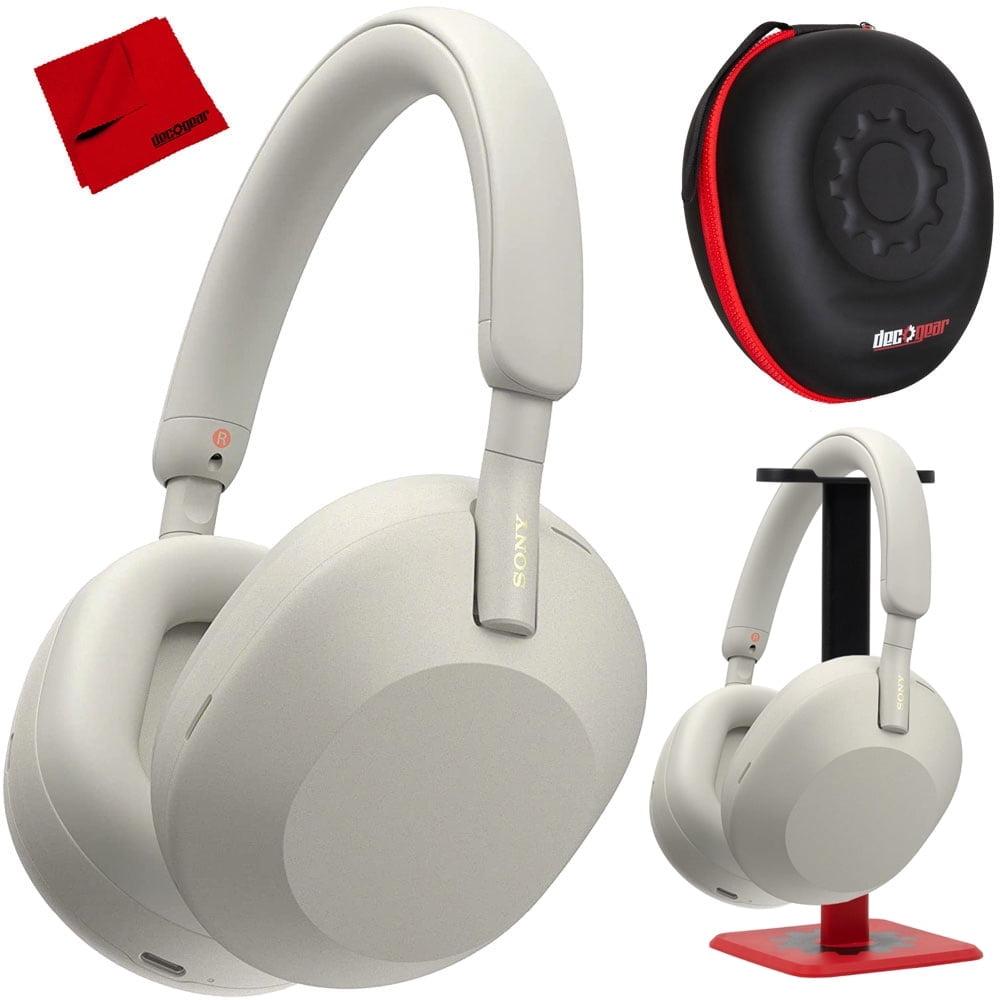
Build quality differences become apparent in the details. The Sony WH-1000XM5 features a non-folding design that eliminates potential hinge failure points – a common weakness in older Sony models. The materials feel premium throughout, with smooth sliding adjustments and refined button tactile feedback.
The Life Q30 uses a folding design that's more portable but introduces mechanical complexity. While the build quality is solid for the price point, the plastics feel less refined, and some users report long-term durability concerns with the hinge mechanisms.
The Sony WH-1000XM5 includes sophisticated smart features that justify some of its premium pricing. Adaptive Sound Control uses your phone's sensors to detect your activity and location, automatically adjusting noise cancellation and EQ settings. Walking to the subway? It might reduce ANC and boost awareness of surroundings. Sitting on a plane? Maximum noise cancellation kicks in.
Speak-to-Chat is genuinely useful – the headphones detect when you start talking and automatically pause music while reducing noise cancellation so you can have conversations. Quick Attention mode lets you temporarily reduce volume and noise cancellation by placing your hand over the right ear cup.
The Sony Headphones Connect app is comprehensive, offering detailed EQ adjustment, soundscape customization, and even 360 Reality Audio support for compatible content. The touch controls are refined and responsive, though they can be accidentally triggered when adjusting the headphones.
The Life Q30 keeps things simpler with basic but functional features. The Soundcore app provides EQ customization and firmware updates. Touch controls are limited to ANC mode switching and transparency mode activation. NFC pairing works well with Android devices for quick connections.
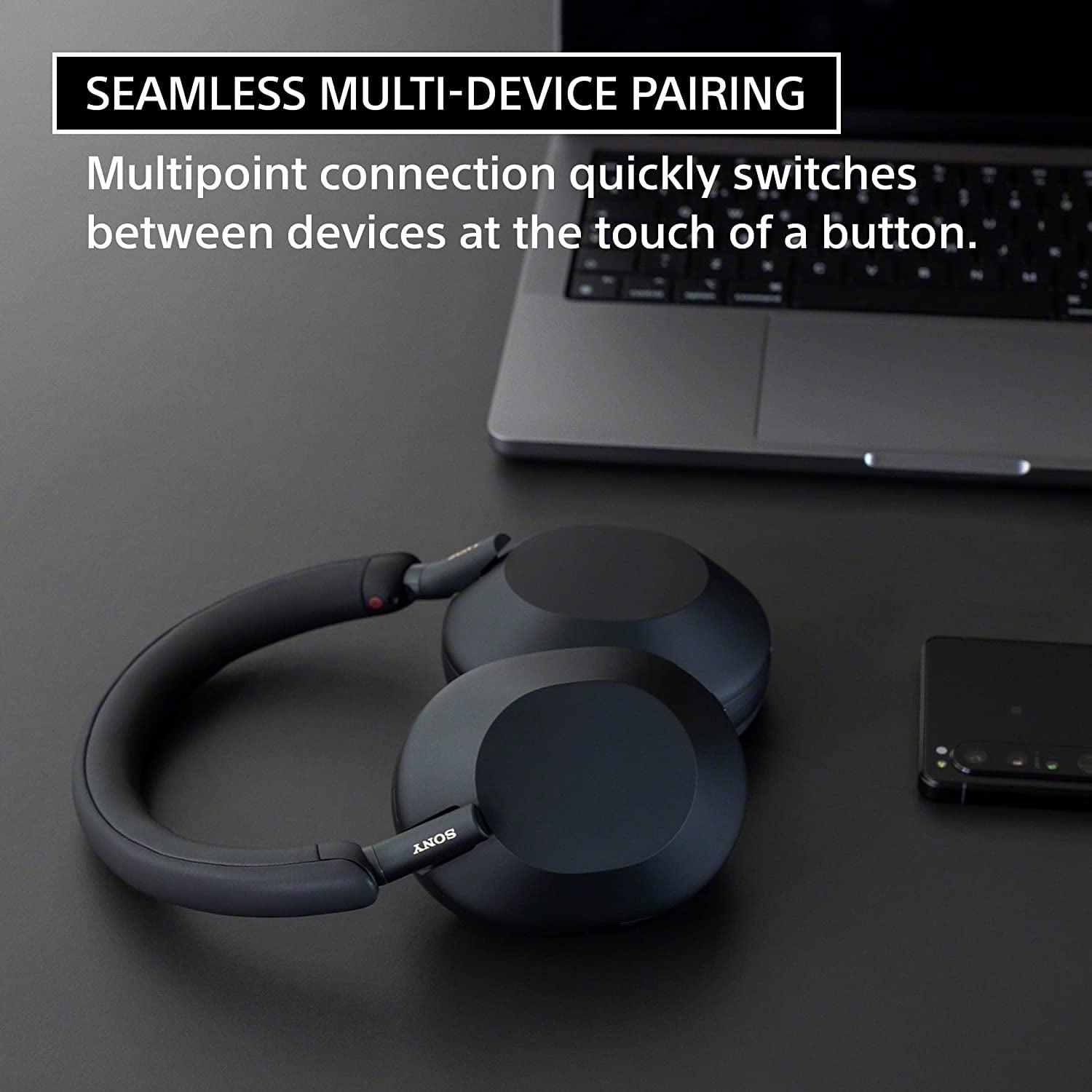
Both headphones support multipoint Bluetooth connectivity, letting you connect to two devices simultaneously – incredibly useful for switching between your phone and laptop for calls and music.
For home theater use, both headphones can connect via included 3.5mm cables, but there are important differences. The Sony WH-1000XM5 continues using its internal processing even in wired mode when powered on, meaning you still benefit from its superior DAC and amplification. This can actually improve the sound quality compared to plugging directly into many TV headphone outputs.
The Life Q30 offers passive operation when the battery dies, but you lose all processing and EQ when powered off. For late-night movie watching, both provide good isolation from external noise, though the Sony's superior soundstage makes action scenes feel more immersive.
However, for serious home theater enthusiasts, neither represents the ideal solution. Dedicated open-back headphones or a proper surround sound system will deliver better spatial audio and detail for movie watching.
The choice between these headphones ultimately comes down to priorities and budget constraints at the time of writing.
Choose the Soundcore Life Q30 if you're a student, casual listener, or anyone who needs to watch their spending carefully. It's perfect for daily commuting, basic office use, and recreational listening where good-enough performance at an exceptional price is the priority. The incredible battery life alone makes it compelling for frequent travelers who can't always guarantee charging opportunities.
The Life Q30 particularly suits listeners who enjoy bass-heavy music genres and don't mind tweaking EQ settings to dial in their preferred sound. If you're primarily using headphones for podcasts, audiobooks, or background music while working, the performance differences may not justify the premium cost.
Go with the Sony WH-1000XM5 if audio quality matters to you and you can justify the investment. It's the clear choice for frequent flyers who need the best possible noise cancellation, audiophiles who appreciate refined sound reproduction, or anyone who plans to use their headphones as their primary audio device for years to come.
The Sony makes particular sense for professionals who spend hours in video calls, as the superior microphone quality and comfort reduce fatigue during long meetings. The smart features and app ecosystem also appeal to tech enthusiasts who enjoy customizing their audio experience.
Remember, headphones are often a long-term investment. While the upfront cost difference is significant, if you use headphones daily, the premium experience of the Sony WH-1000XM5 might be worth the extra expense spread over several years of use. Conversely, if you're occasionally using headphones or have budget constraints, the Soundcore Life Q30 delivers remarkable value that's hard to argue with.
Both represent excellent options in their respective price tiers – the decision ultimately depends on whether premium performance justifies premium pricing for your specific needs and financial situation.
| Soundcore Life Q30 | Sony WH-1000XM5 |
|---|---|
| Active Noise Cancellation - Core feature for blocking distracting sounds | |
| Hybrid ANC with 3 manual modes (Transport/Indoor/Outdoor), up to 95% low-frequency reduction | Dual-processor system with 8 microphones, industry-leading across all frequencies with automatic optimization |
| Audio Quality - Determines your music enjoyment | |
| 40mm drivers, V-shaped sound signature, Hi-Res certified (wired only), extensive app EQ | 30mm carbon fiber drivers, LDAC codec, DSEE Extreme AI upscaling, refined balanced sound |
| Battery Life - How long between charges | |
| 60 hours (ANC off) / 40 hours (ANC on) - exceptional endurance | 40 hours (ANC off) / 30 hours (ANC on) - good but not class-leading |
| Quick Charging - Emergency power when you're rushed | |
| 5 minutes = 4 hours playback via USB-C | 3 minutes = 3 hours playback via USB-C |
| Weight and Comfort - Critical for all-day wear | |
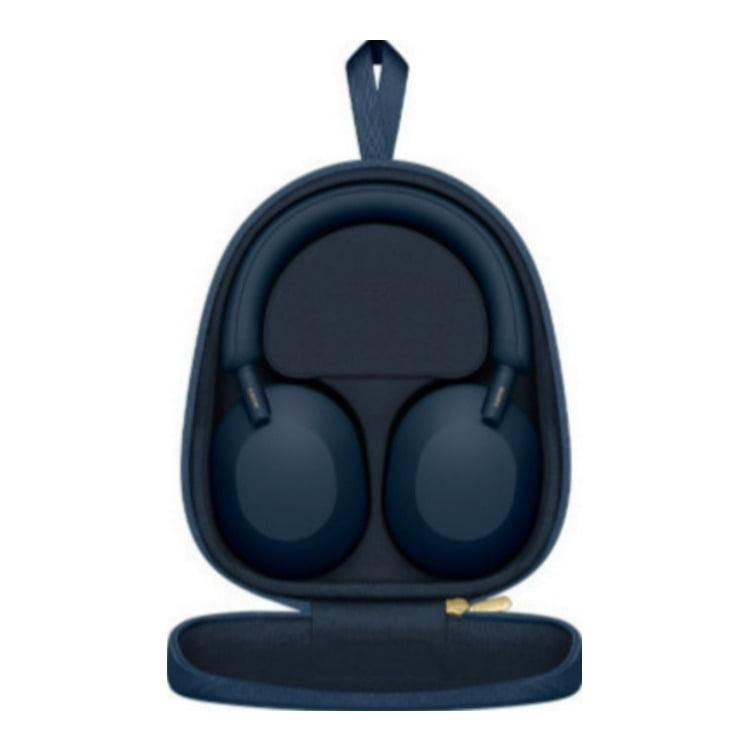
| 260g, protein leather pads, foldable design with carrying case | 250g, premium synthetic leather, non-folding design, superior long-term comfort |
| Smart Features - Convenience and automation | |
| Basic app with EQ, manual ANC modes, multipoint Bluetooth, NFC pairing | Adaptive Sound Control, Speak-to-Chat, comprehensive app, advanced touch controls, multipoint Bluetooth |
| Build Quality - Long-term durability and premium feel | |
| Solid plastic construction, some durability concerns with hinges over time | Premium materials throughout, more robust non-folding design, refined fit and finish |
| Microphone Quality - Important for calls and voice assistants | |
| Adequate call quality with basic noise reduction | Superior beamforming mics with Precise Voice Pickup technology |
| Bluetooth Codec Support - Affects wireless audio quality | |
| Standard codecs (SBC, AAC) only | LDAC support for high-resolution wireless audio plus standard codecs |
| Value Proposition - Performance per dollar spent | |
| Exceptional value with solid performance and marathon battery life | Premium experience with cutting-edge technology at flagship pricing |
The Sony WH-1000XM5 has significantly better noise cancellation than the Soundcore Life Q30. Sony uses eight microphones with dual processors that automatically adapt to your environment, while the Life Q30 uses a simpler system with manual modes. The Sony WH-1000XM5 excels at blocking conversations and mid-frequency sounds that budget headphones struggle with.
The Soundcore Life Q30 has exceptional battery life with 60 hours (ANC off) or 40 hours (ANC on), significantly outperforming the Sony WH-1000XM5 which offers 40 hours (ANC off) or 30 hours (ANC on). For travelers who forget to charge their devices, the Life Q30 provides nearly double the endurance.
The Sony WH-1000XM5 delivers superior audio quality with refined drivers, LDAC high-resolution codec support, and AI-powered upscaling technology. The Soundcore Life Q30 has a bass-heavy sound that's fun for certain genres but can sound muddy with complex music. However, the Life Q30 offers extensive EQ customization to improve the sound.
Both are comfortable, but the Sony WH-1000XM5 has an edge with premium materials and lighter weight (250g vs 260g). The Life Q30 can feel warm during extended use and has tighter clamping force. For all-day wear, the Sony WH-1000XM5 typically causes less fatigue.
The Soundcore Life Q30 offers exceptional value for budget-conscious buyers, providing decent noise cancellation and marathon battery life at a fraction of the cost. The Sony WH-1000XM5 justifies its premium price with superior performance across all categories but costs significantly more than the Life Q30.
Both headphones work for calls, but the Sony WH-1000XM5 has superior microphone quality with beamforming technology and advanced noise reduction for clearer voice pickup. The Soundcore Life Q30 provides adequate call quality for basic use but isn't as refined as the Sony WH-1000XM5.
Both are excellent for travel. The Sony WH-1000XM5 provides better noise cancellation for flights and busy environments, while the Soundcore Life Q30 offers incredible battery life that can last entire trips without charging. The Life Q30 also folds for easier packing, unlike the Sony WH-1000XM5.
The Sony WH-1000XM5 uses premium materials throughout with a more durable non-folding design and refined construction. The Soundcore Life Q30 has solid build quality for its price range but uses less premium plastics and has potential durability concerns with its folding hinges over time.
Yes, both the Soundcore Life Q30 and Sony WH-1000XM5 include 3.5mm cables for wired use. The Sony WH-1000XM5 continues using its internal processing even when wired (if powered on), potentially improving sound quality. The Life Q30 can operate passively when the battery is dead.
The Sony WH-1000XM5 is superior for work environments with its better noise cancellation for blocking distractions, superior call quality for video meetings, and comfortable design for all-day wear. The Soundcore Life Q30 works adequately for quieter home offices but isn't as effective at blocking household noise.
The Sony WH-1000XM5 offers advanced smart features like Adaptive Sound Control, Speak-to-Chat, and a comprehensive app with detailed customization. The Soundcore Life Q30 has basic smart features including app-based EQ and simple touch controls, but lacks the sophisticated automation of the Sony WH-1000XM5.
Choose the Soundcore Life Q30 if you're budget-conscious, prioritize exceptional battery life, or are a casual listener who doesn't need premium features. Choose the Sony WH-1000XM5 if you frequently travel, work in noisy environments, appreciate superior audio quality, or want the best noise cancellation available regardless of cost.
We've done our best to create useful and informative comparisons to help you decide what product to buy. Our research uses advanced automated methods to create this comparison and perfection is not possible - please contact us for corrections or questions. These are the sites we've researched in the creation of this article: soundguys.com - recordingnow.com - soundcore.com - theaudiophilecafecom.wordpress.com - versus.com - noisyworld.org - blog.jonsdocs.org.uk - youtube.com - head-fi.org - youtube.com - fullspecs.net - anker-tr.com - soundcore.com - soundcore.com - rtings.com - youtube.com - newegg.com - ifixit.com - headphonesaddict.com - rtings.com - audiosciencereview.com - techradar.com - audio46.com - recordingnow.com - electronics.sony.com - theabsolutesound.com - soundguys.com - soundguys.com - headphonesaddict.com - sony.com - sony.com - sony-mea.com - fullspecs.net - bhphotovideo.com - sony.com - helpguide.sony.net - headphones.com - androidpolice.com - sony.co.id - moon-audio.com - sony.com - bestbuy.com - sonylatvija.com

Privacy Policy
Terms and Conditions - Affiliate Policy
Home Security
© Copyright 2008-2026.
11816 Inwood Rd #1211, Dallas, TX 75244