


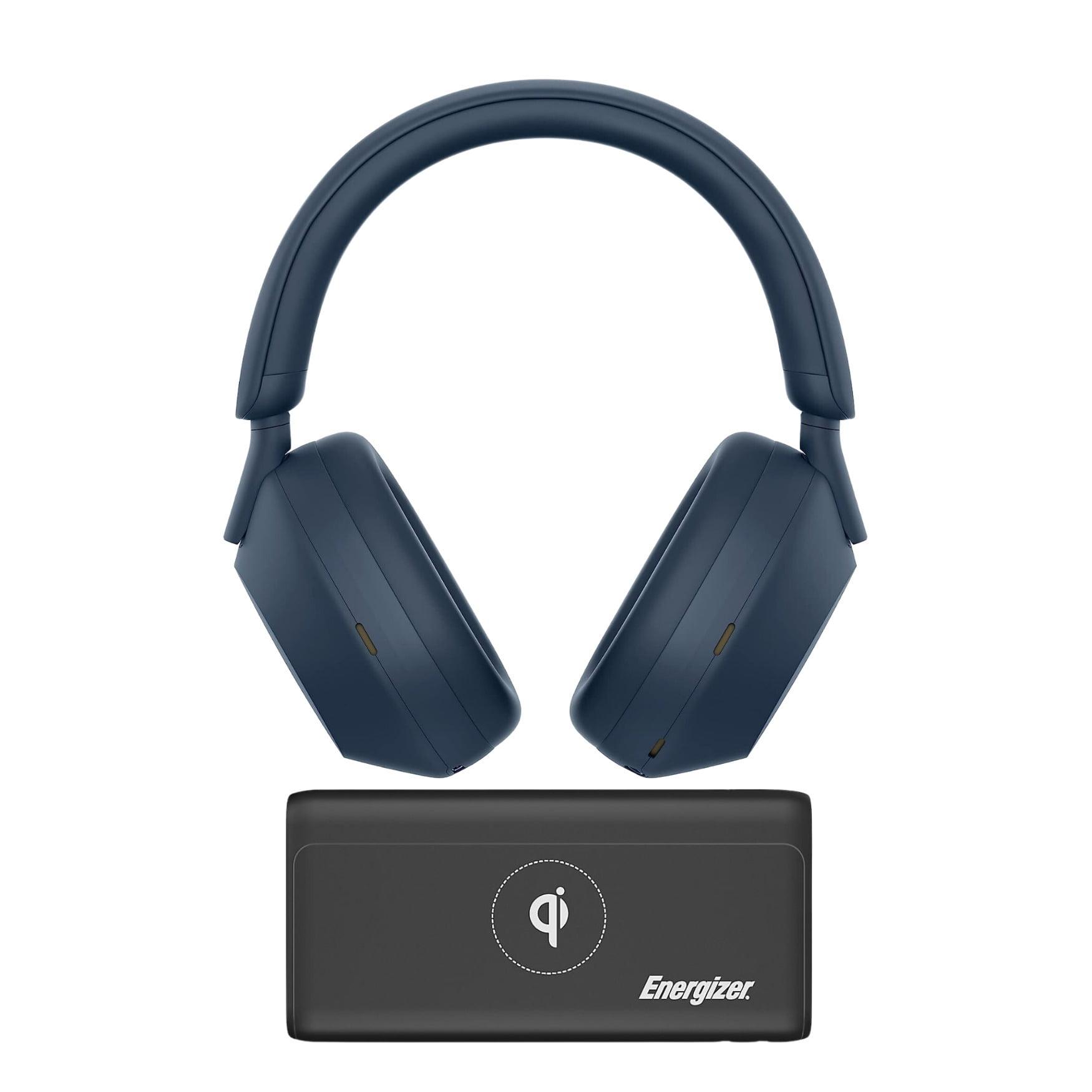
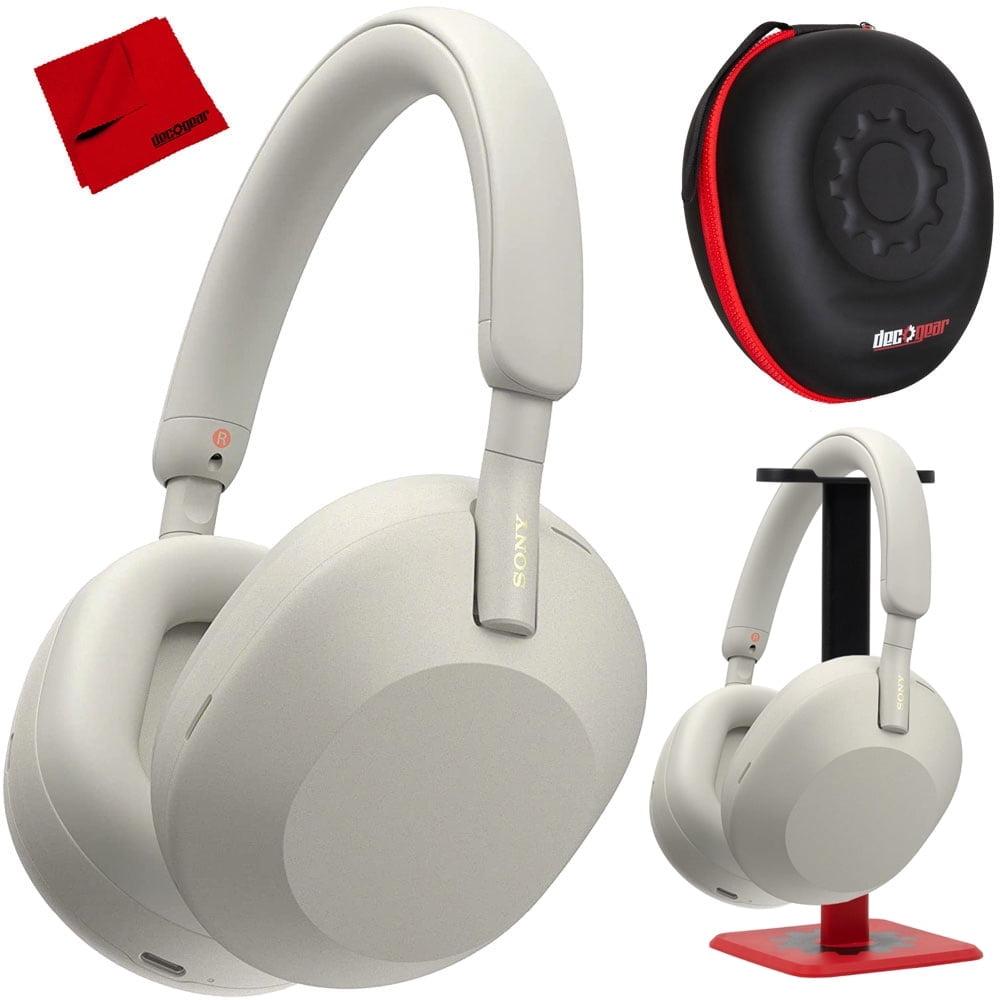


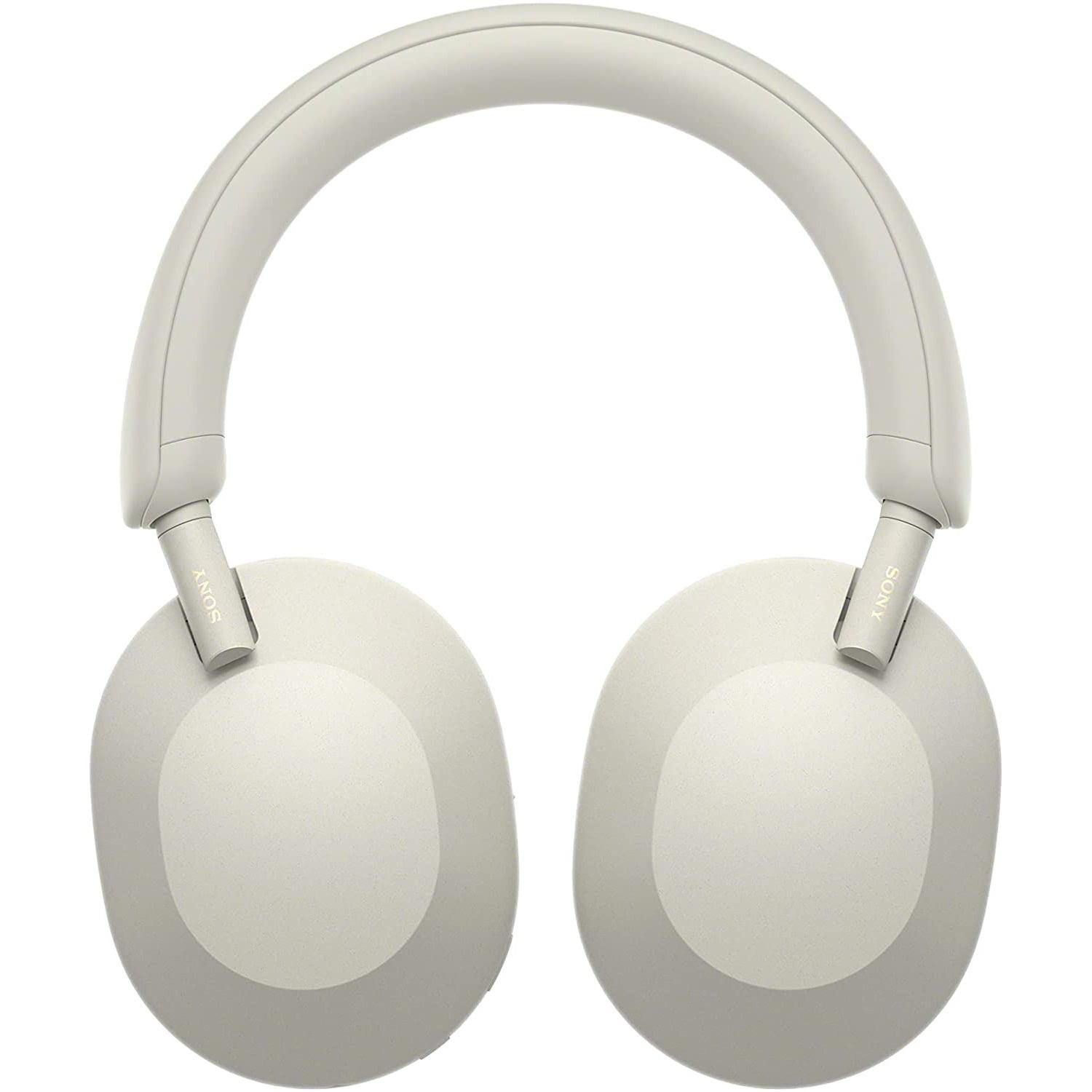
When you're shopping for premium wireless headphones, you'll quickly discover there's a big difference between gaming-focused models and consumer headphones designed for music and travel. Today, we're comparing two excellent examples: the SteelSeries Arctis Nova Pro Wireless gaming headset and the Sony WH-1000XM5 wireless noise-canceling headphones. While both deliver high-quality audio wirelessly, they're built for completely different purposes—and understanding these differences will help you pick the right one for your needs.
Gaming headsets and premium consumer headphones might look similar, but they solve different problems. Gaming headsets prioritize low-latency wireless connections (meaning virtually no delay between what happens on screen and what you hear), crystal-clear microphone quality for team communication, and spatial audio that helps you pinpoint exactly where enemies are located. Consumer headphones focus on active noise cancellation (ANC, which uses microphones to detect and cancel out background noise), music reproduction that sounds natural and enjoyable, and portability for travel.
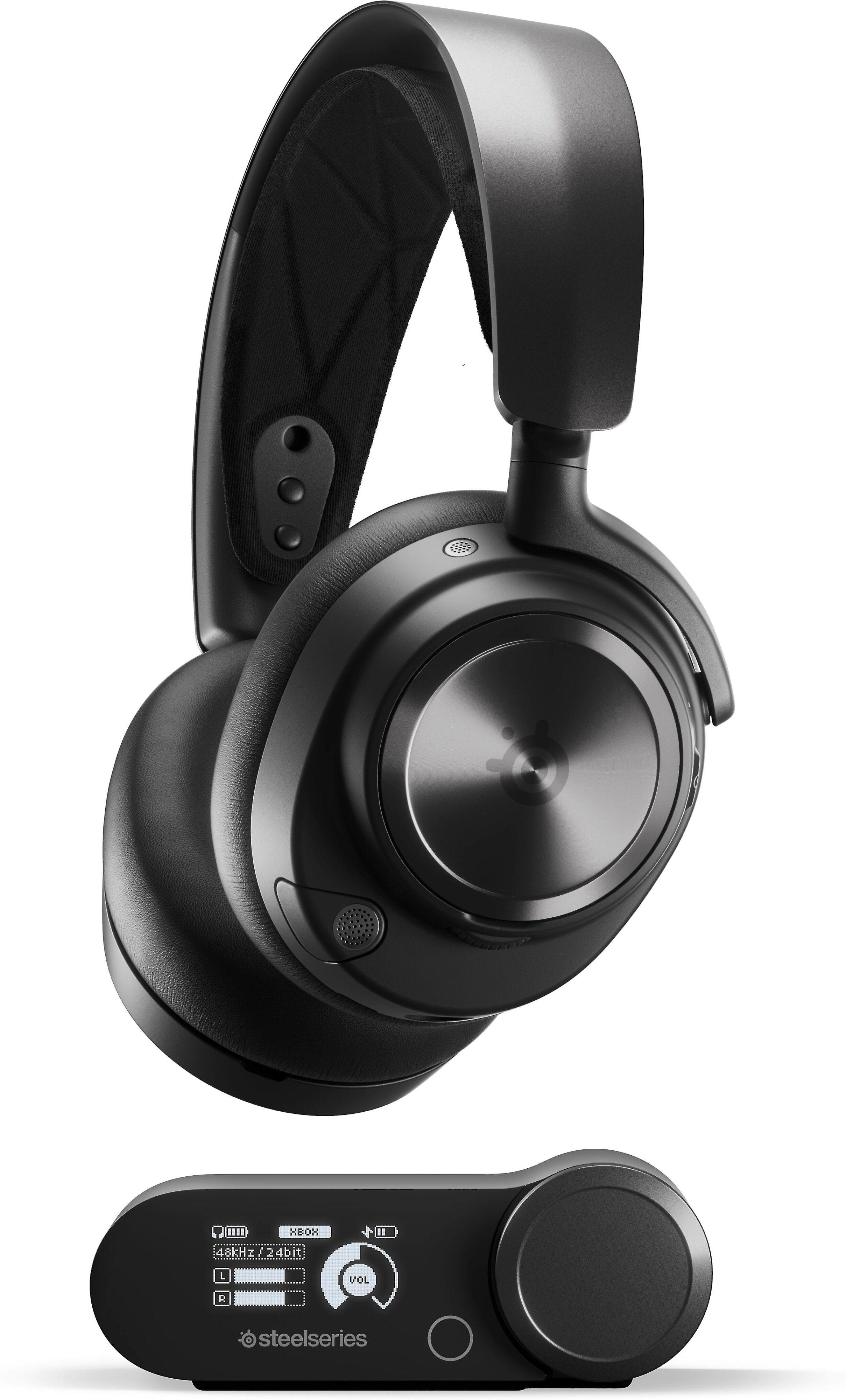
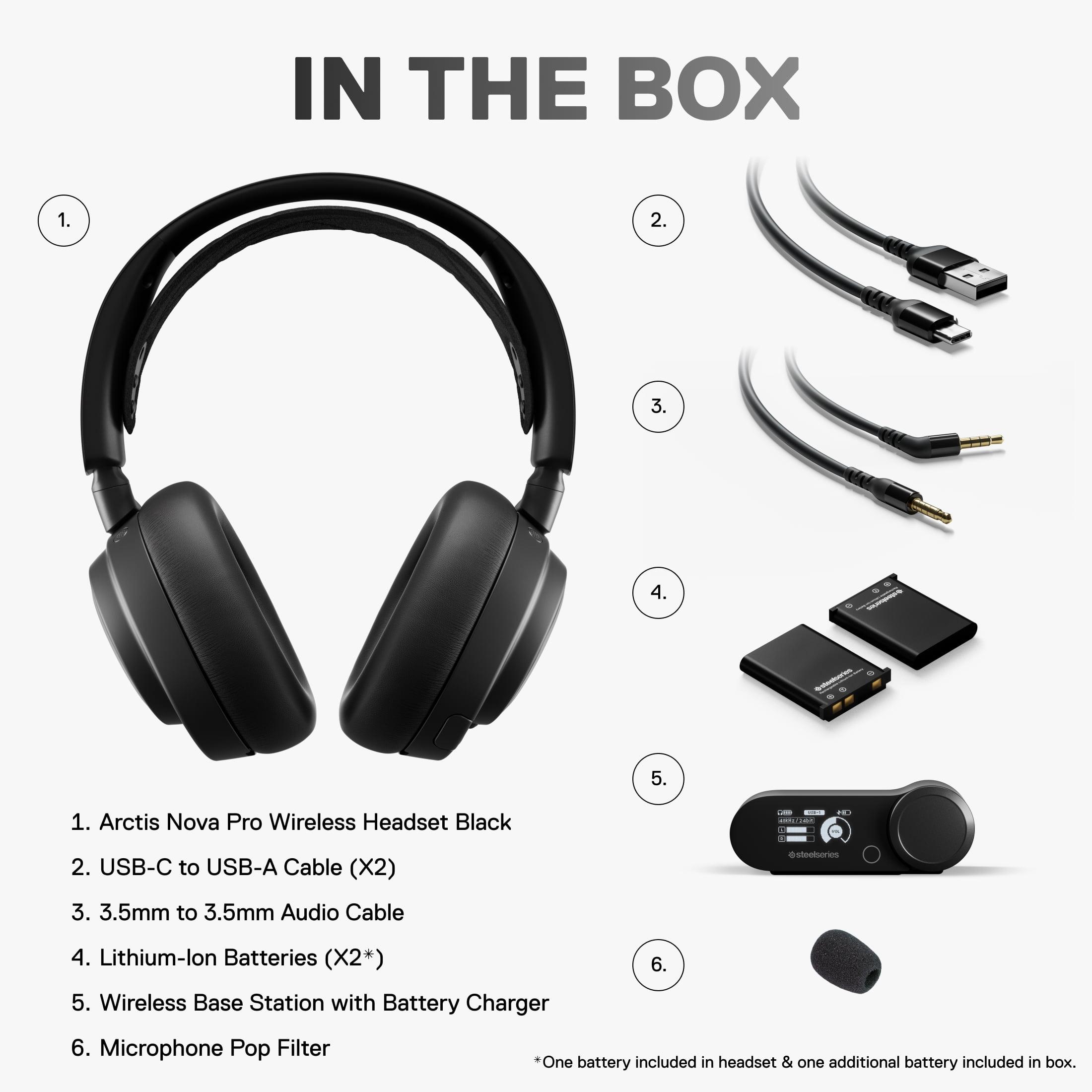
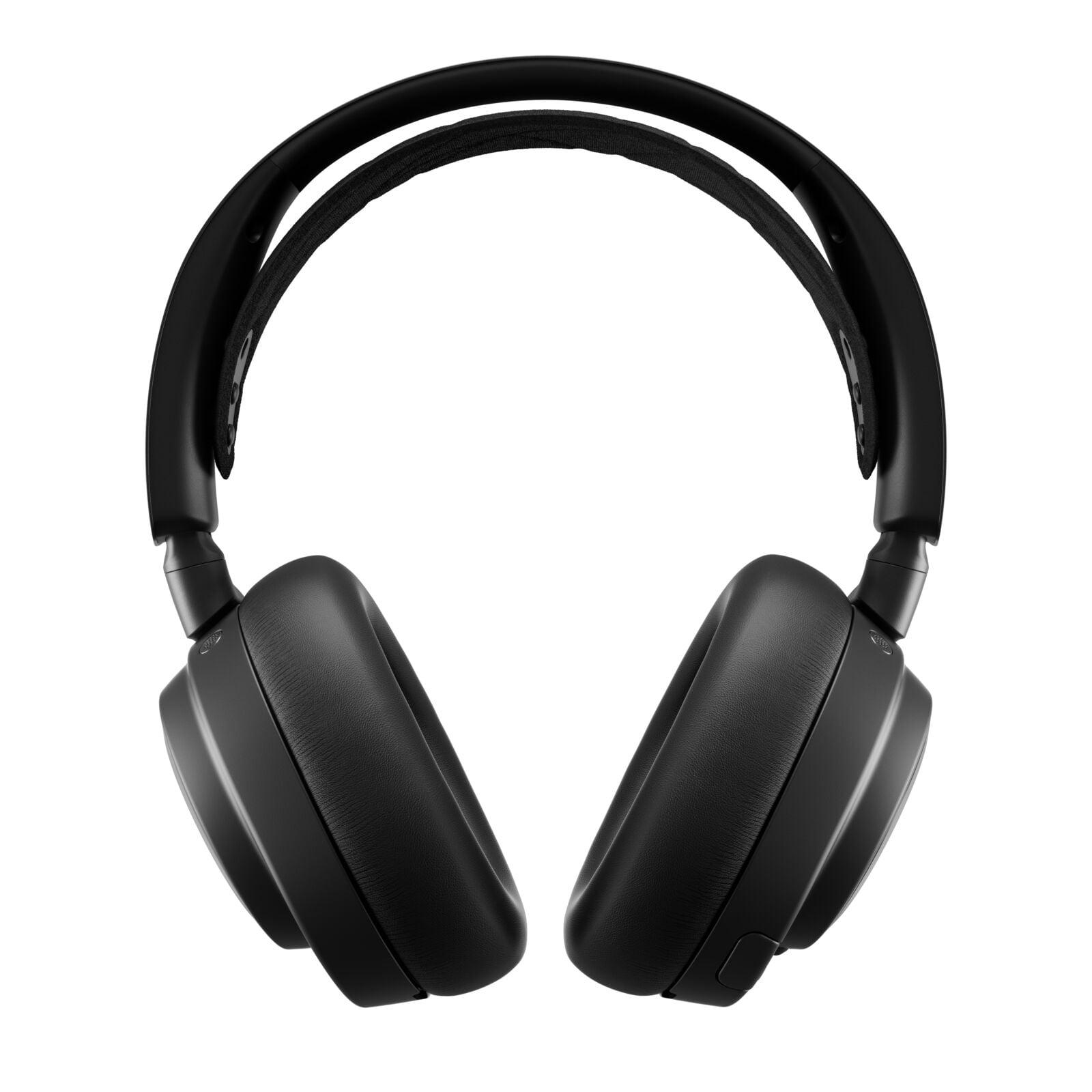
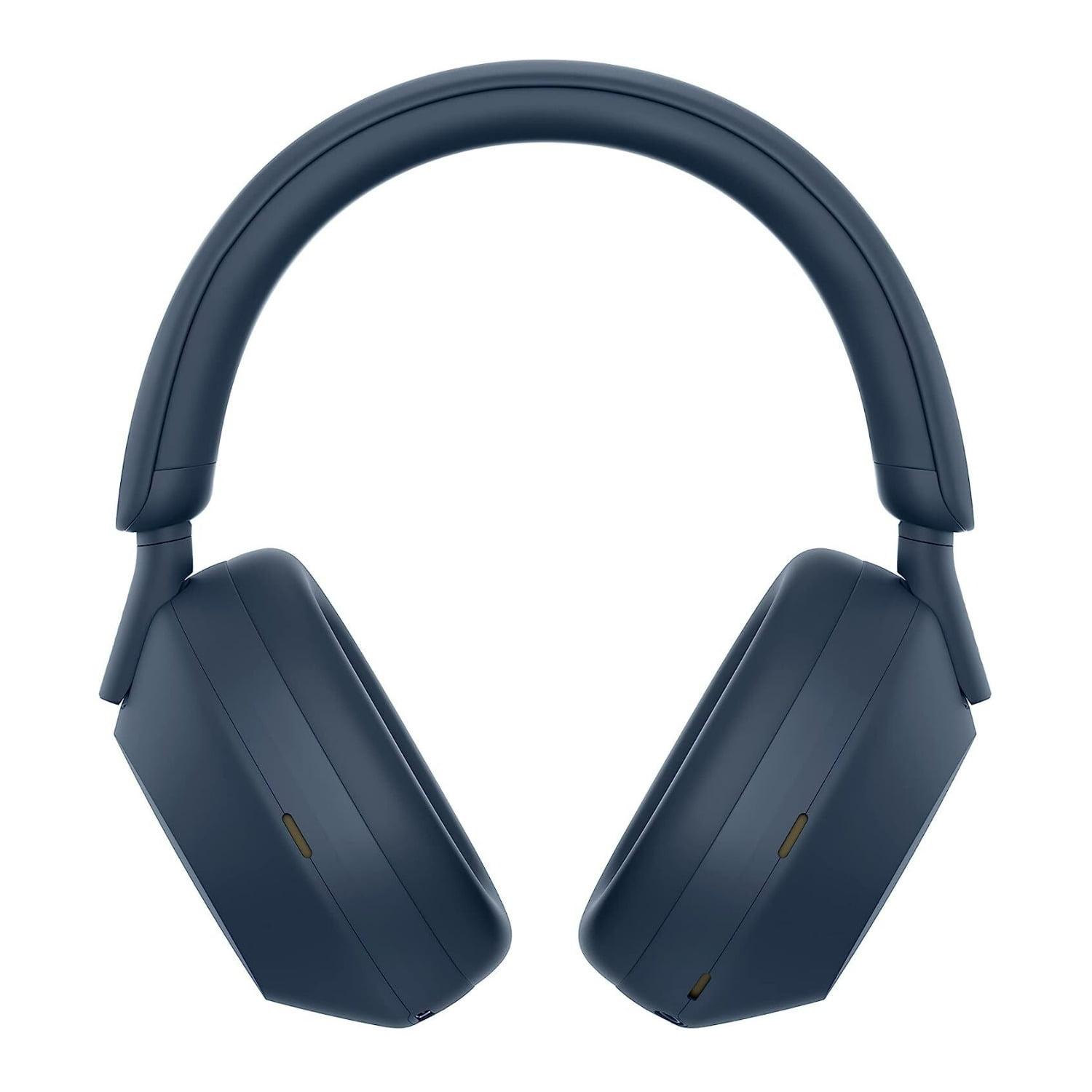
The SteelSeries Arctis Nova Pro Wireless, released in May 2022, represents the current peak of gaming headset technology. It introduced hot-swappable batteries (you can change batteries without turning off the headset) and a wireless base station that can connect to two gaming systems simultaneously. The Sony WH-1000XM5, also released in 2022, marked Sony's latest evolution in noise-canceling technology, featuring eight microphones and dual processors working together to block out the world around you.
Since their release, both products have remained at the top of their respective categories. The gaming headset market has seen incremental improvements in battery life and wireless stability, while consumer headphones have focused on refining noise cancellation algorithms and adding features like adaptive EQ that automatically adjusts sound based on your environment.
Here's where things get interesting. Both headphones sound good, but they're tuned completely differently because they serve different masters.
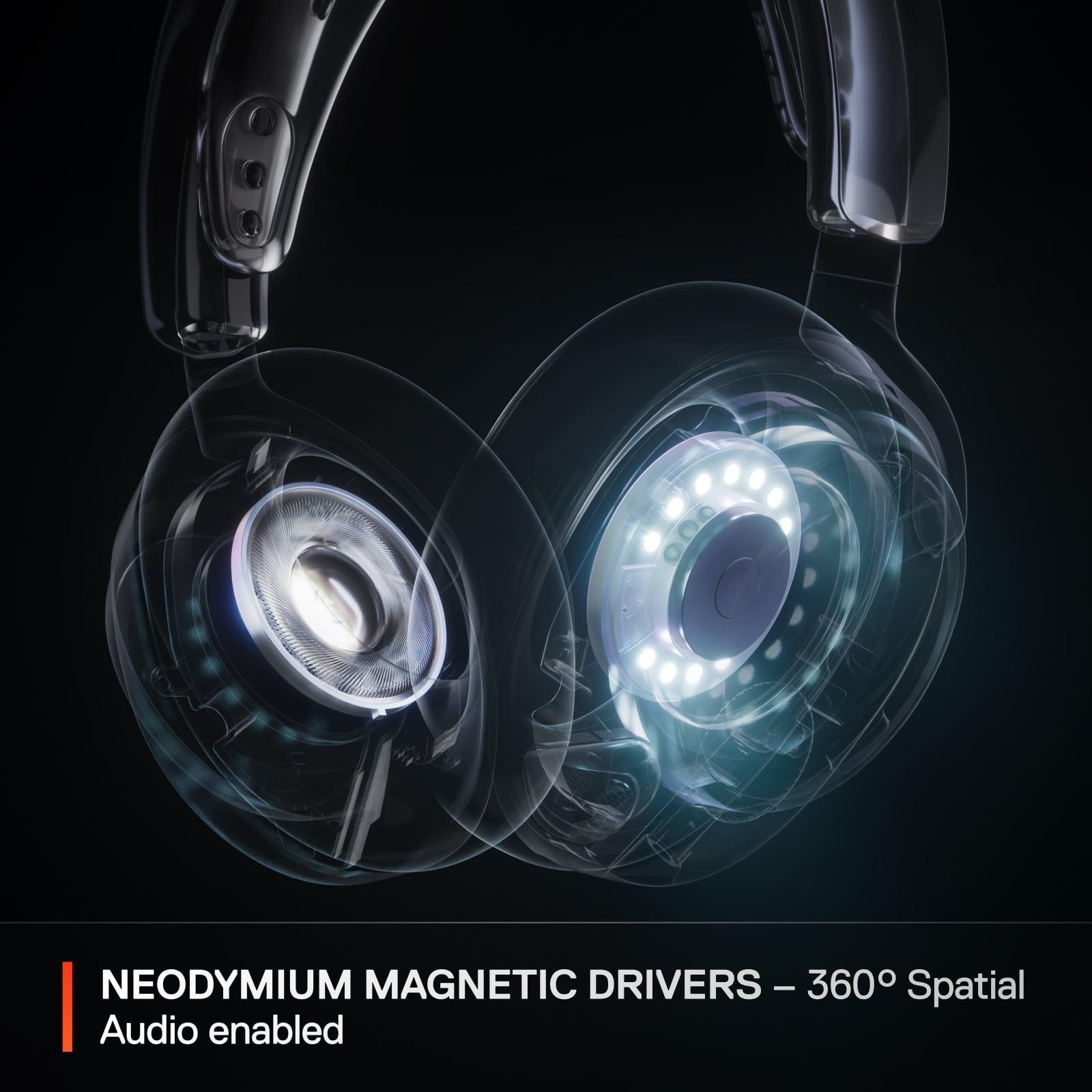
The SteelSeries Arctis Nova Pro Wireless uses 40mm neodymium drivers (the speakers inside the headphones) that are specifically tuned for gaming. This means the sound signature emphasizes clarity in the mid and high frequencies—the range where you'll hear footsteps, voice communication, and environmental audio cues that can give you a competitive advantage. When I've tested gaming headsets like this one, I'm always impressed by how clearly you can hear subtle details like the direction of gunfire or the sound of someone reloading behind a wall.
The frequency response (the range of sounds the headphones can reproduce) extends from 10Hz to 22,000Hz wirelessly, and up to an impressive 40,000Hz when connected via cable. That high-end extension helps with the sense of "air" and spaciousness in the soundstage, which is crucial for pinpointing audio locations in games.
The Sony WH-1000XM5, on the other hand, uses smaller 30mm drivers but with a completely different design philosophy. These drivers feature a soft TPU (thermoplastic polyurethane) edge that actually helps with noise cancellation by creating a better seal. The sound signature is warm and consumer-friendly, with enhanced bass and treble but somewhat recessed mids. This creates what many people consider a "fun" sound that makes music feel energetic and engaging.
However, here's something important: several reviews note that the Sony's stock sound can feel muffled or lacking in detail straight out of the box. The magic happens when you use Sony's Headphones Connect app to adjust the EQ (equalizer, which lets you boost or reduce specific frequency ranges). After EQ adjustments, the difference is dramatic—many users describe it as "night and day" in terms of clarity and enjoyment.
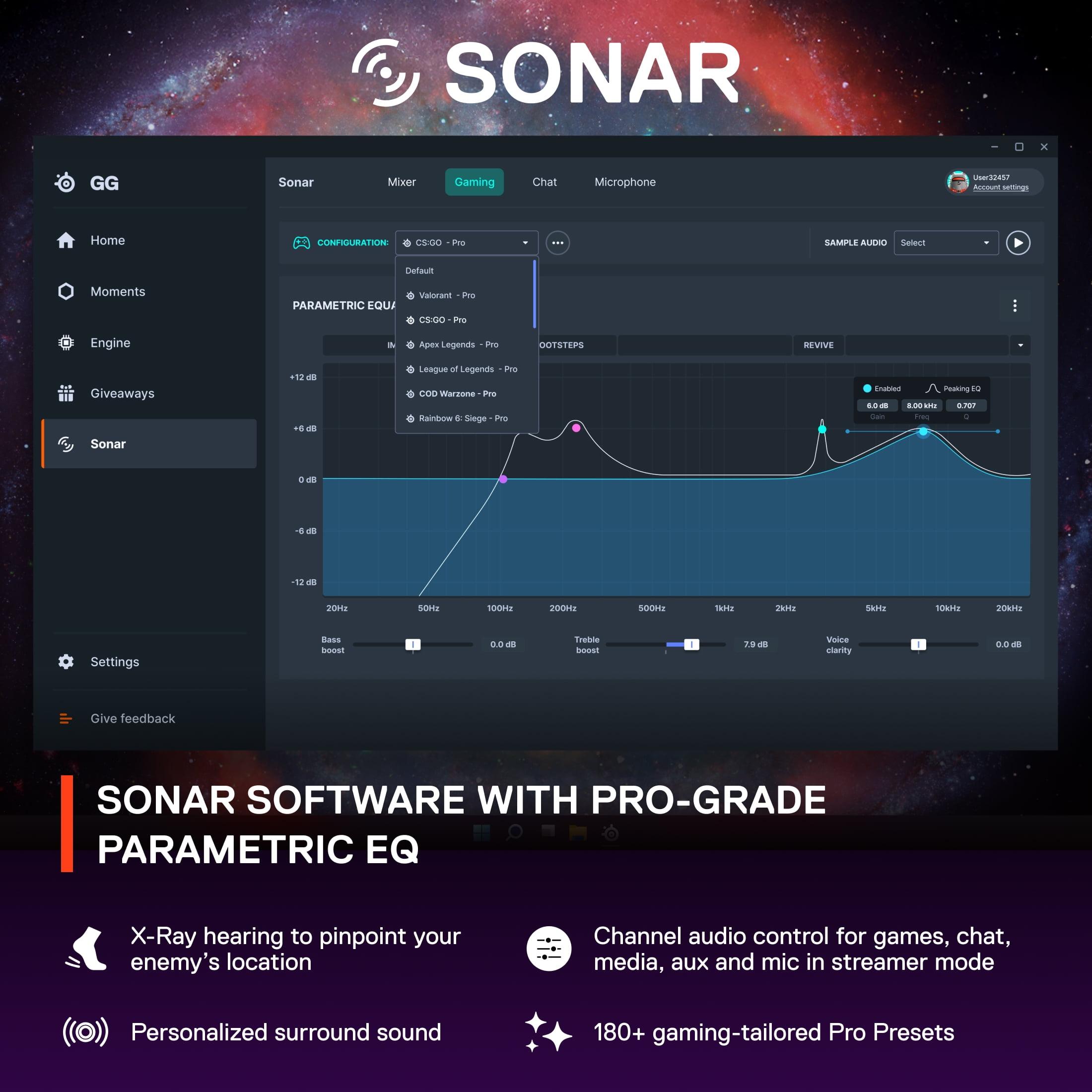
The SteelSeries Arctis Nova Pro Wireless includes 360° Spatial Audio, which creates a virtual surround sound experience through regular stereo drivers. This technology analyzes game audio and processes it to create the illusion that sounds are coming from specific directions around you. It's particularly effective in competitive games where knowing exactly where opponents are located can mean the difference between victory and defeat.
The Sony WH-1000XM5 focuses more on stereo music reproduction, though it does include some spatial audio features through Sony's app. However, these are optimized more for creating an immersive music experience rather than competitive gaming precision.
This is where the Sony WH-1000XM5 absolutely shines. Sony has equipped these headphones with eight microphones—four on each ear cup—working with two dedicated processors (the Integrated Processor V1 and HD Noise Cancelling Processor QN1) to create what many consider industry-leading noise cancellation.
The system excels at blocking low-frequency noise like airplane engines, air conditioning, and traffic, but it's also improved significantly at canceling higher-frequency sounds like human voices. The Auto NC Optimizer continuously adjusts the noise cancellation based on your wearing conditions and even atmospheric pressure changes, which is particularly useful when flying.
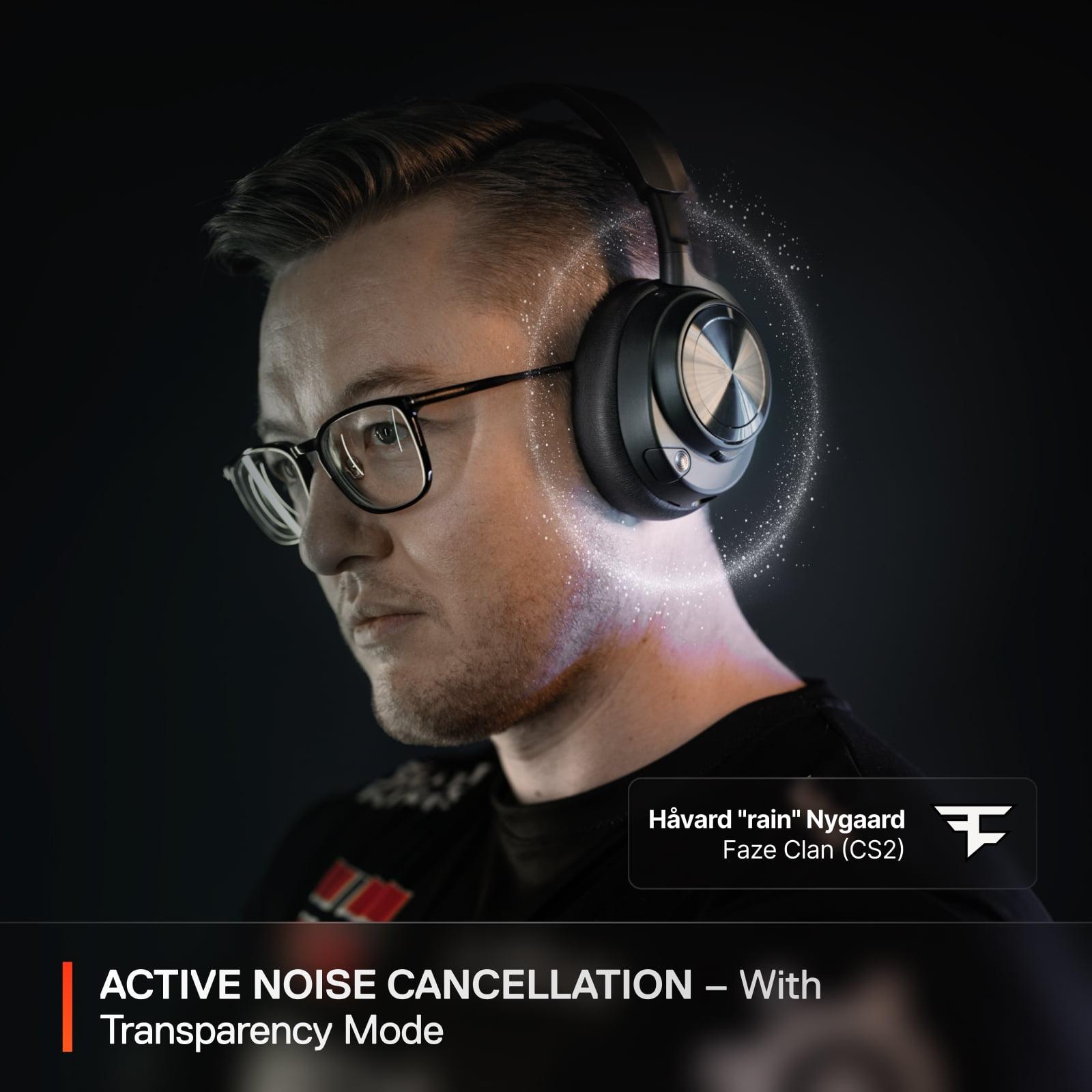
The SteelSeries Arctis Nova Pro Wireless includes hybrid ANC using a four-microphone system, but it's designed differently. The ANC here is meant to reduce background noise while maintaining the spatial audio clarity that's crucial for gaming. It also includes a transparency mode that lets you hear your surroundings—useful when you need to hear someone calling your name or want to stay aware of your environment while gaming.
In direct comparison, Sony's noise cancellation is significantly more powerful and sophisticated. If blocking out the world is your priority, the Sony WH-1000XM5 is the clear winner.
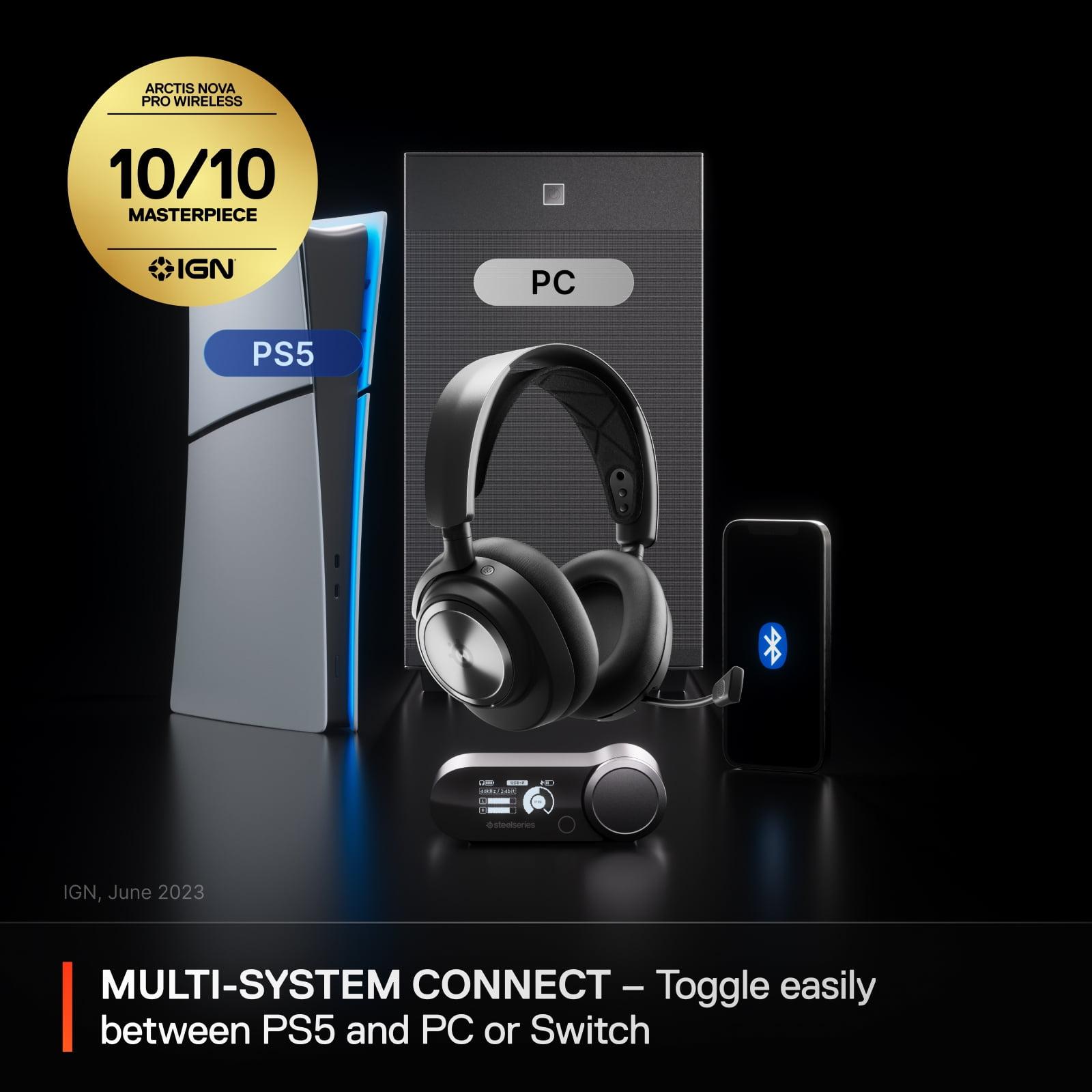
Here's where the SteelSeries Arctis Nova Pro Wireless shows its gaming DNA with some truly impressive engineering. The headset can maintain two separate wireless connections simultaneously: a 2.4GHz wireless connection (similar to what gaming mice use, providing ultra-low latency) and Bluetooth 5.0. This means you can be playing a game on your PC or PlayStation while also connected to your phone via Bluetooth, allowing you to take calls or listen to music without interrupting your game session.
The included wireless base station is really the star of the show. It features dual USB-C inputs, meaning you can connect both your PC and PlayStation (or Xbox and PC, depending on the model) simultaneously. With the press of a button, you can switch between systems without unplugging anything. The base station also includes an OLED display and control wheel for adjusting EQ settings, game/chat audio balance, and other features directly from your desk.
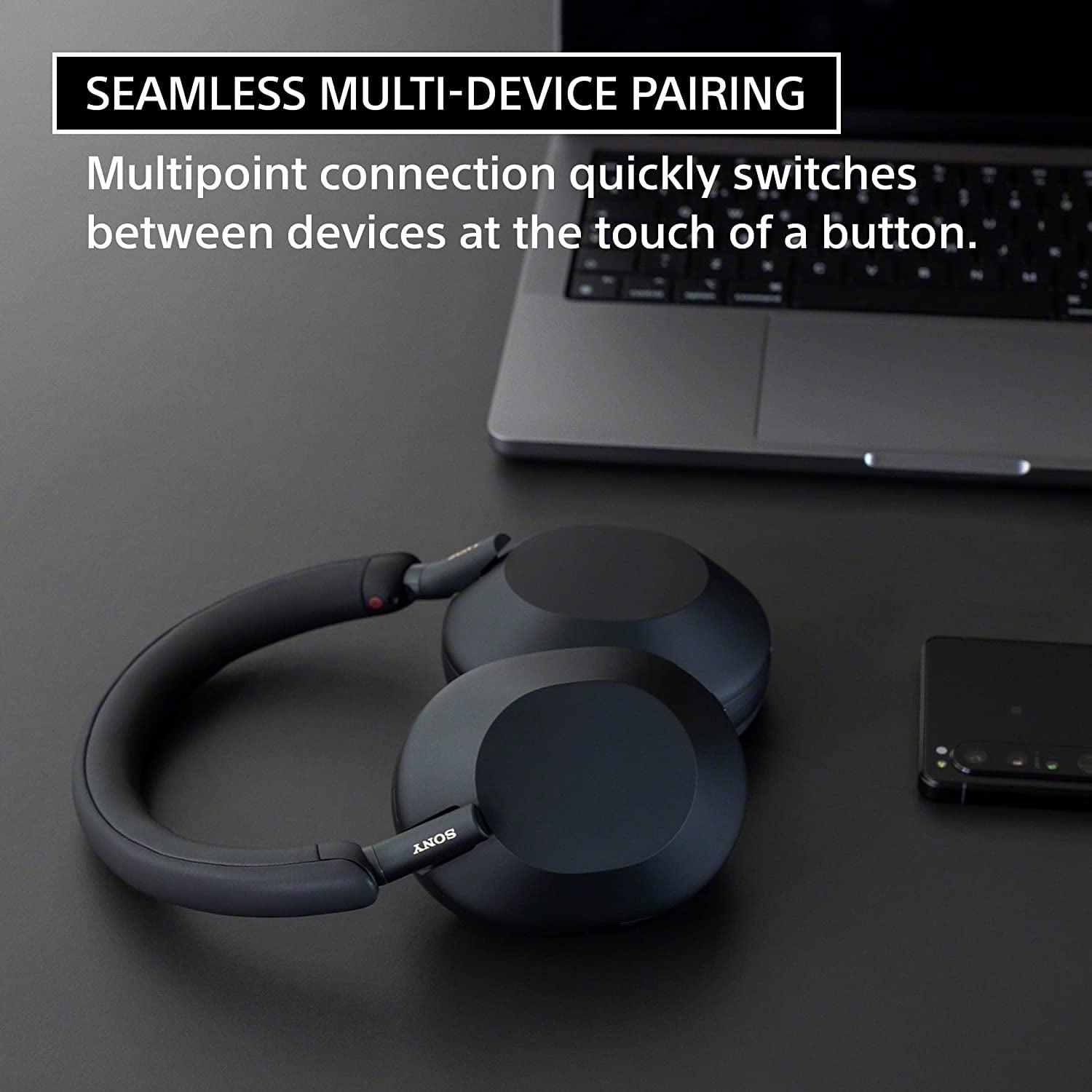
The Sony WH-1000XM5 takes a simpler but more universally compatible approach. It uses Bluetooth 5.2 with support for multiple audio codecs including LDAC, Sony's proprietary high-resolution audio codec that can transmit about three times more data than standard Bluetooth. It also supports multipoint connectivity, allowing connection to two devices, though the switching isn't as seamless as the SteelSeries system.
For gaming, the Sony's Bluetooth connection introduces latency (delay) that makes competitive gaming difficult. You'll notice that audio doesn't sync perfectly with what's happening on screen, which can be distracting and put you at a disadvantage in fast-paced games.
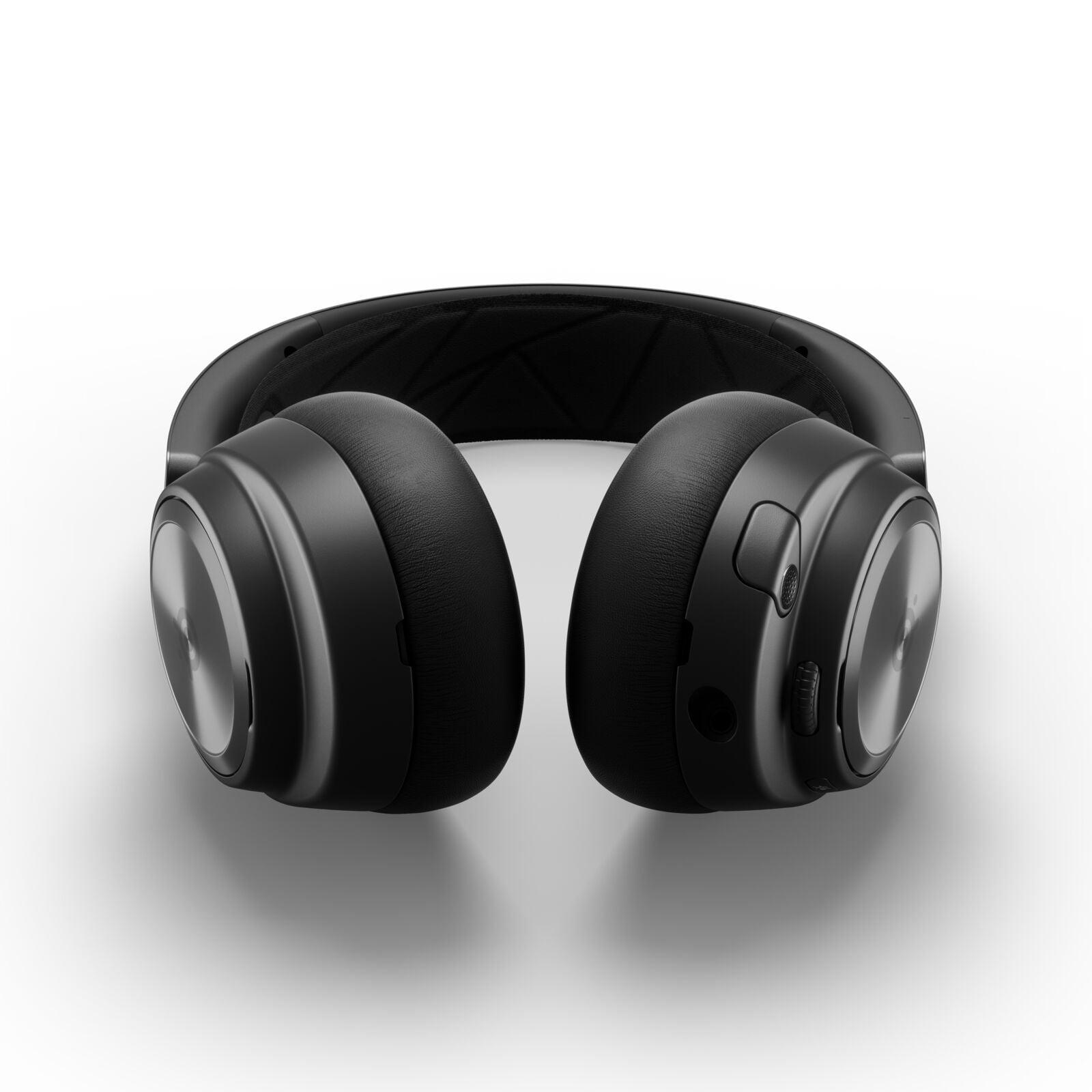
The SteelSeries Arctis Nova Pro Wireless features a retractable bidirectional boom microphone that's specifically designed for gaming communication. The mic extends from the left ear cup and can be fully retracted when not in use. It uses noise-canceling technology to isolate your voice from background noise, and the boom design positions it closer to your mouth for clearer pickup. The frequency response (100-6,500 Hz) is optimized for voice communication, ensuring your teammates can hear you clearly even during intense gaming sessions.
The Sony WH-1000XM5 uses four beamforming microphones with Precise Voice Pickup technology. Instead of a visible boom mic, these microphones are built into the headphones and use advanced processing to isolate your voice from background noise. This works well for phone calls and video conferences, but it's not quite as effective as a dedicated boom mic for extended gaming communication or content creation.
If you plan to do any streaming, content creation, or spend significant time in voice chat with teammates, the SteelSeries microphone is clearly superior. For occasional phone calls and video meetings, both will work fine, but the Sony's hidden microphones are more convenient for daily use.
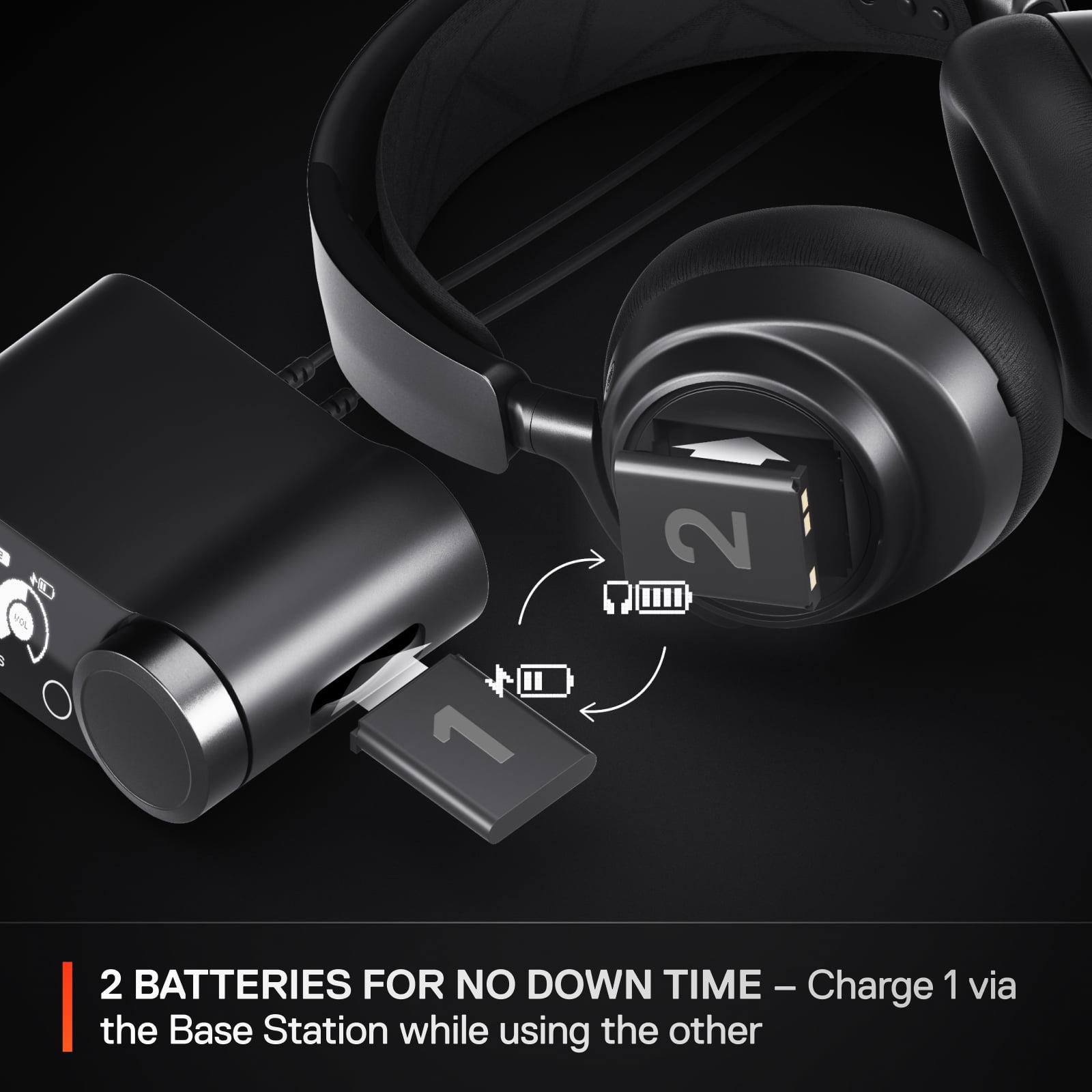
Here's where the SteelSeries Arctis Nova Pro Wireless introduces a genuinely innovative solution to the age-old problem of wireless headphones dying mid-session. The headset comes with two rechargeable batteries, and the wireless base station doubles as a charging dock for the spare battery. Each battery provides 18-22 hours of use, giving you a total of up to 44 hours of potential listening time.
More importantly, you can hot-swap the batteries—meaning you can replace a dying battery with a fully charged one without ever turning off the headset or interrupting your audio. This is particularly valuable for long gaming sessions, streaming, or professional use where interruptions aren't acceptable.
The Sony WH-1000XM5 takes a more traditional approach with a single internal battery that provides up to 30 hours with ANC enabled or 40 hours with ANC disabled. While this is excellent battery life by most standards, you'll need to pause your listening when the battery dies and wait for it to charge. The fast charging feature helps—you can get about 3 hours of playback from just 3 minutes of charging—but it still requires planning ahead.
Both approaches have merit, but the SteelSeries system is particularly valuable if you can't afford interruptions in your audio experience.
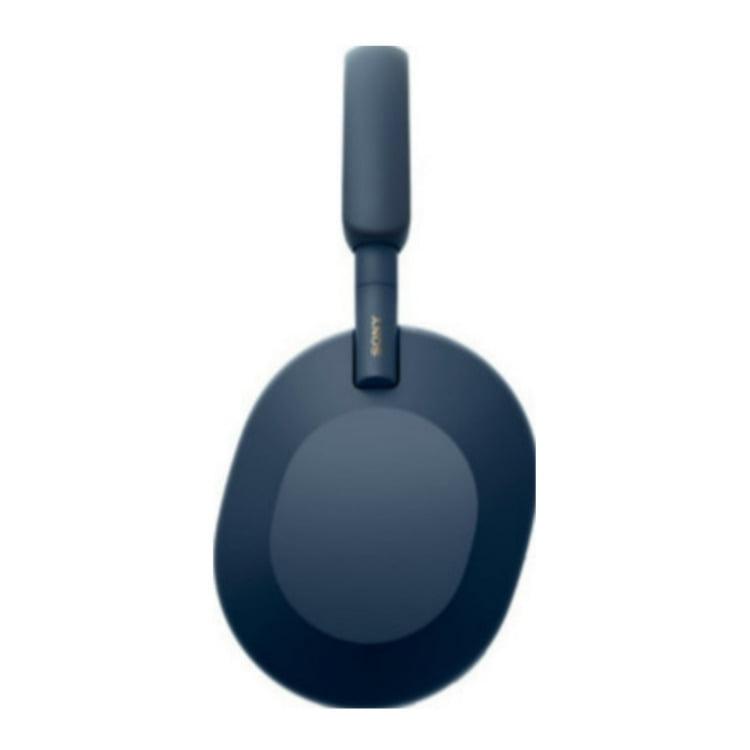
The Sony WH-1000XM5 has a significant advantage in weight, coming in at just 250 grams compared to the SteelSeries Arctis Nova Pro Wireless at 337-339 grams. That might not sound like much, but it becomes noticeable during extended wear. The Sony uses soft synthetic leather ear pads and has been optimized for all-day comfort, making it excellent for travel and daily use.
The SteelSeries uses a "ski goggle" style headband that distributes weight evenly across your head, along with AirWeave performance fabric ear cushions that are designed to stay cool during long gaming sessions. The build quality feels more robust, with a steel headband construction that's built to withstand the rigors of desktop gaming use.
However, some users report that the SteelSeries ear cups are relatively shallow, which can cause the internal ANC microphones to touch your ears—potentially uncomfortable for some users. Aftermarket ear pads like Wicked Cushions Cooling Gel pads are often recommended to improve both comfort and soundstage.
If you're considering either headphone for home theater use, there are some important factors to consider. The SteelSeries Arctis Nova Pro Wireless can connect directly to gaming consoles and PCs, making it easy to get high-quality, low-latency audio for movies and games. The base station's dual inputs mean you could theoretically connect both a gaming console and a streaming device simultaneously.
However, most home theater setups use optical or HDMI audio outputs, which would require additional adapters to work with the SteelSeries base station's USB-C inputs. The spatial audio processing can enhance movie soundtracks, particularly action films with lots of directional audio effects.
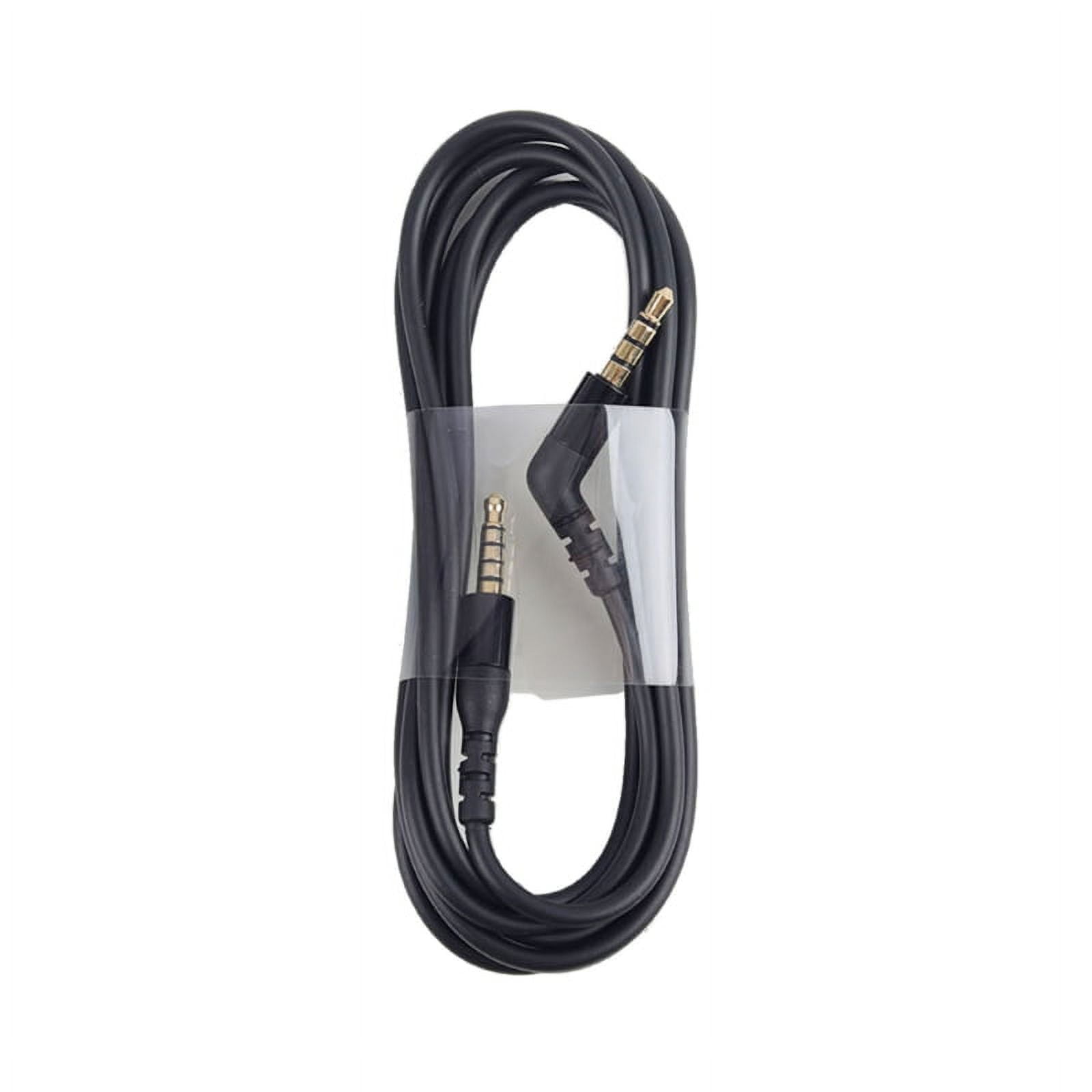
The Sony WH-1000XM5 is more limited for home theater use due to Bluetooth latency issues. While some newer TVs and streaming devices support low-latency Bluetooth codecs, many don't, which means you might experience audio that's noticeably out of sync with the video. The 3.5mm wired connection can solve this problem, but you'll lose some of the Sony's advanced features when using it in wired mode.
For dedicated home theater use, neither of these headphones is ideal compared to headphones specifically designed for that purpose, but the SteelSeries offers more flexibility for multi-device setups.
The SteelSeries Arctis Nova Pro Wireless typically retails around $350, which positions it as a premium gaming headset. You're paying for the innovative battery system, multi-system connectivity, low-latency wireless technology, and gaming-optimized features. It's an investment that makes sense if gaming is your primary use case, especially if you game across multiple platforms or create content.
The Sony WH-1000XM5 usually costs between $300-400, putting it in similar price territory but targeting a different user base. You're paying for industry-leading noise cancellation, premium build quality, and excellent portability. It's ideal for travelers, commuters, music lovers, and anyone who values the ability to block out the world around them.
Choose the SteelSeries Arctis Nova Pro Wireless if gaming is your primary use case, you need multi-platform connectivity, or you value the convenience of never running out of battery. It's also the better choice for content creation, streaming, or any situation where microphone quality matters. The base station setup means it's really designed for desktop use rather than portable applications.
Choose the Sony WH-1000XM5 if you prioritize music listening, travel frequently, need best-in-class noise cancellation, or want a lightweight headphone for all-day wear. It's the more versatile choice for general consumer use and works well with virtually any Bluetooth device.
Both headphones excel in their intended domains, but choosing the wrong one for your primary use case will leave you with compromised performance where it matters most. The SteelSeries Arctis Nova Pro Wireless is a gaming-first device that happens to be good at other things, while the Sony WH-1000XM5 is a premium consumer headphone that's adequate for casual gaming but not optimized for it.
Consider where you'll use them most, what devices you need to connect to, and whether features like noise cancellation or gaming-specific audio processing matter more to your daily routine. Either choice will give you excellent audio quality, but the right choice depends entirely on matching the headphone's strengths to your specific needs.
| SteelSeries Arctis Nova Pro Wireless | Sony WH-1000XM5 |
|---|---|
| Primary Use Case - Determines which headphone will serve you best | |
| Gaming headset with multi-platform connectivity | Premium consumer headphones for music and travel |
| Driver Size & Type - Affects sound quality and bass response | |
| 40mm neodymium drivers (gaming-tuned for clarity) | 30mm drivers with TPU edge (optimized for ANC and music) |
| Active Noise Cancellation - Critical for blocking outside noise | |
| Hybrid ANC with 4 mics (moderate, gaming-focused) | Industry-leading ANC with 8 mics + dual processors |
| Wireless Connectivity - Determines compatibility and latency | |
| 2.4GHz + Bluetooth 5.0 simultaneous (ultra-low latency) | Bluetooth 5.2 with LDAC codec (universal compatibility) |
| Battery System - Affects uninterrupted use time | |
| Hot-swappable dual batteries (44 hours total, no interruptions) | Single 30-hour battery with fast charging (must pause to charge) |
| Microphone Quality - Essential for gaming communication | |
| Retractable boom mic (excellent for gaming/streaming) | Built-in beamforming mics (good for calls, not gaming-focused) |
| Weight - Impacts comfort during extended use | |
| 337-339g (heavier due to gaming features) | 250g (significantly lighter for all-day wear) |
| Multi-Device Support - Important for versatile setups | |
| Base station with dual USB-C inputs (seamless system switching) | Bluetooth multipoint (basic two-device connection) |
| Audio Tuning - Affects music vs gaming performance | |
| Gaming-optimized with spatial audio (clear mids/highs) | Consumer-friendly warm sound (enhanced bass, benefits from EQ) |
| Portability - Matters for travel and mobile use | |
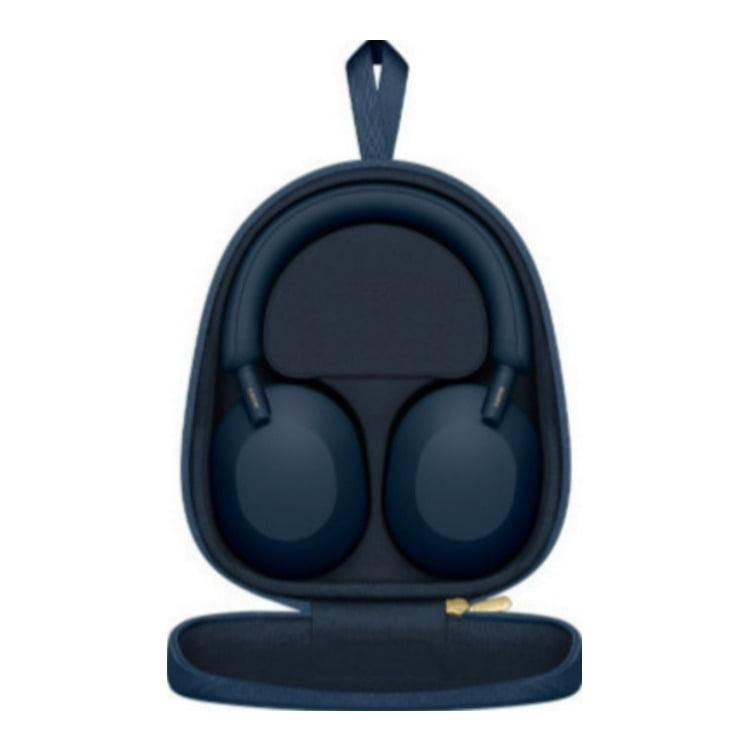
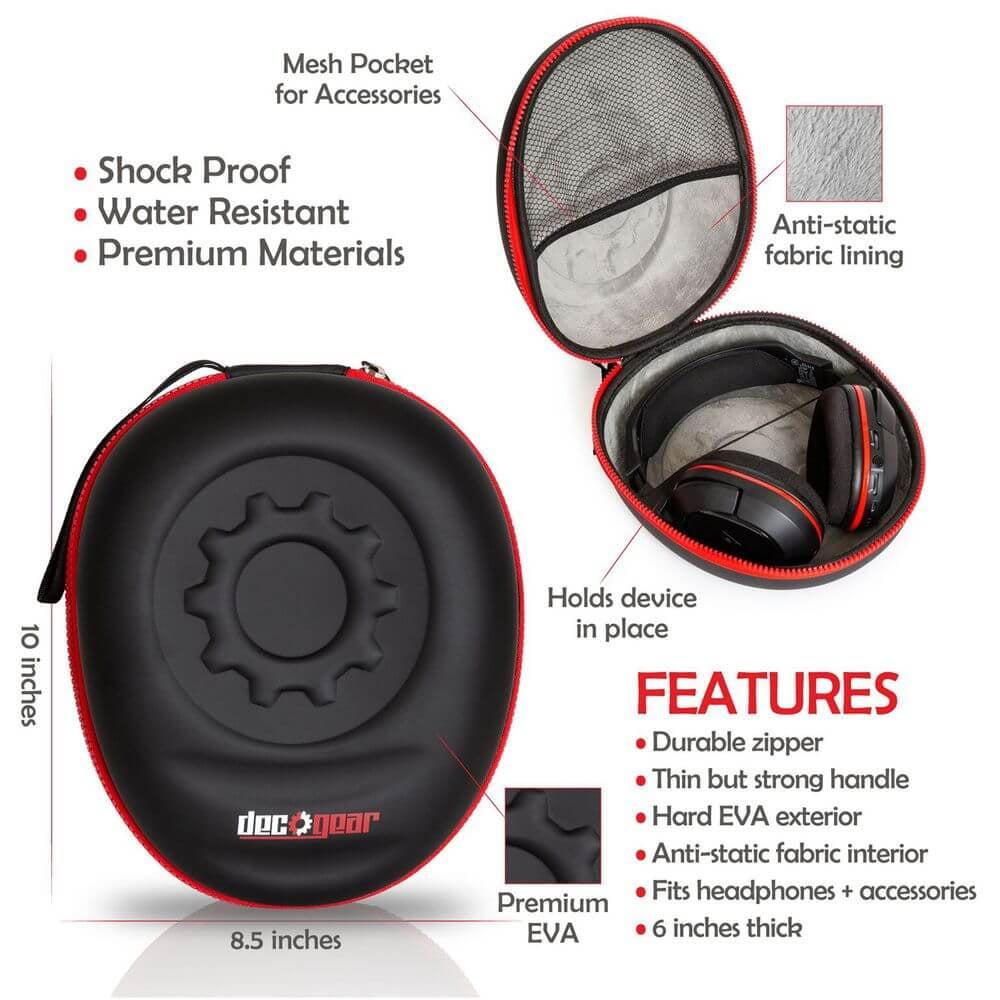
| Desktop setup with base station (not portable) | Lightweight with carrying case (excellent for travel) |
| Price Range - Value proposition comparison | |
| ~$350 (SteelSeries Arctis Nova Pro Wireless) | ~$300-400 (Sony WH-1000XM5) |
The SteelSeries Arctis Nova Pro Wireless is significantly better for gaming. It features ultra-low latency 2.4GHz wireless connectivity, spatial audio for pinpointing enemy locations, and a retractable boom microphone optimized for team communication. The Sony WH-1000XM5 uses Bluetooth which introduces audio delay, making it unsuitable for competitive gaming.
The Sony WH-1000XM5 has industry-leading noise cancellation with 8 microphones and dual processors that excel at blocking airplane noise, traffic, and background chatter. The SteelSeries Arctis Nova Pro Wireless has moderate ANC with 4 microphones, designed more for reducing background noise while maintaining gaming audio clarity.
Yes, but they're tuned differently. The Sony WH-1000XM5 is optimized for music with a warm, consumer-friendly sound signature that's excellent for casual listening and travel. The SteelSeries Arctis Nova Pro Wireless is gaming-tuned with clarity-focused sound that's good for music but not as engaging without EQ adjustments.
The Sony WH-1000XM5 is more comfortable for extended wear at 250g with soft synthetic leather ear pads optimized for all-day use. The SteelSeries Arctis Nova Pro Wireless weighs 337g but uses a ski goggle-style headband and breathable AirWeave cushions designed for long gaming sessions.
The SteelSeries Arctis Nova Pro Wireless features innovative hot-swappable dual batteries providing unlimited runtime—you can change batteries without interrupting audio. The Sony WH-1000XM5 has a single 30-hour battery with fast charging, but you must pause use while charging.
The SteelSeries Arctis Nova Pro Wireless excels with its base station offering dual USB-C inputs for seamless switching between two gaming systems, plus simultaneous 2.4GHz and Bluetooth connections. The Sony WH-1000XM5 supports basic Bluetooth multipoint for two devices but with limited switching functionality.
Both work for calls, but differently. The Sony WH-1000XM5 uses beamforming microphones with noise suppression that's excellent for phone calls and video conferences. The SteelSeries Arctis Nova Pro Wireless has a gaming-focused boom mic that provides clearer voice pickup but is more visible.
Value depends on your use case. The SteelSeries Arctis Nova Pro Wireless (~$350) offers excellent value for gamers who need multi-platform connectivity and professional-grade features. The Sony WH-1000XM5 (~$300-400) provides better value for travelers and music listeners who prioritize noise cancellation.
The SteelSeries Arctis Nova Pro Wireless works better for home theater with its low-latency wireless connection and base station that can connect to gaming consoles. The Sony WH-1000XM5 has Bluetooth latency issues that can cause audio-video sync problems, though the wired connection solves this.
The Sony WH-1000XM5 is significantly more portable at 250g with an included carrying case, making it ideal for travel and commuting. The SteelSeries Arctis Nova Pro Wireless requires a desktop base station setup and isn't designed for portable use.
The SteelSeries Arctis Nova Pro Wireless works with PC, PlayStation, Xbox (variant-specific), Nintendo Switch, and mobile devices through its base station and wireless connectivity. The Sony WH-1000XM5 can connect to any Bluetooth-enabled device but isn't optimized for gaming due to latency issues.
If gaming is your priority, choose the SteelSeries Arctis Nova Pro Wireless—it excels at gaming and is adequate for music. If music and travel are more important, choose the Sony WH-1000XM5—it's exceptional for music and casual media but poor for competitive gaming due to Bluetooth latency.
We've done our best to create useful and informative comparisons to help you decide what product to buy. Our research uses advanced automated methods to create this comparison and perfection is not possible - please contact us for corrections or questions. These are the sites we've researched in the creation of this article: soundguys.com - youtube.com - youtube.com - youtube.com - gamerant.com - youtube.com - head-fi.org - youtube.com - rtings.com - rtings.com - tomshardware.com - youtube.com - techpowerup.com - bestbuy.com - shi.com - steelseries.com - bestbuy.com - rtings.com - audiosciencereview.com - techradar.com - audio46.com - recordingnow.com - electronics.sony.com - theabsolutesound.com - soundguys.com - soundguys.com - headphonesaddict.com - sony.com - sony.com - sony-mea.com - fullspecs.net - bhphotovideo.com - sony.com - helpguide.sony.net - headphones.com - androidpolice.com - sony.co.id - moon-audio.com - sony.com - bestbuy.com - sonylatvija.com

Privacy Policy
Terms and Conditions - Affiliate Policy
Home Security
© Copyright 2008-2026.
11816 Inwood Rd #1211, Dallas, TX 75244