

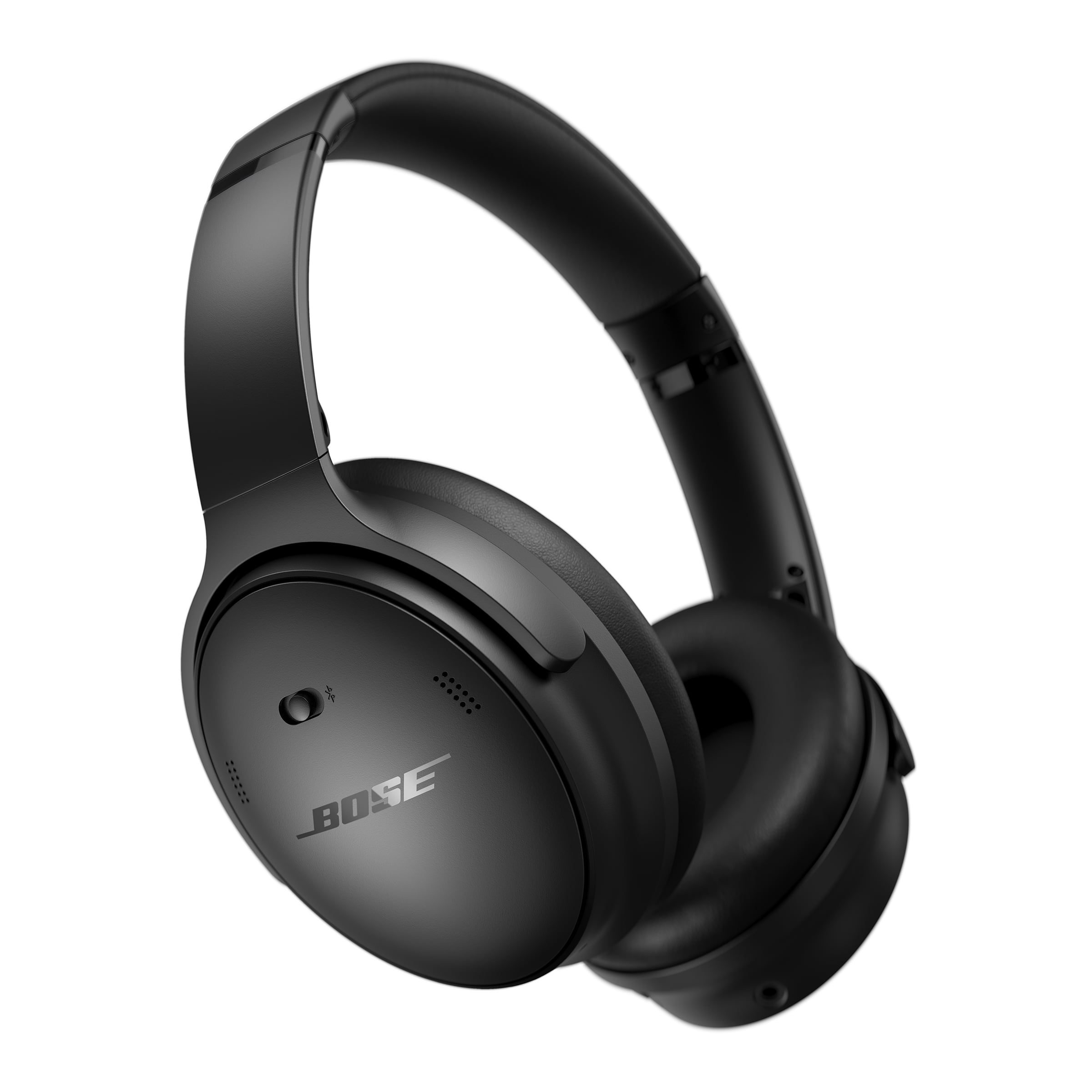


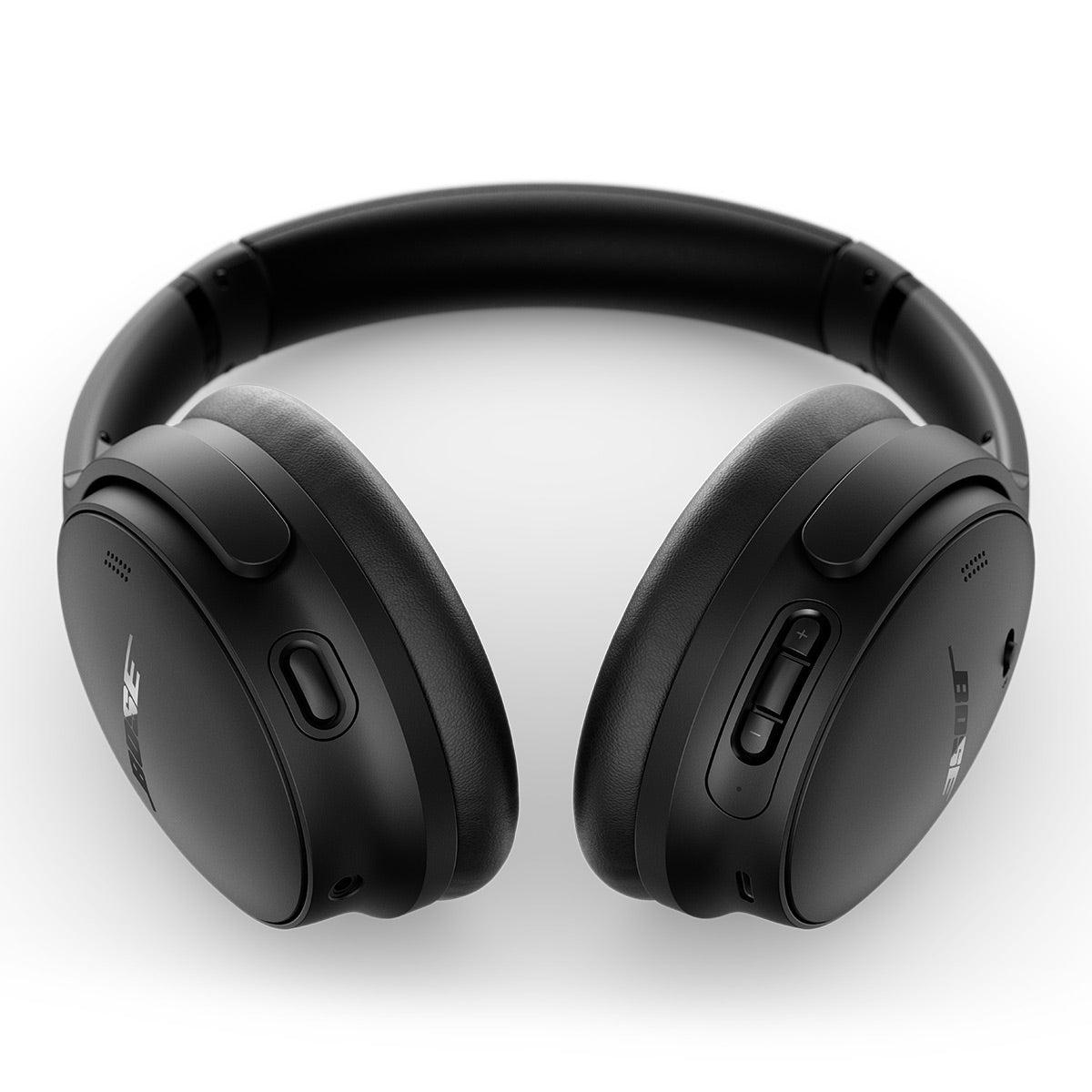

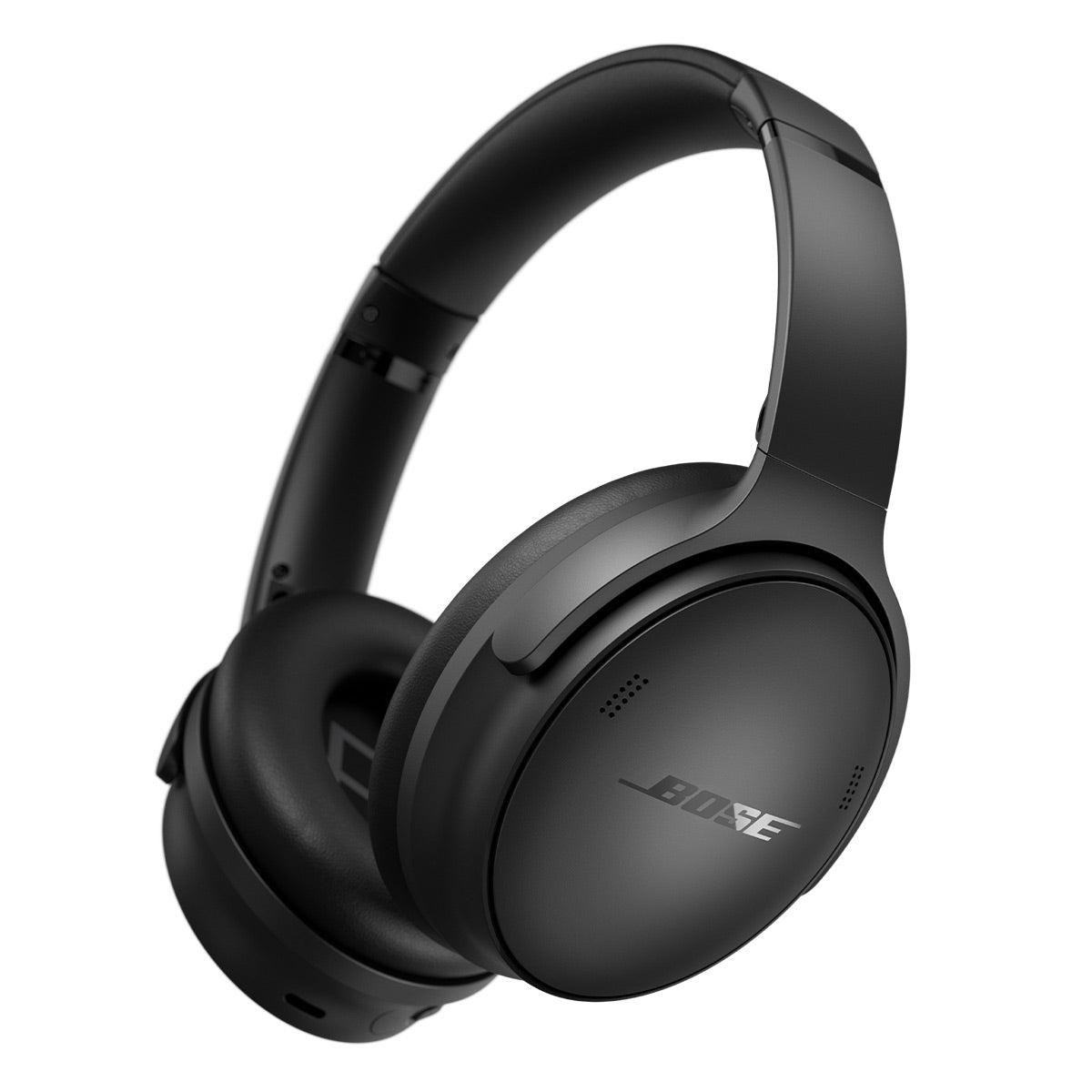
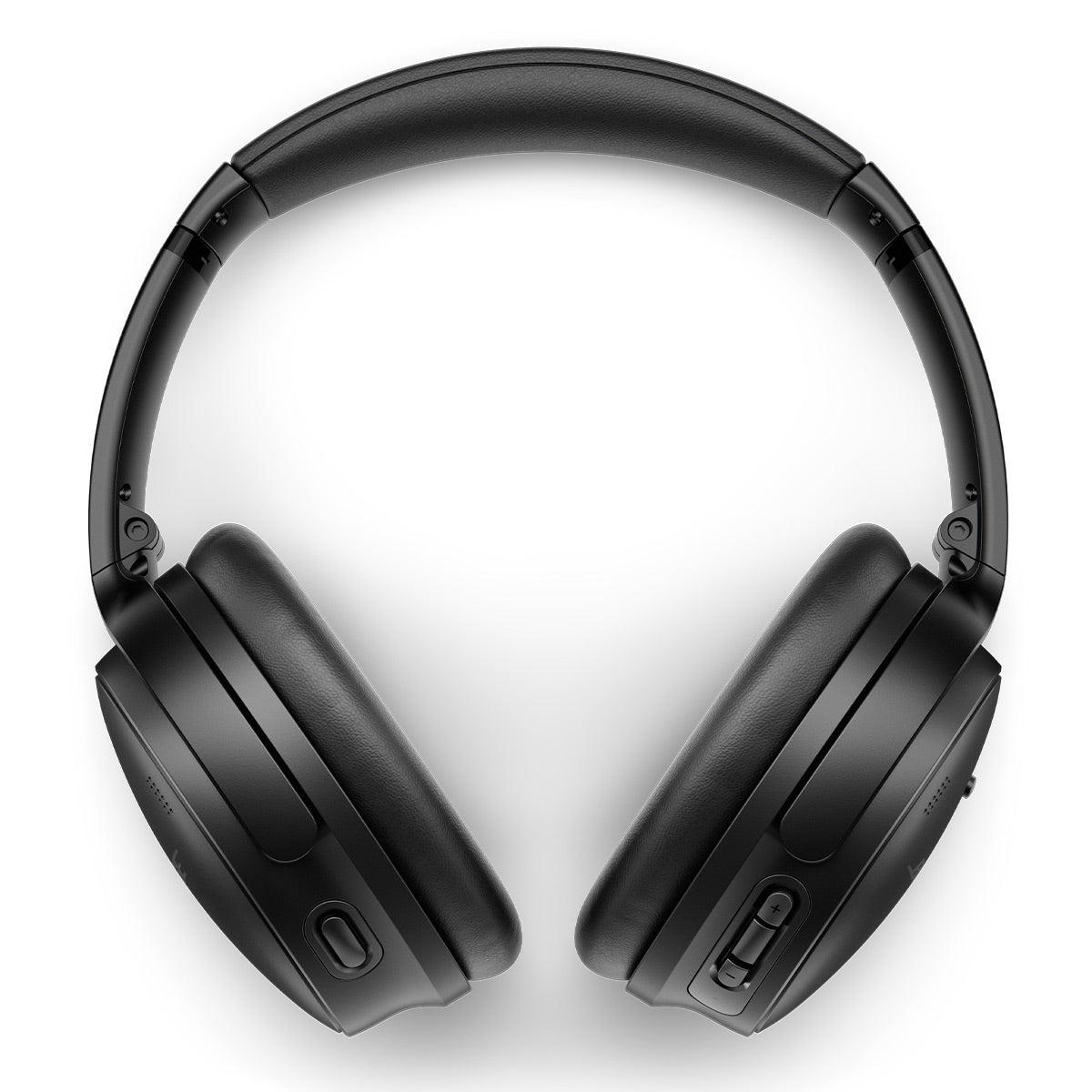
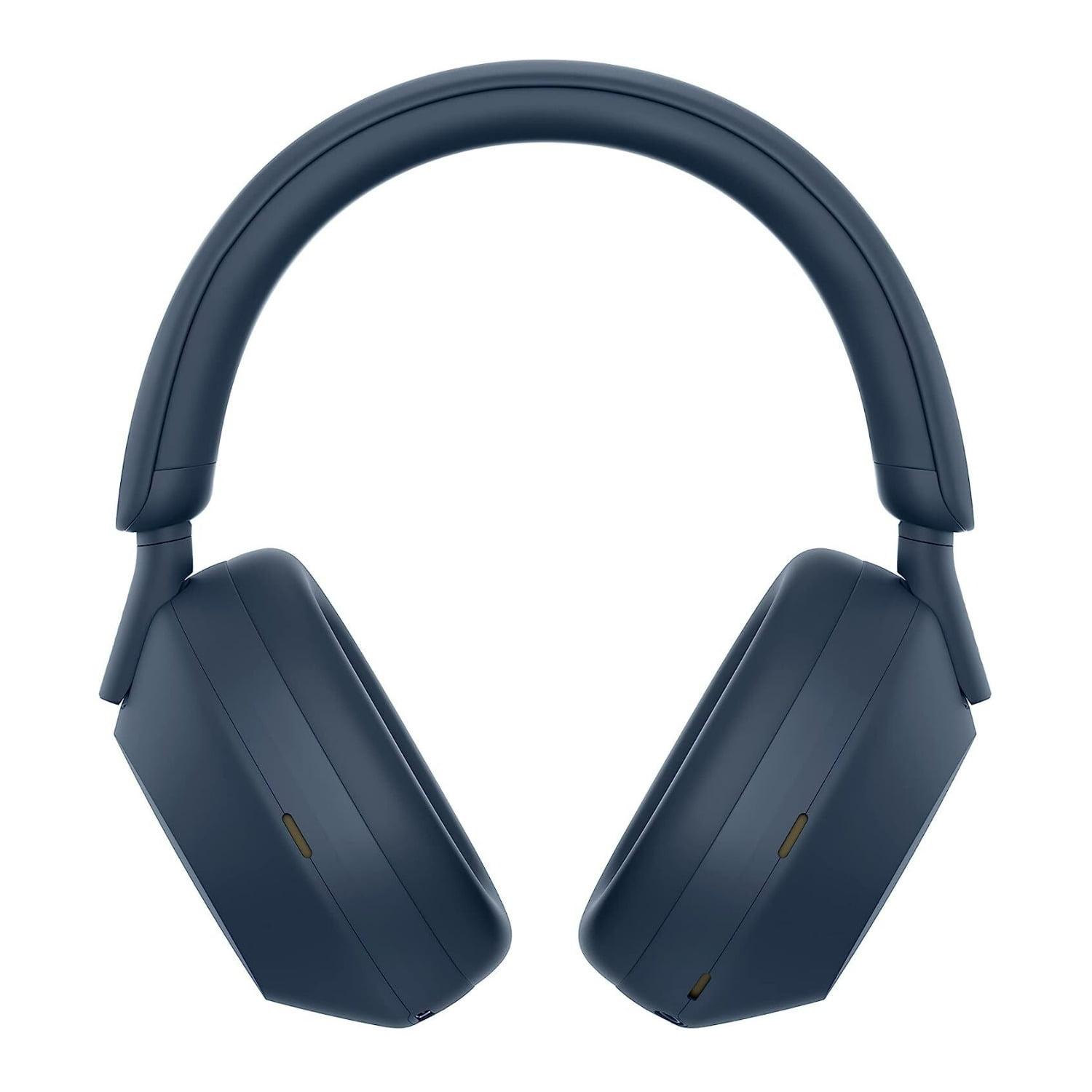
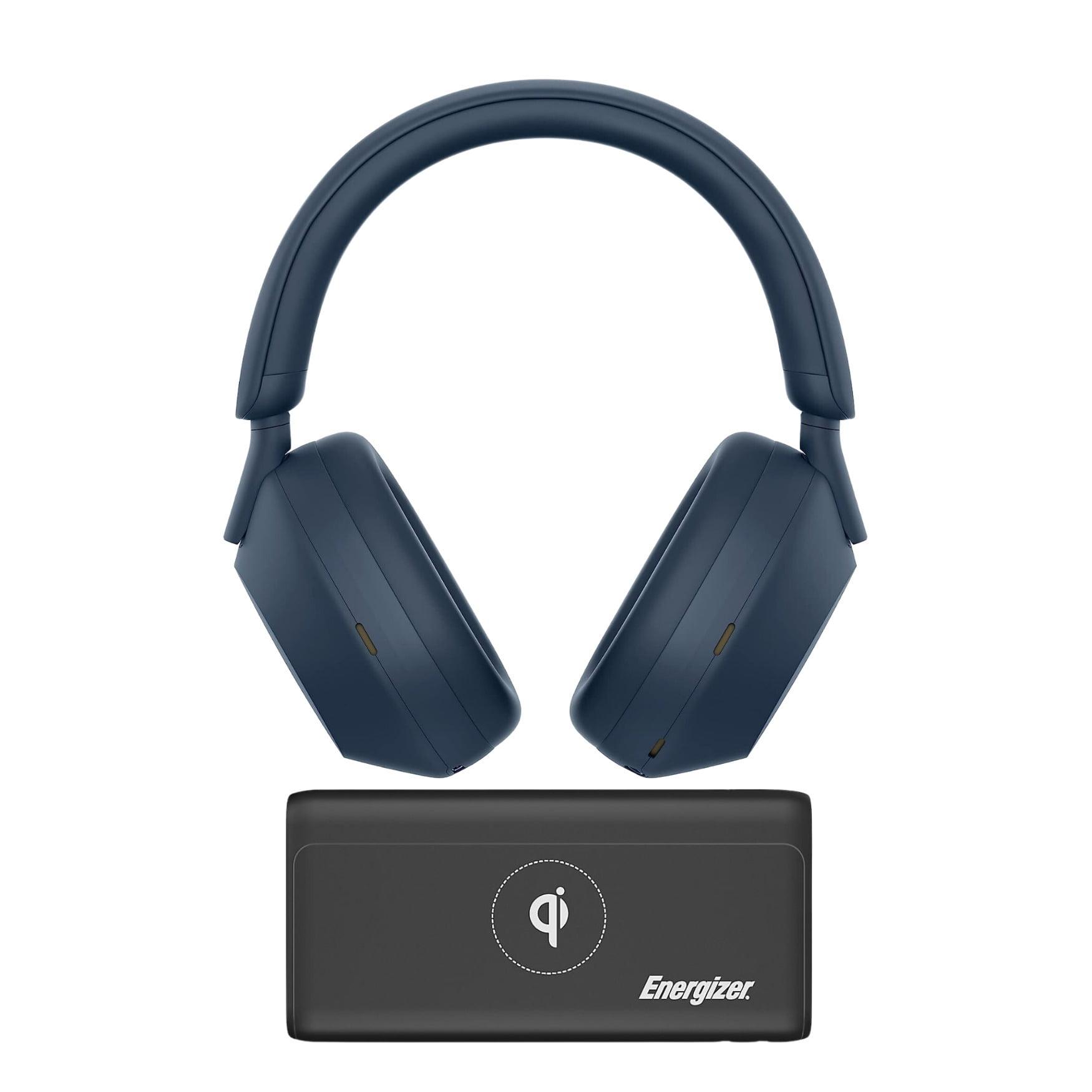
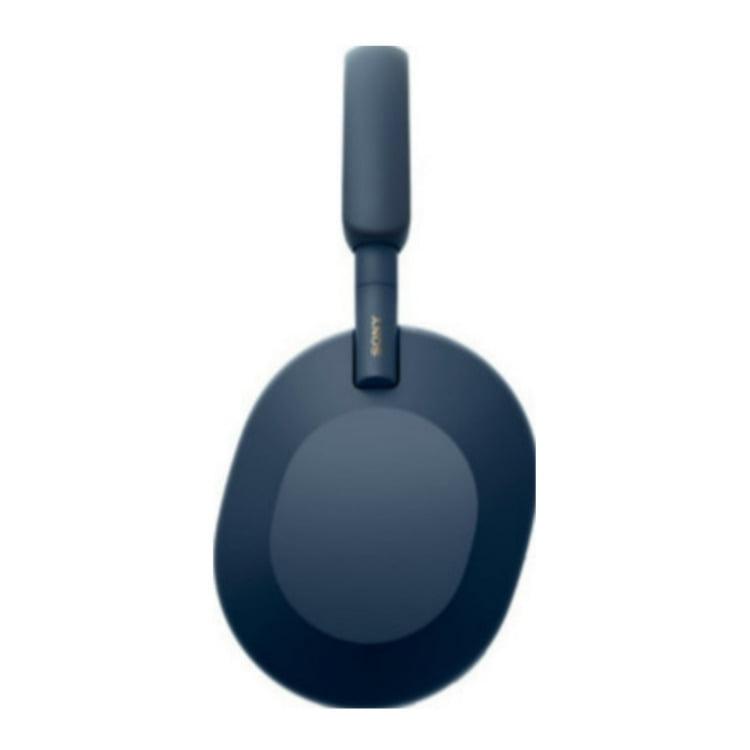

If you've ever tried to enjoy music on a noisy airplane or concentrate in a bustling coffee shop, you understand the appeal of noise-canceling headphones. These technological marvels don't just play audio – they actively fight against unwanted sounds around you, creating a peaceful bubble for your ears. Today's premium wireless noise-canceling headphones represent some of the most sophisticated consumer audio technology available, combining advanced sound processing, wireless connectivity, and all-day comfort into a single device.
The market leaders in this space are consistently the Bose QuietComfort and Sony's flagship models, currently represented by the Sony WH-1000XM5. Both released their latest iterations in recent years (Bose in 2023 and Sony in 2022), and both target the same premium audience seeking the best possible noise cancellation and wireless audio experience.
But here's the thing about premium headphones – they're not just expensive accessories. At the price points these models command (typically in the $350-400 range at the time of writing), they represent significant investments that should serve you well for years. The key is understanding which approach better matches your needs and listening habits.
Premium wireless noise-canceling headphones occupy a unique space in consumer audio. Unlike basic wireless headphones that simply block sound through physical padding, these devices use sophisticated technology called Active Noise Cancellation (ANC). This system works by placing microphones on the outside of the headphones to "listen" to ambient noise, then generating an opposite sound wave through the speakers to cancel out that unwanted noise. Think of it like noise-canceling interference – the headphones create anti-noise that effectively erases the original sound.
The most important factors when evaluating these headphones include noise cancellation effectiveness across different frequencies (some are better at blocking low rumbles, others excel at stopping high-pitched sounds), audio quality for music and calls, physical comfort for extended wear, battery performance for travel, and wireless connectivity features like the ability to connect to multiple devices simultaneously.
What makes this category particularly interesting is that manufacturers take different philosophical approaches. Some prioritize immediate user satisfaction with great out-of-the-box performance, while others focus on providing advanced customization options that let you fine-tune everything to your preferences.
The most crucial performance characteristic for these headphones is their noise cancellation capability, and this is where the technical differences between the Bose QuietComfort and Sony WH-1000XM5 become fascinating.
Sony takes the "more is better" approach with their dual-processor system. The WH-1000XM5 uses two separate chips – the Integrated Processor V1 and the HD Noise Cancelling Processor QN1 – working together to control eight different microphones. That's four microphones on each ear cup, constantly sampling the acoustic environment around you. This massive amount of processing power allows the Sony headphones to excel at blocking mid and high-frequency sounds like human voices, keyboard typing, and office chatter.
What's particularly clever about Sony's system is the Auto NC Optimizer, which automatically adjusts the noise cancellation based on factors like atmospheric pressure (useful when flying) and how the headphones fit on your head. The system even provides 20 different levels of noise cancellation intensity, letting you dial in exactly how much outside world you want to block out.
Bose, meanwhile, has perfected a more streamlined approach with the QuietComfort headphones. Rather than overwhelming you with options, Bose focuses on consistent, reliable performance across different environments. Their system excels particularly at blocking low-frequency sounds – the constant rumble of airplane engines, air conditioning units, and traffic noise that can be most fatiguing over long periods.
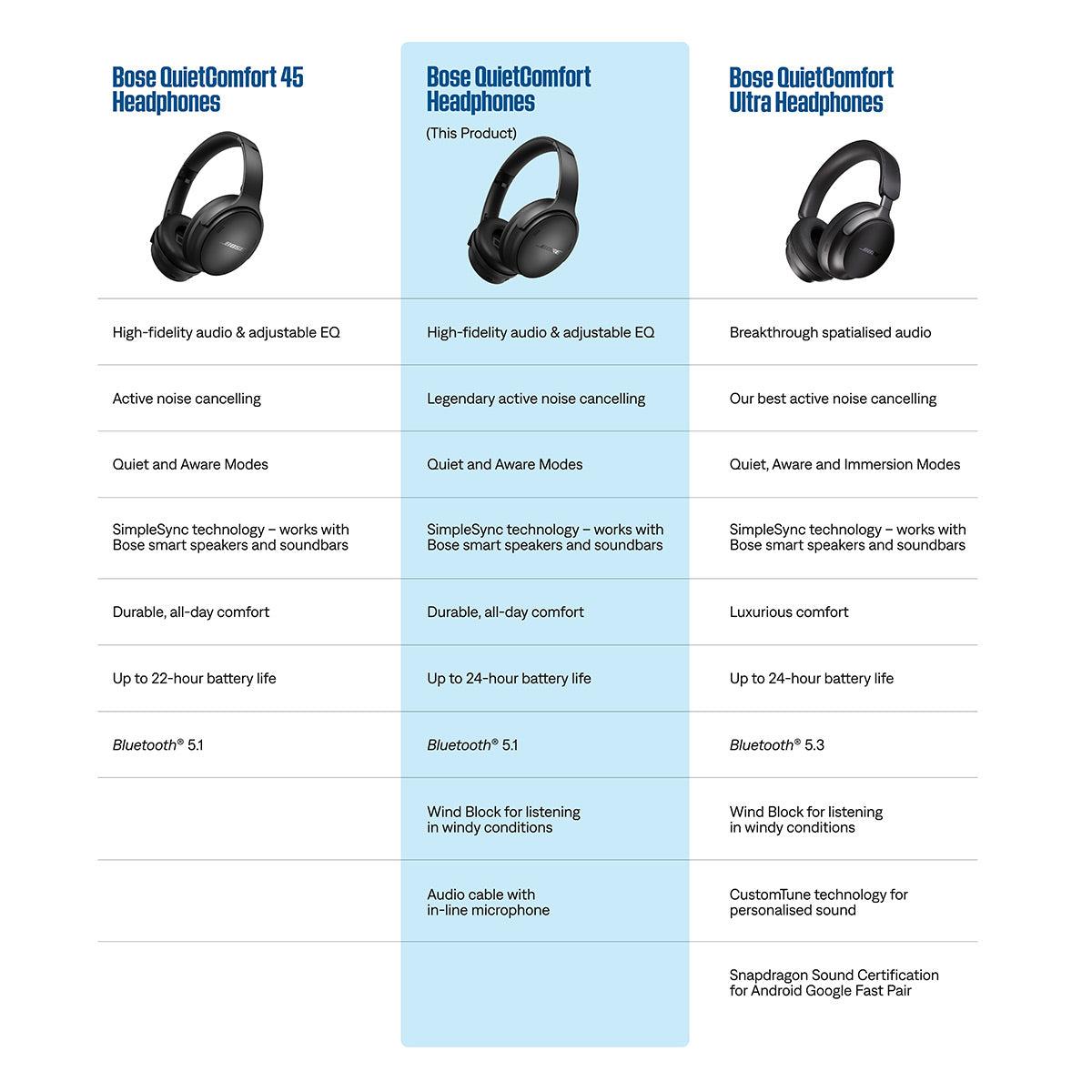
The Bose QuietComfort also includes a Wind Block feature, which is especially practical for outdoor use. This technology disables the external microphones when it detects wind interference, preventing that annoying whooshing sound that can plague noise-canceling headphones in breezy conditions.
In real-world testing, both systems perform excellently, but with different strengths. The Sony WH-1000XM5 tends to create a more complete "silence" in environments with varied noise types, while the Bose QuietComfort provides more consistent performance and less fatigue during extended use.
Here's where these headphones reveal their most fundamental difference in approach, and it significantly impacts your day-to-day experience.
The Bose QuietComfort follows what I'd call the "instant gratification" philosophy. Right out of the box, these headphones sound rich, full, and immediately satisfying. The bass response is particularly impressive – punchy and well-defined without overwhelming the midrange where vocals and instruments live. The overall sound signature is warm and balanced, meaning most music genres sound engaging without any tweaking required.
This approach reflects Bose's understanding that most users want their headphones to sound great immediately, without diving into smartphone apps or EQ settings. The frequency response (the range of sounds the headphones can reproduce) spans from 4 Hz to 40,000 Hz, covering well beyond human hearing range, and the 30mm drivers deliver consistent performance across this spectrum.
The Sony WH-1000XM5 takes a different path. Sony's engineers have packed these headphones with advanced audio processing technology, including DSEE Extreme (Digital Sound Enhancement Engine), which uses artificial intelligence to upscale compressed music files in real-time. This means your Spotify streams and MP3 files get enhanced sound quality through sophisticated digital processing.
However, the stock sound signature of the WH-1000XM5 can be disappointing initially. Many users describe it as somewhat muffled or veiled, with recessed midrange frequencies that make vocals and instruments sound distant. The bass is emphasized, and the treble is boosted, but the crucial midrange – where most musical information lives – can sound subdued.
But here's the interesting part: with EQ adjustments through Sony's smartphone app, the WH-1000XM5 can transform into an exceptional-sounding headphone. The app provides detailed equalization controls, and with some tweaking, these headphones can deliver remarkable clarity and detail that surpasses the Bose QuietComfort in pure resolution and transparency.
For home theater use, both headphones offer interesting possibilities. The Bose QuietComfort provides a more immediately cinematic experience with its rich, full sound that makes movie dialogue clear and effects impactful. The Sony WH-1000XM5, when properly EQ'd, can provide more detailed soundscapes and better separation of different audio elements in complex movie scenes.
Physical comfort becomes crucial when you're wearing headphones for hours at a time, and this is another area where these models take distinctly different approaches.
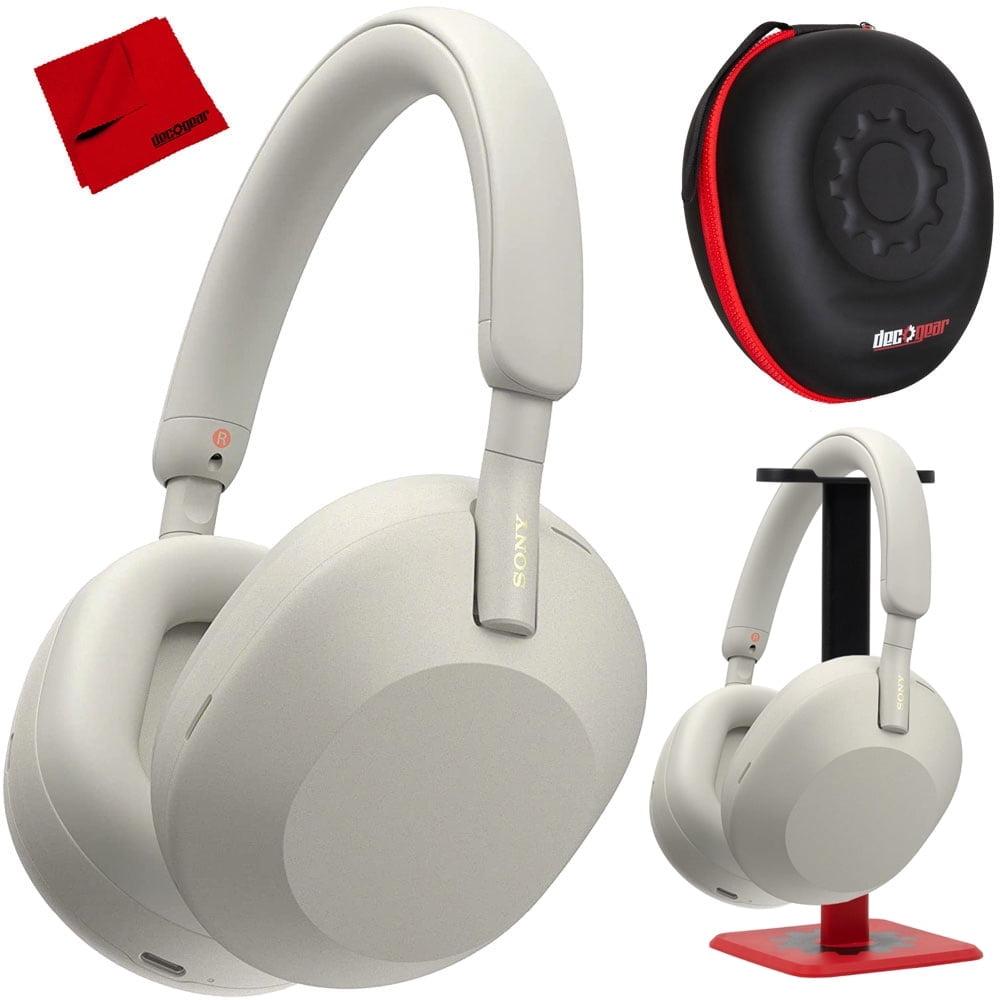
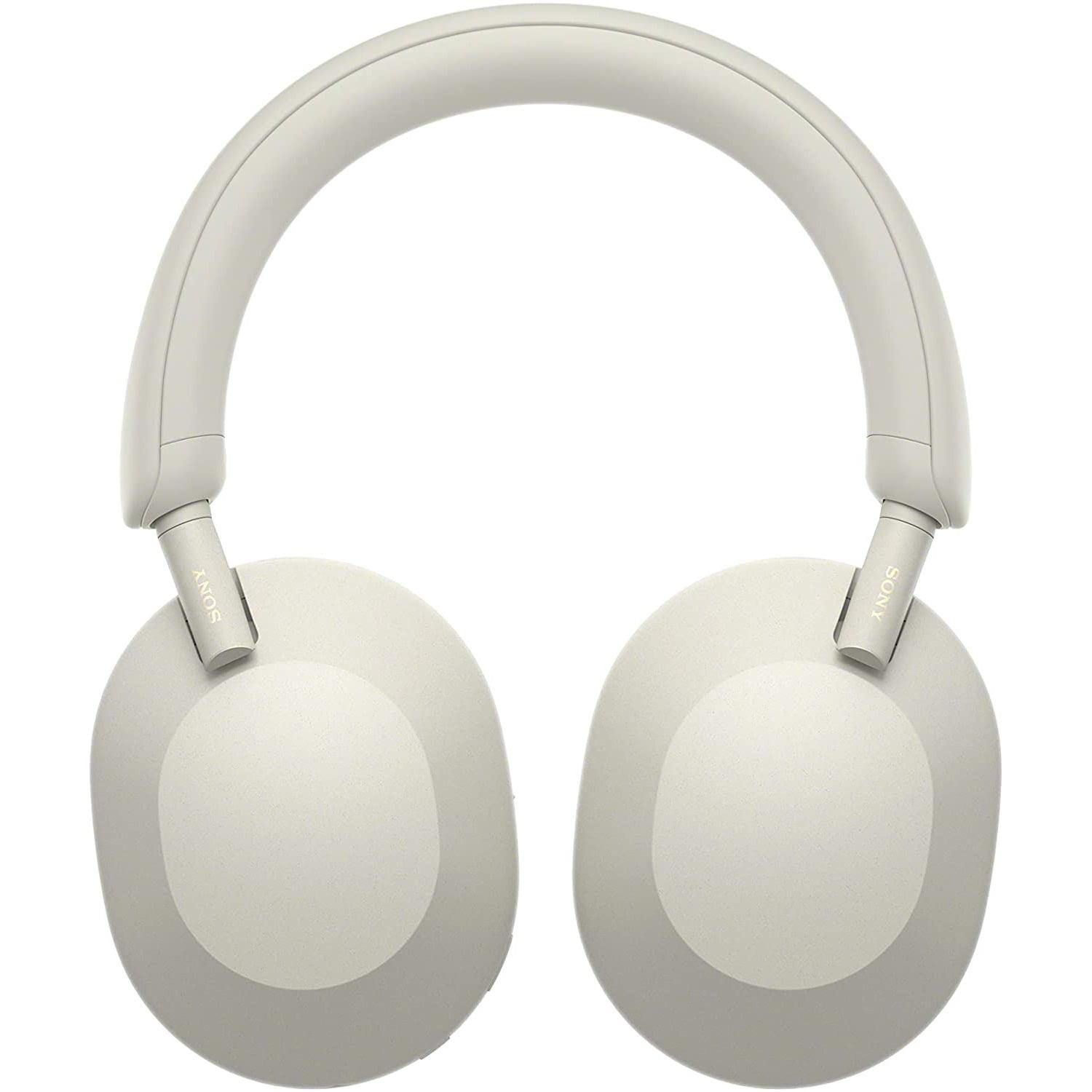
The Sony WH-1000XM5 is engineered specifically for all-day comfort. At just 250 grams, these headphones feel remarkably light on your head. The ear cushions use soft synthetic leather with just the right amount of padding, and the clamping force (how tightly the headphones grip your head) is carefully calibrated to provide a secure fit without causing fatigue.
Sony redesigned the WH-1000XM5 with a non-folding structure, eliminating the hinges that were potential failure points in previous models. This design choice prioritizes durability while maintaining the sleek, modern aesthetic that Sony is known for.
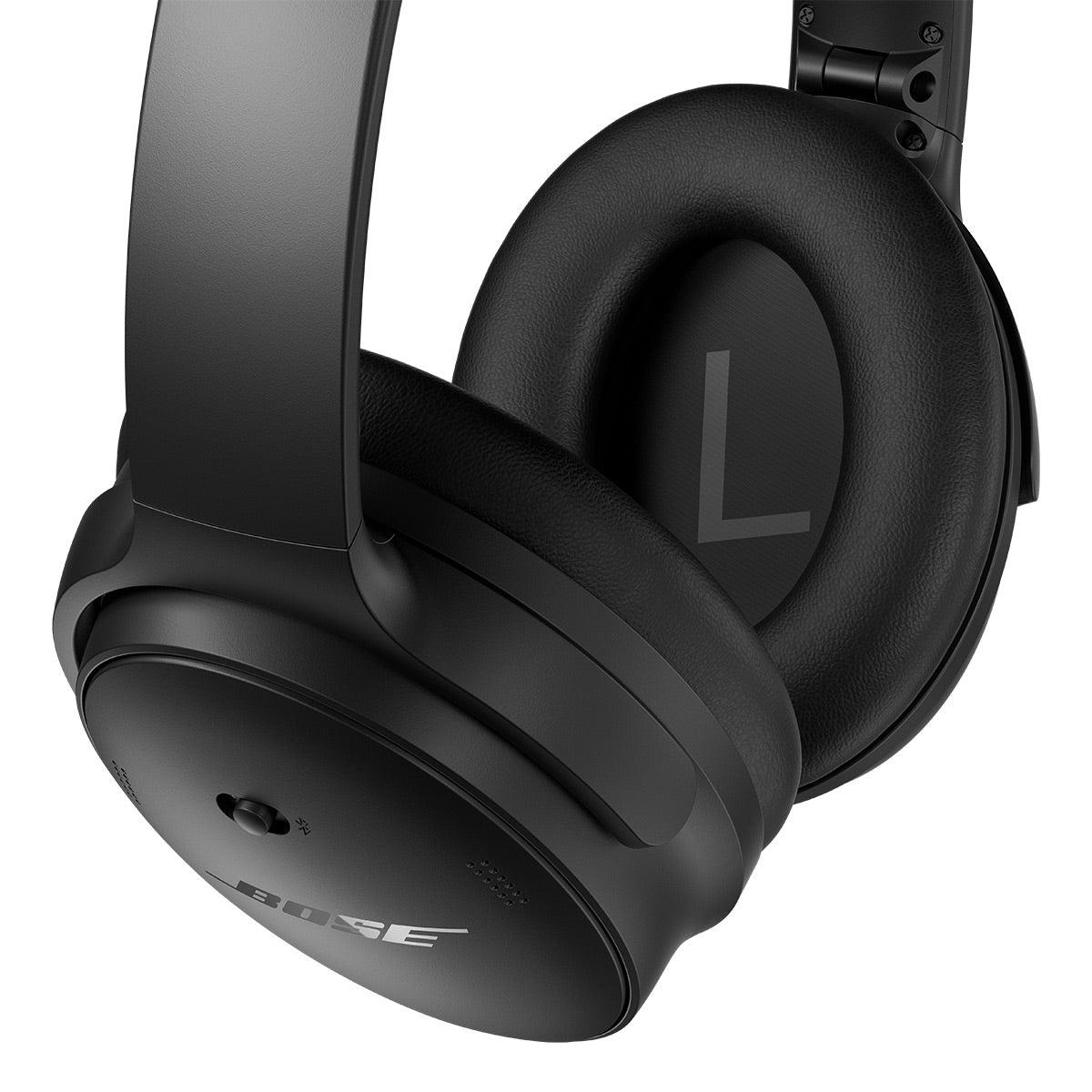
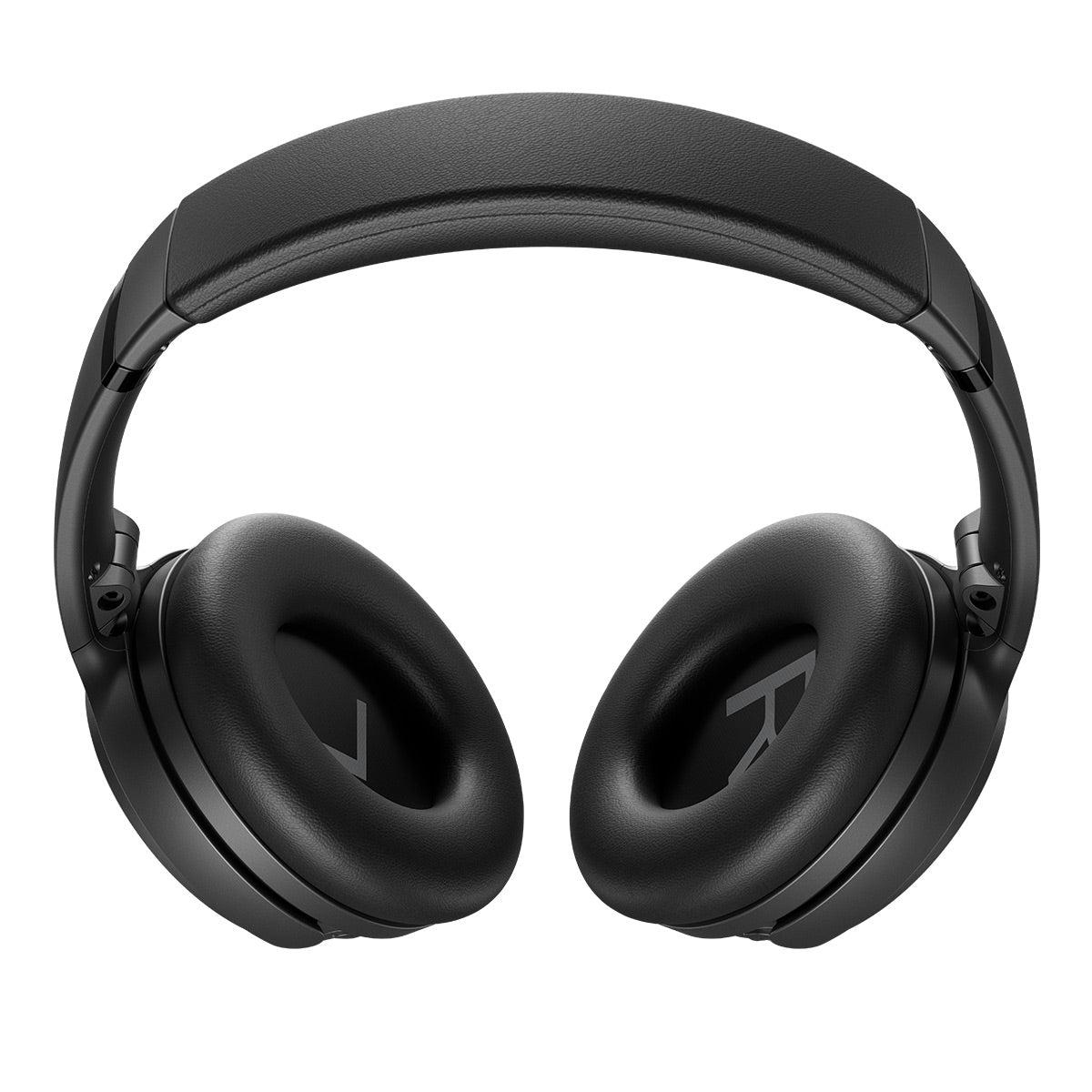
However, the Bose QuietComfort takes a more traditional approach that emphasizes long-term durability. The build quality is noticeably superior, with more robust materials and construction that feels designed to withstand years of regular use. The protein leather ear cushions are thick and comfortable, though the overall weight of 236 grams is slightly more noticeable than the Sony during extended wear.
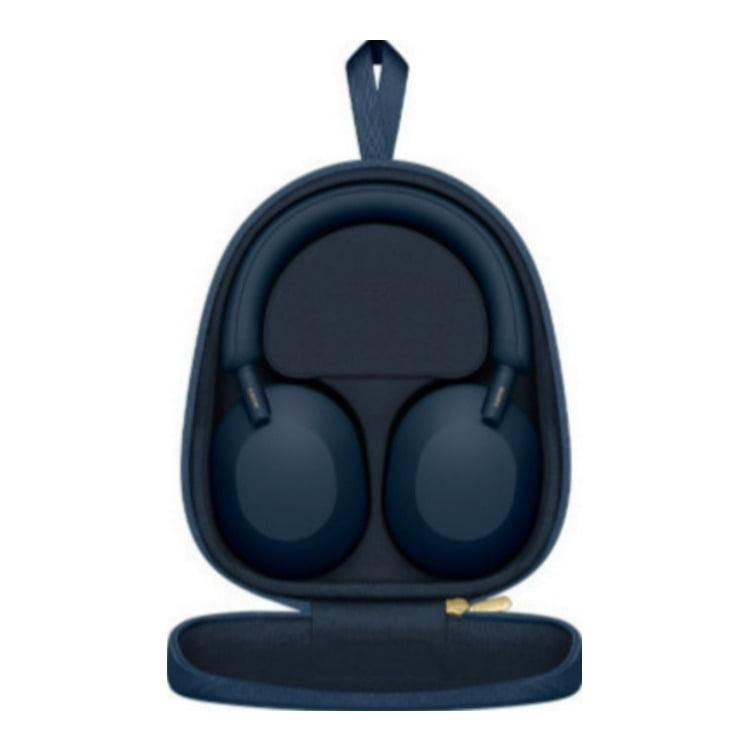
The QuietComfort maintains a folding design for portability, which some users prefer for travel, though this does introduce potential mechanical stress points over time. Based on long-term user reports and my own experience with previous Bose models, the build quality advantage here is significant – these headphones tend to maintain their structural integrity and comfort over years of use.
For users who plan to wear their headphones for multiple hours daily, the Sony WH-1000XM5 provides superior immediate comfort. However, if you're looking at this as a long-term investment that should last many years, the Bose QuietComfort offers better durability prospects.
Battery performance and wireless connectivity directly impact how these headphones fit into your daily routine, and both models offer impressive capabilities with different strengths.
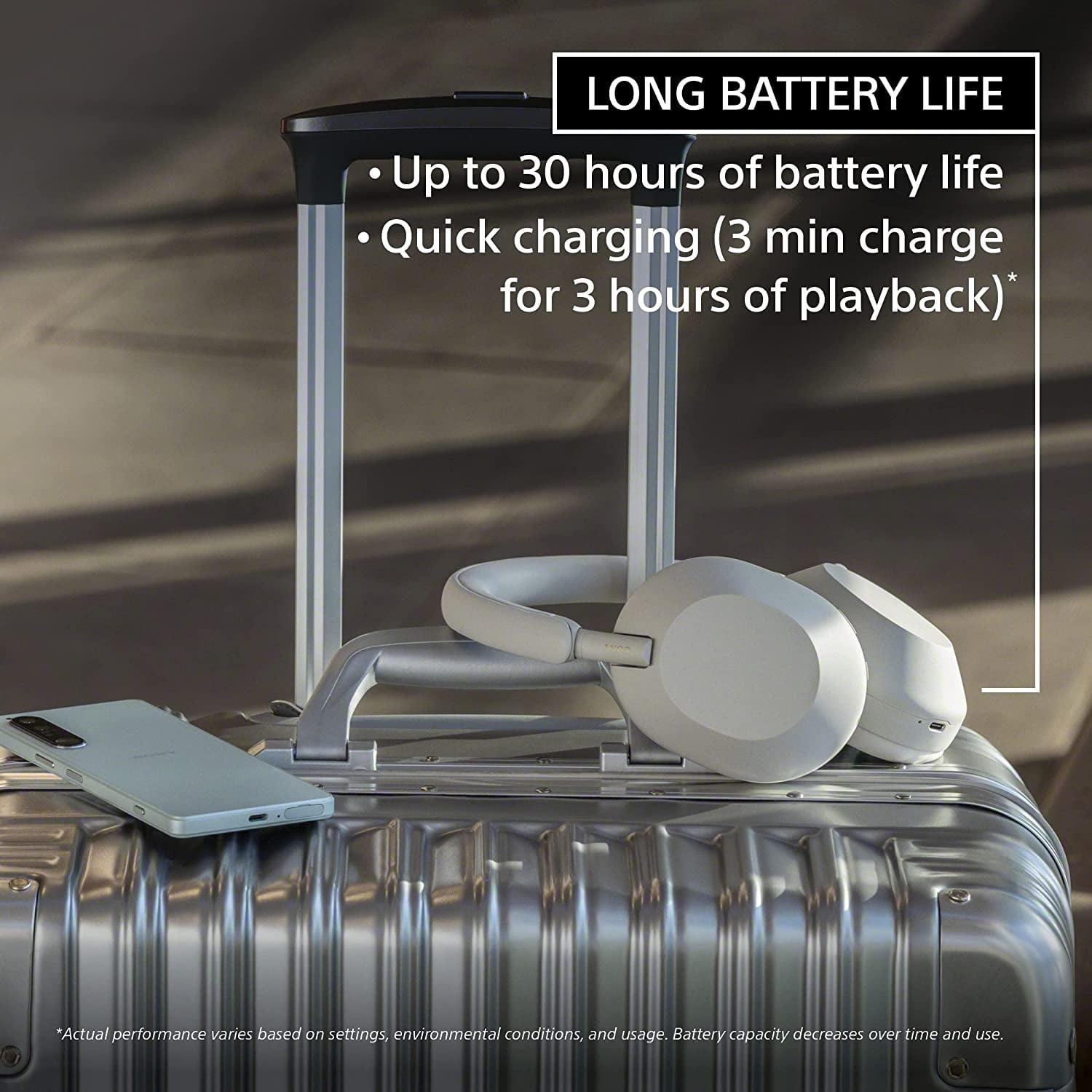
The Sony WH-1000XM5 leads in pure battery longevity, offering up to 30 hours of playback with noise cancellation enabled, extending to 40 hours with ANC disabled. This is exceptional performance that easily covers multi-day trips or weeks of commuting without charging. The quick charge feature provides 3 hours of playback from just 3 minutes of charging, which is incredibly convenient for those "forgot to charge" moments.
The Bose QuietComfort provides 24 hours of battery life with noise cancellation active, which is still excellent though not quite matching Sony's endurance. However, Bose's charging implementation is more user-friendly in some ways, with a 15-minute quick charge providing 2.5 hours of playback, and the full charging cycle completing in 2.5 hours compared to Sony's 3.5 hours.
Both headphones use USB-C charging, which is convenient for users who have standardized on this connector for their devices. Neither model allows playback while charging, so battery management becomes important for heavy users.
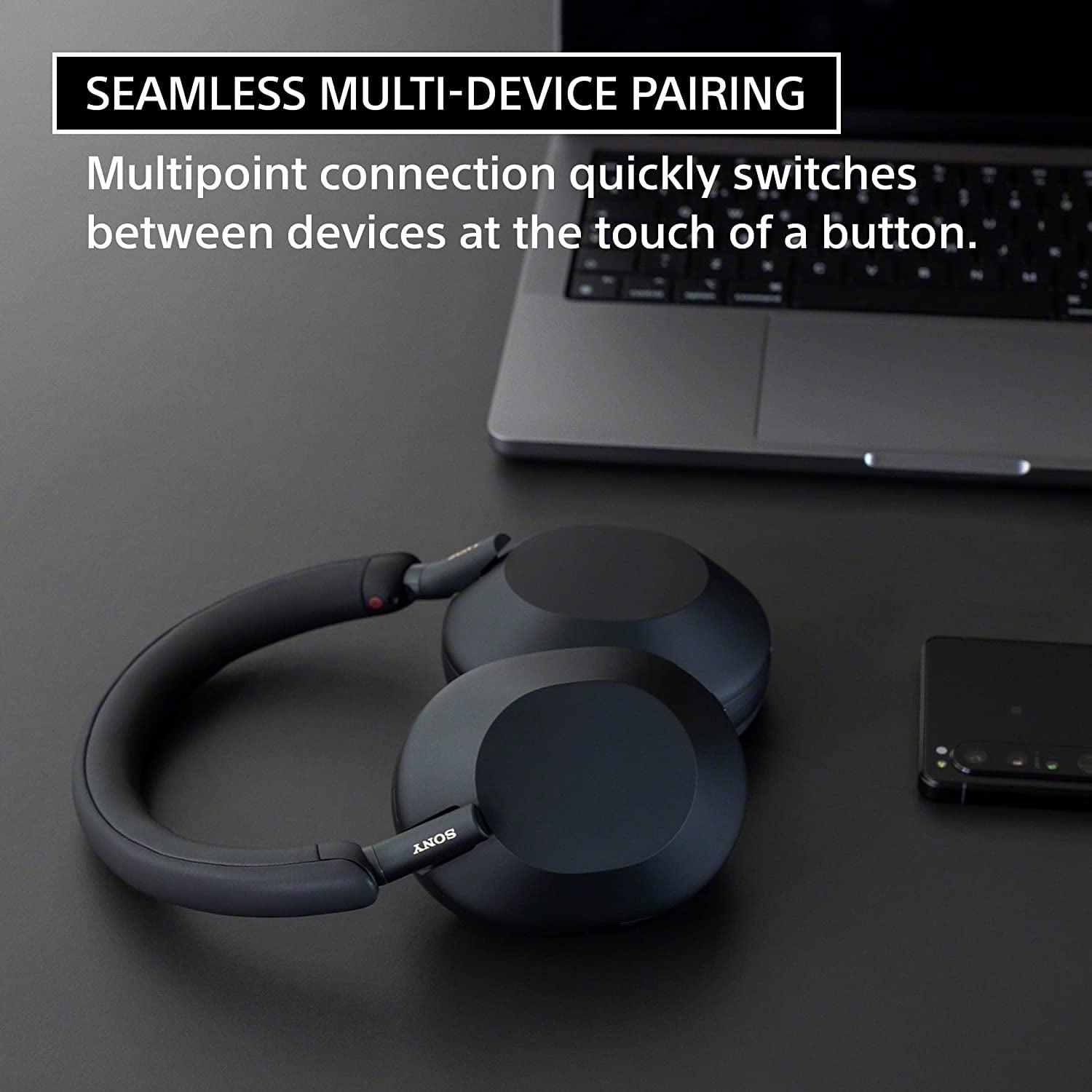
Wireless connectivity is where modern headphones really shine, and both models support multipoint Bluetooth connectivity. This means you can pair them with two devices simultaneously – perhaps your laptop and smartphone – and seamlessly switch between them as calls come in or you change activities.
The Sony WH-1000XM5 supports advanced Bluetooth codecs including LDAC, Sony's proprietary high-quality wireless audio format that can transmit much more data than standard Bluetooth audio. This results in noticeably better sound quality when streaming from compatible devices, though it does consume more battery power.
The Bose QuietComfort focuses on reliable, straightforward connectivity with a 30-foot wireless range and stable connection quality. While it doesn't support as many advanced codecs, the connection reliability is exceptional, and the simplified approach means fewer potential compatibility issues.
Modern premium headphones are essentially wearable computers, packed with smart features that can enhance your daily experience in surprising ways.
The Sony WH-1000XM5 excels in this area with features like Speak-to-Chat, which automatically pauses your music and activates transparency mode when it detects you speaking. Quick Attention mode lets you cup the right ear cup to instantly lower volume and allow ambient sound through without removing the headphones. These features work reliably and become genuinely useful once you adapt to using them.
Sony's smartphone app is comprehensive, offering detailed EQ controls, noise cancellation customization, and even adaptive sound control that automatically adjusts settings based on your activity and location. The app can learn your daily patterns and optimize performance accordingly.
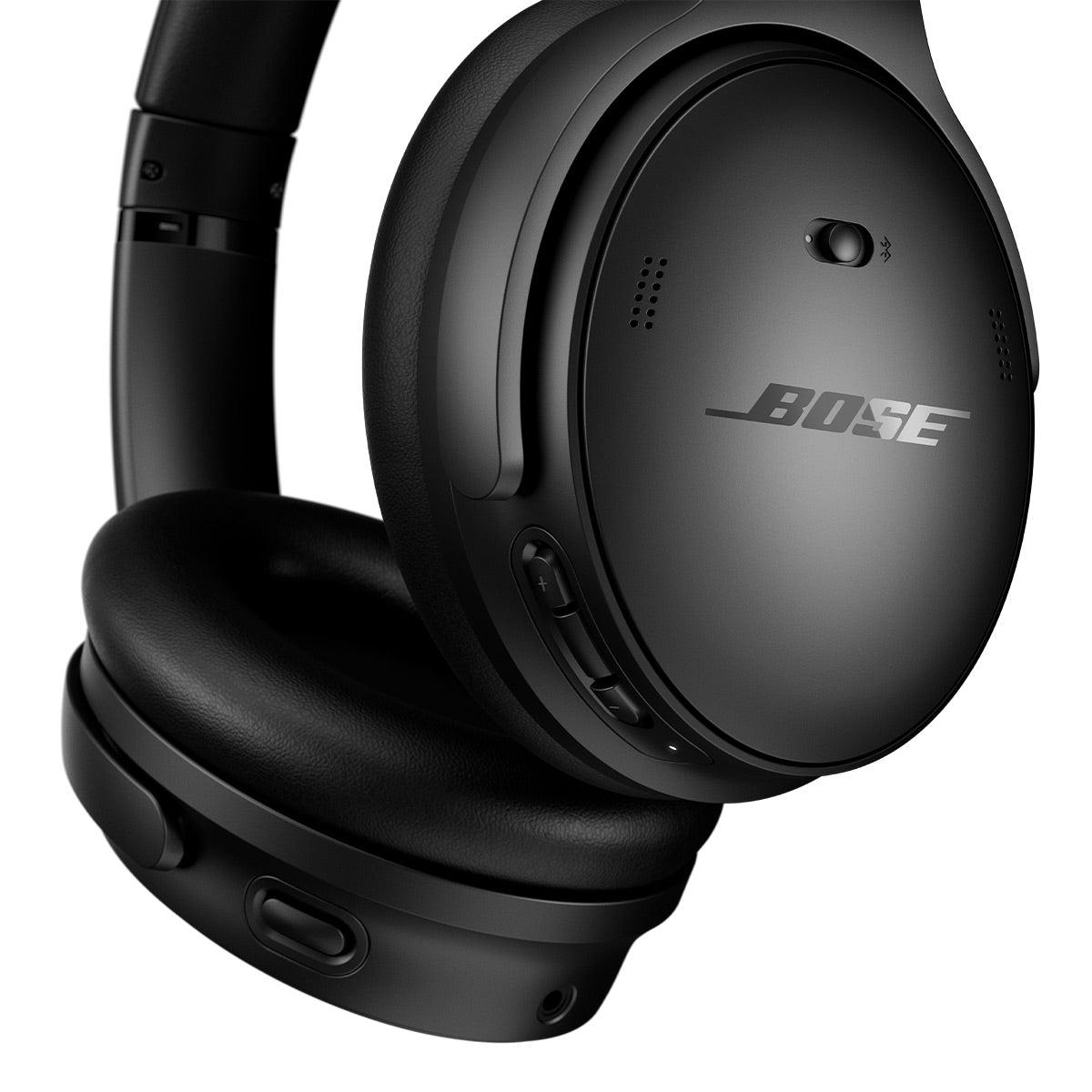
The Bose QuietComfort takes a more streamlined approach to smart features, focusing on reliability over complexity. The customizable action button can be programmed for various shortcuts like checking battery level or launching Spotify, and the three-mode noise cancellation system (Quiet, Aware, and Custom) covers most use cases without overwhelming options.
Bose's app provides EQ adjustment capabilities and allows you to create custom noise cancellation profiles for different environments, but the interface is more straightforward than Sony's comprehensive suite of options.
At the time of writing, these headphones compete in the premium segment with pricing typically in the $350-400 range, though sales and promotions can significantly affect street prices. The value proposition depends heavily on your priorities and usage patterns.
The Bose QuietComfort generally offers better immediate value for most users. You get excellent performance right out of the box, superior build quality that suggests better long-term durability, and a user experience that requires minimal setup or tweaking. For someone who wants premium noise-canceling headphones that "just work" exceptionally well, this represents excellent value.
The Sony WH-1000XM5 commands a slight premium but justifies it with more advanced technology, longer battery life, and superior comfort for extended wear. However, reaching the full potential of these headphones requires time investment in app customization and EQ adjustment. For users who enjoy optimizing their gear and want the most advanced features available, the additional cost can be worthwhile.
Choose the Bose QuietComfort if you prioritize immediate satisfaction, long-term durability, and straightforward operation. These headphones excel for users who want premium performance without complexity, making them ideal for business travelers, students, or anyone seeking reliable daily-use headphones that sound great from day one.
The superior build quality makes the QuietComfort particularly appealing as a long-term investment. If you're someone who tends to keep headphones for several years, the durability advantage becomes increasingly valuable over time.
Choose the Sony WH-1000XM5 if maximum comfort, advanced features, and customization options are your priorities. These headphones are perfect for users who enjoy tweaking settings to achieve optimal performance and who will benefit from features like adaptive sound control and extensive app integration.
The WH-1000XM5 is also the better choice if battery life is crucial – the 30-hour runtime with ANC makes these excellent for long-distance travel or users who frequently forget to charge their devices.
For home theater use, both headphones perform well, but the Bose QuietComfort provides more immediately satisfying cinematic sound, while the Sony WH-1000XM5 offers potentially superior detail and soundstage separation once properly configured.
The bottom line is that both represent excellent choices in the premium noise-canceling headphone category. The Bose QuietComfort wins on simplicity, durability, and immediate satisfaction, while the Sony WH-1000XM5 excels in comfort, battery life, and advanced features for users willing to invest time in optimization. Your choice should align with whether you prefer gear that works great immediately or equipment that rewards deeper engagement and customization.
| Bose QuietComfort Wireless Headphones | Sony WH-1000XM5 Wireless Noise Canceling Headphones |
|---|---|
| Active Noise Cancellation Technology - Core feature that determines how well they block unwanted sounds | |
| Proprietary ANC with external/internal mics, optimized for consistent low-frequency blocking | Dual-processor system (V1 + QN1) with 8 microphones, superior mid/high-frequency cancellation |
| Noise Cancellation Customization - How much control you have over ANC settings | |
| 3 modes: Quiet, Aware, Custom with Wind Block feature | 20 levels of adjustment plus Auto NC Optimizer for atmospheric pressure |
| Out-of-Box Audio Quality - How good they sound without any tweaking | |
| Excellent warm, balanced sound that works immediately for most music | Disappointing stock tuning with recessed mids, requires EQ adjustment to shine |
| Driver Size and Audio Processing - Technical specs that affect sound reproduction | |
| 30mm drivers, 4Hz-40kHz frequency response, adjustable EQ via app | 30mm drivers with TPU edge, 4Hz-40kHz response, DSEE Extreme AI upscaling, LDAC support |
| Physical Comfort - Critical for extended listening sessions | |
| Good comfort with protein leather cushions, 236g weight | Superior all-day comfort, lightweight 250g design, plush synthetic leather |
| Build Quality and Durability - How well they'll hold up over years of use | |
| Excellent build quality with robust materials, folding design | Lighter construction with potential durability concerns, non-folding design |
| Battery Life - How long you can use them between charges | |
| 24 hours with ANC, 15-minute quick charge for 2.5 hours playback | 30 hours with ANC (40 hours ANC off), 3-minute quick charge for 3 hours playback |
| Bluetooth and Codec Support - Affects wireless audio quality and device compatibility | |
| Bluetooth multipoint, 30-foot range, standard codecs | Bluetooth 5.2 multipoint, LDAC high-res codec support, 33-foot range |
| Smart Features - Advanced functionality beyond basic audio playback | |
| Customizable action button, basic app with EQ and modes | Speak-to-Chat, Quick Attention, adaptive sound control, comprehensive app |
| Best Use Cases - Who should choose each model | |
| Users wanting immediate satisfaction, durability, and simplicity | Users prioritizing comfort, customization, and advanced features |
Both the Bose QuietComfort and Sony WH-1000XM5 offer excellent noise cancellation, but with different strengths. The Sony WH-1000XM5 uses a more advanced dual-processor system with 8 microphones that excels at blocking mid and high-frequency sounds like voices and office chatter. The Bose QuietComfort provides more consistent performance across environments and is particularly effective at blocking low-frequency rumbles from engines and air conditioning.
The Bose QuietComfort sounds better immediately out of the box with rich, warm audio that works well across all music genres without any adjustments. The Sony WH-1000XM5 initially sounds muffled and disappointing, but transforms into an excellent-sounding headphone once you adjust the EQ settings through Sony's app. If you prefer plug-and-play audio, choose Bose; if you enjoy customizing sound, Sony offers more potential.
The Sony WH-1000XM5 is more comfortable for extended wear, weighing just 250 grams with plush ear cushions and optimal clamping force. The Bose QuietComfort is also comfortable at 236 grams but doesn't match Sony's all-day wearability. For users who wear headphones for multiple hours daily, the Sony WH-1000XM5 is the better choice.
The Sony WH-1000XM5 offers superior battery performance with up to 30 hours of playback with noise cancellation enabled (40 hours with ANC off). The Bose QuietComfort provides 24 hours with ANC, which is still excellent. Both feature quick charging, but Sony's 3-minute charge for 3 hours of playback beats Bose's 15-minute charge for 2.5 hours.
The Bose QuietComfort has significantly better build quality with more robust materials and construction designed for long-term use. The Sony WH-1000XM5 is lighter and more comfortable but has questionable durability around stress points. If you plan to keep your headphones for many years, the Bose QuietComfort is the more reliable long-term investment.
Both headphones handle phone calls adequately, but neither excels in this area. The Sony WH-1000XM5 uses four dedicated beamforming microphones with Precise Voice Pickup technology for slightly better call clarity. The Bose QuietComfort provides natural-sounding voice reproduction but struggles with background noise isolation during calls.
Both are excellent for travel, but for different reasons. The Sony WH-1000XM5 offers longer battery life and superior comfort for long flights, plus atmospheric pressure optimization. The Bose QuietComfort provides more consistent noise cancellation performance and better build quality to withstand travel wear. The folding design of the Bose QuietComfort is also more travel-friendly.
Yes, both the Bose QuietComfort and Sony WH-1000XM5 include audio cables for wired use when the battery is dead or Bluetooth isn't available. The Bose QuietComfort comes with a 3.5mm to 2.5mm cable with inline microphone. The Sony WH-1000XM5 includes a standard 3.5mm cable. Both maintain their noise cancellation when used wired.
The Sony WH-1000XM5 has a more comprehensive app with extensive customization options including 20 levels of noise cancellation, detailed EQ controls, adaptive sound control, and smart features like Speak-to-Chat. The Bose QuietComfort app is simpler but reliable, offering basic EQ adjustment and custom noise cancellation modes. Sony wins for users who want maximum control.
Both are excellent for home office use. The Bose QuietComfort provides immediate audio satisfaction and reliable noise cancellation for blocking household distractions. The Sony WH-1000XM5 offers superior comfort for all-day wear and features like Quick Attention mode to hear conversations without removing the headphones. The multipoint Bluetooth on both models lets you connect to your computer and phone simultaneously.
The Bose QuietComfort typically offers better value with excellent performance right out of the box, superior build quality, and lower pricing. You get immediate satisfaction without needing app adjustments. The Sony WH-1000XM5 costs more but justifies the price with longer battery life, superior comfort, and advanced features for users who will utilize the customization options.
Choose the Bose QuietComfort if you want headphones that sound great immediately, prioritize durability, and prefer simplicity. They're ideal for users who want premium performance without complexity. Choose the Sony WH-1000XM5 if you prioritize maximum comfort, enjoy customizing audio settings, need the longest battery life, and want the most advanced features available in wireless noise-canceling headphones.
We've done our best to create useful and informative comparisons to help you decide what product to buy. Our research uses advanced automated methods to create this comparison and perfection is not possible - please contact us for corrections or questions. These are the sites we've researched in the creation of this article: techradar.com - whathifi.com - bose.com - rtings.com - recordingnow.com - bose.com - ottorinobruni.com - whathifi.com - costco.com - recordingnow.com - youtube.com - bose.com - bestbuy.com - global.bose.com - boselatam.com - projectorscreen.com - bose.com - bose.com - bose.com - rtings.com - audiosciencereview.com - techradar.com - audio46.com - recordingnow.com - electronics.sony.com - theabsolutesound.com - soundguys.com - soundguys.com - headphonesaddict.com - sony.com - sony.com - sony-mea.com - fullspecs.net - bhphotovideo.com - sony.com - helpguide.sony.net - headphones.com - androidpolice.com - sony.co.id - moon-audio.com - sony.com - bestbuy.com - sonylatvija.com

Privacy Policy
Terms and Conditions - Affiliate Policy
Home Security
© Copyright 2008-2026.
11816 Inwood Rd #1211, Dallas, TX 75244