

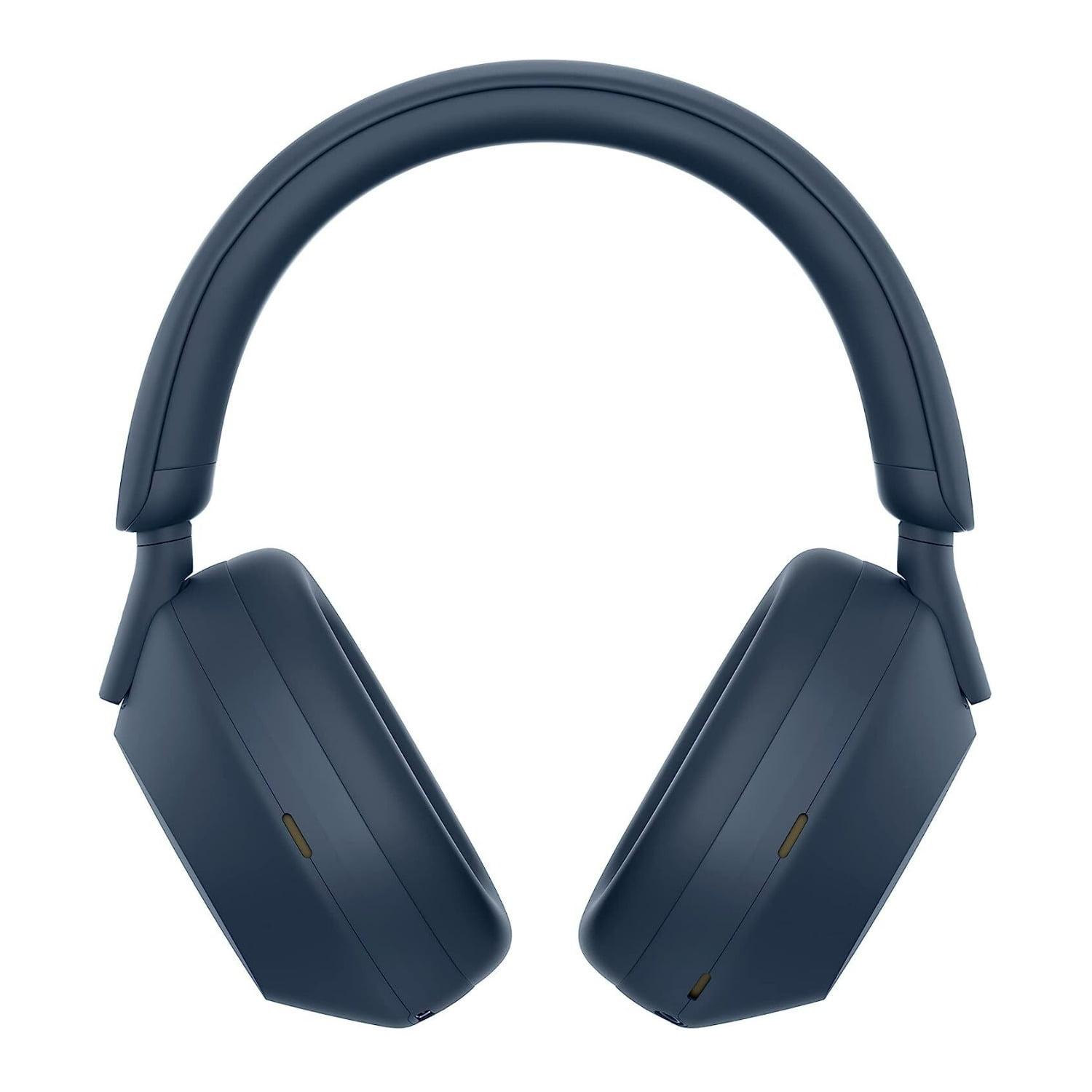
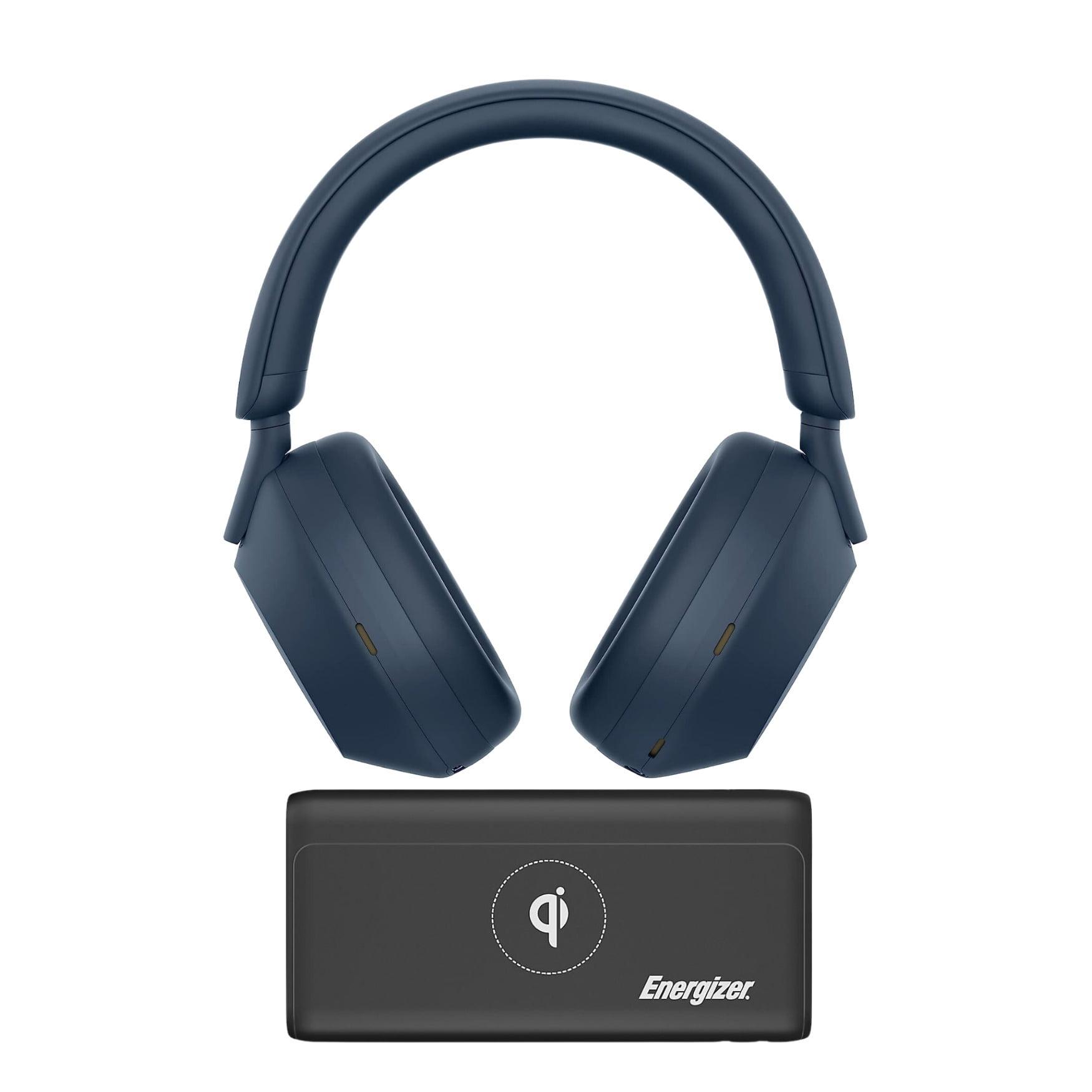

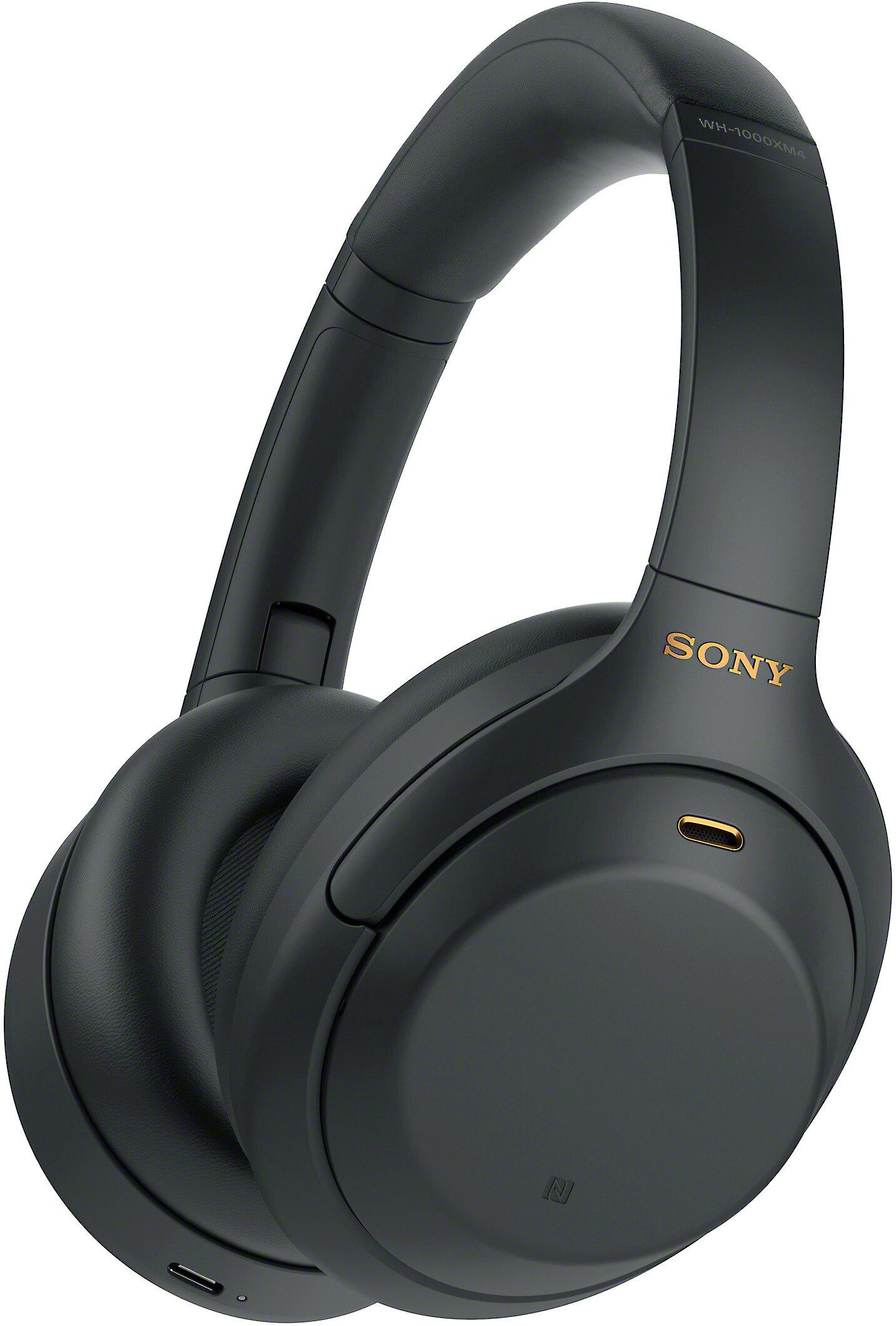


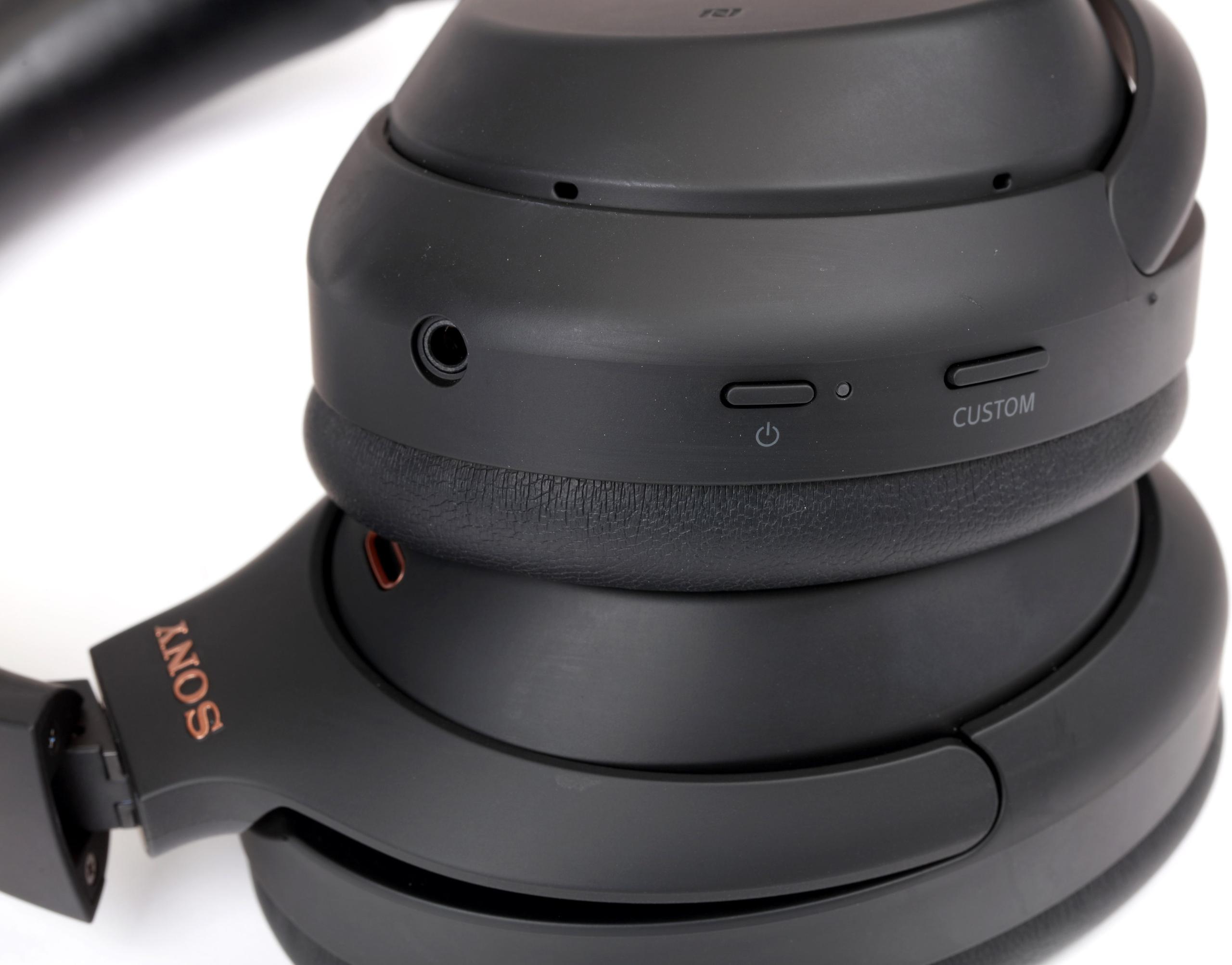
When Sony released the WH-1000XM4 in August 2020, they set a new standard for wireless noise-canceling headphones. Two years later, in May 2022, the WH-1000XM5 arrived with a complete redesign and upgraded technology. But here's the thing that makes this comparison really interesting: Sony kept both models in their lineup, and today there's a massive $228 price difference between them.
The WH-1000XM4 now sells for $169.99, while the newer WH-1000XM5 commands $398.00. That's more than double the price for what Sony calls their "next generation" model. So the big question becomes: are those improvements worth paying 140% more?
Before we dive into the specifics, let's talk about what makes these headphones special. Premium noise-canceling headphones use something called Active Noise Cancellation (ANC) – essentially, tiny microphones on the outside of each earcup pick up environmental sounds, and the headphones generate an opposite sound wave to cancel out that noise. It's like having a personal cone of silence wherever you go.
Both Sony models also support high-quality wireless audio through technologies like LDAC, which transmits about three times more data than standard Bluetooth audio. Think of it as the difference between watching a movie in standard definition versus 4K – you're getting much more detail and clarity.
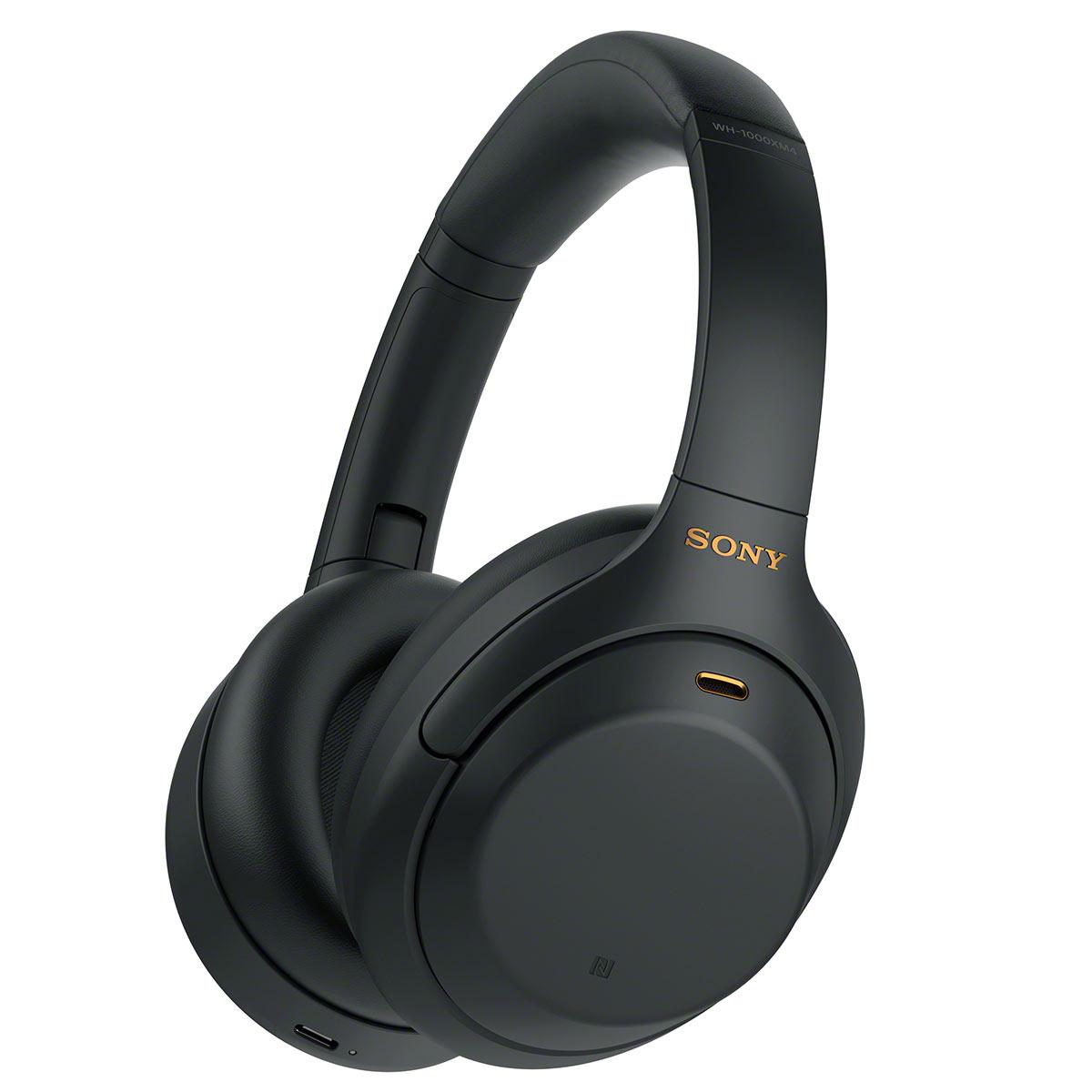
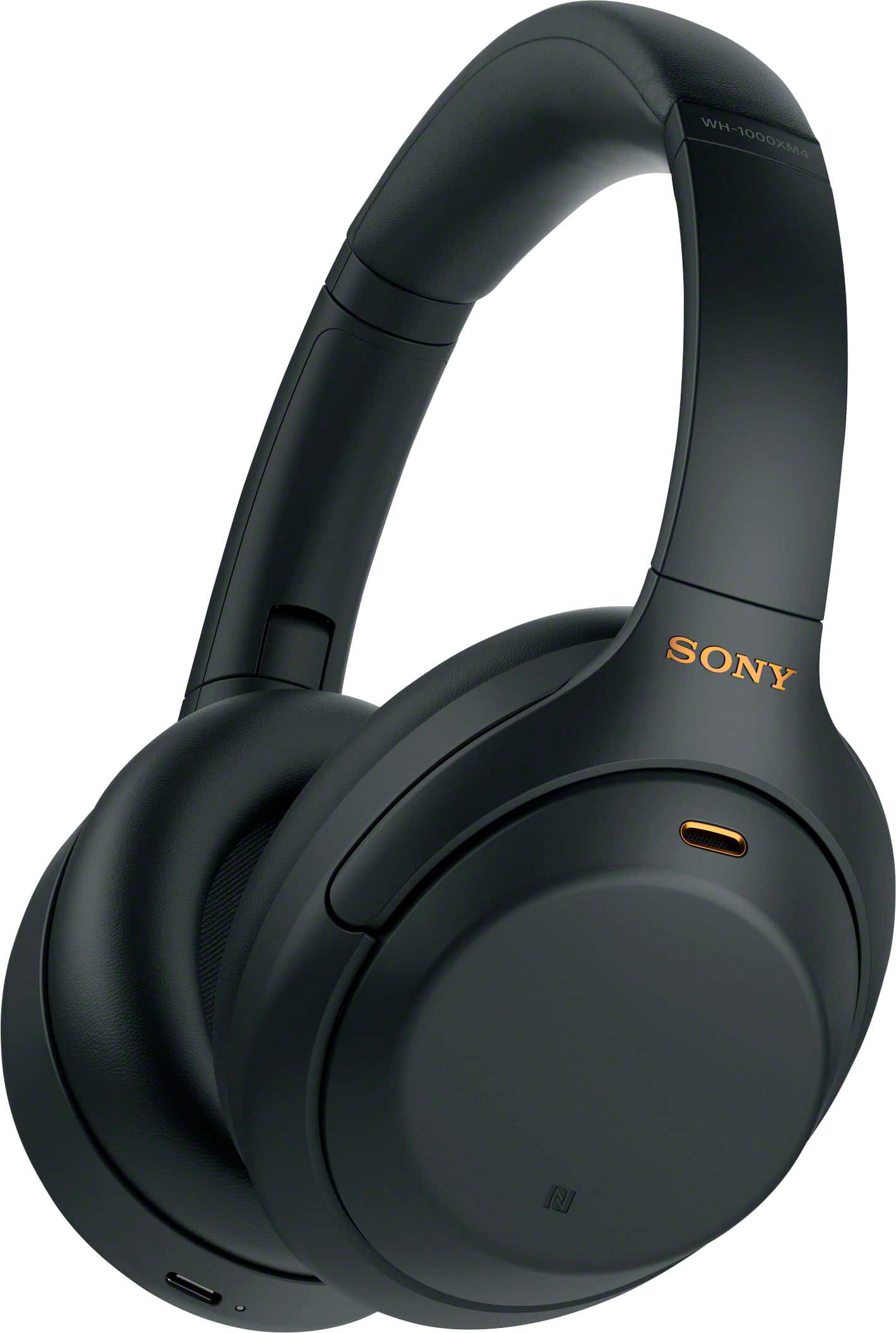
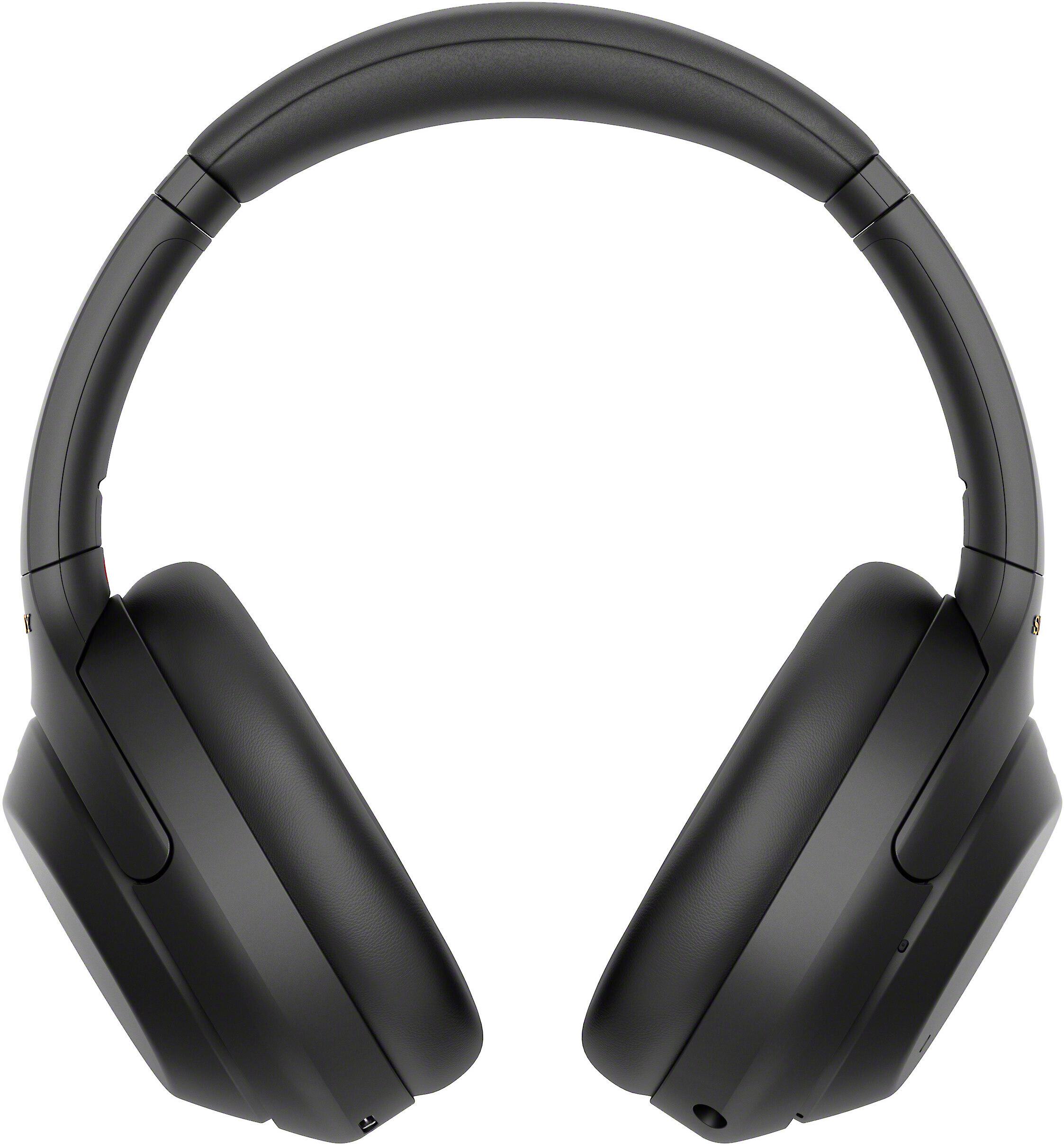
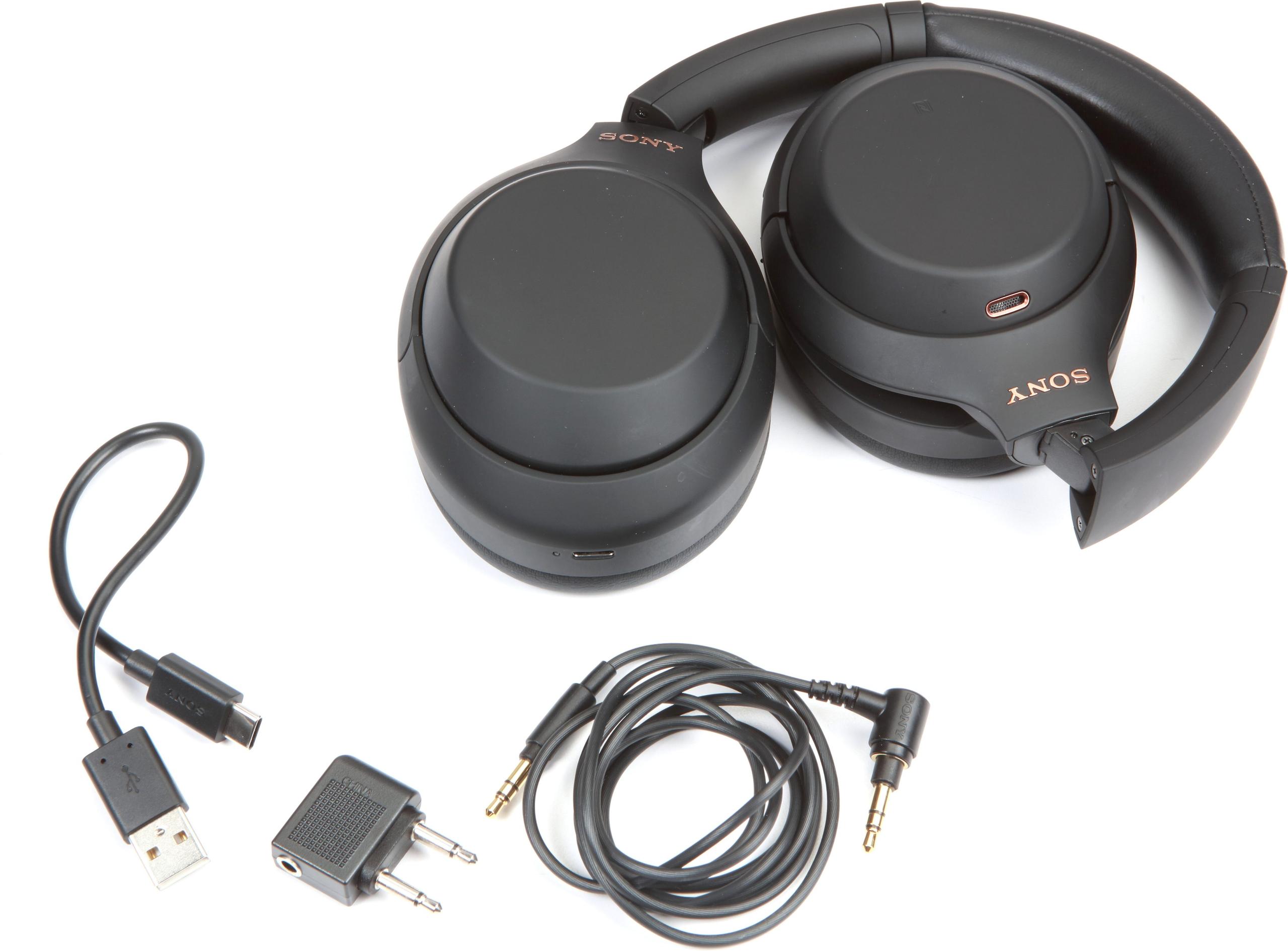
The most obvious difference between these headphones is their completely different design philosophy. The WH-1000XM4 follows the traditional approach that Sony had refined over several generations – a folding design with adjustable headband segments that click into place.
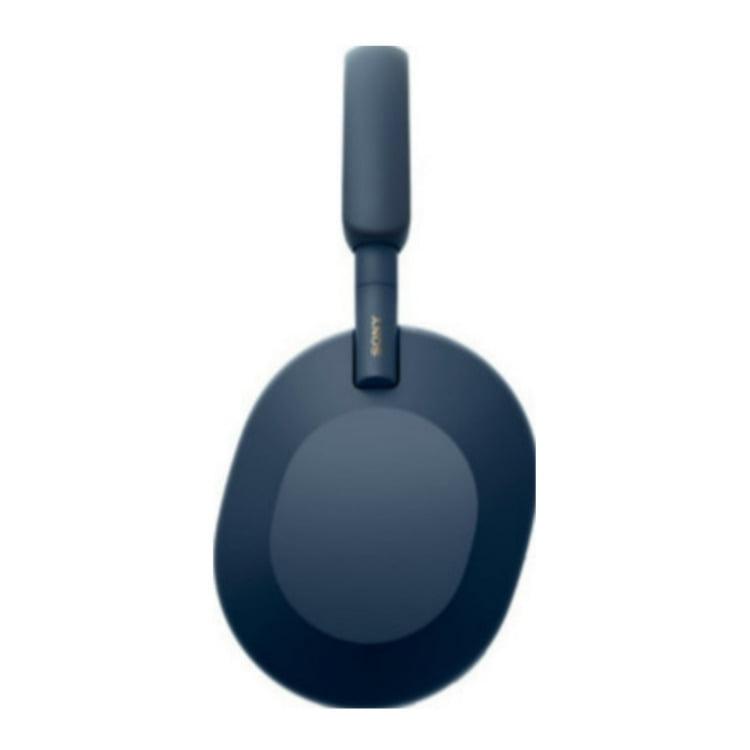
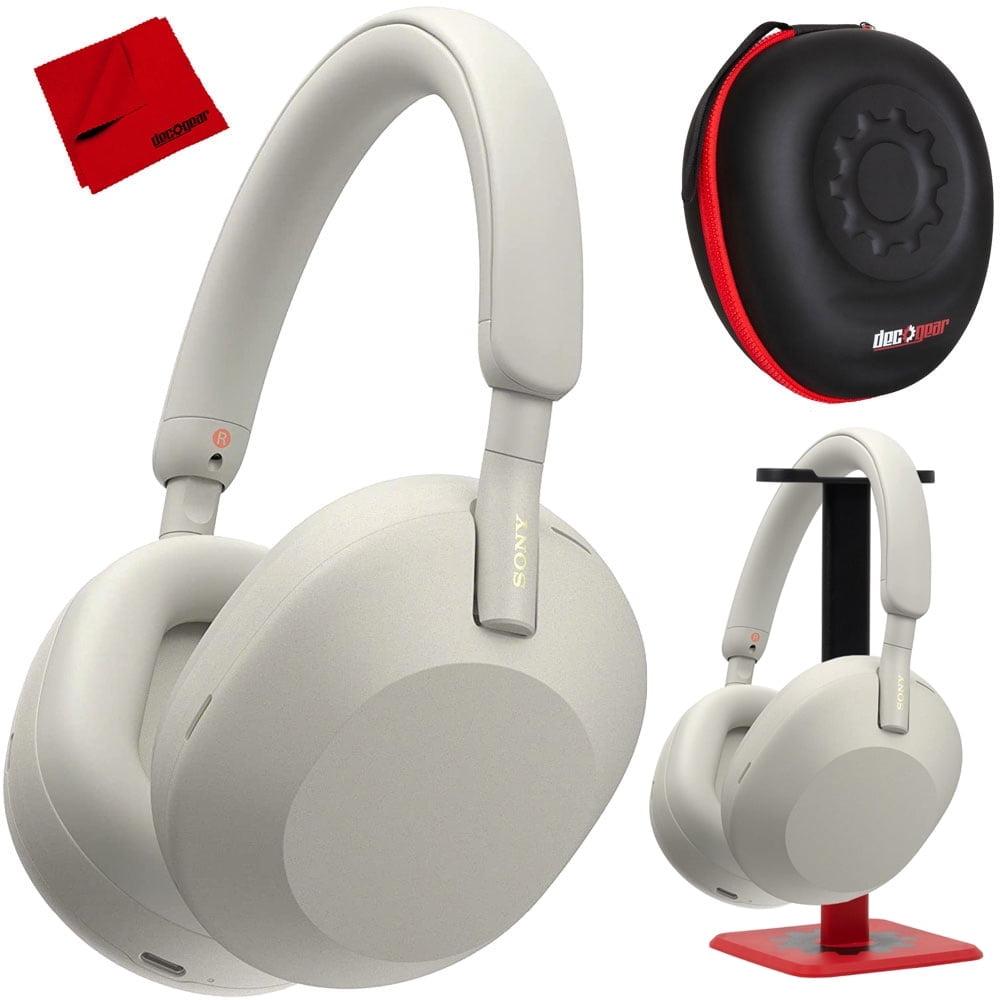
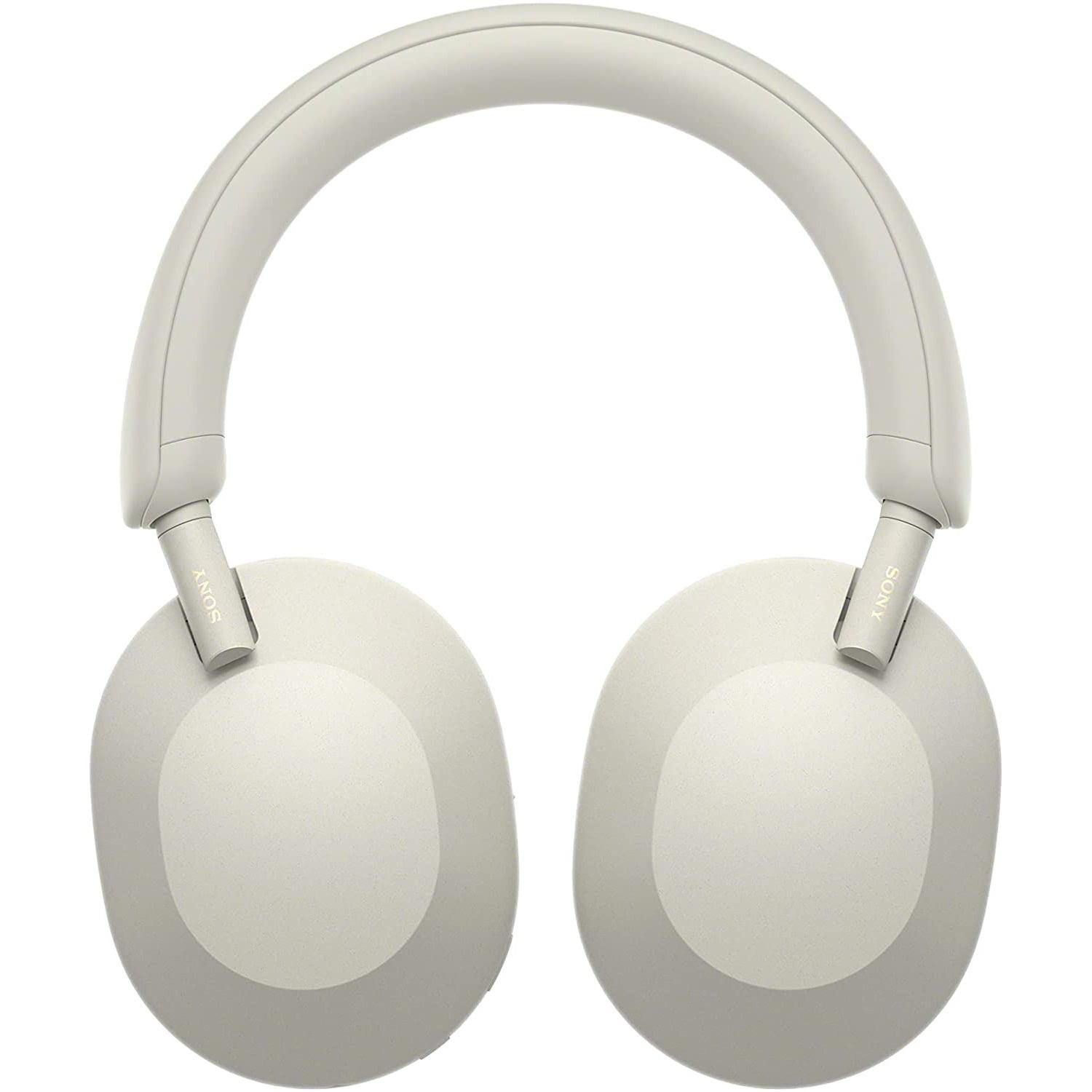
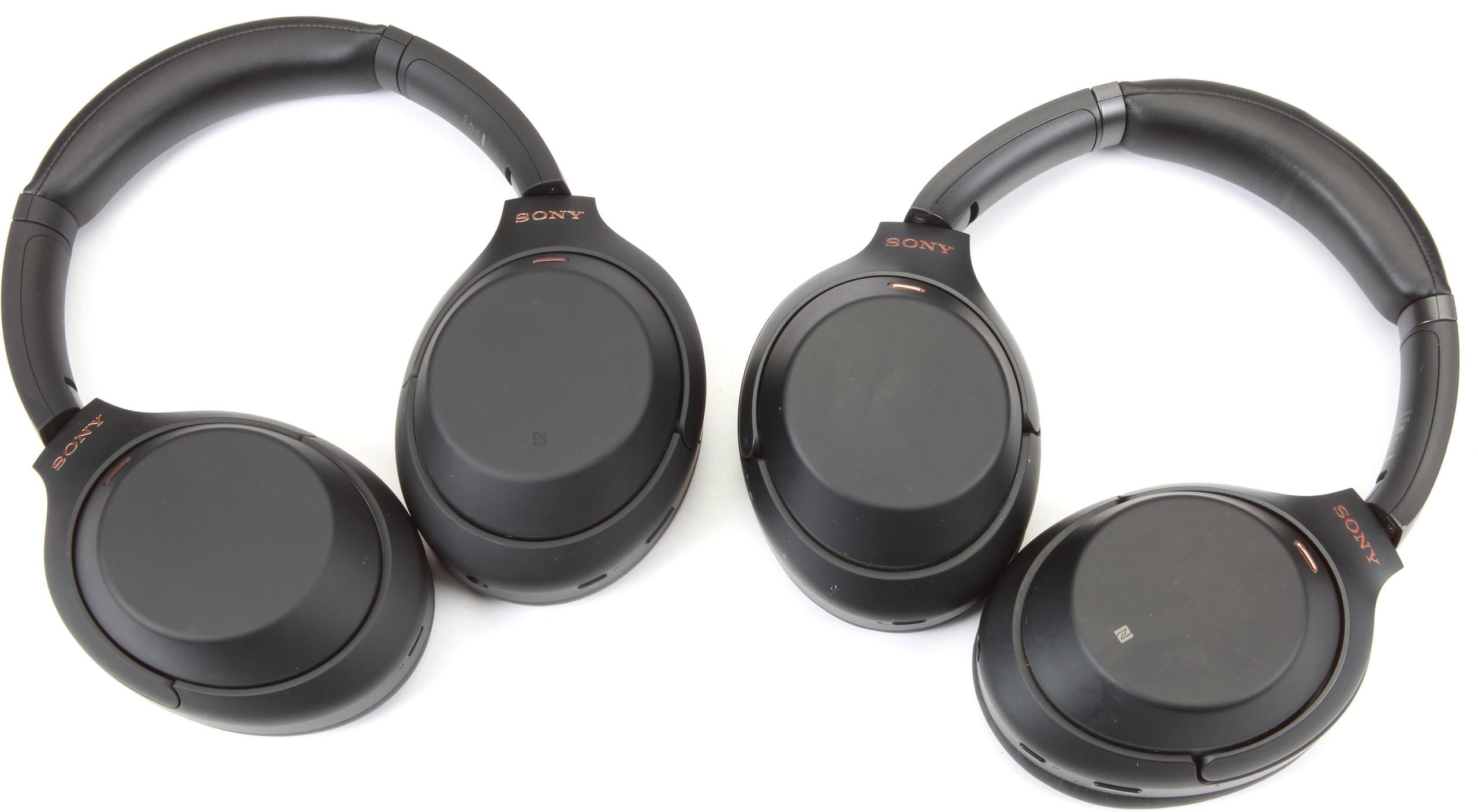
The WH-1000XM5, however, represents a complete departure. Sony threw out their proven design and started fresh with a sleeker, more minimalist approach. The headband now adjusts smoothly without any clicking mechanisms, and the overall profile is more streamlined.
From a purely aesthetic standpoint, the XM5 looks more modern and sophisticated. When I first handled both models side-by-side, the XM5 immediately felt more premium. The materials seem higher quality, and there's no creaking or clicking when you adjust the fit – something that occasionally bothered me with the XM4.
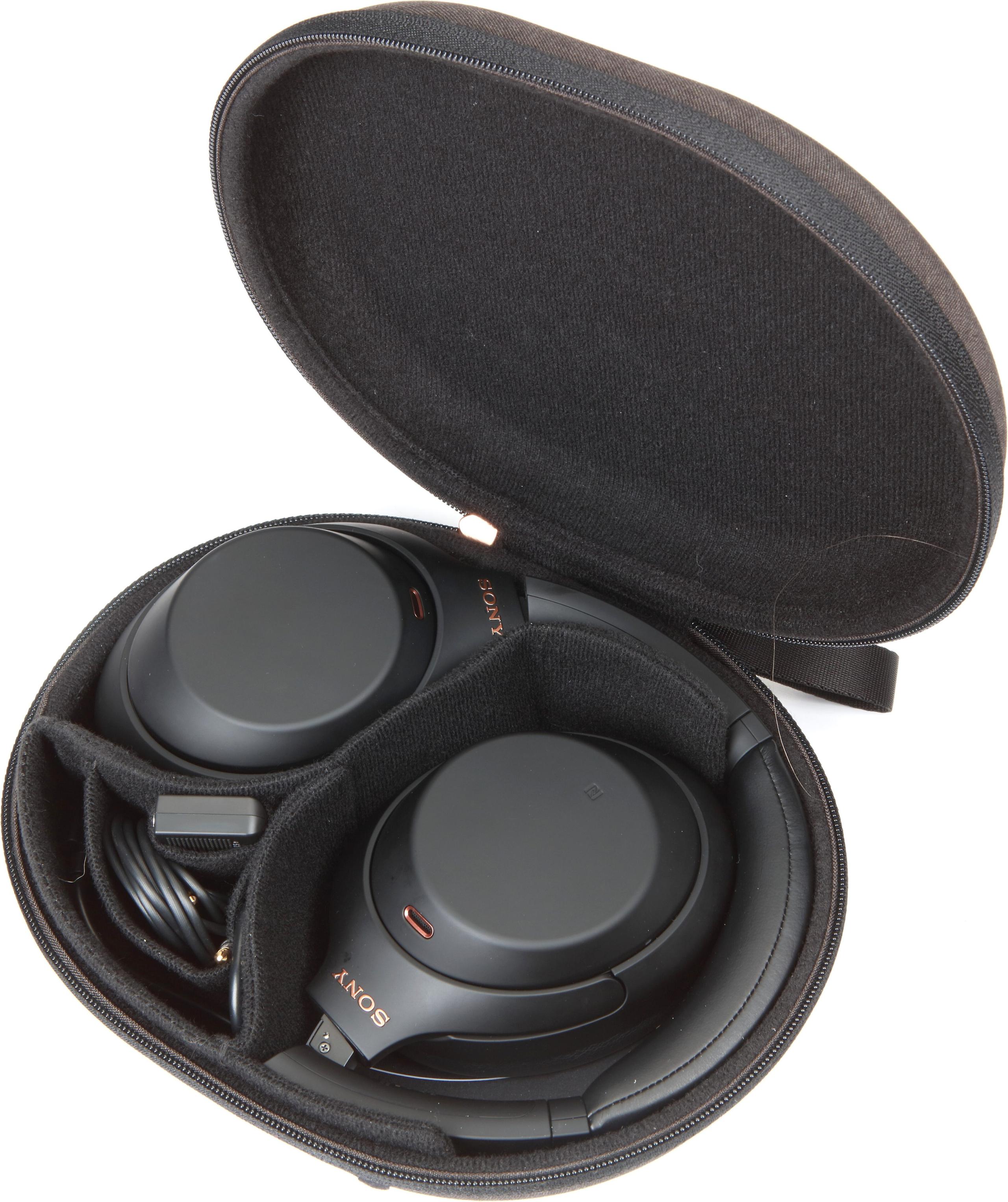
But here's where design decisions get complicated. The XM4's folding capability isn't just about looking traditional – it's incredibly practical. You can fold them down to about half their size, making them much easier to pack in a bag or carry-on luggage. The XM5, despite being lighter, actually takes up more space because they don't fold at all.
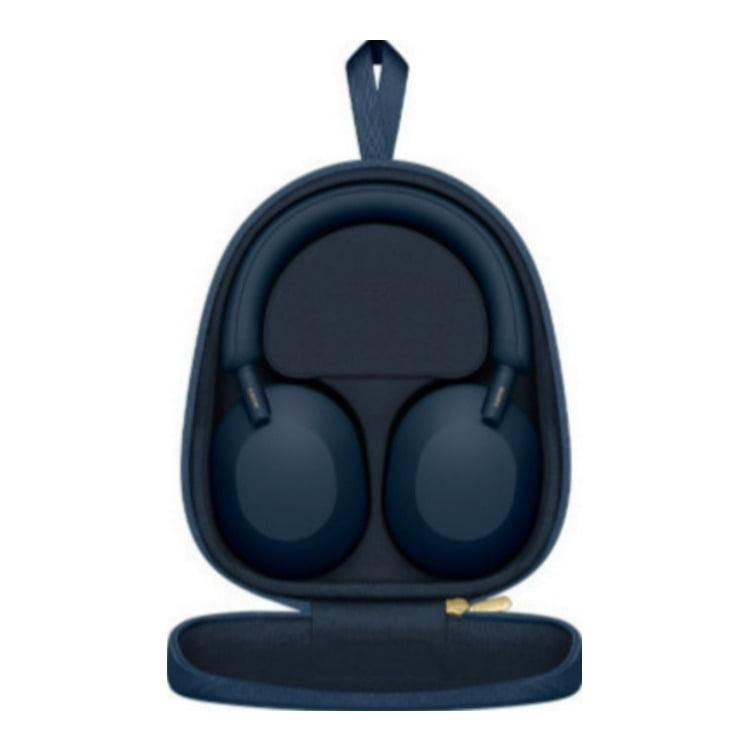
I learned this the hard way during a recent trip. The XM5's carrying case is noticeably larger, and when gate agents started asking passengers to check carry-on bags due to limited overhead space, that extra bulk became a real concern.
This is where the WH-1000XM5 really starts to justify its higher price. Sony upgraded from six microphones on the XM4 to eight microphones on the XM5, and more importantly, they improved the processing algorithms that make sense of all that acoustic data.
Both models use Sony's HD Noise Cancelling Processor QN1 combined with their Integrated Processor V1, but the XM5 handles the information from those extra microphones more intelligently. The result is measurably better noise cancellation, particularly in the low-frequency range where airplane engines, subway rumbles, and air conditioning systems live.
In testing, the XM5 achieves about 30 decibels of noise reduction at 75Hz – that's the frequency range where most transportation noise occurs. To put that in perspective, 30dB reduction means cutting the perceived loudness roughly in half. The XM4, while still excellent, doesn't quite reach that level of suppression.
The real-world difference is noticeable. On flights, the XM5 makes the engine drone almost disappear entirely, while the XM4 reduces it to a manageable hum. Both are dramatically better than not wearing headphones at all, but if you're someone who flies frequently or works in noisy environments, that extra level of quiet can be genuinely valuable.
The XM5 also handles sudden, unpredictable noises better. Things like someone dropping a book, a door slamming, or sudden conversation nearby get suppressed more effectively. The XM4's noise cancellation, while excellent, was sometimes caught off-guard by these rapid changes in the acoustic environment.
Here's where things get really interesting from a technical standpoint. Sony made a bold decision with the WH-1000XM5 – they actually made the drivers smaller. While the WH-1000XM4 uses traditional 40mm drivers, the XM5 uses newly designed 30mm drivers made from carbon fiber composite material.
This goes against conventional wisdom that bigger drivers automatically mean better sound. Sony's engineering team bet that advanced materials and more precise engineering could deliver superior performance from a smaller package. Based on my listening experience, they were largely right.
The XM5's sound signature is more refined and balanced. The bass is still present and impactful, but it's more controlled and doesn't overwhelm the midrange frequencies where vocals and most instruments live. When I switch back and forth between the two models using the same music, the XM4 sounds slightly muddy by comparison, especially in complex orchestral pieces or busy rock mixes.
However – and this is important – the XM4's more forward bass response isn't necessarily worse. If you prefer a warmer, more immediately engaging sound, the XM4 might actually suit your taste better. It has what audio engineers call a "consumer-friendly" tuning that makes music sound exciting right out of the box.
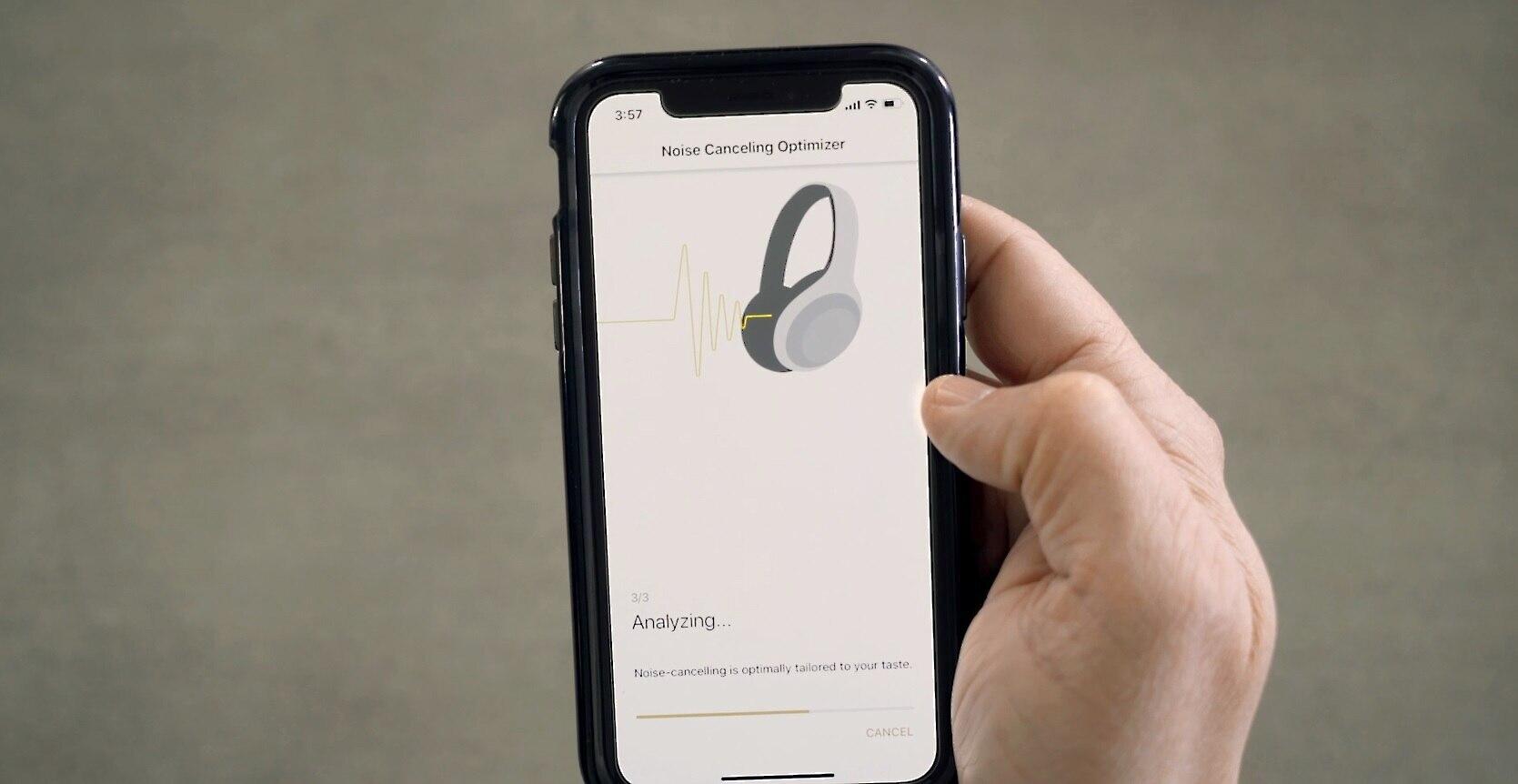
Both headphones benefit significantly from EQ adjustment through Sony's companion app. The XM4 tends to need its bass tamed slightly and its treble brightened, while the XM5 benefits from some midrange clarification. Neither sounds perfect in their default state, but both can be tuned to sound excellent with a few minutes of adjustment.
For home theater use, both models work well for casual movie watching, but they're not ideal for serious home theater applications. The processing delay inherent in wireless audio can cause lip-sync issues, and both models are designed more for personal listening than room-filling sound. If you're looking for headphones specifically for home theater, you'd be better served by dedicated wired models or a good speaker system.
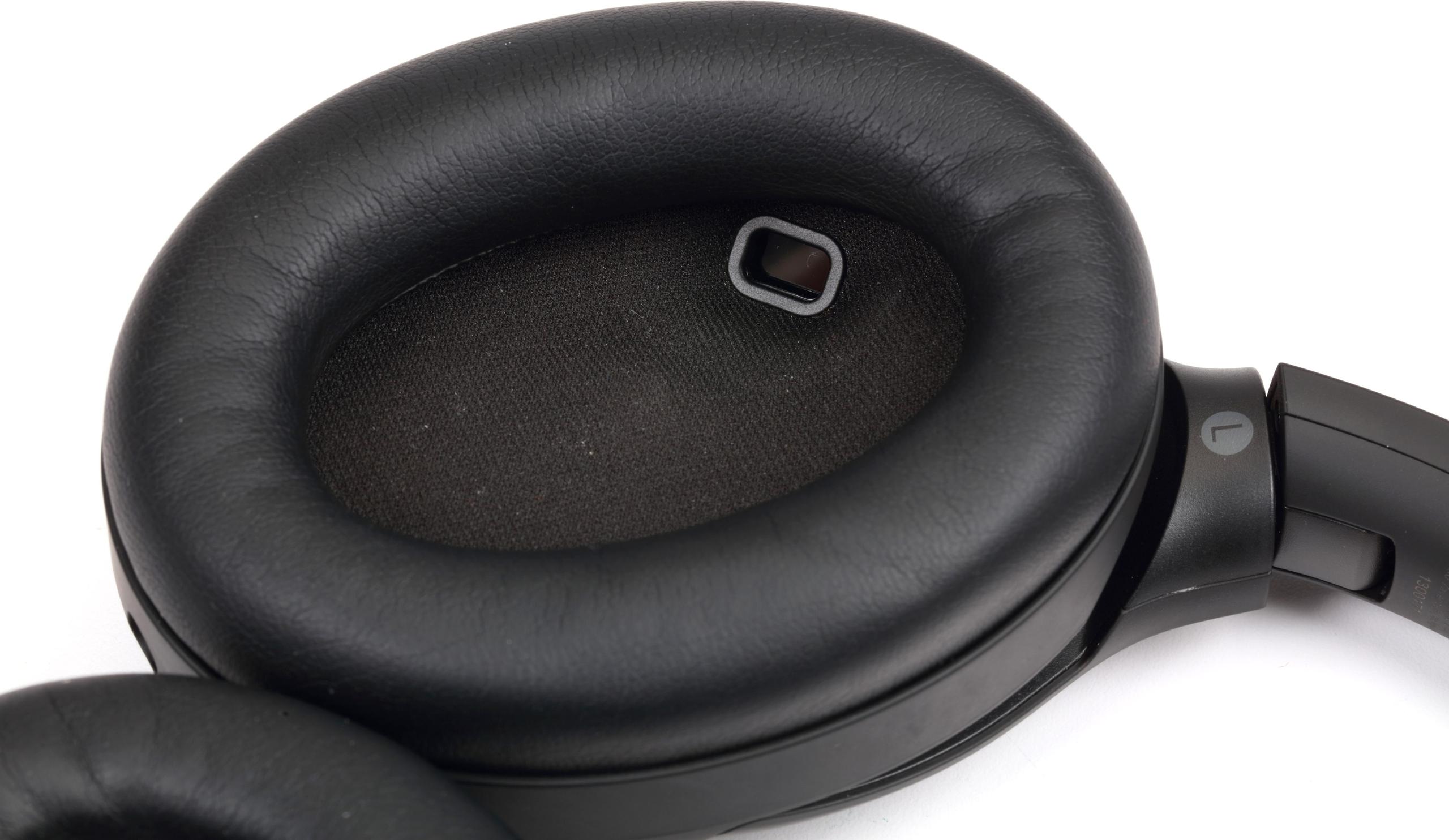
This is where the WH-1000XM5's redesign really pays dividends. The most common complaint about the WH-1000XM4 was that the ear cups felt cramped, especially for people with larger ears. Sony clearly listened to this feedback because the XM5's ear cups are noticeably more spacious.
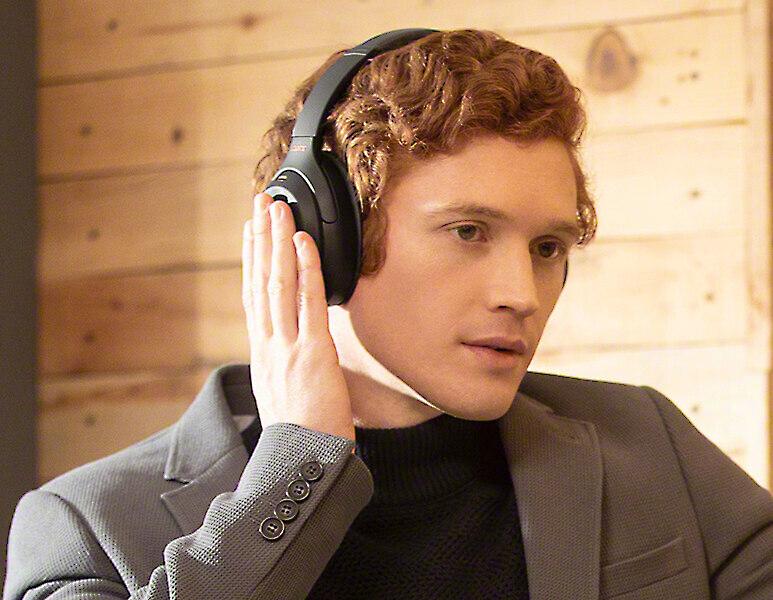
The difference is immediately apparent when you put them on. The XM4 can feel like it's pressing against the outer edges of your ears, while the XM5 creates a more comfortable seal without any pressure points. For long listening sessions – I'm talking 4-6 hours of continuous wear – this makes a significant difference in comfort.
The XM5 also distributes weight more evenly across your head. Even though both models weigh about the same (250g for the XM5, slightly more for the XM4), the XM5 feels lighter during extended wear. The headband padding is also more substantial and doesn't create the pressure points that some users experienced with the XM4.
However, there's one comfort-related area where the XM4 wins: versatility. When you're not actively listening to music, you can fold the XM4 flat and wear them around your neck like a collar. The XM5's design makes this impossible – the ear cups stick up awkwardly if you try to wear them this way.
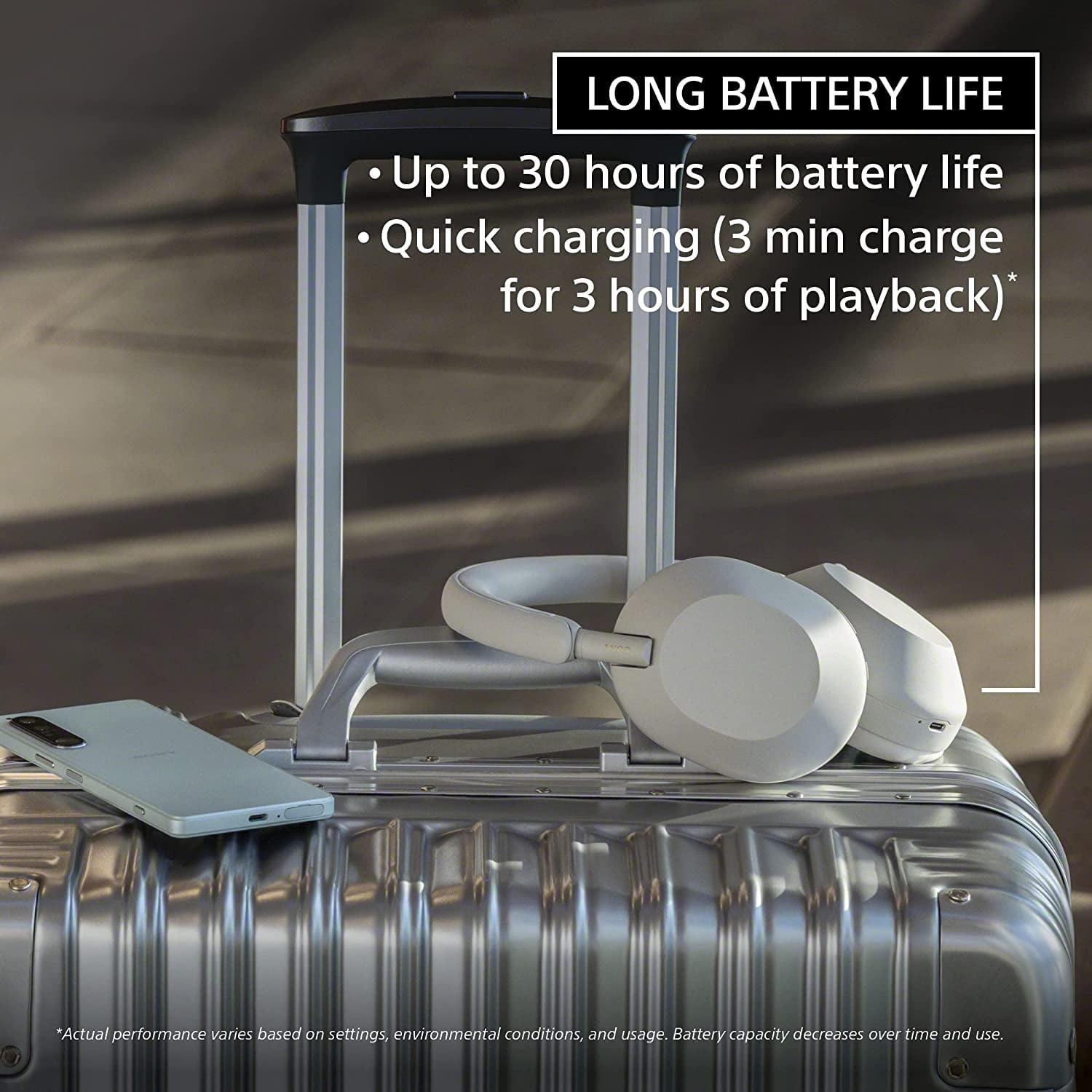
The WH-1000XM5 delivers significantly better battery performance than its predecessor. In real-world testing, the XM5 provides about 32 hours of playback with noise cancellation enabled, compared to the XM4's 20 hours. That's more than 50% better endurance.
This improvement comes from more efficient processing and better power management rather than a larger battery. The XM5 also charges faster – three minutes of charging provides about three hours of playback, compared to the XM4's ten minutes for five hours of playback.
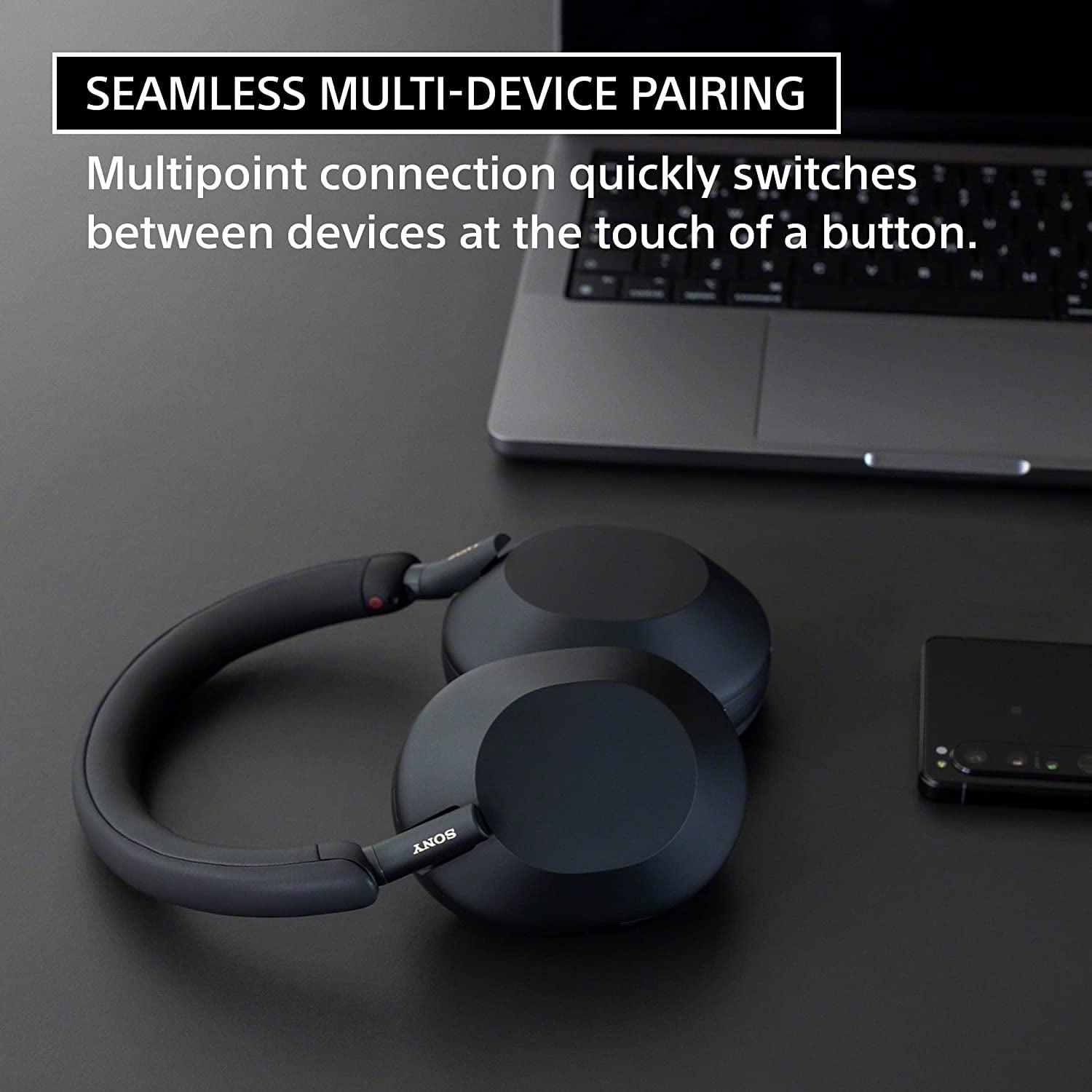
Both models use USB-C charging, which is convenient since it's the same connector used by most modern phones and laptops. They also both support simultaneous connection to two devices (called multipoint connectivity), so you can have them connected to both your phone and laptop at the same time.
The XM5 uses Bluetooth 5.2 versus the XM4's Bluetooth 5.0, which provides slightly better connection stability and range. In practice, both are rock-solid reliable, but the XM5 seems to handle interference from other wireless devices slightly better.
Both models share most of Sony's intelligent features, and this is where the company really shows its software sophistication. Adaptive Sound Control learns your daily routines and automatically adjusts noise cancellation settings based on your location and activity. If you regularly commute on the same train, the headphones will recognize that location and switch to maximum noise cancellation automatically.
The Speak-to-Chat feature uses built-in sensors to detect when you start talking and automatically pauses your music while allowing ambient sound through. It's genuinely useful in situations like ordering coffee or going through airport security.
Both models also support Sony's DSEE Extreme technology, which uses artificial intelligence to upscale compressed music files in real-time. This is particularly valuable if you listen to a lot of streaming music, as it can make compressed audio files sound noticeably more detailed and dynamic.
The Sony Headphones Connect app is essential for getting the most out of either model. It provides detailed EQ controls, noise cancellation adjustments, and access to all the smart features. The app works identically with both headphones, so your experience will be the same regardless of which model you choose.
This is one area where the newer WH-1000XM5 doesn't necessarily represent an improvement. While the materials feel more premium, several users have reported concerns about the hinge mechanisms that allow the ear cups to rotate. The XM5's hinges feel less robust than the XM4's proven design.
The WH-1000XM4, having been on the market for over three years, has a established track record for durability. The folding mechanism is robust, and most long-term users report that their XM4 headphones have held up well to regular use and travel.
The XM5's more complex adjustment mechanism and non-folding design might actually be more prone to problems over time, though it's still too early to know for certain. Sony provides the same one-year warranty on both models, but the XM4's proven durability gives it an edge in this category.
Here's where this comparison gets really interesting. The WH-1000XM4 at $169.99 represents exceptional value for premium noise-canceling headphones. You're getting about 90% of the performance of much more expensive models at a price that's increasingly affordable.
The WH-1000XM5 at $398.00 is undeniably better in several key areas – noise cancellation, sound quality, comfort, and battery life. But those improvements come at a 140% price premium. For most people, the question becomes whether those improvements are worth more than doubling your investment.
If you're coming from basic earbuds or entry-level headphones, either model will be a transformative upgrade. The difference between no noise cancellation and the XM4's excellent ANC is far more significant than the difference between the XM4 and XM5's ANC.
However, if you're particularly sensitive to noise, spend long hours wearing headphones, or have had comfort issues with previous over-ear models, the XM5's improvements might justify the extra cost.
Choose the Sony WH-1000XM4 if you want excellent performance at a great price, need the portability of a folding design, or are buying your first pair of premium noise-canceling headphones. The money you save could go toward other tech purchases or simply stay in your pocket.
Choose the Sony WH-1000XM5 if you demand the absolute best noise cancellation available, have had comfort issues with previous headphones, or frequently use your headphones for very long sessions where the improved battery life and comfort really matter.
For most people, I'd recommend the XM4. The performance difference, while real, isn't dramatic enough to justify more than doubling your investment. The WH-1000XM4 delivers premium performance at what's increasingly becoming a mainstream price, making it one of the best values in consumer electronics today.
The WH-1000XM5 is genuinely better, but it's an incremental improvement rather than a revolutionary leap forward. Unless you have specific needs that align with its strengths, the XM4 offers a better balance of performance and value.
| Sony WH-1000XM5 Wireless Noise Canceling Headphones | Sony WH-1000XM4 Wireless Headphones |
|---|---|
| Price - Major factor in value decision | |
| $398.00 | $169.99 - 57% less expensive |
| Release Date - Indicates current technology generation | |
| May 2022 (latest generation) | August 2020 (proven, mature technology) |
| Active Noise Cancellation - Core feature for blocking environmental noise | |
| 8 microphones, 30dB reduction at 75Hz (best-in-class) | 6 microphones, excellent but slightly less effective |
| Driver Technology - Affects sound quality and detail | |
| 30mm carbon fiber composite (advanced materials) | 40mm Liquid Crystal Polymer (traditional, proven) |
| Design Approach - Impacts portability and storage | |
| Non-folding, streamlined design (larger carrying case) | Folding design (compact storage, neck-wearing possible) |
| Battery Life - Critical for long flights and daily use | |
| 30 hours with ANC (excellent endurance) | 30 hours with ANC (matches newer model) |
| Comfort - Essential for extended listening sessions | |
| Spacious earcups, improved weight distribution | Smaller earcups may feel cramped for some users |
| Build Quality - Affects long-term durability | |
| Modern materials but concerning hinge reports | Proven durability over 3+ years in market |
| Sound Character - Personal preference varies | |
| More refined, balanced with controlled bass | Punchier bass, warmer signature |
| Bluetooth Version - Affects connection stability | |
| 5.2 (slightly better stability) | 5.0 (perfectly adequate for most users) |
| Best Value For - Different user priorities | |
| Users wanting absolute best performance regardless of cost | Budget-conscious buyers seeking premium features |
The Sony WH-1000XM5 has superior noise cancellation, better comfort, and longer battery life, but the Sony WH-1000XM4 offers 90% of the performance at $228 less. For most users, the XM4 provides better value unless you specifically need the absolute best noise cancellation available.
The Sony WH-1000XM5 costs $398.00 while the Sony WH-1000XM4 is priced at $169.99, making the XM5 140% more expensive. This $228 price difference is significant and makes the XM4 one of the best values in premium noise-canceling headphones.
Yes, the Sony WH-1000XM5 has measurably better noise cancellation with 8 microphones compared to the XM4's 6 microphones. The XM5 achieves 30dB noise reduction at 75Hz, making it more effective at blocking airplane engines, subway noise, and air conditioning sounds than the Sony WH-1000XM4.
The Sony WH-1000XM5 has more refined, balanced sound with better clarity, while the Sony WH-1000XM4 offers punchier bass and a warmer sound signature. The XM5 uses advanced 30mm carbon fiber drivers compared to the XM4's traditional 40mm drivers, resulting in more precise audio reproduction.
Yes, the Sony WH-1000XM5 addresses the main comfort complaint about the XM4 with more spacious earcups and better weight distribution. The Sony WH-1000XM4 can feel cramped for users with larger ears, making the XM5 better for extended listening sessions.
Yes, the Sony WH-1000XM4 features a traditional folding design that makes them very portable and travel-friendly. The Sony WH-1000XM5 completely removed the folding capability, resulting in a larger carrying case and less convenient storage for travelers.
Both models offer similar battery performance, with the Sony WH-1000XM5 and Sony WH-1000XM4 both providing up to 30 hours of playback with active noise cancellation enabled. The XM5 charges slightly faster, providing 3 hours of playback from a 3-minute charge.
For most users, no. The Sony WH-1000XM5 improvements are incremental rather than transformational, making the Sony WH-1000XM4 better value at $228 less. The XM5 is worth the premium only if you specifically need the best possible noise cancellation or have comfort issues with the XM4.
The Sony WH-1000XM5 has superior noise cancellation for blocking airplane engine noise, but the Sony WH-1000XM4 folds for easier packing and storage. Both excel at travel use, but frequent flyers might prefer the XM4's portability despite slightly less effective noise cancellation.
Both Sony WH-1000XM5 and Sony WH-1000XM4 can be used for home theater, but they're not ideal due to wireless audio delay that can cause lip-sync issues. For serious home theater use, wired headphones or a dedicated speaker system would be better choices than either wireless model.
The Sony WH-1000XM4 has proven durability over 3+ years on the market with a robust folding mechanism. The Sony WH-1000XM5 uses more premium materials but has reported hinge quality concerns, making the XM4 potentially more reliable for long-term use.
Buy the Sony WH-1000XM4 now at $169.99 for excellent value. The Sony WH-1000XM5 would need to drop significantly in price to match the XM4's value proposition, and the performance improvements don't justify waiting or paying the current $228 premium for most users.
We've done our best to create useful and informative comparisons to help you decide what product to buy. Our research uses advanced automated methods to create this comparison and perfection is not possible - please contact us for corrections or questions. These are the sites we've researched in the creation of this article: rtings.com - audiosciencereview.com - techradar.com - audio46.com - recordingnow.com - electronics.sony.com - theabsolutesound.com - soundguys.com - soundguys.com - headphonesaddict.com - sony.com - sony.com - sony-mea.com - fullspecs.net - bhphotovideo.com - sony.com - helpguide.sony.net - headphones.com - androidpolice.com - sony.co.id - moon-audio.com - sony.com - bestbuy.com - sonylatvija.com - soundguys.com - headphones.com - recordingnow.com - electronics.sony.com - rtings.com - headphonereview.com - youtube.com - audiosciencereview.com - cnet.com - hyderseatravels.com - sony.com - sonylatvija.com - sony.com - sony.com - electronics.sony.com - sony.com - headphonecheck.com - fullspecs.net - sony.com - uclastore.com - bestbuy.com - sony.ca - helpguide.sony.net - device.report

Privacy Policy
Terms and Conditions - Affiliate Policy
Home Security
© Copyright 2008-2026.
11816 Inwood Rd #1211, Dallas, TX 75244