

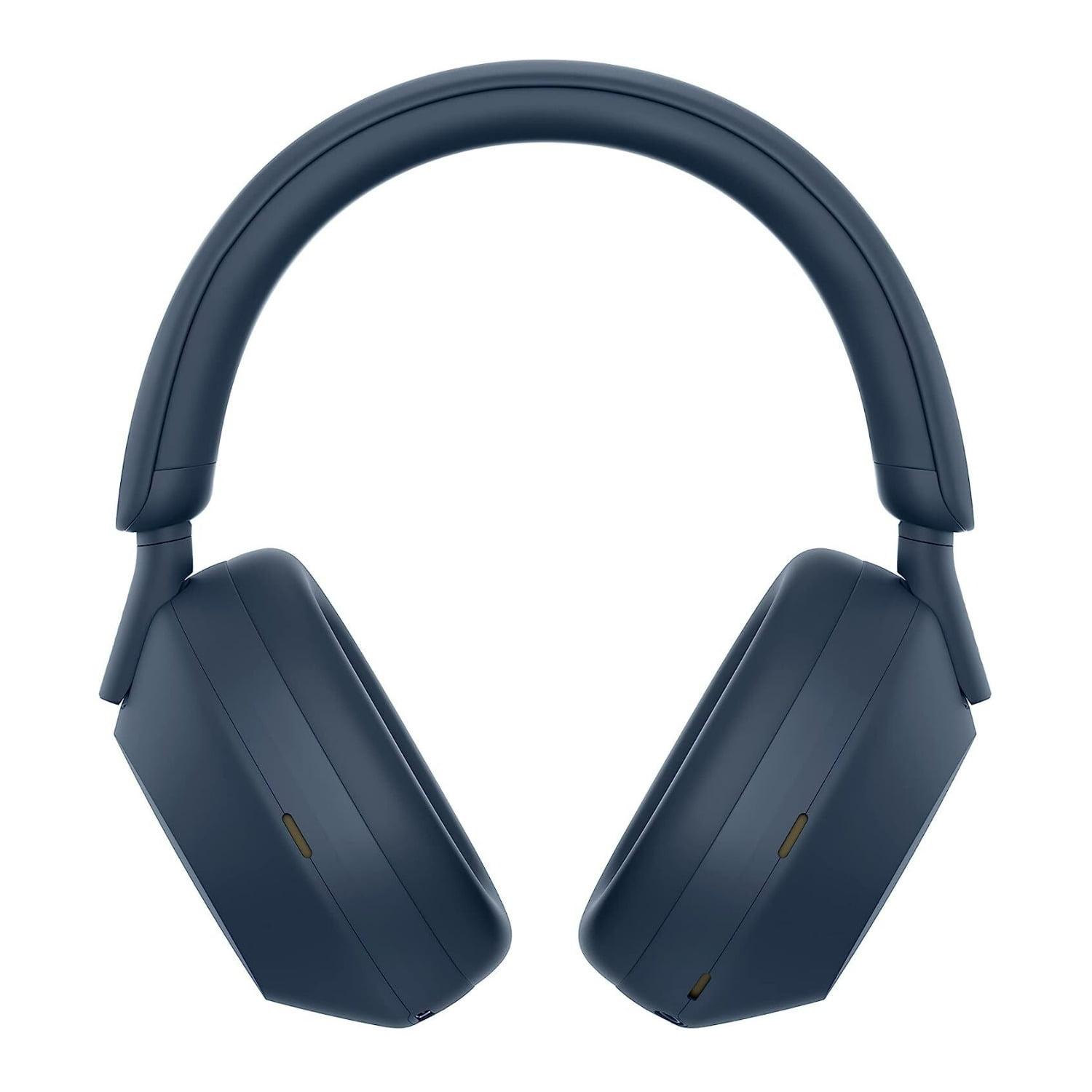
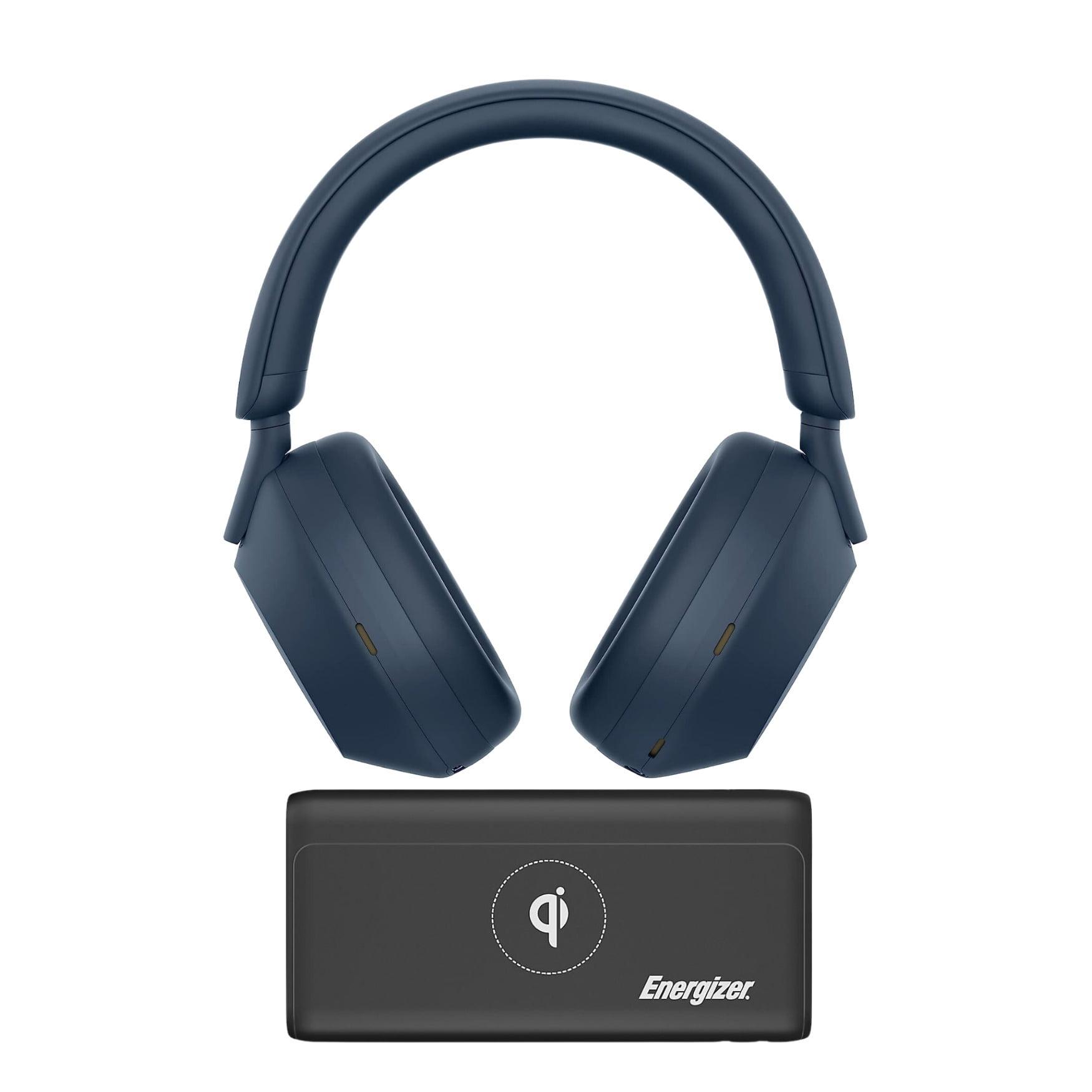
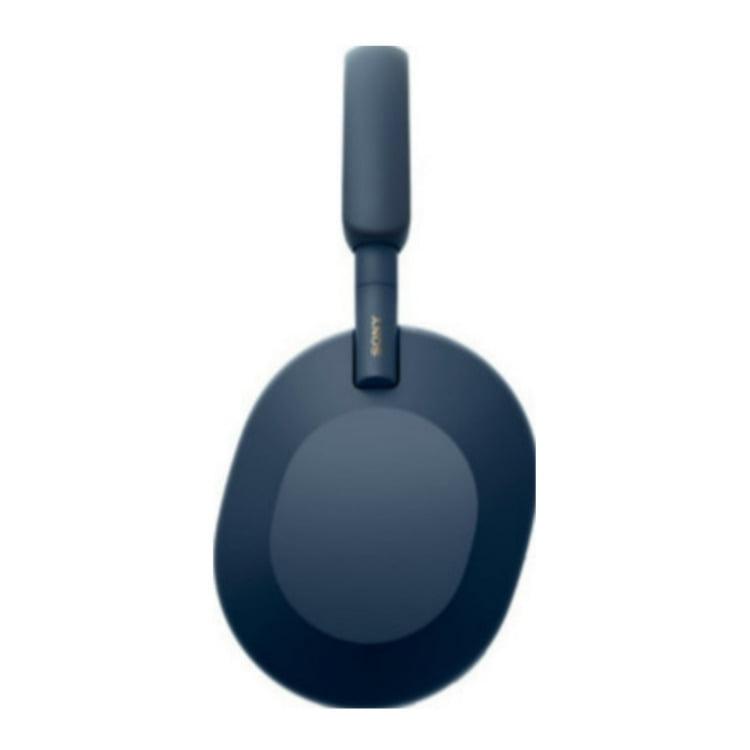

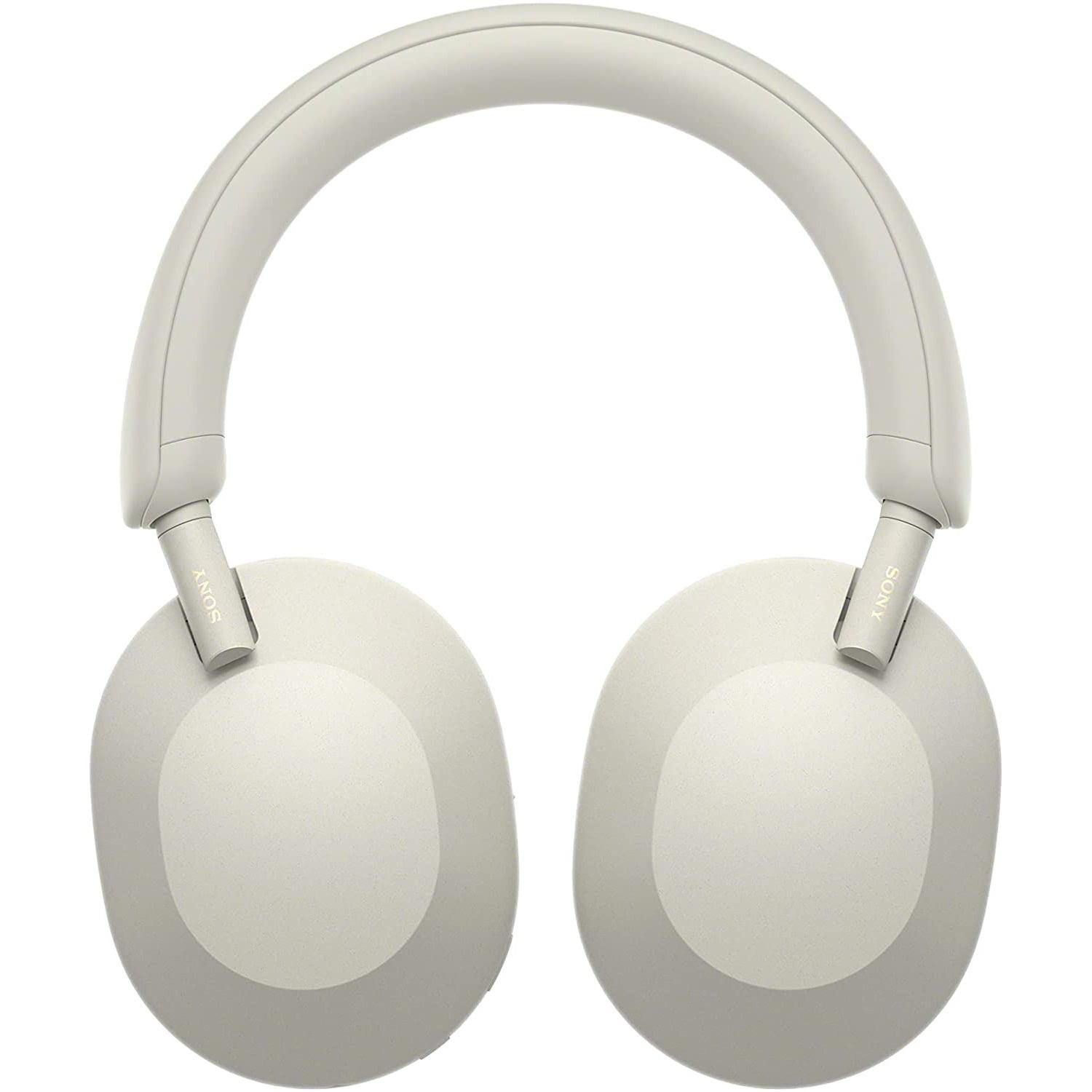
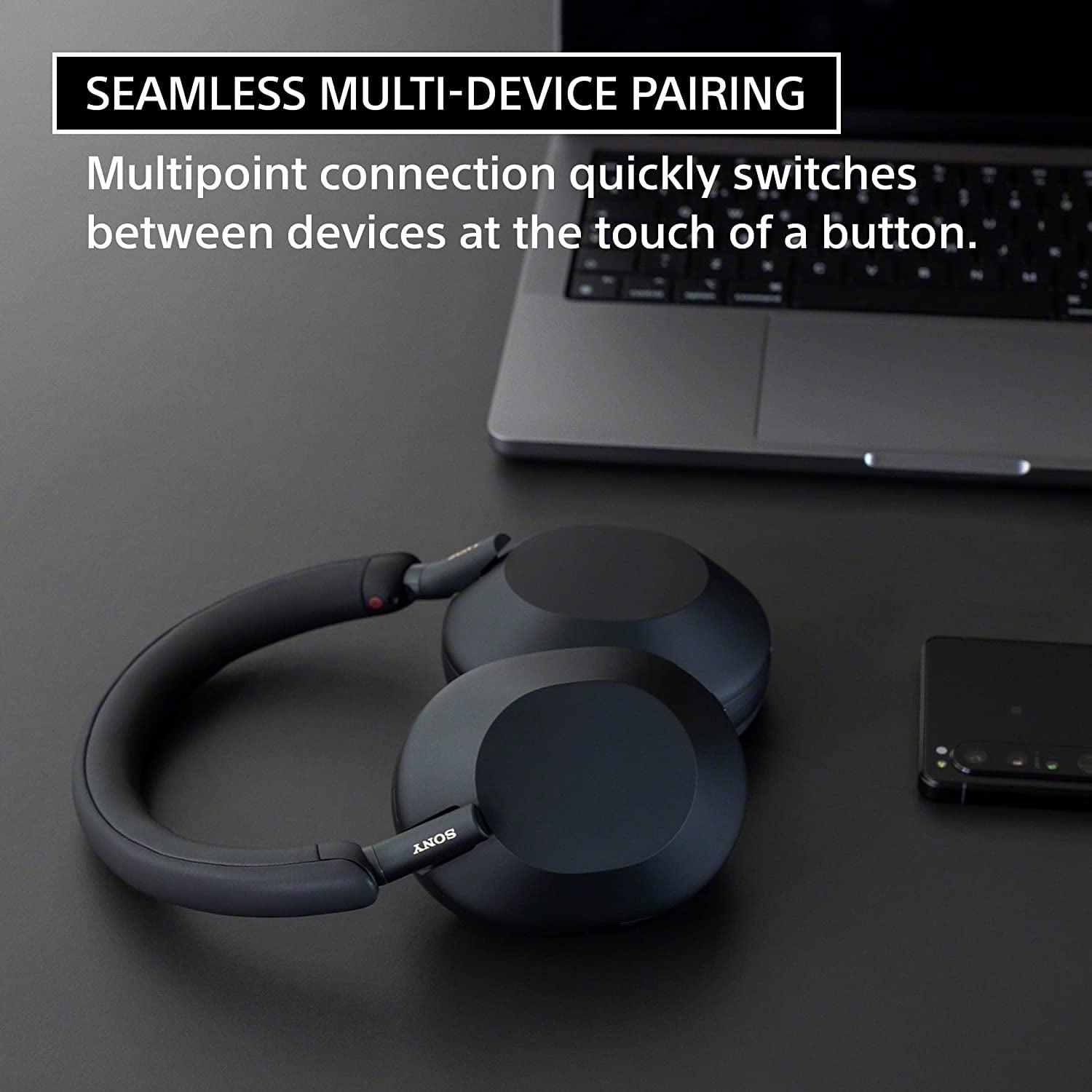
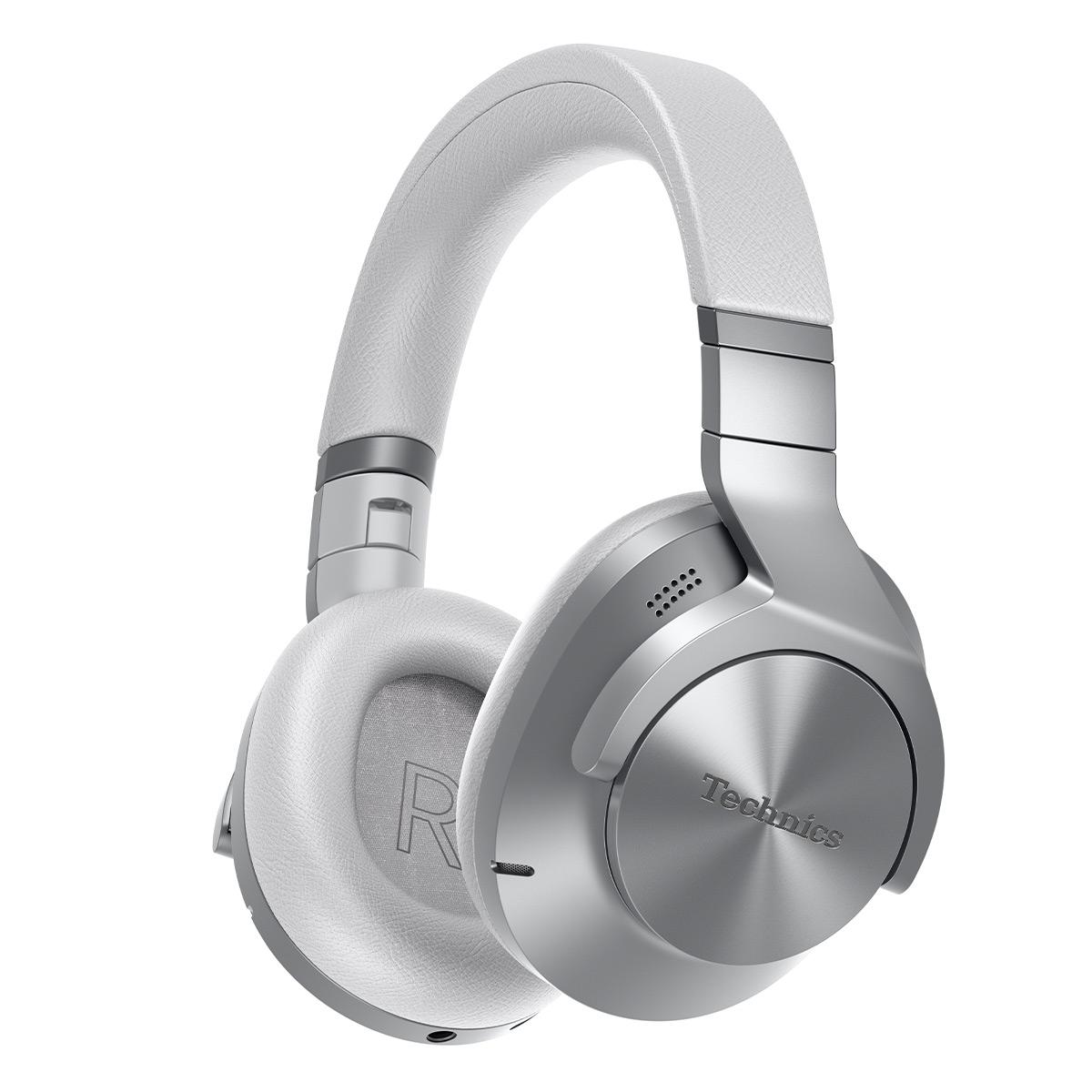
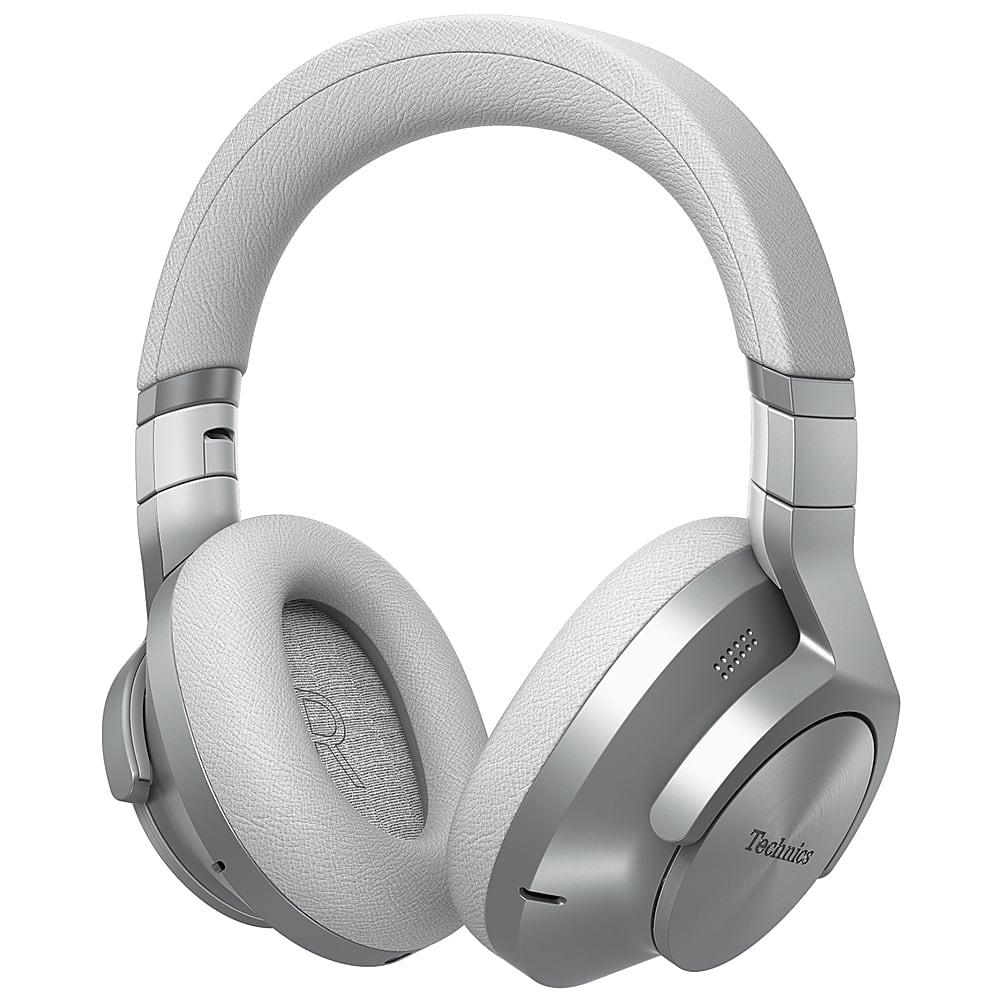
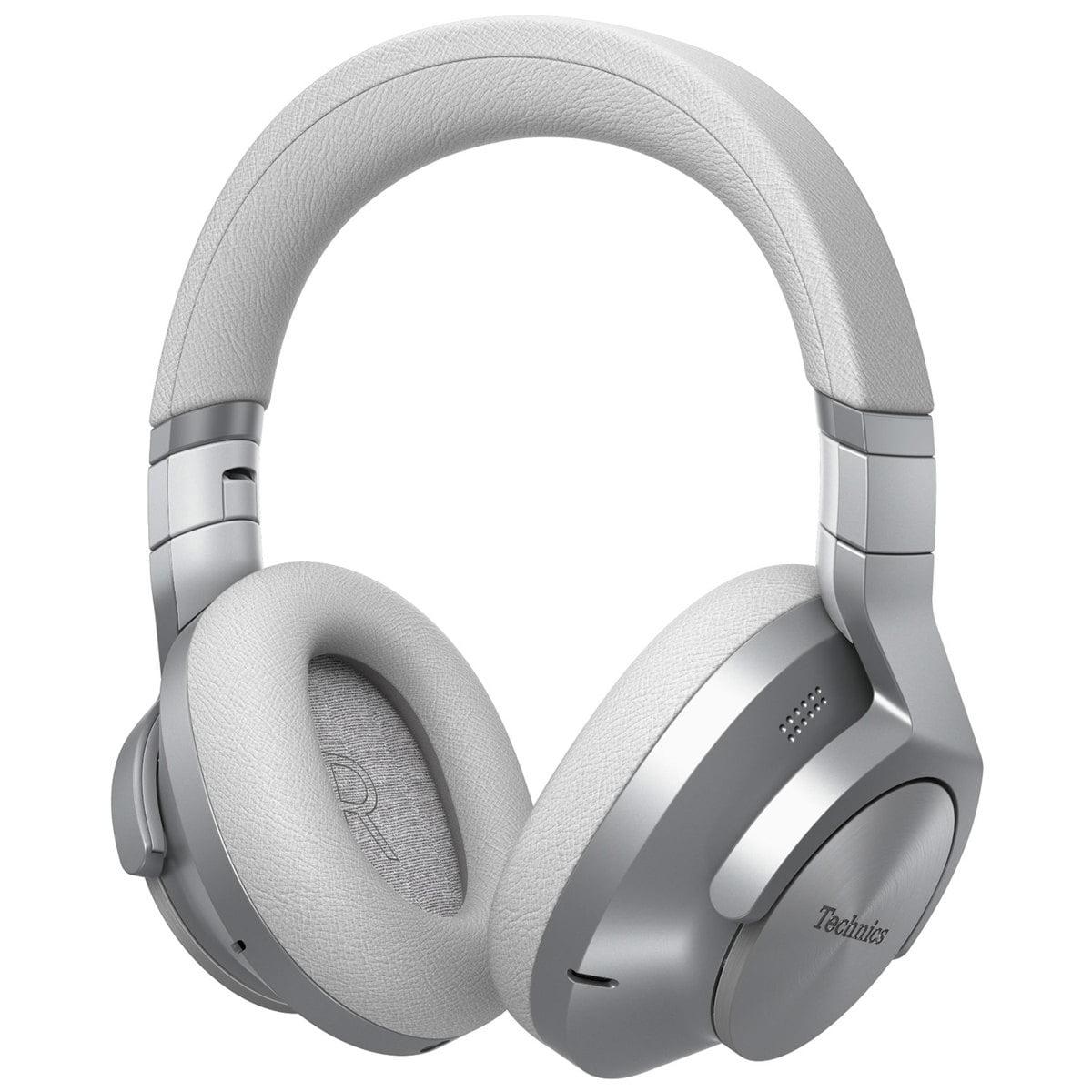
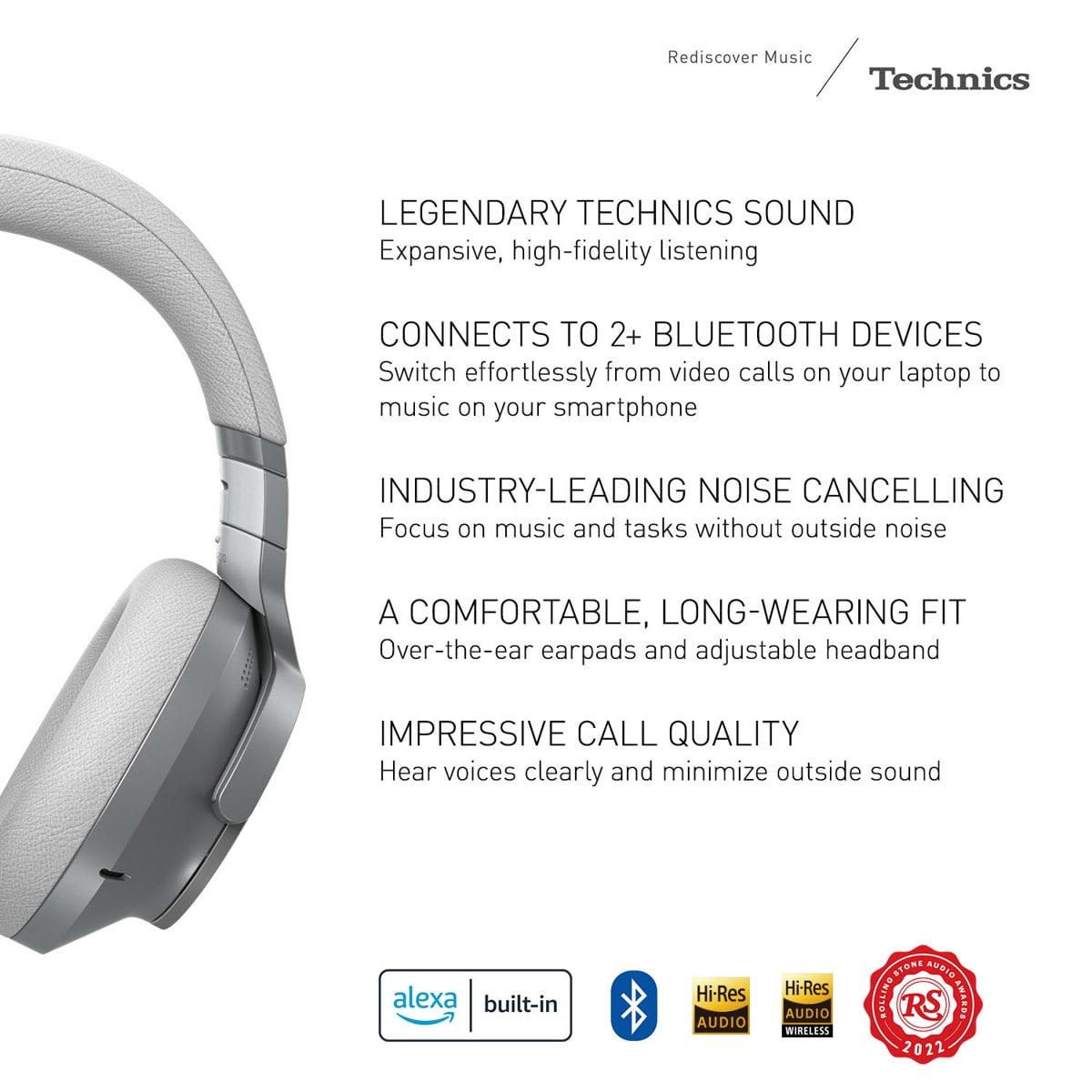
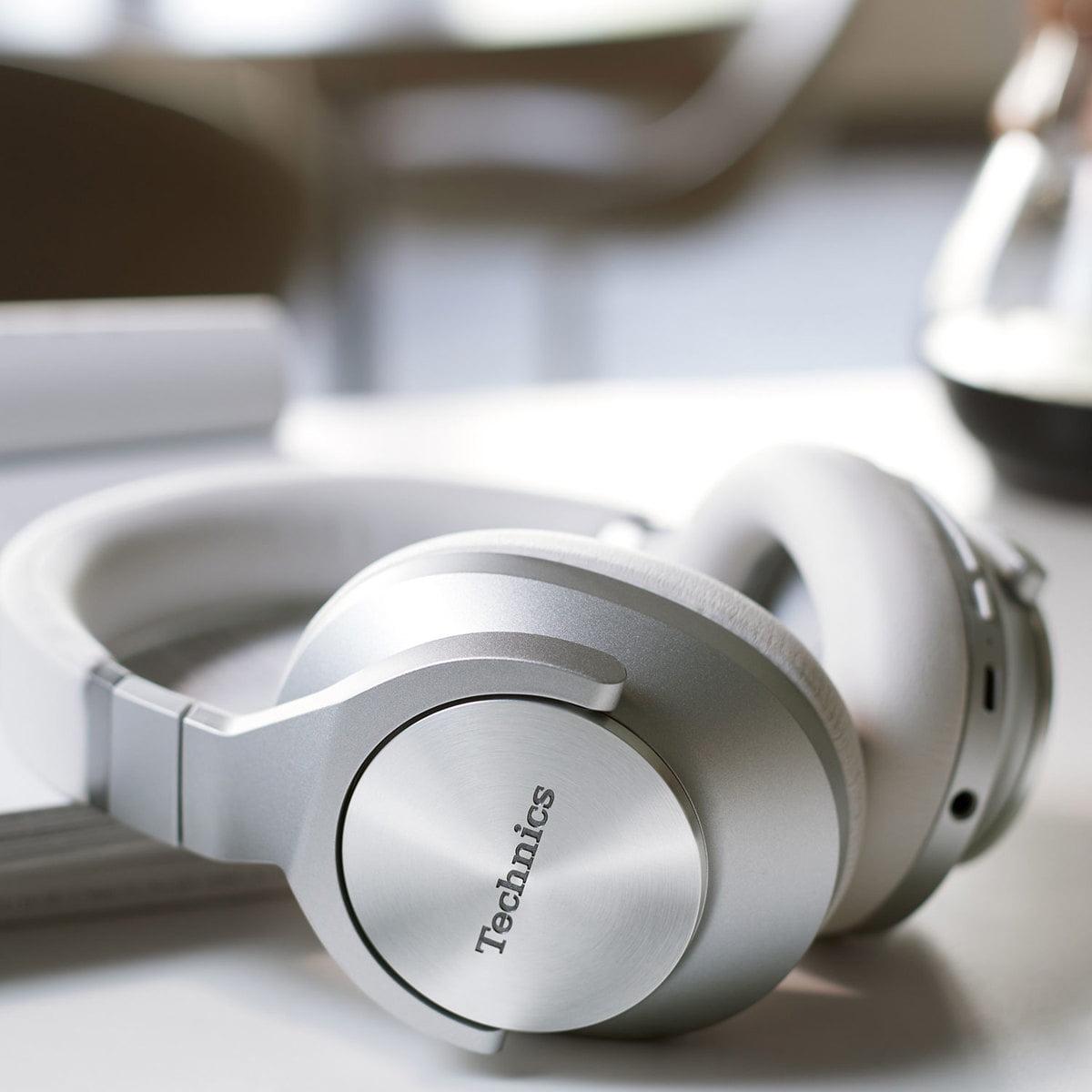
If you're shopping for premium wireless noise-canceling headphones, you've probably come across two standout options: the Sony WH-1000XM5 and the Technics EAH-A800. Both headphones launched in 2022, but they take notably different approaches to delivering exceptional audio experiences. After spending considerable time with both models, I can tell you that while they're in the same category, they serve different types of users remarkably well.
Premium wireless ANC (Active Noise Cancellation) headphones have become essential tools for modern life. Whether you're commuting on noisy trains, working in open offices, or just want to immerse yourself in your favorite music without distractions, these headphones create your personal sound bubble. The key is understanding what makes each model special and which aligns with your specific needs.
When evaluating premium noise-canceling headphones, several factors determine whether they're worth the investment. Noise cancellation effectiveness tops the list – this technology uses microphones to detect ambient sound and generates opposite sound waves to cancel it out. Sound quality follows closely, encompassing how accurately headphones reproduce music across all frequencies. Comfort becomes crucial for extended use, while battery life determines how long you can enjoy uninterrupted listening.
The Sony WH-1000XM5 represents Sony's fifth-generation flagship, priced at $398, while the Technics EAH-A800 comes in at a more accessible $249. This $149 price difference immediately raises questions about what you're getting for your money and whether the extra cost is justified.
The most significant difference between these headphones lies in their noise cancellation approaches. Sony has built their reputation on industry-leading ANC technology, and the WH-1000XM5 continues this tradition with their most advanced system yet.
Sony's setup uses dual processors – the Integrated Processor V1 working alongside the HD Noise Cancelling Processor QN1 – to control eight microphones strategically placed around both ear cups. This Multi Noise Sensor Technology captures ambient sound with remarkable precision. What makes Sony's system particularly impressive is its adaptability. The Auto NC Optimizer continuously adjusts performance based on your environment, atmospheric pressure (useful when flying), and even how the headphones sit on your head.
During my testing on flights, the Sony headphones excel at blocking the consistent drone of airplane engines while also reducing cabin chatter and announcements. The system adapts quickly when you move between environments – walking from a quiet office into a bustling street, for example.
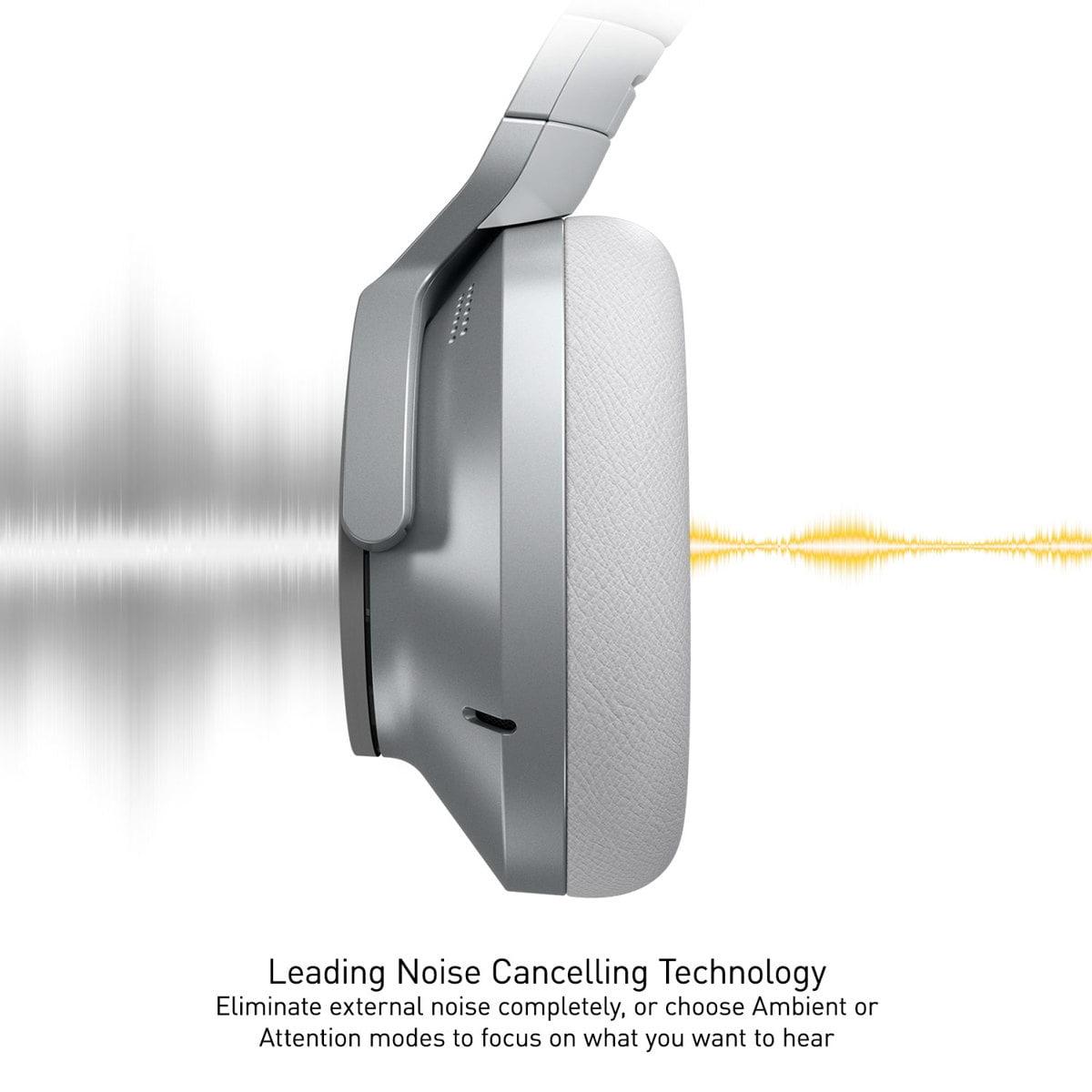
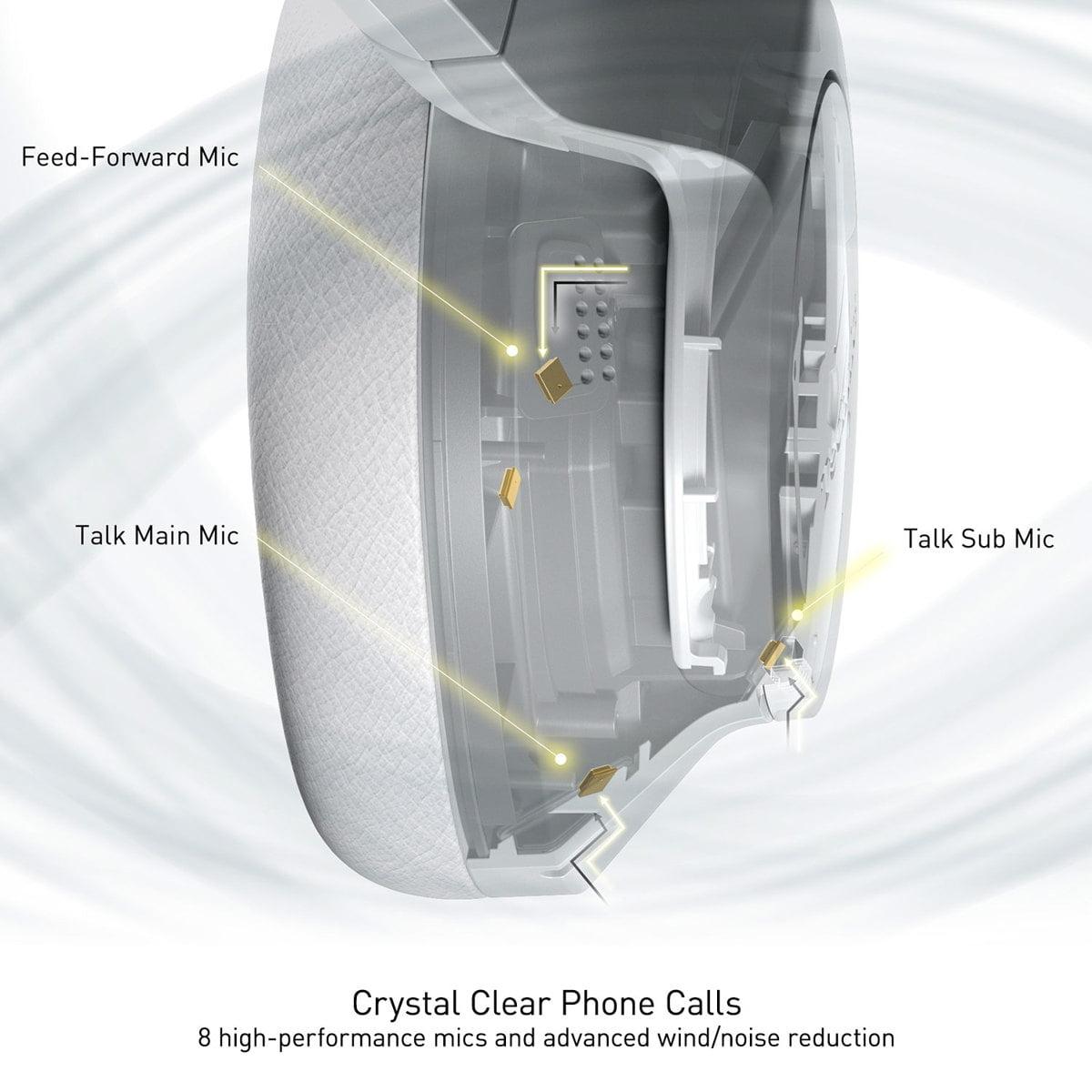
The Technics EAH-A800 takes a different approach with their Dual Hybrid Noise Cancelling system. This combines both feedforward and feedback cancellation methods, using analog and digital processing simultaneously. Feedforward cancellation works by detecting noise before it reaches your ears, while feedback cancellation monitors what you're actually hearing and adjusts accordingly.
Where the Technics particularly shines is in handling low-frequency noise – think air conditioners, refrigerators, or that persistent hum from office ventilation systems. In my home office setup, the EAH-A800 effectively eliminated the background noise from my computer fans and HVAC system. However, it's less effective than Sony when dealing with mid-to-high frequency sounds like voices or traffic noise.
The practical difference becomes apparent in varied environments. Sony's adaptive system gives you consistently excellent performance whether you're on a plane, train, or walking through a busy city. The Technics performs admirably but doesn't automatically adjust to new situations, making it better suited for consistent environments like offices or home use.
Perhaps the most interesting contrast between these headphones lies in their sound signatures and target audiences. The Sony WH-1000XM5 employs newly designed 30mm drivers with carbon fiber composite construction, a departure from the larger 40mm drivers in previous models. Despite the smaller size, Sony maintains a spacious soundstage through careful acoustic engineering.
Sony's default sound signature follows what I'd call a "consumer-friendly" approach. There's emphasized bass that makes electronic music and hip-hop feel energetic, while treble receives a boost that adds sparkle to vocals and instruments. However, the midrange – where most vocals and lead instruments live – can sound somewhat recessed or muffled straight out of the box.
This tuning works well for casual listening and background music, but audiophiles might find it lacking in detail and neutrality. The good news is that Sony's Headphones Connect app includes comprehensive EQ options. With some adjustment, you can transform the sound significantly. I've found that boosting the mids and slightly reducing the bass creates a much more balanced and engaging presentation.
The Technics EAH-A800 takes a markedly different approach with their 40mm PEEK (Polyetheretherketone) and Polyurethane 3-layer diaphragm drivers. PEEK is an advanced engineering plastic known for its stiffness and resistance to deformation, allowing for more accurate sound reproduction with less distortion.
Technics has tuned these headphones with audiophiles in mind. The sound signature is more neutral and natural, with what many describe as a "reference" quality. Bass is present and well-defined without overwhelming other frequencies. The midrange is detailed and expressive, bringing vocals and acoustic instruments to life. Treble is crisp and extended, though it can occasionally become slightly sharp with poorly recorded material.
The downside to this more analytical approach is that the soundstage can feel somewhat congested compared to Sony's more spacious presentation. Complex musical passages might sound a bit crowded, especially when multiple instruments are playing simultaneously.
For home theater use, both headphones support high-resolution audio codecs, but they serve different purposes. The Sony headphones, with their spatial audio support, can create an impressive sense of surround sound when watching movies. The Technics headphones excel at revealing subtle details in film soundtracks and dialogue, making them excellent for critical listening but less immersive for action movies.
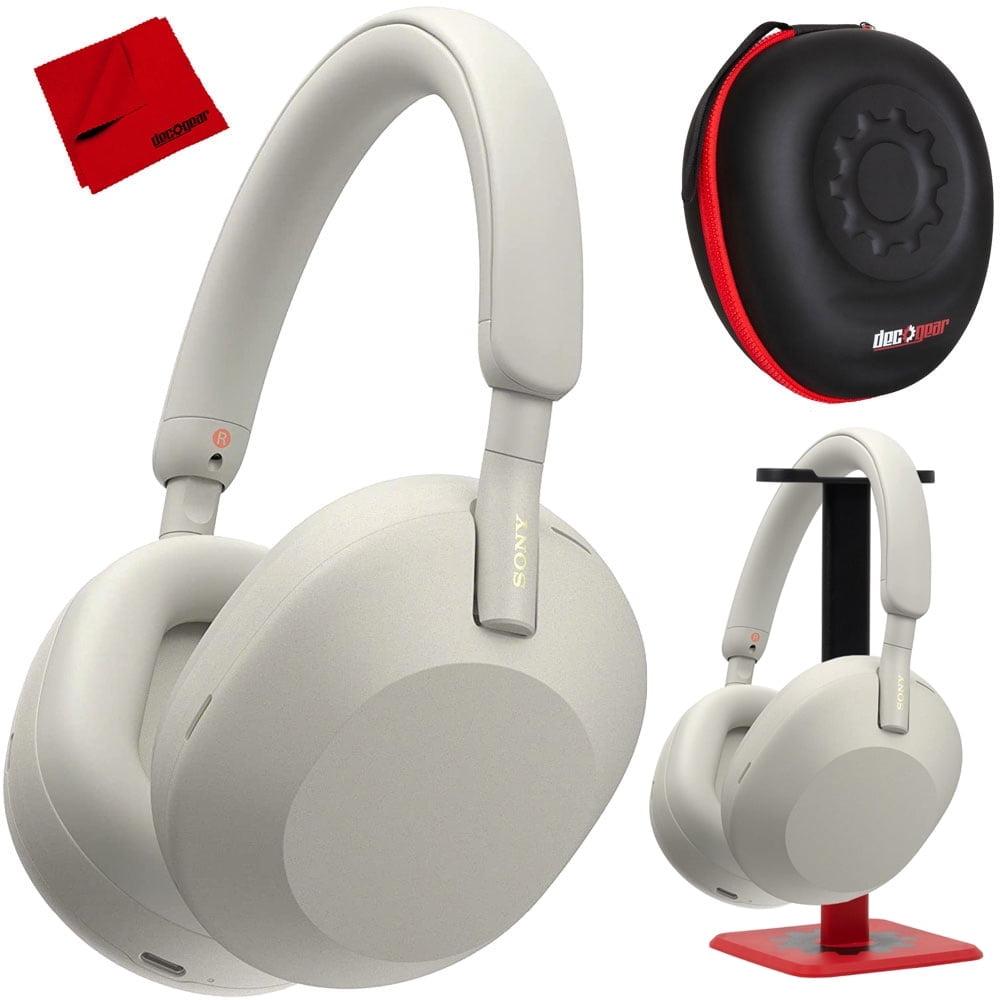
Comfort becomes crucial when you're wearing headphones for hours at a time, and here the two models take different approaches. The Sony WH-1000XM5 prioritizes a lightweight design at just 250 grams. Sony redesigned the headphones with a sleeker, non-folding construction that distributes weight evenly across your head.
The ear pads use soft TPU (Thermoplastic Polyurethane) material that feels gentle against your skin while creating an effective seal for both comfort and noise isolation. The headband padding is generous without being bulky. During long editing sessions, I've worn the Sony headphones for 4-5 hours without experiencing the fatigue that heavier headphones can cause.
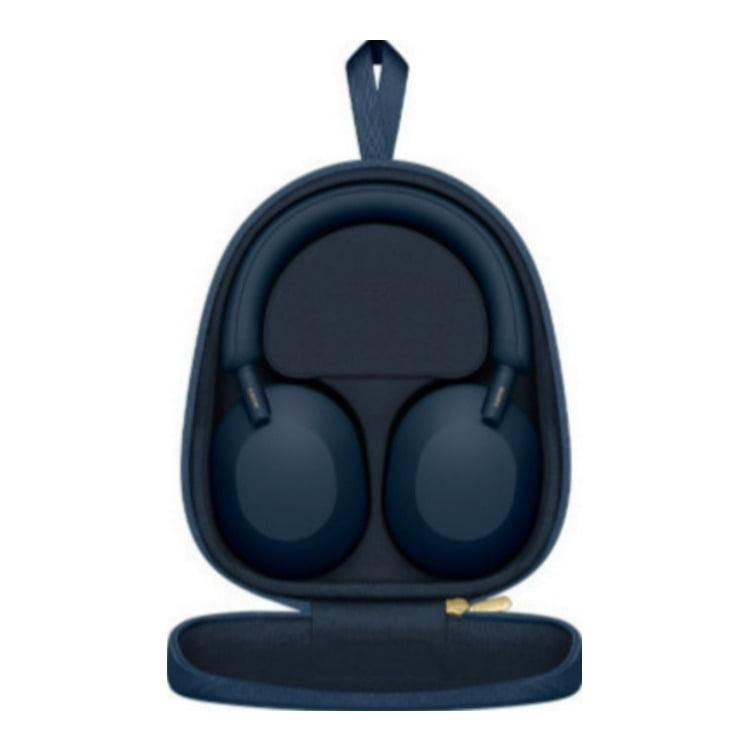
The trade-off with Sony's design is reduced portability. The non-folding construction means they take up more space in a bag, though Sony includes a carrying case to protect them during travel.
The Technics EAH-A800 weighs 298 grams – about 48 grams heavier than the Sony – but distributes this weight well through generous padding and a well-designed headband. The ear pads are notably plush and create excellent passive isolation even before you turn on the active noise cancellation.
However, some users report that the Technics can feel tight, particularly if you have a larger head or wear glasses. The ear cups don't tilt as much as some competing models, which can create pressure points during extended use. I found them comfortable for 2-3 hour sessions, but they're not quite as suitable for all-day wear as the Sony headphones.
Build quality is solid on both models, but they reflect different design philosophies. Sony opts for premium materials and refined engineering, while Technics focuses on robust construction. Both feel durable and well-made, though some users have reported concerns about the Sony's hinge mechanisms feeling less robust than expected at this price point.
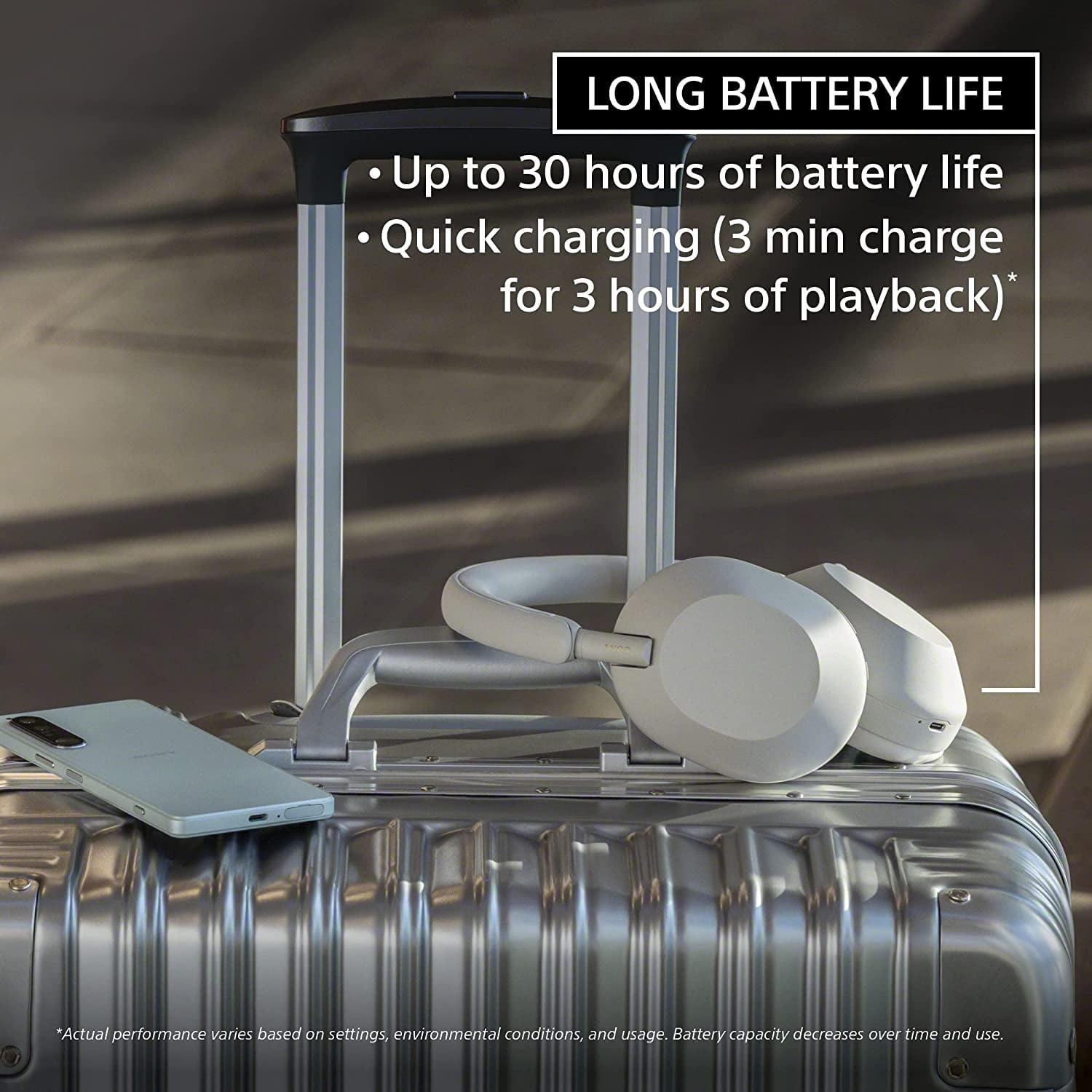
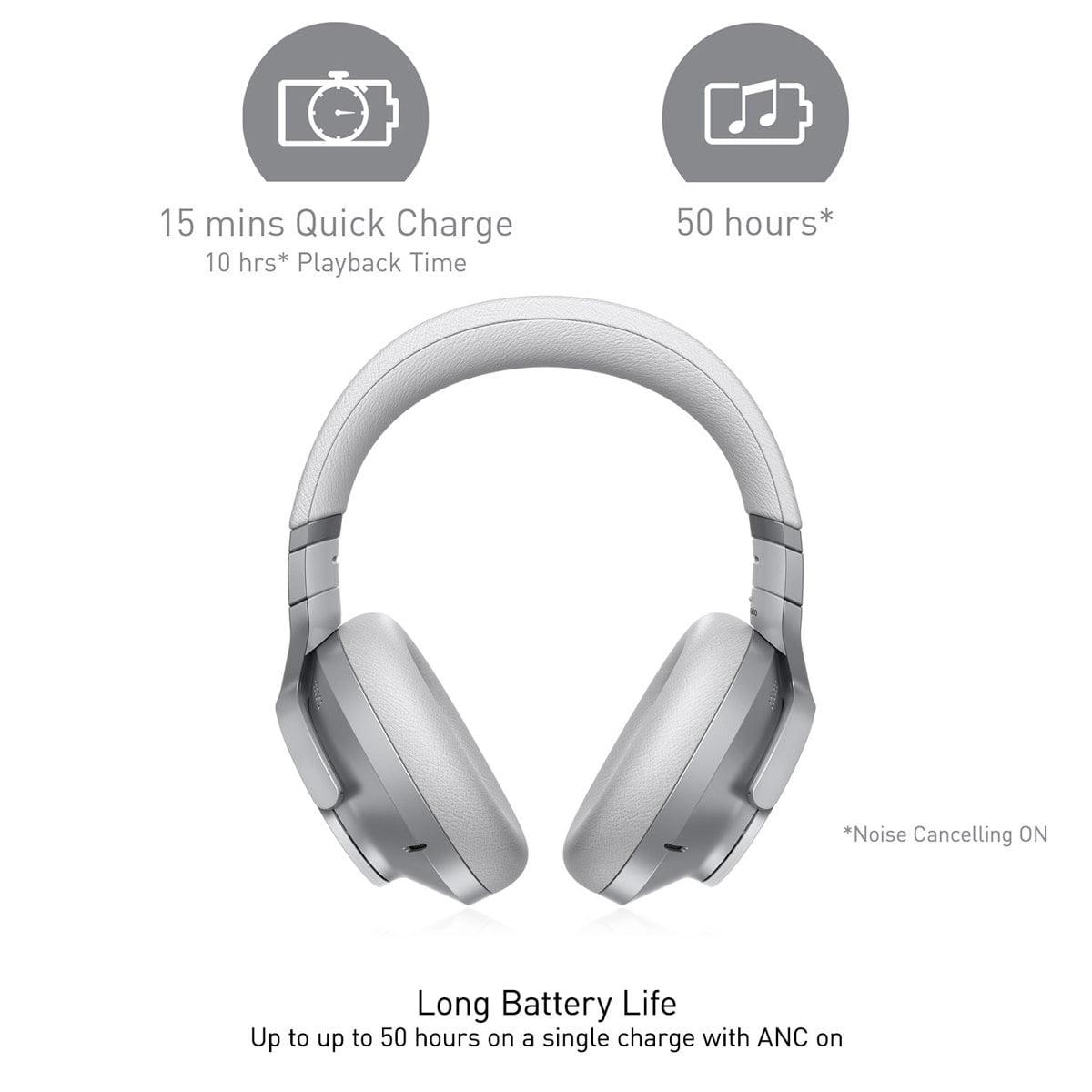
Battery performance reveals one of the most significant advantages of the Technics EAH-A800. With up to 50 hours of playback time when using ANC and the AAC codec, it essentially doubles the Sony's 30-hour capacity. When using the high-quality LDAC codec, which transmits about three times more data than standard Bluetooth audio, the Technics still manages around 40 hours compared to Sony's reduced performance with LDAC enabled.
This difference becomes meaningful for different user types. If you're a frequent traveler making multiple long flights, the Technics headphones might last an entire week of heavy use without needing a charge. The Sony headphones, while still offering respectable battery life, require more frequent charging for heavy users.
Both headphones support quick charging, but with different approaches. Sony provides 3 hours of playback from a 3-minute charge, while Technics offers 10 hours from a 15-minute charge. For emergency situations when you've forgotten to charge overnight, both systems work well, though Technics' longer quick-charge duration gives you more flexibility.
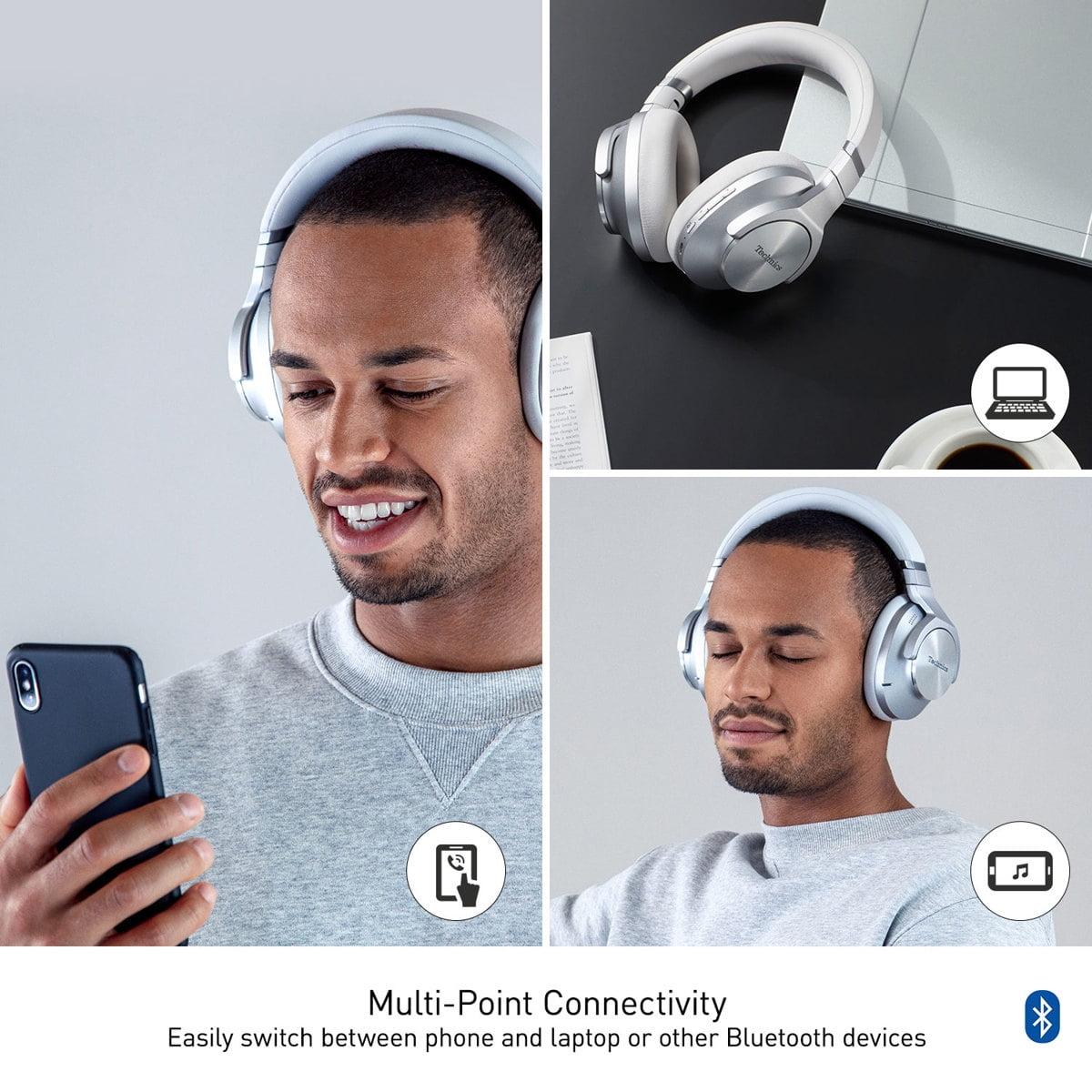
Connectivity features are similar between both models, with Bluetooth 5.2 and multipoint pairing allowing simultaneous connection to two devices. This feature proves invaluable when switching between your phone and computer throughout the day. Both support the LDAC codec for high-resolution wireless audio, though you'll need a compatible source device to take advantage of this feature.
The Sony WH-1000XM5 includes some unique smart features that set it apart. Speak-to-Chat automatically pauses music and enables ambient sound when you start talking, resuming playback when you stop. Adaptive Sound Control learns your daily routine and automatically adjusts noise cancellation settings based on your location and activity. These features work well in practice, though some users find them overly intrusive and prefer to disable them.
Both headphones launched in 2022, representing significant technological advances over their predecessors. Sony's fifth-generation model introduced the dual-processor system and redesigned 30mm drivers, moving away from the larger 40mm drivers used in the WH-1000XM4. This change initially worried some audiophiles, but Sony's acoustic engineering maintains excellent sound quality while improving noise cancellation efficiency.
Sony has continued refining the WH-1000XM5 through firmware updates, improving connection stability and adding new features like enhanced wind noise reduction. The company's track record suggests they'll continue supporting these headphones with updates for several years.
Technics, returning to the headphone market after years of focusing on turntables and professional audio equipment, brought their decades of acoustic expertise to the EAH-A800. Their Dual Hybrid noise cancellation represents a fresh approach to ANC technology, combining analog and digital processing methods that many other manufacturers handle separately.
Since launch, Technics has provided firmware updates improving connection stability and fine-tuning the noise cancellation algorithms. However, they haven't been as aggressive as Sony in adding new features through software updates.
After extensive testing in various environments, clear patterns emerge regarding when each headphone excels. The Sony WH-1000XM5 proves superior for travel and commuting. Their adaptive noise cancellation handles the constantly changing environments you encounter when moving through airports, trains, and city streets. The lightweight design reduces fatigue during long flights, while features like automatic play/pause when removing the headphones add convenience.
For office environments, particularly open offices with varied noise sources, Sony's superior mid-frequency noise cancellation makes a noticeable difference in blocking out conversations and keyboard clicking.
The Technics EAH-A800 shines in more consistent environments. For home listening, whether working from a home office or relaxing with music, their superior battery life and more natural sound signature create an excellent experience. They're particularly well-suited for audiophiles who want to hear music as the artist intended, without the colored sound that many consumer-oriented headphones provide.
For home theater use, the choice depends on your priorities. Sony's spatial audio support creates a more immersive movie-watching experience, particularly with content mixed for surround sound. Technics' detailed sound reproduction excels at revealing subtle details in movie soundtracks and dialogue, making them excellent for film enthusiasts who prioritize audio quality over spatial effects.
The $149 price difference between these headphones represents more than just cost – it reflects different approaches to the premium headphone market. The Sony WH-1000XM5 at $398 commands premium pricing for industry-leading noise cancellation technology and comprehensive smart features. You're paying for Sony's research and development investment in ANC technology, plus the convenience features that make daily use more pleasant.
The Technics EAH-A800 at $249 offers exceptional value, providing performance that competes with headphones costing significantly more. You're getting audiophile-quality sound reproduction and outstanding battery life at a price point that makes premium features accessible to more users.
Choose the Sony WH-1000XM5 if you prioritize the absolute best noise cancellation available, especially if you travel frequently or work in challenging acoustic environments. The lightweight design and smart features justify the higher price for users who need maximum ANC performance and appreciate convenient automation.
Choose the Technics EAH-A800 if you value natural, detailed sound reproduction and exceptional battery life over maximum noise cancellation. They're ideal for audiophiles, home listeners, and anyone who wants premium performance without flagship pricing.
Both headphones represent excellent choices in the premium ANC category, but they serve different users exceptionally well. Your decision should align with your primary use cases: Sony for the ultimate travel companion, Technics for the discerning listener who wants both quality and value. Either choice will provide years of excellent listening experiences, making both solid investments in your audio enjoyment.
| Sony WH-1000XM5 | Technics EAH-A800 |
|---|---|
| Price - Significant $149 difference affects overall value proposition | |
| $398 (premium pricing for flagship features) | $249 (exceptional value for performance level) |
| Weight - Affects comfort during extended listening sessions | |
| 250g (notably lighter, reduces fatigue) | 298g (48g heavier but well-distributed) |
| Battery Life with ANC - Critical for travel and all-day use | |
| 30 hours (adequate for most users) | 50 hours (class-leading endurance) |
| Driver Size - Influences sound characteristics and bass response | |
| 30mm carbon fiber composite (smaller but engineered for efficiency) | 40mm PEEK/Polyurethane 3-layer (larger traditional approach) |
| Noise Cancellation Technology - Core differentiator for blocking ambient sound | |
| Dual processors + 8 mics with adaptive optimization | Dual Hybrid analog/digital processing |
| Sound Signature - Determines musical enjoyment and target audience | |
| Consumer-friendly with emphasized bass/treble (needs EQ for neutral sound) | Naturally balanced, audiophile-oriented tuning |
| Quick Charge Performance - Emergency charging when battery runs low | |
| 3 minutes = 3 hours playback | 15 minutes = 10 hours playbook |
| Bluetooth Codec Support - Affects wireless audio quality | |
| SBC, AAC, LDAC (Hi-Res wireless audio) | SBC, AAC, LDAC (Hi-Res wireless audio) |
| Smart Features - Convenience automation for daily use | |
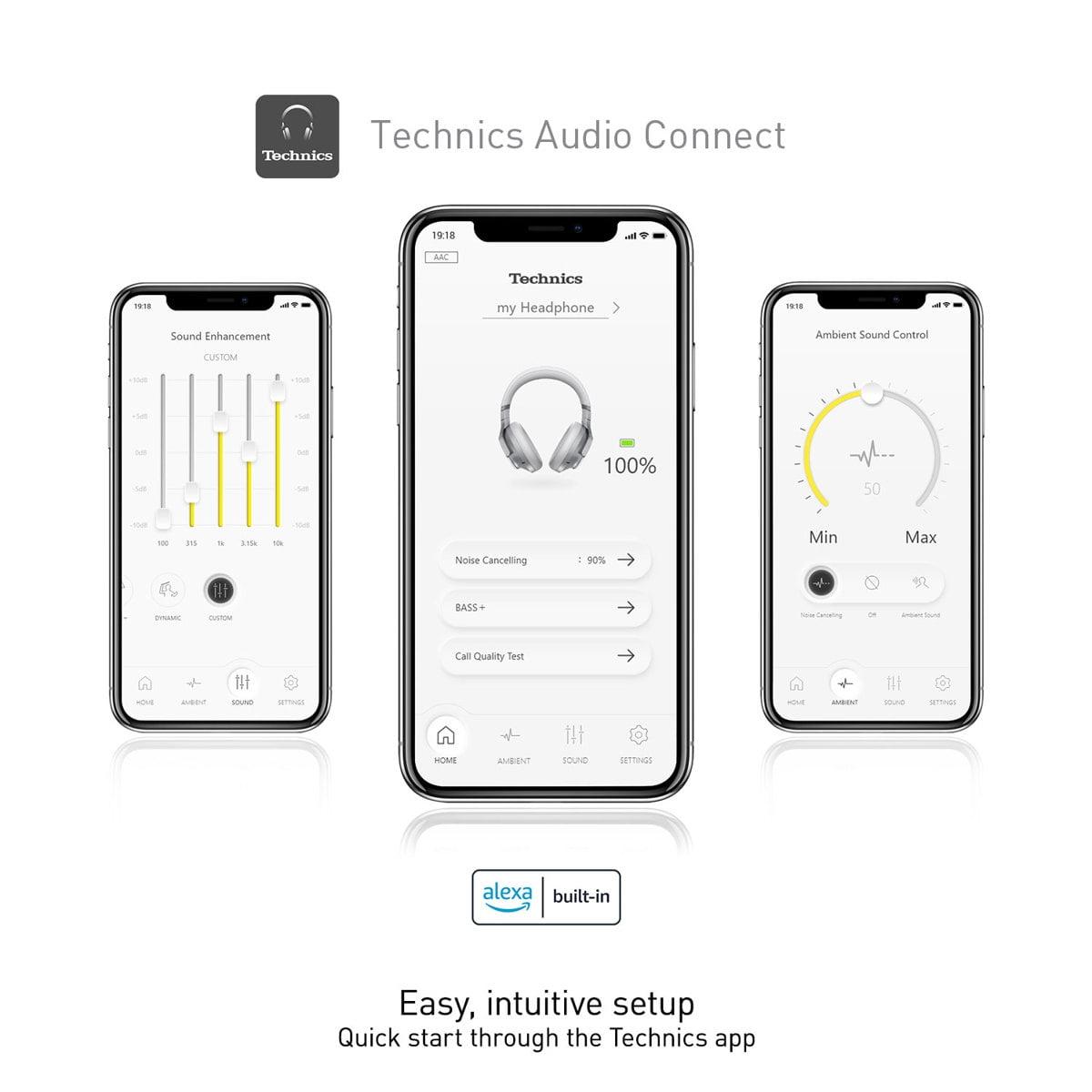
| Speak-to-Chat, Adaptive Sound Control, Spatial Audio | Basic app controls, no advanced automation |
| Build Design - Impacts portability and durability | |
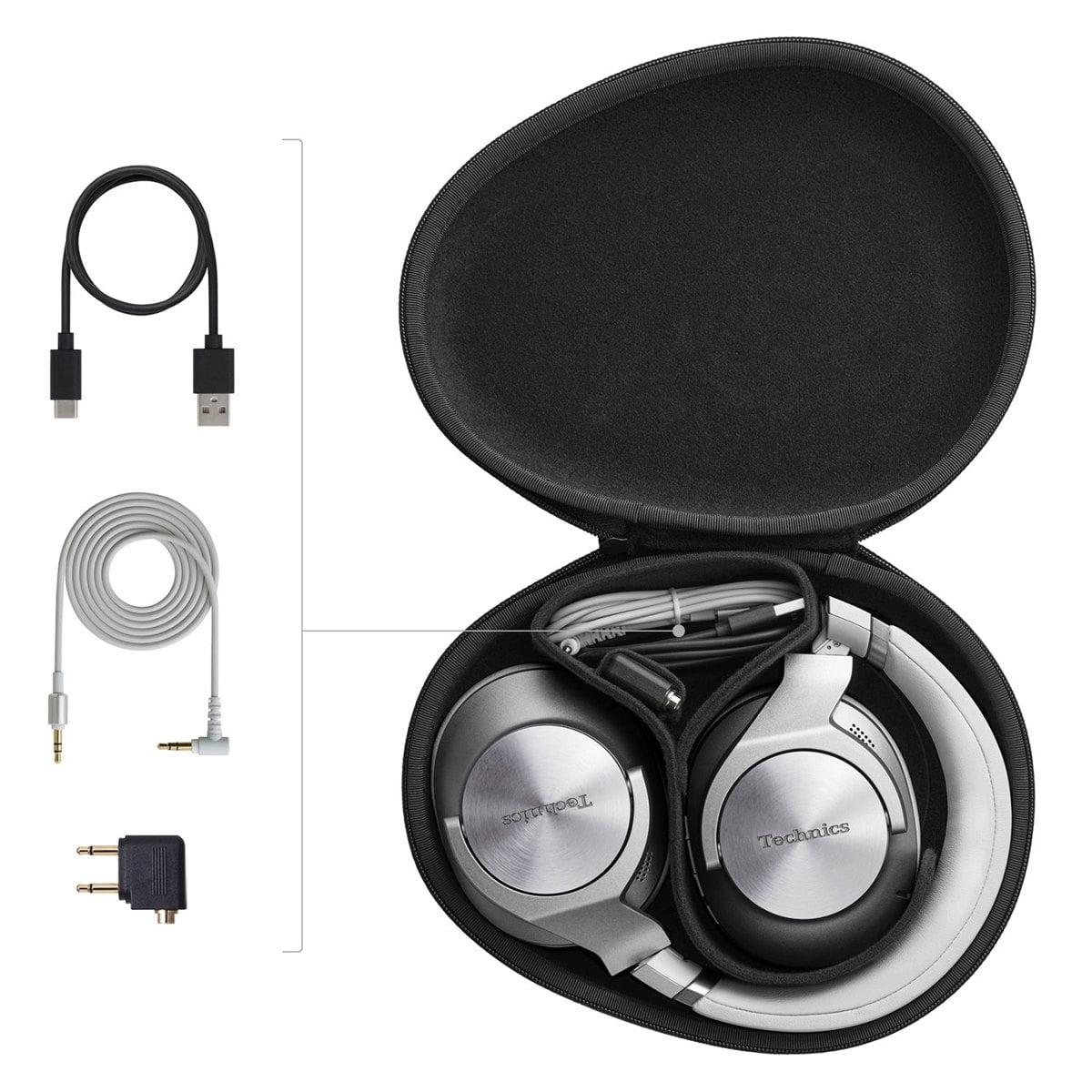
| Non-folding lightweight design (less portable) | Traditional folding design with hard case |
The Sony WH-1000XM5 offers superior noise cancellation with its dual-processor system and 8 microphones that automatically adapt to your environment. It excels at blocking both low and mid-frequency noise, making it ideal for travel and varied environments. The Technics EAH-A800 provides excellent low-frequency noise reduction but is less effective with voices and mid-range sounds.
The Sony WH-1000XM5 costs $398, while the Technics EAH-A800 is priced at $249 - a $149 difference. The Technics offers exceptional value for money, delivering premium performance at a mid-tier price point, while Sony commands premium pricing for its industry-leading noise cancellation technology.
The Technics EAH-A800 significantly outperforms with 50 hours of battery life with ANC enabled, compared to the Sony WH-1000XM5's 30 hours. For heavy users and travelers, the Technics can last nearly twice as long between charges, making it ideal for extended use without frequent charging.
The Sony WH-1000XM5 is more comfortable for extended wear due to its lighter 250g weight and softer ear pads. The Technics EAH-A800 weighs 298g and can feel tight on larger heads, though it offers plush padding and excellent passive isolation when the fit works well.
Sound preference depends on your taste: the Technics EAH-A800 offers a more natural, balanced sound that audiophiles prefer, with detailed midrange and accurate reproduction. The Sony WH-1000XM5 has a consumer-friendly sound with emphasized bass and treble that's great for casual listening but may need EQ adjustments for critical listening.
Yes, both the Sony WH-1000XM5 and Technics EAH-A800 support LDAC codec for high-resolution wireless audio, transmitting approximately three times more data than standard Bluetooth. Both are certified for Hi-Res Audio and deliver excellent wireless sound quality when paired with compatible devices.
The Sony WH-1000XM5 is superior for travel due to its adaptive noise cancellation that automatically adjusts to different environments, lighter weight for comfort during long flights, and smart features like automatic pause/play. The Technics EAH-A800 offers longer battery life but less versatile noise cancellation for varied travel environments.
Both headphones offer good call quality, but the Sony WH-1000XM5 has a slight edge with its advanced microphone array and noise suppression technology. The Technics EAH-A800 provides clear voice pickup with its 8-microphone system and JustMyVoice technology, making both suitable for work calls and video conferences.
The Technics EAH-A800 excels for home office use with its exceptional 50-hour battery life, excellent low-frequency noise cancellation for blocking HVAC and appliance noise, and natural sound quality for long listening sessions. The longer battery means less charging interruption during work days.
For home theater use, the Sony WH-1000XM5 offers spatial audio support that creates an immersive surround sound experience for movies. The Technics EAH-A800 excels at revealing subtle details in film soundtracks and dialogue with its accurate sound reproduction, making both excellent choices for different movie-watching preferences.
The Technics EAH-A800 provides significantly better value at $249, offering audiophile-quality sound, class-leading battery life, and effective noise cancellation. The Sony WH-1000XM5 at $398 justifies its premium price with superior noise cancellation and advanced features, but costs 60% more for incremental improvements.
Yes, both the Sony WH-1000XM5 and Technics EAH-A800 support multipoint Bluetooth connectivity, allowing simultaneous connection to two devices like your phone and computer. This makes switching between devices seamless for work and personal use without manual reconnection.
We've done our best to create useful and informative comparisons to help you decide what product to buy. Our research uses advanced automated methods to create this comparison and perfection is not possible - please contact us for corrections or questions. These are the sites we've researched in the creation of this article: rtings.com - audiosciencereview.com - techradar.com - audio46.com - recordingnow.com - electronics.sony.com - theabsolutesound.com - soundguys.com - soundguys.com - headphonesaddict.com - sony.com - sony.com - sony-mea.com - fullspecs.net - bhphotovideo.com - sony.com - helpguide.sony.net - headphones.com - androidpolice.com - sony.co.id - moon-audio.com - sony.com - bestbuy.com - sonylatvija.com - blog.son-video.com - expertreviews.co.uk - youtube.com - whathifi.com - youtube.com - bhphotovideo.com - futureaudiophile.com - versus.com - versus.com - soundphilereview.com - help.na.panasonic.com - technics.com - retailspecs.com - headphonecheck.com - us.technics.com - help.na.panasonic.com - bhphotovideo.com - technics.com - technics.com - valueelectronics.com - us.technics.com - us.technics.com - youtube.com - hometheaterhifi.com

Privacy Policy
Terms and Conditions - Affiliate Policy
Home Security
© Copyright 2008-2026.
11816 Inwood Rd #1211, Dallas, TX 75244