



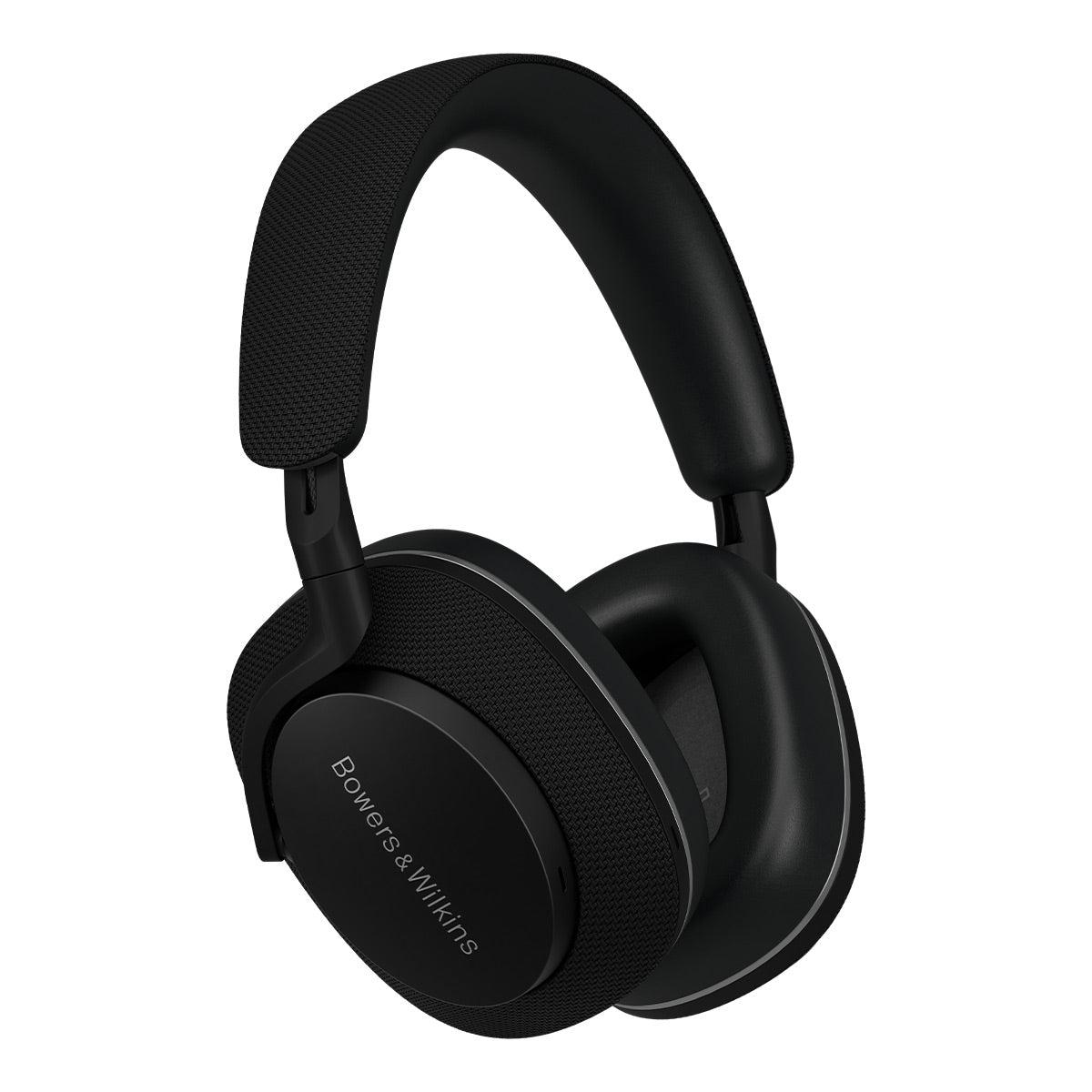
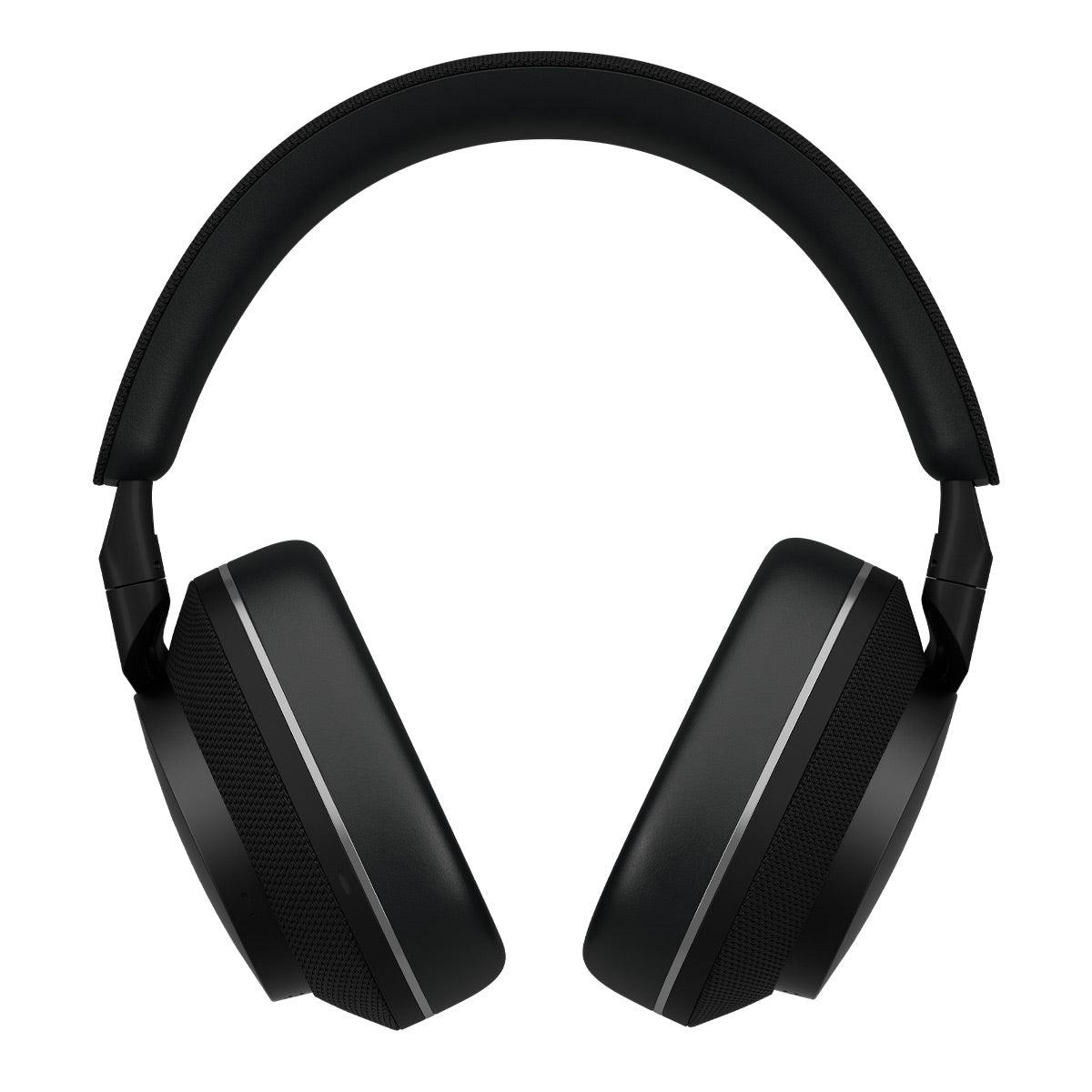
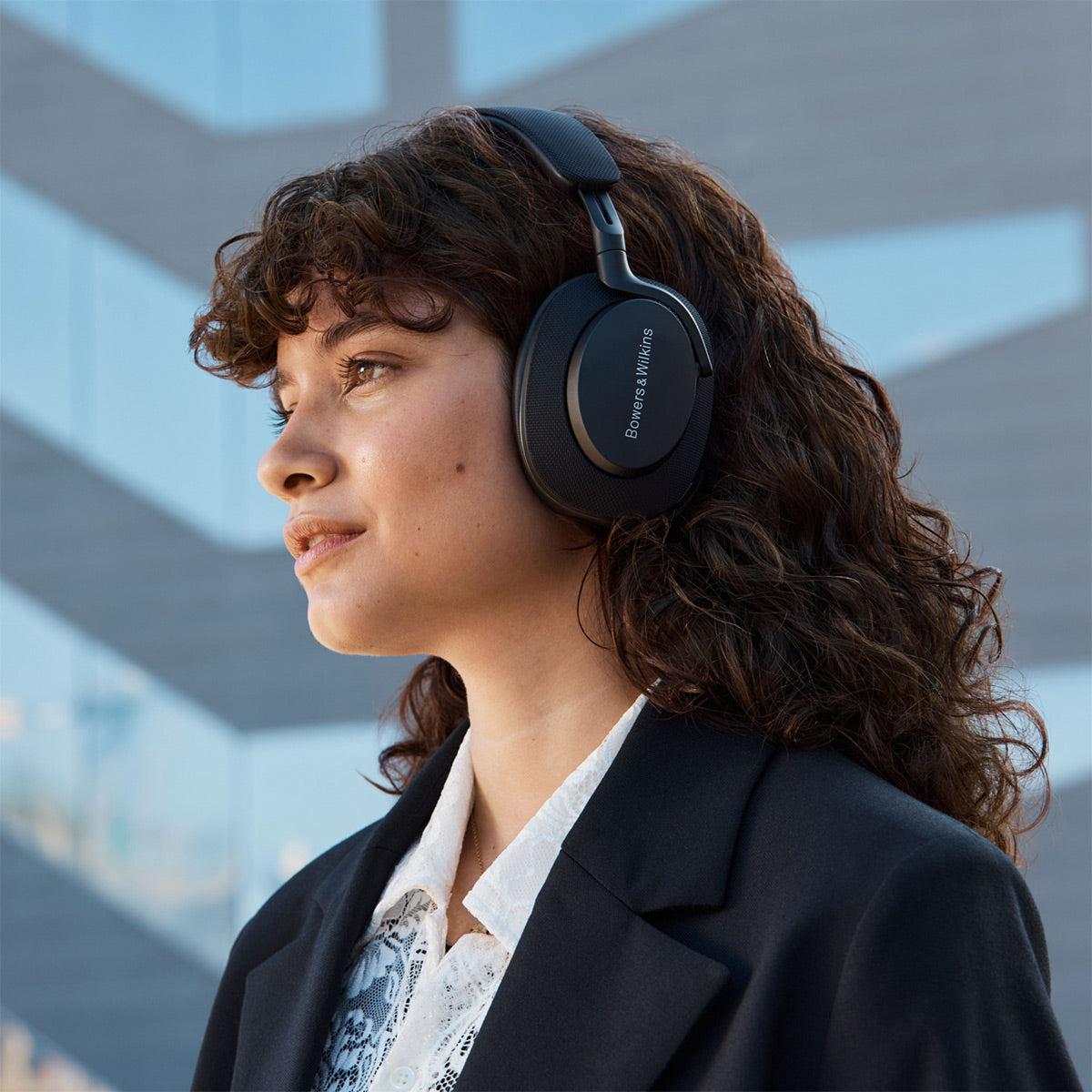
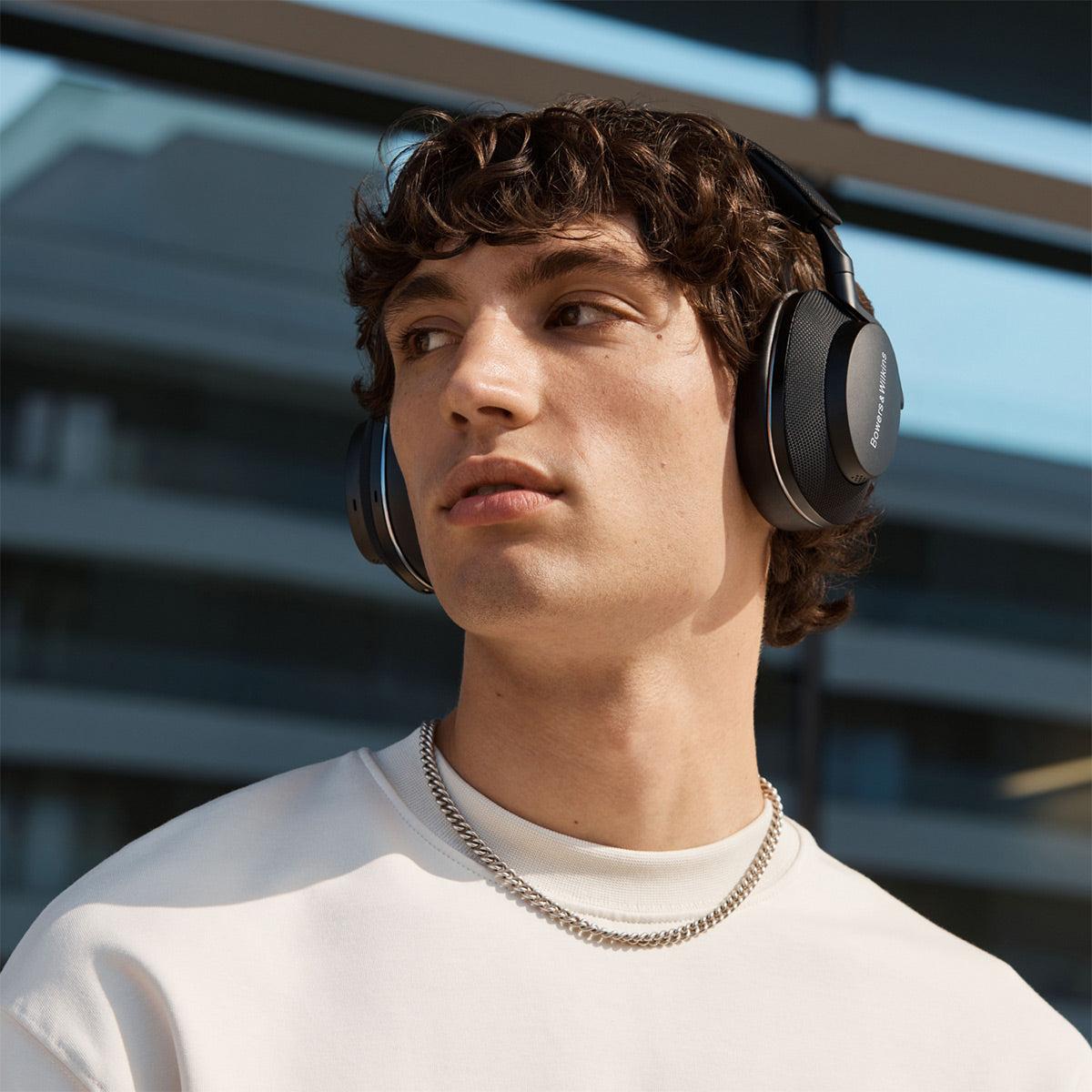
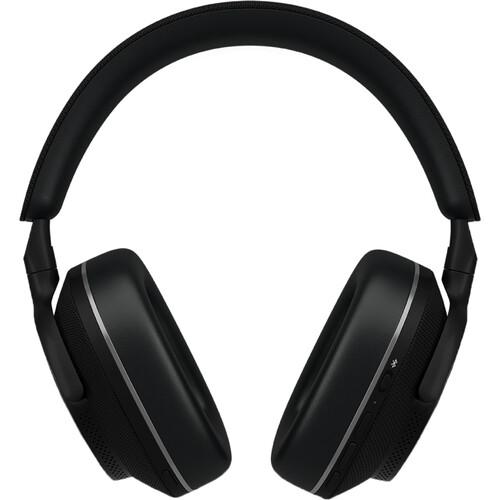
Choosing the right premium wireless headphones can feel overwhelming with so many excellent options available. Today, we're diving deep into two standouts that take very different approaches to high-end audio: the Sony WH-1000XM5 ($398) and the Bowers & Wilkins Px7 S2e ($352). After spending considerable time with both, I can tell you they each excel in distinct ways that matter to different types of users.
Before we jump into specifics, let's talk about what makes headphones "premium" and why you'd spend $300+ on them. Premium wireless over-ear headphones serve multiple roles in our daily lives. They're your escape pod during noisy commutes, your private concert hall at home, and increasingly, your office companion for video calls and focus work.
The key features that separate premium models from budget options include active noise cancellation (ANC) - technology that uses microphones and processing to actively cancel out background noise - along with high-quality drivers (the speakers inside each ear cup), advanced Bluetooth codecs for better wireless sound quality, and smart features like app integration and voice assistants.
What I've learned from testing dozens of headphones is that the "best" pair depends entirely on your priorities. Some people need maximum noise cancellation for airplane travel, while others prioritize pure sound quality for music listening at home. Understanding your primary use case is crucial before making a decision.
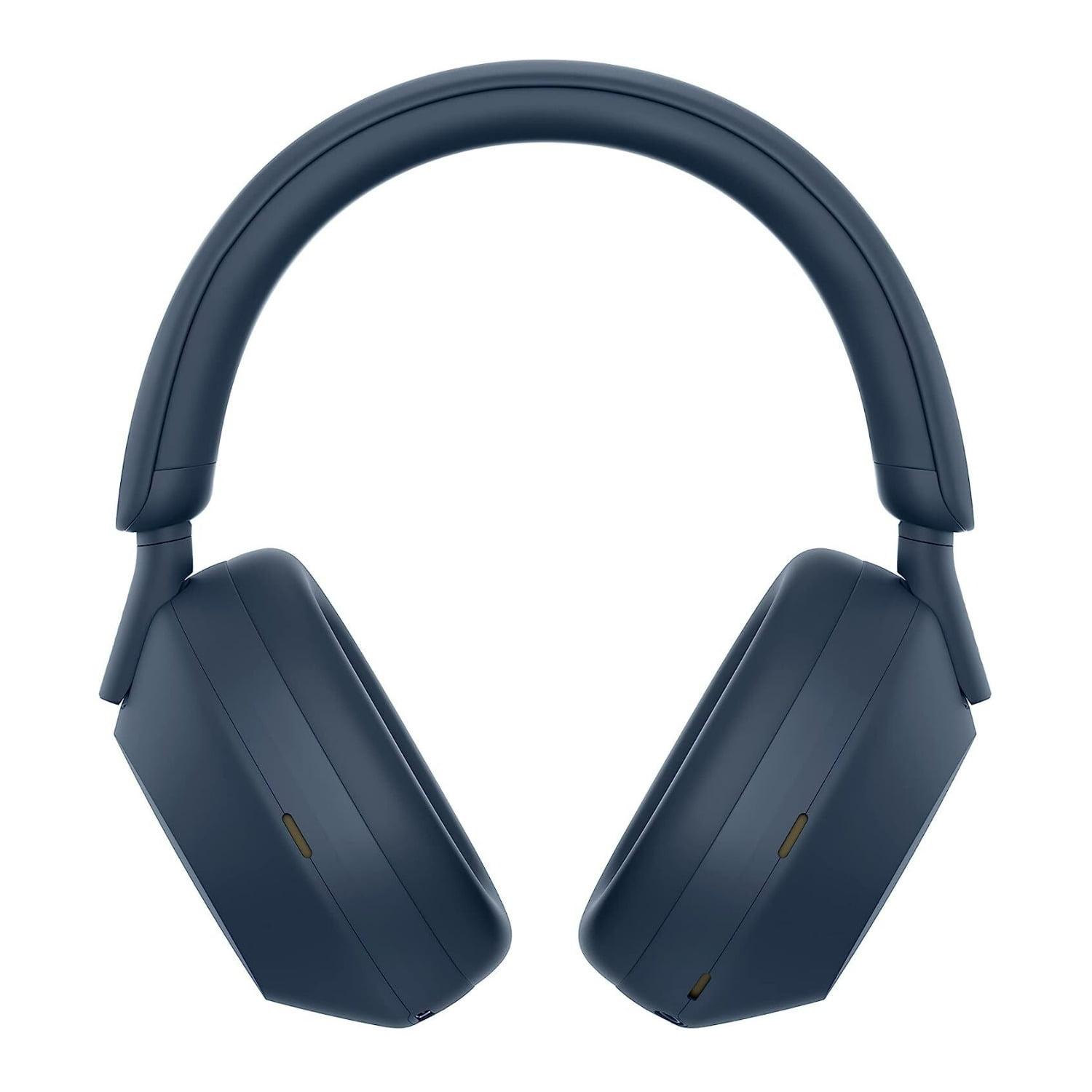
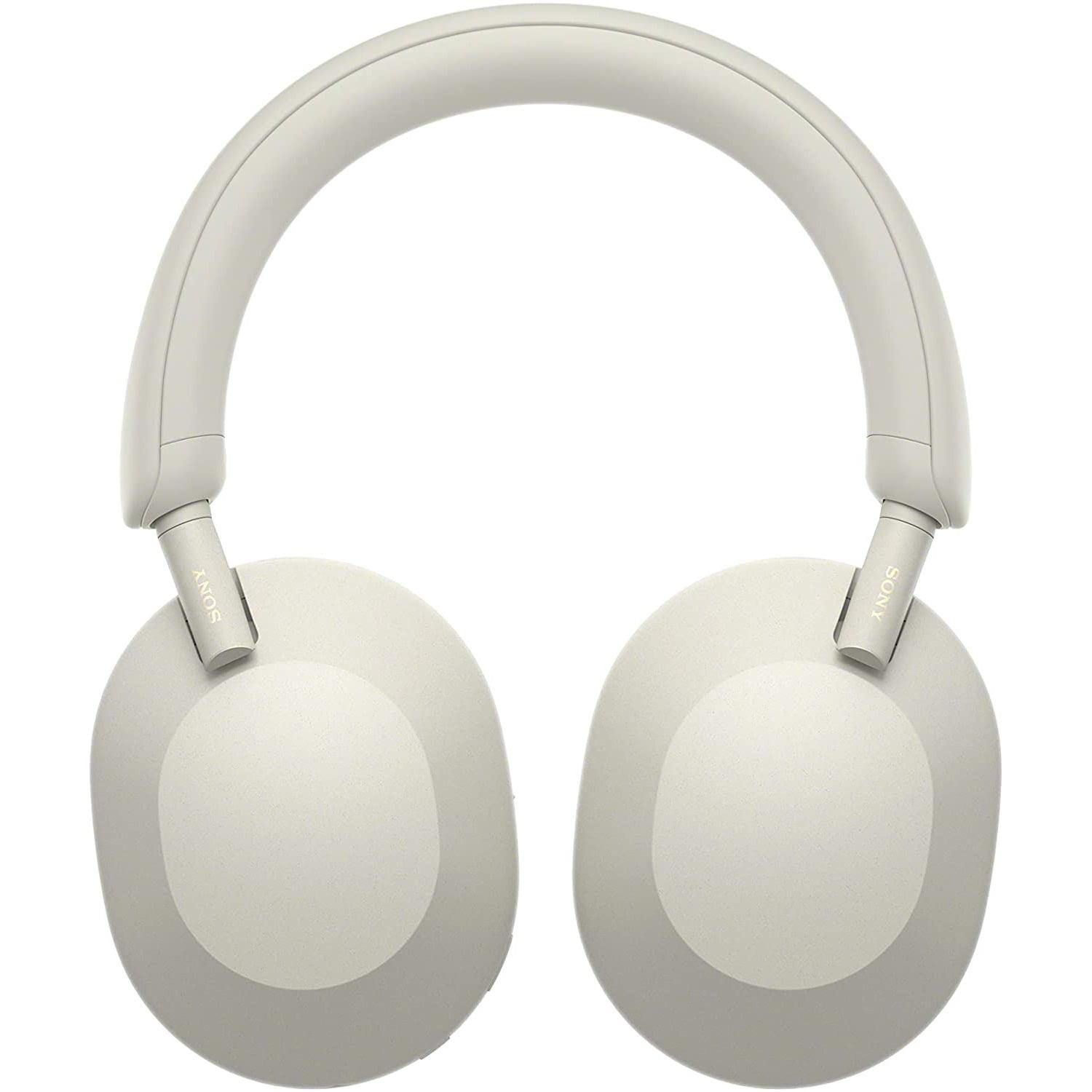
The Sony WH-1000XM5, released in May 2022, represents Sony's technology-first approach. It's the fifth generation of Sony's flagship noise-canceling headphones, building on nearly a decade of refinement. Sony completely redesigned the internal architecture with new 30mm drivers (down from 40mm in the previous XM4) and upgraded to eight microphones for even better noise cancellation.
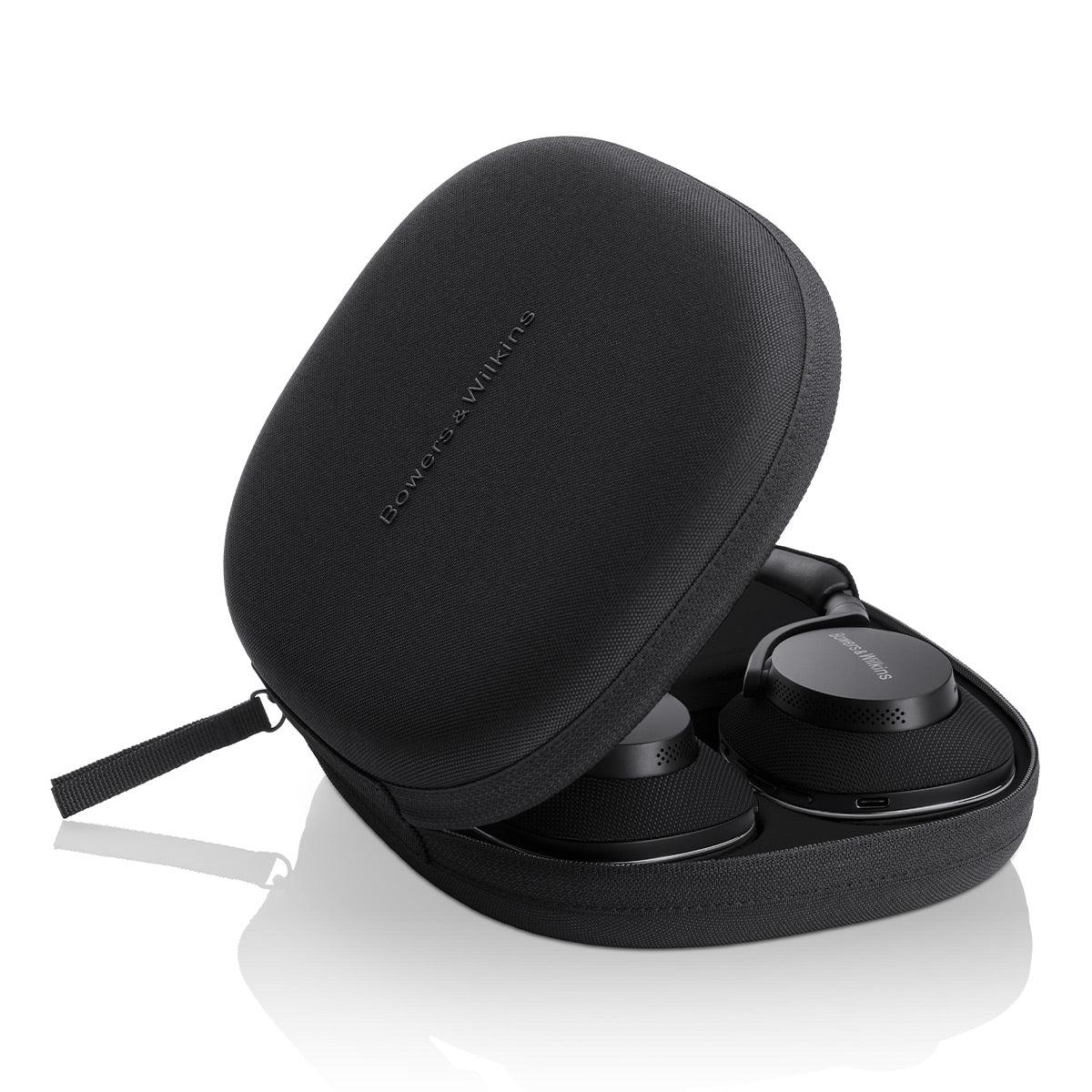
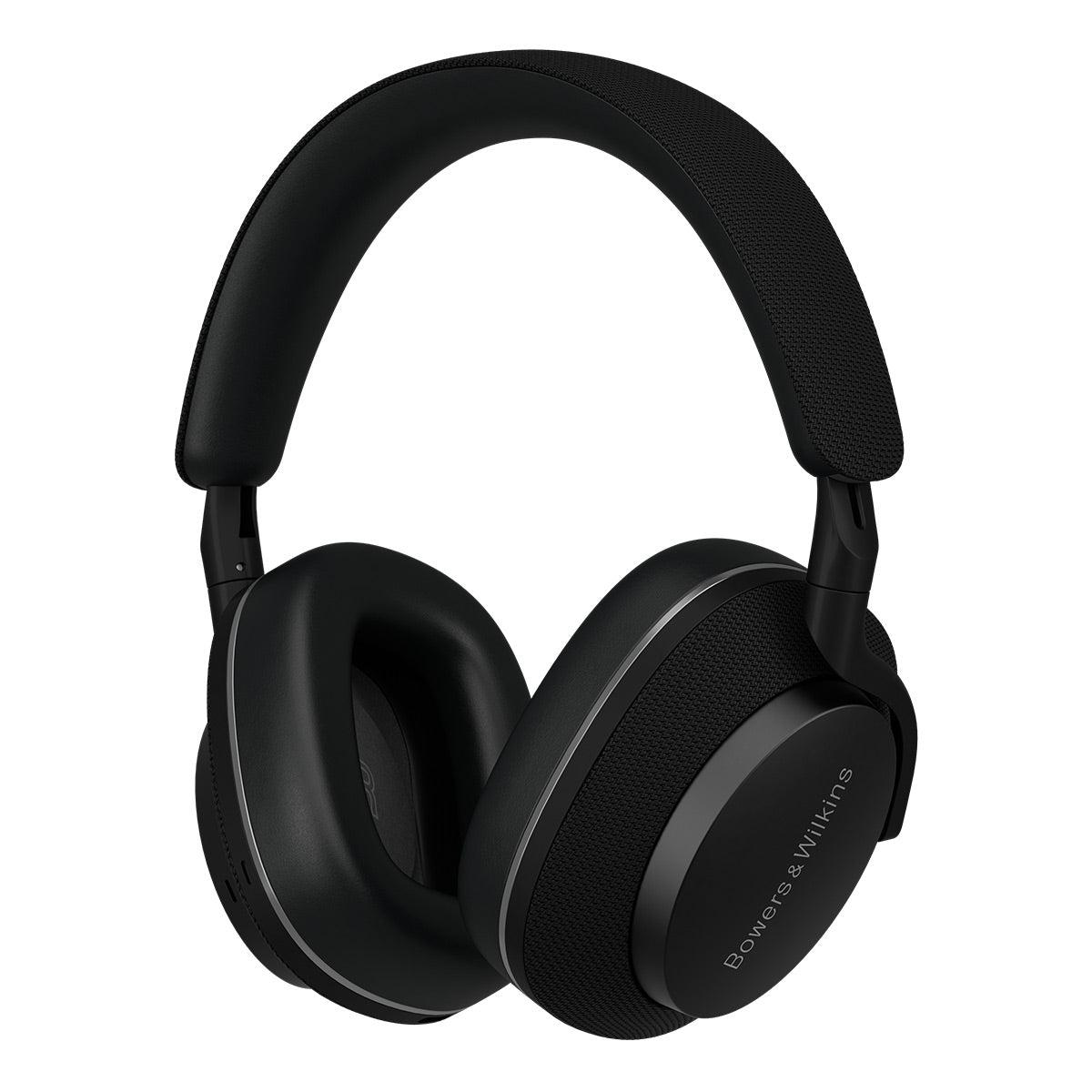
The Bowers & Wilkins Px7 S2e, launched in 2023, takes a more audiophile-focused approach. B&W, known for their high-end home speakers that cost thousands of dollars, brought their acoustic expertise to this wireless headphone. The "S2e" designation indicates this is an evolution of their Px7 S2, incorporating technology and tuning insights from their flagship Px8 model.
What's interesting is how these companies' different backgrounds shape their products. Sony, primarily a consumer electronics company, focuses on solving real-world problems like noisy environments and device compatibility. B&W, rooted in high-end audio, prioritizes the purity and engagement of the listening experience.
Let's start with active noise cancellation because it's often the deciding factor for many buyers. The difference between these two headphones in ANC performance is substantial and immediately noticeable.
The Sony WH-1000XM5 uses what Sony calls a "dual-processor system" - essentially two specialized chips working together to manage eight microphones. Four microphones are positioned on the outside of each ear cup to capture ambient noise, while four more are inside to monitor what you're actually hearing. This setup allows the Sony to adapt in real-time to changing noise environments.
What makes Sony's system special is its intelligence. The Auto NC Optimizer continuously adjusts noise cancellation based on factors like how the headphones fit on your head, your hair type, whether you wear glasses, and even atmospheric pressure changes during flights. I've tested this extensively during air travel, and it's genuinely impressive how the headphones automatically adjust when the plane changes altitude.
The B&W Px7 S2e uses a simpler six-microphone system with what's called "hybrid" ANC - meaning it uses both feedforward microphones (outside the ear cup) and feedback microphones (inside) to create a cancellation signal. However, it lacks the adaptive intelligence of Sony's system. You simply turn ANC on or off, without the sophisticated environmental adjustments.
In practical terms, the Sony excels at blocking mid and high-frequency sounds - things like human voices, air conditioning hum, and that constant drone of airplane engines. The B&W is decent at blocking low-frequency rumble but struggles more with sudden sounds and voices. If you're someone who needs headphones primarily for travel or working in noisy environments, the Sony's superior ANC makes it worth the extra cost.
This is where things get more subjective and interesting. Both headphones sound excellent, but they take fundamentally different approaches to audio reproduction.
The Sony WH-1000XM5 aims for broad appeal with what audio engineers call a "consumer-friendly" tuning. The frequency response is relatively balanced with a slight emphasis on bass and treble, creating an engaging sound that works well across all music genres. Sony includes DSEE Extreme, which uses artificial intelligence to upscale compressed music files in real-time, restoring some of the detail lost during compression.
The Sony's soundstage - how wide and spacious music feels - is notably open and airy. When listening to live recordings or orchestral pieces, instruments feel spread out naturally across a wide space. The 30mm drivers, despite being smaller than many competitors, deliver surprising clarity and detail. Sony also supports LDAC, their proprietary high-resolution Bluetooth codec that transmits about three times more data than standard Bluetooth audio.
The Bowers & Wilkins Px7 S2e takes a more audiophile-oriented approach with what B&W calls their "signature sound." The 40mm bio-cellulose drivers are angled within each ear cup and powered by 24-bit digital signal processing. This creates a warmer, more intimate presentation that many find immediately engaging.
Where the B&W really shines is in its bass response and midrange warmth. Drums have real impact and weight, vocals feel present and natural, and there's an overall richness that makes music feel more "live" and immediate. However, this warmth sometimes comes at the cost of absolute detail in complex passages, and the soundstage feels more intimate compared to Sony's expansive presentation.
I find myself reaching for the Sony when I want to analyze music or listen to complex classical pieces, while the B&W is my preference for rock, jazz, and acoustic music where that warmth and immediacy enhance the emotional connection to the music.
Comfort becomes crucial when you're wearing headphones for hours at a time, and these two models take different approaches that suit different preferences.
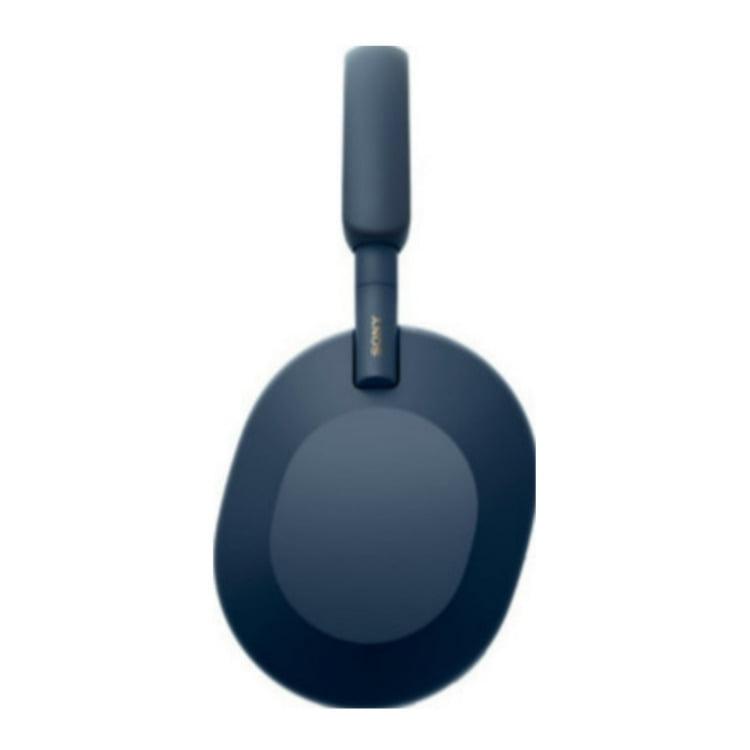
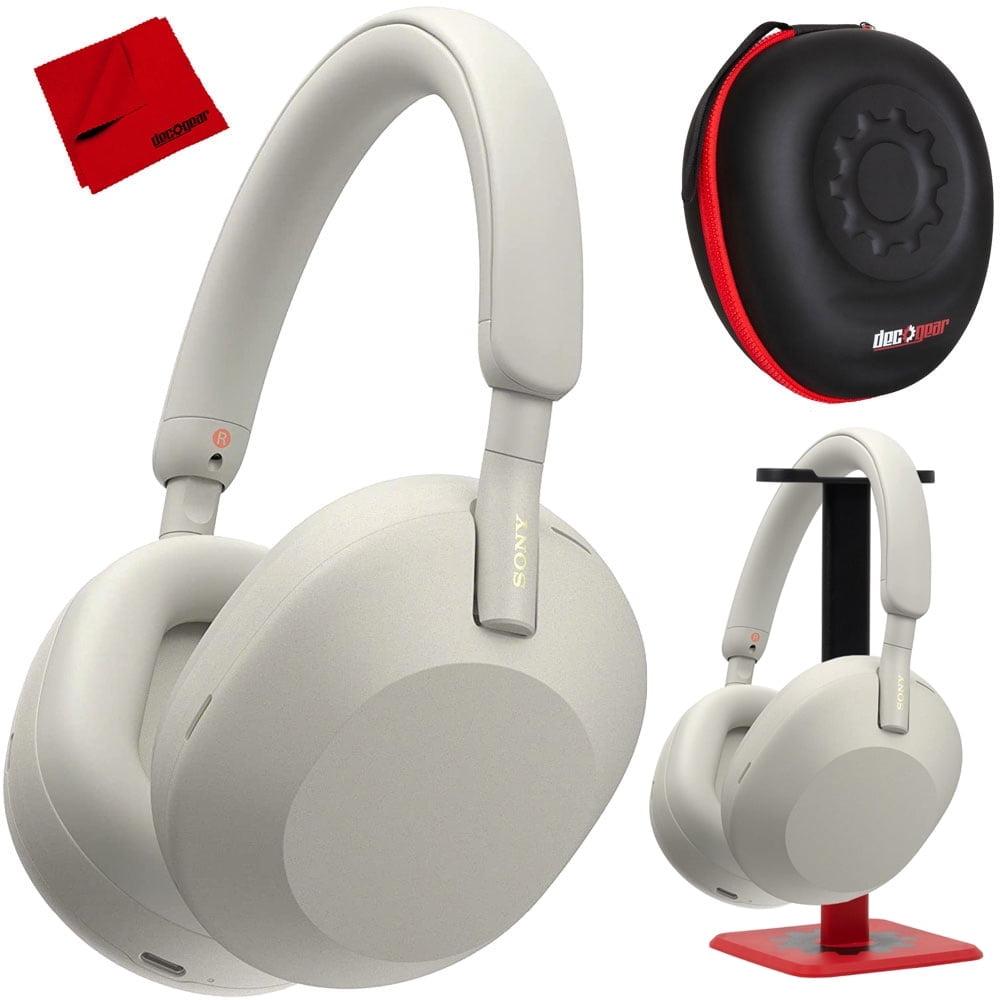
The Sony WH-1000XM5 prioritizes all-day wearability. At 250 grams, it's notably lighter than the B&W, and the difference is immediately apparent when you put them on. The ear pads are generously cushioned with synthetic leather that feels soft against your skin. The clamping force - how tightly the headphones grip your head - is moderate, making them comfortable for people who wear glasses.
Sony redesigned the XM5 with a sleeker, more modern aesthetic compared to the previous XM4, but the construction is predominantly plastic. While this keeps the weight down and improves comfort, it doesn't feel quite as premium as you might expect for a $400 product.
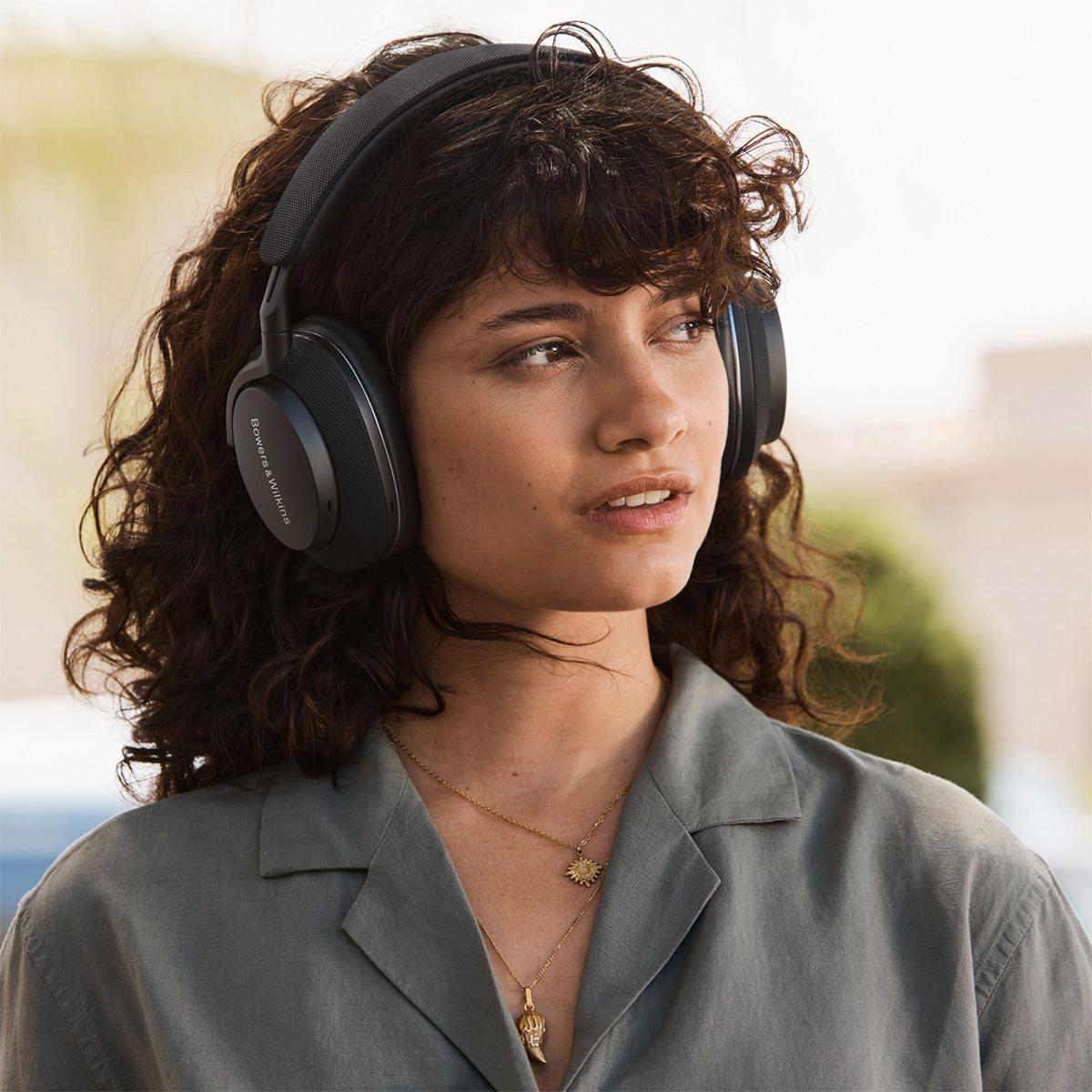
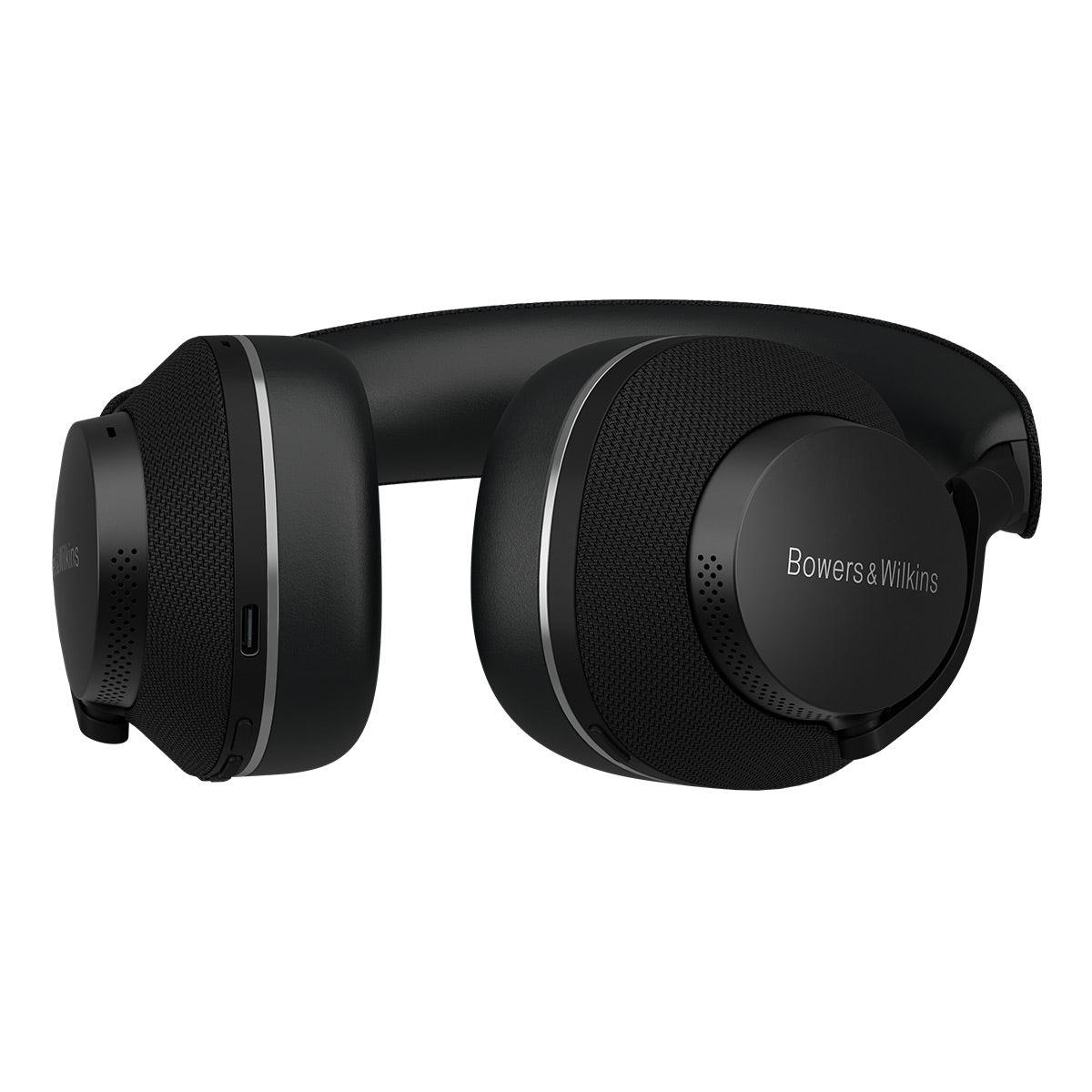
The Bowers & Wilkins Px7 S2e takes a more luxury-focused approach to design and materials. At 307 grams, it's heavier, but B&W compensated with deeper ear cups and carefully angled drivers that reduce pressure on your ears. The memory foam ear pads have a fabric finish rather than leather, which some people find more breathable during long listening sessions.
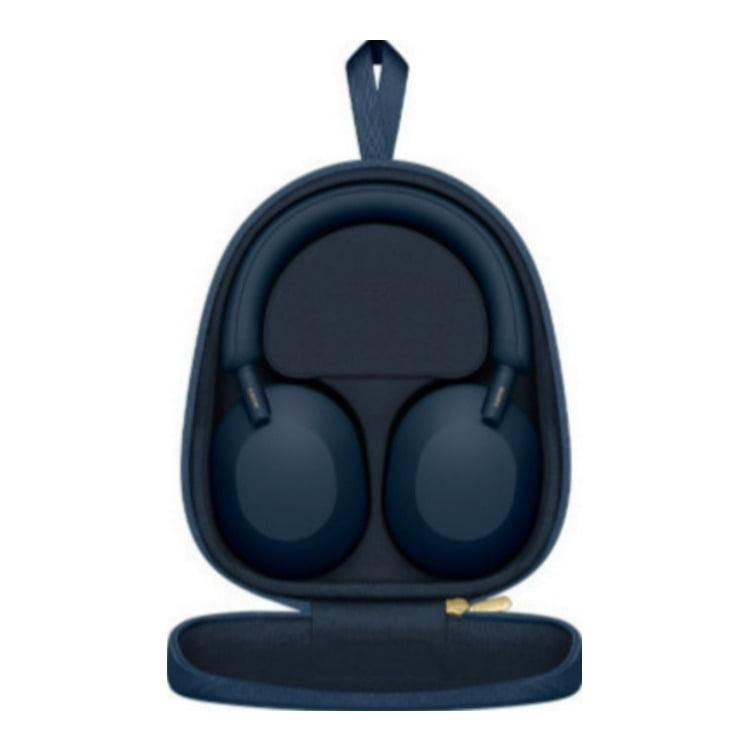
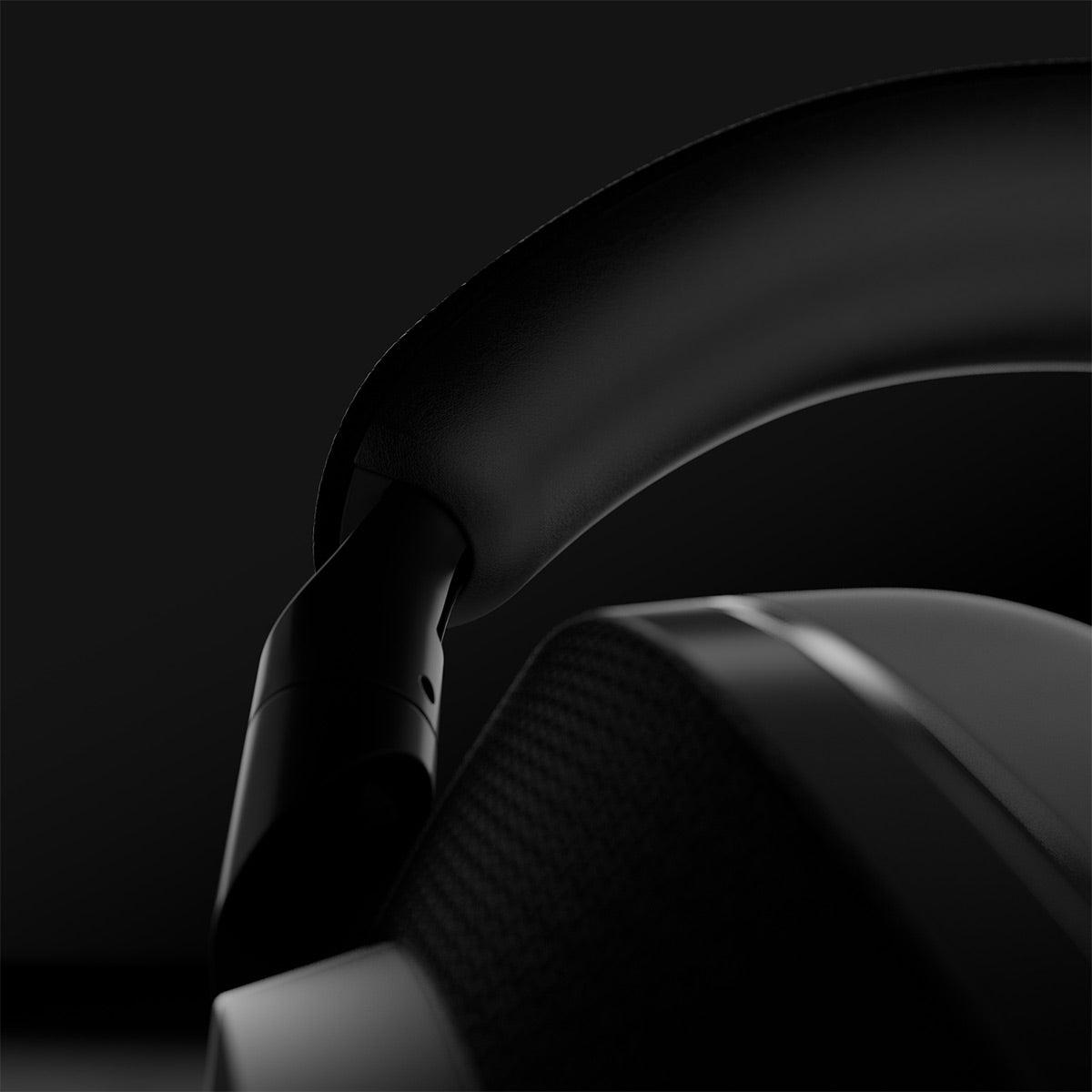
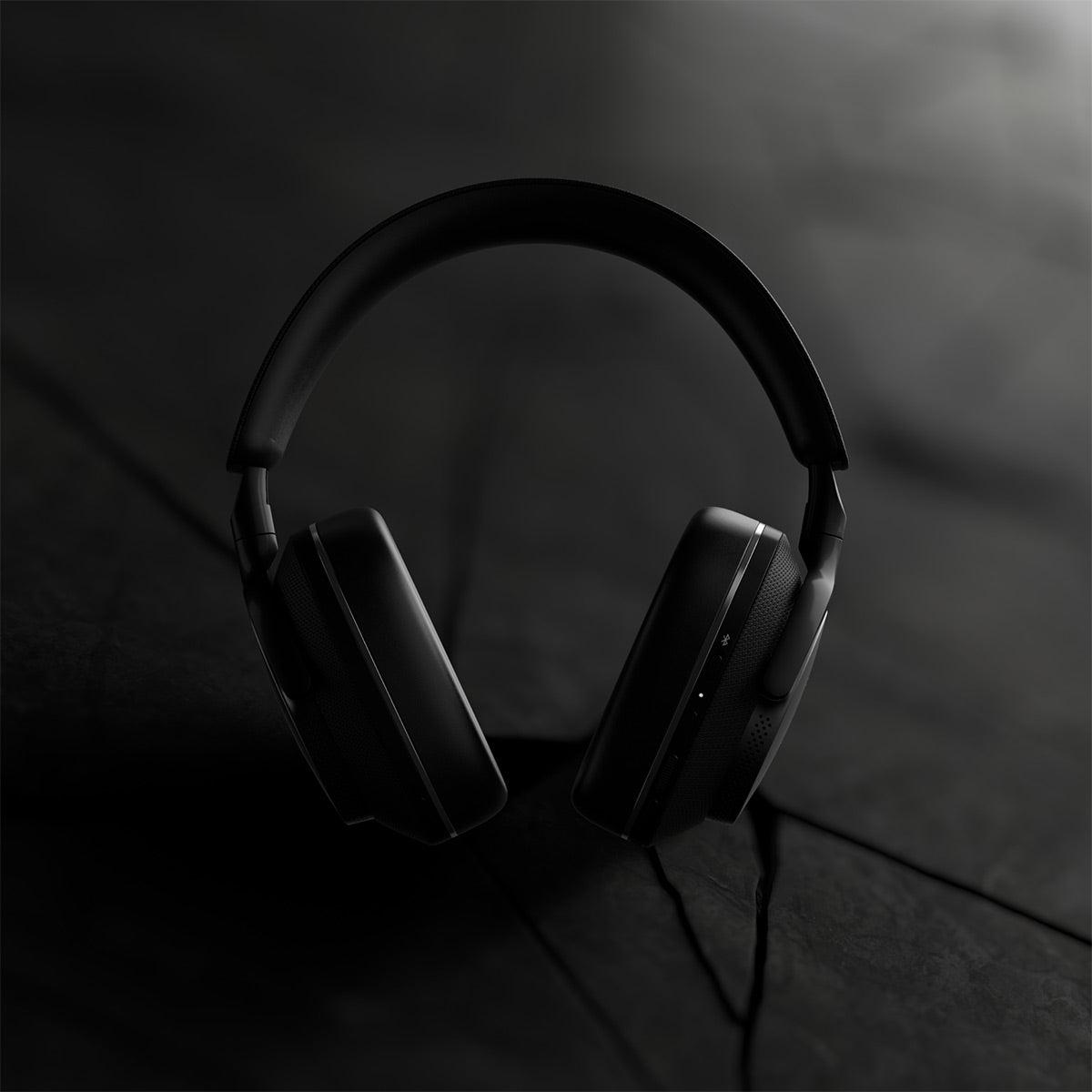
What really sets the B&W apart is its build quality and materials. The headband features genuine metal accents, and the overall fit and finish feels more premium and refined. It's available in several attractive color options, including Ocean Blue and Forest Green, that look sophisticated and distinctive.
The trade-off is that the firmer clamping force and extra weight can become fatiguing during very long sessions, especially if you wear glasses. However, for most listening sessions of 2-3 hours, I find the B&W quite comfortable and appreciate the premium feel.
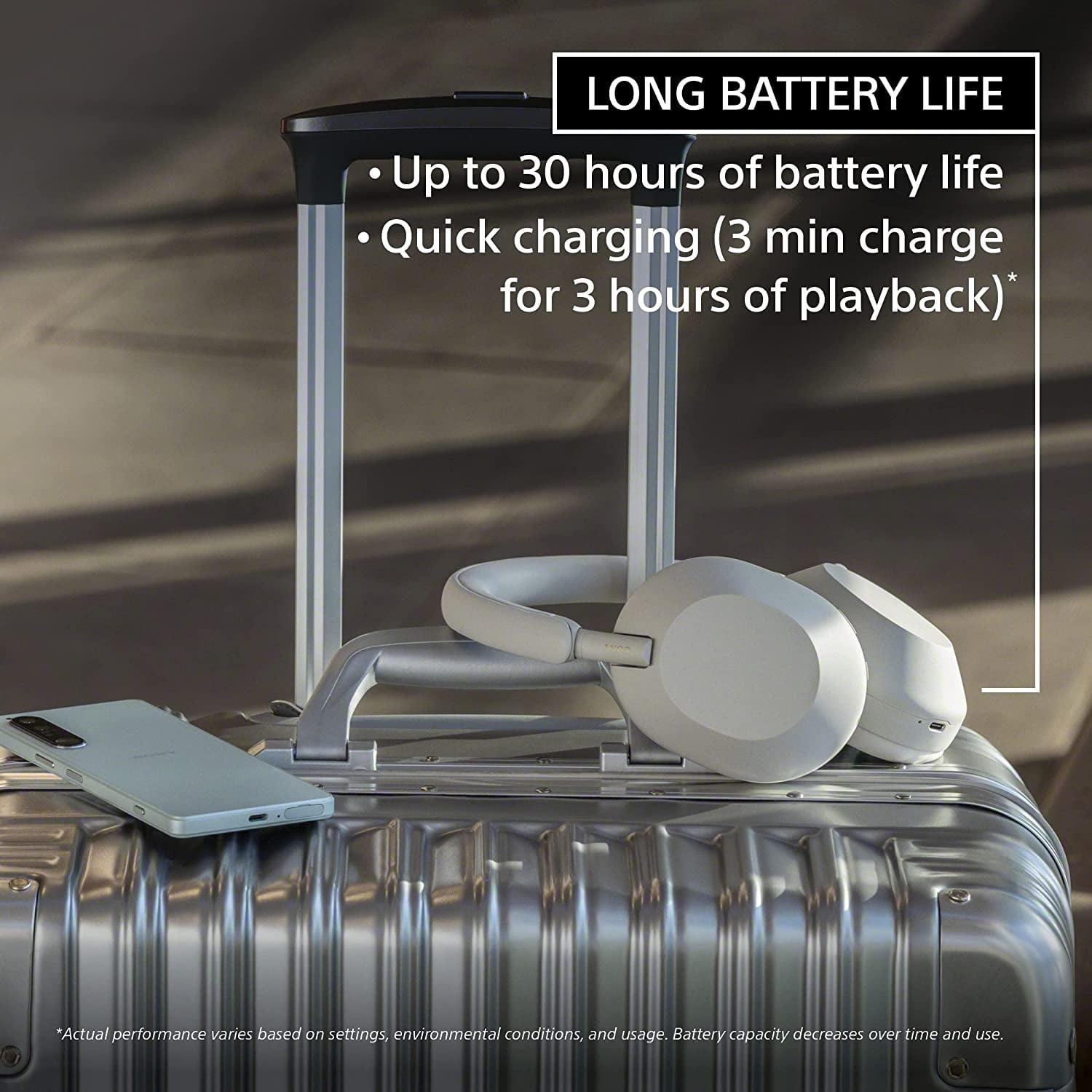
Both headphones offer excellent battery life, but with some important differences. The Sony WH-1000XM5 provides up to 30 hours with ANC enabled, extending to 40 hours with ANC disabled. The quick charge feature is particularly convenient - just three minutes of charging provides three hours of playback, perfect for those "I forgot to charge them" moments before a flight.
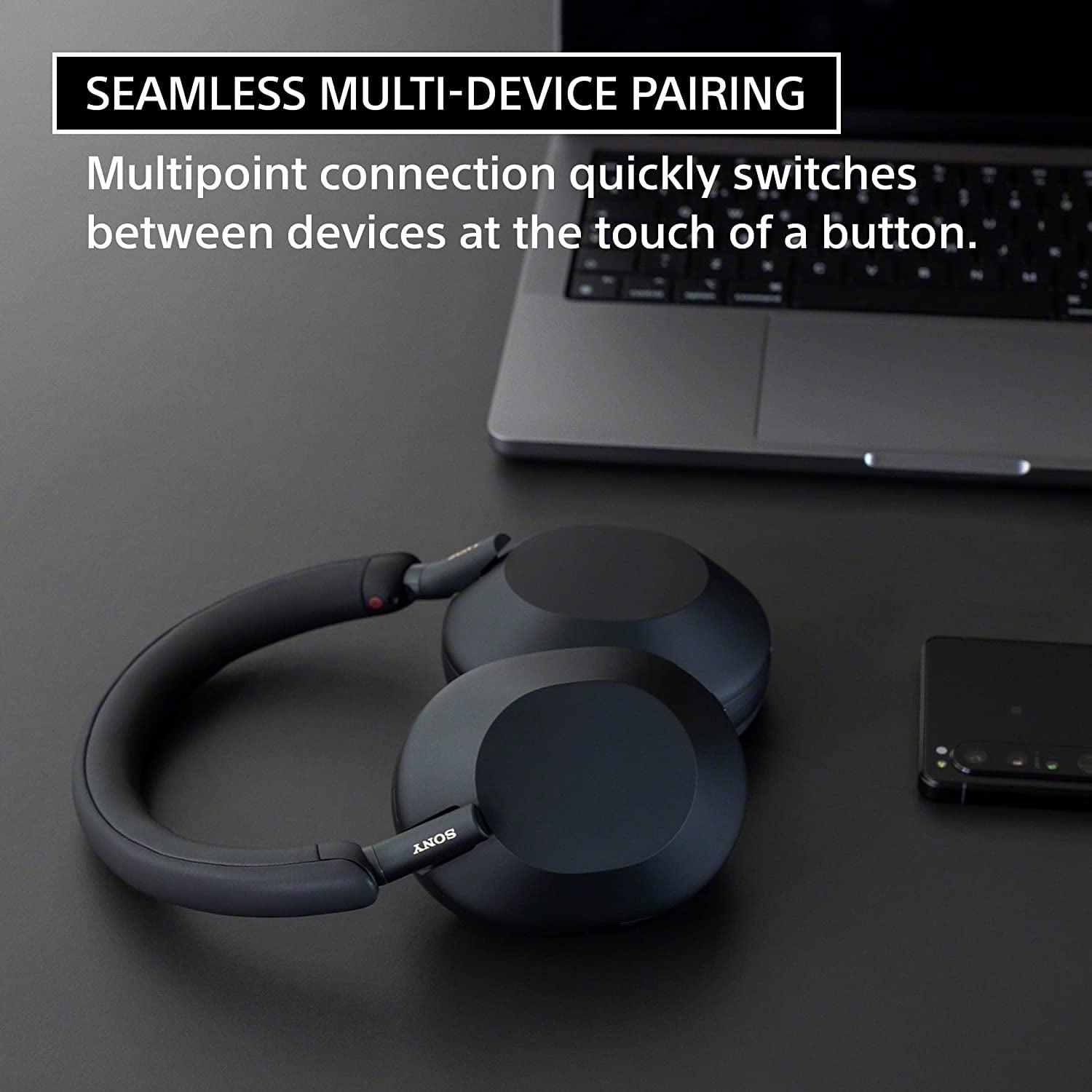
The Bowers & Wilkins Px7 S2e matches the Sony with 30 hours of ANC-on playback, but its quick charge is less impressive at 15 minutes for 7 hours of playback. Both use USB-C for charging and support multipoint connectivity, allowing you to connect to two devices simultaneously.
Where they differ significantly is in Bluetooth codec support. Sony includes LDAC, which can transmit high-resolution audio wirelessly, making it excellent for streaming high-quality music from services like Tidal or Qobuz. The B&W supports aptX Adaptive and aptX HD, which are also high-quality codecs but not quite at LDAC's level for ultimate audio fidelity.
This is another area where Sony's consumer electronics expertise shows. The Sony Headphones Connect app is comprehensive, offering detailed EQ customization, adaptive sound control that automatically adjusts settings based on your activity and location, and features like Speak-to-Chat that automatically pauses music when you start talking.
The Sony WH-1000XM5 also includes 360 Reality Audio support for immersive audio content and seamless integration with voice assistants. The touch controls on the right ear cup are responsive and customizable, though they can be accidentally triggered if you adjust the headphones frequently.
The B&W Music app is more basic, focusing on core functionality rather than extensive customization. You get basic EQ adjustment (bass and treble only), noise cancellation controls, and integration with streaming services like Tidal and Qobuz. The Bowers & Wilkins Px7 S2e uses physical buttons rather than touch controls, which some users prefer for reliability and tactile feedback.
For home theater use, both headphones have merit but serve different purposes. The Sony WH-1000XM5 excels for late-night movie watching when you need to keep volume low but still want to hear dialogue clearly and feel immersed in the action. The wide soundstage and excellent detail retrieval make explosions feel impactful while keeping voices intelligible.
The Bowers & Wilkins Px7 S2e brings more warmth and weight to movie soundtracks, making action sequences feel more visceral and dramatic. However, its more intimate soundstage might make some listeners feel less immersed in large-scale scenes.
Both support low-latency Bluetooth codecs that minimize lip-sync issues when watching video content, though a wired connection via USB-C is always preferable for the lowest latency in critical applications.
At $398, the Sony WH-1000XM5 commands a premium price, but you're paying for industry-leading noise cancellation technology, comprehensive smart features, and broad versatility. If you travel frequently, work in noisy environments, or want a single pair of headphones that excels in multiple scenarios, the Sony justifies its cost.
The Bowers & Wilkins Px7 S2e at $352 offers better value for music-focused listeners. You're getting audiophile-tuned sound quality, premium materials and build quality, and the prestige of a renowned audio brand at a lower price point. The trade-off is weaker noise cancellation and fewer smart features.
After extensive testing, here's my practical advice: Choose the Sony WH-1000XM5 if noise cancellation is a priority, if you want comprehensive smart features, or if you need one pair of headphones to handle everything from commuting to conference calls to music listening. The superior ANC alone makes it worth considering for frequent travelers.
Choose the Bowers & Wilkins Px7 S2e if sound quality is your primary concern, if you listen mainly in quiet environments, or if you appreciate premium build quality and materials. The warmer, more engaging sound signature makes music feel more alive and immediate, and the lower price point offers better value for pure audio performance.
Both are excellent headphones that represent the best their respective companies have to offer. Your choice ultimately depends on whether you prioritize the technological sophistication and noise cancellation of the Sony, or the musical engagement and premium feel of the B&W. Either way, you'll be getting a pair of headphones that will serve you well for years to come.
| Sony WH-1000XM5 ($398) | Bowers & Wilkins Px7 S2e ($352) |
|---|---|
| Active Noise Cancellation - Critical for travel and noisy environments | |
| 8 microphones with adaptive ANC (industry-leading performance) | 6 microphones with basic on/off ANC (good but not exceptional) |
| Driver Size & Technology - Affects sound quality and bass response | |
| 30mm dynamic drivers with carbon fiber composite | 40mm bio-cellulose drivers with angled positioning |
| Weight - Important for comfort during long listening sessions | |
| 250g (lighter, better for all-day wear) | 307g (heavier but premium materials) |
| Battery Life - Determines real-world usability | |
| 30 hours (ANC on), 40 hours (ANC off) | 30 hours (ANC on) |
| Quick Charge - Convenience for forgotten charging | |
| 3 minutes = 3 hours playback | 15 minutes = 7 hours playback |
| Bluetooth Codecs - Affects wireless audio quality | |
| LDAC, AAC, SBC (highest quality wireless streaming) | aptX Adaptive, aptX HD, AAC, SBC (excellent but not LDAC level) |
| Sound Signature - Different approaches to audio tuning | |
| Balanced with wide soundstage (versatile for all genres) | Warm with punchy bass and intimate presentation (engaging for most music) |
| App & Features - Smart capabilities and customization | |
| Comprehensive Sony app with extensive EQ and adaptive features | Basic B&W app with limited customization options |
| Build Quality - Premium feel and durability | |
| Mostly plastic construction (practical but less premium feel) | Metal accents and fabric finish (luxury materials and appearance) |
| Comfort Features - Extended wearing considerations | |
| Softer ear pads, less clamping force (better for glasses) | Deeper ear cups, firmer grip (premium feel but may cause fatigue) |
| Price Value - Cost vs performance delivered | |
| Higher price justified by superior ANC and features | Lower price with focus on audio quality over technology |
The Sony WH-1000XM5 has significantly better noise cancellation than the Bowers & Wilkins Px7 S2e. Sony uses 8 microphones with adaptive ANC that automatically adjusts to your environment, while B&W uses 6 microphones with basic on/off ANC. For travel and noisy environments, the Sony is the clear winner.
The Sony WH-1000XM5 costs $398, while the Bowers & Wilkins Px7 S2e is priced at $352, making the B&W $46 less expensive. Despite the lower price, the B&W focuses on premium build quality and sound rather than advanced features.
This depends on your preferences. The Bowers & Wilkins Px7 S2e offers warmer, more engaging sound with punchy bass that's excellent for rock, jazz, and acoustic music. The Sony WH-1000XM5 provides more balanced, versatile sound with a wider soundstage that works well across all genres.
The Sony WH-1000XM5 is more comfortable for extended wear due to its lighter weight (250g vs 307g) and softer ear pads with less clamping force. The Bowers & Wilkins Px7 S2e has deeper ear cups and premium materials but may cause fatigue during very long sessions due to its heavier weight and firmer grip.
The Sony WH-1000XM5 offers superior battery life with 30 hours (ANC on) or 40 hours (ANC off), compared to the Bowers & Wilkins Px7 S2e which provides 30 hours with ANC on. Sony also has faster quick charging at 3 minutes for 3 hours of playback versus B&W's 15 minutes for 7 hours.
Both headphones handle calls well, but the Sony WH-1000XM5 has a slight edge with its 8-microphone system and advanced voice pickup technology. The Bowers & Wilkins Px7 S2e also provides clear call quality with its 6 microphones, though it lacks some of Sony's smart call features like Speak-to-Chat.
The Sony WH-1000XM5 is significantly better for travel due to its industry-leading noise cancellation, lighter weight, and longer battery life. The adaptive ANC automatically adjusts to airplane cabin pressure and blocks engine noise effectively. The Bowers & Wilkins Px7 S2e lacks the ANC performance needed for comfortable air travel.
Yes, both headphones support wired connections. The Sony WH-1000XM5 includes a 3.5mm audio cable and USB-C connectivity, while the Bowers & Wilkins Px7 S2e comes with USB-C to 3.5mm and USB-C to USB-C cables for versatile wired listening options.
The Bowers & Wilkins Px7 S2e has superior build quality with premium materials including metal accents, fabric finish, and luxury construction that justifies its audiophile brand heritage. The Sony WH-1000XM5 uses mostly plastic construction that feels less premium but is more practical and durable for daily use.
Both work well for home theater, but serve different purposes. The Sony WH-1000XM5 excels for late-night viewing with its wide soundstage and detailed dialogue reproduction. The Bowers & Wilkins Px7 S2e provides more warmth and impact for action movies, making explosions and soundtracks feel more dramatic and engaging.
The Sony WH-1000XM5 offers superior wireless audio quality with LDAC support that transmits high-resolution audio over Bluetooth. The Bowers & Wilkins Px7 S2e supports aptX Adaptive and aptX HD, which are excellent but don't match LDAC's capability for the highest quality wireless streaming from services like Tidal.
Choose the Sony WH-1000XM5 if you prioritize noise cancellation, travel frequently, want comprehensive smart features, or need versatile headphones for multiple uses. Choose the Bowers & Wilkins Px7 S2e if sound quality is your top priority, you listen mainly in quiet environments, appreciate premium materials, or want better value focused on pure audio performance.
We've done our best to create useful and informative comparisons to help you decide what product to buy. Our research uses advanced automated methods to create this comparison and perfection is not possible - please contact us for corrections or questions. These are the sites we've researched in the creation of this article: rtings.com - audiosciencereview.com - techradar.com - audio46.com - recordingnow.com - electronics.sony.com - theabsolutesound.com - soundguys.com - soundguys.com - headphonesaddict.com - sony.com - sony.com - sony-mea.com - fullspecs.net - bhphotovideo.com - sony.com - helpguide.sony.net - headphones.com - androidpolice.com - sony.co.id - moon-audio.com - sony.com - bestbuy.com - sonylatvija.com - recordingnow.com - whathifi.com - bowerswilkins.com - avnation.tv - tomsguide.com - rtings.com - audiograde.uk - youtube.com - soundguys.com - majorhifi.com - telquestintl.com - costco.com - bhphotovideo.com - headphones.com - bowerswilkins.com - thesourceav.com - sweetwater.com - telquestintl.com - sg.tcacoustic.asia - headphonecheck.com - bestbuy.com - img.computerunivers.net - audioadvisor.com

Privacy Policy
Terms and Conditions - Affiliate Policy
Home Security
© Copyright 2008-2026.
11816 Inwood Rd #1211, Dallas, TX 75244