


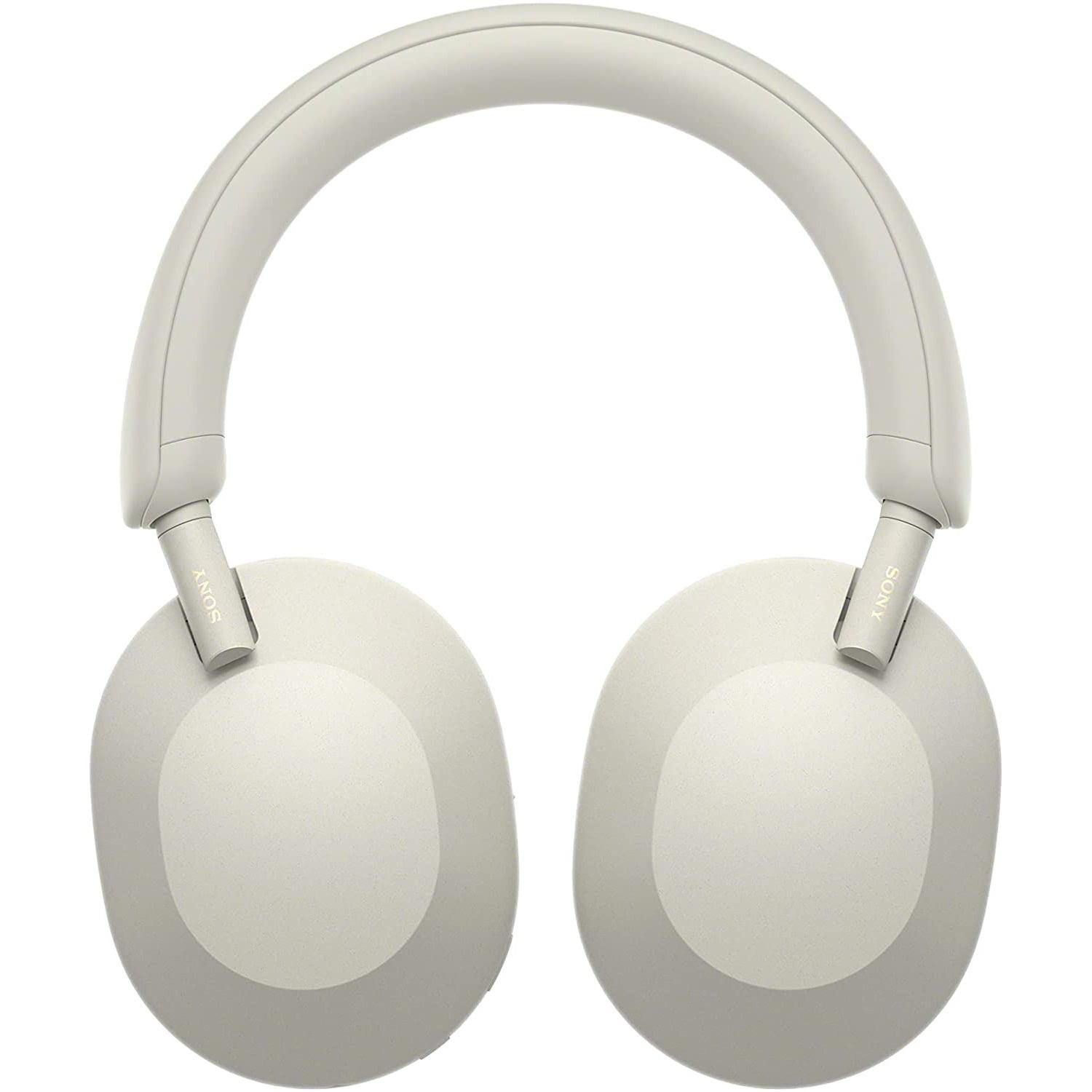
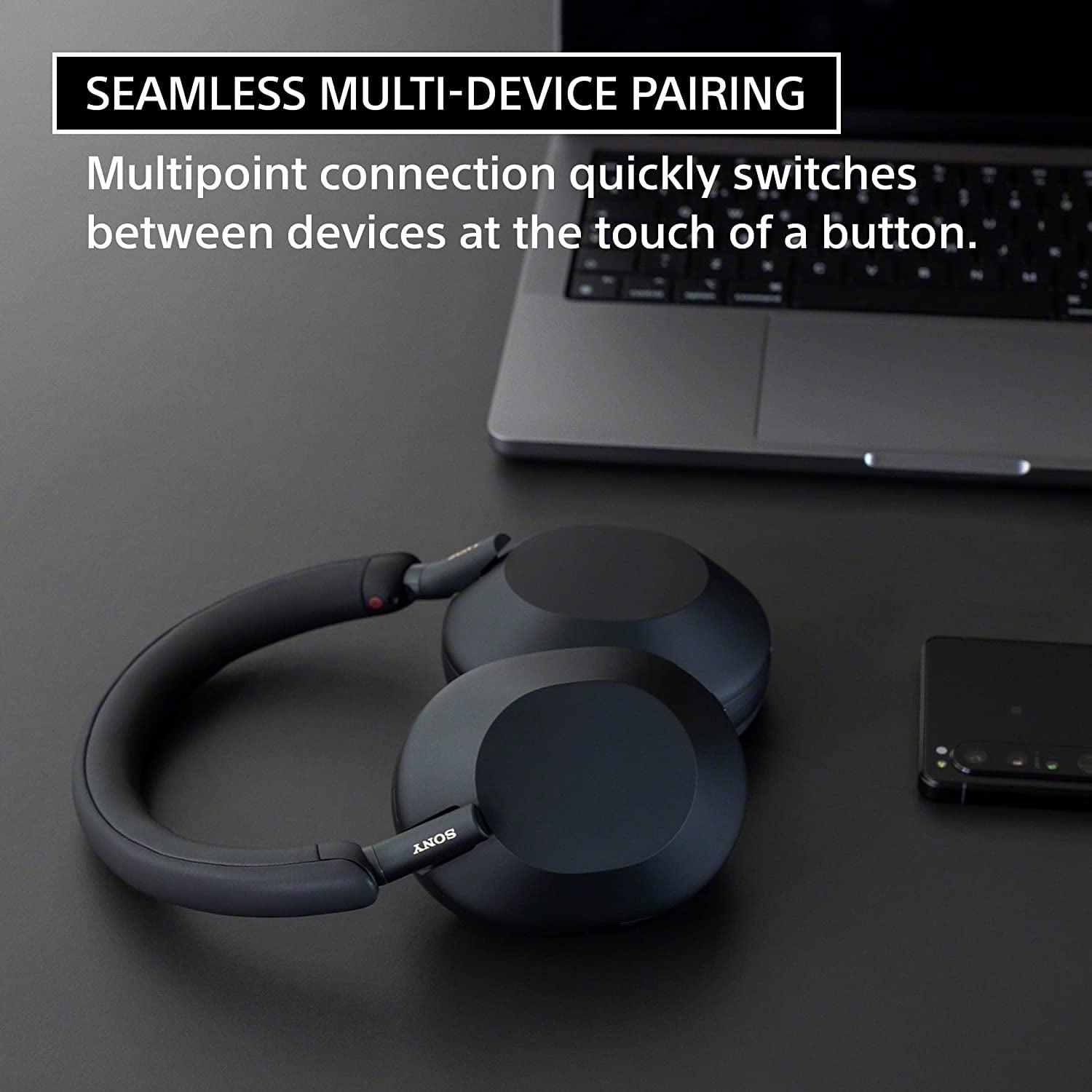
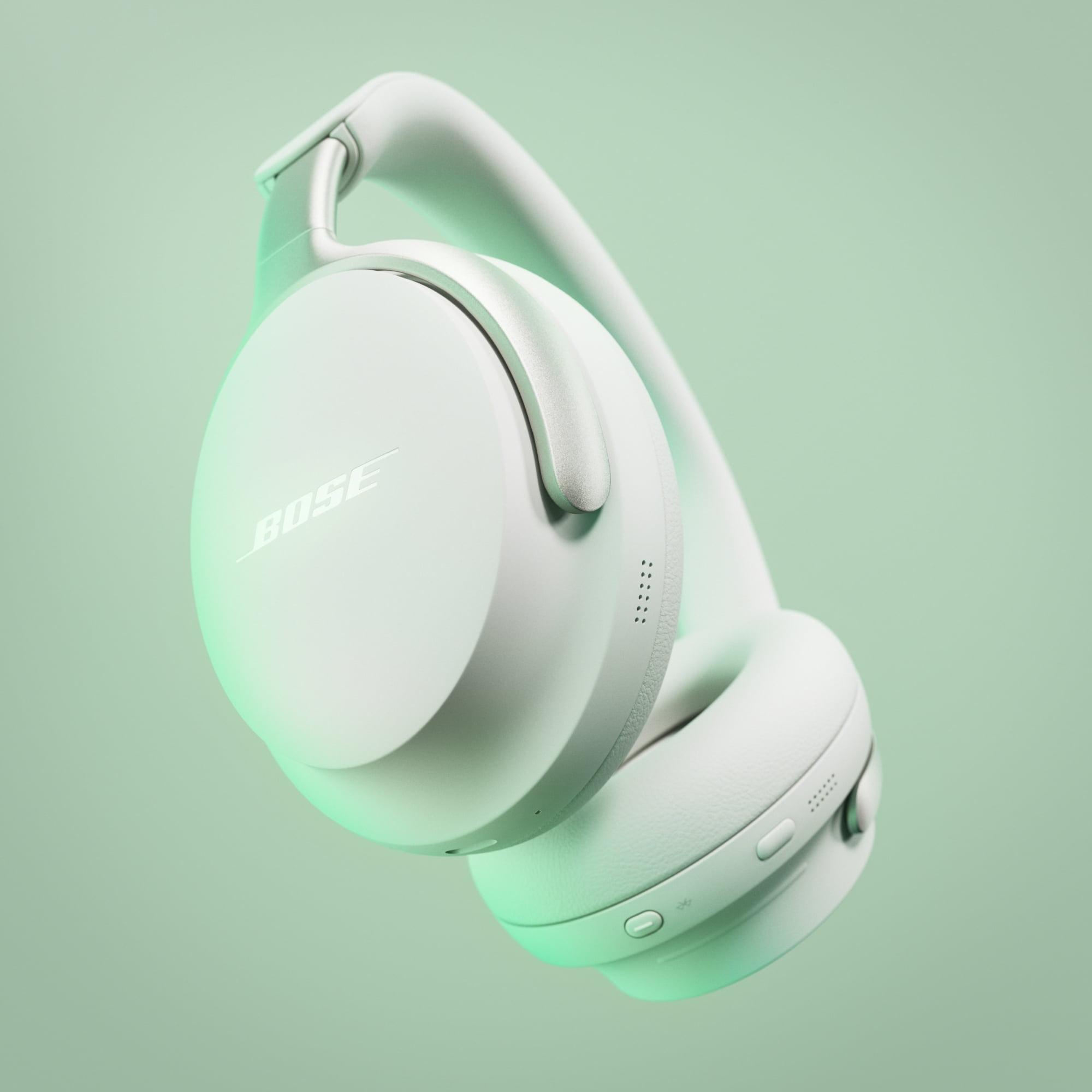
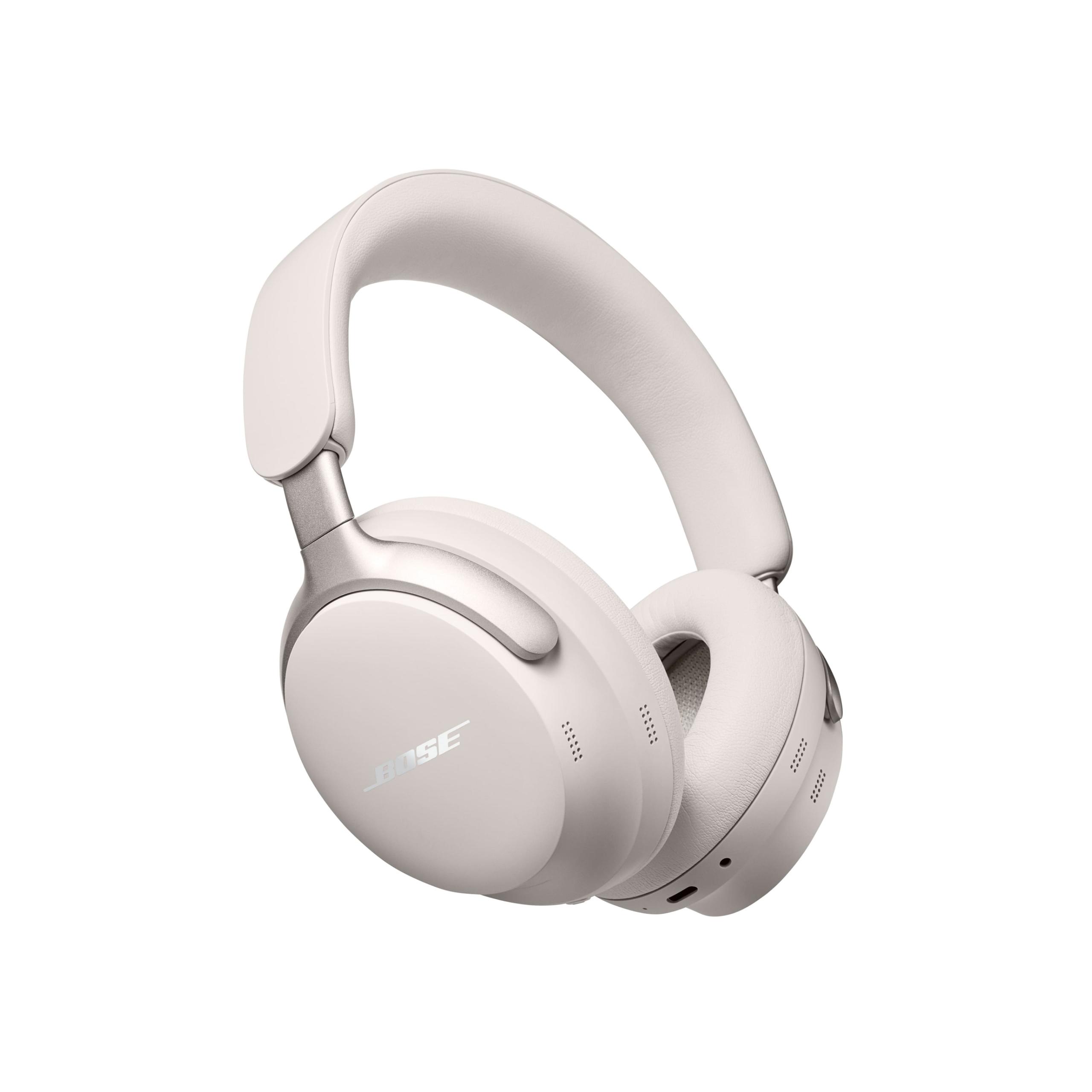
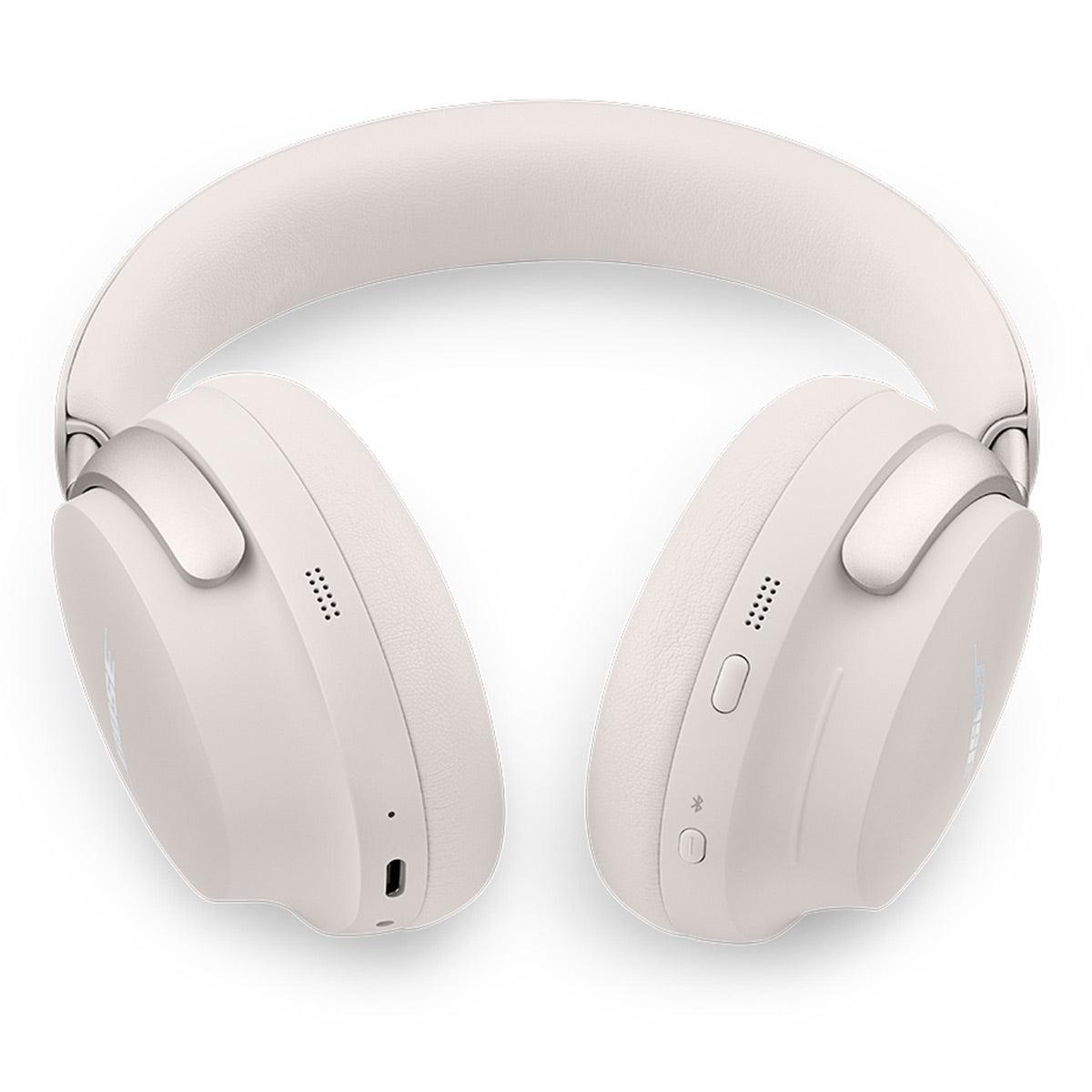
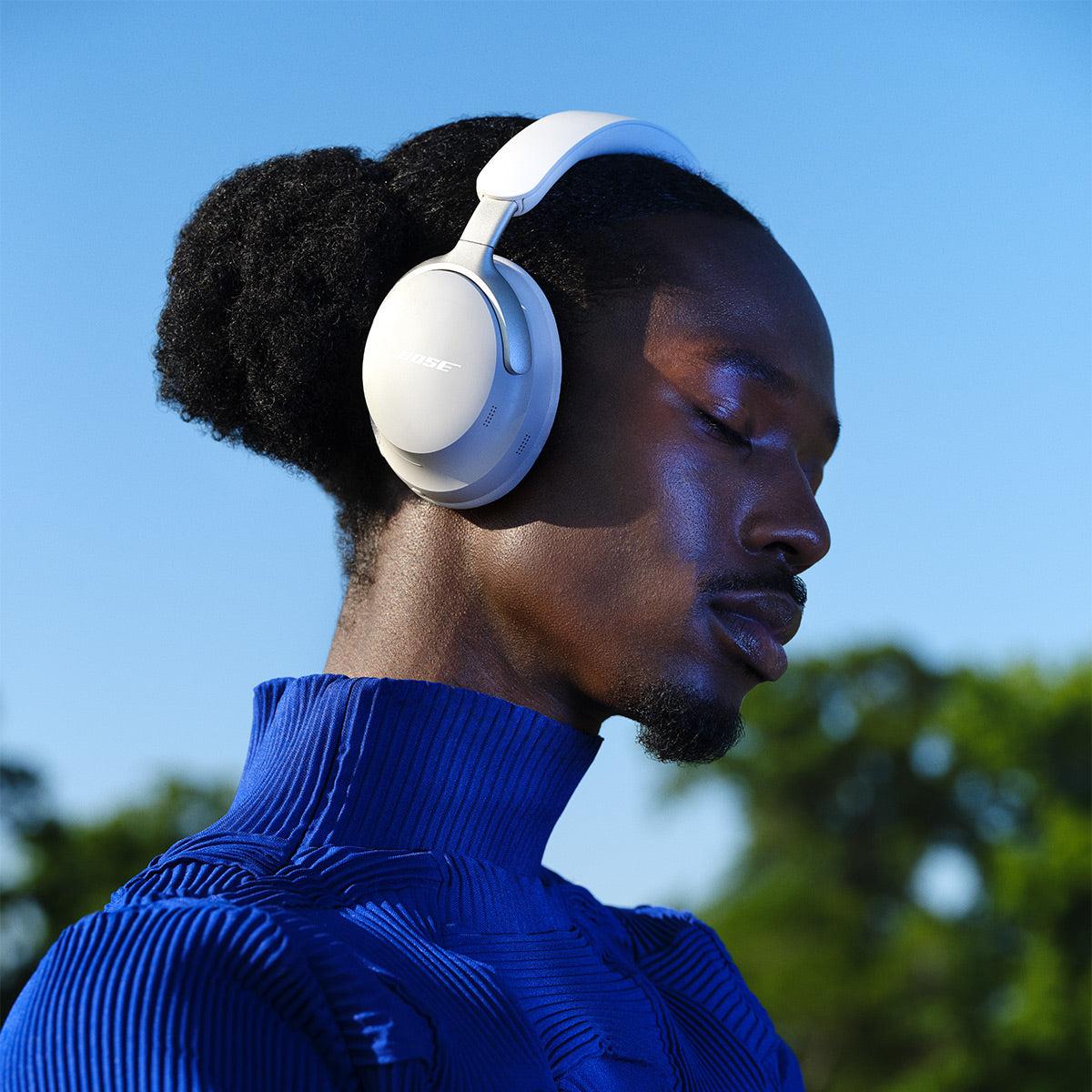
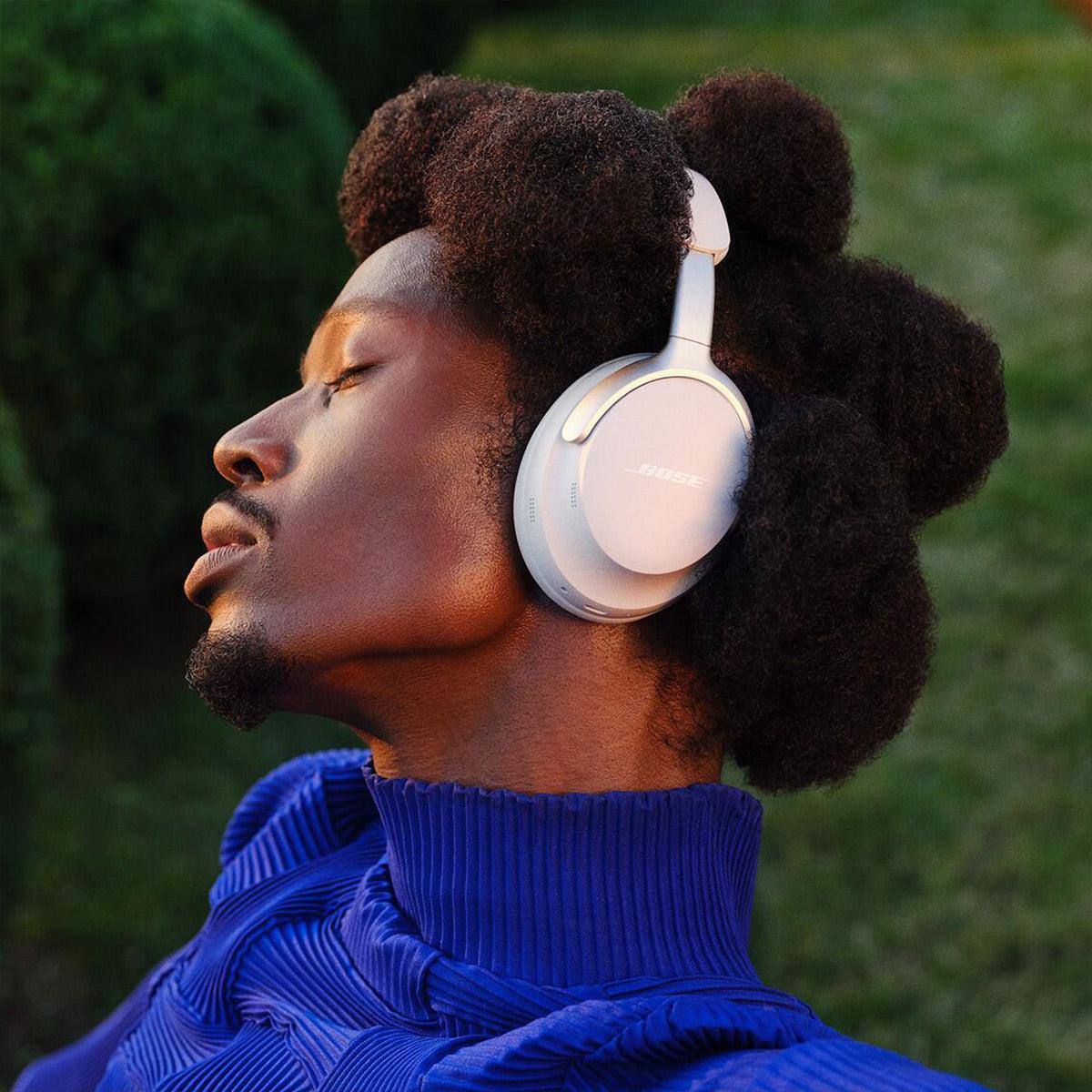
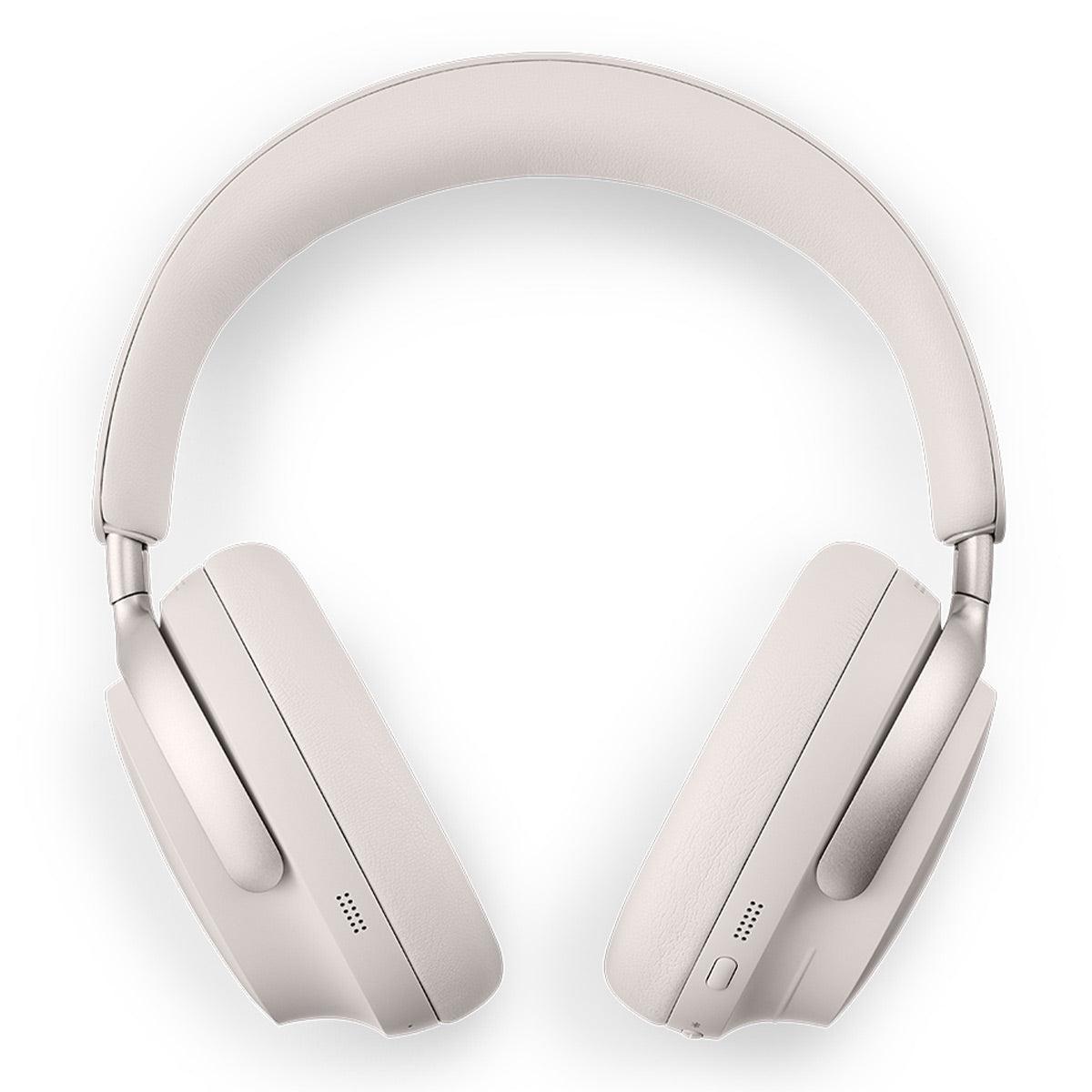
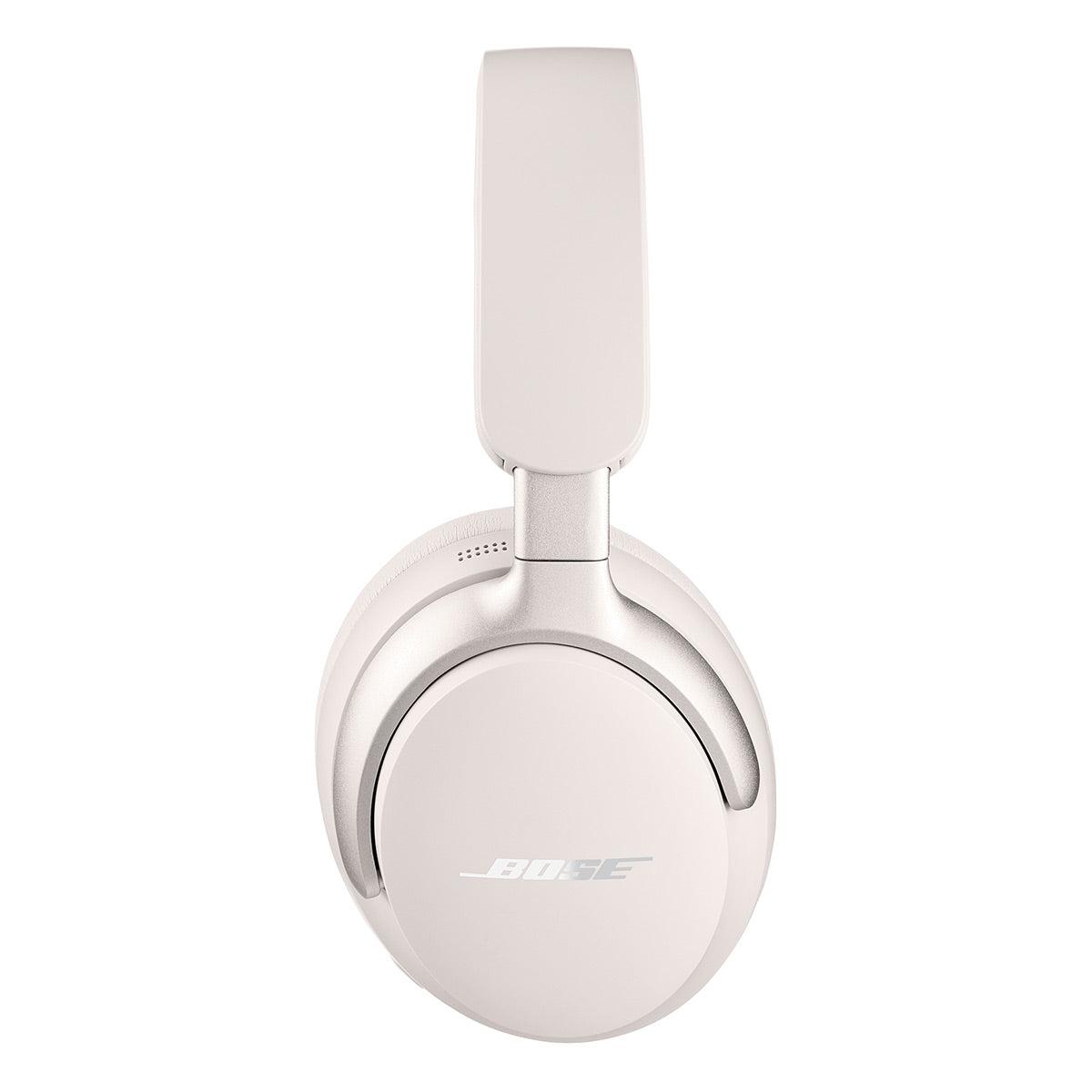
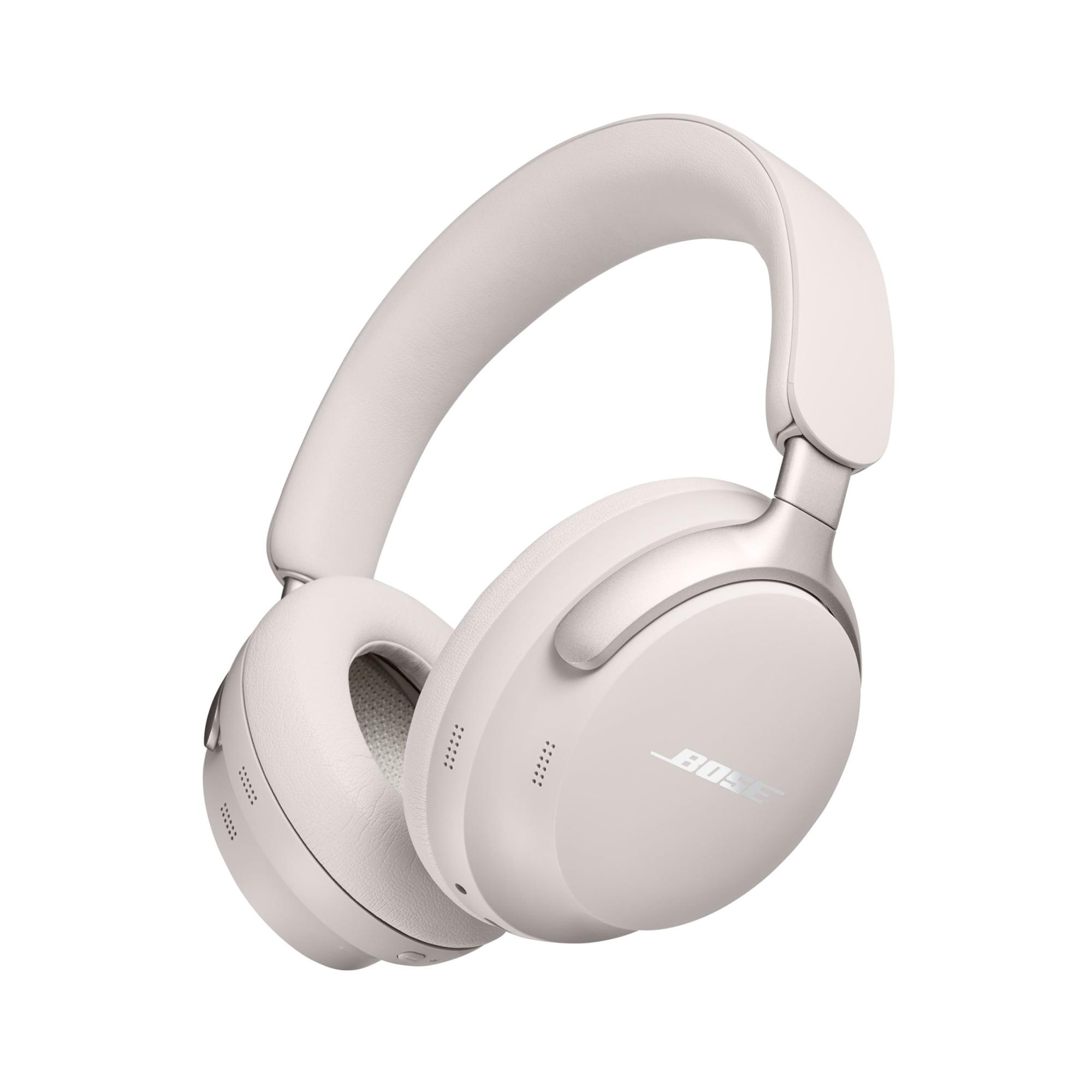
If you've been shopping for premium wireless headphones lately, you've probably noticed that the market has become incredibly competitive. Two names consistently rise to the top of every "best of" list: the Sony WH-1000XM5 ($398) and the Bose QuietComfort Ultra ($449). Both represent the pinnacle of what wireless noise-canceling headphones can achieve in 2024, but they take notably different approaches to get there.
Having spent considerable time with both pairs, I can tell you that choosing between them isn't as straightforward as picking the one with better specs on paper. These headphones serve the same basic purpose—delivering exceptional audio while blocking out the world around you—but they excel in different areas that matter to different types of users.
Before diving into the specifics, it's worth understanding what sets premium noise-canceling headphones apart from regular wireless headphones. The "active noise canceling" (ANC) technology uses microphones to detect ambient sound, then produces inverse sound waves to cancel out that noise before it reaches your ears. Think of it like having a conversation in a busy restaurant—these headphones essentially tell all the background chatter to quiet down so you can focus on your music.
The key factors that separate good ANC headphones from great ones include how effectively they cancel different types of noise (low rumbles like airplane engines versus higher-pitched sounds like voices), how natural they sound when you want to hear your surroundings, and how well they balance exceptional audio quality with all-day comfort.
Both Sony and Bose have been refining their flagship models for years. The Sony WH-1000XM5 launched in May 2022 as the fifth generation of Sony's acclaimed 1000X series, while the Bose QuietComfort Ultra debuted in October 2023, representing Bose's latest evolution of their legendary QuietComfort line.
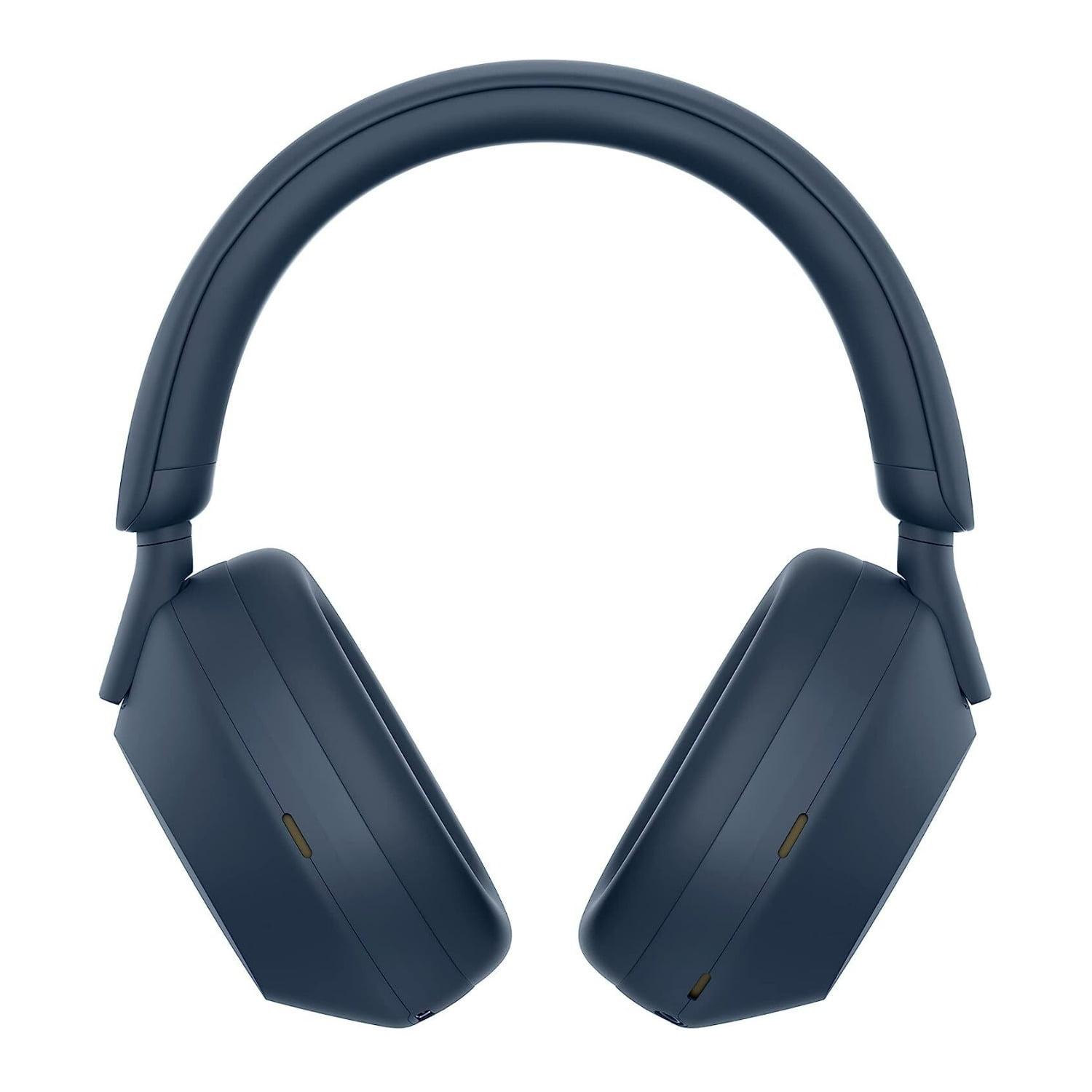
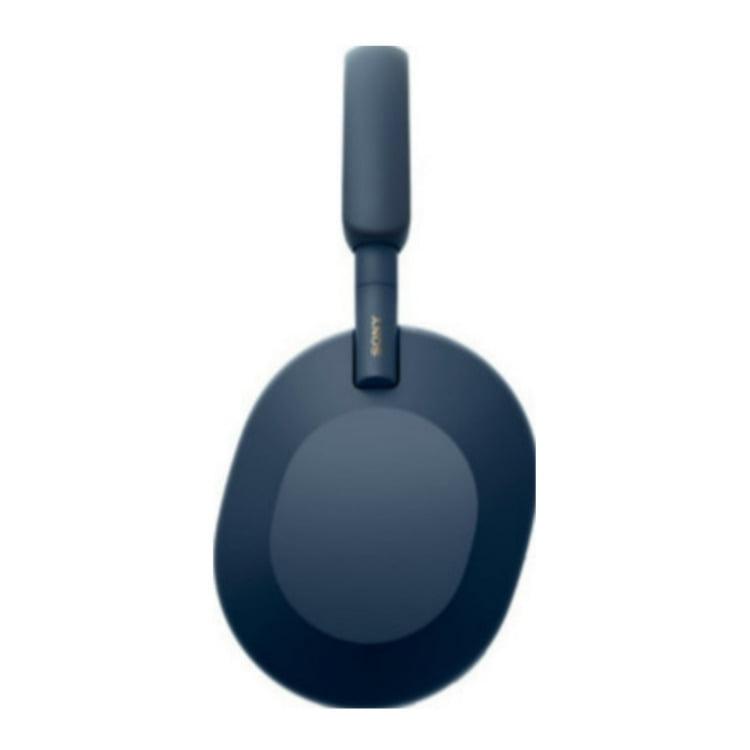
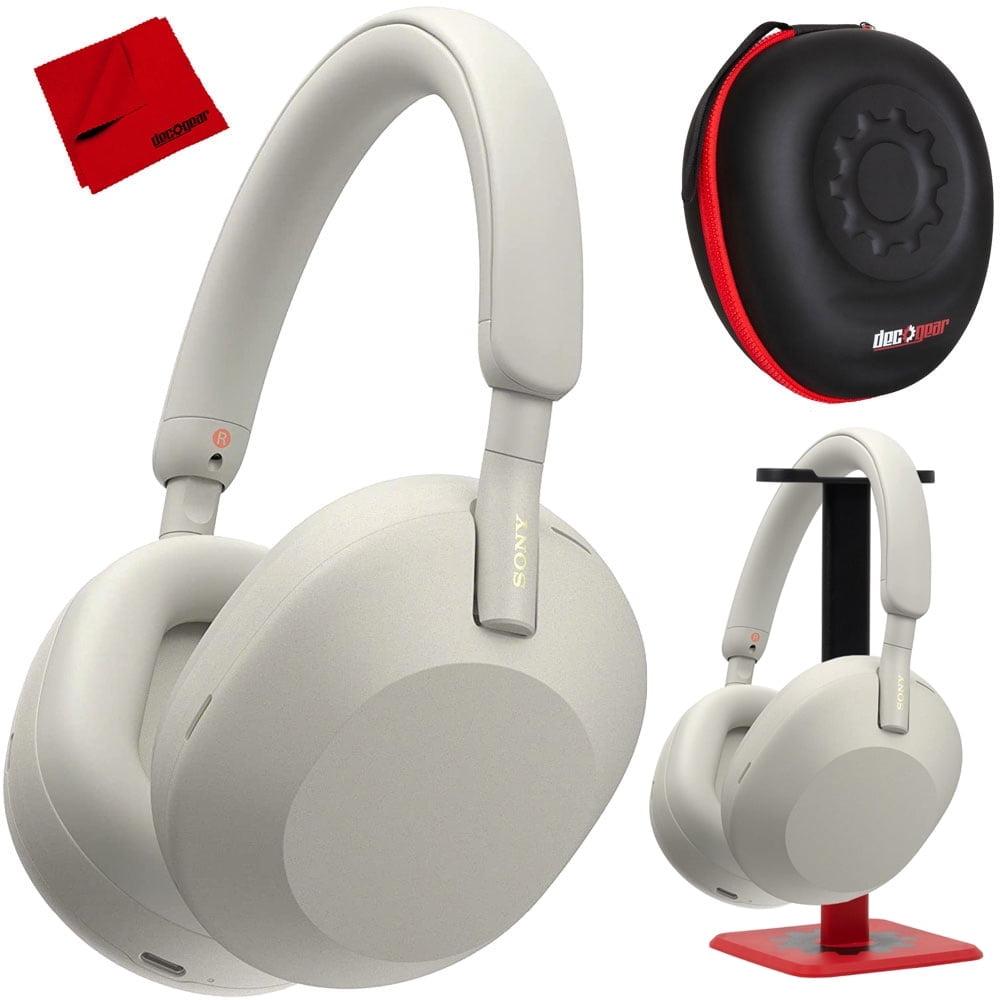
Sony took an interesting direction with the WH-1000XM5, completely redesigning the headphones from the ground up rather than simply updating the previous model. The most noticeable change is the sleek, non-folding design that prioritizes a modern aesthetic over compact portability. But the real improvements happen under the hood.
The WH-1000XM5 employs what Sony calls a "dual-processor system"—essentially two specialized computer chips working together. The Integrated Processor V1 handles the heavy lifting of noise cancellation, while the HD Noise Cancelling Processor QN1 focuses on audio processing. This tag-team approach allows the headphones to run eight microphones simultaneously (four on each ear cup) to create what Sony claims is their most effective noise cancellation yet.
What's particularly clever about Sony's system is the Auto NC Optimizer, which automatically adjusts noise cancellation based on factors you might not even think about. It considers atmospheric pressure changes (useful when flying), how the headphones fit on your specific head shape, and even ambient temperature. During my testing on various flights, I noticed the headphones would subtly adjust their cancellation as the plane climbed or descended, maintaining consistent performance without any manual intervention.
The audio quality showcases Sony's expertise in digital signal processing. The newly designed 30mm drivers (smaller than the previous 40mm drivers but more advanced) work with technologies like DSEE Extreme, which uses artificial intelligence to upscale compressed music files in real-time. If you're streaming Spotify or listening to older MP3 files, DSEE Extreme analyzes the audio and intelligently restores high-frequency details that were lost during compression.
Perhaps most importantly for audio enthusiasts, the WH-1000XM5 supports Sony's proprietary LDAC codec. While most Bluetooth headphones are limited to standard compression that reduces audio quality, LDAC can transmit roughly three times more data, delivering sound quality that approaches wired headphone performance. This matters significantly if you have high-quality music files or use streaming services that offer lossless audio.
Bose has always taken a different approach, focusing on doing fewer things exceptionally well rather than cramming in every possible feature. The QuietComfort Ultra represents this philosophy perfectly, introducing some genuinely innovative technology while maintaining the intuitive operation Bose is known for.
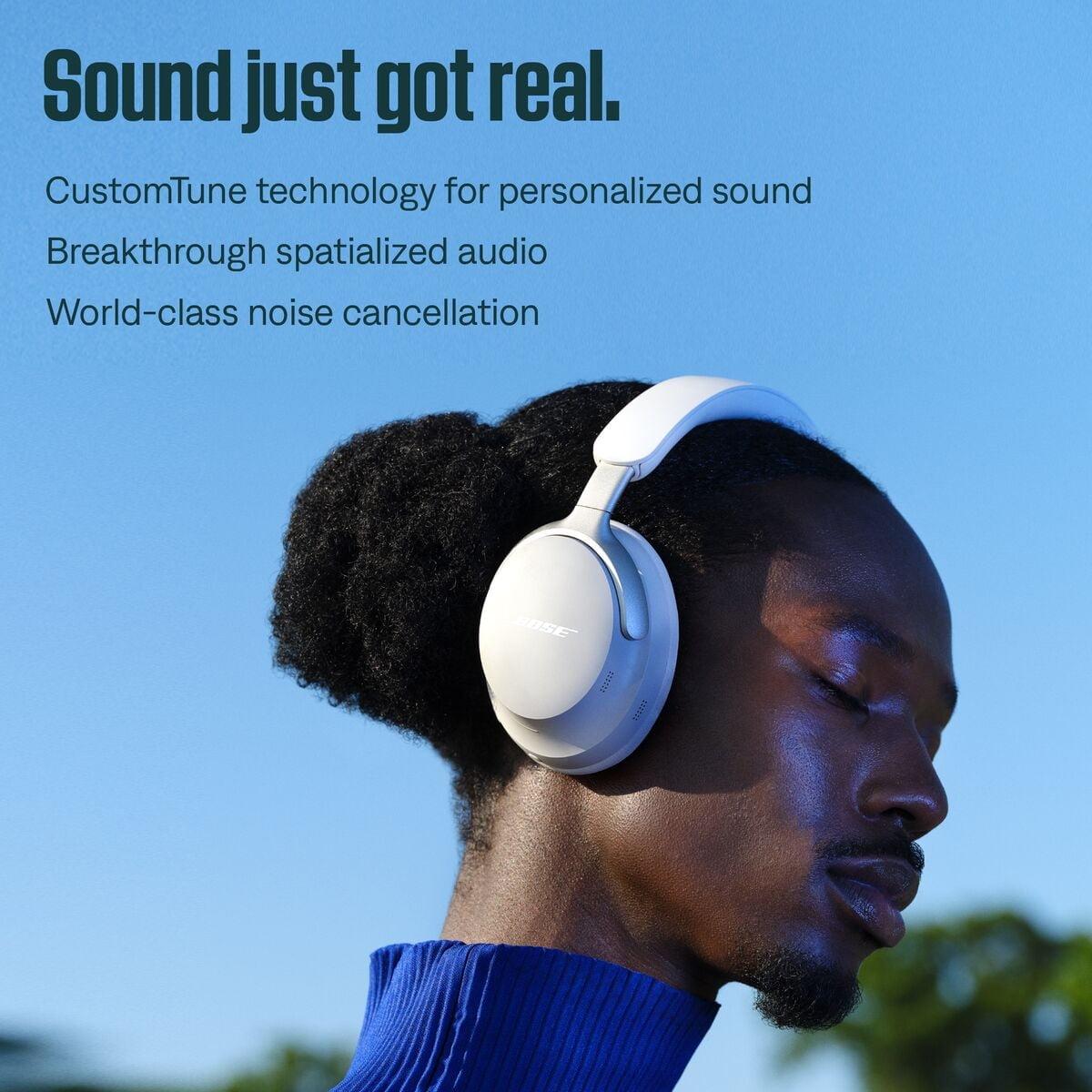
The headline feature is CustomTune technology, which sounds like marketing speak but actually represents a significant technical achievement. Every time you put on the headphones, internal microphones measure how sound bounces around inside your specific ear shape. The system then automatically adjusts both the audio output and noise cancellation to optimize for your unique anatomy. It's like having a personal audio engineer who tunes the headphones specifically for your ears every single time you use them.
Bose's noise cancellation has long been considered the gold standard, and the QuietComfort Ultra maintains that reputation while adding meaningful improvements. The system uses fewer microphones than Sony (the exact number isn't specified, but it's less than eight), yet somehow achieves more effective cancellation across a broader range of frequencies. This is particularly noticeable with mid and high-frequency sounds—conversations, keyboard clicking, air conditioning hums—that other headphones sometimes struggle with.
The transparency mode, which Bose calls "Aware Mode," deserves special mention. While most headphones make the outside world sound artificial or muffled when you want to hear your surroundings, Bose's implementation sounds remarkably natural. It's almost like the headphones disappear entirely, allowing normal conversation without removing them.
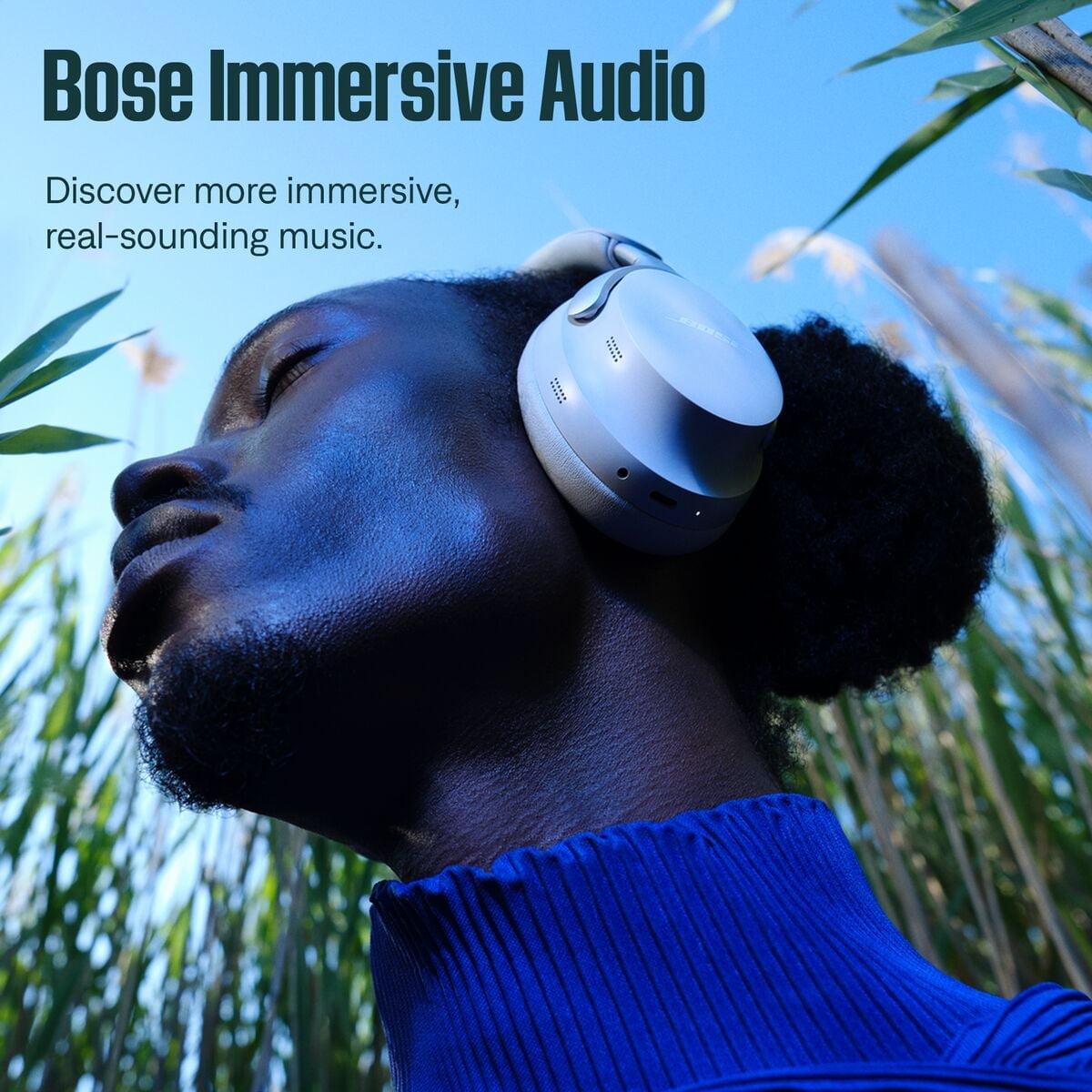
The QuietComfort Ultra also introduces Immersive Audio, Bose's take on spatial sound technology. Unlike simple surround sound simulation, this system uses head tracking to create a three-dimensional soundstage that moves with you. When watching movies or playing games, it genuinely feels like the audio is coming from specific locations in space rather than just left and right channels.
After extensive testing in various environments—airplane cabins, busy coffee shops, home offices near construction—both headphones deliver world-class noise cancellation, but with different strengths.
The Sony WH-1000XM5 absolutely dominates low-frequency noise. Airplane engines, subway rumbles, and air conditioning units virtually disappear. The eight-microphone array creates an incredibly effective barrier against consistent, droning sounds. Sony's system also offers 20 different levels of noise cancellation, allowing you to fine-tune the experience based on your environment and personal preference.
However, the Bose QuietComfort Ultra shows its sophistication with more complex, varied noise environments. While it matches Sony's performance against low-frequency sounds, it's noticeably better at handling mid and high-frequency interruptions. Conversations, phone notifications, and sudden noises are more effectively managed. The CustomTune system seems to make a real difference here—the personalized approach to noise cancellation creates a more complete isolation experience.
For transparency modes, Bose takes a clear lead. Sony's ambient mode, while functional, often makes external sounds seem processed or artificial. Bose's Aware Mode maintains much more natural sound quality, making it practical for situations where you need to stay aware of your surroundings without removing the headphones.
This is where personal preference becomes crucial, as both headphones deliver excellent audio quality but with distinctly different approaches.
The Sony WH-1000XM5 ships with a consumer-friendly sound signature that emphasizes bass and treble while slightly reducing midrange frequencies. Out of the box, this creates an exciting, energetic sound that makes music feel more dynamic. However, many users find the stock tuning somewhat muddy or lacking in detail. The good news is that Sony's companion app offers extensive equalization options, and with some adjustment (particularly reducing bass around 400Hz and 1kHz), the headphones transform into remarkably detailed, engaging performers.
The LDAC codec support is a genuine advantage for audio quality. When paired with compatible devices and high-quality source material, the difference is noticeable—more detail in complex passages, better instrument separation, and a more spacious soundstage. It's not a night-and-day difference, but for serious listeners, it's worth having.
The Bose QuietComfort Ultra takes a more refined approach from the start. The default sound signature is more balanced and natural, with better midrange clarity that makes vocals and lead instruments more present and detailed. Bass response is substantial but controlled, never overwhelming other frequencies. Most users will find the stock tuning immediately satisfying without needing adjustment.
Bose's Immersive Audio adds an interesting dimension, literally. When it works well—particularly with movies and some music—it creates a genuinely three-dimensional listening experience. However, it's somewhat hit-or-miss depending on the content, and it does reduce battery life when enabled.
For home theater use, both headphones excel but for different reasons. The Sony's LDAC support makes it excellent for high-quality movie soundtracks when connected to compatible devices, while the Bose's Immersive Audio creates a more cinematic experience for movies and games, even from standard Bluetooth sources.
After wearing both headphones for hours at a time, the comfort differences become apparent. The Bose QuietComfort Ultra simply feels more premium and comfortable. The plush protein leather ear cushions distribute pressure evenly, and the headband padding prevents the top-of-head discomfort that can develop during long sessions. The build quality inspires confidence with metal reinforcements in key stress points.
The Sony WH-1000XM5 is lighter at 250 grams, which sounds like an advantage, but the thinner ear pads and less sophisticated weight distribution can create pressure points during extended use. The all-plastic construction, while modern-looking, feels less substantial and has raised durability concerns among some users, particularly around the hinge mechanism.
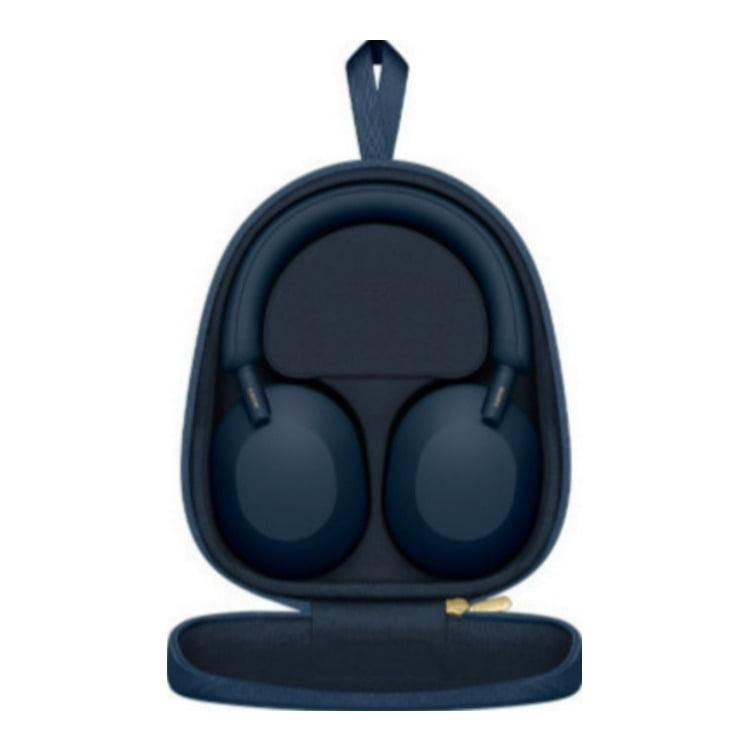
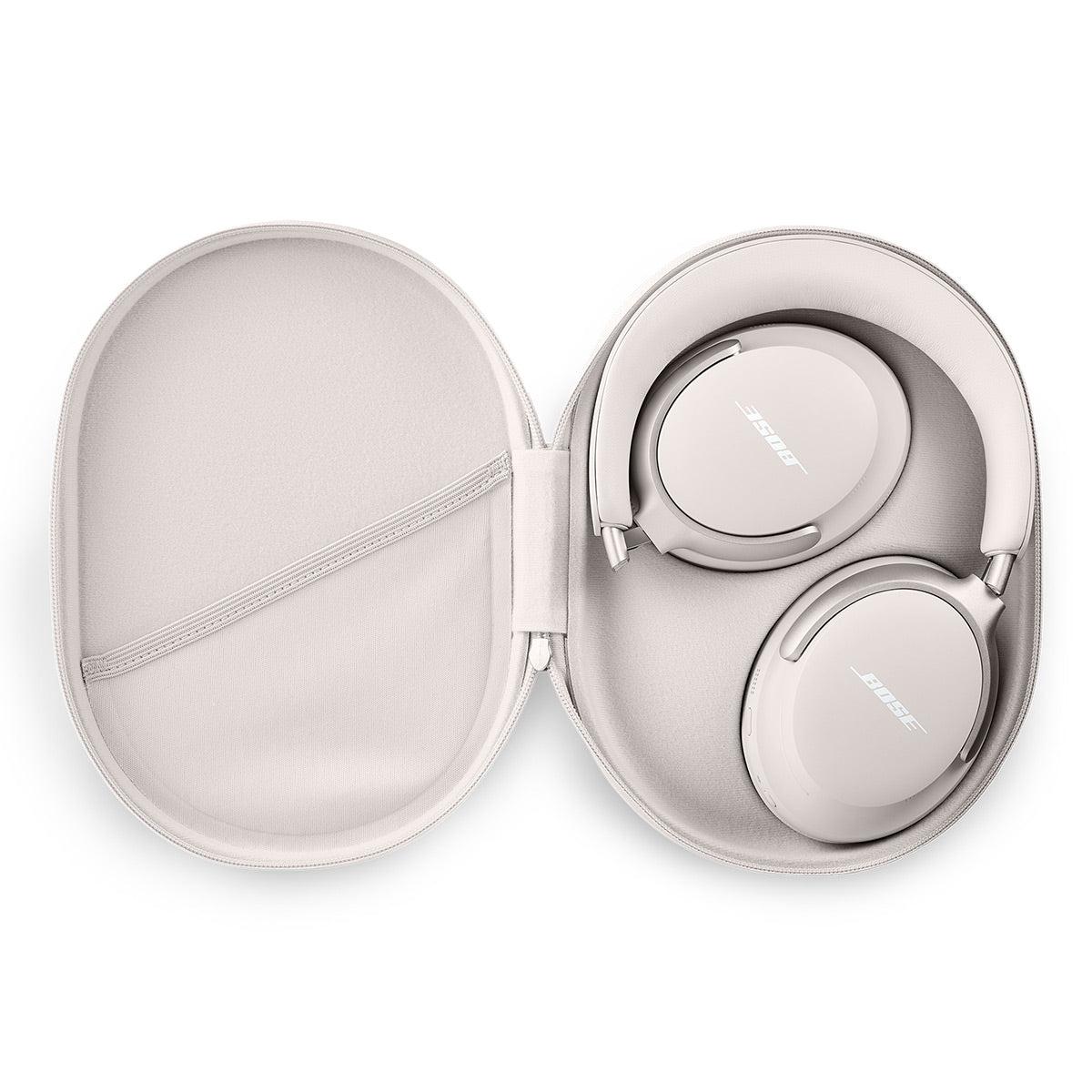
The Sony's non-folding design is a double-edged sword. It looks sleek and modern, but it makes the headphones less portable than the Bose, which folds compactly for travel.
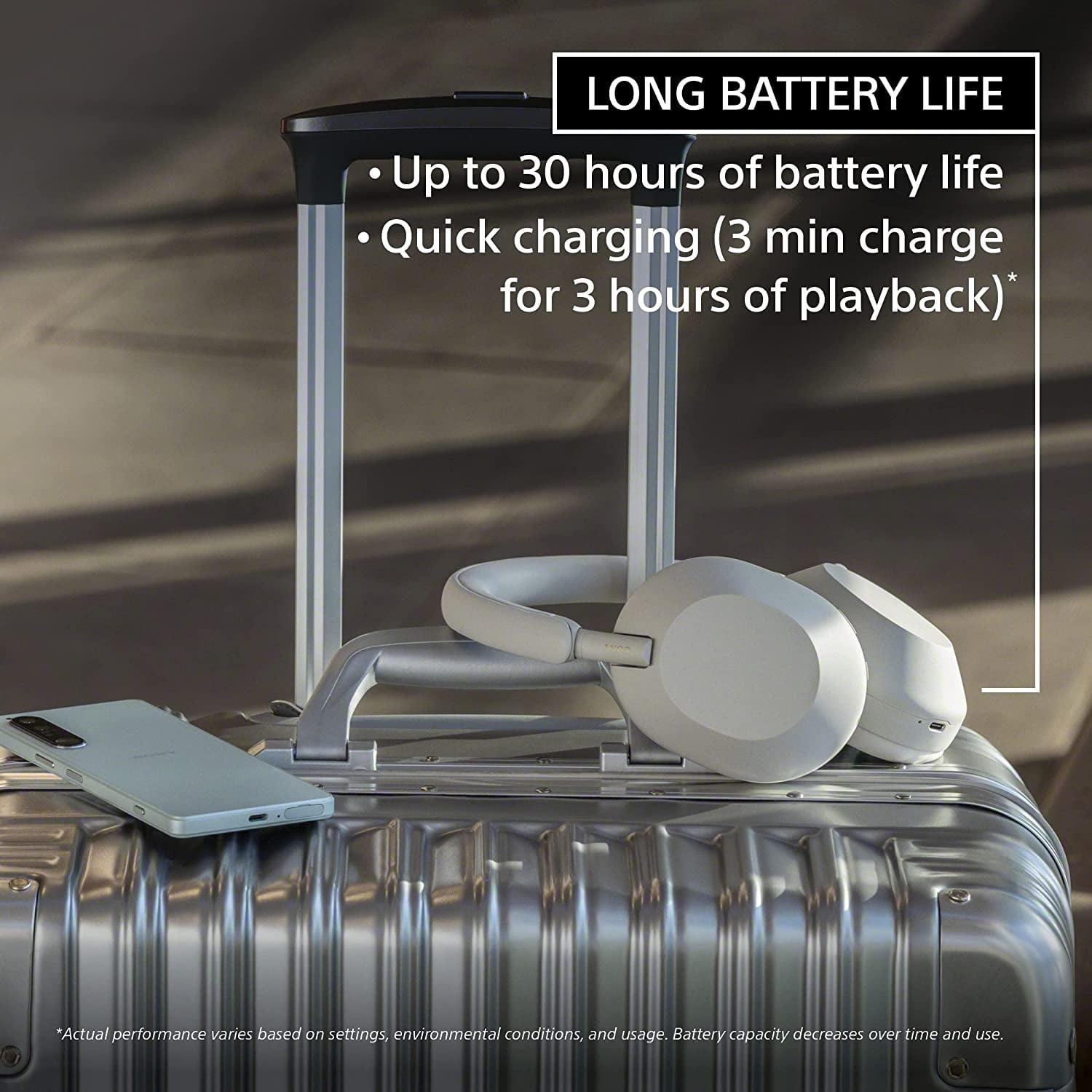
Battery life represents one of Sony's clearest advantages. The WH-1000XM5 delivers up to 30 hours of playback with noise cancellation enabled, compared to 24 hours from the QuietComfort Ultra. That six-hour difference might not matter for daily use, but it's significant for long travel days or users who prefer charging less frequently.
Both headphones support fast charging—Sony provides 3 hours of playback from a 3-minute charge, while Bose offers 2.5 hours from a 15-minute charge. Both use USB-C for charging, which is convenient for modern device ecosystems.
Connectivity features are largely comparable. Both support multipoint Bluetooth, allowing connection to two devices simultaneously for seamless switching between phone and computer audio. Both work with voice assistants and offer companion apps for customization.
The codec support differs meaningfully. Sony supports LDAC, AAC, and SBC, providing the highest possible wireless audio quality with compatible devices. Bose supports aptX Adaptive, AAC, and SBC—still excellent, but without the same high-resolution potential as LDAC.
For frequent travelers, both headphones excel, but the Bose QuietComfort Ultra edges ahead due to superior overall noise cancellation, better build quality, and more comfortable fit for long flights. The folding design also makes it more practical for carry-on luggage.
Office workers might prefer the Sony WH-1000XM5 for its superior call quality—the four dedicated beamforming microphones with Precise Voice Pickup technology provide clearer voice transmission during video calls. The longer battery life is also beneficial for all-day office use.
Music enthusiasts should consider their listening habits. If you enjoy tweaking audio settings and have access to high-quality source material, Sony's LDAC support and extensive EQ options provide more potential for customization. If you prefer excellent sound quality without adjustment, Bose's more refined default tuning is immediately satisfying.
For home theater applications, both work well, but the choice depends on your setup. Sony's LDAC support benefits users with compatible home theater receivers, while Bose's Immersive Audio creates a more cinematic experience regardless of the source device.
Choose the Sony WH-1000XM5 ($398) if you prioritize battery life, extensive customization options, and the highest possible wireless audio quality. It's ideal for users who enjoy fine-tuning their audio experience and don't mind spending time optimizing settings. The superior call quality also makes it better for business use, and the lower price provides better value for feature-conscious buyers.
Choose the Bose QuietComfort Ultra ($449) if comfort, build quality, and immediate satisfaction are your primary concerns. It's perfect for users who want premium performance without tweaking settings, superior noise cancellation across all frequency ranges, and the most comfortable fit for extended listening sessions. The innovative CustomTune and Immersive Audio features also provide capabilities you simply can't get elsewhere.
Both headphones represent excellent value in the premium segment, but they serve different types of users. The Sony rewards those willing to invest time in customization, while the Bose provides exceptional out-of-the-box performance with premium materials and construction. Your choice ultimately depends on whether you prefer a feature-rich, customizable experience or refined simplicity with superior comfort and build quality.
| Sony WH-1000XM5 ($398) | Bose QuietComfort Ultra ($449) |
|---|---|
| Active Noise Cancellation - Core feature for blocking distractions | |
| 8 microphones with dual-processor system, 20 adjustable levels, excels at low-frequency noise | CustomTune personalized ANC, superior mid/high-frequency blocking, more natural transparency mode |
| Audio Quality - What your music will actually sound like | |
| Bass-heavy out of box, requires EQ tweaking, LDAC support for hi-res wireless audio | Balanced, detailed sound from start, no LDAC but natural tuning preferred by most listeners |
| Battery Life - How long between charges | |
| 30 hours (ANC on), 40 hours (ANC off) - industry leading | 24 hours (ANC on), 18 hours with Immersive Audio - adequate but shorter |
| Comfort & Build Quality - Critical for extended wear | |
| 250g lightweight, plastic construction, durability concerns with hinges | Premium materials, plush cushions, metal reinforcement, foldable design |
| Codec Support - Determines maximum audio quality | |
| LDAC, AAC, SBC (best wireless audio quality available) | aptX Adaptive, AAC, SBC (excellent but no hi-res option) |
| Special Features - Unique capabilities that set them apart | |
| DSEE Extreme upscaling, Speak-to-Chat, 8-mic call quality | Immersive Audio with head tracking, CustomTune ear optimization, superior transparency |
| Call Quality - Important for work and video calls | |
| 4 dedicated beamforming mics, Precise Voice Pickup (industry leading) | Good quality but less advanced than Sony's system |
| Price & Value - What you get for your money | |
| $398 - better value for tech enthusiasts who want customization | $449 - premium for comfort and build quality, worth it for frequent travelers |
Both offer excellent noise canceling, but they excel in different areas. The Sony WH-1000XM5 dominates low-frequency noise like airplane engines and air conditioning with its 8-microphone system. The Bose QuietComfort Ultra provides superior overall noise canceling across all frequencies, especially mid and high-frequency sounds like conversations and office noise. Bose also offers a more natural-sounding transparency mode when you need to hear your surroundings.
The Bose QuietComfort Ultra delivers more balanced, detailed sound out of the box that most people prefer immediately. The Sony WH-1000XM5 has a bass-heavy sound signature that requires EQ adjustments to reach its full potential, but it supports LDAC codec for the highest wireless audio quality when paired with compatible devices and high-resolution music files.
The Sony WH-1000XM5 offers significantly longer battery life at 30 hours with noise canceling on, compared to 24 hours from the Bose QuietComfort Ultra. This 6-hour difference makes Sony better for long travel days or users who prefer charging less frequently. Both support fast charging via USB-C.
The Bose QuietComfort Ultra is notably more comfortable with plush protein leather cushions, better weight distribution, and superior headband padding. While the Sony WH-1000XM5 is lighter at 250 grams, its thinner ear pads can create pressure points during extended wear. Bose's comfort advantage becomes significant during flights or all-day use.
The Sony WH-1000XM5 offers superior call quality with four dedicated beamforming microphones and Precise Voice Pickup technology that isolates your voice from background noise. The Bose QuietComfort Ultra provides good call quality but isn't as advanced as Sony's system, making Sony the better choice for frequent business calls or video conferences.
The Bose QuietComfort Ultra is better for travel due to its superior overall noise canceling, more comfortable fit for long flights, and foldable design that packs more compactly. The Sony WH-1000XM5 has longer battery life which is beneficial for travel, but its non-folding design makes it less portable and the build quality raises durability concerns.
The Sony WH-1000XM5 costs $398 while the Bose QuietComfort Ultra is priced at $449, making Sony $51 less expensive. The price difference reflects Sony's focus on features and customization versus Bose's emphasis on premium materials and build quality.
Both work well for home theater, but serve different needs. The Sony WH-1000XM5 excels with LDAC support for high-quality movie soundtracks when connected to compatible devices. The Bose QuietComfort Ultra offers Immersive Audio with head tracking that creates a more cinematic, three-dimensional experience for movies and games, even from standard Bluetooth sources.
The Bose QuietComfort Ultra has superior build quality with metal reinforcements, premium materials, and a more robust construction that inspires confidence. The Sony WH-1000XM5 uses primarily plastic construction that feels less substantial, and some users have reported durability concerns with the hinge mechanism over time.
Yes, both the Sony WH-1000XM5 and Bose QuietComfort Ultra support multipoint Bluetooth connectivity, allowing you to connect to two devices simultaneously. This lets you seamlessly switch between your phone and computer audio without manually reconnecting each time.
Audiophiles who enjoy customization will prefer the Sony WH-1000XM5 for its LDAC high-resolution codec support, extensive EQ options, and DSEE Extreme upscaling technology. However, the Bose QuietComfort Ultra offers more refined, naturally balanced sound that many listeners prefer without any tweaking, plus innovative CustomTune technology that personalizes audio to your ear shape.
Choose the Sony WH-1000XM5 if you prioritize longer battery life, extensive customization features, superior call quality, and want the best wireless audio quality with LDAC support. Choose the Bose QuietComfort Ultra if you value premium comfort, superior build quality, better overall noise canceling, and prefer excellent sound without needing to adjust settings.
We've done our best to create useful and informative comparisons to help you decide what product to buy. Our research uses advanced automated methods to create this comparison and perfection is not possible - please contact us for corrections or questions. These are the sites we've researched in the creation of this article: rtings.com - audiosciencereview.com - techradar.com - audio46.com - recordingnow.com - electronics.sony.com - theabsolutesound.com - soundguys.com - soundguys.com - headphonesaddict.com - sony.com - sony.com - sony-mea.com - fullspecs.net - bhphotovideo.com - sony.com - helpguide.sony.net - headphones.com - androidpolice.com - sony.co.id - moon-audio.com - sony.com - bestbuy.com - sonylatvija.com - techradar.com - whathifi.com - whathifi.com - whathifi.com - tomsguide.com - youtube.com - stereoguide.com - youtube.com - soundguys.com - soundguys.com - bose.com - headphonecheck.com - bose.com - cnet.com - bhphotovideo.com - boselatam.com - rtings.com - bestbuy.com - assets.bose.com - bose.com - bose.com.au - bose.com - boseapac.com

Privacy Policy
Terms and Conditions - Affiliate Policy
Home Security
© Copyright 2008-2026.
11816 Inwood Rd #1211, Dallas, TX 75244