

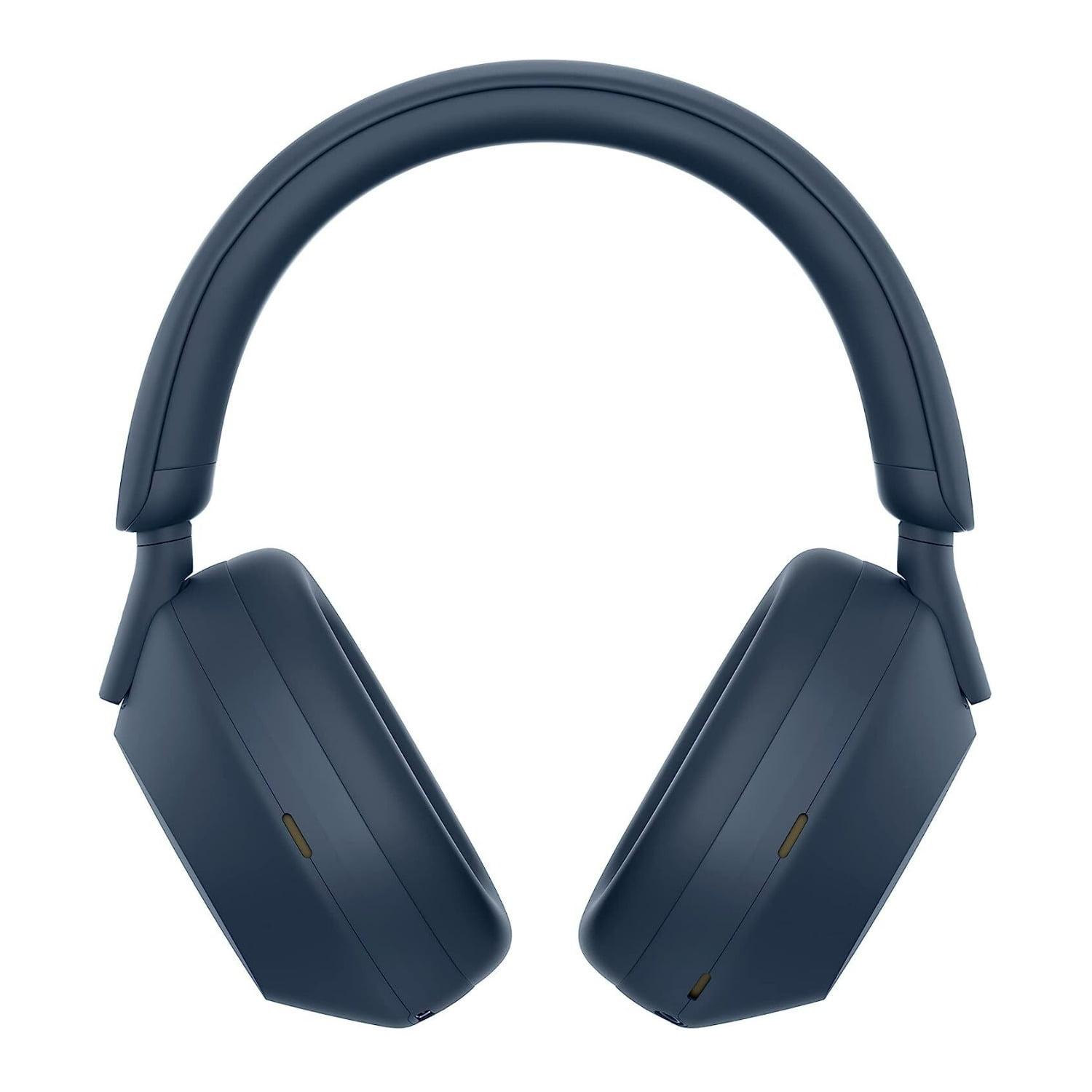

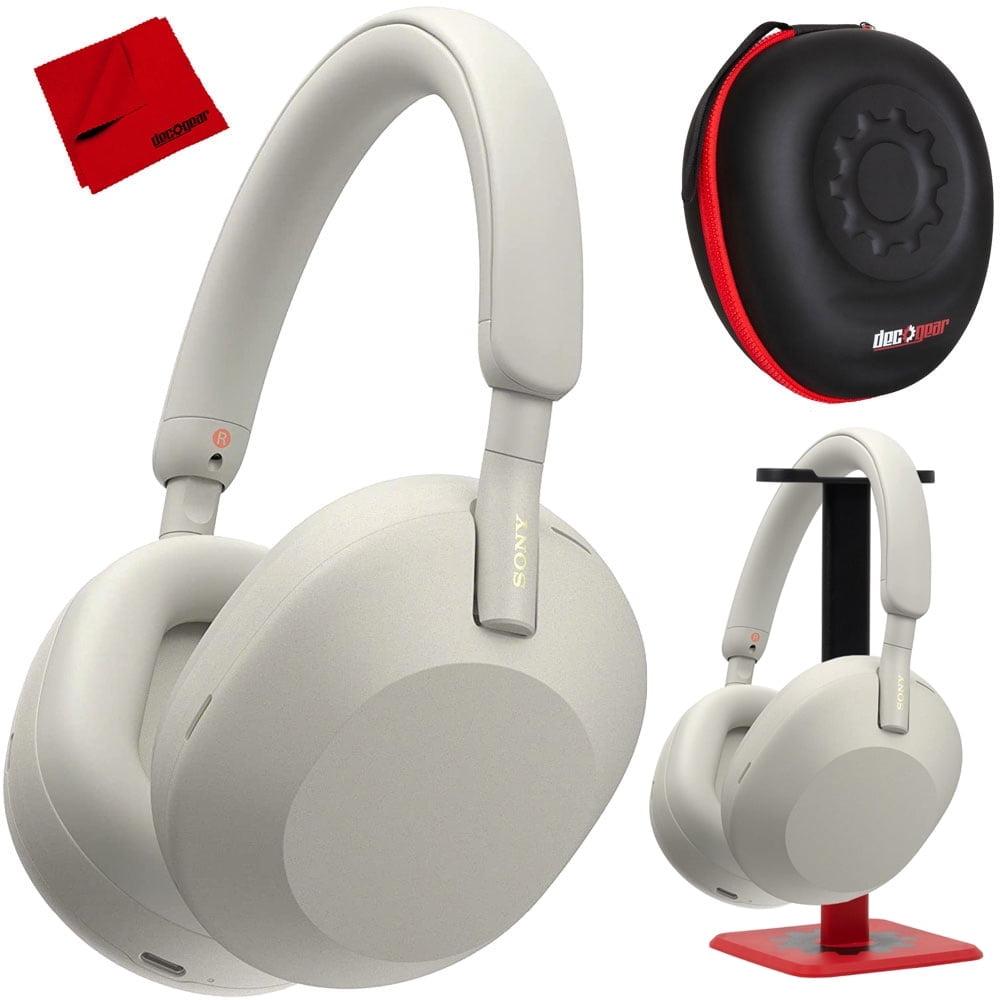

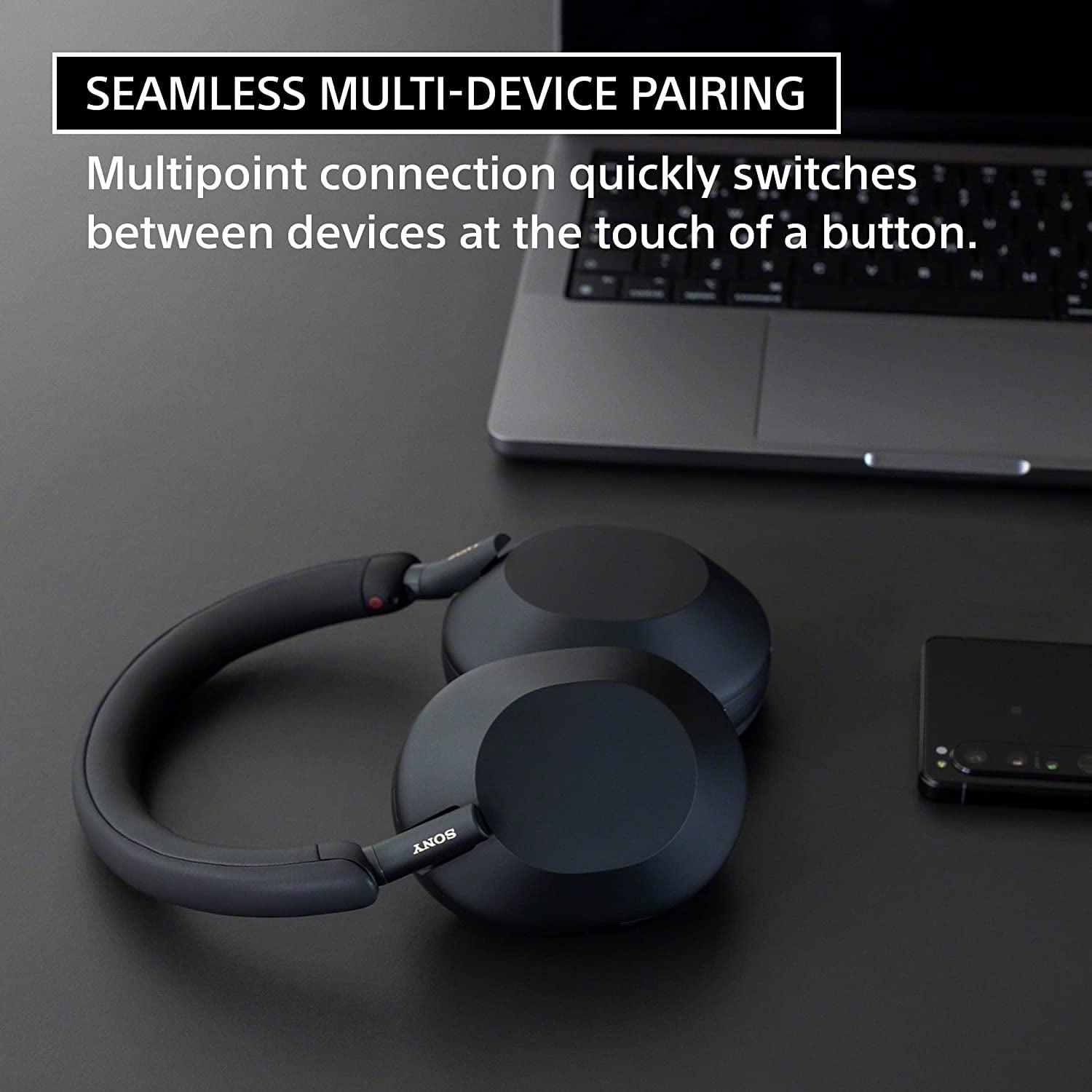
When you're shopping for premium wireless noise-canceling headphones, two names consistently rise to the top of every recommendation list: the Focal Bathys ($849) and the Sony WH-1000XM5 ($398). But here's the thing—these headphones represent completely different philosophies about what makes great audio gear. One prioritizes pure sound quality above everything else, while the other focuses on delivering the best overall package for most people.
I've spent considerable time with both headphones, and the choice between them really comes down to understanding what you value most. Let me walk you through everything you need to know to make the right decision for your needs and budget.
Before diving into the comparison, it's worth understanding what makes these headphones "premium." We're talking about products that combine high-fidelity audio drivers (the speakers inside the headphones), active noise cancellation (ANC) technology that uses microphones and processing to cancel out external sounds, and wireless connectivity through Bluetooth codecs (compression methods that maintain audio quality over wireless connections).
The key considerations when choosing between premium models are sound quality, noise cancellation effectiveness, build quality and comfort, battery life, and overall value. Both the Focal Bathys and Sony WH-1000XM5 excel in different areas, which is exactly why this comparison matters so much.
The Sony WH-1000XM5 launched in May 2022 as Sony's flagship noise-canceling headphones, replacing the popular XM4 model. Sony has been refining their ANC technology for years, and the XM5 represents the culmination of that expertise with their most advanced noise cancellation system yet.
The Focal Bathys arrived later in 2022, marking Focal's first serious entry into the wireless ANC market. This French audio company has built their reputation on high-end wired headphones and professional studio monitors, so the Bathys represents their attempt to bring that audiophile expertise to the convenience of wireless listening.
Since their releases, both headphones have received firmware updates that have improved performance. The Sony XM5 has seen enhancements to its adaptive sound control and call quality, while the Focal Bathys has refined its ANC algorithms and added new EQ presets through their companion app.
This is where the fundamental difference between these headphones becomes crystal clear. The Focal Bathys approaches sound reproduction like a high-end audio component, while the Sony WH-1000XM5 takes a more consumer-friendly approach that appeals to broader listening preferences.
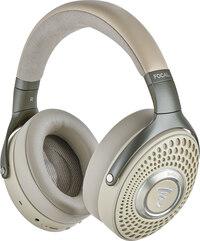
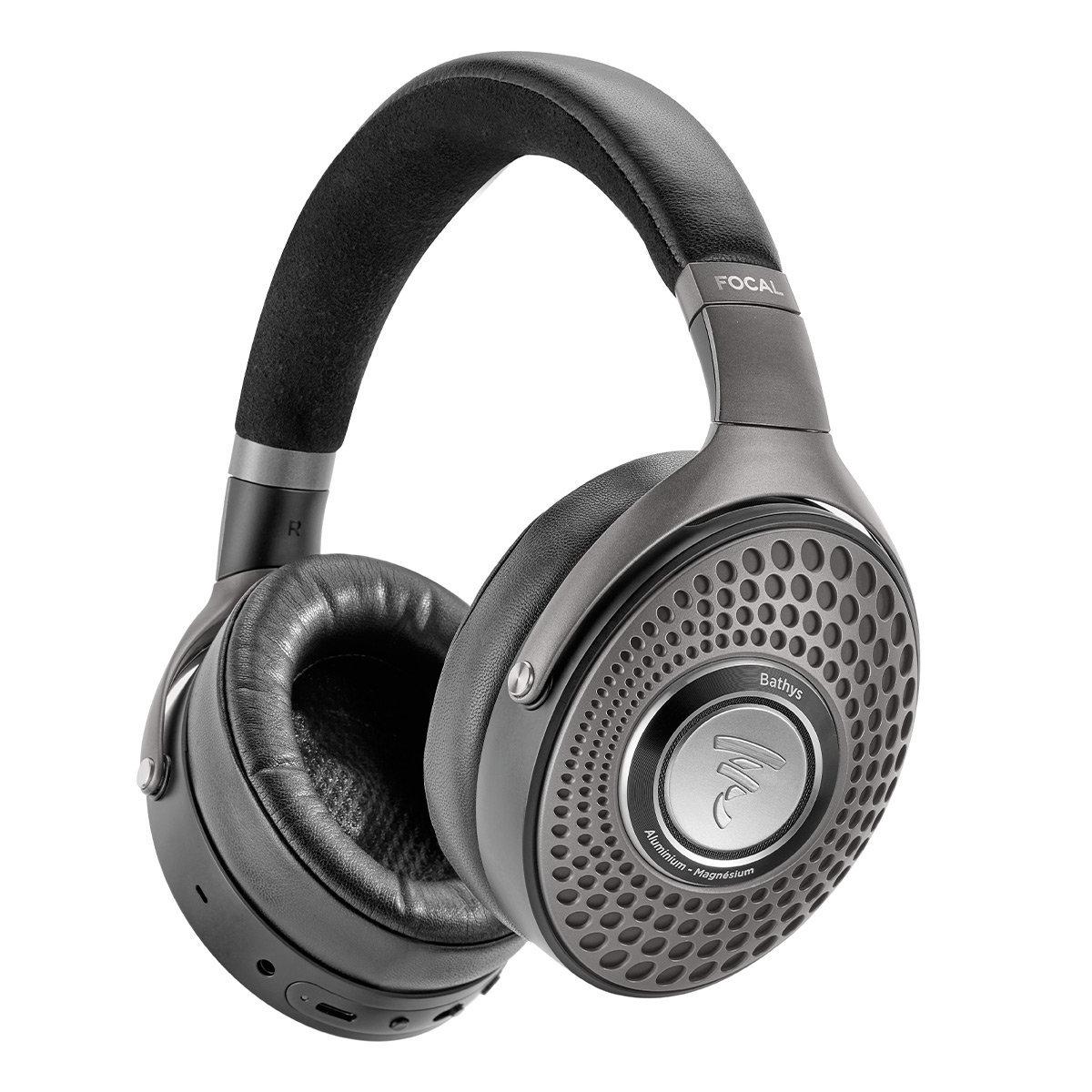
The Bathys uses 40mm aluminum-magnesium drivers with Focal's signature 'M'-shaped dome design. These drivers are actually manufactured in Focal's French facility—the same place where they make their thousand-dollar studio monitors. The aluminum-magnesium alloy combines the rigidity of aluminum (which reduces distortion) with the damping properties of magnesium (which smooths out harsh frequencies).
What does this mean for your listening experience? The Bathys delivers what I'd call "reference-quality" sound. When I listen to something like Pink Floyd's "Time," the separation between instruments is remarkable—you can distinctly hear the placement of each element in the soundstage (the three-dimensional space where instruments appear to be positioned). The bass is tight and controlled rather than boomy, the midrange where vocals live is clear and natural, and the treble extends cleanly without becoming harsh.
The unique feature that sets the Bathys apart is its USB-DAC mode. When connected via USB-C to your computer or phone, it can process digital audio files up to 24-bit/192kHz resolution—that's far beyond CD quality and approaches studio master quality. This bypasses the limitations of Bluetooth compression entirely, essentially turning your headphones into a high-end wired system when you need the absolute best sound quality.
The Sony XM5 uses smaller 30mm drivers, but don't let the size fool you. Sony has engineered these with a soft TPU (thermoplastic polyurethane) edge that actually helps with both sound quality and noise cancellation. The drivers feature a carbon fiber composite dome that's both lightweight and rigid.
Sony's approach to sound is what I'd call "immediately pleasing." There's a noticeable bass boost that makes electronic music and hip-hop sound exciting and engaging. The company's DSEE Extreme technology uses AI processing to upscale compressed music files in real-time, adding back some of the detail lost during compression. When streaming Spotify or Apple Music, this makes a real difference in perceived clarity.
The sound signature is warmer and more energetic than the Bathys. While this means less absolute accuracy, it also means most music sounds more engaging right out of the box. The Sony app also provides extensive EQ customization, so you can adjust the sound to your preferences.
In pure audio fidelity terms, the Focal Bathys wins decisively. The larger drivers, premium materials, and neutral tuning deliver superior detail retrieval, more accurate imaging, and better dynamic range (the difference between quiet and loud sounds). However, the Sony XM5 delivers about 85% of that performance while being significantly more accessible and user-friendly.
For home theater use, both headphones work well, but the Bathys excels when connected via USB to your TV or receiver's USB port. The USB-DAC mode means you're getting uncompressed audio directly from your source, which is particularly beneficial for high-quality movie soundtracks and concert recordings.
This is where the roles reverse completely. Sony has been perfecting ANC technology for over a decade, and the WH-1000XM5 represents their most advanced system yet.
The Sony XM5 uses a dual-processor system: the Integrated Processor V1 handles the noise cancellation calculations, while the HD Noise Cancelling Processor QN1 manages the audio processing. Eight microphones—four on each ear cup—constantly monitor your environment. The system analyzes this information and generates "anti-noise" sound waves that cancel out unwanted sounds.
What impressed me most about Sony's system is its adaptability. The Auto NC Optimizer automatically adjusts the noise cancellation based on factors like how the headphones fit on your head, changes in air pressure (like during flights), and even the type of noise in your environment. On airplanes, it's remarkably effective at eliminating that constant engine drone. In coffee shops, it significantly reduces background chatter while still allowing important sounds like announcements to come through.
The Bathys also uses eight microphones and offers three ANC modes: Silent (maximum cancellation), Soft (gentler reduction for quiet environments), and Transparency (lets ambient sound through). While the system is competent and certainly reduces environmental noise, it simply can't match Sony's processing power and refinement.
The difference is most noticeable in challenging environments. On a busy street or in a noisy office, the Sony XM5 provides a noticeably quieter experience. The Bathys will reduce noise, but you'll still be more aware of your surroundings.
For daily commuting, frequent flying, or working in noisy environments, this difference matters significantly. The Sony XM5 essentially creates a bubble of silence that lets you focus entirely on your music or calls. While the Bathys offers good noise reduction, it's clearly a secondary feature rather than a primary focus.
Both headphones feel premium, but they achieve this through different approaches.
The Bathys screams luxury from the moment you pick them up. The magnesium yokes feel substantial, the genuine leather headband is supple and well-crafted, and the microfiber ear pads are plush. The aluminum construction gives them a solid, high-end feel that justifies their premium positioning.
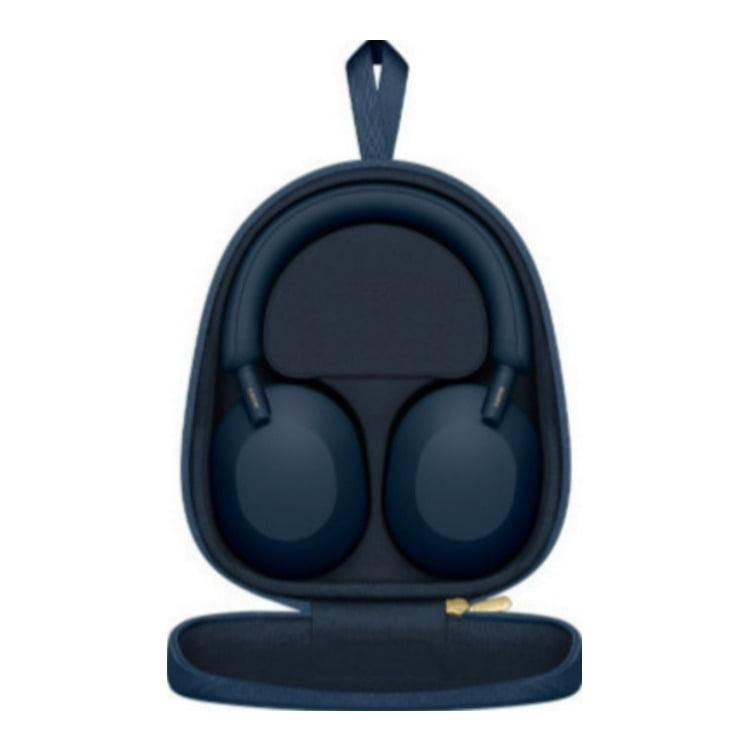
However, this premium construction comes with trade-offs. At 350 grams, they're noticeably heavier than the Sony. During extended listening sessions, this weight can become fatiguing. The headphones also don't fold, which makes them less travel-friendly despite the included rigid carrying case.
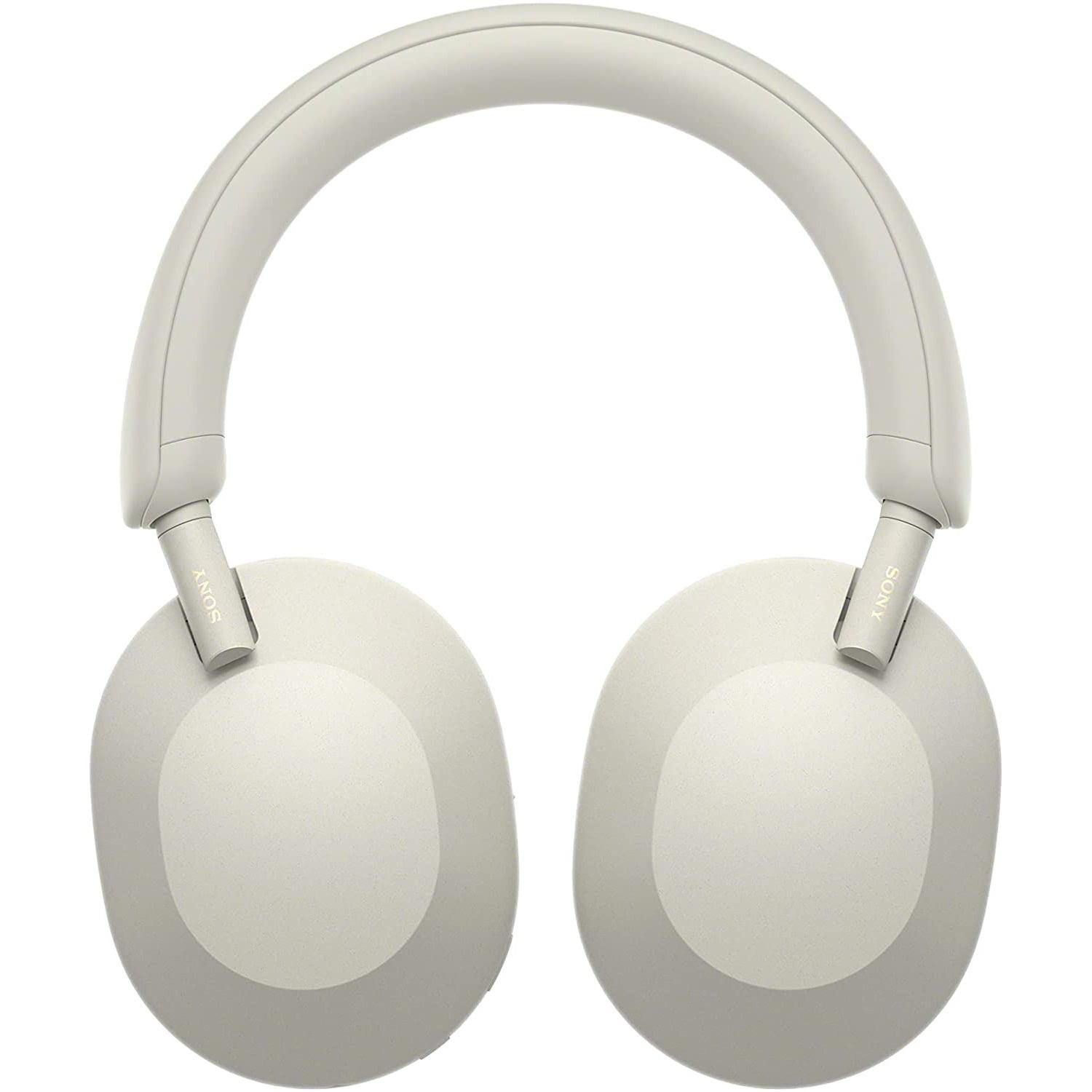
The Sony XM5 prioritizes practical comfort over luxury materials. At 250 grams, they're 100 grams lighter than the Bathys—a difference you definitely notice during long listening sessions. The synthetic leather ear pads are comfortable and breathable, and the overall design distributes weight evenly.
The touch controls on the right ear cup work intuitively—swiping forward/backward skips tracks, up/down adjusts volume, and tapping pauses playback. After using both headphones extensively, I find Sony's control system more reliable and easier to use.
Both headphones are well-built, but there are some concerns worth noting. The Bathys feels more robust thanks to its metal construction, but the non-folding design could be problematic for travel. The Sony XM5 has some flex in the hinges that initially worried me, but they've held up well over months of use.
Both headphones deliver excellent battery performance, though with slightly different strengths.
The Focal Bathys provides up to 30 hours with ANC enabled (35 hours in wired mode), and charges remarkably quickly—just 1.5 hours for a full charge. A 15-minute quick charge gives you 5 additional hours of playback.
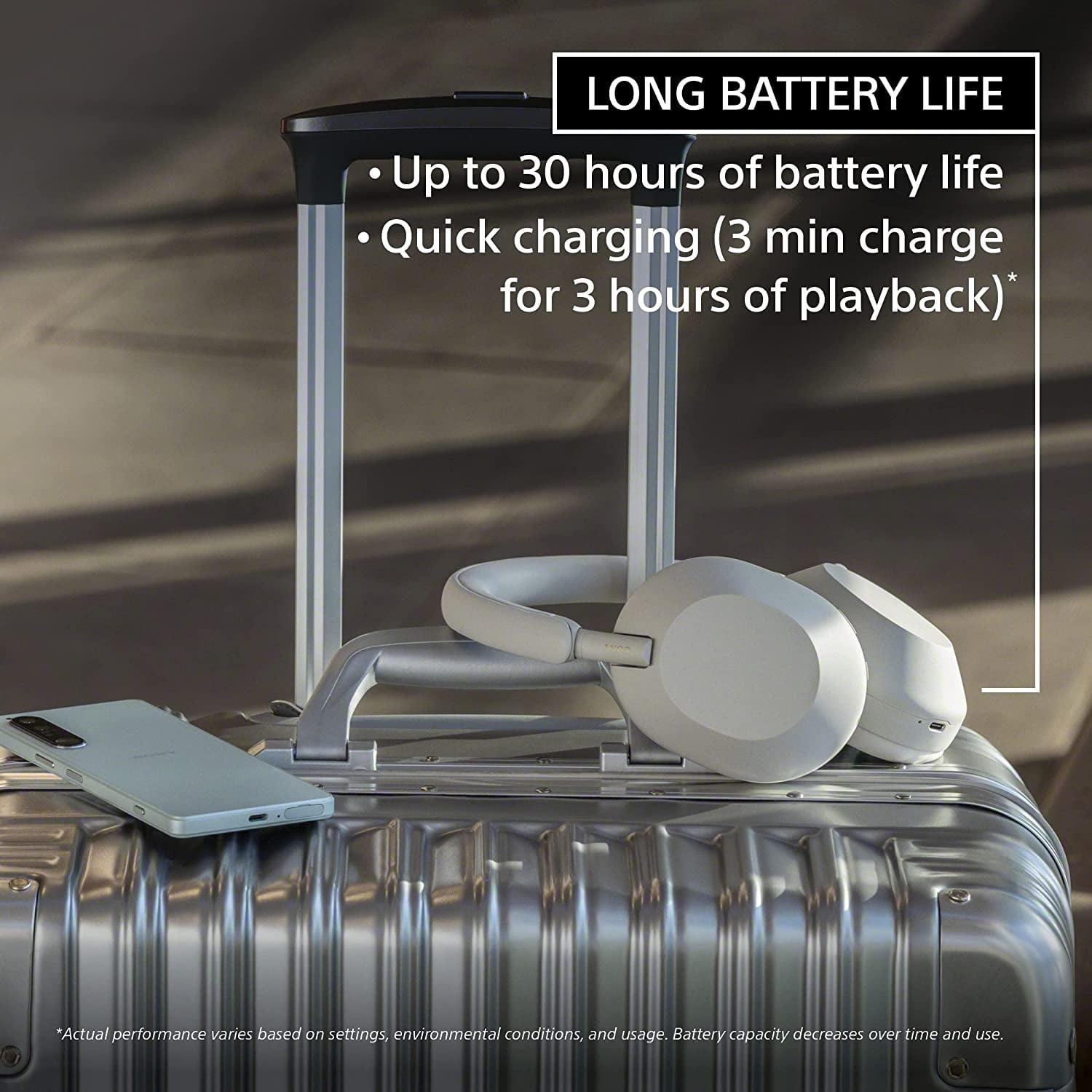
The Sony XM5 offers similar runtime at 30 hours with ANC on, extending to 40 hours with ANC disabled. However, charging takes longer at 3.5 hours for a full charge. The quick charge feature provides 3 hours of playback from just 3 minutes of charging when using a compatible USB-PD charger.
Both headphones support Bluetooth multipoint connectivity, allowing you to connect to two devices simultaneously—incredibly useful for switching between your phone and laptop. The Bathys uses Bluetooth 5.1 while the Sony XM5 uses the newer 5.2 standard, though in practical use, both provide stable connections.
The Sony XM5 supports LDAC codec, which transmits approximately three times more data than standard Bluetooth audio. This makes a noticeable difference when streaming high-quality music from compatible sources like Android phones or LDAC-enabled music players.
The Bathys' unique USB-DAC mode is worth emphasizing again. When connected via USB-C, it becomes a high-quality digital-to-analog converter, processing audio up to 24-bit/192kHz. This is particularly valuable for home theater setups where you can connect directly to your receiver or TV's USB port for uncompressed audio.
Sony's companion app is comprehensive and user-friendly. It offers detailed EQ customization with multiple presets, adaptive sound control that changes settings based on your location and activity, and even a hearing test that customizes the sound profile based on your specific hearing characteristics. The app also handles firmware updates seamlessly.
One feature I particularly appreciate is the ability to adjust the noise cancellation level in real-time. Sometimes you want maximum isolation, other times you need to be aware of announcements or conversations.
Focal's app is simpler but still effective. It provides EQ adjustments, allows you to switch between ANC modes, and includes the Mimi Hearing test for personalized sound tuning. The app is less feature-rich than Sony's, but it covers the essentials well.
Here's where the decision becomes really interesting. The Focal Bathys at $849 costs more than double the Sony WH-1000XM5 at $398. Is the difference in sound quality worth that premium?
The $451 price difference reflects genuine performance gaps in specific areas. The Bathys delivers superior sound quality, premium materials, and unique features like USB-DAC mode. However, the Sony XM5 excels in noise cancellation, practical features, and overall user experience while delivering very good sound quality.
For most users, the Sony XM5 represents exceptional value. You get industry-leading noise cancellation, excellent sound quality, comprehensive features, and proven reliability at a price that, while not cheap, is accessible to many more buyers.
The Bathys targets a specific audience: serious audio enthusiasts who prioritize sound quality above all else and have the budget to match their priorities.
Both headphones work well for home theater use, but with different strengths. The Bathys excels when you can use the USB-DAC mode, connecting directly to your TV, receiver, or streaming device's USB port. This provides uncompressed audio that's particularly beneficial for high-quality movie soundtracks and concert films.
The Sony XM5 is more practical for late-night viewing when you need to avoid disturbing others. The superior noise cancellation works in reverse—it prevents your audio from leaking out while also blocking external distractions.
For gaming, both headphones introduce some latency (delay) in wireless mode, though the Bathys USB-DAC mode eliminates this issue entirely when connected to a PC or compatible gaming device.
After extensive use with both headphones, here's my practical advice for choosing between them:
Choose the Focal Bathys if:
Choose the Sony WH-1000XM5 if:
Having lived with both headphones, I find myself reaching for the Sony WH-1000XM5 more often. While I can hear the superior sound quality of the Bathys in direct comparisons, the Sony's combination of excellent sound, superior noise cancellation, lighter weight, and practical features makes it the better choice for my daily use.
The Bathys shines in dedicated listening sessions at home, especially when connected via USB for the best possible sound quality. But the Sony XM5 is the headphone I grab for flights, coffee shop work sessions, and general daily use.
For most people, the Sony WH-1000XM5 offers the sweet spot of performance, features, and value. Unless you're specifically seeking audiophile-grade sound quality and can justify the premium pricing, the Sony delivers everything you need in a premium wireless headphone at a much more accessible price point.
The choice ultimately comes down to your priorities and budget. Both are excellent headphones that excel in their intended roles—it's just a matter of determining which role better matches your needs.

Privacy Policy
Terms and Conditions - Affiliate Policy
Home Security
© Copyright 2008-2026.
11816 Inwood Rd #1211, Dallas, TX 75244